As geopolitical tensions in West Asia disrupt global energy confidence, Indian households are beginning to rethink one of their most fundamental consumption choices—how they cook. Concerns over potential LPG and PNG supply disruptions have triggered a rapid shift toward electric cooking appliances, from induction cooktops to air fryers. What started as a precautionary response is now evolving into a deeper structural transition, driven by favourable economics, improved electricity access, and changing lifestyle preferences. However, this shift is not without consequences. While electric cooking offers efficiency and energy security, its rapid adoption is also set to significantly alter India’s power demand profile, raising important questions around grid resilience and long-term energy planning. Amid escalating tensions in West Asia, Indian households are swiftly responding to concerns over potential disruptions in piped natural gas (PNG) and liquefied petroleum gas (LPG) supplies. This uncertainty has triggered a noticeable shift toward electric cooking solutions, particularly induction cooktops. Retailers—both offline and online—are reporting a sharp spike in demand, with sales in major cities such as Delhi, Mumbai, and Bengaluru rising multiple times over usual levels. The spike in demand highlights a combination of caution and practical foresight, with consumers seeking to protect themselves from possible fuel shortages and sudden price rises. (Notably, India spends around US$ 26.4 billion annually on cooking gas imports, much of which passes through the Strait of Hormuz, underscoring its exposure to global supply risks.) Electric cooking offers a range of advantages, including higher energy efficiency, faster cooking times, reduced dependence on imported fuels, and lower indoor air pollution. It also enables technological innovations such as precision cooking and smart cooktops. From a cost standpoint, electric cooking is already cheaper than non-subsidised LPG and PNG, and was competitive with subsidised LPG until last year. It is estimated to be 85–90% more energy-efficient and can bring water to a boil in nearly half the time. Additionally, unlike LPG and PNG, it produces no indoor emissions, making it a cleaner alternative for households. Driven by rising demand, the electric cooking appliance segment is seeing robust growth, with expansion beyond induction cooktops to include products such as electric kettles, microwave ovens, air fryers, and electric pressure cookers. Electric cooking emerges as viable alternative to LPG The shift toward electric cooking in India is gaining structural momentum rather than remaining a temporary response. Since March 2026, induction cooktop sales have surged amid tighter LPG availability, highlighting how supply-side constraints can quickly influence household energy choices. Government estimates of a 30–40% rise in demand for induction cooktops this fiscal underscore the pace at which this behavioural transition is unfolding across urban and semi-urban segments. Although India already sells around 1–1.1 crore induction units annually, recent growth is being increasingly driven by Tier-2 cities. This indicates a widening adoption base, where consumers are viewing electric cooking not just as a backup option but as a dependable and practical alternative. Evolving pricing patterns further validate this demand shift. Entry-level cooktops, typically priced at about ₹1,800, have recorded moderate increases of ₹150–200, suggesting sustained mass-market demand. Meanwhile, more significant price increases in premium models point to rising consumer willingness to spend on higher-end features, India’s cooking appliances market evolves with energy and lifestyle shifts India’s cooking appliances market is on a steady growth trajectory, having been valued at US$ 2.1 billion in 2025. According to a report by MarkNtel Advisors, the market is expected to expand to US$ 2.6 billion in 2026 and further reach US$ 3.8 billion by 2032, registering a CAGR of 7.10% over the forecast period (2026–2032). As per the report, in 2026, South India leads the India cooking appliances market with a dominant 40% share. Demand was largely driven by the residential segment, which accounted for nearly 80% of the market, highlighting strong household consumption. Among product categories, small cooking appliances captured the largest share at around 60%, indicating a clear consumer tilt toward compact and convenient kitchen solutions. The growing shift toward electric cooking is underpinned by strong economic and structural drivers. In FY 2025, consumer spending on home appliances saw a sharp increase, reflecting rising household investment in convenience and modern living. At the same time, improving electricity infrastructure across both urban and smaller cities is expanding access to electric appliances, thereby widening the consumer base and supporting sustained demand beyond metropolitan areas. Supportive ecosystem emerges for electric cooking growth Government policy is further reinforcing this momentum. The Union Budget 2026 announced customs duty exemptions on components used in microwave manufacturing to lower production costs and encourage domestic assembly. Additionally, continued support through the Production Linked Incentive (PLI) scheme for white goods is promoting local manufacturing and technological adoption. Collectively, these initiatives aim to reduce import dependence, strengthen domestic supply chains, and create a supportive ecosystem for long-term growth in the cooking appliances market. Future growth in the cooking appliances market is expected to be driven by enduring consumer preferences for convenience, energy efficiency, and multifunctional use. As households increasingly adopt smart and efficient electric cooking solutions, manufacturers and retailers are likely to broaden their product offerings to better align with evolving lifestyle demands. Additionally, supportive fiscal policies are set to play a key role by reducing constraints on domestic manufacturing and enhancing cost efficiencies. This, in turn, is expected to improve the affordability and accessibility of advanced appliances, reinforcing the market’s long-term expansion across the country. Rising peak load concerns amid cooking electrification trend Cooking with electricity is now more economical than using unsubsidised LPG. However, scaling up this transition across hundreds of millions of households presents major challenges, including affordability concerns, added pressure on the power grid, and unresolved questions about who will bear costs during peak demand periods. A rapid surge in induction cooktop adoption, driven by LPG shortages and global energy disruptions, is set to significantly reshape India’s electricity demand profile. Although usage patterns differ across India due to variations in climate, socio-economic factors, and cooking practices, the effects are expected to be most pronounced at the distribution level.

India restricts Glufosinate imports for six months
India has imposed restrictions on imports of Glufosinate and its salts under a DGFT notification dated April 13, 2026. Imports will be restricted for six months where the combined CIF value and applicable anti-dumping duty, calculated per kilogram, is below Rs 1,154. Glufosinate is an effective herbicide widely used for controlling weeds. The Government has imposed restrictions on the import of Glufosinate and its salts, a herbicide used in agriculture, for a period of six months. According to DGFT Notification No. 10/2026-27, dated April 13, 2026, imports of Glufosinate and its salts will be restricted where the combined CIF (cost, insurance, freight) value plus applicable anti-dumping duty calculated per kilogram is less than Rs 1,154. The restriction covers HS Codes 38089193, 38089199, 38089361, 38089391, 38089399, 38089912, 38089991 and 38089999 under Chapter 38 of Schedule I (Import Policy) of ITC (HS) 2022. Certain product categories will also require a certificate of registration from the government, and the policy will be reviewed after one year. India imported US$1.65 billion worth of fungicides, insecticides, herbicides and rodenticides in FY25, with about US$ 655 million sourced from China. Glufosinate-ammonium is a highly effective herbicide used to control weeds across more than 100 crops globally. Farmers rely on it because it offers strong crop safety, affecting only the plant parts where it is applied. It controls a broad range of weeds, reducing the need for multiple herbicide applications in a single crop. Its unique mode of action makes it useful in rotation with other herbicides to manage weed resistance. First introduced in 1984, it is now registered worldwide for use in crops such as soybean, corn, canola and cotton that have been genetically engineered for tolerance to glufosinate-ammonium. As a broad-spectrum herbicide, it targets both annual and perennial broadleaf weeds as well as grasses. It is also effective against glyphosate-resistant weeds such as amaranthus, lolium, conyza and malva. Its distinct biochemical pathway supports integrated weed management programs, helping improve crop health and overall agricultural yields while contributing to global food security.

From heritage to modern luxury: India’s diamond market evolves
India’s diamond jewellery market is entering a dynamic phase of growth, driven by strong economic fundamentals and evolving consumer behaviour. According to the De Beers Group’s 2025 India Diamond Acquisition Study (DAS), the natural diamond jewellery (NDJ) market is projected to reach ₹1,50,000 crore by 2030, expanding at a robust pace. Rising incomes, greater financial independence among women, and changing preferences among younger consumers are emerging as key drivers of growth. Notably, millennials and Generation Z already account for 86% of market value, reflecting a generational shift in demand. The DAS also points to growing adoption beyond metro cities and a rise in self-purchase trends, indicating that natural diamonds are increasingly seen as symbols of personal expression, not just traditional investment or bridal assets. Diamonds are among the most prized gemstones globally, valued for their exceptional brilliance, strength, and rarity. They are widely used across multiple sectors, including jewellery—such as rings, necklaces, and earrings—particularly in weddings and high-end fashion. Beyond adornment, diamonds play an important role in industrial applications like cutting, drilling, and polishing due to their unmatched hardness, as well as in technology for precision instruments and electronics. While the global diamond market is evolving with the growing presence of lab-grown alternatives, natural diamonds continue to retain strong emotional and investment appeal. Consumer preference for natural diamonds in India Natural diamonds continue to enjoy strong favour among Indian consumers, with recent trends showing that their appeal remains intact despite the increasing presence of lab-grown alternatives. This is largely due to the cultural and emotional significance attached to natural diamonds in India, where they are associated with heritage, investment, and lasting value, particularly in bridal jewellery. Industry experts note that buyers perceive natural diamonds as rare and authentic, unlike lab-grown stones, which are seen as mass-produced. Although lab-grown diamonds are more affordable, natural diamonds continue to be favoured for their- Perceived rarity, Stronger emotional and resale value, and Importance in weddings and heirloom pieces. In the Indian market, lab-grown diamonds are typically viewed as fashion accessories rather than true substitutes. Additionally, declining global prices of lab-grown diamonds have raised concerns about their long-term value, further reinforcing the appeal of natural diamonds as a more enduring asset. India’s natural diamond jewellery market enters high-growth phase India’s natural diamond jewellery market is poised for significant expansion, with its value projected to reach Rs 1,50,000 crore by 2030, according to De Beers Group’s 2025 India Diamond Acquisition Study (DAS). The report highlights that strong macroeconomic fundamentals, including an anticipated 11% annual growth in GDP and personal disposable income (PDI), are driving this upward trajectory and placing the sector firmly in a high-growth phase. This growth reflects a broader structural transformation within the domestic market. Natural diamonds are increasingly moving beyond their traditional association with bridal heirlooms and are emerging as a preferred choice for everyday wear. The shift is being fuelled by changing consumer dynamics, particularly the rising financial independence of women and evolving preferences among millennials and Generation Z. Importantly, demand is no longer confined to metropolitan centres. Tier II and III cities are becoming key growth drivers, supported by rising aspirations, improved access to luxury products, and expanding retail networks. India’s long-standing relationship with natural diamonds is thus evolving into a more contemporary and expressive form. As disposable incomes rise, consumers are placing greater emphasis on authenticity, rarity, and emotional value. This transformation not only strengthens the domestic market but also reinforces India’s position as a central force in the global diamond industry. Global market presence and consumer patterns India has emerged as the second-largest diamond jewellery market globally, accounting for 12% of global demand, up from 10% in 2019, and trailing only the United States at 53%. It has surpassed both China and Japan, each holding 5%. The country’s natural diamond jewellery (NDJ) market is currently valued at ₹785 billion, reflecting steady expansion supported by rising incomes and changing consumer behaviour. As per the report (2025 De Beers India Diamond Acquisition Study (DAS)), the share of Indian women owning natural diamond jewellery has risen to 15%, compared to 11% in 2022, while the annual acquisition rate has remained steady at 3%. The addressable market includes around 67 million women across SEC A/B segments in Tier 1–5 cities, with an average spend of approximately US$ 1,700 (₹1.4 lakh) per diamond piece. Looking ahead, the number of households earning above US$ 20,000 annually is projected to grow by 16%, doubling from 32 million in 2025 to 67 million by 2030, which is expected to significantly boost luxury consumption. The report indicates that demand for natural diamond jewellery is expected to grow at a strong CAGR of 12% between 2024 and 2030. A key driver of this growth is the increasing influence of younger consumers. Generation Z (aged 18–28) contributes 51% of total market value, driven by higher acquisition rates and the highest average spending per piece at ₹1.98 lakh, while Millennials (aged 29–44) account for 35%, together controlling 86% of the market value. Geographically, while Tier 1 and Tier 2 cities continue to generate over half of the market value, Tier 3–5 cities are gaining importance, indicating deeper market penetration. The affluent SEC A segment dominates consumption, accounting for 66% of total market value. Consumer behaviour has also evolved significantly over time. Diamonds are no longer reserved for special occasions—52% of acquired jewellery is now worn daily, compared to just 27% earlier, while occasion-only usage has dropped sharply to 10%. Additionally, outside weddings, 64% of diamond jewellery is self-purchased, often to mark personal milestones or for self-indulgence. The wedding segment remains a major contributor, accounting for 29% of total market value, with 79% driven by self-purchasing brides. However, affordability continues to be the primary barrier to purchase, cited by 24% of non-buyers, followed by a preference for gold at 19%. Lab-grown diamonds (LGDs) are gaining traction but remain a complementary segment rather than a substitute. In 2024, LGD jewellery accounted for over 20% of total diamond market value, with an acquisition
India’s EV transition gains scale, but true acceleration is yet to come
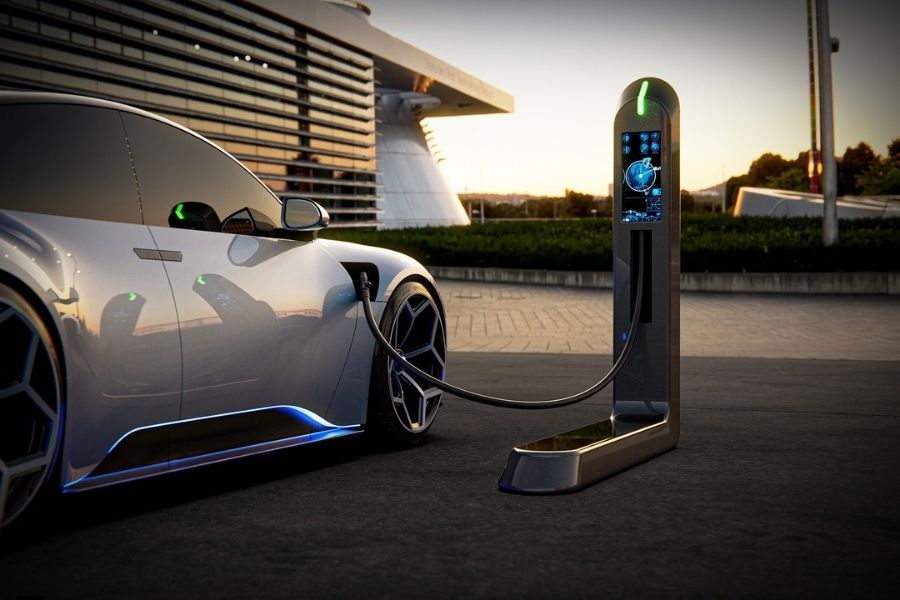
India’s electric vehicle (EV) ecosystem is entering a defining phase—one marked not just by rapid growth, but by increasing structural depth. In FY26, EV retail sales crossed 24.5 lakh units, reflecting a robust 24.6% year-on-year rise. More importantly, this growth is no longer concentrated in a single category; it is broad-based across two-wheelers, passenger vehicles, three-wheelers, and commercial vehicles. This signals a shift from early-stage adoption to a more stable, demand-led expansion, underpinned by improving consumer confidence, expanding product offerings, and policy support. However, India’s EV story is equally defined by its untapped potential. Despite strong momentum, EVs still account for a relatively small share of total vehicle sales, highlighting significant headroom for growth. As global electrification accelerates, India stands at a unique intersection—emerging as both a high-growth market and an underpenetrated one, setting the stage for its next phase of transformation. India’s electric vehicle journey is entering a new phase—one where growth is no longer episodic but increasingly systemic. In FY26, EV retail sales crossed 24.5 lakh units, marking a strong 24.6% year-on-year increase, according to the Federation of Automobile Dealers Associations (FADA). What stands out is not just the scale, but the consistency—every major segment has expanded, signalling that electric mobility is moving beyond early adoption into a more stable, demand-driven trajectory. In absolute terms, India is now adding more EVs annually than it did in the first several years of its transition combined. Yet, beneath these headline numbers lies a more nuanced shift. India’s EV adoption is accelerating at a time when the global market is also expanding rapidly, with over 18 million EVs sold worldwide in 2024. Against this backdrop, India’s share in global EV stock has steadily increased, even as its domestic penetration remains in single digits. This creates an interesting duality—India is both a fast-growing EV market and an underpenetrated one. It is precisely this combination of scale potential and structural headroom that is shaping the next phase of the country’s electric mobility transition. How the numbers add up Electric two-wheelers continued to dominate the EV landscape, crossing the 14 lakh mark during the fiscal. Sales in this segment rose 21.81% to 14,01,818 units in FY26, compared to 11,50,790 units in FY25. TVS Motor Company led the segment with 3,41,513 units, followed by Bajaj Auto with 2,89,349 units and Ather Energy with 2,39,178 units. The electric passenger vehicle (PV) segment posted the sharpest growth among high-volume categories, surging 83.63% year-on-year. Retail sales reached 199,923 units in FY ’26, narrowly missing the 2 lakh milestone, compared to 108,873 units in the previous fiscal. Tata Motors Passenger Vehicles emerged as the segment leader with sales of 78,811 units, followed by JSW MG Motor India at 53,089 units and Mahindra & Mahindra Ltd at 42,721 units. Electric three-wheelers also maintained a steady growth trajectory, registering an 18.97% increase to 830,819 units in FY26, up from 698,914 units in FY25. Meanwhile, electric commercial vehicles recorded the fastest growth, albeit on a smaller base, with sales jumping by 120.57% to 19,454 units from 8,820 units a year earlier. FADA described FY ’26 as a watershed year for India’s EV ecosystem, highlighting the sector’s growing depth and diversity—from last-mile mobility solutions such as auto-rickshaws to personal passenger cars. The consistent growth across all segments underscores the strong structural momentum driving India’s transition towards sustainable and mass-market electric mobility. India’s EV transition India has embarked on an aggressive transition towards electric mobility with multiple strategic objectives. These include reducing dependence on imported fuels, increasing the share of renewable energy by utilising the storage capacity of EV batteries, and lowering greenhouse gas (GHG) emissions. The shift also aims to improve air quality and enhance the Plant Load Factor (PLF) of electricity generation systems. Additionally, India seeks to position itself as a leading player in the rapidly expanding global electric mobility market. Although India’s electric mobility transition began at a relatively slow pace, it is now gaining steady momentum as the country works toward achieving a 30% share of EVs in total vehicle sales by 2030. Source : Vahan Portal According to the NITI Aayog report titled ‘Unlocking a $200 Billion Opportunity: Electric Vehicles in India 2025’, the electric vehicle (EV) sales in India grew from 50,000 units in 2016 to 2.1 million in 2024, bringing the country’s total EV stock to 5.45 million. This accounted for roughly 9% of the global EV stock, while India’s 2024 EV sales represented about 11% of global EV sales. Over the same period, global EV sales surged from 918,000 units in 2016 to 18.8 million in 2024, driving a rapid increase in the total global EV stock to approximately 61.21 million vehicles. India’s EV penetration, which was about one-fifth of the global level in 2020, has improved to over two-fifths by 2024. Even with steady progress, adoption continues to advance at a measured pace despite strengthening growth momentum. Key challenges in EV adoption As per the NITI Aayog report, electric vehicle adoption in India is steadily increasing, though it lags behind leading markets like the US, EU, and China. The country has seen significant growth in electric two-wheelers and three-wheelers, while progress in electric buses has been moderate. Adoption of electric cars remains slow, and long-haul electric trucks have yet to take off. The report highlights the following as the major challenges constraining progress. Financing constraints, particularly for high-cost segments such as electric buses and trucks. Insufficient charging infrastructure, along with underutilisation of available public charging stations. Limited awareness of EV performance among public and private stakeholders. Limited data availability and regulatory gaps constrain evidence-based decision-making. Policy measures and way forward Electric vehicles accounted for only about 7.6% of total vehicle sales in India in 2024, significantly below the 30% target for 2030. After nearly a decade to reach this level of penetration, the country now needs to accelerate adoption sharply, increasing the EV share by over 22% within the next five years. This necessitates stronger measures to accelerate the transition. The NITI Aayog report
Expert Interview: Niti Aayog CEO on Infrastucture
India’s pulse imports fall sharply as domestic supply strengthens
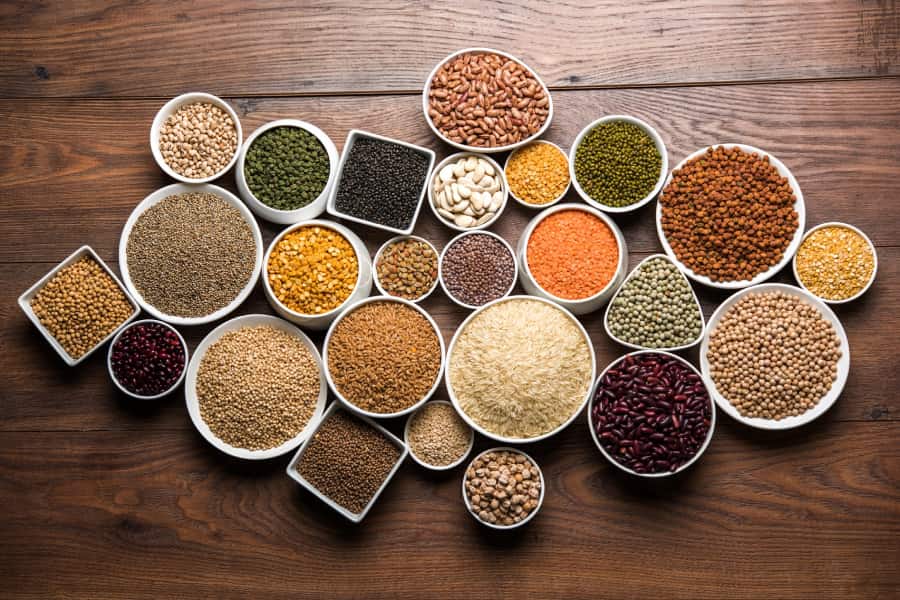
India’s pulse imports have declined sharply in FY26 after reaching record highs in the previous fiscal, driven by improved domestic production and adequate carry-forward stocks. Provisional data for April–January shows import values falling by around 35%, with volumes also contracting significantly. The correction reflects a shift in supply dynamics, as higher domestic availability reduces reliance on imports. At the same time, softer global prices have eased procurement costs, although policy measures and commodity-specific demand continue to shape import trends. The evolving pattern underscores India’s ongoing effort to balance food security with reduced import dependence. India’s pulse imports have witnessed a sharp decline in FY26 after reaching a record high in FY25, driven by adequate ‘carry-forward stocks,’ and robust domestic crop production. Provisional trade data indicate a sharp contraction in pulse imports during April–January FY26, with the value falling to US$ 2.97 billion—down 35% from US$ 4.6 billion in the corresponding period of the previous fiscal year. In volume terms, during April-January 2025–26, imports fell by over 18% to 4.9 million tonnes (MT), compared to 6.01 MT a year earlier. India imported a record 7.3 MT of pulses in FY25. As per the India Pulses and Grains Association, overall imports for FY26 are projected to remain just above 5.2 MT. In February 2026, India’s pulse imports stood at US$ 303.93 million, down significantly from US$ 494.14 million recorded in February 2025, according to trade data released by government. Global price drop and domestic gains drive import decline The decline is largely attributed to adequate carry-forward stocks and robust domestic production, which reduced the need for large-scale imports. Another key factor behind the decline is the significant drop in global pulse prices. Import costs have fallen by 30-40% due to higher global output and reduced imports. For instance, yellow pea prices have dropped to around US$ 300 per tonne from US$ 400 a year earlier, while Bengal gram prices declined to US$ 520 per tonne from US$ 700. This price correction has made imports cheaper but also reflects better domestic availability. In terms of specific commodities, during April-January, FY ’26, imports of yellow peas and masur (lentils) saw steep declines of 49% and 24% to about 1 million tonne and 0.96 million tonne, respectively, compared to the same period in FY25. In contrast, imports of urad and arhar (pigeon pea) increased by 35% and 15%, reaching 0.9 million tonnes and 1.3 million tonnes, respectively, during the first ten months of the current fiscal year compared to the same period last year. India’s pulse imports during February-March, FY ’26 were estimated at 0.2–0.3 million tonnes, sourced from countries such as Canada, Australia, and parts of Africa. As per the data, pulse production for the 2024–25 crop year is estimated at 25.68 MT, with chana accounting for the largest share at 45%, followed by moong (15%), tur (14%), and urad (8%). Pulses account for roughly a quarter of non-cereal protein intake in India and support five crore farmers and their families. The country continues to rely on imports for 18–20% of its annual pulse (tur, urad, masoor (lentils), yellow peas and Bengal gram) consumption, sourcing primarily from countries such as Canada, Russia, Myanmar, Brazil, and Africa. Pulses imported by India HS Code Commodity 2023-2024 2024-2025 % growth 07131010 Yellow peas 575.42 960.58 66.93 07131020 Green peas 4.19 1.20 -71.34 07131090 other 0.00 0.01 07132010 Kabuli chana 83.71 82.53 -1.42 07132020 bengal gram (desi chana) 111.71 1,116.64 899.59 07132090 Other chana 18.11 0.78 -95.67 07133110 Beans of the spp vigna mungo (l.) hepper 663.21 902.14 36.03 07133190 Beans of the spp vigna radiata (l.) wilczek 2.46 1.27 -48.47 07133200 Small red beans dried and shld 0.11 0.13 12.29 07133300 Kidney bens incl whte pea bens dried and shld 154.19 149.58 -2.99 07133400 Bambara beans (vigna subterranea or voandzeia subterranea) 0.00 0.18 NA 07133500 Cow peas (vigna unguiculata) 28.39 68.05 139.67 07133990 Other dried leguminus vegetables 40.89 54.88 34.20 07134000 Lentils (mosur),dried and shld 1,286.09 916.03 -28.77 07135000 Broad beans and horse beans dried and shld 8.43 3.70 -56.07 07136000 Pigeon peas (cajanus cajan) 795.08 1,285.40 61.67 07139010 Other dried and shld luguminous vegtbls,split 3.17 1.98 -37.61 07139090 Other of hdg. 071390 0.01 0.44 4059.83 Source: Department of Commerce (Values in US$ million) A year-on-year comparison of pulse imports between 2023–24 and 2024–25 highlights a divergent growth trend, with strong expansion in select commodities alongside notable declines in others. During 2024-25, imports of desi chana (Bengal gram) recorded the most dramatic increase, rising nearly ninefold (899.6%), indicating supply constraints or stock accumulation. Pigeon peas (arhar) and urad also saw robust growth of 61.7% and 36%, respectively, underscoring continued domestic shortages. Yellow peas’ import increased by 66.9%, reflecting their growing importance as an affordable alternative. Moderate gains were also observed in cow peas and other dried legumes. On the other hand, several key pulses registered decline during the period. Lentil (masur) imports fell by 28.8%, while green peas dropped sharply by 71.3%. Imports of moong-related beans, broad beans, and other chana also contracted significantly, suggesting improved domestic supply or changing consumption patterns. Kabuli chana and kidney beans remained broadly stable with marginal decreases. Although certain categories such as Bambara beans and residual “other” items show extremely high growth rates, these are largely due to a low base effect and have minimal impact on the overall trend. It is to be noted that in FY ’25, yellow peas constituted the largest share of imports at 29.5%, followed by gram (22%), tur (16.7%), lentils (16.6%), and urad (11.2%). Policy measures are shaping import trends significantly. The government is likely to extend duty-free imports of tur and urad beyond March 2026, while maintaining import duties of 30% on yellow peas and 10% on lentils for another year. These duties are subject to periodic revisions. Over the period, India’s import dependence has risen from 9% in 2020–21 to 23.1% in 2024–25, though higher imports have helped moderate pulse inflation. To address structural dependence on imports, the government has launched
Powering the transition: India’s renewable surge amid rising energy demand
As the global energy landscape undergoes a structural transformation—driven by climate commitments, geopolitical uncertainties, and the growing need for energy security—India finds itself navigating a uniquely complex path. As one of the world’s fastest-growing major economies, its energy demand continues to rise steadily, requiring a careful balance between sustainability, affordability, and reliability. Over the past decade, India has significantly accelerated its renewable energy push, supported by policy interventions, infrastructure expansion, and increasing investments. At the same time, conventional sources such as coal remain critical to meeting base-load demand. This dual reality underscores the evolving nature of India’s energy transition—where progress in clean energy must coexist with structural dependencies. Against this backdrop, the latest energy data offers valuable insights into how India is reshaping its energy mix while managing competing priorities. As the global energy landscape undergoes a profound shift—driven by climate imperatives, geopolitical disruptions, and the race for energy security—countries are being compelled to rethink how they produce, distribute, and consume power. For a rapidly growing economy like India, this transition is particularly complex: it must simultaneously meet rising energy demand, reduce dependence on imports, and accelerate the shift towards cleaner sources without compromising affordability or reliability. In this evolving context, India’s energy story is no longer just about capacity addition—it is about managing a delicate balance between growth and sustainability. The country’s policy push, investment momentum, and technological adoption are beginning to reshape its energy mix, even as traditional sources continue to play a critical role. It is against this backdrop that the Energy Statistics India 2026 report, released by the Ministry of Statistics and Programme Implementation (MoSPI), offers a comprehensive snapshot of India’s energy sector—capturing both the scale of progress and the structural challenges that lie ahead. Evolving dynamics of Indian renewable energy sector According to the report, India’s energy sector demonstrated steady expansion in FY 2024-25, with Total Primary Energy Supply (TPES) increasing by 2.95% year-on-year to reach 9,32,816 KToE (kilotonnes of oil equivalent). At the same time, India continues to hold significant renewable energy potential, estimated at 47,04,043 MW as of March 31, 2025. Solar energy dominates this potential, witnessing an exceptional surge from 7,48,990 MW in FY 2023–24 to 33,43,378 MW in FY 2024–25, accounting for nearly 71% of the total renewable energy potential. Wind power follows with 11,63,856 MW, while large hydro contributes 1,33,410 MW. Notably, over 70% of India’s renewable energy potential is concentrated in six states. These are Rajasthan (23.70%), Maharashtra (14.26%), Gujarat (9.10%), Andhra Pradesh (9.1%), Karnataka (8.59%) and Madhya Pradesh(8.09%). The country has also made significant progress in expanding its renewable energy capacity, the report stated. Installed capacity from renewable sources (including both utility and non-utility segments) has risen sharply from 90,134 MW as of March 2016 to 229,346 MW as of March 2025, registering a compound annual growth rate (CAGR) of 10.93%. Correspondingly, electricity generation from renewable sources has increased from 1,89,314 GWh in FY 2015–16 to 4,16,823 GWh in FY 2024–25, reflecting a CAGR of 9.17%. Energy consumption patterns indicate rising demand, with per capita energy consumption increasing from 15,296 megajoules per person in FY 2015–16 to 18,096 megajoules per person in FY 2024–25, growing at a CAGR of 1.89%. Improvements in efficiency are also evident, as transmission and distribution (T&D) losses declined from around 22% in FY 2015–16 to nearly 17% in FY 2024–25, indicating better utilisation of generated electricity. Despite the growth in renewables, coal continues to be the dominant energy source in India’s overall energy mix. As per the report, energy supply from coal, including lignite, increased significantly from 3,87,761 KToE in FY 2015–16 to 5,52,315 KToE in FY 2024–25. Other conventional sources such as crude oil and natural gas have also shown consistent growth over the years, reflecting sustained dependence on fossil fuels. The Total Final Consumption (TFC) of energy across end-use sectors has risen markedly, increasing by over 30.41% from 4,69,212 KToE in FY 2015–16 to 6,08,578 KToE in FY 2024–25. In parallel, financial support to the energy sector has strengthened, with credit flow rising more than sixfold—from ₹1,688 crore in 2021 to ₹10,325 crore in 2025—indicating growing investment and policy focus on the sector’s expansion and modernisation. Scaling renewable energy: Growth, policy support, and capacity building India’s renewable energy expansion reflects a policy-driven transformation that combines scale, speed, manufacturing depth, and global engagement. According to the International Renewable Energy Agency (IRENA)’s Renewable Energy Statistics 2025, India ranks fourth globally in total installed renewable energy capacity. Solar energy, notably, has witnessed a sharp and rapid surge in growth. The installed solar capacity rose sharply from rose from 3 GW in 2014 to 140 GW in January 2026. This increase has helped push non-fossil fuel capacity beyond 50% of total installed electricity capacity. Wind energy also plays a substantial role, contributing significantly to the renewable mix and strengthening grid diversification alongside solar. The installed wind capacity reached about 54.65 GW by January 2026. Solar and wind energy together make up the majority of India’s clean energy capacity. A range of government programmes has underpinned this expansion across households, agriculture, infrastructure, and manufacturing: PM Surya Ghar has driven rooftop solar adoption among 23.9 lakh households, contributing about 7 GW of distributed clean energy capacity. The Pradhan Mantri Kisan Urja Suraksha evam Utthaan Mahabhiyaan (PM-KUSUM) is promoting solarisation in agriculture, helping reduce diesel reliance and improve energy access for farmers, with a target of installing 14 lakh standalone pumps by March 2026. Around 55 solar parks across 13 states have been sanctioned, with a cumulative capacity of nearly 40 GW, accelerating utility-scale deployment. The Production Linked Incentive (PLI) Scheme, with an outlay of ₹24,000 crore, is strengthening domestic manufacturing and reducing dependence on imports. Consequently, renewable energy growth now spans generation, infrastructure, manufacturing, and global linkages. The emphasis has shifted from merely expanding capacity to creating a robust, competitive, and self-reliant clean energy ecosystem. Global engagement and India’s role in clean energy leadership While accelerating its domestic energy transition, India is also emerging as an influential

India’s dining boom: Experience, efficiency, and the rise of new markets
India’s restaurant and bar industry is at an inflection point. What was once a metro-driven, occasion-led business is now expanding into a far more dynamic, experience-oriented and geographically diverse ecosystem. From the rapid rise of Tier 2 and Tier 3 markets to the growing importance of brand storytelling, sustainability and financial discipline, the rules of hospitality are being rewritten in real time. In this evolving landscape, operators are no longer just serving food and beverages—they are building immersive experiences while navigating tighter margins, rising costs and increasingly discerning consumers. The interplay between global exposure and local identity, alongside the integration of technology and new formats, is shaping the next phase of growth for the industry. In this exclusive conversation, Angad Chachra, Founder, The Bar Consultants, shares his insights on the structural shifts driving India’s F&B sector—from changing consumer behaviour and emerging city opportunities to the economics of running a restaurant and the future of hospitality formats in the country. IBT: India’s restaurant and bar industry is expanding rapidly, especially in Tier-2 and Tier-3 cities. What structural shifts in consumer behaviour are driving this growth beyond the big metros? Angad Chachra: The growth of India’s restaurant and bar industry in Tier 2 and Tier 3 cities is being driven by a combination of rising disposable incomes, increased digital exposure and a fundamental shift from occasion-based dining to lifestyle-led consumption. With widespread access to platforms like Instagram and Pinterest, consumers in smaller cities now have expectations that are at par with metros in terms of food, design and overall experience. At the same time, lower living costs allow for greater discretionary spending on dining out. Improved connectivity, both physical and digital, along with reverse migration of professionals from larger cities, has further accelerated this trend. Consumers today are not just seeking value, but curated experiences that are social, aspirational and shareable. As a result, Tier 2 and Tier 3 cities are no longer lagging markets. They are increasingly becoming high-growth and high-potential hubs for the F&B industry. IBT: The hospitality sector often sees a high failure rate among new restaurants. In your experience, what are the most common strategic mistakes entrepreneurs make before opening their doors? Angad Chachra: One of the most common mistakes restaurant owners make before opening their doors is not planning their finances properly, especially when it comes to working capital and the initial ramp-up period. There is often an assumption that the restaurant will start attracting strong footfall from day one, but in reality, it takes a few months for marketing efforts, word of mouth and customer loyalty to build. During this time, the business continues to incur fixed costs like rent, salaries and utilities, and without a financial buffer, this early phase can quickly become stressful and unsustainable. Another major issue is underestimating the actual cost of setting up a restaurant. Many entrepreneurs begin with a fixed budget in mind, believing the project can be executed within that number, but as the build progresses, costs related to interiors, kitchen equipment, compliance and last-mile detailing tend to escalate. This often leads to either overspending or compromising on quality, both of which can hurt the long-term performance of the restaurant. At the same time, marketing and PR are frequently overlooked or treated as secondary expenses, when in fact they are critical to driving initial traction. In today’s competitive environment, even a well-designed space with great food and service can struggle if people are not aware of it. Ultimately, while most operators focus heavily on food, hospitality and interiors, the real differentiator lies in financial discipline and the ability to sustain the business through its early months until it finds stability and consistent demand. IBT: How is the Indian F&B market evolving in terms of formats — QSRs, experiential dining, microbreweries, cocktail bars, etc.? Which formats do you believe will dominate the next decade? Angad Chachra: I don’t believe there will be one single format that dominates the F&B industry over the next decade, simply because the space is evolving far too dynamically for that to happen. Consumer preferences are becoming more diverse and increasingly context-driven, which means different formats will continue to coexist and thrive in their own segments. We’re already seeing strong innovation across quick service restaurants, cocktail bars and experiential dining, each catering to very different consumer needs and occasions. QSRs will continue to grow aggressively because they serve convenience, speed and affordability – something that will always have a large market in a country like India. At the same time, as disposable incomes rise, especially in urban and emerging markets, there is a clear shift towards more premium, experience-led dining. This is where cocktail bars and experiential restaurants come into play, offering not just food and drinks, but a complete social and sensory experience. These formats resonate strongly with consumers who are willing to spend more for ambience, storytelling and differentiated offerings. Microbreweries, however, are an interesting case. While they saw a strong surge in cities like Bangalore and even places like Gurgaon at one point, the momentum seems to have slowed in recent years. This could be due to regulatory challenges, high capital costs and operational complexities. That said, the potential is still very much there. India is a large beer-consuming market with a climate that supports it for most of the year and if someone can reimagine the microbrewery format – perhaps by introducing regionally inspired flavours, seasonal brews or more accessible formats – it could absolutely see a revival and become a significant player again. Overall, the future of F&B will not be about one format winning over the others, but about how well each format adapts to changing consumer behaviour. The real opportunity lies in identifying gaps within these segments and innovating within them, rather than trying to predict a single dominant trend. IBT: We often hear that hospitality is moving from “food service” to “experience design.” What does that shift really mean for restaurant operators in practical terms? Angad
Entering Europe: From complexity to competitive advantage
As Indian exporters increasingly look beyond traditional markets, the European Union is emerging as a strategic yet often misunderstood destination. While many perceive it as complex and difficult to penetrate, the reality—as industry practitioners point out—is far more nuanced: Europe is not difficult, but deeply structured. In this conversation, we speak with Pankaj Taneja, author of a practical guide on exporting from India to Europe, who brings on-ground experience from working closely with both Indian suppliers and European buyers. Drawing from his interactions across trade fairs, market engagements, and advisory work, he offers a clear-eyed view of what it really takes to succeed in the EU—balancing compliance, localisation, cost competitiveness, and long-term relationship building. This interview explores not just the “how” of entering Europe, but also the evolving perception of Indian companies, emerging sectoral opportunities, and the strategic mindset exporters must adopt to build sustained presence in one of the world’s most sophisticated markets. IBT: Please share us some key learnings pertaining to your engagement with the EU market? How did they reshape your understanding of global trade? What insights would you like to share from your experience? Pankaj Taneja: When I first engaged with the European market, I understood it to be highly systems-driven. There was a strong emphasis on comprehensive documentation, strict regulatory compliance, structured VAT mechanisms, and a clear commitment to sustainability. However, the market is now evolving beyond these fundamentals. While compliance and sustainability remain non-negotiable, European buyers are increasingly becoming price-sensitive. At the same time, there is a growing focus on building meaningful, long-term relationships. Today, buyers are looking to partner with companies that can offer cost-effective solutions without compromising on certifications or process standards. Equally important is the ability to build trust and credibility. Once that trust is established, European buyers tend to remain loyal, often preferring to work with the same suppliers over the long term rather than frequently switching partners. IBT: We see that the EU is a market India has not penetrated as deeply as the US or the Middle East. What kind of perception do European buyers and partners have of Indian companies in terms of quality, reliability, and innovation? Pankaj Taneja: Historically, many Indian companies have been hesitant to engage with the European market, largely due to its perceived complexity. Unlike more unified markets such as the US, Europe operates as a collection of diverse economies. While there are overarching EU-level regulations, each country has its own specific requirements, processes, and often even language preferences. For instance, product labelling requirements vary significantly—what works in the Netherlands may need to be adapted into Dutch, while in Sweden, it must comply with Swedish language norms. These operational nuances have traditionally made Europe seem more fragmented and difficult to navigate. In contrast, the US market, with its relative uniformity and English-language dominance, has been far more accessible for Indian exporters. However, this perception is now beginning to shift. Recent global trade developments have encouraged Indian companies to look more seriously at Europe as a strategic market. There is a growing willingness among Indian exporters to align with European certification standards, regulatory frameworks, and process requirements. Additionally, the ongoing India–EU trade discussions are expected to further strengthen this engagement by improving market access and reducing friction points. From the European perspective, the perception of India is also evolving positively. Beyond cost competitiveness, India is increasingly seen as a reliable innovation partner. European buyers recognise India’s established strengths in pharmaceuticals, engineering, and IT services, and are now also acknowledging its growing capabilities in manufacturing. Developments in sectors such as electronics and mobile manufacturing—where global companies like Apple have significantly expanded production in India—are reinforcing this shift in perception. As a result, European companies are not only looking to source more from India but are also exploring opportunities to establish their own presence in the country. Overall, there is a clear movement on both sides—from hesitation to collaboration—driven by a combination of strategic alignment, evolving capabilities, and mutual interest in long-term partnerships. IBT: Thank you for those insights. You have authored a book—a practical guide for exporting from India to Europe, especially for founders, exporters, and business leaders. What inspired you to write this book, and what are some of the key insights you have shared? Pankaj Taneja: The idea for the book emerged from my frequent interactions with Indian suppliers during trade fairs and business visits to India. A recurring theme in these conversations was a clear gap in understanding how to enter and navigate the European market. Most exporters were already well-established in markets like the US. They would often say, “We are working with large retailers like Walmart or TJ Maxx, but we have little clarity on Europe—how to enter the market, how to manage certifications, or how to deal with regulatory requirements.” That consistent hesitation and lack of structured guidance led me to simplify the process through this book. Broadly, the book focuses on three critical pillars. First is compliance, which is fundamental to doing business in Europe. I have detailed the various regulatory requirements, testing standards, and certification processes, along with guidance on where and how exporters can access these services. Second is localisation. Europe is not a single, homogeneous market—it comprises 27 distinct countries, each with its own consumer preferences, regulatory nuances, and language requirements. A one-size-fits-all approach does not work. Whether it is labelling in local languages or adapting products to suit regional tastes—especially in sectors like food—exporters need to tailor their offerings to each market. Third is the emphasis on long-term relationships. European buyers typically do not engage in short-term, transactional business. Instead, they look for reliable partners with whom they can build sustained relationships, often spanning five to ten years. This requires consistency, trust, and a long-term commitment from suppliers. In addition to these pillars, the book also provides country-specific insights—covering market demand, product opportunities, compliance requirements, and consumer demographics—to help exporters make informed decisions. Finally, I have placed significant emphasis on sustainability, which is

India’s $8 bn play: Can sports equipment be the next export engine?
India has always been a nation that lives sport — from the wrestling akharas of ancient India to its growing dominance in global arenas. Yet when it comes to manufacturing the equipment that makes sport possible, the country punches well below its weight. With a global sports equipment market valued at US$ 140 billion today and set to nearly double by 2036, India’s 0.5% export share tells the story of a sector rich in potential but constrained by structural inertia. A new NITI Aayog report lays out a ₹7,500 crore blueprint to change that — ambitiously targeting US$ 8.1 billion in exports and 54 lakh new jobs within a decade. The window is open. The question is whether India can move fast enough to climb through it. India’s association with sport is deep-rooted and enduring, tracing back to ancient times. Long before modern stadiums and scoreboards, physical excellence was expressed through traditional wrestling akharas, the precision of archery, and indigenous games such as kabaddi and kho-kho—practices embedded in the country’s cultural and civilisational fabric since the Vedic era. In India, sport has never been merely a form of recreation; it has long symbolised strength, resilience, community, and identity. This momentum is poised to grow stronger as India enters a new phase of global sporting engagement. With ambitions to host the Commonwealth Games in the coming decade and an active bid for the Olympic Games, sport is increasingly being recognised not just as a source of national pride, but also as a strategic driver of economic growth and industrial development. Sports goods: Global market size, composition and growth trends The sports goods industry spans a diverse array of products, including apparel, footwear, equipment, accessories, and infrastructure, addressing the full spectrum of athletes’ needs. Within this ecosystem, sports equipment plays a critical role, forming the backbone of sporting activity by enabling both professional competitions and grassroots participation across schools and clubs. As per the NITI Aayog report titled “Realising the Export Potential of India’s Sports Equipment Manufacturing Sector”, the global sports goods market—covering apparel, footwear, equipment, and accessories—was valued at around US$ 700 billion in 2024 and is expected to grow at a CAGR of 4.6%, surpassing US$ 1 trillion by 2036. Within this, sports equipment segment accounts for nearly 20% of the overall US$ 700 billion sports goods market, with a current valuation of around US$ 140 billion. It is projected to grow to approximately US$ 283 billion by 2036, expanding at a CAGR of 6%. The segment is largely dominated by fitness and strength equipment, which holds a 33% share (including products such as treadmills), followed closely by ball game equipment at 32% (such as footballs). Athletic training equipment constitutes about 14% of the market, while racket and net-based sports equipment accounts for roughly 10%. Global trade landscape and India’s position Global exports of sports goods stood at approximately US$ 132 billion in 2024, with sports equipment contributing about US$ 52 billion. It is majorly led by gym and athletic equipment (27%) and bicycles (17%) as the largest export categories, followed by leg pads, nets, bats, and golf gear. China dominates this segment, holding a 40–50% share across categories, while other key exporters include the United States, Taiwan, Germany, and Vietnam. Beyond China’s dominance, the global sports goods market is relatively dispersed. The United States remains the largest consumer as well as the leading importer of sports goods, followed by key European markets such as Germany, France, and the United Kingdom. India also continues to depend on imports in this segment. Notably, although India and Vietnam had similar export shares in 2013, Vietnam has since tripled its exports, while India’s growth has stagnated. Vietnam’s success is attributed to its Ecosystem-driven manufacturing model, Strong partnerships with global brands, Effective use of free trade agreements, Cost-efficient sourcing of raw materials from China, and Coordinated policy support; (An approach India could emulate to boost its competitiveness.) Table: Top 10 sports goods exports of India HS Code Product 2020 2021 2022 2023 2024 CAGR% 950699 Articles and equipment for sport and outdoor games n.e.s; swimming and paddling pools 81.2 97.1 105.5 103.5 110.2 6.3% 871200 Bicycles and other cycles, incl. delivery tricycles, not motorised 43.7 67.9 52.7 50.4 67.3 9.0% 950691 Articles and equipment for general physical exercise, gymnastics or athletics 22.6 30.5 26.7 30.7 29.7 5.7% 950669 Balls (excl. inflatable, tennis balls, golf balls, and table-tennis balls) 16.1 20.7 26.4 24.5 24.9 9.2% 950662 Inflatable balls 12.6 19.8 20.4 21.5 21.4 11.2% 950790 Line fishing tackle n.e.s; fish landing nets, butterfly nets and similar nets; decoys and similar . . . 8.8 13.2 9.5 7.8 9.9 2.3% 950629 Water-skis, surfboards and other water-sport equipment (other than sailboards) 1.8 3.7 3.1 1.2 3.1 11.9% 950640 Articles and equipment for table-tennis 6.0 11.8 4.4 2.9 3.0 -12.6% 950659 Badminton and similar rackets, whether or not strung (other than tennis rackets and table-tennis . . . 0.4 0.6 1.2 1.3 1.1 24.2% 930400 Spring, air or gas guns and pistols, truncheons and other non-firearms (excl. swords, cutlasses, . . . 0.0 0.2 0.8 0.6 1.0 99.6% Source: ITC Trade map; (Values in US$ Million) India’s sports equipment exports show steady growth over the past five years, led by general sports equipment (6.3% CAGR) and bicycles (9.0%). Balls (9.2%) and inflatable products (11.2%) have also performed strongly, while niche segments such as badminton rackets (24.2%) and water sports equipment (11.9%) are expanding rapidly from a low base. However, table-tennis equipment has declined sharply (-12.6%), and fishing gear has grown slowly (2.3%). Overall, exports remain concentrated in a few key segments with gradual diversification. India’s sports goods export in 2024 Category India exports 2024 (US$ billion) Sports equipment 0.27 Other sports (motor boats) 0 Sports apparel 1.3 Sports footwear 0.4 Sports accessories 0.002 Other (turfs) 0.001 Total 2 As is revealed by the data above, in 2024, India’s total sports goods exports were valued at approximately US$ 2 billion. Sports apparel accounted for the largest share at US$ 1.3 billion, followed by sports footwear