Key Highlights
- Government mandates standard pack sizes for major edible oils under revised legal metrology guidelines.
- Manufacturers, packers, and importers have been given a three-month transition period for compliance.
- Approved pack sizes include 200g/ml, 500g/ml, 1kg/litre, 2kg/litre, 3kg/litre, 4kg/litre, 5kg/litre, 15kg/litre, and 20kg/litre.
- Odd-sized packs such as 650g, 700g, 810g, 850g, and 870g will be phased out.
- Decision follows stakeholder consultations led by the Department of Consumer Affairs.
- Industry bodies and consumer organizations have welcomed the move, citing improved price transparency.
- India’s edible oil imports reached 16.65 million tonnes in 2025-26 amid rising domestic consumption.
Centre Brings Back Standard Edible Oil Pack Sizes to Enhance Consumer Transparency
New Delhi, June 6, 2026: In a significant move aimed at improving consumer awareness and pricing transparency, the Government of India has reinstated standard pack sizes for major edible oils and fats sold across the country. The decision requires manufacturers, importers, and packers to eliminate non-standard packaging formats within three months.
The Department of Consumer Affairs (DoCA) issued an advisory amending the Standard Operating Procedure (SoP) related to the determination of net quantity and standard pack sizes under the country’s legal metrology framework. The revised guidelines are intended to address growing concerns over unconventional package sizes that have become increasingly common in the retail market over the past few years.
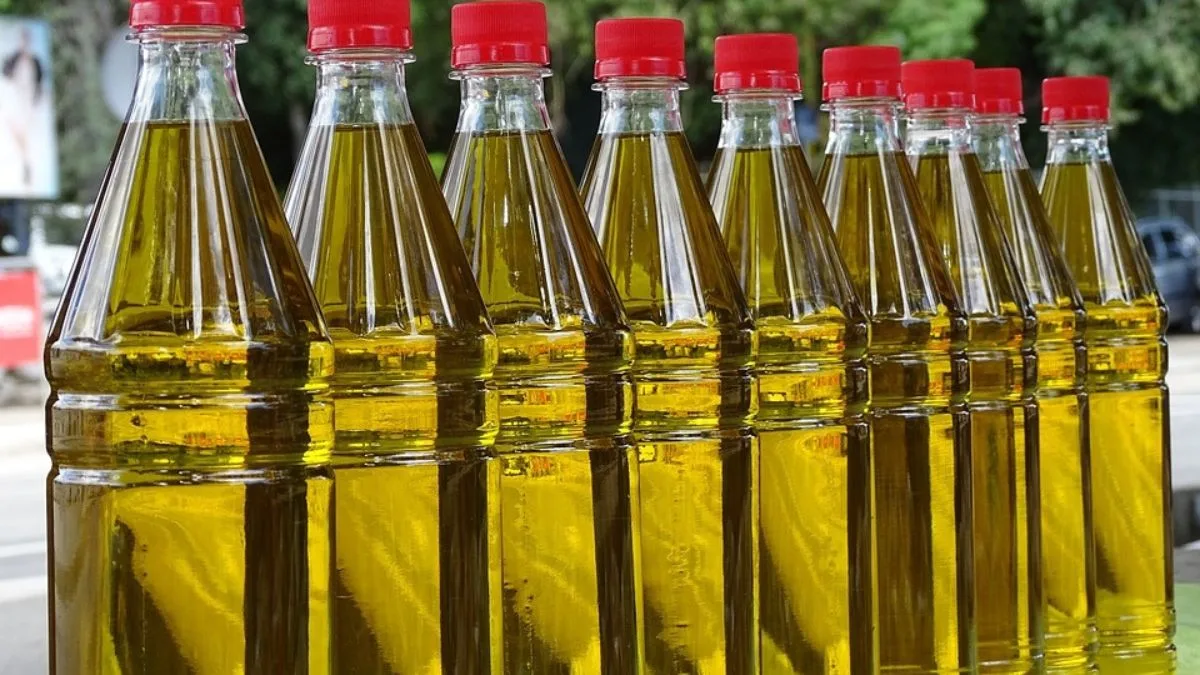
Under the new norms, major edible oils—including palm oil, palmolein, soybean oil, sunflower oil, mustard and rapeseed oil, groundnut oil, sesame oil, rice bran oil, cottonseed oil, corn oil, and blended oils—must be sold in standardized pack sizes.
The approved package quantities are 200 grams, 500 grams, 1 kilogram, 2 kilograms, 3 kilograms, 4 kilograms, 5 kilograms, 15 kilograms, and 20 kilograms. Corresponding liquid measurements include 200 millilitres, 500 millilitres, 1 litre, 2 litres, 3 litres, 4 litres, 5 litres, 15 litres, and 20 litres. Packages below 200 grams or 200 millilitres will continue to remain outside the scope of the restriction.
As a result, commonly used unconventional pack sizes such as 650 grams, 700 grams, 810 grams, 850 grams, and 870 grams will gradually disappear from retail shelves after the compliance deadline.
Government Targets Consumer Confusion
The move comes after extensive consultations between government officials, industry representatives, and consumer rights organizations. A stakeholder meeting chaired by Consumer Affairs Secretary Nidhi Khare on May 20 resulted in a broad consensus among major edible oil industry bodies on the need to restore standardized packaging.
Officials believe that the proliferation of odd-sized packs had made it increasingly difficult for consumers to compare prices across brands and products. The issue became more pronounced after pack-size restrictions were relaxed in 2023, allowing companies greater flexibility in determining packaging quantities.
Consumer groups argued that unconventional packaging often complicated purchasing decisions, as shoppers found it difficult to assess the true cost of products when pack sizes varied significantly between brands.
Industry Welcomes the Decision
Industry leaders have largely supported the government’s decision, viewing it as a necessary correction to market practices.
According to representatives from the edible oil sector, the earlier relaxation of pack-size norms was intended to provide flexibility and encourage innovation. However, the widespread adoption of unusual package quantities eventually created confusion among consumers and retailers alike.
Stakeholders believe the reintroduction of standard pack sizes will help create a more level playing field for manufacturers while improving transparency in pricing. Consumer advocacy groups have also praised the decision, saying it will make comparison shopping easier and reduce the possibility of misleading value perceptions.
Growing Importance of India’s Edible Oil Market
The policy change comes at a time when India’s edible oil consumption continues to rise steadily. Edible oil remains one of the country’s most important food commodities, with domestic demand significantly exceeding local production.
According to industry data, edible oil consumption increased from 24.6 million tonnes in 2020-21 to 28.9 million tonnes in 2022-23. Imports also rose by approximately 3% to 16.65 million tonnes during the 2025-26 financial year, highlighting India’s continued dependence on overseas supplies.
A report by NITI Aayog previously indicated that per capita edible oil consumption in India has nearly doubled over the past two decades, reaching around 19.7 kilograms annually. Rising incomes, urbanization, changing dietary habits, and growing food processing industries have all contributed to higher demand.
Market analysts also project strong growth for the sector in the coming years. Industry estimates suggest that India’s edible oil market, valued at approximately $4.39 billion in 2024, could expand to nearly $6.49 billion by 2030.
While major edible oils will now be subject to standardized packaging requirements, the government has clarified that minor edible oils not included in the notified list will remain exempt. However, these products must continue to comply with existing regulations related to Unit Sale Price declarations under the Legal Metrology (Packaged Commodities) Rules, 2011.
The latest reform is expected to bring greater clarity to retail shelves, improve consumer confidence, and ensure fairer price comparisons across India’s rapidly growing edible oil market.