Festive gift for citizens: PM Modi unveils GST 2.0 as “Bachat Utsav”

On the eve of the nine-day Navratri festival, India is set to witness a landmark economic reform. As the nation celebrates the festival of Shakti, the Next Generation GST reforms are being rolled out as part of the Aatmanirbhar Bharat initiative. Effective September 22, the reforms simplify the four-tier GST structure into two main slabs—5% and 18%—with a 40% rate applied to ultra-luxury and sin goods, alongside the launch of a nationwide GST Bachat Utsav.

fmcg_grocery_tpci GST

Prime Minister Narendra Modi on Sunday described the rollout of next-generation GST reforms as nothing short of a “saving festival” and a “double bonanza” for India’s middle class. Addressing the nation on the eve of GST 2.0’s implementation, Modi said that the combined benefits of these reforms, alongside the major income tax reliefs announced in the last Budget, would deliver savings of nearly ₹2.5 lakh crore to the “Citizen God.”

The Prime Minister’s speech was not just about tax reform—it was also a rallying call for Atmanirbharata . He urged Indians to pledge to buy “swadeshi goods and services” and, as far as possible, to prefer locally manufactured products. His remarks came a day after the US administration announced a steep hike in H-1B visa fees, underscoring the importance of domestic resilience and local growth. Emphasizing on purchasing local products, the PM stated –

“This reform marks the start of a true Bachat Utsav—a festival of savings—for every household in the country. Let us take a pledge to buy swadeshi goods and services. To the extent possible, the products we use should be manufactured locally.”

Simplification of the tax structure

The most notable feature of GST 2.0 is the simplification of the earlier four-tier structure. Previously, goods and services were taxed at 5%, 12%, 18%, and 28%, often leading to classification disputes and compliance complexity. The revised framework narrows this down to two broad slabs—5% and 18%—with a top-tier 40% rate for ultra-luxury and sin goods.

  • 5% slab: Essentials and mass-consumption items such as food grains, medicines, basic dairy products, and education-related goods.
  • 18% slab: Most standard goods and services, including manufacturing, transport, and consumer services.
  • 40% slab: Sin and luxury goods including tobacco, pan masala, aerated drinks, premium vehicles, gambling, and online gaming.

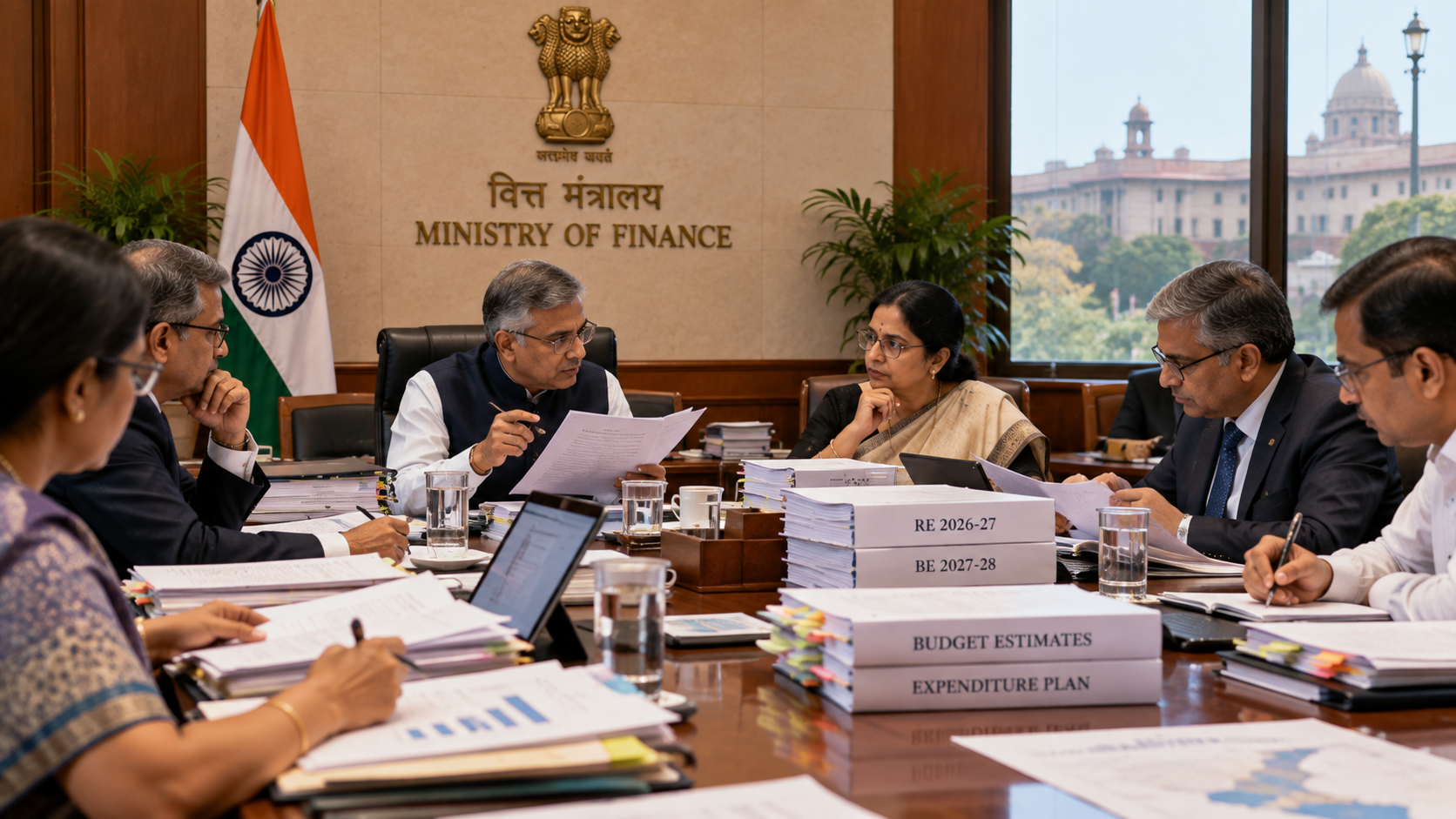
Union Finance Minister Nirmala Sitharaman, who chaired the 56th GST Council meeting last week, noted that this new framework will reduce compliance challenges, cut down disputes, and ultimately make goods and services more affordable for households.

What becomes cheaper and what turns costlier?

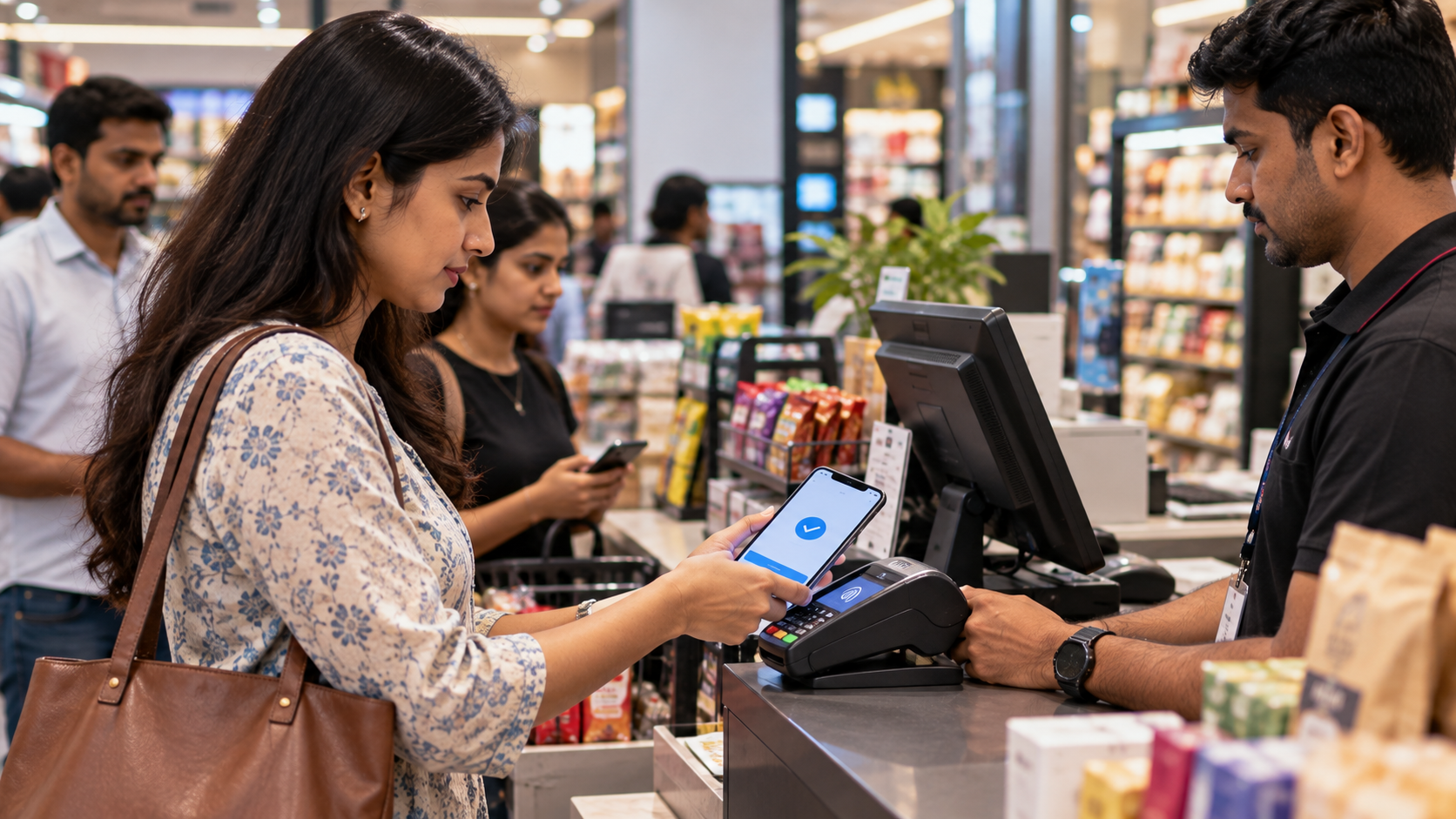
The government has made a conscious push to reduce the tax burden on everyday essentials and consumer goods. This move, officials believe, will spur consumption and support household budgets.

  • Food and dairy: UHT milk, chapatis, parathas, and parottas will now be tax-free. Butter, ghee, paneer, and cheese will attract only 5%. Packaged foods such as pasta, biscuits, chocolates, cornflakes, namkeens, and bhujia also move to 5%.
  • Dry fruits and sugar products: Almonds, cashews, pistachios, and dates, earlier taxed at 12%, now fall under the 5% slab. Refined sugar and confectionery also shift to 5%.
  • Healthcare and education: Life-saving drugs, medical devices, and books will either be tax-free or taxed at 5%, making them more accessible.
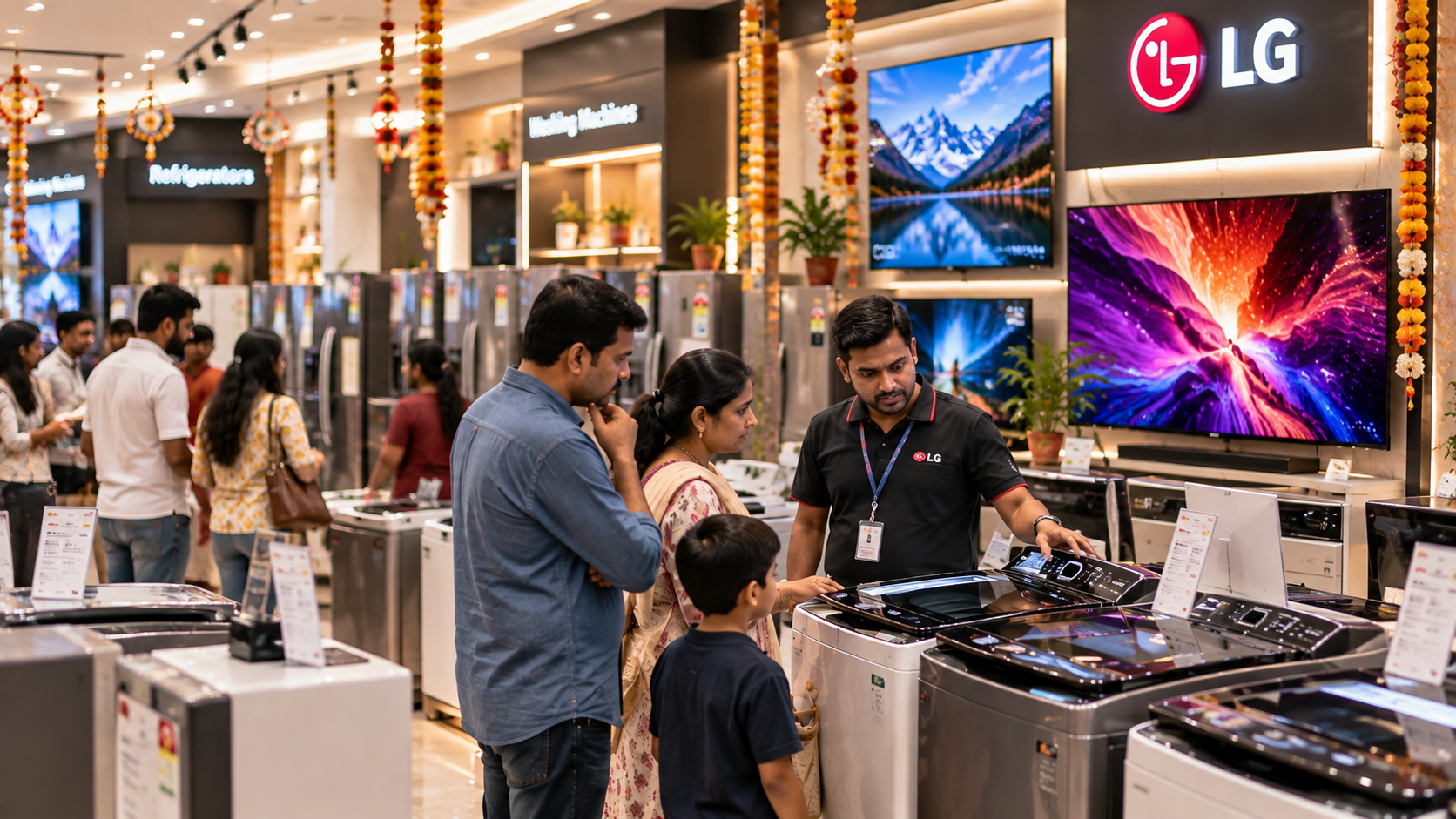
  • Consumer durables: Washing machines, dishwashers, and televisions drop from 28% to 18%. Toiletries like hair oil, shampoos, toothpaste, and dental floss will be taxed at just 5%.
  • Automobiles: Small cars and bikes with engines up to 350cc move to 18% instead of the earlier 28%. Insurance policies for life and health are now tax-free.
  • Housing and construction: Fertilisers, seeds, crop inputs, and construction materials have been reduced from 12% to 5%.
  • Services: Hotel tariffs below ₹7,500 will attract 5% instead of 12%. Economy air tickets will also be taxed at 5%.

At the same time, GST 2.0 takes a firm stance on luxury and sin consumption.

  • Tobacco and aerated drinks: Cigarettes, gutkha, zarda, pan masala, and sugary soft drinks now face a 40% tax.
  • Coal: The rate has been hiked from 5% to 18%, which could increase costs for coal-based industries.
  • Luxury vehicles and high-end bikes: Cars and bikes above 350cc engine capacity will attract 40%.
  • Leisure and gaming: Casinos, horse racing, lotteries, and IPL tickets are all in the 40% bracket.

Will companies pass on the benefits?

The crucial test of GST 2.0 lies in whether companies genuinely transfer these benefits to consumers. Past experience suggests caution—after earlier GST rate cuts, only 18% of consumers reported feeling the benefit, according to LocalCircles surveys. Almost half believed that either manufacturers or retailers retained the gains instead of lowering prices.

This time, however, several companies have proactively announced reductions.

  • Automobiles: Toyota said its Legender SUV will be cheaper by ₹3.34 lakh. Mahindra and Mahindra is offering discounts up to ₹2.56 lakh, while Maruti, Tata, and Hyundai have cut prices by up to ₹2.40 lakh. Luxury automakers like Mercedes-Benz and BMW are also trimming prices.
  • FMCG: Hindustan Unilever, Procter & Gamble, and Emami have committed to passing on the benefits. Dairy giants like Amul and Mother Dairy have already reduced prices of milk products.

These early signals suggest that consumers may indeed experience the “Bachat Utsav” promised by the Prime Minister.

Broader Economic Implications

The government expects GST 2.0 to act as a catalyst for India’s growth story. Lower tax rates on essentials are likely to free up household budgets, boosting demand for both goods and services. Simplified compliance will improve ease of doing business, reducing disputes between companies and tax authorities.

From an investment perspective, predictability and fewer rate slabs could enhance India’s attractiveness to both domestic and foreign investors. The higher tax on luxury and sin goods also reflects a social policy stance—encouraging moderation while widening the revenue base.

A call for Atmanirbharata

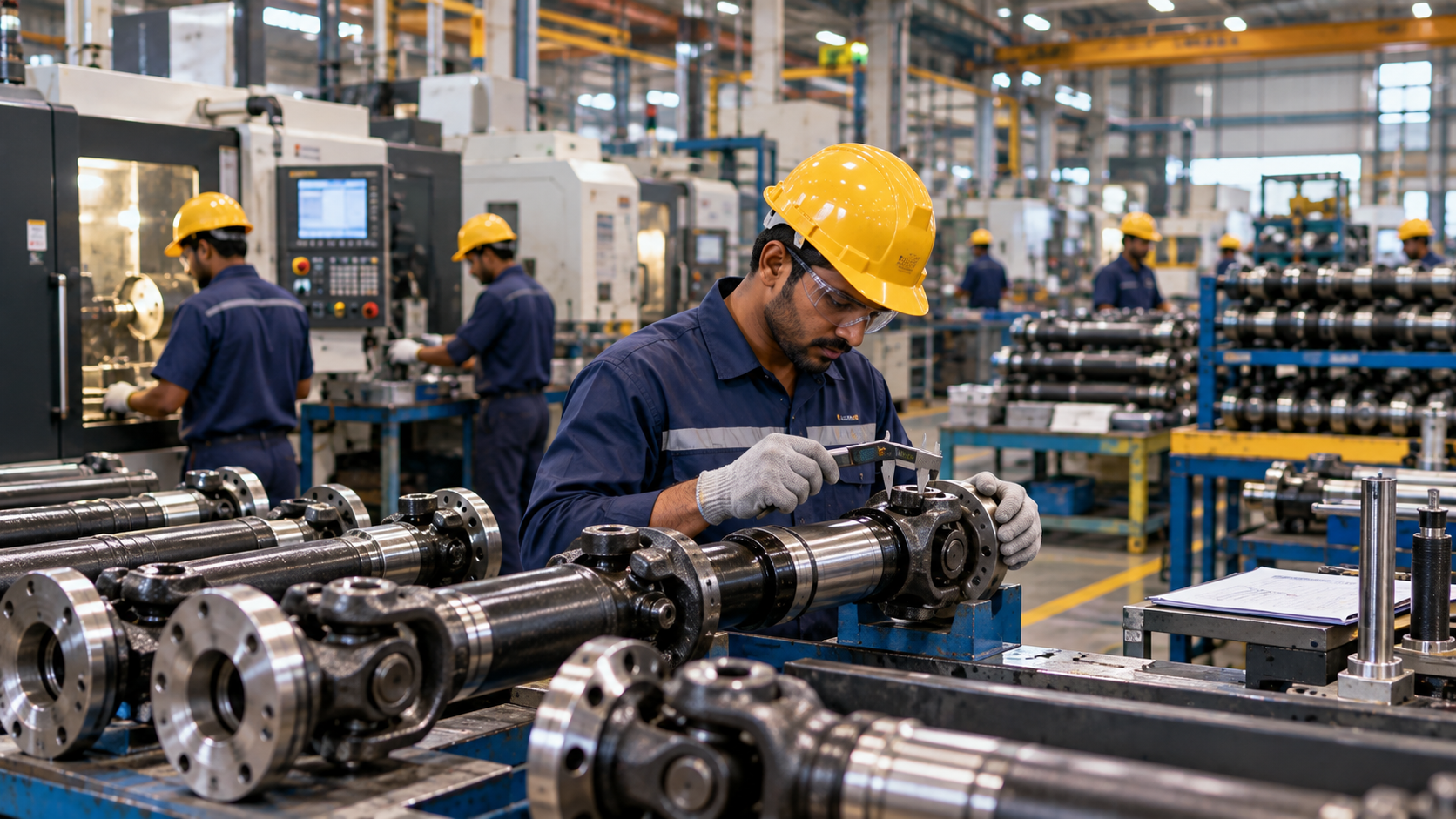
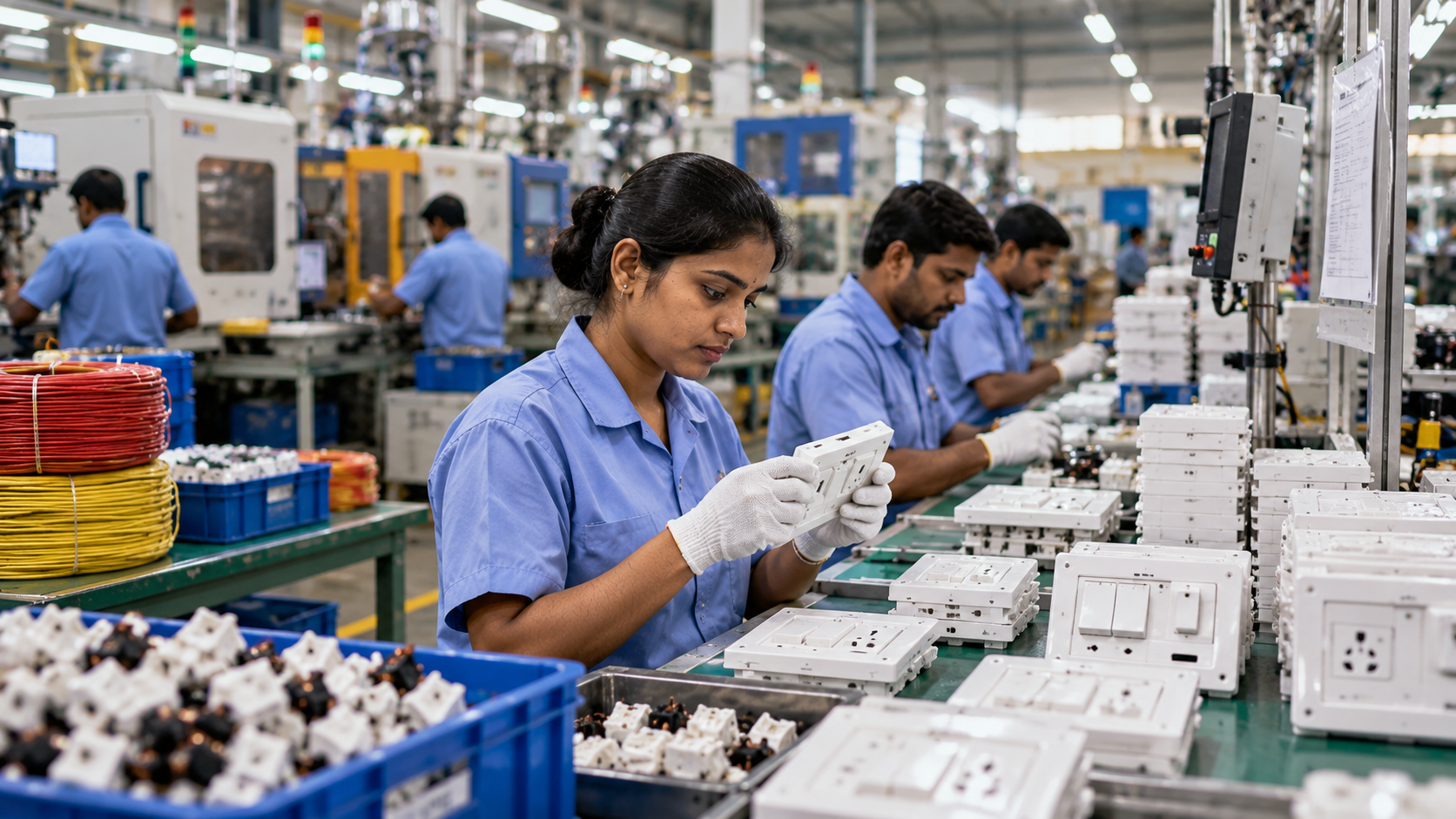
Modi’s appeal to buy swadeshi goods adds another dimension to GST 2.0. By nudging consumers toward local products, the government is attempting to strengthen domestic industries and reduce dependence on imports.

“GST 2.0 will accelerate India’s growth story, increase ease of doing business, and attract more investors.”

GST 2.0 marks a decisive shift in India’s indirect tax regime. By simplifying slabs, reducing rates on essentials, and tightening taxation on luxury and sin goods, the reform aims to balance household welfare with revenue stability. While the success of this reform will ultimately depend on how businesses pass on benefits to consumers, its potential to boost consumption, investment, and self-reliance cannot be understated.

For the middle-class family planning monthly expenses, GST 2.0 is being positioned as a “festival of savings.” Whether this festive spirit translates into sustained consumer relief will be the real test in the months ahead.


FAQs

1. What is GST and how does it apply to food products?
GST (Goods and Services Tax) is a unified indirect tax in India. It applies to food products based on their type, processing level, and packaging, with rates varying from 0% to 18%.

2. Which food products are exempt from GST?
Essential items like fresh fruits, vegetables, unbranded cereals, pulses, and milk are generally exempt (0% GST) to keep staple foods affordable.

3. What GST rate applies to packaged and processed foods?
Packaged staples, processed foods, and ready-to-eat items typically attract 5–12% GST. Snack foods, chocolates, and frozen foods may fall under 12–18% slabs.

4. Are beverages and dairy products taxed differently?
Fresh milk is exempt, while flavored milk, cheese, butter, ghee, ice cream, and packaged juices usually attract GST at 5–18% depending on the product.

5. How does GST affect restaurants and food delivery?
Restaurants without air-conditioning charge 5% GST, while AC restaurants and premium outlets may charge 12% GST. Takeaways and online food delivery follow similar slab rules.

Previous Post
Next Post

Most Recent Posts

  • All Post
  • 8th Pay Commission
  • Aadhar
  • Aditya Birla Capital
  • Advertising Standards
  • Affordable Housing
  • Agriculture
  • Agriculture & Food
  • AI in Healthcare
  • AI Technology
  • Airlines
  • alcohol industry
  • Android
  • APEDA
  • Apple
  • Artificial Intelligence
  • Ashwini Vaishnaw
  • Asset Management
  • Atmanirbhar Bharat
  • Audio Devices
  • Audio Products
  • Auto Industry
  • Automobile
  • Automobiles
  • Automotive
  • Automotive Industry
  • Aviation
  • Bain Healthcare Report 2026
  • Bank
  • Banking
  • Banking Technology
  • Battery Industry
  • Beverage Industry
  • Beverages
  • Bihar
  • biotechnology
  • Bitcoin
  • BMW Group India
  • Brand Insight
  • BRICS
  • Bullion Market
  • Business
  • Business & Economy
  • Business & Trade
  • Business Leadership Post COVID-19
  • Business News
  • Business Terminology
  • Business Utilities
  • Buyback
  • Capital Goods
  • Capital Markets
  • CarsBusiness
  • CBIC
  • CCI
  • Child Investment
  • China
  • China technology news
  • Citizen Services
  • Clean Energy
  • Clean Technology
  • Cloud Computing
  • coal
  • Commerce
  • Commerce and Industry
  • Commercial Real Estate
  • Commercial Vehicles
  • Commodities
  • Communications
  • Companies
  • Competition Law
  • Compliance
  • Computer Accessories
  • connected cars
  • Consumer
  • Consumer Affairs
  • Consumer Electronics
  • Consumer Finance
  • Consumer Goods
  • Consumer Health
  • Consumer Markets
  • Consumer News
  • Consumer Protection,
  • Consumer Rights
  • Consumer Spending
  • Consumer Trends
  • Content Creation
  • Copper
  • Corporate
  • corporate affairs
  • Corporate Earnings
  • Corporate Governance
  • Corporate News
  • Corporate Social Responsibility
  • Cost of Living
  • Country
  • CRED
  • Credit Cards
  • CREDIT RATING
  • Crude Oil
  • Cryptocurrency
  • CSR
  • Culture
  • Currency
  • Customs Duty
  • Cyber Security
  • Cybersecurity
  • Dairy Industry
  • Data & Analytics
  • Defence
  • Delhi Government
  • Delhi-NCR
  • Demographics
  • Derivatives
  • DGCA
  • DGFT
  • DigiLocker
  • Digital Assets
  • Digital Economy
  • Digital Health India
  • Digital Identity
  • Digital India
  • Digital Infrastructure
  • Digital passport for robots
  • Digital Payments
  • Digital Platforms
  • digital services
  • Diplomacy
  • Dixon Technologies
  • DPIIT
  • E Commerce
  • E-commerce
  • E-Governance
  • Ease of Doing Business
  • Economic Growth
  • Economy
  • Edible Oil Industry
  • Editor Choice
  • EdTech
  • Education
  • Electric Mobility
  • Electric Vehicles
  • Electronics
  • Employment
  • ENERGY
  • Engineering
  • Entertainment
  • Environment
  • EPFO
  • Ethanol Economy
  • EV Industry
  • EV Technology
  • Exports
  • EXTER
  • Farmers
  • Fashion
  • FINANCE
  • Finance Ministry,
  • Financial Marketing
  • Financial Markets
  • Financial News
  • Financial Planning
  • Financial Results
  • Financial Services
  • Fintech
  • FnTech
  • Food & Beverage
  • Food & Beverages
  • Food Exports
  • Food Industry
  • Food Manufacturing
  • Food Processing
  • Food Regulations
  • food safety
  • Foreign Exchange
  • Foreign Investment
  • Foreign Policy
  • Foreign Trade
  • Forex Reserves
  • fssai
  • FTA
  • Fuel
  • Fuel Prices
  • Future Energy
  • Gadgets
  • Gadgets & Apps
  • Gaming
  • GDP
  • Generative AI Healthcare
  • Geopolitics
  • GI Products
  • Global Brand Alliance
  • Global Economy
  • Global Markets
  • Global Politics
  • Global Tech
  • Global Trade Policy
  • Global Trends\
  • Gold
  • Gold Market
  • Gold Prices
  • Gols & Silver
  • Government
  • Government & Policy
  • Government Affairs
  • Government Bonds
  • Government Data
  • Government Initiatives
  • Government Policy
  • Government Policy & Regulation
  • Government Scheme
  • Government Schemes
  • Government Services
  • Green Energy
  • Green Mobility
  • GroupGlobal
  • GST
  • GST Council
  • GST Counsil
  • Hair Care
  • Hardware
  • Hatchback Segment
  • Health Supplements,
  • Horticulture
  • Housing
  • HSBC
  • Human Resources
  • humanoid robot market
  • Hyundai
  • IBT Infographics
  • iinvestment
  • Imports & Exports
  • Income Tax
  • India
  • India Auto Market
  • India Business News
  • India Inc
  • India News
  • India Retail
  • India-Canada Relations
  • India-China
  • India-Japan Relations
  • India-Russia Relations
  • India-South Korea Relations
  • India-US Relations
  • Indian Economy
  • Indian Navy
  • Industrial Pollution
  • Inflation
  • Infra
  • Infrastructure
  • Innovation
  • Instagram
  • Insurance
  • international
  • International Affairs
  • International Cooperation
  • International Relations
  • International Trade
  • Internet & Connectivity
  • Internet Policy
  • Internet Regulation
  • Interview
  • Investing
  • Investment News
  • Investments
  • iPhone News
  • IPO
  • IT Industry
  • Jewellery
  • Jio Platforms
  • JioBlackRock
  • Jobs & Careers
  • Joint Ventures
  • Kim Kardashian
  • Labour
  • Latest
  • Launches
  • Leadership
  • Leaderspeak
  • Lending
  • Lifestyle
  • Lifestyle Tech
  • List
  • Loans & Credit
  • Local News
  • Logistics
  • LPG
  • Luxury Cars
  • Machinery
  • Macroeconomics
  • Macroeconomy
  • maharashtra
  • Maharashtra News
  • Make in India
  • Makhana
  • Manufacturing
  • Market Outlook
  • Markets
  • Maruti Suzuki
  • Mergers & Acquisitions
  • Meta
  • Microsoft
  • Middle East
  • Mobile Apps
  • Mobile Industry
  • Mobile Launch
  • Mobility
  • Monetary Policy
  • Monsoon
  • MoSPI
  • MSME
  • Mutual Funds
  • Nano Tech
  • National
  • National news
  • NEET 2026
  • NewsElectric
  • NewsTata
  • NPCI
  • NPS Vatsalya
  • Office Market
  • Oil & Gas
  • Oil and Gas
  • Others
  • OTT
  • Packaged Drinking Water
  • Packaged Foods
  • Packaging Industry
  • Packaging Innovation
  • Passenger Vehicles
  • Paytm
  • Pension & Retirement
  • Pensions
  • Personal Care
  • Personal Finance
  • Perspectives
  • Petroleum
  • PFRDA
  • Pharmaceuticals
  • PM Modi
  • PMAY-G
  • PMAY-U
  • PMAY,
  • PMI
  • policy
  • Population
  • PORTS
  • Positive News
  • PPF
  • Precious Metals
  • Pricing
  • Product Labeling
  • Product Labelling
  • Product Launch
  • Property Market
  • PSU
  • PSU Banks
  • Public Health
  • Public Policy
  • Public Safety
  • Public Sector
  • Public Services
  • Public Welfare
  • Quarterly Results
  • Railways
  • Rajasthan
  • Raksha Bandhan
  • Raksha Bandhan Gifts
  • Rare Earths
  • RBI
  • Real Estate & Realty Sector
  • Recycling
  • Regulation
  • Regulatory Action
  • Regulatory Affairs
  • Regulatory Updates
  • REIT
  • Reliance Industries
  • Renewable Energy
  • RERA
  • Research
  • Retail
  • Retirement Planning
  • Road Infrastructure
  • Robotics & Automation
  • robotics standards
  • Rupee
  • Rural Development
  • Rural Housing
  • SAIL
  • Salaries
  • Samsung
  • Savings
  • Science & Technology
  • Sebi
  • Security
  • Semiconductor
  • Services Sector,
  • SHIPPING
  • Silver Prices
  • Skill Development
  • Skills Development
  • Small Business
  • Smart Devices
  • Smart Home
  • Smart Mobility
  • Smartphones
  • Social Impact
  • Social Media
  • Society
  • Software Development
  • Solar Energy
  • Space Technology
  • Startups
  • Statistics
  • Steel Industry
  • Stock Market
  • stocks
  • streaming
  • Sugar Industry
  • Sukanya Samriddhi Yojana
  • Sustainability
  • SUV
  • Tamil Nadu Pollution Board
  • Tariffs
  • Tariffs & Duties
  • Tata Group
  • Tata Motors
  • Tata Sons
  • Tax Planning
  • Taxation
  • Tech
  • Tech Branding
  • Technology
  • Telecom & Technology
  • Telecom Industry
  • Top Story
  • Tourism
  • Trade
  • Trade Agreement
  • Trade Basket
  • Trade Partner
  • Trade Policy,
  • Transportation
  • Travel
  • Trending
  • Two-Wheelers
  • UIDAI
  • UPI
  • Urban Development
  • US-Iran Conflict Economic Impact
  • US–India Relations
  • Uttar Pradesh
  • VehiclesLuxury
  • vivo
  • Wastewater Management
  • Water Quality,
  • Wealth Management
  • Wearables
  • Wellness
  • WhatsApp
  • Wheat
  • Workplace
  • World
  • World News
  • Worldview
  • Yamaha
  • zLead Slider
    •   Back
    • Healthcare
    • Auto
    • Fmcg
    • Hospitality
    •   Back
    • Cash Crop
    • Organic
    • New Era Agri
    • Processed Food
    •   Back
    • Construction
    • Power
    • Mining
    • Telecom
    •   Back
    • ENERGY
    •   Back
    • Export/Import
    • Trade Deal
    • Trade Fair
    •   Back
    • Policies
    • Industry
    • Finance
    •   Back
    • Others technology
    • Mobile phone
    • Gadgets
    •   Back
    • Manufacturing
    • Services
    • Startup

India Business & Trade is a national media platform decoding the ideas, decisions and shifts shaping India’s growth story—across plicy, business, global commerce and a rapidly evolving marketplace.

Reach Us

India Business & Trade
M-62, Saket, New Delhi-110064, India

Subscribe To Newsletter

Stay ahead in the dynamic world of trade and commerce with India Business & Trade’s weekly newsletter.

Copyright © 2026 India Business & Trade. All Rights Reserved


Fatal error: Uncaught TypeError: Unsupported operand types: string * int in /var/www/sites/indiabusinesstrade.in/wp-content/plugins/royal-elementor-addons/admin/includes/wpr-templates-modal-popups.php:192 Stack trace: #0 /var/www/sites/indiabusinesstrade.in/wp-content/plugins/royal-elementor-addons/admin/includes/wpr-templates-modal-popups.php(128): WprAddons\Admin\Includes\WPR_Templates_Modal_Popups::get_template_settings() #1 /var/www/sites/indiabusinesstrade.in/wp-content/plugins/royal-elementor-addons/admin/includes/wpr-templates-modal-popups.php(106): WprAddons\Admin\Includes\WPR_Templates_Modal_Popups::render_popup_content() #2 /var/www/sites/indiabusinesstrade.in/wp-content/plugins/royal-elementor-addons/admin/includes/wpr-templates-modal-popups.php(64): WprAddons\Admin\Includes\WPR_Templates_Modal_Popups::display_popups_by_location() #3 /var/www/sites/indiabusinesstrade.in/wp-includes/class-wp-hook.php(341): WprAddons\Admin\Includes\WPR_Templates_Modal_Popups->render_popups() #4 /var/www/sites/indiabusinesstrade.in/wp-includes/class-wp-hook.php(365): WP_Hook->apply_filters() #5 /var/www/sites/indiabusinesstrade.in/wp-includes/plugin.php(522): WP_Hook->do_action() #6 /var/www/sites/indiabusinesstrade.in/wp-includes/general-template.php(3224): do_action() #7 /var/www/sites/indiabusinesstrade.in/wp-content/plugins/royal-elementor-addons/admin/templates/wpr-canvas.php(64): wp_footer() #8 /var/www/sites/indiabusinesstrade.in/wp-includes/template-loader.php(132): include('...') #9 /var/www/sites/indiabusinesstrade.in/wp-blog-header.php(19): require_once('...') #10 /var/www/sites/indiabusinesstrade.in/index.php(17): require('...') #11 {main} thrown in /var/www/sites/indiabusinesstrade.in/wp-content/plugins/royal-elementor-addons/admin/includes/wpr-templates-modal-popups.php on line 192