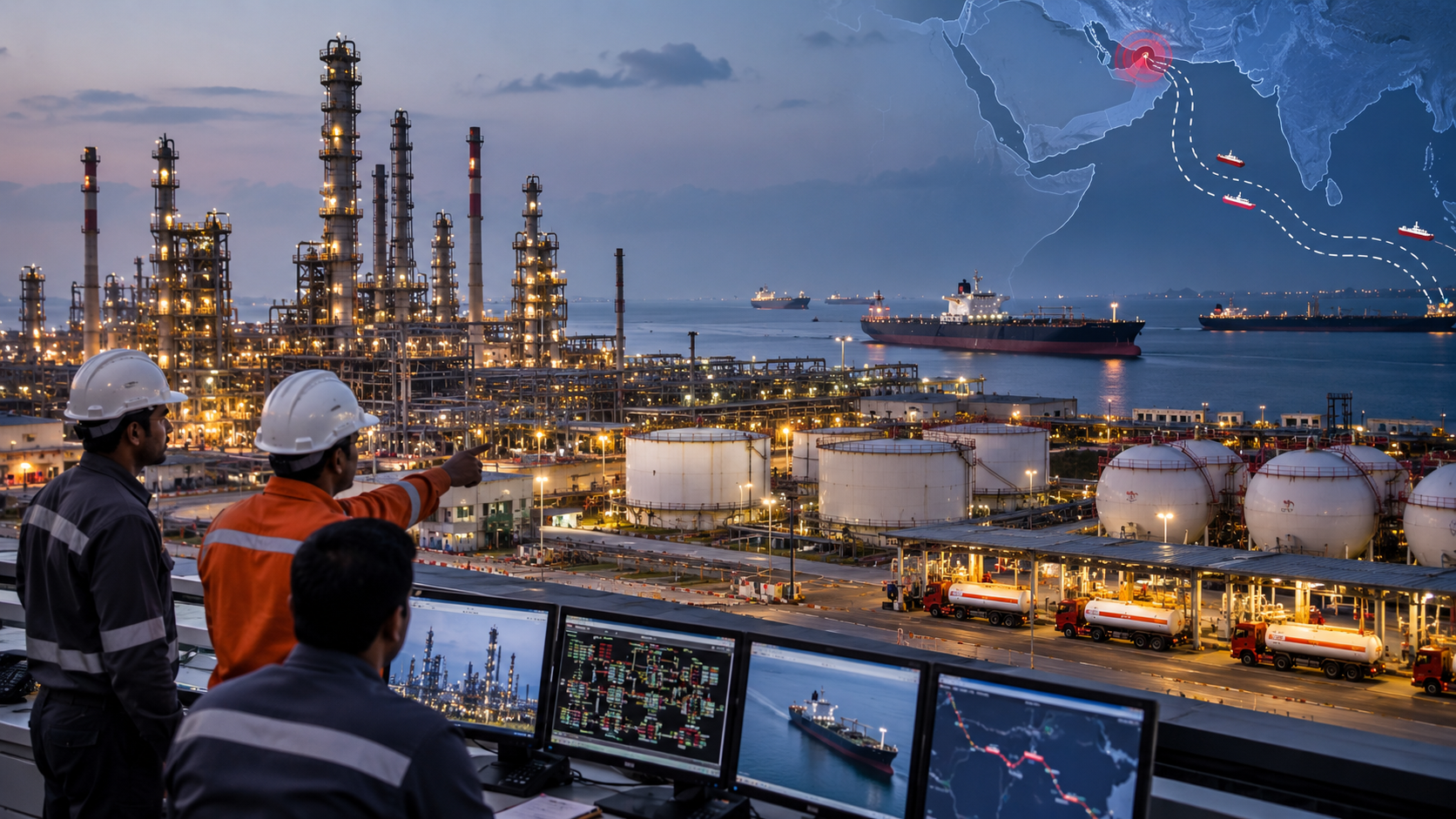
Refineries raise output during disruption
Key Highlights
- Indian Oil increased LPG production by nearly 30 per cent during supply disruptions.
- IOC refineries operated at more than 100 per cent utilisation.
- The company diversified crude sourcing and secured alternative supplies.
- Nearly 90 per cent of India’s LPG imports are linked to the Strait of Hormuz.
- IOC reported a standalone net profit of ₹36,802 crore for the year ended March 2026.
- The company plans to expand refining capacity to around 98 million tonnes annually.
News Story
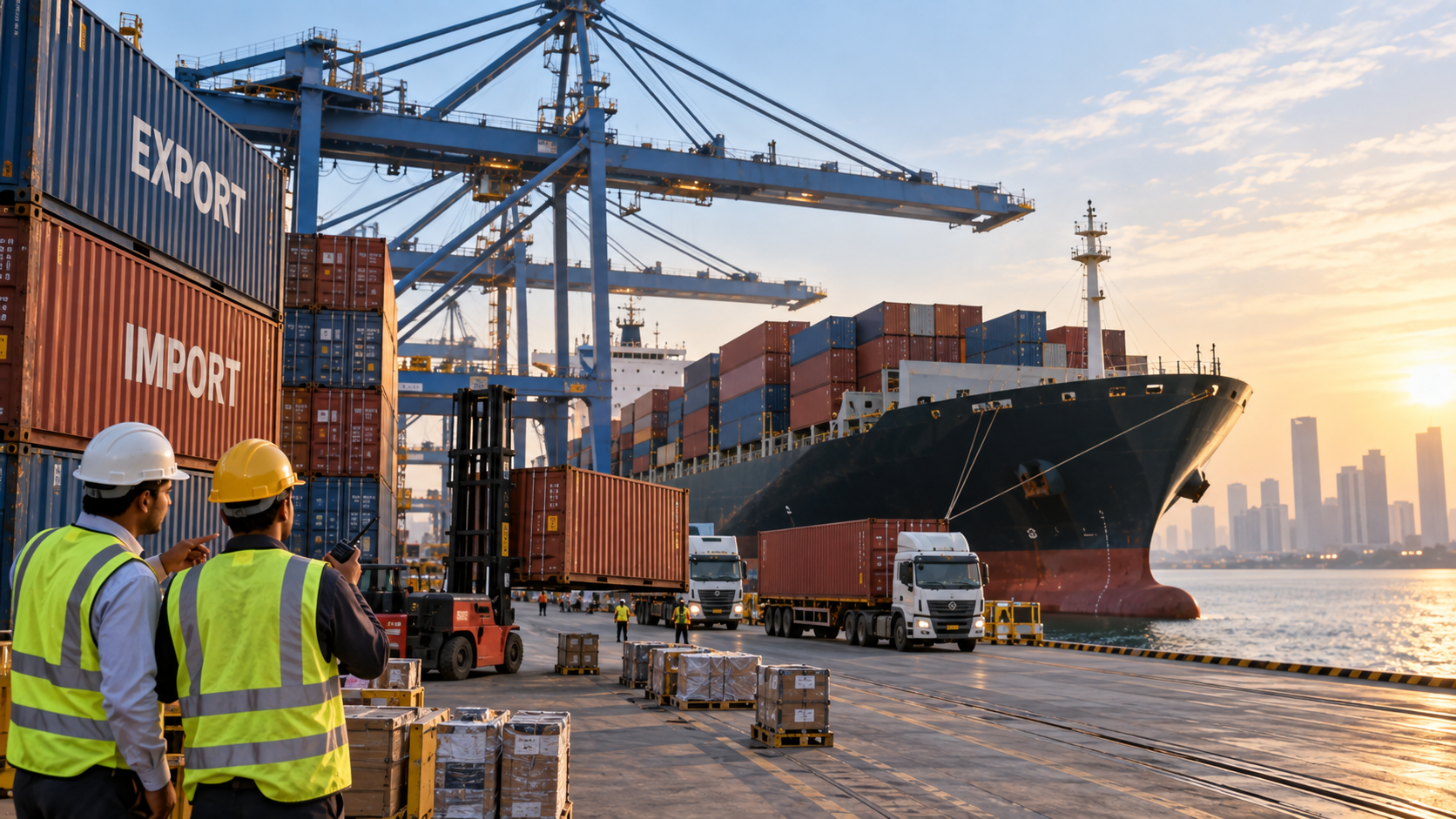
New Delhi, August 31, 2026: Indian Oil Corporation increased liquefied petroleum gas production by nearly 30 per cent and operated its refineries above 100 per cent utilisation as disruptions to maritime trade through the Strait of Hormuz created challenges for India’s energy supplies.
IOC Chairman Arvinder Singh Sahney said the company diversified crude sourcing, realigned refinery operations and strengthened supply-chain coordination to secure alternative supplies.
The disruption followed an escalation of conflict in West Asia, which affected global energy markets and raised concerns over supplies moving through the strategic waterway.
India imports more than 88 per cent of its crude oil requirement, while around 45 per cent of its crude imports and nearly 90 per cent of LPG imports are linked to the Strait of Hormuz.
IOC used round-the-clock control rooms, daily reviews and real-time market monitoring to respond to supply gaps and maintain product availability.
Despite a significant shift away from Middle Eastern crude grades, the company’s refineries continued operating above 100 per cent utilisation.
For the financial year ended March 2026, IOC reported a standalone net profit of ₹36,802 crore on turnover of approximately ₹8.86 lakh crore.
The company processed a record 75.45 million tonnes of crude during the year.
IOC is also expanding its refining operations, with projects at Panipat, Gujarat and Barauni expected to increase group refining capacity from 80.75 million tonnes annually to around 98 million tonnes.
The company is also increasing its focus on petrochemicals, natural gas, renewables, biofuels, green hydrogen and sustainable aviation fuel.