Key Highlights
- Gold prices fell by Rs 2,100 per tola on June 5.
- Fine gold is trading at Rs 309,000 per tola.
- Gold was priced at Rs 311,100 per tola on the previous day.
- Silver prices declined by Rs 55 per tola.
- Silver is currently trading at Rs 5,230 per tola.
- The white metal was priced at Rs 5,285 per tola on Thursday.
- The latest rates were released by the Federation of Nepal Gold and Silver Dealers’ Association.
RBI Launches Comprehensive Measures to Attract Foreign Capital and Strengthen India’s External Position
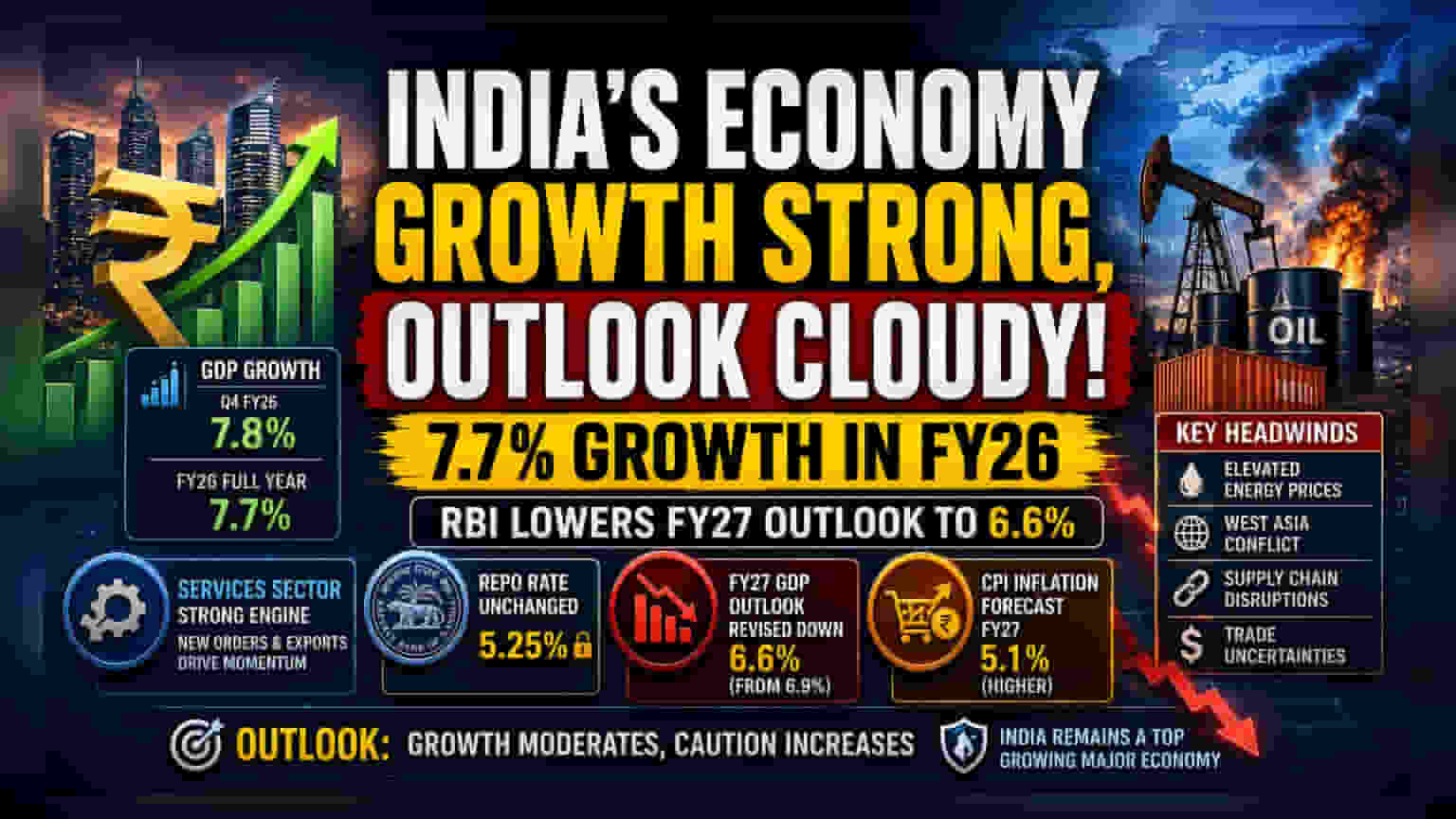
Mumbai, June 5 — The Reserve Bank of India (RBI) on Friday unveiled a broad package of policy measures designed to attract foreign investment, deepen participation in India’s financial markets, and reinforce the country’s external sector amid ongoing uncertainty in global economic conditions.
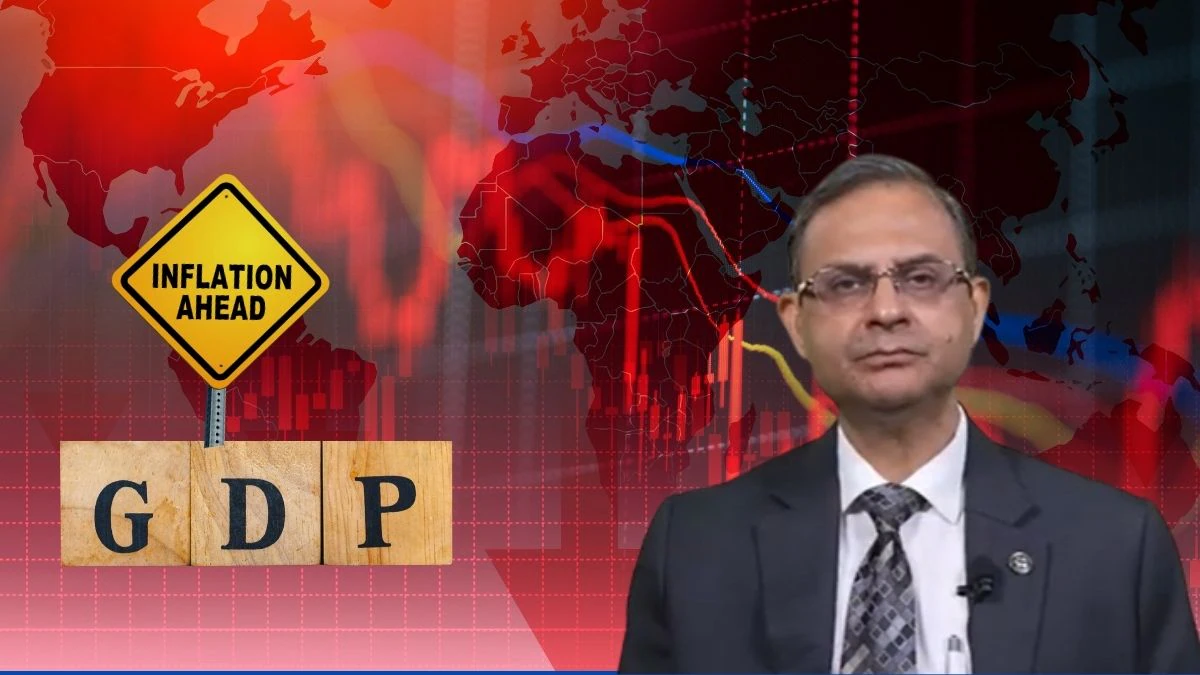
Announcing the measures, RBI Governor Sanjay Malhotra said the central bank is taking significant steps to make Indian financial assets more attractive to overseas investors while ensuring stable and long-term capital inflows into the economy.
A key component of the package involves expanding the scope of government securities eligible under the Fully Accessible Route (FAR). Under the revised framework, all newly issued 15-year, 30-year, and 40-year sovereign bonds will be included under FAR, allowing foreign investors unrestricted access to these securities.
The RBI has also removed several restrictions applicable to Foreign Portfolio Investors (FPIs) investing through the General Route. These include limits on short-term investments, concentration caps, and exposure restrictions to individual securities. The move is expected to provide greater flexibility for foreign investors and encourage larger allocations toward Indian government debt.
Governor Malhotra stated that these reforms, combined with recent tax incentives introduced by the government, are expected to enhance the attractiveness of India’s sovereign bond market and support the government’s borrowing requirements at a time when financing conditions remain volatile globally.
In a significant parallel development, the government has eliminated the long-term capital gains tax on investments made by foreign institutional investors in government securities. The change was implemented through an ordinance issued on Friday and is expected to improve post-tax returns for overseas investors.
The RBI governor welcomed the tax reform, describing it as an important step toward strengthening India’s balance of payments and boosting foreign participation in domestic debt markets. Market experts believe the combined impact of regulatory easing and tax incentives could significantly increase demand for Indian government bonds from international investors.
The central bank has also broadened access to Indian equity markets. Previously, certain investment facilities were available primarily to Non-Resident Indians (NRIs) and Overseas Citizens of India (OCIs). The RBI has now extended these opportunities to all individual Persons Resident Outside India (PROIs), allowing a wider pool of global investors to participate in Indian equities without requiring registration with the securities regulator.
To further encourage foreign capital inflows, the RBI announced a concessional foreign-exchange swap facility for External Commercial Borrowings (ECBs) raised by public sector enterprises. The facility will remain available until September 30, 2026, and is intended to lower the cost of accessing overseas funding.
In another measure aimed at attracting foreign currency deposits, authorized dealer banks will be permitted to use a temporary arrangement under which the RBI will absorb the full hedging cost on newly mobilized Foreign Currency Non-Resident (Bank) or FCNR(B) deposits with maturities ranging from three to five years. This facility will also remain available until September 30, 2026.
Additionally, the RBI has proposed restoring the period for realization of export proceeds to nine months. The move is expected to provide greater operational flexibility for exporters while supporting the country’s foreign exchange earnings.
The announcements come at a time when the Indian rupee has faced pressure due to elevated global crude oil prices and intermittent foreign investor outflows from domestic equity markets. Policymakers are increasingly focused on maintaining external stability and ensuring adequate foreign capital inflows to support economic growth.
Financial market participants have largely welcomed the measures, noting that increased foreign participation in government securities could help lower borrowing costs for the government, improve liquidity in debt markets, and strengthen investor confidence in India’s macroeconomic fundamentals.
Collectively, the RBI’s latest initiatives represent one of the most comprehensive efforts in recent years to attract stable foreign capital, improve access to international financing, and bolster India’s external financial position amid a challenging global environment.