Key Highlights
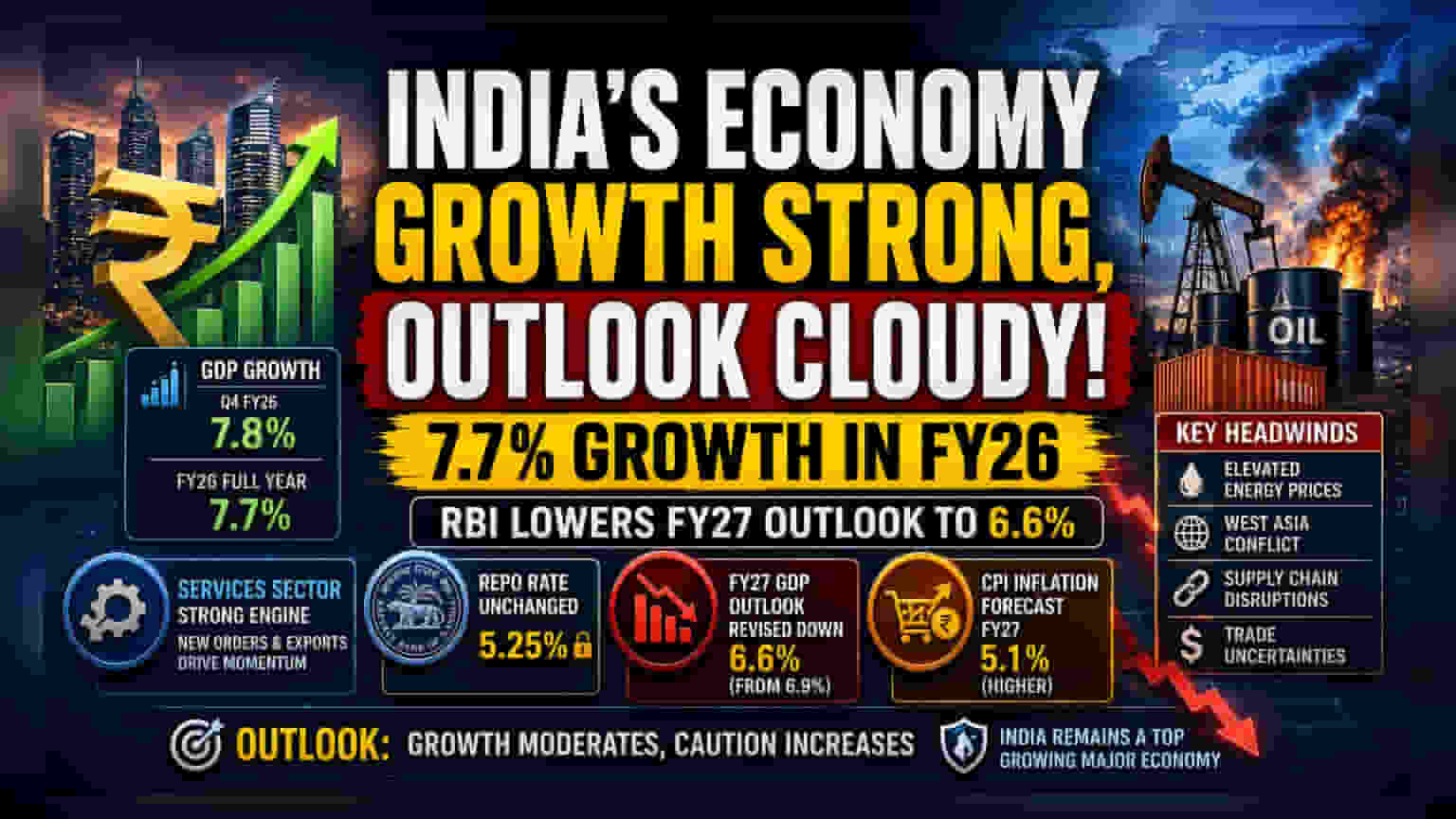
- RBI reduced its FY27 GDP growth forecast from 6.9% to 6.6%.
- Governor Sanjay Malhotra warned that a weak south-west monsoon could affect rural demand and consumption.
- Lower rainfall may impact agricultural output, farm incomes, and household spending.
- Climate-resilient farming, crop diversification, and water conservation initiatives are expected to mitigate risks.
- Rising energy prices and supply-chain disruptions remain key concerns for economic growth.
- Geopolitical tensions in West Asia continue to create uncertainty for global trade and commodity markets.
- RBI identified extreme weather events, financial market volatility, and supply bottlenecks as major downside risks.
RBI Cuts FY27 Growth Forecast to 6.6%, Flags Weak Monsoon and Global Risks as Key Challenges
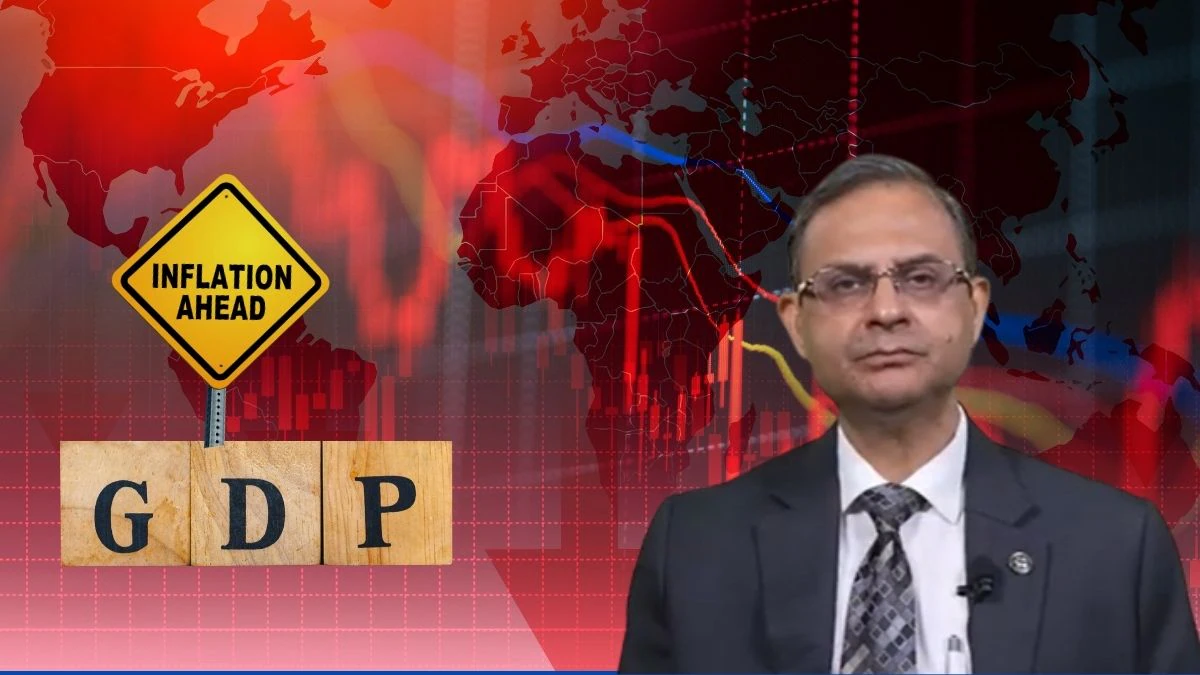
Mumbai, June 5 — The Reserve Bank of India (RBI) has revised its economic growth outlook downward for FY27, citing concerns over a potentially weak monsoon season, rising energy costs, geopolitical uncertainties, and persistent global supply-chain disruptions. The central bank now expects India’s economy to grow by 6.6 percent in FY27, compared with its earlier projection of 6.9 percent.
Speaking at a press conference following the latest monetary policy announcement, RBI Governor Sanjay Malhotra highlighted the potential economic impact of below-normal rainfall during the south-west monsoon season. While rural demand has remained relatively resilient in recent quarters, the governor cautioned that weaker rainfall could weigh on agricultural production, farm incomes, and household consumption across rural India.
According to Malhotra, rural demand and private consumption may face pressure if monsoon conditions remain unfavorable. Agriculture continues to play a crucial role in supporting livelihoods and economic activity in large parts of the country, making rainfall performance an important determinant of rural spending and overall economic momentum.
The governor noted that lower rainfall can reduce crop yields and farm earnings, affecting purchasing power in rural areas. However, he emphasized that several government-led and agricultural sector initiatives are expected to reduce the severity of any adverse impact.
These measures include crop diversification programs, rainwater harvesting projects, improved irrigation systems, water conservation initiatives, climate-resilient agricultural practices, and the promotion of short-duration crop varieties. Such interventions have become increasingly important as climate-related risks and weather variability continue to influence agricultural output.
Apart from monsoon-related concerns, the RBI also pointed to rising energy costs as a significant risk to the economic outlook. Higher crude oil and fuel prices can increase production expenses for businesses, elevate transportation costs, and place additional pressure on household budgets. The central bank warned that sustained increases in energy prices could affect both economic growth and consumer demand.
The RBI further highlighted ongoing geopolitical tensions, particularly in West Asia, as a source of uncertainty for global markets. These developments have contributed to volatility in commodity prices and disruptions in international trade flows. According to the central bank, prolonged geopolitical conflicts could continue to impact global supply chains, increase input costs, and create challenges for businesses dependent on imported raw materials.
Malhotra stated that the extent of the economic impact would depend on the duration of current disruptions and the pace at which global supply chains recover. While India may be able to diversify imports and secure alternative supply sources, such adjustments could come at a higher cost for companies and consumers.
Reflecting these risks, the RBI revised its GDP growth projections across the financial year. The central bank expects the economy to expand by 6.6 percent in the first quarter of FY27, 6.3 percent in the second quarter, 6.5 percent in the third quarter, and 6.8 percent in the fourth quarter.
Despite the downgrade, India remains one of the fastest-growing major economies globally. The RBI acknowledged that domestic demand, government infrastructure spending, and ongoing reforms continue to provide support to economic activity. However, the central bank believes that caution is warranted given the evolving global environment and weather-related uncertainties.
The RBI also identified extreme weather events, global financial market volatility, supply bottlenecks, and elevated commodity prices as major downside risks that could influence growth prospects in the coming months.
As policymakers monitor rainfall patterns and international developments, investors and businesses will closely watch upcoming economic indicators for signs of how these risks are affecting growth momentum. The central bank’s revised forecast underscores the importance of maintaining economic resilience amid a rapidly changing global landscape and increasing climate-related challenges.