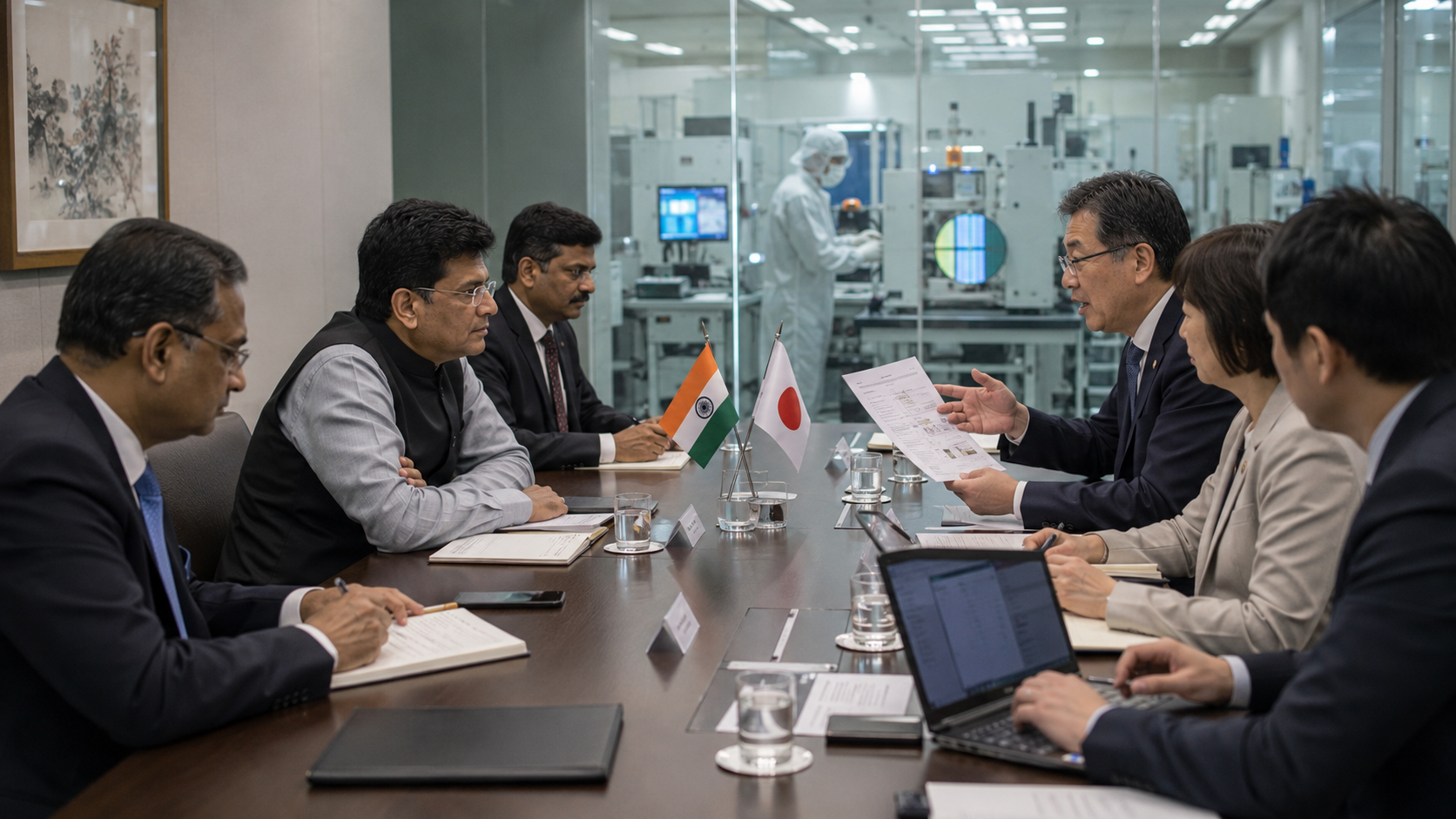
Piyush Goyal pitches deeper industrial and technology partnerships
Key Highlights
- Commerce and Industry Minister Piyush Goyal concluded engagements across Tokyo, Nagoya and Osaka.
- India is targeting JPY 10 trillion in Japanese private investment over the next decade.
- Goyal engaged with leadership from more than 30 major Japanese companies and financial institutions.
- India’s semiconductor demand is projected to reach US$150 billion by 2032.
- The government highlighted a six-pillar strategy for developing India’s semiconductor ecosystem.
- Japanese companies showed interest in semiconductors, electronics, AI, logistics and other advanced technologies.
- Discussions included infrastructure requirements for semiconductor clusters such as Dholera and Sanand.
- More than 80 Japanese companies participated in the India-Japan economic partnership roadshow in Nagoya.
- India highlighted opportunities across manufacturing, infrastructure, clean energy, financial services and next-generation industries.
New Delhi: India has stepped up efforts to attract Japanese capital and technology into manufacturing, semiconductors and other strategic industries, with Commerce and Industry Minister Piyush Goyal concluding a multi-city visit to Japan focused on building deeper industrial partnerships.
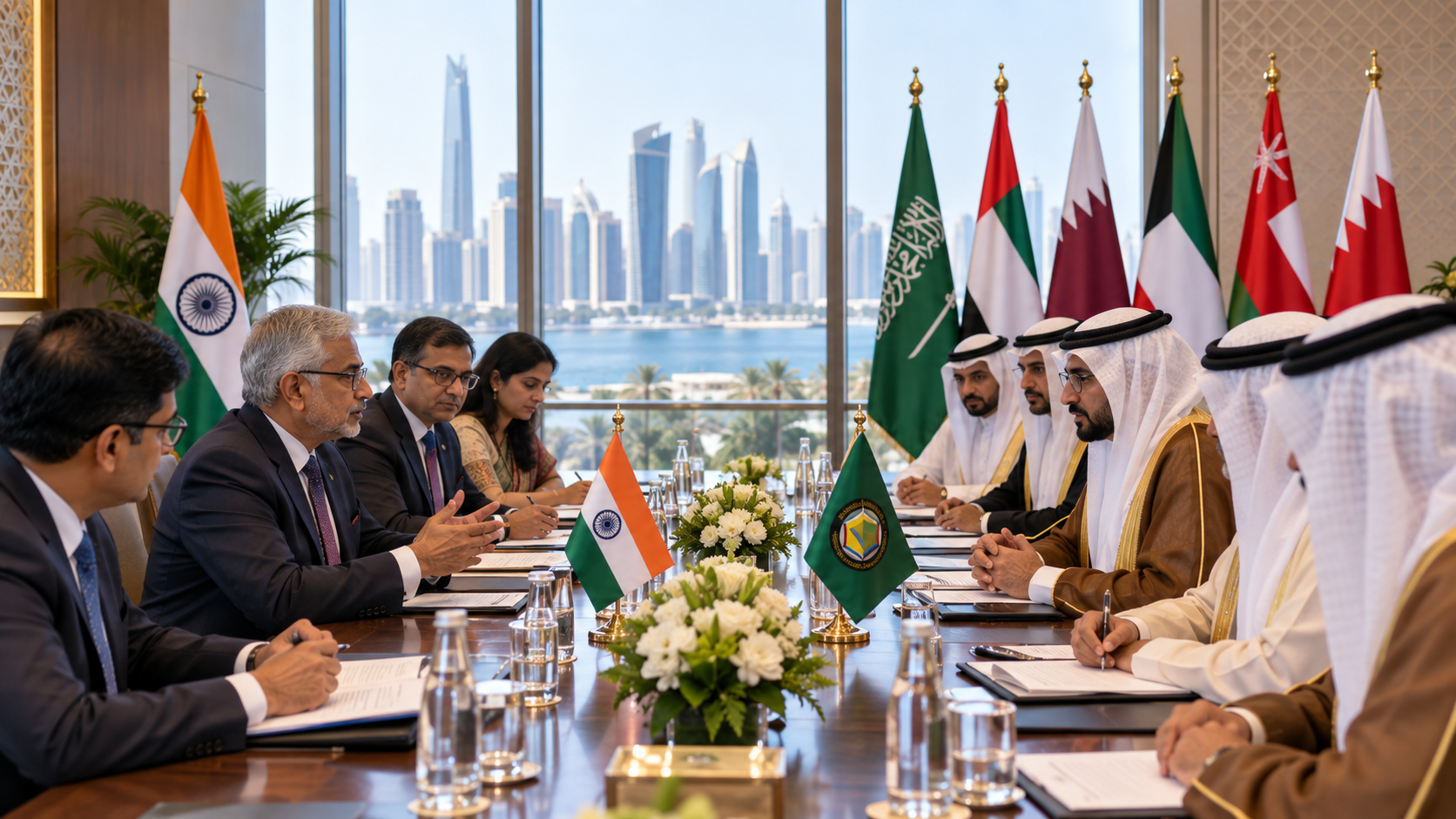
During engagements across Tokyo, Nagoya and Osaka, Goyal met senior government officials, financial institutions and executives from more than 30 major Japanese companies and institutions. Discussions focused on investment, resilient supply chains, advanced technology and greater business-to-business cooperation.
A major objective was mobilising long-term Japanese institutional capital for India. Goyal interacted with financial institutions including MUFG, Mizuho, Nomura, Nippon Life and Development Bank of Japan, with discussions covering opportunities across infrastructure, manufacturing, technology and financial services.
India Pitches Semiconductor Opportunity
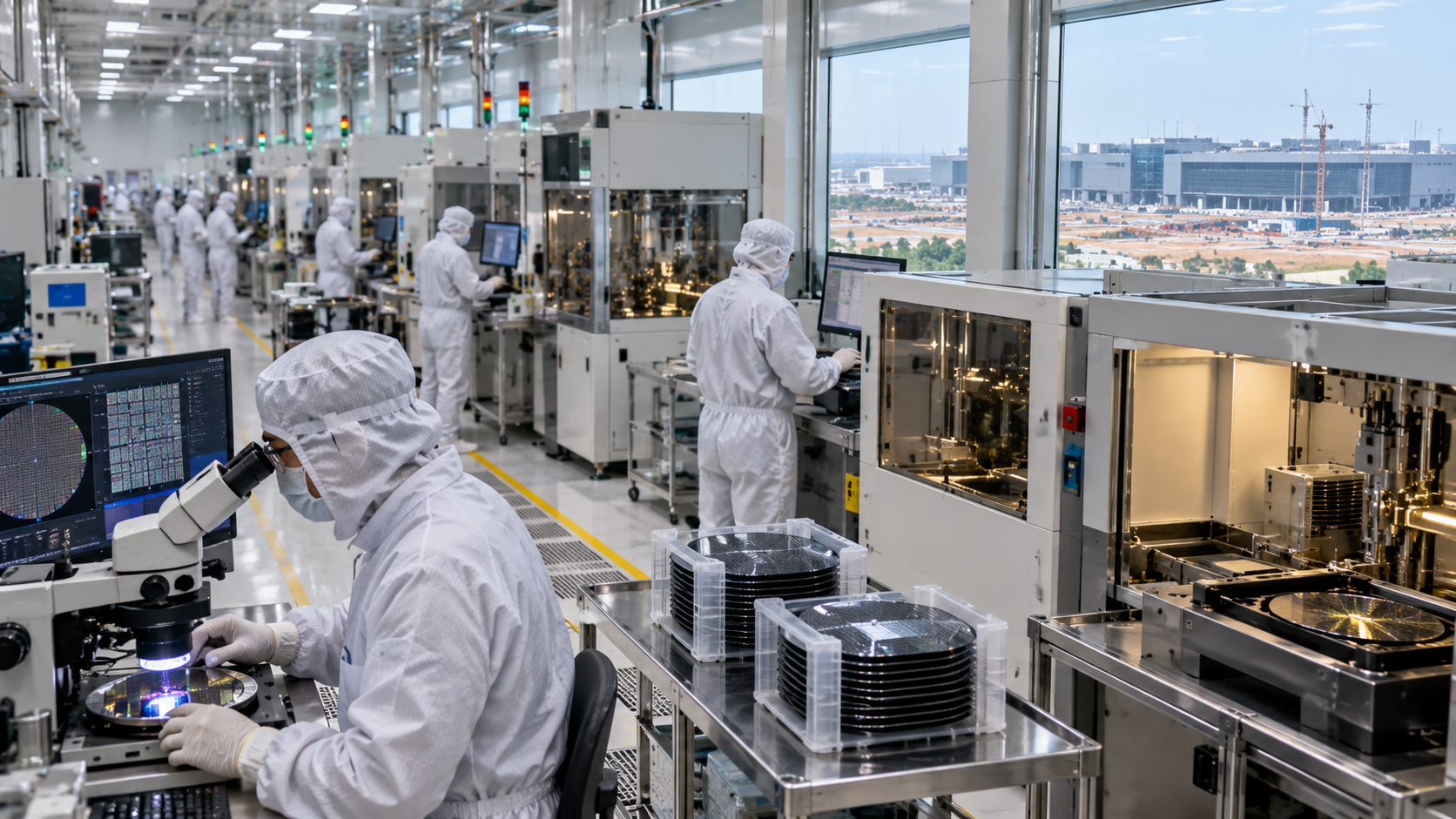
Semiconductors emerged as a major focus of the visit. At a Semiconductor and AI Roundtable, Goyal said India’s semiconductor demand is projected to reach US$150 billion by 2032.
He outlined a six-pillar strategy covering chip design, semiconductor machinery and materials, fabrication, ATMP/OSAT, research and development, and talent development.
India is seeking to combine its young skilled workforce and expanding domestic market with Japan’s engineering capabilities, advanced technology and manufacturing expertise. Japanese companies expressed interest across semiconductor equipment and materials, power semiconductors, electronics, AI, logistics and related technologies.
Discussions also covered reliable electricity, ultra-pure water, skilled manpower and social infrastructure required to develop semiconductor clusters such as Dholera and Sanand.
JPY 10 Trillion Investment Target
The visit also advanced efforts towards attracting JPY 10 trillion in Japanese private investment over the next decade, a target agreed during Prime Minister Narendra Modi’s Japan visit in 2025.
Goyal invited Japanese institutional investors and businesses to increase participation in India’s manufacturing, infrastructure, financial services, semiconductors, artificial intelligence and clean-energy sectors.
He also held discussions with Japan’s Minister of Economy, Trade and Industry Akazawa Ryosei and representatives of JETRO, JBIC and JICA on trade, investment, technology and resilient supply chains.
Manufacturing Partnerships Expand
At an India-Japan economic partnership roadshow in Nagoya, more than 80 Japanese companies participated in discussions spanning automobiles, aerospace, machine tools, semiconductors, electronics and auto components.
Goyal highlighted India’s 7.7% economic growth and its longer-term ambition to become a US$30 trillion economy by 2047 as factors supporting investment opportunities.
The visit signals India’s effort to move the economic relationship with Japan beyond conventional trade towards deeper integration in manufacturing, technology, capital and supply chains, while positioning Japanese companies as important partners in India’s next phase of industrial expansion.