Key Highlights
- Government forms 6 sector-specific working groups.
- Target to identify up to 100 products for domestic manufacturing.
- Focus on reducing import dependence and forex outflow.
- Final product list to be submitted within 3 weeks.
- DPIIT Secretary to chair all working groups.
- Imports rose 7.5% to $775 billion in FY26.
- Electronics, crude oil, machinery, chemicals and transport equipment remain top import categories.
- Initiative supports Make in India, Atmanirbhar Bharat, and manufacturing-led growth.
In a major move to strengthen India’s manufacturing ecosystem and reduce import dependence, the Central Government has constituted six sector-specific working groups to identify up to 100 high-priority products that can be manufactured domestically.
The initiative aims to boost indigenous production, reduce foreign exchange outflows, improve supply chain resilience, and support India’s vision of becoming a global manufacturing hub.
The working groups have been tasked with identifying products that are either not manufactured in India or are produced in insufficient quantities to meet domestic demand. The final recommendations are expected to be submitted to the Cabinet Secretariat within three weeks.
The six groups cover key sectors including:
- Pharmaceuticals, Biotechnology & Medical Devices
- Chemicals & Petrochemicals
- Textiles & Footwear
- Capital Goods, Automotive & Electric Vehicles
- Energy & Infrastructure Equipment
- Defence, Aerospace & Electronics
The groups will be chaired by the Secretary, Department for Promotion of Industry and Internal Trade (DPIIT) and include representatives from multiple ministries such as Commerce, Finance, NITI Aayog, Heavy Industries, Electronics & IT, Textiles, Chemicals, Renewable Energy, Defence, and Science & Technology.
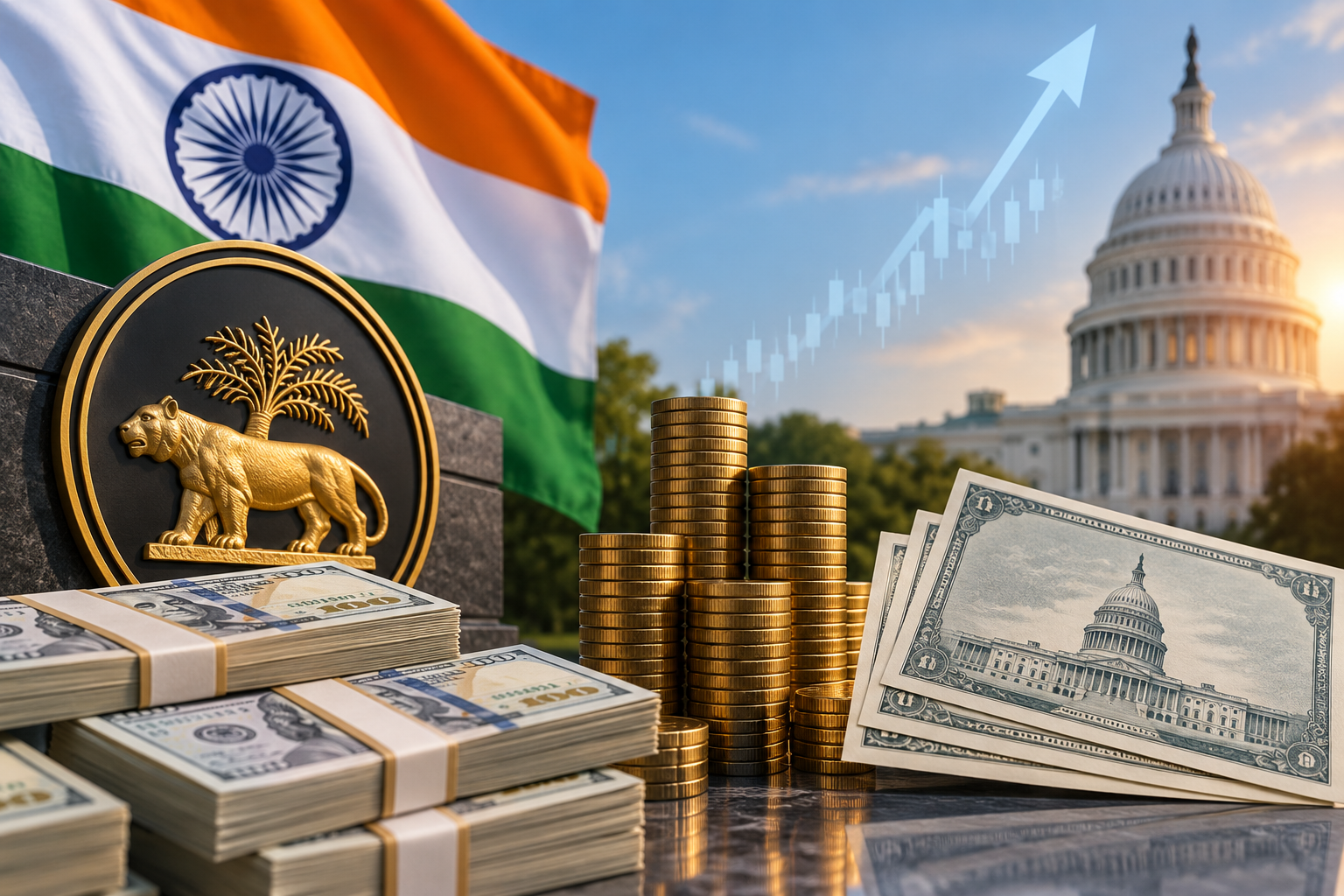
The move comes at a time when India’s imports rose 7.5% to $775 billion in FY26, putting pressure on the country’s foreign exchange reserves and the rupee.
Some of India’s largest import categories during FY26 included:
- Electronic Goods – $116.2 billion
- Crude Oil – $174 billion
- Machinery – $61.7 billion
- Transport Equipment – $34.7 billion
- Chemicals – $28 billion
- Coal, Coke & Briquettes – $27.9 billion
- Plastic Materials & Resins – $22.7 billion
- Vegetable Oils – $19.5 billion
- Fertilisers – $16 billion
- Ores & Minerals – $14.1 billion
Officials stated that the objective is not only import substitution but also building globally competitive manufacturing capabilities that can cater to both domestic and export markets.