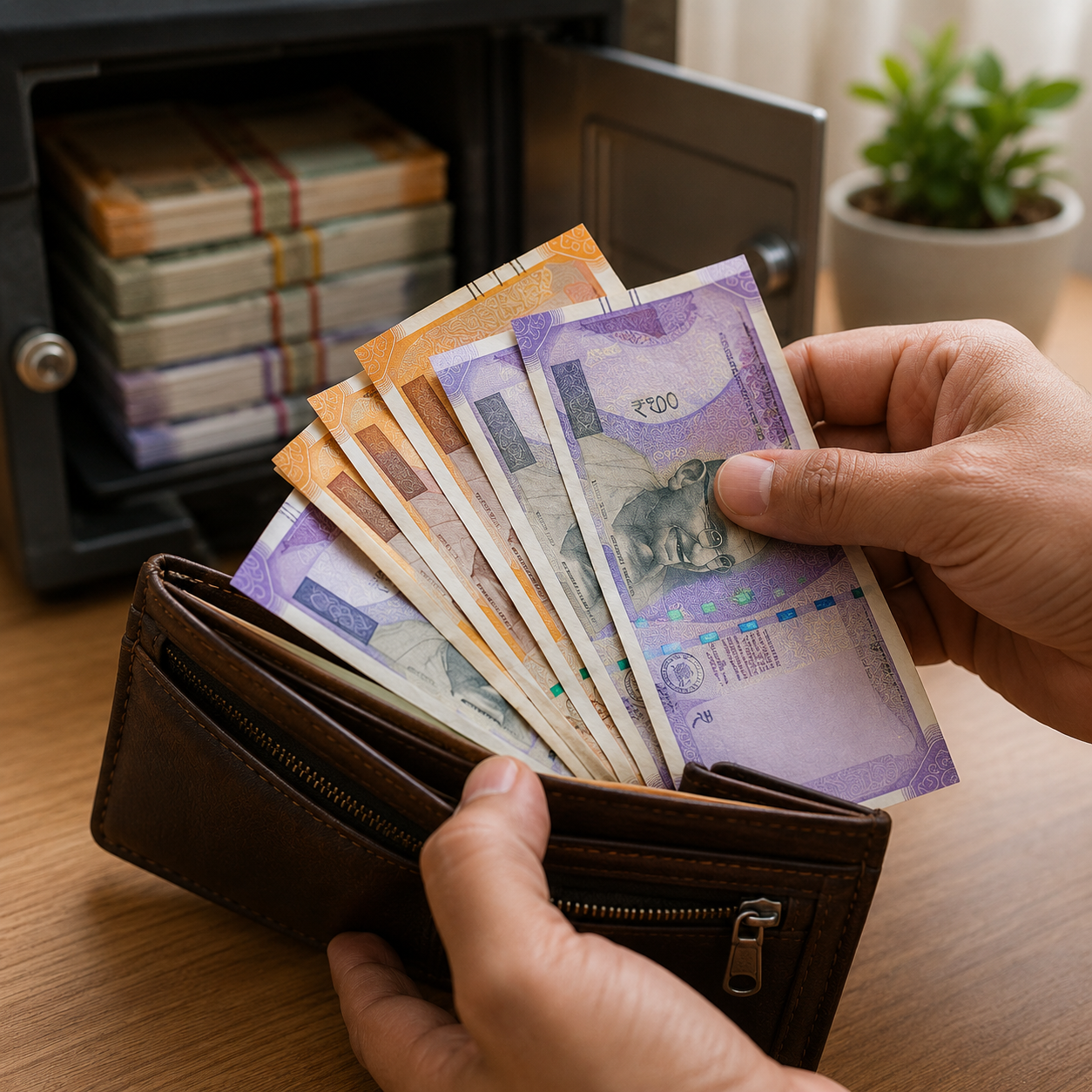
Demand for ₹100 and ₹200 notes is increasing as many people prefer to keep emergency cash at home despite the continued growth of digital payments.
Highlights
- Demand for ₹100 and ₹200 notes has increased in recent weeks.
- Experts link the trend to global uncertainty and precautionary cash holding.
- UPI and digital transactions continue to grow alongside cash usage.
- RBI has not reported any shortage of ₹100 or ₹200 currency notes.
- Experts advise keeping only limited emergency cash at home.
The demand for ₹100 and ₹200 currency notes has witnessed a noticeable rise in recent weeks as more Indians choose to keep small amounts of cash at home for emergencies. However, this does not indicate any shortage of currency or declining confidence in digital payments.
According to media reports, the growing preference for holding cash is largely driven by rising geopolitical tensions in West Asia and increasing global economic uncertainty. During uncertain times, people often prefer to keep readily accessible cash for essential expenses in case of disruptions to normal financial systems.
Financial experts say this is a common behavioral trend during periods of uncertainty. Whether it is geopolitical conflicts, natural disasters, or economic instability, households tend to maintain a small cash reserve to ensure they can meet day-to-day needs even if digital payment systems face temporary disruptions.
The trend has become more visible after the COVID-19 pandemic. During the pandemic, many families realized the importance of having emergency cash available at home. Reports suggest that the pace of cash holdings among Indian households has risen at its fastest rate since the pandemic, reflecting a precautionary approach rather than financial stress.
Despite this shift, digital payments continue to dominate everyday transactions in India. Unified Payments Interface (UPI) transactions continue to register strong growth, showing that consumers remain comfortable using digital payment platforms. Instead of replacing digital payments, many households are simply adding a small cash buffer as an extra layer of financial preparedness.
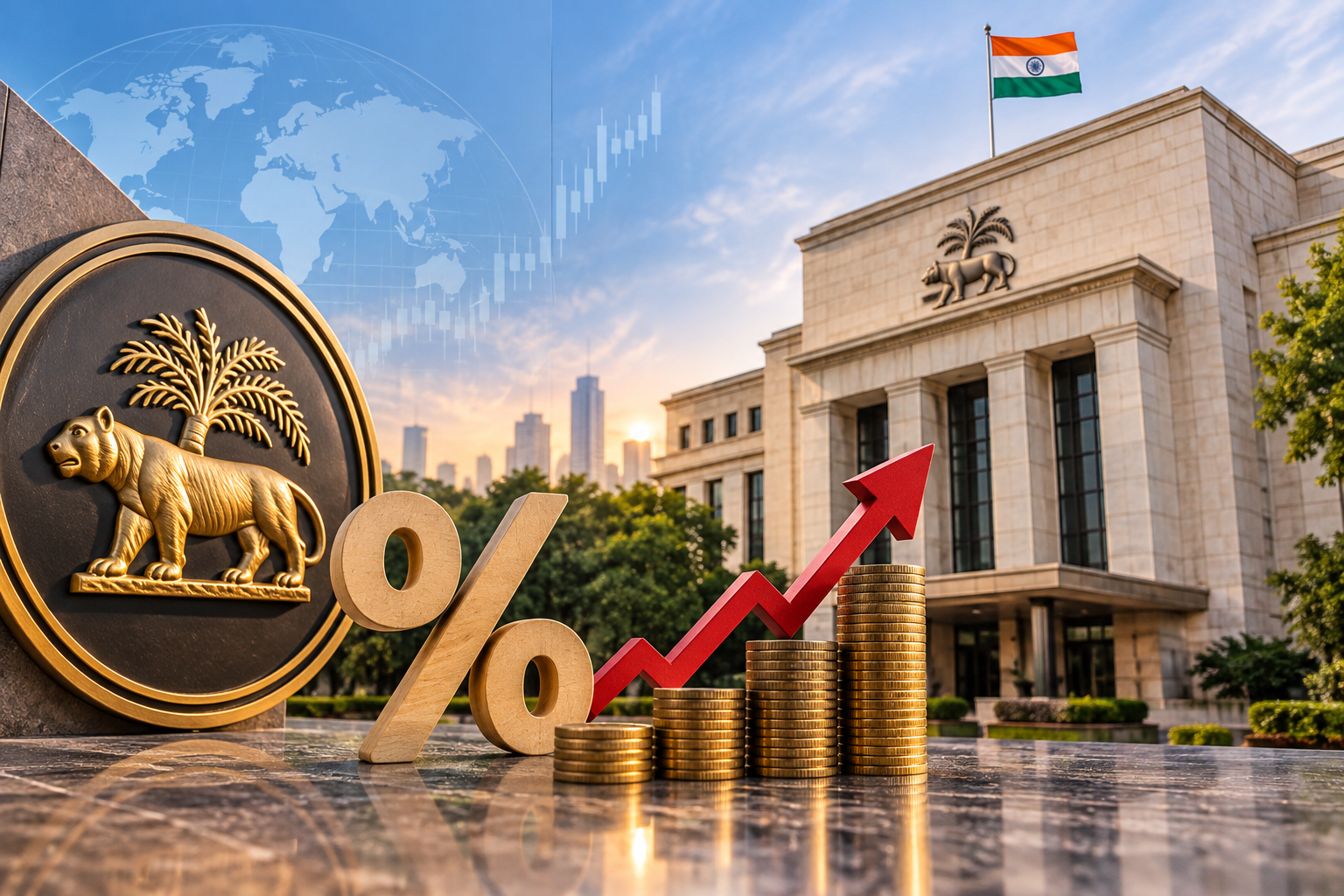
There is also no official shortage of ₹100 or ₹200 notes. The Reserve Bank of India and the banking system continue to maintain adequate currency supplies, and banks have not reported any widespread scarcity of these denominations. The higher demand is mainly due to increased withdrawals by individuals rather than limited availability.
Financial planners advise keeping a reasonable amount of cash at home for emergencies, such as power outages, network failures, or urgent expenses. However, they caution against storing large sums of money at home because of security risks and the absence of interest earnings. Most savings should continue to remain in bank accounts or other secure financial instruments.
For consumers, the key takeaway is simple: maintaining a modest emergency cash reserve is a sensible precaution, but there is no need to panic or stockpile currency, as India’s banking and digital payment infrastructure remains fully operational.