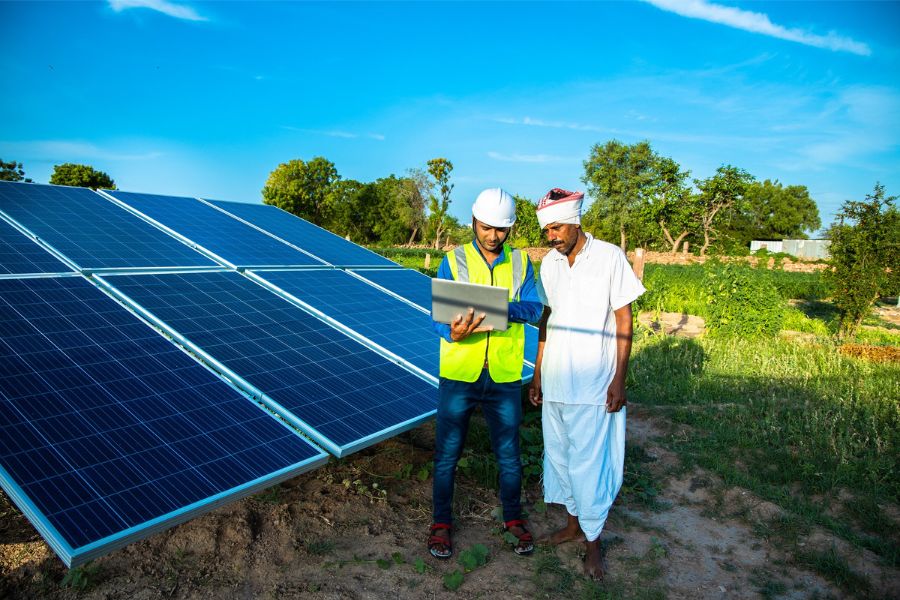
India’s solar photovoltaic (PV) module manufacturing capacity is expected to reach 110 GW by 2026, achieving self-sufficiency in PV module demand. The country is expected to focus on expanding its presence in global markets, offering high-quality and competitively priced PV products as an alternative to China. Favourable policies, especially the production-linked incentive (PLI) scheme, have driven rapid growth in PV manufacturing. However, challenges such as reliance on imports for components, low domestic demand, and a shortage of skilled manpower hinder the industry’s full potential. Image Source: Shutterstock With a growing population, energy demands and exhaustion of natural resources, the world is looking for alternative energy sources for sustainable development. And, solar energy is one of the most abundant and cleanest energy sources. According to the Indian Renewable Energy Development Agency Limited (IREDA), India is bestowed with abundant solar energy capable of producing 5,000 trillion kilowatts (kW) of clean energy. With about 300 clear and sunny days in a year, the calculated solar energy incidence on India’s land area is about five quadrillion kilowatt-hours (kWh) per year (or 5 EWh/yr). If harnessed efficiently, this energy can substantially reduce the dependence on fossil fuels and reduce the carbon emissions involved in energy generation. India’s Solar Energy Market The installed solar energy capacity has increased by 24.4 times in the last 9 years, and stands at 66.7 GW as of May 2023. Moreover, the country recorded highest YoY growth in renewable energy additions of 9.83% in 2022. India’s solar market is estimated to be at 79.07 GW by the end of 2023 and is projected to reach 195.11 GW in the next five years, registering a CAGR of 19.8%. On the basis of technology, the market is segmented into solar photovoltaic (PV) and concentrated solar power (CSP). PV materials and devices convert sunlight into electrical energy. A single PV cell is usually small and are made of different semiconductor materials. They typically produce about 1 or 2 watts of power. To withstand the outdoors for many years, these cells are clubbed between protective materials in a combination of glass or plastics. To boost the power output of PV cells, these are connected together in chains to form larger units known as modules or panels. Source: IRENA (Solar PV installed capacity in GW) The solar PV segment is expected to have the biggest market share in the next five years since the cost of solar modules is decreasing and these systems can be used for generating electricity and water heating. Additionally, the government has started investing in utility projects, leading to this segment’s growth. According to IRENA, India’s installed solar PV capacity recorded a 31% YoY increase from 49.3 GW in 2021 to 62.8 GW in 2022. After the application of BCD (Basic Custom Duty) and the Approved List of Models and Manufacturers (ALMM) in the current financial year, solar installations in India have plummeted. Amid the first and last quarter of 2023, solar installations fell around 46.4% from 4,650MW in Q1 2023 to 2,489MW in Q4 2023. This is due to the lack of availability of high-quality high-wattage modules. On the other hand, India recorded a huge jump in solar module exports during the previous financial year owing to the restrictions imposed by other nations on Chinese goods and the “China+1” strategy, according to IEEFA. Indian enterprises exported modules worth US$ 388 million during April-November, 2022 from US$ 71 million in 2021. Accounting for about 93% of exports, the US was the largest consumer of Indian PV modules. On the other hand, concentrated solar power (CSP) is an approach to generate electricity through mirrors. The mirrors reflect, concentrate and focus natural sunlight to a specific point, converting it to heat. The heat is then used to create steam which drives a turbine to generate electrical power. According to the International Energy Agency (IEA), CSP generation increased by an estimated 34% in 2019. Although experiencing an exponential growth, the CSP technology requires an average growth of 24% through 2030 to reach its Sustainable Development Goals (SDGs). The critical challenges for CSP are related to the lack of reliable direct normal irradiance database, indigenous manufacturing and competition from PV. Solar PV manufacturing landscape in India The current manufacturing capacity in India across the PV value chain is sub-optimal, but is likely to grow by leaps and bounds this decade. Indian companies can currently manufacture only modules and cells. By 2026, they are expected to have a significant manufacturing presence in polysilicon (38 GW) and ingots/wafers (56 GW). By the same time, module production capacity is expected to reach 110 GW, approximately 3 times the current capacity. According to a report by the Institute for Energy Economics and Financial Analysis (IEEFA), India is expected to witness a significant jump in PV manufacturing and will establish self-sufficiency to emerge as the second-largest PV manufacturing country after China. Meeting India’s renewable energy target by 2030 requires an annual addition of 25-30GW of solar PV installed capacity. To accelerate the setting up of solar installations, the government has taken several steps: Implementation of the Production Linked Incentive (PLI) scheme under the National Programme on High-Efficiency Solar PV Modules, for achieving domestic manufacturing capacity of Giga Watt (GW) scale in high-efficiency solar PV modules and solar PV cells with an outlay of Rs 24,000 crores. The government has introduced a national programme on “high-efficiency solar PV modules with Tranche1 worth Rs 4,500 crore (US$ 605 million) for setting up of 8.737 GW of fully integrated solar PV module manufacturing capacity and Tranche 2 worth Rs 19,500 crore (US$ 2.61 Bn) to set up 65GW per annum of fully/partially integrated solar PV module manufacturing capacity. The MNRE introduced the Approved List of Module Manufacturers (ALMM) in 2019 which ensures quality standardisation and lowers the industry’s dependency on imported solar modules. Under some schemes of the MNRE, namely CPSU Scheme Phase 2, PM-KUSUM Component B and Grid-connected Rooftop Solar Programme Phase 2, where government subsidy is offered, it has been mandated
Can AI power India’s renewable energy ambitions?
India’s renewable energy sector, ranked fourth globally, can greatly benefit from artificial intelligence (AI) adoption. With the fastest growth in renewable electricity and the potential to double capacity additions by 2026, AI’s transformative power enhances accessibility and affordability in clean energy. IBT looks at the potential upsides and current teething troubles for the sector in its march towards AI integration. Image Source: Pexels India is ranked as the fourth most attractive renewable energy market in the world. It was ranked fourth in wind power, fifth in solar power and fourth in installed renewable energy capacity as of 2020. Installed renewable capacity has gained pace over the past few years, posting a CAGR of 15.92% between FY16-22. The country has seen the fastest growth in renewable electricity, and by 2026, new capacity additions are expected to double. AI (artificial intelligence) is rapidly transforming various sectors. Its adoption in clean energy can have multiple benefits. The potential impact of AI on renewable energy is immense, driving us towards a cleaner and sustainable future and give a strong push to India’s efforts towards a net zero carbon economy. Role of AI in renewable energy The global AI market is expected to reach US$ 422.37 billion by 2028, growing at a CAGR of 39.4%. In India, the AI market is projected to reach US$ 7.8 billion by 2025, growing at a CAGR of 20.2%. The renewable energy sector can greatly benefit from the adoption of AI, which is rapidly transforming various aspects of our lives. With endless potential applications, AI offers promising solutions for optimizing renewable energy systems. By leveraging AI, the renewable energy sector can enhance efficiency, improve energy production forecasting, optimize maintenance schedules, and minimize operational costs. AI benefits renewable energy companies by optimizing production, predicting demand, and improving performance. It assists in site selection, design, and resource allocation for clean energy projects. It fine-tunes system performance, optimizes energy production, and forecasts future output. It enhances safety by predicting issues and facilitating timely maintenance. Below are some interesting use cases where AI can play a pivotal role: Optimizing Production AI revolutionizes renewable energy companies by optimizing production processes. By analyzing historical weather data, AI enables solar and wind farms to predict ideal conditions for power generation. This information guides adjustments in production levels, maximizing power output during peak demand periods. Predicting Consumer Demand AI empowers utilities to accurately predict consumer electricity demand. By leveraging AI’s forecasting capabilities, utilities can proactively manage the grid and ensure sufficient power generation to meet anticipated demand. This prevents potential blackouts or brownouts and promotes a reliable energy supply. Transforming the Energy Landscape The integration of AI into the renewable energy sector has the potential to revolutionize energy production and consumption. AI’s optimization and demand prediction abilities enhance the efficiency and reliability of renewable energy sources, driving a sustainable and resilient energy ecosystem. Harnessing Data for Decision-Making AI enables renewable energy companies to tap into valuable insights within data. By utilizing AI, companies can make intelligent decisions and allocate resources effectively. This empowers them to optimize operations, enhance productivity, and contribute to a greener future. Waste Management By enabling predictive maintenance and optimizing the lifecycle of renewable energy infrastructure, AI can contribute to waste reduction. Through real-time analysis of operational data and performance metrics, AI algorithms can identify potential faults or inefficiencies, allowing for proactive maintenance and minimizing downtime. This, in turn, reduces equipment waste and extends the lifespan of renewable energy assets. Innovation and Future Prospects As AI continues to advance, its applications in the renewable energy sector will expand further. The synergy between AI and renewable energy holds immense promise for a future where clean, sustainable power is harnessed with unprecedented efficiency, propelling us towards a greener and more sustainable world. AI also streamlines waste management, identifying valuable materials and improving recycling processes. The adoption of AI in renewable energy has the potential to revolutionize energy production and consumption, making it more efficient and reliable. Challenges faced by the Industry When we asked Ravi Chaudhary, Co-founder and CEO of solarad.ai, about the challenges hindering the adoption of AI in the renewable energy sector in India, he highlighted several key points. According to him, one of the significant challenges is the availability and quality of data. Ravi emphasized that accurate forecasting and optimization rely on robust and diverse datasets capturing the complexities of renewable energy generation, weather patterns, and other influencing factors. Limited access to reliable data sources and data gaps can impede the development and effectiveness of AI solutions. Another challenge is the need for technical expertise and awareness. Integrating AI technologies requires specialized skills in data science, machine learning, and AI algorithm development. There is a severe shortage of professionals with these necessary skills in the renewable energy sector. Moreover, there is a lack of awareness about the potential benefits and applications of AI in the industry could further hinder its adoption. Ravi also highlighted the cost and infrastructure challenges associated with AI adoption. Deploying AI infrastructure and systems often involves significant upfront costs, including expenses for hardware, software, and data storage. This financial burden can be particularly challenging for smaller companies and startups in the renewable energy sector. Additionally, he emphasized on the importance of having adequate infrastructure such as high-performance computing resources and cloud platforms to handle the computational requirements of AI algorithms. Furthermore, the regulatory and policy framework is a hindrance to the adoption of AI in the renewable energy sector. He stressed that clear guidelines and policies are necessary to address data privacy, cybersecurity, and ethical considerations in order to build trust and ensure responsible AI implementation. Ravi expressed his concern that the absence of a comprehensive regulatory framework specifically tailored to AI in the renewable energy context creates uncertainty and hampers adoption in the industry. Conclusion The integration of AI in India’s renewable energy sector holds immense potential for revolutionizing the industry. AI can enhance efficiency, optimize performance, and improve waste management, leading to a more sustainable and
India’s manufacturing activity in June indicates sustained expansion
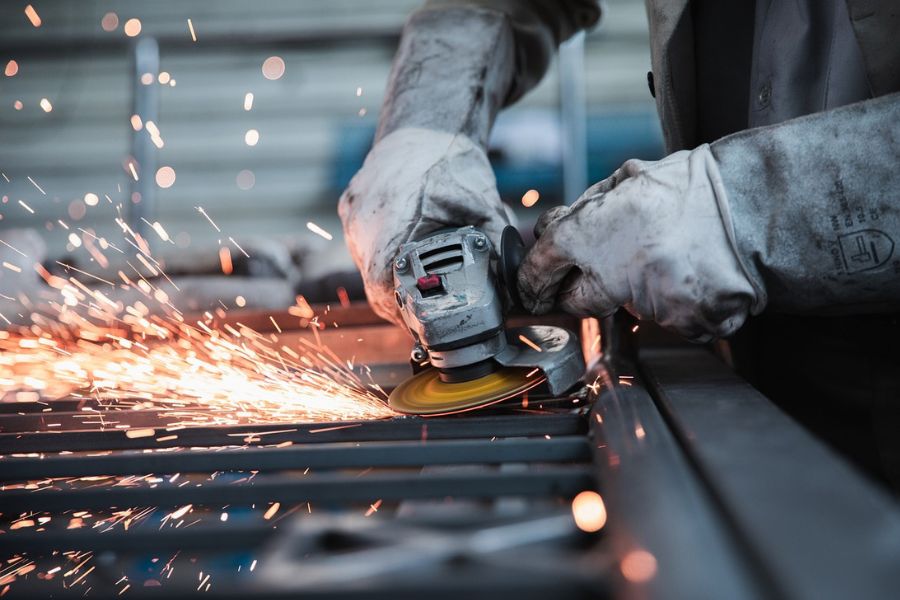
The manufacturing activity in India slowed down in the month of June from a 31-month high in May. However, the output remained in the growth domain owing to new work orders amidst favourable demand conditions. At 57.8 in June, S&P Global Purchasing Managers’ Index (PMI) indicates an expansion in activity. Although it is lower than May’s 31-month high of 58.7. Demand strength, new client enquiries and marketing efforts have sustained the optimistic forecasts for growth prospects. Image Source: Pixabay India’s Manufacturing Activity During June 2023 The S&P Global India Manufacturing PMI dropped to 57.8 in June 2023 from May’s 31-month peak of 58.7 (less than market estimates of 58.0). Regarding the PMI, a score above 50 denotes expansion, while a score under 50 indicates contraction. The expansion in manufacturing activity in June was driven by a jump in new work orders. The international orders had also increased, though at a slower pace than in the previous month. The June Purchasing Managers’ Index (PMI) statistics indicate that overall operational conditions have improved for the 24th consecutive month. The positive ‘client interests’ continued to support the manufacturing industry which in turn pushed up the growth in output, employment, quantities of purchases and input stocks. The new client enquiries, strong demand and marketing efforts have together sustained optimistic forecasts about growth prospects. Production was increased to meet demand at a pace that was the fastest over the past one-and-half years. With capacity pressures being mild, the manufacturers employed additional workers. However, employment increased at a moderate pace that was much similar to May. During the month, manufacturers raised prices for their buyers. However, their own input costs increased at a rate that was one of the lowest in three years. Consequently, they purchased fresh raw materials at a pace that was second-strongest, over the past 12 years. The manufacturers had adjusted their pricing strategies. The increase in output charges reflected firms’ ability to pass on higher cost burdens to customers while maintaining a competitive edge. According to Pollyanna De Lima, Economics Associate Director at S&P Global Market Intelligence, “Presented with buoyant demand, manufacturers seized the opportunity to adjust their pricing strategies. The latest increase in output charges reflected firms’ ability to pass on higher cost burdens to customers while maintaining a competitive edge.” What does this mean? Although there has been a slight decrease, the overall operating conditions have significantly improved, with positive impacts on various aspects such as sales, production, inventory, and employment. Additionally, output has remained in the growth territory due to an increase in new work orders and strong demand while business confidence has reached its highest level in six months. This indicates a strengthening of demand in the market. Notably, the PMI has remained above the crucial 50-mark for two consecutive years, indicating expansion rather than contraction in the sector. This sustained growth is a positive sign for India’s manufacturing industry, showcasing resilience and strength despite facing higher inflationary pressures. The Indian economy is currently enjoying the ‘Goldilocks’ phase, where growth momentum is holding up while inflation has moderated to the mandated target of 4% and the rupee remains stable. In this context, June’s PMI results have again shown that there exists a robust demand for Indian-made products, both in the domestic and international markets. However, the recent price developments will be a cause of concern to the Reserve Bank of India and the Monetary Policy Committee, which has left the policy repo rate unchanged at 6.5% so far, in 2023-24.
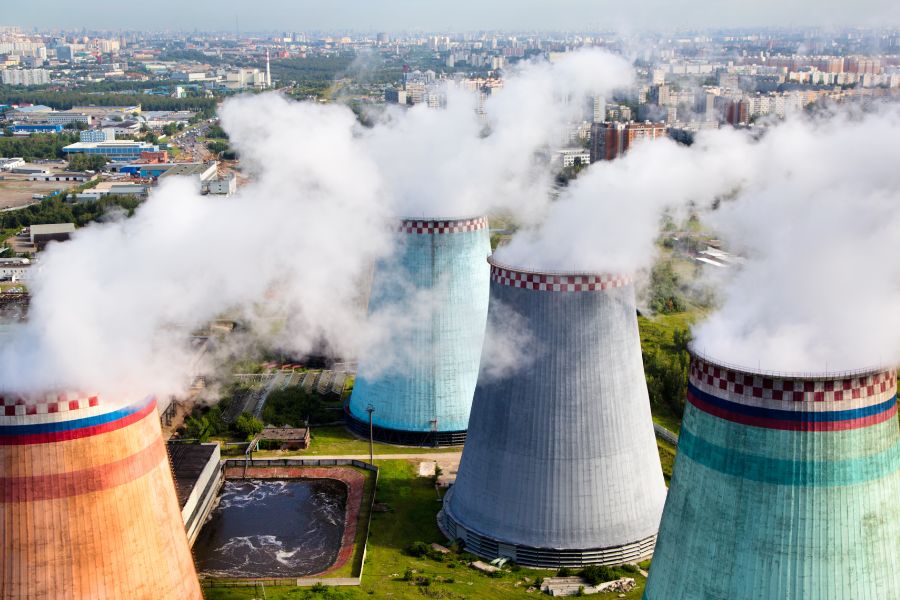
Waste to energy in India: Time to up the ante?
The Waste to Energy or WtE market in India is witnessing peak demand, especially in a post-pandemic era, where people have recognised the need for energy through sustainability. India generates 62 million tonnes of waste each year, of which 43 million tonnes (70%) are collected, of which about 12 million tonnes are treated, and 31 million tonnes are dumped in landfill sites. According to government statistics, total estimated energy generation potential from urban and industrial organic waste in India is approximately 5,690 MW. But as of today, India has only 14 WtE plants and the potential remains severely underutilised. With adequate policy interventions and state government schemes, industry experts believe that the WtE sector may see an upsurge and help India handle the twin challenges of waste accumulation and renewable energy generation. Photo Source: Shutterstock India is home to the largest population in the world and over the years, we have created a mammoth workforce and created gigantic industrial belts. With the increase in urbanisation, industrialization, and ever-evolving lifestyles, the country has also seen a spike in dependence on fossil fuels and environmental degradation. Around 55 million tonnes of municipal solid waste (MSW) and 38 million gallons of sewage are produced annually in India’s urban areas. In addition to this, industries also produce a considerable volume of solid and liquid waste. The production of waste in India is expected to soar in the upcoming years. As more people move to cities and as income levels rise, consumption levels and waste creation rates are expected to rise. The amount of waste produced in India is predicted to increase at a rate of 1-1.33% annually per person. India’s appetite for electricity has grown manifold, and to fulfil the said demand, we are exploring various paths of renewable energy. In the midst of this challenge, the waste-to-energy industry, which facilitates power generation by using existential waste material, is staring at an excellent opportunity. According to the Ministry of New & Renewable Energy, total estimated energy generation potential from urban and industrial organic waste in India is approximately 5,690 MW. The major sources of this potential are Urban Solid Waste (1,247 MW), Urban Liquid Waste (375 MW), Paper (liquid waste, 254 MW) and Processing and preserving of meat (liquid waste, 182 MW). But is this potential being effectively realised? What is Waste to Energy or WTE? WTE is a process that converts several waste materials into usable forms of energy. Depending on the composition and characteristics of the waste stream, waste to energy can be implemented using a variety of technologies that may involve thermal, biological or chemical processes. The process of turning waste into energy prevents trash from going to landfills and transforms it into something actually useful. Waste-to-energy technologies with varied environmental impacts and levels of efficiency enable this. The industry is quite promising, even though it is largely underutilised globally, especially at this point when the world’s energy insecurity is reaching newer and admittedly alarming levels. According to a 2018 study, several EU countries, including Sweden, Denmark, Finland, Austria, Germany, and the Netherlands have managed to keep landfills to less than 4%, instead redirecting the majority of municipal waste either to recycling and composting or to waste-to-energy technologies via Municipal Waste Treatment (MWT). Waste-to-energy technologies are divided into different types based on the process through which the waste is turned into energy: thermal only, which includes incineration, thermo-chemical, mechanical & thermal, and biochemical. The most widely used method of WtE is incineration, which is also one of the least favourable options, because incineration plants are costly to operate and have higher rates of emissions themeselves. Dendro liquid energy (DLE) is probably the most promising up-and-coming, near-zero emissions waste-to-energy technology that treats waste biologically. DLE plants operate at moderate temperatures between 150°C and 250°C, which makes them about four times more efficient in generating electricity when compared to anaerobic digestion and other WtE solutions. Converting waste into an energy gold mine China recognised the potential of Waste to Energy approximately 15 years ago, ahead of the Beijing Olympics. The country, then the world’s most populated nation, was battling massive garbage accumulations. In line with hosting the 2008 Beijing Olympics, China approached Belgium-based company Keppel Seghers to import WtE technology. As of 2023. China has 765 working WtE plants across the country with a power generation capacity of 5-55MW. In India, the Waste to Energy or WtE journey is just over 2 decades old. Jindal ITF Urban Infrastructure Limited was one of the first few companies to set up a vast WtE plant in a PPP model in Delhi’s Timarpur, Okhla. India isn’t a stranger to WtE technology, since biomass power plants have been functioning in the country. But traditional waste disposal practises in India include landfilling, burning of trash (including industrial waste, food waste, and other hazardous waste), and garbage collection by unorganised waste pickers, all of which emit carbon dioxide. The number of incineration plants and waste-to-energy facilities has expanded in India. According to a research report by Mordor Intelligence, the Indian waste-to-energy market is estimated at US$ 1.1 billion in 2023. It is expected to rise at a CAGR of more than 2.56% during the forecast period. A steep ladder of success to climb The domestic market for WtE became very lucrative post the launch of the Swacch Bharat Abhiyan in 2014. Along with constructing sanitation lavatories for each household, the mission’s other top priorities were waste management i.e., dump site remedies and waste recycling. In 2021, under Swachch Bharat Abhiyan 2.0, guidelines were issued from the perspective of waste management. India has over 35,000 Urban Local Bodies (ULB) but many do not have a concrete idea as to how to make use of waste management techniques and technologies. Industry leaders believe that the ULBs in India need to have a clear vision on waste recovery, waste recycling and converting combustible waste into energy. Speaking to IBT, Brijesh Panchal, Sustainability and CSR expert, has said that the market growth of India’s WtE market

Meeting the Rising Demand: Strategies for Expanding India’s Animal Feed Exports
Animal feed is way more than just sustenance for livestock, poultry, and aquaculture—it is the cornerstone of their growth, health, and productivity as well. And now with a burgeoning population and changing dietary habits. With an estimated value of US$ 501.9 billion in 2o22, the global animal feed market is expected to grow at a CAGR of 3.3%. India’s animal feed sector being the fourth-largest producer of animal feed, accounted for a US$ 11.66 billion animal feed market in 2022, it holds huge potential to support future generations and their growing demands of nutrition. The analysis run by TPCI’s research team reveals opportunity areas for expanding cattle feed exports. Image Source: Pixabay Animal feed is the food given to domestic animals in the course of animal husbandry. Globally, the feed industry serves a variety of animals including poultry, dairy (cattle, calf, and beef), aquatic/marine, pig, pets etc. The feed demand for different animals varies with respect to socio-cultural dynamics, eating habits and economic importance of animals in the region. India is glaring at a critical fodder problem over the past few years, according to market reports. According to a recent coverage, India is facing a major challenge in terms of producing adequate feed and fodder for its livestock, given its shrinking land resource. Erratic fodder supply during summer/ drought creates a further gap in the supply chain. The deficit in green fodder is estimated at 11.24%. Currently, fodder is being cultivated on 8.4 million hectares (nearly 4% of gross cropped area), whereas experts suggest a share of 14-17%. In fact, animal feed is a huge and diverse industry with lucrative growth opportunities across end user segments led by growing demand. TPCI’s research team has undertaken a deep dive into the animal feed industry to ascertain critical growth opportunities for Indian exporters. Source: International Feed Industry Federation In most of the countries across world, the poultry segment occupies a major share of overall feed production volume, according to IFIF, estimates, 2021. The global animal feed market reached US$ 501.9 billion in 2022 and is expected to grow to US$ 606.3 billion by 2028, exhibiting a CAGR of 3.3% during this period. The 2023 Altech Agri-Food Outlook revealed that despite significant macroeconomic challenges that affected the entire supply chain, global feed production remained steady 2022 at 1.27 billion metric tons (BMT) in 2022, a decrease of less than one-half of one per cent (0.42%) from 2021’s estimates. Data compiled from more than 140 countries and around 2,800 feed mills revealed that the top 5 feed-producing countries over the past year were: China (260.739 million metric tons [MMT]) The U.S. (240.403 MMT) Brazil (81.948 MMT) India (43.360 MMT) Mexico (40.138 MMT) The top 10 countries produced 64% of the world’s feed production. China, the US, Brazil and India account for half of the world’s feed consumption. According to International Feed Industry Federation (IFIF), commercial feed manufacturing generates an estimated annual turnover of over US$ 400 billion. The industry continues to expand in volume and value in response to increases in world population, urbanization and growing consumer purchasing power. The above predictions can be substantiated by the estimates compiled by the Food and Agriculture Organization (FAO), i.e. by 2050, the world has to produce 60 per cent more food to feed a total population of 9.3 billion. Therefore, animal-based protein production is expected to increase along with this increase. OECD-FAO Agricultural Outlook 2021-30, projects the global meat supply to expand over the period, reaching 374 Mt by 2030. Growth in global consumption of meat proteins over the next decade is projected to increase by 14% by 2030 compared to the base period average of 2018-2020, driven largely by income and population growth. Food grains are the most important source of animal feed globally. Compound feed, which is in high demand as a source of a nutritionally balanced diet, is also being manufactured using advanced lab facilities and under the supervision of nutritionists. The depiction below illustrates different feed types. Classification of Animal feed stuff Source: Ministry of Food Processing Industries, Government of India India’s Animal Feed Sector India’s animal feed market has completed its 57 golden years in 2022. The country is known to have one of the largest and fastest-growing compound feed markets in the world. It has built a strong base for compound feeds, which are nutritionally balanced in the form of pellets. It becomes composite with 20% protein and 2-3% fat content. India’s Animal Feed manufacturing on a commercial and scientific basis started around 1965, with the setting up of medium-sized feed plants in northern and western India. Today, the industry is undergoing a very exciting phase of growth for the next decade. It is classified into three broad categories as shown below, with the poultry feed market showing dominance. In terms of its share, the aqua feed segment has seen the maximum growth out of the three major segments, despite being a late starter. Source: Yes Bank Research Report, Indian Feed Industry: Revitalizing Nutritional Security The India’s Animal feed market grew at 3.5% CAGR over the last 5 years and the size reached Rs 956.7 billion in 2022 (approx. US$ 11.66 billion), as mentioned in the latest report by IMARC Group titled on Indian Animal Feed Market. There is an expectation for the market to reach Rs 1,578.2 billion by 2028 (~US$ 19.23 billion) exhibiting a CAGR of 8.2%. Major India’s Animal Feed Markets India has established strong markets for Cattle and Poultry feeds. Both are growing at 15% and 8-9% respectively have grounds for huge potential in future. India’s Animal feed market mainly comprises grains (like jowar, millets etc.) and their cakes, mustard, cotton seeds and their oil cakes, de-oiled rice and soyabean. On the other hand, poultry is mainly fed maize, jowar, wheat, soy and their concentrates. With being the fourth largest broiler producer and third largest egg producer, India has witnessed 120.6 billion egg production in the FY 2021-22, registering a 6.19% YoY growth. The steady growth

Nurturing creative imagination through robotic toys
India is rapidly transforming into a dynamic technology hub, embracing the growing influence of gadgets in people’s daily lives. Amidst this progress, the Indian robotic toy market is emerging as a promising sector with vast potential in R&D, AI and the Internet of Things (IoT). Although it is still in its early stages, the Indian robotic toy market shows promising signs of growth and innovation. Havi.co, a dynamic startup, has set its sights on enhancing the creativity and imagination of children through innovative Do It Yourself (DIY) kits. To gain deeper insights into the DIY robotic toy ecosystem and its potential impact on the education system as envisaged by the New Education Policy, IBT had an enlightening conversation with Prashant Mamtora, founder, Havi.co. Image Source: Havi.co IBT: What inspired your decision to develop AI robotic toys instead of ready-to-use toys that are available in the market right now? Prashant Mamtora: Over the past four to six years, I’ve been homeschooling my kids, and throughout this journey, I’ve personally designed numerous toys for them. Along the way, I’ve both purchased and crafted several toys myself. This experience has led me to firmly believe that toys are not only valuable tools for teaching but also for fostering play, creativity, and performance. Toys offer endless possibilities, not just for children but for adults and everyone alike. Often, when we talk about toys, we tend to imagine dolls and cricket bats, associating balls and footballs with boys and dolls with girls. Such a typical toy mindset is prevalent, particularly in India. However, there’s so much more to toys than these conventional stereotypes. The power of DIY toys opens up a world of opportunities, allowing us to create countless innovative and engaging things beyond the usual preconceptions. DIY is a relatively novel concept in India, unlike the Western world where people are accustomed to building everything from houses to furniture on their own. In Western countries, it is not uncommon for individuals to construct their entire houses, with only rare instances of hiring someone for specialized tasks like painting. However, in India, this DIY approach is still quite unfamiliar. Yet, the reason behind my strong advocacy for the DIY ideology is rooted in the invaluable learning journey it offers. When you engage in crafting things yourself, you gain profound knowledge and experience. You delve into the intricacies of the items you create, whether it’s in the realm of electronics, engineering, science and technology, or even the arts. DIY fosters a myriad of opportunities for learning and growth. Take, for instance, arts and painting. By actively engaging in painting rather than merely observing others’ work, you acquire the skills to become a talented painter. Similarly, aspiring engineers can enhance their abilities by actively working on projects and applying their knowledge instead of solely relying on observation and reading books. The core idea behind promoting DIY lies in the understanding that true learning comes through hands-on experiences and actively participating in the creation process. This approach empowers individuals to explore diverse fields, develop essential skills, and foster a deep appreciation for the value of personal creation and innovation. IBT: What were the primary obstacles that you encountered while launching Havi.co? What strategies did you employ to overcome them? Prashant Mamtora: The pandemic was the primary roadblock. I started the company in January 2020 but faced setbacks due to the lockdown from March to October. I couldn’t progress as factories were shut, components were unavailable, and interactions were limited. After resuming work in October-November, the severe second wave hit, causing another six-month delay. I lost more than a year in total due to these challenges. Additionally, my inexperience with manufacturing was another obstacle. The reason behind my strong advocacy for the DIY ideology is rooted in the invaluable learning journey it offers. When you engage in crafting things yourself, you gain profound knowledge and experience. You delve into the intricacies of the items you create, whether it’s in the realm of electronics, engineering, science and technology, or even the arts. DIY fosters a myriad of opportunities for learning and growth. I come from a background in technology, e-commerce, IT, and digital marketing, with years of experience and expertise in these fields. However, my passion for designing and developing toys led me into the manufacturing domain, which was entirely new for me. I had to learn everything from scratch, from finding the right people and materials to dealing with manufacturers and vendors. Sourcing materials, and components, and coordinating with third-party vendors became challenging tasks that I had to navigate at my own expense. It was a steep learning curve, but my determination to create these toys kept me going despite the troubles I encountered. My decision to develop AI robotic toys was influenced by my personal experiences and what I’ve learned from others. I discovered that getting things manufactured in India can be challenging. While there have been improvements in recent years, compared to manufacturing specialist countries like Vietnam, Taiwan, China, and Hong Kong, there are still difficulties. Quality and materials are concerns, and there can be discrepancies between the expected output and the actual results. I don’t mean to complain; rather, I’m sharing the insights gained from my journey. These challenges have been significant factors in my learning over the past three years. IBT: How do you think that robotic toys can enhance learning in children? What can children learn from these toys? Prashant Mamtora: We have Havi elements in various colours, similar to Lego blocks which snap together effortlessly. These elements get easily connected to our self-designed power bank which is made entirely of wood, without any plastic components. Now, If I snap the power source, and turn it on, you’ll hear a sound with displayed output. Notice the power and buzzer elements here. I’ll now snap another element in between these two. When I turn it on, it’s activated. Then off, and on again. The middle element you see is the light sensor, and we’ve
“Payment companies are fast becoming dinosaurs”
Within a decade, India has created a conducive, competitive environment amongst fintech companies. But tough competition in the market has driven companies to give innovative, customised digital payment solutions for every business segment; whether B2B, B2C and/or D2C. Speaking with IBT exclusively, Rahul Tandon, Chief Product Officer, Safexpay, said that both small and large businesses require more than just a digital transaction gateway. The company’s CPO believes that payment companies have to rise above payment transactions and provide small businesses with holistic solutions on financial tally and bookkeeping. Photo Source: Safexpay IBT: In India, the fintech industry has taken a big leap, with many established players in the domestic market. What makes Safexpay different from its competitors? Rahul Tandon: The founder and co-founder of the company had previously worked for fintech and digital payment companies. We observed that there was ample scope in the market to expand the digital payment framework. Most of the big companies themselves were looking for some solutions because everybody has their own out-of-the-box limitations. So, Safexpay’s journey started as a Token Service Provider (TSP). The cofounders felt that most of the big companies lacked optimization and hiring efficiency, among other critical aspects. Our company slowly graduated to providing white-label platforms and solutions, and even today many of the big companies are using it. Then, it started graduating to its own platforms and businesses, and slowly ventured into new banking side, pay outside. We are yet to receive Payment Gateway (PG) clearance from the Reserve Bank of India (RBI), which I believe is four to six months away. So, we are still in the mode of providing solutions and but we are providing a lot of virtual services. IBT: The D2C segment has exponentially grown in India in 5 years. How does a fintech company such as yours support this emerging sector? Rahul Tandon: Our business approach has become organic and platform-based. What we’ve done is we are going for end-to-end organic solutions for all our clients. The D2C segment, within a minimal workforce, has to spend time on generating catalogues, order books and expense management solutions, and managing discounting mechanisms. This is where we come in, a time-saving solution for D2C, by offering multiple services under one umbrella. The biggest mistake this industry and the analysis does is – looking at the end payout which is nothing but a multimodal, multi-payout solution or multiple collections. So, we tend to think we understand the business decision and output of the customer. That is a decision already taken by the customer based on his business or retail needs. But, we have never realized in this analysis, why that decision has taken place. So now, we are going for a platform approach; come, plug into our company, and whatever you may need, I can help D2C with their payout and collections. We have taken that approach. Also, we have flag-poled our strategy by first hitting the lower segments, the B2C players who are probably surviving or a tally or an excel sheet management. It may be easier to approach bigger corporates but the small B2C players require hand-holding support for marketing expenditure. First, we targeted the bigger ones, which has started giving me revenue and collections. Then we created a pool and started going to the B2C segment. IBT: How do you anticipate the next course of expectations from payment companies? Rahul Tandon: In my opinion with payment companies we are probably barking up the same wrong tree. What I realize is today every company has got COO on board and he does his expense management, budgeting everything on the tally. The secret behind the success of a company can be attributed to how you are utilizing the market data to develop your own services. That is very critical. So today, I’m giving you an end-to-end solution, catalogue management to cloud storage in a consolidated form, which allows the company to tally their overall data and articulate the information to evaluate operational strategies. The user becomes his own adviser. They can assess what is his current revenue expenditure. How would a company capitalize? So, payment companies are fast becoming dinosaurs. We have to provide more services in data, analysis and business solutions. For me, payment would always be one of my pillars, because we are very good at that. But it would be the endpoint, not the beginning. IBT: Safexpay is also expanding its hold in the UAE market. How did the decision come in place to enter the GCC countries? Rahul Tandon: It was during the COVID-19 era wherein we decided to enter into the GCC regions. One of the founders got stuck in Dubai during the outbreak of the COVID-19 pandemic and couldn’t return to India. So, he utilized this time to study the GCC market. We started the journey in GCC countries beginning in Dubai by offering the same products and services we did in India. We approach companies in Dubai, the banks, and the country’s central banking authority. This is how our journey in the GCC market started. We’ve joined hands with some of the prominent banks such as the First Abu Dhabi bank, giving them complete payment solutions along with joining hands with their PSPs. Now that we have matured there, we have applied for licenses in most of the GCC countries and also in one or two African countries. We have already been appointed as Payment Service Provider (PSP) for one of the banks there and have applied for licenses, which we will receive very shortly. And in the meantime, we have come up with very innovative solutions in the Middle East. We have brought the metaverse solutions for tcatalogue management and we’ve already started implementing that. IBT: What are the major difference between the Indian and GCC markets for fintech requirements? Rahul Tandon: The fintech industry here is so large and so is the competition in India that when a product debuts in the market with anything new, it is

Online marketplaces transforming the future of B2B business
Online E-B2B marketplace platforms in India are growing at a rapid pace, as they enable cheaper procurement, faster deliveries, higher fill rates, and consistency in product quality. While e-B2B platforms in the country operate in fewer categories or verticals, multi-category e-B2B platforms operate in many product categories. As a result, their market share is expanding, and so is their criticality to overall expansion of the Indian B2B space. Image Credit: Pexels Sudden urgencies and demand shortages that emerged during the pandemic, followed by a thrust by the government towards digitisation have resulted in the rise of E-Business-to-Business (E-B2B) marketplace platforms in India. They have become an integral part of the functioning of retailers, wholesalers, distributors, and neighbourhood kiranas. By facilitating critical everyday commerce between businesses, B2B e-commerce is progressively bringing a transformation in India’s retail space. Online B2B platforms provide lower prices, easy exposure to customers, logistical expertise and cost optimisation, and have thus proven their merit and utility. Vasudevan Chinnathambi, Co-founder, Ninjacart, comments in a discussion with IBT, “eB2B has a huge potential with many segments of the trade still not digitised yet. With unorganised retail being a dominant part, eB2B is the way ahead. We have digitised the fresh produce (fruits and vegetables) B2B and similarly many other segments are still open for digitization.” Understanding B2B e-commerce Business-to-business (B2B), is a form of transaction between businesses. It may involve a manufacturer and wholesaler, or a wholesaler and a retailer. Such transactions are integral to the supply chain, where one company will purchase raw materials from another to be used in further manufacturing processes. Indian B2B market is twice the size of the B2C (Business-to-Consumer) market. While affordable internet and Unified Payment Interface (UPI) have accelerated the process of digital adoption, the implementation of GST (Goods and Services Tax) has formalised many small businesses, thereby leading to a rise in B2B e-commerce. Indian B2B trade is recognized as one of the largest and fastest-growing in the world, with a potential unorganised general trade (GT) opportunity of US$ 1.2 trillion by 2030. According to Mrigank Gutgutia, partner at Redseer, “India’s e-B2B market is projected to grow at a CAGR of 40-45% from US$ 5-6 billion in CY 2022 to US$ 90-100 billion by 2030. Platforms catering to retailers constitute 70-80% of the e-B2B market, while the remaining 20-30% is occupied by platforms catering to wholesalers.” Higher prices, no credit option, late delivery, and the poor quality of products, are some of the challenges being confronted by the unorganized retail sector. E-B2B platforms have been successful in addressing these to a great extent. Both sides of the coin Chinnathambi adds, “Technology will help provide a 360 degree fulfillment of the needs of the market participants by leveraging the underlying data. These eB2B platforms will provide not only trade but also allied services like fintech, logistics etc.” Retailers, brands, and manufacturers, all have realised the e-B2B market’s potential. They have expressed confidence that it will transform their way of doing business, riding on the benefits offered by these platforms. E-B2B platforms enable cheaper procurement, faster deliveries, higher fill rates, and consistency in product quality. Many brands are shifting to e-B2B for gaining access to the ‘underserved’ markets. They are either adding to their current distribution network or replacing ineffective traditional distributors. According to a report by Redseer Strategy Consultants, nearly 50% of non-users are willing to shift to eB2B platforms in the coming year. However, the report also cites challenges that the sector still faces, which include: Higher prices: E-B2B trade in India faces the challenge of inflated prices, which can deter buyers and impact their purchasing decisions. Lack of transparency: The absence of clear and transparent information regarding pricing, product quality, and terms can hinder trust and confidence in e-B2B transactions. Limited credit options: The availability of limited credit facilities or delayed payment terms can restrict buyers ability to make larger purchases or affect their cash flow. Restricted brand variety: The e-B2B market may offer a limited range of brands, limiting buyers’ options and potentially impacting their ability to find specific products or cater to diverse customer demands. Untimely delivery: Timely delivery of products is crucial for business operations, and any delays or inconsistencies in delivery can disrupt supply chains and impact customer satisfaction. Product stockouts: Inadequate inventory management or frequent product stockouts can lead to lost sales opportunities, customer dissatisfaction, and potential disruptions in business operations. Difficulty in placing orders: Complicated or inefficient order placement processes can create barriers for buyers, making it challenging for them to complete transactions smoothly and efficiently. Subpar product quality: Poor-quality products received through e-B2B channels can result in customer dissatisfaction, returns, and damage to brand reputation, impacting business success. Emergence of multi-category e-B2B platforms Most e-B2B platforms in the country operate in fewer categories or verticals, accessing regional and national levels. Multi-category e-B2B platforms offer various product categories including grocery (staples & FMCG), electronics and accessories, fashion, general merchandise and other product categories. As per the Redseer report, the ‘multi-category approach is effective in optimising supply chain costs as grocery contributes to higher fleet utilisation while discretionary categories enable better economics.’ Multi-category platforms with an inventory-based model get the advantage of leveraging ‘staples’ that enable low-cost distribution and penetration. it increases the frequency of service in an area, which is then followed by development of the distribution chain through other ‘non-staples’ categories. It thus creates the right gross margin to cost structure balance. There are only a few multi-category national platforms like Udaan, IndiaMART, ShopKirana and ElasticRun. Vertical e-B2B platforms essentially face the challenge of optimising cost structures. Over the past few months, many vertical platforms like Bijnis, Dealshare, ElasticRun, Jumbotail etc. have been struggling in the market. They are said to have shown either limited growth or decline due to challenging unit economics and prevailing macro-economic conditions. On the other hand, multi-category platforms like Udaan have seen an expansion in their market share. Presently the share of multi-category platforms stands at 55-60% of the retailer-led eB2B market. The
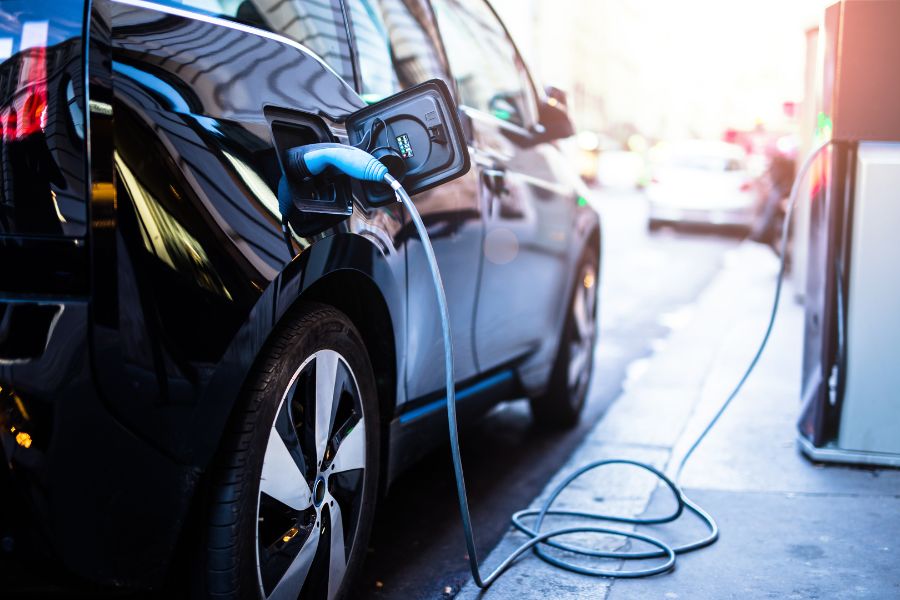
The hybrid route to green mobility
India has witnessed an impressive surge in the popularity and adoption of hybrid vehicles. These vehicles combine the benefits of traditional internal combustion engines as well as electric power offering improved fuel efficiency, reduced pollution, and an overall greener alternative. With government incentives, technological advancements, and growing awareness about the importance of sustainable transportation, is India moving towards a hybrid future? Image Credit: Shutterstock The automobile sector plays a significant role in India’s economy, contributing 49% to the total manufacturing GDP and 7.1% to India’s total GDP. Over the past few years, the industry has been preparing for a major transformation to the EV era as it seeks to bring down its carbon footprint. In line with its commitment under the Paris Agreement, India aims to reduce the emission intensity of its gross domestic product by 33%-35% by 2030, emphasizing the importance of sustainable practices in the automotive industry. The government has set a target of achieving 30% share of electric vehicles on Indian roads by 2030. The EV market is expected to expand at a CAGR of 49% during 2021-2030, with annual sales volume expected to cross 17 million units by 2030. However, the market is relatively nascent, with electric four-wheeler sales at 53,843 units in 2023 (YoY growth of 154%). In this period, consumers seem to be gravitating towards a third option – hybrids. The country has observed an impressive demand for strong hybrid vehicles, leading to waiting periods for multi-purpose vehicles (MPV) Toyota Hycross, Hybrid sedan Honda City and the Suzuki Grand Vitara extended up to two years. For the uninitiated, strong hybrid vehicles consist of a combustion engine and an electric motor that can operate together as well as independent of each other. The electric motor is useful in times where you are fine with low speed, like city driving. But when the driver demands more pace, the internal combustion engine kicks in. With the introduction of a new range of strong-hybrid technology-based vehicles from players like Toyota and Maruti, strong-hybrid EV (HEV) sales overtook battery EV (BEV) sales in two consecutive quarters. The combined sales of HEV and BEV reached 4.3% of the total Indian passenger vehicle market in Q1 2023, with each contributing 2.2% and 2.1% share. As per the data shared by Autopunditz, strong hybrid vehicle sales reached 22,389 units in Q1, 2023, whereas BEV sales touched 21,109 units in the same period credited to the launch of new vehicles from Tata, Mahindra, Citroen and BYD. Credit: Autopunditz Schemes that support the transition The government’s schemes launched for the EV industry offer the same benefits to hybrid vehicles, and have therefore been pivotal to their growth. These include: FAME India Phase 2 scheme: The government launched Faster Adoption and Manufacturing of Electric Vehicles in India (FAME 2) with a budgetary outlay of Rs 10,000 crore for a period of five years starting 1st April 2019 to promote hybrid/electric technology in public transportation to reduce dependency on fossil fuels. The scheme aims to support 7,090 e-Buses, 5 lakh e-3 Wheelers, 55,000 e-4 Wheeler Passenger Cars (including Strong Hybrid) and 10 lakh e-2 Wheelers. Production Linked Incentive Scheme for Automobile and Auto component industry: The scheme offers a budgetary outlay of Rs 25,938 crores to provide financial incentives to boost domestic manufacturing of Advanced Automotive Technology products including electric vehicles and their components. It provides incentives for up to 18% of eligible sales of electric vehicles and their components. Demand Incentives: With effect from 11th June 2021, the government has increased the demand incentive for electric two-wheelers to Rs 15,000/KWh from Rs 10,000/KWh along with an increase in cap from 20-40% of the cost of electric vehicles. Import Duty Exemptions: The government has exempted custom duty on certain components like capital goods and machinery required for manufacturing lithium-ion cells for batteries to promote local production, hence making EVs cheaper in the country. Setting up Charging Infrastructure: Under the FAME India Phase 2 scheme, the government has allocated Rs 1,000 crores for the development of charging infrastructure. The ministry has sanctioned 2,877 electric vehicle charging stations in 68 cities across 25 states/UTs. Moreover, 1,576 charging stations across 9 Expressways and 16 Highways have also been sanctioned under the scheme. At the State level, the Delhi government has introduced an EV charging infrastructure action plan for 2022-25. According to the plan, the transport department will set up 18,000 public EV charging stations across the city by 2024. Why customers take the ‘hybrid’ path? For a long time, petrol vehicles have maintained a strong presence on Indian roads. However, the emergence of Electric Vehicles (EVs) with their promise of environment-friendly mobility that is easier on the pocket has definitely sparked interest. Nonetheless, transitioning from petrol vehicles to EVs can pose challenges due to their higher cost and the lack of adequate infrastructure. Here are a few key factors contributing to the growing popularity of hybrid vehicles in the country: Hybrid vehicles are designed to maximize fuel efficiency by combining an internal combustion engine with an electric motor. This dual power source allows for better mileage, reducing the dependency on fossil fuels and saving money on fuel costs. Hybrid vehicles offer a cleaner alternative to traditional petrol or diesel cars, as they produce lower emissions and contribute to reducing carbon footprints. This aligns with the country’s focus on sustainable and eco-friendly transportation solutions. An EV or a Hybrid vehicle offer lower running costs. As electricity in India costs about Rs 6 per unit, with about 50 units consumed per month, the running cost for the EV would be Rs 1/km. On the other hand, a petrol car with a mileage of 12 km/litre, using petrol priced at Rs 100/litre, leads to running cost of Rs 8.33/km. Since a hybrid vehicle runs on electricity, even with a completely drained battery, it switches to functioning as a petrol car, eliminating Range Anxiety (Fear of electric vehicle getting out of charge, leaving the passengers stranded). The latest hybrid models, with improved technology,

Drug shortage in the US, and a prescription for Indian pharma
The US has been experiencing a drug shortage recently, leading to negative consequences for patients and healthcare providers, compounded by soaring consumer costs. This presents an opportunity for Indian pharma companies to meet the demand for generic drugs in this US$ 527 billion market, and expand exports in the coming years. But regulatory concerns remain a major disruptive influence on trade that needs to be resolved. Image Source: Shutterstock The US pharmaceutical market is the largest in the world and is valued at US$ 527 billion in 2022, expected to grow at a compound annual growth rate of 3.67% from 2023 to 2030. Recently, the market has been experiencing a drug shortage, leading to negative consequences for patients and healthcare providers and soaring consumer costs. The US Food and Drug Administration (FDA) has stated that over 130 drugs were in short supply, 14 of which are cancer treatments. This shortage has had a significant impact on patients and healthcare providers. Due to the intense competition and inventory liquidation post-COVID, price erosion had intensified. But recently, it is down to single digits, predicted at 6-8% for FY 24. The drug shortage in the US is attributed to a number of reasons for the drug shortage in the US. These include: Manufacturing challenges: Drug manufacturers have been facing a number of challenges in recent years, including quality issues, price erosion, regulatory issues and supply chain disruptions of raw or bulk material. Regulatory issues: The US Food and Drug Administration (FDA) has been increasing its scrutiny of drug manufacturing plants in recent years. This has led to some plants being shut down or placed under restrictions, which has further reduced the supply of some medications. Changes in the market: The pharmaceutical market in the US is constantly changing. New drugs are being developed. While the medications are cheap to manufacture, pharmaceutical companies are not incentivized to do so because they don’t bring in large profits. Exit of some bankrupt generic firms: The exit of some bankrupt generic firms in the USA contributed to drug shortages. It led to reduced availability and supply gaps in the market, increasing the existing drug shortage situation in the country. Drug shortage impact on consumers The drug shortage in the US has had a significant impact on consumers. Patients are compelled to switch to different medications, which can be difficult and even dangerous, especially for those with chronic conditions. Healthcare providers may have to make difficult decisions about which patients to prioritize, and they may also have to spend more time managing drug shortages. Drug shortages impact consumer costs in various ways: Drug shortages impact on reduced sales and increased prices: The average drug shortage affects at least half a million consumers; more than two thirds of those impacted were consumers ages 65 to 85 (32%), 55 to 64 (24%) and 45 to 54 (17%). Drug shortages impact consumers’ ability to fill their prescriptions: There was an observed decline in sales volume of between 28-35% after the shortage. Drug shortages lead to higher prices: Analysis of the data indicates a 16.6% hike in the price of drugs in shortage, driven mostly by an increase in price of generics (14.6%). In some cases, the increase in the price of substitute drugs was at least three times higher than the price increase of the drug in shortage. Opportunity for Indian pharmaceutical companies India’s pharmaceutical industry is currently valued at US$ 50 billion, and is expected to reach US$ 65 billion by 2024 and US$ 130 billion by 2030. The country has an expertise in generic drugs with 20% of global market share by volume, has the highest number of FDA approved labs in the world outside of the US. This positions India well to address the drug shortage in the US market and tap an excellent opportunity to make further inroads. Source: Department of Commerce Trade between the US and India in the pharmaceutical sector has grown significantly. In 2023, the US imported US$ 6.8 billion worth of pharmaceutical products from India with a growth of 5.71% YoY. Lovely Sharma, founder of Lavanya Remedies, highlighted in an interaction with IBT, “The reason for drug shortage in the US is the quality concerns. That’s why they have discontinued manufacturing. Export business has definitely gone down because they are checking the quality of every shipment going to the US. Business is very slow in the market now.” He further added, “While there is drug shortage in the US, it presents an opportunity for India’s pharmaceutical market to experience growth and fill that gap. India, being a major producer of generic drugs with a strong track record of quality manufacturing has the potential, skills, and availability of raw materials to grasp this opportunity. It is crucial for Indian companies to act now and strategically, ensuring that India seizes this opportunity before China does.” The recent discovery of serious quality issues at Intas Pharmaceuticals, a major generic drug manufacturer in India, highlights a major challenge that Indian pharma firms face while exporting to the US. According to Anil Jauhri, ex-CEO of NABCB, “For a country which claims to be pharmacy to the world, our regulations are not yet on par with international standards. It is crucial that we undertake a comprehensive review of our regulations and make necessary amendments to align with global norms, such as adopting WHO good manufacturing practice (GMP) guidelines. To strengthen enforcement, we should consider establishing a pool of competent third-party agencies, similar to the FSSAI and CDSCO notified bodies, to conduct audits and ensure compliance. Regular audits, along with surprise inspections by regulators, can create a robust two-tier surveillance mechanism.” Additionally, our drugs with WHO GMP certificate or CoPP are not acceptable in all countries. Mr Jauhri feels that India needs to create a system of certifying drugs to global regulations and negotiate with other countries to accept this system for easier access. This will eliminate the need for USFDA or other regulators to come and inspect India’s pharmaceutical plants, thereby adding