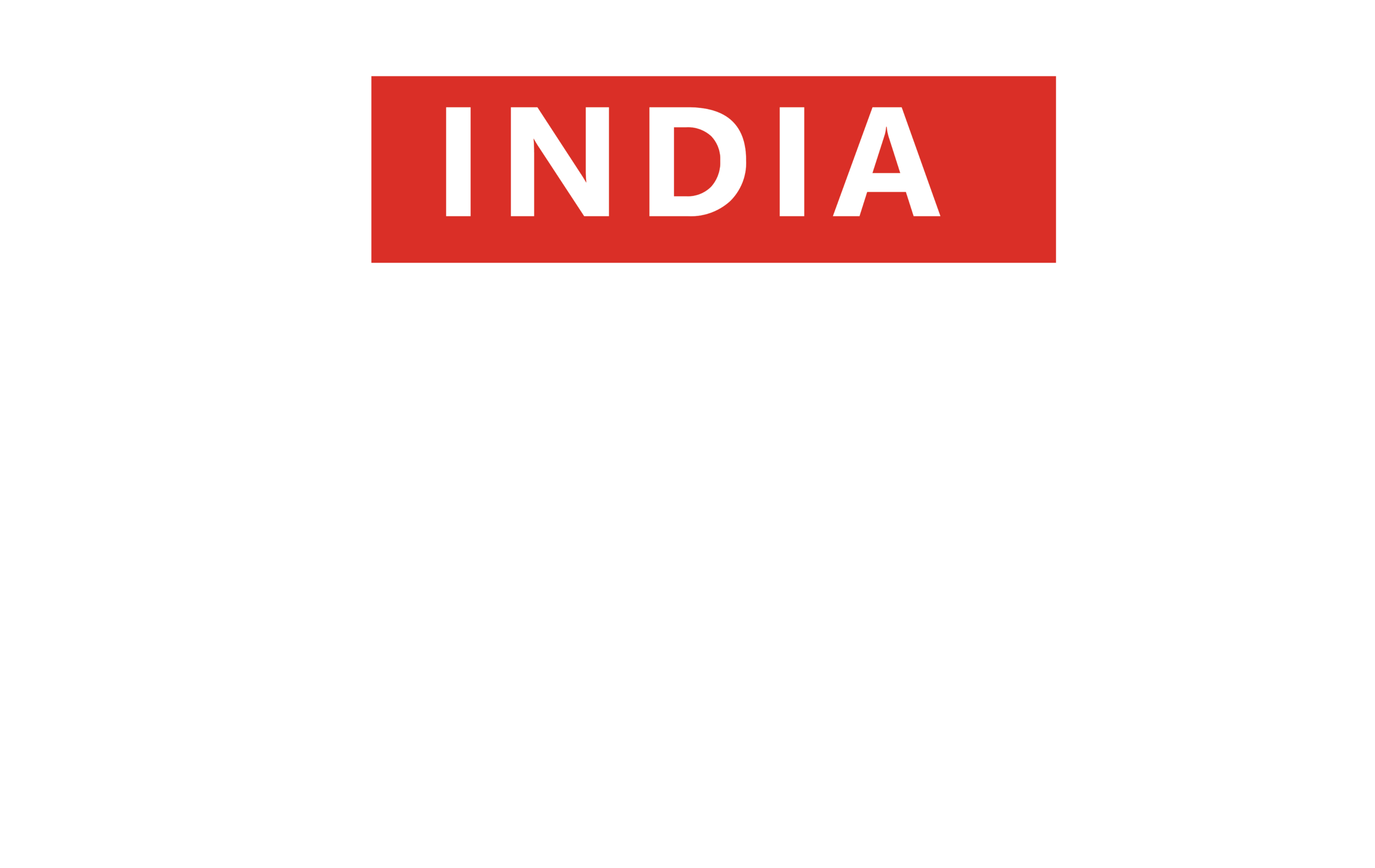
The EdTech market is playing a crucial role in uplifting India’s higher education systems as currently there are about 4,450 EdTech Startups, assisting approximately 300 million school students. TeamLease EdTech is one such player, contributing to the growth of this sector. It is counted amongst India’s leading learning solutions companies that help universities launch, run and manage their own online programs. India Business and Trade held an exclusive interaction with Shantanu Rooj, CEO and Founder of TeamLease EdTech to explore how EdTech companies are working towards providing customized academic solutions to students in India and how the e-learning platforms have evolved post-Covid19. IBT: Tell us about the inspiration behind your business idea and the gaps you aim to address in the education space. Shantanu Rooj: I started this company almost a decade ago when distance education in this country started flourishing. However, back then, it was primarily conducted through an age-old mode. Students who enrolled in distance education courses received a set of physical books, which the postman would deliver. They had to study on their own, and then later appear for examinations in person. That was the prevailing state of distance education. Recognizing the emerging trends in technology, we realized that the internet was rapidly becoming a reality, and mobile smartphones were gaining popularity. With this insight, we firmly believe that the future of distance education lies in digitization. It was at that moment that we decided to venture into the digital distance education space. The best way we realized to work on this model is not to set up our own service, but rather to assist universities at the forefront of the distance education revolution by enabling them to go digital and create digital versions of their distance education programs. This idea became the genesis of our organization – to help universities in designing, developing, and delivering their own online degree programs. This was the starting point of our journey. However, as we delved into this domain and began our work with universities, two distinct realizations came to light. Firstly, we noticed that despite completing these distance education degrees, many students were struggling to secure jobs. The employability of students graduating through distance education programs was a significant concern. They don’t get a job because they have a distance education BCom degree. The worst part was that people didn’t even expect to get a job. As a result, the prestige value of these programs in the eyes of an employer was absolutely dismal. This led to almost zero employability in these programs. And we firmly believe that this should not be the case. The right thing to do is to ensure that learners who come to higher education have a pathway that leads them to build their careers, which unfortunately was not happening in the case of distance education. Despite obtaining a paper degree, we believed that this situation was akin to cheating the learners. This realization demanded a change. TeamLease EdTech recognized that there were innovative approaches and solutions that could be brought in at the intersection of education and employment. The goal was to make online programs a viable and attractive alternative to traditional classroom-based programs. That’s where we embarked on our journey and got started with our mission. IBT: What was the thought process that the team went through while conceptualizing and creating the product? Shantanu Rooj: Our product is called “Work Integrated,” and our message to the students is simple: if you choose to take a BCom course online, you won’t be attending a physical classroom. So, you have plenty of time, right? Instead, we offer a unique approach where you will attend an “on-the-job” classroom. Here’s how it works: When you opt for a work-integrated BCom program, you approach a university expressing your interest. The university will then provide you with a model that involves learning in two different classrooms simultaneously. The first classroom is an online platform, accessible through your smartphone. Here, you will find lectures, videos, reading materials, and everything you need for your coursework. Professors will conduct online teachings, making it convenient for you to learn. The second classroom, and perhaps the most exciting aspect, is in a corporate setting. You will be placed with an employer for training and practical experience. This means you will be learning while working in a real business environment, gaining valuable insights, and developing essential skills that complement your academic learning. Our work-integrated approach bridges the gap between theoretical knowledge and practical application, offering you a comprehensive learning experience that enhances your employability and prepares you for a successful career. In short, our Work Integrated Degree Programs offer a unique approach for students during their three years of graduation. Over this period, a student will undergo on-the-job training, gaining three years of valuable work experience before graduating. Additionally, during the traineeship, he/she will receive a monthly stipend of approximately Rs 10,000 to Rs 15,000, which helps cover tuition fees and some expenses. The product’s key benefits are increased employability and practical learning. With decades of experience and an understanding of the needs of employers and students, TeamLease recognized the gap between skilled candidates and job opportunities. Thus, the Work Integrated Degree Program acts as a bridge to address this issue. The student has two supportive pillars: the university and the employer. Both contribute to their development. The university imparts academic knowledge, while the employer offers practical skills. The program emphasizes learning by doing, allowing students to apply what they learn in real-world settings, and they earn while they learn. This combination makes the product appealing and significant to both stakeholders. Through various experiments, trials, and errors, we underwent a process of learning and refining. The result is a product that addresses many challenges faced by Indian students, contributing positively to the nation. Our journey involved overcoming obstacles and learning from both successes and failures. Finally, we have developed a product that is effective and successful. It saves students a significant amount of
Agrivoltaics: Fusing farming and solar power
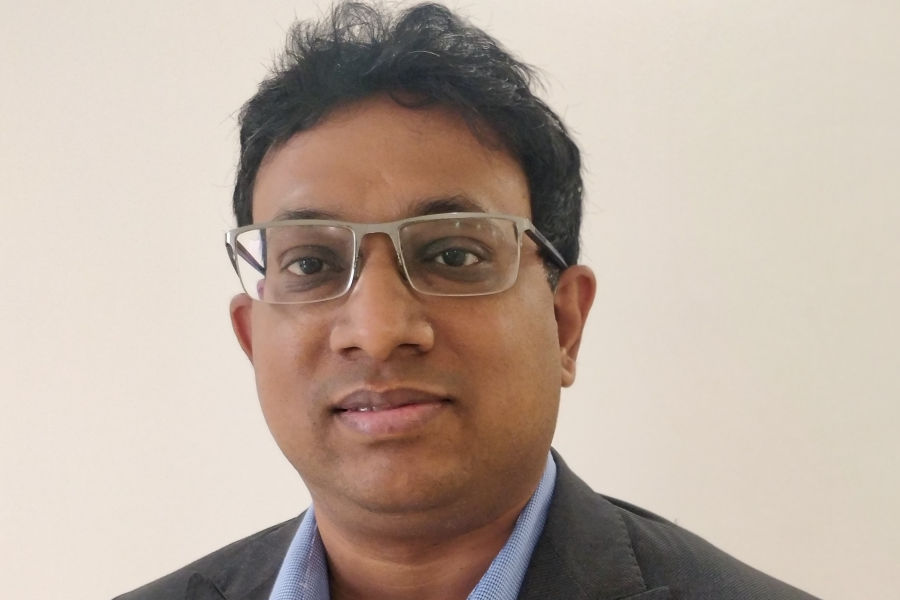
India Business and Trade has initiated an interview series called ‘Green Guardians – Fueling India’s Energy Transition’ where thought leaders will share insights on their journey to contributing to the clean energy revolution in India. In our first interview, we had the privilege of speaking with Mr. Vivek Saraf, the Founder & CEO of SunSeed APV, a pioneering Agrivoltaics startup seamlessly integrating climate-controlled cultivation with solar power generation. In this enlightening conversation, Mr. Saraf candidly shares the inspiration behind SunSeed APV and their unwavering commitment to clean energy innovations. He provides valuable insights into differentiating the brand in India’s competitive solar sector and reflects on the challenges and significant impact they’ve achieved. IBT: To start let’s talk about the inspiration behind your venture. What motivated you to create SunSeed APV? Vivek Saraf: Before I delve into what inspired me to start this venture, let me give you a quick overview of what SunSeed APV is all about. We specialize in Agrivoltaics, which involves combining agriculture with solar generation. This innovative approach is still in its early stages and is gaining traction worldwide, with Europe leading the way. I embarked on this journey back in late 2020, but my involvement in the solar industry dates back four to five years prior to that. During that time, I worked with a company focused on niche solar projects, such as installing solar panels over canals and carports above roads, seeking multiple benefits beyond just clean energy generation from ground-mounted solar. Agrivoltaics was a concept I closely followed, keeping myself updated on the research and developments in Europe. In 2020, I strongly believed the time was right, and I was convinced that this approach could have significant potential in India, offering a compelling value proposition. With this conviction, I founded SunSeed APV with the goal of creating solutions and developing projects in the field of agrivoltaics. IBT: With the solar sector experiencing significant growth, competition is undoubtedly fierce. So how does your company differentiate itself from existing players in the market? Vivek Saraf: Certainly, the solar industry is indeed highly competitive, with developers engaged in aggressive bidding for tariffs, leading to squeezed profit margins across the value chain. However, what sets us apart is that our focus on agrivoltaics makes us pioneers in a relatively untapped space. While there’s significant buzz around agrivoltaics in India, there are very few projects that have been executed, and no other company is offering specialized solutions in this field like we are. This uniqueness gives us a distinct advantage, but it also comes with the challenge of building the market from scratch. However, I’m pleased to share that the progress has been faster than anticipated. The government is showing great interest in promoting agrivoltaics and is expected to introduce policies in that regard. This will undoubtedly create a conducive environment for us to grow and flourish in this emerging market. Despite the challenges, we are optimistic about the opportunities that lie ahead, and we are excited to be at the forefront of this promising industry. IBT: As an entrepreneur, you must have faced challenges during the years of your startup. Kindly your insights into the hurdles encountered, and the impact you have achieved thus far. Vivek Saraf: As an entrepreneur, one of the significant challenges we faced was raising funds to build our solutions and establish the company. However, we managed to grow organically and form a partnership with a German development agency, GIC, which has been instrumental in supporting some of our projects. Building a strong team was also crucial, and I feel fortunate to have found talented individuals to join our journey. Developing solutions for a nascent market presented another obstacle, but we have been making progress in this area. There’s a lot of potential for projects, and we have successfully completed some, like the one you see in Maharashtra, which was a recent achievement for us. IBT: What would be the vision of SunSeed and its growth strategy going forward? Vivek Saraf: Our vision is to establish hundreds of megawatts of agrivoltaic projects, where we not only generate solar power but also cultivate agricultural produce. Our focus is on creating a brand of agricultural products and selling high-value crops. Specifically, we are concentrating on integrating climate-controlled cultivation with solar generation, enabling us to grow premium crops with high demand in the market. We plan to develop agrivoltaic parks in the peripheries of urban areas, utilizing climate-controlled cultivation to produce top-quality crops for urban markets. Additionally, we are exploring the potential of rooftop agrivoltaics, where we can combine rooftop solar installations with urban farming, a concept that has been gaining popularity recently. Technology is at the core of our operations, and we have built a software-based decision support system using a digital twinning strategy. This system allows us to simulate light distribution and microclimates under various configurations of solar panels and protected cultivation. Coupled with extensive research on crop requirements, we can optimize crop growth by providing the ideal light distribution for each crop. Overall, we are in the early stages of our journey, but our progress is promising. We believe that our technology solutions and innovative approach will pave the way for successful agrivoltaic projects and contribute to sustainable agriculture and clean energy production. IBT: In the current landscape of investment, energy-based startups have become increasingly appealing to investors these days. What factors do you think make these ventures interesting or attractive? Vivek Saraf: In the past seven to eight years, clean energy has been a highly appealing sector for startups, but recently, there has been a slowdown in funding for new ventures. However, there is now a growing global emphasis on sustainability and achieving net-zero emissions, which has reignited interest in renewable energy, particularly solar power. As an entrepreneur in the solar industry, I believe there is a fresh momentum to advance solar energy and embrace the net-zero concept. The push towards a greener future has led to increased funding opportunities for startups

From Local to Global: Empowering India’s Food Processing Sector
With a potential size of US$ 535 billion in 2025, India’s food processing sector provides ample opportunities for entrepreneurs as well as farmers. As per recent data, the PLI Scheme for Food Processing Industries has approved nearly 158 applications with investments of Rs 7,427.22 crore as of March 31, 2023. Increasing urbanization, rising disposable incomes, availability of a greater variety of processed food, growing demand from Tier 2 and Tier 3 cities, and the increasing E-commerce are together transforming the food consumption patterns in the country. However, India needs to work aggressively to boost food processing capacities to double the share of the sector as per Vision 2030. Boosting exports of processed food products will go a long way in benefitting entrepreneurs and further encourage the addition of capacities within the country. Image credit: Shutterstock The food processing industry is one of the sunrise sectors of the Indian economy. It is also the fifth-largest industry in terms of production, consumption, exports and potential growth. In FY 2019, out of the total food and agri-commodity exports of India worth US$ 38.5 billion, share of processed food was about US$ 4.15 billion. When we look at HS 16-22 (foodstuffs) alone, India’s exports reached US$ 10.5 billion in 2022, growing at a CAGR of 22.4% over a period of 5 years. The sector was valued at US$ 263 billion in 2019, and a report by KPMG has projected the industry to reach a size of US$ 535 billion by 2025 (with CAGR of 15%). It adds about 9.5% to gross value added (GVA). Currently, the food processing level in India is at 10%. This is considerably lower than the global levels; a case in point is the figure of around 55% in European economies. The low levels of food processing in the country may also be attributed to habits and inclination to consume fresh food, the distrust regarding “outside” food & its quality, and to the inherent tastes of our multi-cultural society. However, the increasing urbanization, rising disposable incomes, availability of a greater variety of processed food, growing demand from Tier 2 and Tier 3 cities, and the increasing E-commerce are together transforming the food consumption patterns in the country. Besides, the Covid-19 pandemic has further led to increased acceptance of processed food. Driven by these factors, the domestic Food Processing industry is heading towards a strong growth trajectory and also has significant growth potential. The sector is offering numerous opportunities not only to farmers but also to entrepreneurs. Opportunities for farmers The proliferating demand for processed food is turning out to be a potential opportunity for the country’s farmers. Opportunities abound in terms of increased production, greater demand for raw material for value-added products, diversification from grain-based crops to horticulture, and production of high-value process-able varieties, all tending to boost the income of the farmers. Nowadays, the emphasis is gradually drifting towards a change in cropping patterns, where farmers are enabled to produce crops for profit. The goal is to increase the prosperity of Indian farmers rather than sustenance. For instance in western Uttar Pradesh, farmers prefer to grow Sugarcane, while in Madhya Pradesh they prefer to grow Soybean. The success of exports of pickled Cucumber & Gherkins has changed cropping patterns in more than 20 districts in Karnataka. Change in cropping patterns is spreading to gradually to other states in the country. However there are some challenges emerging on the supply front. The challenges include lack of-cold chain infrastructure, modern logistics and storage infrastructure. These are also the primary reasons that cause high levels of post-harvest wastage of agriculture produce in the country. There have been multiple efforts from the Central Government as well as State Governments to reduce post-harvest wastage through the development of storage and supply chain infrastructure, development of processing infrastructure and subsidising of investments in the Food Processing Sector. Major schemes by Government of India include Pradhan Mantri Kisan Sampada Yojana (PMKSY) which provides subsidy for the development of high-quality infrastructure like Mega Food Park with world-class facilities and modern storage facilities, Cold Chain, testing laboratories etc. The scheme also envisages setting up of near farm infrastructure such as Agri-Processing Clusters which are aimed at creating primary processing facilities. The government also announced Agriculture Infra Fund worth Rs 1 lakh crore. It provides support to a large number of beneficiaries including Farmer Producers Organizations (FPOs), Self Help Group (SHG), Farmers, Joint Liability Groups (JLG), Multipurpose Cooperative Societies, Agri-entrepreneurs, start-ups etc. by way of interest subsidy Aiming to create global food manufacturing champions corresponding with India’s natural resource endowment and to support Indian brands of food products in the international markets, the Central government launched Production Linked Incentive Scheme for Food Processing Industry (PLISFPI) in 2021. It is to be implemented for a period of seven years till 2026-27. Under the PLISFPI scheme, nearly 158 applications have been approved for availing incentives. As on March 31, 2023, the beneficiaries have invested Rs 7,427.22 crore under the scheme. Incentives worth Rs 517.604 Crore, so far have been disbursed for the Financial Year 2021-22. The category-II under the PLI scheme is focussed specifically on Innovative and Organic products and is exclusively for eligible MSMEs (Micro, Small & Medium Enterprises). About 16 applications have been selected under the category. Out of the 30 selected applicants, 22 applicants for Millet-based products are MSMEs. The following table lists some of the leading companies benefitting under the Production Linked Incentive Scheme for Food Processing Industry (PLISFPI) Beneficiaries of PLISFPI *RTE/RTC *F&V Marine Products Mozzarella Cheese Organic Products Anmol Industries Ltd Aachi Masalafoods Pvt Ltd Asvini Fisheries Pvt Ltd Gujarat Co-Operative Milk Marketing Federation Ltd Achal Cashews Private Limited Bikaji Foods International Ltd ITC Ltd Avanti Frozen Foods Pvt Ltd Indapur Dairy And Milk Products Ltd Pravin Masalewale Bikanervala Foods Pvt Ltd Dabur India Ltd Choice Trading Corporation Pvt Ltd Parag Milk Foods Ltd Fazlani Exports Private Limited Britannia Industries Ltd DS Spiceco Pvt Ltd Devi Fisheries Ltd Sunfresh Agro Industries Pvt Ldt Tasty Bite Eatables

Surging demand for India’s non-GM oil meals pushes exports
During the April-June quarter of 2023-24, India’s overall oil meal export increased by 19% year-on-year. The increasing demand for India’s non-Genetically Modified (non-GM), low pricing and favourable exchange rates, have enabled India to become a leading exporter of oil meals in the international market. Image Credit: Pixabay Oil meal is a by-product of the oil industry. Oil meal or oilseed meal cake refers to the protein-rich substance left after the oil is extracted from the seed. This dry extract of oil is widely used for animal feed and the food industry. As oil meal products contain various types of amino acids like lysine and methionine, the demand for these products is growing rapidly in various sectors such as healthcare and nutraceuticals. In addition, increasing demand for oil meals in the animal feed industry as a key protein-enriched meal has a positive impact on the growth of the oil meal market globally. India’s non-genetically modified oil meals are in high demand across the world. Major importers of Indian oil meals are the US, Canada, France, Germany, New Zealand, and other European nations. India also exports oil meals to Southeast Asian and Middle East nations. Export of oil meals during April-June 2023-24 India exported 1,210,045 tonnes of oil meals during the first quarter (Q1) of 2023-24, showing a growth of 19.09% year-on-year. Overall oil meal exports during Q1, 2022-23 were recorded at 1,016,031 tonnes. This follows a strong surge in FY 2022-23, wherein India exported 43.36 lakh tonnes (lt) of oilmeals valued ₹11,401.30 crore compared to 23.74 lt valued ₹5,607.09 crore in 2021-22. Southeast Asia is the major importer of Indian soyabean oil meal. India not only has a logistics advantage, but it can also supply oil meals in small quantities to Southeast Asia. As Indian soyabean meal is Non-GMO (Genetically Modified Organism), the US and some European countries also prefer India’s soyabean oil meal over Genetically Modified (GM) soyabean oil meal, which is largely grown in the US, Brazil, and Argentina. Major oil meal exports (April-June) Source: Solvent Extractors’ Association of India (SEA) Exports of soyabean meal by India increased to 364,611 tonnes in Q1 2023-24, as against 75,454 tonnes exported in the same period in 2022-23, growing by 383%. Castor-seed meal exports reached 90,750 tonnes during the period, growing by 9% YoY. India is among the major suppliers of rapeseed meal to South Korea, Thailand, Vietnam and other far-east nations. However, Rapeseed meal exports dropped by 12.2% YoY to 6,20,738 tonnes during the period. Exports of Rice-bran extractions reached 125,582 tonnes, a fall by 15.7% YoY. Notably however, the month of June witnessed a decline in the exports of oil meals. Due to lower demand for rapeseed meals from overseas, oil meal shipments dipped by 35.86% YoY in June 2023 to 280,001 tonnes. Shipments of oil meals in May stood at 436,596 tonnes. Major oil meal exports in May and June (2023) Source: Solvent Extractors’ Association of India (SEA) In the month of June, India’s soyabean meal exports declined sharply to 73,139 tonnes as compared to 1,14,225 tonnes exported in May; Rapeseed meal export also dropped to 140,506 from the 233,663 tonnes exported in May; while the export of Castor seed meal was recorded at 17,512 tonnes down from 43,761 tonnes exported in May. However, the exports of rice bran extractions increased to 45,705 tonnes in June as against 42,398 tonnes exported in May. Groundnut meal exports saw a marginal increase from 2,546 tonnes in May to 3,138 tonnes in June. Major importers of Indian oil meals Major importers of Indian oil meals during Q1 of 2023-24 included South Korea, Vietnam, Thailand, Bangladesh and other far-east countries. The following graph compares the increase/decrease in major oil meals imported by the 5 major importers of India’s oil meals, during the April-June quarter of 2022-23 and 2023-24. Source: Solvent Extractors’ Association of India (SEA) Indian oil meals will continue to be in high demand Despite the fall (35%) seen in the export of oil meals during the month of June, the overall exports of oil meals increased by 19% (yoy) in the April-June quarter. This indicates a steadily growing demand for Indian oil meals, further fuelled by rupee depreciation. The increasing demand for non-GM oil meals in India, low pricing and favourable exchange rates, have enabled India to become one of the leading exporters of oil meals in the international market. Indian soyabean meals hold an advantage owing to their non-GM status, confirmed Mr BV Mehta, the Executive Director of The Solvent Extractors’ Association of India. He said that Western countries, due to high sensitivity towards environmental concerns, prefer the non-GM attribute of Indian soyabean meals.
“MSMEs’ participation in rooftop solar installation is crucial”
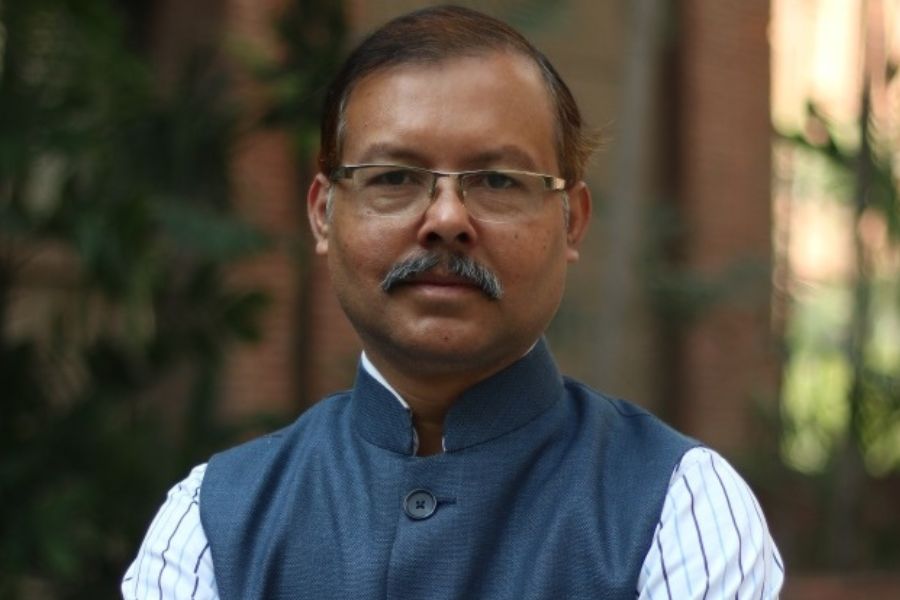
During COP26 (United Nations Climate Change Conference), India unveiled an ambitious goal to reach 500 GW of non-fossil fuel-based energy by the year 2030. By May 2023, the installed solar energy capacity has experienced substantial growth, surging by 24.4% over the last nine years, culminating in an impressive 66.7 GW. As of March 2023, an additional 8,877 MW of rooftop solar capacity was integrated, primarily driven by heightened awareness among residential consumers and government subsidies targeted at the residential segment. Dr Debajit Palit, Professor at NTPC School of Business shares his views on the potential of the rooftop solar segment in India, as well as its expected progress in the coming years. Image Source: Shutterstock Solar rooftop additions have surged in the past two years with average installations crossing 2GW as of this date compared to average installations of just about 1.3 GW during FY20 and FY21. The total additions for FY23 (April-Feb) remained 1,843 MW, whereas, the additions for FY22 were 2,215 MW. This is major because of fewer challenges related to Rooftop solar as compared to other energy sources. Why roof-top solar? A significant advantage of the Rooftop Solar (RTS) is the reduction in transmission loss. When combined with energy storage systems and various distributed energy resources like peer-to-peer (P2P) energy sharing, the potential benefits become even more evident. As we move towards modern electric systems, rooftops are likely to play an increasingly important role, as already observed in several European countries, where distributed energy resources are implemented as “Energy Islands,” or in the U.S., where Blockchain and other technologies are being utilized for this purpose. In India, we can expect similar developments in the coming years. However, it is crucial to approach these changes with caution, especially concerning the business models we adopt. Whether it’s a capex model or third-party-owned RTS systems, careful consideration must be given to the revenue structure. These decisions require thorough discussions and deliberations. Furthermore, there is still some confusion regarding gross metering and net metering, which needs to be addressed comprehensively. Certain discoms are prioritizing gross metering, while others are leaning towards net metering. Under the gross metering arrangement, compensation to consumers is usually lower than the retail supply tariff, while under net metering since the import of power is adjusted against the export, the compensation is effectively at the retail supply tariff. As a revenue protection measure, discoms are inclined to adopt gross metering. Each approach comes with its own set of advantages and disadvantages for both consumers and the utility companies. Therefore, it is essential to find a middle ground and determine which option should be preferred or promoted. Perhaps, a balanced approach can be adopted by promoting both, depending on the specific needs and characteristics of different consumer segments. This way, we can strike a harmonious balance that benefits all stakeholders involved. Blueprint for growth trajectory Back in 2009-10, when rooftop solar and building-integrated solar initiatives were introduced, Ravi Rashmi Abasan, the first project was launched in Kolkata. During that period, discoms largely preferred net metering due to the high cost of solar power, while consumers were more inclined towards gross metering. However, the situation has now completely reversed. In order to progress without any undue bias, it is crucial for consumers and stakeholders to collaborate and find a common ground regarding the favoured model. By doing so, we can accelerate the implementation scale and reach a solution more promptly. Ultimately, finding a resolution that satisfies all parties involved will lead to increased adoption and expansion of these renewable energy initiatives. Additionally, the introduction of time-of-day pricing is necessary. Recently a solar tariff and a non-solar tariff have been introduced, but a comprehensive implementation is required. In India, policies are often well-conceived, but the challenge lies in their ground-level execution. As electricity is a concurrent subject, discrepancies between federal and state government policies and schemes can lead to conflicts and confusion among consumers. Avoiding such confusion & proper policy implementation should be a priority. Thirdly, there is significant potential in residential rooftop solar. Gujarat has demonstrated remarkable success in this area, with nearly 60 per cent of the total residential rooftop installations coming from the state. They have adopted a well-structured model, like in California. This model includes careful RESCO selection, demand aggregation, resource development, training, and awareness campaigns through various media channels. However, most states lack proper communication and coordination. It is crucial for them to share experiences and learn from each other. Kerala, for instance, is making great progress by aggregating demand. The Distribution Company has set up a cell in the Kerala State Electricity Board, conducting surveys to identify rooftop potential in every household. They have devised three different implementation models: RESCO-based, EPC or capex-based, and a hybrid model, which is now being put into action. Therefore, it is crucial for other states to implement these measures and exchange knowledge to foster sector growth. Additionally, I must highlight the existing confusion among consumers regarding the national rooftop portal. Although it has been launched, there is inadequate awareness about it. Many people approach me with questions about subsidies, the application process, and whether to apply through the discom or directly on the National Portal. To address this, we need a comprehensive awareness campaign, similar to the one conducted by the Bureau of Energy Efficiency in the past to promote energy efficient systems & star levelling. By doing so, we can empower consumers and enable them to make informed decisions regarding rooftop solar adoption. In the past, successful campaigns were carried out by creating a mascot and utilizing various media channels to reach every household by many government programs. To ensure the success of the rooftop solar program nationwide, a similar campaign is essential. This effort should not only target urban households but also reach those in rural areas, as there is significant untapped potential in both residential and institutional rooftops. Similar initiatives have proven effective in other countries, and we must follow suit to unlock the
India’s rooftop solar becomes lucrative for small players
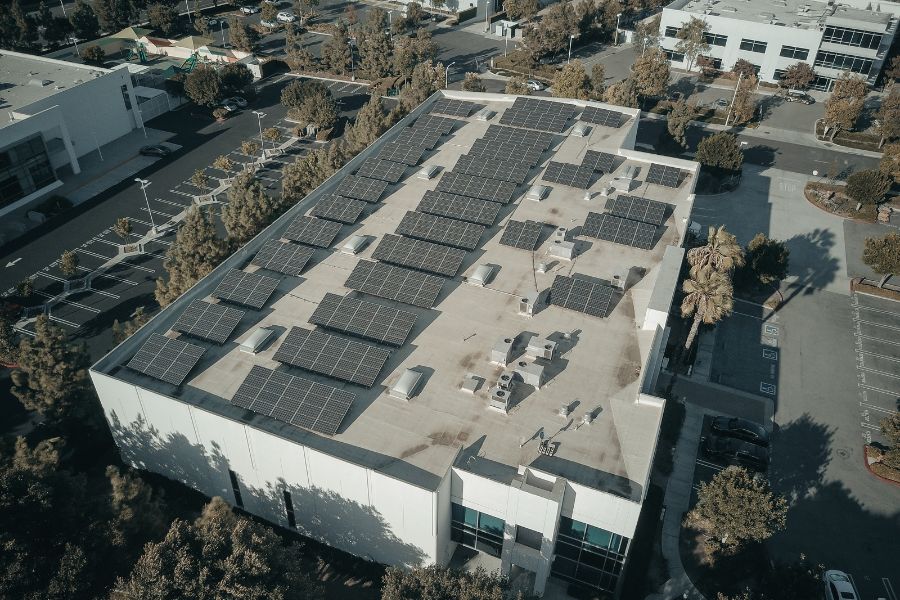
The rooftop solar market in India is growing at an accelerating pace owing to awareness among consumers and technological advancements in renewable energy. Solar installation companies say that a consumer’s ability to take control of the energy requirements has led to this rise in popularity. In India, big solar companies are aiming to capture mega projects, giving an advantage to small companies to cater to the residential sector and SMEs. Photo Source: Pexels Rooftop solar companies in India are basking in the growing demand for renewable energy. According to a report by Bridge to India, the country’s residential rooftop solar market is expected to grow at a CAGR of 25% till 2030 to reach 16.2 GW. While countries like China and Spain are world leaders in solar power growth and solar power as a share of electricity, respectively, India’s efforts cannot be discredited as the country became the 2nd Asian country to record its biggest year for solar power growth in 2022. There are various factors responsible for the growing market, such as a rise in consumer awareness, technological advancements, and proactive subsidy measures taken by the central and state governments. Moreover, prices of Chinese solar modules have dropped to a historic low of US$ 0.196 per watt peak, which is expected to provide a boost to solar power capacity additions. Earlier this year, the Ministry of New and Renewable Energy (MNRE) announced a hike in rooftop solar subsidies for the residential segment. The ministry has also hyped Central Financial Assistance (CFA) to install Rooftop Solar (RTS) in the residential sector across the country. Similarly, initiatives like the announcement by the Telangana State Renewable Energy Development Corporation Ltd. (TSREDCO) in January to install solar panels on 500 school buildings to promote decentralized electricity generation and avoid power shedding issues in the state are helping catalyse the sector across parts of India. India’s cumulative installed solar capacity now stands at 64.5 GW. Mercom India has reported that in Q1 2023, Rajasthan triumphed as the state with the highest number of solar installations, beating Karnataka which stood at the 2nd spot. The rooftop solar market was one of the few industries in India to remain largely unaffected by the COVID-19 pandemic. The Ministry of New and Renewable Energy’s grid-connected rooftop solar programme seeks to reach a total installed capacity of 40,000 MW by the end of March 2026. Residential power consumers are given subsidies under this program’s component A, and discoms are given incentives under its component B. Component B offers incentives to discoms for an initial capacity of 18 GW, while Component A gives subsidies to the residential sector for a 4 GW capacity. The availability of subsidies for the residential sector has been reorganised, with 40% CFA for capacities up to 3 kW and 20% for capacities greater than 3 kW and up to 10 kW. The Delhi government declared that it would start investing in neighbourhood solar rooftops in January 2023. Businesses and organisations would be able to generate electricity without needing rooftop space. In addition, a joint venture between the governments of Rajasthan and the Union called for bids to commission 50 MW of grid-connected rooftop and small ground-mounted solar, which presents an opportunity for Indian businesses to set up rooftop projects. Time for enterprise to shine The solar market sprung into action in the last three years and over 1,000 megawatts (MW) of rooftop solar capacity has been added from October 2022 to March 2023. According to data released by MNRE in May 2023, 8,877-MW rooftop solar capacity was added as of March 31, 2023, as against 7,520 MW on September 30, 2022. Speaking to IBT, Gagan Vermani, Founder & CEO, MYSUN, says that India’s residential rooftop solar installation market is growing rapidly and is expected to deliver multi-decade growth. “We’ve been operating since 2018, and since last year there is a definite significant increase in the number of queries and installations… In comparison to how the demand was three years ago, I can say now there has been a 300% growth in queries,” Vermani said. He also adds, “In my opinion, only 2% of the market, for both residential and commercial, has been captured. There is a huge market out there waiting for solar energy. However, companies need to adopt the right business models to reach those consumers. Three years ago we had to sell the concept of solar, but today we don’t have to go door-to-door to convince people.” He adds that a healthy competitive market has formed in the country as hundreds of solar installation companies are now looking into providing quality products and services to attract potential clients. On-time payments of subsidies by respective state governments have boosted confidence amongst consumers. The affordability of solar panels and the continued rise of grid tariffs for the residential sector have been favourable for small firms. Timely reimbursements (within 65 days) along with additional subsidies have resulted in break-even for the customers to come down within 4 years. Big solar firms in India have entered into a franchise model to expand their business operations and increase installation figures. On the other hand, small solar companies are opting to provide customised solutions, offering product quotations, zero-cost EMIs and on-site inspections for minimal costs, thereby improving their attractiveness. In Tier 1 cities, the model has worked successfully in the residential sector in terms of housing complexes and stand-alone homes.

Resolving India’s cotton conundrum
India’s cotton production and exports are experiencing decline and continued uncertainty, subsequently casting a shadow on the textile industry as well. On June 10, the Cotton Association of India (CAI) raised the country’s cotton output to 311.18 lac for the year 2022-23. The previous estimates of the trade body had put the numbers at 298.65 lac, lowest since 2008-09. Moreover, as cotton prices stay alarmingly high and the industry faces the threat of high imports from China, the textile industry is facing a lot of pressure. IBT spoke with cotton and textile association leaders on the lull market sentiments globally and domestically. Experts believe that the textile industry is likely to jump back into action post October-November 2023. Photo Source: Shutterstock New Delhi, July 13: India’s cotton industry is facing challenges on production as well as exports in 2023 and industry leaders have raised concerns on both fronts. The cotton industry is dealing with shaky crop output forecasts, which are raising anxiety. Trade body Cotton Association of India (CAI) earlier estimated cotton output at 298.65 lac bales for 2022-23, the lowest since 2008-09 when the output figure was 290 lac bales. However, on July 10, CAI revised the figures to 311.18 lac bales for the previous year. In FY 2022-23, India’s cotton exports were recorded at US$ 5.7 billion, a decline by 47.5% YoY. The major markets experiencing decline included China (-80.4% YoY); Vietnam (-66.9%); Bangladesh (-55.6%); Portugal (-52.5%) and Republic of Korea (-42.6%). Under the present times, changing economic situations of developed nations such as the UK and the US have impacted India’s cotton exports. This is further exacerbated by fierce competition from other exporting countries. Source: ITC Trade Map; Figures in US$ billion India has the highest cultivation area in cotton acreage with 120.69 lakh hectares area under cotton cultivation i.e. around 36% of world area of 333 lakh hectares. But declining output of cotton production can be attributed to various reasons such as changing weather patterns, pest infestation, ineffective seed, and wrong agriculture practices. Allied industry segments have begun to feel the heat of the low outcome. Along with dip in cotton output, the exports of cotton and its derivatives, such as textiles and apparel, are facing steady decline due to lower demand from the international as well as the domestic market. According to a report published by the United States Department of Agriculture (USDA) on July 3, 2023, cotton output estimate indicates a minor decline in global trade to 43.5 million bales, but an increase of nearly 6.0 million over the prior year. The report further states that nations such as Brazil, United States, Australia and India are likely to remain top exporting countries, though India and United States are likely to witness weaker export figures due to decline in demand. A slow phase of cotton output in India Global cotton imports reached US$ 60.2 billion in 2022, increasing by 7% YoY according to the ITC Trade Map. While India’s exports have witnessed a decline by 31% YoY, US and Australia have seen phenomenal increase by 51% YoY and 104% YoY respectively. Amont the other top exporters, Brazil (8%) has seen growth, while Pakistan and Turkey have remained static. China (-3%) and Vietnam (-13%) have also witnessed decline, but India has seen the largest decline of all. Speaking to IBT, Ashwani Jhamba, Vice President, Indian Cotton Association Limited, stated that situation in Europe is such that the export market is slow, thereby resulting in decline of Indian cotton exports. “Some of the estimates on crop production which were made were inaccurate. The local production of cotton had a direct impact on the costing of it, which has put India at a disadvantageous position in the international market,” Mr. Jhamba said. On the international demand front, Jhamba explains that prices of electricity, gas, and the entire cost of living in Europe has increased upto four times. Due to such a situation, countries had to make a hard choice and shift the export priorities. “So, the priority of the UK and US would be to look into suitable pricing from other competing countries. Russia-Ukraine war has also added to the misery,” he added. Earlier in April 2023, Union Textiles Minister Piyush Goyal had said that decreasing yarn exports from India should be seen as a good sign for the country as that would make raw materials available for processing them into textiles and eventually, into garments creating jobs and opportunities in the sector. However, Mr. Jhamba believes that the dip in exports may not prove to be entirely beneficial to the domestic market. On Monday, the Ministry of Commerce and Industry released India’s overall exports figures in June 2023, which states that textiles exports continued to decline in June 2023 because of subdued demand due to recessionary effects in major economies. Under merchandise imports, 21 out of 30 key sectors exhibited negative growth in June 2023… Textile Yarn Fabric, Made-Up Articles registered a negative growth of 33.72% last month. “India’s production and export of cotton yarn is humungous. Given there is a dip in exports, the product market will also be affected? Exports are necessary to maintain the price balance in the domestic market for yarn and garment. According to my estimates, the textile industry is also operating at 40-60% capacity because domestic demand remains the same. It hasn’t shot up because of availability of surplus cotton yarn,” Jhamba told IBT. On finding new international destinations to export Indian cotton, he adds that although exporters are attempting to sell yarn and textile to other countries, the competition on garments from China and Bangladesh has proven to be a deterrent for us. He predicts that the government may announce a minimum support price or MSP for raw cotton in the month of October this year. Indian Textile Industry: No Gain, No Loss Speaking to IBT, R. K. Vij, President, the Textile Association (India), also feels that the decline in exports has not benefited the textile industry in India.

Soaring B2B marketplaces, powering India’s digital economy
As India’s economy is growing and leaping ahead, a significant portion of this growth will be driven by the digital economy. So far, the growth in the digital economy has come from consumer digitization. However, India’s share in online B2B sales is less in comparison to other nations. But it is expected that by 2030, a large portion of the digital economy will come from business digitization and online transactions that are business-to-business (B2B) online marketplaces. Image Source: Pixabay Business-to-business (B2B) e-commerce in India is gradually increasing. It accounted for an estimated 1% of the aggregate B2B market in 2022. With the MSMEs (micro, small, and medium enterprises) in India rapidly going online, they are increasingly buying and selling their products through online business-to-business (B2B) marketplaces. As per the report by Bessemer Venture Partners, India’s online B2B marketplaces could grow to become a $200 billion market opportunity by 2030. The share of online B2B sales in India is less, when compared with the share of online B2B sales in other countries. In 2022, the share of online B2B sales in China was about 25%, followed by the UK (20%), and the US (18%). However, the B2B marketplaces in India have immense growth potential and the growth is likely to be driven by a predominantly unorganized B2B economy and fragmented supply chains in the country. Emerging Opportunities It is being observed that in the realm of B2B marketplaces in India, further three kinds of opportunities are unfolding. These are: (1) Product marketplaces (2) Service marketplaces, and (3) Marketplace infrastructure start-ups The B2B product marketplaces are full-stack online marketplaces. They not only connect with buyers and sellers of physical goods but also manage the entire transaction. They provide various services, like assortment, quality assurance, and logistics. These are usually vertical-specific in sectors. For example: construction materials, agriculture, chemicals, fashion, consumer electronics and jewellery. They can also be domestic and/or export-oriented. The B2B services marketplaces are also full-stack online marketplaces, but they connect businesses with service providers such as freelancers, consultants, and agencies. They operate in verticals like marketing and sales, IT, recruitment and HR (human resources). The B2B marketplace infrastructure refers to the technology platforms and tools related to payments, logistics, warehousing, etc. These marketplaces enable companies to build, assist and/or operate B2B marketplaces. Some companies may have a marketplace and infrastructure. For instance, a B2B start-up may begin with a B2B marketplace and thereafter it may either create its own SaaS (Software-as-a-Service) product for its customers or draw in a SaaS player. Another company may start with a SaaS product and then build up a B2B marketplace over it. What is driving the growth of B2B online marketplaces The key drivers for the growth of B2B marketplaces in India are online penetration, developed digital infrastructure, and favourable regulatory policies. Increasing digitization is pioneering the rapid growth of the B2B marketplace in India. Over 750 million people in the country have gone online. According to a report titled “The Emergence of B2B Marketplaces in India”, by venture capital firm Bessemer Venture Partners, in 2022, India had over 60 million MSMEs and the majority of them have adopted technology in some form. Of these 60 million, only 10% of MSMEs (six million) currently engage in buying and selling online. About 25% (15 million) of MSMEs are expected to transact on online marketplaces over the next four years. Another factor driving the growth of the B2B marketplace is the development of payment infrastructure. The development has visibly transformed B2B transactions in the country. Businesses are availing benefits of a fast, secure, and convenient way of transacting with suppliers and customers. Some other advantages offered by the development of payment infrastructure include streamlined operations, lesser reliance on cash transactions and manual processes, and enlarged business reach across geographical barriers. The Unified Payments Interface (UPI) of India played a major role in revolutionizing B2B payments in the country. It has enabled instant fund transfers with no more time-consuming cheques or NEFT transfers. UPI’s low transaction fees make it ideal for frequent small-value transactions. This has facilitated effective cash flow management. UPI has proved to be an efficient, secure, and hassle-free mode of payment for B2B transactions. The online payment transaction value in India is expected to be worth US$208 billion by 2025. Razorpay, Juspay, and Rupifi are some of the other leading modes (payment gateways) of online payments in India. The Open Network for Digital Commerce (ONDC) is another significant development that facilitates secure data exchange. It is a technology infrastructure that enables smooth integration and interoperability among different participants in the digital commerce ecosystem. It offers ‘standardized integration’ through an Application Programming Interface (APIs). The APIs also enable seamless connections with logistics providers, payment gateways, and financial institutions. The B2B marketplaces get benefits from a wider network, improved operational efficiency, regulatory compliance and enhanced trust. The Open Credit Enablement Network (OCEN), facilitates the exchange of credit-related information. OCEN, thus supports the growth and development of the B2B lending ecosystem in the country. It is benefiting both lenders and businesses looking for credit. Hence, it may be instrumental in empowering B2B marketplaces by streamlining credit access, nurturing trust and transparency, enabling personalized loan products, and enhancing efficiency. Supportive measures by the government The government has also introduced several regulatory changes that are facilitating and driving the growth of B2B marketplaces in India. These include: Goods and Services Tax (GST): GST eliminates the need for multiple tax registrations and compliance with different tax laws in different states. It has made it easier for businesses to operate across different states. It also reduces the associated administrative and compliance costs. GST has made it easier for businesses to claim input tax credits. Moreover, GST is creating a level playing field for MSMEs by eliminating the tax advantage, enjoyed earlier by the larger businesses. E-Way Bill: It is an electronic document generated online for the movement of goods from one place to another in India. With e-Way bill, B2B

The unfolding opportunity of foldable smartphones
The Indian smartphone market is poised for a remarkable shift with the emergence of foldable smartphones. These innovative devices are projected to make a significant impact by contributing over 1.8% to the total smartphone revenues, with an impressive sales projection of more than 635,000 units during the year. This surge in sales signifies the growing popularity and transformative potential of foldable smartphones in India’s dynamic smartphone industry. Image Source: Pexels In the dynamic landscape of the Indian smartphone market, a remarkable shift is anticipated with the rise of foldable smartphones. According to market analyst firm Techarc, the revenue generated by these innovative devices is poised to exceed Rs 6,300 crore by the close of 2023. This surge in sales can be attributed to the compelling value proposition presented by smartphone makers in the foldable segment, as well as the growing trend of affordability within this niche. Growth Projections Techarc further predicts that in 2023, foldable smartphones will make a significant impact by contributing over 1.8% to the total smartphone revenues, with an impressive sales projection of more than 635,000 units during the year. “With the growing adoption of foldable smartphones, and increasing competition amongst OEMs, the average selling price (ASP) for foldable phones is anticipated to drop further by 12-15% in 2023,” said Menka Kumari, Analyst- Industry Intelligence Group (IIG), CMR. In 2022, around 0.5 million units of foldable smartphones were sold in India. However, the current year is expected to witness a marginal increase, reaching approximately 0.8 million units. This growth projection is significant as consumers are increasingly favouring premium handsets, and smartphone makers have addressed affordability concerns through financing schemes. Despite macroeconomic challenges, the overall foldable smartphone market is projected to experience a robust year-over-year growth of over 65% in 2023, according to a report by Cyber Media Research (CMR). Transformative Landscape of Foldable Smartphones The research firm predicts the introduction of a new breed of foldable smartphones in the price range of Rs 60,000-Rs 75,000, potentially accounting for 10% of the total foldable smartphone market. Looking ahead, these foldable devices within the Rs 60,000-Rs 75,000 price range are expected to achieve a compound annual growth rate (CAGR) of 52% in India by 2026. These trends highlight the evolving preferences of Indian consumers and the promising future of foldable smartphones in the country’s dynamic smartphone market. In the realm of foldable smartphones, the market is categorized into two variants: H-fold (flip smartphones) and V-fold (book fold smartphones). Techarc estimates that flip smartphones will account for 64% of the sales in 2023. Since the initial introduction of foldable smartphones in 2019, the shipment volume has witnessed a staggering increase of over 35 times by the end of CY2022. Samsung has played a pivotal role in driving the growth of the foldable market thus far. As technology continues to advance and the market matures, there is immense potential for the mass adoption of foldable smartphones, as highlighted by CMR. To gain further insights, Techarc conducted a survey among 650 users of high-end smartphones priced above Rs 50,000. The findings revealed that ease of content consumption emerged as the primary reason for considering this unique form factor for purchase. However, concerns surrounding durability remained a significant inhibiting factor, causing hesitation among potential buyers. These observations shed light on the captivating allure of foldable smartphones while also addressing the prevailing concerns of consumers. As the market continues to evolve, it will be intriguing to witness how the balance between innovation, user preferences, and durability is struck in the foldable smartphone landscape. Summing Up In conclusion, the rise of foldable smartphones in the Indian market presents significant revenue growth and market potential. To capitalize on this opportunity, manufacturers should focus on reducing prices, enhancing durability, and optimizing the content consumption experience. By addressing these aspects, they can drive mass adoption and unlock the transformative potential of foldable smartphones in India.

Taking sustainable architectural designs democratically forward
The term sustainability has different meanings for each individually, and as the time goes by, more eco-warriors have come up with sustainable solutions across industries. Modern innovations such as air conditioners have made our lives within the four walls more comfortable, but they are raising global temperatures. IBT spoke with Monish Siripurapu, Founder and Chief Architect, Cool Ant, on establishing sustainable infrastructure and reducing our dependency on power-hungry technologies. The young entrepreneur says that India’s architectural history has a lot to offer to the society to cut our carbon emission. Photo Source: CoolAnt Studios IBT: There are different forms of sustainability. What does sustainability as a term stands for you? Monish Siripurapu: In the past few weeks, we’ve seen how vulnerable we are even if there is a slight deviation with climate change. I think we saw that with the average that the rains have caused. It was completely unprecedented. We saw almost all cities getting flooded and people displaced with lots of loss to life, and property. So, to me, sustainability is a simple balance between nature and man-made creations. The balance in nature changes the way we function, it creates a major impact on the complete species itself. I think that’s the way I see sustainability. IBT: How did you come to chose path of creating sustainable infrastructure? Monish Siripurapu: I’m working in the area of passive cooling in public infrastructure. But let me just tell you that this is something that is being done for 1,000s of years in the habitat. Generations have lived using systems and technologies that have been fully passive or low energy. It’s only in the last 100 years that we have seen a humungous dependency on energy-hungry technologies. We’ve started using more and more resources when it comes to air conditioning, which is very energy intensive. For me, creating sustainable infrastructure is not something new, it is something where we are going backwards, by trying to combine what was otherwise traditional with technology. This is something critical in our work – to see if we can improvise upon the systems that have worked very well for many centuries, and whether we can rewrap them in a modern way, in a modern architectural sensor in the construction industry. This is our main focus of work. IBT: When did you set up the company and how has the journey been as an entrepreneur so far? Monish Siripurapu: Ant Studio was set up almost 10 years back and the inspiration came while I was working in my previous firm, where they do a lot of creative stuff in an architectural setup. But hat I really felt was that along with the architecture and design aesthetics, it can be a place where a lot of experimentation and research can come together in developing new things. Traditional structures, modern technology and new products which could reach the masses – that was the main idea behind setting up Ant Studios. Architecture or construction industry is very niche. In a country like India, we have tons and tons of problems, rapid population growth, and difficulty in even ensuring basic availability of food, clothing and housing for the masses. So the whole idea with the Studio or the work that we do, is to take architectural designs in a democratic manner that that can reach out to many people. That’s where the whole idea of trying to scale the design comes in. How can we bifurcate it in such a manner that the design can actually benefit a lot more people than just a few individuals who can actually afford that. We started off as a research wing where we experimented with a lot of new ideas. But luckily, one of the installations that we did garnered a tremendous amount of recognition. We won the support of the United Nations Environment Program, and also excelled in other competitions in India. We are investing heavily on passive cooling building envelopes. Because if you look at any traditional architecture in states like Rajasthan, Gujarat, Tamil Nadu and Kerala, they have their own specific designs in line with the specific climatic conditions. The climate is what has driven the aesthetic quality. But today, unfortunately, if you go to Hyderabad, Mumbai or Bangalore, you will see similar building setups. And that’s a pity. We are overlooking tremendous wisdom or knowledge gained through our ancestors, when it comes to building envelopes and how we should respond to the climate. CoolAnt is an effort to see if we can make building envelopes more scientific, and not just beautiful, so that anyone can adapt to this. In return, that can help in reducing thermal loads on the building and creating a cooling effect inside with the help of passive cooling. IBT: What kind of projects have you undertaken in these past 10 years? Have you collaborated with MNCs in creating sustainable buildings? Monish Siripurapu: When we started Ant Studios ten years back, we were working on very specific architectural needs. CoolAnt product started in 2018. But then, Covid-19 came in and disrupted our operations. In the last one or two years, especially with respect to CoolAnt, we are working on institutional projects, NGOs, schools, as well as offices and residences, . And we have also started the journey with creating a cooling outdoor space in a factory. So, these are the different kinds of projects that we are doing under CoolAnt, which are very different from the architecture project that we initially started off with. IBT: As we move to the cities, the infrastructure kind of starts looking the same. Is it relatively much more challenging to establish environmentally sustainable infrastructure? Monish Siripurapu: No, I think the biggest problem that we as a society are facing is we don’t have the time to think. We are in a very fast moving lifestyle. If you look at different social media platforms, we don’t have the time to absorb information that lasts more than 10 to 15 seconds.