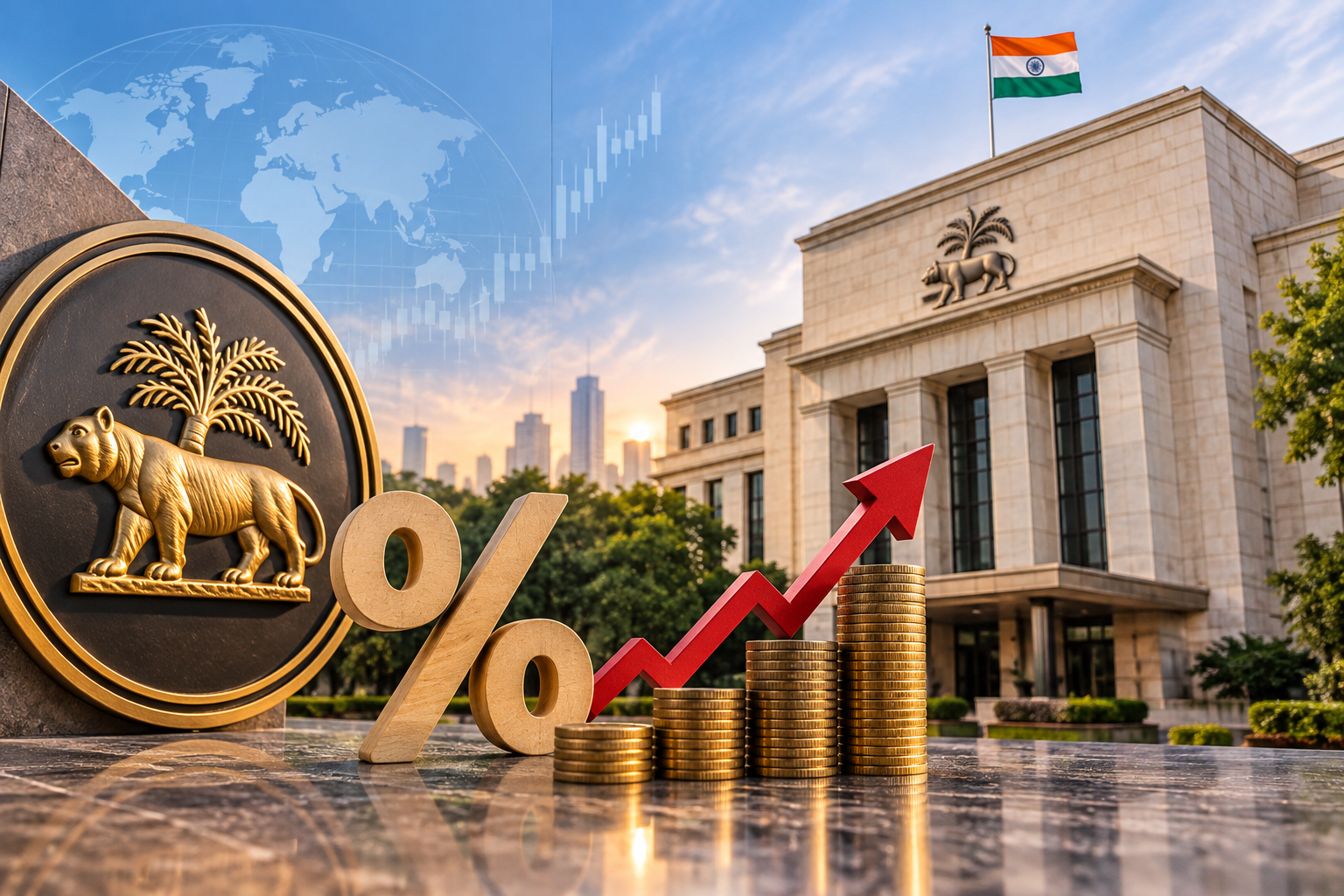
Rising tensions between Iran and the United States push Brent crude above $90 per barrel, raising concerns over India’s fuel costs, inflation and import bill.
Key Highlights
- Brent crude has crossed $90 per barrel amid escalating Iran-US tensions.
- WTI crude also climbed above $84 per barrel.
- Supply disruptions around the Strait of Hormuz are driving global oil prices higher.
- India imports nearly 85% of its crude oil requirements, making it vulnerable to price spikes.
- Higher crude prices could increase India’s import bill and widen the current account deficit.
- Petrol, diesel and LPG prices may face upward pressure if global prices remain elevated.
- Sectors such as aviation, paints, tyres and oil marketing companies could be impacted.
- Analysts advise investors to avoid panic selling and maintain diversified portfolios.
Oil Rally Raises Concerns for India
Global crude oil prices surged sharply after rising geopolitical tensions between Iran and the United States, with Brent crude crossing the $90-per-barrel mark on July 20, 2026. The rally has renewed concerns about fuel inflation, India’s import costs and the performance of several sectors in the domestic stock market.
Brent crude was trading above $90.40 per barrel, while West Texas Intermediate (WTI) rose to around $84.30 per barrel, reflecting growing fears over potential disruptions to global oil supplies.
Supply Risks Drive Prices Higher
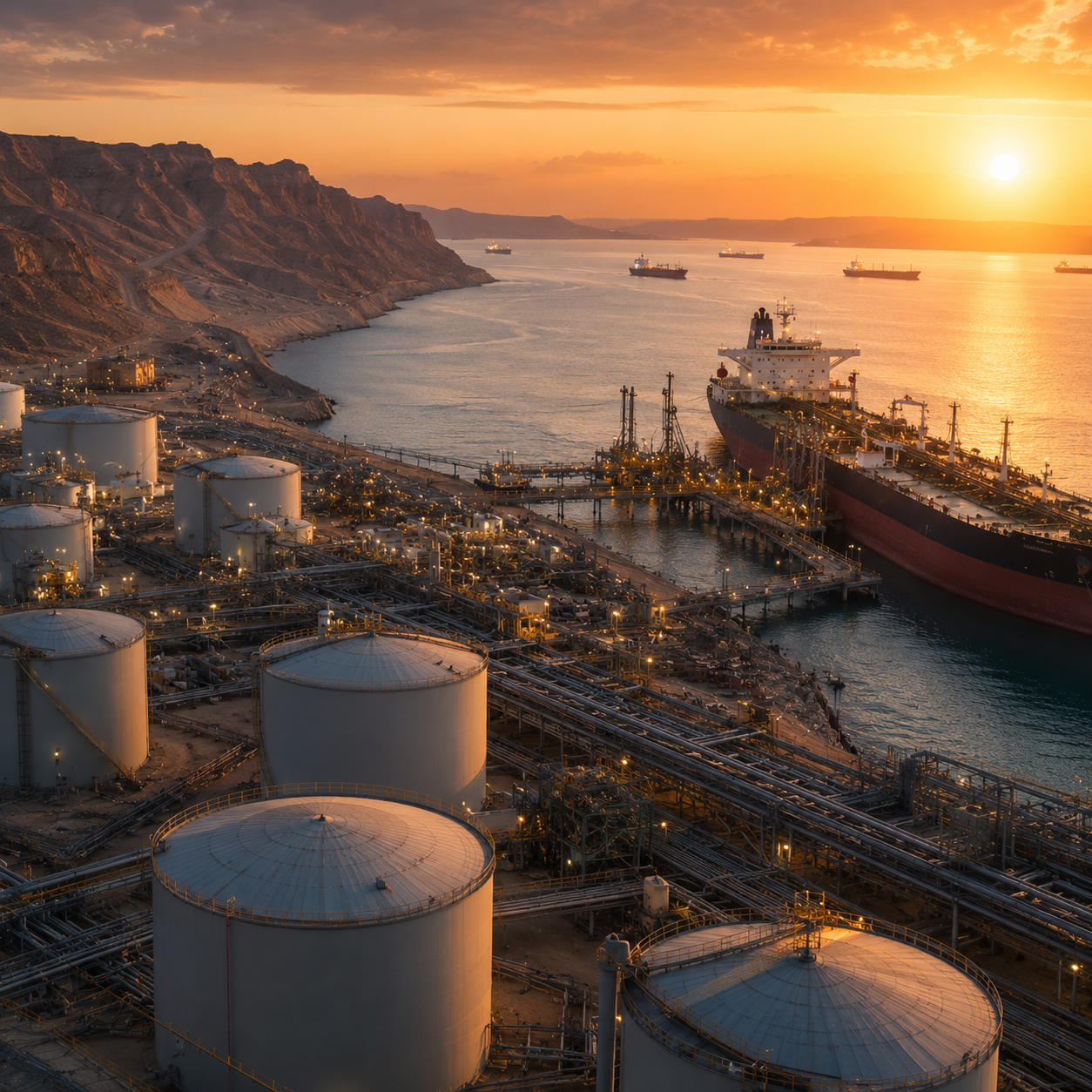
The latest rise in crude prices is largely linked to increasing tensions in the Middle East and concerns over disruptions in the Strait of Hormuz, one of the world’s busiest oil shipping routes.
Any interruption in supplies through the strategic waterway could tighten global oil availability and keep international crude prices elevated.
Impact on India’s Economy
India imports nearly 85% of its crude oil requirement, making the country highly sensitive to fluctuations in global oil prices. A sustained increase in crude prices can significantly raise the country’s import bill and put pressure on the current account deficit.
Higher energy costs may also complicate inflation management and influence future monetary policy decisions.
Consumers and Businesses May Feel the Pressure
If international crude prices remain high, oil marketing companies could face increased cost pressure, raising the possibility of higher petrol, diesel and LPG prices in the coming months.
Industries that depend heavily on petroleum-based inputs—including aviation, paints, tyres, logistics and transportation—may also experience higher operating costs, potentially affecting corporate profitability and stock market performance.
Market Outlook
While higher crude prices create short-term uncertainty for financial markets, analysts suggest investors should avoid panic-driven decisions. Maintaining a diversified investment portfolio and closely monitoring geopolitical developments remain key as global energy markets continue to react to developments in the Middle East.