Key Highlights
- Cabinet approves ₹10,000 crore ATF Price Stabilisation Fund.
- Designed to shield airlines from extreme fuel price volatility.
- Support routed through Oil Marketing Companies (OMCs).
- Applicable to both domestic and international flight operations.
- ATF prices surged from ₹60.50/litre to ₹142/litre between March and May 2026.
- Fuel costs currently account for up to 60% of airline operating expenses.
- Pakistan airspace restrictions continue to increase airline costs.
- Participating airlines must procure fuel exclusively from OMCs.
- Scheme valid for up to three years with annual reviews.
- Aims to reduce pressure on airfares and preserve connectivity.
- Monitoring committee to oversee implementation and settlements.
The Union Cabinet has approved a ₹10,000 crore Aviation Turbine Fuel (ATF) Price Stabilisation Fund to protect Indian airlines from sharp fuel price increases caused by escalating tensions in West Asia and ongoing airspace disruptions.
Under the scheme, the government will provide temporary financial support to Oil Marketing Companies (OMCs) through interest-free advances routed via the Ministry of Petroleum and Natural Gas. The mechanism will compensate OMCs whenever international ATF prices rise above a government-defined benchmark, helping airlines manage volatile fuel costs.
The scheme is open to all Indian scheduled airlines and will cover fuel used for both domestic and international operations. Participating airlines will source ATF exclusively from OMCs for up to three years, with annual reviews of the programme.
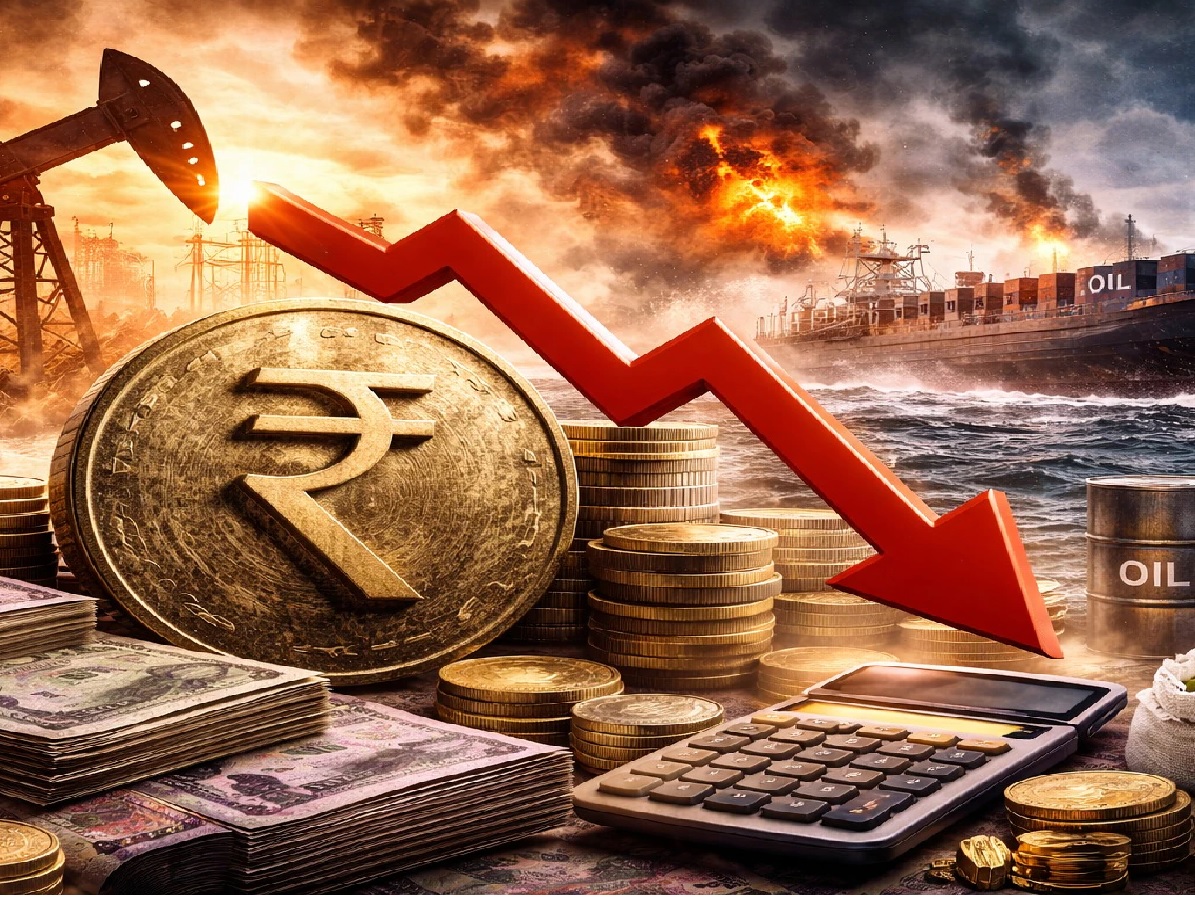
The move comes at a time when ATF prices have surged from ₹60.50 per litre in March 2026 to ₹142 per litre in May 2026, driven by geopolitical instability in West Asia. Fuel costs now account for nearly 60% of airline operating expenses in some cases.
The government also highlighted the impact of Pakistan’s continued closure of its airspace to Indian carriers, forcing longer routes to Europe, North America, and Central Asia. This has increased fuel consumption, flight durations, crew costs, and overall operating expenses.
Officials believe the stabilisation fund will help airlines maintain route networks, avoid sharp fare increases, support regional connectivity, and improve financial stability during a period of heightened global uncertainty.
A monitoring committee comprising officials from the Ministry of Civil Aviation, Ministry of Petroleum & Natural Gas, and Department of Expenditure will oversee implementation, claims verification, and settlements.