Key Highlights
- ₹9,585 crore total project cost approved by Cabinet.
- ₹5,041 crore Central Government support.
- Around 2.07 lakh vehicle owners expected to benefit.
- Focus on replacing BS-IV and older commercial vehicles.
- Promotion of BS-VI and electric vehicles across NCR.
- 5% interest subsidy on vehicle loans for five years.
- Monthly fuel support vouchers up to ₹4,800.
- Up to 100% road tax exemption on eligible new vehicles.
- Automobile manufacturers to offer discounts up to 8%.
- Dedicated digital platform for subsidy and incentive management.
- Benefits remain available for five years after vehicle replacement.
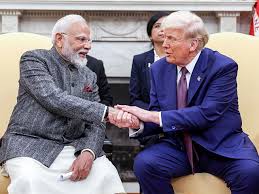
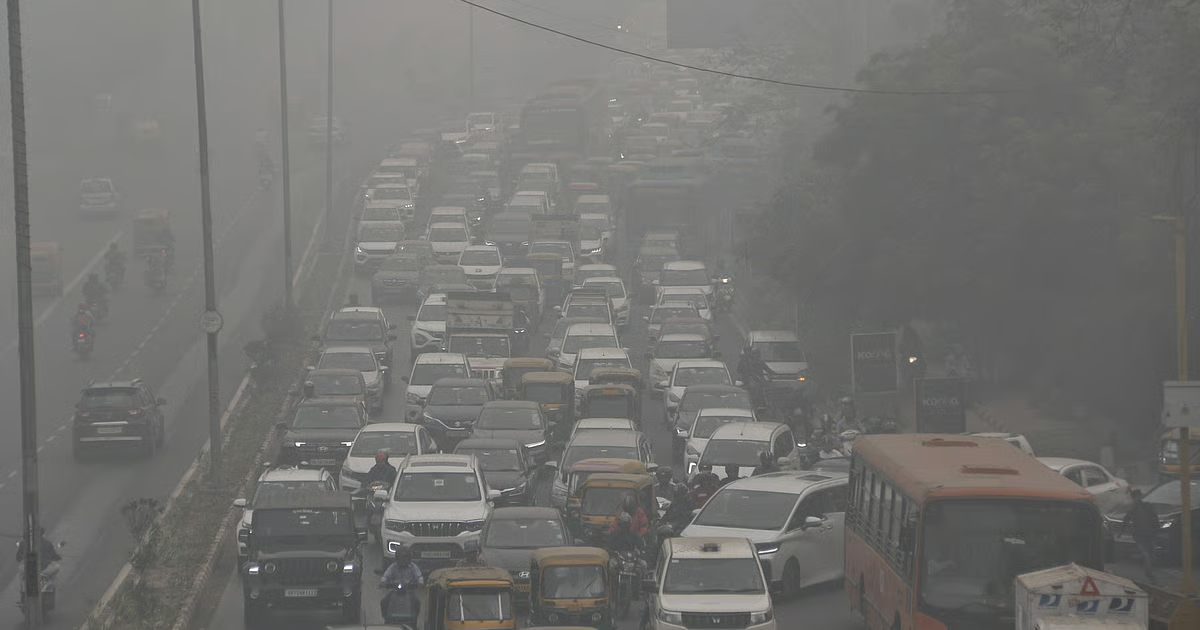
The Union Cabinet, chaired by Prime Minister Narendra Modi, has approved a major ₹9,585 crore Vehicle Modernization Scheme aimed at improving air quality across the Delhi-NCR region. The two-year initiative will encourage owners of older commercial vehicles to replace them with cleaner BS-VI-compliant or electric vehicles (EVs).
The scheme will be funded through the National Capital Region Planning Board (NCRPB) under the Ministry of Housing and Urban Affairs and implemented jointly with the Ministries of Road Transport & Highways and Petroleum & Natural Gas, along with the governments of Delhi, Haryana, Rajasthan, and Uttar Pradesh.
A total of ₹5,041 crore will come from the Central Government, while participating states will contribute around ₹1,601 crore through tax concessions and incentives.
The initiative targets approximately 2.07 lakh commercial vehicles, including 1.91 lakh trucks and over 16,000 buses, which are among the largest contributors to vehicular pollution in the region.
Under the scheme:
- BS-III and older vehicles must be scrapped through authorized facilities.
- BS-IV vehicles can either be scrapped or relocated outside NCR to non-NCAP cities.
- Vehicle owners must purchase a new BS-VI or electric vehicle registered within NCR to receive benefits.
- In Delhi, new light commercial vehicles must be electric, while buses must run on BS-VI CNG or electric power.
The government expects the initiative to significantly reduce emissions of particulate matter (PM), nitrogen oxides (NOx), and carbon monoxide, especially during the severe winter pollution season.