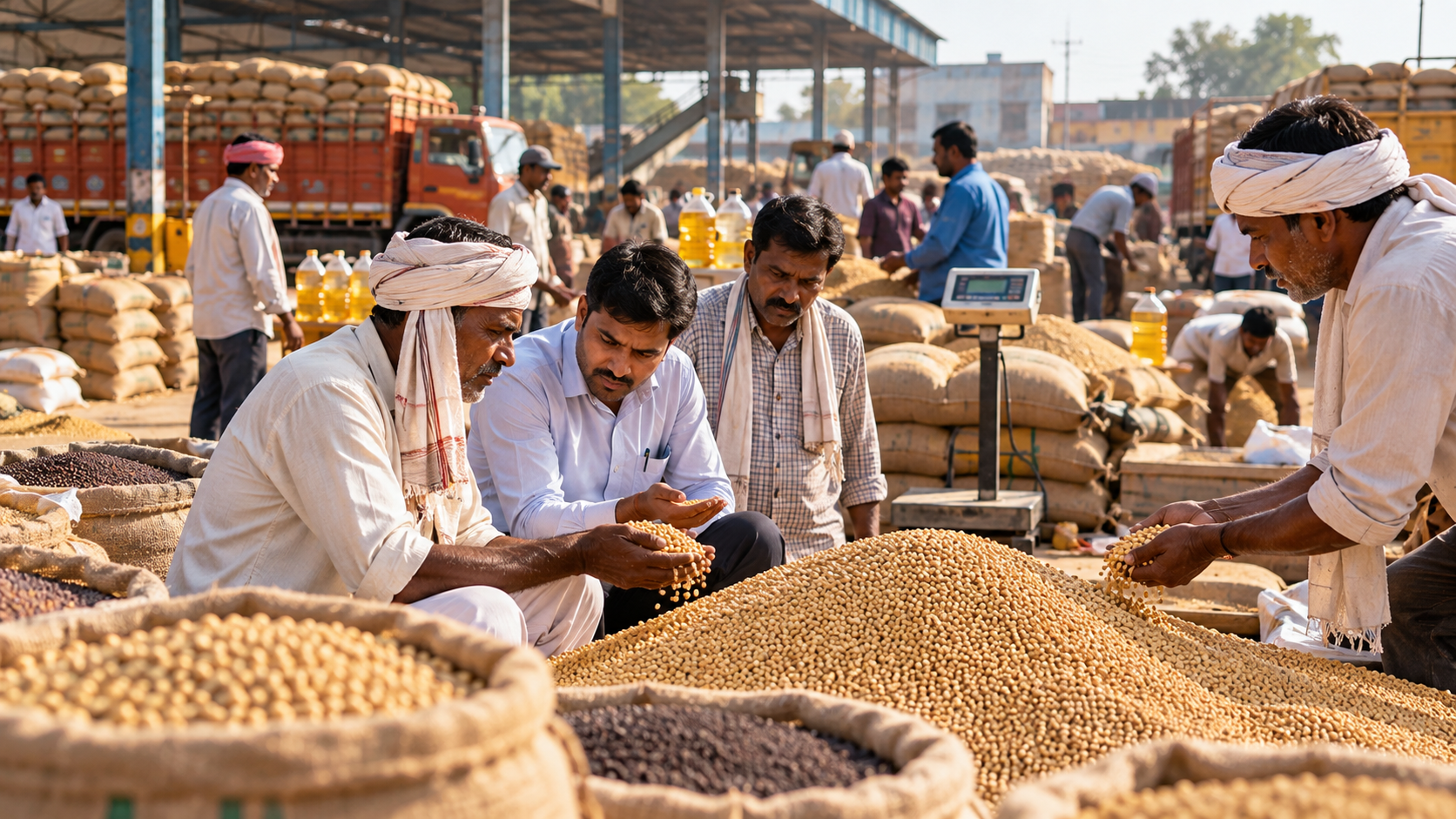
The government has defended its decision to reduce import duties on certain edible oils, saying the move is intended to ensure adequate supplies for consumers while protecting farmers through procurement of oilseeds and pulses at minimum support prices.
The government has defended the reduction and abolition of import duties on certain edible oils, with Agriculture Minister Shivraj Singh Chouhan saying a balance is needed between consumer availability and farmers’ interests.
Earlier this month, the government halved the basic customs duty on crude soybean oil and palm oil from 10% to 5%. The duty on refined soybean oil and palm oil was reduced from 32.5% to 27.5%.
The basic customs duty on crude sunflower oil was abolished from the earlier 10%, while the import duty on refined sunflower oil was reduced from 32.5% to 22.5%, according to a Finance Ministry notification dated September 23.
India imports around 55% of its edible oil requirement, making imports an important part of domestic supply.
The duty changes come as edible oil prices remain elevated. Retail inflation in refined oil, the most consumed edible oil category, rose to 14.24% in August, after reaching double digits in April.
Chouhan said the government needs to ensure adequate availability for consumers while also protecting domestic farmers. He noted that India has long depended on edible oil imports.
To support farmers, the Centre’s nodal agencies Nafed and NCCF will procure oilseeds and pulses when market prices fall below the minimum support price, without waiting for formal requests from states.
Chouhan said discussions have been held with states to allow procurement through notified agencies as soon as prices fall below MSP, with the procured quantity to be adjusted after formal state approval is received.
The move comes amid developments in the kharif crop. Rajasthan, the largest producer of kharif moong, had received nearly 63,000 tonnes of the crop from the fresh harvest since September 1, almost 10 times the level recorded during the same period a year earlier.
However, farmers were realising an average price of ₹7,452 per quintal, around 15% below the minimum support price of ₹8,780 per quintal, highlighting the pressure facing producers even as the government moves to ease edible oil import costs.