Tin, Glass Packaging Allowed Now
Key Highlights:
- Plastic packaging banned for pan masala.
- Tin and glass containers permitted.
- Paper and cellulose alternatives also allowed.
- Synthetic polymers and laminates prohibited.
- Manufacturers must redesign compliant packaging.
News Story
New Delhi, August 12: The Food Safety and Standards Authority of India (FSSAI) has introduced stricter packaging rules for pan masala products, prohibiting the use of plastic and other synthetic materials in their packaging.
The amendment to the Food Safety and Standards (Packaging) Regulations, 2018, was notified on August 7, 2026. The revised provisions will come into effect from the date of their publication in the Official Gazette.
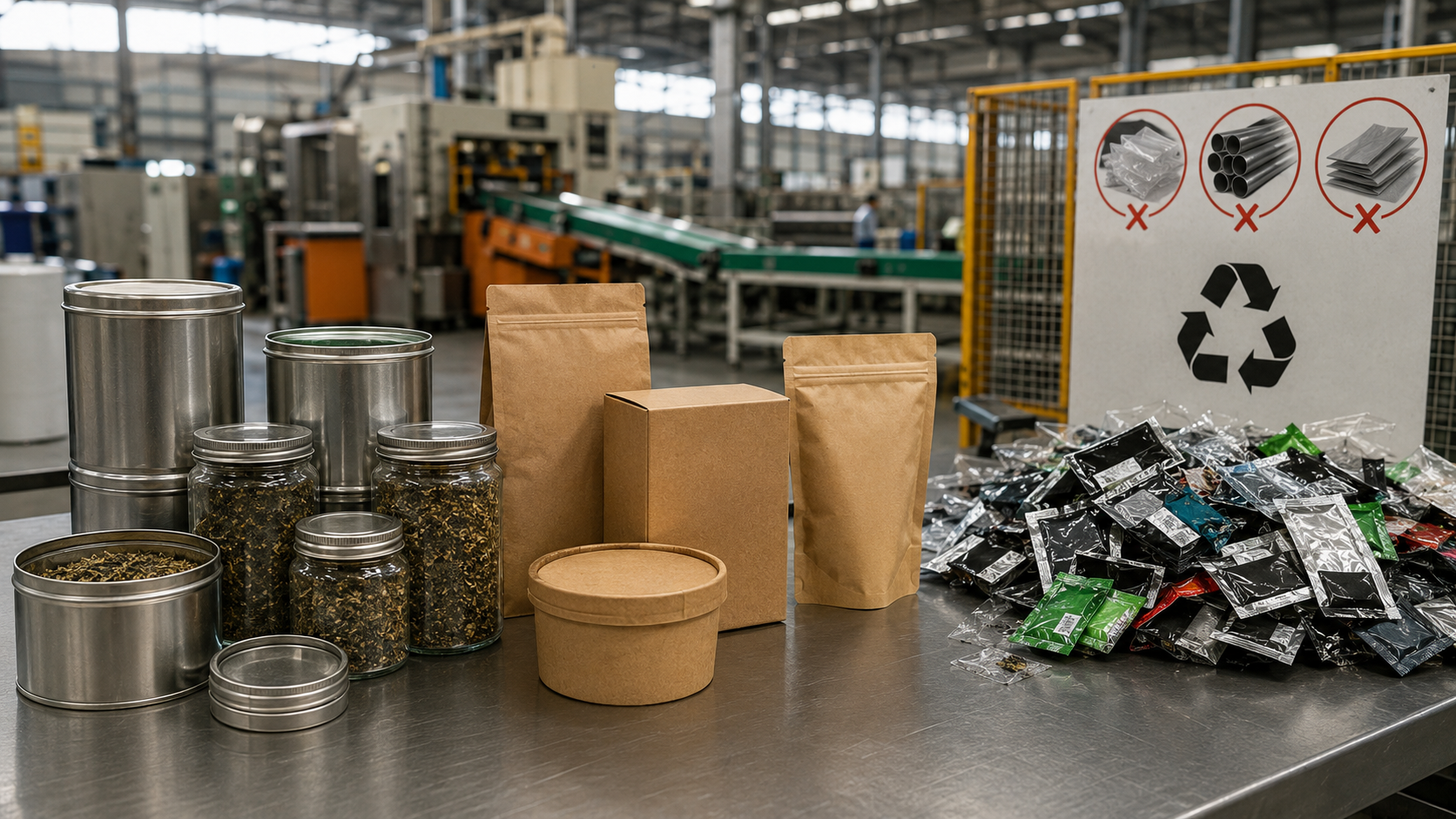
Under the amended regulations, pan masala packaging cannot contain materials such as polyethylene, polypropylene, polyester, polyvinyl chloride (PVC), synthetic polymers, copolymers or laminates. The rules also prohibit the use of aluminium foil and metallised layers.
The move is significant for the pan masala industry as many products are currently sold in small plastic-based sachets. Manufacturers will now need to review their existing packaging formats and shift towards materials that comply with the new requirements.
FSSAI has permitted the use of tin and glass containers for packaging pan masala. Products may also be packaged using paper, paperboard, cellulose and other naturally derived materials, provided these materials are completely free from plastic.
The amendment follows a draft notification issued by the food regulator on April 28, 2026. The draft had invited suggestions and concerns from stakeholders, including industry representatives, before the final rules were notified.
According to the food regulator, the changes are aimed at promoting safer, sustainable and more environmentally responsible packaging practices while considering industry requirements and technological feasibility.
For pan masala manufacturers, the new rules could require changes across the packaging supply chain. Companies may need to identify compliant packaging suppliers, redesign product packs, conduct packaging compatibility tests and review their manufacturing and distribution processes.
The transition could also have an impact on packaging and logistics costs, particularly for companies that have traditionally relied on lightweight plastic sachets. Manufacturers will need to assess alternative materials and production processes to ensure compliance with the revised regulations.
The move marks another step towards reducing the use of plastic and synthetic packaging materials in the food sector and could encourage wider adoption of recyclable and naturally derived packaging solutions.