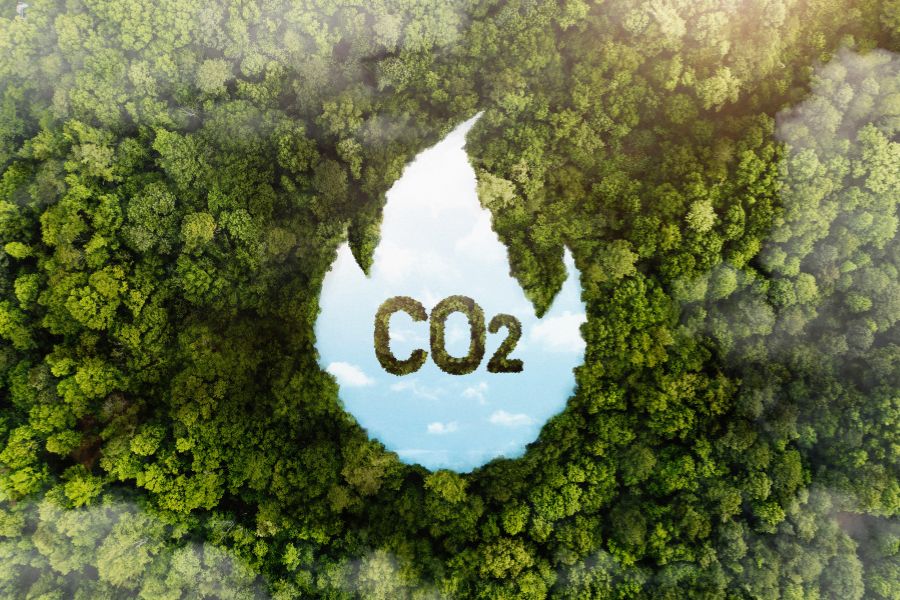
India is set to launch a ₹38,900 crore carbon capture, utilisation and storage (CCUS) programme, with the government contributing around ₹19,500 crore and the remainder expected from banks and multilateral agencies. The six-year, phased initiative will support R&D, semi-commercial, and lab-scale projects across established industries such as steel, cement, iron, chemicals, and emerging sectors like coal gasification and green hydrogen. With coal power capacity projected to reach 97 GW by 2032, CCUS is crucial for reducing industrial emissions, supporting geological sequestration, and helping India achieve its targets of halving emissions by 2050 and reaching net zero by 2070. The Centre is formulating a carbon capture, utilisation and storage (CCUS) programme with an estimated investment of ₹38,900 crore, according to people familiar with the plan. The government is expected to contribute a little over half of this, amounting to around ₹19,500 crore, while the remainder could be financed through bank lending and support from multilateral agencies. The initiative will include several sub-schemes with varying levels of government support. Research and development projects may receive 100% government funding, while others could be backed in the range of 40–50%. The ‘Semi-commercial’ projects may receive full government funding, while ‘lab-scale’ projects are expected to be supported with only a partial share of their total cost, the sources said. CCUS technology is designed to capture carbon dioxide emissions from large industrial and energy-intensive sources such as power plants, cement, and steel production. The proposed programme will be implemented in phases, with the first phase expected to run for six years. It aims to support both established sectors like iron, chemicals, and petrochemicals, as well as emerging ‘sunrise’ industries such as coal gasification and green hydrogen. Though CCUS is currently viewed as an expensive technology, industry experts believe that costs could decline significantly once adoption scales up. Balancing coal dependence with climate goals Coal-based power plants are expected to remain a cornerstone of India’s energy sector, with 97 GW of additional capacity planned by 2032, making the adoption of this technology vital. India has also pledged to reduce emissions by half by 2050 and achieve net-zero status by 2070. A key element of the strategy may involve geological sequestration—permanently storing carbon dioxide in underground formations. Geological sequestration is considered one of the most efficient and cost-effective methods for storing CO₂. In this process, high-purity CO₂ is transported via pipelines and injected into sealed underground geological formations, where it occupies the pore spaces within rocks. The rock layers must have sufficient porosity to accommodate CO₂ dispersion, while impermeable layers ensure the gas remains securely trapped, allowing permanent storage. Common techniques include depleted oil and gas field storage, deep saline reservoirs, coal seam sequestration, and mineralization-based storage. Experts stress that the sheer volume of emission reduction needed cannot be addressed solely through utilisation technologies, making sequestration an indispensable component of the CCUS chain. Industries can identify clusters linking major emission sources with storage or utilisation options; conduct pre-feasibility studies covering capex, opex, capture efficiency, and logistics; establish SPVs or joint ventures to aggregate volumes; and engage lenders early to align on covenants, loan tenors, and tariff structures. India’s move coincides with the growing adoption of CCUS technologies worldwide. While the US has been the leading market, countries including Australia, Brazil, Canada, China, Norway, Saudi Arabia, and the UAE have also advanced adoption. Reports earlier this year indicated that India was considering a major CCUS rollout, and the current plan marks a significant step toward that goal. Recent developments India has recently undertaken several significant initiatives to advance carbon capture, utilisation, and storage (CCUS) technologies, reflecting its growing focus on industrial decarbonisation and long-term climate goals. These include: CCU Testbeds in Cement Sector: As part of industrial decarbonisation efforts, the government has approved the setting up of five carbon capture and utilisation (CCU) testbeds within the cement industry. Launched by the Ministry of Science & Technology, the initiative aims to develop integrated CO₂ capture and utilisation units in industrial setups, leveraging an innovative public-private partnership (PPP) funding model. These will showcase scalable pathways for achieving net-zero emissions. First CO₂ Storage Well in Basalt Formations: IISER Bhopal, in collaboration with CSIR-NGRI and supported by the Department of Science & Technology under the DeCarbFaroe programme, has drilled India’s first CO₂ injection well. It explores mineral-based carbon storage in basaltic geological formations, offering a potential route for secure, long-term sequestration. The collaboration spans nine countries across Europe and Asia, fostering the exchange of scientific knowledge and driving sustainable energy transitions, with India playing a pivotal role in expanding these efforts. Pan-Asian CCUS Feasibility Study by Steel Consortium: A global consortium including BHP, JSW Steel, ArcelorMittal Nippon Steel India, and others has launched a one-year pre-feasibility study to assess CCUS hub development in the steel sector across Asia. The study will explore shared infrastructure models to reduce costs and aggregate capture volumes. Findings will be made public by the end of 2026. Conclusion India’s ambitious CCUS programme represents a major stride toward industrial decarbonisation and achieving climate targets. Through a combination of government funding and private sector participation, it seeks to make carbon capture, utilisation, and storage scalable and cost-efficient. Initiatives like geological sequestration, industrial clustering, and shared infrastructure will support effective implementation, enabling India to lower emissions, achieve net-zero by 2070, and reinforce its position in the global CCUS landscape. Read more Carbon Capture, Utilisation and Storage (CCUS) India launches first cluster of CCU testbeds Geological Sequestration FAQ Q1. What is the estimated cost of India’s CCUS programme? ₹38,900 crore. Q2. How much will the government contribute? Around ₹19,500 crore, a little over half of the total outlay. Q3. How will the remaining funds be raised? Through bank loans and multilateral agency support. Q4.Which projects may receive 100% government funding? R&D and semi-commercial projects. Q5. What is the duration of the first phase? Six years.
India’s strategic bet on alternative battery technologies and energy security
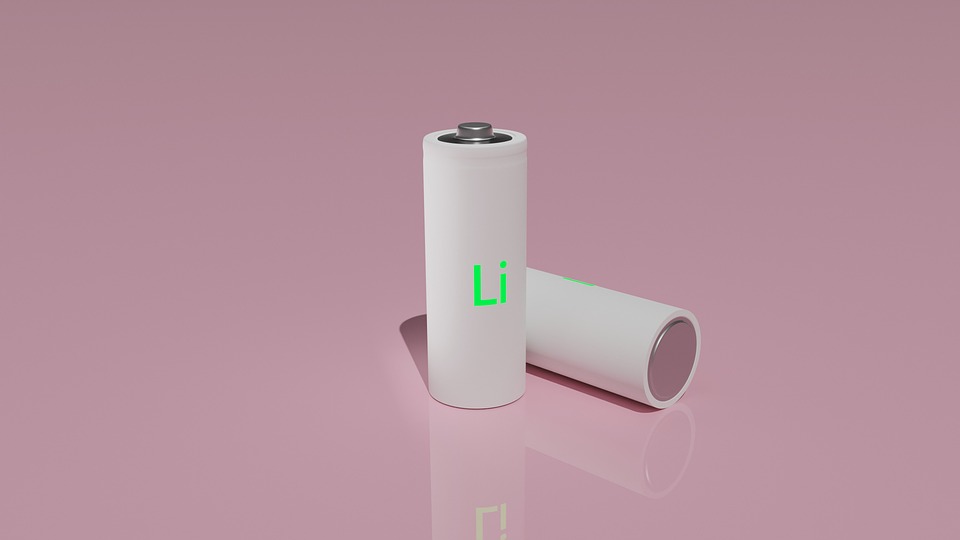
The global battery race is heating up, and it’s no longer just about scaling lithium-ion production. Companies worldwide are investing in alternative technologies — from sodium-ion to solid-state and advanced LFP chemistries — betting on the next big breakthrough. For India, these moves carry the promise of stronger energy security, local manufacturing, and new jobs, but success is far from guaranteed. With the market projected to quadruple by 2035, every acquisition, patent, and pilot project could redefine who leads the battery revolution. Batteries are becoming the most contested space of the 21st century. By 2024 and 2025, the conversation shifted from scaling lithium-ion output to securing the technologies that might one day replace or complement it. Companies are buying chemistry, buying know-how, and positioning themselves to capture value when the market tilts. In 2024, the global lithium-ion battery market was already worth more than US$ 100 billion. Analysts project it could cross US$ 400 billion by 2035, powered almost entirely by the rise of electric mobility. Cars are the biggest driver of this growth. Add to that the growth of renewable-heavy grids that depend on batteries to store solar and wind power, and the demand curve points only upward for decades to come. The challenge lies in the raw material. Lithium is scarce and its production is highly concentrated. More than 90% of global supply comes from just a handful of countries. Australia is the single largest producer, followed by Chile, China, and Argentina together they account for nearly all mined lithium. Processing and refining, however, is even more skewed. China controls well over 60% of global refining capacity, giving it outsized influence over pricing and supply chains. This combination — mining concentrated in the so-called “Lithium Triangle” of South America plus refining dominated by China which makes the market especially vulnerable to geopolitical risks and supply shocks. For India, which has committed to electrifying mobility and cutting fossil fuel imports, building an indigenous battery industry is a matter of economic and strategic necessity. Manufacturing advanced cells at home, whether lithium-based or alternatives like sodium-ion, means jobs, greater energy security, and insulation from global price shocks. It also fits squarely within the government’s Production Linked Incentive scheme, which is targeting 50 gigawatt-hours of advanced cell manufacturing capacity in the coming years. This is where early acquisitions and technology partnerships may make the difference. Owning intellectual property today allows companies to test new chemistries in pilot projects and to stay prepared if the global market tilts away from lithium. Scaling sodium-ion or any new chemistry will involve engineering, capital, and competition. Some technologies will thrive, others may stall. Yet the option to innovate and to hedge against future scarcity can be just as valuable as owning a factory floor. Securing patents around emerging battery technology Several concrete deals underline how seriously Indian players are positioning themselves in the battery race. Reliance New Energy has already picked up UK-based Faradion, securing patents around sodium-ion technology, while also acquiring assets of Lithium Werks in the Netherlands to deepen its hold on LFP and lithium-ion manufacturing. Amara Raja has struck a licensing agreement with China’s Gotion to produce LFP cells in India, a move that ties domestic manufacturing to proven global expertise. Himadri has taken a stake in Australia’s Sicona to bring silicon-carbon anode technology into its portfolio, and Graphite India has bought into GODI India, gaining exposure to sodium-ion and solid-state R&D. Even the mobility-focused Yuma Energy has acquired Grinntech, expanding into advanced battery design and battery-as-a-service models. Why buyers move early: the strategic drivers There are four practical reasons companies and nations buy early rather than wait: 1. Intellectual property and a first-mover moat. Patents and proven cell designs confer bargaining power. When a novel chemistry reaches commercial scale, owners of the core IP control licensing, tooling, and often the initial pricing dynamics. 2. Gigafactory leverage and speed to market. New chemistries inserted directly into planned gigafactories shorten commercialization timelines and reduce per-unit costs as volume rises. Owning both the recipe and the factory is a powerful commercial advantage. 3. Portfolio hedging across chemistries. The battery future is unlikely to be mono-chemical. Firms that hold LFP, lithium-ion, solid-state, and sodium-ion assets can pivot to the technology that best fits each use case — from grid storage to two-wheelers to long-range EVs. 4. Energy security and policy fit. National strategies (Make-in-India, import substitution, securing strategic minerals) make local ownership attractive. Acquisitions align private returns with public goals: jobs, sovereign supply chains, and reduced import vulnerability. Alternative battery technologies and opportunities for India Sodium-ion batteries address two structural challenges of the lithium era: scarcity of raw materials and concentrated refining capacity. Using abundant materials like sodium and aluminium, they promise lower commodity costs, enhanced safety, and wide temperature tolerance, making them well-suited for grid storage, affordable EVs, and two-wheelers — key segments for energy access in emerging markets. However, sodium-ion currently has lower energy density than lithium, limiting its use in long-range premium EVs, and industrial scale-up remains complex, requiring proven cell engineering, electrode materials, and supply chains at gigawatt scale. Beyond sodium-ion, other alternative chemistries such as solid-state batteries, lithium iron phosphate (LFP), and silicon-anode cells are also gaining attention globally. Each offers different advantages: solid-state for higher energy density and safety, LFP for cost-effective large-scale storage, and silicon-anodes for improving lithium-based battery performance. For India, investing across this portfolio of emerging technologies could reduce dependence on imported materials, support domestic manufacturing, create skilled jobs, and ensure flexibility to pivot as global demand and technological breakthroughs evolve. That said, risks remain significant: scaling production, competing with established global players, and integrating new chemistries into existing supply chains will require careful strategy and phased execution, making a diversified approach more prudent than betting on a single solution. Will this move benefit India? Early acquisitions in emerging battery technologies highlight the strategic thinking behind securing intellectual property in alternate and emerging tech. A chemistry that could complement or even partially replace lithium-ion in certain applications.

LNJ GreenPET, Sumitomo join forces to boost India’s r-pet sector
LNJ GreenPET has entered a strategic collaboration with Japan-based Sumitomo Corporation to develop India’s recycled polyethylene terephthalate (r-PET) sector. The partnership includes market research, technical assessments, supply chain benchmarking, raw material sourcing, pre-marketing, and establishing domestic and international sales channels ahead of LNJ GreenPET’s commercial production in 2026. Sumitomo will support interim sourcing of r-PET flakes from global markets. The collaboration promotes sustainable plastic recycling, supports India’s circular economy goals, and reduces plastic waste. Image Source: Freepik LNJ GreenPET has announced a strategic collaboration with Japan-based Sumitomo Corporation to advance the recycled polyethylene terephthalate (r-PET) sector in India. The two companies signed a memorandum of understanding (MoU) outlining a multi-dimensional framework for cooperation, covering commercial development, raw material procurement, marketing, and potential investment opportunities for LNJ GreenPET’s upcoming r-PET project in India. As part of the partnership, LNJ GreenPET and Sumitomo Corporation will jointly conduct a comprehensive study of the Indian r-PET market. The research will include market sizing, customer segmentation, technical assessments, supply chain benchmarking, and regulatory feasibility analysis. The insights generated from this study will serve as the foundation for strategic planning until LNJ GreenPET begins commercial production in 2026. During the pre-production phase, Sumitomo Corporation will facilitate the interim sourcing of r-PET flakes from Southeast Asia and other international markets. This initiative will help ensure a steady supply of recycled material and support the project’s preparatory operations. In addition, the companies will collaborate on pre-marketing activities, customer engagement, and the establishment of sales channels for both domestic and international markets, ensuring a strong commercial foundation ahead of full-scale production. Mr Riju Jhunjhunwala, Chairman of LNJ Bhilwara Group, emphasized the strategic importance of the partnership, stating that the MoU with Sumitomo Corporation represents a significant step toward strengthening India’s circular economy ecosystem. He highlighted that combining Sumitomo’s global expertise with LNJ GreenPET’s vision for sustainable plastic recycling will enable the creation of a robust r-PET value chain that caters to both domestic and international demand for sustainable packaging solutions. The collaboration reflects LNJ GreenPET’s commitment to large-scale recycling initiatives in India. By leveraging advanced recycling technologies and global expertise, the project supports national sustainability objectives and contributes to reducing plastic waste. Through international partnerships and innovative solutions, the company aims to build an environmentally responsible and circular plastics industry in the country. r-PET is derived from post-consumer or industrial PET waste, which is cleaned and processed through mechanical or chemical recycling methods to produce material suitable for bottles, packaging, textiles, and other applications. Using r-PET preserves many of PET’s beneficial properties while reducing the demand for virgin fossil feedstock, minimizing waste, and lowering greenhouse gas emissions. However, the quality of r-PET can be affected by contamination and repeated recycling cycles, and materials intended for food-contact applications require stringent cleaning and regulatory certification. Through this strategic partnership, LNJ GreenPET and Sumitomo Corporation aim to build a large-scale, sustainable r-PET ecosystem in India. By combining technical expertise, market research, international sourcing, and joint marketing strategies, the collaboration positions both companies to address growing domestic and global demand for recycled plastics. This initiative highlights India’s transition toward a circular economy and underscores LNJ GreenPET’s role in pioneering sustainable plastic recycling solutions. About Sumitomo Corporation and LNJ GreenPET: Sumitomo Corporation is an integrated trading and business investment company with a strong global presence, operating 127 offices across 64 countries and regions. The Sumitomo Group includes approximately 500 companies and employs around 80,000 people, giving it extensive experience in international business operations and supply chain management. LNJ GreenPET, a subsidiary of the LNJ Bhilwara Group, is dedicated to advancing sustainable solutions in plastics recycling. Leveraging state-of-the-art technology and a forward-looking vision, the company focuses on producing high-quality, food-grade r-PET while supporting India’s goals to curb plastic pollution and foster a circular economy. Through innovation and responsible practices, LNJ GreenPET aims to reshape the landscape of sustainable plastic use in the country.

Tea industry’s high-stakes battle: plunging prices and rising imports
For more than a century, Assam’s sprawling tea gardens have stood as the backbone of India’s tea industry, producing some of the world’s most distinctive brews and sustaining millions of livelihoods. Today, however, this historic sector faces one of its most serious challenges. In 2025, tea planters, processors, and workers alike are battling against falling prices and a sudden surge in imports. These pressures are not only destabilizing the industry but also threatening the economic and social fabric of Assam, where most of the families rely on tea for survival. India’s tea industry is experiencing a growing imbalance, with imports rising sharply and undermining Assam’s producers. While India’s tea exports have recovered to US$ 816.9 million in 2024, imports surged to US$ 80 million—the highest in recent years. The surge has been most pronounced from Africa, where imports jumped 155% year-on-year, followed by strong growth from Europe. For Assam’s growers, who already face declining domestic prices, this influx of cheaper teas from abroad threatens their survival. This article analyzes the current state of India’s tea sector, with a particular focus on Assam, to highlight the sharp rise in imports, shifting trade trends, and the challenges these pose to growers, factories, and the region’s economic stability. The India’s tea industry dynamics from 2019 to 2024, highlighting a significant disparity between exports and imports in US$ million. Indian tea exports started at US$ 813.7 million in 2019, dipped to a low of US$ 687.9 million in 2021, and then rose steadily to reach US$ 816.9 million by 2024, reflecting a recovery and growth in international demand. In contrast, imports surged ranging from US$ 55.1 million in 2019 to a peak of US$ 80.01 million in 2024, with a notable increase in recent years. India’s tea exports to top regions under HS Code 0902 (tea, whether or not flavored) from 2020 to 2024 reveal varying trends across key markets. Asia has consistently been the largest market, with exports rising from US$ 329.6 million in 2020 to US$ 428.9 million in 2024, reflecting strong regional demand. Europe saw fluctuations, peaking at US$ 242.8 million in 2021 before dropping to US$ 201.9 million in 2023 and recovering to US$ 229.9 million in 2024. America experienced a modest increase from US$ 75.0 million in 2020 to US$ 88.2 million in 2024, while Greater China’s exports declined from US$ 35.5 million in 2020 to US$ 20.9 million in 2022 before a slight rebound to US$ 32.4 million in 2024. Africa showed steady growth, rising from US$ 35.4 million in 2020 to US$ 51.7 million in 2024, indicating an emerging market. These shifts highlight the diverse global demand influencing India’s tea export strategy. India’s tea exporto the top regions (US$ Million) Regions Value in 2020 Value in 2021 Value in 2022 Value in 2023 Value in 2024 Africa 35.4 42.0 30.1 44.5 51.7 Asia 329.6 300.5 396.7 373.4 428.9 Greater China 35.5 24.9 20.9 25.1 32.4 Europe 232.7 242.8 233.2 201.9 229.9 America 75.0 84.7 74.1 70.5 88.2 Source: ITC Trade Map Surging imports India’s tea imports under HS Code 0902 from 2020 to 2024, sourced from the ITC Trade Map, show a diverse growth pattern across regions. Africa experienced the most significant surge, with imports jumping from US$ 11.4 million in 2023 to US$ 29.0 million in 2024, marking a 155% year-over-year increase, driven largely by countries like Kenya. Asia followed with a steady rise from US$ 31.9 million in 2023 to US$ 45.3 million in 2024, a 42% growth, reflecting continued regional supply. Greater China and Europe saw modest increases, with Europe’s imports rising from US$ 1.1 million to US$ 3.4 million (198% growth) and Greater China from US$ 1.4 million to US$ 2.0 million (40% growth). America’s imports remained low, increasing slightly from US$ 1.2 million to US$ 1.6 million (26% growth). This data underscores a notable uptick in cheaper tea imports, particularly from Africa, contributing to the pricing pressure on India’s domestic tea industry. India’s tea imports from the top regions (US$ Million) Regions 2020 2021 2022 2023 2024 Growth (%) Y-o-Y* Africa 21.6 19.8 14.6 11.4 29.0 155% Asia 43.3 36.3 39.1 31.9 45.3 42% Greater China 1.2 2.0 2.3 1.4 2.0 40% Europe 0.8 0.6 1.8 1.1 3.4 198% America 1.8 1.7 1.3 1.2 1.6 26% Source: ITC Trade Map; *YoY growth: 2024 vs 2023. On the import front, the picture is even more concerning. Africa’s role emerging as a dominant supplier due to its competitive pricing with imports surging US$ 29.0 million in 2024—a whooping 155% year-over-year increase, fueled primarily by low-cost producers like Kenya. Assam’s dominant role in India’s tea production Assam remains the powerhouse of India’s tea production, consistently accounting for about half of the nation’s total production. According to data from the Tea Board of India, Assam produced 649.84 million kg in 2024, representing 50.58% of the country’s overall 1,285 million kg. This marks a slight decline from 688.33 million kg (49.3%) in 2023, 688.7 million kg (50.4%) in 2022, and 667.73 million kg (49.7%) in 2021. Small tea growers—those operating estates under 10 hectares without their own processing factories—play a pivotal role, contributing around 55% of Assam’s output. These grassroots producers sell their green leaves to “bought leaf factories,” but the current market slump has left them vulnerable, as factories pass on the pressure through slashed procurement prices. The tea sector remains a vital pillar of Assam’s economy and forms the backbone of overall India’s tea production. Yet, the stability and benefits of this industry are now under serious threat. For workers and small growers, the impact is particularly harsh. As Khumtai MLA Mrinal Saikia warns, in many parts of the state almost every household depends on tea in some way, and if the crisis continues unchecked, it could cause a severe breakdown of the local economy. Factories and auctions in distress Even large estates and factories are under strain. The Halmira Tea Estate, managed by the Newar Group, reports a ₹32 per kilogram drop in auction
Biogas industry to get major push as GST drops to 5%
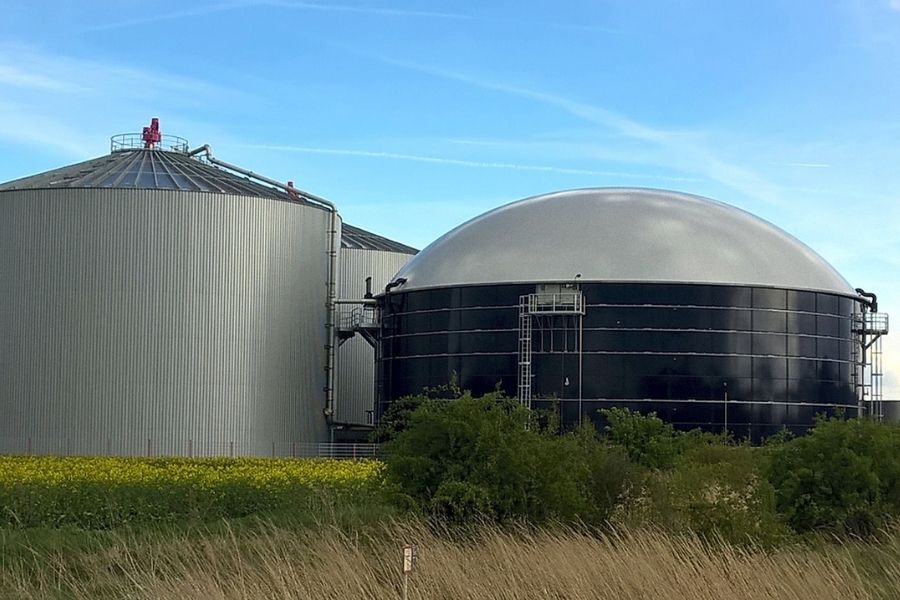
India’s biggest tax overhaul in eight years has handed the biogas sector a powerful tailwind. With the GST on biogas industry slashed from 12% to 5% effective September 22, clean energy advocates say the move will make projects cheaper, attract private capital, and open up new opportunities for rural and industrial energy users. More than just a tax tweak, it signals a deliberate policy nudge—steering investment away from coal and toward homegrown renewable solutions. India’s biggest tax overhaul in eight years has handed the biogas sector a powerful tailwind. With the GST on biogas industry slashed from 12% to 5% effective September 22, clean energy advocates say the move will make projects cheaper, attract private capital, and open up new opportunities for rural and industrial energy users. It signals a deliberate policy nudge steering investment away from coal and toward homegrown renewable solutions. The Indian government’s sweeping GST reform is lighting a spark in the clean energy sector. Industry players say the drop in GST on biogas industry and related equipment has the potential to transform project viability, spark investment, and deepen renewable energy access nationwide. The Indian Biogas Association (IBA) welcomed the GST Council’s decision, noting that the lower tax rate would make biogas systems more affordable, accessible, and attractive to investors. IBA President A.R. Shukla highlighted that the 7% cut could lead to a 4–5% rise in fresh investments in the near term, while broader ripple effects across the value chain could deliver even greater benefits. The association estimates that by 2030, the compressed biogas (CBG) sector could draw US$ 4–5 billion in private investment. Industry leaders outside the IBA echoed this optimism. “The reduction of GST on biogas from 12% to 5% is a welcome and timely step that will enhance project viability and competitiveness of CBG,” said Atul Mulay, Chairperson of TPCI’s National Committee on Bio-Energy and President – BioEnergy at Praj Industries. “It will support the rural economy by creating additional income streams for farmers through better use of agri-residues. For a country that imports more than 50% of its natural gas, scaling up CBG is critical to saving foreign exchange, strengthening energy security, and advancing India’s clean energy and net-zero agenda. We are confident this move will boost investor confidence, and as TPCI’s National Committee on Bio-Energy, we look forward to contributing to the growth of this vital sector.” Industry Optimism and Investment This tax cut is part of a broader, landmark simplification of the GST framework—India’s biggest overhaul since its introduction in 2017. The Council has eliminated the 12% and 28% slabs, consolidating most items into just two rates: 5% for everyday essentials, including clean energy goods, and 18% for the rest. Beyond just saving money, this action is expected to shine a spotlight on India’s clean energy ambitions. As the Council reduced GST on biogas, solar equipment, and windmill parts to 5%, it simultaneously raised the GST for coal and lignite to 18%—a clear push away from fossil fuels and toward renewables. Analysts say the shift will ease project costs, help build a domestic green energy manufacturing ecosystem, and pave the way for cleaner, more affordable energy solutions. Benefits for Rural India and Clean Energy The benefits are expected to cascade quickly. Financial institutions will find projects easier to evaluate, while SMEs and investors will see more attractive return profiles. Rural areas, especially where agriculture dominates, could benefit from biogas as a low-cost energy source built from organic waste. To keep momentum going, the IBA has highlighted a deeper challenge: India’s “inverted duty” situation, where components (e.g., sub-parts of a biogas plant) attract higher taxes than the assembled system. This creates unnecessary cost penalties that undermine overall affordability. Aligning GST so that inputs and finished products are taxed consistently, the IBA suggests, would remove this structural barrier. Finance Minister Nirmala Sitharaman has projected that the broader GST revamp is unlikely to disrupt the fiscal balance, as consumption and GDP growth are expected to offset any temporary revenue shortfall. Meanwhile, agricultural and renewable energy tools are widely seen as direct beneficiaries of the reform—boosting livelihoods and investment in rural India. Economic and Policy Impact The impact is dual-layered: cleaning up the tax structure while cleaning up energy sources. By making biogas more affordable, the government is incubating a market where clean energy is not just sustainable—it’s economically compelling. In practical terms, project developers can now build or retrofit with the confidence that input costs are lower, returns are stronger, and financing is more accessible. Investors can see longer-term value in sustainable infrastructure. Rural communities may find energy security built from their own organic waste. And policymakers can align climate targets with tangible economic outcomes. Read More: Can biofuels clean up India’s hard-to-abate industries? GST cut on dairy: A game-changer for farmers, consumers, and industry GST overhaul: Relief for shoppers, push for industry FAQs What is the new GST rate on biogas plants and equipment?From September 22, the GST on biogas plants and devices has been reduced to 5%, down from the previous 12%. This is part of India’s largest GST overhaul in eight years. How will the GST reduction impact biogas project investments?Industry experts predict a 4–5% increase in new investments in the short to medium term, with the compressed biogas (CBG) industry expected to draw US$ 4–5 billion by 2030, thanks to improved project viability. Why is the GST cut on biogas plants significant for rural India?Lower taxes will make biogas systems more affordable and accessible, opening doors for rural energy users and promoting decentralized renewable energy from organic waste. How does the GST reform support clean energy beyond biogas?The reform cuts GST to 5% for renewable components including solar, wind, and biogas technologies, while increasing GST on coal and lignite to 18%—a clear policy tilt toward renewables. What is India’s “inverted duty” problem in the biogas sector?A disproportionately high GST on component parts versus the finished biogas equipment raises costs. Industry bodies are urging alignment of GST rates across inputs
Government unveils ₹5,000 crore plan for green steel transition
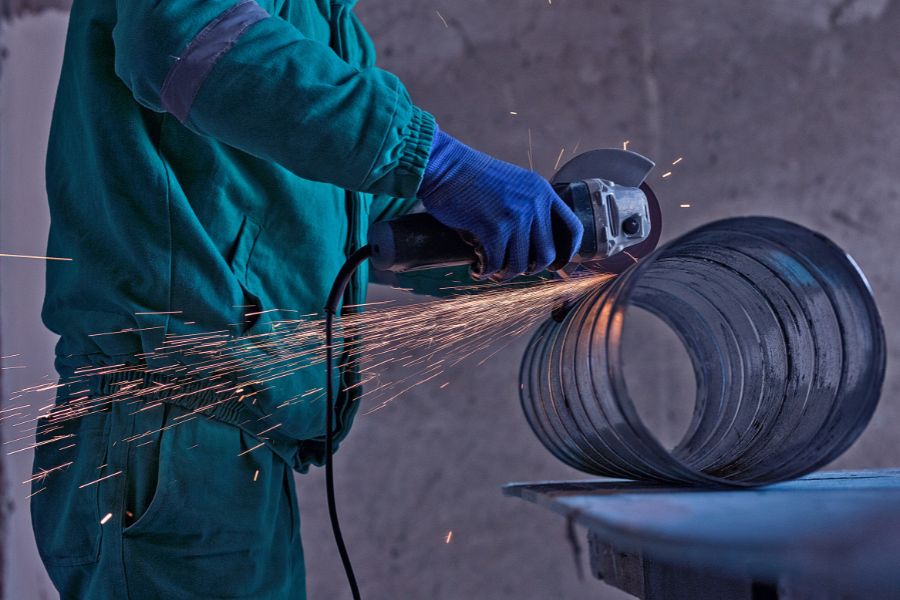
India is launching a ₹5,000 crore mission to boost green steel production through concessional loans, risk guarantees, and policy incentives. Secondary steelmakers—who contribute nearly half of total output but lag in adopting modern technologies—will be at the core of this effort. Green steel, produced using renewable energy, green hydrogen, and direct reduced iron (DRI) technologies, is expected to play a pivotal role in reducing emissions from a sector that accounts for 10–12% of the country’s emissions. Green steel demand in the country is projected to surge from the current negligible levels to 179 MT by 2050, led by construction, infrastructure and automobile manufacturing. While costs and green hydrogen pricing pose challenges, procurement mandates and policy incentives can position India as a global leader in sustainable steel. Image Source: Freepik The government is formulating a national mission to provide financial assistance to both large and small steelmakers for the production of sustainable or ‘green’ steel. Estimated at around ₹5,000 crore, the scheme could be launched in the next financial year following necessary approvals. The support package will include concessional loans, risk guarantees, and other financial instruments to help steelmakers transition towards greener practices. While the scheme will primarily target secondary steel producers—who contribute nearly half of India’s total steel output—primary producers using blast furnaces will also be eligible. Empowering secondary steel producers for sustainable growth Secondary steel producers, who typically rely on scrap and sponge iron and operate electric arc or induction furnaces, are seen as crucial to India’s decarbonisation efforts. While these methods are inherently less carbon-intensive than traditional blast furnaces, adoption of modern, efficient technologies among secondary players remains below 50%, according to the Ministry of Steel. Integrating this segment into green steel production could have a transformative impact. Their scale means even modest efficiency improvements would deliver significant emission reductions. EAFs and induction furnaces also offer flexibility, making them more compatible with renewable power, green hydrogen, and biochar. Additionally, increased reliance on scrap recycling supports India’s circular economy goals and lowers dependence on imported coking coal, reinforcing both sustainability and energy security objectives. Policy objectives and technological uptake Green steel refers to steel manufactured with minimal or zero carbon emissions. In contrast to conventional processes that rely heavily on coal and coke—the key drivers of greenhouse gas emissions—green steel is manufactured using cleaner inputs such as green hydrogen, renewable power, and direct reduced iron (DRI) technologies. The government aims to encourage the adoption of better-quality raw materials, renewable energy, and alternative fuels to cut emissions in steel production. Under the National Steel Policy 2017, India set a target of reducing carbon intensity to 2.6–2.7 tonnes of CO₂ per tonne of crude steel through electric arc furnace technology by 2030. Relying on traditional production methods after 2030 may drive up costs by 4–13%. At present, about 50–60% of primary producers have shifted to modern technologies. In parallel, the ministry is preparing a broader Green Steel Mission. This initiative may include a production-linked incentive (PLI) scheme specifically for green steel, incentives to adopt renewable energy, and procurement rules requiring government bodies to source a share of their steel from sustainable producers. Growing green steel demand and associated challenges Industry demand forecasts underscore the urgency of these initiatives. According to a study by EY-Parthenon with WWF-India and CII-GBC, India’s green steel demand is currently negligible. However, by FY2030, the green steel demand is expected to reach 4.49 million tonnes, led by construction at 2.52 million tonnes, infrastructure at 1.5 million tonnes, and the automotive sector at 0.48 million tonnes. This initial growth will be driven by increasing urbanization and a shift toward sustainable building practices. By FY2035, demand is projected to climb to 24.89 million tonnes, more than doubling to 73.44 million tonnes by FY2040, fuelled by the green transition in infrastructure and automotive manufacturing. By FY2050, demand is expected to peak at 179.17 million tonnes, with construction accounting for over half of total consumption. Source: Media Reports (EY-Parthenon) For India, the shift to green steel presents a twofold opportunity. On the domestic front, mandating that at least 25% of public steel procurement come from green sources—as the government is currently considering—would establish a strong baseline demand and accelerate industry-wide adoption. Globally, as trade barriers such as the EU’s Carbon Border Adjustment Mechanism (CBAM) become more stringent, advancing green steel production will help safeguard India’s export markets and strengthen its position as a dependable supplier in the global decarbonisation transition. These measures support India’s broader decarbonisation drive and its net-zero emissions target for 2070, with the steel sector—responsible for nearly 10–12% of national emissions—emerging as a key focus area. The upcoming mission builds on earlier initiatives, including the December 2024 release of a taxonomy for green steel and a sectoral roadmap for decarbonisation. Yet, implementation remains challenging. The finance ministry has flagged concerns over the high costs involved—particularly the price of green hydrogen—and possible inflationary pressures. Consequently, the incentive framework is still under discussion between the Steel and Finance Ministries. At the same time, the government plans to require the use of green-certified steel in all central and centrally-sponsored infrastructure projects from FY 2027–28, underscoring its long-term commitment to sustainable infrastructure. For India, the world’s second-largest steel producer, advancing green steel is a strategic imperative tied to both competitiveness and climate goals. The planned ₹5,000 crore mission, could lower emissions, strengthen supply chains, and align the sector with the net-zero 2070 vision. With targeted incentives, regulatory backing, and green procurement mandates, secondary steelmakers can become the drivers of this shift, ensuring India’s steel industry not only reduces its carbon footprint but also secures long-term resilience and global market relevance. FAQs What is India’s Green Steel Mission and its funding size?India plans to launch a ₹5,000 crore Green Steel Mission in the next financial year to support both primary and secondary steelmakers in adopting low-carbon green steel technologies What financial support will be offered to steel producers?The mission will provide concessional loans, risk guarantees, and other financial tools, with a particular
GST cut on dairy: A game-changer for farmers, consumers, and industry
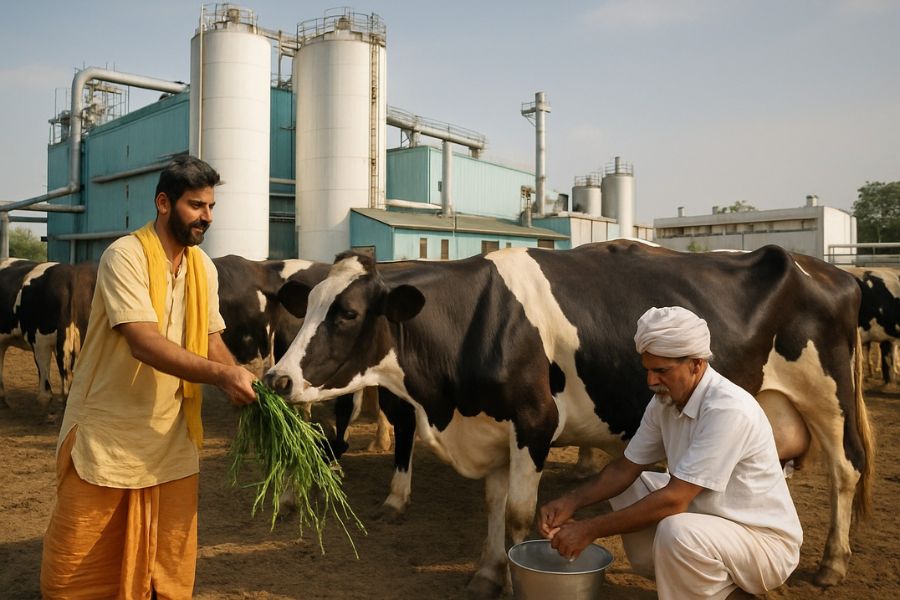
The government’s decision to slash GST rates on key dairy products has been hailed as a landmark reform that promises benefits across the value chain. Effective September 22, 2025, the tax cut lowers consumer prices on essentials like butter, ghee, paneer, and cheese, while boosting farmer earnings and strengthening the organised sector. Announced ahead of the festive season, the move is being celebrated as both a timely “Diwali gift” for households and a long-term catalyst for India’s dairy industry. The government’s significant cut in GST rates on dairy products, announced on September 3, 2025, has been welcomed across the board by the dairy industry. Stakeholders say the move will create a ripple effect of benefits, reaching farmers, consumers, and the organised sector alike. Effective September 22, 2025, specific items such as condensed milk, butter, ghee, other fats, and cheese will now attract a 5% GST, down from the earlier 12%. In addition, GST on paneer and select types of milk will be reduced from 5% to zero. The announcement comes just ahead of the festive season, making it not only a structural reform but also a symbolic “Diwali gift” for households across India. The reform is being positioned as a long-term win by the government and industry observers. By lowering the tax burden on everyday dairy essentials, the policy is expected to boost consumer demand, improve farmer margins, reduce adulteration, and enhance revenue collection by strengthening the organized sector. Relief for consumers, opportunity for farmers For consumers, the immediate effect will be felt in lower retail prices for key dairy items, easing household budgets at a time of rising food costs. Dairy farmers, on the other hand, are expected to benefit indirectly. Lower taxes allow processors to channel a greater share of the consumer’s rupee back to producers, ensuring better remuneration for milk and encouraging higher productivity. As Mr. Rahul Kumar Srivastava, COO, Parag Milk Foods Ltd, noted: “The government’s decision to reduce GST rates on dairy products is a bold and transformative step. It will bring direct relief to consumers through lower prices, while also ensuring that dairy farmers receive better remuneration for their milk. With reduced taxes, the benefits flow across the value chain—strengthening farmers, boosting processors, and enhancing the quality available to consumers. Importantly, this move will stimulate demand for milk, which is vital for nutrition in India, and curb adulteration by making genuine products more competitive. Overall, it is a win-win for farmers, processors, and consumers alike.” This alignment of consumer welfare with farmer empowerment represents one of the rare moments in policy where the interests of both sides of the value chain converge. Tackling adulteration and informalization One of the less-discussed but crucial aspects of the reform is its potential to curb adulteration in the dairy market. In the past, higher GST rates pushed many consumers toward the unorganised market, where products were often cheaper but lacked quality assurance and traceability. By reducing the tax burden, the government is narrowing the price gap between organised and unorganised players. This will make authentic, branded dairy products more affordable and competitive, reducing incentives for adulteration and ultimately improving food safety standards. Rural demand and GDP contribution India is the world’s largest producer and consumer of milk, with the dairy industry contributing significantly to the agricultural GDP. Analysts believe that lowering GST will stimulate rural demand by making dairy products more accessible in smaller markets and villages. Rising demand is likely to encourage farmers to increase production, while processors benefit from higher sales volumes. This cycle of higher demand, better prices for farmers, and expanded production has the potential to lift the sector’s overall contribution to the country’s GDP. More importantly, it aligns with the government’s larger objective of inclusive rural development. The organised dairy sector, which has steadily expanded its footprint over the last decade, is also expected to benefit from this reset. With lower taxes encouraging consumers to shift from unbranded to branded products, companies will have greater incentives to invest in infrastructure, technology, and innovation. Experts predict this could lead to fresh investments in feed, animal healthcare, mechanisation, and cold chain infrastructure—elements crucial for long-term growth. Strengthening linkages between dairy, livestock, and allied industries will create a more resilient ecosystem that supports both farmer livelihoods and industrial efficiency. Nutrition and long-term impact Beyond economics, the GST cut is also being seen as a measure to improve nutrition. Milk and dairy products are a key source of protein and micronutrients for millions of Indians. By making these products more affordable, the government is directly addressing nutritional gaps, particularly among lower-income households. In the long run, the measure could contribute to better health outcomes, especially for children, women, and vulnerable populations who rely heavily on milk for daily nutrition. The GST reduction on dairy products is more than just a tax reform—it is a holistic intervention that balances the interests of consumers, farmers, and industry. By addressing affordability, farmer remuneration, quality assurance, and demand generation, it positions the dairy sector as a cornerstone of India’s agricultural and rural growth story. As industry leaders and experts underline, this move has the potential to set the stage for a stronger, more formalized, and consumer-friendly dairy market. And with its timing just before the festive season, it is not just sound economics but also a strategic political gesture that will resonate with millions of households across India. FAQs What is the new GST rate on dairy products like butter, paneer, and UHT milk?Effective September 22, 2025, GST on butter, ghee, cheese, condensed milk, and other dairy spreads is reduced to 5% (from 12%). UHT milk, pre-packaged paneer, and similar dairy items are now GST-exempt (0%). How will the GST cut benefit dairy farmers and cooperatives?The reduction is expected to benefit over 100 million dairy farmers, improving margins for producers and strengthening the cooperative sector, as noted by the Ministry of Cooperation. How much can consumers save due to the GST cut on dairy items?Consumers may save around ₹42 per

Empowering SMEs through rooftop solar solutions
India’s clean energy transition is creating significant opportunities for SMEs, particularly through rooftop solar (RTS). WRI India’s study shows that cluster-based demand aggregation and financing tools like credit guarantees and subsidies can address adoption barriers. Capacity-building within clusters and the RESCO model further reduce costs and risks, making RTS viable. Meanwhile, India’s solar sector is witnessing rapid expansion, with solar module manufacturing capacity nearly doubling, from 38 GW in March 2024 to 74 GW in March 2025, within a year. Solar PV cell manufacturing capacity increased from 9 GW to 25 GW, while the launch of India’s first 2 GW ingot-wafer manufacturing facility marked a major milestone, further bolstering the country’s solar supply chain. By July 2025, the country’s solar capacity had risen to 119.02 GW. Backed by supportive policies, targeted subsidies, and global initiatives such as the International Solar Alliance (ISA) and One Sun, One World, One Grid (OSOWOG), India is firmly strengthening its position as a global renewable energy leader. Amid India’s fast-paced renewable energy transition, SMEs are increasingly seen as important stakeholders with much to gain from embracing sustainable power. The World Resources Institute (WRI) India, in a new study, highlights that rooftop solar (RTS) can help SMEs reduce power expenses substantially and mitigate capital constraints as the country advances its renewable energy transition. India currently has about 3.3 lakh registered SMEs, most of which are heavy electricity users, particularly in manufacturing and process-driven industries. The study reveals that many SME rooftops remain underutilized, presenting a major opportunity for RTS deployment. However, SMEs often lack the resources to independently assess and implement RTS. To mitigate these hurdles, the study emphasizes the importance of demand aggregation—a mechanism that consolidates RTS demand from multiple enterprises in a cluster into a single package, which is then offered to solar vendors through a competitive bidding process. This approach lowers overall system prices, improves service offerings, and makes RTS adoption more viable for small units. WRI India tested this model in the Yamunanagar Plywood Cluster of Haryana, where demand aggregation reduced RTS system prices by approximately 7%. Similar assessments were conducted across four micro, small, and medium enterprise (MSME) clusters in the state, demonstrating the replicability of this approach. Importantly, these open-source assessments can serve as valuable tools for renewable energy service companies (RESCOs), financial institutions, investors, and governments by de-risking investments and offering precise data on RTS potential in specific clusters. Barriers hindering RTS uptake in SMEs Although promising, the RTS adoption among SMEs is hampered by technical, regulatory, and financial barriers. Owners typically focus their resources on production and marketing activities, leaving little capacity to explore clean energy opportunities. Moreover, SMEs tend to pursue RTS projects independently, thereby missing out on the benefits of aggregation. Capacity-building sessions within clusters have proved effective in generating awareness and interest, but the study stresses that sustained institutional support is also necessary. The study emphasized that financing is critical for advancing this energy transition, calling for cluster-level business models supported by both public and private banks. It noted that tools such as credit guarantee funds to secure lenders, capital subsidies, and partial risk-sharing mechanisms through existing banking channels can significantly reduce risks. These measures would make rooftop solar adoption more accessible and attractive for SMEs, thereby accelerating renewable energy uptake. State and central policies will also be crucial for clean energy transition among SMEs. For instance, the study noted, the interest subsidy clause in Haryana’s renewable energy scheme proved instrumental in enabling financing for one SME under WRI’s intervention. Enhanced involvement of the Ministry of MSMEs and its state-level affiliates in promoting awareness and providing technical guidance on clean technologies could further accelerate RTS deployment. The study further highlights the potential of the RESCO model combined with demand aggregation as a sustainable strategy to scale RTS adoption without over-reliance on subsidies. Under the Renewable Energy Service Company (RESCO) model, a developer finances, builds, operates, and maintains the RTS system on a rented rooftop, while the SME purchases electricity generated at a pre-agreed tariff—usually cheaper than grid electricity. This arrangement eliminates the need for upfront investment by SMEs and reduces their financial risks, making RTS adoption more attractive. India expands solar manufacturing As of July 2025, India’s total installed solar capacity stood at 119.02 GW. This comprised 90.99 GW from ground-mounted projects, 19.88 GW from grid-connected rooftop systems, 3.06 GW from hybrid projects, and 5.09 GW from off-grid installations. These figures highlight India’s diversified approach to renewable energy expansion. This progress underscores the effectiveness of India’s policies and long-term planning under national leadership. In line with its COP26 pledge, India is moving towards its target of 500 GW of non-fossil fuel-based electricity capacity by 2030—a cornerstone of its clean energy transition and climate commitments. By July 2025, solar power capacity had increased by 4,000%, while the country’s overall renewable energy capacity reached 227 GW. India’s solar manufacturing ecosystem has also expanded rapidly. The sector now includes domestic production of solar modules, PV cells, and ingots and wafers, reducing dependence on imports and strengthening self-reliance. In just one year, solar module manufacturing capacity nearly doubled—from 38 GW in March 2024 to 74 GW in March 2025. Solar PV cell manufacturing capacity also grew sharply, from 9 GW to 25 GW. A significant milestone was the commissioning of India’s first 2 GW ingot-wafer facility, completing the solar supply chain. Government initiatives have played a pivotal role in driving this growth. Policies require that projects under schemes like the Rooftop Solar Programme, PM-KUSUM, and CPSU Scheme Phase II use domestically manufactured panels and cells. Additionally, the Basic Customs Duty (BCD) introduced in April 2022 on imported solar cells and modules has made foreign products costlier, creating a stronger market for Indian alternatives and boosting local manufacturing. To further accelerate adoption, the government has launched flagship programs including: PM Surya Ghar: Muft Bijli Yojana Pradhan Mantri Kisan Urja Suraksha Evam Utthaan Mahabhiyaan (PM-KUSUM) Solar Parks Scheme Increase in Solar PV Manufacturing Capacity India is also strengthening its leadership in

From rockets to resorts: Space tourism moves into business mode
Not long ago, booking a seat to space sounded like something out of The Jetsons. Today, it’s inching closer to reality. Tourists are strapping into rockets, companies are dreaming up orbital hotels, and governments are reshaping laws to let private players join the race. India’s own Space Policy 2023—its “Space Act moment”—has thrown open the gates for startups, investors, and global partners to build alongside ISRO. What was once the playground of astronauts is slowly becoming an adventure people can imagine for themselves. Ten years ago, the idea of booking a ticket to space felt like pure fiction like the Jetsons. Today, it’s edging into reality. Billion-dollar companies are flying passengers beyond Earth, startups are experimenting with new experiences, and governments are rewriting rules to make way for private players. What was once a dream reserved for sci-fi movies—or the ultra-wealthy—is beginning to take shape as a real industry. By 2030, suborbital tourism alone could be worth US$4 billion, and the broader space tourism market may exceed US$10 billion annually. That’s no longer a futuristic daydream—it’s a business plan in motion. Today companies like Blue Origin has restarted its New Shepard launches, sending paying customers on short trips past the edge of space. Virgin Galactic has paused its early flights but is building its next-generation Delta-class spaceplanes, due in 2026. Tickets are steep between US$ 450,000–600,000—but that hasn’t stopped adventurers from signing up. At the other end of the spectrum are orbital missions. Axiom Space, in partnership with SpaceX, successfully launched the first private crew, Ax-1, to the International Space Station (ISS) in April 2022, with each of the four crew members paying approximately US$ 55 million for the mission. The Axiom-1 mission was a historic, fully private, and funded flight to the ISS, utilizing a SpaceX Crew Dragon capsule for transportation and including eight days of research and philanthropic work aboard the station. SpaceX’s Polaris Dawn mission, launched in September 2024, not 2024 successfully conducted the first-ever private spacewalk and reached an altitude of 1408 kms, marking the highest Earth orbit achieved by humans since the Apollo program. During the five-day flight, the crew also studied the effects of radiation and performed various experiments, including testing new spacesuits For those not ready to mortgage a small country, there’s Zero-G’s parabolic flights at around US$ 8,900, giving passengers a few minutes of weightlessness. Balloon-based journeys promised gentle rides to the stratosphere, but the collapse of Space Perspective in 2025 showed how brutally hard the business can be. Where is this headed? Private space stations, such as Axiom Station, Orbital Reef, and Starlab, are in development with plans to host a mix of researchers, corporate clients, and tourists in the late 2020s. These private orbital outposts are being designed to operate concurrently with the International Space Station (ISS) before its planned retirement around 2030, marking a major shift toward a commercialized low-Earth orbit (LEO) economy. At the same time, new vehicles could transform access. Virgin Galactic’s Delta planes promise more frequent flights. SpaceX’s Starship, still in testing, could slash costs by carrying far more passengers and cargo in a single trip. In the mid-term, bundled packages—astronaut training, Zero-G flights, suborbital hops—will make the whole adventure feel more immersive. Long-term? Hotels, residencies, and research hubs in orbit. India’s place in the space story The Indian Space Policy 2023 officially shifts ISRO’s focus from commercial launch operations and manufacturing to pure research, advanced missions, and expanding human space exploration. The policy creates an enabling environment for private companies to enter and participate in all aspects of the space sector. To back this up, the government opened the doors wider for foreign investment in 2024 and even transferred ISRO’s Small Satellite Launch Vehicle (SSLV) technology to Hindustan Aeronautics Ltd (HAL) in 2025. Startups like Skyroot and Agnikul are already building their own rockets, and partnerships with international space station projects don’t seem far off. As the Financial Times noted, India isn’t just a low-cost option anymore—it’s emerging as a serious commercial contender. For tourism, this means India could soon be more than just a launchpad; it could be a partner in shaping the experiences themselves. Private space tourism is still ultra-exclusive, but it’s no longer make-believe. The industry’s future hinges on lowering costs, improving safety, and flying more often. It’s about an entire ecosystem being built to make cosmic travel part of the human journey. Top 5 FAQs on space tourism 1. What types of space tourism trips are currently available?Space tourism comes in two primary forms: suborbital (short flights beyond the edge of space with a few minutes of weightlessness) and orbital (longer missions orbiting the Earth, often aboard spacecraft like the Crew Dragon or Soyuz). 2. How much does a ticket to space cost?Suborbital flights typically range from US$ 250,000 to US$ 600,000, while orbital trips to the ISS can cost tens of millions of dollars, often around US$ 55 million per person. 3. What does ‘suborbital’ versus ‘orbital’ mean?A suborbital flight briefly exits the atmosphere and returns, offering minutes of weightlessness. An orbital flight circles the Earth at high speed (about 17,500 mph) and can last from hours to weeks. 4. Is space tourism safe? What training is required?While companies emphasize safety, spaceflight remains inherently risky. Passengers typically undergo medical screening, G-force training, and simulator sessions to prepare for launch and microgravity. Risks include launch failures, radiation exposure, and harsh re-entry conditions. 5. How many people have already traveled to space as tourists?Since 2001, only a small number of individuals—both suborbital and orbital travelers—have been space tourists. Orbital tourists were rare until recent SpaceX missions, while suborbital flights are becoming more frequent, with figures still in the dozens rather than hundreds.
India’s semiconductor mission shifts focus to chip design and IP
Unveiling the next chapter of India’s semiconductor journey, PM Narendra Modi pledged to overhaul the design-linked incentive scheme to strengthen chip design and IP capabilities. With projects worth $18 billion already in motion, India is gearing up to capture a significant slice of the trillion-dollar global chip market. Prime Minister Narendra Modi on Tuesday announced that India is entering the next phase of its semiconductor mission with a sharper emphasis on chip design and intellectual property creation. Central to this transition is a planned revamp of the government’s design-linked incentive (DLI) scheme, a move aimed at strengthening India’s foothold in the trillion-dollar global semiconductor market. Revamping the DLI Scheme Launched in 2021 with an allocation of ₹1,000 crore, the DLI scheme was envisioned as a catalyst for startups to build chip designs and secure patents. However, uptake has been sluggish, with only 23 projects approved in three years. Industry experts have argued that the current structure—providing up to ₹15 crore per startup and a sales-linked incentive capped at ₹30 crore—was insufficient to attract deep-tech entrepreneurs who require higher-risk capital and long-term support. By promising a reset, Modi indicated that these shortcomings will be addressed. The revamped scheme will align with India’s broader ambition of shifting from being a global reservoir of semiconductor design talent to becoming a creator of intellectual property. “Today, India contributes 20% of the world’s semiconductor design talent,” he said, calling on small firms and startups to seize this historic opportunity. Drawing an analogy, Modi stated: “Oil is black gold, but chips are digital diamonds. Oil shaped the previous century, but the power of the 21st century is concentrated in the small chip.” He highlighted that the global semiconductor market, already worth $600 billion, is projected to exceed $1 trillion in the coming years, and India is poised to secure a meaningful share. Building a comprehensive semiconductor ecosystem The India Semiconductor Mission, approved in December 2021 with a ₹76,000 crore outlay, laid the foundation for this ambition. Of this, ₹65,000 crore was allocated to fabrication units and ₹10,000 crore to upgrade the Semi-Conductor Laboratory in Mohali. But Modi emphasized that the next phase is not confined to a single fab or project. Instead, the goal is to create a comprehensive ecosystem covering design, manufacturing, packaging, and high-tech device production. Currently, 10 semiconductor projects worth over $18 billion (₹1.5 lakh crore) are underway. “This reflects the growing global trust in India,” Modi said. He underscored the importance of shortening the journey from “file to factory” so that wafer production can commence faster. Union Electronics and IT Minister Ashwini Vaishnaw added that five domestic projects are already under construction and progressing swiftly. “The pilot line of one unit (CG Power) is completed, while two more units are expected to start production in the coming months. The foundation of this foundational industry has been laid very well,” he noted. Cutting red tape and building infrastructure The government has introduced several reforms to reduce bureaucratic hurdles. A national single-window system now enables companies to obtain both central and state clearances online. Additionally, semiconductor parks with plug-and-play facilities are being developed, ensuring easy access to land, power, ports, airports, and skilled labor. Modi said these measures are helping India move beyond its traditional role in backend operations toward becoming a full-stack semiconductor nation. He highlighted progress at design centers in Noida and Bengaluru, which are developing some of the world’s most advanced chips, capable of storing billions of transistors and powering immersive technologies. Meanwhile, test chips from global majors such as Micron Technology and Tata Electronics are already in production, with commercial manufacturing expected to begin later this year. While acknowledging that India entered the semiconductor race later than other nations, Modi expressed confidence in the country’s trajectory. “Our journey may have started late, but nothing can stop it now,” he said. “The world trusts India, the world believes in India, and the world is ready to build the semiconductor future with India.” With the revamp of the DLI scheme, the acceleration of fabrication projects, and the establishment of robust infrastructure, India is positioning itself not just as a participant but as a leader in the semiconductor revolution of the 21st century. FAQs 1. What is the revamped DLI scheme?A government initiative to boost chip design and IP creation by offering stronger support for startups and innovators. 2. Why is this important for India?It positions India to secure a share of the $1 trillion global semiconductor market. 3. What progress has been made so far?10 projects worth $18 billion are underway, with pilot production started at some units. 4. How is the government supporting companies?Through faster clearances, semiconductor parks, and plug-and-play infrastructure. 5. Why focus on chip design and IP?To move beyond talent contribution and ensure India owns and profits from semiconductor innovations.