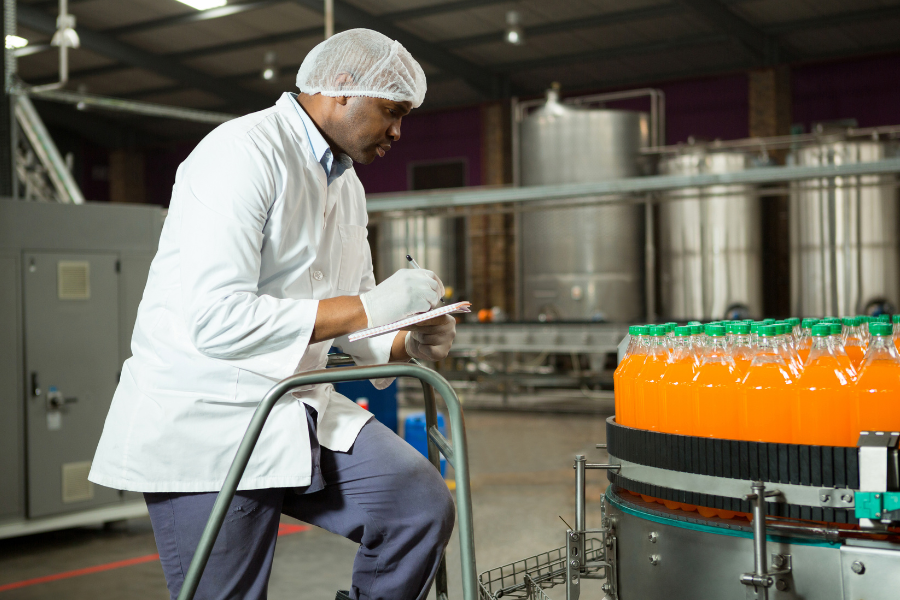
India’s food processing sector has emerged as a vital component of the country’s economy, bridging agriculture and manufacturing while driving exports and employment. With a vast agricultural base, the sector transforms raw produce into value-added products, contributing significantly to Gross Value Added (GVA) and foreign exchange earnings. Recent data indicates robust growth, with the sector achieving GVA exceeding Rs 2 lakh crore in the past two fiscal years. This article explores the sector’s performance, export trends, key markets, and future outlook, drawing on official statistics and industry reports. The food processing sector’s success is deeply intertwined with India’s agricultural productivity. With over 50% of the workforce engaged in agriculture, the sector provides a steady supply of raw materials like grains, fruits, and vegetables. Initiatives such as the Pradhan Mantri Kisan Sampada Yojana (PMKSY) have enhanced farm-to-factory linkages, reducing wastage—estimated at 20% for perishables—and adding value through processing. In 2020-21, the sector contributed 11.57% to agriculture GVA, a figure that has stabilized at 8.39% by 2024, reflecting its role in stabilizing farmer incomes. As climate-resilient farming practices expand, the sector is poised to process a wider variety of crops, further strengthening this symbiotic relationship. Gross Value Added and domestic growth The food processing industry has shown remarkable resilience and expansion. According to the Ministry of Food Processing Industries (MoFPI), the GVA for 2023-24 stood at Rs 2.24 lakh crore, marking a 7.55% increase from Rs 2.08 lakh crore in 2022-23. This follows a recovery from negative growth in 2020-21 due to the pandemic. Over the 2015-2022 period, the sector averaged an annual growth rate of 7.3%. In broader terms, the sector contributed approximately 8.80% to manufacturing GVA and 8.39% to agriculture GVA as of 2024. Earlier, in 2020-21, these shares were 10.54% and 11.57%, respectively. The PHD Chamber of Commerce and Industry (PHDCCI) estimates the market size at Rs 2,641,121 crore (US$ 307 billion) in 2023, projected to more than double to Rs 6,022,100 crore (US$ 700 billion) by 2030, fueled by rising demand for ready-to-eat and convenience foods. Government initiatives like the Pradhan Mantri Kisan Sampada Yojana (PMKSY) and Production Linked Incentive (PLI) schemes have bolstered infrastructure, with over 40 mega food parks and numerous cold chain projects operational. Foreign Direct Investment (FDI) in the sector reached US$ 11.79 billion between April 2000 and March 2024, reflecting global confidence Export performance and trends Exports of agricultural and processed food products have been a key growth driver. In 2024-25, agro-food exports reached US$ 49.43 billion, a US$ 3 billion increase from 2023-24, though slightly below the US$ 51.06 billion in 2022-23. The share of processed foods in agri-exports has surged from 13.7% in 2014-15 to 23.4% in 2023-24, indicating a shift toward higher-value products. Focusing on processed food exports specifically, data from the Agricultural and Processed Food Products Export Development Authority (APEDA) shows exports at US$ 7.70 billion in 2023-24. The trend over recent years highlights fluctuations amid global challenges like supply chain disruptions and geopolitical tensions. The following graph illustrates India’s exports of processed food (in US$ billion). This data reflects a Compound Annual Growth Rate (CAGR) of 9.9% from 2019 to 2024, despite a dip post-2022 due to factors like rising input costs and export restrictions on certain commodities. The peak in 2022 coincided with post-pandemic demand recovery, while the subsequent decline underscores the need for diversification. Overall agri-exports stood at US$ 48 billion in FY24, with processed foods contributing significantly. Key export markets India’s processed food exports are diversified across regions, with North America, the Middle East, and Africa being prominent. The United States remains the largest market, accounting for 17.5% of exports, followed by the United Arab Emirates at 7.1%. Other notable destinations include Libya (3.9%), Sudan (3.7%), Somalia (3.4%), Tanzania (3.2%), the United Kingdom (3.0%). This distribution is visualized in the pie chart, highlighting the US’s dominance due to demand for ethnic and ready-to-eat Indian foods. The Middle East and Africa markets are driven by staples like processed grains and spices. Emerging markets like Vietnam and Saudi Arabia are also gaining traction, with cereals and fruits leading exports. In 2023-24, top products included basmati rice, buffalo meat, and spices, with the US, Vietnam, and Canada as leading importers of processed items. Challenges and future prospects Despite progress, challenges persist, including inadequate cold chain infrastructure, high wastage (up to 20% for perishables), and regulatory hurdles. Food safety standards and sustainability concerns are critical, with the sector aiming to align with global best practices. Looking ahead, the industry is poised for exponential growth. Projections indicate a market expansion to US$ 700 billion by 2030, supported by urbanization, rising incomes, and e-commerce. Government targets include doubling exports to US$ 100 billion by 2030, emphasizing value addition and innovation. Investments in R&D, sustainable packaging, and digital supply chains will be pivotal. Conclusion India’s food processing sector exemplifies the nation’s potential to leverage its agricultural strengths for economic advancement. With consistent GVA growth, resilient exports, and strategic market penetration, the industry is set to play a larger role globally. By addressing infrastructural gaps and embracing technology, India can solidify its position as a food processing powerhouse, benefiting farmers, consumers, and the economy alike. Read More: From Local to Global: Empowering India’s Food Processing Sector Unlocking opportunities: Andhra Pradesh’s food processing advantage From setback to springboard: India’s shrimp export opportunity FAQ: What is food processing industry in India?The food processing industry in India involves converting raw agricultural produce—like grains, fruits, vegetables, and meat—into value-added products such as packaged foods, ready-to-eat meals, beverages, and frozen foods. What is the current size of India’s food processing industry?The market size was valued at Rs 2,641,121 crore (US$ 307 billion) in 2023 and is projected to grow to US$ 700 billion by 2030. What are the major export markets for India’s processed food products?The United States, United Arab Emirates, Libya, Sudan, Somalia, Tanzania, and the United Kingdom are among the largest markets. Which products dominate India’s processed food exports?Top exports include basmati rice, buffalo meat, spices,
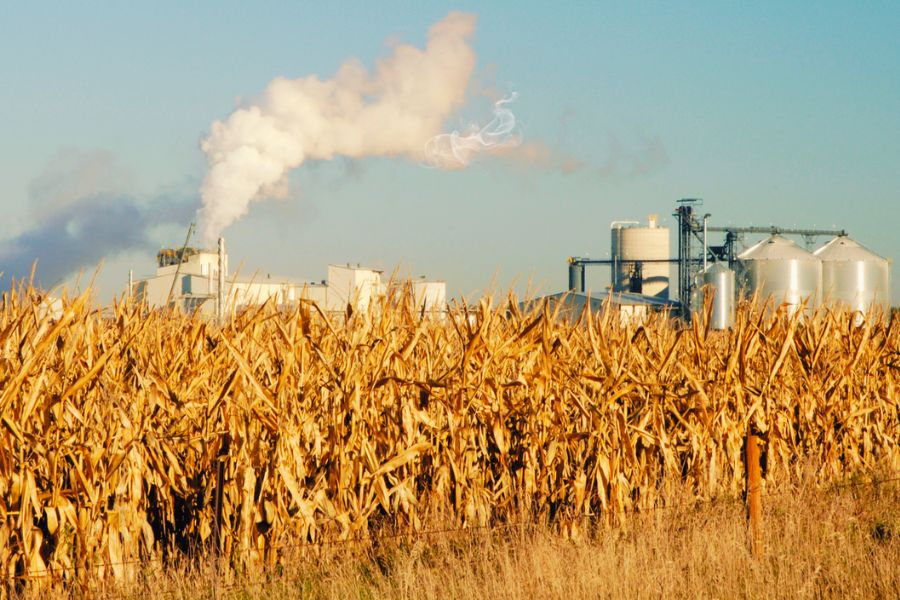
New ethanol economy: What’s next for India’s sugar mills?
Sugarcane harvests bring energy and income to millions across Uttar Pradesh, Maharashtra, Karnataka and Tamil Nadu. Yet behind the busy season lies a sector under stress: mills face rising costs, mounting arrears, and growing competition from grain-based ethanol. India’s push for cleaner fuels has opened new opportunities — but also new challenges for sugar, which is deeply tied to rural livelihoods. The way forward, experts say, lies not in a clash between feedstocks but in reimagining mills as bio-refineries that can sustain both farmers and the energy transition. In states such as Uttar Pradesh, Maharashtra, Karnataka and Tamil Nadu, sugarcane harvest season sets the local economic rhythm. India produced roughly 45.3 million tonnes of sugarcane in 2023–24, according to the Agriculture Ministry’s annual report; trade estimates put 2024–25 production slightly lower. Farmers cut the stalks, tractors ferry the cane to mills, and local markets register a spike in wages, purchases and transport — all centred on mills that turn cane into sugar, molasses and power. That tight link between crop and community is where the sector’s strain is most immediately felt. Despite a government push for ethanol blending, which aims to reduce crude imports and create steady demand for agricultural feedstocks, sugar mills are under heavy financial pressure — roughly ₹40,000 crore, per an Economic Times assessment. Those macro losses translate into delayed payments to farmers, squeezed cashflows for cooperatives, and postponed investments in modernisation. Ethanol blending was meant to give mills a reliable secondary revenue stream. In practice the picture is more mixed. State-mandated cane prices and rising input costs have kept mills’ production costs high; ethanol procurement and pricing have not always covered these gaps. At the same time, the ethanol pool has shifted: grain feedstocks such as maize and broken or damaged rice have grown rapidly as inputs for fuel ethanol. Reporting indicates that in 2024–25 grain-based ethanol made up a larger share (reported regionally at roughly 650 crore litres) while sugar-based ethanol was closer to 250 crore litres in some calculations, a shift industry bodies have highlighted as material to mill economics. The consequences are tangible. Smallholders waiting on mill payments see household budgets and farm plans upended — in Andhra Pradesh, for example, farms are reported to be owed ₹32 crore after factory closures, while a single unit needs an estimated ₹60 crore to restart operations. In Maharashtra, production fell sharply this season (reported down 29 lakh tonnes, from about 110 lakh tonnes to 81 lakh tonnes), worsening local revenue shortfalls. These local shocks compound the national picture and underline why policymakers and industry leaders now emphasise balanced, pragmatic solutions rather than looking for blame. Looking ahead, independent analyses and S&P Global reporting suggest grain-based ethanol supply could more than double in the near term — a development that improves energy security but also changes competitive dynamics for mills that built their ethanol strategies around sugarcane. The policy challenge is therefore to support diversification and bio-refinery investments while ensuring fair access and predictable pricing for mills and farmers alike Practical paths for mills and communities 1.) Diversification into bio-refinery models: Mills can evolve from seasonal sugar factories into year-round bio-refineries. That means producing ethanol, generating power from bagasse, making compressed biogas (CBG) from press mud and residues, and even moving into green chemicals and bioplastics. Multiple income streams reduce exposure to sugar price swings. 2.) Value-added sugars and niche products: Premium products — organic, low-glycemic or specialty sugars, jaggery powders — command better margins in domestic and export markets. Processing and branding these products can add value right at source. 3.) 2G and residue-based fuels: Second-generation ethanol from cane trash and agricultural residues avoids food-versus-fuel debates and makes better use of the crop’s full biomass. Investment and policy support for 2G technology would enable mills to tap abundant feedstock that currently goes uncollected or is burned. 4.) Bagasse and cogeneration: Modern, efficient cogeneration units using bagasse can make mills energy exporters — selling surplus power to the local grid and creating a steady revenue stream independent of sugar prices. 5.) Farmer-centric supply chains: Strengthened farmer aggregation (through FPOs), transparent pricing mechanisms, advance payment systems and seasonal credit lines would stabilise incomes and encourage smallholders to participate in diversified cropping systems and residue collection. 6.) Balanced feedstock policy: A calibrated, predictable approach to feedstock allocation — where sugar- and grain-based ethanol both have defined windows and procurement mechanisms — can prevent sudden market shocks. Industry bodies have proposed balanced ratios to ensure sugar mills are not crowded out. Policymakers can help by ensuring ethanol pricing reflects true production costs across feedstocks, offering bridge financing or viability gap support for mills investing in bio-refinery upgrades, and creating incentives for 2G technology adoption. Aligning cane pricing mechanisms with ethanol incentives so that when mills produce fuel, some of the price risk shifts away from them would also help. Importantly, export opportunities for specialty sugar and ethanol should be facilitated when domestic surpluses threaten local margins. Plan ahead The millions tied directly and indirectly to sugarcane depend on a system that turns planted stalks into stable income. If the mills modernise and diversify, they can become engines of rural resilience: employers, buyers of residue, and anchors for agritech and logistics services. If the sector remains locked into a single-product mindset, the next monsoon, the next swing in global sugar prices, or the next policy shift could deepen distress. India’s ethanol push was the right call for energy security and rural opportunity. The next step must be pragmatic adaptation — policy that balances feedstocks and rewards investment, and industry that embraces the bio-refinery future. That is how sugar-growing regions can convert not just cane, but also the social and economic energy of their communities, into a sustainable and dignified future. Read more: From waste to watts: Why bio-energy could spark the next energy revolution in India How biofuels are strengthening India’s energy backbone FAQs 1. Why is India’s sugar industry under financial stress despite the ethanol push?According to Economic

From niche to notable: India’s brown rice export surge
India’s brown rice sector has emerged as a key player in the global brown rice market with a 4-year export CAGR of over 100%, transitioning from a niche producer to a significant exporter amid rising demand for nutrient-rich whole grains. Bolstered by health-conscious consumers worldwide and supportive agricultural policies, India has capitalized on its vast rice cultivation base to expand exports, particularly to Asia and Africa. With shipments growing steadily over the past five years, value-added processing and sustainable farming are propelling India’s agri-exports in health-focused categories. This article explores the dynamics of the brown rice market, with a spotlight on India’s rising global footprint. The global brown rice market, encompassing unpolished whole grains valued for their high fiber, vitamins, and minerals, is witnessing robust expansion driven by health trends, urbanization, and the shift toward functional foods. The market was valued at US$ 10.60 billion in 2023 and is projected to reach US$ 15.99 billion by 2032, growing at a CAGR of 4.69% during 2024-2032. . This surge is fueled by rising awareness of brown rice’s benefits, including improved gut health, diabetes management, and weight control, with the grain increasingly recognized as a nutrient-rich food with preventive effects against cardiovascular diseases, obesity, and cancer. Global import trends of brown rice Global imports of brown rice have shown consistent growth, reflecting heightened consumption in retail, food service, and health-oriented diets. From 1.8 billion in 2019, imports climbed steadily to 2.4 billion in 2024, achieving a five-year CAGR of 6.1%. This upward trajectory underscores the market’s resilience, even amid supply chain disruptions, with demand recovering strongly post-pandemic due to a preference for whole grains over refined alternatives. Data illustrates a gradual rise, with imports dipping slightly in 2020 before accelerating through 2024. This trend aligns with broader rice trade forecasts from the USDA, which projects global rice trade at a near-record 54,1 million tons in 2024, though brown rice represents a premium, health-driven segment. Key drivers include urbanization in emerging markets and the popularity of plant-based and gluten-free diets, boosting imports in regions like Europe and North America. The top importers accounted for a substantial portion of global brown rice trade in 2024, with diverse demand from health-focused economies. South Korea leads with a 26.4% share, driven by its emphasis on nutritious staples and rising wellness trends. The United Kingdom follows at 14.2%, supported by a strong snacking culture and e-commerce penetration, while Belgium holds 14.0%, benefiting from its role as a European trade hub. Regionally, Asia-Pacific dominates due to traditional consumption, while Europe is emerging as the fastest-growing market, fueled by organic and specialty rice demand. North America, led by the U.S., sees imports rising with awareness of prebiotic benefits, projecting a market value of US$ 4.07 billion by 2032. India’s export transformation India has emerged as one of the major exporters of brown rice, leveraging its status as the world’s largest rice producer to focus on premium varieties. Exports have surged from 11 thousand tonnes in 2020 to 182 thousand tonnes in 2024, marking one of the steepest growth trajectories among major exporters. India’s brown rice exports have grown from US$ 11 million in 2020 to US$ 182 million in 2024, at a 4-year CAGR of around 102%. In value terms, they have grown from US$ 11 million in 2020 to US$ 182 million in 2024, at a 4-year CAGR of around 102%. This expansion is anchored in key states like Punjab, Haryana, and Tamil Nadu, where advanced milling techniques and organic certifications have significantly enhanced competitiveness. As a result, India has risen to the fourth rank among the top brown rice exporters globally in 2024, trailing Pakistan (US$ 377 million), the United States (US$ 218 million), and Uruguay (US$ 183 million), underscoring its growing influence in the international market. Supporting this growth, key players such as KRBL Limited, LT Foods Ltd., and Kohinoor Foods Limited are driving innovation with products like ready-to-cook brown rice and sustainable sourcing practices. Significant investments, including Riviana Foods’ US$ 27 million upgrade in 2019 for microwaveable products and recent expansions by LT Foods in 2023 to enhance organic processing capacity, have bolstered export capabilities. India’s exports now compete effectively with established players, supported by government incentives under the Agricultural and Processed Food Products Export Development Authority (APEDA). With domestic production exceeding 130 million tonnes annually, India is well-positioned to meet local demand while fueling exports. India’s export markets India’s brown rice exports are concentrated in high-growth Asian and African markets, capitalizing on proximity and affordability. Viet Nam leads as the dominant destination, accounting for a 74.0% share, driven by strong regional trade ties and demand for nutrient-rich staples. Nigeria follows with a 17.1% share, reflecting its reliance on affordable, health-focused imports amid food security challenges. Malaysia contributes 5.2%, while the Netherlands (1.9%) and Benin (0.7%) represent smaller but growing markets. The United States (0.3%) and other countries (0.8%) round out the export portfolio, highlighting India’s strategic focus on key emerging economies. The focus on Africa and Southeast Asia aligns with global shifts, where imports grew 12% year-over-year. The imposition of a 50% tariff by the U.S. on Indian goods poses challenges for India’s brown rice exports. Although the US represents a relatively small share of India’s exports compared to key markets such as Vietnam, Nigeria, and Malaysia, the tariff could affect competitiveness for premium varieties like basmati, potentially reducing demand by 10-15%, according to the Indian Rice Exporters Federation (IREF). With 74% of India’s brown rice exports directed to Vietnam, the country maintains a strong pricing advantage over competitors. Strategic diversification into non-tariffed markets in Asia and Africa should provides resilience, ensuring that overall export growth remains robust despite U.S. market disruptions. Untapped growth potential The brown rice sector holds immense untapped potential, with global demand projected to grow at 5-7% CAGR through 2035. In India, per-capita consumption remains low at under 5 kg annually far below global averages—offering room for domestic expansion via awareness campaigns and fortified products. Exports could double by

From waste to watts: Why bio-energy could spark the next energy revolution in India
IBT recently interacted with Mr. Atul Mulay, President and Global SBU Head – Bio Energy at Praj Industries Limited, Pune. A Fulbright Scholar and seasoned leader, Mr. Mulay has played a pivotal role in shaping India’s biofuel ecosystem, including his contributions to the National Biofuel Policy 2018. He also serves as Chairperson of the National Bio-Energy Committee of the Trade Promotion Council of India (TPCI), alongside leadership roles at CII and IFGE. In this conversation, he shares his vision for bioenergy’s role in strengthening India’s energy sovereignty, the opportunities presented by emerging technologies like 2G ethanol, CBG, and SAF, and the policy and financing measures needed to scale the sector sustainably. He also reflects on India’s global positioning through the Biofuels Alliance and the inspiring pace at which the sector has evolved. IBT: The bioenergy sector in India has come a long way. What do you find most inspiring about its evolution so far? Atul Mulay: What inspires me most is the speed of transformation. Ethanol blending, once just an aspiration, has become a reality ahead of schedule. CBG plants are emerging across the country, and bioenergy has shifted from being seen as an alternative to being recognized as a mainstream contributor to India’s energy mix. Equally important, it has begun to impact the lives of farmers, rural communities, and industries, demonstrating that energy security can be achieved in tandem with “inclusive growth”. IBT: Looking ahead, what is your vision for how bioenergy in India can transform the energy landscape over the next decade? Atul Mulay: Over the next decade, I see bioenergy shaping India’s future in three defining ways. First, by strengthening our energy sovereignty—cutting crude oil imports and shielding the country from global price volatility. Second, by revitalizing rural economies, creating value-added markets for agri-residues and processing waste, and unlocking new income streams for farmers. And third, by positioning India as a global hub for bioenergy innovation and ecosystem development, setting a benchmark for the world. Bioenergy will not only complement solar, wind, and other renewables, but also serve as a cornerstone in anchoring India’s journey towards net zero. IBT: With India championing the Global Biofuels Alliance, how do you see the country positioning itself as a global hub for bio-energy innovation and trade? Atul Mulay: India has unique advantages — a significant agricultural base, proven industrial capacity, and strong government commitment. Through the Global Biofuels Alliance, while fulfilling India’s requirement of bioenergy, we will have the potential to export not just fuels but also low CI fuels, innovations, technologies, supply chain models, and policy frameworks to build a role model global ecosystem. This positions India as a hub for both innovation and trade, while deepening our diplomatic and economic engagement with both developed and emerging economies worldwide. IBT: Which policy measures do you believe could most effectively accelerate the adoption of bio-energy solutions across industries? Atul Mulay: I believe four policy levers can most effectively accelerate the adoption of bioenergy solutions across industries. First, a unified National Bio-Energy Policy with clear long-term targets that synchronizes the vision of both central and state governments. Second, stronger carbon credit mechanisms and climate finance frameworks that make bioenergy projects truly bankable. Third, mandatory adoption in hard-to-abate sectors—such as co-firing biomass in thermal power plants and introducing Sustainable Aviation Fuel as a drop-in option, along with higher blending mandates for conventional fuels. And finally, aligning policies with the automobile sector to ensure faster adoption by end consumers. Taken together, these measures would give the sector the predictability and confidence it needs to scale sustainably. IBT: How can bioenergy best complement solar, wind, and hydro in helping India achieve its net-zero goals? Atul Mulay: Solar, wind, and hydro are excellent sources of clean power, but they are intermittent. Bioenergy, by contrast, is storable and dispatchable. That makes it the perfect complement — providing firm, round-the-clock renewable energy. Beyond power, bioenergy also decarbonizes hard-to-abate sectors, such as aviation, shipping, and heavy industries, where solar or wind may not be a direct substitute for fossil fuels. IBT: Among emerging technologies like 2G ethanol, biogas, bio-CNG, and SAF, which do you see offering the most tremendous near-term potential for India? Atul Mulay: Each of these technologies—2G ethanol, compressed biogas (CBG), and Sustainable Aviation Fuel (SAF)—will play a pivotal role in India’s energy transition. 2G ethanol strengthens sustainability by converting agricultural residues into clean, low-carbon fuel. CBG taps into both urban and rural waste streams, creating powerful circular economy solutions. SAF is critical to decarbonizing aviation and positioning India as a competitive global supplier. Rather than one technology dominating, they offer complementary pathways for mobility and energy security. The real determinant of scale will be ecosystem readiness, supportive policy frameworks, and the bankability of projects. IBT: What strategies can ensure a reliable and sustainable supply of biomass/feedstock without compromising food security? Atul Mulay: The key lies in strengthening India’s supply chain and distribution framework. Three priorities stand out: building a timely biomass harvesting and aggregation ecosystem with fair and transparent pricing for farmers; promoting energy crops such as sweet sorghum, bamboo, and grasses on marginal lands; and developing efficient collection, densification, and logistics systems to lower costs. In the near term, India already has sufficient surplus and damaged grain to support ethanol production. At the same time, agricultural research institutes are advancing productivity gains, intercropping models, and AI-based solutions to expand feedstock availability. Key focus areas include sugarcane, corn, broken rice, and innovative intercropping practices such as sugarcane–corn and tapioca–corn across diverse regional terrains. Institutions such as the Indian Maize Research Institute, the Vasantdada Sugar Institute (VSI), and other leading research centers are driving this work. Their efforts are expected to yield visible results within the next 2–5 years, further strengthening India’s long-term bioenergy feedstock base. IBT: How can financing models and community engagement help scale bio-energy projects, particularly in rural and semi-urban areas? Atul Mulay: Innovative financing models, such as priority lending status, Viability Gap Funding, and climate finance, are vital to attracting investors.

Does sugar still rule in health-conscious India?
India’s sugar sector is experiencing contrasting trends. Institutional consumption has surged to 60–65% of total demand, driven by beverages, confectionery, and processed foods, with rural and mid-income consumers fueling growth. At the same time, household sugar use is diverging by income: affluent families are cutting back on refined sugar in favor of jaggery, khandsari, and low-sugar alternatives, while low- and mid-income groups are set to expand branded sugar adoption. The way Indians consume sugar is undergoing a shift, with industries such as beverages, bakery, and confectionery now accounting for a larger share. Over the past five years, institutional consumption has expanded from 50–55% to 60–65% of total sugar demand, as per a recent report covered by the Indian Sugar and Bioenergy Manufacturers Association (ISMA). Within institutional usage, non-alcoholic beverages take the lead with 35–40% share, followed by confectionery at 15–18%. Other notable contributors include dairy and ice cream, hotels, restaurants, cafeterias, pharmaceuticals, nutraceuticals, and food processing industries. The report points to mid-income urban consumers and rural households as key demand drivers. Interestingly, rural youth, in particular, view sugar-rich products such as soft drinks and confectionery as aspirational purchases, aligning them with urban consumption habits. This shift underscores how rising disposable incomes and exposure to branded goods are reshaping food choices beyond metropolitan markets. Household sugar trends: A complex mix While institutional demand is climbing, household sugar consumption is evolving along very different lines. The detailed analysis by ISMA shows how income levels are shaping sugar choices: Affluent households (around 30 million): Refined sugar usage is gradually declining. These consumers are moving towards healthier alternatives and traditional sweeteners such as jaggery (gur) and khandsari. They are also experimenting with low-sugar and functional food options, a trend expected to intensify by 2030. Mid-income households (about 70 million): These families remain heavily reliant on refined sugar, though they continue steady consumption of gur and khandsari. Slowly, they are beginning to adopt branded sugar and alternative sweeteners, with expectations of wider adoption by 2030. Lower-income households (205 million): Adoption of branded sugar remains limited, but cultural preferences for jaggery and khandsari hold strong. As purchasing power grows, branded sugar usage is projected to rise significantly in this segment. The report also highlights how India’s per capita sugar consumption has plateaued at around 20 kg annually, slightly below the global average of 22 kg. However, with population growth and rising incomes, overall consumption volumes are still expanding. On the production side, ISMA projects India’s sugar output could grow from 34 million tonnes to as high as 45 million tonnes by 2029–30 in an optimistic scenario. The domestic sugar market, currently valued at ₹1.2 trillion, is expected to expand to between ₹1.4–1.6 trillion in the base case and up to ₹2 trillion in the optimistic case by 2030. The dual narrative: Growth and health consciousness The report underline the duality of India’s sugar market. On one hand, institutional demand is accelerating, fueled by aspirational consumption, especially among rural and mid-income groups. On the other, affluent consumers are driving moderation, shifting towards healthier and alternative sweeteners. This divergence creates opportunities and challenges for FMCG companies. Brands catering to beverages, confectionery, and packaged foods will continue to find robust demand from younger and mid-income consumers. At the same time, the health-conscious shift among affluent households is pushing companies to innovate with low-sugar, natural, and functional alternatives. By 2030, the sugar landscape in India is likely to be even more segmented: Institutional consumption will remain the backbone of demand, supported by the rapid expansion of food and beverage industries. Household consumption will see a sharper divide, with affluent groups reducing refined sugar intake and low- to mid-income households increasing branded sugar adoption. Production and market value are expected to rise steadily, though growth will hinge on balancing affordability, health trends, and sustainable farming practices. Conclusion India’s sugar sector stands at a crossroads, balancing its deep-rooted cultural affinity for sweetness with the rise of health-conscious preferences. On one side, institutional demand continues to surge; on the other, household trends reveal shifting patterns across income groups with long-term implications. For industry stakeholders, policymakers, and FMCG brands, the challenge lies in serving a diverse consumer base—one that indulges in sugar-rich products while increasingly seeking healthier, traditional, and innovative alternatives. Read more From cane to clean: India’s ethanol push reshapes sugar trade FMCG prepares for challenges under lower GST Top Indian food trends 2025: From affordability to health FAQs 1. How much sugar does India consume per person?India’s per capita sugar consumption is around 20 kg annually, slightly lower than the global average of 22 kg. 2. Why is institutional sugar consumption increasing in India?Institutional sugar use has surged due to rising demand from beverages, confectionery, bakery, biscuits, dairy, and processed foods, especially among rural and mid-income consumers. 3. Which sectors consume the most sugar in India?Non-alcoholic beverages lead with 35–40% share of institutional sugar use, followed by confectionery at 15–18%, along with dairy, ice cream, hotels, restaurants, and food processing. 4. Are Indian households reducing sugar intake?Yes, affluent households are cutting back on refined sugar and shifting to jaggery, khandsari, and low-sugar alternatives. However, mid- and low-income groups are expanding their use of branded sugar. 5. Why are rural consumers increasing sugar consumption?Rural youth view sugar-rich products like soft drinks and confectionery as aspirational, leading to higher demand in line with urban consumption trends.

AI could add up to US$1.7 trillion to India’s economy by 2035
Artificial Intelligence is emerging as one of the most powerful drivers of economic transformation worldwide, and India is no exception. A new report by NITI Aayog suggests that with the right adoption, AI could significantly accelerate India’s growth trajectory and help realise the Viksit Bharat vision over the next decade. Artificial Intelligence is no longer a far-off promise. Around the world, it is already reshaping industries, creating new business models, and setting the pace for economic growth. For India, it could become the defining lever that helps the country achieve its Viksit Bharat vision of becoming a developed nation by 2047. A new report by NITI Aayog, AI for Viksit Bharat: The Opportunity for Accelerated Economic Growth, suggests that the stakes are huge. With rapid adoption, AI could add between US$ 1 and US$ 1.7 trillion to India’s economy by 2035, pushing GDP to around US$ 8.3 trillion. Without this push, growth is likely to stay on its current path of 5.7% annually, which would leave GDP closer to US$ 6.6 trillion. BVR Subrahmanyam, CEO of NITI Aayog, stressed in his foreword that India has no option but to raise productivity and unlock new avenues of growth, and AI may be the single most decisive lever. Engines of AI-led growth According to the study, AI will fuel the economy through three powerful channels. First, mainstream adoption across industries such as banking, finance, and manufacturing could sharply improve efficiency and productivity. Second, the use of generative AI in research and development could transform areas like pharmaceuticals, automobiles, and digital design. Third, India’s own technology services sector could reinvent itself for higher-value opportunities, moving beyond traditional IT outsourcing and into new AI-driven business models. Together, these shifts could deliver the US$ 1.4–1.7 trillion upside identified by the report. Some of the biggest gains are expected in sectors that touch everyday life. In financial services, AI could power advanced fraud detection, smarter credit scoring, and personalised products, unlocking as much as US$ 55 billion in value. In manufacturing, technologies like predictive maintenance and real-time quality checks could add US$ 85–100 billion. Pharmaceuticals may see the steepest disruption, with AI reducing drug discovery timelines by up to 80% and cutting costs by nearly a third. Even the automotive industry is set for transformation, as AI aids in designing smarter components and enabling software-driven vehicles, which could strengthen India’s exports while reducing dependence on imports. Building an ecosystem for innovation Industry leaders say India cannot afford to lag behind. Debjani Ghosh, a distinguished fellow at NITI Aayog and one of the architects of the Frontier Tech Hub, observed that countries which secure critical technologies early often set the tone for the future. To encourage innovation at scale, NITI Aayog is preparing to launch a Frontier Tech Challenge, which will fund the top 50 cutting-edge ideas. Subrahmanyam has also called on states to integrate frontier technologies into governance, ensuring they deliver tangible benefits and not just policies on paper. Despite the optimism, the report does not underplay the hurdles. Legacy IT systems, a shortage of skilled AI talent, weak infrastructure, and unresolved regulatory and data privacy concerns could all slow progress. To counter this, the report urges urgent investment in computing capacity, sovereign data platforms, workforce reskilling, and ethical frameworks that ensure AI’s benefits are widely shared. India’s growth story over the next decade will be defined not just by traditional levers like capital and labour, but by how effectively it can harness technology. AI is no longer about futuristic experiments; it is about real-world productivity, innovation, and transformation. If India can combine rapid adoption with responsible deployment, it could not only sustain high growth but also take a leadership position in the global AI economy. FAQs 1. How much can AI contribute to India’s GDP by 2035? According to NITI Aayog’s recent report, Artificial Intelligence could add between $1–1.7 trillion to India’s economy by 2035. With accelerated adoption, India’s GDP could touch $8.3 trillion, compared to $6.6 trillion under the current growth path. 2. Which sectors in India will benefit the most from AI adoption? Key sectors expected to see major gains include: Banking & Finance – fraud detection, credit scoring, personalized services (worth $50–55 billion). Manufacturing – predictive maintenance, smart factories, real-time quality control ($85–100 billion). Pharma – AI-driven drug discovery, cutting costs by 30% and timelines by up to 80%. Automotive – AI-powered vehicle design and exports boost. 3. What role will AI play in achieving the Viksit Bharat vision? India aims for 8%+ sustained growth under its Viksit Bharat vision. AI can act as the “decisive lever” by raising productivity, fueling innovation, and pushing Indian IT into high-value services. Without AI, India risks staying on a slower 5.7% growth track. 4. What are the main challenges India faces in scaling AI? The report highlights hurdles like: outdated IT systems, lack of AI-ready infrastructure, shortage of skilled talent, data privacy issues, and regulatory gaps. Addressing these challenges through investment in compute power, skilling, and ethical AI frameworks is crucial. 5. How can Indian businesses leverage AI for growth and innovation? Businesses can adopt AI to boost efficiency, cut costs, and create new products. From automating processes in manufacturing to offering personalized customer experiences in banking, AI is opening up new revenue streams. Startups and IT firms can also move into high-value services like generative AI and frontier tech, attracting global investments.

From heritage to haute cuisine: The rise of India’s new gourmet culture
India’s culinary story is being rewritten, moving far beyond the familiar curries and tandoori classics that once defined its global image. Today, a gourmet revolution is unfolding led by visionary chefs, curious diners, and unprecedented access to global ingredients. Luxury imports like caviar sit alongside rediscovered regional traditions, artisanal cheeses, and heirloom grains, creating a food culture that is at once modern, sustainable, and deeply rooted in heritage. This awakening is not just about taste—it is about storytelling, craft, and the experience of food itself, signaling a bold new chapter in India’s gastronomic journey. For decades, the global culinary narrative of India was largely confined to the rich, aromatic curries and tandoori staples that defined its diaspora. While undeniably delicious and deeply rooted in culture, this perception barely scratched the surface of a nation with thousands of years of diverse gastronomic traditions. Today, India is no longer just exporting its culinary identity; it is redefining it from within. A vibrant and sophisticated gourmet food scene has emerged, driven by a new generation of chefs, an adventurous palate among consumers, and an unprecedented access to global ingredients and ideas. This is not a fleeting trend but a fundamental transformation—a gourmet awakening that is reshaping what it means to eat well in India. The story begins with a historical context. For much of its modern history, India’s food was shaped by a combination of necessity and tradition. Regional and home cooking, deeply influenced by climate and local produce, dominated. Fine dining existed, but it was largely insular, catering to a small elite or offering stylized, often British-influenced versions of Indian classics. The true catalyst for change arrived with the economic liberalization of the 1990s. As multinational corporations entered the country, so too did a new wave of global exposure. This set the stage for a slow but steady evolution that has accelerated exponentially in the last decade, fueled by the explosive growth of the internet, travel, and social media. The chef as the new culinary vanguard India’s food culture has leapt out of the kitchen and into mainstream business. Television and travel shows in the early 2000s sowed the seeds for this change. When icons like Sanjeev Kapoor and Anthony Bourdain ventured beyond restaurant kitchens—into street stalls and remote eateries—they turned food into a cultural journey and sparked a national appetite for exploration. Travel shows in the 2000s first turned food into a cultural lens, with chefs guiding viewers through markets and street stalls. Social media then took it further — reels of sizzling dosas or street-side kebabs made global food traditions instantly accessible. Chefs like Gaggan Anand and Manish Mehrotra transformed this attention into economic power, making Indian cuisine modern and global without losing authenticity. Their influence has fueled a dining boom. The country’s food services industry is projected to hit ₹7.76 lakh crore by 2028, with online delivery alone growing 18% CAGR to capture a fifth of the market by 2030. For today’s diners, it’s not just about what’s on the plate – it’s the story, the craft, the experience. And for businesses, that shift is an opportunity: innovation, authenticity, and cultural storytelling are now at the heart of India’s fast-expanding food economy. From global imports to local artisans: The ingredient revolution A gourmet scene is only as good as its ingredients, and here, India has undergone a big change. The airdrop of exotic ingredients, once a distant dream for chefs, is now a commercial reality. Where there were once only a handful of suppliers for items like Parmigiano-Reggiano or sun-dried tomatoes, there are now specialized companies that can source everything from Japanese-grade Wagyu beef to French truffles and fresh Nordic salmon. The demand for high-end seafood, in particular, has seen explosive growth. The Indian seafood market, a traditional bastion of local fish, is now seeing a dramatic shift towards premium protein. According to market data, the sector is projected to nearly double from US$ 12.2 billion in 2024 to an estimated US$ 25.2 billion by 2033. This growth is being driven by the availability of high-end imports like Norwegian salmon, a favorite of health-conscious and affluent consumers, and tuna, which is a staple in the burgeoning sushi market. Another prime example is the growing presence of caviar in India’s fine dining circuit. Traditionally harvested from sturgeon in the Caspian and Black Seas, caviar has long been considered the pinnacle of luxury. Different varieties—Beluga with its buttery richness, nutty Osetra, or the bold Sevruga—are making their way to Indian tables. According to Chef Shailendra Singh, Corporate Chef at Pride Hotels, “For me, having served caviar globally, it’s a symbol of pure indulgence and a testament to how far the Indian palate has evolved.” Singh emphasizes that the true experience of caviar lies not only in taste but in presentation: served chilled on crushed ice, paired with blinis and crème fraîche, and savored with a mother-of-pearl spoon alongside champagne or vodka. The ritual elevates the indulgence into an art form. Singh notes that “serving caviar elegantly can enhance the experience,” and in his view, its growing presence in India underscores a shift in consumer sophistication. At the same time, sustainability has become central to the conversation. Historically, caviar production required killing the sturgeon, a practice that has led to many species being classified as endangered. Today, forward-looking producers are developing methods to extract roe without harming the fish. For Indian chefs and diners alike, this represents the balance between indulgence and responsibility—luxury that does not come at the cost of the environment. This marriage of global sophistication and ethical awareness reflects how India’s gourmet culture is maturing: not merely imitating the West but reinterpreting luxury with a conscious lens. This availability of global ingredients has gone hand-in-hand with a renewed appreciation for local, artisanal products. Just as the global dining scene is embracing farm-to-table, Indian chefs and consumers are rediscovering their own backyard. Artisanal burrata cheese, once a rarity, is now being produced by local dairies in cities like Mumbai
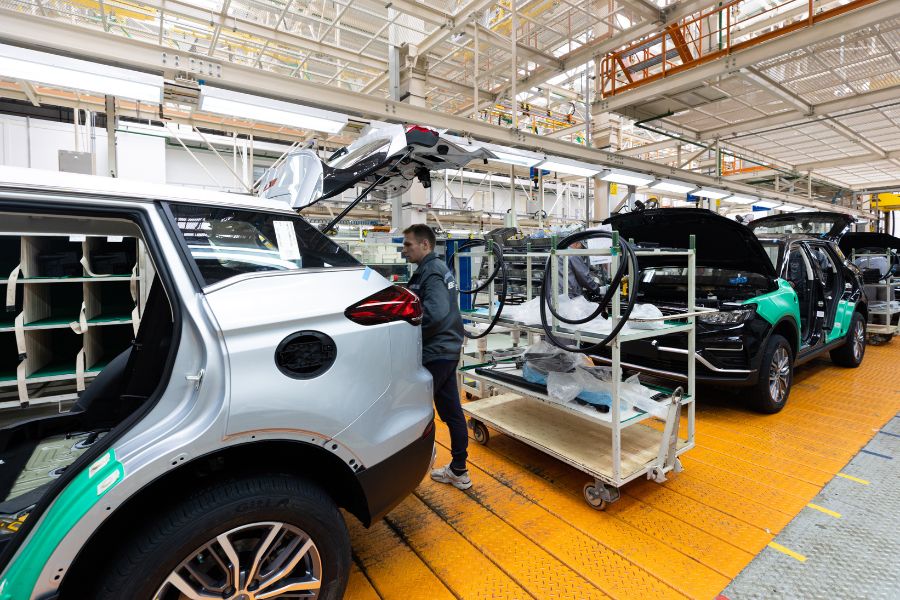
India’s auto components industry to reach US$ 200 billion by 2030
India’s auto component industry is emerging as a global contender, supported by cost competitiveness, skilled labor, and a growing domestic market. According to a McKinsey report, the sector is projected to reach US$ 200 billion by 2030, with exports expected at US$ 70–100 billion. Growth is fueled by rising domestic demand, increased vehicle penetration, and adoption of new technologies, alongside expanding electric vehicle (EV) and internal combustion engine (ICE) markets. Companies are also enhancing supply chain resilience through increased local production, diversified sourcing, and strategic shifts to low-risk, cost-efficient regions. With rapidly shifting global trade dynamics, India is emerging as a pivotal player in the auto component sector, supported by its cost advantage, skilled workforce, and expanding domestic market. A McKinsey report, “Shaping the Future of India’s Auto Component Industry amid Global Trade Shifts,” projects that the industry could touch the US$ 200 billion mark by 2030. The report notes that geopolitical and structural shifts are reshaping global trade, with US$ 12–14 trillion worth of trade expected to shift across trade corridors by 2035. Despite the disruptions, total trade is forecast to rise from US$ 33 trillion in 2024 to between US$42 trillion and US$ 45 trillion by 2035. Market outlook and growth drivers The Indian auto component industry has sustained a compound annual growth rate (CAGR) of nearly 10% over the last five years, fueled by domestic demand and expanding export opportunities. As per the report, with rising domestic and export demand, the industry is on track to reach US$ 200 billion by 2030. The McKinsey projects domestic sales to grow 7–8% annually through FY30, driven by rising vehicle penetration, greater parts usage per vehicle, and adoption of new technologies. On the export front, India’s auto component value is expected to reach US$ 70–100 billion by FY30. Two primary growth drivers stand out. The first is a US$ 20–30 billion export opportunity in internal combustion engine (ICE) components as global sourcing consolidates. The second is the rapid expansion of India’s electric vehicle (EV) segment, expected to grow at a 35% CAGR in line with the worldwide push toward electrification and connectivity. Together, these trends are expected to accelerate India’s integration into global supply chains. Supply chain diversification and strategic shifts The report notes that supply chain disruptions, including pandemic lockdowns, energy crises, and logistical hurdles, have prompted companies to accelerate diversification. In an uncertain landscape, companies are increasingly pursuing supply chain diversification strategies to build resilience. This involves three key approaches: boosting local production, expanding manufacturing facilities, and multi-sourcing & supplier diversification. Businesses are enhancing in-country manufacturing to minimize dependence on imported components. Indian Tier-I suppliers, for example, are partnering with the leading US rare earth producer to strengthen in-country manufacturing capacity. Globally, firms are relocating production capacity to regions that offer lower risk or greater cost efficiency. For instance, German component manufacturers are setting up facilities in Mexico, while Chinese battery makers are expanding into Southeast Asia. In addition, firms are moving away from single-source vendors and adopting a more diversified supplier base. For instance, a major Japanese battery producer is phasing out China-sourced materials in its products. A number of US and Japanese automakers have notably boosted component procurement from non-Chinese suppliers. Future outlook India’s auto component industry surpassed US$ 80 billion (around ₹7,06,246 crore) in FY25, with exports reaching US$ 23 billion (about ₹2,03,045 crore). The initiatives like the PLI scheme have already attracted over ₹29,500 crore in investments and created more than 45,000 jobs, while the PM-eDRIVE programme is set to accelerate India’s shift to electric mobility across two-wheelers, buses, and trucks. The government envisions positioning India as a global hub for smart, sustainable, and affordable mobility by 2030, powered by clean fuels and advanced technologies. Ongoing FTA talks with the EU are expected to open new avenues for growth, complemented by continued support measures like reducing GST on auto parts to 18%. Industry leaders agree that India has the potential not merely to participate but to take a leading role in the global auto supply chain. Conclusion With strong domestic demand, rising exports, and supportive government initiatives like PLI and PM-eDRIVE, India’s auto component industry is poised for transformative growth. By enhancing supply chain resilience and leveraging its cost and talent advantages, the country is not only set to strengthen its global presence but also emerge as a leader in the evolving global auto supply chain. Read more Auto components sector to achieve 7–9% growth in FY26 EV shift reshapes auto components industry FAQ Q1: What is the current size of India’s auto component industry? A: India’s auto component industry surpassed US$ 80 billion (around ₹7,06,246 crore) in FY25, with exports reaching US$ 23 billion (about ₹2,03,045 crore). Q2: What is the projected size of the industry by 2030? A: According to a McKinsey report, the industry is expected to reach US$ 200 billion by 2030, with exports estimated at US$ 70–100 billion. Q3: What are the key drivers of growth in India’s auto component sector? A: Growth is fueled by rising domestic demand, higher vehicle penetration, adoption of advanced technologies, expansion of electric vehicle (EV) and internal combustion engine (ICE) markets, and favorable government initiatives like PLI and PM-eDRIVE. Q4: How is India strengthening its auto supply chain? A: Companies are enhancing resilience through local production, multi-sourcing, expanding manufacturing facilities, reducing dependence on imports, and strategically relocating production to low-risk, cost-effective regions. Q5: What are the main challenges for the industry? A: Challenges include global supply chain disruptions, geopolitical uncertainties, energy shocks, and the need for diversification in sourcing and production.

Deepwater exploration and bamboo biofuel: India’s path to self-reliance
India has set its sights on energy self-reliance with a two-pronged strategy — launching the National Deepwater Exploration Mission to unlock offshore oil and gas reserves, and inaugurating the country’s first bamboo-based bioethanol plant in Assam. Together, these initiatives underline Prime Minister Narendra Modi’s vision of reducing import dependence while building a cleaner, more sustainable energy future. Prime Minister Narendra Modi has unveiled a sweeping push for India’s energy independence, launching the National Deepwater Exploration Mission to tap offshore oil and gas reserves while inaugurating the country’s first bamboo-based bioethanol plant in Assam. Together, the initiatives reflect a dual strategy: harnessing ocean wealth and promoting green fuels to cut import dependence, support farmers, and build a more sustainable energy future. What is the National Deepwater Exploration Mission? The National Deepwater Exploration Mission, described by Modi as Samudra Manthan, is designed to accelerate the search for oil and gas reserves hidden beneath India’s seas. It will focus on deep offshore areas such as the Andaman and Nicobar region, the Bay of Bengal, and the Kerala–Konkan basin. To achieve this, the mission will deploy advanced technologies including the MATSYA-6000 manned submersible, autonomous underwater drones, and state-of-the-art ocean mapping vessels. Recent developments highlight the seriousness of this initiative. India has already completed a 3D seismic survey over more than 1,000 square kilometres in the Kerala–Konkan basin, with several offshore blocks cleared for exploration drilling. The MATSYA-6000 submersible, capable of reaching depths of 6,000 metres, has successfully undergone integration and harbour trials, marking a milestone for indigenous ocean technology. The government is also planning to establish a dedicated corpus fund to support ultra-deepwater and frontier oil exploration, ensuring financial muscle for the mission. While the potential rewards are significant—reduced import dependence and greater energy security—the challenges are equally daunting. Deep-sea exploration is technologically complex, extremely costly, and fraught with environmental sensitivities. The government has emphasized that operations, especially in fragile areas such as the Andaman Sea, will proceed with caution to safeguard marine ecosystems. Assam’s bioethanol plant Complementing the offshore exploration push, Modi inaugurated India’s first bamboo-based second-generation bioethanol plant at Numaligarh Refinery Limited (NRL) in Assam’s Golaghat district. Built at a cost of nearly ₹5,000 crore, this flagship facility represents a breakthrough in renewable energy. It will convert around 500,000 tonnes of bamboo annually into ethanol, creating a reliable market for farmers and tribal communities in the Northeast and generating stable rural incomes. The plant goes beyond ethanol production. It is engineered to produce high-value co-products such as furfural and acetic acid, while also generating about 25 MW of green electricity from biomass. Modi highlighted that bamboo, once restricted by outdated policies that prevented its commercial use, has now become a driver of economic opportunity. To strengthen supply chains, the government is encouraging bamboo cultivation and the establishment of local chipping units. In the same visit, the Prime Minister laid the foundation stone for a modern polypropylene plant at NRL, an investment of over ₹7,000 crore. Polypropylene is a versatile material used in textiles, packaging, automotive components, and medical equipment. By anchoring such a facility in Assam, the government seeks to boost local manufacturing, create jobs, and advance both the “Make in Assam” and “Make in India” campaigns. Taken together, the ethanol and polypropylene plants form part of a larger package of ₹18,000 crore worth of projects in Assam, which also include healthcare and connectivity infrastructure. Towards energy independence India currently imports nearly 90% of its crude oil, creating a heavy burden on foreign exchange and exposing the economy to global price shocks. The combination of deepwater exploration and bamboo-based bioethanol reflects a deliberate twin-track strategy: securing new domestic fossil fuel reserves while simultaneously scaling up clean, renewable alternatives. This approach also balances national priorities. On one hand, deepwater exploration promises long-term gains in hydrocarbon security; on the other, biofuels and polypropylene offer immediate opportunities for rural development, industrial diversification, and sustainable growth. However, both initiatives carry responsibilities—deep-sea drilling must safeguard fragile marine habitats, while large-scale bamboo use must avoid overexploitation of natural forests. FAQs 1. What is the National Deepwater Exploration Mission (Samudra Manthan)?It is India’s mission to explore deep offshore oil and gas reserves in regions like the Bay of Bengal, Andaman Sea, and Kerala–Konkan basin, using tools like the MATSYA-6000 submersible and underwater drones. 2. How will the Assam bamboo-based bioethanol plant help?The ₹5,000-crore plant will convert 500,000 tonnes of bamboo into ethanol annually, create rural jobs, and provide farmers with steady income while producing green fuels and electricity. 3. What is the role of MATSYA-6000?MATSYA-6000 is India’s first manned submersible, capable of diving 6,000 metres to study the ocean floor and support deep-sea exploration. 4. Are there environmental concerns with deepwater exploration?Yes. Exploration risks disturbing marine ecosystems, especially near the Andamans. The government has promised strict safeguards and impact assessments. 5. What is the significance of the polypropylene plant in Assam?The ₹7,000-crore plant will make polypropylene for packaging, textiles, and auto parts, boosting local industry and “Make in Assam” initiatives.

GST cut on textiles boosts MSMEs, premium fashion takes a hit
India’s textile sector is set for a major reset as the 56th GST Council Meeting, held on 3 September 2025, unveiled sweeping reforms under the government’s Next-Generation GST framework. Effective from 22 September 2025, these changes promise to simplify tax structures, cut costs, and stimulate demand across the textile value chain—from artisans and MSMEs to exporters and global brands. While reduced GST on mass-market garments, fibres, and handicrafts has been welcomed as a game-changer, concerns remain over the higher tax burden on premium apparel. India’s textile industry has greeted the outcomes of the 56th Meeting of the GST Council, held in New Delhi on 3 September 2025, with optimism. The Council’s recommendations—part of the government’s widely publicized “Next-Generation GST Reforms”—are intended to simplify tax slabs, reduce costs for manufacturers, and stimulate domestic demand, especially in fashion and handicrafts. These reforms will be effective from 22 September 2025 Key changes for textiles & apparel Readymade Garments & Made-Ups: Goods priced at ₹2,500 or less per piece will be taxed at 5%, up from the previous ceiling of ₹1,000. For items priced above ₹2,500, GST rises to 18%, marking a jump from the earlier 12% slab. This change impacts stitched garments, lehengas, and other premium fashion wear. Man-Made Fibres (MMF) & Yarns: GST rates on MMF fibres have dropped from 18% to 5%, and on MMF yarns from 12% to 5%. These adjustments are meant to correct the inverted duty structure that long plagued synthetic textile manufacturers, especially smaller enterprises. Carpets, Handloom, Handicrafts & Sewing Machines: Carved goods such as carpets and various floor coverings (HS codes 5701–5705) will now attract 5% GST instead of 12%. Handicrafts and handwoven carpets (under HS 5705) now taxed at 5%, a move expected to benefit traditional artisans. Sewing machines (both industrial and domestic, HS 8452) will also see the rate reduced to 5%, supporting tailoring units and local manufacturing. Sudhir Sekhri, Chairman at Apparel Export Promotion Council (AEPC) shared his views with us stating: “We welcome the Government’s latest GST reforms. These GST reforms marks a big step in making India as a developed economy. These measures are progressive and forward looking as it will ease compliance, improve liquidity for exporters, and strengthen India’s textile & apparel value chain. Apparel industry hails it as a decisive steps towards boosting Make in India & enhancing export competitiveness. AEPC thanks the visionary leadership of Hon’ble Prime Minister, Shri Narendra Modi, for supporting the apparel and textile industry with simplified, industry-friendly measures.” Complementary reforms & mechanisms To make the rate cuts effective, the GST Council has also issued several facilitation measures: Simplified refund processes, especially for inverted duty structure and zero-rated supplies, using system-driven risk evaluation. Removal of the ₹1,000 threshold for small consignments via courier/post, easing compliance for small businesses and online sellers. A Simplified Registration Scheme for low-risk and small suppliers, especially those supplying through electronic commerce operators. Balancing heritage & market ambition These reforms align with India’s 5F formula—from “Farm-to-Fibre-to-Factory-to-Fashion-to-Foreign”—which aims to transform the country into a global textile powerhouse. The rate cuts for MMF, carpets, handicrafts, and yarns are expected to support India’s rural artisan ecosystem while reducing production costs and boosting exports. But the tax hike for higher-priced ready-made garments has raised concerns over affordability, especially for clothing items like lehengas or festive wear which often combine fabric cost, handwork, and embellishments. The government has noted that the higher rates apply only to “premium” apparel, where pricing exceeds ₹2,500, keeping most everyday garments in the lower bracket. Shobhit Bhushan, Managing Director at Fluidic Fashion Pvt Ltd welcomed the new GST reform stating – “The reduction of GST to 5% from 18% is a transformative step for the textile sector. It will significantly cut production costs, easing input and raw material expenses while improving profit margins and competitiveness. By making apparel up to ₹2,500 more affordable, it will also spur domestic demand, especially in the mass-market segment. For MSMEs, which form the backbone of our industry, the simplified structure reduces compliance hurdles and improves cash flows. On the global front, lower GST strengthens India’s export competitiveness, helping us move closer to the government’s vision of a $350 billion textile economy by 2030. However, the increase to 18% GST on garments above ₹2,500 could push prices upward in the premium category, raising concerns about affordability in this space.” A Snapshot: What to Watch, How It Affects Key Stakeholders Stakeholder Benefit Expected Likely Challenge Artisans & Weavers Relief from 12% tax; better market for carpets and crafts Must comply with HS code classification; benefit realization depends on supply chain transparency MMF / Synthetic Fabric Producers Cheaper input costs; aligned duty structure Global raw material prices may still drive overall costs Small Garment Makers Lower taxes on garments ≤₹2,500; bigger market outside major cities Higher taxes on premium garments; risk of undervaluation or classification issues Consumers Lower cost for most apparel and traditional textiles; price drops expected post-implementation Higher prices for “luxury” clothing; price signals need clarity The GST changes approved in September 2025 are, by many accounts, a landmark in reforming India’s taxation of textiles. They promise cost savings, rationalization of slabs, and stronger support for grassroots manufacturing and craft traditions. However, the increased tax on garments above ₹2,500 will require careful handling to avoid hurting the middle-class consumer and the premium fashion market. As these rules go into effect on 22 September 2025, vigilance will be key—businesses need to correctly classify goods under HS codes, update billing systems, and ensure that tax savings are passed on to consumers. The government has put in place complementary measures to ease the transition; now it’s up to stakeholders to make them count. Read more: GST overhaul 2025: Impact on fashion & textiles FAQs What are the new GST rates for textiles and garments under GST Reforms 2025?From 22 September 2025, garments priced up to ₹2,500 attract 5% GST, while apparel above ₹2,500 is taxed at 18%. GST on man-made fibres has been reduced from 18% to 5%,