
• The UK economy continues to face an ambiguous environment with respect to its membership with EU, and high risks to business and investor confidence • The UK is expected to join Italy as the slowest-growing economy in the EU by next year. • Bilateral trade between Britain and India stands at US$ 25 billion including services trade. India is an important trading partner and even after Brexit, UK-India trade relations are expected to get affected in a moderate manner. • The two countries can certainly explore an FTA, but only after UK’s position is clear vis-à-vis its exit from the European Union. The UK economy continues to face an uncertain future as far as its membership of the EU is concerned. Brexit remains a substantial drag on economic activities. A majority of forecasters anticipate risks to confidence and investment from the Brexit process, with consumerism remaining constrained because of weak wage growth. Consumer debt to GDP has been rising, buoyed by double-digit growth in unsecured lending. With banks pulling back from unsecured lending, the Bank of England worries this could weaken the resilience of the banking sector. Per capita income of UK is continuously declining in last three years from US$ 43,000 to US$ 39,887 at present. Sullen business investment, coupled with receding momentum in key trading partners such as the EU and US, will continue to restrain the economy. The robust labour market should cushion private consumption, while a more expansionary fiscal stance may also lend a helping hand. Otherwise, the economy of the United Kingdom is highly developed and pro market. It is the fifth-largest economy in the world measured by nominal gross domestic product (GDP), ninth-largest by purchasing power parity (PPP), and twenty second-largest by GDP per capita, comprising 3.5% of world GDP. The United Kingdom is the 10th largest export economy in the world and the 11th most complex economy according to the Economic Complexity Index (ECI). Macroeconomic Outlook of UK Population of UK 66.9 Million GDP per capita US $ 39,887 GDP US $ 2.62 Trillion GDP Growth Rate 1.9% in 2018, Expected 1.5% in 2019 Unemployment 4.5% Gini Coefficient for Income Inequality 35.7% Inflation 2.7% – 3% GDP by Sector (Agriculture, Industry & Service) 0.6%, 19.2% and 80.2% respectively The EU has finally set a deadline of October 31 for the UK to leave the economic block. The prospect of a no-deal Brexit looms large over the economy, with Bank of England monetary policy committee member Gertjan Vlieghe predicting a prolonged period of record low interest rates, collapse in demand and higher cost of imports due to a fall in pound value or imposition of tariffs. Brexit-related uncertainty has increasingly exacerbated the impact of a broader global economic slowdown. Risks also remain skewed to the upside as sentiment about the year ahead is worryingly subdued, suggesting the third quarter growth in UK could see businesses continue to struggle. The UK will plummet to the bottom of the European economic growth league next year to join Italy as the slowest-growing economy in the EU. Figure 1: Trade Snapshot of UK Trade basket of UK Exports of UK, in US$ million Imports of UK, in US$ million Total 487.07 Total 669.64 Machinery and mechanical appliances 72.23 Machinery and mechanical appliances 85.90 Automobiles 54.58 Automobiles 74.74 Gems and jewellery 47.40 Mineral oils and petroleum products 66.87 Mineral oils and petroleum products 43.76 Electronic products 63.50 Pharmaceutical products 30.01 Gems and jewellery 40.12 Electronic products 28.80 Pharmaceutical products 30.25 Optical and medical instruments 19.26 Plastics and articles 19.39 Aircrafts and space crafts 19.18 Optical and medical instruments 18.68 Plastics and articles 12.34 Articles of apparel and clothing accessories, knitted or crocheted 13.08 Organic chemicals 11.31 Articles of iron or steel 12.09 Source: ITC Trade Map, 2019 Export and import partners of UK Top importing partners of UK Top exporting partners of UK Germany 91.57 USA 65.31 China 63.37 Germany 46.74 USA 63.25 Netherlands 33.13 Netherlands 55.19 France 31.89 France 37.61 Ireland 28.18 Belgium 34.64 China 27.70 Italy 26.51 Switzerland 25.59 Norway 25.25 Belgium 18.94 Spain 21.15 Italy 13.97 Ireland 18.78 Spain 13.93 Source: ITC Trade Map, figures in US$ billion The economy of United Kingdom exports 363 products with revealed comparative advantage having value of Balassa Index more than 1. It dropped to 8th position in the World Economic Forum Competitiveness Index in 2018, with Brexit expected to further exert downward pressure on its attractiveness towards international trade. India-UK economic and trade relations India’s total trade with UK increased at a CAGR of 2.4% in last five years. India’s top exports to UK include gems and jewelleries, medicaments, waste oils, footwear, garments, turbojets, parts of aircrafts and spacecrafts, automobiles. On the other hand, India’s imports from UK include silver, gold, ferrous waste and scraps, diamonds, petroleum coke, turbo propellers and turbojets. India has traditionally maintained a trade surplus with the UK, with total exports at US$ 9.78 billion and imports at US$ 7.05 billion in 2018. IT and related professional services are by far the largest export from India to the UK. India therefore has a major interest in signing a bilateral social security agreement to ensure social security of its workforce. Medical tourism is identified as a key area of interest. Traditionally, India has been strong in medicine, ayurvedic treatments, Unani and Siddha fields. As India’s pharma industry moves from an emphasis on generics to being more R&D driven over the coming decade, policy clarity on clinical trial compensation particularly in determining causality of injury and costs and liabilities. Audio-visual services, such as in gaming & visual effects, and broadcasting, are seen as specific areas of opportunity. Also, India has comparative advantage in film content and distribution services, which definitely have a potential to increase export value in coming years. Ministry of External Affairs can play a catalyst here in promoting Indian films in UK, which have already marked their presence to an extent. Based on current as well as potential future prospects, the Indian

Agri-exports: In search of escape velocity
• India’s agricultural exports witnessed a strong resurgence during 2010-14, but have shown a mixed trend since then. • Despite government stressing on their importance, India’s agri-exports have normally been range-bound between US$ 35-40 billion over the past few years and even the sector’s share in total exports has remained in the range of 12.5-13%. • To take agri-exports to the next phase of growth, India will require a strong impetus to the food processing sector, besides focused attention on branding and quality standards. • The government may also need to reconsider its pro-consumer bias in farm products, as this can act as a disincentive for farmers in terms of exports. Even as agriculture remains a critical sector for the Indian economy employing 58% of its population, its economic contribution to India’s GDP is steadily declining. The gross value added by India’s agriculture, forestry and fishing is estimated at Rs 18.53 trillion (US$ 271 billion) in FY18. The government has been stressing on the need to boost agri-exports as a means to increase incomes of farmers in the country. However, India’s agri-exports have normally been range-bound between US$ 35-40 billion over the past few years and even the sector’s share in total exports has remained in the range of 12.5-13%. Most of India’s agricultural exports serve developing and least developed nations. Export and import trends in Indian agriculture from 1998-2018 When we look at data on agri-trade over the past two decades, we find that agri-exports were at quite low levels in the initial years, but they witnessed a strong surge between 2010-11 and 2013-14. Subsequently, they declined and bounced back again after 2015-16, but haven’t yet reached 2013-14 levels. Imports have shown an increasing trend since 2011-12, with a decline in 2017-18. During 2010-14, measures were taken to increase public investment and much-needed capital infusion in agricultural research and extension was facilitated. The government implemented schemes like Rashtriya Krishi Vikas Yojana (RKVY), National Horticulture Mission, National Agricultural Innovation Project and central support to state extension programmes. In addition, it allowed 100% FDI under automatic route in storage and warehousing, including cold storages and development of seeds. These initiatives helped increase agricultural exports by 5.1% YoY in 2013-14. Exports of marine products alone increased by 44.8% over the same period, as India has emerged as one of the largest producers of shrimp. Dairy, poultry, meat and fish products doubled their share in agricultural exports between 2008-09 and 2013-14. But this golden phase from 2004-05 to 2013-14, in which India’s agri-exports grew five times with a seven-fold increase in net agri-export surplus did not sustain. The sharp rise in real casual wages at more than 6% per annum during 2008-13 along with rising fuel and input costs had already begun to squeeze the profit margins of farmers from 2011-12 onwards. Between 2013-14 and 2016-17, agricultural exports fell by 22%, while imports increased by 62%. As a result, the trade surplus fell by 70%. On the import front, animal or vegetable fats and oils, particularly palm oil (US$ 5.49 billion in 2018) and soya bean oil (US$ 2.27 billion in 2018) and its fractions are a major reason for India’s trade deficit with partners like Malaysia, Indonesia, Argentina & Ukraine. Surprisingly, India is one of the largest producers of oilseeds, but it is uncompetitive in terms of processing costs. India should devise ways to process oilseeds at lower costs in order to attain self- sufficiency. Catalysing the next phase of growth Various factors have dragged down export growth in agriculture, including fall in international prices, unfavourable weather and loss of competitiveness due to currency movements. The most affected products were cotton, sugar and rice, which are major components of India’s agricultural export basket. Between 2016-17 and 2017-18, export growth witnessed an upward trend and imports declined in 2017-18. This increase was partly because India pushed processed food exports, especially in dairy products, pulses and Basmati rice, but huge potential is still left to be tapped. Food processing will undoubtedly be the key catalyst for value addition and driving the next phase of growth in agri-exports. India has to aggressively build its food processing infrastructure, attract investments and be a part of global value chains in agriculture, which has also been mentioned in the agri-export policy. This has to be coupled with a strong branding effort for the sector, which will help improve access for Indian exporters, especially in developed markets. Issues on SPS/TBT measures need to be constantly monitored and addressed, besides ensuring that the Indian industry aligns itself with stringent quality parameters of these markets. Export and import growth in select agri-products, 2001-2018 (2-digit) Code Product label Import CAGR (%) Code Product label Export CAGR (%) ‘TOTAL All products 14.52 ‘TOTAL All products 12.46 ’15 Animal or vegetable fats and oils and their cleavage products 11.92 ’10 Cereals 13.52 ’08 Edible fruit and nuts; peel of citrus fruit or melons 17.24 ’03 Fish and crustaceans, molluscs and other aquatic invertebrates 10.11 ’07 Edible vegetables and certain roots and tubers 3.72 ’02 Meat and edible meat offal 16.57 ’09 Coffee, tea, maté and spices 14.66 ’09 Coffee, tea, maté and spices 8.15 ’22 Beverages, spirits and vinegar 25.88 ’23 Residues and waste from the food industries; prepared animal fodder 8.01 ’17 Sugars and sugar confectionery 22.92 ’12 Oil seeds and oleaginous fruits; miscellaneous grains, seeds and fruit 10.12 ’23 Residues and waste from the food industries; prepared animal fodder 17.46 ’08 Edible fruit and nuts; peel of citrus fruit or melons 6.38 ’12 Oil seeds and oleaginous fruits; miscellaneous grains, seeds and fruit 19.28 ’07 Edible vegetables and certain roots and tubers 10.25 ’18 Cocoa and cocoa preparations 20.86 ’17 Sugars and sugar confectionery 7.19 ’13 Lac; gums, resins and other vegetable saps and extracts 13.73 ’15 Animal or vegetable fats and oils and their cleavage products 10.87 ’13 Lac; gums, resins and other vegetable saps and extracts 9.33 Source: ITC Trade Map A key challenge is the poor infrastructure, as
India-US solar dispute: What did India actually win?
• The solar panel dispute between India and US has more to the picture than trade protection, which the US has been advocating vehemently in recent years. • With declining global reliance on coal and oil, solar is gaining momentum as a cheap, stable, accessible and fairly distributed alternative. • India has won a case against US protectionism, but it provides little in terms of actual benefit to its domestic solar industry. • The government has to carefully consider the policy paradigm to improve the domestic industry to meet India’s own surging demand. In 2008, when India and US signed the landmark nuclear deal, their collaboration was lauded as the most strategic and definitive partnership of the 21st century. In July 2019, if you were to ask someone about the trajectory of this relationship, a definitive response would prove quite elusive. On one hand, the US has called on India for its greater and strategic role in Indo Pacific, facilitated the listing of Masood Azhar as a global terrorist and given special waiver to India on Iran sanctions in 2018. But on the other hand we have instances of GSP benefit withdrawal, constant attack on India’s trade and tariff policies at major forums and S400-related tensions. The current series of events indicates that America under Mr. Trump is delinking trade from foreign diplomacy. In pursuance of such a de-linked policy, the US has knocked on the doors of the WTO on a number of occasions against several of its allies, and naturally, India has also faced the wrath. The solar panel dispute between the two countries is one of them, where India recently won a case against the US at the WTO. The dispute has more to the picture than trade protection, which the US has been advocating vehemently in recent years. Solar panels, modules, etc. have seen both positive international collaboration e.g. International Solar Alliance and recurrent friction among many nations. With dwindling global reliance on coal and oil as a chief energy source, the world as a whole is exploring a cheap, stable, accessible and fairly distributed alternative (that minimises the effects of geo-political events in one region). With advancement in technology, solar energy may be termed as the potential alternative of the future. Hence, several nations are aggressively pursuing leadership of this industry and the unprecedented leverage it brings. In 2011, India launched the National Solar Mission with the goal of becoming a world leader in renewable energy advocacy along with accelerating the indigenisation of the domestic renewable energy sector. However in 2013, the US moved the WTO Dispute Settlement Body against India, accusing it of discriminatory treatment of non-domestic solar panel and module manufacturers through its mandatory domestic content requirement. Also, it accused India of providing subsidies to the domestic solar panel industry inconsistent with the WTO norms. India lost the case in 2016 and claimed to have withdrawn all the measures inconsistent with WTO. It called for bilateral discussion on the issue on several occasions, but none of the meetings bore any result. In 2017, US’ agenda note for DSB sought the permission for retaliatory trade sanctions on India. However, it was never pursued. Later in 2018, India moved the WTO against the states of Washington, California, Montana, Massachusetts, Connecticut, Michigan, Delaware and Minnesota of USA, accusing them of similar discrimination and subsidy support. Recently India won this case. No ‘spoils’ for India’s solar sector The most obvious implication is that India can apply retaliatory trade sanctions on US. However, if we look at the larger picture, India gets little more than a few brownie points. It has successfully exposed the irony of US’ trade offensive and challenges and provided India with strategic leverage. The verdict will boost the confidence of Indian side, in respect to the other cases that the US is pursuing against it, particularly on export schemes (primarily MEIS) at WTO. But considering that India’s solar device manufacturing industry has not been able to even meet the domestic demand, it looks like a pipedream for India to gain from this verdict in real terms in the near future. India’s total solar capacity as on 2019 is approximately half of the installed capacity of US (56 GW vs 25 GW according to ArsTechnica). India’s goal of 100 GW solar capacity by 2022 and its initiatives such as ISA stand as testament to its commitment towards solar energy in principle. However, the solar panel manufacturing industry has not been able to keep pace and hence our dependence on imports from China is increasing. A glance at the trade data of photosensitive semiconductor devices, diodes and transistors (solar panels, batteries etc.) reveals the lack of preparedness of the Indian solar device manufacturing industry. What is even more baffling is the concentrated nature of the dependence – more than 73% of the solar panel demand is met through imports from China. Over the years, India’s imports from China have seen a consistent rise, only witnessing a dip in 2018. Most of India’s solar manufacturing is concentrated on module assembly and wafer manufacturing. Till date, there are no companies involved in silicon production, which is a highly capital intensive activity, but a critical step towards indigenisation. Moreover, India had an annual solar cell manufacturing capability for just 3 GW in 2018, while the average annual demand is 20 GW. The government needs to boost the industry by bringing in public procurement that mandates 100% local manufacturing of solar panels. This will give entrepreneurs the confidence to develop much needed capabilities for manufacturing across the value chain.

Farm to Fork: Is agri-marketing the missing link?
• Over the years, India has transformed itself from a country grappling with the threat of food security to a leading food producer. • However, India has not been able to fully leverage the benefits of its agricultural revolution to emerge as a prominent player in international trade. • Agri-marketing needs to be integrated on a pan-India basis, and the Government must ensure widespread utilisation of the e-NAM platform. • Corporatisation of farming, adoption of uniform quality and packaging standards and branding Indian agri-products including GIs will go a long way in helping farmers tap domestic and global markets. For a country where agriculture contributes around 17% to the GDP & provides a source of livelihood for nearly 50% of the total workforce, its role in economic growth cannot be undermined. It is for this reason that the Indian government invested in technological advancements aimed at bolstering agricultural production. The green revolution engineered by Professor MS Swaminathan transformed India over the last few decades from a net importer of food grains to being a leading contributor to the global food basket. While India has made significant strides in establishing itself as the top producer for agricultural commodities like cereals, fruits & vegetables, cotton & jute; it has not been able to establish itself as a leading player in global agri trade. Instead, India’s agricultural imports are growing at a CAGR of 9.8% in the last five years, while export growth has been relatively sublime at 1.1%. Given the current scenario of Indian agriculture, the government has decided to set up a high-powered committee to recommend structural reforms to boost farm productivity and marketing. While most discussions in the past have focused on boosting agricultural productivity, we discuss the oft-neglected impetus on agri-marketing reforms. Commencement of agri-marketing in India The existence of a traditional market system in India goes back to its rendezvous with colonialism. Back then, fine Indian cotton was needed to keep the textile mills in Manchester running. Consequently, the Berar Cotton and Grain Market Act of 1887 were enacted. This empowered the British Resident to declare any place in the assigned district as a market for the sale and purchase of agricultural produce and form a committee to supervise it. The post-Independence period saw many states adopting regulated markets & setting up Agricultural Produce Market Committees (APMC). Over time, it was realized that regulated markets may not be the best solution for enhancing India’s agricultural trade. Market fragmentation, disparity in the density of regulated markets in different parts of the country, inadequate marketing infrastructure & high market fees are some of the daunting challenges faced by the farmers. Further, there are issues like cartelisation, existence of middlemen, high post-harvest wastages, restrictions in licensing, market information asymmetry & inadequate credit facilities. Need for agri-marketing reforms Time & again, it has been reported that the agri-produce cultivated by Indian farmers with their sweat and toil is rotting at the Food Corporation of India (FCI). But this post-harvest loss can be converted into a huge source of profit by value addition & converting them into products like pickles, sauces, biscuits, juices & jams. Further, technological & infrastructural bottlenecks (refrigerated transportation vans & cold storages) need to be addressed in order to enhance the shelf life of perishables like fruits & vegetables so that the produce does not go waste. NITI Aayog member Ramesh Chand further opines that agri-marketing should be brought into the Concurrent or Union list to benefit farmers. This will help in the successful execution of agricultural marketing on a pan-Indian level by facilitating market integration. Another step in this direction, as suggested by the Committee on Doubling Farmers’ Income, is to roll out the model Agriculture Produce Marketing Committee (APMC) Act 2017. This would create a single-point levy of taxes, promote direct interface between farmers and end-users, and give liberty to farmers to sell their produce to whomsoever and wherever they get better prices. The government should ensure more comprehensive implementation of e-NAMs (electronic-National Agriculture Markets) in order to dismantle the tyranny of APMCs. E-NAMs will go a long way in offering multiple go-to-market channels to the farmers by facilitating warehouse sales and reducing transportation costs. They will also allow traders greater market access & the opportunity to indulge in secondary trading. India will also do well to take a cue from other regions in order to revamp its agri-marketing structure. China has been reforming its agri-pricing support system since 2016 and has moved from price support operations to direct income support on a per-acre basis. States such as Telangana and Odisha, too, have introduced income support – a WTO compliant move – to support their farmers. Corporatisation of farming will be a critical step forward, as it will lead to better remuneration for their produce and greater alignment with the needs of the market. Besides remuneration, private companies provide farmers with invaluable knowledge on the right crop varieties to grow, inputs to use, etc. The government can take inspiration from success stories like those of potato farmers in Gujarat,who have engaged in contract farming by signing agreements with the likes of Pepsico and Balaji. Another area where India needs to pull up its socks if it wants to give impetus to international agricultural trade is ensuring uniform quality and packaging standards for its agricultural products. Cultivating crops that are acceptable according to the food safety norms (sanitary and phyto-sanitary measures) of regions like EU & US, will go a long way in boosting agri-exports. The government should invest in establishing agricultural commodities as brands in themselves through extensive global marketing campaigns. Geographical Indication (GI) status and its promotion is another potent strategy that must be leveraged to establish trust in Indian agricultural commodities in the eyes of the international consumers.

Union Budget 2019-20: New India drive amidst legacy pains
• The Union Budget 2019-20 endeavours to balance the objectives of short term economic stimulus with long term structural transformation of the economy. • Liquidity of Rs 70,000 crore is being provided to banks, and the government has resolved to support NBFCs with sound macroeconomic fundamentals. • MSME sector has been given a strong impetus with the threshold for 25% tax being increased from Rs 250 crore to Rs 400 crore, thereby covering 99.3% of all enterprises. • Focus has been given on sunrise sectors under Make in India including electric vehicles (EVs), semi-conductor fabrication (FAB), solar photo voltaic cells, solar electric charging infrastructure, etc. The Finance Minister Smt Nirmala Sitharaman read out the Union Budget 2019-20 on July 5, 2019, amidst concerns of a slowing economy, weak investment cycle and uncertain external environment. GDP growth fell to 5.8% in the quarter ending March 2019. Data by the Centre for Monitoring Indian Economy indicates that investments in new projects has fallen to a 15-year low for the quarter ending June 2019. Indian companies from both the public and private sectors invested Rs 43,400 crore in new projects in this quarter, a decline of 81% QoQ and 87% YoY. The IHS Markit India Composite PMI Output Index for the services sector dropped from 51.7 in May to 50.8 in June 2019, contracting for the first time since May 2018. In April 2019, sales of passenger vehicles plummeted 17% YoY to reach 247,541 units, the worst fall in the last 8 years. This sentiment is not just related to discretionary consumption. Even FMCG companies’ results show that volume growth has fallen substantially, and managements of these companies are concerned that this is not a short term aberration. Amidst this environment, the Union Budget 2019-20 has attempted to balance the short-term urgency of reviving growth with the long-term vision of structural transformation of the Indian economy. There is an emphasis on the poor, promoting entrepreneurship and livelihoods in the rural sector and boosting the digital economy. Exports have not been given the desired emphasis in the budget. In fact, the push towards external borrowings may lead to rupee appreciation and impact exports negatively in the short run. But the government has announced protection to sensitive sectors like cashew kernels, PVC, vinyl flooring, tiles, metal fittings, mountings for furniture, auto parts, certain kinds of synthetic rubbers, marble slabs, optical fibre cable, CCTV camera, IP camera, digital and network video recorders. The support provided to MSMEs and infrastructure would also have an impact on business competitiveness and consequently on exports. Following are some of the key initiatives announced in the Union Budget to boost investment and take forward the vision of New India. Encouragement to P-P-P investments Infrastructure is key to ease of doing business and ease of living for Indians, and the government is planning a holistic approach towards the development of multi-modal infrastructure in India including road, railways, waterways, metro connectivity, etc. The FM recognised the role of private sector investments to ensure successful and timely completion of priority projects in the infrastructure sector. She cited the instance of Railways, where the infrastructure investment would require Rs 50 lakh crore between 2018-2030. However, sanctioned budgets of Railways are only around Rs 1.5-1.6 lakh crores per annum. Therefore, the budget has proposed to leverage private investment to fasten the completion of tracks, rolling stock manufacturing and delivery of passenger freight services. The Government also plans to set up a Credit Guarantee Enhancement Corporation in 2019-20 and deepen the long term bonds market. It will also allow sale of FII/FPI investment in debt securities issued by Infrastructure Debt Fund (IDF)-NBFCs to domestic investors. The government will look at ways to increase retail participation in CPSEs, and open up more CPSEs for private sector investment with a target of Rs 105,000 crore by 2019-20. Furthermore, the government has shown its willingness to bring stake in public sector enterprises below 51%. Given that India’s sovereign debt-GDP ratio is among the lowest globally at 5%, the government is also looking at raising money in external markets and currencies. India will now look at being a part of the global financial system and leverage global savings in pension, insurance and sovereign wealth funds. FDI inflows have grown by 6% in 2018-19 to reach US$ 64.37 billion. This is a commendable performance considering that global FDI flows fell by 13% to US$ 1.3 trillion in 2018. To further boost investor sentiment, the FM has proposed 100% FDI for insurance intermediaries in the Budget. Opening of FDI in media (animation, AVGC) and insurance is also being explored. The government has promised to liberalise local sourcing norms for FDI in single brand retail. Boost to MSMEs and entrepreneurs The greatest impetus to the MSME sector in the Union Budget comes from the announcement to increase the threshold for 25% tax from Rs 250 crore earlier to Rs 400 crore at present. This will now cover 99.3% of all enterprises. The government has already brought in easier access of loans of upto Rs 1 crore to MSMEs in 59 minutes through a dedicated online portal. The allocation under Interest Subvention Scheme (2% subvention) has been increased to Rs 350 crore in 2019-20 for fresh or incremental loans. A platform is also being proposed to ensure smooth filing and disbursal of government payments to MSMEs, given that they form a major portion of MSME cash flows. Around 3 crore retail traders and shopkeepers with annual turnover < Rs 1.5 crore will be provided a pension benefit under a new scheme – Pradhan Mantri Karam Yogi Maandhan. Angel tax notices raised quite a furore in the startup community earlier this year. The government has assured that start-ups and investors who “file requisite declarations and provide information in their returns” will not be subject to scrutiny on the valuations of share premiums. The period of exemption on capital gains from sale of residential house for investment in startups has been extended to March 2021. For

“Free trade hasn’t gone off completely”
In this exclusive interaction with TPCI, Dr Amita Batra, Professor, Centre for South Asian Studies, talks about the impact of tariff barriers on international trade, free trade, the threat to the WTO and how India can cope with the growing threat of protectionism. Q: A recent WTO Report suggests that G20 members have imposed 20 new trade-restrictive measures between mid-October 2018 and mid-May 2019. Although these countries have adopted some trade facilitating measures too, trade restrictions among G20 members have been continuing at historic high levels. What are the major trade barriers, according to you, that are impacting growth in international trade? Amita Batra (AB): The report very clearly states that it is the tariff barriers that are mainly and predominantly impacting international trade presently. But it doesn’t necessarily talk about higher non-tariff barriers as far as the trade scenario is concerned. The big thing is that in terms of the trade barriers having increased – as far as the US is concerned, plus other countries have also simultaneously raised their tariff barriers. So, the larger proportion of the total barriers impacting trade presently is basically in terms of higher tariffs. Q: What are the likely repercussions of major events like the US-China tensions & Brexit on the world trade? AB: As far as the world trade is concerned, the projections are for much lower rate of growth in 2019. Even the earlier growth projection of 3% has been revised by the WTO recently to about 2.6%. That’s less than the earlier predicted low rate of growth. So, the rate of growth of trade is lower, trade has slowed down and it is not expected to pick up till about 2020. Hence, the prognosis is of lower trade growth. In that, the US-China trade is going to further impact the slowdown; that’s one of the reasons for lower trade. But there is also the impact that we will see in terms of relocation of certain value chains and the interference with certain value chains on account of higher tariffs by the United States as well as the retaliatory tariffs by China. More recently, of course, things have changed, since we have seen the G-20 summit and the Joint statement coming out with a very positive outcome that US has agreed to put a halt to further increase in tariffs for now. But otherwise, there is the impact that trade is slower, the value chains interrupted will further slow down trade as well as growth for many companies. There will be a revisiting as far as many large corporations are concerned in terms of relocating some of their units & segments of production away from China to other countries. But how far will this go & how much these value chains will unravel to relocate elsewhere will happen over time, so we don’t know the full impact as yet. But one can take it for sure that this is happening & this will happen in the sense of interrupted value chains impacting trade patterns and volumes over time. But even now if the US & China are able to somehow or the other come to a positive deal, things may not go very far. The positive deal has repercussions, both in terms of trade & technology. The Huawei buying of technology is also linked with that. So, all of these are interlinked – whether it is the trade war, or the trade war translating into a technology war. For now, therefore, we wait and watch what happens over the next couple of months in the context of US-China trade interactions. Q: In your opinion, is there a clear shift from liberalism & free trade to protectionism & unilateralism? Why/why not? AB: There’s a shift from, let’s say, from multilateralism to unilateralism & bilateralism because the United States has started looking at everything in a bilateral context. They are not using the WTO; they are flouting the WTO’s norms. Since multilateralism has weakened, one would say the rules and global framework that govern trade through the WTO body have weakened. Though there are some questions that remain and must be dealt with, such as the impact of the free trade on the losers as trade has both winners & losers. The impact on the losers has come to the fore, as it has been brought out by the US president in his many statements. So the question is how do you deal with the losers, how do you compensate those who are losing out in the trade process. And, for now there is also a rise in protectionism on account of what the US is doing because of their “America first” objective and in the context of this, their focus on bilateral deficits to be sorted out on a bilateral basis – which is not really what trade theory asks you to do. Trade theory focuses on looking at the overall trade deficit; not bilaterally so. But it has reached a point that protectionism & protectionist instruments are being used to a large extent. But we can’t say that free trade has gone off completely & it’s going to be taken over by protectionism; because that is not workable in an interdependent world where almost all production is highly connected through value chains. Q: Has WTO failed in its mandate as a multilateral trading platform which can resolve trade disputes & ensure smooth trade? Are there any reforms that you would like to suggest to address the issue? AB: To a large extent, the WTO has not fulfilled its objective in terms of the Doha Round in terms of catering to the interests of the developing countries – agriculture, subsidies, so on & so forth. But to say that it has failed – I would not say so because the dispute settlement mechanism has been the strength of the organisation and a lot of developing countries experiencing unfair trade practices could approach the WTO & could get their issues resolved. It

Product Profile: Power banks
HS CODE: 85044030 (Battery Chargers) • The global power bank market exceeded a value of US$ 9.2 billion in 2018 and is expected to reach US$ 26.4 billion by 2023. • India’s exports of batteries, of which power banks are a subset, have grown at a CAGR of 46% over the past five years. • China, Viet Nam, Germany, UAE and US are the major export destinations for India in this sector. • However, Indian companies are largely engaged in assembly, and heavily dependent on China for raw material and design. Digitisation has made individuals reliant on a number of electronic gadgets for a comfortable, smooth and convenient life. A huge demand for compact electronic gadgets such as laptops, smartphones and tablets has driven the growth of the global power bank market. Apart from this, the advent of 4G and 5G networks and steady proliferation of internet services have made these devices moderately efficient in terms of power consumption. This has created a massive demand for power banks across the world, thereby stimulating market growth. Power banks are electronic devices, which act as reservoirs for battery backup, storing energy from the input source and venting it out as and when required. They have garnered immense popularity across a digital-hungry world due to their distinct characteristics – fast charging, durability, portability, multiple sockets, low cost, etc. In case of a prolonged power outage or unstable electricity supply, power banks save the device from turning off. Apart from that, the introduction of power banks with hydrogen and solar cells is expected to broaden growth prospects. Market Segmentation According to product type, the market has been bifurcated into battery cases, portable power banks and solar power banks. Currently, portable power banks lead the market, holding the largest share. On the basis of battery type, the market has been segmented into Lithium-ion and Lithium-polymer. Power banks come in a number of ranges, including below 3,000 mAh, 3,001 mAh-8,000 mAh, 8,001 mAh-20,000 mAh and above 20,000 mAh. Based on the application in the electronic device market, the major segments include smartphones, tablets, portable media devices and others. The Indian power bank market is projected to reach US$ 250 million by 2023, exhibiting a CAGR of over 16% during the forecast period, on the back of growing government initiatives aimed at aiding the manufacturing sector and technological advancements leading to reduction in lithium-ion battery cost. Moreover, demand for power banks is anticipated to increase from consumers who travel for long hours and need to charge their devices on the go. China, Viet Nam, Germany, UAE and US are the major export destinations for India. Exports of batteries from India, of which power banks are a subset, surged with a whopping growth rate of 45% in the last five years. North America is one of the major contributors to the power bank market in terms of revenue, owing to in the rising need for laptops, smartphones and tablets across various industry verticals. To further add to this, increase in user base of smartphones and tablets globally drives the growth of the power bank market. Moreover, technological advancements such as use of solar cell and hydrogen cells in power banks are expected to offer lucrative opportunities to the market in North America. In addition, introduction of advanced technology such as digital watches is anticipated to boost the demand for power banks in future, thereby propelling market growth. Also, it is an excellent opportunity for countries to grab the market for power banks through global value chains. India’s competitiveness needs to expand While India has emerged as a net exporter of power banks on the surface, it needs to address some critical challenges to strengthen its competitiveness. The first pertains to the raw material. Lithium ion batteries are portable, scalable and can be located at or near where their energy is consumed, avoiding the need for extensive electrical grid upgrades. Lithium-ion batteries have significant pragmatic advantages over other battery sources. They have more energy density and a longer cycle life; can charge and discharge faster than other storage alternatives, supply applications requiring high current and also require less maintenance. Furthermore, they can be manufactured and deployed faster; and can be mass produced leveraging existing technologies. While other electrical storage solutions such as vanadium flow batteries, lead-acid batteries and salt-water batteries also exist commercially, none of the alternatives have the versatility of a lithium-ion battery. Approximately 90% of lithium reserves are with Chile, Bolivia and Argentina and despite this, China is the largest exporters of lithium batteries as they have the requisite technologies and sourcing arrangements. These Chinese firms are physically present in Latin American countries and utilize domestic resources to extract lithium and further process it. India has not made a similar push in this area. The enormous surge in India’s exports of batteries is partially due to rising wages in China. Thus, the labour-intensive work is being done in India, which is then designed in China. So, Indian companies are not relatively competitive and are engaged in assembly, for which C-DAC is planning to collaborate with the industry. Hence for India, it becomes crucial to intensively expand its engagement across the value chain in power bank manufacturing, if we want to be a greater part of the US$ 26.3 billion market in the coming five years.
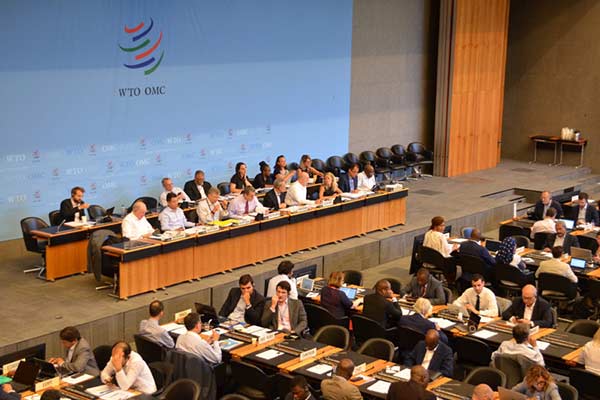
Trade protectionism: Can the juggernaut be stopped?
• Data indicates that the current wave of trade protectionism is not new, and has been in existence since the global financial crisis in 2008. • The proliferation of trade distortions implemented by G20 members since their leaders last met is broad-based and not exclusively a Sino-US affair. • Developing countries like India face a deadlock on several key issues, including non-tariff measures, agriculture protection and unilateral action by developed nations • A meaningful reset for the WTO requires a new work programme that reverses the build-up in discrimination against foreign commercial interests Backtracking from the trade liberalisation agenda is not a nascent phenomenon. While the US is currently leading in terms of trade protectionism actions through tariff escalations, there is abundant evidence that it is pervasive across many countries. Global Trade Alert (GTA) data reveals a significant reversal in trade liberalisation since the global financial crisis 2008, and especially since 2011. Compared to earlier years, there has been a marked increase in trade protectionism worldwide in the aftermath of the last G20 Leaders’ Summit. Cognizant of the limited bandwidth to follow trade policy developments, perhaps some governments and those that lobby them have concluded that they can tilt the commercial playing field with greater flexibility. According to the above graph, harmful interventions have been more actively implemented than liberal policies over the past decade. Tariff changes are amongst the easiest trade policy changes to spot. Raising them to please domestic constituencies is plain for all to see. Other government policies in the realm of protectionism can have a much lower profile, which makes for interesting analysis. Since the last WTO Ministerial Conference in December 2017, trade officials have been struggling to take forward a number of unrelated, incremental initiatives. There is no apparent organising logic, nor any systemic perspective. During the short span between December 1, 2017 and April 15, 2018, the Chinese and American governments were responsible for a much larger percentage of G20 protectionism (42%). The proliferation of trade distortions implemented by G20 members since their leaders last met is broad-based and not exclusively a Sino-US affair. Since 2008, countries topping the list of trade protectionism are the US (1,200 measures) followed by India (730), Russia (610) and Argentina (480). The number of anti-dumping initiations rose to a high of over 360 in 2018, nearly double the count seen in 2011. Conversely, the number of regional trade agreements, which saw a continuous rise post the Asian financial crisis in 1997-89 to reach a peak of 34 in 2008, declined sharply to a modest 8 in 2018. Importantly, the major chunk of protectionist measures does not comprise tariff measures. Approximately 70% of the G20 restrictive measures are in the form of export measures, mostly tax-based, followed by trade finance, import tariffs, subsidies (17%, including export subsidies) etc. Bridging the gaps It may be useful to recollect that the WTO replaced the General Agreement on Tariffs and Trade (GATT) as an international organisation mainly to overcome frictions over trade interests. The economies of the developing and less developed world (with little bargaining power) were unable to gain market access in most of the developed economies (which were influential in negotiations), especially when it came to agricultural commodities. The deadlock on the issue of agricultural trade negotiations, first in the late 1980s and then in 2017, was no surprise. The disagreements between developed countries (the European Union and the US) and developing countries (Malaysia, Brazil and India) to reorient the farm regime in their favour continue, thereby threatening the WTO’s comprehensive development agenda. The expectations of developing countries from trade also get belied due to sizeable support by the developed nations to their farmers in a situation of market failure and other uncertainties. The support through subsidies tends to bring distortions in commodity prices. The Organisation for Economic Cooperation and Development estimates the quantum of subsidies by developed nations to vary from US$ 300-325 billion annually, which is much higher than that estimated for developing countries. This has become a bone of contention in trade talks as farm lobbies in the US, Europe and Japan have steadily exercised political clout to influence officials and lawmakers to continue giving subsidies to farmers. Another point of concern is that developed countries design and implement stringent non-tariff measures (NTMs), which exacerbate the problems faced by poor countries that are willing to export. NTMs significantly add to the cost of trade. However, the costs of acquiescence with many NTMs are asymmetrical across exporters because compliance depends on production facilities, technical know-how and infrastructure — factors that are usually inadequate in developing economies. These countries are, therefore, unable to compete in international markets and hardly gain from sectors with comparative advantage such as agriculture, textiles and apparels. Developing countries are willing to break the deadlock on these issues and are preparing a common ground to alter the mandate of the global trade body. India, in particular, seeks amendment of laws on unilateral action by members on trade issues and a resolution of the WTO’s dispute settlement system. The expectation is that the meeting may lead to policy guidance on issues such as global norms to protect traditional knowledge from patenting by corporates, protection through subsidies, e-commerce, food security and continuation of special and differential treatment to poor economies. A meaningful reset for the WTO requires a new work programme that reverses the build-up in discrimination against foreign commercial interests witnessed, since the global financial crisis began. The time is opportune for developing countries to voice their concerns and push for a stable and transparent environment for multilateral trade. India must do its homework to focus on the unresolved issues and address the newer ones, which are of interest to developed nations, mainly investment facilitation. The WTO needs to be sustained as countries need an international platform to formulate trade rules and bring convergence on divergent matters.
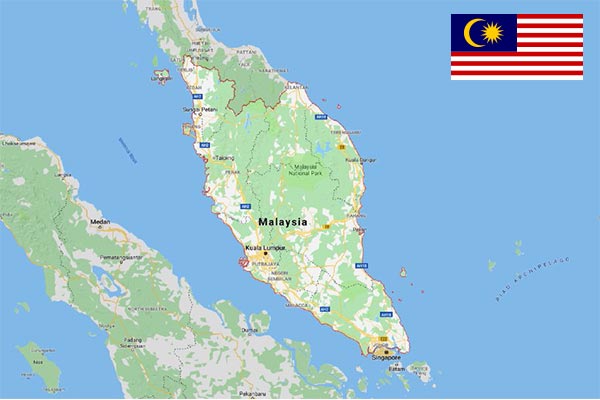
Country Profile: Malaysia
• Openness to trade and investment are core to Malaysia’s economy, with around 40% of employment linked to export activity • India has a high trade deficit with Malaysia at present, primarily due to imports of mineral fuels and edible oils. • Palm oil imports and re-routing of cheap imports of steel, aluminium and copper from Malaysia are major concerns in the bilateral relationship. • Due to low complementarity and pre-existing trade agreements between the two economies, prospects of gains from RCEP are relatively low. Malaysia is one of the most liberal economies in the world, with a trade-GDP ratio averaging over 134% since 2010. Openness to trade and investment have been key in employment generation and income growth, with about 40% of jobs in Malaysia linked to export activities. After the Asian financial crisis of 1997-1998, Malaysia’s economy has recovered remarkably with a GDP growth of 5.4% since 2010, and is expected to transition from an upper middle-income economy to a high-income economy by 2024. With an estimated current population of 31.9 million, Malaysia is among the relatively developed nations in Southeast Asia. By 2021, the population will increase by 5.4% to 33.3 million, and 78% of the population will reside in urban areas. Malaysia’s per capita GDP is expected to increase from US$ 25,655 to US$ 29,831 in 2021, and middle-class households are forecast to rise from 5 million in 2016 to 6 million in 2021. Macroeconomic Parameters GDP of Malaysia at nominal prices US$ 314.9 billion Population of Malaysia 31.9 million GDP per capita US$ 9,650 at nominal prices Ease of doing business 24 Logistics performance index score 3.73 No of NTM affected products at HS six digit 2,556 Trade to GDP ratio 134% Poverty Less than 1% In the past three decades, Malaysia has successfully truncated high poverty rates and reduced income inequalities. Following the removal of broad-based subsidies, the government has gradually moved towards more targeted measures to support the poor and vulnerable, mainly in the form of cash transfers to low-income households. Malaysia’s near-term economic outlook will be more dependent on government measures to sustain private sector activity as an increasingly challenging external environment reduces opportunity for export-led growth, and reduced fiscal space limits the scope for public investment-led expansion. Over the longer term, as Malaysia converges with high-income economies, incremental growth will depend less on factor accumulation, and more on raising the level of productivity. While significant, Malaysia’s productivity growth over the past 25 years has been below several global and regional peers. India-Malaysia relations Malaysia is India’s third largest trading partner in ASEAN after Indonesia and Singapore. India is the largest trading partner for Malaysia among countries of the South Asia, excluding China. To facilitate trade in merchandise goods, both countries have offered ASEAN Plus commitments and in Trade in Services, both sides have exchanged GATS Plus offers, signalling a strong favourability towards enhancement of trade ties. Malaysia seeks strong expertise in a variety of services areas, which includes accounting and auditing, architecture, engineering services, medical and nursing and computer-related services. India has an edge in these segments, thus providing an opportunity to escalate the services trade. India’s imports from Malaysia include petroleum oils, palm oils, copper wire, unwrought aluminium and data processing machines. On other hand, India’s exports to Malaysia include aluminium, hydrocarbons, meat, cotton, onion, zinc and pepper. Table: India-Malaysia bilateral trade Source: ITC Trade Map, 2019 India has a negative trade balance with Malaysia primarily due to our imports of mineral oils and edible oils. On the positive side, India’s exports to Malaysia increased by 24% from 2016 to 2018, while imports surged by 9%, signalling an augmentation in trade figures. Agri-products are a major area of export potential for India. It has strengthened its position as a net food exporter with a consistent trade surplus in food and agricultural products, though the country remains susceptible to production and price shocks for various commodities. The food processing sector has been growing at an average rate of 8% per annum in the last two fiscal years. Some of the top potential agri-products for exports to Malaysia are semi or wholly-milled rice (potential of US$ 190 million); shrimps and prawns, frozen (US$ 137 million); onions and shallots, fresh (US$ 59 million) and pepper (capsicum or pimenta), dried, crushed or ground (US$ 51.5 million) according to ITC Export Potential Map. Top agri imports by Malaysia, In US$ million Code Product label 2014 2015 2016 2017 2018 Total agriculture AGRI 16507.82 15454.08 14537.09 15101.02 15983.57 180100 Cocoa beans, whole or broken, raw or roasted 916.78 691.99 653.92 694.20 791.22 170114 Raw cane sugar 893.51 640.71 792.07 885.39 683.29 210690 Food preparations 642.96 599.19 638.94 589.97 650.95 230400 Oilcake and other solid residues 786.99 576.85 457.53 606.21 589.91 100590 Maize (excluding seed for sowing) 542.17 469.45 422.71 528.04 545.78 020230 Frozen, boneless meat of bovine animals 463.48 487.80 440.66 466.30 462.98 100630 Rice 488.09 533.15 375.80 342.62 404.05 100199 Wheat and meslin 257.88 232.34 245.59 248.36 307.64 100510 Maize seed for sowing 419.29 302.90 288.43 209.03 277.04 151110 Crude palm oil 225.87 432.80 128.85 208.89 275.00 Source: ITC Trade Map, 2019 India’s exports of agri products to Malaysia HS Code Commodity 2018 20230 Boneless meat 363.62 70310 Onions and shallots, fresh or chilled 93.8 90421 Fruits of the genus capsicum or of the genus pimenta: dried, neither crushed nor ground 42.93 120242 Groundnut 39.77 100630 Semi/wholly milled rice w/n polished/glazed 38.93 30354 Mackerel frozen 15.32 210111 Extracts and essence of coffee 14.89 030499 Other sea product 13.05 90921 Seeds of coriander: neither crushed nor ground: 12.73 90931 Seeds of cumin, neither crushed nor ground 11.03 Source: ITC Trade Map, figures in US$ million India and Malaysia have entered into two trade agreements, which allow lower tariff rates already –India and Malaysia Comprehensive Economic Cooperation Agreement (CECA) and India-ASEAN FTA, which involves eleven countries. The CECA is a single undertaking covering goods, services, investment and other areas of

Data & e-commerce: Protecting the gold of the 21st Century
• According to Indian experts, developing countries do not possess any chance of reaping benefits from global e-commerce policy draft document. • The inclusion of data localisation in India’s own draft e-commerce policy has been strongly contested by companies like MasterCard, Facebook and Google. • With a 1.3 billion strong consumer base, India provides an immense business prospects for foreign digital products, thus it is impossible for India to give a green signal on the removal of data localization clause and sharing it across borders. • Premature assent to global e-commerce rules would not be a sensible, especially since these are driven by the interests of large corporates. Factually, India did not sign any regional trade agreement in last five years, and this is attributable to a number of reasons. There are several regional trade agreements, which are still being negotiated like RCEP, India-Australia CECA (comprehensive economic cooperation agreement), India-EU and India-Brazil. Some trade policy experts support trading off merchandise trade vis-a-vis service trade. According to these experts, it is absolutely feasible to open our markets in return for our services exports. There is no doubt about the competitiveness of some of India’s services exports like ICT, healthcare, education and other business services. But since it is non-tangible, especially through mode 4, there might be some reservations on this very idea. This approach is anticipated to get repeated in the coming years with respect to e-commerce policy negotiations. Since India is not a part of global e-commerce policy discussions and has decided to frame its own e-commerce policy, there will certainly be discrepancies that will show up on negotiating tables in the coming years. According to Indian experts, developing countries do not possess any chance of reaping benefits from global e-commerce norms being discussed by a limited group of 75 nations. India’s concern stems from the absence of a domestic policy as well as free data flow being pushed by the US and Europe. Moreover, Indian policy makers are also skeptical vis-à-vis the impact on developing and least developed countries, as the draft global e-commerce policy has a mandate to lower duties and ease restrictions on services trading. Another issue that has rankled developed countries, particularly the US, is the data localisation requirement, which is the most vital concern for India. Data: A national treasure In the context of e-commerce, data is any specific type of information transformed into a binary digital format that is feasible and effective to store, process and transfer across various devices, platforms, borders and servers. Data is a valuable resource for any individual, entity, corporation or a Government. It has a real and quantifiable value, that can be utilised to aid decision-making and strategising for that particular organisation. Data engendered by activity in one domain or sector can facilitate a competitive edge for a new opportunity in another sector or domain. Monetisation of data is a lucrative business model adopted by many corporations to generate profits by analysing, processing and utilising data. Thus, access to data has developed as a foremost factor of success for an enterprise in the digital economy. Developed nations like the US have called for a “non-discriminating” approach in the treatment of digital products, which is seconded by economies like South Korea and Singapore. With a consumer base of 1.3 billion, India provides immense business prospects for foreign digital products. Thus, it is impossible for India to give a green signal on the removal of the data localisation clause and sharing it across borders. Data is at the core of India’s new e-commerce, as it can unite other developing countries to strengthen India’s position at WTO. Draft E-Commerce Policy The government seems to be stepping cautiously on the matter, given US opposition to the proposed data localisation norms. A number of MNCs like MasterCard, Google, Facebook, etc. have strongly protested against this clause. In light of the surging importance of data protection and privacy, the National E-commerce Policy aims to control cross-border data flow, while enabling sharing of anonymous community data; e.g. data collected by IoT devices in public spaces like automated entry gates or traffic signals. Categories like data not collected in India, data flows through software and cloud computing services, B2B data shared among business entities under a commercial contract and data shared internally by MNCs are exempted from restrictions on cross-border data flows. Localisation rules are also stringent in countries like Germany, Russia and Nigeria. In China, regulation covers ‘critical information infrastructure’ on all aspects of daily life, and not just personal information. The e-commerce rulebook got squeezed for companies with foreign investment, compelling players such as Flipkart, Amazon, Walmart and others to rework their business strategies in the country. The e-commerce draft policy is still in the discussion phase and will be finalized in a year. Due to the sensitivity of stakeholders related to e-commerce, the Government of India pulled back the initial draft released in February. E-commerce presents a huge opportunity for India to empower 70 million SMEs and make them an integral part of its digital economy. India is expected to be one of the largest destinations of commercially useful data in the world. Digital data in India is expected to reach 2.3 million petabytes in 2020 (1 petabyte = 106 GB) compared to 40,000 petabytes in 2010. Furthermore, the existence of ‘network effects’ signals that in the era of data, the larger the number of firms, the greater the access to potential sources of data and the likelihood of its successful utilisation. It’s indispensable for India to leverage data as an instrument for future negotiations instead of just giving it away to giant economies. UNCTAD has also warned developing nations against premature commitment to e-commerce rules, stating that influential actors in this debate are driven by ‘narrow business interests’.