• Vietnam and EU have signed a bilateral trade and investment agreement on June 30, at a time when global trade is suffering a setback due to rising protectionism. • The deal is expected to further increase Vietnam’s trade surplus with EU, which stood at US$ 28.7 billion in 2018. • The Vietnamese apparel sector is expected to gain the most, but tough rules of origin and long tariff elimination periods would mean delayed gratification for exporters. • EU will benefit from simpler regulations and greater protection for its GIs, but could face challenges due to corruption and the backlash from state-owned enterprises. In an era where ‘market access’ appears to have become a closely guarded national asset, ‘liberalisation’ is under siege, and the ‘developed’ vs ‘developing’ debate is getting all the more polarised; there is a desperate need for positive news. And the world got exactly that when the European Commission and Vietnam signed a bilateral Free Trade Agreement on June 30, 2019. It is hailed by the EC as its most ambitious free trade agreement with an emerging economy till date. The deal will lead to elimination of nearly 99% of customs duties between the two partners, and needs to be ratified by the European Parliament and the Vietnamese National Assembly. Like other major FTAs, this agreement has come after years of difficult negotiations, particularly due to Vietnam’s human rights record. The agreement also includes clauses on IP, labour rights and environmental regulations. Vietnam has shown a strong commitment to export-led growth roadmap, with around a dozen free trade agreements, including the Comprehensive and Progressive Agreement for Trans Pacific Partnership (CPTPP). It expects strong gains from the agreement with EU, due to a strong trade surplus. Its exports to EU stood at US$ 42.5 billion in 2018, compared to US$ 13.8 billion of imports. The government expects a gain of 20% in exports to EU by 2020, while imports are expected to increase by 15.3% during the period. Furthermore, Vietnam has been quite adept at leveraging FDI to push itself up the manufacturing value chain, and this FTA will help improve investments into manufacturing. EU-Vietnam trade has grown at a brisk pace over the past decade from € 7.6 billion in 2004 to around € 54.6 billion in 2018. As a result of the agreement, Vietnam will liberalise 65% of import duties on EU goods immediately, while the rest will be removed over a period of 10 years. EU on the other hand will eliminate its duties over a 7-year period. EU has negotiated longer liberalisation periods of 7 years for some of the products that are sensitive for its companies like textile, apparel and footwear. EU will provide access on sensitive products like rice, sweet corn, garlic, mushrooms, sugar and high-sugar-containing products through tariff rate quotas (TRQs). Vietnam has agreed to remove over 90% of export duties for its products. The largest export for Vietnam to EU is electrical machinery and equipment, with exports standing at US$ 20.2 billion in 2018. A number of global electronic manufacturers are shifting their production base to Vietnam. Samsung Electronics produces over half its mobile phones there. However there is still a long way to go for Vietnam to match the likes of Malaysia, as it is still largely involved in low cost assembly. The sector that is expected to gain the most from Vietnam’s perspective is RMG. Garment exports of Vietnam to EU reached US$ 5.05 billion in 2018 (chapters 61 and 62). Vietnam has gained tremendously from the declining competitiveness of China in this sector due to its low labour costs. Currently, EU sources 50% of textiles, garments and footwear from China and only 8% from Vietnam, making potential gains from an FTA quite lucrative. The catch here is that it depends heavily on imports of primary materials and components. But with this agreement in place, Vietnamese garment exports will only benefit if the fabric is also manufactured within its own borders. One clause where EU has been particularly strict is on rules of origin for textiles, ostensibly to prevent an onslaught of products from China. This defies the shift towards global and regional value chains on one hand, and also means delayed gratification for Vietnamese exporters; since they will have to invest in an end-to-end production network. Another flip side of the agreement is for Vietnam’s 2,000 state-owned enterprises, which own around 40% of the economy. Vietnam will have to adopt a policy of non-discrimination, which will allow EU firms to bid for contracts in infrastructure, railways, power generation, etc. EU businesses will also benefit from the removal of a significant non-tariff barrier in Vietnam – the Economic Needs Test (ENT) that they would otherwise have to undergo before opening a retail outlet. Vietnam will remove this clause within 5 years. Moreover, 169 European food and drink goods will benefit from the strong GI protection under the agreement. Products like Champagne, Roquefort cheese and Scotch Whisky will only sell if they are originating from their respective regions. Furthermore, EU is looking at the larger picture, wherein an agreement with Vietnam could pave the way for a larger agreement with the ASEAN region. So far, the two sides have struggled to build consensus on this front. But EU businesses will remain wary of the fact that Vietnam remains a considerably difficult country to do business owing to the high levels of corruption. It was ranked 117th out of 180 countries on Transparency International’s Corruption Perception Index. Moreover, they risk facing a strong backlash from the SOEs and public sector employees, who would feel threatened by their entry into the market.

G20: Keeping the spirit of free trade alive
• The latest findings of World Trade Organization suggest that G20 members have imposed 20 new trade-restrictive measures between mid-October 2018 and mid-May 2019. • These measures are related to tariff increases, import bans and new customs procedures for exports. The turbulence caused by the US-China trade war, too, impacted global trade. • This will have implications related to increased uncertainty, lower investment, weaker trade growth, economic growth, development and job creation. • Global multilateral forums like WTO must be given more teeth to monitor & curb such practices. Also, countries like India need to urgently build consensus on trade agreements/MoUs with strategic partners. The Thomas Friedman vision of the ‘flat world’ captured global imagination at the turn of this century. But just over a decade later, that worldview is already showing signs of significant strain. There is a steady shift from the time-honoured principles of globalization, liberalism and free trade to an inward-looking tendency of protectionism, ‘self-reliance’, shunning import dependency and unilateralism. As Russian President Vladimir Putin opines, the ideology of liberalism has become obsolete as the public turned against immigration, open borders and multiculturalism. This has manifested in major events that are transforming the global economic landscape, be it Brexit or the trade war between the world’s biggest economies – US and China. The fact that there’s been rhetoric and action aplenty around strengthening domestic industry through necessary economic reforms & shielding it from global competition has often been highlighted by the WTO. The 1st Monitoring Report of the multilateral trade body has pointed out that G20 members imposed 20 new trade-restrictive measures between mid-October 2018 and mid-May 2019. This dramatic spike in trade restrictive measures was more than 3.5 times the average since May 2012, when the report started including trade coverage figures. Source: WTO Secretariat. The WTO report elaborates that these trade restricting measures are related to tariff increases, import bans and new customs procedures for exports. One such instance was Canada being hit with a number of import bans by China like canola and pork. US tariffs on metals have also impacted many countries such as Brazil, India, Canada, Mexico, South Korea as well as European Union member nations. Further, the US terminated Turkey’s preferential trade treatment in May’19 that had enabled tariff-free access for goods such as car parts and jewellery. Another case in point is the US government pulling the plug on India’s Generalized System of Preferences (GSP) status. India responded by imposing retaliatory tariffs of around US$ 200 million on US$ 1.4 billion worth of 28 US product imports to protect its “national interest”. India itself has faced increased scrutiny over measures regarded as trade distortion in the past few months. For instance, Australia recently pointed out that the Indian new transport and marketing assistance scheme for farmers introduced in March’19 may have infringed the WTO’s Nairobi Ministerial meet decision on curbing such subsidies. The EU has asked India to explain how the Prime Minister plans to spend Rs 25 lakh crore on agriculture and rural development and double farmers’ incomes by 2022. Brazil has sued India for its sugar subsidies & the US has questioned India’s 5% export subsidy for non-Basmati rice. The Merchandise Export from India Scheme (MEIS) – that subsidises exports – too, has been challenged by US in the WTO; while Japan has dragged India over ICT issues where it accused India of charging excess duties to boost local manufacturing. The ripple effects This bid to protect the domestic sector across nations is likely to have a string of global repercussions. For starters, according to Mr Keith Rockwell, Director of Information & External Relations, WTO, a full-blown war could lead to a 17% decline in global trade, higher than the drop during the Great Recession. He further stated, “Between October 2017 and October 2018, measures were put in place affecting US$ 588 billion worth of trade.” This is seven times more than the previous year. The impact on business is more than evident. In a report titled “Automotive In South Asia: From Fringe To Global“, the World Bank argues that high tariff and non-tariff barriers in the automotive sector in India and Pakistan might have reduced international competitiveness & made cars expensive. Consequently, despite being the sixth largest auto producer by volume in the world, India has less than 1% of global exports. Recently, the Minister of Commerce & Industry, Shri Piyush Goyal, noted, “The excessive use of non-tariff barriers, both spoken and and unspoken, is seriously impeding market access opportunities for developing countries. We need to remove barriers and facilitate temporary movement of highly skilled professionals to sustain this investment and growth.” Slowdown in global investment, violation of free trade ideology of WTO, reduction in exports, increase in production costs & the cost of the product, lesser job creation and uncertainty are some of the other effects. United Kingdom, which saw its worst monthly contraction in April (0.4%) since 2016, is a quintessential example of this. Many car companies have shut down in the last few months amidst the growing Brexit anxiety. UK’s exports slowed down due to the US-China trade spat and its employment growth has taken a hit. The way forward to tackle the twin challenges of protectionism & unilateralism is to de-escalate trade tensions such as the ensuing US-China trade war and to restore faith in multilateral institutions like the WTO. Even as regional trade agreements like RCEP seem untenable, countries like India need to proactively seek opportunity and build consensus on trade agreements/MoUs with strategic partners on a case-by-case basis. Some degree of give and take must be acceptable so that progress in bilateral relationships does not stall. For this governments have to resist the urge for short term political gains. At the same time, these platforms also need to be reformed so that they can adapt themselves to the changing economic scenarios and ensure equitable development, without jeopardizing the needs of developing countries. Questions related to Special & Differential Treatment (S&DT)
Have India’s apparel exports bottomed out?
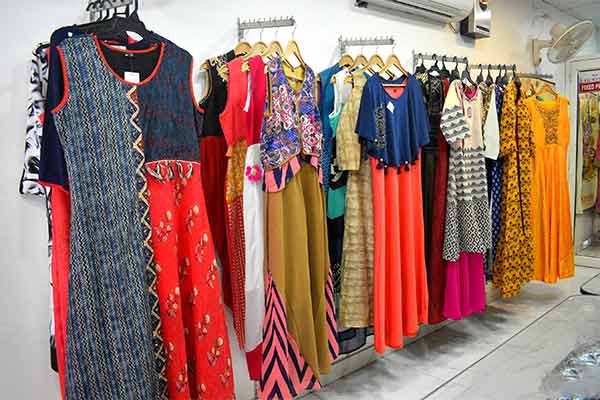
• India’s apparel exports have experienced a significant rebound since October 2018, even as overall exports for the fiscal year show a decline. • An analysis of data from October 2018 to March 2019 shows a strong contribution from non-traditional markets to the growth. • Sector-specific policies introduced by the government have also played a role, leading to an improvement in India’s competitiveness. • With Bangladesh getting more expensive and Vietnam already testing the limits of its capacity, it could be a good time for Indian exporters to capitalize. The Indian apparel industry has been through a tough phase with four successive years of weak growth/de-growth in exports. Over the past two years, India lost its cost advantage due to demonetisation and GST and this has been visible in the numbers. In 2018-19, exports of readymade garments (RMG) were recorded at US$ 16.14 billion, a decline by 3.43% YoY. Even after the exit of China from the lower end of the apparel market, tough competition from countries like Indonesia, Vietnam and Bangladesh has remained a challenge for Indian exporters due to low quality of infrastructure and tariff preferences obtained by other countries that make Indian goods relatively uncompetitive. Last year, an ICRA report affirmed de-growth of 4% in 2017-18; and low growth rates of 1% and 3% in FY 2015-16 and FY 2016-17 respectively. In September 2018, India’s garment exports slumped by 26% YoY to reach Rs 7,968 crore, in particular due to high input costs. The sharp fall was witnessed a month after the Centre’s move to protect the domestic industry by raising import duties on over 300 textile items in August. This was the biggest fall in the last fiscal. But surprisingly, RMG exports have witnessed a strong rebound during October-March, 2018-19, even though the data for the entire fiscal shows a slight fall. Apparel exports (Chapter 61 and 62) experienced a sharp YoY swing of 36.36% during October 2018, and have been experiencing single-digit growth rates ever since before growing by 15% YoY in March 2019. The trend has continued in the current fiscal, with exports growing by around 14% YoY in May 2019. Table 1: India’s apparel exports monthly Trend in India’s apparel exports (October 2018 to March 2019) Product Code (2-digit) Oct-17 Oct-18 Growth (%) 61 426.64 619.58 45.22 62 403.62 512.54 26.98 Nov-17 Nov-18 Growth (%) 61 513.87 588.85 14.55 62 522.73 542.35 3.75 Dec-17 Dec-18 Growth (%) 61 660.46 698.96 5.83 62 677.01 677.68 0.1 Jan-18 Jan-19 Growth (%) 61 625.68 704.72 12.63 62 771.61 823.47 6.72 Feb-18 Feb-19 Growth (%) 61 602.64 662.8 9.98 62 839.82 883.57 5.21 Mar-18 Mar-19 Growth (%) 61 631.1 747.94 18.51 62 861.65 970.47 12.63 61 Articles of Apparel and clothing accessories: Knitted or crocheted 62 Articles of Apparel and clothing accessories: not Knitted or crocheted Source: DGFT Table 2: Growth in Export values in Apparels in percent Growth in Export value of Apparels ( in per cent) Oct 18 over 17 Nov 18 over 17 Dec 18 over 17 Jan 19 over 18 Feb 19 over 18 March 19 over 18 Countries 61 62 61 62 61 62 61 62 61 62 61 62 USA 21.23 23.55 9.87 1.1 5.92 5.97 16.82 14.04 19.07 12.07 22.4 9.71 Italy 138.2 51.63 56.9 -13.01 39.62 0.59 23.58 10.13 -8.01 -3.04 -33.76 -14.97 Netherlands 96.76 -3.46 16.6 -11.21 7.61 -20.07 -0.5 -7.03 -5.46 -0.82 15.86 -1.01 Poland 46.81 25.94 28 -17.55 3.81 -14.28 56.21 35.89 26.69 5.54 49.76 11.49 Canada 29.47 4.95 27.2 -6.68 27.68 -9.41 -0.09 -15.91 -4.76 -10.49 23.93 -14.1 Nigeria 214.5 296.98 111 57.54 99.32 418.46 111.8 17.38 128.4 112.77 133 139.53 Australia 9 7.89 17.4 -7.66 21.07 -12.06 19.66 15.96 15.84 24.61 32.07 20.22 Tanzania 474 175.26 26.9 -25.33 30.29 -17.34 30.42 -26.9 40.23 -30.7 75.74 -31.78 China 83.42 12.01 43.5 3.82 -8.07 -8.33 21.23 -10.65 75.56 20.53 18.5 0.64 Source: DGFT One trend that can be noticed is the shift in market-wise exports. Growth in October 2018 has been particularly high in relatively non-traditional markets like Italy, Netherlands, Nigeria, Tanzania and China, apart from the traditional markets of US and EU. In contrast, India has managed almost negligible share in exports to markets like Tanzania, Nigeria and China since 2001. In addition, the Indian government has introduced certain policies to revive export growth in the apparel sector, which appear to have made an impact. These measures include the following: • In March 2019, the central government approved a rebate on State and Central embedded taxes for apparels and made-ups exports. • Interest Equalization Scheme (IES) provides interest subsidy at 5% per annum on pre and post shipment export credit. • IGST has been exempted on import under Advance Authorisation and Export Promotion Capital Goods Scheme (EPCG) for apparel products. • The Directorate General of Foreign Trade (DGFT) has revised rates for incentives under the Merchandise Exports from India Scheme (MEIS) for readymade garments and made ups – from 2% to 4%. • The Government of India has increased the basic custom duty to 20% from 10% on over 500 textile products, to boost indigenous production and the Make in India program. Rahul Mehta, President of Mumbai-based Clothing Manufacturers Association of India feels that the sector is finally turning the corner after stagnancy or slight de-growth in apparel exports, and government support has increased. There are also positive signs on the international front as Mr Mehta adds, “Bangladesh is becoming expensive, Vietnam is showing signs of reaching the peak of its capacity and China is diverting away from textiles. Hence there is great opportunity for the textile sector.” Industry experts affirm that despite Indian products being more expensive by 10-15%, buyers are still interested in sourcing from India. Hence, they expect that exports in readymade garments will grow by 8-10%. However, to ensure sustained and accelerated growth momentum, focused measures are necessary including technology upgradation, increased share of man-made fibres, assistance for MSMEs to scale up operations

H-1B – wrong bargaining chip for US?
• The US has clarified that its review of H-1B visa is not directed towards any country amid reports of a possible quota for India. • However, changes in H-1B visas automatically impact India, which accounts for 70% of H-1B visa applications to US. • Research contradicts the view that the influx of H-1B workers negatively impacts the job prospects of native Americans. • Given its role in enhancing competitiveness, the US would be well advised to reconsider or even reverse its toughening stance on the H-1B visa programme. Last week, another chapter on India-US trade hostilities threatened to unravel amid reports that US was planning to fire an H-1B salvo against India. A report suggested that US was considering caps on H-1B visas at 10-15% for countries that compel foreign companies to store data locally, obviously in reference to India’s data localisation laws. However, the US state department later clarified that it was not considering such a provision. A state department spokesperson affirmed that the H-1B visa was getting reviewed, but it did not have a country-specific dimension. Even India denied having received any communication from US in this regard. Despite this clarification, it is undeniable that successive tightening of H-1B visas by the US over the past few years is real. And it has a direct link with India as well, considering that Indians take up around 70% of these temporary work visas in the US. In particiular, Indian IT companies widely use these visas to bring their workers to the US for client projects. Indian IT firms witnessed a 43% decline in their H-1B visa approvals between 2015 and 2017. Last year, the US introduced a provision that would lead to more permits for those with a master’s or higher degree from a US institution of higher education. The number of candidates for advanced US degree exemption is capped at 20,000, while the general category has a cap of 65,000. Moreover, paperwork and compliances have successively got more and more complex over time. Denial rates for both new and continuing visas have increased under the Trump administration. The President signed the ‘Buy American, Hire American’ executive order in the first few months of his tenure, and had promised to revamp the H-1B programme. This tightening is compelling companies like TCS, Infosys and Wipro to hire US citizens and subcontract workers, resulting in increase in subcontractor cost, on-site localisation and investment. Infosys has admitted that sub-contracting work and hiring local citizens have impacted its margins by 50 basis points. It is also expecting that its cost will remain elevated until it could do projects with its own employees. A US-based think tank has added that the share of H-1B visas to Indian companies in FY 2017 equaled a minuscule 0.006% of the 160 million US labour force. US Citizenship and Immigration Services has found that Infosys saw a drop of 57% in visas in 2017 while Wipro registered a steeper fall of 61%. This movement of low-cost skilled labour from India will have direct bearings on the margin by inflating the wage bill. But there is a counter impact on the US as well. India’s computer programming consulting and related activities i.e. information service activities contribute US$ 125.4 million to US output of information service activities (WIOT). Margin pressures and barriers against Indian IT companies will automatically impact competitiveness of US. Industry body NASSCOM has analysed that wages would simply increase costs for US companies that use the services of the Indian IT industry to innovate and grow. This could compel companies to take jobs outside the US, hence impacting its economy. Already, it has been found that a number of IT companies and professionals are shifting their focus to Canada, which currently has a more liberal regime for IT professionals under its Global Skills Strategy Programme. Research by American Immigration Council has stated that H1B workers complement US workers, fill employment gaps in many STEM occupations and expand job opportunities for all. It counters the general perception that the programme is detrimental to the interests of American natives. In fact, between 1990 to 2010, the increase in STEM workers through H-1B has been found to be positively correlated with an increase in wages for college-educated Americans across 219 US cities. A 1% point increase in foreign STEM workers’ share of a city’s total employment is linked with a rise in wages by 7-8% points to both STEM and non-STEM college-educated natives, and 3-4% points for non-college educated Americans. The National Foundation for American Policy has admitted that the limit on H-1B visas has not changed since 1990s. Since this limit was set in the pre-internet and smartphone era, it is way too low and dated for the present requirement for high-tech skilled workers. Given these factors, the Trump administration would actually be well advised to further liberalise the H-1B visa programme instead of tightening it. Use of H-1B visas as a bargaining chip for its trade talks with India will be to the detriment of both countries.

TPCI interacts exclusively with the Chairman, Soybean Processors Association of India (SOPA), Dr. Davish Jain
With Government’s resolve to double the income of farmers in the country by 2022, the role of agri-exports industry assumes significance to uplift financial conditions of the farmers and ensure renumerative return for farm produce. The Trade Promotion Council of India (TPCI) caught up with Dr. Davish Jain, Chairman of the Soybean Processors Association of India (SOPA) to know his point of views as what he thinks, needs to be done to raise the farmer’s income, the challenges the farmers are facing today and ways to overcome those challenges. Dr. Jain shared some essential and valuable insights on the industry trends and challenges. – The country needs to move from commodity orientation to product orientation and food processing sector can be a game changer. – India is the single largest importer of edible oils in the world. Every year, country is importing edible oils worth Rs. 75,000 Crores, which is the highest and second only to petroleum. Here are excerpts from an interview: Q1. How do you see Soybean as an Indian export product? Has India been able to leverage the advantages? Davish Jain: Soybean has a huge market across the globe. However, as far as India is concerned, we lag behind in soybean production compared to countries like Brazil, Argentina and the USA. However, we have got an edge over other countries in non-genetically modified products which are in demand in developed countries. There is a huge potential to export soybean meal and other soybean processors to these countries which can earn substantial amount of foreign exchange for the country. Presently, low productivity level of Soybean is our biggest concern. As compared to major Soybean producing countries like Brazil, Argentina and the US, which contribute to around 80% of the total world Soybean production, per hectare yield of soybean in India is almost one-third of these countries. Q2. What have been the major challenges of the industry? DJ: Low productivity of Soybean in India with high production cost is our biggest concern as higher production cost impacts the end buyers. It is here, we face challenges in terms of competing with the world market. In the given circumstances, we have shifted our focus to non-GM products which are in demand in the developed countries. We are trying to find niche players and some receptive markets for India. We have some advantages of special payment terms with countries like Iran. They have their payments parked here against the export of petroleum products. So those funds can be utilized. Incidentally, Soybean doesn’t come under the terms of sanction, as it falls under the category of essential food items. Q3. Since the budget session is round the corner, what is your expectation from the budget in the purview of the industry? DJ: Well, we had an interim budget, just before the election wherein the Union Government had given focus on Agriculture sector and it should essentially work towards doubling the farmers’ income with the same thrust and focus. Personally, I feel the Government is working in the right direction which is reflected from the hike in the minimum support prices by the Government year after year. But certainly this is not the only solution.We need to give more thrust on raising our agriculture productivity and yield per hectare. At the same time, we also need to be more competitive in the processing of these products both in the domestic and export markets. There is a price differential which we are not able to compete. Hence, some support/incentives are also required. In the new budget, we expect the Government to take measures to curb the import of Palm Oil by implementing non-tariff barriers and quantitative restrictions. Government should also incentivize the crop production of oilseeds and provide adequate support. Q4. Besides, the MSP what other benefits the Government provides you? DJ: No, the MSP is not for us, rather it is for the farmers. But yes MSP is also becoming a challenge for us as it is difficult to keep our product prices competitive with the international market. We will have to ensure that our production cost should not be on the higher side so as to enable us to compete with the international market. Q5. What is the numeral that Indian soybean export hits today? DJ: India exports Soybean Meal worth about Rs. 6000 Crores, which is far below our exports in 2013, which stood at Rs. 15,000 Crores. In 2015, our exports further plunged to Rs. 1,500 Crores. However, in the past three years, we have tried to re-build the numbers as we have been able to export around two million tonnes Soybean Meal in the last two years. There, is all likelihood of doubling this number, this year, provided we meet the price gaps. Q6. How trade shows like IndusFood and Indusfood-Tech helping the export industry to grow? DJ: Well, people who are connected to trade, industry get a common platform to meet and exchange their ideas through such trade shows and events. It also triggers business transactions and one can showcase his products and services and try to build relationships with the industry players through meetings arranged at such shows. Q7. At the National Commodity and Derivatives Exchange, the Soybean contract for July delivery fell by Rs. 50 to Rs. 3,616 per quintal recently. What triggered this fall? DJ: India is the single largest importer of edible oils in the world and every year, the country is importing Rs. 75,000 Crores worth of edible oils, second only to petroleum. Soft oils like Soybean, Sunflower seed and Palm Oils constitute the major components of import in edible oils. Import of soybean oil is also about 3 million tonnes annually. So, with the excess production in the world markets, oil-producing countries are trying to push quantities of edible oil to India and this is what triggered the price crash in the market, I feel. Our farmers are not able to compete with that price compared to the support received by the competing countries,
Product Profile: Curcumin
HS Codes 29072990, 323300, 09103020 • Curcumin, a substance found in turmeric, is witnessing rising acceptance in the pharmaceutical, food and cosmetic industries due to growing awareness on its anti-oxidant & anti-inflammatory properties. • India is the world’s largest producer and exporter of turmeric with exports recorded at US$ 236 million in 2018. • North America is the largest regional market for the product, while Europe is the fastest growing. • Turmeric was ranked the second most popular supplement in the US in 2017, according to the CRN Consumer Survey on Dietary Supplements. The mounting demand of curcumin, a substance found in turmeric, in the pharmaceutical, food and cosmetic industries is a major factor driving the growth of the global curcumin market. This rise in demand of curcumin is largely due to the growing awareness among consumers regarding its anti-oxidant and anti-inflammatory properties. Apart from this, the surging inclination of consumers towards organic products is also likely to provide an impetus to the market in coming years. Pharmaceutical industries are aggressively trying to synthesize curcumin-based drugs in the form of capsules, powder and syrups for treatment of several illnesses like arthritis, diabetes, gastric problems, healing wounds, treating sprains, liver problems, migraine etc. It is also rapidly gaining popularity as an alternative therapy due to its anti-cancer properties. Research concludes that countries where people eat more curcumin (100mg to 200mg over long periods) have lower rates of cancer. Turmeric or curcuma longa is commonly used in cosmetic products. In India, turmeric forms a vital ingredient in plentiful Ayurvedic medicines. It is used to treat acne, heal dry skin and eczema, and slow down the aging process. Natural cleansers, such as milk, when mixed with turmeric, serve as effective natural cosmetics. Healthy-looking skin as well as controlling and reducing formation of wrinkles and lines are some of the benefits of these cosmetics. Turmeric is also used for dyeing silk, cotton, wool, and fabrics for a yellowish shade. The dye is also used as a coloring material in rice milling and leather dyeing. The growing utilisation of curcumin extracts in different beauty care products due to its anti-oxidant characteristics is expected to escalate the market presence further in recent years. India is the largest manufacturer, consumer and exporter of curcumin, contributing to more than 80% of the global production, which is on account of the presence of large-scale turmeric cultivations. Even then, low consumer awareness of curcumin as a healthy ingredient domestically results in a majority of it being exported to Europe and North America. Globally, Indian turmeric is considered to be the best because of its high curcumin content. Turmeric ranks third in the total exports of spices from India. The major importing countries of Indian turmeric are the UAE, Iran, US, Sri Lanka, Japan, UK, Malaysia and South Africa. Even though India leads in turmeric exports, it’s export quantity and value varied over the years. From end user perspective, the global curcumin market is divided into dietary supplements, herbal & medicinal products, food products and cosmetics. Among all of them, herbal and medicinal products are projected to hold maximum market share. On the basis of its physical form and appearance, the global curcumin market is bifurcated into powder and liquid. Among them, powder form is expected to carry high demand in the coming years due to portability and non-perishability. Based on application, the market is segmented into brain health heart health, stress/anxiety relief, flavoring & coloring agent, anti-inflammation and antioxidant. Source: Grand View Research, 2018 Source: ITC Trade Map, figures in US$ million North America is the largest regional market, with a value of US$ 24 million. Growing demand for processed food products and curcumin-based health supplements is expected to drive demand in this region. Nearly 20% of US supplement users over 55 are consuming turmeric and curcumin supplements, making it the second most popular supplement in the 2018 CRN Consumer Survey on Dietary Supplements. Turmeric milk is highly popular in the US. Prepared from cold pressed turmeric, almonds and milk, it goes by the nomenclature ‘Turmeric latte’. Turmeric was the largest selling herbal supplement in the natural products category in the US in 2017, growing by 12.2% YoY. Europe is anticipated to be the fastest growing region, with the market estimated to surge at a revenue-based CAGR of 14.8% over the forecast period. Increasing demand from buyers, coupled with regulatory support from the European Food Safety Association (EFSA), have made curcumin a preferred pharmaceutical ingredient, thereby propelling the market.

Logistics in India: From barrier to catalyst
• India’s logistics costs account for around 14% of GDP compared to 8-9% in US and Europe. • High logistics costs are unfavorable to India’s export competitiveness in the global market. • Growing consumer demand and the rise of e-commerce is fuelling a surge in the logistics sector in India. • Transforming India’s logistics sector will depend on fast-paced development of quality infrastructure as well as capability of service providers to adapt themselves to changing paradigms. With the rise of globalisation, the synergy of international trade and transport logistics has already become general direction and central theme of development for the global economy. Also, the expansion of the logistics industry has fetched support and attention, not only because it is a kind of progressive management technique or a good business practice on its own, but also since it has gradually become a vital index to estimate competitiveness and level of modernisation of a nation at the macro level. Although, the contribution of logistics to the national output in a country may not be as high as other sectors, the role that logistics plays in catalysing economic activity cannot be undermined. One well-known connection between transport and logistics and national development is the facilitation of international trade, which, under appropriate circumstances, delivers several other beneficial economic and social outcomes. The Department of Commerce, Government of India was allocated the responsibility of “Integrated development of Logistics sector” and a separate logistics division was created within the Department in 2017. Currently, Indian goods are less competitive in the world market as logistics costs of exports are very high in the country. India’s logistics costs account for around 14% of GDP as compared to 8-9% for US or Europe, according to McKinsey Research. That is a major reason why India’s share in world trade remains relatively low at around 1.7% for exports and 2.6% for imports in 2018. On the Logistics Performance Index rankings in 2018, India still stands at a low rank of 44. As a signatory to the Trade Facilitation Agreement (TFA) at WTO, India seeks to expedite the movement, release and clearance of goods across borders, launch a new phase for trade facilitation reforms all over the world and create a significant boost for commerce and the multilateral trading system as a whole. India’s Logistics Performance Index Outlook Country India Year 2018 LPI rank 44 LPI score 3.18 Customs rank 40 Customs score 2.96 Infrastructure rank 52 Infrastructure score 2.91 International shipments rank 44 International shipments score 3.21 Logistics competence rank 42 Logistics competence score 3.13 Tracking & tracing rank 38 Tracking & tracing score 3.32 Timeliness rank 52 Timeliness score 3.5 Source: World Bank The governance of logistics can act as a positive catalyst for improved trade. Public policies relating to trade logistics are crucial as the efficiency of logistics depends on well-designed government policies. Effective trade logistics is also related to institutional aspects of logistics such as government regulations, firm-level administrative & operational procedures, supply chains and national trade procedures for inward and outward movement of goods. The rapid expansion in international trade volumes as noticed over the last two decades also demands streamlining of cumbersome, costly and time-consuming trade procedures at the level of bureaucracy. These can create an environment for corruption to arise, which can create further inefficiencies. Global Logistics Performance Index Outlook Country Germany (best performer) Region: Europe & Central Asia Region: East Asia & Pacific Region: Middle East & North Africa Region: Latin America & Caribbean Region: South Asia Region: Sub-Saharan Africa Year 2018 2018 2018 2018 2018 2018 2018 LPI rank 1 LPI score 4.2 3.24 3.15 2.78 2.66 2.51 2.45 Customs rank 1 Customs score 4.09 3.04 3.01 2.54 2.47 2.32 2.27 Infrastructure rank 1 Infrastructure score 4.37 3.13 3.05 2.76 2.47 2.33 2.2 International shipments rank 4 International shipments score 3.86 3.14 3.03 2.73 2.69 2.48 2.52 Logistics competence rank 1 Logistics competence score 4.31 3.21 3.13 2.68 2.59 2.45 2.39 Tracking & tracing rank 2 Tracking & tracing score 4.24 3.27 3.18 2.79 2.68 2.56 2.5 Timeliness rank 3 Timeliness score 4.39 3.65 3.49 3.19 3.05 2.9 2.77 Source: World Bank Future of logistics in India The logistics industry in India is evolving rapidly and the interplay of infrastructure, technology and new types of service providers will define whether the industry will be able to help its customers reduce their logistics costs and provide effective services. Changing government policies on taxation and regulation of service providers will play an important role in this process. Coordination across various government agencies requires approval from multiple ministries and is a roadblock for multi-modal transport in India. Logistics performance has recently received attention in the context of benchmarking initiatives globally to assess the ease of doing business in different countries. Inefficiency of logistics and transportation services is increasingly being seen as a major contributor to high import costs and long delays. At the firm level, the logistics focus is moving towards reducing cycle times to add value to their customers. Consequently, better tools and strategies are sought by firms to enhance their decision-making. Logistics performance is positively impacted by the management strategy of the supply chain and has a direct impact on marketing performance, which in turn influences financial performance of manufacturing firms. An effective transport system can be achieved through an efficient use of transport modes, terminals, warehouses and other resources. It also requires understanding and availability of options as well as freight support & logistics service selection decisions. The biggest enhancement to the growth of the Indian logistics industry has been the burgeoning consumer demand, particularly in the Tier 2 and 3 regions of the country. India is also undergoing a significant retail boom with rising purchasing capacity of the middle and upper-middle segments of the population. This is being further fuelled by the ground-breaking growth being seen in e-commerce. It is leading to new innovations in services, since logistics is the most critical ingredient in the success of an online business.

India-Ukraine: Exploring the upside of a trade agreement
• India exports to Ukraine with the trade agreement were recorded at around US$ 0.40 billion in 2018 while imports stood at US$ 2.28 billion, leading to a trade deficit of US$ 1.87 billion. • India has signed a protocol with Ukraine for cooperation in sectors such as leather products, tea, gems and jewellery and tobacco. • Ukraine mainly sources its imports from Russia, EU and China, while India faces high tariffs in its key products of interest. • CATR expects that India’s gain in the Ukrainian market would hover around US$ 85.5 million to US$ 102.6 million through reduction of tariffs in these product categories. The 4th Meeting of India-Ukraine Working Group on Trade and Economic Cooperation (IU-WGTEC), under the India-Ukraine Inter-Governmental Commission on Trade, Economic, Scientific, Technical, Industrial and Cultural Cooperation was held in New Delhi in April, 2019. During this meeting, India and Ukraine signed a protocol that deals with review of trade and cooperation in the fields of small and medium entrepreneurship, technical regulation, PPP and investment. Ukraine wants to explore the Indian market for agriculture while India wants to capture the Ukrainian market in various products with emphasis on leather, tobacco, gems and jewelry and tea sectors. Ukraine has great economic potential as a developing country, since it possesses a relatively cheap labour force and favourable climatic conditions which make it very attractive for foreign investors. Ukraine’s main trading partners are Russia, EU and China. It prominently exports ferrous and non-ferrous metals, fuel, petroleum products, cereals, animal or vegetable fats and oils, iron and titanium ores and concentrates, electrical machinery and equipment, rape or colza seeds, soybeans and other oilseeds and oligeneous fruits and machinery and mechanical appliances among others. Ukraine’s major imports are petroleum oil and oil from bituminous minerals, petroleum gas and coal, machinery and mechanical appliances, electrical machinery and equipment, vehicles, plastic and articles and pharmaceuticals among others. A look at the import basket indicates a huge potential for Indian exporters. It has been seen that India’s exports to Ukraine have stayed relatively flat from US$ 0.43 billion in 2008 to US$ 0.40 billion in 2018. On the other hand, imports have increased at a brisk pace from US$ 1.49 billion in 2008 to US$ 2.28 billion in 2018. As a result, the trade deficit has also surged during the period from US$ 0.97 billion to US$ 1.87 billion. The main product contributing to this deficit is sunflower seed oil as India imported US$ 1.83 billion in 2018. This CATR research endeavours to identify products that could be helpful for India to increase its exports if it manages to reduce tariffs by entering into a trade agreement with Ukraine. The top twenty products selected in the table below have been formulated after considering various factors. We can observe from the table that India has a very low share in the Ukrainian market in almost all the 20 products. If we ponder upon India’s export growth to Ukraine in 2017-18, fish & crustaceans and natural or cultured pearls have performed astonishingly. In the same period, rubber and articles, organic chemicals, inorganic chemicals, footwear, cereals and edible vegetables have also performed quite well followed by miscellaneous chemical products, oilseeds, leather, sugar and products. Table 1: Major export products which have potential in Ukraine S.NO HS Code Product Imports of Ukraine (value in US$ million) Share in imports of Ukraine (%) India’s export growth to Ukraine India World India World 2014-18 (% p.a) 2017-18 (% p.a) 1 72 Iron and steel 17.94 1,366.57 1.3 0.3 -20 20 2 38 Miscellaneous chemical products 15.94 1,337.16 1.2 0.6 1 6 3 73 Articles of iron or steel 9.48 966.72 1 0 -18 -43 4 40 Rubber and articles 18.48 857.01 2.3 0.4 21 29 5 29 Organic chemicals 48.90 741.06 6.6 0.2 10 19 6 3 Fish and crustaceans 1.63 549.47 0.3 0.4 48 182 7 8 Edible fruit and nuts; peel of citrus fruit or melons 2.56 526.39 0.5 0.4 -9 -21 8 28 Inorganic chemicals 2.31 437.04 0.5 0.3 22 39 9 24 Tobacco and manufactured tobacco substitutes 16.67 406.16 4.1 0.9 -19 -28 10 12 Oilseed and oleaginous fruits 21.89 397.43 5.5 0.4 1 8 11 64 Footwear 5.33 337.24 1.6 0.2 9 20 12 62 Articles of apparel and clothing accessories 5.04 242.14 2.1 0.1 -8 -11 13 9 Coffee, tea, mate and spices 23.39 209.02 11.2 0.4 7 7 14 10 Cereals 13.63 191.18 7.1 0.2 -1 25 15 52 Cotton 10.14 156.89 6.5 0.3 2 -18 16 7 Edible vegetables and certain roots and tubers 2.14 106.19 2 0.2 -6 21 17 42 Articles of leather 2.07 105.97 2 0.1 1 7 18 71 Natural or cultured pearls 0.94 71.33 1.3 0 -1 205 19 17 Sugar and sugar confectionary 1.18 67.12 1.8 0.2 -17 10 20 57 Carpets and other textile floor coverings 0.79 42.36 1.9 0.3 2 7 Source: ITC Trade Map The table below gives a deeper insight into the reasons behind India’s low share in Ukraine’s imports. It can be inferred that Ukraine is sourcing most of the below mentioned products from Russia, Europe and China. India is facing high tariffs mainly on footwear, apparel, leather, vegetables and sugar as compared to European countries. Ukraine and EU have provisionally applied their deep and comprehensive FTA (DCFTA) since January 1, 2016. This agreement facilitates both sides with relatively open markets for goods and services based on predictable and enforceable trade rules, resulting in lower advalorem tariff on EU products. In table 3 we present our analysis on the export potential of Indian products that can be realized through tariff reduction. In this regard, we assume two scenarios with India tapping 25% and 30% of unexplored potential in Ukraine. The figures indicate gain in export value in both scenarios in US$ million. Table 2: Product-wise tariffs and competitors faced by India in the Ukraine market S.NO HS Code Product Equivalent Advalorem tariff Competing countries Faced by India Competing countries

Capital goods: Outperformer in India’s export basket
• India’s capital goods export basket increased at a CAGR of 11.32% during 2006-16, the highest among the other categories. • Exports from machinery grew at a CAGR of 12.52% and electrical manufacturing & equipment grew at a CAGR of 10.01% from 2006-18; emerging as major contributors to the increase in exports in the sector. • Major products at 4 digit level are exports of turbojets, turbo propellers and gas turbines, telephone sets, parts and accessories of tractors, motor vehicles for the transport, light vessels and instruments and appliances used in medical surgery, dental or veterinary sciences. • Government policies like National Manufacturing Plan (2012), Make in India (2014) and National Capital Goods Policy (2016) along with allowance of 100% FDI under automatic approval route played a significant role in boosting this sector. India’s export has increased from US$ 181.26 billion in 2008 to US$ 323.06 billion in 2018. During the past 10-15 years, India’s export basket has undergone several transformations. An analysis of the growth trend across sectors between 2006-2016 shows that the capital goods sector has been the top performer in terms of export growth with a CAGR of 11.32%, followed by consumer goods, intermediate goods and raw materials. Table 1: Product-wise growth in India’s exports Product Compound annual growth rate (%, 2006-16) Export value in 2016 (US$ billion) Capital goods 11.32 35.6 Consumer goods 8.23 117.5 Intermediate goods 7.24 84.7 Raw materials 5.85 21.7 All products 7.94 260.3 Source: WITS The two main product categories in this sector are machinery and mechanical appliances and electrical machinery and equipment. Within machinery and mechanical appliances, exports of turbojets, turbo propellers and gas turbines were on top, growing at 56.31% from 2006-18. They were followed by 25.5% growth in taps, cocks, valves and similar appliance for pipes, boiler, shells, tanks etc. Parts suitable for use solely or principally with internal combustion increased at 22.38% and exports of transmission in shafts grew at 38%. On dissecting the electrical machinery and equipment it can be found that exports in telephone sets grew by 45.19%, followed by electrical transformer at 23.48% and carbon electrodes at 23.11%. Table 2: Growth of major products contributing towards the capital goods sector Code Product label Compound Annual Growth Rate (%) (2006-18) ’84 Machinery, mechanical appliances, nuclear reactors, boilers 12.52 ’87 Vehicles other than railway or tramway rolling stock, and parts and accessories 14.33 ’85 Electrical machinery and equipment and parts 10.01 ’73 Articles of iron or steel 6.76 ’89 Ships, boats and floating structures 13.54 ’90 Optical, photographic, cinematographic 12.4 Source: ITC Trade Map One can also notice a significant contribution from the vehicles sector. The major components within this segment included in the capital goods group are parts and accessories of tractors, motor vehicles for transport (export growth of 26.43%) followed by exports in motorcycles and motor vehicles (export growth of 31.3%) from 2006 to 2018. The Indian capital goods sector has shown a penchant towards increasing diversification, rising value-added production, and growing competitiveness. Several companies have reshaped their strategies towards greater geographical and sectoral diversification. Indian companies are also tapping into the international tenders market for projects with great success. Government policies have extended a helping hand in enhancing the exports in this sector in last 10 years. Recognising the strategic importance of this sector, consecutive governments have come up with supportive measures such as National Manufacturing Plan (2012), Make in India (2014) and National Capital Goods Policy (2016). National Manufacturing Plan in 2012 targeted to increase manufacturing sector growth to 12-14% over the medium term to make it the engine of growth for the economy and be able to contribute 25% of the national GDP by 2025. In 2014, the government introduced the Make in India initiative, which aimed to attract foreign investment into manufacturing and accelerate economic growth. In addition to these, initiatives such as opening major sectors to private players and allowing 100% FDI under the automatic approval route have triggered the growth along with tax incentives and lowering tariff on capital goods to zero or 5% in general. The capital goods sector has also benefitted from demand within the Indian economy. Around US$ 4.5 trillion in investments are required in India’s infrastructure sector over the coming five years. Capacity addition in the power generation has increased by 6% annually over the past five years. The heavy electrical and power plant equipment sector accounts for around 69% of aggregate production capital goods within India. The proportion of capital goods in India’s engineering exports has increased to 37% in 2017-18 as compared to just 12% in 1956-57, showcasing the increase in India’s competitiveness in engineering goods over the years. Moreover, market diversification has also played a major role, with the top 25 destinations accounting for 75% of India’s engineering exports in 2018-19. Exports are headed to destinations in both the developing and developed world led by US (15%), UAE (5.5%), Germany (4.1%), Nepal (3.8%), Bangladesh (3.5%) and UK (3.5%). The government introduced the National Capital Goods Policy which was aimed at providing the much needed impetus to the sector and achieving the objectives of Make in India, The policy envisages increasing production of capital goods from Rs. 230,000 crore in 2014-15 to Rs. 750,000 crore in 2025. It envisages increasing exports from the current 27% to 40% of production while increasing share of domestic production in India’s demand from 60% to 80%, thus making India a net exporter of capital goods. Even though the Indian capital goods sector has emerged as a major driver of export growth, imports in this sector are growing at a faster pace, hence making the sector less self-sufficient. Secondly, rise in imports from China is a cause of alarm, as Chinese companies are much more efficient due to various export policies. Lastly, the inverted duty structure discourages domestic value addition. Pitfalls of export promotion schemes need to be fixed as they are impacting competitiveness of Indian domestic companies. Besides this, lack of easy and affordable finance and
Country Profile: Russia
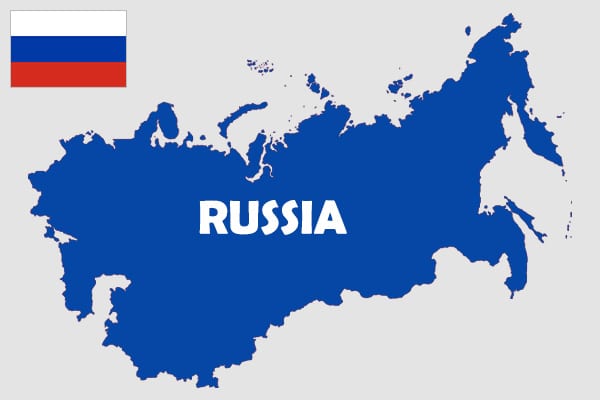
• The medium-term outlook for the country profile of Russia remains modest at 1.4-1.8% for the period 2019–21, reflecting lower oil prices and a predicted slowdown in global trade. • The Indo-Russian FTA would result in a much bigger free trade agreement including India, Russia, Kazakhstan, Armenia, Kyrgyzstan & Belarus. Agreement on a free trade zone between the Eurasian Economic Union (EAEU) and India, is expected to help increase the bilateral trade with Russia to US$ 30 billion by 2025. • India’s entertainment sector has historically enjoyed a special appeal in CIS countries especially Russia, since Indian cinema has had the advantage of accessibility over a long period of time. • The 7,200 km International North South Transport Corridor (INSTC) is a multi-mode transport network linking Indian Ocean and Persian Gulf to the Caspian Sea via Iran, and onward to northern Europe via St. Petersburg, Russia. country profile Russia’s economy continues to surge at a decent pace, supported by global growth and an improved macro policy framework. Real GDP growth rate at 2.3% in Russia surpassed expectations in 2018. This was mostly due to higher oil prices, better implementation of construction projects and Russia’s hosting of the FIFA 2018 World Cup. However, the medium-term outlook remains modest at between 1.4% and 1.8% for the period 2019–21, reflecting lower oil prices and a predicted slowdown in global trade. Government initiatives are aimed at education, health, and infrastructure, which have the potential to lift growth. Concentrating on competition in the domestic market remains key for achieving higher productivity. Although the current expectations of average annual GDP growth at around 1.7%, by itself will not help Russia effectively tackle its poverty situation by 2024, this goal could be better achieved by an additional reallocation of about 0.4% of GDP annually through social assistance and transfers. Inflation is forecast to accelerate in 2019 on the back of the increase in value added tax rate and rouble depreciation pass-through but will return to the central bank’s target of 4% in 2020-21. The forecast of a narrower external surplus reflects lower oil prices and a pickup in import spending. Stable economic growth, wage growth in the private sector, and the indexation of pensions to inflation should support disposable incomes and contribute to a gradual decline in the poverty rate in 2019-21. However, many Russians lack formal employment, and a number of households remain close to the poverty line. Top trading partners of Russia, as per 2018 Russia’s importing partners Import values in US$ billion Export destinations of Russia Export value in US$ billion World 238.16 World 449.34 China 52.21 China 56.04 Germany 25.51 Netherlands 43.47 USA 12.68 Germany 34.09 Belarus 12.20 Belarus 21.82 Italy 10.59 Turkey 21.34 France 9.68 South Korea 17.83 Japan 8.82 Poland 16.56 South Korea 7.01 Italy 16.40 Ukraine 5.46 Kazakhstan 12.92 Source: ITC Trade Map Top traded products of Russia Russia’s imported products Import values in US$ billion Exported products of Russia Export value in US$ billion World 238.16 World 449.34 Telephone sets 9.43 Crude petroleum oils 129.05 Commercial vehicles 9.03 Waste oil petroleum 78.75 Medicaments 8.78 Coal 17.10 Passenger vehicles 7.26 Wheat and meslin 8.43 Automatic data-processing machines 5.94 Semi-finished products of iron or non-alloy steel 8.01 Laboratory machines 2.62 Petroleum gas and other gaseous hydrocarbons 7.55 Aluminium hydroxide 2.23 Unwrought aluminium 5.40 Taps, cocks, valves 2.05 Diamond 5.10 Cabs for tractors 2.01 Wood sawn 4.5 Source: ITC Trade Map India-Russia relations The 7,200 km International North South Transport Corridor (INSTC) is a multi-mode transport network linking the Indian Ocean and Persian Gulf to the Caspian Sea via Iran, and onward to northern Europe via St. Petersburg, Russia. This route is very different from much longer and costlier Suez Canal that India used earlier to transport goods to Russia. This will help connect India with Russia within 16-21 days at competitive freight rates leading to development of trade on the INSTC. The estimated capacity of the corridor is 20-30 million tonnes of goods per year, Both governments have long viewed their bilateral trade as well below its optimal potential, with the only long-term way of rectifying this through having a FTA. They have set up a joint study group (JSG) to negotiate the specifications of an agreement. A final agreement would be signed between India and the Eurasian Economic Union, of which Russia is a part (also including Kazakhstan, Armenia, Kyrgyzstan & Belarus). The Indo-Russian FTA would result in a much bigger free trade agreement including India, Russia, Kazakhstan, Armenia, Kyrgyzstan & Belarus. It is predicted that once an FTA is in place, bilateral trade will increase manifold, thereby significantly increasing the importance of economics in bilateral ties. Also India’s entertainment sector has historically enjoyed a special appeal in CIS countries especially Russia, since Indian cinema has had the advantage of accessibility over a long period of time, when penetration of Western cinema to the Russian market was limited. Expected outcome from proposed FTA Agreement on a free trade zone between the EAEU and India, is expected to help increase the bilateral trade with Russia to US$ 30 billion by 2025. Benefits Description Market access • Promote JVs & technical collaboration • Reduce import duty/import tax benefits • Unified customs certification • Access to Europe • Mutual recognition of quality standards Investment promotion • Joint R&D international projects • Diversify trade • Connectivity – transportation & logistics Consular Issues • Visa on Arrival • Better visa regime India-Russia ongoing Service Trade Agreement • India and Russia are currently engaged in negotiating services trade through regional trade agreement. • From India’s perspective, the following services will be beneficial for aggressive negotiations: i. Transportation services, financial services and other business services (which includes research and development services, professional and management consulting services and technical, trade-related, and other business services), travel services, personal, cultural & recreational services ii. Currently, India does not have trade surplus in most of these services. Indo-Russia Bilateral Trade Snapshot Trade Indicators 2016 2017 2018 Indo-Russia trade US$ 6.6 billion US$ 10.01 billion US$ 9.2 billion Indian exports to Russia US$ 1.81 billion US$ 2.1 billion US$ 2.3