• The US is India’s topmost export destination with a share of 16% in 2018, followed by UAE. Changes in trade policies would bring about some significant impact on Indian trade. • Some gains from trade are certainly lost for India, as it used to have the highest share of 11% in GSP. • While protecting agricultural and dairy product sectors is necessary, lowering tariffs for a sector like medical devices could be in India’s interests. • India should maintain a balanced approach in its trade with US, while simultaneously exploring new market opportunities. The formation of WTO in 1994 was done based on the objective of moving towards a regime of trade liberalization, market access and free trade. However, in the recent past we have witnessed several trade protectionism measures in some of the big economies of the world. On one hand, when a country like Vietnam has been progressing well in the trade liberalization regime, on the other hand, economies like US, China and India are rather moving away from the path of free trade by denying market access to each other. Marked difference in the economies in terms of per capita income, resources and infrastructure between India and USA did not lead to a level playing field between the two countries. However, USA is India’s topmost export destination with a share of 16% in 2018, followed by UAE. The country is the second largest destination for India’s imports after China. There has been a growth rate of 5% per annum in Indian exports to USA in between 2014-18 and 12% growth rate over the previous year. Trade policy changes would thus bring about some significant impact on Indian trade. Growth rate of China’s share in India’s exports has been higher than that of USA. Though UAE’s share ranks second in India’s exports, but in the last five years, there has been negative growth rate in exports to UAE. USA has experienced a trade deficit with India in the recent years. Thus to control the trade deficit, US started the trade warfare by imposing 25% tariff on steel and 10% tariff on aluminium based on National Security Law of the country in 2018. India could have retaliated back with 10% to 50% tariffs on US exports to India on nuts, apples, steel and motorcycles. USA claims that its tariffs on Indian products have mostly been within the range of 7%, but India denied market access to US agricultural products, cell phones, motor cycles based on high tariffs and price controls on medical devices. Thus, the US withdrew preferential tariff status under Generalized System of Preferences (GSP) to India. Due to this, India would lose the status of duty free exports of some goods to US, which constitute about 11% of US imports. Both US and EU claim that India violates WTO norms by charging tariffs beyond the bounded rates. The GSP withdrawal would affect Indian exports in sectors like chemicals, auto components and tableware. This would not only affect the Indian exporters of these products, but it would also affect local US manufacturers of finished products as Indian inputs to these industries would be costlier. This in turn would affect US industries’ profitability. Such regressive protectionist policies would affect consumers of both the countries. China and EU would take advantage of the deteriorating trade relations between India and US. As far as the Indian economy is concerned, protection of agricultural and dairy products is absolutely necessary in terms of food security and to protect marginalised farmers. For years, the US had provided subsidies in the name of green box subsidies to their farmer population that constituted only 2% of their total population. If India had given more market access to US agricultural and dairy products, it would not lead to a level playing field for both the countries. However as far as other products such as cell phones or motor cycles are concerned, India would have benefitted by reducing tariff rates and they could easily reduce tariff on foreign goods in this sector. In absence of a sound medical device industry in India, imported medical devices would have benefitted hospitals and patients in India to get relatively low cost medical surgeries and medical test-related surgical instruments. So price controls are also required in this industry to benefit Indian patients. Thus without a level playing field, protection is absolutely justified for India. While many trade experts have claimed that India doesn’t have much to lose due to GSP owing to its low proportion of these exports to USA, some gains from trade are certainly lost as India used to have the highest share of 11% in GSP. India has a fair chance to retaliate back as our country has been the third largest market for US apples and almonds. A higher tariff would definitely affect US exports as it would further deny market access to the Indian middle class. Higher import tariffs on apples and almonds would not affect the Indian middle class consumers as these products are luxuries for them. Indian higher income groups have a fairly low elasticity of demand for these products due to higher income. Thus the loss in trade would go against US more than India. So India has no threat as of now. But there is a threat potential on major Indian exports to the US in future as withdrawal of GSP works as a signal of future threats. The time has come when India could now explore other markets like Vietnam for its products. If India allows more market access to the US on apples and almonds, this policy would not affect Indian agriculture much. So a lower tariff would let a portion of the middle income group afford such products. No country would have absolute gain in protectionism. Two strategies could be explored by India: exploring new opportunities by improving bilateral trade relations with other Asian countries; and maintaining a balanced mix of protectionism and liberalisation with the US. Dr.

India, subsidies and WTO: Breaking the vicious cycle
• India has been at the receiving end of a number of cases challenging its subsidy support to specific export sectors. • The US has questioned India’s right to sustain a subsidy-based regime considering it has crossed the US$ 1,000 GNI threshold and a number of targeted sectors have achieved export competitiveness. • India’s reliance on subsidies has been more akin to a fire fighting approach, which is less effective in the long term and also exposes the country to relentless scrutiny. • Instead, India should focus on long-term measures to build industrial competitiveness, especially in the emerging sectors that will define the future of global trade. India has been on the receiving end of a number of cases at the WTO, wherein other members have questioned its subsidy protection to specific industries. In March this year, Guatemala initiated a dispute complaint against Indian sugar subsidies. The US has accused India of contravening the GATT norms under the Jawaharlal Nehru National Solar Mission (“JNNSM”) for solar cells and solar modules concerning certain measures relating to domestic content requirements. What are these issues? How is one issue different from the other? Then again, US has challenged the Merchandise Exports for India Scheme (MEIS) for exports as being against WTO norms. Is the sugar subsidy issue similar to the MEIS-based export subsidy issue? After all everything has three things in common: India, WTO and subsidies! Quick answer is no, barring these three commonalities, little else is the same. Following the Uruguay round of negotiations in 1986-94, the world entered a rule-based trade order – a system in which no country holds a monopoly on the pretext of its size or institutional or financial capacity; each member of the WTO has only one vote. WTO functions through various agreements such as Agreement on Agriculture (AoA), General Agreement on Tariffs and Trade (GATT), Agreement on Trade-Related Investment Measures (TRIMS), Agreement on Subsidies and Countervailing Measure (ASCM), etc. These agreements cover various aspects of trade and services and other dynamic exchanges. Few of these agreements deal with countries’ commitments to prune trade barriers and establish a conducive environment to trade. They also set procedures for settling disputes. Dispute Settlement Body (DSB) consists of all WTO members and it makes all its decisions by consensus. India has been dragged in the WTO dispute settlement body on various occasions. Few of the prominent cases are: • Export subsidies, primarily MEIS scheme – 2018 – Dispute Order – DS541: USA alleges that India’s export promotion schemes are inconsistent with Agreement on Subsidies and Countervailing Measures (ASCM) since it provides subsidies contingent upon export performance. It claims that India has long surpassed the conditionality of below US$ 1,000 GNI at constant 1990 dollars to continue availing the benefits accorded to annex 6 countries under Special and Differentiated Treatment exception under ASCM. Furthermore, Indian products have achieved export competitiveness (country’s exports share in world trade is more than 3.25% for two consecutive years) in most of the products for which MEIS has been rolled out. Hence, India does not have the grounds to continue availing benefits under ASCM. • Sugar subsidies – Dispute Order – 2019 – DS580: Australia, Guatemala and Thailand have accused India of distorting the global sugar market by providing price support in contravention to the Agreement of Agriculture’s Aggregate Measurement of Support (AMS) clause. Under Agreement on Agriculture (AoA), developing countries can give agricultural subsidies or aggregate measurement of support (AMS) of up to 10% of the value of agricultural production. However, these countries claim that the methodology of calculation of subsidy used by India is flawed and non-transparent. Australia has stated that as the world’s second largest sugar producer and fourth largest exporter, the dynamics in India’s sugar market have significant implications for global prices and trade. • Solar cells and modules – Dispute Order-2013 – DS456: The US has alleged that certain measures of Jawaharlal Nehru National Solar Mission of India are in contravention to the General Agreement on Tariffs and Trade norms. Under GATT, a country is required to follow Non-discrimination obligation wherein a member shall not discriminate: between “like” products from different trading partners and also follow the national treatment obligation. This is a basic principle of GATT/WTO that prohibits discrimination between imported and domestically produced goods with respect to internal taxation or other government regulations. • Steel and Aluminium products – Dispute Order – 2016 – DS518: Japan has dragged India WTO’s DSM for imposing safeguard measures on steel products and minimum import price on iron and steel products. Japan also accused India of misusing the clause of temporary duty on import to shield domestic industries against the threat of a sudden and damaging surge in imports under General Agreement on Tariffs and Trade. However the duty expired even before the verdict. As understood from the above narrative, these cases, claims and disputes pertain to different agreements hence their resolution is different too. India has strongly defended its policies and special rights such as peace clause 2013 to protect its food procurement-based MSP schemes. However time and again India has come under the WTO radar primarily because most of the trade policies in India are focussed on end product/result based subsidy for example MEIS, fertiliser subsidy etc. The causal effect of a policy is always evident in the case of India. Asian tigers and China relied heavily on infrastructure development and easy access to liquidity for supporting the industry rather than fire fighting through export-focussed subsidies. Union Minister of Commerce & Industry Shri Piyush Goyal has rightly pointed out that India needs to move beyond the dependence on subsidies during his meeting with the Board of Trade, “I do not think that any programme or ambitious scheme can run only on subsidies and government help. We have to move out of this continuous effort and demand and make our industry truly competitive and self-reliant.” Even as an immediate break from subsidies may be unfeasible, India needs to learn the right

Rate cuts: Inadequate defence against macroeconomic distress
After a sharp upsurge in the March 2019 round, consumer confidence fell again in May 2019, indicating macroeconomic distress. Data from the Society of Indian Automobile Manufacturers (SIAM) has revealed a decrease of 8.62% in total domestic sales compared to May 2018. India’s savings rate plummeted to 30.3% at the end of March 2018 compared with 34.6% in FY12 and 31.3% in 2015-16, pulled down by slow growth in household savings. Rate cuts are not getting passed on to industry and consumers. The government needs to boost FDI along with sectoral and consumption revamping through easing out liquidity. The recent cut in short term lending (repo rate) by RBI by 25 basis points is a soft signal to improve liquidity in Indian economy without compromising on inflation targets. As we know, the consumption rate has declined in last few quarters, leading to a pessimistic macroeconomic environment. After a sharp upsurge in the March 2019 round, consumer confidence fell once again in May 2019. The current situation index (CSI) compiled by RBI, which had entered optimistic territory after a gap of two years in the March 2019 round, returned to pessimism; and the future expectations index (FEI) slipped from its all-time high in the March 2019 round. There are many parameters, which are impacting India’s macroeconomic foundation ranging from automobile distress to truncated savings rate. It is critical for policy makers to address these issues before it takes the shape of an economic slowdown for India. The descending spiral in automobile sales continued in May 2019 as lackluster retail offtake forced manufacturers to cut production in order to adjust to market demand. Data from the Society of Indian Automobile Manufacturers (SIAM) revealed a decrease of 8.62% in total domestic sales compared to figures from May 2018. Non-banking finance companies are aggravating the sullen macro situation as currently, there are about 11,400 shadow banking companies in India with an aggregated balance sheet worth US$ 304 billion and with loan portfolios surging at nearly twice the pace of banks. But this fact isn’t about major NBFCs; instead it’s about the principal players of the breakdown and there is none bigger than the leading infra finance company Infrastructure Leasing and Financial Services (IL&FS). The liquidity crisis that shook NBFCs (non-banking finance companies) and HFCs (housing finance companies) almost broke the back of the real estate sector, as accessing capital from lenders got a lot tougher. Now, if we add the aviation distress of Indian economy, situation is only get worse. Loads of debt and fare wars, excessive parking and landing charges, high aviation fuel prices, rupee depreciation, even some inefficient operations, have been the millstones around the Indian aviation sector. Australian aviation consultancy CAPA (Centre for Asia Pacific Aviation) anticipates that Indian carriers will lose an aggregate of US$ 550 million to US$ 700 million in the financial year 2020. One wonders if the Jet Airways, which is teetering on the brink of bankruptcy, is only a sign of things to come. With world trade going through a slowdown, India seems to be the relative bright spot with a decent growth rate of 5.8% (which is revised). To maintain it, India needs to drive consumption growth, investment growth, macroeconomic pillars and export growth. The RBI is concerned about the shrinkage in the volume of trade. If exports don’t accelerate faster, GDP growth may slacken. If in addition we see the rise of protectionism, then India will face more problems on the export front in goods and services. India also needs to ensure that growth drives greater well-being for all and access to bank credit for small and medium enterprises and start ups. India’s Savings Rate: Not offering a helping hand India’s savings rate plummeted to 30.3% at the end of March 2018 compared to 34.6% in FY12 and 31.3% in 2015-16, pulled down by slow growth in household savings. Households, private corporations and the public sector are the three channels of savings. According to India Ratings, during 2011-12 to 2017-18, the share of the household sector in total saving was 60.9%, while private corporations accounted for 35%, and the remaining 4.1% was from the public sector. Household savings are majorly channelized by banking and other non-banking financial entities, which are the main source of investment funding in India. Thus, a further reduction in household savings can impact the economy adversely as it can be observed currently. Despite the cut in repo rate, no relief has been provided to home and auto loan borrowers. Not all bankers are looking at a possible reduction in the interest rate. Hence, there is less easing for home or auto loan EMIs. Also, the demand for home and auto loans continues to be sluggish, hence there is little scope for reduction in interest rate, according to the banks. Source: Indian Economy Data accessed from https://data.gov.in/dataset-group-name/indian-economy Credit to deposit ratio of banks has been at around 77% or more since January 2019. Banks have to maintain a cash reserve ratio of 4% with RBI and an SLR of 19% through investments in approved government securities. After making these adjustments, the banks are lending nearly all the deposits they have, and are unable to reduce interest rates. They need new deposits. The lowering of rates has only benefitted the new borrowers and not the existing borrowers, including those who have taken home loans on floating interest rate. If old borrowers want to take advantage of the new rate, they will have to switch, for which they will have to pay 0.25% to 0.5% of the outstanding amount as a fee. Since the government is talking about inclusive growth, it is well known that access to loans is still difficult for poor farmers without adequate collateral. Better rural roads as well as mobile banking should make bank financing accessible to the remote areas. What we need is better infrastructure for banks in villages; otherwise access to the much-needed credit will be denied to those most in need. Perhaps the optimal way

Indian mangoes deserve many more connoisseurs
• India is home to around 30 distinctive varieties of mangoes, which are fetching decent demand among discerning customers in markets like EU and the Middle East. • There is tremendous scope to increase penetration in existing markets as well as tap new markets for Indian mangoes. • However, the high price of Indian mangoes vis-à-vis the competition limits its appeal to expats. • There is a need to both build a strong brand equity of Indian mangoes and boost export volumes by experimenting with transit by sea. India is a leading producer of mangoes, accounting for around 40% of global production of the fruit. The country is home to around 30 mango varieties that are grown commercially. Some of the more popular of these are the Alphonso, Banganpalli, Chausa, Dashehri, Langra, Totapuri and Kesar. These varieties fetch good demand among discerning customers in the international market. Exports of fresh mangoes from India reached US$ 60.2 million in 2018-19, while exports of mango pulp stood at US$ 93.7 million. Sahyadri Farms has been exporting mangoes in the processed form over the years – as puree, frozen, cut and diced. For our processed products, Europe is the largest market. A lot of our products go to Germany, France, China, Japan and Switzerland; as well as to Middle East countries – Saudi Arabia, UAE, Bahrain, Qatar. A small proportion currently goes into the US and we see tremendous scope to explore and capture new markets. For supply of fresh Indian mangoes, this has consistently met benchmarks of international markets, barring concerns related to fruit flies and radiation, which have been resolved. We haven’t faced any significant quality issues in the international market. However, Indian mangoes face severe competition from countries like South America & South Africa. Although the subcontinental mangoes are superior in quality, the mango from these countries is relatively 2-3 times cheaper. The challenge is especially dire this year because of a natural shortage owing to lower production. While we have been able to maintain our export volumes, we have been compelled to pay higher prices. To address competitiveness for sale of fresh mango, the government needs to adopt a two-fold approach. Firstly, there is a major need to experiment with sea shipments, as we are currently unable to export by sea. All the fruit is going by air. For short transit destinations like Dubai, we do send the products by sea. But for longer transit routes, air shipments are the norm. Due to air transit, the fruit typically becomes too expensive to buy. Invariably, it ends up catering to the ethnic Indian or Pakistani consumer who knows the Alphonso and is willing to pay top money. An instance of this is the Gujarati community that loves to have mangoes during the season and is also willing to pay high prices for it. However local Europeans, Americans, Arabs or Europeans will not pay that high a price for an Alphonso mango, especially when they have access to mangoes that are far cheaper. Secondly, a lot of promotion needs to be done by Indian authorities for the Alphonso and other mangoes. They could probably have free tasting schedules, increased visibility in supermarkets and promotional campaigns. Once done, people can probably recognize that this is something fantastic and different and is probably worth paying more. Average consumers in Europe and America don’t know about Indian mangoes, unless they are from the trade or the processing industry. For instance, a technical person who is buying my mango for a specific purpose of making a drink or an ice cream knows about the different mango varieties. Indian authorities also need to implement a secure export traceablity system like they have for Grapes known as Grapenet. A Mangonet would help manage the exports reliably too. Hence there is a serious need to experiment and get your science correct to send the product by sea. That will seriously boost the business volumes, prices and export revenues. Simultaneously, consumer education is extremely important so that consumers in overseas markets understand and appreciate the rich quality and distinctive characters of Indian mango varieties. But this requires investment, and the industry would request the government to take up this initiative. Azhar Tambuwala is Director at Sahyadri Farms, the leading Farmer Producer Company representing marginal farmers in India that grow fruits and vegetables on less than 1 hectare of land. Today, Sahyadri Farms is the largest FPO in the country and India’s largest exporter of grapes having moved 1,459 containers. The views expressed here are his own.

The API paradox of India’s pharmaceutical industry
• Pharmaceutical exports from India are estimated to be US$ 19.14 billion in 2018-19 • The industry imports around 85% of active pharmaceutical ingredients (APIs) from China. • Most of the API production units in India run at 30-40% of their capacity as against a capacity utilisation of 70% in China. • Domestic capacity needs to be enhanced to overcome the overwhelming dependence on API imports from China. The success of the Indian pharma industry primarily rode on the twin pillars of expertise in reverse engineering and the Patents Act of 1970. The Act allowed for only process patents with regard to inventions relating to drugs, medicines, food and chemicals. Under a process patent, the patent is granted for a particular manufacturing process and not the product i.e. by modifying the process of production, one can get a similar product patented. Till the time India signed TRIPs in 1998 as part of WTO agreement and agreed to grant product patents, the Indian pharmaceutical industry had gained a significant edge in the global market. Today India has emerged as the ‘Pharmacy of the global south’. The pharmaceutical sector in India was valued at US$ 36.3 billion in 2018. Pharmaceutical exports from India were estimated at US$ 19.14 billion in 2018-19. India alone accounts for 20% of global generic medicinal exports in terms of volume. The important destinations for India’s pharmaceutical exports are US, UK, South Africa, Russia, Nigeria, Brazil and Germany. However, there is a flip side to this success story. The Indian pharmaceutical industry has been heavily dependent on imported APIs. Almost all drugs are made up of two core components: the APIs i.e. activated pharmaceutical ingredients, which are the central ingredients providing the therapeutic effect; and the excipients, substances other than the drug that help deliver the medication. Excipients are chemically inactive substances while APIs are the active ingredients. Overdependence of the Indian pharmaceutical industry on imported APIs primarily from China, US and Italy exposes it to raw material supply disruptions and pricing volatility. China’s recent crackdown on polluting industries, primarily pharmaceutical and chemical industries has led to a sudden hike in the prices of APIs imported from China by 25-30%, thereby reducing margins for the Indian drug makers. Currently, the Indian pharmaceutical industry imports around 85% of APIs from China. The primary advantage that China offers is low cost of production. However, a report on India-China trade released recently by the Ministry of Commerce and industry has claimed that the cost of production in India is highly competitive vis-à-vis China with a difference of only 3%, which can be attributed to labour cost. As per the report, the material, depreciation and indirect personnel cost remains the same in China as in India. According to the report, dependence on Chinese imports is primarily because of huge built up capacities and significant bank support in the form of loans at negligible interest rates. These two factors have resulted in cost differential. Another major issue is India’s liberal approach in approving registrations for Chinese products. While China take 3-4 years to approve Indian products, India takes a few months to approve similar Chinese products. The biggest impediment that Indian drug manufacturers face is low capacity utilisation. While the drug manufacturing sector in India has an average utilisation rate of 75% and above, API production facilities have a lower rate. Most of the API production units in India run at 30-40% of their capacity. The report further highlights that capacity utilisation of Chinese API plants is around 70%, as China has developed a system of efficient backward and forward linkage within the industrial estate. It takes approximately one year to build the estate and produce raw material, whereas in India, it takes around three years or more to build estate/factory for raw materials. Due to the ongoing supply disruption in China, Indian active pharmaceutical ingredients (APIs) and intermediates manufacturers have raised production in the short term and are anticipating sustained growth in demand. However, a sustainable and long-term solution to overdependence on Chinese APIs need to be devised. The government constituted the Katoch committee to make recommendations on reducing the dependence of Indian industry on imported APIs in 2015. Another task force, headed by Minister of State Mr. Mansukh L. Mandaviya was constituted in 2018 by the government to address the issue. Following the recommendations, the government plans to establish three bulk drug parks at Andhra Pradesh, Gujarat and Himachal Pradesh through the public private partnership (PPP) mode. In the light of the Chinese policy of economic coercion and intermittent acrimonious disputes; India should remain vigilant. China has been notorious for using economic means to reach political ends. The magnitude of dependence of the Indian pharmaceutical industry is clearly not a healthy sign and needs to be corrected at the earliest. In the short term, the government must provide assured purchase agreements for the existing API manufacturing plants in India based on demand mapping of pharmaceutical manufacturers in the country. This can help tackle the below par capacity utilisation of existing plants in India. The government may also absorb the price differential to boost capacity utilisation of Indian plants. In long term, APIs that are in great demand and are imported in significant value such as poly vinyl chloride (HS Code – 390410), m-xylene (HS-290243), diammonium phosphate (HS code 310530) etc should be earmarked for substituting imports with domestic production.

Product Profile: Activated Carbon
HS CODE: 440290 (wood charcoal/activated carbon)/44029010 is the tariff line for India. • Global trade of activated carbon from coconut shells surged at a CAGR of 5% from 2014-2018. • Charcoal made from coconut shells is the main raw material for making activated carbon. • Demand for activated carbon is high in US, UK, Germany, Japan and South Korea, where it is mainly used for the purification of gold, water and air. • Activated carbon fetched a price of ₹ 140/kg in FY 2019 vis-a-vis ₹ 100/kg in FY 2018, helping India’s coconut product exports cross the ₹2,000-crore mark. The use of activated carbon to remove harmful impurities like organic contaminants from water has been practised since Roman times. Activated carbon is the generic term used to describe a family of carbonaceous adsorbents with a highly amorphous form and extensively developed internal pore structure. Activated carbon is extremely porous with a very large surface area, which makes it an effective adsorbent material. This large surface area relative to the size of the actual carbon particle makes it easy to remove large amounts of impurities in a relatively small enclosed space. Interestingly, the product has a strong connection with the humble coconut. The coconut shell is used for making an eclectic range of products of commercial importance including activated carbon. In fact, activated carbon processed from coconut shells is considered superior in quality to those processed from other sources mainly because of small macropores in the structure. Applications of Activated Carbon Water Filter Cartridges: A water filter removes impurities by minimising contamination of water using a fine physical barrier, a chemical process, or a biological process. Pharmaceuticals: Purity is essential in the production of pharmaceutical products. This applies to all stages, from raw materials to intermediates to final product. The unique properties of specific activated carbons provide superior removal of colour compounds, odour compounds, proteins and other contaminants that could be present in the raw materials, or that form during production. F&B: Beverage makers rely on activated carbon to remove bad tastes and odours and help ensure the long-term stability of their products. Activated carbon products are also used to improve the quality of beverages ranging from water to fruit juices to distilled liquor so that beverages look good, smell good and taste good. Automotive: Activated carbon canisters reduce the hydrocarbon emissions from gasoline-powered automobiles and trucks. Also, many cars now include air purification systems that utilize activated carbon in their cabin air filters. Water treatment/sea water distillation: Activated carbons are extensively used in water treatment for removing free chlorine and/or organic compounds. Removal of organics from potable water could be to prevent common organic acids such as humic or fulvic from reacting with chlorine to form trihalomethanes (a class of known carcinogens) or, to treat wastewater to remove any number of organic compounds to make the water suitable for discharge. Activated carbon is a non-graphite form of carbon, which can be manufactured from any carbonaceous material such as coal, lignite, wood, paddy husk, coir pith, coconut shell, etc. Charcoal is produced from coconut shells, while activated carbon is made through a steam activation process that increases the surface area manifold and enhances the absorption capacity. The activated carbon is broadly used in the refining and bleaching of vegetable oils and chemical solutions, water purification, recovery of solvents and other vapours, recovery of gold, in gas masks for protection against toxic gases, in filters for providing adequate protection against war gases/nuclear fall outs, etc. Coconut-shell-based activated carbon has been notified under Focus Product Scheme and is now eligible for 2% export incentive. Coconut-shell-based activated carbon has great demand in the global market and India holds the premier position in the global export of activated carbon in terms of prices. Due to increase in the global price of activated carbon, it fetched a price of ₹ 140/kg in FY 2019 vis-a-vis ₹ 100/kg in FY 2018, helping India’s coconut product exports cross the ₹ 2,000-crore mark in FY 2019. India’s exports of activated carbon from coconut shell increased from US$ 15.4 million in 2015 to US$ 20.2 million in 2018, growing at a CAGR of 12%. Top three export destinations for India were Bhutan (US$ 14.6 million), Sri Lanka (US$ 2.9 million) and the Netherlands (US$ 1.5 million). List of top exporters and importers of this product Top exporters Export values in US$ million Top importers Import values in US$ million World 1,265.35 World 1,444.15 Indonesia 288.39 Germany 128.92 Poland 117.87 Japan 124.42 China 83.39 South Korea 121.86 Ukraine 70.84 China 87.134 Viet Nam 67.96 USA 64.68 Philippines 50.98 France 64.04 Cuba 41.81 Saudi Arabia 61.10 Paraguay 38.83 UK 57.90 Mexico 36.67 Poland 56.75 Netherlands 34.80 Netherlands 42.45 The demand for activated carbon is high in US, UK, Germany, Japan and South Korea, where it is mainly used for the purification of gold, water and air. Global imports of activated carbon are expected to cross the US$ 3 billion mark by 2022, as it is an efficient way of cleansing. The low price of coconut shell and higher price realisation of activated carbon in India as well as at global markets has made the industry more attractive. However, coconut prices are known to fluctuate and consequently impact competitiveness. Their prices were three times the prices in other coconut growing countries between 2017-18 and 2018-19, and have only started declining recently.

Impact of scrap use on energy efficiency of Indian steel industry
• Recycled scrap is largely used in steel industry globally, and around 570 million tonnes of scrap was used in the steel industry in 2017. • Even in India, the shift towards scrap recycling to enhance energy efficiency has gathered momentum at the policy level. • However, an in-depth research by the authors on Indian steel plants between 1999 and 2014 reveals that scrap recycling has not led to gains in energy efficiency. • The research indicates that promoting scrap-use may not be energy-efficient unless overall factor productivity of the scrap-using plants is also improved. The metal scrap industry owes its genesis and growth to the essential fact that steel can be recycled infinitely without affecting its material properties. The average recycling rate of steel today is 85%, and it is one of the most recycled metals globally. According to estimates, around 670 million tonnes of scrap was recycled in 2017 across the world. According to data for 2017 from Metal Bulletin Research, India imported 4.38 million tonnes, or 26% of the 16.82 million tonnes of total scrap it consumed in 2017. Ferrous scrap usage is expected to expand further to 22.36 million tonnes by 2023, and increasing scrap imports to 7.37 million tonnes. Per capita steel consumption in India is also expected to rise from 68 kg in 2018 to 160-180 kg in 2031. While steel production is energy-intensive, modern energy management systems recycling steel scrap have reduced energy intensity of steel production in the world. Recycling of steel accounts for significant energy and raw material savings: estimated to be over 1,400 kg of iron ore, 740 kg of coal and 120 kg of limestone saved for every 1,000 kg of steel scrap converted into new steel. Production of secondary steel (using scrap) is estimated to utilise 74% less energy than production of steel from iron ore. In India too, scrap recycling to enhance energy efficiency has gathered momentum at the policy level. The Energy Conservation Act of 2001 provides the institutional framework to reduce energy intensity of the economy, whereby standards, regulations and norms have been implemented. The Bureau of Energy Efficiency, established in 2002, under the Act, facilitates the implementation of different initiatives for energy conservation and efficiency. It is implementing the National Mission for Enhanced Energy Efficiency (NMEEE) under the National Action Plan on Climate Change 2008 to promote energy conservation in the industrial sector. The NMEEE identified nine energy-intensive sectors of the country for target energy-efficiency norms to achieve a low carbon path for the economy, including iron and steel, a key infrastructure development industry. India is the third largest steel producing country after China and Japan. But energy consumption of Indian iron and steel plants is much higher than steel plants abroad. Data from the Ministry of Steel estimates that integrated steel plants require 6-6.5 Gigacalories per tonne of crude steel compared to 4.5-5 Gigacalories per tonne in steel plants abroad. This is attributed to obsolete technologies, old operating practices and poor quality of raw materials. Since recycling of steel scrap offers significant energy saving, it is pertinent to understand whether recycling strategy has enhanced energy-efficiency in the Indian iron and steel industry during the last two decades. To ascertain the impact of recycling of steel scrap on energy efficiency, we tracked the energy intensity of Indian steel plants during the period 1999–2014, to determine whether scrap-use provided energy-saving benefits. Our analysis examines the energy efficiency and total factor productivity of Indian steel plants, distinguishing between plants that use external scrap and those that do not use external scrap an input in the production process. Our research concludes that energy intensity of production in the iron and steel industry has indeed been declining over time, especially in the integrated steel plant, but less so in other (non-integrated) steel plants. It is important to note that the negative time trend in energy-intensity we observe for the sample with large integrated steel plants re-confirms the observation in the existing literature that energy efficiency has improved in the industry since the late 1990s. After controlling for plant characteristics and location, we find that energy intensity in plants that used external scrap is significantly higher than those which did not or those, which used less scrap in the material mix. In a robustness check of this phenomenon, we examine the total factor productivity of steel plants to measure overall factor efficiency of plants recycling scrap versus non-scrap users. Our analysis of total factor productivity gives the same qualitative result, whereby external-scrap using plants are found to have lower factor productivity than non-scrap users. While recycling has been identified as one of the key drivers of improvement in energy efficiency in the iron and steel industry, we do not find support for this phenomenon for the Indian iron and steel manufacturing industry. Our analysis suggests that external scrap using steel plants in India are less efficient in total factor use as well as in energy use. The lower energy-efficiency of the plants using scrap may not be energy saving due to the other factors, like poor quality of raw material, that our analysis has not been able to capture. This has important implications for the strategy to encourage growth in secondary steel production in India, as envisioned in the National Steel Policy 2017. Going forward, the government intends to encourage scrap-based steel manufacturing in order to save energy. However, promoting scrap-use may not be energy-efficient unless the overall factor productivity of the scrap-using plants is also improved. Aparna Sawhney is a Professor of Economics at the Centre for International Trade and Development, Jawaharlal Nehru University. Earlier she was faculty at the Indian Institute of Management Bangalore. She has served as Member of the Advisory Committee on Trade and Environment Issues, Ministry of Commerce and Industry; and as External Expert in the Consultative Committee on Trade and Environment, Ministry of Environment and Forest. She has been consultant for the World Bank, UNCTAD, ICTSD, ICRIER, and TERI.

US-India trade: Much more to review beyond GSP
• The US action of removal of GSP benefits to India is at loggerheads with its WTO obligations, as it violates the fundamental principle of non-discrimination. • The action will have a marginal impact on the trade deficit with India, but it seems more of a signal from Trump that more could follow if India doesn’t give better terms to the US. • India must bring out the inconsistencies in US trade policies as well, when it discusses the concessions demanded by the latter. • The US-India trade relationship hasn’t been the one-way street that Trump alleges it to be, and a spirit of reciprocity is core to successful negotiations. The Generalised System of Preferences (GSP) assures non-reciprocal, duty-free tariff treatment on certain products imported into the US from designated beneficiary developing countries (BDCs). The US, EU, and other developed countries have implemented similar programs since the 1970s to promote economic growth in developing nations, in consonance with WTO’s vision. Now with Trump going ahead with ending GSP benefits to India, are we moving towards a new trade war with a series of actions and reactions like it happened with US-China last year? It is important to carefully consider the repercussions of every word and action. The US has clearly not done its homework well. Firstly, the US action of removal of GSP benefits to India is at loggerheads with its WTO obligations. It violates the fundamental principle of non-discrimination because it discriminates between developing countries. The decision also enervates the objective recognized in the preamble to the World Trade Organization (WTO) agreement that it is a necessity for ‘positive efforts’ to ensure that developing countries secure a share of the growth in international trade commensurate with the requirements of their economic development. The US has said that India is not giving market access to its companies and has raised serious concerns over capping of prices of certain medical devices and pharmaceuticals. It is also seeking market for its dairy products. Trump has cried hoarse over India’s ‘high tariffs’ on US exports like motorcycles and whiskeys. Clearly, Trump wants to rebalance the bilateral trade equation, which is presently in favour of India. Total exports by India to USA in 2018 were at US$ 54 billion, while imports were just at US$ 33 billion. Moreover, India’s market has huge potential, especially for large American tech companies like Amazon, Flipkart (under Walmart), Netflix, Google, Uber and Facebook. However, the Indian government’s position on issues like data localization have made it hard for these companies to operate in the country. Trump is obviously wary of India’s attempts to build indigenous companies in e-commerce, search, fintech, cab hailing, foodtech, etc, in a manner similar to China. India has rightly asserted that GSP benefits are “unilateral and non-reciprocal in nature extended to developing countries”, and that they couldn’t be used for advancing Washington DC’s trade interests and non-discriminatory benefits. US has a history of wielding tariff concessions in a ‘carrot & stick’ manner, as was the case with the regime change in Chile in the 1980s. Trump also threatened Mexico recently with 5% import tariffs if it did not crack down on migrants. Later, the threat was withdrawn when Mexico agreed to comply. US remains a vital export market for India, with growth rate figures significantly higher than global exports to US for the past decade. India’s total exports and agri exports grew at 9.6% and 11.7% CAGR from 2009 to 2018 while corresponding exports from the rest of the world to US grew by 3.5% and 5.7% respectively. India was the largest beneficiary of the GSP program in 2018 with US$ 6.35 billion in imports to the US given duty-free status. India’s top GSP exports to the United States in 2018 included motor vehicle parts, ferro alloys, precious metal jewellery, building stone, insulated cables and wires. Out of US$ 51.6 billion of exports to US by India, US$ 6.35 billion worth of exports will be affected, which will hardly be impacted. Also, most of the exports are of intermediate goods not produced in the US. Since they are low in the manufacturing value chain, US would also stand to lose its competitiveness which will be reflected in coming six months. Shoe on the other foot? Besides India should also highlight inconsistencies and non-transparency in US trade policies; an issue much larger than GSP. As many as 11,012 ‘Made in India’ food products were rejected by the USFDA from 2014 till February 2019. According to information available on the USFDA website, the agency has refused entry to 13,334 Indian products, which includes bakery products, fried snacks, spices, basmati rice, fisheries and herbal products, over the last five years. Going by USFDA rejections data – India tops the list of rejections followed by China. USFDA rejections are given as number of consignments rejected, and each rejected consignment may or may not be the shipment as a whole. There is no clarity on this issue. Also values are not assigned to rejected consignments, which leaves no scope for estimating the percentage of rejected food and pharma products out of total exports. India needs to get greater transparency on this issue to be able to calibrate its exports better in accordance with the demands of the US market. Moreover, the USTR has published a damning report criticizing India as one of the toughest countries in the world for protection and enforcement of IP. The US has also sought to discredit the Indian pharma industry by alleging that India and China are the largest sources of counterfeit drugs to the US. India has strongly countered these charges. The same goes for H-1B visa, where regulations are only becoming tighter, and affect Indian IT companies operating in the US. New regulations like providing evidence that the employee is required, has the requisite specialisation and will work on the same specialisation for the duration of the visa have made the requirements more complex. According to CARE Ratings, number of visas
“India needs to diversify its apparel basket”
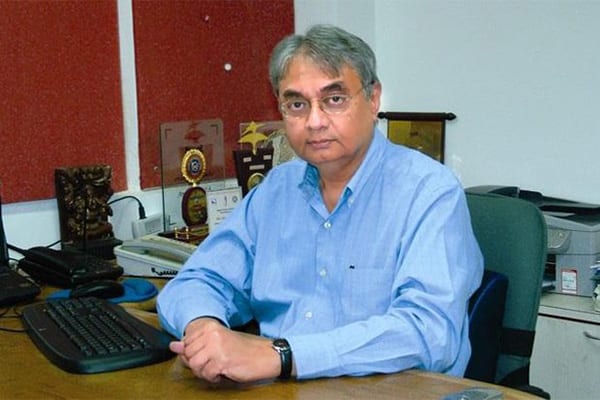
Mr Rahul Mehta, President, Clothing Manufacturers Association of India and MD, Creative Lifestyles Pvt Ltd, is widely acknowledged as one of the leaders of the Indian apparel industry. He has been actively steering various prestigious apparel organizations such as International Apparel Federation and Apparel Export Promotion Council. Creative Lifestyles Pvt Ltd launched 109oF in October 2006 and is one of the leading brands in women’s western wear category in India. It is also popular in countries such as Australia, UAE, Kuwait, Saudi Arabia, Iraq, Ecuador, Sri Lanka and Nepal. In this exclusive interaction with TPCI, he talks about the current scenario of the Indian apparel sector due to rising imports as well as future opportunities and challenges for the industry. Q. A recent report collated by the Clothing Manufacturers Association of India (CMAI) has depicted an increase in garment imports by 47% and a 5% decrease in exports during April 2018-February 2019. One key factor is the rise in imports from Bangladesh. What are the major factors prompting retailers in India to opt for imported garments? Rahul Mehta (RM): While it is true that there has been an overall decline in India’s garment exports for the period April’19-February’19, apparel exports started picking up since October last year. Coming to the rise in imports of garments made in Bangladesh, there are a number of reasons for this development: • Before the implementation of the GST regime, Indian importers had to pay a countervailing duty of about 5-7%, which drove up the costs of these garments. With the GST having subsumed this duty, apparel from Bangladesh has become cheaper for the Indian importers by 5-7%. • Bangladesh has the advantage of having lower minimum wages (about 60-70% of those in India). This has the effect of reducing the cost of production and making clothing cheaper. • Another factor, which makes Bangladesh competitive is the fact that it enjoys the import of duty free fabrics & garments from China. The availability of cheaper fabric, too, brings down the manufacturing costs. • Lastly, India has a lot of smaller production units and factories owing to the high cost of spaces and the tendency to prevent unionism. As a result, big retailers like Reliance and Aditya Birla cannot place bulk orders conveniently. For instance, if they want to procure 100,000 pieces, they’ll have to source them from 10-15 Indian garment producers, whereas they can procure the same easily in Bangladesh by placing the order to 1-2 firms. Having said that, there’s one thing that needs to be noted about the current development – that while this trend is worrying indeed, it is certainly not a situation to panic about. This is due to the fact that the total amount of imports (about US$ 1 billion) is not very significant when one looks at the country’s total consumption. However, if left unchecked, this development could create severe problems in the future. Q. How do you view the competitiveness of Indian apparel exports in the current international scenario vis-à-vis competitors like Vietnam? RM: The fact that Vietnam is not a cheap production source and is geographically a small nation creates limits on its growth & expansion in comparison to India. However, the fact that it has attracted huge investments, technology and skills training from China, has certainly created a beneficial scenario for Vietnam. With the right kind of policies and initiatives, India is sure to do well and grow more than Vietnam. Q. What are the key markets where Indian exporters have successfully penetrated in the past, and new markets you are trying to explore? RM: US & EU together comprise the top markets for Indian apparel exporters (65%). There’s also a lot of potential that can be tapped in Japan, Australia, South America & Middle East. However, there’s one bottleneck that needs to be taken into account – India only specializes in the production of low to mid-range cotton casual wear. It is peculiar by its absence when it comes to formal wear, sportswear, outdoor wear and winter wear. India needs to explore these areas if it aspires to increase its garment exports beyond 5-10%. Q. How can Indian apparel exporters successfully integrate with global value chains, and what has been the progress so far in this regard? RM: Like I said, India needs to diversify its product basket. It also needs to pay attention to compliance and sustainability-related issues and make sure that its manufacturing practices fall within the gamut of accepted social & legal regulations. Q. Please share with us any significant non-tariff barriers that Indian apparel exporters have faced in the international markets. RM: There are not any major non-tariff barriers faced by Indian exporters in international markets except for the concessions meted out to competitors like Bangladesh due to their LDC status. Q. How have FTAs/PTAs signed so far helped Indian garment exporters? Which are the major FTAs/PTAs you are eying in the coming future, and concerns on these, if any? RM: They have not really helped us because India has trade agreements with countries, which were in a better position to export garments to us than import from us. Ten years back, the agreement with EU could have been a game changer for India; but it did not materialize as expected. Q. Any major export benefits you perceive from the on-going US-China trade war? RM: India could fill the void created by China in the US market. However, US could treat India in the future like it is treating China in the wake of its protectionist measures. But the silver lining is that at present, the confrontation between India-US is not as serious as the one between US-China.

“Metals and capital goods should be kept out of FTAs”
• Near zero or zero import duty rates provided to FTA partners have gone against the spirit of FTAs and hit India’s domestic industries. • Anti-dumping, safeguard duties and withdrawal of GSP by USA are major challenges. Mounting NPAs and bad loans are compelling banks against extending loans to the metals industry. • There should be a level playing field for all regions of the world and similar import duties should be paid by all the trading partners equally. • Metals and capital goods should be kept out of the gamut of RCEP negotiations to avoid dumping of metals and capital goods from Korea & China. Import duties are walls designed to protect interests of domestic manufacturers against stiff and unfair competition posed by the foreign manufacturers. However, near zero or zero import duty rates as provided to countries with whom FTAs have been signed have rather gone against the spirits of the FTAs and have hit India’s domestic industries – be it aluminium, steel or copper makers as well as capital goods manufactures. For instance, in the case of steel, more than 50% (sometimes, up to 75%) of the domestic imports are met by imports from India’s FTA partners who have exemption from payment of import duties. In our view, there should be a level playing field for all regions of the world and similar import duties should be paid by all the trading partners equally and there needs to be a balance in trade in all fairness. If India is importing 100 kg of aluminium from a country, for instance, it should also be allowed to export at least 70 kg of aluminium to the same nation. This, however, does not happen most of the times. Such anomalous policies are creating a chain of other problems like NPAs with the banking sector, crippling the growth of Indian industry and the economy. While there is a high cost of capital in India, with about 12% interest rate, the same in Japan is near zero and in South Korea, it’s below 6%. Added to this are the high logistical costs in India and the unfair competition created by the low prices of metals coming from FTA countries. The recent currency depreciation in South Korea has led to further drop in import prices into India, which will push Indian producers to match the lowest price. They will continue to bleed financially. When it comes to the bottlenecks faced by Indian metal exporters, anti-dumping/safeguard duties/withdrawal of GSP by USA are major challenges. Depreciation of Indian rupee and lower cost of production can give us a profitable edge in markets of US & Europe. Our exports need to grow. Another factor behind the demand and investment slowdown is that the government has not been able to uplift the share of the manufacturing sector in India’s GDP. Though the current government envisaged a 25% contribution by the manufacturing sector to India’s GDP by 2025, the growth has stagnated to 14-16%. If you look at our competitors like China and South Korea, manufacturing accounts for more than 40% of their GDP. As a result, a lot of their aluminium, steel, copper, etc. get consumed by industries in their own country, which is not the case in India. Moreover, due to the stark rise in NPAs and bad loans, a number of banks in India are shying away from lending capital to Indian industry for new investments. They have also enforced credit limits. The downstream manufacturers have to compete on costs, which pushes them to source cheaper metals from overseas. Production level has gone down too; the recent victim of this scenario being the automobile sector in India. Furthermore, many downstream end-product producers turn to inferior quality metals because of their lower costs. Thus, they are creating a problem for the primary metal producers. There needs to be a total ban on use of defective and non-standard products. I believe that metals and capital goods should be removed from free trade agreements to ensure that our companies do not become NPAs due to low price offers as a consequence of near zero duty enjoyed by FTA countries. Unfortunately, the government hasn’t done much to help the industry. Our Make in India has failed due to FTA countries ruining our metals and capital goods sectors. In fact, it should take a cue from regions like US & Europe that are known for their quick and proactive steps to introduce safeguard/ protectionist policies. In the context of Regional Comprehensive Economic Partnership (RCEP) too, I would strongly advocate that metal and capital goods should be kept out of the gamut of negotiations in order to avoid the dumping of metals and capital goods from South Korea & China. Mr Yatinder Suri is an IIT Kharagpur alumnus who started his professional career with Tata Motors in 1975. Currently, Mr Suri is the MD & Country Head of Outokumpu India, which is the Indian subsidiary of Finnish Group Outokumpu – the oldest and largest manufacturer of stainless steel. He is also the Chairman of Process Plant and Machinery Association of India and is on the board/committees of various platforms like ISSDA, CII-Capital Goods , CII-Railways, CII-Steel and CII -Corrosion Management Committee, Chemtech Foundation etc. The views expressed in this column are his own.