
• India has expressed its dissent on the proposed e-commerce rules submitted by EU at the WTO in April 2019. • From India’s perspective, the new rules will undermine the flexibilities available under the GATT and GATS. • India’s position on data sovereignty and localization has been criticised by developed countries as being discriminatory. However, even domestic industry does not seem to approve of the proposals in the draft e-commerce policy. • India should reconsider its position on these issues, as they could be detrimental to the growth of the nascent e-commerce sector. A potential conflict is brewing in the WTO on the issue of formalisation of rules for digital trade. India has placed on record its strong opposition to the proposed e-commerce rules submitted by EU on April 29 at the forum. India’s permanent representative at the WTO Mr J S Deepak has cautioned that developing countries like India are not ready for binding rules in e-commerce. While addressing the Informal Trade Negotiations Committee of the Heads of Delegates, Mr Deepak said, “We fear the impact of some of the e-commerce rules being proposed under the Joint Initiative on e-commerce, on existing trade rules, particularly the General Agreement on Tariffs and Trade (GATT) tariffs, which protect our industry, and General Agreement on Trade in Services (GATS) schedules that provide us useful flexibilities. Both the GATT and GATS could wither away due to the onslaught of the so-called ‘high standard’ e-commerce elements.” Led by major economies like EU, US, Japan and China, seventy-six member countries of the WTO have commenced separate negotiations to decide on rules and obligations in e-commerce. On the other hand, India prefers to follow the ongoing multilateral programme on e-commerce at the WTO and get it finalized. DRAFT E-COMMERCE PROPOSAL TABLED BY EU AT THE WTO Some of the core proposals of the draft e-commerce rules tabled by the EU are as follows: • Guarantee the validity of e-contracts and e-signatures • Strengthen consumer consumers’ trust in the on-line environment • Adopt measures to effectively combat spam • Tackle barriers that prevent cross-border sales today • Address forced data localization requirements, while ensuring protection of personal data • Prohibit mandatory source code disclosure requirements • Permanently ban customs duties on electronic transmissions • Adhere to the principle of open internet access • Upgrade existing WTO disciplines on telecommunication services to ensure that they are fit to support today’s vibrant internet ecosystem that is the main enabler of e-commerce. • Improve market access commitments in telecommunication and computer related services. India is particularly opposed to two elements under the EU proposal – banning of customs duty on electronic transmissions and data localisation. India’s draft e-commerce policy clearly unequivocally identifies data as a sovereign asset, which cannot be allowed to cross the borders of the country. While China is part of the informal group, it has also put a precondition of data security. On the moratorium for customs duties, India is apprehensive of the potential loss of revenue, especially for developing countries. Mr Deepak stated that India would also like to estimate the amount of revenue loss that could result from new technologies like additive manufacturing and the manufacturing of many dutiable goods through digital printing. Opposition within and beyond borders The office of the US Trade Representative (USTR) has disparaged India’s draft e-commerce policy as restrictive, since it raises costs for suppliers of data-intensive services who have to construct redundant data centres in India. It has urged India to reconsider the ‘discriminatory aspects’ like “broad-based data localisation requirements and restrictions on cross-border data flows, expanded grounds for forced transfer of intellectual property and proprietary source code and preferential treatment for domestic digital products”. This is also a major issue in onging trade negotiations between the US and India. The policy has been criticized even within India. The Internet & Mobile Association of India (IAMAI) feels that the draft policy could be inimical to India’s plans to build a trillion dollar digital economy by 2022. It states that cross-border curbs on data flow, broadening the definition of e-commerce to all digital services and enforcing data localization could serve to cut down on FDI inflows into the sector. NASSCOM has commented that by covering a wide range of entities including e-commerce platforms, IoT, search engines, ISPs, etc the Department for Promotion of Industry and Internal Trade (DPIIT) has put up conflicting views in areas that are core to other ministries. It feels that this is avoidable, and DPIIT should keep the focus on e-commerce only. Furthermore, the industry body feels that storage of data within India should not be mandatory. Instead, firms should naturally opt to consider India for their data centre operations with improved efficacy of domestic infrastructure and business efficiencies. Also, NASSCOM has opined that the policy does not clearly specify the link between level playing field, access to data and innovation. Perhaps the most critical concern for India is its mixed history with multinational e-commerce firms, which essentially implies Amazon and Flipkart (now under Walmart). The government issued revised guidelines for e-commerce in India in February 2019 to provide a level playing field for domestic firms. It barred e-commerce platforms from selling exclusive products on their portals and stocking over 25% of inventory from one vendor. It also prevented e-commerce firms with foreign investment from selling products of retailers in which they hold equity investments. Moreover, India barred e-commerce entities from offering deep discounts, as it was deemed to be an anti-competitive and disruptive practice. These rules affect Amazon and Flipkart in particular, who together own around 90% of the Indian e-commerce market at present, according to estimates. This also implies that only large entrants with deep pockets like Reliance can effectively compete with these companies. So restrictive policies may only benefit larger Indian players rather than SMEs. The e-commerce industry has come a long way since Sachin and Binny Bansal conceptualized Flipkart in 2007, but it has barely scratched the surface. By 2023, just

US-India: It takes two to tango
• The US Commerce Secretary Wilbur Ross met Finance Minister Mr Arun Jaitley and Minister of Commerce & Industry Mr Suresh Prabhu during his visit to India on May 6. • Both sides discussed some of the thorny issues affecting bilateral ties, including e-commerce, data localization, medical devices and duties on steel and aluminium. • US has been critical of India on a number of issues. But it is clearly not in US interests to undermine its relationship with India, especially in light of its deteriorating ties with China. • India must leverage this opportunity to secure a trade agreement that addresses its concerns and helps expand the bilateral relationship. Amidst heightened trade tensions with India, US Commerce Secretary Wilbur Ross came on a visit to India to attend the Trade Winds Indo-Pacific Forum. Trade Winds is the largest annual trade mission programme of the US Department of Commerce. On May 6, he also met the Finance Minister Mr Arun Jaitley and Minister of Commerce & Industry Mr Suresh Prabhu. While the meetings did not touch upon the issue of US withdrawal of India’s benefits under GSP, a number of contentious issues came up during the discussion. These include e-commerce, data localization, medical devices industry, personal data protection, ground handling of foreign airlines and duties on steel and aluminium. With the US ending the waiver on oil imports from Iran, India faces the prospect of costlier oil imports. However, Wilbur Ross asserted that the US could do nothing to reduce import costs for India, as oil is owned by “private people”. The US approach to its relationship with India has been a matter of intense discussion and debate over the past few months. Donald Trump has accused India of being a tariff king repeatedly, alluding to high duties on products like motorcycles and paper. US industry has expressed its dissent at the restricted market access for sectors like dairy, agriculture, health equipment and energy. US has also highlighted that India’s IPR policies are not conducive for patent holders. The USTR has recently put India on the Priority Watch List, calling it one of the world’s most challenging economies with respect to protection and enforcement of IP. Its Special 301 report also claims that India and China are the largest sources of counterfeit medicines globally. The case of Pepsi vs India’s farmers is an outcome of different perspectives on IP. Although Pepsi has withdrawn the case under pressure from various quarters, the issue could be a factor in negotiations over the coming months. Under TRIPS (Trade Related Aspects of Intellectual Property Rights) and UPOV (Union for Protection of Plant Varieties), plant breeders have exclusive rights over varieties they develop. However this does not recognize the rights of farmers to their genetic resources and associated knowledge. The Indian PPV & FRA law, on the other hand, recognises the rights of the breeder as well as the farmer. So the farmers were legally permitted to sell the FL 2027 plant variety in question, unless they did so in the branded format. Both countries are firmly on opposite sides on the negotiations with respect to e-commerce norms, data protection and digital trade. The US has criticized India’s stand on data localization, which compels foreign firms to have servers in India. The US is part of a group of 76 countries that are attempting to establish ground rules for e-commerce. India has refused to be a part of these discussions, in particular due to its apprehensions of unfair market access for large foreign e-commerce companies and opposition to the temporary moratorium on customs duties being made permanent. Market access issues are a pain point for both countries in the bilateral relationship. India has shown some flexibility on tariff caps of stents, and could also offer lower duties on some ICT products. On the other hand, India expects US to give it a waiver from high tariffs on aluminium and steel, apart from greater market access for some of its key export sectors. Greater gain in collaboration Despite these irritants, India has a good opportunity to extract greater leverage from the US on the trade relationship. Despite its constant criticism on various fronts, US would also not like to upset its equations with India; which hold immense strategic relevance, especially in the current context. US trade talks with China seem headed nowhere, with Trump threatening to increase tariffs on US$ 200 billion worth of Chinese imports from 10% to 25% by May 10. Meanwhile, there is a rising interest in US companies to see India as a viable alternative to China. The US-India Strategic Partnership Forum (USISPF) has recently asserted that around 200 American companies are eager to shift their manufacturing base from China to India after the general elections. However, they also carry expectations of reforms, greater transparency and a consultative decision making process. If the US is unhappy due to its trade deficit with India (US$ 24.2 billion in 2018), its corresponding trade deficit of US$ 378.6 billion with China is a certain catastrophe. India should view the current US tirade as an opportunity to actually enhance relations and formalise a trade agreement that helps improve India’s exports to US in sectors like agriculture, automobiles & auto components, textiles and engineering. India should also be discussing the continued tightening of H-1B visa norms under the Trump administration, which affects operations of Indian IT firms in the US market. Moreover, the US needs to appreciate the fact that Indian tariffs are not unreasonable; its applied average tariff is similar to economies considered to be relatively more open in terms of trade. Additionally, India can look at ways to facilitate US investment in critical areas like smart cities, SEZs, agri-tech, food processing, hospitality, energy, etc. As US firms find it increasingly difficult to do business in China, India is the best possible alternative, as a viable manufacturing base and a lucrative consumer market. India has quite a few aces, and should just play its cards

Renewable energy in India: Light at the end of the tunnel
• Renewable energy capacity additions in India were relatively sluggish in 2018-19, 40% below their peak in 2016-17. • The major reasons for the performance are policy uncertainties and poor grid infrastructure. • However, the long-term forecast remains bullish, with India projected to exceed its renewable energy target of 275 GW in 2027. • The sector presents an investment opportunity of US$ 500 billion by 2028, with an additional US$ 250 billion for grid upgradation and modernization. After four years of brisk growth when it doubled its renewable energy capacity to 70 GW, India saw a relatively sluggish growth in terms of power capacity additions in 2018-19. The slowdown was actually visible in thermal power as well, but for an entirely different set of reasons. According to a report by the Institute of Energy Economics and Financial Analysis (IEEFA), net new power generation capacity during the year was just 12 GW compared to an average addition of 22 GW between FY 2012-13 and FY 2016-17. In FY 2017-18, net power generation capacity addition stood at 17 GW. In the thermal segment, 5.8 GW of new capacity was added, but simultaneously, 2.4 GW of end-of-life plants were also shut down. This left the total thermal capacity at 226.3 GW by the end of March 2019, a net increase of 3.4 GW. In comparison, the new on-grid capacity additions in renewable energy were recorded at 8.6 GW, with solar at 6.5 GW, wind at 1.6 GW and 0.5 GW from other sources. This was a drop of 40% from 2016-17, when renewable energy capacity additions were at their peak. Thermal power companies are facing loss of competitiveness (vis-à-vis renewable) and financial stress. But the renewable sector was also impacted by policy uncertainties and sub-par grid infrastructure. Around 22.5 GW of renewable energy projects were awarded in 2018-19 through auctions, but they are yet to come on-grid. Furthermore, 37 GW of projects are at various stages in the bidding/tendering process. Implementation challenges and conflicting priorities The government set a highly ambitious target of 40,000 MW of solar capacity in solar parks by March 2022. But till date, the government has only approved 42 solar parks with capacity of 23,449 MW. Further, according to government sources, only around 5,835 MW has been commissioned. Each MW of solar power requires 5 acres of land, which is why acquisition of large contiguous tracts of land is a major problem for companies. Note: Renewables excludes 2.4 GW of behind the meter rooftop solar A similar challenge also confronts wind energy players, and Fitch has cited grid bottlenecks and land acquisition issues as factors constraining the sector. It projects wind energy capacity at 54.7 GW by 2022, compared to the target of 60 GW set by the Government of India. Another challenge facing solar companies in 2018 was tender cancellations. Various government agencies cancelled 8 GW of solar energy tenders since 2018, primarily due to lack of agreement on tariffs even after the L1 was announced. Factors like rupee depreciation and import restrictions increase input costs for solar power developers, thereby affecting their ability to keep prices low in tenders. The government imposed a safeguard duty of 25% on solar panel imports from China and Malaysia in July last year. The duty would remain at 25% for 12 months, 20% for the next 6 months and 15% till the end of the duty period on July 29, 2020. A number of developers postponed module imports to pay the minimum safeguard duty of 15%. Domestic solar module manufacturers are unable to match the prices offered by the Chinese. India imports around 90% of its solar cell and module requirements from China, Taiwan and Malaysia. Therefore, the government faces a dilemma between the conflicting objectives of spurring solar energy capacity additions and promoting the development of the domestic solar cell and module industry. According to Mercom Research estimates, the imposition of safeguard duties has improved market share of domestic manufacturers of solar cells and modules. However, it brought down the installed solar capacity by 15.5% yoy in 2018. IEEFA expects a flat FY 2019-20 with around 7-8 GW of solar power commissioned by March 2020. Developers have also complained about lack of clarity on the tax classification under GST for solar modules, inverters and construction contracts. Long-term outlook stays positive Despite the short-term challenges, solar and wind energy have achieved grid parity in India and are proving to be a strong competition to thermal power since 2017. During 2017-18 itself, a number of auctions awarded renewable energy projects at prices below Rs 3/unit. Source : Ministry of New and Renewable Energy Raj Prabhu, CEO and co-founder of Mercom Capital Group, comments, “To succeed in the Indian solar market, companies need to play the long game. For the first time in India’s history, solar accounted for over 50% of new power capacity in 2018. We will continue to see a steady shift toward solar as prices continue to drop. This is going to be the new normal as coal plants continue to shutter.” IEEFA projects that India will reach a renewable energy capacity of 144 GW by 2021-22, as compared to the target of 175 GW. But the institution is confident that given the run rate, India will exceed its target of 275 GW by 2027. The sector presents an investment opportunity of US$ 500 billion by 2028 for generation of new renewable energy capacity. Furthermore, grid modernization and expansion offer an additional investment potential of US$ 250 billion.

Country Profile: Chile
• Chile is among the most progressive economies in the Latin American region, scoring high on both economic freedom and ease of doing business. • The country’s major strengths include openness to trade and investment, transparent regulatory systems and strong rule of law. • Chile has signed a number of trade agreements over the past few years. It is on the verge of joining the Comprehensive and Progressive Agreement for Trans-Pacific Partnership (CPTPP). • India’s trade with Chile is highly concentrated and below potential. It is important for Indian firms to establish physical presence in the Chilean market. Chile is one of the most advanced economies of the Latin American region. Its strong macroeconomic fundamentals have enabled an accelerated reduction in poverty levels from 30% in 2000 to 6.4% in 2017 (World Bank, percentage of people living on US$ 5.5/day). Chile has an economic freedom score of 75.4, with its economy ranked 18 in the 2019 Index. The country’s overall score increased by 0.2 points, reflecting improvements in labour freedom, business freedom, and monetary freedom even as there was a decline in its score on judicial effectiveness. Overall, Chile ranks 3rd among 32 countries in the Americas. Some of Chile’s fundamental advantages include openness to global trade and investment, transparent regulatory systems and strong rule of law. After plummeting for four years, investments in Chile recovered in 2018 due to positive outlook and expectations from the present government under President Miguel Juan Sebastián Piñera Echenique. The government has brought in key tax reform measures, proposals for incentivisation of capital investment, entrepreneurship and innovation. Trade and macroeconomic indicators of Chile GDP of the economy at nominal value US$ 293 billion Population 18.55 million GDP per capita at nominal value US$ 15,209 GDP growth rate, in % 1.8% Unemployment rate 6.8% Trade figures, in US$ billion US$ 131.9 billion GDP at PPP value US$ 454.1 billion Per capita GDP at PPP value US$ 24,537 FDI inflows, in US$ billion US$ 6.8 billion Contribution of agriculture, industry and services as percentage of GDP 4.1%, 32.9%, 63% respectively Trade of goods and services as a percentage of GDP 55.9% Source: Compiled from multiple sources Chile has a market-oriented economy characterized by a high level of foreign trade and a reputation for strong financial institutions and sound policy that have given it the strongest sovereign bond rating in South America. Exports of goods and services account for approximately one-third of GDP, with commodities making up around 60% of total exports. Copper is Chile’s top export and provides 20% of government revenue. Other key exports are minerals, wood, fruit, seafood and wine. China is the top trading partner for Chile followed by the US. Services – GATS Commitments of Chile Major services open under GATS commitments are communications services, tourism and travel-related services, transport services and some financial services.In Chile, total commitments increased from 140 to 168 with a lower increase in no restriction items (MA) from 36 to 52. The result was an increase in their relative importance in negotiated commitments (from 26% to 31%). About commitments negotiated in communications, a substantial increase was taking place from 24 to 48, with a larger increase in no restriction items (MA) from 6 to 21; this implied that their proportion almost doubled. In financial services, total commitments negotiated increased in the second protocol from 52 to 56, with no changes in the fifth. Import trends of Chile for services, in US$ million Service label 2013 2014 2015 2016 2017 All services 15,541.8 14,411.3 13,054.4 12,637.7 13,062.366 Memo item: Commercial services 15,541.7 14,411.3 13,054.4 12,637.7 13,062.366 Transport 6,977.5 6,022.6 4,578.7 4,179.3 4,520.822 Other business services 3,071.3 2,680.1 2,715.4 2,699.5 2,567.16 Travel 1,867.3 2,088.8 1,963.3 2,137.1 2,329.668 Charges for the use of intellectual property n.i.e. 1,355.5 1,548.6 1,545 1,575.2 1,538.91 Financial services 669.2 670.7 744.4 699.6 748.868 Telecommunications, computer, and information services 707.7 591.2 671.6 610.2 566.589 Insurance and pension services 529.7 413.4 437.9 379.3 396.079 Services not allocated 328.2 350.8 361.9 325.5 357.531 Personal, cultural, and recreational services 35.3 45.1 36.2 32 36.739 Source: ITC Trade Map Trade outlook Chile has recently executed the Comprehensive and Progressive Agreement for Trans-Pacific Partnership (CPTPP), which includes Australia, Brunei Darussalam, Canada, Chile, Malaysia, Mexico, Japan, New Zealand, Peru, Singapore and Vietnam. This important agreement was approved by the Chilean Chamber of Deputies in April, and is awaiting approval by the Senate. Countries within CPTPP encompass around 500 million citizens and account for 12% of world trade. Driven by its bias in favour of trade liberalisation, Chile unilaterally brought down its tariffs to a flat 6%. This has led to successful conclusion of a number of trade agreements with its partners, and lowering of average tariff to 1.8%. Chile is planning to bring the average tariffs down further over the next decade. China is the largest trade partner for Chile, with bilateral trade at US$ 42.8 billion in 2018, growing by 24% yoy. This accounts for one-third of Chile’s total trade. The two countries had signed an FTA way back in 2005, when their bilateral trade was just US$ 7 billion. They upgraded the agreement in March 2019, The upgraded China-Chile FTA will increase the number of tariff-exempt items to 98% of all items, according to China’s Ministry of Commerce. China also plans to remove tariffs on some wood product imports from Chile over a period of three years. Chile will immediately remove tariffs on Chinese imports like textiles and clothing, home appliances and sugar products. In recent years, Chile has benefited from rising Chinese demand for its agricultural exports, such as fruits and meat. The FTA will also see China opening more than 20 sectors to Chilean investors, including legal services, entertainment services and distribution. Chile, on the other hand, will open up more than 40 sectors, including express delivery, transportation, and construction. India-Chile Bilateral Trade Relation Chile has been aggressively active in signing trade agreements with several countries in last five years. India had also expanded

Product Profile: Almonds
HS CODES: 080211 and 080212 • The global almond market is expected to grow at a CAGR of 7.1% during 2019-2028. • Growth is driven by increasing health consciousness, as well as rising popularity of products like almond milk, almond butter, etc. • US is the top exporter of almonds globally, while India is the leading importer in value terms. • The almond snack market in India is projected to reach a size of Rs 1 billion by 2024. World almond consumption has burgeoned by 10% each year over the last five years and we are seeing significant development in demand across both developing and developed markets. In the US alone, almond consumption has surged at a CAGR of 7.5% over the same period and we observe strong indicators that sustained growth will continue in developing markets such as India and China. This robust growth is primarily led by a rising demand for healthier foods worldwide. Consequently, the industry is seeing new opportunities in terms of products, methods of use and application. These include the use of almonds in almond butter, salad toppings, almond milk, confectionery fillings as well as health and energy bars amongst others products. As the developing world is getting inclined towards more protein-rich diets, almonds are becoming less of a luxury and more of a necessity. In an analogous way in developed markets, almonds are now a preferred choice as a healthy snack as more and more studies validate its health and nutritional benefits. This is also seen as a growing desire to counter common lifestyle issues such as heart disease, high cholesterol, weight gain and diabetes in the present milieu. The US is the leading producer and exporter of almonds globally. California accounts for 80% of global almond production, out of which 33% is consumed by US and Canada. Source: ITC Trade Map Top exporters and importers of almonds globally Exporters Exported value in 2018, US$ million Importers Imported value in 2018, US$ million World 6,470.326 World 6,408.531 United States of America 4,368.467 India 816.731 Spain 692.623 Germany 627.404 Australia 407.472 Spain 558.763 Hong Kong, China 222.532 Hong Kong, China 373.084 Germany 132.72 Viet Nam 359.664 Netherlands 126.71 Italy 311.336 Italy 108.99 France 290.668 Turkey 76.923 Japan 252.865 Source: ITC Trade Map Source: ITC Trade Map India – the world’s largest importer of almonds The growing health consciousness of Indian consumers and their rising purchasing power only augurs well for almond consumption in India. Almonds are consumed not only as a raw whole product or salted, but are also commonly used in several Indian sweets as well as in the popular “badam milk”. It is now also finding a lot of application in health drinks, biscuits and ice cream. Breakfast cereals, chocolates, biscuits and ice creams are also increasingly using almonds. India is also set to see rise in imports of some derivative products of almonds like almond milk, flour and butter. The almond snack market is forecasted to become a Rs 1 billion industry in India by 2024. Promoting almonds as a healthy snack will help boost sales. Application of monopsony power by large intermediaries in agricultural markets can be particularly harmful in poor countries where farmers often live close to the poverty line. But in India, where almonds are cultivated at an extremely miniscule level, there is no need to be concerned. In fact, India has an upper edge in terms of bargaining power and designing import policies for almonds. US is the top source market for India’s almond imports in value terms. During April-January, 2018-19, almond imports (fresh or dried in shell) from the US reached US$ 556.58 million. It was followed by Australia (US$ 101.83 million) and Hong Kong (US$ 25.65 million). Recently, Indian authorities have announced that they will delay imposing tariff hikes on US products, signalling a safe play. But over time, India should look forward to diversifying its almond imports as demand grows further and leverage its monopsony power as a major buyer.
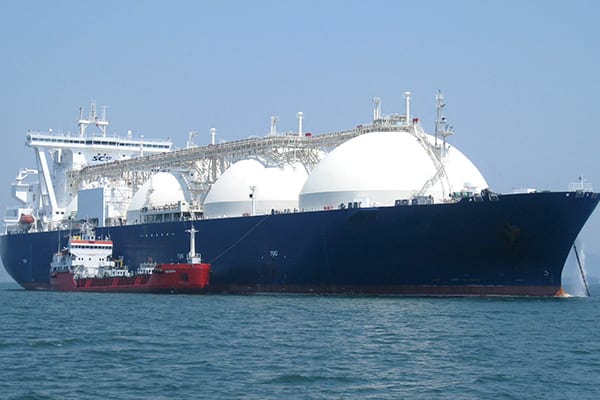
India needs to strategically pave its oil diplomacy route
• India has been highly dependent on crude oil imports to meet domestic demand, especially since the past two decades. India’s oil imports grew at a CAGR of 4.8% in terms of quantity in the past ten years. • As a rule of thumb, an increase of US$ 10 per barrel in crude oil prices will lead to an adverse impact of US$ 10-11 billion (or 0.4% of GDP) on current account deficit. • In the past five years, India did not witness double digit inflation. But the issue may return to haunt the economy, unless escalated crude oil prices are mitigated. • It will be beneficial for India to transact in other currencies and bypass the US dollars, as it reduces the pressure and engenders the prospect of increasing the demand of rupee. India’s crude oil imports have always been a matter of discussion, even during the pre-liberalization period. The importance of oil as a trade commodity can be assessed from the oil shock of 1973, when members of the Organization of the Petroleum Exporting Countries (OPEC) formed a cartel, which resulted in a massive oil price surge. This resulted in daunting outcomes for some of the developed economies, including USA. India has also remained excessively dependent on crude oil imports to meet domestic demand, especially from the past two decades. The country’s oil imports grew at a CAGR of 4.8% during the past decade. This statistic eloquently signals that dependence on crude oil is increasing at a faster rate than India’s population. In 2009, India used to import 148 million tons of crude oil, which escalated to 225.5 million tons in 2018. Analyzing the volume of crude oil imports is more pragmatic rather than comparing values, as global oil prices in past have been prone to volatility. Source : UN Comtrade As a rule of thumb, an increase by US$ 10 per barrel in crude oil prices will lead to an adverse impact of US$ 10-11 billion (or 0.4% of GDP) on the current account deficit. Since the country is heavily dependent on oil imports to the tune of over 80% for meeting its domestic demand, it remains susceptible to global crude price shocks. Tough road ahead? Now India is on the verge of entering into the vicious trap of oil economics, as eclectic parameters are working against its interests. Firstly, the US has given an ultimatum to withdraw oil imports from Iran as the waiver period over sanctions on Iran is going to be over from the beginning of May. The key advantage for India while importing oil from Iran was that there was no pressure to pay in US dollars. The trade was settled partly in rupees, and partly in the form of food and pharma supplies. Now, it is quite likely that India will be forced to pay dollars depending upon the sources of import. Secondly, global crude oil prices have been on a continuous surge since the past four months. There is an increase of almost US$ 18 per barrel during this period. This is going to exacerbate our current account deficit and domestic market prices in the coming six months, if not cushioned adequately. In past five years, India didn’t observe double digit inflation, but now it seems that we may experience it again until and unless escalated crude oil price is mitigated. Thirdly, India’s major oil imports are catered to by the Middle East (OPEC) economies. Approximately 63% of India’s domestic oil demand is met by these nations. Globally, India is the third largest oil importer after China and USA, which means that we are a major consumer for oil supplying economies. Thus we have an upper limit when it comes to diversifying our oil import basket. Countries like Russia, Nigeria Kazakhstan, Angola and Algeria also feature amongst the top supplier of crude oil. We need to mould our oil diplomacy in a favorable way so that risks during oil price volatility are minimised. India’s import of crude oil from Russia burgeoned from US$ 85 million to a whopping US$ 1.2 billion from 2016 to 2018. Also it will be beneficial for India to transact in other currencies and bypass US dollars, as it reduces the pressure and engenders prospects of increasing the demand of the rupee. In the past, Russia and China have also bypassed US dollars while signing a bank deal. A number of other countries are also aiming to cut their dependence on the US dollar in the future, as Washington uses access to the dollar payment system as a weapon to punish nations.

Pharma Wars: US government body puts India on the ‘Priority Watch List’
• US Trade Representatives (USTR) has put India on the Priority Watch List for its IP framework in its latest report. • In its report, the USTR alleges that India remains one of the most challenging major economies in terms of protection & enforcement of IP. • Furthermore, the report seeks to discredit the Indian pharma industry, labelling it as one of the largest sources of counterfeit drugs along with China. • On closer analysis, the report only appears to be the latest in a series of pressure tactics from US to gain more favourable trade terms from India. India’s pharma exports posted a strong growth of 11% YoY in 2018-19 to reach US$ 19.13 billion. This performance obscures a series of challenges faced by the industry – regulatory challenges, margin pressures, price control in Germany and Brexit. A recent development highlights one more – the huge dependence of Indian pharma exports on the US, where generic pharma firms (largely Indian) are constantly under scrutiny. An official report by the US Trade Representatives (USTR) places India along with 11 countries on its “Priority Watch List” apart from China, Indonesia, Saudi Arabia, Russia and Venezuela. Notably, the head of the USTR is a cabinet member and the body is part of the Executive Office of US President Donald Trump himself. The report acknowledges that India has taken some steps to improve IP protection and enforcement. However, it adds that “many of the actions have not yet translated into concrete benefits for innovators and creators, and longstanding deficiencies persist. India remains one of the world’s most challenging major economies with respect to protection and enforcement of IP”. It alleges that this lack of sufficient progress is impacting US holders of IP rights. The US plans to launch extensive bilateral discussions with these 11 countries to address concerns, and monitor progress against its Special 301 action plans for those on the Priority Watch List for multiple years. If the progress is not satisfactory by its standards, the US also plans to enforce compliance under Section 301 or take recourse to appropriate dispute settlement mechanisms like the WTO. According to the report, IP challenges in India for US firms include difficulty in receiving and maintaining patents, insufficient enforcement, copyright policies that do not adequately incentivize creation and commercialisation of content, and an outdated & insufficient trade secrets legal framework. It accuses India of low transparency on information pertaining to state-issued pharma manufacturing licences and expanding the use of patentability exceptions to refuse pharma patents. The US wants governments to use compulsory licensing only in very rare cases, with every effort to secure reasonable commercial terms for authorization from patent holders. Undermining the Indian pharma brand The Special 301 report also claims that India and China are the largest sources of counterfeit medicines across the world. It ‘estimates’ that around 20% of all drugs sold in India are counterfeit, and pose serious risks to health and safety. Furthermore, the report asserts that India exports such drugs to Africa, Canada, the Caribbean, EU, South America and US. Health Secretary Ms Preeti Sudan countered these allegations in a quote to TOI, “We strongly disagree with the observations made by USTR. We do not know the genesis and methodology of their findings. Instead, we view this as opposition to low cost generics and the thriving Indian drug manufacturing industry which is the ‘Pharmacy of the world’.” She added that generic drugs are low cost but quality products, and only certified pharma products are exported from India. A press release by Doctors without Borders (MSF) also made a strong case for affordable generic medicine at a time when pharma prices were soaring across the globe. Over the years, India has repeatedly countered the observations of the Special 301 report, calling it a unilateral point of view of the US government. India maintains its stand of operating in accordance with multilateral IP regulations. Missing the larger picture Indian producers of generic drugs have played a stellar role in achieving critical healthcare outcomes and treating patients across the globe, particularly in developing countries. While India needs to address its counterfeit drug problem, some of the other demands placed in the report are untenable. Developing countries like India have worked hard on gaining flexibilities on patent rules in situations involving public health, for instance, in the case of patented cancer medicines. Providing some protection to generic drug makers is important to keep prices under control. This is at odds with the Big Pharma lobby in the US, which seeks to gain greater access to developing markets. Attacks on the Indian pharma industry by the US are not new, and have only intensified after the Supreme Court upheld the rejection of patent for Novartis’ life-saving leukemia drug Glivec in 2013. MSF India emphasises, “Such pressure violates the integrity and legitimacy of the system of legal rights and flexibilities created by the Trade-Related Aspects of Intellectual Property Rights (TRIPs) Agreement, as reaffirmed by the Doha Declaration for the World Trade Organisation members to meet their rights and public health obligations.” Moreover, creating a negative brand image for Indian pharma serves the interest of US pharmaceutical majors in their home market as well. India happens to be the third largest producer of drugs by volume and its homegrown pharma market is expected to reach US$ 55 billion by 2020. The country accounts for around 40% of the generic drugs sold in the US. The intervention of Indian generic companies has successfully brought down prices of drugs for diseases like cancer, TB and HIV by over 90%. The fact that 55% of India’s pharma exports go to highly regulated markets contradicts the argument of USTR of Indian drugs being low on quality. Given this scenario, one can only view the USTR report as the latest in a series of pressure tactics that are being deployed by the US to gain more favourable trade terms from India in sectors crucial to its interests.

Australia-India trade: Making amends for lost time
• Australia’s exports to India, signify years of missed opportunities, and are dominated by mineral fuels and education services. • In terms of FDI equity inflows to India since the turn of this century, Australia ranks a low 24 • Australian government and business are now accepting the fact that they can no longer afford to miss the opportunities offered by the world’s fastest growing major economy. • A report submitted to the Australian government sets a vision for making India among Australia’s top three markets by 2035. When we think of India-Australia trade relations, the most visible export from the land of kangaroos that comes to mind would obviously be top cricketers like Steve Smith, David Warner, Shane Watson and Nathan Coulter-Nile, during the IPL season. But both sides would have reason to believe that there is much more to the exchange beyond curry, cricket and Commonwealth. India and Australia are part of ongoing negotiations for the Regional Comprehensive Economic Partnership Agreement along with China, Japan, South Korea, New Zealand and Southeast Asian nations. Once successfully completed, it will encompass countries accounting for around half of global GDP and will therefore be the largest trade deal after the WTO itself. In actual terms of trade, Australia’s merchandise exports to India reached US$ 11.37 billion during April-January, 2018-19, but these are overwhelmingly dominated by fossil fuels at US$ 8.26 billion. Even in terms of total FDI equity inflows into India from April 2000 to December 2018, Australia ranks a low 24, with inflows of US$ 928.23 million. On the other hand, Australia’s appeal to Indians has only got better over the years in one key arena – education. In a report on Australia’s services trade with India, the Department of Foreign Affairs & Trade (DFAT), Government of Australia, estimates services exports to India at US$ 3.5 billion in 2016, growing at a CAGR of 13.6% since 1999. Education-related travel services (education fees and living expenditure of Indian students in Australia) accounted for around 74.1% of this figure. In all, travel services accounted for 93.2% of Australia’s services exports to India in 2016. Short-term visitor arrivals from India to Australia have also increased substantially from 80,700 in 2006 to 259,900 in 2016. Tough market, or wrong approach? Highlighting this huge anomaly and several years of lost opportunity, Mr Peter Varghese, former secretary, DFAT asked Australian entrepreneurs to embrace India’s ‘chaos and diversity’ at the recently held Australia-India Youth Dialogue. He stated, “There is no other single market in the world that has more growth opportunities for Australia than India… So if you work backwards from that headline, the question is, how do we best position ourselves strategically?” For Varghese, the 700,000 Indians who are now Australian citizens are a good start, as they could prove to be an important link between the two countries. The Australian government asked him to prepare a report with a strategy to improve Australia-India business relations. India is currently Australia’s 4th largest trading partner, with trade at US$ 29 billion after China (US$ 195 billion), Japan (US$ 78 billion), the US (US$ 70 billion) and South Korea (US$ 52 billion). Varghese’s report sets a target of making India one of the top 3 export markets for Australia by 2035. It attributes the current situation to the general approach of Australian businesses that have put India in the ‘too hard’ basket. But now they cannot afford to miss the opportunities in the world’s fastest growing large economy. It admits that Australians have been dated in their perceptions of the business environment in India, where a number of significant positive changes are taking place. These are often invisible to the naked eye; for instance, trade is around 40% of India’s GDP today, as compared to 13% in 1990. Even the average applied tariff is one-tenth of its value in 1990. India is not the next ‘China’ Having said that, the report emphasises on the importance of viewing India on its own merits, rather than making comparisons with China and economies in East Asia. It is unlikely that India will be able to catch up with China in the coming decades in terms of absolute economic size. But the report makes it a point to mention a number of positive and structurally sustainable growth drivers that propel the India growth story. These include urbanisation of the world’s largest rural population; gradual transformation of the informal economy that accounts for 90% of India’s workers; a young demographic with a mean age of 27; considerable investment in infrastructure, and the beginnings of an ambitious program to upskill 400 million Indians. Taking a conservative view, the report estimates a growth rate of 6-8% till 2035, assuming that there are no radical structural reforms. Even in this scenario, India is projected to be the world’s third largest economy by that year after US and China. Overall, the report cites three reasons for Australia to focus on India for exports and investment – complementarity, scale of India’s economy and the need for Australia to diversify its global risk. Moreover, it recognises shared interests of both countries in an environment where the decline of US dominance is juxtaposed with the rising ambitions of China; the rules-based international order is increasingly under threat and there is a growing urgency to build regional institutions to promote integration in the Indo-Pacific region. Need for a nuanced approach Potential sectors identified by the report for trade and investment by Australia are divided into three categories – the flagship sector (education), three lead sectors (agribusiness, resources and tourism) and six promising sectors (energy, health, financial services, infrastructure, sport, science and innovation). Education remains a key sector due to the demand-supply gap in India. Going forward, Australia would like to diversify on areas like post-graduate and research collaboration, cost-effective vocational education and digital delivery. In the lead sectors, Australia believes it has the potential to be among the top five providers. The promising sectors are those where Australia

Canada – the new ‘Land of Liberty’?
• Stung by the rising complexities and uncertainty of H-1B visa rules in the US, Indian technology professionals are increasingly opting for Canadian citizenship. • Canada has liberalized its immigration norms to attract top global talent in the STEM segment with its Global Talent Stream (GTS) Programme. • Employment under GTS puts candidates at an advantage when they subsequently apply for permanent citizenship in Canada, which is far simpler than getting a US green card. • Even companies are increasing their presence in Canada, due to increasing regulatory requirements in US affecting their ability to hire top global talent. With the US on an increasingly protectionist drive, H-1B visa processes are getting increasingly more complicated. Consequently, Indian IT professionals are now exploring a new destination – Canada – which is far more eager to accept them. In 2017, the Canadian government announced a programme called the Global Skills Strategy, with a target of 310,000 new permanent residents in 2018 and 330,000 new residents in 2019. By November 2018, the Canadian government had approved 40,833 jobs and 3,625 applications for high-skilled immigrants. The Global Talent Stream (GTS) opportunity offered by Canada is particularly lucrative for professionals with a background in STEM. Talent firm StackRaft affirms that a number of Indian professionals are now actively exploring Canada for immigration, particularly in financial services, artificial intelligence, healthcare and clean technology. Indians are already benefitting from the programme with 36,310 invites out of a total of 86,022 in 2017, which increased by 13% to 41,000 invites in 2018. Currently, the maximum permissible duration for workers under GTS in Canada is 2 years. In Canada, sponsoring employers can get GTS applications processed in a span of 2 weeks. H-1B visas are normally extended for three years after expiry in the US, but the surveillance on these applications is now much stricter. The approach is more towards ‘Hire American’ with high thresholds for selection. The US had mandated an H-1B visa cap of 65,000 for FY 2020, which begins on October 1, 2019. According to the US Citizenship & Immigration Services (USCIS), sufficient petitions to reach the cap were received within just five days after they started receiving applications on April 1. A daunting trade barrier This is the first year for H-1B visa applications after the USCIS announced new rules for H-1B, which give priority to professionals who have completed their post-graduate degree from an educational institution in the US. This is expected to increase the number of selected applications in this category by around 16% OR 5,340 workers. There is a cap of 20,000 for selecting applications for US advanced degree exemption. Nasscom has cautioned that this may impact the ability of Indian companies to hire domain experts in areas like Data Sciences, Blockchain, IoT, AI, machine learning, etc. As per revisions made last year, the employer will have to now prove that the concerned employee is indeed required, has the requisite specialisation and will work on the same specialisation for the duration of the visa. Successive orders have only added to the complexity and paperwork. Employers have also been asked to furnish details on their current strength of H-1B visa workers. The Labour application will seek information on the number of H1-B visa holders at every location, and where the new workers will be deployed. The Labour Department will also ascertain whether US citizens can take up the position. Furthermore, US citizens can file cases for discrimination on employment with the Department of Justice. Indian IT companies have already faced lawsuits in the US against their alleged bias in favour of Indians when it comes to hiring. TCS won a lawsuit last year, and a similar case was filed recently against HCL Technologies. CARE Ratings estimated that the number of visas approved for the top five Indian IT companies came down by 49% YoY in 2018 to reach 22,429. The denials were highest for Infosys, followed by HCL America, TCS, Tech Mahindra Americas and Wipro during October 2017 to September 2018. Six top Indian IT firms saw rejection of 8,742 visa extension requests during the year. Significantly, around 73.9% of the 419,637 H-1B applications were from Indians in FY 2018. Increasing local hiring has obvious limitations as it significantly raises their costs of operations. Therefore, even companies with offices in US are expanding to Canada. Around 63% of US companies are ramping up their presence in Canada, with 21% already having a branch, according to a survey. Indians have to wait for 10 years to get a green card in the US. On the other hand, Canada is offering a fast track to citizenship in three years. There was a 50% rise in Canadian citizenship provided to Indians during January-October, 2018. Although the entry barriers are high and salaries are relatively lower in Canada, the subsequent process is relatively more predictable. Applicants hired via GTS get work experience in Canada, which puts them at an advantage for permanent residency under the Express Entry Route. For these reasons, US loss could now become Canada’s gain. Meanwhile, amidst continued allegations of high import tariffs from US, it is necessary for India to take a strong stand on toughening H-1B visa processes as a significant trade bottleneck.

WTO: Growing dissent on India’s ICT duties
• US, Canada, China Taipei, Thailand and Singapore have asked permission to join negotiations between India and EU on ICT tariffs. • Earlier in April, the EU had filed a case against India, terming some of its tariffs for ICT products as being inconsistent with commitments at the WTO. • India has increased tariffs over a number of ICT products to curb imports last year, to curb its current account deficit. • Beyond these stopgap measures, India must urgently strengthen its domestic electronics manufacturing ecosystem to reduce reliance on rising electronics imports. The case filed by the EU against India’s import duties on ICT products at the WTO has now acquired a whole new dimension. Five countries have asked permission from the dispute settlement body (DSB) to be a part of the negotiations – US, Canada, China Taipei, Thailand and Singapore. Earlier this month, the EU had accused India of applying duties on several ICT products that were in excess of its commitments to the WTO. These included telephones for cellular networks or for other wireless networks, transmission apparatus for radio-broadcasting or television, television cameras, digital cameras and video camera recorders and microphones, loudspeakers and headphones & earphones. Alluding to the Information Technology Agreement (ITA), 1996, the EU asserts that India was supposed to have 0% import duties on these products. The duties appliead are impacting EU exports of around € 600 million annually. India applied a duty of 10% on mobile phones and some other ICT products for the first time in July 2017. This was further increased to 15% the same year and 20% in 2018. In October last year, India also increased the basic customs duty on telecom equipment, and levied duty on printed circuit boards for the manufacturing of the equipment as well as many other electronic products. This has been criticised by several WTO members. The US has also been in talks with India to remove the duties since last year, pointing out that they were affecting exports worth US$ 490 million. Canada cited a figure of US$ 40.2 million of exports to India on these products during 2016-18, while Thailand stated that its exports in these tariff lines were recorded at US$ 318 million in 2018. Thailand was also the largest exporter of digital cameras to India during 2015-2017, accounting for 34.5% of the total imports. Chinese Taipei or Taiwan also affirmed that the customs territory of Taiwan, Penghu, Kinmen and Matsu had a special interest in ICT goods exports to India. India has countered the argument by stating that these products did not exist in the market in 1996 and were therefore not a part of the original ITA. Furthermore, India is not taking any new commitments under the ITA-2 agreement that was formalised in 2016. Last year, India had taken measures to curb non-essential imports and promote exports as a response to the falling rupee and rising current account deficit. The overall trade deficit had risen to US$ 80.4 billion during the first five months of 2018-19 compared to US$ 67.3 billion during the same period in 2017-18. Imports of electronic products had risen by 15% yoy during April-August to reach US$ 24.7 billion. Apart from electronic products, the government had also raised duties on a range of consumer goods like air conditioners, refrigerators, washing machines, footwear, etc. Bringing down duties in electronic products will run counter to the Make in India and Digital India initiatives of the Government of India. India needs to drastically cut down its dependence on electronics imports. Due to a strong push towards local manufacturing by the government, around 100 new mobile phone manufacturing plants have been set up in India over the last four years. The Indian Cellular & Electronics Association estimates that the developments in the electronics manufacturing ecosystem saved the country Rs 3 lakh crore in imports over four years. However, around 50% of electronic products that are marketed locally are still imported. In the instance of components, the ratio goes even higher to 80%. Most of the manufacturing units are still assembly hubs; a report by IIM and Counterpoint in 2016 concluded that locally procured components contribute only around 6% of the components in a phone by value in India. In 2011, the deficit in electronic items was US$ 20 billion and gold & gold jewellery was US$ 28 billion. However, in 2018, the deficit in electronic items had ballooned to US$ 45 billion, far exceeding the deficit in gold and jewellery, which was at US$ 22 billion. This broad category of electronic imports also includes products like computers and renewable energy technologies, besides mobile phones. A report by Deloitte projected that India’s electronics imports could exceed oil imports by 2020. Clearly, India has genuine concerns with its electronics import bill at present, which necessitates short-term measures to curb imports in dire situations. But it is even more critical to strengthen the local manufacturing ecosystem for electronics, and components in particular, to ensure that electronic imports do not reach unsustainable levels and add another layer of pain for India in terms of its trade deficit, given that India’s electronic hardware demand is expected to reach US$ 400 billion by 2023-24.