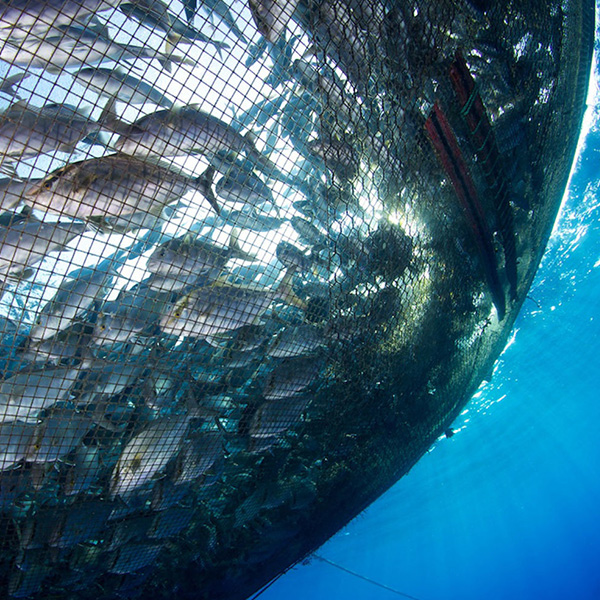
The terms “Blue Economy” or “Blue Growth” are increasingly being used in day-to-day parlance, as many governments, organizations and communities in both developed and developing countries are being aware of the need for a more coherent, integrated, fair , and science-based approach to managing the economic development of oceans. The world’s oceans, seas, and coastal areas have always remained vital to the livelihoods and food security of billions of people around the world, and to the economic prosperity of many countries. They are the largest ecosystems on the planet and a precious part of our natural heritage. The stark contrast to earlier days, when the resources from these oceans was being milked merely for economic gains, is that an increasingly large number of governments, organizations and communities in both developed and developing countries are becoming aware of the need for a more coherent, integrated, fair and science based approach to managing the economic development of the oceans so as to ensure that the economic development of the oceans contributes to true prosperity and resilience for a long time to come. Humanity is now realizing that if it wishes to bequeath a world with sound ecology to the world, it will have to create a sustainable blue economy that provides social and economic benefits for current and future generations, by contributing to food security, poverty eradication, livelihoods, income, employment, health, safety, equity, and political stability for present and future generations. The need of the hour is to frame policies based on clean technologies, renewable energy, and circular material flows to secure economic and social stability over time, while keeping within the limits of one planet. This can be achieved by decisions based on scientifically sound information to avoid harmful effects that undermine long-term sustainability through active and effective stakeholder engagement and participation, and with special recognition of the needs of developing countries. Despite increasing adoption of the Blue Economy as a concept and as a goal of policy-making and investment, no clear roadmap exists which ensures that the economic development of the ocean contributes to true prosperity, today and in the long future. With a long coastline on east and west surrounded by oceans that spread far away to other continents, India too has to evolve a national perspective so as to develop itself as a regional hub of blue economy business opportunities in Asia Pacific or Indian Ocean Region (IOR). In this regard, Maharashtra Economic Development Council (MEDC) is organizing an event in Goa wherein 100+ national and global leaders from government, industry, multilateral organizations, the scientific community and civil society will be participating to provide to the visitors a comprehensive overview of the entire blue economy market and industry and to build India as a hub of activities in the Asia Pacific and IOR. This may be one small step in the right direction. What is needed, however, is more concentrated effort on the part of the related ministries in the Government to provide active leadership, to both the public and private sector, so as to steer the Blue Economy in a sustainable direction. Clear, measurable, and internally consistent goals and targets need to be framed; Government, economic sectors, individual businesses and other actors need to set relevant and measurable goals; and, the most effective and efficient ways to meet the needs of present and future generations are found without undermining the capacity of nature to support human economic activities and wellbeing. A level economic and legislative playing field needs to be created so as to provide adequate incentives and rules. Economic instruments such as taxes, subsidies and fees need to be created aimed at internalizing environmental and social benefits, costs and risks to the society. International and national laws and agreements, including private agreements, need to be framed, implemented, enforced, and continuously improved in ways that support sustainable and safe planning, management and effective governance of marine space and resources. These are just the few of the steps that need to be taken to build forward-looking policies and framework that ensure long-term sustainable use of our marine resources. Trade Promotion Council of India (TPCI) is already working with certain Governmental departments through its research-based inputs and intends to work more proactively in this regard in the near future.
New Era of Food Standards for International Agricultural Trade
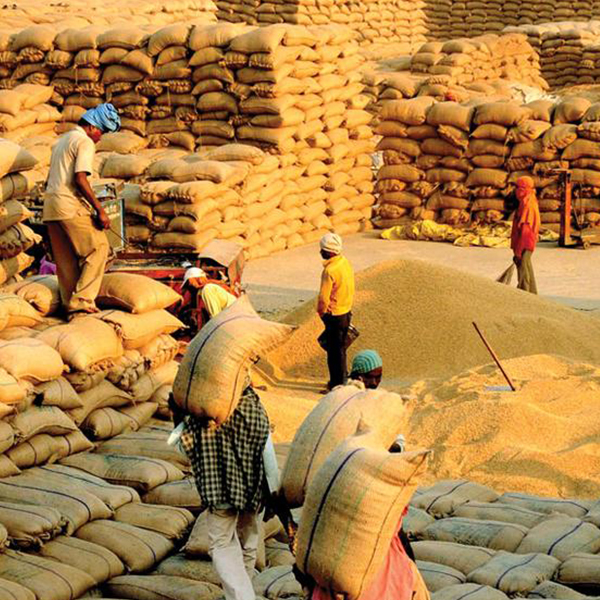
The world’s shrinking supply of arable land and water, the growing use of agricultural feed stocks for industrial purposes, and technological advancements will continue to play a vital role in the ability of agricultural and food production to meet the world’s growing food needs. This gains further importance because food demand is expected to double by 2050. Innovation in food and agricultural production is necessary but often also invites controversy as governments, companies, and consumer groups frequently differ on the acceptable level of risk associated with a new technology. Concerns about the transmission of disease and pests, that the international trade of food products raises, too need to be kept in mind. Burdensome and divergent unnecessary standards are a challenge for all producers, since they erode the benefits offered by tariff and subsidy cuts. They are particularly worrisome for producers in developing countries, who often lack the capacity and technology to meet them. Even though great efforts have been made to arrive at internationally agreed standards, many countries abide by standards beyond those agreed, or they block consensus on developing workable internationally agreed-upon standards. The resulting divergent standards create more problems than they resolve! Although countries should have the sovereign right to set their own standards, they should follow internationally agreed standards to the extent possible. Private sector standards too are increasingly of concern in the realm of international trade and competition. Practices of commodity purchasers and food processing companies and the demands of consumers have significant effects on the sustainability of rural livelihoods. Consumers are demanding more sustainably produced food and agricultural products–even biofuels–and private companies are responding. The private sector’s standards for meeting such “sustainability criteria” affect the ability of farmers to provide commodities to these companies. This is because the private sector’s directives to suppliers often carry more weight than government regulations and business standards can lead to greater transfer of knowledge and technology than government measures can ever hope to achieve. In 2011, the Food Safety Modernization Act was signed into law in the United States. In 2012, the Safe Food for Canadians Act became law in Canada. Both countries have demonstrated their commitment to making food as safe as possible by modernizing legislation and supporting a robust industry to support a food safety culture. Updated food safety legislation protects consumers through prevention and streamlines regulations and administration for improved ease of compliance by businesses. Both Canadian and U.S. governments also understand that as top food safety performing countries, they are enhancing international market and trade opportunities. Also, in mid-January, the Canadian Food Inspection Agency (CFIA) ushered in the new Safe Food for Canadians Regulations (SFCR), introducing licensing, preventive control, and traceability obligations for food preparation companies and importers. Over the coming 12 to 30 months, various requirements will be phased in slowly. The big thing is that almost everyone doing business in food in Canada or trading in food with Canada will need a CFIA Safe Food for Canadians licence. This applies to importers, exporters, processors, and some brokers/distributors. Also, traceability is now mandatory—one step forward and one step back—plus retailers of food will have to keep records of the foods they receive. The third key element is that all licence holders will have to have written preventive control plans (PCPs) that not only cover food safety but also cover consumer protection requirements such as weights and labels. The new regulations more clearly identify the responsibility of importers to ensure that the product they import in Canada meets Canadian requirements through having their own preventive control plans in place. On the other hand, FSMA regulations attempt to define a complex system-wide set of rules designed to move the food supply chain to improve over the next 50 years. Such changes generally take at least a generation to effectively implement. Current deadlines for “full implementation” are unrealistic. With little or no ability to rapidly and cost-effectively detect primary hazards at the farm level, contaminants are set to travel through the supply chain with no traceability clearly defined or required. Greater emphasis must be placed on low-cost, easy-to-implement hazard-detection tools (sampling) that can be put in the hands of farmers for early hazard detection. Traceability must be mandated, and food movement, identity, condition, and location related information should be visible as real-time information. With proper training on the FSMA rules, FDA would be capable of adequate enforcement. Validation guidelines for new technologies may be more reasonably addressed by units within and external to FDA other than those involved in enforcement, and in partnership with academia, private industry, and others in the public sector. The question is, whether developing countries like India are ready to meet these modern standards or we continue to face the problem of rejections? We need to become well-prepared to implement the modern state of art technologies if we wish to take our global position in food trade to newer heights.
Country Profile-Malaysia
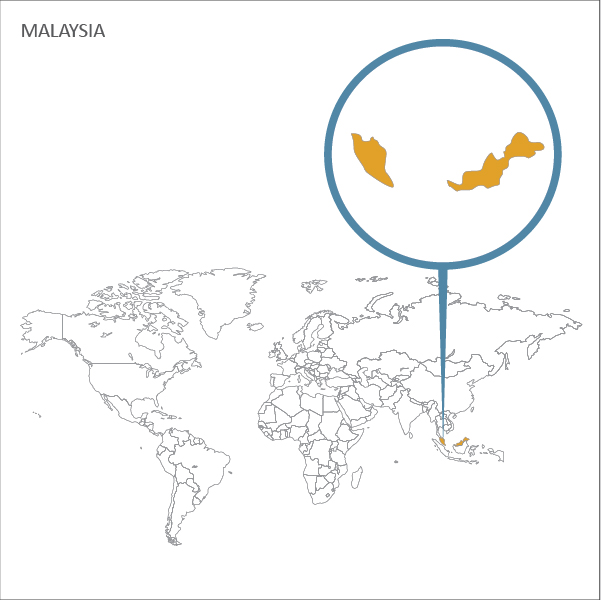
Malaysia is located in Southeast Asia. Its territory is separated by the South China Sea into two similarly sized regions – Peninsular Malaysia and East Malaysia (Malaysian Borneo). It is part of the most successful regional grouping – ASEAN. The United Nations Development Programme ranks Malaysia 52nd in terms of Human Development Index with the value of 0.802, which is categorised as very high. It is ranked 15th in ‘Ease of Doing Business’ by World Bank as per list released in 2018, with rank 3 in dealing with construction permits, 4 in getting electricity and 2 in protecting minority investors. It is one of the few countries which have consistently maintained a very high economic growth rate. As per World Economic Outlook Database 2018 estimates, Malaysia is ranked 26thin world in GDP in PPP terms at a value of US$ 1.00 trillion while ranked 38thin GDP in nominal terms at a value of US$ 364.92 billion. The per capita GDP of Malaysia in PPP terms is estimated to be US$ 30858 and in nominal terms it is estimated to be US$ 11237 in 2018 by World Economic Outlook Database. TRADE STATISTICS In 2017, Malaysia imported US $ 193.86 billion worth of goods. Its export was over US $ 216.43 billion in value in 2017. The top trading partner of Malaysia is China, followed by Singapore and USA. India is ranked 10th in the list of top 10 trading partners of Malaysia; it has an import from Malaysia of worth US$ 5.53 billion and a significant export value of US$ 8.90 billion from India to Malaysia, resulting into a trade deficit of US$ 3.36 billion for India. MALAYSIA’S MERCHANDISE TRADE WITH WORLD Malaysia’s exports to the world and imports from the world have a similar pattern. Though there are few key observations: there are countries such as China and Taipei China from which the imports to Malaysia are very high while at the same time it maintains disproportionately high exports to Singapore, USA and Hong Kong China. The country has maintained a trade surplus over the decade 2008-2017. In 2008 it had the highest trade surplus in the decade valued at of US $ 43.04 billion. MALAYSIA’S EXPORT TO THE WORLD Malaysia’s total export in 2017 amounted to US $ 216.43 billion. Electronic products and palm oil are the primary export products of Malaysia. Its top export product at HS-6 digit level last year was Electronic Integrated Circuits as processors and controllers, medium oils and preparations, liquefied natural gas, palm oil and its fractions and electronic integrated circuits excluding processors and controllers. MALAYSIA’S IMPORTS FROM THE WORLD Malaysia’s import basket is primarily led by Electronic Integrated Circuits as processors and controllers, medium oils and preparations, parts of EICs n.e.s., light oils and preparations and Electronic Integrated Circuits excluding processors and controllers which together make up the Top 5 imports of Malaysia. Malaysia’s total import in 2017 amounted to US $ 193.86 billion. INDIA-MALAYSIA MERCHANDISE TRADE India consistently maintained a trade deficit with Malaysia since 2010. Deficit reached the highest in 2012 with a value of US$ 6.70 billion. Trade balance between India and Malaysia saw a decline in favour of India from 2014. There is no trend between India and Malaysia in terms of trade balance except that it has remained in favour of Malaysia in the last decade. INDIA’S EXPORT TO MALAYSIA India’s total exports to Malaysia amounted to US $5.53 billion in 2017. Its top five exports at HS-6 digit level were medium oils and preparations, frozen, boneless bovine meat, unalloyed- unwrought aluminium, copper cathodes and light oils and preparations. INDIA’S IMPORT FROM MALAYSIA India’s total import from Malaysia in 2017 was US $ 8.90 billion. India’s import was dominated by crude petroleum oils, crude palm oil, palm oil and its fractions, reception apparatus for television, radio, and wire of refined copper CSD <= 6 mm. India is part of the two bilateral trade agreements with Malaysia namely the Malaysia-India Comprehensive Economic Cooperation Agreement (MICECA) and the regional trade agreement ASEAN-India FTA (AIFTA). Malaysia has invested approximately $4.5 billion in India across various states and sectors owing primarily to the investment by Malaysian sovereign fund Khazana while Indian investment in Malaysia is worth approximately $1.5 billion in last 2-3 years. Indian companies such as Idea Telecom, Apollo Hospital Chain, Global Hospitals and Hyderabad airport have significant investment in Malaysia. From 2000–2013, Malaysia is the 19th largest investor in India with cumulative FDI inflows valued at US$618.37 million. Malaysia primarily invests in telecommunications, healthcare, banking and construction projects in India. In 2017 during Malaysian Ex-PM Najib Razak’s visit to India, India and Malaysia signed 31 business memorandum of understanding (MoUs) amounting to U$36 billion, the largest in the history of economic relations between the two countries. India and Malaysia have also agreed to expand co-operation in areas like infrastructure development and building of smart cities. This move will give impetus to India’s target of reforming and revolutionising infrastructure.
Burgeoning importance of Non-Tariff Barriers on Agricultural Trade
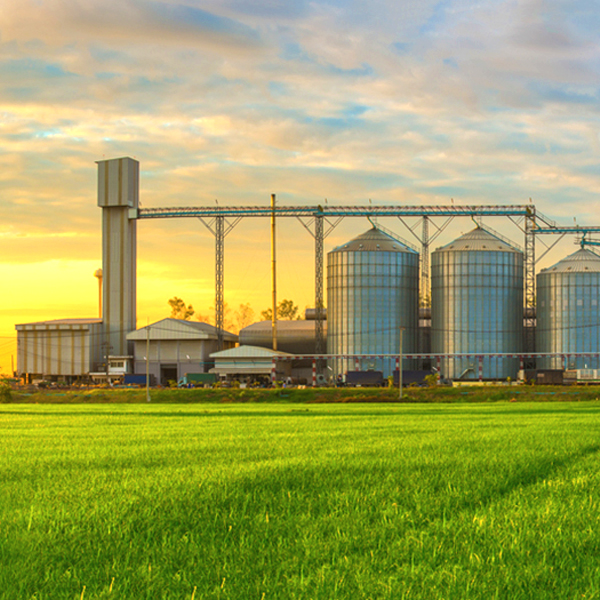
India has come a long way from being a food-deficit country at the time of Independence to a food surplus country. With its varied agro-climatic conditions and large production base for cereals, pulses, oilseeds, fruits, vegetables, dairy, poultry and meat products, the country has become a leading exporter of fresh and processed food products. India today is one of the largest producers of milk, rice, groundnuts and various fruits and vegetables such as mangoes and eggplant. Given these advantages, India is now exporting fresh and processed food products to a number of developed and developing country markets including the United States (US), the European Union (EU), Vietnam and the Middle Eastern countries. The country has a positive trade balance in this sector, which is an important contributor to India’s trade earnings. According to the World Trade Organization (WTO), India was the 9th largest exporter of agricultural products in 2017, after the EU, the US, Brazil, China, Canada, Indonesia, Thailand and Australia. The Indian government, in recent years, with an aim to promote food processing and exports of fresh and processed food products, has come up with several policies and schemes to support agricultural product exports. For example, in the Foreign Trade Policy 2015-20, the government has focused on extending incentives to promote exports of agricultural products that integrate with the ‘Make in India’ initiative. The government has already allowed foreign direct investment (FDI) in horticulture and is in favour of doing the same in food retailing. To improve farmers’ incomes, the Cabinet Committee on Economic Affairs removed the quantitative ceilings on organic product exports, allowing unrestricted exports of organic agricultural and organic processed products, irrespective of any existing or future restriction/prohibition on the export of conventional (non-organic) products. While there is a strong commitment from the government to promote exports of fresh and processed food products, global agricultural trade faces a number of tariff and non-tariff barriers. Tariff rates have come down significantly with the inclusion of agriculture under the General Agreement on Tariff and Trade (GATT) in the Uruguay Round of the WTO negotiations and in regional and bilateral trade agreements. However, non-tariffs barriers continue to be an impediment to international trade in fresh and processed produce. The WTO data on notifications show increasing use of sanitary and phytosanitary (SPS) measures by WTO member countries since the mid-1990s, which acts as barrier to trade. In terms of specific products, in the past, Indian exports of mangoes, table grapes, okra, peanuts, curry leaves, chillies, shrimps, prawns and tamarind have faced rejections or bans in markets such as the US, Vietnam, EU, Saudi Arabia, Japan and Bhutan due to issues related to health and food safety standards. For instance, in the US, Saudi Arabia and Bhutan, Indian chillies were rejected and even faced temporary bans due to the presence of higher than approved levels of chemical residues. Lately, shrimp consignments to the US too are being rejected for similar reasons. Pest infestation has also led to rejection of export consignments. For example, in the recent past, the EU had imposed a ban on import of mangoes from India due to the presence of fruit flies. Similar issues have adversely affected the exportability of other Indian agricultural products such as eggplant. This is a cause for concern, especially because such bans have both short run and long run adverse effects on exporters and farmers. In the short run, there are financial losses due to the rejection of consignments, and in the long run, exporters and farmers lose their market share to exporters from other countries that are able to meet the food safety and health standards of importing countries. The agreement states that regulations should not arbitrarily or unjustifiably discriminate between countries where identical or similar conditions prevail. The SPS Agreement also sets out the basic rules for food safety, and animal and plant health standards, which WTO member countries, including India, follow. If a member country feels that the importing country has implemented measures that are not based on scientific justification, it can raise the issue in the WTO’s Committee on Sanitary and Phytosanitary Measures. Further, the WTO member countries are encouraged to use international standards, guidelines and recommendations, where they exist. Specifically, the agreement encourages harmonisation on the basis of standards, guidelines and recommendations set by three international organisations, including the Codex Alimentarius Commission, the International Office International des Epizooties (OIE), and the relevant international and regional organisations operating within the framework of the International Plant Protection Convention. India has a larger number of notifications raised by the EU on its RASFF portal as compared to other selected exporting countries. Border rejections as a percentage of total notifications raised are the highest for India, when compared to other developing countries. Moreover, severe consequences of these notifications such as destruction of consignment, was also the highest in the case of India. Thus, not only are Indian exports facing more rejections compared to the volume of trade, the country is definitely in a disadvantageous position vis-à vis its competitors from other developing countries in the EU market. As regards the EUROPHYT notifications, between 2005 and 2017, India had the highest number of interceptions raised for the presence of harmful organisms in the plant and produce imported as compared to other developing country exporters to the EU. The interceptions for India during the period were 1,324 as compared to 452 for Brazil, 602 for China, 114 for Turkey and 922 for Vietnam. A majority of the interceptions for India were raised in the years 2012 and 2013 and these pertained to eggplant, mangoes, bitter gourd and taro (arabi), among others. Over the years, the number of notifications raised by the EU against India on its RASFF portal has fluctuated. Moreover, concerns were raised for different products in different periods. For instance, in 2012, there were around 263 notifications and a large number of them pertained to shrimps, vegetables such as okra and herbs such as curry leaves. The number of notifications declined
Export Controls in India: Book Review
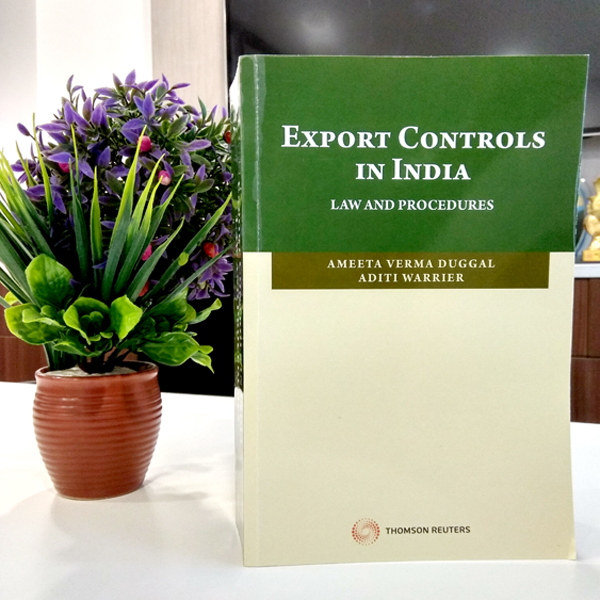
With special expertise on export controls and trade remedies because of her flourishing practice at DGS Associates, where she is the co-founder, Ms. Ameeta Verma Duggal excels in representing clients before the Directorate General Trade Remedies and the Director General Foreign Trade. Who else could have been a better person to come up with a voluminous book on the export control laws of India, which continue to evolve consequent to India signing the multilateral export control regimes in the recent past? The book – “Export Controls in India – Law and Procedures” published by Thomson Reuters and co-authored by Aditi Warrier, has a Foreword written by Union Minister for Finance and an eminent lawyer, Mr. Arun Jaitley. Writes Mr. Jaitley: “This book is the first of its kind on the subject. It has compiled all regulations pertaining to export controls in India, making it exhaustive yet user-friendly. It will serve as a good reference point for the entire supply chain – from the exporters to the intermediaries and the ultimate end-user; the policy makers, researchers and the academics. The book is a commendable effort in bridging the gap between the existing regulatory framework and the lack of awareness in the industry of its responsibility to comply with the export controls of India and to be alert to any ‘red flags’ that are encountered during their trading activities.” Mr. Jaitley goes on further to laud praises on the book and the authors, when he says: “The authors have also provided a model internal compliance program to assist the industry with the customization of an internal compliance program attuned to its specific requirements and suggested some best practices that may be worth considering.” Ms. Duggal, through this book, has brought together her extensive experience in cross border transactional and conveyancing work, including review and drafting of escrow agreements, foreign collaboration agreements, joint ventures, shareholder agreements, technology license agreements and other commercial documents and presented the relevant laws and procedures related to export controls for the overall benefit of various stakeholders. Describing the usefulness of the book, Ms. Duggal says: “The objective of this book is to provide a comprehensive and informed analysis of the applicable law, policy documents, international conventions and best practices introduced by the international regimes for benefit of the users, including governments, practitioners, exporters, importers and logistic providers seeking to deal with such dual use goods, services and technologies in defence, aerospace, chemical and biotechnology, nuclear, engineering goods, software, electronics, pharmaceuticals sectors and research institutions. The book also deals with the enforcement of these regulations both by the Custom authorities and the Directorate General Foreign Trade.” The book has an exclusive section on procedures complete with all the applicable forms to facilitate the application process. There is also a model internal compliance program (ICP) template provided that can be customized by companies to their specific requirements. ICPs are gaining recognition in the Indian export control regulations and it is advisable for companies to put in place the ICPs as these may allow them better benefits as the export control regulations evolve in India. In short, Ameeta Verma Duggal and Aditi Warrier need to be complimented for doing work of such importance, not just for exporters but also for policy planners and other stakeholders. About the book: Book Name: Export Controls in India – Law and Procedures Publisher: Thomson Reuters Authors: Ameeta Verma Duggal and Aditi Warrier Price: INR 2500; USD 38.39

Chabahar port to be a key pillar of India’s Indo-Pacific strategy
Coming closely on the heels of the 40th anniversary of the Islamic revolution, commemorated on a rain-soaked day in Tehran – Iran, India and Iran are set to observe the ‘Chabahar Day’ on February 26 at the strategic port located in Iran and administered by India. The Chabahar port is a key pillar of India’s Indo-Pacific strategy that also connects Eurasia with the Indian Ocean Region. It is coming up at a time when China is set to develop Gwadar port as a military facility in Pakistan. The jointly organized event managed by India will constitute a high-level committee consisting of business delegates from Afghanistan, Central Asia and Russia. Some Indian business delegations too are visiting Chabahar port to understand the business dynamics of trade with Afghanistan and Eurasia. Senior executives from TPCI too are visiting Iran as guests of Chabahar Free Trade Zone authority. The port, India’s key to Afghanistan and Eurasia, became operational for transit to Kabul following a tripartite agreement between India, Afghanistan and Iran. The three countries have already jointly inaugurated the office of the Indian special purpose vehicle – India Ports Global Chabahar Free Zone (IPGCFZ) – in the port. The physical takeover of the terminal area, cargo handling equipment and office building too is ready for operations. India is also developing a 500-km long Chabahar-Zahedan railway link that will connect Afghanistan’s Zaranj-Delaram road, thus facilitating trade relations with land-locked Afghanistan. Some commercial operations too have begun at IPGCFZ, starting with the arrival of a Cyprus registered bulk carrier with 72,458 MT of corn cargo. The event will be marked by Iran making a presentation on the prospects of the port to the visiting delegates. Significantly, Iran is pitching the event as an opportunity for businessmen, traders, freight companies, and national and international liners from various countries. The chief goal is to enable entry of large international shipping liners into the port. A new India, Russia and Iran cargo transport corridor is also on the anvil, which would be a cheaper and shorter alternative to the Suez Canal or the China route and is expected to reduce transport costs by $2500 per 15 tons of cargo, besides reducing the travel time by nearly half. This new International North-South Transport Corridor (INSTC), when it comes into effect, will bring Central Asian and East European markets much closer to India, thus enhancing bilateral trade opportunities between the two regions. Chabahar port may also play a key link to moving freight between India, Iran, Afghanistan, Armenia, Azerbaijan, Russia, Central Asia and East European countries. To have this Corridor operational, it is imperative that the Astrakhan port is developed which will facilitate the onward movement of freight. In this regard, DB Venkatesh Varma, India’s ambassador to Russia, has already visited the Astrakhan region to oversee the preparations of the Russian authorities to develop this port.

Envisioning a new India
Vice President Mr. Venkaiah Naidu, Minister of Commerce & Industry Mr. Suresh Prabhu and Finance Minister Mr. Piyush Goyal are all talking in unison of a new India marching towards becoming a USD 5 trillion economy by 2025. Niti Aayog too has unveiled plans to make India a USD 5 trillion economy, but by 2030. In its much acclaimed “Strategy for New India at 75”, Niti Aayog has envisioned to accelerate growth to 8-9% and make the country a 5-trillion dollars economy by 2030. It hopes achieve this goal through focus on doubling of farmers’ income, boosting Make in India, upgrading the science, technology and innovation ecosystem, and promoting sunrise sectors like fintech and tourism. Niti Aayog is expecting a growth target of about 8 per cent during 2018-23, so as to raise the economy’s size in real terms from USD 2.7 trillion in 2017-18 to nearly USD 4 trillion by 2022-23 and then accelerate the growth further to 9-10 per cent there onwards. The Indian economy grew at 6.7% in 2017-18. It is also envisioning a rise in per capita incomes from about USD 1900 in 2017-18 to around USD 3000 in 2022-23. Remarkably, from being the 11th largest economy in the world in 2013-14, India already has reached on the 6th pedestal enroute to its upward movement. Question is what policies will help India achieve this big target? One of the most crucial roles will be played by Ministry of Commerce and Industry, if India is to achieve this goal. In this regard, Mr. Suresh Prabhu has highlighted some of the important initiatives and achievements of the Department of Commerce during the last 4 years that have aided in bolstering this goal. Its focused plan including boosting services sector contribution to USD 3 trillion, manufacturing to USD 1 trillion and agriculture to USD 1 trillion. The Ministry has created a corpus of USD 1 billion to boost 12 champion sectors in services and it is working on releasing the New Industrial Policy keeping in mind the demands of the future. All these efforts are darted towards achieving the goal of India becoming a USD 5 trillion economy. This initiative will enhance the competitiveness of India’s service sectors through the implementation of focused and monitored Action Plans, thereby promoting GDP growth, creating more jobs and promoting exports to global markets. The Commerce Ministry is working closely with the Finance Ministry to boost trade further by easing credit flow to the export sector, especially small exporters to ensure adequate availability of funds to them. Agricultural Export Policy launched for the first time by Ministry of Commerce is to play a big role in making India a global power in the agricultural sector and double farmers’ income by 2022. The policy seeks to harness the export potential of Indian agriculture through suitable policy instruments and to make India a global power in agriculture. It envisages boosting India’s agricultural exports to USD 60 billion by 2022 thereby assisting the Agriculture Ministry in achieving the target of USD 100 billion and to integrate Indian farmers and the high quality agricultural products with global value chains. IndusFood 2019, which saw a business transaction of more than USD 1.2 bn too contributed in its own way in helping India achieve this target. India commerce initiatives are on track and marching towards growth and prosperity; a fact universally being recognized as a bright spot of the global economy.

US’s trade pressure on India unjustified
The United States, under President Trump’s regime, is mounting undue and unjustified pressure on India in its trade dealings through threats like withdrawal of trade benefits under the Generalised System of Preferences (GSP). This is despite India taking several measures to demonstrate its intent to address Trump’s trade concerns. Irony is clear! The US has the highest trade deficit with China, which had forced it to put tariff barriers on imports from China. In 2017, the US trade deficit with China was US$566 billion. US’s trade deficit with India is at US$22 billion only. Yet, while the US President Donald Trump speaks admirably of Chinese President Xi Jinping saying that he has ‘great respect’ for his Chinese counterpart, he taunts India and has even mocked Prime Minister Mr. Narendra Modi when listing India’s development aid in Afghanistan. This is despite India’s unflinching efforts towards narrowing the trade deficit. That the US policies go through flip-flop can be seen on its U-turn in Afghanistan, where it is now talking with the Taliban, without paying heed to the concerns of the Government in power. This is despite the fact that the Taliban inflicted great damage on the Governmental machinery in the near past, because of their perception of the Afghanistan government favouring the US policies in the country. It is perceived that the US is angry over India’s decision to go ahead with its ‘toughened’ ecommerce policy, even though the US companies affected with this move have already found avenues to sidetrack the problem for the time being. In this regard, Minister of Commerce and Industry Mr. Suresh Prabhu is scheduled to meet the US Commerce Secretary Mr. Wilbur Ross on the 14th of February. While India will be seeking to further reduce the trade imbalance through greater crude imports, US firms’ concerns will be on the new e-commerce policy and retaliatory tariffs imposed by both the countries. Mr. Trump’s administration has dragged India to the WTO (World Trade Organization) multiple times over India’s export-promotion schemes and restrictions on solar cell imports. India, too, has lodged a case against steel and aluminium tariffs imposed by the US. Experts opine that the trade deficit, which was apparently of much concern to Mr. Trump, is on the decline. The US exports to India have grown at about 28 per cent in the first six months of 2018 which is roughly two-and-a-half times faster than Indian imports from the US. Oil and gas intake from the US is set to rise significantly from the present value at US$4.5 billion. India is set to purchase nearly 300 Boeing aircraft from the US in the next 7 years, amounting to US$39 billion. India is also purchasing the Sea Guardian drone, which is a high-end and expensive purchase. In last decade, the US has secured US$ 18 billion worth of defense contracts from India, which is set to rise further. This however does not mean that India sacrifice its own trade interests at the cost of pacifying the US tantrums. The US is demanding from India to lower its customs duties on information & communication technology (ICT) products in line with the World Trade Organization’s (WTO) 1996 Information Technology Agreement (ITA). India, which is the world’s second-largest assembly point of such products, after China, has levied 10-20% duties, and has been arguing that since these items did not even exist when the ITA-1 was signed in December 1996, India’s is under no obligation to keep them at low tariff levels. India’s argument is that if it lowers the tariff, India’s markets will get flooded with the low cost Chinese ICT products; a concern not being noticed by the US. Showering praises on President Xi Jinping and mocking Indian Prime Minister shows that the US has realized its defeat at the hand of China in the ongoing trade war and wants to retain face by pressurizing India to agree to some of its dictates, after its big political victories over trade on South Korea and Mexico, without realizing the long-term detrimental impact that they could have on India’s trade and commerce, if India succumbs to the pressure. India has taken a stand and has the right to take stand on its business and trade interests. If the US can side-step Afghanistan President Ashraf Ghani, who saw a staggering 45,000 Afghan security forces losing their lives compared to only 72 US and NATO troops, doing the same with China in the ongoing tariff war is just a small issue.
IndusFood 2020 to be bigger, grander, says TPCI Chairman
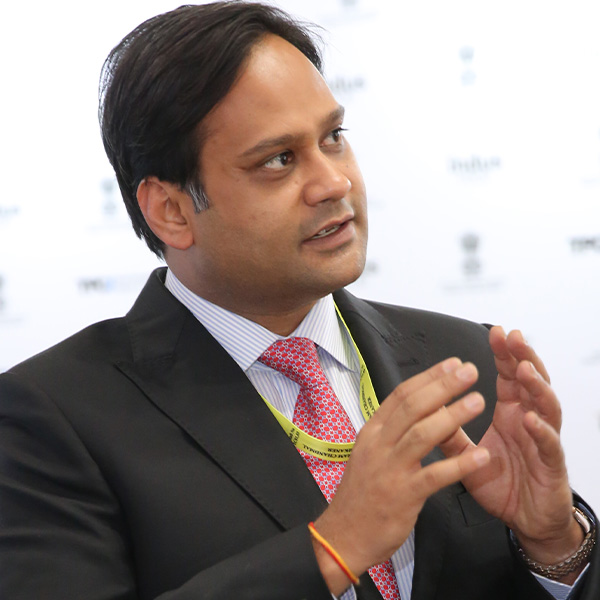
IndusFood has evolved! And how? Now into its second year, it is already a much sought after B2B event for leading global buyers of F&B products. This is evident from the list of about 800 distinguished wholesale buyers, big sized food chains and several government-level delegations that will be converging at Greater Noida seeking F&B commodities and products showcased by more than 500 exhibitors covering 15 product zones. From here, the event is bound to develop further in the years to come, asserts a very confident TPCI head. Singla wants IndusFood to rival international F&B shows like SIAL, ANUGA and GulfFood, and judging by the success of IndusFood-II, it is very clear that things are well on the course. When Suresh Prabhakar Prabhu, Hon’ble Union Minister for Trade and Commerce, Govt of India, inaugurated the first edition of IndusFood in January 2018, very few would have imagined that this event aimed at promoting India as a strong and reliable exporter of F&B products to the world, would generate such a splendid response. Focused on the need to scale up the Reverse Buyers-Sellers Meet (RBSM) and jointly organised in association with the Department of Commerce, Ministry of Commerce & Industry, IndusFood has emerged as a global platform for business interaction of top exporters, with screened hosted buyers invited from around the world. A total $650 million worth of business was generated in the form of spot orders at IndusFood-I. Although the cascading effect of these deals cannot be measured, according to an estimate the total business generated for the nation could easily be around $2 billion. Avers Singla, “The impact of IndusFood can be gauged from the fact that the very first edition saw ten B2B roundtable dialogues on the sidelines, held between India and Canada, Commonwealth of Independent States (CIS), Iraq, Iran, Oman, Israel, Saudi Arabia, Vietnam, Qatar and the US.” COMMODITY DEALS TO CONTINUE India is uniquely blessed with a huge variety of commodities including vegetables, cereals, tea & coffee, & fruits and spices. The focus of trade during IndusFood-I was on commodity business wherein attempt was made to bring global buyers to India and create interaction with Indian commodity exporters. The commodities business will continue to have a strong presence, says Singla, as long as the country produces in excess of consumption and prices are competitive. Singla is of the opinion that the Agriculture Export Policy, 2018, announced by the Ministry of Commerce & Industry and ratified by the Union Cabinet will ensure that large export bases to newer variants from competing nations do not happen. To cite an example, India was exporting $52.46 million worth of tea to Iraq when the country went into turmoil in 2002. This constituted 73.35% of the overall tea import by Iraq. Sri Lanka, then, was far behind, exporting a mere $19.06 million worth of tea with 26.64% market share. This means that only two countries fulfilled Iraq’s entire requirement of tea. However, in the past few years, the trade figures of tea exported from India to Iraq declined to a measly 2.93% (worth $4.17 million), while exports from Sri Lanka rose to 97.06% (amounting to $138.02 million). “To create interest among the world community towards the quality and variety of Indian tea and to reinforce the fact that the Indian tea is the best in quality and taste, this edition of IndusFood is seeing an Indian tea room, wherein for the first time in India, Amy Dubin, the renowned Indian tea curator from New York will present the diverse varieties of Indian tea for both visitors and global buyers alike,” informs Singla. He further expresses the need for similar treatment for various other Indian commodities to create international interest. VALUE-ADDED PRODUCTS ARE THE NEW NORM “We are developing IndusFood as a platform aimed to engage buyers and exhibitors to the extent that an ecosystem is created and export of world-class F&B products from India. Therefore, you will find an enhanced focus on value-added health and organic food products from this edition of IndusFood onwards,” asserts Singla. TPCI has endeavoured to find emerging brands and F&B products that could interest wholesale food buyers and representatives of supermarket chains. Beverages made from berries grown in the Ladakh region, fruit beverages, organic hummus, natural brewed bottled ice teas, fresh dips and fruit-based baby foods, companies producing chutneys, pickles, pasta and soup with organic spices and many more such value-added products will be the star attractions at IndusFood-II. Start-ups with innovative products that have a strong potential to fill the shelves of international supermarkets have also been allotted space. Adds Singla, “There are many entrepreneurs working on food innovation that is suitable for export markets. We have tried to bring all the stakeholders together and will further be showcasing these products to various export markets.” THE NEW MANTRA: ‘PRODUCE IN INDIA’ Singla is of opinion that the time has now come for ‘Produce in India’ for the world. The day we realise the immense potential that exists in this area, the target of $100 billion agriculture food exports will be within reach. “If an Indian company can sell ready-to-eat dal makhani, it should also be able to sell organic pumpkin soup to grab the global market,” opines Singla. To give a taste of how Indian delicacies and cuisine can be recreated for the global audiences, another star-attraction at the Buyers Lounge is the food prepared by master culinary craftsman Kumar Sambhav. This is an endeavour to create products for the global palate with an innate Indianness. Says Singla, “It is a first of a kind initiative, in line with the stated goal of IndusFood to create Indian products for a global audience. Hopefully, by the next IndusFood in 2020, many Indian chefs and culinary experts will take a cue from this endeavour and come up with different varieties of packaged ready-to-eat Indian delicacies fine-tuned for the global palette. PROCESSED ORGANIC TO BE THE GAME CHANGER? IndusFood takes forward the idea of the

Positive feedback starts rolling in post IndusFood
TPCI is inundated with letters of appreciation and feedback congratulating TPCI and its team on the handling of IndusFood. Several team members connected with various international buyers or Indian exhibitors have received letters and phone calls, congratulatory messages on their cellphones and promises of coming again for next year’s IndusFood, in 2020. We give here only a few of the countless letters and messages we received: Dear Sirs, This is to confirm that The 15 Members Egyptian participants attending the 2nd INDUSFOOD 2019 held in New Delhi in January 2019 ; has expressed their appreciation for attending such effective Fair Their participation was widely acknowledged and well covered by T.P.C.I officials and Press ; hoping that will reflect on the Trade Exchange development for this Year. Also, as a coordinator of this Important Event I personally express my thanks and gratitude to The Indian Embassy Commercial Section especially Dr. Vinod whose support to us was vital to have done things efficiently and smoothly. Best Regards, Mohamed Heiza Director, Misr Vision Dear Sir, We would like to place on record our appreciation of the conduct of the recently concluded IndusFood 2019. Our nominated buyers who attended the show were surprised at the attention to detail and the hospitality rendered to them. Right from the arrival, to their stay and arrangements, TPCI truly showed how India can be the best host in the world and how much we treasure our guests. Every one of them left with pleasant memories and looked forward to their return next year. As an exhibitor, we found many new buyers from countries which were not under our coverage. Meetings with the existing buyers were also very fruitful. Apart from that, we would like to congratulate you once again for putting up a marvelous exhibition and am sure that it would grow manifold in the years to come. Thanking to you… Yours sincerely, Shri Satyanarayan Agrawal Chairman Jabsons Foods Pvt. Ltd www.jabsons.com Dear Mr. Sethi, The Alborz Chamber of Commerce, Industries, and Mines & Agriculture presents its best compliments to you. It was an honor and pleasure for us to meet you and your colleagues during the visit of our trade mission to Delhi, India in during IndusFood 2019, to discuss the prospects for development of mutually advantageous business relations. We sincerely thank you personally for taking the time to arrange meetings and visits. We highly value support towards enhancing cooperation between our organizations and our businessmen. Our time spent at Delhi was filled with your hospitality. We are so much thankful for your time and attention. We do hope that our wish to activate cooperation between entrepreneurs of our regions will meet your generous response and result into establishment of long term and stable partner relations between us as well as between our members. We avail ourselves of this opportunity to express our hope for fruitful further cooperation and look forward to hearing from you. Rahim Banamolaie (Chairman) Bita Bayat (Vice President) Dear Mr. Sethi, On behalf of the Food Security Alliance Delegation, would like to sincerely thank you for all your support and generosity that enabled our members to have a very successful participation in IndusFood 2019. The level of organization, on all levels, was quite outstanding; the support, especially from you, before and during the event was fantastic. All our delegation members were satisfied with all the arrangements you have undertaken for us. The business meetings that the members of our delegation had with the exhibitors were quite fruitful. The meetings that you were kind enough to arrange for our members were even better. For that, we also thank you. Once again we thank you for all the support you have rendered us and we look forward to working closely with you and your organization in more future initiatives. Khalifa A Al-Ali Director General Food Security Center – Abu Dhabi Dear Mr. Haider and Mr. Parimoo, It was very nice to meet both of you and to learn about your organization. I personally found the Trade Promotion Council of India to be very professional and valuable. I was also impressed that the event was so organized and well-attended. I would be happy to speak to the Ontario Government about your services and have the presence of the Ontario Government at your next exhibition. Feel free to contact me and advise if I can be of any assistance in your future endeavours. Regards, Deepak Anand, MPP Ontario From Saeed Ahmed Al-Mahroos & Sons Co. AlMahroos Company was one of the very pioneers to modernize food imports and distribution in Saudi Arabia and Gulf region. Company’s annual imports from India is 50 million dollars. Attending IndusFood II gave us valuable opportunity to introduce our company to many new Indian business people. Thanks to IndusFood, we were fortunate to discover many new products and new suppliers and to start new business ventures and to explore first hand features of new products for marketing. In IndusFood we had a chance to meet with new suppliers and some of our existing suppliers. Listening to speech of Union Minister of Food Processing Industries Mrs. Harsimrat Kaur Badal gave us very good insight into India’s plans and objectives to improve, expand and upgrade Indian food processing industry. IndusFood has been organized and executed in excellent way. I salute the organizers for the great efforts and the success they have achieved. We much appreciate the VIP hospitality organized by IndusFood.. This will indeed reflect on expanding our mutual trade ties. Best regards, Khalid Al Mahroos Al Mahroos & Sons company, Dammam, KSA Dear Mr. Mohit Singla, Thank you for hosting me and my team in India and for ensuring a smooth and productive facilitation at the second edition of IndusFood in Delhi. All the arrangements including the logistics to and fro from the airport were flawless. We also benefited hugely from the various business meetings set up for us. We appreciate all the attention to detail and the tremendous effort yourself