President Trump has once again threatened that he is ready for another shutdown only a few days after 800,000 federal employees returned to work after a 35-day unpaid furlough. Congressional researchers have already started putting the figure of loss that the US economy was expected to incur at US$ 3 billion, about 0.02 per cent smaller than what was expected in 2019. This is not to mention the losses that the businesses and the employees who went without salary have suffered. If another shutdown happens over President Trump’s demand for border wall funding, it will be further detrimental to the country’s economy. An increasingly large number of Americans, as per the reports, are blaming their President for being obstinate. Illegal border crossings into the US have declined dramatically in recent years, yet President Trump is insisting that a wall is necessary to stem a “humanitarian and national security crisis” in the region. The national opinion poll which ran between January 1 and January 7, saw a 4 percentage point jump to 51 per cent of those polled, compared to a similar poll between December 21 to 25, who see their President responsible for the impasse. The President has asked Congress for nearly US$ 6 billion for the wall. Democratic leaders in the Congress have refused to approve funding for additional border fencing, saying that it is an ineffective way to secure the border. Republicans, however, strongly support President Trump’s pursuit of an expanded border wall. They have consistently ranked immigration as their top concern for the country. The shutdown affected a broad swatch of the Federal government, including national parks, airline security screening, housing and food aid, and the release of economic data. Many of the commercial activities, including permits that the Federal government gives, either got delayed or were cancelled altogether. Hotels, airlines, restaurants, government contractors and nearly all the federal agencies that HSG works with, including NASA and the Department of Interior, got affected badly. Some people are evening equating this with the Biblical prophecy that America would get divided into two halves. If the shutdown happens again, more needless pain will be inflicted on so many people and a good number of businesses. It is time for the political leaders in Washington to find a solution to this impasse.
Priority focus on GI products will help India reap good rewards
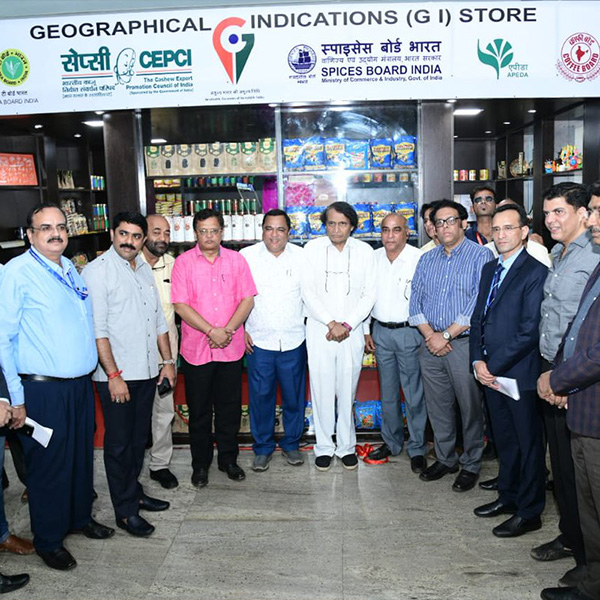
In a welcome move, which is sure to have long-term growth repercussions on the Geographical Indication products from India, Mr. Suresh Prabhu Minister of Commerce and Industries, Govt of India has announced that all the airports in the country will soon have ‘Geographical Indication Stores’ which will promote products unique to the region in which the airport is located. In this regard, Mr. Prabhu inaugurated the first-of-its-kind ‘GI Store’ at the Goa Aiprot, to promote products unique to that region. Mr. Prabhu further announced: “We have a hundred airports now and we will be adding (another) hundred airports.” The Civil Aviation Ministry has signed a MoU with the Goa government, and soon such agreements will be signed with other governments to promote local products including those made by women’s self-help groups. A Geographical Indication (GI) is an agricultural, natural or a manufactured product (handicrafts and industrial goods) originating from a particular area. An elaborated description of GIs says: GIs are a type of industrial property that identifies a good as originating from a particular place, where a given quality, reputation or other characteristics of the good are essentially attributable to its geographical origin. Much like trademarks, the economic rationale of GI is based on the ‘information asymmetry’ between buyers and sellers in the market and the role of reputation, conveyed through distinctive signs, in tackling such asymmetry. Thus, GI acts as a signaling device helping the producers to differentiate their products from competing products in the market and enabling them to build a reputation and goodwill around their products, which often fetch a premium price. For instance, champagne originated from a place in France and has been recognized as a product whose reputation for quality or authenticity is intimately linked to its geographical origin. The product has not only emerged as a major product in its export basket but also helps France in promotion of tourism and cultural heritage.” The much talked about Agriculture Export Policy 2018 had talked of promoting GI products through branding and marketing. GIs, if properly branded and marketed, can very well contribute to exports and popularity. They can also contribute immensely to earning the vital foreign exchange and have capacity to play a major role in trade between India and other countries. The immense revenue potential of GIs necessitated their cross-border protection and thus these were included in the ambit of the TRIPS Agreement. The Article 22 of the Agreement, which forms the centrality of GI protection, provides for a general level of cross-border protection of GIs in the course of trade, which is extended to India and other developing countries. In India, the state of Karnataka has the maximum number of GIs registered. From handicraft products such as Kanjeevaram silk sarees, Chanderi fabrics, Mysore Jasmine, Bidri metal works, Kotpad handloom to Darjeeling Tea, Kaipad Rice, Mizo Chilli and Nagpur Oranges, there is immense potential if these products are effectively marketed and protected against illegal copying. This means requirement not just for effective marketing but also for protection related to quality assurance, brand creation, post-sale consumer feedback and support, prosecuting unauthorized copiers, etc. Legal protection to GIs shall also extend to protection of traditional knowledge and traditional cultural expression contained in the products. This will not only ensure protection of livelihoods but also enhance possibilities of employment generation. This is the reason why Mr. Suresh Prabhu’s quick initiative of inaugurating a GI store in Goa will have far-reaching positive repercussions. GIs have the potential to be our growth engine and the priority focus on GI products will help India reap good rewards. Following is the REGISTERED GEOGRAFICAL INDICATIONS PROPERTIES IN INDIA: S. No. Geographical Indication Type State / Country 1 Darjeeling Tea (Word) Agricultural West Bengal 2 Darjeeling Tea (Logo) Agricultural West Bengal 3 Aranmula Kannadi Handicraft Kerala 4 Pochampally Ikat Handicraft Telangana 5 Salem Fabric Handicraft Tamil Nadu 6 Payyannur Pavithra Ring Handicraft Kerala 7 Chanderi Sarees Handicraft Madhya Pradesh 8 Solapur Chaddar Handicraft Maharashtra 9 Solapur Terry Towel Handicraft Maharashtra 10 Kotpad Handloom fabric Handicraft Odisha 11 Mysore Silk Handicraft Karnataka 12 Kota Doria Handicraft Rajasthan 13 Mysore Agarbathi Manufactured Karnataka 14 Kancheepuram Silk Handicraft Tamil Nadu 15 Bhavani Jamakkalam Handicraft Tamil Nadu 16 Navara Rice Agricultural Kerala 17 Mysore Agarbathi (Logo) Manufactured Karnataka 18 Kullu Shawl Handicraft Himachal Pradesh 19 Bidriware Handicraft Karnataka 20 Madurai Sungudi Handicraft Tamil Nadu 21 Orissa Ikat Handicraft Odisha 22 Channapatna Toys & Dolls Handicraft Karnataka 23 Mysore Rosewood Inlay Handicraft Karnataka 24 Kangra Tea Agricultural Himachal Pradesh 25 Coimbatore Wet Grinder Manufactured Tamil Nadu 26 Phulkari Handicraft Punjab, Haryana & Rajasthan 27 Srikalahasthi Kalamkari Handicraft Andhra Pradesh 28 Mysore Sandalwood Oil Manufactured Karnataka 29 Mysore Sandal soap Manufactured Karnataka 30 Kasuti Embroidery Handicraft Karnataka 31 Mysore Traditional Paintings Handicraft Karnataka 32 Coorg Orange Agricultural Karnataka 33 Mysore Betel leaf Agricultural Karnataka 34 Nanjanagud Banana Agricultural Karnataka 35 Palakkadan Matta Rice Agricultural Kerala 36 Madhubani Paintings Handicraft Bihar 37 Kondapalli Bommallu Handicraft Andhra Pradesh 38 Kashmir Pashmina Handicraft Jammu & Kashmir 39 Thanjavur Paintings Handicraft Tamil Nadu 40 Kashmir Sozani Craft Handicraft Jammu & Kashmir 41 Malabar Pepper, merged With Application No. 56 Agricultural Kerala 42 Allahabad Surkha Guava Agricultural Uttar Pradesh 43 Kani Shawl Handicraft Jammu & Kashmir 44 Nakshi Kantha Handicraft West Bengal 45 Silver Filigree of Karimnagar Handicraft Telangana 46 Alleppey Coir Handicraft Kerala 47 Muga Silk of Assam Handicraft Assam 48 Tellechery Pepper, now merged With Application No. 49 Agricultural Kerala 49 Brass Broidered Coconut shell crafts of Kerala Handicraft Kerala 50 Screw Pine Crafts of Kerala Handicraft Kerala 51 Maddalam of Palakkad Handicraft Kerala 52 Ganjifa cards of Mysore Handicraft Karnataka 53 Navalgund durries Handicraft Karnataka 54 Karnataka Bronze Ware Handicraft Karnataka 55 Thanjavur Art Plate Handicraft Tamil Nadu 56 Swamimalai Bronze Icons Handicraft Tamil Nadu 57 Temple Jewellery of Nagercoil Handicraft Tamil Nadu 59 Blue Pottery of Jaipur Handicraft Rajasthan 60 Molela Clay Work Handicraft Rajasthan 61 Kathputlis of Rajasthan Handicraft Rajasthan 62 Mysore Malligae Agricultural Karnataka 63 Udupi Malligae Agricultural Karnataka 64 Hadagali
Odisha striving to develop trade opportunities for its MSMEs through Trade Fairs
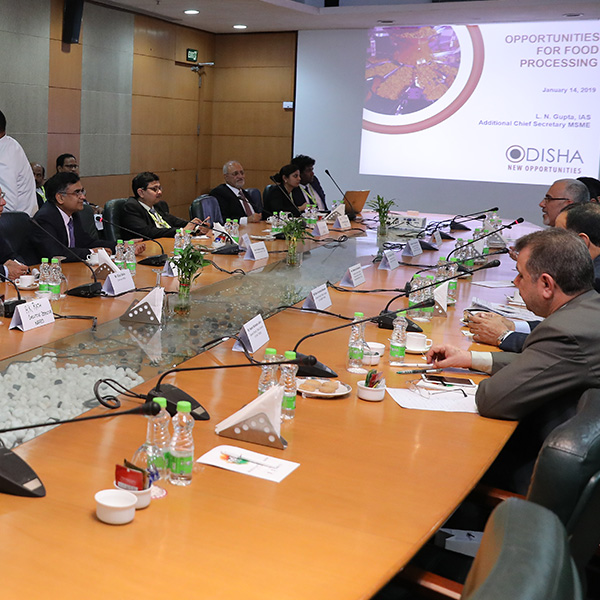
Odisha state government has recently been proactive in their attempt to develop trade opportunities for the businessmen through various means, including organizing trade fairs and participating in trade fairs. Only recently, the government organized the 7-day long Odisha MSME (Micro, Small and Medium Enterprises) international trade fair in the Capital. The objective was to inspire the youths to get encouraged towards entrepreneurship instead of running for jobs, informed Sashi Bhushan Behera, the State Finance Minister. He informed that more than 3,67,000 MSMEs have been set up in the State, incurring an investment of Rs. 17,863 crore. 14,61,000 men and women are employed for this initiative. As many as 400 domestic MSMEs, 40 start-ups and 32 entrepreneurs from Iran, Bangladesh, South Korea and Cambodia came to participate in the fair. Those present on the occasion included MSME Minister Mr. Prafulla Samal, Secretary of MSME, Govt of India, Mr. Arun Kumar Panda, MSME Additional Chief Secretary Mr. Laxmi Narayan Gupta and NSIC (National Small Industries Corporation) Secretary Mr. Sudhir Garg. Mr. Laxmi Narayan Gupta was in Delhi NCR only a few days back, leading a contingent of 30 food-based MSME units from Odisha, as partner state in IndusFood-II, organized by Trade Promotion Council of India (TPCI) jointly with Department of Commerce (Ministry of Commerce & Industry, Govt of India). IndusFood gave an opportunity to the Odisha delegation to indulge in Government-to-Government (G2G) meetings with four countries viz. UAE, Vietnam, Iraq and Bangladesh. During these G2Gs, the Odisha delegation showcased investment potential crops like rice, maize, fruits, vegetables, spices and marine foods. The additional chief secretary held discussion with the Vietnamese Ambassador to India HE Pham Sanh Chau with regard to possibilities of Investment & Trade by Vietnam in Odisha in the food processing sectors as a whole and with specific reference to marine sector. The exhibitor entrepreneurs from Odisha also engaged in number of Business to Business (B2B) meetings with entrepreneurs coming from various parts of the world in the food processing sector. Anmol Industries Limited, Prime Agro Food Processing Pvt. Ltd., Om Oil & Flour Mill (P) Ltd., KASAM, Gram Tarang Foods Pvt. Ltd., Kar & Brothers, Green Essence Extraction (P) Ltd., Jay Bharat Spices Pvt. Ltd., Taratarini Cashew Industries, Ram’s Assorted Cold Storage Limited, Krupalu Rice Industries (P) Ltd., Magma Foods (P) Ltd., are some of the major Odisha Companies which participated in IndusFood. The event saw about 800 leading buyers from 78 countries and 500 exhibitors from all across India with Odisha as the Partner State.
Focus on developing business relations with India during South African President’s visit
South Africa has been in the thick of narratives in India at least from the time when Gandhi, as a young lawyer practicing in South Africa in the early years of 20th century, commenced a movement against apartheid in South Africa. Africa saw Indian diaspora converging to its shores long before China, in very recent past, made up its mind to explore Africa for its business gains. Yet Indians failed to create the kind of business links with African nations that China has done in the field of infrastructure, mining, oil and natural gas. China even went on to develop series of important ports in Africa on the western and eastern coast right up till Mediterranean and built rail linkages to connect those ports. India got serious about building a robust institutional, industrial and transport infrastructure in growth poles in Africa when Asia Africa Growth Corridor – a joint initiative of India and Japan – was launched as late as in May 2017. Even then nothing significant has been achieved so far. When His Excellency Cyril Ramaphosa, President of South Africa, came on a visit to India as a State Guest of Honour for Republic Day 2019, the focus was very much on developing business relations with the country. South African President was accompanied by a high level delegation including nine Ministers, senior officials of his Government and a 50-member business delegation, which interacted with leading Indian businessmen, resulting in several delegation level talks, exchange of agreements and a meeting of India-South Africa Business Forum held in New Delhi. India and South Africa enjoy a close and multifaceted strategic partnership since 1997, which is underpinned by historic, cultural and economic linkages. Several high-level visits have been exchanged in the recent past, including visit of Prime Minister for the BRICS Summit in Johannesburg. About 1.5 million Indian Origin People live in South Africa and form an enduring link. Economic relations between South Africa and India nations have flourished since the establishment of diplomatic relations in 90s. India is among the top five trading partners of South Africa. The value of bilateral trade has increased three fold from US$2.5 billion in 2003-2004 to US$ 7.5 billion in 2008-2009. During the visit of President Zuma to India, both sides agreed to work towards a target of US$ 10 billion in bilateral trade by 2012. The trade target was revised to US$ 15 billion by 2014 during the visit of Indian Commerce and Industry Minister to South Africa in early 2011. However, the bilateral trade between the two countries stood at US$ 10.65 billion in 2018-19, up from US$ 9.38 billion in 2017-18. In recent years, both countries have developed close cooperation in the areas of vocational training, capacity building etc. Both countries share a common vision on a range of global issues and closely cooperate in various multilateral fora: UN, BRICS, G-20, Commonwealth, IORA and the IBSA. Over the decades, about 150 Indian companies have invested in South Africa employing over 20,000 locals. These include investment by the Indian companies including Tata (automobiles, IT, hospitality, and ferrochrome plant), UB Group (breweries, hotels), Mahindra (automobiles) and a number of pharmaceutical companies, including Ranbaxy, CIPLA, etc. as well as IT companies have find South Africa as their preferred destination. The South African investments in India have been led by ACSA (up gradation of Mumbai airport), SAB Miller (breweries), SANLAM and Old Mutual (insurance), ALTECH (set top boxes), Adcock Ingram (pharmaceuticals), Rand Merchant Bank (banking) also have grown over the years in India. India largely imports gold, steam coal, copper ores and concentrates, phosphoric acid, manganese ore, aluminium ingots and other minerals from South Africa where There exists great potential for trade growth between the two countries including in areas such as vehicles and components thereof, transport equipment, drugs and pharmaceuticals, engineering goods, footwear, dyes and intermediates, chemicals, textiles, rice, and gems and jewellery, etc. Scope for developing trade in many of the aforementioned areas was discussed during the visit of His Excellency Cyril Ramaphosa to India. He also delivered the Gandhi-Mandela Freedom Lecture organized by Indian Council of World Affairs under IBSA framework as a part of the celebrations of the 15th Anniversary of IBSA.
Revitalizing the SEZs
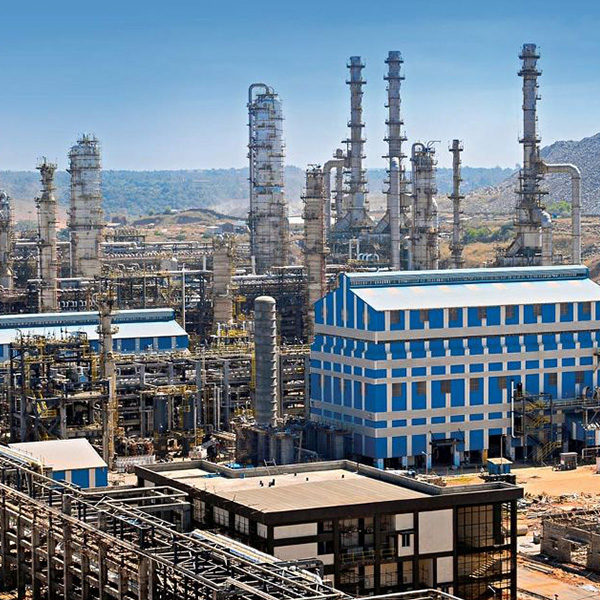
It was in April 2000 that the Special Economic Zone (SEZ) policy came into inception. Its prime objective was to enhance foreign investment and provide an internationally competitive and hassle free environment for exports. Subsequently, the Special Economic Zones Act, 2005 was passed by the Parliament and ratified by the President in mid 2005. On 10th February, 2006, the SEZ Act, 2005 came into effect, which was supported by SEZ rules. SEZ policy could not give the desired dividends despite these initial efforts, particularly when it came to the MSMEs. According to reports, based on FY 2016-17, while the MSME sector accounted for 45 per cent of the manufacturing output and 40 per cent of the country’s total export, 28.24% of it was exports from SEZs. The sector accounted for 28.77 per cent share in Gross Domestic Product (GDP) for 2015-16 with an appropriate growth of 7.62 per cent over the previous year. There is immense potential to develop the MSME sector further as this provides great employment potential at low capital cost. This sector is the largest employer in India after agriculture sector; in 2015-16, this sector employed an estimated 1109.89 lakh people on overall basis (comprising both manufacturing and non-manufacturing). With a view to revitalize the SEZs, the Department of Commerce, Ministry of Commerce & Industry had, in June 2018, constituted a Group consisting of SEZ stakeholders under the chairmanship of Baba Kalyani, Chairman & MD of Bharat Forge Ltd to study the Indian SEZ policy. Its mandate was to evaluate the SEZ policy, suggest measures to cater to the needs of exporters in the present economic scenario and make the SEZ policy WTO compatible, suggest course correction in the SEZ policy, make comparative analysis of the SEZ scheme and dovetail the SEZ policy with other similar schemes. The committee’s report titled ‘Revitalizing SEZs: From islands of exports to catalysts of economic and employment growth’ is now out in public domain. Department of Commerce has asked suggestions from stakeholders on the report. MSMEs account for more than half of all formal jobs worldwide. The Baba Kalyani Group report has highlighted several significant constraints for MSMEs given the ecosystem and scale they operate in. This is despite the host of steps taken by the Central Government in recent past, to promote this sector. The report suggests that the Government need to integrate MSMEs as part of 3Es (Employment and Economic Enclaves) by linking with MSME schemes of Government of India and provide focused enablers or facilitation measures. Highlighting the need for an inclusive approach for MSMEs in the SEZ landscape in terms of sustained policies, programs, institutional and infrastructural support, the report mandates these actions if MSMEs are to act as powerful instruments of economic development and skill-development. Inclusion of MSMEs will help foster a collaborative working model across different players during the value chain, the report has said. The report has suggested that clustering of small and large manufacturers (essentially customers and suppliers between themselves) operating in close proximity with units (including those providing support services for manufacturers) will enable creation of high value goods. Several other suggestions include formulation of separate rules and procedures for manufacturing and service SEZs; enabling framework for Ease of Doing Business (EoDB) in 3Es wherein shift from supply driven to demand driven approach is suggested; enhancing competition by enabling ecosystem development by funding high speed multi modal connectivity, business services and utility infrastructure; promoting integrated industrial and urban development and asks for procedural relaxations for developers and tenants to improve operational and exit issues; besides giving several other suggestions. The suggestions of the Committee have been put up inviting further views and reviews from stakeholders concerned. Soon, we shall expect revised guidelines aimed at revitalizing the SEZ sector. Hopefully!
FSSAI working to reduce industrially produced trans fat
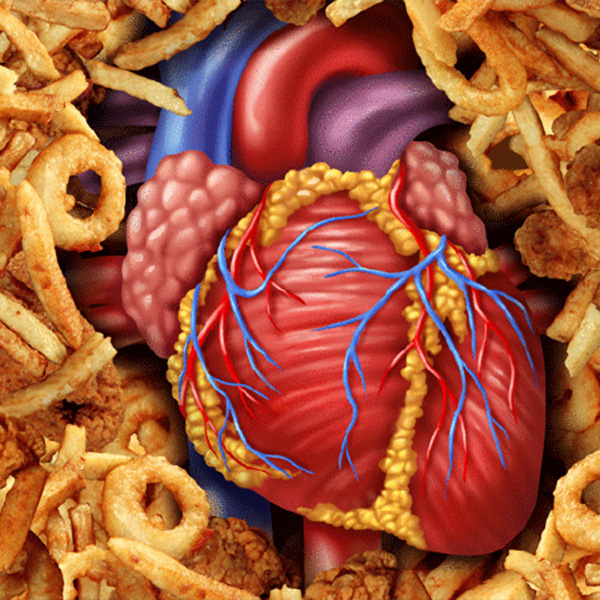
Trans fat kills! Globally, trans fat intake leads to more than 500,000 deaths of people from cardiovascular diseases every year. India too accounts for a large number of deaths due to trans fats. Keeping this in mind, the Food Safety and Standards Authority of India (FSSAI) has taken up an initiative to reduce or eliminate industrially produced trans fat in the food supply. In this regard, FSSAI is launching the first mass media campaign of its kind – Heart Attach Rewind – which will be targeted at eliminating trans fat in India by the year 2022. Tells Pawan Agarwal, CEO FSSAI: “FSSAI is committed to reducing the industrially produced trans fatty acids to less than 2% by the year 2022 in a phased manner. This is in line with our objective to get Freedom from ‘Trans Fat: India@75’. I am hopeful that this media campaign will educate consumers about the harmful effects and its link to cardiovascular diseases.” The campaign that will be broadcast in 17 languages for a period of four weeks on major digital platforms such as YouTube, FaceBook, Hotstar, and Voot, warns citizens about the health hazards of consuming trans fat and offers FSSAI’s plan to lower the level of trans fat in India’s food supply from the present <5 per cent to <2 per cent. Additionally, the campaign will also be placed on radio channels and outdoor hoardings in Delhi/NCR. A corresponding social media campaign will also highlight the harmful effects of trans fat on people’s health. This is to be recalled that in May 2018, WHO Director-General Dr Tedros Adhanom Ghebreyesus had released REPLACE, a step-by-step guide for the elimination of industrially-produced trans-fatty acids from the global food supply. WHO had suggested six strategic actions in the REPLACE package to help achieve the elimination of trans fat, and thus, gain a victory in the global fight against cardiovascular diseases. The six strategic actions under REPLACE to ensure the prompt, complete, and sustained elimination of industrially-produced trans fats from the food supply were as follows: REview dietary sources of industrially-produced trans fats and the landscape for required policy change. Promote the replacement of industrially-produced trans fats with healthier fats and oils. Legislate or enact regulatory actions to eliminate industrially-produced trans fats. Assess and monitor trans fats content in the food supply and changes in trans fat consumption in the population. Create awareness of the negative health impact of trans fats among policy makers, producers, suppliers, and the public. Enforce compliance of policies and regulations. Several high-income countries have virtually eliminated industrially-produced trans fats through legally imposed limits on the amount that can be contained in packaged food. Some governments have implemented nationwide bans on partially hydrogenated oils, the main source of industrially-produced trans fats. The FSSAI campaign is a step in the same direction! Industrially-produced trans fats are contained in hardened vegetable fats, such as margarine and ghee, and are often present in snack food, baked foods, and fried foods. Manufacturers often use them as they have a longer shelf life than other fats. But healthier alternatives can be used that would not affect taste or cost of food.
India’s Commerce & Industry Minister Announced Launch of IndusFood
Terming IndusFood-II as a major event, the Commerce & Industry minister said during a pre-launch announcement made in a Press Conference related to the grand event that IndusFood would greatly help both farmers and exporters of F&B products. Saying that he would have very much liked to attend IndusFood but some pressing commitments were not allowing him to do so, Mr. Suresh Prabhakar Prabhu urged all stakeholders to attend the event to ensure its grand success. Calling it a major event, Prabhu said, “We’re actually promoting the F&B industry in a big way and that is also going to help the farmers. Ultimately, what they produce is used to make other products. So, it’s a very major event.” He added that with more than 700 overseas buyers and 500 domestic exhibitors of F&B products, IndusFood is going to change the dynamics of foreign trade. “Through IndusFood, instead of Indian exporters going out to sell their products, the international buyers are coming to India,” he remarked. Also billed as ‘World Food Supermarket’, IndusFood which took place in India Exposition Mart, Greater Noida on January 14-15, 2019 was broadly divided into 15 products such as sweets, confectionary, dairy, dry fruits, fruits and vegetables, Indian ethnic food snacks, meat, poultry, seafood, non-alcoholic beverages, oil & oil seeds and organic & health food. In continuation of the theme, Mr. Prabhu also shared some details on the recent meeting of the Council of Trade Development and Promotion (CTDP) where, along with state governments, industry organisations and industry chambers are also involved. The council deliberated on how various stakeholders could work together to promote trade and commerce within the country as well as outside. Here the minister referred to an earlier meeting with the states where implementation of policy with regard to agricultural export and appointment of nodal agents to oversee that initiative was discussed. Welcoming the change in mindset, Mr. Prabhu observed how from agriculture export earlier being considered as the sole responsibility of the central government, various state governments were now working towards the common goal of trade promotion. On being quizzed about any major demands made by the states in terms of improving infrastructure, Mr. Prabhu responded: “Infrastructure is an issue even for agricultural export. We have already discussed that and we will work together with states to develop it because we cannot have agricultural export without developing infrastructure for which clusters have already been identified for particular products.” He reiterated how he had taken the issue to the Union Cabinet, which had put its seal of approval on the concept of work clusters. “We have worked out complete details with states that are asking for support and we’ll be more than glad to support them,” he added. He also mentioned the government considering to provide some transport subsidy to states for significant agricultural export. “All the states are very actively engaged in this and we’re trying to take this forward,” he said. The minister also informed about his meeting with officials from the Ministry of Finance along with the export organisations to resolve issues pertaining to export licensing, duty drawbacks and customs. IndusFood-II is essentially about emerging brands, value-added and organic products from India. Supported by the Department of Commerce, Ministry of Commerce & Industry, IndusFood is the flagship global trade show to maximise business opportunities for F& B industry. The event has been developed as the World Supermarket, to enable the rest of the world meet its F&B requirements from India. While during IndusFood-I, the focus was on creating an interaction of global buyers with the Indian commodity exporters, IndusFood-II brought international wholesale buyers, big sized food chains and governmental bodies from about 80 countries, and enabling them to decide which of the over 500 exhibitors they would like to meet. Although commodity buying still took place, during IndusFood-II the emphasis was also on identifying emerging brands from among F&B products that could interest the world market.
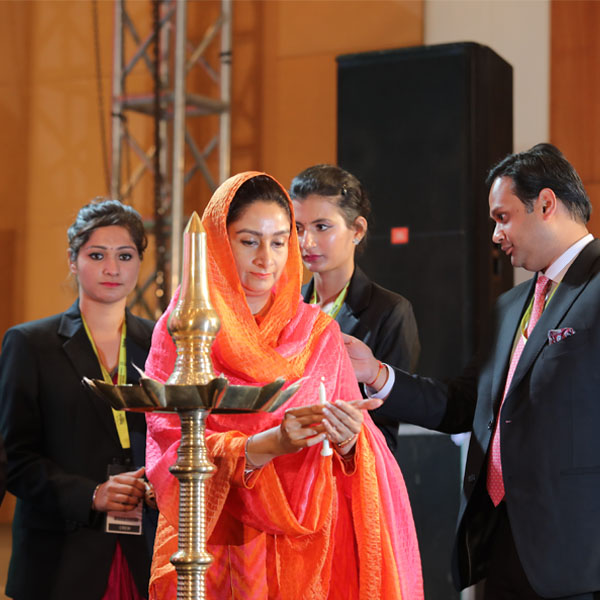
“Indian F&B sector’s growth has matched the growth of the country’s economy”: Mrs. Harsimrat Kaur Badal
Other than being the world’s fastest-growing major economy, India also has one of the fastest growing food processing industries in the world, Mrs. Harsimrat Kaur Badal, Union Minister of Food Processing Industries has said. “The increase in the world’s interest in India can be seen in the rise in FDI over the years. All these indicators show that not only is India one of the fastest growing GDPs in the world today, but is also the fastest growing country in the food retail and food-processing sectors,” the minister observed at the inauguration of IndusFood-II at India Exposition Mart in Greater Noida. Addressing the gathering of delegates from around 80 countries, the minister informed that the country had undertaken a number of reforms in the last four-and-a-half-years to ensure the growth and expansion of the food processing industry. She said that one of the first things that the central government had done was to harmonise the Food Safety Standard Authority of India’s (FSSAI) way of doing things as per international global standards. Commencement of mega food parks was one such major initiative in this regard. There were approximately 40 Mega Food Parks all over the country and an incentive of Rs. 500 million was extended for every mega food park, where the government and its partners were working to create common infrastructure. Other notable initiatives included schemes such as cold chain, mini food parks and backward-forward linkage schemes, in a bid to improve the economic lot of the farmers. The minister added that the government had been focusing on creating the infrastructure to preserve and process food as the high-level of wastage also led to price rise. Reducing food wastage would not only ensure more food for the people but also ensure that India, which has the capacity of becoming the food factory of the world, would find a prominent place in the food map of the world. She further spoke about how the Pradhan Mantri Sampadha Yojna was helping to supplement agriculture wealth. Inviting large-scale foreign participation in the country’s F&B space, the minister urged, “If you are looking to source out of India, this is the time to do it!” Referring to the increase in the global demand for food in the last few years, she said that it was impossible for the world to ignore India. The aim was to make sure that the foreign investors not only see India as a sourcing hub but also as a producing hub. TIME RIPE FOR GLOBAL INTEGRATION Mr. Santosh Kumar Sarangi, Joint Secretary, Export Promotion Agriculture, Department of Commerce told the gathering of India’s achievement of being among the top-ten agricultural exporters in the world. Elaborating on Prime Minister Mr. Narendra Modi’s mission of doubling farmers’ income, he said that this could be achieved by integrating them with the local market, one of the forums for which is IndusFood. Talking about the success of IndusFood, Mr. Sarangi said, “The scale on which IndusFood has grown has given us a lot of confidence about our potential for integration with the global marketers.” In a special pre-recorded video address, the Union Minister of Commerce and Industry, Mr. Suresh Prabhakar Prabhu, extended his best wishes to the buyers and sellers attending IndusFood. In a vote of thanks, Mr. Mohit Singla, Chairman, Trade Promotion Council of India (TPCI), which is also organising the event in association with the Department of Commerce, Ministry of Commerce & Industry, said, “IndusFood is a very important buyer-seller meet. As India’s ability to provide food is phenomenal, we decided that rather than Indians going out to sell their products, we bring in international buyers to India to buy these products.” Now in its second year, about 800 pre-selected global players representing large retailers, importers and investors along with government companies are represented at IndusFood. The event is India’s official, export-focussed F&B trade fair showcasing the country’s best line-up of products to global buyers.
Robust processing infrastructure can help India curb the problem of food wastage
Robust processing infrastructure can also help India curb the problem of food wastage. This was the view of Union Minister of Food Processing Industries Mrs. Harsimrat Kaur Badal who was addressing the press consequent to the inauguration of IndusFood at Greater Noida. She said Reverse Buyer-Seller meets such as IndusFood have a very critical role to play in Prime Minister Narendra Modi’s call for discovering measures to double farmers’ income. “This will also involve integrating the Indian market with global buyers”, she added. “Events like IndusFood and World Food India have helped us make a mark on the global scale. The FDI in the food processing industry has increased substantially. Since last year itself, it has almost doubled.” Under the present government, the Food Processing Ministry has focused on infrastructure development through building up of a large number of food parks across the country. The minister also expressed confidence that all 40 food parks would be ready and functional by 2019- end. “Further we’ve additional schemes under Operation Green. Food retailers today are tying up with farmers directly through which farmers can apply value-addition and are moving towards agro-processing which will help in improving their condition,” she added. Underscoring the success of last year’s IndusFood, she mentioned that it had helped put India on the global map as an important manufacturing hub of food products. “It is mega-events like these that help overseas retailers, buyers and leaders come and see the huge market base and the developing infrastructure. It helps in creating the necessary confidence to encourage them to invest and trade with the country,” she asserted. In reply to a specific query on the problem of food wastage, the minister said that the development of a robust processing infrastructure would also help in combating the problem of food wastage. “By focussing on infrastructure, we can substantially reduce food wastage. The more we process, the less food would be left for wastage,” she said. According to a report, up to 40 per cent of the food produced in India is bound to get wasted. About 21 million tonnes of India’s entire wheat produce are wasted and 50 per cent of all the food across the world meets the same fate. Such a situation raises a concern that food ‘never reaches the needy’.
3 G2Gs, 1 G2B, 14 B2Bs, 1 Investor Meet, I Multilateral Dialogue and 10 MoUs speak of the grand success of IndusFood-II
IndusFood, the grand event that was signed off on the evening of January 15, 2019 was grand in every sense. Other than the 800 global buyers from 78 countries who conducted over 12500 B2Bs with about 500 Indian exhibitors, IndusFood was uniquely successful in several other ways. The IndusFood saw 3 G2Gs happening with Vietnam, Iraq and UAE, 1 G2B with Bangladesh, I investor meet with Odisha Government, I multilateral dialogue on Indian tea and saw 10 MoUS being signed with TPCI and various organizations. In all, the second edition of Indus Food saw business deals and agreements worth $1 billion negotiated which would materialise in months to come. Hospitality Purchase Managers Deliberate Synergies A panel discussion involving hospitality purchase managers deliberated on the topic of synergies in international procurement and how they can help the Indian F&B industry. Eminent names from India and abroad engaged with the hospitality and F&B trade were present on the occasion. Questions put up for deliberation included procedures for purchasing commodities in a hotel and whether the process was different in India from that followed in other countries. Panelists came to a unanimous conclusion that it was overall a similar procedure but in the Gulf there is a provision of prompt delivery, as delays could lead to fines of $1,500 per day if commodities failed to clear customs in a timely manner. Bulk procurement from India faced several issues, with the communication gap being identified as the main hurdle. There was often a response lag and lack of interest from the vendors’ end. Some of the major food products were not available in the domestic market and, therefore, had to be procured from other sources. With certain commodities and brands banned in the Gulf countries if they failed to meet quality standards, there was a need to ensure production of quality Indian products, which adhered to internationally accepted global standards. The panel recommended that Indian manufacturers should enhance the quality of food products and packaging standards. The manufacturers could be educated in this sector through continuous dialogue with vendors. Outstanding Issues Discussed at India-Vietnam G2G The India-Vietnam government-to-government (G2G) roundtable addressed the key issues that were affecting the export of value-added products. Based on the trade analysis, diversification of trade basket was discussed since meat, fish, and crustacean (basically shrimp) exports to Vietnam from India add up to $4.1 billion. The India-Vietnam government-to-government (G2G) roundtable addressed the key issues that were affecting the export of value-added products. Based on the trade analysis, diversification of trade basket was discussed since meat, fish, and crustacean (basically shrimp) exports to Vietnam from India add up to $4.1 billion. Mr. Santosh Sarangi, Joint Secretary, Department of Commerce brought to the delegates’ attention how the recent technological advancements had helped increase the production of processed and organic foods, simultaneously increasing the export values for countries with high demand such as Vietnam. Addressing the officials present, the ambassador of Vietnam to India, HE Pham Sanh Chau said, “Events such as IndusFood are important for both the nations as 60% of our economy is based on agriculture. Such G2G discussions shall not only bring prosperity to our nations but also help bridge the various gaps between nations.” Mr. Chau also took up the trade-related issues between the two countries such as excess tax duties on certain commodities. Other issues discussed pertained to quality and market access faced by Vietnamese buyers. Mr. Rajneesh, Joint Secretary (ASEAN), Department of Commerce said that Vietnam was India’s natural partner for value-added products and assured the South East Asian nation’s ambassador that all outstanding issues would be resolved at the earliest. He affirmed: ”India believes in collaboration and not negotiation.” Mr. Mai Hoang, a shrimp importer from Vietnam told Fresh that IndusFood provided numerous buyers like her an efficient platform to not only cut deals but also connect with traditional food products of India. In conclusion, Mr. Bui Trung Thuong, Head of Trade Office, Embassy of Vietnam observed that India and Vietnam should set up business centres for trade facilitation and implementation of stringent quality checks meat and fish products. Both nations agreed to sign MoUs between the designated ministries to expedite solutions. India, Iraq Commit to Stronger Ties at Roundtable Government delegates of India and Iraq came together to discuss issues of food procurement at the G2G dialogue, held at IndusFood. Rice, frozen meat, sesame seeds, dried chickpeas and groundnuts were India’s top five exports to Iraq in 2017. Fresh soft dates, dried shell beans and rice were top imports of India from Iraq for the same year. Mr. LN Gupta, Additional Chief Secretary, Odisha Government laid emphasis on Odisha as a trading hub. He said that the state had the potential to export rice, groundnuts and maize. Mr. Khaldoon Tareq, the Commercial Counsellor, Embassy of Iraq was the spokesperson from the Iraq delegation. Mr. Naeem Mohaisen Jebur, General Director, State Company of Grain Trading Iraq also presented his views. He said that Iraq mainly imported rice from India. However, the tenders of Indian companies that float in Iraq quoted their prices higher than other countries. This was a major barrier and prevented Iraq from importing rice and other items from India. Mr. N Ramesh from the Department of Commerce, Govt of India came up with a few solutions. He suggested that a MoU could be signed between India and Iraq, where trade would take place between government companies of Iraq and India only to address the issue of high pricing by Indian private companies. The other solution that was suggested was that since India imports crude oil from Iraq and pays Iraq in dollars, instead India can pay Iraq in food grains. To this, the Iraqi delegation said they were not authorised to take this decision and would consult their authorities further. The conference ended with India committing to fulfill the requirements of the Iraqi government in the best way possible. India Bangladesh to explore joint investment opportunities