Indian food is going global—through both familiar routes and fresh new formats. From age-old avenues like exports, diaspora-led restaurants, culinary tourism, and five-star hospitality, to modern innovations like cloud kitchens, plant-based meals, frozen ready-to-cook packs, and gourmet D2C brands, the world’s appetite for Indian cuisine is expanding fast. With processed food exports crossing US$ 8 billion in FY24, it’s clear that the shift from raw commodities to value-added products is gaining momentum. What’s even more exciting? It’s not just Indian food traveling the globe—but Indian food brands stepping up as global players. This blog explores the journeys of some standout brands that are making the cut as first movers—and distills key learnings for Indian companies eyeing global markets. Indian food is going global—not just through traditional routes like bulk exports, culinary tourism and 5-star hospitality, but through bold new business models. From ready-to-eat snacks and frozen curries to biryani bowls and millet-based superfoods, Indian F&B brands are expanding their reach like never before. The rise of cloud kitchens, growing demand for plant-based diets, and the global appetite for bold and authentic flavours have created fertile ground for this expansion. A recent example is Haldiram’s, which began in the 1930s as a modest namkeen shop in Bikaner and has grown into one of India’s most iconic FMCG players. Today, it operates both in India and overseas, attracting major foreign investments—₹5,600 crore from UAE’s Alpha Wave and an earlier ₹7,500 crore from Temasek—valuing it at ₹84,000 crore. Haldiram’s is among the front-runners in India’s FMCG export story, reflecting the broader momentum of Indian brands going global. In 2024, according to ITC Trademap, India’s agricultural exports crossed US$ 441.7 billion, reflecting the rising global demand for the country’s agri and food products. Indian food exports, once dominated by categories like basmati rice, spices, and tea, are now expanding to include millet-based snacks, herbal beverages, and plant-based curries. This diversification not only reduces overreliance on a few staples but also builds resilience in India’s agri-trade portfolio with a plethora of value added products. Indian cuisine has several natural advantages—bold spices, aromatic depth, and diverse formats. While often considered spicy, it also includes milder, comforting options like khichdi. This versatility allows Indian FMCG brands to develop products suited to a wide range of global palates. The country’s own market acts as a testing ground. With food habits changing every 100 kilometers, a product that succeeds domestically shows strong promise internationally. Add to this the global push for veganism and sustainable diets, and Indian cuisine, with its strong vegetarian foundation, is well-positioned to lead. According to Meticulous Market Research, the global plant-based food market is expected to grow at a CAGR of 11.9% to reach US$ 74.2 billion by 2027. The challenge: Going global is not easy Taking a food brand global requires more than just a great product. It involves adapting to what management scholar Pankaj Ghemawat calls the CAGE distance framework—Cultural, Administrative, Geographic, and Economic differences. – – Cultural: Religious beliefs, taste preferences, and eating habits differ widely across regions. Indian brands must change ingredients, meal formats, and even packaging language to suit local cultural expectations. – Administrative: Entering global markets means complying with country-specific import rules, labeling norms, and food safety laws. Any misstep can delay entry or lead to rejection, making regulatory readiness crucial for Indian brands. – Geographic: Longer distances add complexity to logistics, especially for perishables. Food brands must ensure robust cold chains and timely deliveries to maintain quality, shelf life, and consumer trust. – Economic: Eating preferences vary as per the income level and purchasing power of the consumers, as premium and health-focused products are majorly demanded in affluent markets, while affordability is key in price-sensitive regions. Aligning pricing with local buying power is vital for global success. Brands like Wow! Momo has navigated international markets by tailoring its offerings to local tastes. “We customize spice levels based on regional preferences and adapt packaging to include local languages,” shared Shruti Mittal, Head of Marketing, referring to markets like the Middle East and Singapore. Similarly, The Healthy Binge is making Indian superfoods more accessible by rebranding them for global audiences. “We rebrand the packaging to ensure people understand Indian foods like millets,” said Co-founder Karan Korke. For instance, renaming “Jowar Chips” as “Sorghum Puffs” helps tap into global familiarity with ancient grains and wellness-focused choices. Even portion sizes are being adapted to match local eating habits. Biryani Blues, for example, offers its Hyderabadi biryani in compact bowl-sized servings tailored to busy professionals in London. Pathways to global markets: How Indian food brands are expanding As Indian brands adapt to international taste preferences and packaging norms, they are also exploring diverse routes to reach global consumers effectively. From private labelling and e-commerce to retail partnerships and cloud kitchens, these strategic approaches are helping Indian F&B players scale quickly and sustainably across markets. Private Labelling One of the key routes Indian food brands are using to expand globally is through private labelling. In this model, Indian manufacturers produce goods that are sold under the brand names of international retailers or distributors. This approach allows companies abroad to offer high-quality, customised Indian food products—such as sauces, snacks, or ready-to-eat meals—without investing in production facilities themselves. For Indian exporters, private labelling offers faster market access, lower overhead costs, and the ability to scale globally by leveraging existing manufacturing expertise, all while meeting strict international quality and safety standards. E-commerceD2C has emerged as a powerful route for Indian food brands to expand globally, offering direct access to international consumers without the need for extensive distribution networks. Platforms like Amazon’s Global Selling have enabled brands to reach markets such as the US, UK, and Australia with minimal upfront investment. For instance, Mumbai-based brand Spice Story, known for its modern takes on Indian chutneys, recently launched its products in the U.S. via Amazon and now derives nearly 30% of its sales through e-commerce, while actively targeting expansion in other global markets. Similarly, Haldiram’s has used Amazon to offer its snacks
IES discontinuation: MSME exporters’ new challenge
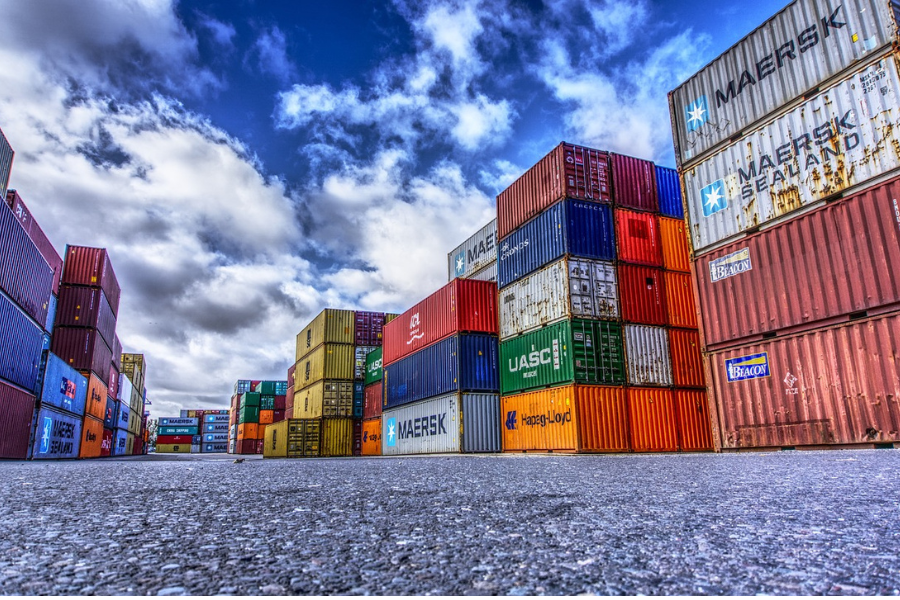
The Interest Equalisation Scheme (IES), a lifeline for India’s MSMEs, offered a 2–3% interest subsidy to counter high borrowing costs of 8–12%, enabling exporters to compete globally against nations like China and Vietnam, where rates are 2–4%. Ended on December 31, 2024, its absence threatens MSMEs, who drive 45.7% of India’s exports, with soaring costs and shrinking competitiveness. As trade barriers rise, exporters must act fast to adapt and demand policy support to stay in the global race. The discontinuation of the IES has placed Indian MSME exporters in a precarious position. High interest rates, averaging around 8–12% for MSMEs in India, compared to 2–4% in competing nations, erode their price competitiveness. For example, a 3% interest differential can translate into a significant cost disadvantage when competing for contracts against exporters from China or Vietnam. This is particularly acute in sectors like textiles, garments, and pharmaceuticals, where MSMEs dominate but operate on tight margins. In 2022–23, ₹3,118 crore was disbursed under the IES, supporting approximately 11,000 exporters, with ₹2,641 crore disbursed between April and November 2024 alone. The textile industry, a traditional stronghold for Indian MSMEs, is already feeling the pinch. Kumar Duraisamy, CEO of Eastern Global Clothing and Joint Secretary of the Tirupur Exporters Association as reported by the The Hindu BusinessLine, highlighted at the MSME Growth Conclave 2025 in Coimbatore that the government’s decision to end the IES has hit exporters hard. Tiruppur’s garment exports, which rose from ₹35,000 crore to ₹44,000 crore in 2024–25, rely heavily on the cost advantages provided by the IES. Without it, smaller exporters risk losing orders to competitors in Bangladesh or Southeast Asia. Many small businesses, particularly micro-enterprises, were unaware of the IES or how to access it, limiting its reach. This lack of awareness has worsened financial strain post-discontinuation, with increased borrowing costs squeezing margins and forcing MSMEs to scale back or lose contracts. The absence of IES has led to significant losses, especially for chemical exporters, who previously benefited from 3–5% incentives, denting their global competitiveness. The lack of affordable credit hampers investment in innovation and quality, critical for competing in labor-intensive and high-tech sectors. Broader Economic Implications The discontinuation of the IES comes at a time when Indian exports face additional headwinds. Geopolitical tensions in the Middle East and West Asia, coupled with new trade barriers like the U.S.’s 25% tariffs on steel and aluminum, have already impacted $5 billion worth of goods. Engineering exports, a significant MSME contribution, saw a 0.82% year-on-year decline in May 2025, dropping to $9.89 billion due to these challenges. The loss of the IES exacerbates these pressures, potentially shrinking India’s export market share in key sectors. Moreover, the absence of the IES could undermine India’s ambition to position itself as a trusted alternative in global supply chains, particularly as a “China plus one” destination. MSMEs, which supply critical components to defense, space, and high-tech industries, require affordable financing to invest in research, development, and compliance with global standards like sustainability reporting. Without the IES, many may struggle to scale or meet these demands, hampering India’s broader “Make in India” and export growth objectives. The Path Forward The discontinuation of the IES is not just a policy shift—it’s a wake-up call for Indian MSMEs. While initiatives like e-commerce export hubs and Common Facility Centres (CFCs) in cities like Jaipur and Mumbai offer some relief, they cannot fully replace the financial cushion provided by the IES. The government’s focus on digital transformation and single-window systems is promising, but without affordable credit, MSMEs risk being priced out of global markets. Exporters must act proactively, leveraging networks and trade bodies to push for policy reversals or alternative support mechanisms. The stakes are high: a 3% cost difference can determine whether an MSME secures an international order or loses it to a competitor. As global supply chains shift and India emerges as a viable alternative, MSMEs cannot afford to be sidelined by high borrowing costs. The government, too, must recognize that supporting MSMEs is not just about subsidies—it’s about ensuring India’s place in the global trade arena.
From firewood to fuel cells: The evolving story of biofuels
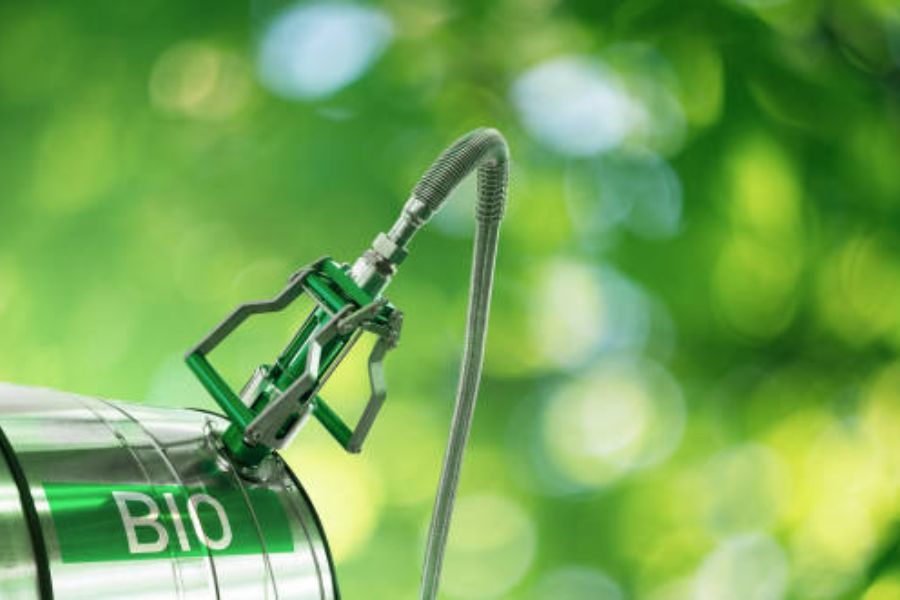
The history of biofuels is a fascinating journey that intertwines human ingenuity, environmental necessity, and technological advancement, stretching from ancient times to the modern era. Biofuels, derived from organic materials such as plants, animal waste, and other biomass, have been utilized by civilizations for millennia, though their systematic development and widespread adoption are relatively recent phenomena. The story of biofuels reflects humanity’s evolving relationship with energy, agriculture, and sustainability, shaped by economic pressures, scientific breakthroughs, and global challenges like climate change. As the world grapples with the urgent need to transition to cleaner energy sources, understanding the historical trajectory of biofuels offers valuable insights into their potential to shape a sustainable future. Image Source : Pixabay From the dawn of human civilization, biofuels played a critical role in meeting energy needs. Ancient societies burned wood, a form of biomass, for cooking and warmth, a practice that remains one of the earliest examples of bioenergy use. By the time of the ancient Egyptians, Greeks, and Romans, plant oils and animal fats were harnessed to fuel lamps, with olive oil serving as a primary energy source for lighting in Mediterranean cultures. These early applications, though rudimentary, demonstrated humanity’s ability to extract energy from renewable organic materials, setting the stage for more sophisticated uses of biofuels in later centuries. Fast forward to the 19th century, the Industrial Revolution marked a significant turning point in energy use, with coal and later petroleum dominating the global energy landscape. However, even during this fossil fuel-centric era, biofuels were not entirely forgotten. In the 1820s, Samuel Morey, an American inventor, developed an engine that ran on a mixture of ethanol and turpentine, a biofuel derived from pine resin. This was one of the earliest documented attempts to use biofuels in mechanical systems. Ethanol, produced through the fermentation of sugars from crops like corn or sugarcane, emerged as a promising fuel. By the 1860s, ethanol was being blended with other fuels to power lamps and early internal combustion engines, particularly in regions where petroleum was scarce. Biofuels in the automotive era The early 20th century saw biofuels gain traction, particularly in the nascent automotive industry. Rudolf Diesel, the inventor of the diesel engine, demonstrated in 1900 that his engine could run on peanut oil, a vegetable-based biofuel. At the Paris Exposition that year, Diesel’s engine ran entirely on peanut oil, proving that biofuels could compete with fossil fuels in terms of performance. Similarly, , the automotive pioneer, designed his Model T to run on ethanol or gasoline, envisioning a future where farmers could produce fuel from crops, creating a sustainable agricultural-energy ecosystem. However, the rise of cheap and abundant petroleum in the early 20th century sidelined biofuels, as gasoline and diesel became the dominant fuels for transportation. Despite the dominance of fossil fuels, biofuels persisted in niche applications. During World War I and II, fuel shortages prompted governments to explore alternatives, including ethanol and methanol derived from biomass. In Europe and the United States, ethanol was blended with gasoline to stretch fuel supplies, a practice known as “gasohol.” In Brazil, the use of sugarcane ethanol as a fuel gained momentum during the 1920s and 1930s, driven by the country’s abundant sugarcane crops and periodic oil shortages. These early experiments with biofuels demonstrated their potential as a fallback during times of scarcity, but their widespread adoption was hindered by the economic and infrastructural dominance of petroleum. Source: Our World in Data Modern Biofuel Expansion and Challenges The 1970s energy crises, triggered by the 1973 OPEC oil embargo, reignited global interest in biofuels. Soaring oil prices and concerns over energy security prompted nations to explore renewable alternatives. In the United States, the Energy Tax Act of 1978 offered tax incentives for ethanol-blended fuels, spurring the growth of the corn ethanol industry, particularly in the Midwest. Brazil launched its ambitious Proalcool program in 1975, leveraging its sugarcane industry to produce ethanol on a massive scale. By the 1980s, a significant portion of Brazil’s vehicles ran on ethanol or ethanol-gasoline blends, supported by government subsidies and a robust agricultural sector, making Brazil a global leader in biofuel adoption. The 1980s and 1990s marked a period of technological and policy-driven growth for biofuels. Advances in fermentation techniques and the use of genetically modified microorganisms improved ethanol production efficiency from crops like corn, sugarcane, and wheat. Biodiesel, derived from vegetable oils, animal fats, or recycled cooking grease, emerged as a renewable alternative to diesel fuel. In Europe, countries like Germany and France promoted biodiesel from rapeseed oil, driven by agricultural surpluses and environmental concerns. The 1997 Kyoto Protocol, which committed nations to reducing greenhouse gas emissions, further accelerated interest in biofuels as a low-carbon alternative to fossil fuels, positioning them as a key tool in the fight against climate change. The early 21st century witnessed an unprecedented boom in biofuel production, fueled by supportive policies and growing environmental awareness. In the United States, the Renewable Fuel Standard (RFS), enacted in 2005 and expanded in 2007, mandated the blending of biofuels into transportation fuels, leading to a surge in corn ethanol production. By 2010, the U.S. produced over 13 billion gallons of ethanol annually, cementing its position as the world’s largest producer. Brazil continued to dominate sugarcane ethanol production, benefiting from the crop’s high energy efficiency. Globally, biodiesel production expanded, with countries like Indonesia and Malaysia leveraging their palm oil industries to meet rising demand. However, the rapid expansion of biofuels sparked significant challenges. The “food vs. fuel” debate gained prominence in the 2000s, as critics argued that diverting edible crops like corn and soybeans to fuel production drove up food prices, contributing to global hunger. The 2007-2008 food price crisis intensified these concerns, prompting a shift toward second-generation biofuels made from non-food biomass, such as agricultural residues, wood chips, and grasses. Cellulosic ethanol, derived from plant fibers, promised to reduce competition with food production, but high costs and technical hurdles limited its commercial success. Meanwhile, concerns about land use and deforestation, particularly in

Battery recycling: India’s untapped US$ 3.5 billion opportunity
India could unlock a US$ 3.5 billion lithium-ion battery (LiB) recycling ecosystem by 2030 through targeted policy measures, according to an ICEA-Accenture report. Currently, only 1% of LiBs are recycled, with most processed informally, leading to low-recovery and environmental harm. The report recommends boosting domestic cell manufacturing, formalizing recycling, improving logistics, and restricting ‘black mass’ exports. Recycling could create up to 41,000 jobs, cut carbon emissions by 75 kilotonnes, and save 5,700 million gallons of water. With LiB demand set to reach 115 GWh by 2030, recycling is vital to reduce import dependence and meet India’s climate goals. India has the potential to develop a US$3.5 billion lithium-ion battery (LiB) recycling and production ecosystem by 2030 through targeted policy interventions, according to a joint report by the India Cellular and Electronics Association (ICEA) and Accenture. The report titled ‘Charging Ahead – Transforming India’s Lithium-Ion Battery Recycling Ecosystem’, emphasizes that in the absence of strategic policy support and investment incentives, current LiB recycling expansion plans are expected to generate only US$500 million to US$1 billion in revenue between 2025 and 2030. India currently recycles just 1% of its end-of-life lithium-ion batteries into reusable materials, ICEA stated in a release accompanying the report. The low recovery rate of lithium-ion batteries underscores a serious environmental challenge as well as a largely untapped economic opportunity. Boosting the recovery of end-of-life batteries could play a key role in meeting India’s growing needs for electric vehicles, consumer electronics, and energy storage, according to ICEA. The report outlines several critical recommendations to strengthen the domestic LiB value chain. These include: boosting cell manufacturing capacity, expanding domestic recycling capabilities through schemes like the Production-Linked Incentive (PLI), facilitating the trade of LiB scrap and black mass, and enhancing reverse logistics and scrap collection systems. The proposed interventions are expected to significantly enhance India’s battery ecosystem. The report estimates that these measures could- unlock a cumulative economic value of US$3.5 billion by 2030, create between 27,000 to 41,000 new jobs, reduce carbon emissions by 28 to 75 kilotonnes of CO₂ equivalent, and save approximately 5,700 million gallons of water. Currently, about 39% of consumer electronics batteries that have reached end-of-life (EoL) are not collected at all. At present, electronics recycling in the country is largely controlled by a vast informal sector focused on repairs and spare part extraction. The report stated that of the batteries entering collection channels, approximately 80% are currently managed by unregulated informal sectors. Consequently, 45% of these collected batteries do not make it to formal mechanical recycling facilities. Furthermore, an additional 2–8% of end-of-life batteries that do reach formal recyclers fail quality checks due to improper handling by informal collectors. Efforts to enforce extended producer responsibility (EPR) have so far had limited success in transforming the formal recycling landscape. Industry experts point out that while the Battery Waste Management Rules 2022, offer a foundational framework, there is now an urgent need for robust infrastructure, stricter enforcement of Extended Producer Responsibility (EPR), efficient take-back systems, and a shift in mindset among all stakeholders. Emphasizing critical mineral recovery and domestic black mass processing, they say, can significantly reduce import dependency and strengthen India’s resource resilience. ICEA Chairman Pankaj Mohindroo highlighted the strategic importance of battery recycling for India’s environmental goals and resource security. He noted that sustainability is emerging as a major economic opportunity. Battery recycling, he said, lies at the crossroads of India’s environmental goals and its need for strategic independence in critical minerals. With the right policy framework and entrepreneurial energy, India can develop a US$3.5 billion circular battery economy, reduce reliance on imports, and position itself as a global leader in clean technology. He also announced the launch of the Centre of Sustainability for Pure Earth. The industry experts echoed concerns over the technological limitations in India. One expert noted that products like the iPhone contain up to 69 elements, many of which Indian facilities currently cannot recycle. He urged the government to impose restrictions on the export of black mass—the intermediate product derived from spent batteries—citing China’s ban on black mass exports as a precedent. Another expert pointed out that the country lacks the necessary technology to extract high-quality elements from used batteries. He cautioned that without cost advantages and quality comparable to newly extracted raw materials, recycled materials are unlikely to gain acceptance among industries. India’s lithium-ion battery demand is expected to soar to 115 gigawatt hours (GWh) by 2030, according to the report. It highlights that battery consumption driven by electric vehicles (EVs) is expected to grow at a compound annual growth rate (CAGR) of 48%. Meanwhile, demand from consumer electronics, is anticipated to grow at a CAGR of 3%, and stationary storage devices are set to see a 14% CAGR over the next five years. The report also estimates that by 2030, demand for key battery-active materials—lithium, cobalt, nickel, and manganese—will reach 250 kilotonnes, resulting in an import dependency exceeding US$ 5 billion. The report suggests that expanding domestic cell manufacturing capacity is key to generating sufficient demand for recycled materials. This would help establish a strong local market for recyclers, spurring additional investment and industry expansion. It points to China and South Korea as examples, where hydrometallurgical recycling advanced only after the growth of domestic cell production. Under its COP26 “Panchamrit” commitment, India aims to achieve 500 GW of non-fossil fuel electricity capacity and reduce carbon emissions by 1 billion tonnes by 2030. It also targets a 45% reduction in emissions intensity of GDP and reaching net-zero emissions by 2070. According to the report, India’s success in meeting these goals will depend significantly on its ability to scale up lithium-ion battery production while effectively managing supply chains and minimizing environmental impact.
How biofuels are strengthening India’s energy backbone
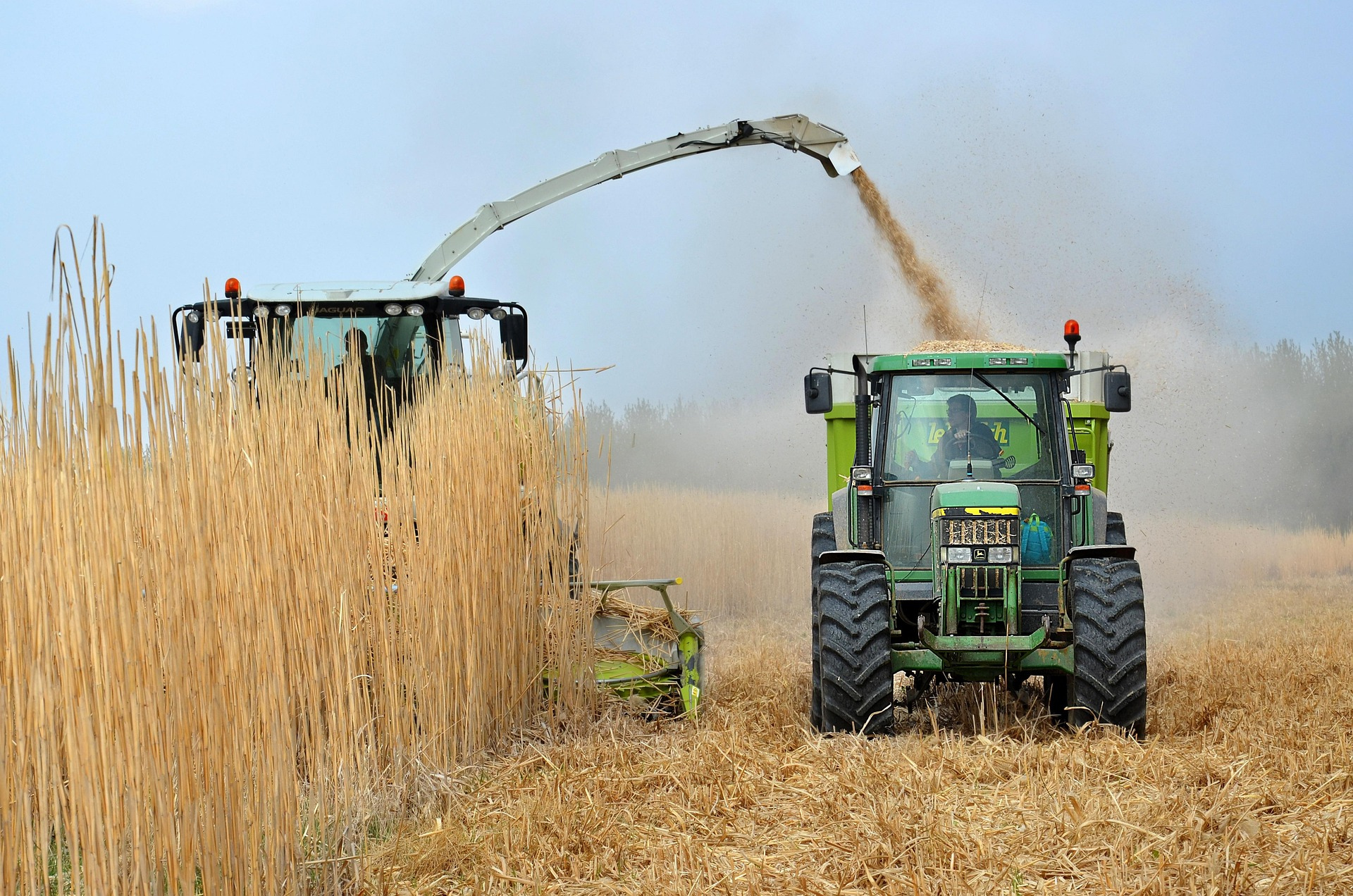
In a world grappling with climate change and energy security, India has emerged as a beacon of progress in the biofuel sector, close to achieving its ambitious 20% ethanol blending (E20) target five years ahead of the original 2030 deadline. This milestone, driven by a robust policy framework, strategic investments, and the country’s abundant biomass resources underscores India’s commitment to reducing reliance on imported crude oil, curbing greenhouse gas emissions, and empowering rural economies. As the world’s third-largest energy consumer, importing over 80% of its oil, India’s biofuel journey offers a compelling narrative of innovation, resilience, and leadership—offering valuable lessons for nations pursuing sustainable energy transitions. Image Source : Pixabay India’s biofuel story began modestly in 2001, when pilot projects in Uttar Pradesh and Maharashtra experimented with 5% ethanol-blended petrol, paving the way for the formal launch of the Ethanol Blended Petrol (EBP) Programme in 2003. Initially designed to cut vehicular emissions, reduce oil imports, and support sugarcane farmers through molasses-based ethanol, the EBP faced considerable hurdles. Feedstock shortages, high state taxes, and interstate restrictions on molasses movement restricted blending to just 1.53% by 2013–14. Despite these early challenges, the program laid the foundation for India’s broader biofuel ambitions and marked a significant step in diversifying its energy mix. A major milestone came in 2009 with the launch of the National Policy on Biofuels (NPB), which aimed for 20% blending of both ethanol and biodiesel by 2017. The policy emphasized first-generation (1G) biofuels from sugarcane and non-edible oilseeds like jatropha. However, its reliance on food-based feedstocks raised concerns about food security, and limited production capacity resulted in only 2% ethanol blending by 2017. To unlock India’s biomass potential—estimated at 500 million metric tonnes annually—the government launched the National Bio-Energy Mission in 2012. This initiative broadened the focus to include biofuels, biogas, and biomass-based power, and prioritized second-generation (2G) biofuels derived from agricultural residues such as rice straw and wheat stubble. These residues, if used effectively, could reduce pollution from stubble burning and address food security concerns. While the mission encouraged public-private partnerships and investment in advanced biofuel technology, progress was hindered by high capital costs (₹100–150 crore per 2G plant) and logistical barriers in collecting widely dispersed biomass. Still, projects like the 2G ethanol plant in Haryana demonstrated scalable potential and set the stage for future expansion. Scaling Success: Transformative Policies and Global Leadership The National Policy on Biofuels 2018, adopted on May 16, 2018, marked a turning point. This revamped framework addressed the shortcomings of its predecessor by advancing the E20 blending target to 2030 (later revised to 2025–26), diversifying feedstocks to non-food sources, and offering robust financial incentives. The policy reduced GST on ethanol from 18% to 5%, streamlined procurement processes, and classified biofuels into basic (1G ethanol, biodiesel) and advanced (2G ethanol, bio-CNG) categories. By expanding the feedstock base to include maize, surplus rice, and agricultural waste, it leveraged India’s biomass wealth while easing food-versus-fuel concerns. Its emphasis on sustainability aligned with global energy trends and positioned India as a forward-looking player in the international biofuel space. Source : PIB In the same year, the government introduced the Sustainable Alternative Towards Affordable Transportation (SATAT) scheme to promote compressed biogas (CBG) from agricultural waste, cattle dung, and municipal solid waste. The program targeted 5,000 CBG plants by 2023–24 and offered long-term offtake agreements with oil marketing companies (OMCs) and capital support (₹20–30 crore per plant). By 2024, more than 100 plants were operational, with around 1,200 in various stages of development—contributing to rural incomes and waste management. Similarly, the GOBARdhan scheme, launched under the Swachh Bharat Mission in 2018, sought to convert organic waste into biogas and bio-CNG. With over 600 functional projects by 2024, it supported rural sanitation, soil health, and the principles of a circular economy—all while complementing the EBP. The Pradhan Mantri JI-VAN Yojana, launched in 2019, provided ₹1,969.5 crore in viability gap funding to support the production of 2G ethanol from lignocellulosic biomass. Targeting 12 commercial and 10 demonstration plants, the scheme aimed to reduce India’s dependency on water-intensive 1G feedstocks like sugarcane, which consumes approximately 2,860 liters of water per liter of ethanol. Although only one commercial plant has become fully operational, JI-VAN represents a strategic shift toward more sustainable feedstocks—essential for long-term environmental gains. India’s leadership in the Global Biofuels Alliance (GBA), launched during its G20 presidency in 2023, has further cemented its global role. With 28 member countries and 12 international organizations, the GBA promotes technology transfer, trade collaboration, and sustainability. It supports pilot projects on second-generation ethanol and sustainable aviation fuel (SAF). India’s proposed SAF blending targets—1% by 2027 and 2% by 2028 for international flights—will require an estimated 100 million liters annually, likely sourced from residue oils. While this enhances India’s global influence, critics caution that continued reliance on 1G feedstocks could risk food-energy trade-offs. Several government interventions have underpinned India’s biofuel success. Since 2014, simplified licensing for ethanol producers, excise duty waivers, low-interest loans, and subsidies for biodiesel production from non-edible oils have created an enabling ecosystem. GST exemptions for biofuel raw materials and carbon credits for emissions reductions further reduced costs. The Ministry of New and Renewable Energy’s updated National Bio-Energy Programme in 2025 offers incentives for biofuel equipment manufacturers and promotes public-private partnerships in advanced biofuels. Meanwhile, automobile manufacturers, supported by government directives, rolled out E20-compatible vehicles by April 2025—ensuring demand-side readiness. Future horizons for India’s biofuel ambitions Despite this triumph, challenges persist. Heavy dependence on 1G feedstocks such as sugarcane and grains could worsen land and water stress. An additional 6.26 million hectares of land and 400 billion liters of water are estimated to be needed to sustain ethanol production—posing risks in drought-prone areas. A 2023 report by the FAO cautioned that expanding biofuel production may strain global food supply chains and drive up prices, particularly for vulnerable populations. Lifecycle emissions from land-use changes and nitrogen fertilizers could also offset tailpipe emission benefits, as highlighted by the Observer Research Foundation. Moreover, high 2G biofuel
Butter in short supply: What’s fueling the 2025 price spike?
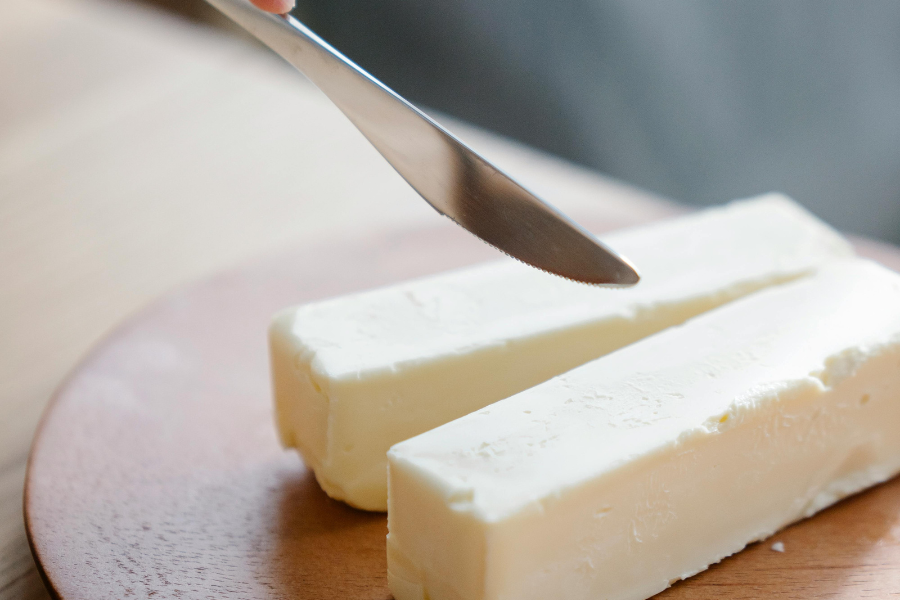
Global butter prices have hit record highs in 2025, driven by supply constraints, extreme weather, disease outbreaks, and a shift in dairy production toward more profitable cheese. Europe and New Zealand, which account for 70% of global exports, are seeing declining butter output. Meanwhile, demand is rising sharply, especially in Asia, led by China and India. In Western markets, butter is making a comeback, but soaring prices are forcing changes in usage. With ongoing environmental and geopolitical pressures, experts expect continued price volatility and elevated costs into 2026 and beyond. Image Source: Pexels Butter prices have hit all-time highs in 2025, fuelled by a convergence of global supply chain disruptions, escalating demand, and growing geopolitical and environmental pressures. Providers are now charging 25% to 30% more, squeezing both consumers and food businesses that rely on this essential dairy product. The roots of the crisis lie deep within the global dairy sector, which is buckling under growing constraints. Across major producing regions—particularly Europe, the United States, and New Zealand—milk production is under intense strain due to extreme weather events, regulatory changes, disease outbreaks, and strategic shifts within the industry itself. Milk production has been heavily impacted by adverse climate conditions. Droughts in California and unseasonal frosts across Europe have slashed yields, making it more difficult for dairy farmers to sustain output. At the same time, increasingly strict environmental regulations in the EU and U.S. are pressuring farmers to cut herd sizes. But that is not the only issue. Dairy processors themselves are pivoting away from butter production in favor of cheese, which offers higher margins and greater commercial value. This strategic shift is reshaping the entire dairy supply chain—and not in butter’s favour. Butter is made by separating cream from raw milk and churning it. This process yields two products: butter and buttermilk. While butter remains a staple ingredient, buttermilk has limited commercial appeal. It is used in some cooking, a few dairy derivatives, and livestock feed—but unlike cheese by-products, it does not fetch high returns. Cheese production, on the other hand, utilizes the full volume of milk and generates whey as a by-product—an ingredient in high demand across fitness, food processing, and nutrition industries. From protein powders to processed foods, whey has become a valuable commodity. For processors chasing profitability, shifting milk fat toward cheese simply makes more economic sense. As a result, the European Union has increasingly favored cheese production, and butter output has steadily declined. According to the U.S. Department of Agriculture (USDA), EU butter production is expected to reach an eight-year low in 2025—a development with global consequences. Europe and New Zealand—together responsible for around 70% of the world’s butter exports—began 2025 with some of their lowest inventories in recent memory. The Food and Agriculture Organization (FAO) has cited these shortfalls as a major factor behind recent price spikess. It is to be noted here that, global export of butter has increased from US$ 6.4 Billion in 2020 to US$ 10.3 billion in 2024, with CAGR at 9.9%. Ireland, Netherlands, New Zealand, Germany and France are among the leading exporters of Butter in the world. Major importing countries include France, Netherlands, Germany, China, and United States of America. Source: ITC Trade map The origin of this supply squeeze at present dates back to 2022, when inflation, soaring energy costs, and rising feed and fertilizer prices drove up milk production costs. In response, dairy producers across Europe began prioritizing cheese, further reducing butter availability. Making matters worse, European dairy farms are also grappling with shrinking herd sizes and the spread of animal diseases such as bluetongue virus and lumpy skin disease, particularly in key dairy hubs like France and Italy. These outbreaks are cutting into milk yields at a time when every liter counts. New Zealand, another critical player in global butter exports, has seen its production stagnate since the pandemic. Annual butter production in the country has hovered around 500,000 tons since 2020. While supply tightens, butter demand is accelerating—especially in Asia, where changing dietary preferences and growing disposable incomes are reshaping consumption patterns. The USDA projects a 2.7% rise in global butter consumption in 2025, outpacing production growth. In China alone, butter demand rose by 6% in the past year, while Taiwan and India followed closely with 4% and 3% increases, respectively. In 2024, the global butter market was valued at US$ 58.48 billion. According to report by Market Research Future, it is anticipated to grow from US$ 61.56 billion in 2025 to US$ 104.87 billion by 2035, reflecting a compound annual growth rate (CAGR) of 5.54%, during the forecast period 2025–2035. Source: Market Research Future Bakeries and food businesses across Asia are feeling the pinch. Many are emphasizing the need for high-quality butter, preferring New Zealand suppliers while avoiding Chinese sources over quality concerns. Still, supply volatility has forced them to cycle through multiple vendors—switching between producers in Australia, Belgium, and New Zealand as they scramble to keep up with demand. Western consumers are also rediscovering butter, embracing it as a more natural and traditional alternative to margarine and processed oils. In the UK, sales of pure block butter have been steadily rising, according to Susie Stannard of the Agriculture and Horticulture Development Board. However, this renewed enthusiasm comes at a cost. For instance, an upscale restaurant in London, Morchella, has begun replacing butter with olive oil to reduce expenses. Whereas some others are scaling back butter use in sauces and meat preparations, citing unsustainable prices. This marks a significant turnaround in public sentiment. Once criticized for its saturated fat content, butter is now celebrated for its wholesome image—yet it is increasingly becoming a luxury ingredient. Looking ahead, the outlook remains grim. Butter prices remain highly vulnerable to shocks from climate change, international trade tensions, and geopolitical instability. A looming heatwave in Europe threatens to reduce milk yields even further during the crucial summer season—coinciding with seasonal spikes in demand for cream-heavy products like ice cream and traditional dishes such as strawberries-and-cream. In response, bakeries

As rivals rise, is ChatGPT losing its edge?
With new features and growing user bases, AI chatbots like Google Gemini, Microsoft Copilot, Claude, and Perplexity are gaining momentum in 2025—challenging ChatGPT’s dominance. While ChatGPT still leads with over 122 million daily users and strong enterprise adoption, the gap is narrowing. From coding and research to writing and translation, professionals are exploring alternatives that offer niche advantages and evolving capabilities. As AI chatbots become increasingly essential in professional workflows, the competition among leading platforms is heating up. While OpenAI’s ChatGPT remains the most widely adopted, tools like Google Gemini, Microsoft Copilot, Anthropic Claude, and Perplexity are catching up fast with continuous improvements. This raises a key question: Is ChatGPT still the clear leader, or are others beginning to edge closer? In terms of reach and scale, ChatGPT maintains a dominant position. As of May 2025, it registered 122.6 million daily users and nearly 800 million weekly users—a sharp rise from around 100 million in late 2023 to 400 million in early 2025, before doubling again following recent updates, according to OpenAI’s CEO at TED 2025. It now ranks among the top five most visited websites globally, having attracted 4.5 billion visits in March, up from 3.9 billion in February. With over 1 billion queries processed each day, ChatGPT is firmly embedded in the daily habits of users. It also holds the record for being the fastest app ever to reach 100 million users, doing so within two months of launch. By early 2025, it is in use across 92% of Fortune 100 companies and by nearly one in four American adults, indicating widespread adoption across both business and consumer segments. Google Gemini, formerly Bard, has been steadily growing. In January 2025, it saw 267.6 million visits, increasing to 284 million the following month, suggesting a strong user base in the tens of millions. By late 2024, Gemini commanded 13–14% of the AI chatbot market and was available in over 230 countries and more than 40 languages. Google expects its user base to eventually cross the one billion mark, but for now, it continues to trail ChatGPT in scale. Microsoft Copilot, embedded within Bing, Windows, and the Microsoft Office suite, is leveraging its ecosystem to build a substantial user base. Following the launch of AI chat in Bing, the platform hit 100 million daily active users by March 2023, rising to 140 million by April 2024. Bing now sees around 500 million monthly visitors, and Copilot accounts for roughly 14% of market usage. Its close integration with productivity tools makes it especially valuable for enterprise users. Meanwhile, Anthropic’s Claude has carved out a smaller but technically respected presence. Known for its ability to handle up to 100,000 tokens of context, Claude is primarily accessed through APIs and platforms like AWS Bedrock and Slack’s AI assistant. With 2–3% of the market, a few million active users, and 16% growth in late 2024, it’s gaining popularity, particularly among developers and enterprises looking for high-context AI solutions. Choosing the right tool depends on the user’s professional needs. If they are aiming to use an AI assistant for development work, it’s wise to consider a paid version for better performance. Many developers choose ChatGPT Pro for its reliability, though even the free GPT-4o model offers solid support. Perplexity, which gives access to multiple models, allows for comparing responses and performs even better in its Pro version. Gemini 2.5 has seen major upgrades but offers limited features in its free plan. Both Copilot and Claude also deliver helpful code snippets in specific situations, though none of these AI tools can yet fully replace developers for complex or large-scale projects. These chatbots also prove invaluable in learning and training contexts. They help junior team members quickly get up to speed on new AI tools or frameworks, reducing the need for constant mentoring. Unlike code generation, their use as learning aids or research assistants plays to their strengths, allowing users to explore general concepts, best practices, and documentation faster. Even the free versions are effective in this role, provided users verify responses when accuracy matters. For in-depth research and strategy work, Perplexity has become a preferred option due to its academic search tools and model-switching ability—making it particularly useful for time-sensitive topics. ChatGPT, which launched a deep research capability in early 2025, excels at tackling structured and in-depth queries. However, free access is unavailable, and even Plus subscribers are limited to 30 detailed searches per month. Gemini, powered by Google’s search legacy, also performs well, especially since its latest update. Professionals are increasingly using AI chatbots for writing and content generation as well. From drafting emails and creating training materials to developing outlines and scripts, these AI tools boost productivity. For high-quality writing, Claude Pro is a strong contender, often producing responses that sound more natural and human-like. That said, just as engineers don’t ship unreviewed AI-generated code, marketers should also avoid using AI-generated content as-is for external communications. These AI tools are best used for brainstorming and internal drafts, not final campaigns. ChatGPT, in particular, has improved in generating visual content, thanks to enhanced image creation features—making it a helpful tool for initial marketing concepts or presentation assets. Still, like text, these visuals should be reviewed before external use. In translation tasks, AI tools have proven to be quite effective—especially for brief messages or team communication across languages. Uploading documents directly often enhances results. ChatGPT’s newer models perform well here, but for lengthier or formal materials, it’s better to rely on dedicated translation tools like DeepL or Google Translate. And when translating for public or professional use, it’s always wise to have a human expert review the content. In conclusion, ChatGPT continues to lead in terms of scale, versatility, and usage, but competition is intensifying. Each platform—Gemini, Copilot, Claude, and Perplexity—is carving out specific niches. While free versions cover many everyday needs, professionals looking for accuracy, depth, and reliability may benefit from investing in paid plans tailored to their tasks.
India’s biotech leap to a US$ 300 bn bioeconomy future
From humble beginnings, India’s bioeconomy has exploded into a multi-billion dollar force, now positioned for an even more ambitious leap to $300 billion by 2030. This incredible expansion signals India’s strategic push to lead the world in biotechnology-driven growth and innovation. India is making big moves to become a world leader in biotechnology. The government aims for the country’s “bioeconomy” to reach a massive Rs 25 trillion (or US$ 300 billion) by 2030. This ambitious goal is part of a larger plan to make India a central hub for growth driven by biotechnology. Science & Technology Minister, Dr. Jitendra Singh, recently emphasized that everyone in India has a stake in this growing sector, urging wider public involvement. India’s bioeconomy has already shown incredible growth. It jumped from just $10 billion in 2014 to Rs 13.8 trillion(US$ 165.7 billion) in 2024. Over the past four years alone, this sector has grown quickly, showing a strong average yearly growth rate of 17.9 %. This rapid expansion means it now contributes 4.25 % to India’s total economic output (GDP), highlighting its increasing importance to the nation. Biotech’s startup boom: 11,000 new ventures The biotechnology sector has seen an explosion in new businesses. Just ten years ago, there were only about 50 biotech startups in India. Today, that number has soared to nearly 11,000. Minister Singh pointed out that this huge increase is due to strong government support and collaborations between different organizations. He also stressed that for these new biotech companies to last, they need early partnerships with established industries and financial backing. As he put it, “It is easy to start a startup. What’s difficult is to keep it started.” The Biotechnology Industry Research Assistance Council (BIRAC) has played a crucial role in helping these startups. Since it began in 2012, BIRAC has set up 95 bio-incubation centers and launched various support programs like the Biotechnology Ignition Grant (BIG), SEED, and LEAP funds. These programs have provided assistance to hundreds of startups developing solutions in areas such as healthcare, AI-powered medical tests, and digital health services. The term “bioeconomy” refers to using natural, renewable biological resources to create essential products. This includes food, fuel, and various industrial goods. In India, this sector is being propelled forward by new discoveries in areas like creating products using biological processes (biomanufacturing), gene editing, bioenergy (energy from biological sources), and advanced farming technologies. Key drivers of growth and impact Boosting Vaccine Production with National Biopharma Mission: The National Biopharma Mission (NBM) is a major initiative helping India improve its pharmaceutical and vaccine manufacturing capabilities. This mission is supported by a US$ 250 million fund, co-financed with the World Bank. So far, it has backed 101 projects, supported 30 small and medium-sized businesses (MSMEs), and created over 1,000 jobs. This effort has been key to strengthening India’s leadership in vaccine production. Agricultural Biotech Enhances Rural Livelihoods: Biotechnology is also transforming farming across India. New types of crops that produce more yield and can withstand dry conditions, like SAATVIK chickpeas and specially gene-edited rice, are helping farmers grow more food. Additionally, the Biotech-KISAN program directly assists farmers in over 115 less-developed districts. In West Bengal alone, more than 37,000 farmers, many of them women, have received training in modern farming techniques. States such as Jharkhand, Chhattisgarh, and Madhya Pradesh have seen farm incomes and production increase by 40 to 100 % thanks to these biotech improvements. Ethanol Blending Reduces Oil Imports and Pollution: India’s bioenergy sector has also seen significant achievements. The amount of ethanol mixed into petrol has jumped from 1.53 % in 2014 to 15 % in 2024. Recently, Oil Minister Hardeep Singh Puri confirmed that India met its target of 20 percent ethanol blending six years ahead of schedule. This achievement has led to substantial savings, reducing crude oil imports by 173 lakh metric tonnes and saving Rs 99,014 crore in foreign currency. It has also lowered carbon emissions and provided significant economic benefits for farmers and those involved in producing ethanol. New BioE3 Policy for Green Growth: Dr. Singh also highlighted the new BioE3 Policy, launched in August 2024. This policy aims to connect India’s bioeconomy with goals of sustainability, fairness, and economic growth. It supports new ways of biological manufacturing, products made from biological resources, and efforts to cut carbon emissions. The policy also focuses on creating jobs in smaller cities by setting up biofoundry clusters and advanced biomanufacturing hubs. These hubs will help new companies and MSMEs turn their lab discoveries into market-ready products. Dr. Rajesh S. Gokhale, Secretary of the Department of Biotechnology (DBT) and Chairman of BIRAC, discussed how the BioE3 Policy is being put into action. He mentioned support for pilot manufacturing, regional innovation programs, and simpler ways to move research from labs to the market. He stressed the need for stronger partnerships between universities, startups, and industries to expand India’s own biotech solutions.

India’s millet revolution: Powering the world’s superfood future
Millets, cultivated in India for thousands of years and once the cornerstone of its agrarian heritage, are now poised to become the world’s next superfood. Producing nearly 20% of global millets, India stands at the cusp of a US$ 40 billion gluten-free food market, projected to grow at 8–10% annually by 2033, according to industry forecasts. Nutritious, climate-resilient, and naturally gluten-free, millets offer a sustainable solution to global health and environmental challenges. But can India, with its rich millet legacy, brand these grains as the healthiest choice on the global stage and capture a significant share of this booming market? With Strategic branding, innovation, and investment, the answer is a resounding yes. Image Source : Pixabay Millets are powerhouses of nutrition. They are 100% naturally gluten-free, making them ideal for the rising number of consumers with gluten sensitivities or celiac disease. With 1.5–2 times the protein, up to 20 times the fiber, and significantly higher iron and calcium content than rice—the current top gluten-free grain—millets offer unparalleled health benefits. Their low glycemic index makes them a go-to choice for managing diabetes and supporting weight loss, addressing global health challenges like obesity and heart disease. Beyond nutrition, millets are climate-smart. They require 70-80% less water than rice, thrive in arid conditions, and need minimal fertilizers or pesticides, making them drought-resistant and environmentally sustainable. As climate change disrupts agriculture with erratic rainfall and prolonged droughts, millets’ resilience positions them as a future-proof crop. India’s leadership in millet production, particularly in states like Rajasthan, Karnataka, and Maharashtra, gives it a unique opportunity to leverage these grains for both economic and environmental impact. The global gluten-free market is currently dominated by rice and corn, but millets are gaining traction as health-conscious consumers in the United States, Europe, and beyond seek sustainable alternatives. If India captures just 5% of the US$ 40 billion gluten-free market, it could generate US$ 2 billion in annual exports. A 20% share would yield US$ 8 billion, rivaling India’s largest agricultural export segments. This economic upside could transform rural India, creating jobs, boosting farmer incomes, and positioning millets as a global health solution. India’s historical connection to millets, cultivated since the Indus Valley Civilization, adds cultural weight to its claim as the world’s millet hub. The United Nations’ declaration of 2023 as the International Year of Millets, championed by India, has already elevated global awareness, fostering collaboration among researchers, policymakers, and industry leaders. Challenges to overcome Despite their potential, millets face challenges. Historically, they were sidelined as “coarse grains” after the Green Revolution prioritized rice and wheat. Today, millets constitute only 5–6% of India’s food basket, down from 40% before the 1960s. Consumer perceptions that millets are less tasty or harder to process, coupled with limited shelf life and high prices for processed products, have slowed adoption. Additionally, millet farming remains traditional in many regions, leading to lower yields compared to modernized crops. To overcome these hurdles, India must address supply chain gaps, improve processing techniques, and enhance market access. Farmers need better seeds, training, and incentives to scale production, while consumers require education on millets’ benefits and versatile culinary applications. To firmly position millets as the world’s next super grain, India can adopt a multi-pronged approach: Global Branding: “Indian Millets Super Grains”: India should launch a unified global brand to market millets as premium, sustainable superfoods, akin to quinoa’s rise. Highlighting their gluten-free, nutrient-dense, and eco-friendly qualities can appeal to health-conscious consumers in high-income markets like the US and Europe. Value-Added Exports: Focusing on processed products like millet flours, cereals, snack bars, and ready-to-eat meals can tap into global demand. Companies like ITC, Nestlé, and Britannia are already innovating with millet-based products, from biscuits to noodles. Export initiatives, backed by the US$ 500,000 grant to the FAO and the Production-Linked Incentive scheme, can further scale these efforts. Quality Certification and Traceability: Establishing robust quality certification and farmer-to-brand supply chains will build trust in international markets. Partnerships with institutions like the Indian Institute of Millets Research can ensure high-yielding, pest-resistant varieties and standardized processing. Incentivizing Innovation : Supporting startups and FMCG companies to develop innovative millet-based products is critical. Programs like the National Food Security Mission and Poshan Abhiyaan are already promoting millet cultivation and consumption, but more investment in R&D and culinary innovation can drive mainstream adoption. Consumer Awareness and Culinary Integration : Millet-based dishes, from dosas to waffles, are gaining popularity in restaurants and households. Campaigns like ITC’s “Mission Millet” and food festivals showcasing millet recipes can educate consumers and integrate millets into diverse cuisines. The Path forward India’s millet revolution is already underway. The government’s inclusion of millets in the Public Distribution System and the Indian Army’s adoption of millet flour in rations signal strong domestic commitment. Globally, India’s G20 Presidency and initiatives like MAHARISHI have positioned millets as a solution to food security and sustainability. To make millets the world’s next super grain, India must act boldly. By combining aggressive branding, export-focused innovation, and farmer-centric policies, India can transform millets from a traditional staple into a global sensation. The upside— US$ 2–8 billion in exports, rural prosperity, and a healthier planet—makes this a mission worth pursuing. Millets are not just India’s heritage; they are the world’s future.
Cost of home-cooked Thali drops in June 2025, but prices may rise soon
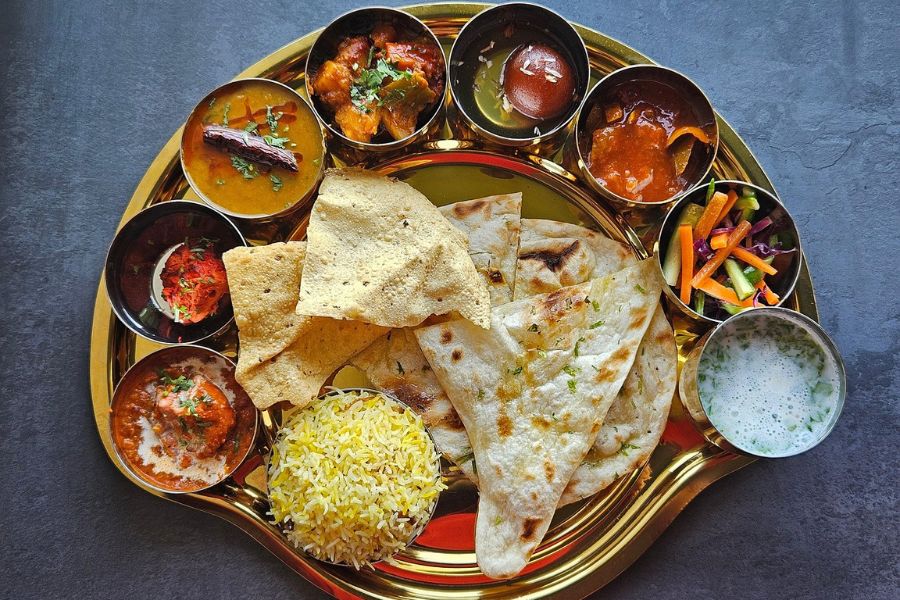
According to a report released by Crisil on Tuesday, the average cost of preparing a home-cooked vegetarian thali dropped by 8% in June 2025 compared to the same month last year, mainly due to a significant decline in vegetable prices. In a welcome development for Indian households, the cost of preparing a home-cooked vegetarian thali fell by 8% year-on-year in June 2025, according to the latest report by Crisil. The decrease in cost is primarily attributed to a sharp fall in vegetable prices across the country. Similarly, the non-vegetarian thali saw a 6% decline over the same period, aided by easing broiler chicken prices, which typically contribute nearly 50% of its cost. The drop in thali prices offers temporary relief to consumers reeling from broader inflationary pressures. However, Crisil has also warned that this decline may be short-lived, as seasonal factors and supply disruptions caused by recent heavy monsoon rains are expected to push vegetable prices higher in the coming months. What Led to the Decline? The Crisil report reveals that tomato prices dropped sharply by 24% year-on-year, averaging Rs 32 per kg in June 2025, down from Rs 42 per kg during the same period last year. This fall is largely due to a high base effect, as tomato prices had surged in 2024 due to poor yields. Other key thali components also saw notable price corrections — potato prices fell by 20%, while onion prices declined by 27% on a year-on-year basis. “The cost of both vegetarian and non-vegetarian thalis declined on-year in June, driven by softening vegetable prices. Tomato prices, in particular, saw a sharp on-year decline,” said Pushan Sharma, Director, Crisil Market Intelligence & Analytics. The decline in broiler chicken prices, a major input for non-vegetarian thalis, further contributed to the cost reduction. Prices of broiler chicken fell by about 3% year-on-year in June, helping to ease the overall cost of meat-based home-cooked meals. Month-on-Month Trends Signal Reversal Despite the annual decline, a closer look at monthly trends reveals that thali prices actually increased in June 2025 compared to May. The cost of a vegetarian thali rose by 3% month-on-month, while a non-vegetarian thali became 4% more expensive. Crisil attributed this uptick to seasonal supply-side pressures and shifting price dynamics, which typically occur during the onset of monsoon. Recent monsoon rains have also played a disruptive role. In Himachal Pradesh, heavy downpours damaged several harvest-ready vegetable crops, especially tomatoes. This has caused concern that prices will begin to rise again, reversing the current downward trend. Caution Ahead: Vegetable Prices Set to Rise Crisil cautioned that consumers should brace for rising thali costs in the coming months, as the agricultural supply chain begins to feel the impact of climatic and seasonal disruptions. “We expect thali costs to inch up sequentially as seasonal changes push up vegetable prices,” Sharma said. Onion prices, in particular, are expected to climb moderately due to a lack of fresh arrivals in the market and the regulated release of stored rabi onion stock. Furthermore, weak summer sowing of tomatoes is likely to limit supply, pushing prices up once again. These developments suggest that while consumers have temporarily benefited from lower thali costs, the relief may be short-lived. The interplay of monsoon conditions, sowing patterns, and storage availability will determine the trajectory of food prices in the second half of the year. Tracking Thali Affordability Crisil’s monthly thali index serves as a barometer of household food inflation, reflecting cost variations in real terms across India’s diverse regions — north, south, east, and west. The index considers prevailing market prices of ingredients such as cereals, pulses, vegetables, cooking oil, and spices to determine the average cost of preparing a meal at home. For a country where food expenses form a significant part of the average household budget, especially among lower- and middle-income groups, these shifts in thali prices are highly consequential. Even modest fluctuations in key inputs like vegetables and meat can have a sizeable impact on monthly expenditures. While the year-on-year figures for June 2025 suggest a positive trend for household food budgets, underlying signals point toward renewed price pressures. If vegetable prices continue to rise due to weak harvests, erratic monsoons, or supply chain issues, households may soon find themselves grappling with a new wave of food inflation. As policymakers and market analysts closely watch rainfall distribution and crop sowing trends in the coming months, the affordability of a basic thali will remain a key indicator of food inflation and overall economic sentiment among India’s consumers.