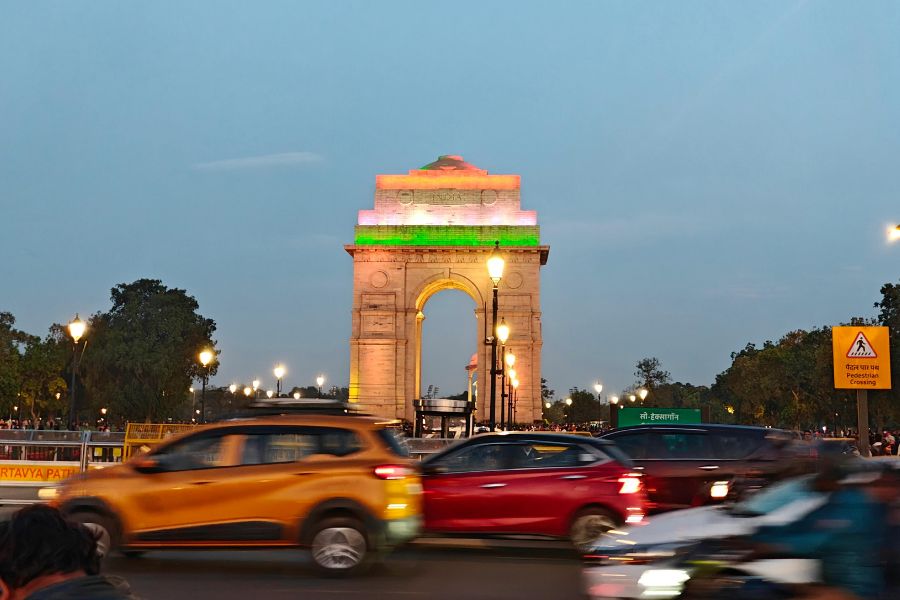
Delhi faces hazardous pollution levels, with Air Quality Index (AQI) readings often soaring above 400—categorized as ‘severe’. Vehicular emissions contribute nearly 50% of PM2.5 and 80% of NOx emissions in the city, prompting renewed scrutiny of outdated vehicles. The latest government proposal—to deny fuel to vehicles older than 10–15 years—aims to curb emissions from these high-polluting sources, which account for around 28% of PM2.5 alone. Although the proposal has been put on hold, can such targeted bans deliver real impact? This article explores whether phasing out “End-of-Life” vehicles is a viable long-term solution—or a partial fix to Delhi’s complex and deep-rooted pollution crisis. Every year, Delhi grapples with a severe pollution crisis, especially between October and December. This recurring problem is driven by multiple factors, including stubble burning in neighboring states, waste-to-energy (WTE) incinerators, and seasonal weather patterns that trap pollutants, pollution from festive celebrations like Diwali and New Year, and the continued use of outdated vehicles. In response, the former Delhi government implemented measures such as the Odd-Even rule, which restricted vehicles on alternate days based on their registration numbers. However, this initiative yielded a limited impact and failed to bring meaningful relief to the citizens. With a new government in place, fresh strategies are being tested—ranging from experimental artificial rainfall to a recent, controversial proposal: banning fuel for vehicles older than 10 to 15 years. Yet, a critical question remains—can such steps truly address the deeply rooted issue of air pollution? While this latest measure has been temporarily put on hold due to strong public backlash, it raises an important debate. Could phasing out “old” or “End-of-Life” vehicles make a dent in Delhi’s pollution levels? Let’s explore whether this approach offers a viable long-term solution or merely scratches the surface of a far more complex challenge. What exactly is an “End-of-Life” vehicle? Under the Automotive Industry Standard-129 (AIS), an “end-of-life” vehicle refers to one that: Has exceeded its legal lifespan (10 years for diesel, 15 for petrol) Is no longer registered or has failed the fitness test Is damaged beyond repair or voluntarily declared scrapped by the owner Fuel stations are now equipped with ANPR cameras to automatically detect these vehicles in real-time. Once identified, these vehicles can be denied fuel, fined, and impounded. Overlooking other factors While older vehicles do emit a disproportionately high share of pollutants—contributing around 28% of PM2.5 and 41% of Sulphur Dioxide (SO2) emissions, they represent only a subset of the overall pollution problem in the National Capital Region (NCR). In total, vehicles of all types and ages are responsible for nearly 50% of PM2.5 and 80% of nitrogen oxide (NOx) emissions. Previous interventions, such as Delhi’s odd-even vehicle rationing scheme, offered only temporary relief—resulting in a 10-13% reduction in PM2.5 levels—before pollution levels rebounded. This was largely because other major sources, like construction, industrial emissions, and crop burning, remained unaddressed. Additionally, traffic patterns quickly adapted to the new rules, further reducing the scheme’s effectiveness. Importantly, targeting vehicles based solely on age can be misleading. Older vehicles that are well-maintained or retrofitted may emit less pollution than newer ones that are poorly maintained. A blanket ban fails to consider this variation in actual emissions performance. The current policy also risks disproportionately affecting lower-income residents, who are more likely to rely on older vehicles. Without affordable alternatives or a robust public transportation network, such measures may deepen social inequities while achieving limited environmental benefit. While Delhi’s air quality plans include laudable goals—such as electrifying public transport and promoting non-motorized mobility, these require sustained investment, infrastructure upgrades, and coordination with surrounding states. Experts argue that a more effective strategy must include stricter inspection and maintenance regimes, faster adoption of cleaner fuels and technologies, rigorous enforcement of industrial and construction emissions standards, and most critically, regional collaboration to tackle crop residue burning. Moreover, can banning 10–15-year-old vehicles in Delhi alone effectively address the city’s pollution crisis? Experts argue that simply relocating these vehicles to other states only shifts the problem rather than solving it. If scrapping older vehicles is the only viable solution, the next big question is: what impact will this have on the average citizen’s wallet? A consumer’s POV The ban on 10- and 15-year-old diesel and petrol vehicles in Delhi, combined with the vehicle scrappage policy, is causing considerable disruption for consumers, especially those from low- and middle-income groups. Many small traders, taxi drivers, and daily commuters depend on older vehicles for their livelihood, and the sudden enforcement of the “end of life” rule has rendered their assets virtually worthless overnight. Although the government offers benefits like a 4-6% rebate on new vehicle purchases, up to 25% road tax concession, and waiver of registration fees, the upfront cost of buying a new vehicle remains prohibitive for many. According to the policy, private vehicles will need fitness tests after 15 years (8 years for commercial vehicles), and failing these tests means mandatory scrapping. However, critics argue that many older vehicles, especially those maintained well and compliant with emission norms, are being arbitrarily removed from the roads. Furthermore, loopholes in implementation allow vehicles to be sold in other states, simply shifting the pollution problem instead of solving it. In the absence of a robust and transparent scrappage ecosystem, India is witnessing the rise of vehicle graveyards—large, unregulated clusters of discarded vehicles. As Delhi residents face policy uncertainty and financial strain, the broader question remains: can a one-size-fits-all approach delivers environmental progress without deepening social inequities? While scrapping old vehicles may not be financially viable for many consumers in the short term, it offers several long-term benefits, such as: Increased Demand for New Vehicles: As older vehicles are scrapped, the need for replacements is expected to drive demand in the automobile sector, giving a boost to vehicle manufacturing and sales. Improved Air Quality: Phasing out older, high-emission vehicles will contribute to reduced air pollution and better overall air quality in urban areas. Job Creation in the Auto and Recycling Sector: The implementation of the scrappage

Compliance or closure? India’s small pharma dilemma
India’s small pharma units are at a crossroads. As the country pushes to align its drug manufacturing standards with global benchmarks under the revised Schedule M, thousands of micro and small enterprises are struggling to keep up. What was intended as a quality upgrade for the sector is now threatening to wipe out its most crucial, yet vulnerable, segment. This piece explores why so many units are shutting down instead of complying, what the real costs could be for medicine access and employment, and whether the government is doing enough to support those caught in the middle of reform and survival. A quiet storm is brewing in India’s pharmaceutical sector. Hundreds of small and micro drug manufacturers—many of them running for decades—are on the verge of shutting shop. The reason? A new set of regulations meant to raise the bar for medicine quality may be unintentionally forcing the smallest players out of the market. At the heart of it is Schedule M, a section under the Drugs and Cosmetics Rules that lays down Good Manufacturing Practices (GMP)—essentially, quality benchmarks that every pharma unit must follow. Think proper sanitation, validated processes, safe storage, trained staff, and precise recordkeeping. Sounds fair, right? The government updated these standards in 2023 to align with global norms. Large pharmaceutical companies had until June 2024 to comply. Smaller companies (those with less than ₹250 crore turnover) were given time till December 2025. But despite the extension, many say they simply can’t afford to keep up. What’s changed in schedule M? The revised norms aren’t just a minor tweak. They require major upgrades—both in terms of equipment and processes. Units now have to: Install air filtration systems and temperature-controlled rooms Use digital systems for quality checks and documentation Have dedicated zones for different drug formulations Meet international testing and packaging standards These changes could cost anywhere between ₹2 crore and ₹10 crore per unit—an amount that’s out of reach for most micro and small enterprises. What’s the fallout? Units are quietly shutting down In places like Himachal Pradesh, often called India’s “pharma hub,” over 140 small units have already shut down in the past few months. Many of these were family-run businesses that made everyday medicines—painkillers, antibiotics, syrups, and more. Industry insiders estimate that nearly 40% of India’s small and medium pharma companies are not in a position to comply with the revised norms, despite having until the end of 2025. And this isn’t just about numbers. These units: Supply affordable medicines to Tier 2, Tier 3 towns and rural areas Employ thousands of people locally Keep prices in check through competition Their disappearance could mean higher medicine costs, job losses, and an over-reliance on big pharma players concentrated in metro cities. Can’t they get help? There are schemes—but few takers The government has tried to soften the blow. The Pharmaceutical Technology Upgradation Assistance Scheme (PTUAS) offers credit support for units that want to modernize. Another initiative, the Strengthening of Pharmaceutical Industry (SPI) scheme, aims to provide infrastructure and quality improvement support. But as reported very few units have been able to access these benefits. The application processes are long, confusing, and often require upfront spending—something most MSMEs can’t afford without external help. What the sector really needs, experts say, is: Simpler paperwork and faster approvals More awareness drives in smaller towns Hands-on technical help for compliance A more realistic timeline, at least until 2026 It’s easy to assume this is just an “industry” issue. But when you consider that MSMEs make up over 80% of India’s domestic drug production, the risk becomes clear. These are the manufacturers making the basic meds in your home, supplying your local chemist, and fulfilling hospital contracts across India. Shutting them out—without giving them the tools to stay in—could create dangerous gaps in supply. It could also weaken India’s role as the world’s “pharmacy for the poor,” especially for low-income countries that depend on our generic exports. What’s the way forward? Nobody is questioning the importance of better quality standards. In fact, the new Schedule M is a step in the right direction if India wants to maintain its global credibility. But the real issue is how we get there. If the goal is better medicines for everyone, then the journey must include everyone too—big companies and small players alike. That means: More time More support And more listening Because when regulation becomes a reason for survival anxiety, it’s not just the industry that suffers—it’s public health too.

From Gujarat to Bharat: SPCDF launched to expand Amul model across India
The Union Home and Cooperation Minister Amit Shah launched the Sardar Patel Cooperative Dairy Federation (SPCDF) in Anand, Gujarat, with the goal of uniting 20 lakh dairy farmers from 20 states under a single, organized, and fair procurement system. With an initial corpus of ₹200 crore, the federation aims to ensure equitable pricing and empower women in the dairy sector. The launch coincided with the 150th birth anniversary of Sardar Patel and the International Year of Cooperatives. The minister also announced new PACS, cooperative universities, national-level cooperative bodies, and major infrastructure projects, reinforcing the government’s focus on cooperative-led economic growth. Union Home and Cooperation Minister Amit Shah on Sunday (July 06) launched the Sardar Patel Cooperative Dairy Federation Limited (SPCDF) in Anand, Gujarat, marking a significant milestone in India’s cooperative journey. Modeled on the iconic Amul success story, the new multi-state cooperative federation seeks to empower farmers, especially women, while fostering a circular economy in the dairy sector through the creation of a robust, inclusive, and fair milk procurement and distribution system across the country. Established under the Multi-State Co-operative Societies Act, 2002, the new multi-state cooperative federation is being launched in a significant year that marks the United Nations’ International Year of Cooperatives. Unveiled during the 150th birth anniversary year of Sardar Vallabhbhai Patel, the federation aspires to scale the cooperative model that reshaped Gujarat’s dairy industry to a pan-India level. With an initial corpus of ₹200 crore, SPCDF will unite 20 lakh dairy farmers from 20 states, bringing them under a single umbrella to strengthen organized milk procurement and equitable pricing mechanisms. Describing it as a “fresh chapter in India’s cooperative sector,” the Minister emphasized that the venture, supported by the Gujarat Cooperative Milk Marketing Federation (GCMMF)—the parent organization behind the ₹80,000 crore Amul brand—will function on the principles of transparency, technology, and member-centric governance. “The Sardar Patel Cooperative Dairy Federation will help farmers at a level that Amul does, by engaging in fair milk procurement and providing appropriate pricing,” stated the Minister, while unveiling the federation’s logo at a function held at Amul Dairy, Anand—India’s iconic “Milk City.” The federation’s governing body will reflect a diverse and inclusive structure. According to the initial plans, the GCMMF will hold 20% equity, 10 Gujarat-based milk unions will hold 60% equity, and the remaining 20% equity will be represented by three board members from outside Gujarat. This will ensure that the voices of milk producers from across India are included in decision-making. The federation will help bring together dairy farmers from nearly 20,000 small and big unregistered milk cooperatives in 20 states and integrate them into a formal, structured ecosystem. Of the 300 lakh litres of milk collected daily by GCMMF and its 18 member unions, around 20% currently comes from outside Gujarat. With the formation of SPCDF, these volumes are expected to rise significantly, allowing non-Gujarat dairy farmers to gain better market access and income. Empowering Women and Building Prosperity A major highlight of the announcement was the emphasis on women’s empowerment. The Minister noted that currently, 36 lakh women in Gujarat and another 20 lakh women from other states are integral to Amul’s operations. The existing ₹80,000 crore turnover is expected to surpass ₹1 lakh crore next year. He stated that the profits would go directly into the accounts of these 56 lakh sisters. “Prosperity is not of an individual but of the entire society, affluence is not of a few rich people but of the poor, labourers and farmers,” the minister said, noting that these initiatives have been undertaken by Prime Minister Modi with this vision in mind. The Minister also outlined the “Five Ps” that will guide the future of India’s cooperative movement. These are: People (People Service Centred), PACS (Empowerment of Primary Cooperative Societies), Platform (Digital Integration), Policy (Reform-Driven Policies), and Prosperity (Societal Growth). He stressed that for cooperatives to thrive in a competitive environment, they must embrace technology, foster transparency, and remain accountable to their members. These principles, he said, are non-negotiable. “Without technology, there can be no prosperity in the cooperative sector. Transparency, technology, and member-first culture must define cooperatives from Jammu & Kashmir to Kamakhya, and in every village across India,” the Minister noted. The launch event also marked the completion of four years of the formation of the Ministry of Cooperation. Established four years ago in 2021, the Ministry has since launched over 60 initiatives aimed at empowering people, strengthening Primary Agricultural Credit Societies (PACS), building digital platforms, driving policy reforms, and promoting prosperity. The minister highlighted that the cooperative spirit has been deeply rooted in Indian society since the Vedic period, and it was Prime Minister Narendra Modi, who institutionalized it through the creation of the ministry. This effort has rejuvenated over 8.4 lakh cooperative societies, impacting the lives of nearly 31 crore people across the country. In addition to dairy, the event also witnessed the launch of the Kutch District Salt Cooperative Society, aimed at benefitting Gujarat’s Agariyas—salt workers in the Little Rann of Kutch. Gujarat accounts for over 70% of India’s salt production, with around 30% coming from this region. The Minister sated that the profits from salt production would now directly benefit the Agariyas, bringing them into the formal cooperative fold. He also inaugurated several infrastructure and development projects virtually. These include Expansion of the Dr. Verghese Kurien Cheese Plant in Kheda Expansion of the Chocolate Plant in Mogar Maniben Patel Bhawan, the new office of the National Cooperative Dairy Federation of India (NCDFI) in Anand A Ready-to-Use Culture (RUC) Plant built by the National Dairy Development Board (NDDB) at a cost of ₹45 crore Among the other major announcements was the upcoming Tribhuvan Sahkari University, named after cooperative pioneer Tribhuvandas Patel, and the planned creation of 2 lakh new PACS (Primary Agricultural Credit Societies). Additionally, six new national-level cooperative bodies are in the pipeline—three each in the grain and dairy sectors. The launch of the Sardar Patel Cooperative Dairy Federation signals a major stride toward
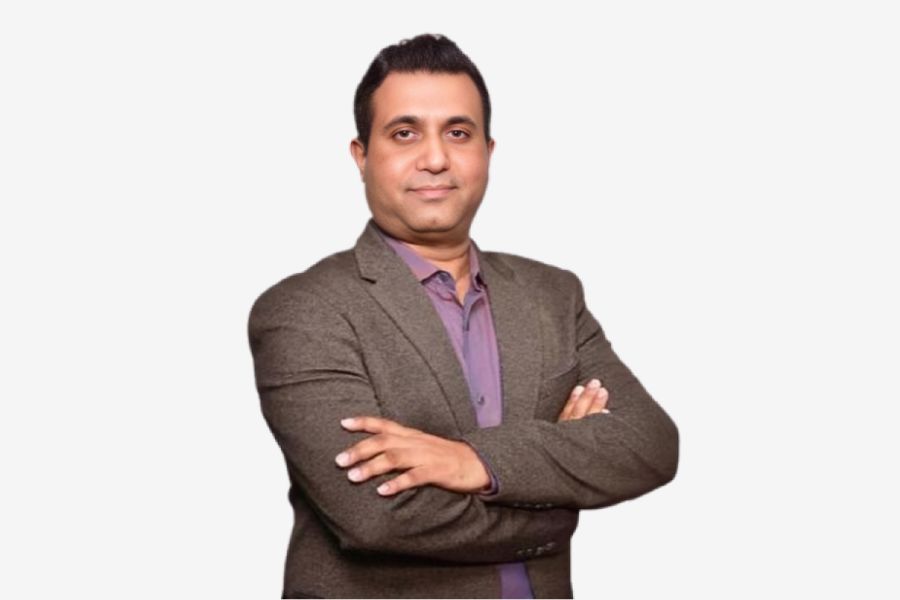
“We’re not just a listings site, we’re a full-stack home journey partner”: MagicBricks on redefining digital real estate
In this exclusive interview with Prasun Kumar, Chief Marketing Officer at MagicBricks, India Business & Trade explores how one of India’s leading real estate platforms is evolving beyond listings to become a full-stack, trusted digital partner for property buyers, renters, and investors. From rising demand in Tier 2/3 towns and rental investments to AI-powered tools and hyperlocal insights, Prasoon breaks down key trends shaping India’s real estate market post-pandemic. He shares how MagicBricks is bridging the online-offline trust gap, tapping into user behavior to reduce drop-offs, and using innovation—from virtual site visits to AI-powered pricing and video content—to create a seamless, end-to-end home journey. This candid conversation offers actionable insights into how consumer expectations are reshaping the digital property ecosystem in India today. IBT: The real estate market is seeing trends like second homes, rentals, and Tier 2/3 town investments. Which of these are temporary and which are here to stay? Prasun Kumar: The Indian real estate market has grown at a phenomenal pace post-pandemic. After COVID, demand for larger homes surged — whether it was an extra balcony, a spare bedroom, or simply more space to future-proof against uncertainties. This drove strong momentum in premium and luxury housing. Alongside, we saw reverse migration pick up, with people investing back in their hometowns across Tier 2 and Tier 3 cities. Second homes also became popular among city dwellers seeking recreational spaces and a general sense of well-being. Rental properties as an investment avenue also gained traction. Today, as macroeconomic factors stabilize, home ownership continues to show strong, sustained demand across metros as well as smaller towns. In fact, demand in Tier 2 and 3 towns has grown by 25% year-on-year — indicating a long-term trend. This is being supported by improved infrastructure, like national highways, and better digital access, which are making smaller towns more viable investment destinations. On the other hand, the second-home trend, which surged post-pandemic, now appears to be tapering off. Currently, it accounts for under 5% of total searches on MagicBricks, which suggests it may have been a more temporary spike. Rental investment, though, is emerging as a lasting opportunity. Even with high demand for home ownership, the rental segment is doing very well. Cities like Ahmedabad have recorded rental yields of over 4.2% in Q1 2025 — significantly above the national average of under 2% and comparable to global standards.This suggests a long-term shift, especially with growing migration to metros for jobs. Rental housing is expected to continue expanding, and it’s not just complementing but actively driving growth in the real estate sector. IBT: In a crowded digital real estate space, how do you ensure that Magic Bricks is seen as a trusted and a go-to real estate partner, not just a listing website? What’s the most effective positioning level? Prasun Kumar: Today’s consumers seek more than just information—they want seamless experiences, meaningful engagement, and solutions to well-defined problems. Earlier, the problem statement was largely around search and discovery. That’s what classified listing platforms used to solve, especially in the pre-pandemic phase when demand and supply were still moving online. But post-pandemic, consumer behavior has evolved significantly. We’ve seen massive digital adoption across categories, and people are now not only digitally literate but also use digital platforms actively to derive real value. Given this context, we believe the key is to provide end-to-end assistance digitally. That’s what MagicBricks has evolved into—a full-stack platform. We’re no longer just about listings. We now support the entire home journey—buying, renting, and beyond. For instance, buyers on our platform can access tools like EMI calculators and ‘PropWorth,’ which provides instant property pricing across India. We’ve also integrated site visits, enabling users to shortlist properties, schedule visits, and access detailed information—all in one place. We’ve expanded into home loans, so buyers can check loan eligibility and begin the process alongside their property search. This saves time and brings convenience under one umbrella. And once a property is purchased, we even help with home interiors—connecting buyers to over 100 interior design brands and partners across the country. The goal is to ensure that whether you’re buying, selling, or renting, you can manage the entire journey on MagicBricks—from discovery to financing to furnishing. That seamless, all-in-one experience is what truly sets us apart. IBT: Real estate is hyperlocal, and trust is often built offline. How does MagicBricks bridge this trust gap, especially in semi-urban markets where digital adoption is still evolving? Prasun Kumar: Trust is critical in real estate—being both a high-intent and high-value purchase. We recognize that India’s property market is made up of hyperlocal pockets, each with distinct buyer expectations. That’s why MagicBricks offers insights across 20,000+ localities, covering everything from price trends to supply dynamics. To support informed decisions, we created Magic Homes—a curated section for first-time buyers featuring under-construction projects, RERA details, expert reviews, and more. We also work closely with brokers, providing tools like LeadPro, one of India’s most widely used CRM platforms for property agents. Verified listings and certified agents help users know who to trust. On the content side, MBTV, our YouTube channel, offers original videos on projects, locations, and interviews—making property research more transparent and engaging. Importantly, digital trust is rising organically. Today, users in small towns are comfortable using digital payments, quick commerce, and online services. We’re tapping into that familiarity to drive real estate decisions online. Ultimately, it’s about combining information, technology, and partnerships to build trust—whether you’re in a metro or a tier 3 town. IBT: Are you experimenting with innovations like virtual reality to enhance decision-making and reduce friction in real estate transactions? And how do you see influencers contributing to this evolving space? Prasun Kumar: Absolutely. In today’s tech-led landscape, constant innovation is non-negotiable. At MagicBricks, we’ve embraced AI in a big way. Our AI-driven smart recommendations have improved property match scores and shortlist rates by over 40%. We’re offering 3D virtual tours and 360-degree property views, which have seen more than 50% adoption by our clients. We

India’s own AI: Building a multilingual, inclusive intelligence model
India is moving rapidly toward launching its first homegrown AI model in the next 6 to 8 months. This foundational model—being developed with Indian datasets and tailored for local languages and societal needs—aims to make AI truly accessible and impactful. Backed by initiatives like BharatGen, BHASHINI, and Sarvam-1, and supported by a large-scale GPU infrastructure, India is focusing on creating Large Language Models (LLMs) and multimodal systems for public-good applications. With strong government support and open participation from startups and researchers, this AI mission is set to power sectors like healthcare, agriculture, and education—shaping a future where technology works for every Indian. Image Source: Freepik India is working ambitiously in developing its own foundational artificial intelligence (AI) models, tailored to address the country’s unique linguistic, cultural, and sectoral needs. The government is actively facilitating the creation of Large Language Models (LLMs) and domain-specific AI solutions that reflect the nation’s diversity. In support of this vision, multiple Centres of Excellence have been set up to foster advanced AI research and innovation. A major milestone in this journey is the IndiaAI initiative, which has invited proposals for developing indigenous foundational models, including LLMs and Small Language Models (SLMs). These models are expected to play a crucial role in solving India-specific problems by leveraging local datasets and real-world applications. One such initiative is Digital India BHASHINI, an AI-led language platform that aims to make the internet and digital services accessible in Indian languages. It enables voice-based access and content creation, promoting inclusivity across regions. Another key development is BharatGen, launched in 2024 in Delhi, which is the world’s first government-funded multimodal LLM initiative. BharatGen brings together a consortium of top AI researchers from Indian academic institutions and focuses on enhancing public service delivery and citizen engagement through foundational models in language, speech, and computer vision. In parallel, Sarvam-1, a large language model optimised for Indian languages, has emerged as a critical tool for language translation, summarisation, and content generation. With 2 billion parameters and support for ten major Indian languages, Sarvam-1 reinforces the localisation aspect of India’s AI efforts. Open-source innovation is also thriving—Chitralekha, developed by AI4Bhārat, is a video transcreation platform that allows users to generate and edit audio transcripts in multiple Indic languages. Meanwhile, Hanooman’s Everest 1.0, a multilingual AI system developed by SML, currently supports 35 Indian languages, with plans to expand to 90. India is now gearing up to launch its indigenously developed AI model within the next 6 to 8 months—an ambitious initiative aimed at delivering highly innovative and contextualised solutions tailored for the country’s diverse linguistic and cultural landscape. As part of this broader mission, the government is actively inviting participation from startups, researchers, and entrepreneurs to co-develop advanced AI models rooted in Indian data ecosystems. With a strong focus on collaboration and innovation, the effort is expected to result in cutting-edge AI systems designed to serve national priorities. To support the development of indigenous AI models, the government has built a robust computing infrastructure equipped with 18,693 GPUs—including H100, H200, and MI 200 300 units—far exceeding the initial targets. A key pillar of this initiative is affordability. India’s compute facility is being offered at highly competitive rates, with GPU usage priced at just ₹115.85 per hour—significantly lower than the global average of US$ 2.5–$3 per hour. Furthermore, with a 40% government subsidy, the cost of high-end computing can be brought down to under ₹100 per hour, making advanced AI training accessible to a broader ecosystem of innovators. The mission goes beyond technological advancement and places a strong emphasis on social impact. It aims to develop homegrown AI-powered solutions for critical sectors such as agriculture, healthcare, weather forecasting, and disaster management. So far, 18 real-world applications have been identified, targeting national challenges like climate change, learning disabilities, and agritech enhancement—underscoring the commitment to making AI a force for inclusive development and public welfare. How does India compare globally? While India is building its AI model with a strong focus on linguistic diversity, public benefit, and cost-effectiveness, other nations are also racing ahead with their own sovereign AI efforts. The United States dominates with powerful models like OpenAI’s ChatGPT, Anthropic’s Claude, and Google’s Gemini, all backed by immense compute and capital. China, meanwhile, has launched DeepSeek and Ernie Bot, trained on extensive national datasets and aligned with state objectives. France is investing in Mistral AI to reduce dependency on U.S. models, while Gulf nations are establishing their digital sovereignty through models like the UAE’s Falcon and Saudi Arabia’s ALLaM, backed by strategic investments in companies such as G42 and collaborations with Nvidia and AWS. In comparison, India’s approach is uniquely democratic and inclusive—grounded in public-private partnerships, affordability, multilingual capabilities, and a focus on real-world applications. With an open call for participation and a massive compute backbone, India is not just catching up, but creating a model of responsible, citizen-first AI innovation.
Can India crack the code to a $1 trillion chemical empire by 2040?
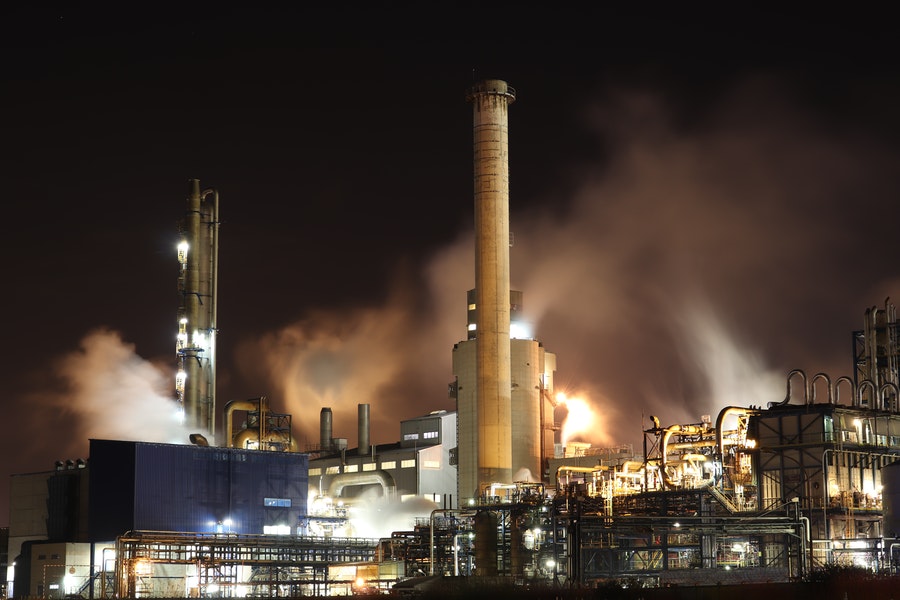
India aims to transform its chemical sector into a US$ 1 trillion global powerhouse by 2040, up from US$ 220 billion in 2023. A NITI Aayog report outlines sweeping reforms—ranging from fiscal incentives and infrastructure upgrades to skill development and R&D investments—to boost self-reliance, reduce the US$ 31 billion trade deficit, and expand its global value chain share from 3.5% to 12%. India is gearing up to become a global chemical powerhouse, with NITI Aayog projecting the sector to grow into a US$ 1 trillion industry by 2040 and capture 12% of global value chains (GVCs). A comprehensive reform roadmap—spanning fiscal incentives, infrastructure upgrades, and regulatory easing—aims to transform the country’s fragmented and import-reliant chemical sector into an innovation-driven, globally competitive engine of growth. The report lays out a wide range of interventions. These include an operational expenditure (Opex) subsidy scheme, faster environmental clearances, the negotiation of more free trade agreements (FTAs), and access to cutting-edge technologies. India currently holds only a 3.5% share in the global chemical GVC and recorded a US$ 31 billion trade deficit in 2023—largely due to its reliance on imported feedstock and specialty chemicals. Valued at US$ 220 billion in 2023, the domestic chemicals market is projected to grow to US$ 400–450 billion by 2030, with the ambition to reach US$ 850–1,000 billion by 2040. Yet, challenges persist. The sector suffers from infrastructure bottlenecks, regulatory delays, and underinvestment in R&D—India spends just 0.7% of total chemical investment on R&D, compared to the global average of 2.3%. A 30% shortfall in skilled professionals, particularly in green chemistry, nanotechnology, and process safety, further hampers growth. To accelerate clearances, NITI Aayog recommends setting up a dedicated audit committee to track approval timelines and publish regular compliance reports. The roadmap also envisions world-class chemical hubs—both through modernising existing clusters and developing new ones—with support from a proposed Central Chemical Fund. This fund would offer viability gap financing and assist in building shared infrastructure such as effluent treatment plants, logistics, and storage. Additionally, the plan suggests establishing chemical-specific logistics committees at major ports and developing eight coastal clusters with high export potential. Chemical-specific provisions in future FTAs—such as duty exemptions and tariff quotas—are also recommended to enhance raw material access and market competitiveness. To stimulate local production, NITI Aayog proposes performance-linked incentives for incremental sales based on factors like import dependence, export potential, single-country sourcing, and end-use criticality. The reforms are expected to generate over 700,000 skilled jobs by 2030. Finally, the report stresses the need for stronger industry-academia collaboration through an interface agency working with the Department of Chemicals and Petrochemicals (DCPC) and the Department of Science and Technology (DST). Technology tie-ups with global firms will also be critical in advancing India’s domestic capabilities and reducing reliance on imports. Together, these measures aim to position India as a resilient and innovation-led leader in the global chemical value chain.
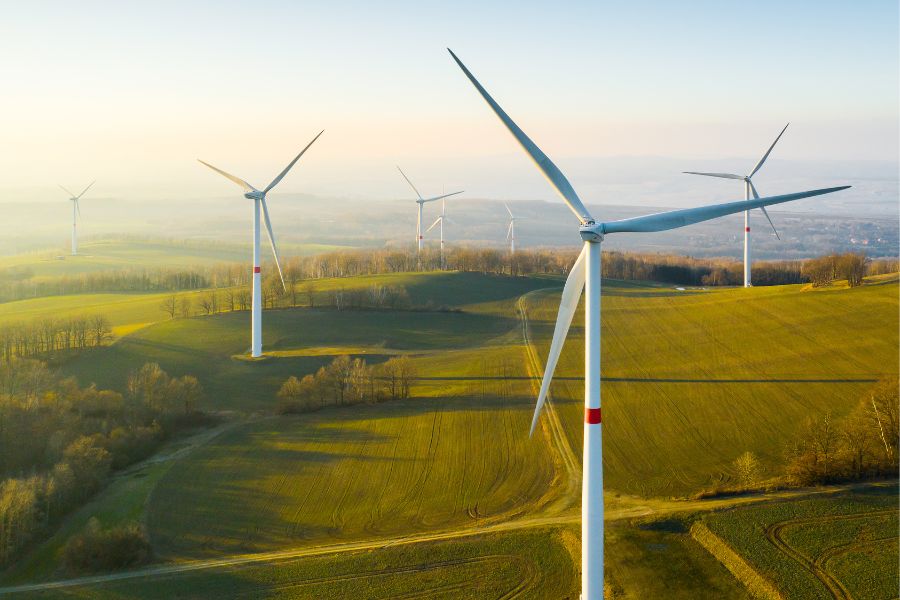
Energy transition may lift 193 million out of poverty
A study led by UNDP, in partnership with the Pardee Institute and Octopus Energy, finds that aligning renewable energy targets with broader development policies could lift 193 million people out of extreme poverty by 2060 and generate US$ 20.4 trillion in global savings. The study analyzes three energy scenarios, highlighting that the most significant social and economic benefits emerge when clean energy growth is combined with investments in health, education, and infrastructure. It calls for an urgent, inclusive energy transition embedded within a comprehensive development framework to achieve the Paris Agreement objectives. A recent study by the United Nations Development Programme (UNDP), conducted in collaboration with the University of Denver’s Pardee Institute and Octopus Energy, reveals that aligning renewable energy targets with broader development policies could lift 193 million people out of extreme poverty by 2060 and unlock cumulative savings of US$ 20.4 trillion for the global economy. While the developmental benefits of renewable energy and energy efficiency are well established, the extent to which they yield measurable gains when integrated with broader policy measures is less clearly understood. This includes evaluating their impact within the context of national climate strategies under the Paris Agreement, or Nationally Determined Contributions (NDCs). The research explores how time-bound renewable energy targets, backed by coherent policies and financing mechanisms, can deliver triple wins—reducing emissions, boosting economic growth, and improving social outcomes. Using scenario-based modelling, the report evaluates the global impacts of three different energy scenarios. In the business-as-usual scenario, the global energy system remains heavily reliant on fossil fuels, which continue to account for over 50% of the primary energy mix by 2060. This trajectory would result in a 2.6°C rise in global temperatures, exacerbating poverty, malnutrition, and inadequate access to essential services such as electricity, clean water, and sanitation. The second scenario aligns with the targets set in the first Global Stocktake under the Paris Agreement, calling for a tripling of renewable energy capacity and doubling of energy efficiency, and phasing out fossil fuels. Under this framework, fossil fuels would account for just 12% of the global energy mix by 2060. This scenario limits global warming to under 2°C. However, it is the third and most ambitious scenario that yields the most transformative results. It combines an accelerated shift to renewable energy with parallel investments in health, education, clean water, and food systems. This approach not only reduces emissions but also addresses the root causes of poverty and inequality. The scenario is expected to deliver universal access to electricity and clean cooking, lift 193 million people out of extreme poverty, prevent malnutrition for 142 million individuals, and provide 550 million more people with access to clean water and sanitation. Beyond its social and environmental benefits, the third pathway also offers substantial economic dividends. The scenario could provide cumulative savings of US$ 20.4 trillion, with US$ 8.9 trillion coming from energy efficiency and another US$11.5 trillion coming from lower renewable energy costs. Additionally, the study projects a 21% boost in global GDP and a US$ 6,000 increase in per capita income by 2060. Clean energy investments are expected to reach an unprecedented US$2.2 trillion in 2025, surpassing fossil fuel investments for the second consecutive year. Renewable power capacity has risen to 4,448 GW, contributing to more than 90% of new power additions, driven by rapid technological progress in solar, wind, and energy storage. Despite this momentum, fossil fuels continue to dominate, supplying over 70% of the global energy mix. In 2024, global energy demand increased by 2.2%, with renewables leading the growth. However, fossil fuels still accounted for 54% of that rise. Meanwhile, energy efficiency improvements slowed significantly, advancing by only 1%—just half the rate seen in the previous decade. “To build the future our children deserve, we must be thoughtful and strategic in our priorities,” Jonathan Moyer, Director of the Pardee Institute stated. The report further highlights that meeting the Paris Agreement targets requires a swift transformation of the global energy system toward cleaner, more efficient energy sources. This shift must go hand in hand with progress in vital areas like adaptation, resilience, and nature-based solutions. Importantly, these changes should be embedded in a broader development agenda, where expanding renewable energy delivers gains for both human well-being and economic growth.

Maize on the rise: The crop at the heart of India’s biofuel drive?
India’s fields are turning golden with maize, as this versatile crop surges to the forefront of agriculture, driven by soaring demand for livestock feed, food, and biofuels. With a projected 5-10% rise in output for the 2025-26 crop year, fueled by expanded cultivation and supportive government policies, maize is poised to transform India’s rural economy and energy landscape. This article delves into the drivers of this maize revolution, its pivotal role in biofuel production, and the challenges and opportunities shaping its future. Maize, often referred to as the “queen of cereals,” is India’s third-most important crop after rice and wheat. In the 2024-25 crop year, total maize production across the kharif, rabi, and zaid seasons reached a record 42.3 million tonnes (MT), a 12.3% increase from 37.7 MT in 2023-24. This growth is largely due to an 11% increase in kharif season acreage, with 23.69 lakh hectares (lh) sown by June 27, 2025, compared to 21.35 lh the previous year. States like Karnataka, Madhya Pradesh, Bihar, Uttar Pradesh, and Maharashtra have led this expansion, with Karnataka benefiting from timely rains that encouraged early planting. The increase in cultivation is driven by strong market demand and a favorable minimum support price (MSP). For the 2025-26 season, the government has set the MSP at ₹2,400 per quintal, a 7.8% hike from ₹2,225 in the previous year. This price support, combined with steady demand from the poultry sector (where maize constitutes about 60% of feed costs) and the growing ethanol industry, has made maize a lucrative crop for farmers. As Divya Kumar Gulati, Chairman of the Compound Livestock Manufacturers Association (CLFMA), noted to The Hindu Business Line, “When the government raises the MSP and maize is already a cash crop with strong demand, farmers are naturally inclined to grow more of it.” Maize as a Biofuel feedstock India’s push for renewable energy, particularly through its Ethanol Blending Program (EBP), has positioned maize as a vital feedstock for biofuel production. The government aims to achieve 20% ethanol blending with petrol by 2025 and 30% by 2029-30. In 2024, maize-based ethanol accounted for 231.49 crore liters, or 76% of the allocated supply for the 2023-24 ethanol supply year (November to October). Industry estimates suggest that 11.3 mt of maize will be required to meet the 431 crore liters of ethanol ordered for the current season, highlighting the crop’s critical role. Maize offers several advantages as a biofuel crop. Unlike rice or wheat, it is not a staple food, reducing concerns about the food-versus-fuel debate. It also requires less water than sugarcane, making it a more sustainable option in water-scarce regions. The Indian Institute of Maize Research (IIMR) projects that by 2030-31, 21% of maize production will be used for ethanol, underscoring its growing importance. The government’s maize strategy, which includes MSP support, crop diversification incentives, and research into high-yielding seeds, aims to align cultivation with industrial and energy goals. Challenges in Maize cultivation Despite the optimistic outlook, maize cultivation faces several challenges. Post-harvest issues, such as high moisture levels, aflatoxin contamination, and inadequate drying technology, threaten crop quality and storage. These issues can reduce the starch extractability critical for efficient ethanol production, as highlighted by the Grain-based Manufacturers Association (GEMA). Additionally, the Fall Army Worm (FAW) pest has historically impacted yields, though better agronomic practices and timely interventions have mitigated its effects in recent years. The competition for maize between ethanol producers, poultry feed manufacturers, and starch industries has also strained supply, driving prices above MSP levels in some markets. In 2024, maize prices surged by 20% due to lower kharif yields and increased demand, with prices in Davangere reaching ₹2,309 per quintal against an MSP of ₹2,090. This has prompted the poultry industry to advocate for duty-free maize imports, including genetically modified (GM) varieties, to meet demand. However, India’s restriction on GM maize imports (allowing only non-GMO varieties from countries like Ukraine and Myanmar) limits supply options. Opportunities for Growth To meet the rising demand, experts suggest India needs a “maize revolution” to double production to 60-70 mt in the coming years. The IIMR and GEMA propose a three-pronged approach: reducing cultivation area by 10% through improved productivity, increasing per-acre yield by 20%, and boosting starch content by 20% to enhance ethanol yields. Adopting high-yielding hybrids, biotech traits like Bt/Ht maize for pest and weed management, and climate-resilient varieties could significantly boost productivity. The government’s focus on improving storage, irrigation, and market infrastructure further supports this goal. For instance, Maharashtra’s Agriculture Minister has encouraged private investment in maize value chains, such as warehouses, to help farmers store produce and sell at optimal prices. Additionally, digital crop surveys using satellite imagery and ground truthing, as initiated by CLFMA, aim to provide accurate production estimates, aiding policy and market planning. The shift toward maize cultivation has broader implications. Economically, it benefits smallholder farmers by offering better price realization, especially with prices often exceeding MSP. Environmentally, maize’s lower water requirements compared to rice make it a sustainable choice, particularly in regions facing water table depletion. However, the shift from pulses and oilseeds to maize, driven by higher profitability, raises concerns about India’s self-sufficiency in these commodities. Balancing crop diversification with maize expansion will be crucial. Conclusion The surge in maize cultivation in India reflects its growing importance as a versatile crop for feed, food, and fuel. With a projected 5-10% output increase in 2025-26, supported by expanded acreage and government policies, maize is poised to play a pivotal role in India’s biofuel ambitions. However, addressing post-harvest challenges, improving yields, and managing competing demands will be essential to sustain this growth. By investing in technology, infrastructure, and policy support, India can harness maize’s potential to drive economic growth and energy security while ensuring agricultural sustainability.

“80% of three-wheeler seats are made from recycled cartons”: Tetra Pak’s blueprint for second-life materials in India
From automotive components to school desks and warehouse pallets, used beverage cartons are quietly being reborn as durable, everyday essentials — and Tetra Pak is helping drive this shift. In an exclusive interview with IBT, Kamlesh Kholiya, Sustainability Lead at Tetra Pak India, breaks down how the company is going far beyond its food packaging roots to build a robust circular economy in India. He discusses how partnerships with recyclers and innovators are unlocking the value of polyAl — the often-overlooked polymer and aluminum layer in cartons — and how voluntary EPR efforts, community engagement, and scalable applications are helping mainstream recycled materials. With applications already scaling in furniture, retail, logistics, and even automotive sectors, the company is proving that packaging waste can fuel real industrial reuse — if the ecosystem is built right. IBT: What was the initial vision or ‘eureka moment’ that propelled Tetra Pak to transform carton waste? Where did you first spot these offbeat opportunities, moving beyond traditional recycling streams? Kamlesh Kholiya: It really wasn’t a Eureka moment, so to speak. Our motivation has always been rooted in our brand promise — “Protects What’s Good” — which includes food, people, and the planet. It was natural for us to do the right thing, even in the absence of any legislative pressures or public awareness. As we looked closely at the life cycle of our cartons, we recognized a clear opportunity: while the paperboard in our cartons was already being recycled extensively by paper mills, other components like polyAl (polymer and aluminium) were underutilized in the recycling value chain. That insight became our turning point. Rather than trying to do everything ourselves, we focused on finding the right partners — recyclers, innovators, and end-users — who could unlock the full potential of all components of a used carton. Deluxe Recycling, Eastern Cargo, Khatima Fibers, ITC and many more likeminded organizations joined us on the journey, and today, thanks to these collaborations, carton waste in India is being transformed into roofing sheets, school furniture, retail displays, pallets, and even automotive components. One key motivation was also our realization that the used cartons are not just a resource for the end user but also for those involved in the waste-picking process. By also segregating cartons from other waste they could generate additional income, thereby improving their lives in general. So, the impact of recycling on the entire ecosystem became our source of inspiration. IBT: How do you ensure quality and safety when recycling your polymer/aluminum composites into demanding applications like furniture, roofing, or automotive interiors? Kamlesh Kholiya: It all starts with the integrity of the original packaging material. Our beverage cartons are made from high-quality paperboard, polymers, and aluminum, all designed to meet stringent food safety standards. This gives us a strong foundation to work with. The qualities which make carton a food safe package also provide it the necessary strength and bonding required for recycled products that are manufactured post recycling of the cartons. Once cartons are collected and sorted, our recycler partners process each stream — paper, polyAl, and composite — using specialised techniques. For example, cartons are shredded and converted under high temperature and pressure into dense, durable boards. These boards are then tested and certified by our partners to meet the required performance criteria — whether it’s for strength, durability, or resistance to heat and moisture. The recycling partners conduct relevant quality and safety tests for strength, fire resistance, water resistance, corrosion, termite resistance, etc. to ensure quality of recycled products from carton recycling We also follow global best practices like the Design for Recycling guidelines and ensure that our materials align with relevant ISO or ASTM standards when repurposed. Image: Recycled products using tetra pak cartons – Poly roof, auto seats etc IBT: How do your recycled polyAI composite boards directly compare in durability and properties to traditional engineered wood products or conventional plastic composites, especially in terms of durability, moisture resistance, and load capacity? Kamlesh Kholiya: While each end application has its own benchmarks, polyAl-based boards produced by our recycler partners have consistently shown strong performance in terms of moisture resistance, thermal insulation, structural integrity, and durability. For instance, roofing sheets made from polyAl are rust-proof and offer thermal comfort — up to 5–7°C cooler than conventional materials like cement or metal. Pallets made from recycled cartons are lightweight, reusable, and hygienic, while also reducing dependence on virgin plastic, and these pallets have a load bearing strength of 5 tons while storage as per our recycling partner It’s important to note that these innovations originate with the recyclers. Our role is to support their efforts by ensuring a steady supply of high-quality material, co-developing viable business models, and helping raise awareness of recycled product potential. IBT: Beyond current uses like roofing and furniture, what other industries or product categories are you actively exploring or seeing adoption for these recycled carton boards? Are there specific plans for automotive applications? Kamlesh Kholiya: We’re seeing exciting developments across multiple sectors. In addition to roofing and furniture, recycled carton material is being used in retail displays, crates, pallets, point-of-sale stands, school desks, and garden benches — all driven by the creativity of our recycler partners. Globally, we’ve seen the material being used in automotive interiors, such as dashboards and door panels, through collaborations with manufacturers like Fiat. While Tetra Pak is not the end-producer of these applications, we enable the ecosystem — connecting recyclers, innovators, and industries to make such applications possible. IBT: What product standards, certifications, or testing rigs must Tetra Pak materials pass before being repurposed into industrial or structural applications? Kamlesh Kholiya: Currently, there are no universal or material-specific standards that apply directly to Tetra Pak cartons themselves, as the recycled end-products differ significantly in composition and properties from the original packaging. In practice, standards and certifications are applied to the final recycled product, depending on its intended use. For example, when used to manufacture pallets, the relevant standard is BIS 16058:2024, which covers dunnage pallets

Government’s mega ₹1trillion R&D scheme targets sunrise sectors
The Indian government has approved a ₹1 trillion scheme to boost research, development, and innovation in new and upcoming sectors. The goal is to support technology growth, encourage private sector involvement, and help India become more self-reliant and competitive globally by 2047. In a significant move to strengthen India’s innovation and technology ecosystem, the Union Cabinet has approved a ₹1 trillion scheme aimed at supporting research, development, and innovation (RDI) in emerging and future-focused sectors. The initiative is designed to encourage private sector involvement, promote tech adoption, and build a foundation for a self-reliant and globally competitive India by 2047. The ₹1 lakh crore fund will be provided as a 50-year interest-free loan to the Anusandhan National Research Foundation (ANRF). This amount will act as a base to attract additional private investment and multiply the overall impact. The funding will be used to promote R&D in key sectors including deep-tech, fintech, and other cutting-edge areas. The new RDI Scheme addresses a long-standing issue in India’s innovation landscape — the lack of affordable, long-term financing for private sector-led R&D. With this scheme, the government hopes to fill that gap by offering long-tenure loans with little or no interest, making it easier for companies to invest in high-risk, high-reward innovation projects. Focus on sunrise and strategic sectors The scheme is specifically targeted at “sunrise sectors” — industries with high growth potential that are crucial for India’s future economy. These could include areas like clean energy, space tech, quantum computing, biotech, AI, and robotics, among others. The focus is not just on innovation but also on strengthening India’s economic and strategic capabilities. It will also support projects with higher levels of technological readiness and help acquire critical or strategically important technologies from abroad when needed. The scheme will operate through a two-tier funding model: Special Purpose Fund (SPF): This will be housed within the ANRF and will act as the primary custodian of funds. Second-Level Fund Managers: The SPF will distribute funds to various second-level fund managers who will then provide loans or equity support to R&D projects, startups, and enterprises. These managers will have the flexibility to choose appropriate funding instruments based on project needs — from low-interest loans to equity investment in high-potential startups. Additionally, a deep-tech fund of funds (FoF) will be set up or supported under this scheme to further strengthen investments in emerging technologies. Key governance bodies The scheme will be overseen by multiple layers of governance: The Governing Board of ANRF, chaired by the Prime Minister, will offer overall strategic direction. An Executive Council will approve guidelines, decide on eligible sectors and projects, and recommend suitable fund managers. An Empowered Group of Secretaries (EGoS), headed by the Cabinet Secretary, will be responsible for periodic review, necessary changes, and performance evaluation. The Department of Science and Technology will be the nodal department responsible for day-to-day implementation of the scheme. A key objective of the RDI Scheme is to bring the private sector into the heart of India’s R&D journey. While public sector investments in R&D have grown steadily, private sector contribution has lagged behind. This scheme seeks to fix that by making innovation funding more accessible, less risky, and more rewarding for businesses. By providing low-cost, long-term funding, the government hopes to encourage private enterprises — big and small — to scale up R&D efforts, commercialise new ideas, and bring innovations to market faster. Towards Viksit Bharat 2047 Overall, the RDI Scheme is expected to play a pivotal role in achieving the vision of Viksit Bharat (Developed India) by 2047. It promises to build a stronger domestic R&D base, boost tech-enabled productivity in manufacturing, and create a more resilient, knowledge-driven economy. With the right execution, this ₹1 lakh crore push could transform India’s innovation landscape and help the country take a global lead in several strategic technologies.