
India’s pharmaceutical exports are set to double to reach US$ 65 billion by 2030, driven by strategic moves into complex generics, advanced therapies, and global expansion, reveals a recent report by Rubix Data Sciences. Despite US tariff threats and heavy reliance on China for bulk drugs, Indian pharma is improving regulatory compliance and seizing opportunities from upcoming patent expirations. Pharma exports rose 9.3% in FY25, reaching US$ 30.5 billion. The sector shows resilience amid global trade uncertainties. India’s pharmaceutical exports have the potential to double to US$ 65 billion by 2030, despite facing US tariff threats and regulatory challenges, according to Rubix Data Sciences report. This projected growth is driven by strategic initiatives such as a strong push into advanced therapeutic areas and increased focus on complex generics. Rubix Data Sciences, a leading risk management and monitoring firm, recently released a new report on India’s pharmaceutical industry. The report highlights how Indian pharma companies are responding to global uncertainties by intensifying their focus on complex generics, broadening their international footprint, and strengthening regulatory compliance. The report noted that Indian drug makers are increasingly pursuing strategic acquisitions in the US and Europe, particularly through contract development and manufacturing organisations (CDMOs), to strengthen their global footprint and offset external risks. The US remains India’s largest pharmaceutical export destination, accounting for 32% of total shipments. However, the US President Donald Trump’s recent proposal to impose a steep 200% tariff on pharma imports poses a significant challenge. In response, Indian companies are diversifying their offerings and moving into specialised therapeutic segments such as oncology, anti-diabetics, and treatments for the central nervous system. These efforts could help India climb into the top five global pharma exporters by 2047, especially through innovations in biosimilars, specialty generics, and novel drug formulations. Adding to the sector’s growth potential is the anticipated expiration of patents on small-molecule drugs worth US$ 63.7 billion between 2025 and 2029. This upcoming wave of expirations presents a timely opportunity for Indian pharmaceutical companies to expand their generics portfolio. Firms with expanding US operations and experience in complex generics, such as Cipla and Lupin, are well-positioned to benefit. Even companies with a smaller US presence, like Alembic Pharmaceuticals and Shilpa Medicare, stand to gain due to their investments in differentiated products including injectables and respiratory therapies. The Rubix’s findings indicate that India’s pharmaceutical industry has significantly improved its compliance with international regulations. The number of manufacturing facilities receiving the US FDA’s Official Action Indicated (OAI) status has dropped to 11%—a sharp decline from 23% in 2014—even as the global OAI rate rose to 14% in 2024. This improvement underscores the sector’s efforts to enhance quality standards and regulatory alignment. In financial year 2024–25, Indian pharmaceutical exports reached US$ 30.5 billion, marking a 9.3% surge from the previous year. According to the Pharmaceuticals Export Promotion Council of India (Pharmexcil), India’s pharmaceutical exports remained robust at US$ 4.9 billion in April-May FY26. Formulations and biologics accounted for a significant 75.74% of overall pharmaceutical exports, while bulk drugs and drug intermediates registered a 4.40% growth in May. Vaccine exports rose by 13.64%, reaching US$ 190.13 million, while surgical products grew by 8.58% and Ayush and herbal products by 7.36%, reflecting strong overall growth. The Pharmexcil reported that approximately 76% of India’s pharmaceutical exports are directed to key markets, including the NAFTA region, Europe, Africa, and Latin America. The strong growth in pharmaceutical exports is a positive indicator of how Indian manufacturers are adjusting to global headwinds. Whether it is navigating tariff challenges, improving regulatory standards, or expanding internationally, the sector is clearly evolving with strategic focus. However, with 74% of India’s bulk drug imports still coming from China, the report emphasizes the critical need to diversify both supply sources and customer markets to strengthen long-term resilience. Amid rising politicization of global supply chains and growing protectionist measures that threaten access to affordable medicines, this report arrives at a crucial moment. As the August 1 tariff deadline approaches, the decisions made by Indian policymakers and industry leaders could have far-reaching implications—not only for India’s growth but also for the health of millions around the world who rely on Indian pharmaceuticals.

India’s growing allure: NRIs fuel a 150% surge in healthcare travel
India is witnessing a sharp 150% year-on-year rise in NRI patients seeking treatment back home, a sign of deeper shifts in global healthcare preferences. With surgeries costing up to 90% less than in the West, and infrastructure on par with international standards, NRIs are no longer just returning for festivals or family ,they’re coming to heal. Backed by government reforms, JCI-accredited hospitals, and a projected medical tourism market of $35 billion by 2027, India is fast becoming the diaspora’s go-to destination for both care and coverage. Image credit: Freepik India’s healthcare industry is undergoing a transformation. We’re seeing a surging influx of Non-Resident Indians (NRIs) returning home, specifically for medical treatment. This isn’t just anecdotal; solid data from Policybazaar reveals an astounding 150% growth in NRI customers seeking healthcare in India during FY 2024-25 compared to the previous fiscal year. This dramatic increase highlights India’s growing reputation as a global medical tourism hub, driven by high-quality care, unmatched affordability, and the comforting familiarity of home. The story of healthcare in India has truly evolved. It was once primarily a destination for international patients from developing nations, but now it’s drawing its own diaspora. Even those living in economically advanced countries are increasingly frustrated with the exorbitant medical costs and drawn-out waiting periods they face abroad. The biggest reason for this shift is, without a doubt, the massive cost savings India offers. Major surgeries that can deplete savings in Western nations are available at a fraction of the price. For example, a heart bypass surgery in India typically costs between US$ 5,000 and US$ 8,000. That’s a stark contrast to the US$ 70,000 to US$ 150,000 you might pay in the United States. Similarly, a knee replacement runs US$ 4,000-6,000 in India versus US$ 30,000-50,000 in the US Even a complex liver transplant, priced at US$ 25,000-35,000 in India, can cost a staggering US$ 300,000-500,000 in the US. This affordability isn’t limited to surgeries; it extends to health insurance premiums too. The average annual health insurance premium per person in India is a remarkably low US$ 120 to US$ 300. Compare that to over US$ 8,000 annually in the U.S. or US$ 4,000-5,000 in GCC countries. This huge financial difference has directly led to a noticeable jump in online searches by NRIs looking into health insurance options in India for themselves and their families. Queries like “Best health insurance plans for parents in India” are consistently ranking high in searches from markets like the UAE, UK, and US, as reported by Economic Times. Beyond cost: Quality, infrastructure, and familiarity While the cost is a major draw, it’s certainly not the only factor. India’s medical infrastructure has improved dramatically, with many hospitals now holding National Accreditation Board for Hospitals & Healthcare Providers (NABH) and Joint Commission International (JCI) accreditations. By 2023, over 780 hospitals in India were NABH accredited, and 41 had JCI accreditation (Ken Research). These accreditations ensure world-class medical services and patient safety standards that stand shoulder-to-shoulder with global benchmarks. Many Indian doctors have also trained in prestigious international institutions, bringing a wealth of expertise and advanced skills back to the country. NRIs seek a wide range of treatments, from elective procedures to highly complex surgeries. Common reasons for hospitalization include infectious diseases, respiratory issues, cancer, heart conditions, and gastrointestinal problems. India has also become a leader in specialized areas like reproductive medicine (eg. IVF), treating over 20,000 foreign couples annually by 2023, and alternative therapies such as Ayurveda. Moreover, the “comfort of home” plays an undeniable role. For NRIs, navigating healthcare in a foreign country, even a developed one, can be daunting. Returning to India offers the solace of a shared language, familiar cultural customs, and, often, the invaluable support of family networks. English-speaking medical staff and shorter wait times further enhance the patient experience, contributing to a more comfortable and effective healing process. Initiatives fueling the growth The Indian government has actively recognized and supported the growing medical tourism sector, including the specific needs of the NRI community. The “Heal in India” initiative, launched with public-private partnerships, clearly shows this commitment. Key measures include: 1.) Simplified Visa Norms: The introduction of the e-Medical visa scheme, allowing online applications for citizens from over 165 countries, has significantly streamlined the process. In 2023 alone, over 200,000 e-Medical visas were approved. 2.) Infrastructure Enhancement: The government has invested substantially, allocating over INR 500 crore (US$ 60 million) to upgrade healthcare infrastructure in major cities like Delhi, Mumbai, and Chennai (Ken Research). There are also plans to establish 200 cancer daycare centers in district hospitals by FY 2025-26 and add 10,000 medical college seats next year to strengthen the healthcare workforce. 3.) Affordability Measures: Exemptions on basic customs duty for 36 life-saving drugs used for cancer and rare diseases further reduce treatment costs, making advanced care more accessible . These policy interventions are part of a broader strategy to cement India’s position in the global medical value travel market. HFS Research projects this market to grow at a CAGR of over 20% between 2023 and 2027, reaching over US$ 35 billion from its current US$ 6 billion (HFS Research). Crisil reported that India attracted approximately 7.3 million medical tourists in 2024, up from 6.1 million in 2023. Shifting demographics and preferences The trend of NRIs seeking healthcare in India isn’t uniform across all demographics. Policybazaar data highlights a notable shift: a 148% increase in NRI customers under 35 and a 125% surge in women NRI customers. This suggests growing confidence among younger, often more globally mobile, segments of the diaspora in India’s healthcare capabilities. Geographically, while South Indian cities remain top choices for treatment, major metropolitan centers like Mumbai, Kolkata, Pune, and Thane are also becoming increasingly popular. Interestingly, Tier-3 cities are also seeing a significant increase, accounting for 46% of all NRI claims. This often happens as policies are purchased for elderly parents living outside metro areas, reflecting increasing trust in India’s expanding medical network. In essence, India’s rise as a

Ports of Promise: India’s Cruise Tourism Journey to 2029
India’s cruise tourism industry is on the brink of a major transformation, evolving from a niche luxury segment into a mass travel experience. Once catering primarily to affluent travellers, cruises are now attracting middle-class families, retirees, and first-time voyagers. India has set an ambitious target of welcoming 1 million cruise passengers annually by 2029, supported by government investments of US$1 billion in modern cruise terminals across key ports like Mumbai, Chennai, and Kochi. This growth has the potential to create 2.5 lakh jobs by 2030 and generate ₹35,500 crore in revenue, making cruise tourism a key driver of experiential travel and economic growth. Cruise tourism in India is quietly undergoing a remarkable transformation. What was once perceived as an elite luxury is now attracting a far more diverse audience—middle-class families, retirees seeking leisurely travel, and first-time international voyagers eager for unique experiences. Domestic cruise operators are expanding their routes, while international cruise giants are increasingly docking at Indian shores. India has set itself an ambitious goal: hosting one million cruise passengers annually by 2029. This vision is bold but achievable, thanks to a combination of evolving consumer demand, government investment, and growing interest in experiential travel. However, success is not guaranteed. The industry’s growth will depend on competitive pricing, unique cultural experiences, and the ability of Indian ports to transform from traditional cargo hubs into vibrant tourist destinations worth visiting in their own right. Currently, cruise tourism in India is still at a relatively nascent stage compared to established global cruise markets such as Singapore or the Caribbean. Mumbai, Kochi, and Chennai are currently the primary ports of call for international cruise liners, while domestic routes—especially along the scenic west coast—are gaining traction. Ports as tourist hubs and economic impact of cruise tourism The Government of India has identified 10 potential sites for new cruise terminals, including Mumbai, Chennai, Goa, and Kochi. The investment, estimated at US$1 billion, will be implemented through private partnerships and is expected to give Indian ports a much-needed facelift. New terminals will have passenger-friendly features such as seamless check-ins, duty-free shopping, restaurants, and efficient customs clearance facilities. This will allow cruise ships to dock with ease and enable faster passenger turnaround. Ultimately, these improvements are expected to encourage cruise operators to add Indian ports to their itineraries, transforming them into must-visit tourist hubs. The economic potential of cruise tourism in India is substantial. According to estimates, the sector could create 2.5 lakh jobs by 2030 and generate INR 35,500 crore in revenue. The economic benefits extend beyond port operations: Job Creation: Cruise tourism generates employment across multiple sectors, including hospitality, transport, retail, and local handicrafts. Revenue Generation: Port fees, passenger taxes, and customs duties directly contribute to government earnings. Boost to Local Businesses: Cruise passengers spend on hotels, restaurants, cultural tours, and souvenirs, invigorating local economies. Infrastructure Development: Investment in terminals, connectivity, and public amenities improves the overall quality of infrastructure, benefitting not only tourists but local residents as well. Showcasing India’s culture and heritage India’s diverse coastline offers an unmatched opportunity to blend cruising luxury with rich cultural and heritage experiences. Popular cruise destinations include: Mumbai: India’s financial capital and an eclectic blend of history, architecture, and vibrant street life. Goa: Famous for its pristine beaches, colonial architecture, and laid-back charm, Goa has long been a favourite among international tourists. Kochi: Known as the “Queen of the Arabian Sea”, Kochi offers scenic backwaters, spice markets, and Portuguese-era heritage sites. Chennai: A growing cruise hub in South India, Chennai offers rich cultural heritage, temples, and iconic beaches. Andaman & Nicobar Islands: Renowned for their unspoiled natural beauty, clear waters, and rich marine life, making them ideal for adventure and leisure cruises. Lakshadweep Islands: Known for coral reefs and turquoise waters, Lakshadweep provides a tranquil, offbeat escape. These ports not only serve as docking points but also gateways to India’s local art, music, food, and cultural experiences, turning every cruise stop into an authentic travel memory. Government Push and Infrastructure Development Recognizing the sector’s potential, the Indian government has taken proactive measures to support cruise tourism: New Terminals: Modern cruise terminals are being developed to handle large vessels and high passenger volumes. Tax Incentives and Regulatory Reforms: Simplifying procedures and offering incentives to cruise operators will encourage them to add Indian ports to their itineraries. Marketing Campaigns: Promotional efforts are underway to position India as a premier cruise tourism destination globally. Collaborations: Partnerships with private operators ensure international expertise is utilized to meet world-class standards. The government also emphasizes local capacity building, ensuring that regions hosting these terminals develop complementary tourism infrastructure like hotels, transport facilities, and curated shore experiences for passengers. Challenges on the Horizon While the vision for cruise tourism is exciting, India faces multiple challenges: Infrastructure Gaps: Most existing ports were built for cargo and lack modern passenger facilities. Connectivity Issues: Many ports are not easily accessible for tourists, limiting their appeal. Regulatory Uncertainty: The absence of a streamlined regulatory framework creates operational uncertainty for cruise operators. High Taxes: India’s tax structure makes cruise vacations more expensive compared to competing regions. Environmental Concerns: Cruise tourism can contribute to air and water pollution. Sustainable practices and regulatory compliance are necessary to mitigate these risks. Addressing these challenges will be crucial for India to realize its ambitious cruise tourism targets. Infrastructure investments, regulatory clarity, improved connectivity, and environmental safeguards will all play key roles. Benefits of investing in cruise terminals The development of modern cruise terminals offers significant benefits beyond the cruise industry itself: Tourism Growth: Ease of docking and efficient passenger handling will make India an attractive stop for global cruise itineraries. Job Creation: Terminal construction, management, and related tourism services will create thousands of jobs. Revenue Generation: Increased traffic leads to higher earnings from port fees, tourism services, and taxes. Local Development: Terminals act as catalysts for urban development, improving public facilities and local living standards. Environmental Opportunity: Well-planned cruise terminals can implement green infrastructure, reducing the environmental footprint. The road ahead
“Carbon pricing will redefine India’s biofuel economics by 2030”
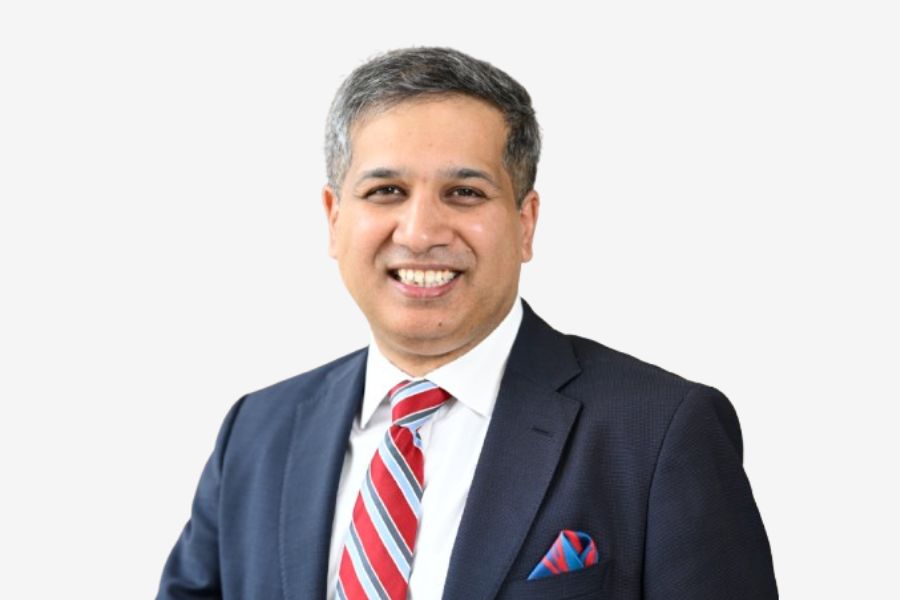
In an exclusive interaction with India Business & Trade (IBT), Kushagra Nandan, Co-Founder, Chairman & MD of REnergy Dynamics (RED), shared insights on India’s growing role in the biofuel sector. He spoke about the nation’s strategic advantages beyond cost competitiveness, the preparedness for E20/E30 blending, and ways to attract ESG and institutional investors. Nandan also highlighted RED’s integrated approach across the biofuel value chain, the role of digital technologies, and India’s potential to emerge as a global leader in Sustainable Aviation Fuel (SAF). With a focus on empowering farmers, fostering innovation, and building credible carbon markets, he believes India is on track to lead the global bioenergy revolution by 2030. IBT: What strategic advantages can India leverage beyond cost to become a global biofuel technology leader? Kushagra Nandan: India is uniquely positioned to become a global leader in biofuel technology—not just on cost, but through strategic strengths that foster innovation and scale. Our diverse agro-climatic zones demand adaptable, multi-feedstock technologies, which naturally drive R&D and innovation. Combined with India’s excellence in engineering, this enables the development of scalable, affordable solutions tailored for both domestic and global markets. Another key advantage is the growing synergy between startups, academia, and policymakers in the clean energy space—creating a dynamic ecosystem for biofuel innovation. With a large and growing domestic market demand for alternate fuels, India is well placed to build and refine biofuel models that are globally relevant. According to IEA, India is poised to become the fastest growing bioenergy market in the world by 2030, expected to contribute more than a third of global bioenergy demand growth. Key initiatives like the National Bioenergy Programme, SATAT, GOBARdhan, and advancement in achieving E20 targets along with net-zero objectives through just energy transition reflect India’s long-term commitment to clean energy. At RED, we’re contributing to this national mission through our four integrated verticals—T-EPC, project development, feedstock aggregation, and product manufacturing—covering the entire biofuel value chain. As part of our efforts toward India’s goal of establishing 5,000 Compressed Biogas (CBG) plants by 2030 under SATAT, we’ve launched comprehensive engineering solutions for small-scale CBG plants. These solutions aim to bring innovation, quality, and affordability to the forefront of the CBG sector, reinforcing India’s potential to export complete project solutions—from technology to financing frameworks. IBT: With E20/E30 blending goals, is India’s ecosystem truly ready? Kushagra Nandan: India’s E20 rollout marks a significant milestone, signalling strong policy intent and commendable progress by the industry along with the evolving ecosystem to support this transition at scale. However, Engine compatibility remains a key concern, particularly across older segments of the vehicle fleet. At the same time, upgrades are urgently needed across the fuel value chain—especially in storage, logistics, and the widespread availability of multi-grade dispensers. Equally critical is the need to strengthen quality control and monitoring frameworks to ensure fuel consistency and performance. Without this, even the best policy targets risk falling short in implementation. For the transition to be successful, it must be phased and regionally calibrated, with alignment from OEMs, awareness among consumers, and coordination across all stakeholders. IBT: How can biofuel projects become more attractive to ESG and institutional investors? Kushagra Nandan: To make biofuel projects more attractive to ESG and institutional investors, it must focus on reducing risk and increasing scalability. Long-term policy stability and clear regulatory frameworks are foundational—they create market confidence allowing certainty and long term visibility to investors. Standardizing key components like plant designs, feedstock contracts, and performance benchmarks will improve bankability and ease due diligence for financial institutions. Equally important is the availability of blended finance tools—such as green bonds, viability gap funding, and partial risk guarantees—that can help de-risk early-stage investments and lower project costs. Monetizing carbon credits through verified MRV (Monitoring, Reporting, and Verification) systems can unlock additional revenue streams and strengthen project viability. Most critically, we need transparent, ready-to-scale platforms—like the one we’re building at RED—that offer integrated techno-financial solutions. These platforms serve as bridges between clean energy projects and serious capital, enabling investment at scale and speed. IBT: How can biofuel demand empower rural farmers? Kushagra Nandan: Farmers need to be one of the key stakeholders in India’s biofuel journey. With the right ecosystem in place, the growing demand for biofuels can transform agri-waste—such as crop residue, bamboo, and other biomass—into a consistent income stream for rural communities. To make this a reality, we need structured procurement programs that ensure fair pricing and assured offtake. It is also important to have access to shared infrastructure—like rental balers, mobile chippers, and transport—along with the establishment of village-level collection centres and pre-processing hubs. These measures will not only help monetise crop waste but also will significantly reduce stubble burning and related emissions. At RED, we’ve already begun enabling this shift. One of our four core verticals is feedstock aggregation, where we collect feedstocks like paddy straw, soya husk, and cane trash for biofuel production. Today, we operate more than 56 round balers making us the largest aggregation fleet operator and service provider in the country. I strongly believe that by making farmers one of the primary stakeholders—not just suppliers—we can create a model where clean energy and rural prosperity go hand in hand. IBT: Can digital technologies transform the biofuel value chain? Kushagra Nandan: Yes, I believe digital technologies will play a pivotal role in transforming the biofuel value chain. AI can help in forecasting biomass availability by analysing weather patterns, cropping cycles, and market data—allowing for smarter planning. IoT sensors installed in digesters offer real-time insights into feedstock quality, system performance, and yield efficiency, enabling predictive maintenance and minimizing downtime. Blockchain, too, is proving valuable by ensuring transparency and traceability in feedstock sourcing and carbon credit validation. At RED, we’re actively embracing this digital shift. We’re deploying drone-based baling audits and digital plant dashboards that are streamlining operations, improving visibility, and driving better decision-making across the value chain. IBT: Can India emerge as a global SAF supplier? Kushagra Nandan: India has the potential, resources and market demand to become

FPOs fuelling inclusive development in agriculture
Over 10,000 Farmer Producer Organisations (FPOs) have been established under a Rs 6,865 crore Central scheme to empower small and marginal farmers through collective action. More than 1,100 of these FPOs have recorded turnovers exceeding Rs 1 crore, driven by access to digital platforms like ONDC, e-NAM, and GeM. They also benefit from input dealerships, financial support, and market tie-ups with major buyers. Notable examples such as Gujarat’s Babra Mandli highlight their success. With over 3 million farmers involved, FPOs are advancing sustainable, income-driven agriculture across the country. As per data from the Union Ministry of Agriculture, over 10,000 Farmer Producer Organisations (FPOs) have been established across India since the launch of a special incentive scheme in FY21. Among these, more than 1,100 FPOs have recorded annual turnovers exceeding Rs 1 crore, with over 340 crossing the Rs 10 crore mark. Many of these high-performing FPOs have achieved rapid growth by harnessing the power of digital platforms. Government-backed initiatives such as the Open Network for Digital Commerce (ONDC), electronic National Agriculture Market (e-NAM), and the Government e-Marketplace (GeM) have played a pivotal role in expanding their reach. Currently, over 9,000 FPOs are registered on ONDC, and more than 200 are actively selling their products on GeM. E-commerce giants like Amazon and Flipkart have also begun supporting FPOs in selling agricultural produce, further enhancing their visibility and market penetration. One notable success story is the Gujarat-based Babra Khedut Utpadak & Rupantar Sahakari Mandli. With a membership of 1,465 farmers, the FPO reported sales worth Rs 102 crore, primarily through the procurement of groundnut and cotton at the Minimum Support Price (MSP) on behalf of government agencies. The FPO aims to expand its agri-inputs operations to accelerate growth in turnover. FPOs are now engaged in selling thousands of agricultural and allied products, including over 200 varieties of rice, pulses, millets, mushrooms, honey, spices, and processed items. To help improve their operational and financial viability, these collectives are being given access to licences and dealerships for seeds, fertilisers, and pesticides. This enables them to function not just as sellers of farm produce but also as input suppliers for their members. FPOs are legally registered under various frameworks such as the Companies Act, 2013, the Cooperative Societies Act of respective states, or the Multi-State Cooperative Societies Act. Many of these entities also benefit from financial schemes like the Agriculture Infrastructure Fund and Agricultural Marketing Infrastructure support. In an effort to improve market linkages, the Ministry of Agriculture has initiated structured interactions between FPOs and large corporate buyers through webinars and consultations. Key buyers involved include Olam International, Big Basket, Britannia, Flipkart, Country Delight, and Mother Dairy, along with agencies such as GeM, Agricultural Processed Food Products Exports Development Authority (APEDA), farmers’ cooperative Nafed and Selco foundation. The scheme extends a comprehensive set of financial incentives to help strengthen and expand farmer collectives. Each FPO is entitled to receive up to Rs 18 lakh in financial support over three years. It also offers matching equity grants of up to Rs 2,000 per farmer member, subject to a maximum of Rs 15 lakh per FPO. Additionally, a credit guarantee facility is provided for loans up to Rs 2 crore from eligible financial institutions. Further, cluster-based business organisations working with FPOs are eligible for Rs 25 lakh per FPO over five years to support marketing and business development. Launched by Prime Minister Shri Narendra Modi on 29th February 2020, the Central Sector Scheme for the “Formation and Promotion of 10,000 Farmer Producer Organizations (FPOs)” has a total budget allocation of Rs 6,865 crore, set to run until 2027–28. About FPO A Farmer Producer Organisation (FPO) is a collective term for farmer-led groups that are formally registered under either Part IXA of the Companies Act or the respective State Cooperative Societies Acts. These organisations are established to harness the power of collective action and economies of scale in the production and marketing of agricultural and allied products. The core idea behind FPOs is to enable farmers—who are the primary producers—to come together to strengthen their market position and reduce production costs. To support the formation of such groups, the Department of Agriculture and Cooperation, Ministry of Agriculture, Government of India, designated the Small Farmers’ Agribusiness Consortium (SFAC) to assist State Governments in setting up FPOs. In line with this vision, the government launched the “Formation and Promotion of 10,000 Farmer Producer Organizations (FPOs)” scheme. The primary objective of this initiative is to leverage economies of scale to enhance productivity through efficient, cost-effective, and sustainable use of resources. The scheme aims to promote income-oriented farming by reducing the cost of agricultural production and improving farmers’ income in a sustainable manner. With more than 3 million farmers now part of these collectives, the government views FPOs as key to empowering small farmers. Plans are being considered to reward high-performing FPOs to motivate others and strengthen the overall ecosystem.

How quantum computing threatens data security
Quantum computers may break current encryption within 10–15 years, putting sensitive data in finance, defense, and digital systems at risk. Europol’s Quantum Safe Financial Forum and CERT-In warn of “harvest now, decrypt later” attacks, where data is stolen now to decrypt later using quantum tools. India’s Aadhaar, online banking, and crypto systems are particularly vulnerable. Experts urge early adoption of quantum-safe encryption and strong cybersecurity practices to stay protected. Image Source: Freepik Quantum computing, long anticipated for its power to solve problems beyond the reach of classical computers, is now emerging as a serious cybersecurity threat. With the potential to crack widely used encryption protocols, this technology poses an imminent risk to critical sectors such as finance, defense, telecommunications, and digital infrastructure. Current cryptographic methods like RSA and ECC underpin secure online communications, authentication processes, and financial transactions. However, quantum algorithms can solve these underlying mathematical problems exponentially faster, rendering existing encryption ineffective once large-scale quantum systems mature. In a stark warning earlier this year, the Quantum Safe Financial Forum—under Europol—advised Europe’s financial sector to prepare for this shift. “For the financial industry, the advent of quantum computers poses a risk to customer confidentiality and peer communications, authentication processes, and trust in digital signatures,” the forum stated. They estimate that quantum computers capable of breaking certain encryption standards could arrive within 10–15 years, though this timeline could accelerate. Adding urgency is the rise of the “harvest now, decrypt later” tactic. Cybercriminals and state-backed actors are believed to be collecting encrypted data today in anticipation of decrypting it once quantum capabilities are achieved. This could turn secure data like financial records, personal identities, or intellectual property into future vulnerabilities. This concern is echoed by the Indian Computer Emergency Response Team (CERT-In) and cybersecurity firm SISA. In a recent white paper, they warn that encryption protecting services such as Aadhaar, online banking, cryptocurrencies, and personal devices could be rendered obsolete. “Attackers may already be stockpiling encrypted data to unlock later using quantum tools, a tactic called ‘harvest now, decrypt later’.” If not addressed, this approach could compromise massive amounts of sensitive data. “AI is adding to the urgency. As it becomes more embedded in digital systems, it also increases access to user data, raising the stakes if encryption is compromised,” the paper adds. India’s major digital systems, including Aadhaar and IoT infrastructure, are considered particularly at risk. CERT-In recommends everyday users mitigate exposure by regularly updating devices, using strong passwords with multi-factor authentication, and avoiding long-term online storage of sensitive data. Privacy-focused platforms like Signal and ProtonMail are also advised. Globally, regulators and industry players are beginning to respond. A new report by the Capgemini Research Institute, which surveyed 1,000 organizations across 13 sectors and countries, found that around 70% of respondents are considered “early adopters,” either working on or planning to implement quantum-safe solutions within five years. Two-thirds (65%) of these firms expressed concern about “harvest now, decrypt later” threats, while one in six early adopters believe “Q-day”—the moment when quantum computers can break encryption—will arrive within five years. About 60% expect it to happen within a decade. “Transitioning early ensures business continuity, regulatory alignment, and long-term trust,” said Marco Pereira, Global Head of Cybersecurity at Capgemini. “Quantum safety is not a discretionary spend but a strategic investment, which can turn a looming risk into a competitive advantage.” The report notes that 70% of surveyed organizations have already begun implementing post-quantum cryptographic algorithms to future-proof their systems. In the U.S., the federal government has mandated agencies to become “quantum resistant” by 2035. Leading cryptographic standards like CRYSTALS-Kyber and Dilithium are being developed and adopted. Britain’s National Cyber Security Centre (NCSC), part of GCHQ, has also urged businesses to act swiftly. The NCSC noted that the threat to cryptography from future large-scale, fault-tolerant quantum computers was now well understood, and warned that many entities were not taking the risk seriously enough. The Quantum Safe Financial Forum, which includes central banks, insurers, and major financial institutions like Mastercard, Allianz, and Barclays, maintains that no new laws are needed. Current EU regulations already require data protection—what’s needed now is a shift in how organizations meet those requirements. To prepare, businesses must begin by mapping where and how encryption is used, assessing data lifespans, and planning transitions to quantum-safe systems. Hybrid encryption solutions that blend classical and quantum-resistant techniques may offer a practical interim step. As quantum computing rapidly evolves, the collective global response—spanning governments, corporations, and cybersecurity agencies—reflects a growing consensus: this is no longer a distant risk. Proactive transition toward post-quantum security is the only way to ensure long-term data resilience in the face of what may be the most transformative technological shift in decades.

India’s bamboo industry: Unlocking the green gold opportunity
India has the world’s second-largest bamboo resource, yet contributes less than 4% to the global bamboo products market. While bamboo holds immense potential across sectors like construction, packaging, furniture, and consumer goods, the industry faces challenges such as weak supply chains, low value-addition, and limited R&D. With the right ecosystem, branding, and policy support, bamboo could drive a green industrial revolution and become a key pillar of sustainable economic growth in India. Image Source: Pixabay Bamboo, often hailed as ‘green gold’, is one of the world’s fastest-growing and most sustainable resources. Technically a grass, its tall, perennial nature and immense versatility make it a powerhouse for industrial applications. With the ability to produce culms every year and regenerate without replanting, bamboo is an ecological asset—it prevents soil erosion, improves soil health, and has a high carbon absorption capacity. India is home to 13.96 million hectares of bamboo, second only to China. Yet, despite such a massive natural reserve, India’s share in the global bamboo products market remains below 4%, whereas China dominates with over 60%. Bamboo represents one of India’s most unutilized natural assets—an industry valued at over ₹25,000 crore, yet still lacking a flagship brand or structured ecosystem to match its potential. Despite its vast possibilities, the sector has yet to witness the kind of organized scale and branding seen in sectors like dairy with Amul or apparel with Titan. The necessary industrial foundation is required to fully capitalize on this resource. Industrial applications of Bamboo Bamboo’s industrial versatility spans several sectors: Construction and Infrastructure: Engineered bamboo can replace wood, steel, and even concrete. It is often stronger than aluminium and is increasingly being used in modular housing and eco-friendly architecture. The global engineered bamboo market is expected to grow from US$ 1.6 billion in 2020 to US$ 4.6 billion by 2027. India, however, has a negligible share in its prefab construction market worth ₹2,500–3,000 crore. Sustainable Packaging: Bamboo is a renewable, biodegradable alternative to plastic. Globally, the bamboo packaging market was valued at US$ 5.1 billion in 2023, with global giants like Nestlé and L’Oréal adopting it. Yet, India’s value-added bamboo packaging exports remain under ₹300 crore. Furniture and Design: Over 15% of new furniture brands in India use bamboo. Engineered bamboo panels, which can fetch ₹300–400 per square foot, are growing in popularity. However, entrepreneurs in this space often struggle with financing, ecosystem support, and access to larger markets. Consumer Products: Bamboo-based FMCG items like toothbrushes, tissues, and homeware are gradually gaining traction. Startups like Bamboo India have sold over two million toothbrushes, but the total bamboo FMCG market in India is still under ₹100 crore. Textiles, Paper, and Pulp: China produces over 2 million tonnes of bamboo pulp annually. India, on the other hand, imports bamboo pulp worth ₹150 crore a year—despite abundant domestic supply. Challenges affecting India’s bamboo industrialization Despite its potential, several systemic issues prevent India from becoming a global bamboo leader: Fragmented supply chains: Most bamboo cultivation is in the North-East, which contributes over 60% to India’s bamboo resources. However, poor transport infrastructure and high logistics costs—up to 20% higher than for other agri products—limit market access and profitability. Low value-addition: Of the 136 bamboo species in India, only 15 are commercially viable. Most processing still relies on manual labour and outdated methods. Consequently, India continues to export raw poles and low-value products like incense sticks, rather than high-value items like engineered panels or furniture. Lack of Ecosystem and Finance: Aspiring entrepreneurs, like one in Assam who makes laminated bamboo boards, struggle to raise even ₹50 lakh due to the absence of scale-ready clusters and a cohesive industrial ecosystem. Limited R&D and Patents: China filed over 1,200 bamboo technology patents in the last decade. India’s R&D investment is meagre at ₹15 crore annually, scattered across forest departments and small research stations. Certification and Standards: Lack of regulated processing and certification means Indian bamboo products often fail to meet international standards. Only about 30% of bamboo processing units are mechanised, limiting scalability and export potential. Government interventions and strategic vision Recognising bamboo’s potential, the government launched the restructured National Bamboo Mission (NBM) in 2018. It aims to promote cluster-based development, improve processing capabilities, and enhance farmer incomes. The scheme offers up to 50% subsidy on cultivation and full support for setting up processing units. Additionally, states like Maharashtra (Atal Bamboo Samriddhi Yojna) and Madhya Pradesh (under MGNREGA) are integrating bamboo into rural employment schemes. Assam’s Bamboo Industrial Park and infrastructure projects like the bamboo crash barrier and metro station in Bengaluru signal a shift toward eco-conscious public development. Further, the Foundation for MSME Clusters (FMC) has outlined a 10-year plan to boost productivity and build markets for high-value products like engineered bamboo and biomass fuel. If executed well, this could scale the industry’s annual output from ₹12,507 crore in FY21 to ₹52,246 crore (US$ 6.04 billion) by FY33 and generate over 30 lakh jobs, with 50% expected to go to women. Towards a Bamboo-based future Globally, bamboo is now a US$ 70 billion industry. Yet India’s share is a modest US$ 1.5–2 billion, largely from raw and unbranded products. With its enormous resource base, entrepreneurial energy, and increasing demand for sustainable materials, India has the foundation to become a global bamboo powerhouse. But to get there, India needs design-led branding, scalable industrial clusters, financing solutions, and stronger R&D. Like Amul did for milk or Campus did for affordable shoes, bamboo needs a national narrative and ecosystem that empowers farmers, artisans, and entrepreneurs.

Prescription to vanity: How derma-grade skincare became a billion-dollar shelf staple
Once upon a time, words like “acid” and “peel” were scary medical jargon you’d only hear inside a dermatologist’s clinic. Skincare meant a trusty cold cream or maybe your mom’s age-old ubtan recipe — not chemical exfoliants and potent retinoids in fancy dropper bottles. But somewhere along the way, science stepped into our bathroom shelves, and “derm-grade” skincare broke free from the prescription pad. What was once clinical, niche, and carefully monitored is now a billion-dollar industry in India alone — powered by savvy, self-educated consumers who want visible results, not just promises. This is the story of how once-prescription-only actives went mainstream, why they’re now an everyday beauty staple, and how India’s booming cosmeceuticals market is racing ahead — blurring the lines between the doctor’s clinic and your vanity shelf. Unless you’re a seasoned chemist, the complex ingredient lists and percentage claims on your skincare bottles probably leave you scratching your head. It’s easy to wonder — while a 20% concentration of one active might be a game-changer for your skin, why do you only need a mere 2% of another to see results? Your bathroom cabinet today probably looks more like a dermatologist’s trolley than your grandma’s cold cream collection. Bottles and tubes now proudly flaunt names and ingredients that were once reserved only for prescriptions — for acne, pigmentation, and other targeted skin issues. But now, acids, retinoids, and peels are sold over the counter in sleek dropper bottles and bright foaming cleansers — an undeniable part of many people’s skincare regimes. “Skincare wasn’t always a buzzword. Growing up, I saw women either hiding their skin issues or just living with them — and clinical skincare? That was reserved for celebrities or people who could afford dermatologist visits. But today, something powerful has shifted. Science has walked into our homes, and self-care is no longer a luxury. It’s a necessity,” says Dr. Preeti Seth, Founder and Mentor at Pachouli Aesthetics and Wellness. Somewhere between the dermatologist’s clinic and your local beauty aisle, a line has blurred. Who decides how much acid is too much? Who checks that your brightening soap won’t leave you with burns? And when does a beauty product quietly become a drug that really should be prescribed? “Most patients who come to us with chemical burns today have used these products unsupervised,” says Dr. Anuya Gupta, a Delhi-based dermatologist. “They buy them online because an influencer recommended it — but they don’t know the right concentration or layering technique.” The rise of active-based products like AHAs, retinols, and peptides being available over-the-counter has changed everything. As Dr. Seth puts it, “People now ask, ‘What’s in this?’ before they ask, ‘What does it cost?’ That’s awareness. That’s evolution. We have moved from hiding flaws to healing skin. From relying on filters to actually fixing what’s beneath.” This is the story of how your bathroom shelf turned into a mini chemistry lab — and why, despite the promise of “professional results,” no one seems to be truly keeping watch. The rise of the derma grade skincare A generation ago, the idea of putting acid on your face would have sounded bizarre. Hydroxy acids, retinoids, and potent skin-lightening agents like kojic acid were once tightly controlled — administered only under the watchful eye of a qualified skin specialist. They were powerful tools used for targeted concerns like stubborn acne, hyperpigmentation, or severe photo-ageing — not for casual daily scrubbing. But the late 1990s and early 2000s saw the dawn of the “cosmeceutical” — a term coined to describe cosmetic products infused with active pharmaceutical ingredients. It’s not a legally regulated category; it’s marketing gold. Brands quickly realised that consumers wanted more than just moisture and fragrance — they wanted visible, measurable results. And results sell. The global cosmeceuticals market alone was valued at about US$ 52.5 billion in 2022, according to Grand View Research, and it’s projected to grow at a healthy 8.8% CAGR through 2030. The appetite for “derm-grade” skincare is showing no signs of slowing down — and India is right at the heart of this shift. According to IMARC Group, India’s skincare market alone is expected to double from around US$ 6.5 billion in 2022 to nearly US$ 13 billion by 2027, expanding at a robust 12% CAGR. The wider beauty and personal care segment could cross US$ 30 billion, with once-clinical actives like acids and retinoids becoming everyday shelf staples. A 2023 report by RedSeer and Peak XV highlights how young urban consumers, especially in Tier 1 and Tier 2 cities, are driving this surge — trading basic moisturisers for “problem-solving” serums, chemical peels, and exfoliators that promise salon-like results from the comfort of home. As Dr. Diivyaa Agarwal, Head Business Lead & MarComm at Pachouli Aesthetics and Wellness, puts it, “Skincare today is no longer about superficial maintenance — it’s about deep, result-driven transformation. Over the years, I’ve witnessed a major shift: consumers are more aware, more informed, and more assertive in their skincare choices. With easy access to information through Google, AI, podcasts, and social media, people seek active, potent solutions that work.” India’s clinical skincare market: Growing fast, evolving faster This dramatic shift has created a multi-billion-dollar opportunity for both local and international brands. Homegrown Indian labels, global giants, and nimble D2C startups are all tapping into this surge. From affordable acid toners to premium “dermatologist-formulated” retinol serums, the range of products now available on shelves — and online — is vast. “Clinical skincare becoming mainstream is a sign that India is ready — ready to blend tradition with science, beauty with well-being, and affordability with effectiveness,” Dr. Seth says. “I’m so glad to be part of this change.” What’s truly powerful is that skincare has become gender-neutral. “Both men and women — especially those with economic independence — are no longer willing to settle for generic products. They demand efficacy, science, and real impact,” adds Dr. Agarwal. “We recognised this shift early. The launch of our Pachouli Cosmeceutical
Harnessing India’s biofuel potential through sustainable feedstock strategies
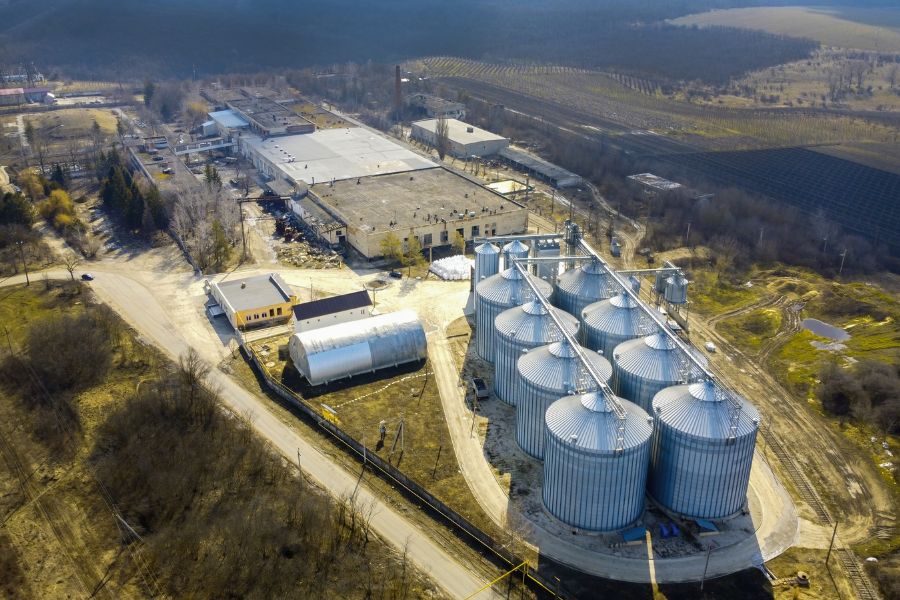
India is leveraging its robust economy and abundant biomass to expand biofuel production. As the world’s third-largest ethanol producer, it is targeting 20% ethanol blending in Ethanol Supply Year (ESY) 2025–26. Feedstocks span four generations: from conventional crops (1G), agricultural residues and waste (2G), algae and waste oils (3G), to genetically engineered resources with carbon-negative potential (4G). Key challenges include weak farmer incentives, inconsistent biomass quality, and poor logistics infrastructure. Effective strategies involve clear targets for advanced biofuels, farmer education, decentralized storage and processing hubs, supportive subsidies, and integration with carbon credit markets. Image credit: Freepik India, driven by its rapidly growing economy and increasing energy demand, is actively pursuing ways to reduce its dependence on fossil fuels and shift toward more sustainable energy sources. Among these alternatives, biofuels have gained prominence as a renewable solution with strong potential to lower carbon emissions, strengthen energy security, and support rural communities. With supportive policies, political backing, and plentiful feedstock resources, India has emerged as a leading biofuel producer and consumer. Currently it ranks as the world’s third-largest ethanol producer and consumer, with production nearly tripling over the past five years. By further improving policies, controlling costs, and ensuring a consistent supply of sustainable feedstock, India is well positioned to expand its biofuel sector even further. Biofuel feedstock Biofuels are fuels derived from renewable feedstocks produced within a relatively short timeframe, unlike the slow, geological processes that form fossil fuels. These feedstocks range from starches and sugars to organic materials such as plants, animal waste, and wood chips. Unlike non-renewable sources like coal, oil, and natural gas, biofuels can be replenished through sustainable cycles, making them a vital alternative energy source. The National Policy on Biofuels–2018, as amended in 2022, identifies a wide range of feedstocks for biofuel production. These include C- and B-heavy molasses, sugarcane juice, sugar, and sugar syrup; biomass sources such as grasses, and agricultural residues (e.g., rice straw, cotton stalks, corn cobs, sawdust, bagasse); sugar-rich materials like sugar beet and sweet sorghum; starch-based materials including corn, cassava, rotten potatoes, agro-food/pulp industry waste, damaged food grains like broken rice, food grains unfit for human consumption, food grains during surplus phase as declared by National Biofuel Coordination Committee (NBCC), industrial waste, industrial waste off-gases, algae and sea weeds, non-edible oilseeds, used cooking oil, animal tallow, acid oil, short gestation non-edible oil rich crops, municipal solid waste, and plastic waste etc. The National Policy on Biofuels – 2018, amended in 2022, advanced the target of achieving 20% ethanol blending in petrol to the Ethanol Supply Year (ESY) 2025–26, moving it forward from the earlier 2030 deadline. Public Sector Oil Marketing Companies (OMCs) met the 10% blending target in June 2022, five months ahead of schedule for ESY 2021–22. Ethanol blending progressively increased to 12.06% in ESY 2022–23, 14.60% in ESY 2023–24, and 17.98% in ESY 2024–25 as of 28th February 2025. As of now, the government has not made any decision regarding increasing ethanol blending beyond 20%. Table: Ethanol contribution share by different feedstocks (%) Year C Heavy Molasses B Heavy Molasses SCJ/Sugar/Syrup DFG and Maize Surplus Rice/Food Grains Maize 2019-20 46.5% 44.1% 9.4% 2020-21 12.9% 60.4% 13.0% 0.7% — 13.0% 2021-22 11.2% 60.5% 20.3% 5.6% 2.4% — 2022-23 14.6% 46.5% 25.4% 6.2% 6.3% 1.1% 2023-24 9.2% 39.6% 10.4% 17.4% 0.0% 23.4% Source: MoPNG & PPAC Biofuel Feedstock producers—such as farmers and agro-processing industries—play a vital role in supplying raw materials for the production of first-generation (1G) ethanol, second-generation (2G) ethanol, Compressed Biogas (CBG), and Sustainable Aviation Fuels (SAF). Classification of feedstock There are four main generations of biofuel feedstocks, each defined by the type of raw material used and the technology applied: First-generation biofuels are derived mainly from food crops and animal feed sources. Their production uses established processes such as fermentation, distillation, and transesterification, which is why they are commonly referred to as “conventional biofuels.” These methods focus exclusively on fuel generation, with non-fuel by-products typically treated as waste, making membrane technologies unnecessary. Biodiesel is produced through the transesterification of vegetable oils and animal fats, while bioethanol or butanol is obtained by fermenting starches and sugars. Common feedstocks for these biofuels include: – Animal fats, – Vegetable oils, – Oily seeds like soybean, rapeseed, mustard, and sunflower, and – Starch-rich crops such as maize, sugarcane, sorghum, and cassava. Second-generation biofuels are produced from agricultural lignocellulosic biomass through biochemical or thermochemical processes. The feedstocks primarily include- Non-food sources such as agricultural residues (e.g., cereal straw, sugarcane bagasse), Forest residues, Organic waste from municipal solid waste, and Dedicated energy crops like fast-growing grasses and short-rotation forests. Unlike first-generation biofuels, which rely on food-based feedstocks, second-generation biofuels utilize plant-based residues and waste materials, offering a more sustainable and resource-efficient approach. This method not only enhances fuel recovery but also enables the generation of secondary raw materials, reducing overall energy costs and minimizing waste output. As a result, second-generation biofuel production is considered more economically viable. To improve efficiency and yield, researchers incorporate techniques such as membrane filtration and biorefinery integration. Additionally, various mesophilic and thermophilic microorganisms are employed in both batch and continuous processes to produce biofuels along with valuable by-products like organic acids and amino acids. Third-generation biofuels utilize non-food-based, environmentally adaptable resources such as microalgae, yeast, and fungi, animal oils, fish oil, waste cooking oil, and animal fats. Microalgae can yield various fuels, including biodiesel, bioethanol, biogas, and jet fuel. This generation of biofuels relies on: – Genetic engineering of algae and other aquatic biomass, – Chemical extraction of bio-oils, and – Pyrolysis of algal cultures. These biofuels are primarily obtained through transesterification or hydrotreatment of algal oil, offering significantly higher biofuel yields per year compared to first-generation biofuels derived from conventional crops. Both second- and third-generation biofuels are still under active development and are collectively known as advanced biofuels due to their improved efficiency and sustainability. An additional benefit of these biofuels is their potential to reduce water pollution and lower the burden on waste management systems. Fourth-generation biofuels are
India hits 50% non-fossil power capacity, 5 years early
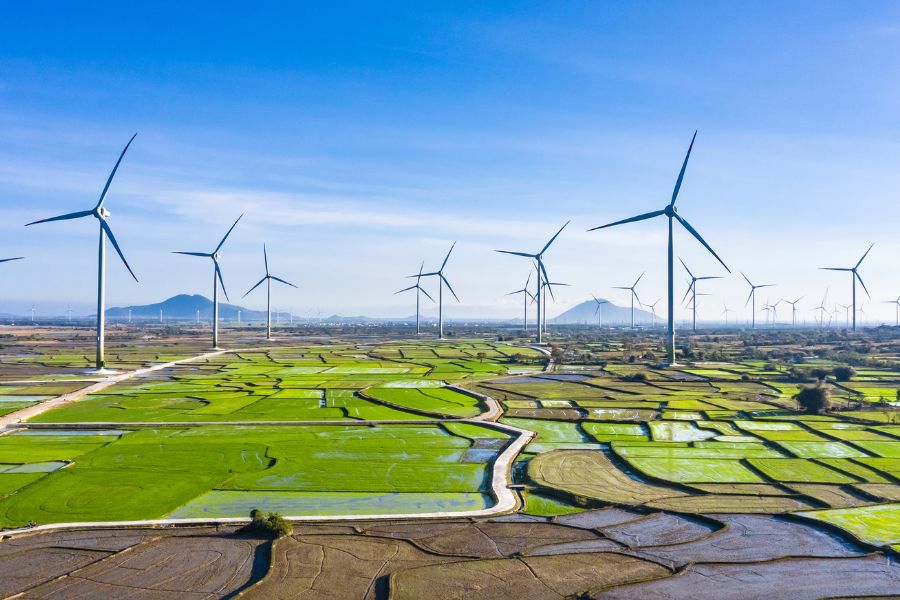
Union Minister for New and Renewable Energy, Pralhad Joshi, announced on Monday that India has reached a significant milestone by generating 50% of its total installed power capacity—242.8 GW out of 484.8 GW—from non-fossil fuel sources. In a landmark achievement that marks a decisive step in the global fight against climate change, India has reached a major milestone in its renewable energy journey. Union Minister for New and Renewable Energy, Pralhad Joshi, announced on Monday that the country has achieved 50% non-fossil fuel-based power generation capacity—amounting to 242.8 GW—out of a total installed capacity of 484.8 GW. This feat comes five years ahead of the target year of 2030, as committed at various international platforms including the Paris Agreement and COP summits. Describing the development as a “historic green leap,” Joshi emphasized that the accomplishment underlines India’s unwavering commitment to building a sustainable and energy-secure future. “Under the visionary leadership of Hon’ble Prime Minister Shri Narendra Modi ji, a major climate commitment has been fulfilled. This is not just a milestone — it’s a giant stride towards a greener, cleaner Bharat by 2047,” he said in a post on social media platform X. A Testament to India’s Global Climate Leadership India’s early achievement of its 50% non-fossil fuel target sends a strong message to the international community about its seriousness in combating climate change. The country had pledged to achieve this target as part of its updated Nationally Determined Contributions (NDCs) under the Paris Agreement, committing to transition towards a low-carbon development pathway without compromising its growth ambitions. Non-fossil fuel energy sources include solar, wind, hydroelectric, nuclear, and bioenergy. The massive push in solar and wind installations, combined with investments in hydropower and nuclear energy, has helped the country scale up capacity rapidly. India now stands as the world’s third-largest producer of renewable energy, trailing only China and the United States. Driving Factors Behind the Achievement India’s success can be attributed to a mix of strong policy direction, investment incentives, public-private partnerships, and a nationwide emphasis on clean energy adoption. The government has launched a slew of programs like the National Solar Mission, wind energy development policies, and green energy corridors to integrate renewables into the national grid. Additionally, initiatives like Production Linked Incentive (PLI) schemes for solar module manufacturing and efforts to develop green hydrogen and battery storage have strengthened the ecosystem for renewable energy. Private sector participation has been equally vital, with companies investing heavily in utility-scale and rooftop solar projects, as well as wind farms. Despite this early success, the journey is far from over. India has set an even more ambitious target of achieving 500 GW of renewable energy-based power capacity by 2030. The 242.8 GW achieved so far includes around 143 GW of renewable energy (solar, wind, biomass, and small hydro), 47 GW of large hydro, and 7 GW of nuclear power. Achieving the next 250+ GW over the next five years will require an accelerated pace of installations, grid modernization, integration of storage solutions, and stronger regulatory frameworks. The expansion of green hydrogen, offshore wind, and waste-to-energy projects is expected to play a crucial role in this next phase. A Green, Self-Reliant Bharat India’s green energy transition is also closely tied to its vision of Atmanirbhar Bharat (self-reliant India). By reducing dependence on imported fossil fuels, improving air quality, and creating green jobs, the renewable energy sector is not just about environmental sustainability—it is also about economic resilience and energy sovereignty. Minister Joshi noted that this milestone is a proud moment for every Indian and a reflection of the collective resolve to build a better future. “Modi ji’s leadership continues to drive Bharat’s green transformation, paving the path towards a self-reliant and sustainable future,” he said. India’s early achievement of its 50% non-fossil fuel capacity target is a powerful demonstration of what can be accomplished through visionary leadership, collaborative policy-making, and unwavering public commitment. As the country now looks ahead to achieving 500 GW of renewable capacity by 2030, it stands poised to lead the global energy transition—showing that economic growth and environmental responsibility can go hand-in-hand.