Gujarat has launched the Electronics Component Manufacturing Policy-2025 to attract over ₹35,000 crore in investments and position the state as a global electronics manufacturing hub. Offering dual incentives aligned with the Centre’s ECMS scheme, the policy promotes local production, reduces import dependency, and boosts exports. In a strategic move to strengthen its position in the global electronics value chain, Gujarat has unveiled the Gujarat Electronics Component Manufacturing Policy-2025 (GECMS-2025). The new policy seeks to transform the state into a key player in global electronics supply chains by fostering local manufacturing of electronic components and sub-assemblies. It aims to reduce import dependency, boost exports, and enhance value addition within global value chains (GVCs). Targeting over ₹35,000 crore in fresh investments and creating high-skilled employment opportunities, the policy is designed to attract industries and ramp up production capacity in Gujarat’s electronics component sector. A core objective is to build a robust ecosystem that encourages innovation, strengthens supply resilience, and supports the long-term competitiveness of India’s electronics industry. According to the state government, “projects approved and supported by the MeitY, Government of India, will be eligible for 100% central assistance when established in Gujarat.” These MeitY-approved projects will be entitled to dual incentives — financial support from both the Central and State governments — offering a significant advantage to investors. The policy aligns closely with the Central Government’s Electronics Component Manufacturing Scheme (ECMS), under which Gujarat will provide a 100% top-up on central assistance. Moreover, “once a project receives approval under the ECMS from MeitY, it will automatically become eligible for the same grant-in-aid in Gujarat.” The state has also committed to ensuring prompt disbursement, promising to release its share of incentives within 30 days of the Central government’s payout. Focused on key segments, the policy promotes investments in areas such as multi-layer and HDI printed circuit boards, lithium-ion cells, SMD passive components, display and camera modules, and the machinery essential for their manufacturing. To support the innovation pipeline and nurture a skilled workforce, the policy lays strong emphasis on bridging talent gaps, facilitating research, and building institutional capabilities. “Recognised institutions based in Gujarat will be eligible for assistance of up to ₹12.5 crore from the state government to establish centres of excellence, finishing schools, or applied research laboratories.“ To ensure timely implementation, the Government of India has set a deadline of July 31, 2025, for submission of applications to avail benefits under this policy. This timeline underscores the urgency and focused approach the government is adopting to scale up domestic electronics manufacturing. However, in order to maintain policy integrity and avoid duplication of benefits, the state has clarified that only those units that are not receiving assistance under the Gujarat Electronics Policy 2022–28 will be eligible under GECMS-2025. Similarly, units availing incentives through the new component manufacturing policy will not qualify for benefits under the earlier Gujarat Electronics Policy. With this initiative, Gujarat aims to create a fertile ground for the growth of component manufacturing while ensuring synergy with national schemes. The combined backing from state and central governments is expected to attract a new wave of investors and manufacturers to Gujarat, positioning the state as a vital hub in India’s electronics manufacturing strategy.
Engagement with food labels falls to 31% in online shopping
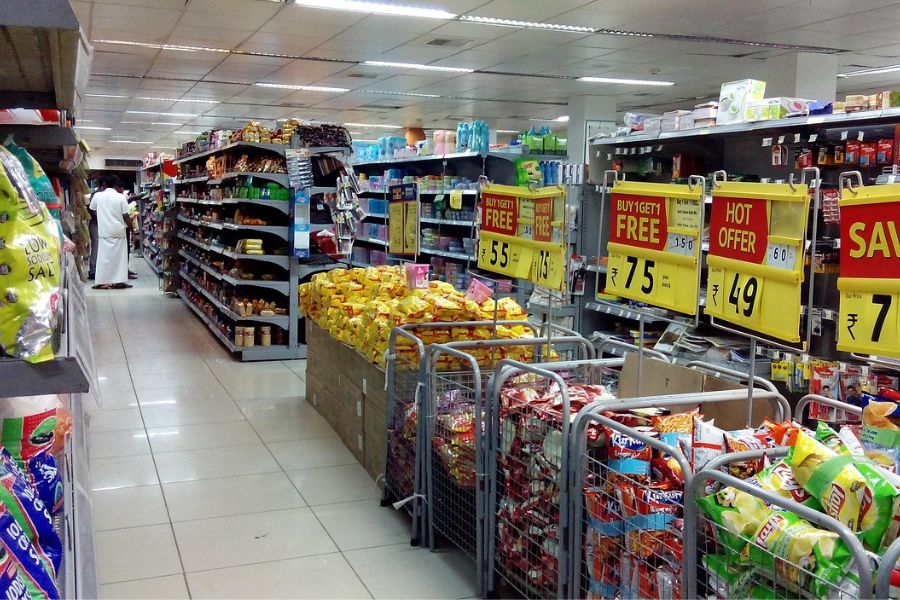
With the rapid expansion of India’s food ecosystem—driven by digitalization and a surge in packaged food consumption—a crucial gap has come to light: consumers are still not engaging with food labels as actively or effectively as needed. This emerged as a central insight from Food Safety Works’ annual online survey, presented at the India Food Safety Conclave 2025 in Bengaluru. As India’s food ecosystem rapidly expands with growing digitalization and rising packaged food consumption, a critical disconnect remains—consumers are not engaging with food labels as much or as effectively as they should. This was the key takeaway from Food Safety Works’ annual online survey, unveiled during the India Food Safety Conclave 2025 in Bengaluru. The survey, conducted by Food Safety Works to understand consumer interaction with food labels, offers deep insights into how people read labels, what information they retain, what they overlook, and how it all affects their purchasing decisions. “As the food ecosystem grows more complex, such insights are essential to bridge the gap between regulatory intention and consumer behaviour,” said Surabhi Soral, Head of Regulatory and Compliance at Food Safety Works, during her presentation of the detailed 60-page report. Despite surveying an audience that is largely urban and well-educated, the report reveals a persistent gap between awareness and action. One of the most telling insights is the inconsistency in consumer engagement across retail channels. While 60% of consumers say they always check labels in physical stores, this number significantly drops when shopping online. As digital food purchases increase, the visibility and accessibility of food label information in e-commerce platforms are not keeping pace. “This inconsistency reflects a growing concern. Many consumers report that labels are hard to read or too technical, which leads to disengagement—even when the intention to read is there,” noted Soral. The challenge, she added, is not just about displaying information but making it user-friendly and contextually meaningful. When it comes to specific label elements, the survey found that while 89% of consumers routinely check expiry dates—a positive sign of basic food safety awareness—only 37.3% look at nutrition facts, and a mere 27% check for allergen warnings. This suggests that while consumers care about freshness, they are still not fully utilizing the broader spectrum of label information intended to help them make healthier and safer choices. QR codes, widely promoted as a solution for deeper engagement and traceability, also remain underutilized. Only 31.7% of respondents reported ever scanning them, despite high smartphone penetration. This indicates a missed opportunity to extend food label utility beyond packaging, into digital formats that could offer richer, more interactive information. On a more positive note, awareness of health-related claims and logos—such as the FSSAI mark—is improving. Over 54% of respondents said they could recognize such logos, with stronger awareness among younger and more educated consumers. However, the survey also raised a crucial question: Do consumers truly understand the implications of claims like “high protein” or “low sugar” for their health? “There’s a difference between recognition and comprehension. Consumers may identify a claim but may not necessarily understand how it applies to their dietary needs,” explained Soral. Another troubling area highlighted in the report is the lack of consumer empowerment. A staggering 92% of respondents were unaware that they can file food safety complaints directly with FSSAI. Even among those who encountered safety concerns, few actually used the customer care numbers provided on the packaging. “This points to a systemic communication gap between manufacturers, regulators, and consumers,” said Soral. “We need to do more to make feedback mechanisms accessible and visible.” Perhaps most concerning is the trend line when compared to last year’s findings. In 2023, 53.6% of consumers said they always checked labels. In 2024, that figure dropped to 47.6%, even though the number of people buying packaged food weekly has increased. This paradox—greater dependence on packaged foods, but falling engagement with labels—highlights the urgency of the issue. The report concludes that as the packaged food sector grows, so must consumer education, digital labelling innovations, and stronger communication between all stakeholders. Otherwise, regulatory advancements will continue to fall short of driving real behavioural change.

“We expect plant-based protein to become as commonplace as paneer in Indian restaurants.”
Abhishek Sinha, co-founder and CEO of GoodDot, is at the forefront of India’s plant-based meat revolution—driven by a vision to make sustainable, affordable, and protein-rich alternatives accessible to the masses. With India’s predominantly vegetarian eating habits and growing interest in ethical consumption, Sinha sees a powerful opportunity to position plant-based meats as everyday staples rather than niche indulgences. In this interview, he shares how GoodDot’s strategy is evolving across domestic and international markets, the unique role of their QSR venture GoodDo, and the pressing need for policy support to level the playing field. From pricing dynamics and consumer education to global competitiveness and culinary innovation, Sinha outlines a roadmap for making plant-based protein as commonplace as paneer in Indian meals. IBT: From an industry standpoint, what are the biggest enablers and barriers currently shaping the growth of India’s plant-based meat sector? Abhishek Sinha: India’s cultural and dietary habits serve as a major enabler. While around 72% of the population consumes meat, it is typically limited to once or twice a week. This means that even meat-eaters largely follow a vegetarian diet for most meals, creating a strong demand for high-protein vegetarian alternatives. On the other hand, plant-based meats in India face a cost disadvantage due to lack of scale and the current 18% GST, which is higher than the 0% applied on animal meat. This tax structure and relatively limited awareness are significant barriers to growth. IBT: How does your go-to-market strategy differ across urban and rural segments in terms of distribution, pricing, and consumer education? Abhishek Sinha: Our strategy adapts to the unique dynamics of each market. Internationally, we focus on exporting Indian-style plant-based dishes—like butter chicken or mutton curry made with plant protein—which resonate well due to their authenticity. There is currently no other global brand offering Indian plant-based meat in this format. In Dubai, we operate through a B2B model, while in Australia, we focus on direct retail. Domestically, we use a tiered pricing model to ensure affordability and widespread adoption, supported by on-ground consumer education campaigns to build familiarity and trust in our products. IBT: How does your QSR venture ‘GoodDo’ align with your broader brand strategy? Abhishek Sinha: GoodDo plays a critical role in offering consumers an affordable and accessible way to try plant-based dishes. More than just a sales channel, it functions as a real-time feedback mechanism that informs our product development and retail strategy. We’ve launched formats like plant-based keema pav at just ₹20 in Udaipur and a tikka/soya chaap concept, which has strong appeal in North India. These initiatives not only expand reach but also normalize plant-based protein consumption in day-to-day meals. We are also building a franchise network to scale this across India. IBT: What kind of policy support or incentives do you expect from the Indian government to help this sector scale? Abhishek Sinha: Policy support is crucial to level the playing field. The current 18% GST on plant-based meats is a deterrent for price-sensitive consumers, especially when traditional meat is untaxed. Additionally, access to institutional finance remains difficult. Though the government has introduced schemes like collateral-free loans and credit guarantees, many young companies lack the financial history or collateral to qualify. On the export front, support from APEDA and the Ministry of Commerce—such as subsidies for participating in international trade shows—can significantly help smaller companies gain exposure and compete globally. IBT: What differences do you observe between Indian and global consumer trends? Abhishek Sinha: Consumers worldwide are becoming increasingly value-conscious due to inflationary pressures. In both Indian and Western markets, price, taste, and nutrition are the key drivers of adoption. Premium-priced plant-based products are struggling, while value-for-money offerings are seeing better traction. In global markets, private labels are outperforming premium brands for this reason. This shift underscores the importance of offering affordable, high-quality plant-based alternatives tailored to local tastes. IBT: What is your vision for India’s plant-based protein industry, and what factors will drive its next phase of growth? Abhishek Sinha: Since 2017, we’ve witnessed consistent growth in both consumer acceptance and B2B interest. Leading brands like Tibbs Frankie, Marriott, Radisson, and EatFit have integrated our products, recognizing the limited vegetarian protein options beyond paneer. Plant-based proteins offer culinary flexibility—they can be used in biryanis, tikkas, or Indo-Chinese dishes. Moreover, they serve as a resilient protein source during crises like avian flu. Going forward, consumer awareness, innovation in texture and flavor, and strategic collaborations with foodservice providers will drive growth. In the next 4–5 years, we expect plant-based protein to become as commonplace as paneer in Indian restaurants. IBT: With rising global demand for sustainable proteins, where do you see Indian plant-based brands having a competitive advantage, and what are the barriers to global success? Abhishek Sinha: Indian brands hold a strong edge due to low production costs, easy access to agricultural raw materials, and relatively inexpensive labor and infrastructure. This allows us to price many plant-based products below meat alternatives—something not all international brands can achieve. There is also strong potential to blend Indian vegetarian traditions with plant-based innovations, offering authentic formats like butter chicken or tikka using plant protein to a global audience. However, to realize this potential fully, challenges such as limited brand awareness, lack of global distribution partnerships, and high cost of international marketing must be addressed, preferably with government support.

Smart, fast, wireless: the next chapter in EV charging
The EV charging infrastructure market is poised for rapid growth, fuelled by increasing EV adoption and advancements such as ultra-fast and wireless charging, smart grid connectivity, and vehicle-to-grid (V2G) technology. A recent report by Persistence Market Research estimates that the global EV charging infrastructure market will rise from US$ 31.1 billion in 2025 to US$ 113.4 billion by 2032, registering a robust CAGR of 20.3%. By 2025, many EV charging stations will integrate renewable energy and energy storage solutions. Charging as a Service (CaaS) will offer convenient access through subscriptions, while public-private partnerships will expand infrastructure in cities and rural areas. Strategic collaboration will ensure a cleaner, smarter, and more accessible charging network. The worldwide transition to electric vehicles (EVs) is gaining speed, heightening the demand for reliable, extensive, and high-performance charging infrastructure. With growing environmental awareness and ambitious climate goals, the push for cleaner mobility solutions is fueling rapid expansion in the EV-charging-infrastructure market. According to a recent report by Persistence Market Research, the global EV charging infrastructure market is expected to grow from US$ 31.1 billion in 2025 to US$ 113.4 billion by 2032, registering a strong CAGR of 20.3%. This expansion highlights the critical role charging networks will play in supporting widespread EV adoption. A major technological breakthrough contributing to this growth is the evolution of fast-charging systems. Traditional EV chargers can take several hours to fully recharge a battery, posing challenges for time-sensitive users and long-distance travellers. However, next-generation ultra-fast chargers, particularly those offering power outputs between 150 kW and 350 kW, are dramatically cutting charging times. These chargers can boost battery levels from 20% to 80% in less than 20 minutes. As automakers introduce EVs with increasingly larger battery capacities, the availability of ultra-fast chargers will be essential to facilitate rapid charging and drive large-scale adoption of electric vehicles. In addition to fast charging, wireless or inductive charging technology is beginning to take shape. This approach allows EVs to be charged without the need for physical cables, using electromagnetic fields to transfer power. Though still in the early phases of deployment, wireless charging offers a convenient, hands-free alternative—especially appealing in urban settings where space and accessibility are often limited. The report states that by 2025, wireless charging systems are expected to see commercial-scale installations at places like public parking lots, airport terminals, and highway rest stops. In the long run, the technology may even support in-motion charging, allowing vehicles to receive power while driving over equipped road segments. Smart charging and grid integration are also becoming crucial components of the EV infrastructure ecosystem. As the number of EVs on the road increases, their collective demand on power grids must be managed carefully. Smart chargers equipped with AI and real-time data capabilities can monitor electricity demand, pricing, and user patterns to optimize charging times. This enables EVs to charge during off-peak hours, reducing costs for consumers and alleviating stress on the energy grid. The report highlights the development of vehicle-to-grid (V2G) technology, that adds another dimension to this progress. V2G technology, which allows EVs to return energy to the grid, is set to play a growing role in stabilizing power supply and supporting the integration of renewable sources such as solar and wind. By enabling two-way energy flow, this technology transforms vehicles into mobile storage units that can provide power during peak demand periods. Industry collaboration is set to play a pivotal role in scaling EV infrastructure. Charging network providers, automakers, utilities, and government agencies are forming strategic alliances to build more robust and interoperable networks. Major players like Tesla, ChargePoint, Shell, and BP are expanding their reach through shared platforms and roaming services. By 2025, many EV users will be able to access charging stations from various providers through a single subscription or mobile app, thereby simplifying the user experience and encouraging broader adoption. Highway corridors and major tourist destinations will also be given priority to ensure charging stations are readily accessible for long-distance travel. As per the report, the future EV charging infrastructure will draw power not only from the grid but increasingly from renewable energy sources. By 2025, a substantial number of charging stations are expected to incorporate solar panels and wind turbines, reflecting the broader shift toward sustainability. Solar-powered chargers, in particular, can significantly lower carbon emissions and ensure cleaner, greener energy for vehicle charging. Moreover, the use of energy storage systems—such as batteries—will enable stations to store surplus energy generated during the day for use at night or during periods of low solar output. Integrating renewables with EV charging will also reduce dependence on fossil-fuel-based grid electricity, amplifying the overall environmental benefits of electric mobility. The emergence of Charging as a Service (CaaS) is set to transform how EV charging is offered to consumers. Under this model, users pay a fixed monthly fee for access to a network of charging stations, making it especially appealing for fleet operators and city residents without access to private chargers. These platforms will incorporate smart technologies to provide value-added features like real-time monitoring, predictive maintenance, and customized charging schedules. As a result, CaaS will deliver a more seamless and convenient experience for both individual drivers and businesses managing electric vehicle fleets. With ongoing urbanization, EV charging infrastructure will be a vital part of building sustainable cities. Governments and private sector players are expected to work together to deploy chargers in high-traffic locations like parking garages, shopping centers, and residential complexes. By 2025, urban areas will likely see a rise in on-street charging stations integrated into city power grids, along with innovative solutions such as pop-up chargers for temporary events and mobile units for emergency use. Public-private partnerships (PPPs) will be instrumental in expanding access, particularly in underserved and rural regions where charging options remain limited, thus helping to create equitable access. Conclusion The future of EV charging infrastructure is rapidly evolving, driven by cutting-edge technology, renewable energy integration, and strategic partnerships. With advancements in fast charging, smart connectivity, and user-friendly service models, charging
Rural India powers FMCG’s next growth wave
Over the past decade, rural India has emerged as a dynamic growth engine for the ₹5-lakh-crore FMCG sector, with rising adoption of aspirational products like toilet cleaners, floor cleaners, and bottled soft drinks. As per Kantar, this shift reflects both improved access and evolving consumer mindsets, where rural shoppers are trading up, experimenting with new formats, and showing brand loyalty. Image Source: Pixabay Over the last ten years, rural India has witnessed a notable transformation in consumer behaviour. Floor cleaner penetration has risen dramatically from a mere 1% to 17%, while toilet cleaners have seen a surge from 7% to over 40%, as per Kantar data. Alongside this, Kantar’s insights also reveal that as rural consumers embraced newer product categories such as toilet cleaners, floor cleaners, and bottled soft drinks, there was a decline in their average consumption of traditional mass-market items like salt, hair oils, and detergents. Rural India is now outpacing urban regions in consumption growth across several FMCG segments, including personal hygiene, home cleaning, packaged snacks, bottled soft drinks, insecticides, skin creams, and hair colourants. This trend signals a shift in the narrative surrounding India’s ₹5-lakh-crore FMCG sector. No longer driven solely by necessity, rural consumers are now making more aspirational choices. They are trying new product formats, exhibiting brand loyalty, and even moving toward premium offerings. This evolution is driven by a mix of better access and shifting aspirations. “More brands are reaching deeper into Bharat,” says Manoj Menon, director, commercial, South Asia, Kantar Worldpanel, who observes that small towns and villages are increasingly drawing attention from both established and emerging brands. Enhanced logistics, distribution, and retail infrastructure have made products more visible and accessible in rural markets than they were five years ago. However, the change is not just about physical access—it’s also about evolving mindsets. Menon highlights how categories such as personal and home hygiene reflect this shift. While affordability still matters, rural consumers are increasingly finding a balance between budget constraints and aspirational desires. As a result, small and pocket-friendly pack sizes have become essential. Products like fabric conditioners, skin creams, and hair conditioners are witnessing faster growth in rural areas in these smaller formats, echoing urban consumer patterns. “Rural consumers are now spending more willingly,” he says. “They are paying 4 more per kg for personal hygiene than they were a year ago.” Interestingly, though aspirations are rising across both markets, rural and urban FMCG preferences are diverging. Kantar data shows that smaller, local brands are gaining traction in urban India, growing 8.4% in FY25. Meanwhile, in rural markets, large, listed FMCG companies are gaining the upper hand, growing 5.1% compared to just 2.3% for smaller brands. In contrast, big brands grew only 2.1% in urban markets during the same period. The message is clear: rural consumers, becoming more brand-conscious, are placing their trust in familiar, established names—allowing major players to expand their rural footprint. In response to this evolving landscape, companies are recalibrating their targeting strategies and communication approaches. Over the long term, Kantar projects that rural growth will not only match urban expansion but may even surpass it slightly. For companies like Mysore Deep Perfumery House and Zed Black, rural India has evolved beyond a mere volume market. Even premium offerings such as bamboo-less incense sticks and wellness-oriented aroma products are gaining popularity in rural segments. The company has also introduced resealable zipper pouches and monthly value packs for added convenience.

India hits 200 coal block allocations, boosts private participation
The Ministry of Coal has reached a key milestone with the allocation of its 200th coal block, Marwatola-II in Madhya Pradesh, to Singhal Business Pvt Ltd. This move highlights the government’s continued focus on sectoral reforms, encouraging private investment, and strengthening energy self-reliance. The Ministry of Coal has reached a major milestone with the allocation of its 200th coal block, marking continued efforts to reform and revitalise India’s coal sector. Announced on Tuesday, this achievement reflects the government’s strategic vision of boosting domestic coal production, enhancing energy security, and promoting private sector involvement. “The Ministry of Coal has achieved a historic milestone with the allocation of its 200th coal mine, underscoring its relentless drive to transform India’s coal sector,” an official statement said. The Marwatola-II coal block in Madhya Pradesh has been awarded to Singhal Business Private Limited. The move is part of a broader push to reduce import dependency and foster a resilient, diversified coal ecosystem. The Nominated Authority expressed gratitude to industry stakeholders for their consistent engagement and reiterated the Ministry’s commitment to an investor-friendly environment through procedural simplification and faster coal block operationalisation. Over recent years, the Ministry has introduced several transformative reforms, including commercial coal mining, a single-window clearance system, and digital governance tools. These initiatives have significantly improved transparency and efficiency in the sector, opening up new opportunities for private players. The reform momentum accelerated in 2020 when Prime Minister Narendra Modi launched the auction of 41 coal blocks for commercial mining, signalling a shift from a state-dominated system to a competitive, open market. Looking ahead, the Ministry aims to build a coal sector aligned with India’s broader developmental and sustainability goals. By encouraging private participation and streamlining processes, the government is laying the foundation for a more self-reliant and future-ready energy landscape. The 200th coal block allocation stands as both a symbolic and strategic step forward in India’s journey towards energy independence and economic resilience.

India gears up for EU Green Rules
Ahead of finalizing a trade deal with the EU, India is updating its regulatory framework to meet stricter EU environmental norms. Key areas of focus include eco-friendly packaging, banning certain antibiotics in livestock, and ensuring deforestation-free sourcing through traceability and geo-tagging. India is also enhancing waste processing standards to comply with the EU Waste Shipment Regulation. These steps aim to ensure continued market access and promote environmentally sustainable trade across sectors. As India and the European Union (EU) edge closer to concluding a significant trade agreement, Indian authorities are working swiftly to adapt to a series of stringent new EU environmental regulations. These upcoming rules, set to take effect within a year, will impact a wide range of Indian exports and imports — from agricultural produce like coffee and spices to industrial materials such as scrap metal and waste paper. Leading this effort is the Union Ministry of Environment, Forests & Climate Change, which is coordinating with other ministries to overhaul existing regulations and implement mechanisms to meet the EU’s upcoming sustainability standards. One of the most critical upcoming rules is the EU Packaging and Packaging Waste Regulation 2025/40 (PPWR), scheduled to be enforced from August 2026. This regulation aims to promote the use of recyclable and reusable materials. It introduces strict guidelines on the design, composition, and environmental footprint of packaging. For instance, single-use plastics will be banned for packaging items such as pre-packed fruits, vegetables, condiments, sauces, and sugar. The regulation also limits excessive packaging by setting standards for weight and volume. Moreover, targets for recycled content have been established, with deadlines of 2030 and 2040, compelling exporters to include minimum levels of recycled material in all packaging. These requirements are likely to necessitate significant shifts across Indian industries. Another major concern is the EU’s ban on non-therapeutic antibiotic use in livestock and animal products, as part of its broader focus on food safety and public health. The rule, introduced in 2018–19, prohibits the preventive use of antibiotics in animal husbandry unless medically necessary. Earlier this year, the EU warned India that exports of several animal-derived products could be restricted unless the country fully bans around 30 such antibiotics used in its livestock sector. India’s previous advisory on the issue was found insufficient by EU authorities. In response, the Ministries of Health, Agriculture, and Commerce are now finalizing a comprehensive notification that would fully align Indian practices with EU requirements — a move crucial to preserving access to one of India’s major export markets for animal products. The third major regulation is the EU Deforestation Regulation (EUDR), which will gradually take effect between December 2025 and June 2026. This rule aims to ensure that commodities imported into the EU — including coffee, cocoa, palm oil, soy, rubber, wood, and cattle-derived products — are not linked to deforestation or degradation of forests. Exporters will be required to certify that their products are “deforestation-free” and provide full traceability, including geolocation data, to prove the origin of raw materials. To meet these conditions, the Environment Ministry, in coordination with state governments, is undertaking the geo-tagging of agricultural land—such as coffee plantations and vineyards—to establish traceability and meet EU regulatory requirements for exports. In addition to export regulations, India is also preparing for the EU Waste Shipment Regulation (EU WSR), which will come into force in May 2026. The regulation mandates that any waste exported from the EU, must be treated in an environmentally responsible way, backed by a third-party audit system. India’s import of over 3.5 million tonnes of waste from the EU — ranging from iron scrap to tyre waste and paper — will require its rapidly growing waste processing industry to undergo significant adjustments to comply with the WSR. Referring to the updated WSR rulebook, the EU earlier this year requested India to outline the waste products it intends to import. India is understood to have proposed more than 26 categories of waste for continued import. Intensive efforts are underway to reinforce standards and enhance quality control systems in anticipation of the 2026 implementation deadline. The European Union, with a GDP of US$ 18.4 trillion and a population of 448 million, stands as a leading force in global trade, exporting over US$ 2.9 trillion and importing more than US$ 2.6 trillion each year. In comparison, India’s US$ 3.9 trillion economy and 1.4 billion population saw goods exports of US$ 437 billion and imports of US$ 678 billion in the fiscal year 2024. EU Environmental regulations represent a comprehensive framework for environmental sustainability, addressing issues such as waste management, emissions reduction, biodiversity preservation, and corporate responsibility. Their global reach means that businesses across the world—particularly in major trading partners like India—will need to modify their operations, packaging methods, and supply chain practices to meet the new EU standards. These EU regulations, while challenging, also offer Indian industries a vital opportunity to upgrade their practices and embrace sustainable trade. In response, various Indian ministries are actively revamping policy frameworks, deploying advanced tracking technologies, and strengthening quality control systems to secure and expand India’s access to the EU market.

India Inc set to sustain earnings momentum in Q1, FY ’26
India Inc is set to maintain its earnings recovery in Q1FY26, with operating profit margins (OPM) projected to stay stable in the range of 18.2% to 18.5%, as per a recent report by rating agency ICRA. India Inc is poised to continue its earnings recovery into the first quarter of FY26, buoyed by sustained operating profitability, easing input costs, and supportive macroeconomic conditions. According to a recent report by rating agency ICRA, the operating profit margins (OPM) of corporate India are expected to remain steady in the range of 18.2% to 18.5%, reflecting continued resilience following a strong performance in the previous quarters. This stability in margins is underpinned by a combination of factors, including robust domestic demand, improving rural sentiment, and the gradual easing of raw material prices. Additionally, the Reserve Bank of India’s cumulative repo rate cuts of 100 basis points are beginning to reflect positively in corporate financials, particularly in improving the interest coverage ratio, which is expected to rise to 5.1–5.2 times in Q1FY26, compared to 5.0 times in the previous quarter. Sectoral Growth Drivers and Capex Trends ICRA’s assessment indicates that select high-growth sectors such as electronics, semiconductors, and electric vehicles continue to benefit from capital expenditure momentum. This is largely attributed to the government’s Production-Linked Incentive (PLI) schemes, which are driving new investments and capacity expansion in these strategic sectors. Meanwhile, the investment climate across broader industry segments remains cautious. Global economic uncertainties and persistent geopolitical tensions have led companies to adopt a wait-and-watch approach regarding large-scale expansions. Despite this, entities linked to the Indian Railways and Defence sectors are witnessing promising traction, as their robust order books begin to translate into tangible revenues and earnings. Performance Review: Q4FY25 ICRA’s analysis of 589 listed companies, excluding financial sector entities, revealed a healthy 7.6% year-on-year (YoY) revenue growth in Q4FY25. This growth was largely driven by demand recovery across both consumption-oriented and infrastructure-oriented sectors. Segments such as consumer durables, retail, hotels, and airlines experienced a surge in demand, while infrastructure verticals like power, real estate, and construction also posted commendable performance. However, not all sectors performed uniformly. The iron and steel industry, for instance, witnessed a decline due to weaker global demand and a surge in cheaper imports from China. Similarly, export-facing sectors such as agrochemicals, textiles, automobiles and auto components, cut and polished diamonds, and IT services remained under pressure due to global headwinds and rising geopolitical risks. Corporate India’s operating profit margins stood at 18.5% in Q4FY25—an increase of 63 basis points YoY, and the highest recorded since Q4FY22. On a sequential basis, margins improved by 41 basis points, reflecting a strong demand recovery and relatively stable input costs, especially in sectors like power, aviation, and real estate. Excluding low-debt sectors such as IT, FMCG, and pharmaceuticals, the overall interest coverage ratio increased to 5.0 times in Q4FY25 from 4.8 times in the same quarter of the previous year. This was driven by stable debt levels and better profitability in industrials, capital goods, and construction segments. These improvements point to a strengthening of corporate balance sheets and an enhanced ability to service debt, which is vital for sustaining future investments. Outlook for Q1FY26 Looking ahead, ICRA remains optimistic about the near-term performance of India Inc. The expectation of continued stable operating margins is based on multiple supportive factors, including strong domestic demand, better consumer sentiment—particularly in urban markets due to recent income tax relief—and easing inflationary pressures. Moreover, the cost outlook remains benign, with prices of key commodities such as crude oil, coal, and steel stabilizing or trending lower. This should further help companies maintain profitability, even as external uncertainties persist. As interest rates continue to soften following the RBI’s accommodative stance, India Inc is expected to benefit from lower borrowing costs, translating into improved interest coverage ratios and greater financial flexibility. ICRA projects this metric to improve further to around 5.1–5.2 times in Q1FY26, reinforcing the positive momentum in corporate earnings. The outlook for India Inc in the first quarter of FY26 remains broadly positive. Supported by strong fundamentals, easing cost pressures, and improved liquidity conditions, the earnings recovery that began in previous quarters is expected to sustain. While external challenges remain, especially for export-linked industries, the resilience in domestic demand and targeted policy support for key sectors provide a solid foundation for continued corporate growth.

Seeding trust, reaping markets: Powering India’s $2 bn organic export drive
The world is waking up to food that nourishes not just the body, but also the planet and conscience. Amid this shift, India — with its deep-rooted agrarian legacy and a growing movement of certified organic farmers — is stepping confidently onto the global organic stage. What began as a quiet, soil-first revolution in its villages is now shaping up into a billion-dollar export opportunity. From turmeric-enriched wellness products to ethically sourced tea, India’s organic basket is aspiring to win consumer trust worldwide and achieve a target of US$ 2 billion in exports. But unlocking its full potential will take more than fertile land and legacy — it will demand trust, traceability, and a powerful brand narrative. This article explores how India can lead the organic wave with integrity, innovation, and intent. The global appetite for organic food is increasing, fuelled by a growing shift toward healthier living, ethical choices, and cleaner supply chains. Riding this wave, India, armed with centuries of agricultural tradition and a fast-expanding base of organic farmers is emerging as a serious contender in the international organic space. What once catered largely to domestic needs is now evolving into an export-driven movement. From turmeric to tea, India’s organic produce is quietly gaining ground abroad, growing into what many are now calling the country’s next “green gold.” What’s taking shape is a multi-billion dollar business opportunity, fundamentally driven by an escalating worldwide demand for food that embodies purity, sustainability, and verifiable origin. This transformation is no passing fad, but it reflects a deep shift in consumer values, reshaping agricultural practices and market dynamics across continents. As more countries tighten quality standards and traceability norms, India’s organic sector stands at a pivotal point ready to not just participate in this global momentum, but potentially lead it. The global organic imperative: A market of unprecedented scale India’s position within this growing organic market is uniquely advantageous. As the world’s largest producer of organic farmers and a top contender in terms of organic agricultural land, the country possesses a unique foundational strength. This isn’t just a feel-good statistic; it represents a deeply ingrained agricultural tradition now being meticulously formalized. Krishnendu Chatterjee, VP of Nature Bio Foods, observes, “India’s situation is different. Although we’re now the world’s fourth-largest economy, our GDP per person is still quite low. That means many small and medium farmers simply can’t afford large amounts of chemicals, which in a way has kept their production more natural. So a large portion of Indian agriculture is organic by default.” This inherent, often accidental, organic practice sets India apart. India’s organic exports have witnessed a remarkable upward trend, consistently showcasing robust growth. APEDA data reveals that India’s organic exports reached approximately US$ 1 billion in value during fiscal year 2022-23, growing at a significant pace. This expansion is propelled by diverse product categories, including oilseeds, cereals, processed foods, spices, tea, coffee, and medicinal plants. Key destinations for these exports primarily include the USA, European Union, Canada, Switzerland, and a growing presence in regions like Australia and Japan. The increasing consumer awareness globally, coupled with a proactive government push for organic certification, continues to fuel this impressive growth. Global Appetite for “Green Gold” The international organic market is a huge opportunity. Recent reports indicate that the global organic food and beverage market is valued at over US$ 200 billion annually and is projected to grow at CAGR of 10-12% over the next five to seven years, potentially reaching US$ 523 billion by 2032. This robust growth is supported by shifting consumer priorities: – Health & Wellness – Environmental Consciousness – Traceability & Trust – Ethical Sourcing – Planet-Friendly Choices India’s diverse agro-climatic zones, which allow for cultivation of a vast array of crops, offer a significant competitive edge in meeting this diverse global demand. However, there’s a critical challenge to address. As Mr Chatterjee highlights, “If you look at Indian commodities in the international market, you won’t find a single one among the top 100 most valuable food brands from India. There’s a huge gap between simply producing organic products and successfully turning them into recognized, valued brands across the world.” This underscores the urgency for India to transition from a bulk commodity supplier to a formidable brand player. Yatin Gambhri, CEO of Vedant Organics, adds perspective on the current market dynamics, “If you check the market today, you’ll find it’s growing nicely, particularly in Europe and North America. The demand for organic products is continually on the rise, and we’re trying to match that by delivering pure products exactly what consumers are looking for.” However, it is also true that in the current scenario, organic products are often more expensive, sometimes 3-4 times the price of conventional products. But that’s mainly because the supply is much lower. If you look at the agricultural land under organic cultivation in India, it’s tiny which is around 1-2%. So when the demand is high and the supply is small, prices naturally stay up.” What it truly takes to build a successful organic brand for exports? Transitioning from a mere supplier to a truly dominant “Brand India Organic” in the global marketplace demands more than simply cultivating organic produce. It necessitates a sophisticated, multi-faceted strategy that upholds integrity, encourages innovation, and cultivates an firm commitment to the consumer. For Indian exporters targeting the world stage, this is the actionable blueprint for achieving lasting success: Certification & digital traceability The very foundation of an organic brand, especially for global markets, rests upon an unimpeachable system of certification. Organic is a process certification and not merely a product certification. It’s a strict and cautiously documented process. India’s National Programme for Organic Production (NPOP), stringently overseen by APEDA, serves as the base of this assurance. This functions as India’s international passport, having earned “equivalence” recognition from key markets like the European Union and Switzerland. This regulatory rigor forms a brand’s core trust factor, guaranteeing that every stage, from farm to packaging, adheres to global organic principles. The

Global marine fisheries: sustainability rising, challenges persist
The FAO report ‘State of World Marine Fishery Resources – 2025’, released at the UN Ocean Conference, presents the most detailed assessment of global marine fisheries. It shows 64.5% of stocks are sustainably fished, with notable success in the Pacific and Antarctic regions. However, challenges remain in areas with weak governance. While tuna stocks are mostly sustainable, deep-sea species and sharks face risks. The report calls for urgent action, data investment, and science-based policies to ensure resilient and sustainable fisheries globally. The Food and Agriculture Organization (FAO) unveiled a new report at the UN Ocean Conference, delivering the most detailed and data-rich analysis so far on the health and sustainability of global marine fisheries. The report titled The State of World Marine Fishery Resources – 2025, reviews the biological sustainability of 2,570 individual fish stocks—an unprecedented number and a significant leap from previous assessments. It reflects contributions from over 650 experts from over 200 institutions across more than 90 countries, showcasing a globally collaborative effort to better understand marine fisheries. Key findings of the report Global Sustainability Status: The report reveals that 64.5% of marine fish stocks are fished within biologically sustainable levels, while 35.5% are classified as overfished. However, when evaluated by Production levels, 77.2% of global fish landings come from sustainable stocks, indicating that while some stocks are over-exploited, the majority of fish caught come from better-managed fisheries. Regional disparities in management and outcomes: The data shows a stark contrast between well-managed and underperforming regions: Northeast Pacific (Area 67) and Southwest Pacific (Area 81) stand out as success stories, where robust and long-term fisheries management systems have resulted in 92.7% and 85% sustainability rates respectively. Notably, these areas account for 99% and 95.7% of their regional landings. In the Antarctic regions (Areas 48, 58, and 88), 100% of assessed stocks are sustainable, a remarkable achievement for a newly assessed region. These fisheries, though small in volume, highlight what is possible through international cooperation and ecosystem-based approaches. Conversely, in the Southeast Pacific (Area 87) and Eastern Central Atlantic (Area 34), only 46% and 47.4% of stocks, respectively, are fished sustainably. These areas often face weak institutional capacity, fragmented governance, and lack of data, limiting effective management. Yet, fisheries in these regions are critical for food security, livelihoods, and poverty reduction. The Mediterranean and Black Sea (Area 37) offer a mixed picture. Only 35.1% of stocks are sustainably fished, but signs of recovery are emerging: fishing pressure has dropped by 30% and biomass has increased by 15% since 2013, suggesting that regional cooperation and national efforts are starting to yield results. Marine species Trends The report highlights that among the 10 most caught marine species—including anchoveta, Alaska pollock, skipjack tuna, and Atlantic herring—60% of assessed stocks are sustainable, and 85.8% of landings (weighted by volume of production) come from sustainable sources. Tuna and tuna-like species are a major success story, with 87% of assessed stocks and 99% of landings from sustainable sources. However, deep-sea species remain at high risk. Only 29% of these stocks are sustainably fished, a reflection of their biological vulnerability and the challenges of managing fisheries in deep, remote environments. Highly migratory sharks, often caught as bycatch in tuna fisheries, also face threats. Although 57% of the assessed stocks are considered sustainable, inconsistent international management remains a significant barrier to recovery efforts. The report emphasizes that science-based fisheries management is the most effective tool for conserving marine ecosystems and ensuring long-term resource sustainability. Areas with strong institutions, comprehensive monitoring, scientific integration in decision-making, and adherence to precautionary and ecosystem-based principles perform significantly better. Remaining Challenges Despite progress, the report underscores that overfishing continues to rise globally at a rate of around 1% per year, and the gap between well-managed and poorly performing regions is widening. Many small-scale fisheries are under-represented in global data due to insufficient coverage of landing sites, resulting in uncertainties that can hinder effective policy interventions. The report calls for urgent investment in data systems, institutional capacity-building, and science-based management, particularly in developing regions. Aligning national efforts with FAO’s sustainability targets will be critical in reversing negative trends. Mr QU Dongyu, FAO Director-General, emphasized that the current report offers the clearest picture yet of the world’s marine fisheries. He urged governments to act on the evidence by scaling up effective strategies and urgently addressing areas of concern. He highlighted FAO’s Blue Transformation initiative as the blueprint for future action. The initiative aims to build efficient, inclusive, resilient, and sustainable aquatic food systems to better serve a growing global population, enhance nutrition, and support livelihoods. In conclusion, while major progress has been made, especially in certain regions and species, substantial challenges remain. The global community must act decisively to close governance and capacity gaps, enhance data collection, and implement science-based policies. The report provides the tools and insights necessary—what remains is for governments and stakeholders to act on them.