India has always been a nation that lives sport — from the wrestling akharas of ancient India to its growing dominance in global arenas. Yet when it comes to manufacturing the equipment that makes sport possible, the country punches well below its weight. With a global sports equipment market valued at US$ 140 billion today and set to nearly double by 2036, India’s 0.5% export share tells the story of a sector rich in potential but constrained by structural inertia. A new NITI Aayog report lays out a ₹7,500 crore blueprint to change that — ambitiously targeting US$ 8.1 billion in exports and 54 lakh new jobs within a decade. The window is open. The question is whether India can move fast enough to climb through it. India’s association with sport is deep-rooted and enduring, tracing back to ancient times. Long before modern stadiums and scoreboards, physical excellence was expressed through traditional wrestling akharas, the precision of archery, and indigenous games such as kabaddi and kho-kho—practices embedded in the country’s cultural and civilisational fabric since the Vedic era. In India, sport has never been merely a form of recreation; it has long symbolised strength, resilience, community, and identity. This momentum is poised to grow stronger as India enters a new phase of global sporting engagement. With ambitions to host the Commonwealth Games in the coming decade and an active bid for the Olympic Games, sport is increasingly being recognised not just as a source of national pride, but also as a strategic driver of economic growth and industrial development. Sports goods: Global market size, composition and growth trends The sports goods industry spans a diverse array of products, including apparel, footwear, equipment, accessories, and infrastructure, addressing the full spectrum of athletes’ needs. Within this ecosystem, sports equipment plays a critical role, forming the backbone of sporting activity by enabling both professional competitions and grassroots participation across schools and clubs. As per the NITI Aayog report titled “Realising the Export Potential of India’s Sports Equipment Manufacturing Sector”, the global sports goods market—covering apparel, footwear, equipment, and accessories—was valued at around US$ 700 billion in 2024 and is expected to grow at a CAGR of 4.6%, surpassing US$ 1 trillion by 2036. Within this, sports equipment segment accounts for nearly 20% of the overall US$ 700 billion sports goods market, with a current valuation of around US$ 140 billion. It is projected to grow to approximately US$ 283 billion by 2036, expanding at a CAGR of 6%. The segment is largely dominated by fitness and strength equipment, which holds a 33% share (including products such as treadmills), followed closely by ball game equipment at 32% (such as footballs). Athletic training equipment constitutes about 14% of the market, while racket and net-based sports equipment accounts for roughly 10%. Global trade landscape and India’s position Global exports of sports goods stood at approximately US$ 132 billion in 2024, with sports equipment contributing about US$ 52 billion. It is majorly led by gym and athletic equipment (27%) and bicycles (17%) as the largest export categories, followed by leg pads, nets, bats, and golf gear. China dominates this segment, holding a 40–50% share across categories, while other key exporters include the United States, Taiwan, Germany, and Vietnam. Beyond China’s dominance, the global sports goods market is relatively dispersed. The United States remains the largest consumer as well as the leading importer of sports goods, followed by key European markets such as Germany, France, and the United Kingdom. India also continues to depend on imports in this segment. Notably, although India and Vietnam had similar export shares in 2013, Vietnam has since tripled its exports, while India’s growth has stagnated. Vietnam’s success is attributed to its Ecosystem-driven manufacturing model, Strong partnerships with global brands, Effective use of free trade agreements, Cost-efficient sourcing of raw materials from China, and Coordinated policy support; (An approach India could emulate to boost its competitiveness.) Table: Top 10 sports goods exports of India HS Code Product 2020 2021 2022 2023 2024 CAGR% 950699 Articles and equipment for sport and outdoor games n.e.s; swimming and paddling pools 81.2 97.1 105.5 103.5 110.2 6.3% 871200 Bicycles and other cycles, incl. delivery tricycles, not motorised 43.7 67.9 52.7 50.4 67.3 9.0% 950691 Articles and equipment for general physical exercise, gymnastics or athletics 22.6 30.5 26.7 30.7 29.7 5.7% 950669 Balls (excl. inflatable, tennis balls, golf balls, and table-tennis balls) 16.1 20.7 26.4 24.5 24.9 9.2% 950662 Inflatable balls 12.6 19.8 20.4 21.5 21.4 11.2% 950790 Line fishing tackle n.e.s; fish landing nets, butterfly nets and similar nets; decoys and similar . . . 8.8 13.2 9.5 7.8 9.9 2.3% 950629 Water-skis, surfboards and other water-sport equipment (other than sailboards) 1.8 3.7 3.1 1.2 3.1 11.9% 950640 Articles and equipment for table-tennis 6.0 11.8 4.4 2.9 3.0 -12.6% 950659 Badminton and similar rackets, whether or not strung (other than tennis rackets and table-tennis . . . 0.4 0.6 1.2 1.3 1.1 24.2% 930400 Spring, air or gas guns and pistols, truncheons and other non-firearms (excl. swords, cutlasses, . . . 0.0 0.2 0.8 0.6 1.0 99.6% Source: ITC Trade map; (Values in US$ Million) India’s sports equipment exports show steady growth over the past five years, led by general sports equipment (6.3% CAGR) and bicycles (9.0%). Balls (9.2%) and inflatable products (11.2%) have also performed strongly, while niche segments such as badminton rackets (24.2%) and water sports equipment (11.9%) are expanding rapidly from a low base. However, table-tennis equipment has declined sharply (-12.6%), and fishing gear has grown slowly (2.3%). Overall, exports remain concentrated in a few key segments with gradual diversification. India’s sports goods export in 2024 Category India exports 2024 (US$ billion) Sports equipment 0.27 Other sports (motor boats) 0 Sports apparel 1.3 Sports footwear 0.4 Sports accessories 0.002 Other (turfs) 0.001 Total 2 As is revealed by the data above, in 2024, India’s total sports goods exports were valued at approximately US$ 2 billion. Sports apparel accounted for the largest share at US$ 1.3 billion, followed by sports footwear

From tech trend to daily utility: How Gen Z is redefining AI and AR usage
Insights from a recent ET Snapchat Gen Z report point to a significant shift in technology usage, with AI and AR becoming integral to everyday life rather than remaining emerging innovations. AI is being widely used for studying, workplace tasks, and decision-making, underscoring its role as a key productivity tool. At the same time, AR is influencing consumer behaviour, with 66% of users finding it more effective than traditional formats and 62% considering it more trustworthy, thereby shaping purchase decisions. Gen Z, in India exhibits a strong positive outlook toward AI, driven by digital familiarity and a preference for efficiency. However, this widespread adoption is accompanied by concerns over cognitive dependence, including potential impacts on critical thinking, skill development, and social interaction, reflecting a balanced and discerning approach to AI. The ET Snapchat Gen Z report, based on insights from over 1,500 respondents across multiple survey waves, highlights how artificial intelligence (AI) and augmented reality (AR) are becoming embedded in the daily routines of young users. Rather than being viewed as emerging or novelty technologies, both AI and AR are increasingly treated as practical tools that simplify everyday tasks, enhance productivity, and support decision-making. A key finding of the report by Kantar, is the evolving role of AI as a functional support system. Gen Z users are leveraging AI for studying, completing work tasks, and solving problems quickly. Instead of perceiving AI as a trend, they treat it as a reliable “tech buddy” that reduces stress and improves efficiency. This behaviour is consistent across survey periods, with sample sizes ranging from 741 to 1,534 respondents, indicating a stable and sustained pattern of usage. AI’s integration into everyday activities—such as studying, workplace tasks, and quick decision-making—highlights its evolution into a regular productivity tool rather than an experimental technology. Augmented reality is also playing a significant role, particularly in influencing consumer behaviour. The report reveals that 66% of respondents find AR tools more effective than traditional images or videos in helping them understand how products work. Additionally, 62% believe AR-based product demonstrations are more credible and trustworthy. These insights suggest that AR is becoming a crucial factor in building consumer confidence and shaping purchase decisions. Beyond shopping, AR is widely used for content creation and communication. Features such as filters, lenses, and effects enable users to create engaging and shareable content with minimal effort. This ease of use has made AR a natural part of digital expression and everyday interaction among Gen Z. The report underscores that AI and AR have moved beyond their experimental phase and are now deeply embedded in everyday usage. Rather than being treated as emerging trends, they are increasingly becoming standard features across activities such as shopping, learning, content creation, and events. The consistency in responses across multiple survey waves further indicates that this transition is structural and sustained, not temporary. Some top AI tools include: Google AI Studio, Google Antigravity. Gemini CLI, Gemini Code Assist for Individuals, NotebookLM, Translation Advanced, Cloud Vision, Speech-to-Text, Text-to-Speech, Natural Language API, Video Intelligence, Compute Engine, Cloud Storage. Top AI Platforms include CoTester, ChatGPT, Gemini, Claude, Microsoft Copilot, Perplexity, Shortwave, SaneBox, Superhuman, Reclaim, Clockwise, SkedPal, Asana, ClickUp, Tellius, Thoughtspot, Qlik Sense, Sisense. Some of the leading AR platforms include Sketchfab, Niantic, Adobe Aero, Wikitude, Unity, NVIDIA XR Suite, Apple’s Reality Kit. MetaSpark Studio, Google ARCore, Midjourney, Dall-E 3, Adobe Firefly, Google Veo, Runway, Synthesia, AI as an everyday tool: How Gen Z in India is shaping digital adoption Artificial Intelligence (AI) has become an integral part of everyday life, influencing activities ranging from virtual assistance to personalized recommendations. Its impact is particularly significant among Generation Z in India—individuals born after 2000—who have grown up in a digitally connected environment. This generation is highly receptive to AI technologies and actively engages with AI-enabled applications across various domains, including education, entertainment, and professional development. A key factor driving this adoption is Gen Z’s familiarity with technology from an early age. Their digital literacy, combined with widespread internet access and exposure to advanced tools, has cultivated a positive perception of AI. They view AI not as a complex or distant innovation, but as a practical and accessible tool that enhances their daily experiences. AI-powered platforms are seen as enablers of convenience, offering personalized content, recommendations, and streamlined services that align with their preferences. Gen Z in India also recognizes the productivity benefits associated with AI. They perceive it as a powerful tool that can, improve efficiency, support decision-making, and enhance overall performance in both academic and professional contexts. This perspective is closely tied to their desire for effectiveness and their inclination to stay updated with technological advancements. AI is viewed as an innovative solution that simplifies tasks, reduces effort, and enables smarter outcomes. Beyond functionality, this generation demonstrates a strong willingness to actively engage with AI technologies. They are eager to explore new AI-driven solutions that can make their lives easier and more seamless. This openness is driven by their adaptability, curiosity, and preference for innovation. As a result, Gen Z is not only a passive user of AI but also an active participant in its adoption and evolution. Additionally, Gen Z perceives AI as a gateway to new opportunities. They believe it can help expand knowledge, build skills, and open pathways for personal and professional growth. AI is increasingly being integrated into learning processes, career development, and creative pursuits, reinforcing its role as a catalyst for advancement. Furthermore, this generation acknowledges AI’s potential to address broader societal challenges and contribute to meaningful progress across sectors. In the workplace, Gen Z is particularly optimistic about AI’s role in enhancing productivity and job performance. They are open to incorporating AI tools into their professional lives and believe such technologies can improve efficiency, sharpen decision-making capabilities, and support career growth. Overall, Generation Z in India exhibits a distinctly positive perception of AI, accompanied by a high degree of willingness to integrate these technologies into everyday activities. This receptiveness positions them as a critical cohort

Green Hydrogen Mission gains momentum as India defines green fuel standards
India has taken another significant step in advancing the National Green Hydrogen Mission with the notification of new standards for green ammonia and green methanol. Issued by the Ministry of New and Renewable Energy, the framework establishes lifecycle emission limits and eligibility criteria for these fuels when produced using renewable-energy-based hydrogen. The standards aim to provide regulatory clarity for industry while supporting the development of low-carbon fuels across sectors such as fertilisers, shipping, power generation, and heavy industry. In a major step toward advancing the National Green Hydrogen Mission, the Government of India has notified Green Ammonia and Green Methanol Standards on February 27, 2026. Issued by the Ministry of New and Renewable Energy (MNRE), the standards establish clear emission thresholds and eligibility conditions for classifying ammonia and methanol as “green” fuels when produced using renewable-energy-based green hydrogen. The new framework defines the maximum lifecycle greenhouse gas emissions allowed during the production process. Under the Green Ammonia Standard for India, total non-biogenic greenhouse gas emissions—from green hydrogen production through ammonia synthesis, purification, compression, and on-site storage—must not exceed 0.38 kg of carbon dioxide equivalent per kg of ammonia (kg CO₂ eq/kg NH₃). These emissions are to be calculated as a 12-month rolling average, ensuring that producers maintain consistent low-carbon operations throughout the year. Similarly, the Green Methanol Standard for India sets a limit of 0.44 kg of carbon dioxide equivalent per kg of methanol (kg CO₂ eq/kg CH₃OH). This threshold accounts for emissions generated during green hydrogen production, methanol synthesis, purification, and on-site storage. Like the ammonia standard, compliance must be measured over a 12-month average period. The notification also clarifies the eligible sources of carbon dioxide that may be used in green methanol production. These include biogenic sources, Direct Air Capture (DAC), and existing industrial sources. The government has retained flexibility to revise this list in the future, with any changes to apply prospectively and accompanied by suitable grandfathering provisions to protect existing projects. Another important provision relates to the use of renewable energy. The standards specify that renewable energy can include electricity generated from renewable sources that is either stored in energy storage systems or banked with the grid in accordance with applicable regulatory provisions. This approach provides operational flexibility for developers integrating renewable energy into green hydrogen and derivative fuel production. Regulatory clarity and industrial impact The ministry has also indicated that a detailed methodology for measurement, reporting, monitoring, on-site verification, and certification of green ammonia and green methanol will be issued separately. This framework is expected to ensure transparency, traceability, and credibility in verifying that projects meet the prescribed emission thresholds. To avoid disrupting ongoing procurement processes, the notification states that tenders, bids, or solicitations issued before the standards were notified may continue under their original terms. However, procuring entities may align such tenders with the new standards if mutually agreed by all parties. The introduction of these standards offers greater regulatory clarity for industry participants, investors, and technology developers engaged in green hydrogen derivatives. By establishing clear low-carbon emission thresholds, the policy is expected to support decarbonisation efforts across sectors including fertilisers, shipping, power generation, and heavy industry. The move also reinforces India’s ambition to emerge as a major global supplier of green fuels, with domestic developers increasingly targeting export markets for green ammonia and green methanol under the framework of the National Green Hydrogen Mission. The mission, approved by the Union Cabinet of India on January 4, 2023, carries an initial financial outlay of ₹19,744 crore and aims to position India as a global hub for the production, utilisation, and export of green hydrogen and its derivatives. Green Ammonia and Methanol: Fuels powering a low-carbon future The transition toward low-carbon industrial systems is increasingly being shaped by emerging clean fuels such as green ammonia and green methanol. Among these, green ammonia—produced using renewable hydrogen generated through water electrolysis—offers a pathway to reduce emissions at the production stage while continuing to support critical industrial applications. Its growing importance lies in its ability to integrate into existing fertiliser value chains, function as a scalable energy carrier, and enable the transition of hard-to-abate sectors without disrupting ongoing industrial operations. Green ammonia provides industrial economies with a practical pathway to transition from existing infrastructure toward a low-carbon future. Instead of requiring a complete overhaul of industrial systems, it allows decarbonisation to begin within existing value chains. This is particularly significant for fertiliser production, which globally accounts for nearly 2% of total carbon emissions. Low-carbon ammonia therefore represents a crucial lever for reducing emissions across industrial and agricultural supply chains. Although ammonia’s toxicity demands robust safety and handling frameworks, fertiliser and chemical industries already possess decades of experience managing these risks at scale, providing a strong operational foundation for its expanded use. The push toward green ammonia is also being influenced by developments in the maritime sector. Demand for cleaner fuels in shipping is encouraging early experimentation with hydrogen and ammonia infrastructure. The hydrogen dispensing system established at the refinery of Indian Oil Corporation Limited in Gujarat reflects how refineries and transport networks are preparing for hydrogen- and ammonia-linked mobility solutions. Internationally, several ports in Europe and East Asia have already announced ammonia-ready bunkering infrastructure, indicating the direction in which global shipping systems are evolving. Agriculture remains another important application area for green ammonia. By enabling lower-carbon fertiliser production, it supports the shift toward more sustainable agricultural inputs while preserving existing production systems. Alongside ammonia, green methanol is gaining momentum even faster in certain sectors, particularly global shipping. Unlike ammonia, methanol can be stored and transported at normal temperatures and pressures, and it can be handled within existing marine fuel systems with relatively minor adjustments. These advantages are expected to drive strong adoption by 2030, especially as ports around the world begin building methanol bunkering infrastructure. Several global shipping companies have already ordered methanol-fuelled vessels, highlighting industry confidence in its near-term potential. Methanol also plays a significant role in the chemical industry. It can be produced by combining

Shipping disruptions threaten India’s basmati rice exports to West Asia
Escalating geopolitical tensions in West Asia are beginning to disrupt India’s basmati rice exports to West Asia, a trade worth nearly US$6 billion annually and heavily dependent on Gulf markets. With security concerns around the Strait of Hormuz pushing up freight and insurance costs and delaying shipments, exporters are facing mounting uncertainty while farmers in Punjab and Haryana watch domestic prices soften. The situation highlights the risks of concentrated market dependence in one of India’s most valuable agricultural export sectors. Rising geopolitical tensions in West Asia are starting to cast a shadow over global trade flows, with India’s basmati rice sector emerging as one of the industries at risk. As the standoff involving Iran, Israel and the United States intensifies, concerns are growing among Indian exporters and farmers. The worry stems from India’s heavy reliance on Middle Eastern markets, which account for a significant share of the country’s basmati shipments. Disruptions in shipping and delays in payments have created fresh uncertainty for exporters and farmers, putting exports under strain. Strong export growth but heavy dependence on West Asia Basmati rice accounts for roughly 20% of India’s total agricultural exports and command strong demand in international markets. Notably, the country exports more than 75% of the basmati production. India’s total basmati rice (HS code 10063020) exports have witnessed a steady rise over the past few years, reflecting strong global demand for the premium grain. Export earnings stood at US$ 4 billion in 2020–21, before declining slightly to US$ 3.5 billion in 2021–22. The following years saw a sharp recovery, with exports increasing to US$ 4.8 billion in 2022–23 and further rising to US$ 5.8 billion in 2023–24. The upward trend continued in 2024–25, when total basmati rice exports reached US$ 5.9 billion, the highest level during the period under review. For 2025–26 (April–December), basmati rice exports from India, have reached US$ 4.1 billion, indicating sustained demand in international markets. In 2024–25, Saudi Arabia was the biggest importer, purchasing basmati rice worth about US$ 1.20 billion. It was followed by Iraq, which imported around US$ 0.85 billion, and Iran, with imports valued at approximately US$ 0.75 billion. Other significant markets included the United Arab Emirates and the Yemen, each importing basmati rice worth about US$ 0.36 billion during the year. The US, UK, Kuwait, Oman, and Netherlands, were among other major export destinations for India’s basmati rice. In all, the Middle East accounts for nearly 72% of India’s basmati rice exports, underscoring the region’s importance to the country’s agricultural trade. Notably, Iran was once the largest buyer of Indian basmati rice. In 2018–19, it imported more than 14,83,697 metric tonnes of basmati from India. However, imports have gradually declined over the years due to economic challenges and weakening purchasing power in the country. By 2024–25, Iran’s imports had fallen to around 8,55,133 tonnes, reflecting a significant drop from earlier levels. Impact on farmers and domestic basmati prices Domestic basmati rice prices have declined by ₹400–500 per tonne following the recent air strikes in west Asia, reversing the optimism seen last month. The earlier surge had been triggered by a major export agreement with Government Trading Corporation of Iran, under which India was set to ship around 1.5 lakh metric tonnes of basmati rice to Iran. The announcement had lifted prices by ₹4–5 per kg, but the current geopolitical tensions have since pushed the market back into a downturn. A prolonged disruption in exports could push domestic basmati prices lower, putting significant pressure on farmers’ incomes. The impact would be particularly severe in Punjab and Haryana, where thousands of households depend on basmati cultivation for their livelihood. Nearly 75% of India’s premium aromatic basmati exports originate from Punjab and Haryana. According to government estimates, Punjab accounts for about 40% of the exports, while Haryana contributes roughly 35%, highlighting their dominant role in the country’s basmati rice supply. Continued uncertainty may further depress prices, intensify financial stress for exporters, and lead to losses for farmers as well as millers. Basmati trade faces headwinds as gulf shipping disruptions mount Amid fears of broader regional instability and possible disruptions to shipping through the Strait of Hormuz, the Indian Rice Exporters Federation (IREF) has advised its members to avoid entering into new cost, insurance and freight (CIF) contracts for shipments to Iran and other Gulf markets. Under CIF arrangements, exporters bear the responsibility for freight, insurance, and related costs until the cargo reaches the buyer’s port. Instead, the federation has urged exporters to prefer free-on-board (FOB) contracts wherever possible, ensuring that freight, insurance, and associated risks are handled by the overseas buyers. Shipping disruptions have left a large volume of India’s basmati rice exports in limbo, with trade bodies estimating that nearly 4,00,000 metric tonnes are affected. Approximately 2,00,000 tonnes are currently at sea, while another 2,00,000 tonnes are stuck at Indian ports, awaiting clearance or transport. Disruptions along major maritime routes, especially near the Strait of Hormuz, have severely affected cargo movement. Security concerns have slowed shipping activity, while freight rates have surged and insurers have sharply increased premiums or withheld coverage for vessels entering high-risk areas. With shipments becoming costlier and riskier, exporters have largely paused new consignments and fresh trade deals have slowed significantly. Furthermore, exporters say payments worth hundreds of crores of rupees remain outstanding. Since a significant share of basmati trade is conducted on credit, the delays have begun to strain cash flows across the industry. Exporters have approached key central agencies—including the Agricultural and Processed Food Products Export Development Authority (APEDA), the Directorate General of Foreign Trade (DGFT), and the Ministry of Commerce and Industry—seeking relief from port charges and raising concerns over what they describe as arbitrary insurance premiums imposed by shipping companies. The rating agency Crisil noted that sectors with significant exposure to West Asia — such as basmati rice exporters, fertiliser producers, diamond polishing units, airlines, and travel operators — could face short-term disruptions if geopolitical tensions persist or intensify. Industries reliant on imported liquefied natural gas (LNG),
Pump change: India’s E20 mandate Is here — and it’s more than fuel
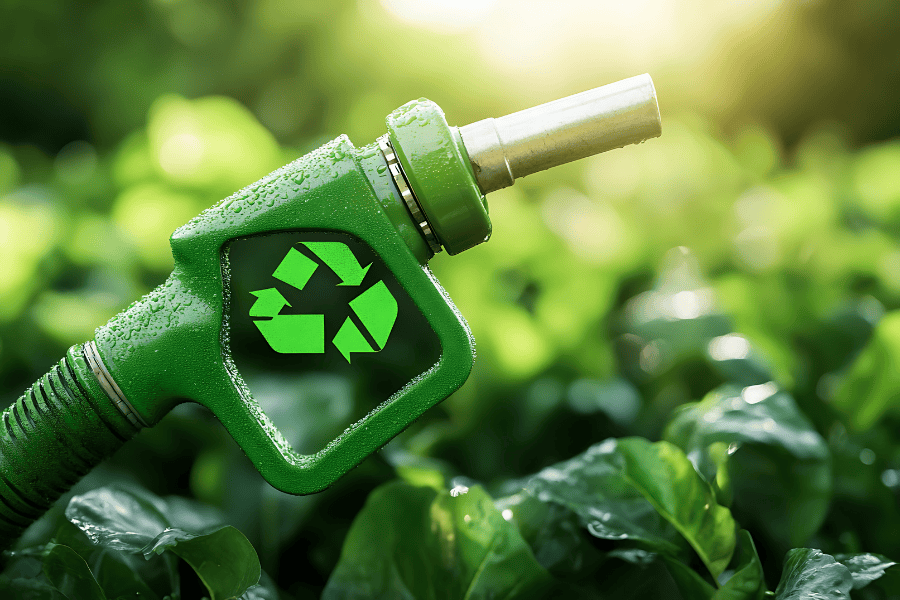
India is set to cross a significant energy policy threshold on April 1, 2026. Every litre of petrol sold at the country’s fuel stations will contain up to 20% ethanol — a mandate years in the making that represents the culmination of one of the world’s most ambitious biofuel programmes. The move is the product of a decade-long government push to displace imported oil with domestically produced biofuel, and its ambitions run well beyond the forecourt. The E20 rollout touches farmers, distilleries, automobile manufacturers and refiners simultaneously — cutting crude import dependence, redirecting spending toward domestic agriculture, and reducing greenhouse gas emissions in one regulatory stroke. Its implications stretch well beyond what most motorists filling up at the pump will realise. From April 1, 2026, petrol sold across India will contain up to 20% ethanol and meet a minimum Research Octane Number (RON) of 95, following a fresh mandate issued by the government. In a February 17 notification, the Ministry of Petroleum and Natural Gas directed oil marketing companies to supply ethanol-blended motor spirit in accordance with Bureau of Indian Standards (BIS) specifications in all states and Union Territories. The Centre has retained the flexibility to grant limited, region-specific exemptions in special circumstances. Amid a growing debate over ethanol-blended fuel, concerns have been raised that higher ethanol content could impact vehicle performance and fuel efficiency. However, the government has firmly rejected these claims, maintaining that the blend does not lead to reduction in fuel efficiency. Ethanol push to strengthen energy security and farmer earnings The move is part of India’s broader push to accelerate ethanol blending in transport fuels. Ethanol, derived from sugarcane, maize and other grains, is a renewable and domestically produced biofuel that burns cleaner than conventional petrol. By increasing its share in the fuel mix, the government aims to curb crude oil imports, cut greenhouse gas emissions and create additional income streams for farmers through higher demand for agricultural produce and surplus stocks. Notably, the country imports around 90% of its crude oil needs and 50% of natural gas requirements. A key feature of the mandate is the requirement that E20 petrol must have a minimum RON of 95. RON, or Research Octane Number, measures a fuel’s ability to resist engine knocking — a condition where the fuel-air mixture ignites prematurely inside the engine cylinder. Persistent knocking can reduce power, lower efficiency and cause long-term engine damage. Fuel with a higher octane rating remains more stable under compression, helping preserve engine performance and prevent knocking. Ethanol, which has a naturally high octane value of around 108, enhances this stability when blended with petrol by improving the fuel’s resistance to pre-ignition. The requirement of a minimum RON 95 is therefore intended to safeguard engines and ensure smooth, efficient operation with E20 fuel. Vehicle compatibility and industry response Industry officials note that most vehicles manufactured between 2023 and 2025 are E20-compatible and are unlikely to face major issues. However, feedback from users of older vehicles suggests that E20 fuel could result in a 3–7% reduction in mileage, along with the possibility of quicker wear in some rubber and plastic parts. Despite the concerns, the transition to higher ethanol blending is expected to be smooth for the majority of vehicles on Indian roads. Industry stakeholders have welcomed the government’s decision, saying it offers long-term demand certainty for ethanol producers across the country and is expected to benefit grain-based distilleries, maize processors and sugar mills. According to the All India Distillers Association (AIDA), the mandate will spur fresh investments, drive capacity expansion and promote technological upgrades within the biofuel ecosystem. The association added that higher and more stable demand for ethanol would also strengthen farmer incomes by increasing offtake of sugarcane, maize and other feedstocks used in ethanol production. Industry experts said the ethanol blending mandate will serve multiple objectives, including optimal utilisation of the country’s expanded ethanol production capacity, while strengthening energy security and lowering dependence on fuel imports. They noted that any move to raise blending levels beyond 20% would require engineering modifications in vehicles, as most automobiles in India are currently designed to operate with petrol containing up to 20% ethanol. India reached 10% ethanol blending in June 2022, ahead of schedule, prompting the government to advance the 20% target to 2025–26 from 2030. Climate commitments and economic gains India is positioning biofuels and natural gas as key “bridge fuels” to support a gradual and practical transition toward a cleaner energy future. This approach aligns with the country’s Nationally Determined Contribution (NDC) and its commitment to achieve net zero emissions by 2070. Ethanol blending has emerged as a cornerstone of this strategy. A life-cycle assessment conducted by NITI Aayog found that greenhouse gas emissions from sugarcane-based ethanol are about 65% lower than those from petrol, while maize-based ethanol reduces emissions by nearly 50%. Apart from environmental benefits, the ethanol blending programme has generated significant economic gains, particularly for rural India. It has helped eliminate long-pending sugarcane arrears, strengthened the viability of maize cultivation and boosted farm incomes. Increased and assured payments have improved farmer welfare and contributed to addressing agrarian distress, including in regions such as Vidarbha, which had earlier witnessed widespread farmer suicides. The programme has also enhanced India’s energy security by lowering crude oil imports. From Ethanol Supply Year (ESY) 2014–15 to ESY 2024–25 (up to July 2025), ethanol blending by public sector oil marketing companies led to foreign exchange savings exceeding ₹1.44 lakh crore and crude oil substitution of around 245 lakh metric tonnes. During this period, carbon dioxide emissions were reduced by roughly 736 lakh metric tonnes — equivalent to planting about 30 crore trees. At 20% blending, farmer payments this yearare projected at around ₹40,000 crore, while foreign exchange savings may reach ₹43,000 crore. The initiative has effectively redirected funds once spent on crude imports toward domestic farmers, who are increasingly seen as both “Annadatas” and “Urjadaatas.” Concerns over vehicle performance and mileage were examined in 2020 by an Inter-Ministerial Committee of

From farm support to market power: India’s new agricultural framework
India’s agricultural policy is entering a decisive new phase. The long-standing model centred on yield maximisation and subsidy support is gradually giving way to a framework driven by market integration, institutional strengthening and export competitiveness. This transition reflects a deeper structural shift — one that recognises agriculture not merely as a welfare sector, but as a strategic contributor to economic power, trade expansion and rural transformation. With growing emphasis on high-value segments such as livestock, fisheries and plantation crops, alongside the rapid expansion of Farmer Producer Organisations (FPOs), digital advisory platforms and value-chain infrastructure, India is repositioning its farm economy for a more standards-driven, globally competitive era. The challenge now lies in balancing self-reliance with openness — ensuring that smallholders are not left behind as agriculture moves from protection to performance. India’s agricultural policy is undergoing a structural transition from a yield‑focused, subsidy‑driven approach to a trade‑oriented, market‑linked and institution‑centred model, a shift anticipated in earlier analyses of agricultural reforms and value‑chain integration (Chand and Singh, 2023; Birthal et al., 2020). Budget 2026 is a clear expression of this shift. It allocates about ₹1.63 lakh crore to agriculture and allied sectors for FY ’27, a rise of roughly 7% over the previous year, with a pronounced tilt towards high‑value segments such as fisheries, livestock and plantation crops. This strategic reorientation complements the India-EU Free Trade Agreement (FTA), which promises deeper market access for Indian agri‑exports but also demands higher standards, traceability and competitive scale (World Bank, 2023). The Economic Survey 2025–26 documents how allied sectors like livestock and fisheries have outpaced crop agriculture in recent years, while small and marginal farmers continue to operate in fragmented, low‑productivity systems. It also notes that India has already met the target of forming 10,000 Farmer Producer Organisations (FPOs), signalling that collective institutions are no longer pilots but central pillars of the agrarian strategy (NABARD, 2024). In parallel, agriculture and allied exports still account for around 11–12 per cent of India’s total merchandise exports, underlining both the importance and the untapped potential of the sector (Exim Bank of India, 2025). Budget 2026: From Volume to Value Budget 2026 marks a decisive move from broad‑based input subsidies towards targeted investment in value chains, infrastructure and institutional capacity, broadly consistent with recommendations of the Doubling Farmers’ Income Committee (Chand, 2017). The high‑value agriculture scheme (₹350 crore for FY ’27) prioritises crops such as coconut, cashew, cocoa, agar trees, almonds, walnuts and pine nuts, coupled with a Coconut Promotion Scheme to replace old trees with high‑yielding varieties in major producing States. Fisheries receive support through integrated development of 500 reservoirs and coastal value chains that explicitly involve start‑ups, women‑led groups and Fish Farmer Producer Organisations (FFPOs), echoing calls to treat fisheries as an export‑oriented growth engine (FAO, 2024). On the technology front, Bharat‑VISTAAR—a ₹150‑crore, AI‑driven multilingual advisory platform linking AgriStack and ICAR packages—is designed to deliver customised advisories that reduce risk and increase productivity for farmers. Simultaneously, the ongoing computerisation of more than 67,000 Primary Agricultural Cooperative Societies (PACS) and investments through the Agriculture Infrastructure Fund aim to improve storage, logistics and market connectivity, reinforcing the move towards a digitally enabled rural financial ecosystem (RBI, 2024). This budgetary design aligns with the broader Aatmanirbhar Bharat vision for agriculture: “The agriculture export basket needs to move beyond low‑value commodities to secure long‑term sustainability.” Moving from bulk exports of rice and sugar towards higher‑value fruits, vegetables, spices, livestock products and processed foods is essential if India is to stabilise farm incomes and build durable competitiveness in global markets (Policy Circle, 2020; Exim Bank of India, 2025). FPOs in a Trade-Led Framework The India–EU FTA underscores why FPOs are so critical to India’s trade‑led farm strategy. EU markets demand strict adherence to sanitary and phytosanitary norms, pesticide residue limits, sustainability metrics and carbon footprints—thresholds individual smallholders cannot meet alone (World Bank, 2023). FPOs provide aggregation, quality assurance and bargaining power; they can negotiate contracts, coordinate investments in grading, cold chains and certification, and act as a single interface for exporters and buyers (Chatterjee et al., 2019; World Bank, 2023). Budget 2026 effectively positions FPOs, FFPOs and Livestock FPOs as the institutional vehicles that must translate domestic reforms into export‑ready supply chains. However, as NABARD’s 2024 assessment emphasises, many FPOs still face serious constraints in equity capital, managerial skills, governance systems and access to working capital (NABARD, 2024). Similar concerns are reflected in international literature on producer organisations’ uneven performance and risk of elite capture (Vorley et al., 2016; Trebbin, 2014). This means that merely counting FPOs will not suffice; sustained hand‑holding, dedicated credit lines, risk‑sharing instruments and professional support services are needed to make them globally competitive entities. Balancing Self-Reliance and Openness The Policy Circle analysis captures a central tension in India’s agri‑trade strategy: “Trade Protection vs. Openness: Policy Circle” analysis highlights that while agriculture remains politically protected, trade deals are increasingly requiring adjustments, which may cause short‑term pressure. On the one hand, the political economy of food security and farmer welfare continues to favour protective instruments such as MSP, stockholding and export controls (Gulati and Saini, 2019). On the other, agreements like the India–EU FTA and the broader push for export‑led growth require India to shift from ad‑hoc controls towards predictable, rules‑based trade and standards‑driven production, as highlighted in recent export preparedness and trade competitiveness studies (NITI Aayog, 2024; UNCTAD, 2026). Aatmanirbharta in agriculture, therefore, cannot mean retreating behind high tariff walls; it must instead mean becoming competitive through higher productivity, better quality and stronger institutions (Chand and Singh, 2023; Policy Circle, 2020). FPOs, digital platforms and value‑chain investments financed under Budget 2026 are necessary steps in this direction, but they are not yet sufficient. The next phase of reform must focus on deepening FPO capabilities, clarifying functional roles among FPOs, cooperatives and PACS, and ensuring that trade‑led growth does not bypass small and marginal producers (NABARD, 2024; World Bank, 2023). If India manages that balance—strengthening self‑reliance through competitiveness rather than insulation—Budgets and trade agreements alike can turn
The Intelligence Era Begins: India’s $250 Billion AI Bet
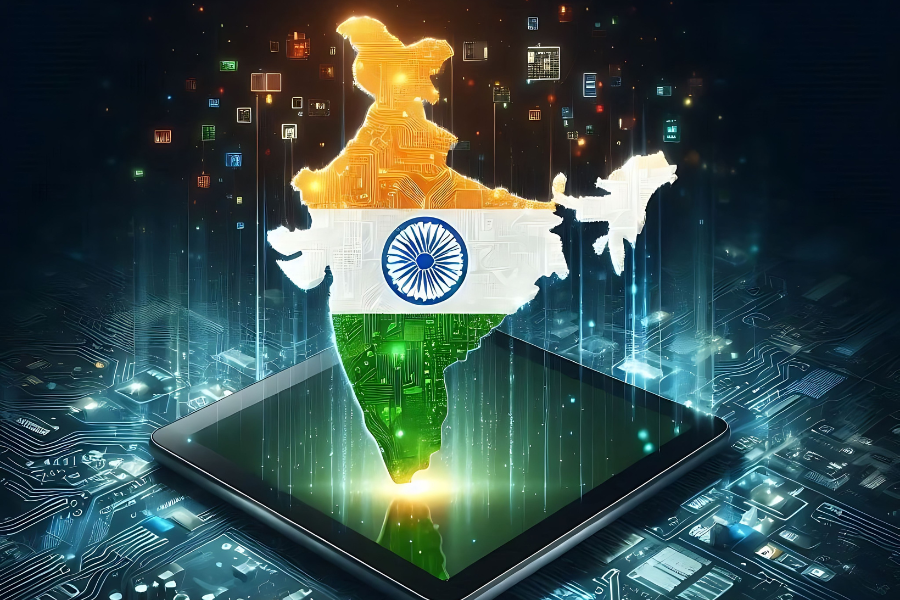
The India–AI Impact Summit 2026, held in New Delhi from 16–21 February, marked a watershed moment in India’s emergence as a global artificial intelligence powerhouse. Convening heads of government, technology CEOs, policymakers, and AI researchers from over 100 countries, the summit reflected both the scale of global interest in India’s digital trajectory and the country’s growing influence in shaping the future of AI. From sovereign compute infrastructure and renewable-powered data centres to multilingual foundation models and agentic fintech systems, the event showcased India’s intent to build an end-to-end AI ecosystem. Record investment commitments, strategic global partnerships, and policy alignment around responsible AI underscored a decisive shift — positioning India not merely as an AI talent hub, but as a builder, deployer, and standard-setter in the evolving global AI order. Artificial Intelligence (AI) has emerged as a critical driver of India’s development trajectory, enhancing governance frameworks and reshaping public service delivery in line with the vision of Viksit Bharat@2047. Reaffirming the country’s commitment to building responsible, inclusive, and human-centric AI systems, Prime Minister Narendra Modi inaugurated the India–AI Impact Summit 2026 on 16 February 2026 at Bharat Mandapam in New Delhi. As the first global AI forum to be hosted in the Global South, the Summit has drawn unprecedented international participation and engagement, underscoring India’s growing leadership and influence in steering the global dialogue on Artificial Intelligence. The inaugural session was attended by more than 20 Heads of Government and 59 ministerial-level representatives, along with official delegations from 118 countries. In addition, the Summit brought together over 100 global AI leaders, CEOs, and CXOs, as well as more than 500 distinguished AI experts from across the globe. Some of the most influential leaders in technology included Sundar Pichai, CEO, Alphabet; Sam Altman, CEO, OpenAI; Dario Amodei, CEO, Anthropic; Demis Hassabis, CEO, Google DeepMind and Mukesh Ambani, Chairman, Reliance Industries. Showcasing the scale of global enthusiasm around India’s AI journey, the Summit attracted over five lakh participants. The event was preceded by 550 pre-summit programmes held across 30 countries, and complemented by more than 500 side events during the main proceedings—positioning it among the most extensive and inclusive multi-stakeholder AI engagements to date. It focused on key themes such as AI governance, societal benefits, job disruption, and energy use, while fostering global collaboration and transparency. Record-breaking investment commitments and infrastructure push The summit evolved into a high-stakes commercial platform as several AI companies announced major deals and strategic tie-ups with Indian firms. According to Union Minister Ashwini Vaishnaw, the AI summit attracted infrastructure-related investment commitments surpassing US$ 250 billion, underscoring the magnitude of capital flowing into data centres, computing capacity, digital connectivity, and power systems required to drive the expansion of artificial intelligence. India’s Reliance Industries and its telecom subsidiary Jio will invest nearly US$ 110 billion over the next seven years to develop artificial intelligence and data infrastructure, the company’s Chairman Mukesh Ambani announced. The company positions this initiative as a step toward ushering India into the “Intelligence Era,” focused on cutting dependence on overseas computing. It is a strategic domestic approach to reduce AI compute costs and ensure low-latency services nationwide. In a major boost to India’s AI infrastructure ambitions, the Adani Group announced that it will commit US$100 billion by 2035 to establish renewable energy-powered AI data centres. The conglomerate noted that this investment is likely to stimulate an additional US$ 150 billion in adjacent sectors, including server manufacturing and sovereign cloud platforms. Collectively, these commitments are projected to create a US$ 250 billion AI infrastructure ecosystem in India over the next decade. Microsoft said that it is on track to invest US$ 50 billion by the end of the decade to expand artificial intelligence capabilities across countries in the Global South. With India identified as a key focus, the initiative encompasses cloud and skill-development programs designed to train teachers and public servants, alongside expanding data centre capacity to support sovereign and locally hosted deployments. The company had earlier committed US$ 17.5 billion toward AI initiatives in India last year. Yotta Data Services announced that it will establish one of Asia’s largest AI computing hubs, powered by Nvidia’s latest Blackwell Ultra chips, in a project valued at over US$2 billion. Google announced a US$ 15 billion AI hub in Visakhapatnam (Vizag) along with an India–US subsea cable project to strengthen connectivity for AI workloads. The facility is envisioned as a gigawatt-scale compute center and international gateway, designed to boost access to high-performance infrastructure for both enterprises and research institutions. Major AI partnerships announced Major partnerships between global AI firms and Indian companies were announced, at the summit, accelerating the country’s AI and digital infrastructure growth. These collaborations span data centres, advanced computing, and agent-driven fintech solutions, underscoring India’s rising role in large-scale AI innovation. Tata Consultancy Services (TCS) has onboarded OpenAI, the parent company of ChatGPT, as the first client for its data centre unit under the global AI infrastructure initiative Stargate, the companies announced. In a move to strengthen India’s AI infrastructure landscape, Larsen & Toubro announced a proposed collaboration with Nvidia to build AI-ready data centre infrastructure, advanced computing platforms, and ecosystem enablement required to support large-scale AI workloads. Pine Labs said it is incorporating OpenAI’s decision-making technology into its payment and merchant flows to power autonomous commerce workflows. By adding an intelligent reasoning layer to its payment infrastructure, the company intends to automate negotiations, settlements, and other transaction functions for merchants, laying the groundwork for new agent-driven fintech solutions. Razorpay launched Agentic Payments in partnership with NPCI to facilitate UPI-based purchases within chat and assistant interfaces, along with pilot initiatives involving major delivery platforms. The integration reduces friction by maintaining both discovery and payment within the same conversational flow, demonstrating how payments infrastructure is adapting to conversational and agentic commerce. AMD is partnering with Tata Consultancy Services (TCS) to build rack-scale AI infrastructure leveraging AMD’s “Helios” platform. New AI launches From multilingual foundation models and enterprise AI deployments to voice technologies and AI-powered payments,

India’s shipbuilding renaissance: Seizing the overlooked yacht opportunity
India’s maritime ambitions are entering a transformative decade, as the country positions shipbuilding at the centre of its industrial and export growth strategy. Long known primarily as a ship repair and offshore services hub, India is now pivoting decisively toward complex vessel manufacturing, green propulsion technologies, and global newbuild contracts. This shift is being powered by a convergence of policy incentives, infrastructure modernisation, and international technology partnerships aimed at elevating India’s standing in the global maritime value chain. With large capital outlays under the Production Linked Incentive (PLI) framework and expansive port-led development programmes, domestic shipyards are scaling capacity, upgrading design capabilities, and targeting high-value export markets. As global supply chains diversify beyond traditional shipbuilding strongholds, India sees a historic window to capture market share, create skilled employment, and build a future-ready maritime ecosystem—one that extends from commercial shipping to specialised luxury and green vessels. India’s shipbuilding sector is undergoing a seismic structural shift, propelled by an unprecedented policy push and capital infusion aimed at transforming the country into a global maritime manufacturing powerhouse. At the heart of this transition is the government’s ambitious Production Linked Incentive (PLI) scheme worth ₹25,000 crore, complemented by broader maritime development packages totalling ₹69,725 crore. Together, these initiatives are designed to catalyse capacity creation, technology adoption, and global competitiveness across Indian shipyards. The national ambition is bold yet clearly articulated: capture 5% of the global shipbuilding market by 2030 and achieve top-5 global shipbuilding nation status by 2047. Public and private yards alike are scaling up capabilities to align with this vision. Established players such as Cochin Shipyard, Garden Reach Shipbuilders & Engineers (GRSE), and Mazagon Dock Shipbuilders are expanding beyond defence and repair into complex oceangoing vessels, tankers, and next-generation green ships powered by LNG, ammonia, and hybrid propulsion systems. Policy support is both financial and infrastructural. Subsidies covering up to 25% of capital expenditure are reducing entry barriers for large vessel construction, while port-led industrialisation programmes under Sagarmala are upgrading dry docks, logistics connectivity, and coastal industrial ecosystems. International collaborations are further accelerating capability building. Strategic MoUs with global majors such as Hanwha Ocean and Samsung Heavy Industries are enabling technology transfer, modular construction practices, and design integration—critical for competing in high-value vessel categories. Recent export wins underscore rising global confidence. GRSE’s US$86 million contract to build multipurpose vessels for a Danish client and Udupi Cochin Shipyard’s US$131 million dry cargo order from Norway signal growing European trust in the “Design in Europe, Build in India” model. This evolution marks India’s transition from a marginal repair hub—currently holding roughly 1% of global shipbuilding share—into an emerging newbuild destination. Yet, amid this industrial thrust, one high-margin maritime segment remains underpenetrated: oceangoing yachts and luxury vessels classified under HS89. The global yacht market is valued at approximately US$150 billion, with EU imports alone accounting for US$17 billion. India’s domestic yacht sales stood at US$115 million in 2023 and are projected to reach US$163 million by 2030, growing at a CAGR of 5.1%. However, India’s participation remains limited due to gaps in bespoke design, luxury engineering, and finishing capabilities—areas historically dominated by European specialists such as Italy’s Ferretti Group, the Netherlands’ Feadship, and German custom yacht builders. Ironically, India holds strong structural advantages for entering this segment. Manufacturing costs are 30–40% lower than competing Asian yards, labour is highly skilled, and the country’s 7,500-km coastline—spanning Goa, Mumbai, Kochi, and emerging marina hubs—offers natural geographic leverage. This creates an ideal foundation for outsourced yacht construction under global design partnerships. The proposed EU-India Free Trade Agreement, expected by 2027, could become a decisive catalyst. Tariff reductions from 5–10% to zero would unlock duty-free access to Europe’s ultra-luxury yacht market. A strategic pathway is already visible: leveraging shipbuilding PLI incentives to create yacht-specific clusters in Gujarat and Andhra Pradesh, while tying up with European design houses under an “EU brains, Indian build” framework. Encouragingly, early signals of collaboration are emerging. Italy is exploring joint venture pathways, echoing successful maritime technology partnerships such as GRSE-Berg Propulsion and Goa Shipyard’s collaboration with Jan De Nul. On the design front, studios like Bhushan Powar’s luxury yacht practice in Goa are blending futuristic aesthetics with nature-inspired forms, developing superyacht concepts alongside construction vessels—an early indicator of indigenous R&D capability formation. Sustainability alignment will further strengthen India’s positioning. DNV certifications, hybrid propulsion systems, and alternative fuels such as methanol are increasingly being integrated into Indian builds, ensuring compliance with stringent EU environmental norms. Export financing backstops, including EXIM Bank guarantees, can further de-risk large yacht orders for international buyers. The opportunity landscape is compelling. India could realistically target US$500 million to US$1 billion in yacht exports by 2030, generating an estimated 50,000 high-skill jobs across design, interiors, marine engineering, and composites manufacturing. Challenges around design intellectual property, luxury quality perception, and finishing precision remain—but these are addressable through structured joint ventures, much like L&T’s successful pivot into high-end defence shipbuilding. For policymakers, the next frontier lies in soft infrastructure: world-class marina ecosystems, yacht tourism circuits, and specialised skill academies aligned with luxury vessel construction. With over ₹6 lakh crore earmarked under broader maritime development outlays, integrating yacht infrastructure into national planning could unlock disproportionate value. India’s shipbuilding renaissance is well underway. But true maritime supremacy will not be defined by cargo tonnage alone—it will also sail on the polished decks of luxury yachts flying the flag of “Built in India.” The author is Research Advisor, GOG-AMA Centre of International Trade & Editor, Foreign Trade Update. Views expressed are personal.

The great crossover: Clean energy takes the lead in India
India’s power sector in FY26 has marked an unprecedented phase of expansion and transition, with more than 52 GW added within ten months — the fastest annual capacity growth recorded so far. The country’s total installed capacity now stands at 520,510.95 MW, with non-fossil sources at 271,969.33 MW surpassing fossil fuel capacity of 248,541.62 MW. The 52,537 MW addition represents an over 11% increase in a single fiscal year. Renewable energy, led by solar and supported by wind and hydropower, drove most of the growth, while thermal and nuclear expanded steadily. In June 2025, India reached its target of sourcing 50% of its installed electricity capacity from non-fossil fuels—achieving the goal five years ahead of its 2030 commitment under the Paris Agreement’s Nationally Determined Contributions (NDCs). As energy demand rises, renewables are expected to anchor future growth, supported by policy backing, manufacturing expansion, and improving storage technologies. India’s power sector has reached a defining inflection point, with non-fossil fuel capacity now exceeding fossil fuel-based capacity. The milestone comes in a record year for expansion, as the country added 52,537 MW in FY26 (up to January 31) — the highest annual capacity addition ever achieved. According to data released by the Ministry of Power, total installed power generation capacity has climbed to 520,510.95 MW. Non-fossil sources account for 271,969.33 MW of this total, surpassing the 248,541.62 MW generated from fossil fuels. The crossover signals a structural rebalancing of India’s power mix toward cleaner sources. The pace of expansion has been particularly striking. Capacity additions in FY26 have already overtaken the previous high of 34,054 MW recorded in FY25, translating into an increase of over 11% in the total installed base within a single fiscal year. Renewables lead record capacity addition Renewables have powered the bulk of this growth, contributing 39,657 MW to the total addition. Solar energy led the surge with 34,955 MW of new capacity, reaffirming its dominant position in new installations. Wind energy added 4,613 MW during the period. Large hydropower projects further strengthened clean energy output, commissioning 3,370 MW and reinforcing base-load support from non-fossil sources. Conventional segments also expanded, though at a more measured pace. Thermal power capacity rose by 8,810 MW, while nuclear energy capacity increased by 700 MW. As of January 31, the country’s installed renewable capacity, inclusive of small hydro, stood at 263,189.33 MW, while nuclear power accounted for 8,780 MW. The scale of recent capacity additions underscores the speed at which power infrastructure is being developed nationwide. With over 52 GW commissioned within just ten months, FY26 has created a new high for yearly capacity expansion, strengthening the structural shift toward non-fossil energy, while sustaining incremental expansion in thermal and nuclear capacity. Policy support and NDC achievement According to analysts, the momentum behind the shift stems from continued policy support for solar and wind projects, a strengthening domestic manufacturing base for modules and turbines, and better grid integration. A sector expert noted that solar PV is increasingly anchoring fresh capacity additions, with India’s solar expansion now counted among the fastest globally each year. In June last year, India recorded a historic milestone in its clean energy transition, with non-fossil fuel sources accounting for 50% of its installed electricity capacity—meeting a crucial commitment under its Nationally Determined Contributions (NDCs) to the Paris Agreement five years ahead of schedule. Under its updated NDCs submitted in August 2022, India committed to lowering the emissions intensity of its gross domestic product (GDP) by 45% by 2030 compared with 2005 levels, raising the share of non-fossil fuel-based energy resources to 50% of total installed power capacity by 2030, and creating an additional carbon sink of 2.5 to 3 billion tonnes of CO₂ equivalent through expanded forest and tree cover within the same timeframe. Global ranking and long-term energy transition India’s energy demand is set to grow faster than that of any other country in the coming decades, driven by its large population and economic expansion. To meet this rising demand sustainably, a significant share of new capacity must come from low-carbon and renewable sources. As of FY25, India ranks fourth globally in wind, solar and overall renewable installed capacity, retaining its FY24 position. It is also the fastest-growing renewable electricity market. India has overtaken Japan to become the world’s third-largest solar power producer, generating 108,494 GWh compared to Japan’s 96,459 GWh, according to International Renewable Energy Agency (IRENA). India’s power sector is undergoing rapid change, driven by population growth, expanding rural electrification, and rising energy demand. The shift towards clean energy is helping villages move toward self-reliance while cutting pollution and lowering dependence on fossil fuels. Advancements in battery storage technology are set to boost system efficiency significantly, while solar power costs are likely to decline further from current levels. Moreover, transitioning from coal to renewable sources could generate annual savings of around Rs. 54,000 crore (US$ 8.43 billion), strengthening both environmental and economic sustainability. As India aims to meet its projected energy demand of 15,820 TWh by 2040 through domestic sources, renewable energy is poised to become a key pillar of the country’s evolving power landscape. Read more Viksit Bharat meets Net Zero: Rewiring India’s growth model ]Scenarios towards viksit bharat and net zero India Marks Record-Breaking Year in Clean Energy in 2025 FAQs What major milestone has India achieved in its power sector? India’s non-fossil fuel capacity has surpassed fossil fuel-based capacity for the first time. The country also achieved 50% of its installed electricity capacity from non-fossil sources in 2025, five years ahead of its 2030 climate target under its Nationally Determined Contributions (NDCs). How much capacity was added in FY26? India added a record 52,537 MW of power capacity in FY26 (up to January 31), marking the highest annual addition ever and an expansion of over 11% in a single fiscal year. Which energy sources drove the expansion? Renewables led the growth, with solar contributing the largest share of new capacity additions, followed by wind and large hydropower. Thermal and nuclear capacity also

Preventive pet wellness: Building trust through science: Dr Mohit Lalvani
In this special edition of the IBT Thought Leadership Series, we feature Dr. Mohit Lalvani—MD & Founder of Mascot Spin Control India Pvt. Ltd., and the entrepreneurial force behind Captain Zack and Cocoon—who has been instrumental in shaping India’s science-led pet wellness ecosystem. While his legacy in clinical research and product validation spans over three decades, Dr. Lalvani’s foray into the pet care and pet nutrition space stemmed from a deeper observation: India’s pet ecosystem lacked preventive health frameworks rooted in hygiene, nutrition, and formulation science. Through his ventures, he has championed transparency, species-appropriate formulations, and global-grade safety standards—bringing clinical thinking into everyday pet parenting. In this conversation, he shares key consumer insights, regulatory gaps, export opportunities, and hard-earned entrepreneurial lessons from building credible pet wellness brands in an evolving market. IBT: Captain Zack carved a distinct identity in India’s premium pet care space. What consumer insights or unmet needs led you to create a science-led, transparent pet care brand? Dr. Mohit Lalvani: When I started, there wasn’t even a clear concept of preventive pet hygiene in India. The fundamental question was simple: Why do pets fall ill frequently? Why don’t they live as long as they should? Most answers pointed to one root cause—poor hygiene and grooming practices. I observed that a well-groomed pet eats better, feels happier, displays less aggression, spends more quality time with pet parents, and ultimately lives longer. I strongly believe that grooming is preventive healthcare. Just as humans feel refreshed and healthier after regular bathing, pets also require consistent hygiene care. That insight led me to create a grooming-first brand that focused on prevention rather than cure. We introduced species-appropriate pH-balanced shampoos, paw butter for post-walk care, leave-in conditioners, and even waterless bath solutions for hydrophobic dogs. The core philosophy was simple: healthy grooming leads to a healthier, longer life. IBT: When you built Captain Zack, India’s pet care sector had minimal regulatory oversight. What risks did this pose, and how did you build credibility? Dr. Mohit Lalvani: The first and most significant challenge was education. In this category, the consumer is the pet, but the customer is the pet parent. We had to build trust with both. Many pet parents were unaware that a dog’s skin is more alkaline than human skin, and that human shampoos, typically formulated at a pH of around 5.5, are too acidic for pets and can damage their skin barrier. Educating customers on why species-specific products matter was therefore essential. We positioned our products as preventive rather than curative, leaving treatment to veterinarians while focusing on hygiene-led wellness. We actively engaged groomers, veterinarians, and behaviourists, conducted awareness events, and ensured complete transparency in ingredient communication. Trust was built through science, clarity, and consistent messaging. IBT Should Indian pet care brands voluntarily adopt higher clinical and safety standards—even before regulations mandate them? Dr. Mohit Lalvani: Absolutely. In skincare and grooming, animal testing is not permissible, so we used sensitive human skin testing as a proxy to ensure safety. If a formulation is safe for highly sensitive human skin, and if the pH is appropriately adjusted, it can reasonably be extrapolated for pets. In pet nutrition, however, expertise becomes even more critical. Brands aiming to scale globally must collaborate with qualified nutritionists. I strongly recommend partnering with an Indian pet nutritionist while also consulting experts from the United States or Europe, as these regions are more advanced in pet nutrition science. This dual validation not only strengthens the formulation but also enhances export credibility and builds global trust. IBT. How do you see consumer awareness and preventive pet wellness evolving in India? Dr. Mohit Lalvani: Awareness is improving, but the pace is gradual. India has approximately 3 to 3.5 crore pet dogs, yet I estimate that only about 5% of owners can truly be considered pet parents, while the remaining 95% are traditional dog owners. There is a significant difference between the two mindsets. The shift toward preventive grooming, balanced nutrition, and emotional bonding is primarily being driven by millennials and Gen Z, especially urban adopters between the ages of 25 and 35. This generation is more receptive to the idea that hygiene and nutrition directly impact longevity and quality of life. Over the next five years, I expect faster momentum as generational change reshapes consumer behaviour. IBT: How can India strengthen its global competitiveness in pet food and wellness exports? Dr. Mohit Lalvani: Small brands must collaborate rather than compete in isolation. Large and small players alike should consider forming industry syndicates and working collectively with the government to strengthen export facilitation. India already possesses strong raw material capabilities and manufacturing infrastructure, which can serve as significant competitive advantages. However, harmonised standards, coordinated representation, and globally recognised nutrition validation are essential for scaling internationally. If brands align their efforts and speak with a unified voice, India can position itself as a credible sourcing hub for high-quality pet wellness products. IBT: What three guiding principles would you give founders building in pet nutrition and wellness today? Dr. Mohit Lalvani: The first principle is radical transparency. In this industry, you serve both a consumer who cannot speak and a customer who must rely entirely on your honesty. Trust is non-negotiable. Brands must clearly communicate what ingredients are included and what are excluded, and explain why those exclusions matter. For instance, avoiding sulphates, artificial colours, artificial fragrances, and harmful preservatives such as DMDM Hydantoin—a formaldehyde-releasing preservative—should not merely be marketing claims but conscious safety decisions backed by explanation. The second principle is investing heavily in education. A significant portion of resources should be allocated to consumer awareness, because education builds long-term brand equity. Many pet parents still purchase products based on brand recognition rather than ingredient understanding, and that gap must be addressed through consistent communication. The third principle is prioritising formulation integrity over price competition. Safety, balanced nutrition, appropriate protein-fat-carbohydrate ratios, dermatological suitability, and ingredient traceability must matter more than being the cheapest option in the market. If a brand