IBT interacted with Raj and Divish, the founders of Swadesiway—a movement-driven organic food venture working directly with small farmer collectives across India. In this conversation, they share how authentic farmer-led change, consumer education, and community building are at the heart of their mission to make organic food accessible, ethical, and rooted in Indian tradition. IBT: How directly do you work with farmers, and what kind of support do you offer them? Raj and Divish: We work directly and exclusively with organic small farmer collectives or FPOs—these are grassroots organisations formed by farmers themselves, focused on nurturing the soil and uplifting entire communities. While India has around 10,000 FPOs, the reality is that 99% exist only on paper. We’ve spent time identifying some of the strongest, most authentic FPOs in the country—ones where even the smallest landholding farmer truly benefits from the collective’s success. One example is the Bhoomgaadi Farmers’ Collective in Dantewada, Chhattisgarh—one of the most remote and underdeveloped regions of India. Over the past 10 years, they’ve brought together around 3,100 farmers across 110 villages, all of which are now fully organic. The impact is massive—more than 8,500 farmers and over 56,000 acres are now certified under the PGS-India organic system. We currently work with nine such collectives, each with nearly a decade of grassroots work behind them, and a deep commitment to real, farmer-led change. That said, two major challenges keep coming up: market linkage and consumer awareness. And that’s where we come in. We educate consumers about why it matters to support these collectives, and we create a platform to bring their organic produce to market. One thing we’re proud of—we never bargain with our collectives. We pay a fair price that allows them to, in turn, pay their member farmers what their organic produce truly deserves. IBT: Have your farmer partners seen a clear income or quality-of-life boost since joining you? Raj and Divish: We believe that lasting change for native farmers doesn’t come from urban outsiders—it comes from within the communities themselves. When farmers unite as collectives, that’s when real transformation begins. The collectives we work with have already made significant strides. For instance, member farmers of the Bhoomgaadi collective have seen their incomes rise by an average of 30%. That said, the baseline is still modest—most farmer families earn around ₹10,000 to ₹15,000 per month. The biggest challenge these collectives face is selling large volumes at fair prices. We’re still a young company, but our purchase volumes from these collectives are steadily increasing. We estimate that it will take around three more years of consistent growth across multiple cities before we can buy at the scale that truly moves the needle for these communities. IBT: What’s the biggest roadblock in scaling — policy, logistics, or consumer awareness? Raj and Divish: We’re currently seeing around 25% month-on-month growth, and a lot of that is thanks to consumer education. Our content focuses purely on awareness. One of our most successful ads, for example, didn’t even mention a product—it just explained the science behind organic versus chemically grown food using the analogy of how a pickle is made. That kind of honest storytelling really connects. If we had to name one major roadblock, though, it would be pricing. We’re not a profit-driven venture. Our model ensures that 60% of the revenue goes directly to farmer collectives, and we price our products to just cover costs. This is a conscious choice—we want chemical-free, healthy food to be accessible to more people. Despite this, we’re often compared to conventionally grown, mass-market food on price. The real solution here is scale—not just for us, but for the entire organic ecosystem. As volume grows, prices can come down, and the benefits can spread wider. On the policy side, the imbalance is stark. For every $1,000 invested in sustainable agriculture, about $100,000 in subsidies still go to chemical-based farming. That’s a legacy of the Green Revolution, and it’s led to long-term soil degradation and a cycle of debt for small farmers. What we really need now is for more people to understand this problem—and demand organic food at scale. That’s how real change will happen. IBT: Are you exploring any innovations in packaging, sourcing, or product design to stay competitive? Raj and Divish: We’re not innovating to compete—we’re innovating to stay true to our values. For us, the real shift is that we’re building a movement, not just a brand. Our content isn’t designed to sell products. It’s focused entirely on education—on helping consumers understand why organic food from verified farmer collectives is a win-win for their health, the planet, and the livelihoods of small farmers. This approach is resonating. We’ve built a growing WhatsApp community called Swadesi Hearts, with 300+ conscious consumers who stay closely connected with us. The power of this community has been incredible in helping us grow organically. We’ve also begun collaborating with social media creators who focus on sustainability and conscious living. So far, five creators have come on board as partners—purely because they believe in our story. No payments, no pitches—just shared values and radical transparency. That’s the kind of innovation we care about. It’s not about flashy packaging or gimmicks. It’s about building trust, staying honest, and growing something meaningful together. IBT: How do you stay authentic to Indian tradition while competing in a modern wellness market? Raj and Divish: Modern wellness often overlooks a fundamental truth—how your food is grown. There’s a deep connection between soil bacteria and our gut bacteria, and yet no one talks about it. We believe that when it comes to food, ancient wisdom offers the clearest path to a better future. While agri-tech, AI, and innovation sound exciting, the real, on-ground work is still about soil, seeds, water, pests, weeds, and local biodiversity. It’s about engaging with a living ecosystem. And our farmers already carry generations of knowledge on how to work in harmony with it—how to grow nourishing food without disturbing the balance of nature. The heart

Auto components sector to achieve 7–9% growth in FY26
India’s auto component industry is projected to grow its revenue by 7–9%, driven mainly by two-wheeler and passenger vehicle demand. Growth in commercial vehicles and the aftermarket segment is steady, but export challenges persist due to weak US and Europe demand. Operating margins remain stable at 12–12.5%, supported by high-margin tech products and lower input costs. US tariffs pose risks for companies reliant on exports. The sector’s credit outlook is stable, backed by strong cash flows and limited debt, despite ongoing investments in EV capabilities. India’s auto component industry is set to grow its revenue by 7–9% this fiscal year, matching last year’s growth rate, according to a report by Crisil Ratings. The expansion will be mainly driven by strong demand in the two-wheeler (2W) and passenger vehicle (PV) segments, with utility vehicles playing a key role. Together, these segments account for nearly half of the industry’s overall revenue. Crisil noted that modest growth in the commercial vehicle and tractor segments (which contribute about 17% of total revenue) will add further momentum. Meanwhile, the aftermarket segment (15% of revenue) is expected to grow steadily at 5–7%. However, the report highlights that the sector is under pressure from sluggish demand in major export destinations such as the US and Europe, which together account for approximately 60% of India’s auto component exports. Margins to be stable; US tariffs pose risk As per the report, the Operating margins are expected to remain stable at 12–12.5%, supported by a growing share of high-margin products such as ADAS modules, infotainment systems, and advanced braking components. Declining input costs, particularly for steel (45–50% of input costs), aluminium (15–20%), and plastics (10–12%)- used for structural rigidity, reducing vehicle weight and for interiors- will also support profitability. Anil More, Associate Director at Crisil Ratings, noted that high-margin, technology-driven components now account for roughly 27% of the sector’s revenue, up from 18% pre-Covid. This structural shift, alongside easing input costs, will help maintain operating margins despite external pressures. However, companies with high exposure to the US could see a margin reduction of 125–150 basis points due to limited ability to pass on tariffs. The introduction of new tariffs by the Donald Trump administration poses a risk to margins, especially for companies with heavy exposure to the US, which, while accounting for only about 5% of total sector revenue, contributes a significant 28% of export earnings. It is to be noted that the US is currently the fastest-growing market for auto components, but the proposed 25% tariff could significantly impact companies that are heavily dependent on this region. Credit outlook According to Crisil Ratings, the automotive component sector’s credit outlook remains stable for the current fiscal, backed by strong cash flows and low debt levels, even as companies continue to invest around ₹22,000 crore in expanding EV capabilities, automation, and precision manufacturing. The report adds that the sustained high capital expenditure will be mainly supported by internal accruals. Along with efficient working capital management, this will limit the need for external borrowing and help preserve stable credit profiles. However, with electric vehicles making up only about 4% of passenger vehicle volumes, their revenue contribution is limited, resulting in muted returns from this segment in the short term. Demand to fluctuate across OEMs, aftermarket, and export markets The report covered automotive component manufacturers representing around 35% of the sector’s ₹7.9 lakh crore revenue in the previous fiscal. Demand patterns are expected to vary across the three major segments: original equipment manufacturers (OEMs), the aftermarket, and exports. According to Poonam Upadhyay, Director at Crisil Ratings, demand from OEMs—which make up about two-thirds of sector revenue—is projected to grow 8–9%, driven by increasing safety, emissions, and electronics content, especially in 2Ws and PVs. The aftermarket segment is set for steady 6–7% growth, bolstered by an ageing vehicle population. Export growth, however, is expected to moderate to 7–8% due to weaker global demand for internal combustion engine vehicles and slower EV adoption in the US and Europe. Looking ahead, the report stated that domestic OEM demand patterns, fluctuations in raw material and freight costs, changes in global demand, and the effect of US reciprocal tariffs on exports will be key factors to watch.

India’s private sector PMI rises to 61.2 in May, highest in 13 months
India’s private sector saw strong growth in May, with the HSBC Flash Composite PMI reaching a 13-month high of 61.2. The services sector led the expansion, recording its fastest output rise in 14 months, while manufacturing held steady. Rising domestic and international demand boosted new orders, exports, and employment. India’s private sector registered a notable upswing in May, with the HSBC Flash India Composite PMI Output Index reaching a 13-month high of 61.2, up from 59.7 in April, according to preliminary data released by S&P Global. The rise marks the strongest month-on-month growth since April 2024, largely driven by a robust performance in the services sector. While the manufacturing sector experienced a mild deceleration in momentum, service providers reported their fastest rise in output in 14 months. Survey participants pointed to a solid influx of new business from both domestic and international markets as key drivers behind the acceleration in business activity and hiring. Business confidence also improved for the first time since January. Alongside this optimism, the data reflected mounting price pressures, with input costs and output charges climbing at the fastest pace since late 2024. “India’s flash PMI indicate another month of strong economic performance. Growth in production and new orders among manufacturing firms remains robust, despite a marginal cooling from the rates of increase observed in April. Notably, there is a firm pick-up in employment, especially in the service sector, suggesting healthy job creation accompanies the expansion of both India’s manufacturing and service sectors,” said Pranjul Bhandari, Chief India Economist at HSBC. Services lead growth, manufacturing remains steady The HSBC Flash India Manufacturing PMI remained largely stable, ticking up slightly to 58.3 in May from 58.2 in April, signaling steady growth and continued improvement in sectoral health. This index, which is a composite of output, new orders, employment, suppliers’ delivery times, and inventory data, underscores the manufacturing sector’s consistent performance. However, goods producers reported the slowest rise in output in three months, in contrast to service providers who noted the strongest growth since March 2024. Overall private sector growth hit its fastest pace in over a year, backed by strong demand, technology upgrades, and expanded capacities. Despite these gains, some firms cited competition, pricing pressures, and the India-Pakistan conflict as challenges. Similar to output trends, new orders accelerated at services firms while easing slightly for manufacturers. With India’s services sector playing a dominant role in the economy, the aggregate increase in sales reached its quickest since April 2024. A surge in international demand helped propel the fastest growth in private sector exports in a year. Notably, overseas sales in services rose at the quickest pace in 11 months, offsetting the manufacturing slowdown. Hiring activity continued its upward trend, with job creation enabling companies to manage workloads effectively. According to S&P Global, employment growth hit a new record since the series began in December 2005. Firms hired full-time and part-time staff across permanent and temporary roles, although many reported that recruitment contributed to higher operating expenses. Raw material costs also added to inflationary pressures. Prices for goods and services climbed sharply, reaching their highest levels in six months. Manufacturers saw the most significant price hikes in over 11 years. Strong demand allowed many firms to pass on higher input costs to consumers.
From jowar chips to sorghum puffs: How Indian superfoods are going global
IBT interacted with Mr. Karan Korke, Co-founder of The Healthy Binge, a new-age Indian FMCG brand offering millet-based chips and snacks. With a strong entrepreneurial background, Mr. Korke previously scaled another startup and is now focused on expanding The Healthy Binge across D2C, DTEL, B2B, and export channels. The brand, known for its healthy snacks and millet-forward offerings, has achieved 100% YoY growth and is available on platforms like Zepto, Swiggy Instamart, and Amazon. After its Shark Tank India appearance, where it secured two deals, the brand now exports to five countries and is present in 200 stores across the U.S. IBT: Healthy snacking has moved from niche to mainstream in India. What key shifts have you observed in the consumer mindset driving this transformation? Karan Korke: This shift became more visible post-COVID, when people started prioritizing health through food. Media discussions and influencer-led conversations helped reshape consumer habits. There’s now an increased demand for snacks that offer protein, fiber, and low cholesterol. At The Healthy Binge, we use natural millets to create snacks that are both tasty and guilt-free. Global awareness, especially from markets like the U.S., is also influencing Indian consumers. The International Year of Millets in 2023, celebrated by the Indian government, significantly boosted awareness and adoption. IBT: With millets gaining global recognition as superfoods, how are they redefining packaged snacks nutritionally and culturally? Karan Korke: Millets were once staples in Indian diets, especially before wheat and rice took over post-Green Revolution. They’re rich in protein, fiber, iron, and calcium, and are gluten-free, making them ideal for modern nutrition needs. Our approach has been to integrate them into familiar formats like chips, especially appealing to Gen Z and millennials. This helps preserve traditional nutrition while catering to current consumer habits. IBT: How do you balance taste, shelf life, and nutrition—especially when competing with indulgent snack giants? Karan Korke: It’s challenging. The millet-based snacking segment is still nascent, but we believe it’s the future. Brand building in FMCG takes time—15 to 20 years—and India’s diversity adds complexity. However, growing awareness around health, particularly among parents, is accelerating change. Many now prioritize nutritious snacks over indulgent ones for their children. The ecosystem is evolving, and we see this as the beginning of a broader healthy eating movement. IBT: In an omnichannel world, what does it take to build brand loyalty beyond just being a “better-for-you” product? Karan Korke: As a startup, our biggest advantage is staying close to our customers. My personal number is on the product pack—we directly engage with consumers and adapt quickly to feedback. Consistency in quality, responsiveness, and transparency help build trust. Consumers today value authenticity and relatability. It’s not just about distribution; it’s about how well you align with their daily lives. Brand loyalty is a long-term game, but this is the path we’re committed to. IBT: What opportunities or barriers do Indian healthy snack brands face in global markets? Karan Korke: India itself is a massive market, but exports—especially to the U.S.—present exciting opportunities. The U.S. market is more aware, open to paying a premium for healthy options, and has well-established distribution systems. We’ve already received strong feedback from both Indian and international stores. For global markets, we adapt packaging and messaging to resonate with local audiences and highlight the superfood benefits. IBT: Could you share an example of adapting packaging for global markets? Karan Korke: Sure. Our “Jowar Chips” in India are rebranded as “Sorghum Puffs” abroad since that term is more recognizable in those markets. We also emphasize “ancient superfoods” and India’s natural heritage, which resonate well with international consumers familiar with Ayurveda and Indian wellness traditions. IBT: With increasing regulations on health claims in India, how is the industry adapting to ensure credibility and transparency? Karan Korke: It’s a great move—driven by informed consumers who now read labels carefully. From day one, we’ve backed every claim with lab reports and batch testing through NABL-accredited labs. This standardization boosts overall product quality and improves India’s image as a trusted sourcing destination for health-focused snacks. IBT: Finally, how did your Shark Tank India experience impact your brand’s visibility and growth? Karan Korke: Shark Tank was an excellent marketing platform, especially for early-stage brands with limited budgets. It opened doors across regions and helped us secure channel partnerships. It also enhanced our credibility—many partners approached us after seeing our episode. I’d strongly recommend the experience to other startups; it’s a powerful tool for discovery and trust-building.

Gen Z drives growth in India’s anti-ageing market
Once associated with middle age, anti-ageing skincare in India is now being embraced by Gen Z as a form of preventive self-care. With a focus on skin resilience over wrinkle reversal, younger consumers are driving growth in this US$ 2.5 billion market. Backed by science, clean formulations, and digital-first strategies, the category is evolving into a high-engagement, high-margin segment. Image Source: Freepik The pursuit of youthful skin is no longer confined to older age groups in India’s urban centres. What was once seen as a luxury or a late-life fix has now become a routine part of skincare, with Gen Z emerging as an early and enthusiastic adopter of anti-ageing products. Anti-ageing is no longer limited to treating wrinkles in one’s 40s or 50s. Today, it’s about preserving skin health from the 20s. “Younger audiences are far more proactive today,” said Vipul Gupta, Founder of Re’equil. He noted that their 0.1% retinol product is especially popular among people in their early to mid-20s looking to prevent concerns like pigmentation or dullness. This shift from correction to prevention has expanded the consumer base significantly. While millennials initially drove the skincare boom in India, Gen Z is now taking the lead, viewing anti-ageing as an essential part of self-care, like sunscreen or moisturiser. A study cited by Amway found that 43% of consumers actively follow preventive skincare, and 62% seek high-quality ingredients. “This trend is no longer limited to older age groups,” said Rajneesh Chopra, Managing Director, Amway India. “Even Gen Z is investing in skin health as part of their larger wellness journey.” With a current market size of US$ 2.5 billion (2024) and expected to reach US$ 4 billion by 2033, the anti-ageing segment is one of the fastest-growing in India’s personal care sector. Some reports estimate a CAGR of 12% from 2022 to 2027, outpacing traditional beauty categories like makeup or fragrance. The trend toward early adoption isn’t about aggressive treatments but consistent, preventive care. “From your mid-20s, collagen production begins to decline, and environmental stressors, like pollution, sun exposure, and lack of sleep, start impacting skin health even if the signs aren’t visible yet,” explained Dr. Mikki Singh, Founder of Bodycraft Clinics & Salon. Gen Z consumers focus on building core habits around broad-spectrum sunscreen, vitamin C, niacinamide, and gradually introduced, low-dose retinol. Singh notes, “starting early doesn’t mean going aggressive, it means being consistent.” A shift toward science-backed care The category’s biggest shift lies in how ageing is perceived and presented. Brands are moving away from fear-based messaging focused on wrinkle reversal to stories of empowerment, skin resilience, and emotional well-being. “At Tatha, we talk about emotional healing as much as physical renewal,” said founder Divita Kanoria. “We don’t glorify youth. Our narrative is about supporting skin through change, not undoing time.” This resonates with modern consumers who prefer authenticity over idealised beauty. Oriflame and O3+ echo similar messages by featuring diverse faces and promoting natural skin rhythms. Today’s skincare buyers also demand transparency and science-backed products. O3+ builds its portfolio on ingredients like retinol, peptides, and hyaluronic acid. “We focus on products that are dermatologist-tested and results-driven,” said Vidur Kapur, Director, O3+. Re’equil’s retinol products use time-controlled delivery systems to reduce irritation, addressing Indian consumers’ common concerns with sensitive or combination skin. Tatha Skincare, positioned in the “clean-tech” beauty segment, avoids harsh actives and instead uses plant stem cell technology from Centella Asiatica and other botanicals. “We’ve intentionally stayed away from aggressive actives and synthetics,” Kanoria said. Digital-first strategies and high consumer stickiness Digital platforms have become central to the category’s rise, with social media driving awareness and marketplaces like Nykaa and Amazon facilitating purchases. “Awareness is driven by social media — particularly Instagram and YouTube,” Gupta said. D2C brands like Tatha use digital storytelling and education to engage consumers, while Oriflame builds trust through online communities of micro-influencers and wellness educators. The anti-ageing category stands out for its high consumer engagement, repeat usage, and high-margin potential. As skincare shifts from basic hydration to multifunctional solutions — blending firmness, antioxidants, and skin repair — brands see opportunities in bundling, subscription models, and increased consumer lifetime value. Unlike trend-based makeup, anti-ageing skincare forms long-term habits, making it a strategic growth space for both legacy companies and emerging D2C players.

Google I/O 2025: Smarter search, beam, and Gemini upgrades
At its annual I/O 2025 conference, Google revealed a powerful lineup of AI-driven innovations aimed at transforming the way users search, communicate, and interact with technology. From more intelligent search capabilities and real-time translation in meetings to lifelike video avatars and advanced research tools, the tech giant is embedding artificial intelligence deeper across its platforms. With over 400 million active Gemini users and billions interacting with AI in Search, Google is signaling a bold new chapter in consumer and enterprise AI. Image credit: Freepik At Google I/O 2025, the tech giant unveiled several major AI-powered tools and updates that are set to reshape user experience across its ecosystem. One of the biggest announcements was the introduction of AI Mode for Search. This new feature allows users to type much longer and more detailed queries—up to three times the usual length—making searches deeper and more context-aware. It will first be rolled out in the U.S. and is part of Google’s push to make Search a more intelligent and interactive experience. Another key highlight was Google Beam, a new communication platform designed to create 3D avatars of people during video calls. Using cameras and AI, Beam builds real-time, lifelike representations of participants, offering a more immersive version of video chat. Positioned as a more accessible alternative to the earlier Project Starline, Beam aims to bring high-end virtual communication to a wider audience. On the advanced research front, DeepMind CEO and Nobel laureate Demis Hassabis introduced Gemini 2.5 Pro Deep Think, an AI system designed for high-level reasoning and problem-solving using parallel thinking techniques. Though still in early testing and limited to select users, this tool is expected to play a major role in the future of research and analytical applications. Google Meet is also getting smarter. A new live translation feature is being rolled out that translates speech in real time while preserving tone and delivery. The tool currently supports translation between English and Spanish, with more languages to be added soon. This feature is now available in beta for subscribers and aims to make cross-language communication smoother during virtual meetings. The event also showcased updates to Google’s real-time AI camera tools. Users will now be able to use the Live feature in Search to interact with anything their phone’s camera captures. This functionality is also coming to the Gemini app on iOS, expanding from its earlier availability on Android. Additionally, Gemini Live, which was initially exclusive to Pixel devices, is now expanding to all supported Android and iOS phones through the Gemini app. This feature allows users to ask questions about what they see through their phone cameras or in screenshots, further blending AI with everyday tasks. Google CEO Sundar Pichai also shared new user stats: the Gemini chatbot app now serves over 400 million monthly users, and AI Overviews in Search have reached 1.5 billion monthly users, highlighting the massive scale and adoption of Google’s AI advancements.

India’s medical implant market to hit $5 bn by FY28
India’s orthopaedic and cardiac implant sector is witnessing rapid growth, fueled by rising demand, improving healthcare access, and strong domestic manufacturing. With the market expected to nearly double by FY28, the industry is evolving into a key pillar of India’s medical technology. Image credit: Pixabay India’s orthopaedic and cardiac implant industry is on track to reach a market size of US$ 4.5 to 5 billion by 2027-28, according to a report by CareEdge Ratings. This projection nearly doubles the current market, which stands between US$ 2.4 to 2.7 billion (including exports) as of FY24. The strong growth is fueled by rising domestic demand and a steady increase in exports. Several key factors are driving this expansion. These include rising per capita income, greater awareness around healthcare, an aging population, the growth of healthcare infrastructure, and wider insurance coverage across the country. Domestic manufacturers are playing a bigger role in this sector. In recent years, they have outpaced foreign multinational companies (MNCs) in terms of growth, thanks to their cost-effective offerings and growing reputation for safety and effectiveness. While MNCs still dominate the Indian market—mainly by importing and selling implants—their growth has been comparatively slower. The implant business is technology-intensive. It requires advanced manufacturing capabilities, a proven safety track record, and a strong distribution and post-sales support system. This has traditionally given foreign MNCs an edge. However, Indian companies are now bridging the gap. Between FY20 and FY24, domestic manufacturers achieved a compound annual growth rate (CAGR) of 28%, with exports alone growing at a CAGR of 37%. In contrast, MNCs posted a 12% CAGR during the same period. Volume-wise, Indian manufacturers performed even better, driven by competitive pricing and greater participation in government-backed health insurance schemes. Indian firms are not only making strides at home but also entering international markets. Their improving track record and focus on affordability are helping them compete with global players. The sector’s growth has also caught the attention of large pharmaceutical companies. Firms like Zydus Lifesciences and Alkem Laboratories have announced investments in the manufacturing and distribution of medical implants, reflecting growing confidence in the segment. Krunal Modi, Director at CareEdge Ratings, noted that India’s implant market is moving confidently toward self-reliance (Atmanirbharta). He highlighted the role of favorable government policies and a rapidly expanding healthcare ecosystem in supporting this upward trend. However, the report also urges caution. It points to challenges like trade and tariff uncertainties, price caps, regulatory pressures, and potential patent disputes, which could affect the sector’s pace of growth. Despite these concerns, the outlook remains highly positive. With rising demand, increasing exports, and stronger domestic capabilities, India’s medical implant sector is set for a major transformation over the next few years.

New telecom policy targets export surge and job growth by 2030
India’s forthcoming National Telecom Policy (NTP) sets an ambitious vision for 2030, aiming to double telecom exports and achieve universal connectivity. The policy seeks to raise the ICT sector’s contribution to GDP to 11% while drawing substantial investments into telecom infrastructure. Key priorities include generating employment in emerging technologies such as 5G, AI, and quantum communications, and integrating satellite networks with terrestrial systems to broaden service reach. The policy also envisions nationwide 4G/5G coverage and comprehensive fiber connectivity, ensuring seamless digital access across urban and rural India. India’s forthcoming National Telecom Policy (NTP) sets an ambitious vision for transforming the country’s digital landscape by 2030. At its core, the policy aims to double telecom product exports and achieve universal connectivity at affordable rates. Developed by the Ministry of Communications in collaboration with key industry stakeholders, the policy outlines a comprehensive roadmap to position India as a global telecom powerhouse while ensuring inclusive access to digital infrastructure across the nation. One of the primary objectives of the policy is to increase the contribution of the information and communications technology (ICT) sector to the country’s GDP from the current 7.8 percent to 11 percent by 2030. To support this goal, the government plans to attract annual investments worth ₹1.5 lakh crore in telecom infrastructure, enabling large-scale deployment of advanced technologies and expansion of digital services. The policy builds on existing efforts to promote self-reliance in telecom manufacturing, especially through the production-linked incentive (PLI) scheme. As of March 31, 2025, the telecom industry recorded total sales of ₹80,927 crore under the scheme, with exports accounting for ₹14,915 crore. The new policy aims to further boost local production and double telecom exports over the next five years, strengthening India’s position in the global value chain. Another key pillar of the policy is job creation, with a target of generating one million new employment opportunities by 2030. These jobs will primarily be in future-focused domains such as 5G and 6G technologies, Internet of Things (IoT), artificial intelligence (AI), cybersecurity, big data, and quantum communications. This will require strong collaboration between government, industry, and academia to develop skill-building programs and create a future-ready workforce. To ensure equitable access to digital services, the NTP will prioritize both terrestrial and satellite-based solutions. The policy envisions universal 4G coverage and 5G availability for 90 percent of the population by 2030. Fiber connectivity will also be significantly expanded, with targets including the fiberisation of all gram panchayats under BharatNet and fiber links to all government institutions at the village level. Additionally, the fixed-line broadband network is set to grow from 45 million to 100 million households, and one million public Wi-Fi hotspots are planned across the country. Satellite communication systems, especially non-geostationary orbit (NGSO) networks, are expected to play a vital role in connecting remote and underserved regions. Companies such as Starlink, Amazon Kuiper, Eutelsat OneWeb, and the Jio-SES joint venture are preparing to deploy services in India. The Department of Telecommunications has already granted operating permits to Eutelsat OneWeb and Jio-SES, while a letter of intent has been issued to Starlink. By integrating satellite systems with terrestrial networks, the policy aims to create a seamless and resilient digital infrastructure that reaches every corner of the country. This convergence will be instrumental in overcoming geographical barriers and ensuring that rural and remote communities are not left behind in India’s digital growth story. In summary, the National Telecom Policy 2025 represents a bold and forward-looking framework to accelerate India’s digital transformation. With clear targets for exports, connectivity, job creation, and investment, the policy is poised to unlock new opportunities for economic growth, innovation, and social inclusion, positioning India as a leader in the global digital economy.
How smart summer packaging can boost sales & brand loyalty
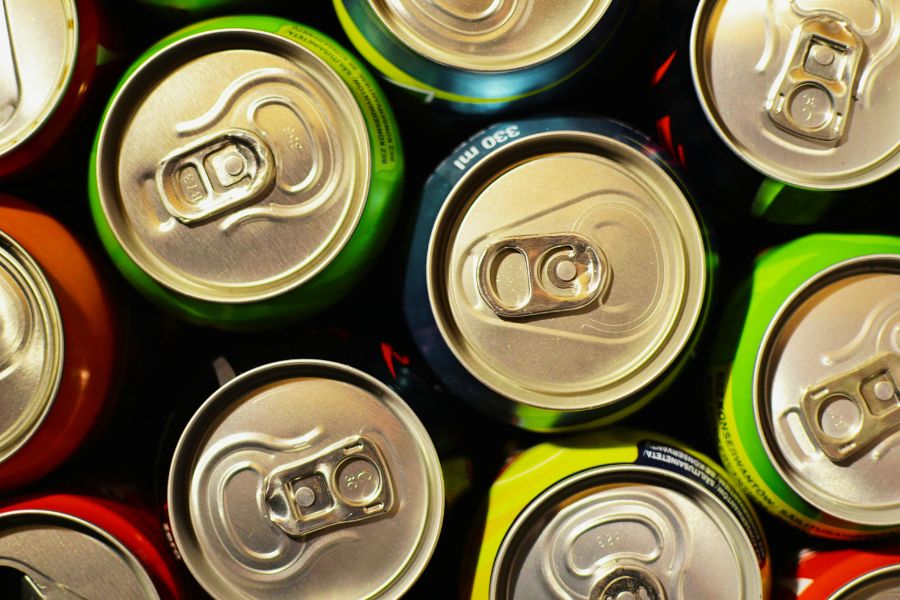
In today’s crowded marketplace, packaging isn’t just about protection—it’s about making a statement. As temperatures rise, smart brands are turning up the heat with vibrant, functional summer packaging that captures attention, drives sales, and creates memorable brand moments. Image credit: Pexels In today’s competitive market, packaging is more than just a protective layer for products, it’s a strategic branding tool. Summer packaging, in particular, has emerged as a crucial aspect of marketing, helping brands connect with consumers by reflecting seasonal themes, vibrant colors, and functional innovations. This article explores the significance of summer packaging and examines case studies of brands that have successfully leveraged it. Summer influences consumer behavior, driving preferences for fresh, convenient, and visually appealing products. Brands that tailor their packaging to align with these preferences can enjoy significant benefits. Seasonal packaging enhances product visibility, generates excitement, and boosts sales. It also strengthens brand identity, making a product more relatable to summer activities like vacations, beach outings, and barbecues. Moreover, functional aspects of packaging, such as UV protection, temperature-sensitive materials, and easy portability, add to the consumer experience. Sustainable packaging options further enhance brand reputation, aligning with eco-conscious consumer trends. Brands that nailed summer packaging Coca-Cola has long leveraged seasonal packaging to create buzz. Their summer edition bottles often feature bright, tropical colors and limited-edition designs. Some bottles incorporate temperature-sensitive ink that reveals hidden messages when chilled, enhancing the summer refreshment appeal. Magnum introduced thermochromic ink in its packaging, allowing colors and branding elements to change when exposed to heat. This interactive feature heightened consumer engagement and reinforced the brand’s premium positioning as a summer treat. Pepsi launched a limited-edition summer campaign featuring emoji-themed bottles, encouraging consumers to express themselves through packaging. This initiative resonated with younger audiences, driving social media engagement and increasing brand recall. Key takeaways for brands Brands can maximize the impact of summer packaging by focusing on design, technology, and sustainability. Engaging visuals that evoke emotions of fun and relaxation create a strong seasonal connection. Technological innovations like interactive packaging enhance the customer experience, while sustainable materials reinforce positive brand perception. Limited-edition releases generate urgency, encouraging consumers to make quick purchasing decisions. Summer packaging is more than just a seasonal trend-it is a powerful branding tool that drives consumer engagement, enhances product appeal, and strengthens brand loyalty. By embracing creative and functional packaging solutions tailored for the summer season, brands can make a lasting impression and stay ahead of the competition. -Shailesh Sheth, Chairman and Managing Director of Kris Flexipacks

Chemical industry poised for gradual demand recovery in 2025
The global chemical industry expects a slow and steady recovery in demand driven by volume growth, while pricing remains weak, reveals a recent report by B&K Research. While inventory destocking ended in most sectors by 2024, agrochemicals still face some challenges. India’s chemical sector may benefit, but overall growth is expected to remain limited by pricing pressures. A recent report by B&K Research forecasts a slow and gradual recovery in global chemical industry demand during 2025, even under optimistic scenarios. In 2024, the industry saw some improvement in volumes across chemical, specialty chemical, and agrochemical segments. However, overall performance remained modest, and companies are approaching 2025 with cautious optimism. Growth in 2024 was largely volume-driven, with pricing trends staying weak across most segments. This indicates that the recovery was not broad-based and that price pressure continues to impact revenues. A significant positive development in 2024 was the conclusion of the long inventory destocking phase in the chemicals and specialty chemicals sectors. This phase had earlier suppressed demand and clouded sales visibility. With destocking largely ending by late 2024, companies in these sectors reported year-on-year volume growth. On the other hand, the agrochemical sector continues to deal with inventory-related challenges. Although the burden of excess stock has eased significantly, it still poses some constraints. Despite this, agrochemical companies were able to achieve volume growth in 2024 while navigating a difficult pricing environment, especially due to low farm product prices. The outlook for 2025 remains mixed. While some companies are optimistic about demand recovery, others remain wary. Even among those with a positive outlook, expectations are for a slow and steady increase in demand. Agrochemical companies anticipate continued volume growth in 2025 as inventories further normalize, but low commodity prices and pricing pressure could weigh on profitability. The report also notes that any global volume recovery across chemicals, specialty chemicals, and agrochemicals is expected to positively impact the Indian chemical sector. However, this growth is likely to be volume-led rather than driven by price increases, unless influenced by recent tariff changes.