India’s energy bar market has evolved from a niche fitness product to a Rs. 600 crore industry driven by urban, health-conscious consumers. Blending global trends with local tastes, homegrown brands are innovating with traditional ingredients like jaggery, saffron, and flaxseeds. Image Source: Freepik In India, energy bars have come a long way from their humble beginnings as a niche product for athletes and gym-goers. Once confined to the shelves of fitness stores, they’ve now found their way into office drawers and daily routines. Driven by health-conscious urban millennials and time-strapped professionals, these compact snacks have fuelled the rise of a Rs. 600 crore industry—one that’s redefining the meaning of convenient nutrition for a fast-paced India. This transformation wasn’t the result of a calculated plan but rather stemmed from an organic shift in lifestyles. As health awareness rose and urbanization changed eating habits, the demand for quick, nutritious, and portable foods increased. With the category growing at 13% annually and projections looking strong through 2030, energy bars have long outgrown their original fitness niche. Melding global trends with local tastes Modern Indian supermarkets now devote entire sections to energy bars. Once plain and protein-focused, the offerings have transformed into flavorful options catering to Indian preferences—ranging from chocolate almond to berry blends. This shift parallels broader dietary changes in Indian cities, where fixed meal routines are giving way to more flexible, health-conscious eating habits. The growth potential is considerable. While the global market for energy bars is valued at US$ 5.3 billion, India’s Rs. 600 crore market still lags behind. India’s per capita consumption is less than 1 kg annually, compared to 6.5 kg in the U.S., indicating ample room for growth. What’s particularly noteworthy is how India’s energy bar market has started embracing traditional food values. In a predominantly vegetarian country, plant-based bars are gaining traction. The global plant-based food industry, valued at US$ 44 billion and expected to hit US$ 77 billion by 2025, has set the stage for innovation in India. Brands are drawing from the country’s wealth of nuts, seeds, and plant proteins. Ingredients like almonds, flaxseeds, quinoa, and chia seeds are making energy bars both nutritious and culturally relevant. This blend of modern convenience and traditional nutrition is helping energy bars evolve beyond their Western origins. Innovation grounded in tradition A visit to an Indian energy bar manufacturing unit today reveals a blend of traditional knowledge and modern food science. Manufacturers are using ingredients such as almond flour, cashew butter, and regional superfoods to create products that are not only protein-rich but also packed with fibre, good fats, and essential micronutrients. The market is diversifying. Beyond basic protein bars, consumers now have access to meal replacements, fibre-focused options, and even immunity-boosting bars. Each new variant addresses a specific health goal, unlocking new avenues for growth. Although international players dominate the global market, Indian brands are holding their own. By designing high-protein, clean-label bars suited to Indian taste profiles, domestic companies have built a loyal customer base. These local brands often deliver more protein at lower price points. By featuring flavors like saffron, jaggery, and coconut to appeal to Indian sensibilities, today’s energy bars prioritize taste—unlike earlier versions that focused primarily on nutrition. Opportunities amidst the challenges Despite the momentum, hurdles remain. Distribution channels still need strengthening to expand beyond urban centers. There’s a need for continued consumer education to highlight the health benefits of energy bars. In addition, better cold chain infrastructure is crucial to maintain product quality and shelf life. Looking ahead, the evolution of India’s energy bar market won’t just be about sales figures. As health consciousness becomes mainstream, innovation will need to focus on areas like sustainability, shelf stability, and functional nutrition. The next phase may include the integration of Ayurvedic ingredients such as ashwagandha and turmeric, offering consumers holistic health benefits. India’s energy bar journey offers a playbook for food innovation: success lies not in merely replicating Western models, but in adapting to local needs, honoring dietary traditions, and using indigenous ingredients creatively. The rise of energy bars is more than a trend—it reflects a shift in how India views food, nutrition, and convenience in a fast-paced world.

Structural gains to drive India’s agri-sector to US$ 1.4T by 2035
India’s agriculture sector possesses numerous structural advantages over other agricultural economies, which, if fully utilized, could propel its growth to US$ 1.4 trillion by 2035 and US$ 3.1 trillion by 2047, reveals a recent by consulting firm McKinsey & Company. Key growth areas, as highlighted by the report, include bio building blocks, agrichemicals, agribiologicals, and processed foods. Success requires strong feedstock sourcing, R&D, and innovative marketing. Despite challenges like labour intensity and credit gaps, leveraging India’s cost advantages and digital infrastructure positions businesses to benefit from this expanding, diverse agricultural landscape. India’s agriculture sector, if its structural advantages are fully leveraged, could expand significantly to reach US$ 1.4 trillion by 2035 and US$ 3.1 trillion by 2047, according to a new report by McKinsey & Company titled “Value Creation in Indian Agriculture.” Currently, the sector contributes 16–18% to India’s GDP, amounting to US$ 580–650 billion. The report highlights that India’s agriculture is at a critical turning point, driven by structural reforms, digital infrastructure, and technological innovation. These factors have positioned India as one of the world’s largest and fastest-growing agricultural economies, with the sector recording a 5% CAGR over the past six years. With enhanced productivity and greater value addition, it could accelerate to a 6–7% growth rate, generating an additional US$ 400 billion by 2035. However, the report noted that the sector remains heavily labour-dependent, with productivity levels lagging behind those of other regions. Key enablers identified include raising crop yields by 15–40% through better inputs—such as high-yielding seeds, specialty fertilizers, biologics, and modern farming techniques—as well as expanding downstream processing to boost value-added output. India enjoys several strategic advantages: growing domestic and global demand for high-value and processed foods (like fruits and vegetables), cost leadership in producing crops such as rice, maize, and sugar, abundant feedstock for ethanol, a robust digital payments ecosystem, and a surge in agritech innovation. Notably, India ranks as the world’s second-largest producer of rice, sugarcane, and wheat, and holds a competitive edge with the lowest production costs globally for rice and maize, and the second-lowest for sugar. The sector supports nearly 270 million workers, making up around 46% of the national workforce. Agricultural financing has also seen robust growth, increasing over 14% annually from 2022 to 2024 to reach ₹25 lakh crore (approximately US$ 292 billion). However, challenges remain, including credit access disparities and low productivity compared to global benchmarks, driven in part by a fragmented farmer base and complex value chains. Four areas of potential opportunity McKinsey report identifies four promising growth areas for the sector: bio-based building blocks, agrichemicals, agri-biologicals, and processed foods. If addressed strategically, these could unlock new opportunities and sustain long-term growth. Bio Building Blocks (Bio-to-X): India’s bioeconomy has witnessed extraordinary growth, rising from US$ 10 billion in 2014 to US$ 165.7 billion in 2024—a 16-fold increase—driven largely by government support. Within this space, bioethanol and bio-butanediol (BDO) are emerging as major growth opportunities. To fully leverage bio-based manufacturing and tap into both import substitution and export markets, companies must focus on securing low-cost, dependable feedstock, selecting strategically located production sites, and adopting flexible, multi-feedstock systems. These elements are critical for maintaining cost efficiency, supply stability, and long-term competitiveness. Agrichemicals: India’s agrichemicals sector, currently valued at US$10 billion (US$4 billion domestic and US$ 5.5 billion exports), is projected to scale up to US$ 25–30 billion by 2047. The domestic market is growing at 3–5% annually, while exports are rising at 5–6%. To thrive locally, companies should engage directly with farmers, offer tailored distributor incentives, and provide high-quality, differentiated products. In the CDMO/CMO segment, success depends on advanced chemistry capabilities, strong R&D, manufacturing excellence, and customer-focused strategies. Key enablers include cost-effective scaling, regulatory compliance, and close alignment with evolving client demands for long-term profitability and competitiveness. Agribiologicals: India’s agribiologicals market—which includes biostimulants (such as biofertilizers) and biocontrols—is projected to grow at a CAGR of 9–10%, reaching US$ 600–640 million by 2030, up from US$ 350 million in 2024. To drive this growth, companies must adopt a focused approach at the micromarket level, generate farmer-led demand, streamline product offerings, and build a strong distribution strategy. Success will depend on identifying high-potential micromarkets, implementing targeted pull-based models, and making disciplined investments in brand development. Processed Foods: With the expansion of India’s middle class, demand for processed foods is expected to rise significantly. Currently valued at around US$ 330 billion, the agricultural processing sector plays a vital role in connecting farm production to consumer needs while generating added value and economic growth. Companies in the processed foods space can achieve success by leveraging capital-backed scale, extensive distribution networks, and innovative approaches, alongside building strong brands that resonate culturally. This combination drives cost efficiency, broad market penetration, and deep consumer loyalty. The report concludes that Indian agriculture offers vast opportunities across a complex landscape, requiring entrants to develop unique capabilities to create and capture value. Critical capabilities include secure access to feedstock through strong sourcing, robust R&D and innovation with effective talent management, and channel excellence via innovative marketing and distribution. Scaling operations depends heavily on the specific value chain segment targeted. By leveraging India’s inherent strengths, businesses can better position themselves to participate in and benefit from the significant growth potential of the country’s agriculture sector.

AI in travel: Smarter trips, real connections
Travel has always been about more than just getting from point A to B. It’s about discovery, connection, and the stories we bring home. Today, artificial intelligence is quietly transforming how we plan and experience those journeys making them faster, smarter, and more intuitive. But behind every smooth itinerary and real-time update, there’s still a truth that technology can’t replace: the most memorable parts of travel are human. Image credit: Freepik Travel today looks very different from what it did a decade ago. AI and automation aren’t buzzwords anymore but they’re quietly working behind the scenes to streamline everything from trip planning to mid-journey adjustments. From the first inkling of wanderlust to arriving safely back home, tech is making things smoother, quicker, and more responsive. Yet, even as screens and algorithms step in, the heart of travel still belongs to people. Planning a trip used to mean hours of research. Now, a few clicks can give you a tailored itinerary, whether you’re dreaming of a food trail across Tokyo or scouting pet-friendly hotels in Rome. Some AI tools even pick up on tone—suggesting a slower pace if you seem burnt out. The efficiency is impressive, but the real win is how these tools are starting to respond to emotions, not just logistics. Of course, AI is great at the boring stuff—scanning hundreds of flights, comparing prices, or auto-filling visa applications. But it still takes a human to add magic. No algorithm can suggest the perfect time to propose in Santorini or help you blend in at a traditional tea ceremony in Kyoto. As Louis D’Souza of Tamarind Global puts it, smart tech clears the clutter so travel professionals can focus on crafting something memorable. “It’s a partnership, not a replacement,” he says. Tech That Supports, People Who Care Travel hiccups are part of the deal. Flights get canceled, weather turns, plans shift. That’s where real-time updates and booking tweaks from various apps come in handy. But when things go really wrong, reassurance matters more than information. During the pandemic, for instance, AI helped reroute people, but it was human agents who calmed nerves and guided travelers home. There’s also a fine line between helpful automation and risky over-reliance. Should an algorithm decide who gets a visa? Or whether someone’s cleared for medical travel? These calls require human sense context, ethics, and empathy. Tech is a great assistant, but people still need to steer the ship. The Heart of the Journey Remains Human Sure, AI can tell you what’s trending where to go for the best wines or uncrowded hikes. But it’s not the places that stick with us, it’s the moments. A candid chat with a shopkeeper. Getting lost and finding a local festival. These are the stories that stay, and no bot can design them. What AI does well is cut the clutter. It trims the overwhelming list of choices so you’re free to focus on being there, being present. That’s the sweet spot: tech that works quietly in the background, letting travelers stay in the moment. As technology becomes smarter, the best experiences will come from blending it with insight and intuition. Let AI do the heavy lifting, while people bring the perspective and the heart. Because in the end, travel isn’t about checking boxes. It’s about connection. And that—no matter how clever the code remains profoundly human. Louis D’Souza, Managing Partner, Tamarind Global | A seasoned hospitality and tourism expert, Louis has been shaping the industry since 1989. With an unwavering commitment to excellence and meticulous attention to detail, Louis ensures that every client experience is nothing short of flawless. Despite a busy schedule, his open-door policy fosters a welcoming atmosphere that rivals your favourite coffee shop. Louis’s leadership is reflected in his key team members, many of whom have stood by his side for decades. They embody his values of integrity, empathy, and dedication to excellence.
India’s aerospace ambitions take flight
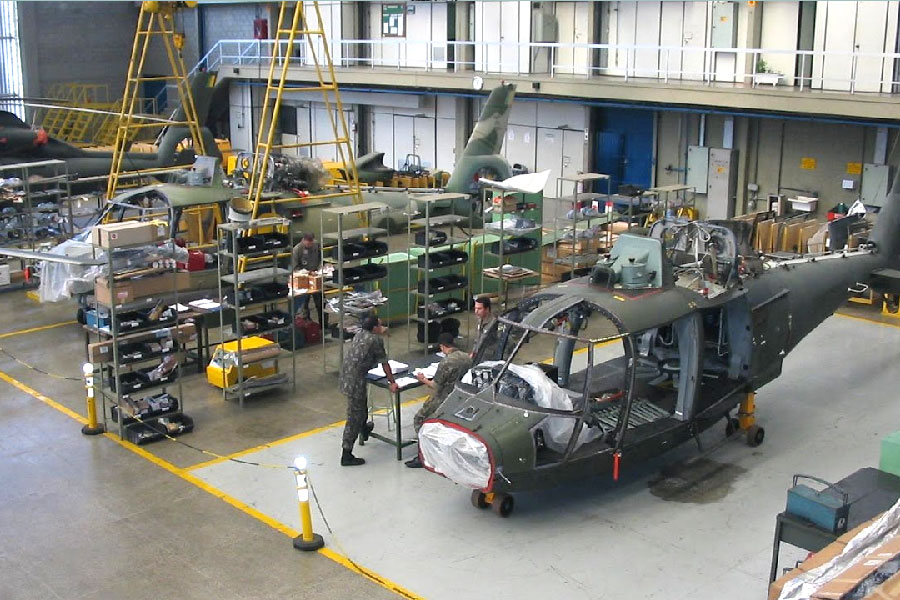
India is making significant strides toward aerospace self-sufficiency, with Tata Advanced Systems partnering with Airbus to establish helicopter and military aircraft assembly lines in Karnataka and Gujarat. These ventures mark India’s first private-sector aerospace manufacturing facilities and pave the way for indigenous civil aircraft production. While commercial aircraft manufacturing is complex and dominated by Boeing and Airbus, India’s growing air travel demand and strategic investments in technology and infrastructure position it to enter this space. India’s aspirations to achieve self-sufficiency in aerospace manufacturing are gaining momentum. While the country has made rapid progress in exporting aerospace components and services, building a fully indigenous civil aircraft remains a long-term goal. However, significant steps by major Indian conglomerates, particularly the Tata Group, are paving the way toward realizing this ambition. Here, It is important to note that India’s aviation market, was valued at US$ 14.47 billion in 2024 and is projected to grow significantly in the coming years. According to IMARC Group, the market is expected to reach US$ 40.81 billion by 2033, registering a CAGR of 12.21% between 2025 and 2033. TASL-Airbus collaboration A notable development in this journey to achieve self-sufficiency is the collaboration between Tata Advanced Systems Ltd (TASL), the aerospace arm of Tata Group, and European aviation giant Airbus. The two have announced the establishment of a Final Assembly Line (FAL) for Airbus’s H125 helicopters in Kolar, Karnataka. This marks India’s first privately-led helicopter assembly facility and the fourth such H125 FAL in the world, after France, the U.S., and Brazil. The facility will cater to the domestic market and neighboring countries, indicating India’s growing role in civil aviation manufacturing. This helicopter project follows closely on the heels of another key venture. In 2023, TASL and Airbus inaugurated a C-295 military aircraft assembly plant in Vadodara, Gujarat — India’s first private-sector final assembly line for military aircraft. The two ventures, launched within a span of just 12 months, signify India’s increasing focus on domestic aerospace production, both civil and military. During the inauguration of the Vadodara facility, Prime Minister Narendra Modi emphasized the potential of these ventures to lay the groundwork for the development and manufacture of civil aircraft in India. He highlighted India’s goal of becoming an aviation hub and projected the facility’s future role in designing and manufacturing civil aircraft. These moves suggest that India is gradually working toward building a complete passenger aircraft. Commercial aircraft manufacturing While manufacturing military jets is already within India’s capabilities — with Hindustan Aeronautics Ltd. (HAL) producing fighter aircraft and developing a 19-seater civil aircraft — the leap to full-scale commercial aircraft manufacturing is far more complex. The sector has long been dominated by a duopoly of Boeing and Airbus, which collectively hold nearly 90% of the global market. Entering this space requires mastering intricate technological, regulatory, and logistical challenges. China’s example illustrates the difficulty of this endeavour. It took decades for China to develop its mainline commercial aircraft, the COMAC C919, which finally took flight in 2023. Despite being a symbol of China’s strategic ambition to reduce reliance on Western manufacturers, the C919 still lacks full international certification and remains dependent on foreign technology. China reportedly invested between US$ 49 billion and US$ 72 billion over 12 years in the C919 project, highlighting the immense scale of investment required. India is only beginning its journey in commercial aircraft manufacturing, but the timing appears opportune. Several market factors align in favour of India. These include- The country has a population of 1.4 billion and aims to become a developed economy by 2047. Economic growth is expected to be among the fastest within the G20 nations, and the expanding middle class is projected to fuel a sharp rise in air travel demand. According to an Airbus report, India’s passenger traffic is expected to grow at 6.2% annually by 2040 — well above the global average of 3.9%. This anticipated surge in demand is already reflected in commercial behavior. Indian airlines have placed orders for more than 1,200 aircraft and are expected to require over 2,200 new aircraft over the next two decades. Currently, India is heavily reliant on imports from Boeing and Airbus, but global supply chains have struggled to keep pace with rising demand — not just in India, but in other regions such as Latin America and the Gulf. This supply-demand gap presents a strategic opportunity for India to establish itself as a manufacturing base for commercial aircraft. The Challenges India’s current contribution to the global aviation supply chain is modest, estimated at just 5%. The country primarily produces basic components and lacks the capacity to manufacture super-critical or highly complex parts essential for commercial aircraft. Building this capability will require substantial investments, global technology partnerships, and a sustained policy push. Progress is being made on some of these fronts. Both Boeing and Airbus have established dedicated research and development centers in India. For instance, in January 2023, Prime Minister Modi inaugurated Boeing’s India Engineering & Technology Center in Bengaluru — a ₹1,600 crore (US$200 million), 43-acre facility. This center, Boeing’s largest investment outside the U.S., is expected to play a key role in developing next-generation aerospace products and services. According to a PwC-CII report, the costs involved in setting up a full-fledged commercial aircraft manufacturing industry run into billions of dollars. Without significant government support and international collaboration, it would be nearly impossible for India to build a commercial aircraft independently from scratch. However, the Tata-Airbus ventures — though currently focused on defence and civil helicopters — are important first steps. They help build the ecosystem, develop skilled manpower, and attract further investment into the sector. In conclusion, while the dream of building an indigenous commercial aircraft is ambitious and fraught with challenges, India is beginning to put the necessary infrastructure in place. With growing domestic demand, supportive policy environments, and strategic partnerships, the country is on the path to becoming not just a consumer but a manufacturer of commercial aircraft.
“Smart access and informed farming: A new chapter in rural profitability”
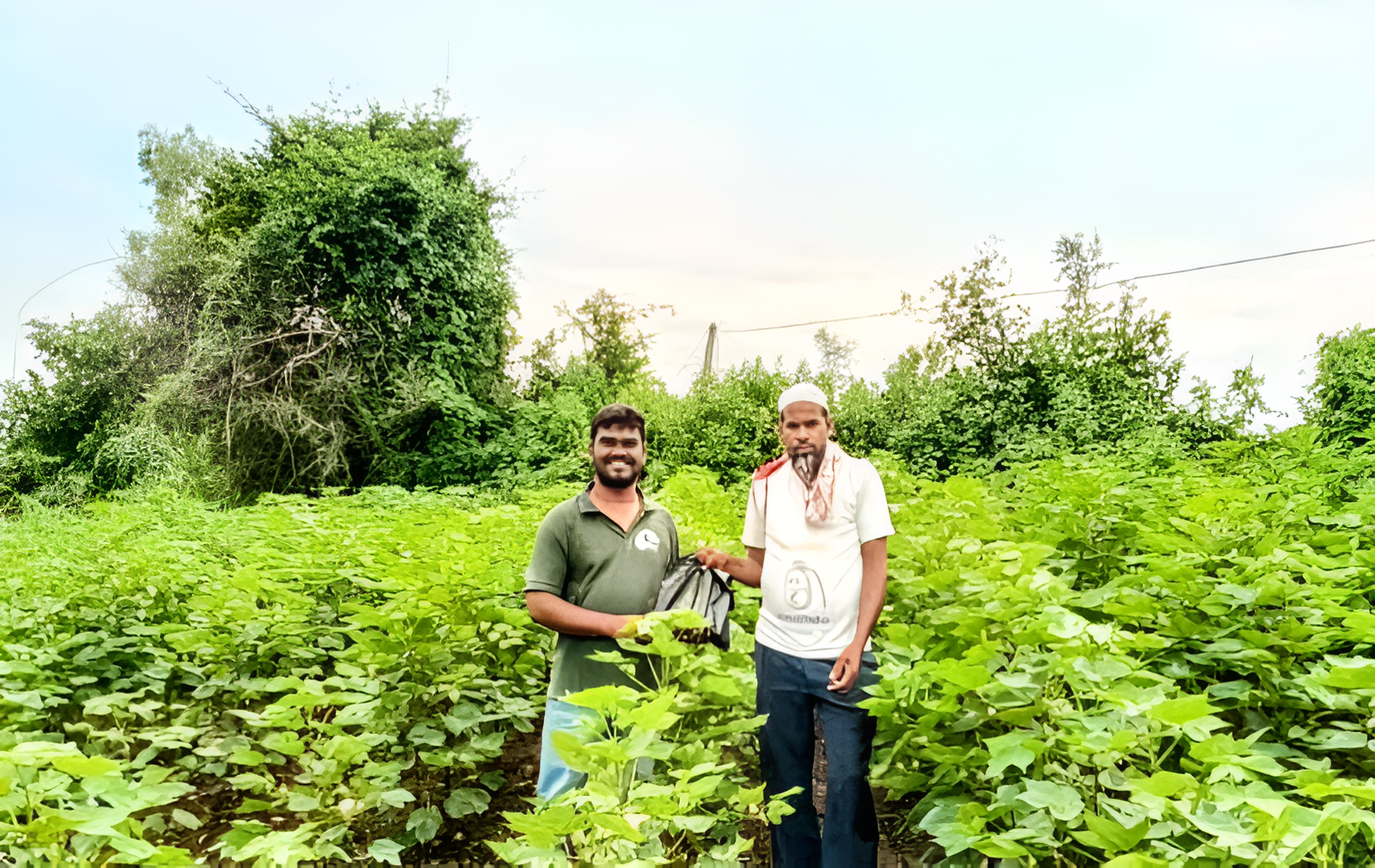
IBT interacted with Parashram Akhare, Founder of Krushi Sarathi, to understand how the platform is addressing long-standing gaps in India’s agricultural supply chain. From ensuring timely delivery of quality inputs to promoting sustainable farming practices and digital adoption, Akhare shares how Krushi Sarathi is empowering over 20,000 farmers across Maharashtra and shaping the future of agri-commerce in rural India. IBT: What gaps in the traditional agri-supply chain did you see that led to the creation of Krushi Sarathi? Parashram Akhare: The creation of Krushi Sarathi was driven by critical gaps observed in the traditional agricultural supply chain, particularly in financial support and environmental sustainability. Farmers often faced immense challenges in accessing quality inputs such as seeds, plant nutrients, and pest control agents, leaving them vulnerable to suboptimal yields and economic instability. Moreover, many were compelled to adopt agricultural practices that degraded soil health over time, jeopardizing the sustainability of their farmland. These intertwined challenges not only led to financial losses but also threatened the long-term viability of their most valuable asset—their farmland. Krushi Sarathi emerged as a response to these pressing issues, aiming to empower farmers with better resources and sustainable practices. IBT: How is your e-commerce model reshaping how farmers access inputs like seeds, fertilizers, and equipment? Parashram Akhare: Familiarizing farmers with online platforms remains an ongoing effort, as the shift to e-commerce in agriculture is still in its early stages. However, our primary focus is on ensuring farmers have access to high-quality inputs such as seeds, fertilizers, and equipment. While transforming the mode of access is important, our immediate priority is to bridge the gap in input quality and availability to empower farmers and enhance productivity. We are the fastest delivery app in agriculture sector. We deliver all inputs within 23 hour which is very necessary in this sector. IBT: What kind of change have you seen in farmer decision-making or productivity since using your services? Parashram Akhare: Our efforts have driven meaningful changes in farmer decision-making and productivity. Many farmers are now proactively bringing in soil samples for testing, highlighting an increased awareness of soil health and its impact on yields. Additionally, there has been a steady rise in group orders for agricultural inputs, reflecting a shift toward informed and collaborative purchasing decisions. Notably, farmers are also adopting sustainable agricultural practices, such as using waste cotton stalks to produce artisanal biochar. This innovative approach not only helps manage agricultural waste but also enriches soil fertility, aligning productivity goals with environmental sustainability. Due to supply of quality inputs, informed decision cost on input reduced and yield increased leads in increase in profitability. IBT: How do you ensure trust and reliability among rural farmers, especially first-time digital users? Parashram Akhare: We prioritize building trust and reliability among rural farmers by engaging directly with them at the grassroots level. Our team visits each village, organizes meetings in collaboration with the local panchayat office, and conducts awareness programs about our initiatives. By demonstrating tangible benefits and fostering a sense of community, we establish trust from the ground up. It’s not just about offering services—it’s about creating meaningful value, which is reflected in the high number of repeat orders we receive. While digital adoption among farmers is still evolving, our hands-on approach ensures we bridge the gap effectively. IBT: With 20,000+ farmers onboard, what’s your roadmap to scale — is it tech-driven, regional expansion, or partnerships? Parashram Akhare: With over 20,000 farmers onboard, our roadmap to scale focuses on a multifaceted approach encompassing regional expansion, strategic partnerships, and technology adoption. We are actively broadening our reach across various regions in Maharashtra to serve a larger farming community. Partnerships remain a key focus area, as we continuously seek collaborations that can deliver meaningful value to farmers. For instance, we are currently in discussions with a financial institution to provide credit facilities tailored to farmers’ needs. Additionally, while technology will be integral to our scalability, we aim to adopt tech solutions that are thoughtfully aligned with specific challenges, ensuring practical and impactful implementation. IBT: What’s the biggest operational challenge? Parashram Akhare: Rather than viewing it as a challenge, we see farmer education as a pivotal goal. Educating farmers serves as a proactive solution to many operational hurdles. Across industries, informed consumers play a critical role in addressing potential challenges, and agriculture is no exception. By empowering farmers with knowledge, we enable smoother operations and foster a more resilient supply chain. IBT: Are there any collaborations with government bodies, agri universities, or private players in the pipeline? Parashram Akhare: Yes, we are currently collaborating with POCRA (Project on Climate Resilient Agriculture)—a World Bank-funded initiative. Our role is that of a knowledge partner and implementer in the production of artisanal biochar across 21 districts. The discussions are still underway, but the collaboration holds strong potential for scaling sustainable practices at the grassroots level. IBT: If you had access to stronger trade or institutional support, what immediate impact would it create for your farmer network? Parashram Akhare: With stronger trade or institutional support, our first step would be to help farmers adapt their cropping patterns based on market demand and local agro-climatic conditions, as current crops are often not yielding sufficient income. We’re also working on creating additional income streams through initiatives like dairy farming and carbon farming. These efforts, once implemented, could significantly boost farmer earnings. Our broader vision is to expand our services across the Vidarbha and Marathwada regions of Maharashtra, reaching more farmers with meaningful, sustainable solutions.
Boosting jobs and growth through food processing
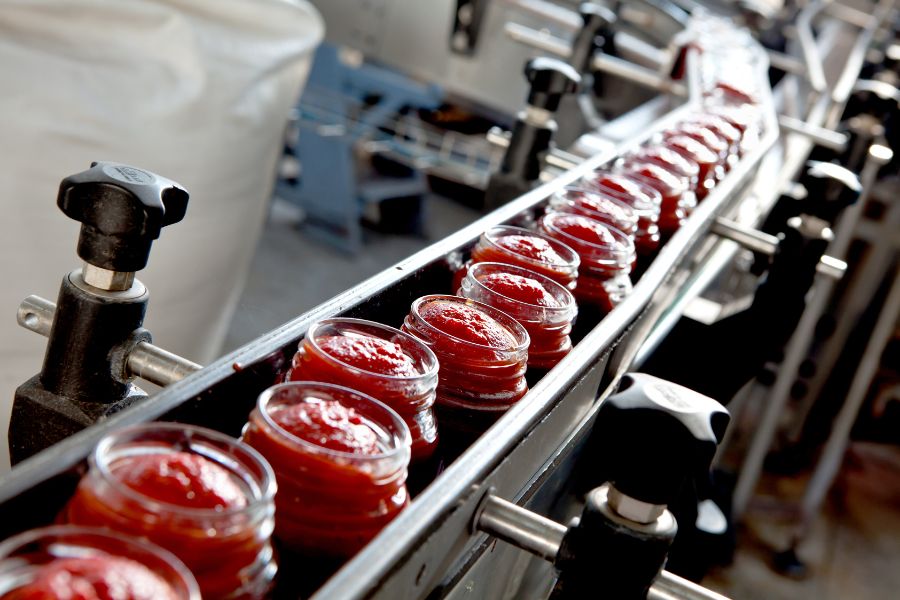
India’s food processing sector is witnessing robust growth, serving as a vital bridge between agriculture and a growing consumer base, according to a recent Deloitte-FICCI report. Contributing 7.7% to manufacturing GVA, it plays a key role in job creation, rural development, and export expansion. With evolving consumer preferences favoring health-focused foods, the sector is embracing innovation, digital technologies, and policy support. By investing in superfoods, resilient supply chains, and advanced tech like AI and IoT, India is positioning itself as a global leader in sustainable food solutions. India’s food processing sector is experiencing dynamic growth, positioning itself as a key link between the country’s agricultural richness and its rapidly expanding consumer base. In recognition of the vast potential of this impactful industry, Deloitte and FICCI have unveiled a new report titled ‘SPURring Growth – Driving Innovation and Unlocking Opportunities in the Indian Food Processing Sector’. The report states the sector’s notable contribution—making up around 7.7% of the nation’s total manufacturing gross value added (GVA)—and underscores its pivotal role in job creation, rural development, and value addition. It highlights that with an estimated value of US$ 160 billion, India’s food processing sector stands as a testament to the nation’s economic progress, underscored by its emergence as the world’s fifth-largest economy and a twofold increase in per capita income to Rs 1.97 lakh over the last nine years. According to the report, in Q3 FY24, rural FMCG volumes rose by 6%, even as urban consumers directed approximately 50% of their food spending toward packaged and prepared products. In addition the country’s record-breaking agricultural exports of US$ 48.2 billion in FY24, along with the rising global recognition of GI-tagged products, underscore the sector’s export potential and its increasing influence in the international food market. Evolving food ecosystem The food processing sector plays a crucial role in promoting rural industrialization and minimizing post-harvest losses. Its growth is driven by increasing rural demand, digital advancements, and supportive government policies. Notably, the agriculture and food processing value chain now represents nearly 30% of India’s national food market. As consumption habits grow more uniform across urban and rural regions, Tier-2 and Tier-3 cities are rapidly emerging as new hubs of economic expansion, the report stated. India’s agriculture and food processing sector is poised for a transformative breakthrough, blending traditional practices with advanced technology to create a future-ready food ecosystem, according to Anand Ramanathan, Partner & Consumer Industry Leader, Deloitte South Asia. He noted, “Consumer demand is shifting towards clean-label, protein-rich and gut-friendly foods, driving a structural evolution in how India consumes food. India is poised to lead the global narrative on health-driven, tech-enabled and inclusive food systems, fuelled by advancements in AI, IoT and block-chain.” As per the report, India’s food processing sector carries significant potential to drive economic growth and foster inclusive development. Mr Ramanathan stated, “The opportunity before us is not just to feed a billion, but to do so with purpose, resilience and intelligence. The way forward lies in purposeful collaboration among policymakers, industry players and innovators to build resilient supply chains, empower farmers and entrepreneurs, and cater to a conscious, global consumer. With the right focus, India’s food processing industry can set the benchmark for inclusive, responsible growth in the global food economy.” Empowering the food processing industry with technology and policy support According to Ms Jyoti Vij, Director General, FICCI, as consumer preferences evolve and health-conscious choices reshape food systems, the need for resilience, innovation, and enhanced value addition is more urgent than ever. She stated, “The FICCI-Deloitte white paper offers timely insights into how technology, policy support and stakeholder alignment can unlock scalable, future-ready opportunities in this vital sector. This white paper reinforces the sector’s strategic importance in driving sustainable growth and meeting the rising demand for safe, nutritious and affordable food.“ The report noted that driven by strong policy backing and growing consumer awareness, India’s food processing sector is undergoing a wave of innovation and gaining prominence on the global stage. While supply chain inefficiencies persist, the integration of advanced technologies like AI, IoT, and data analytics is improving efficiency and strengthening resilience. The report added that realizing the full potential of the food-processing sector requires stakeholders to rethink growth through consistent innovation, health-focused offerings, and technology-driven transformation. By harnessing the power of India’s superfoods, investing in advanced technologies, and aligning with global consumer preferences, the sector can evolve into a forward-looking leader in sustainable and scalable food solutions.

Early monsoon spurs optimism for agriculture and rainfall across India
The India Meteorological Department (IMD) has announced an early onset of the southwest monsoon over Kerala, marking the earliest arrival since 2009. The monsoon has advanced into parts of southern and northeastern India, with heavy rainfall expected along the west coast. Favorable conditions are likely to boost kharif sowing, especially in southern and central regions. With IMD forecasting above-normal rainfall, India aims for increased crop acreage and yields, targeting a record 354.64 million tonnes of foodgrain production for the 2025–26 crop year. Following an early onset of the southwest monsoon over Kerala and other regions of southern India, the India Meteorological Department (IMD) stated on Sunday (May 25) that conditions are favourable for its further progression into parts of Maharashtra, additional areas of southern India, and the northeastern states. The IMD reported that the monsoon has already reached parts of Karnataka, Goa, Maharashtra, and the northeastern states of Mizoram, Manipur, and Nagaland. On Saturday, the monsoon had extended into the entire Lakshadweep region, Kerala, Maharashtra, several parts of Karnataka, the remaining areas of the Maldives and Comorin region, much of Tamil Nadu, and parts of Mizoram Meanwhile, the IMD has forecast heavy to very heavy rainfall along the west coast—including Kerala, Karnataka, coastal Maharashtra, and Goa—over the next seven days. Coastal and ghat areas of Karnataka are likely to experience intense rainfall through May 27, while the ghat regions of Tamil Nadu are expected to receive heavy rain on May 25–26 due to prevailing weather conditions. Early onset of the monsoon over Kerala The IMD officially declared the onset of the monsoon over Kerala on Saturday, which was eight days earlier than the usual date of June 1. This marks the earliest onset since 2009, when the monsoon arrived on May 23. The earliest recorded onset this century occurred on May 18, 2004. Previously, the IMD had forecasted the monsoon to hit the Kerala coast around May 27, with a possible deviation of ±4 days. However, Akshay Deoras, a research scientist at the National Centre for Atmospheric Science, University of Reading, UK, cautioned that a significant inflow of dry air from Pakistan and Afghanistan toward the Arabian Sea and India at the end of May could potentially hinder the monsoon’s progress between May 27 and June 5. The monsoon’s early spread into most parts of Tamil Nadu and parts of Karnataka on the very first day of its onset is significant, though not unusual. It indicates the potential for rapid advancement in the coming days. Under normal circumstances, the monsoon begins over Kerala in early June, gradually covering the entire country by July and starting its withdrawal from northern India around mid-September. Above-normal rainfall to boost agricultural output The early onset of the monsoon and its continued advancement are expected to facilitate an early start to kharif (summer) crop sowing across the country, particularly in southern and central India. Given the IMD’s forecast of ‘above normal’ rainfall across most regions, this could lead to greater sowing area and higher yields for major summer crops like paddy, pulses, maize, and coarse cereals. The kharif sowing season, which begins with the arrival of monsoon rains, contributes to around 60% of India’s total crop production. These rains are also crucial for replenishing soil moisture needed for winter crops. In its April forecast, the IMD predicted “above normal” rainfall for the June–September monsoon season, with an 89% likelihood of precipitation falling within the “normal to excess” range. Such rainfall levels are expected to support strong agricultural output for the second consecutive year. According to Mrutyunjay Mohapatra, director general IMD, “This year’s rainfall during the forthcoming monsoon season is likely to be 105% of the benchmark long period average (LPA) with an average error margin of +/- 5.” Based on the positive monsoon forecast, the government has set an ambitious food grain production target of 354.6 million tonnes for the 2025–26 crop year (July–June).

Maharashtra unveils ambitious EV policy to drive sustainable mobility by 2030
In a bold step toward cleaner transportation, the Maharashtra government has announced a new Electric Vehicle (EV) policy targeting 30% EV penetration in the state by 2030. With a strong focus on incentives, infrastructure, and innovation, the policy aims to make Maharashtra a hub for EV manufacturing and adoption while cutting down on harmful emissions. The Maharashtra government has introduced a new Electric Vehicle (EV) policy aiming to achieve 30% EV penetration across the state by 2030. Set to take effect from April 1, 2025, to March 31, 2030, the policy focuses on incentivizing EV adoption, expanding charging infrastructure, and promoting local manufacturing to position Maharashtra as a national leader in clean mobility. According to the transport department, which issued the government resolution (GR) on Friday, the policy targets significant environmental improvements. By 2030, the government aims to prevent 325 tonnes of PM 2.5 emissions and 1,000 tonnes of greenhouse gas (GHG) emissions from the transport sector as part of its Clean Mobility Transition Model. To encourage EV adoption, the policy offers several financial incentives. It provides subsidies of up to ₹2 lakh for electric four-wheelers used for public transport and up to ₹20 lakh for electric buses. The state plans to offer these benefits to one lakh two-wheeler EVs, 25,000 four-wheelers in the transport category, and 1,500 private and city electric buses. Additionally, EVs registered during the policy period will receive a full exemption from motor vehicle tax and registration renewal fees. EVs will also enjoy 100% toll exemption on key expressways, including the Mumbai-Pune and Mumbai-Nashik routes. A steering committee led by the chief secretary will consider phased toll exemptions on other roads managed by the Public Works Department. To support the policy, the government will expand EV charging infrastructure throughout the state. Charging stations will be installed at 25-kilometer intervals along highways. Every government office parking lot will have at least one EV charging point. The policy also mandates that all new residential buildings must be EV-ready, with provisions for 100% charging infrastructure and at least one community charger. For commercial developments, the rules require that new buildings allocate 50% of parking spaces for EV charging. Existing commercial buildings with shared parking must ensure that 20% of parking spaces have operational EV chargers. To support this rollout, public charging stations will receive up to 15% viability gap funding on setup costs. The government also mandates that all new city vehicles purchased by government departments must be electric. In major cities such as Mumbai, Pune, Nagpur, Nashik, Chhatrapati Sambhajinagar, and Amravati, half of all new utility vehicle purchases for city operations must be electric. The policy also emphasizes research and innovation. The state will invest in alternative battery chemistries, motor technologies, vehicle-to-grid (V2G) integration, and green hydrogen generation. A ₹15 crore corpus under the Chief Minister’s EV R&D Grant will fund these research and development initiatives. To ensure the safety and performance of EVs, the transport department will establish a network of Automated Testing Stations across the state. These stations will conduct standardized safety tests, including thermal runaway assessments for EV batteries. In addition, the Maharashtra State Board of Technical Education (MSBTE) will introduce specialized courses in EV design, battery technology, charging systems, power electronics, and energy management to build a skilled workforce for the industry. Through this multi-pronged strategy, Maharashtra seeks to create a robust EV ecosystem that addresses infrastructure, affordability, education, and sustainability, setting the foundation for a cleaner, more connected transport future.
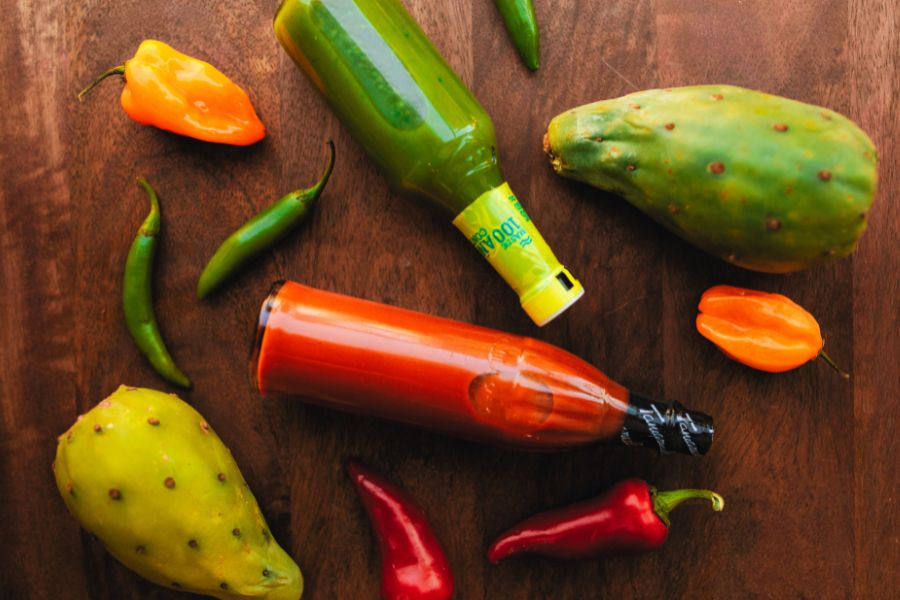
The chilli paradox: Why India isn’t dominating the global hot sauce market?
India is the spice capital of the world, producing over 40% of global chilies. Yet, when it comes to hot sauces—a growing global market—it holds a mere 2% share. The contrast is striking, especially for a country where heat is part of daily life. As global demand for bold, authentic flavors grows, India stands at the edge of a spicy opportunity: to turn its chili dominance into a world-leading hot sauce industry. Image credit: Pexels India is the world’s largest producer and consumer of chili. Its farms grow over 40% of the global supply, with regions like Andhra Pradesh, Telangana, and Karnataka cultivating some of the most potent and flavorful varieties. From the searing Bhoot Jolokia of the Northeast to the fruity Sankeshwari of Maharashtra, Indian chilies offer unmatched diversity in taste, aroma, and heat. Yet, despite this rich culinary heritage, India holds just around 2% of the global hot sauce market—a surprising contradiction that highlights both a market gap and a cultural disconnect. In contrast, the United States, which produces far fewer chilies, commands nearly 44% of the global hot sauce market. The U.S. has transformed chili-based condiments from regional curiosities into mainstream pantry staples. The American hot sauce market alone is expected to reach US$ 1.95 billion by 2032, driven by decades of branding, restaurant integration, and daily consumer habits. “India is the world’s largest producer and consumer of chili, yet it holds a surprisingly small share—just around 2%—of the global hot sauce market. That disconnect is what we’re setting out to change,” says Sagar Merchant, CEO of KAATIL, an emerging Indian hot sauce brand. Globally, the hot sauce market is expanding. It’s projected to grow from US$ 3.3 billion in 2024 to nearly US$ 6 billion by 2032, as spicy, flavorful condiments gain ground in North America, Europe, and parts of Asia. Countries like Mexico, Thailand, and the U.S. have built strong culinary identities around their chili-based sauces. India, despite its deep chili roots, hasn’t yet fully entered this space. The chilly story Chilies have had a constant presence in every Indian kitchen for generations. Fresh green chilies crushed into ‘thecha’ or ground into dry garlic chutney have accompanied food from a very long time. When dried red chilies hit the hot oil for tempering, the sharp, smoky scent often makes everyone cough a little; it’s that pungent aroma you don’t forget, one that’s deeply tied to home cooking. Indians grow up knowing these smells, these flavors—so much so that they can tell the difference between chilies just by scent or color. The bright red Kashmiri chili that adds color without the burn. It’s an everyday connection that’s a part of the country’s culinary map. Rather than commercial condiments, Indian kitchens embraced chilies through home-crafted formats: pickles passed down through generations, masalas ground with care, and papads paired perfectly with spicy meals. These weren’t mass-produced sauces—they were personal, powerful, and deeply regional. “For generations, chili has been a staple in Indian kitchens—used in everyday curries, pickles, and regional condiments. Yet, this deep-rooted culinary tradition has never been framed through a global lens,” says Merchant. While other countries turned chili into bottled sauces, India turned it into ritual. What’s changing now isn’t our love for chili—it’s the format in which we’re beginning to share it with the world. A key obstacle for Indian hot sauces abroad has been the misunderstanding between ‘heat’ and ‘spice.’ “People abroad don’t dislike heat—they dislike the stomach-burning intensity of traditional spices,” Merchant explains. “We focus on ‘heat,’ not ‘spice,’ by crafting flavor-forward products that deliver a kick without overwhelming the palate.” “There’s a misconception that international consumers dislike heat,” Merchant adds. “What they actually dislike is the harshness of certain traditional spice blends. If you balance heat with flavor, there’s strong global demand.” Historically, India’s late entry into the bottled hot sauce space contrasts sharply with the U.S., where brands like Tabasco have been household names for over 150 years. “America has Tabasco—the biggest hot sauce brand in the world. It’s been around forever,” says Shailendra Shah, Director at Jab International, a major chili exporter. “In India, hot sauce is a new culture that only emerged about five years ago. Until then, we mostly used tomato ketchup. But now, with changing food habits and more exposure to global cuisine, there’s real demand. We finally have the consumer mindset—and all we need is a quality product to intercept the market.” Some Indian brands are now responding to this shift by reframing India’s chili legacy through a global lens. KAATIL, for example, uses only indigenous chili varieties and avoids imported ones like jalapeños. Their sauces are structured around heat levels and flavor intensity, drawing directly from India’s rich regional spice palette. Their Hot Sauce Number 19, which features the Bhoot Jolokia, recently earned an international award in London—proof that Indian-origin flavors can resonate globally when done right. International market: Ready to absorb India’s potential isn’t just cultural—it’s economic. According to Shah, producing hot sauces in India offers tangible advantages: access to indigenous raw materials, cheaper labor, and mature agricultural supply chains. “You produce in rupees and sell in dollars that’s a good margin,” he points out. Though India’s domestic hot sauce market is still growing, the global market is ready to absorb more premium, authentic products. Indian brands that can bridge this gap by telling the story of regional chilies while innovating with packaging and format stand to benefit both in volume and brand equity. But this is more than just a branding challenge. A shift is underway as Indian consumers increasingly embrace Western cuisine with burgers, wings, tacos and the demand for complementary condiments like hot sauce rises. With a growing domestic audience, evolving food habits, and a world hungry for bold flavors, the timing has never been better. India has the raw material, the culinary tradition, and the storytelling potential to become a global hot sauce heavyweight. The question is no longer whether Indian chilies can shine internationally because they already
“Bridging the pharma-doctor gap with an inclusive, mobile-first solution”
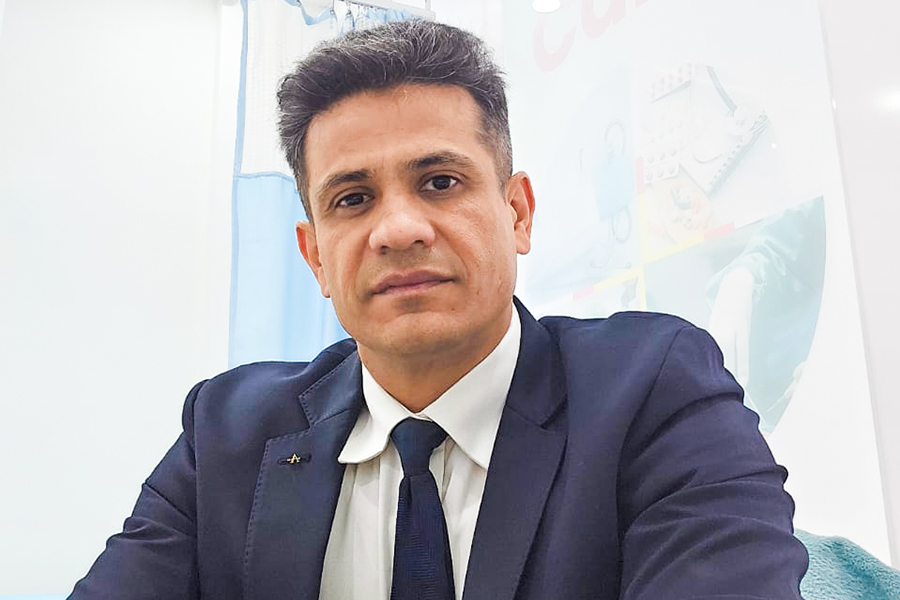
Dr. Gunjan Kishor Sharma, a physician and passionate health tech innovator, is the driving force behind MeshApp.ai—a platform redefining communication and collaboration in the pharmaceutical and healthcare ecosystem. With firsthand experience of the fragmented interactions between pharma companies, medical reps, and doctors, Dr. Sharma founded MeshApp to bridge this gap through a tech-enabled, transparent, and inclusive solution. In this interview, he shares insights into the platform’s impact, from enhancing field-force efficiency and compliance to empowering last-mile connectivity. He also outlines his vision of transforming MeshApp into a comprehensive digital backbone for the entire healthcare supply chain. IBT: What inspired you to create MeshApp, and what specific problem in the pharmaceutical ecosystem were you aiming to solve? Dr. Gunjan Kishor Sharma: As a medical professional, I frequently encountered a significant disconnect between pharmaceutical companies, their field force, and the doctors they strive to engage. Communication was often fragmented, critical updates were delayed or lost in transit, and the overall interaction felt more transactional than meaningful. Rather than fostering a sense of partnership, these engagements frequently lacked context, continuity, and transparency. It became increasingly evident that the healthcare ecosystem was missing a cohesive, tech-driven platform that could unify these stakeholders—one that enabled seamless, timely, and value-driven communication. This realization was the catalyst for MeshApp. MeshApp was created to address this very gap. It is a purpose-built solution designed to transform how pharmaceutical companies, medical representatives, and doctors connect and collaborate. By leveraging technology, MeshApp fosters a transparent and efficient environment that prioritizes trust, relevance, and mutual benefit. Our goal is to elevate the quality of engagement across the ecosystem, ultimately contributing to better healthcare outcomes for all. IBT: In your experience, what are the most critical gaps or inefficiencies currently affecting pharmaceutical companies, especially in their sales and marketing operations? Dr. Gunjan Kishor Sharma: One of the most critical challenges facing the pharmaceutical industry today is the absence of real-time communication and actionable insights from the field. Despite advances in digital tools, many sales teams still rely on outdated, manual reporting processes that slow down decision-making, reduce responsiveness, and hinder overall accountability. This lack of immediacy creates a disconnect between strategy and execution on the ground. Furthermore, there’s limited visibility into the quality and effectiveness of medical representatives’ interactions with doctors. Without robust data, it’s difficult to assess engagement impact or tailor follow-ups. Product promotions often suffer from a lack of personalized targeting, resulting in generic messaging that fails to resonate with individual practitioners. Compounding these issues is the growing emphasis on regulatory compliance. In an increasingly scrutinized environment, pharmaceutical companies must ensure every interaction is properly tracked and documented. However, traditional methods make this both cumbersome and inconsistent, leaving significant gaps in auditability and risk management. These challenges underscore the urgent need for a technology-driven solution that not only streamlines operations but also brings greater clarity, efficiency, and compliance to every layer of field engagement. IBT: How does MeshApp leverage technology to streamline communication and workflow between medical representatives, doctors, and pharma companies? Dr. Gunjan Kishor Sharma: MeshApp serves as a secure, integrated platform designed to unify and streamline communication between verified medical professionals and pharmaceutical representatives. By bridging this longstanding gap, MeshApp enables seamless, real-time interaction that enhances both efficiency and engagement across the healthcare ecosystem. For medical representatives, the platform offers powerful tools to schedule digital appointments, share up-to-date product information, and log visits with precision and immediacy. These features not only improve time management and accountability but also ensure that critical information reaches the right people at the right time. For doctors, MeshApp is more than just a channel for pharmaceutical updates—it’s a dynamic professional space. Here, they can engage in peer discussions, explore emerging medical technologies, share clinical experiences, and stay informed on the latest developments. This collaborative environment fosters continuous learning and deeper connections within the medical community. At its core, the platform transforms a traditionally fragmented process into a structured, data-driven interaction. Backed by robust analytics and real-time data capture, the platform delivers clarity, speed, and transparency—empowering stakeholders to make better-informed decisions and ultimately advancing the goal of improved healthcare outcomes. IBT: Can you explain how MeshApp addresses issues like data transparency, field-force productivity, or real-time reporting — common challenges in pharma operations? Dr. Gunjan Kishor Sharma: Absolutely. MeshApp brings powerful automation and transparency to field operations by streamlining visit logging, tracking representative movements, and delivering real-time dashboards for field managers. This integrated system offers unparalleled visibility into key performance metrics, engagement quality, and territory coverage—enabling leaders to monitor activity and outcomes with precision. Every interaction on the platform is timestamped and securely documented, ensuring full traceability and audit readiness. This not only enhances compliance but also builds trust across stakeholders by promoting accountability at every level. Armed with actionable, data-driven insights, companies can respond swiftly to emerging trends, identify performance gaps, and deploy targeted interventions such as training, mentorship, or support. By replacing guesswork with real-time intelligence, MeshApp empowers organizations to make faster, smarter decisions—ultimately driving higher productivity, better field-force alignment, and stronger healthcare partnerships. IBT: What has been the response from pharma companies so far? Are there any measurable impacts or success stories you can share since MeshApp’s implementation? Dr. Gunjan Kishor Sharma: The response to MeshApp has been overwhelmingly positive, reaffirming the critical need for a solution like this in the pharmaceutical ecosystem. Early adopters—both pharmaceutical companies and healthcare professionals—have reported significant improvements across multiple dimensions. Several pharma partners have noted a marked increase in doctor engagement, enhanced compliance tracking, and a substantial reduction in reporting delays. Notably, one of our early partners observed a 40% improvement in the accuracy of meeting documentation within just three months of implementation. On the doctors’ side, the feedback has been equally encouraging. Many have expressed appreciation for the platform’s transparency, intuitive interface, and the ease with which they can access timely, relevant updates on new drugs—without the usual noise or disruption. The ability to engage on their own terms, with greater control and clarity,