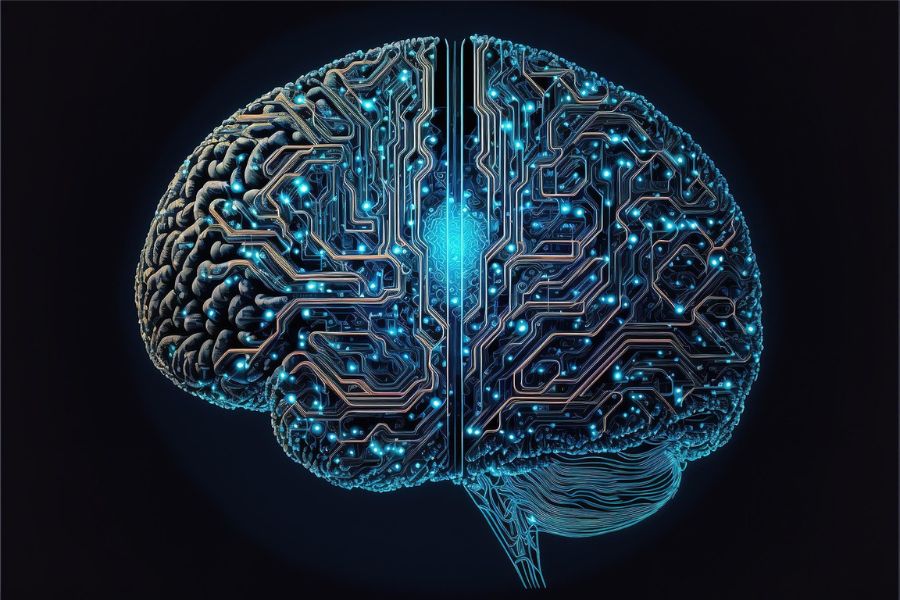
India’s healthcare sector is growing rapidly, yet persistent gaps in access, affordability, and quality—particularly in rural areas—pose serious hurdles. AI is emerging as a powerful tool, offering scalable solutions like telemedicine, smart diagnostics, and operational efficiency. But as this technology reshapes healthcare delivery, a pressing question remains: can it truly overcome the sector’s most entrenched challenges? Image Source: Pixabay India’s healthcare industry is one of the country’s largest and fastest-growing sectors, valued at over US$ 370 billion in 2022 and projected to reach US$ 610 billion by 2026. This growth is being driven by rising demand for healthcare services, driving the expansion of hospitals, medical devices, clinical trials, telemedicine, medical tourism, health insurance, and diagnostic equipment. While the sector is witnessing growth, it’s showing a contrasting picture. On one side, there are flashy, urban private hospitals, while on the other, there are rural areas that continue to rely on underequipped clinics which are far from being fully functional healthcare centers. Lack of healthcare infrastructure and personnel have caused people to witness healthcare challenges. India’s doctor-to-patient ratio stands at 1:900—quite below global standards—and widespread infrastructure gaps remain a major barrier to physical access to care. With the healthcare industry under strain, the most vulnerable remain the rural population, who continue to face the brunt of accessibility issues. As per a 2012 study, only 37% of people in rural areas were able to access in-patient facilities within a 5 km radius of their residence or workplace, and just 68% had access to out-patient services. Even when medical services are accessible, affordability emerges as another major challenge. A significant portion of the population lacks adequate financial protection, leading to a heavy reliance on out-of-pocket payments, which account for more than 60% of total healthcare expenditure in the country. This disproportionately affects those living below the poverty line, often preventing them from seeking or continuing essential medical care. The absence of widespread health insurance coverage further exacerbates the situation. For those who are covered, existing schemes often fail to provide comprehensive support—falling short in covering diagnostic tests, medications, and post-surgical care. Although government funding for healthcare has seen a modest rise—reaching 2.5% by FY25 from 2.1% of GDP in FY23—India’s healthcare spending still lags behind the global average of around 6% of GDP. Beyond accessibility and affordability, a third critical challenge looms—quality of care. In many low-income settings, patients often receive care that is inconsistent, substandard, or even harmful. India lags behind OECD countries on key healthcare quality indicators, including life expectancy, infant mortality, primary care access, and disease-specific outcomes. Studies point to a widespread “know-do gap” across both public and private sectors, where healthcare providers often fall short in translating their knowledge into practice. Can AI bridge the gap? With the rise and expansion of AI across various sectors, it presents a powerful and effective way to address the challenges facing India’s healthcare system. By building smart infrastructure and developing innovative, scalable solutions, AI has the potential to play a game-changing role and significantly accelerate the country’s healthcare transformation. “AI is no longer just an enabler; it is rapidly becoming the foundation for next-generation healthcare delivery. At Multiplier AI, we believe that AI’s true power lies in making healthcare not only smarter but also more inclusive—reaching patients across every geography, language, and economic background. As India advances toward a digitally empowered future, AI-driven healthcare solutions will be pivotal in bridging gaps and redefining patient experiences at scale.”, Vikram Kumar, CEO, Multiplier AI Solutions While the rise of AI offers unprecedented opportunities to transform healthcare delivery, it also opens the floodgates to serious risks if left unchecked. As Dr. Niraj Jha, Founder & CEO – Hanuman Care, emphasizes, “The rampant rise of AI-generated pseudo-expertise—health coaches, nutritionists, self-medication advisors—without any credible medical training is not just misleading, it is dangerous. False confidence fostered by AI tools can push individuals toward harmful practices, endangering lives under the illusion of informed choice. As we harness AI to solve real healthcare challenges, it is imperative to impose strict regulatory frameworks and enforce ethical standards with zero tolerance for misuse. The moral compass of AI in healthcare must be actively guarded, not assumed, if we are to ensure that innovation truly serves humanity and not its exploitation.“ This powerful reminder highlights the need for ethical regulation to ensure that AI’s potential is realized responsibly, protecting patients and upholding trust in healthcare systems. AI can develop solutions that significantly improve healthcare accessibility by enhancing service delivery in rural and remote regions through internet connectivity. By addressing gaps in infrastructure and the shortage of specialists, these technologies enable the provision of quality care without the need for physical healthcare facilities or on-site professionals, thereby empowering underserved communities. With AI powering telemedicine, remote consultations have become a reality for patients in areas lacking physical health infrastructure. Portable AI-driven diagnostic tools, such as those developed by Forus Health for diabetic retinopathy screening, are making quality screening possible even in low-resource settings. Additionally, AI-powered chatbots and virtual assistants offer 24×7 healthcare guidance and support which is crucial for populations without round-the-clock access to medical professionals. Many of these AI platforms also support multiple Indian languages, making communication more inclusive and healthcare services more accessible across diverse linguistic groups. AI is playing a crucial role in making healthcare more affordable by reducing costs across various stages of the medical ecosystem. In drug discovery, AI significantly cuts down both the time and expense involved, ultimately leading to more affordable medications. Diagnostic costs are also being lowered through AI-powered solutions like Niramai’s breast cancer screening tool, which offers higher accuracy at a fraction of the cost compared to traditional methods. Within hospitals, AI is driving operational efficiency by optimising staff schedules, patient flow, and inventory management—reducing overheads that are typically passed on to patients. Additionally, AI automates routine administrative tasks, helping cut workforce expenses and streamline workflows. In clinical research, AI enables faster, more targeted trials, making the process of bringing new treatments to market more

India’s entertainment future: Global ties and a US$ 6 bn opportunity
India’s entertainment industry stands at a critical turning point. A new report by DishTV and C21Media reveals that with the right global collaborations, creator-driven content, and tech adoption, India could unlock $6 billion in untapped value by 2030. Despite a massive OTT user base, the country’s global content footprint remains limited. The key to scaling lies in aligning with international trends, leveraging technology, and moving from local-first to globally relevant storytelling. Image credit: Freepik The Indian entertainment industry has a massive opportunity to unlock US$ 6 billion in unrealized value by 2030. According to a new report titled “The Future Of The Indian Entertainment Business In Partnership With The World,” released by DishTV and C21Media in collaboration with Allied Global Marketing, India can achieve this by reimagining its entertainment ecosystem for the global stage. This transformation requires strong international partnerships, the rise of creator-led ecosystems, and a deeper embrace of technology like artificial intelligence and virtual production. Although India already has a massive OTT user base of over 551 million people, its revenue from this segment stands at just US$ 2.1 billion. This figure falls significantly short of what the market could achieve. For comparison, countries like South Korea and Spain have successfully scaled their content industries globally by promoting authentic, culturally-rooted storytelling that resonates with international audiences. While India has produced international hits such as RRR, Pathaan, and Kantara, these remain isolated successes. The industry has yet to establish a consistent pipeline of global content exports. Jamie Crick from Allied Global Marketing, speaking at the launch summit, stated that India has the potential to grow its entertainment sector to US$ 15 billion by 2030. To do that, the industry must move away from a local-first mindset and reposition itself as a global content hub. Achieving this goal will require more than just ambition. It will demand international collaborations, a strategic realignment of content, and widespread adoption of emerging technologies. Challenges in India’s Content Strategy One of the biggest gaps lies in the mismatch between what audiences want and what producers deliver. Comedy is the most preferred genre among Indian viewers, with 30% of viewers naming it their favorite. Yet, only 10% of premium content falls into this category. On the flip side, 60% of new releases are in the drama or thriller genre, which does not align with audience demand. Another challenge is a misreading of viewer behavior. Though India is often described as a mobile-first market, the popularity of connected TV is rising, largely driven by family co-viewing habits. Additionally, YouTube accounts for 92% of all video viewing minutes in the country, but most OTT platforms continue to cater primarily to individual, urban viewers. The third major gap lies in India’s limited global content pipeline. While Indian productions have occasionally made waves internationally, there is no structured export mechanism. Unlike South Korea, which has built a robust system for global content dissemination, India continues to see global success as an exception rather than a norm. Recommended Steps for Global Growth To address these issues and unlock new value, the report offers several key recommendations: Position India as a Global Production Partner India has a natural advantage in terms of lower production costs compared to Western countries. The growing demand for cost-effective, high-quality content production presents an opportunity. By highlighting its affordability and increasing use of technologies like AI and virtual production, India can attract more global content collaborations. Tap into the Indian Diaspora Effectively With over 35 million Indians living abroad, many of whom are affluent and culturally connected, the diaspora represents an underused asset. The report suggests moving beyond nostalgia-driven storytelling to offer genres like thrillers and sci-fi that have broader global appeal. Adopt Advanced Technologies Widely Indian studios currently lag in tech adoption, with only 24% using AI tools. In contrast, 76% of U.S. studios have already integrated AI into their workflows. Studios like Digikore have shown that using AI in post-production can significantly improve efficiency. Embracing such technologies will help India compete at a global level in terms of speed and scale. Executing the Vision The report emphasizes that India has all the ingredients to become one of the top three global content economies by 2030: talent, market size, and cost advantage. However, achieving this will depend on execution. Shifting from sporadic success to a structured strategy is essential. DishTV CEO Manoj Dobhal noted, “The Indian entertainment business is already a global force. With the right partnerships and infrastructure, it can become a production and storytelling powerhouse on its own terms.” David Jenkinson, founder of C21Media and editor of the report, added, “India has the opportunity to lead the next phase of global entertainment—if it acts quickly and strategically. The upside is too large to ignore.” India’s entertainment sector stands at a pivotal moment. The road to US$ 15 billion in value is achievable, but only if the industry adapts its strategies, embraces technology, and builds global partnerships. The foundation is already in place. Now it’s time to act.

Curated, not committed: Rise of India’s rental economy
Owning things used to mean you’d made it, just about half a generation ago. Now, it just means you’re stuck. For a generation raised on instant upgrades, global mobility, and curated lifestyles, permanence feels more like a burden than a goal. Why buy a car when you can rent a Mercedes for a day? Why commit to a mortgage when a sea-facing Airbnb is a tap away? In this article, we unpack the rise of the rental economy and how it’s reshaping everything—from how we consume luxury to how we define success or prioritise simplicity and convenience. Expect insights into shifting mindsets, the tech fueling this change, the emotional and economic trade-offs, and what the future might look like when everything, even identity, can be rented. Ownership today feels more like a liability than a legacy, especially to the new generation – what marketers refer to as the millennials and Gen Z. In an age where careers shift like sand and cities feel more like stopovers than homes, permanence seems out of fashion — and flexibility? That’s the real power move. Why own when you can access, upgrade, and move on at the tap of an app? This shift is more than a passing fad. It’s a fundamental reshaping of consumer psychology, where the aspiration isn’t to own a lifestyle but to experience plenty. Whether it’s a Louis Vuitton clutch for a night, a Mercedes S-Class for the wedding, or a Scandinavian-themed studio in Goa for a two-month “workation,” the rental economy is offering young Indians something ownership never could: fluid identity and frictionless living. But what’s fuelling this transformation? A few key factors converge here. Rising disposable incomes, wider credit access, and the explosion of tech-enabled platforms have democratised luxury and convenience. Renting is no longer a fallback for those who can’t afford to own. It’s a choice for those who can afford to explore. With EMIs no longer the default and Insta-envy fuelling lifestyle churn, the idea of sampling everything without being shackled to anything is deeply appealing. At the same time, urban transience is accelerating. Young professionals are moving cities, hopping roles, and restructuring their lives every few years. In such a fluid reality, committing to a car loan or a 20-year mortgage can feel like an emotional burden. This financial outlay comes with a long-term mental contract. The traditional markers of stability now carry a weight many aren’t eager to shoulder. The process itself is daunting: lengthy paperwork, fluctuating interest rates, credit scores, the stress of approvals—and then, the years of repayment that follow. But the true cost is often psychological. Long-term financial commitments tend to narrow personal freedom. They tether people to jobs they may no longer enjoy, discourage risk-taking, and anchor them to geographies they may outgrow. For a generation raised on the promise of global mobility and real-time options, this feels counterintuitive. The aspiration is no longer to own and hold, but to access and adapt. Renting offers precisely that: the ability to pivot quickly, explore widely, and avoid being bound by decisions made under outdated notions of success. Geetansh Bamania, CEO of Rentomojo, puts it succinctly: “We’re leading a mindset shift from ownership to access. In a world that values mobility, affordability, and digital-first living, our subscription-led model offers flexible access to everyday essentials. Renting today is a conscious lifestyle choice—one that aligns with the priorities of a future-focused, experience-driven generation. The growth we’re witnessing is a direct reflection of this shift, as more Indians embrace rental subscriptions as a smarter, more sustainable way to live.” What we’re witnessing is merely a shift in the consumer behaviour, it’s a recalibration of what freedom looks like in an age with never-ending choice. Renting, by contrast, aligns seamlessly with the gig economy, the creator economy, and the “live light, move fast” ethos of the digital native. In a world where side hustles are a part of most lives, work can be remote, and careers often zigzag more than climb ladders, the idea of tying oneself down with big, immovable assets feels outdated and even risky. Ajith Mohan Karimpana, founder of Furlenco, echoes the sentiment: “What we’re really offering is not just furniture. We’re offering freedom. The freedom to move, upgrade, and experiment with your living space without burning cash or time.” For generations now flexibility is the currency. Renting supports this fluidity. Investing in furniture when one might take his next project across the country or continent in three months will be taxing. Why buy a car when you can get one on demand for a shoot, a trip, or a special event, without worrying about EMIs or service schedules or uber your way whenever you want Perception and presentation matter more in this creator economy. Renting high-end fashion for an event, a luxury car for a shoot, or a stunning Airbnb allows everyone to maintain an aspirational aesthetic without burning through capital. It’s not always about faking it, it’s about accessing the tools to embellish your story. This “access over ownership” model perfectly complements the lifestyle of a generation that prefers to keep commitments open-ended, options plentiful, and mobility frictionless. Renting, which happened as an answer to necessity, is now a strategy for staying agile in a fast-moving world. While the rental economy unlocks choice, it can also perpetuate a constant state of impermanence—where nothing is ever fully yours, and satisfaction is always a click away. There’s also the looming risk of overconsumption, masked as minimalism. When the barrier to access drops, so does the brake on indulgence. Why buy one handbag when you can rent ten? Access is the new status symbol. And then there’s the emotional flip side, can experiences replace the sense of security and stability that ownership once offered? Or are we renting our way into a culture of detachment, where everything is borrowed, and nothing truly belongs? Still, the momentum that it has been gaining is unmistakable. With sectors from real estate to mobility and fashion to
India’s manufacturing pivot: Innovation-led growth to scale to $1.6T by FY34
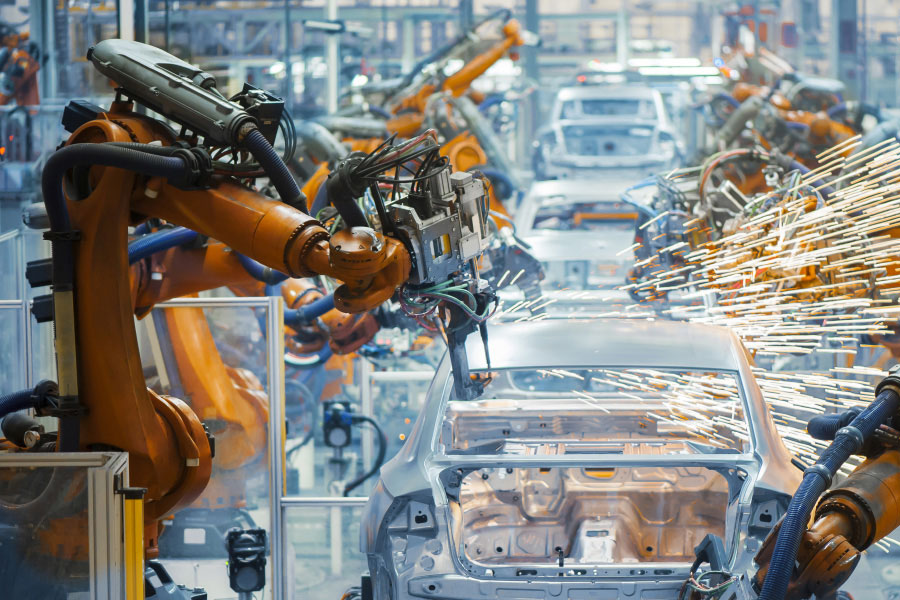
India’s manufacturing sector is undergoing a strategic transformation—from relying on low-cost labour and scale to embracing IP-led, research-driven, and automated production models. According to 3one4 Capital’s report ‘The Future of Production in India’, sectors like semiconductors, aerospace, and specialty chemicals are leading this shift. India’s manufacturing industry is undergoing a transformation—from traditional, scale-driven models to a future led by intellectual property (IP), research, and automation, as outlined in a recent report by early-stage venture capital firm 3one4 Capital. The report, The Future of Production in India, highlights that while low-cost labour still plays a role, the country’s long-term edge will stem from producing innovation-intensive, high-complexity goods in sectors such as semiconductors, aerospace, and specialty chemicals. “There is a very fundamental shift in how these businesses are being built in India, and there is a certain maturity that has come up now. That is making this sector very approachable, very realistic for delivering returns within the timeframe of a venture capital fund. I think in the next few years, we will see more and more capital going into this space,” said Anurag Ramdasan, partner at 3one4 Capital. To capture this transition, 3one4 introduces the “manufacturing innovation spectrum”, which classifies companies into three broad archetypes—process-driven manufacturing, IP-led manufacturing, and a hybrid category that integrates both approaches. According to Ramdasan, pure IP-led models often involve longer gestation periods, making them costlier for venture capitalists. On the other hand, hybrid firms—those blending process efficiencies with research and IP—are more attractive due to shorter timeframes to commercialisation and lower capital requirements. The firm’s portfolio includes examples like Unbox Robotics, which specialises in warehouse automation, and Fasal, an agri-tech venture applying precision technology to optimise farming operations. The report also projects that India’s manufacturing gross value added (GVA) will grow 3.6 times—from US$ 459 billion in FY24 to US$ 1.6 trillion by FY34—propelled by emerging industries including electronics, chemicals, semiconductors, and aerospace. Currently, key sectors such as automobiles, pharmaceuticals, textiles, and electronics contribute around 35% to the total manufacturing GVA. Cost competitiveness remains relevant—India’s average manufacturing wage stands at US$ 1.1 per hour—but productivity gains, infrastructure upgrades, and rising capital expenditure are expected to sustain growth. Labour productivity in India’s manufacturing sector is anticipated to grow at 6.2% annually, surpassing growth rates in China and Vietnam. Startups are increasingly driving this shift by digitising manufacturing. Innovations are emerging in areas such as factory automation, supply chain traceability, predictive maintenance, and embedded systems, helping accelerate industrial efficiency and competitiveness. India is also gaining from global supply chain diversification. The report notes 28 recent examples of companies shifting production or expanding capacity in India—more than in Vietnam, Mexico, or Thailand—as global manufacturers reduce reliance on China. Commenting on trade dynamics, Ramdasan said, “Indian startups have not been stuck with as many tariffs as other countries, and importing from India for US companies is relatively cheaper compared to China.” However, he stressed the need to scale IP-led innovation. “In every segment, there are only a handful of IP-led companies. But we need more IP-led businesses in the industry in every vertical. It’s not that India cannot do IP-led work, it’s just that we’ve not done it at a grand scale the way maybe, the US and China have.”
99% Power demand – Will AI overwhelm global power grids
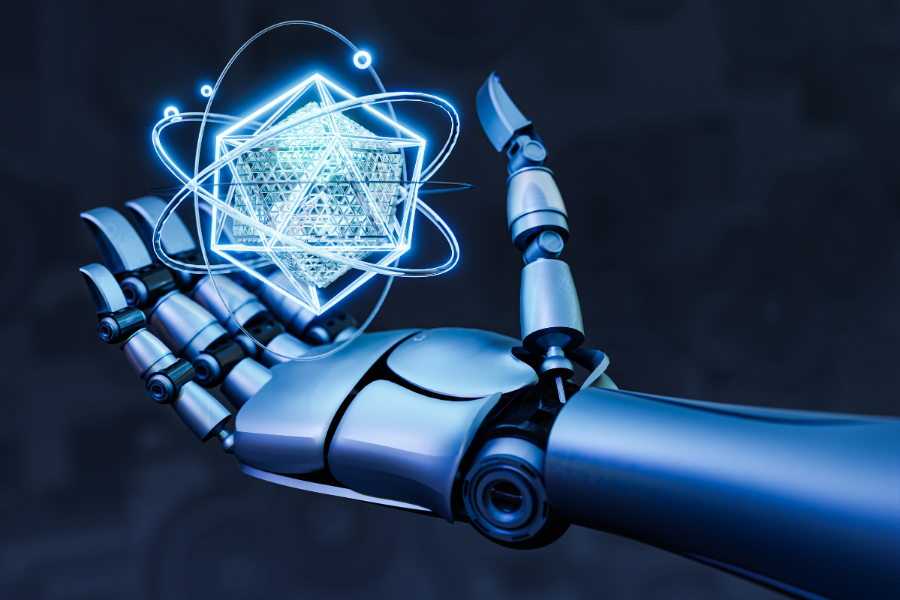
Artificial Intelligence (AI) is evolving fast—so fast that it’s not just testing the limits of technology, but also straining the world’s energy resources. Former Google CEO Eric Schmidt recently warned U.S. lawmakers that AI could, in the future, consume up to 99% of the world’s electricity. While the figure may sound extreme, his message is clear: the current trajectory of AI development is unsustainable without serious planning around energy. And he’s not alone—industry leaders like OpenAI’s Sam Altman have echoed similar concerns, revealing the massive energy demands behind today’s most powerful AI systems. As AI tools grow more advanced and widespread, powering them could become one of the biggest challenges of the digital age. Image credit: Freepik Former Google CEO Eric Schmidt recently made a bold and worrying prediction: artificial intelligence could eventually consume 99% of the world’s electricity. While that figure may seem far off, it’s based on a growing concern in the tech world—AI’s rapid advancement is outpacing the energy infrastructure needed to support it. At present, AI uses around 3% of global electricity. But with more powerful models being developed and deployed at scale, this number is expected to increase dramatically. Schmidt told U.S. lawmakers that AI systems will need an additional 29 gigawatts of power by 2027 and 67 gigawatts by 2030—comparable to the output of dozens of nuclear power plants. The scale of growth is so massive that data centers powering AI could soon rival or surpass nuclear plants in energy use. Schmidt warned that this could place enormous stress on electricity grids, raise energy prices, and even lead to shortages if the expansion isn’t planned properly. Adding urgency to this conversation, Schmidt highlighted that China is investing heavily in AI infrastructure. If countries like the U.S. don’t catch up in terms of computing power and electricity supply, they risk falling behind in the global AI race—something that could have deep economic and strategic consequences. Supporting Schmidt’s concerns, OpenAI CEO Sam Altman also raised red flags about AI’s energy appetite. In a recent discussion, Altman said, “Our GPUs are melting,” referring to the strain that AI workloads are placing on computer hardware. He even joked that generating whimsical image prompts like “in Studio Ghibli style” were consuming so much power that they significantly increased costs. Even seemingly small and polite user habits, like typing “please” and “thank you” in prompts, can lead to millions of dollars in electricity bills when scaled globally. Altman has also publicly acknowledged that future AI models will require breakthroughs not just in software, but in energy availability. Both Schmidt and Altman agree that we need to start preparing now—by building more efficient systems, expanding access to clean energy, and developing smarter ways to manage AI’s energy demands. The AI revolution is unfolding quickly, but it’s not just a technological one. It’s increasingly an energy story too. If we don’t find a balance between innovation and sustainability, the very tools designed to make life better could end up draining the systems we all rely on.

India’s MICE potential: Time to step out of the wings and take centre stage
India has everything it takes to be a global MICE (Meetings, Incentives, Conferences & Exhibitions) powerhouse — world-class hospitality, rich cultural diversity, and improving infrastructure. Yet, we’re still not on the global radar. What’s missing isn’t potential — it’s a cohesive vision, strategic execution, and a bold narrative. India is a land of stories — of color, culture, chaos, and charisma. A dream for leisure travelers. But when it comes to MICE — Meetings, Incentives, Conferences & Exhibitions — we’re still acting like we’re on the fringes of the global conversation. Ramanpreet Singh, Chief Growth Officer at SKIL and someone who’s spent years in the trenches of this industry — pitching to corporates, designing experiences, and watching other countries run away with the spotlight — puts it bluntly: India has all the ingredients, but is missing the recipe. Let’s break it down. We’re not starting from scratch. In fact, we’re sitting on a goldmine. India’s diversity is unparalleled. From high‐tech Bengaluru to regal Udaipur, we can sell twelve different experiences in twelve different cities — and still have a hundred more left. Our hospitality, too, is world-class. Hotels, resorts, convention centres — all backed by a service culture that’s still among the best in the world. Infrastructure has improved. Airports have transformed. Roads are smoother. Intercity connectivity is better than ever. We’re getting there — slowly, but surely. But Here’s Where We’re Falling Short Despite these strengths, global corporations still flock to Bangkok, Dubai, or Singapore. And here’s why. There’s no central MICE authority. India lacks a unified, dedicated MICE bureau. We’re fragmented. While other nations offer a red carpet with single‐window support, we make international planners chase five departments for five approvals. Fix it: Set up a national‐level MICE body — with authority, autonomy, and ambition. Our marketing is weak and inconsistent. India’s MICE pitch to the world is disjointed at best. There’s no consistent campaign, no global narrative. Fix it: Build a compelling, creative global brand for India as a MICE destination. Tell our story with strategy. Tier 2 & Tier 3 cities are being ignored. Udaipur, Kochi, Coimbatore, Bhubaneswar — cities that boast beauty, affordability, and untapped potential — remain off the radar due to a lack of infrastructure and global visibility. Fix it: Invest in infrastructure. Train local vendors. Put these destinations on the global circuit. There is no structured talent pipeline. Much of our event workforce is accidental — not trained, not specialised. Fix it: Partner with academic institutions. Build MICE-specific certification programs. Create a formal path into the industry. Hybrid events remain underutilised. The world moved forward with hybrid formats. We largely reverted to the old playbook. Fix it: Develop hybrid‐ready venues. Offer plug‐and‐play tech options. Give global clients flexibility. Government incentives are limited. Other nations offer subsidies, tax waivers, and fast‐track permissions for global MICE players. India doesn’t. Fix it: Launch government‐backed schemes to attract large MICE events with real economic impact. There’s no centralized MICE data or analytics. We operate in silos, with no single source of truth. Fix it: Create a national MICE dashboard to track growth, trends, and market demand. Make policy and promotion smarter. Opportunities India Can’t Afford to Miss Bleisure travel — the blending of business and leisure — is where India has a natural advantage. Boardrooms to beaches. Decks to dhabas. We can do it all. Domestic demand is rising fast. Indian corporates are spending big on offsites, product launches, and leadership retreats. If we serve this audience well, the global market will follow. Sustainable events are no longer a trend — they’re a mandate. India has the potential to lead with venues, logistics, and experiences that are greener by design. Academic and industry collaboration is key. Training the next generation of event professionals today means building leadership for tomorrow. It’s time to stop winging it and start skilling it. India’s culture is our biggest differentiator. No other country can blend business with spiritual, cultural, and culinary richness like we can. It’s a unique value proposition. And hybrid capabilities need to become the norm. Events are no longer just in-person. India must combine immersive experiences with global digital reach. Final Word from the Frontline India isn’t lacking potential. We’re lacking urgency, vision, and execution. We’re trying to win a global game with local thinking, fragmented ownership, and outdated playbooks. We still treat MICE as a subset of tourism, when globally, it’s a multi‐billion‐dollar industry in itself. We still focus on price over planning, logistics over experience, and quantity over quality. We still wait for inbound demand instead of building outbound ambition. It’s time we stop acting like a supporting act — and start claiming the spotlight. To become the MICE capital of the world, India needs more than infrastructure. It needs institutional intent. Strategic ownership. Bold reforms. Consistent storytelling. And most of all — leaders who think beyond the next event and plan for the next decade. We’re not short of talent. We’re short of trust in our own ability to lead. Because the truth is — if we build it right, India won’t just be ready for the world. The world will be ready for India. Mr. Ramanpreet Singh serves as the Vice President of Growth & Strategy at SKIL Group, where he plays a pivotal role in driving the company’s expansion in Corporate Travel & Mobility and Global Meetings and Events. As a seasoned Sales Leader, he has a proven track record of leading high-performing teams that consistently deliver exceptional results. With over a decade of experience, Mr. Singh has a deep understanding of market dynamics, allowing him to develop and execute strategies that align with SKIL Group’s long-term goals. His expertise in Corporate Travel & Mobility enables him to anticipate industry trends and create innovative solutions that meet client needs. In the Global Meetings and Events sector, particularly within MICE (Meetings, Incentives, Conferences, and Exhibitions), Mr. Singh ensures flawless execution of high-value projects, enhancing SKIL Group’s reputation.

Cow dung exports: India’s organic touch in UAE’s date groves
India’s Cow dung exports are emerging as an unlikely yet powerful contributor to sustainable farming worldwide. Among the most prominent markets is the UAE, where India’s cow dung export is helping revive soil fertility in vast date groves. By turning this traditional rural byproduct into an organized, value-added commodity, India is not only boosting agricultural productivity abroad but also strengthening its footprint in the global organic fertilizer market. Image credit: Pixabay India’s cow dung exports to the UAE are rising steadily, driven by a surprising but strong demand from farmers who want to improve the quality of dates. In the UAE’s dry desert conditions, maintaining healthy soil is a challenge. Cow dung, rich in organic nutrients like nitrogen, phosphorus, and potassium, offers a natural way to boost soil fertility and support better crop yields. For date farmers, using organic manure helps produce sweeter, larger, and more resilient fruits without relying on chemical fertilizers. Cow dung is being used mainly as an organic soil conditioner for date farming. It improves the structure of sandy soils, increases moisture retention, and supports microbial activity critical for healthy plant growth. For crops like dates, which require balanced soil nutrition over long periods, cow dung offers a sustainable solution that aligns with the global move toward chemical-free farming. In India, cow dung has a rich cultural significance and has been an integral part of rural life. For centuries, farmers have used it to enrich their fields, make biogas for energy, and even plaster walls and floors of homes in villages. Applying a layer of cow dung mixed with mud on walls and floors helped maintain hygiene and also kept homes cooler in summer by reducing indoor temperatures naturally. Its antiseptic and thermal properties made it a practical solution long before modern technologies entered rural India. This deep-rooted knowledge is now finding new relevance as the world searches for sustainable ways to manage soil health and climate impact. Meeting Global Demand The growing demand for organic fertilizers is not limited to the UAE. Countries like Kuwait, Saudi Arabia, and other Arab nations are also importing Indian cow dung to promote sustainable farming and improve agricultural productivity. The nutrient-rich properties of cow dung make it an attractive natural fertilizer for regions where maintaining soil quality is a major challenge. India’s cow dung exports now cater to a range of international markets. Apart from the Arab countries, key importers include the Maldives, the United States, Singapore, China, Nepal, and Brazil. The variety of cow dung products being exported is also expanding — from fresh cow dung to fertilizers, pesticides, compost manure, dry cow dung cakes, and cow dung powder. Each product serves different farming needs, and Indian exporters are now customizing and processing manure to meet international standards. India is well positioned to meet this rising demand of cow dung. As the world’s largest cattle-owning country, India generates over 3 million tonnes of cow dung every day, according to the Department of Animal Husbandry and Dairying. Traditionally, a large part of this dung was either used locally or left unutilized. Now, with better collection systems, processing units, and packaging methods, Indian exporters are turning cow dung into a standardized, marketable product. In international markets, the price of dried and processed cow dung ranges from ₹5 to ₹15 per kilogram, depending on quality and treatment. The benefits of cow dung as a manure are well established. It provides essential nutrients to the soil, improves its structure, enhances aeration, reduces erosion, and supports the natural nitrogen cycle. Unlike chemical fertilizers that can harm the environment with prolonged use, cow dung releases nutrients slowly, supporting healthy and sustainable crop growth over time. The government is also actively promoting organic farming and natural soil enhancers. The Paramparagat Krishi Vikas Yojana (PKVY) supports organic farming practices across India, while programs like Chhattisgarh’s Godhan Nyay Yojana have created successful models of dung collection and commercialization. Such initiatives not only encourage sustainable agriculture but also open up new income sources for rural communities. The growth of India’s cow dung export industry highlights the country’s potential in the global organic fertilizer market. With its rich cattle population and traditional farming knowledge, India is now well-positioned to capitalize on the increasing demand for sustainable agricultural solutions worldwide. At the same time, the rise of cow dung exports shows how agriculture is evolving. Entrepreneurs are investing in organized manure production, branding organic composts, and building strong supply chains to tap into emerging global markets. For exporters, farmers, and agri-businesses, cow dung offers more than just a niche opportunity. It represents a shift toward organic farming, sustainable soil management, and new economic possibilities driven by simple, natural resources. With growing awareness, supportive policies, and expanding markets, India’s cow dung story is proving that traditional practices, when combined with modern opportunities, can build a strong future for global agriculture. Read More: Building bridges: UAE sets US$ 100 billion investment milestone in India India and UAE sign agreements on energy, trade, and connectivity India-UAE CEPA in retrospect, one year later

From backup to strategic partner: India’s pharma ambitions in the US market
India’s pharmaceutical industry, famously known as the “pharmacy of the world,” plays a crucial role in global healthcare, supplying nearly 20% of generic medicines worldwide. With pharmaceutical exports reaching US$ 30.4 billion in 2024 and strong growth projections ahead, India stands at a strategic crossroads, particularly in its largest export market—the United States. As the US-China trade tensions reshape global supply chains, India has a unique opportunity to strengthen its position as a reliable pharma supplier. However, challenges remain beyond just tariff threats. This article explores the broader issues impacting Indian pharma’s future in the US market, including regulatory compliance, quality standards, supply chain dependencies, intellectual property concerns, and ESG expectations. It highlights how India can strategically navigate these hurdles through trade discussions, targeted policy moves, and industry initiatives to transform from a backup supplier to a strategic healthcare partner for the world’s largest pharmaceutical market. India, known as the “pharmacy of the world,” supplies nearly 20% of global generic medicines, playing a key role in making healthcare more affordable worldwide. In 2024, India’s drugs and pharmaceutical exports reached US$ 30.4 billion, growing at a 5-year CAGR of 8%. It is the 11th largest exporter of pharmaceutical products, accounting for about 6.9% of total exports. The sector is further expected to grow significantly, with projections of US$ 350 billion in exports by 2047. The US is the largest importer of Indian pharmaceuticals, followed by the UK, South Africa, France, and Canada. US dominates by making up 35% of India’s exports. Recently, the sector avoided potential setbacks when the US excluded pharmaceuticals from new tariffs, though it has signalled that tariffs may still be implemented. Indian drugmakers remain hopeful, especially since generic drugs are critical to affordable healthcare for the US as well. In this article, we focus on the challenges, as well as the opportunities that come up for India amidst the US-China trade war. The US market: What’s at stake? The US is the world’s largest importer of pharmaceutical products, accounting for around 20% of global pharma imports. It is India’s largest export destination for pharmaceutical products and conversely, India is the fifth-largest supplier of pharmaceuticals to the US. The threat of US tariffs can be a challenge for Indian pharma, with major companies like Dr. Reddy’s, Sun Pharma, and Aurobindo deriving 40–45% of their revenue from the US—making them particularly vulnerable to any trade policy changes. On the brighter side for Indian pharma, ongoing US-China trade tensions and the broader tariff war have highlighted the risks of overreliance on China—particularly for active pharmaceutical ingredients (APIs)—creating fresh opportunities for India to step in as a more reliable supplier. As a result, a gradual shift in sourcing is expected to be seen, with US buyers increasingly looking to India not just for finished formulations, but also for critical inputs like APIs. This shift has the potential to elevate India from being a backup supplier to a strategic partner in the global pharmaceutical ecosystem. A key strategic move for India would be to closely track the segments where China currently holds a dominant share in the US pharma market—particularly in APIs, antibiotics, and key intermediates, and work toward increasing its presence in those areas. China has a leading share of around 72% of US imports of APIs, vitamin C, and chemical reagents. India can look to absorb some of this demand. But given that India is itself importing around 70% of its APIs from China, because they come out more price competitive than domestic production, this shift is expected to take some years. The Department of Pharmaceuticals has drawn a list of 56 APIs as priority under Make in India. The Production Linked Incentive (PLI) Scheme for domestic manufacturing of critical KSMs, DIs, and APIs in India has a financial outlay of ₹6,940 crore for FY 2020-21 to FY 2029-30. It offers incentives for 41 products, with 48 applications approved out of 249 received, committing ₹3,938.57 crore in investments and creating around 9,618 jobs. So far (as of 2024), 27 projects have been commissioned with an installed capacity of 41,881 metric tonnes. The scheme aims to reduce import dependence, offering six years of incentives based on incremental sales. Fermentation-based products get 20% incentive initially, tapering to 5%, while chemical synthesis products receive 10% throughout. IFCI Ltd is the Project Management Agency. The success of such policies is critical if India has to come anywhere close to the scale of China, and also maintain the consistent quality required to become an alternative export hub. In 2024, China exported US$ 7.8 billion worth of pharmaceutical products, much of it now at risk due to trade tensions and supply chain shifts. This also presents an opportunity for India to expand in areas where China has a strong US market presence—such as first aid kits, penicillins, gauze, wadding, and bandages. Targeting these product lines could help India capture displaced market share and strengthen its position as a reliable alternative in the global pharma supply chain. Compliance and trust: Walking the tightrope The US pharmaceutical industry is subject to stringent regulatory scrutiny from multiple bodies, including the FDA, Federal Trade Commission (FTC), Department of Justice (DOJ), and Department of Health and Human Services (HHS). These agencies ensure compliance with laws regarding promotion, particularly when it involves off-label indications or misleading content. In 2023, the USFDA conducted 225 inspections in India, resulting in 18 Official Action Indicated (OAI) cases and 117 Voluntary Action Indicated (VAI) cases. By 2024, even amid stricter regulatory scrutiny, inspections declined to 206, with OAI cases dropping to 14 and VAI to 115. This steady decline in adverse findings reflects India’s improving compliance and greater alignment with global quality standards in pharmaceutical manufacturing. Despite overall improvements in regulatory compliance, recent recalls by Indian pharmaceutical companies highlight persistent gaps in adherence to Current Good Market Practices (CGMP) standards: ● Glenmark Pharmaceuticals is recalling over 25 products from the US market, including Propafenone ER capsules and Solifenacin tablets, due to CGMP deviations. The Class
AI interest soars in India, yet only 31% adoption
A new study by Google and Kantar shows that while interest in AI is booming across India, actual usage remains limited, with only 31% having tried generative AI tools. Despite low familiarity, most Indians are eager to use AI to boost creativity, productivity, and communication. Despite the growing excitement around artificial intelligence, only 31% of Indians have actually used a generative AI tool, according to a recent study by Google and Kantar. Covering more than 8,000 individuals across 18 cities, the nationwide survey reveals that while awareness is still limited, interest and aspirations related to AI are rapidly gaining momentum, especially in areas like enhancing creativity, productivity, and communication in daily life. The study highlights a notable gap between enthusiasm and actual experience. Although 60% of respondents remain unfamiliar with AI, a significant majority expressed a strong desire to engage with such tools to better their lives. Specifically, 72% want to boost their productivity, 77% aim to enhance their creativity, and 73% are eager to improve communication effectiveness. Early users of Google’s AI platform, Gemini, are already reporting substantial benefits. As per Google, 92% of Gemini users in India believe the tool has increased their confidence, 93% feel it has made them more productive, and 85% say it helps them think more creatively. “Gemini represents Google’s most advanced AI model, pushing the limits of what’s possible — from dynamic video creation with Veo 2 to intuitive conversations through Gemini Live,” said Manish Gupta, Senior Director at Google DeepMind. “Our goal is to create a truly personal, helpful assistant for everyone.” Shekar Khosla, Vice President of Marketing at Google India, added, “We’re seeing real emotional impact — 92% of users feel more confident in their daily lives thanks to Gemini. It’s encouraging to see how it’s empowering people across ages, regions, and languages.” The survey also finds that beyond the workplace or classroom, Indians are looking for AI tools to assist in everyday tasks. From planning trips to managing budgets, 76% of respondents seek help to save time. Moreover, 84% hope to incorporate greater creativity into their daily lives, whether by assisting children with homework or exploring hobbies like cooking. However, users encounter several persistent challenges. Getting started proves difficult for 68% of respondents, and 52% cite a lack of skills or guidance as a major hurdle. These obstacles are far from insignificant — 61% of Indians admit to abandoning a professional or creative aspiration due to such barriers. Confidence issues also loom large: 73% worry about how their message or tone is perceived, while over two-thirds report feeling blocked when trying new activities, from experimenting in the kitchen (71%) to organising travel (67%).

Recycled plastics market set to hit US$120 bn by 2030
Driven by mounting consumer demand for sustainable products and tighter regulations on plastic use, the global recycled plastics industry is on track to nearly double—from roughly $69.4 billion in 2023 to an estimated $120 billion by 2030, growing at an 8.1 percent annual pace . Major markets such as packaging, automotive, and electronics are increasingly substituting virgin resins with post-consumer and post-industrial feedstocks, reducing energy use by up to 130 million kJ per ton and curbing greenhouse emissions . At the same time, policymakers from the European Union’s binding 30 percent recycled-content mandate for packaging by 2030 to extended-producer-responsibility schemes in the United States are forging a clear path toward a circular plastics economy. Image credit: Freepik The global recycled plastics market is set to nearly double in size over the next decade, climbing from an estimated US$ 69.4 billion in 2023 to US$ 120.0 billion by 2030,with a projected CAGR of 8.1%. This surge reflects rising demand from industries such as packaging, automotive, and electronics that seek lighter, greener materials. As public awareness grows and governments roll out stricter targets, innovators are deploying advanced mechanical and chemical recycling methods to turn waste into high-value feedstocks. These trends not only cut energy use—by as much as 130 million kilojoules per ton compared to virgin plastics —but also unlock new business opportunities and help curb the environmental toll of plastic pollution. Consumers report strong support for products made with recycled content, yet actual purchasing lag suggests more work is needed to translate awareness into action. Campaigns led by the United Nations Environment Programme’s “Beat Plastic Pollution” initiative highlight that less than 10% of the seven billion tonnes of plastic waste generated to date has been recycled. In parallel, the Global Plastic Action Partnership has forged 25 national programs by 2025 to coordinate policy, infrastructure, and finance for waste management, marking a significant step toward circular-economy models. Governments are translating commitments into solid measures. In Europe, plastics producers back a binding 30% recycled-content requirement for packaging by 2030, pushing manufacturers to secure reliable supply chains of post-consumer resin. Commission Regulation (EU) No 10/2011 also lays out strict safety criteria for recycled plastics in food-contact applications, safeguarding consumers while fostering reuse. Across the Atlantic, four U.S. states already mandate minimum percentages of recycled content in packaging, and several more are considering similar rules alongside extended producer-responsibility frameworks. The U.S. Plastics Pact, with over 130 member organizations, aims for 50% of plastic packaging to be effectively recycled or composted by 2025 and an average of 30% recycled content. On the technology front, established mechanical recycling is evolving into advanced processes that deliver purer, higher-grade materials with lower energy costs. Chemical recycling methods—such as solvolysis, pyrolysis, and gasification—break down mixed plastic waste into monomers or feedstocks that match virgin quality. A recent breakthrough from Northwestern University uses moisture from the air and an inexpensive catalyst to depolymerize 94% of PET plastic into terephthalic acid in four hours, offering a scalable path to upcycling polyester waste. Meanwhile, companies like Samsara Eco have raised over US$ 100 million to commercialize enzymatic recycling of polyester and nylon, demonstrating investor confidence in circular-chemistry solutions. Recycling plastics delivers clear environmental benefits. It can reduce carbon emissions by up to 42% compared to producing virgin resin and prevents millions of tonnes of waste from reaching waterways. Yet an urgent gap remains: roughly 19–23 million tonnes of plastic leak into aquatic ecosystems each year, harming wildlife and human health. Beyond environmental urgency, there is a compelling business case: waste-to-resource technologies could tap into a potential USD 120-billion market in North America alone, as major brands seek dependable, compliant sources of recycled feedstock. Companies that lead in recycling innovation stand to capture high-margin revenue streams and meet tightening corporate sustainability goals. To seize this opportunity, stakeholders must expand collection networks, refine sorting systems, and invest in next-generation recycling plants. Policymakers should align incentives—such as tax credits, grants, and procurement rules—with circular-economy targets, while brands pledge transparent recycled-content commitments. Consumers can support the shift by choosing products with clear PCR (post-consumer recycled) labels and participating in local recycling programs. When technology, policy, and market forces converge, recycled plastics will no longer be a niche. They will become a cornerstone of a resilient, low-carbon materials economy—protecting ecosystems, powering new industries, and generating substantial economic value by 2030 and beyond.