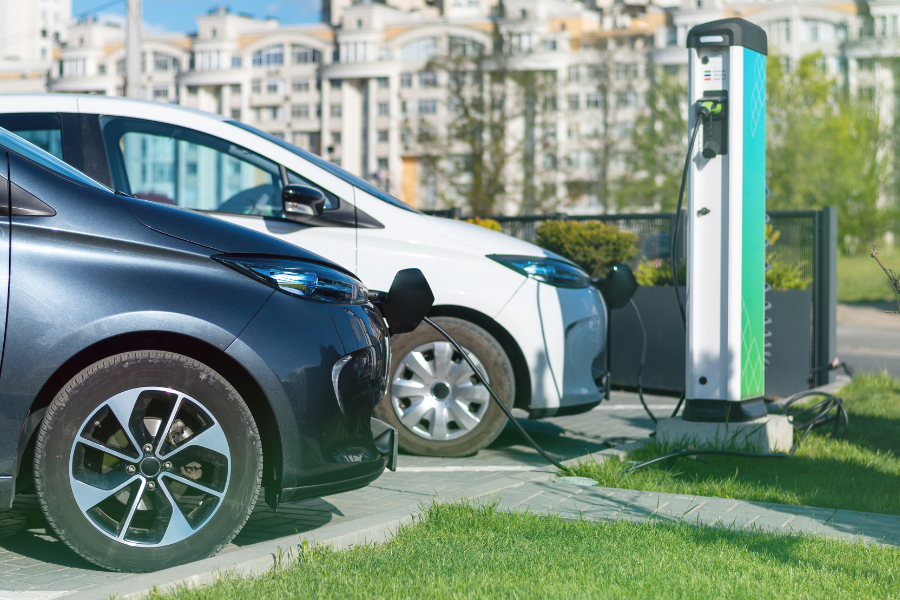
India’s EV sector hit a milestone in FY2025 with 20 lakh annual sales and 61.65 lakh cumulative EVs, led by two-wheelers at nearly 60%. Three-wheelers and cars grew steadily, while e-bus sales dipped slightly. Adoption is expanding beyond metros, with Bihar entering the top five states. Key growth drivers include affordability, supportive policies, localized infrastructure, tailored incentives, rural financing, and awareness campaigns in regional languages. The long-term outlook remains strong. Image Source: Freepik India’s electric vehicle (EV) sector achieved a major breakthrough in FY2025, recording over 20 lakh units in annual sales and reaching a cumulative total of 61.65 lakh EVs by March 2025, according to JMK Research & Analytics’ Annual India EV Report Card: FY2025. Electric two-wheelers (E2Ws) led the momentum, contributing to more than half of total EV sales. The market expanded by approximately 19% year-on-year, driven by soaring fuel prices, worsening urban traffic, and significant improvements in EV affordability and performance. Mr Kunal Arya, co-founder & managing director, ZELIO E Mobility Ltd stated, “The rising adoption of electric vehicles in India is the result of a well-aligned shift in economics, technology and user behaviour.” Electric two-wheelers The electric two-wheelers continued to dominate India’s EV market, accounting for nearly 60% of total EV sales in India—around 1.2 million units. The segment saw a robust 20% year-on-year growth and has expanded over 42 times since FY2020. This surge highlights the growing shift among urban commuters toward affordable, eco-friendly options like e-scooters and e-bikes. Ola Electric, TVS Motors, and Bajaj continued to dominate the E2W segment, together accounting for over 70% of registrations. Mr Arya attributed this surge to a combination of economic feasibility, evolving consumer behavior, and advances in EV technology. “Electric two-wheelers are increasingly becoming the go-to choice for daily commuting,” he said, citing better battery reliability and extended range as key enablers. Government incentives and supportive policies have further boosted accessibility and adoption. Three-wheelers and electric cars: Steady growth Passenger electric three-wheelers (E3Ws) followed closely, holding around 36% of the total market. Combined passenger and cargo E3W sales grew 11% year-on-year, with Mahindra Last Mile Mobility, Bajaj Auto, and YC Electric emerging as key players. These vehicles remain essential for last-mile connectivity, particularly in tier-II and tier-III cities where affordability is crucial. Electric car sales also continued on an upward trend, growing 11% from the previous year. Tata Motors led with a dominant 53% share, while MG Motor followed at 28%. However, higher upfront costs and limited charging infrastructure remain challenges for broader EV adoption in the passenger car segment. E-Bus sales see a dip, but long-term outlook remains positive The electric bus segment saw a slight dip of 3% in sales compared to FY2024. Despite the decline—likely due to procurement delays and policy uncertainty at the state level—Tata Motors, Olectra Greentech, and PMI Electro maintained a stronghold, contributing nearly 69% of all electric bus sales. The long-term demand for e-buses remains intact, especially in public transportation. State-Level insights: Expansion beyond urban India Uttar Pradesh topped the list in cumulative EV sales for FY2025, followed by Maharashtra, Karnataka, Tamil Nadu, and notably, Bihar. The inclusion of Bihar in the top five highlights growing EV adoption beyond metro cities, signalling deeper market penetration across rural and semi-urban regions. Mr Arya emphasized the importance of region-specific strategies to sustain this growth. “Expanding targeted incentives, ensuring timely subsidy disbursals, and offering easy financing options will help make EVs more affordable and appealing to a broader audience,” he noted. He further emphasized the need for greater investment in localized charging networks, battery-swapping facilities, and specialized EV skill development programs. Mr Arya also highlighted the importance of public awareness campaigns in regional languages, noting that they are essential for driving adoption and translating policy into effective on-ground implementation. The road ahead India is not merely transitioning to electric mobility — it is spearheading a quiet revolution that is smart, inclusive, and sustainable. To sustain and build on this momentum, industry leaders are calling for- Localized infrastructure like regional charging stations and battery-swapping networks; Region-specific incentives and faster, more efficient subsidy delivery; Financing solutions tailored for rural and small-town users; and Skilling and awareness programs in local languages to bridge the knowledge gap.

“Vserve ensures compliance by tracking global e-commerce, tax, and trade law changes”
With a presence across the USA, India, and the Philippines, Vserve Ebusiness Solutions has emerged as a global leader in IT-enabled services and e-commerce support. At the helm of this success is Founder and CEO Siva Balakrishnan, whose strategic vision has driven the company’s rapid growth and innovation. In this exclusive interview, he shares insights into how Vserve navigates international markets through localisation, technology, and customer-centricity. From adapting to evolving e-commerce trends and integrating AI to ensuring regulatory compliance and scaling client success, Siva offers a compelling look at how Vserve continues to lead in a dynamic digital world. IBT: With Vserve Ebusiness Solutions operating in the USA, India, and the Philippines, what strategies have been most effective in managing and expanding your global presence? Siva Balakrishnan: Vserve Ebusiness Solutions has successfully expanded its global presence through a strategic combination of localisation, technology-driven operations, and a strong focus on customer needs. By establishing teams in key markets, we ensure that our services are tailored to the unique business environments of India and the Philippines. We invest in skilled professionals and robust training programmes to maintain high service standards across regions. Leveraging automation, AI, and cloud-based collaboration tools allows seamless communication and efficiency across geographies. Additionally, we adopt a customer-first approach, customising solutions based on regional market trends and regulatory requirements. Our ability to scale operations while maintaining cost-effectiveness has played a crucial role in our expansion, enabling businesses worldwide to optimise their e-commerce processes confidently. IBT: Given the rapid evolution of e-commerce, how does Vserve stay ahead in offering relevant and innovative solutions to its clients? Siva Balakrishnan: E-commerce is evolving at lightning speed, and Vserve stays ahead by focusing on continuous innovation, deep domain expertise, and a holistic approach to service delivery. We invest significantly in emerging technologies such as AI, machine learning, and automation to drive efficiency across functions like order processing, inventory management, product listing optimisation, and customer engagement. What truly sets us apart is our end-to-end approach—we support our clients through the entire e-commerce lifecycle, from sourcing and inventory management to order fulfilment, after-sales service, and even gathering and analysing customer feedback. This complete cycle engagement gives us a unique advantage, allowing us to provide more meaningful insights, close the feedback loop, and continually refine strategies for better outcomes. Our innovation strategy is also rooted in client retention—by consistently adapting our offerings to meet the ever-changing demands of the digital marketplace, we’ve been able to build long-term relationships and become strategic growth partners for our clients. From real-time analytics to platform-specific updates, we ensure our clients are always a step ahead in a highly competitive environment. IBT: How do government policies and regulations in different countries influence Vserve’s operations, and what measures do you take to ensure compliance and adaptability? Siva Balakrishnan: Operating across multiple countries means understanding diverse regulatory frameworks, trade policies, and data protection laws. Vserve proactively monitors legislative changes in e-commerce, taxation, and digital trade across the USA, India, and the Philippines to ensure full compliance. We work closely with legal experts and regulatory bodies to keep our policies aligned with international standards, including data privacy laws such as GDPR and India’s DPDP Act. Our internal compliance teams conduct regular audits, and we educate our clients on best practices to operate within legal guidelines. This proactive approach ensures seamless operations while helping our clients avoid potential risks associated with regulatory non-compliance. IBT: With advancements in AI and machine learning, how is Vserve integrating these technologies into its services to enhance client offerings? Siva Balakrishnan: AI and machine learning are at the heart of Vserve’s commitment to innovation. We integrate AI-driven automation to improve efficiency, reduce errors, and optimise client operations. Our AI-powered analytics tools help businesses gain deeper insights into customer behaviour, enabling personalised marketing strategies and better inventory management. Additionally, machine learning enhances fraud detection and security, reducing risks for clients. By continuously refining our AI capabilities, we deliver cost-effective, scalable, and future-proof solutions that drive long-term success and client retention. Our technology-driven approach ensures that businesses can optimise processes while maintaining a competitive edge. IBT: Vserve emphasizes customer-centric strategies. Can you share an example of how this approach has led to a significant client success story? Siva Balakrishnan: One of our clients, a growing e-commerce brand struggling with order processing inefficiencies, turned to Vserve for a solution. We conducted a thorough analysis of their operations and implemented an AI-powered order management system that automated fulfilment, reduced errors, and improved delivery timelines. Additionally, we optimised their product listings and content strategy, leading to a rapid increase in conversions within six months. Our customer-centric approach—focused on understanding their pain points and delivering a customised solution—transformed their business operations and significantly boosted revenue. This success story highlights our commitment to driving measurable results for our clients. IBT: Looking ahead, what are your key priorities for Vserve in the next five years, and how do you plan to achieve them? Siva Balakrishnan: Over the next five years, Vserve aims to further establish itself as a leader in e-commerce solutions by focusing on three core priorities: technology innovation, market expansion, and long-term client success. We will continue investing in AI, automation, and predictive analytics to enhance our service offerings. Expanding into new markets with a focus on localisation will also be a key goal. Additionally, client retention remains a priority—by providing high-quality, customised solutions and proactive support, we will strengthen our relationships and foster long-term partnerships. Our vision is to help businesses scale efficiently and sustainably in an ever-evolving digital landscape.
AI’s rapid rise could replace programmers by next year
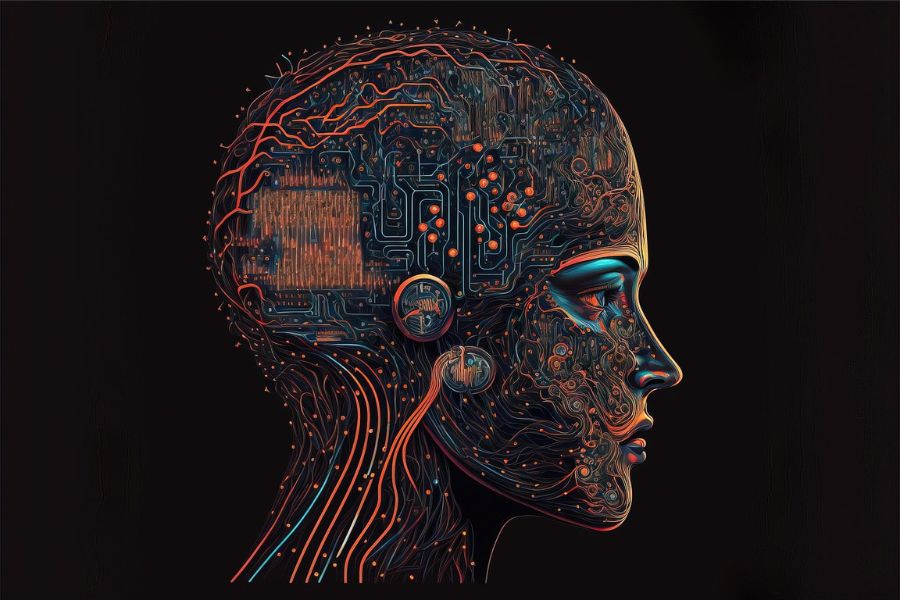
Former Google CEO Eric Schmidt has stirred global debate with a bold prediction: within a year, AI will replace the vast majority of human programmers. Speaking on the rapid evolution of artificial intelligence, Schmidt highlighted an imminent shift in software development, calling it the dawn of a seismic technological transformation. He further claimed that AI systems will soon match graduate-level mathematicians, signaling a future where machines take over roles once reserved for the most skilled human minds. Image Credit: Pixabay Former Google CEO Eric Schmidt has made a startling forecast that is sending shockwaves through the tech world. Speaking recently on the exponential rise of artificial intelligence, Schmidt boldly claimed that within a year, the vast majority of human programmers will be replaced by AI systems. His remarks signal not just an evolution in software development but the beginning of a profound technological upheaval that could reshape society as we know it. “We believe as an industry that in the next one year the vast majority of programmers will be replaced by AI programmers,” Schmidt declared. “We also believe that within one year you will have (AI) graduate-level mathematicians that are at the top of graduate math programs.” Schmidt’s vision centers on the concept of recursive self-improvement, where AI systems begin writing better versions of themselves. He pointed to ongoing developments at companies like OpenAI and Anthropic, noting that currently, around 10 to 20 percent of code in their research programs is already generated by AI. This trend, he argued, is only the beginning of a self-perpetuating cycle of improvement that will drastically outpace human capabilities. “What happens in two years?” he asked. “Well, programming plus math are the foundation of our entire digital world. If AI can outperform humans in both, what’s left?” Schmidt suggested that the path from AI-assisted coding to artificial general intelligence (AGI) — AI systems that can match human intelligence across disciplines — is now inevitable. According to him, within three to five years, we may see machines that rival the smartest human mathematicians, scientists, and creatives. But Schmidt didn’t stop there. He ventured further into the realm of artificial superintelligence (ASI), painting a future where machines no longer rely on human instruction. “These computers are learning to plan. They don’t have to listen to us anymore. That’s superintelligence — smarter than all of us combined. This could occur within six years, just based on scale,” he said. The implications are staggering. If every person were to carry the cognitive power of the world’s smartest minds in their pocket, our approach to problems, creativity, and governance could be upended. Schmidt warned that society is vastly unprepared for such a future. “There’s no language for what happens with the arrival of this. That’s why it’s underhyped,” he said. “People do not understand what happens when you have intelligence at this level which is largely free.” Schmidt is not alone in his outlook. Anthropic CEO Dario Amodei has predicted that AI will write 90% of code in just six months. Microsoft CTO Kevin Scott estimates that AI will handle 95% of programming within five years. However, Schmidt has gone a step further, extrapolating these trends to envision a world where AI continues improving itself, quickly surpassing human intelligence in all areas. If intelligence is humanity’s greatest asset, then creating a digital species vastly more intelligent than ourselves may pose existential questions. As Schmidt warned, the foundation of this transformation is already being laid — and it may soon be out of our hands.

Pecans step into the spotlight as a health snack
Pecans are becoming a popular choice for people looking to eat healthier. Once seen as just a holiday nut, they are now showing up in all kinds of everyday snacks. As more people look for better-for-you options, pecans are leading the way in the growing healthy snack market. Image credit: Pexels Pecans are quickly becoming a favorite in the health snack aisle as consumers increasingly opt for nutritious, clean-label alternatives. Once considered a seasonal ingredient, pecans are now carving out a year-round spot in global diets, thanks to their impressive nutritional profile and rising demand for functional foods. With a rich content of monounsaturated fats, antioxidants, fiber, and essential minerals, pecans align well with the needs of health-conscious consumers. Concerns over obesity, heart health, and lifestyle diseases are pushing many to trade sugary, processed snacks for wholesome options—fueling the growing popularity of pecan-based products. More than just healthy, pecans are versatile. They’re naturally gluten-free, low in carbs, and free from cholesterol, making them suitable for diets like keto, paleo, and vegan. These attributes have made them a go-to for athletes, fitness enthusiasts, and wellness-driven shoppers. Whether blended into protein bars, added to trail mixes, or enjoyed roasted with herbs, pecans deliver sustained energy and nutritional benefits. Brands are responding with innovation. From honey-glazed and dark chocolate-dipped pecans to savory roasted varieties and pecan butters, the product range is expanding rapidly. Clean-label packaging with claims like “non-GMO,” “gluten-free,” and “no added sugar” resonates especially well in premium and organic categories. Online platforms and direct-to-consumer models have accelerated pecan snack sales, offering convenience and better consumer engagement. At the same time, retailers and supermarkets are allocating more shelf space to nut-based snacks, reflecting the category’s rising demand. Sustainability is also a strong driver. Many U.S. pecan farms now follow eco-conscious practices, including organic farming and water conservation. Consumers—especially younger ones—are rewarding brands that promote transparency, ethical sourcing, and environmental responsibility. Globally, North America remains the top market, but pecan snacks are gaining attention in Europe and Asia, where consumers are discovering American tree nuts as gourmet, premium offerings. In markets like China, Japan, and Germany, local adaptations and partnerships are expanding the pecan footprint. Still, the industry faces hurdles like fluctuating raw material prices, climate change effects, and competition from other nuts. But these challenges are also pushing innovation in supply chain management and product development. Pecan snacks are now much more than a trend, they reflect the broader shift toward conscious eating, functional health, and sustainable living. As consumers seek smarter snacking options, pecans are proving to be the perfect blend of nutrition, taste, and transparency.

India’s furniture boom: Urbanization, e-commerce & brand growth
India’s furniture market is undergoing a dynamic transformation, driven by rapid urbanization, rising disposable incomes, and evolving consumer preferences. With a current valuation of US$ 20 billion, India is the fourth-largest furniture market globally and is projected to reach US$ 34 billion by 2028, growing at a CAGR of 14%. Despite its rapid expansion, nearly 80-90% of the sector remains unorganized, with 20,000+ SMEs dominating production. Let’s explore how the organized segment can drive significant growth in this sector, creating new opportunities for brands to scale and modernize. Image credit: Pexels For years, India’s furniture market has been a silent contributor to the economy. However, driven by local craftsmanship, heritage brands, and evolving consumer preferences, the industry is now transforming into a vibrant hub of innovation, sustainability, and global competitiveness. Within the Asia-Pacific region, India is the second-largest furniture market after China and is projected to be one of the fastest-growing in 2025. This growth is driven by increasing urbanization, the expansion of the middle class, rising investments in residential and commercial sectors, government support, and the modernization of retail furniture. Indian furniture market India’s furniture market, valued at approximately US$ 20 billion, is the fourth largest globally and is on a rapid growth trajectory. According to Deloitte, the market is expected to expand at a CAGR of 14%, reaching US$ 34 billion by 2028. However, a significant portion of this market remains unorganized, with the organized sector currently accounting for just 21% (around US$ 4 billion). This share is projected to more than double to US$ 8.1 billion by 2028, creating a significant opportunity for brands to scale, enhance market penetration, and drive the demand for branded furniture. Currently, small-scale manufacturers, skilled craftsmen, and local carpenters dominate the industry, with nearly 80-90% of the market—representing around 20,000 SMEs—operating in an unorganized manner. Furniture market segmentation in 2024 Source: Market watch report, Deloitte In contrast, branded companies and larger manufacturers hold only 10-20% of the market. The unorganized sector faces challenges such as fragmentation, inconsistent pricing, and limited access to technology, affecting product quality, safety standards, and export potential. These factors hinder modernization and limit the industry’s ability to compete on a global scale. Furniture manufacturing in India is concentrated in regional clusters, with Gujarat and Punjab excelling in wooden furniture, while Kerala and West Bengal specialize in cane and metal furniture, respectively. The market is undergoing a transformational shift driven by changing consumer preferences and retail modernization. Traditionally dominated by unorganized retailers, the industry is now witnessing the expansion of organized players, aided by government policies allowing 51% FDI in multi-brand retail, attracting international investment and participation. Urban consumers are increasingly opting for modern, space-efficient designs and ready-to-assemble solutions, reflecting a growing demand for convenience and aesthetics. The rise of e-commerce has further fueled this transformation, with online furniture shopping gaining traction. The average transaction value for online purchases has stabilized between ₹15,000 and ₹20,000, showcasing increasing consumer confidence in digital platforms. Major global brands such as IKEA, Pottery Barn, and Poltrona Frau are expanding their presence in India, introducing high-quality, design-focused furniture to cater to evolving preferences. India’s major furniture export destinations 2023 (HS 9403) Credit: trendeconomy, figures in %* International players in India Driven by India’s growing furniture market, several international brands, including Poltrona Frau, Pottery Barn, and IKEA, have introduced their distinct design philosophies and craftsmanship to the country. Poltrona Frau, renowned for its collaborations with leading designers and architects, has a presence in over 100 countries. The brand entered India in 2010 through a joint venture with the Tata Group, opening its first store in Mumbai. Since then, it has worked with local talent to craft its signature home décor collection. In 2016, following the relaxation of FDI norms, Poltrona Frau acquired Tata’s stake. The Indian unit, which reported revenue of ₹90 crore in 2023, has expanded to Surat, Ahmedabad, Hyderabad, Bengaluru, and New Delhi, with plans to enter Kolkata, Indore, Coimbatore, Chennai, and Chandigarh in the coming years. Similarly, Pottery Barn, the San Francisco-based furniture and home décor brand, entered India in mid-2022 and has quickly established a strong presence. Swedish furniture giant IKEA is also aggressively expanding. After fulfilling its initial investment commitment of ₹10,500 crore, the company is gearing up for its next phase of growth in India. It opened its first store in Hyderabad in August 2018 and is now expanding in the Delhi-NCR region, with new stores planned for Gurugram and Noida by 2025. Currently, IKEA operates in Hyderabad, Mumbai, and Bengaluru. There are various factors that encourage both local and international players to invest in India’s furniture market, some of these include: Skilled Workforce: India has a strong tradition of craftsmanship, particularly in woodwork and carpentry. Cities like Jodhpur are emerging as key hubs for hardwood furniture production, supported by a skilled labor force and low manufacturing costs. Abundant Raw Materials: The country has a rich supply of indigenous wood species such as teak, rosewood, sheesham, and mango, known for their durability and premium quality. With over 51% of India’s population projected to live in urban areas by 2047, demand for household, modular, and luxury furniture is expected to rise 100% FDI in Manufacturing: India allows 100% foreign direct investment (FDI) in furniture manufacturing, attracting global brands to set up production and sourcing operations. Companies like IKEA, Hettich, and Hafele are increasingly manufacturing and procuring furniture from India, strengthening the country’s role in global supply chains. Strategic Location: India’s geographic advantage offers efficient transit times to East Coast markets and major European harbors, enhancing its position as a key export hub for furniture. Road ahead The Indian government has introduced several initiatives to strengthen domestic furniture production and enhance global competitiveness. Efforts include standardizing manufacturing processes and imports, ensuring product safety, and encouraging the use of indigenous designs that reflect India’s rich cultural heritage. Additionally, trade agreements like the India-UAE Comprehensive Partnership Agreement (CEPA) and the India-Australia Economic Cooperation and Trade Agreement (ECTA) have granted zero-duty market access

No new unicorns in 2024, but early-stage D2C startups grow
India’s direct-to-consumer (D2C) startup ecosystem saw a sharp funding decline in 2024, reflecting shifting investor sentiment amid global uncertainty and domestic market saturation. According to Tracxn, total investments fell to US$757 million—an 18% drop from US$930 million in 2023. The trend signals a market correction, with investors now prioritizing sustainability and profitability over rapid growth. Image credit: Shutterstock India’s direct-to-consumer (D2C) startup ecosystem, which once dazzled investors with exponential growth and unicorn valuations, witnessed a significant funding slowdown in 2024. According to a report by private market intelligence firm Tracxn, the sector raised US$ 757 million during the year—an 18% decline from the US$ 930 million recorded in 2023. The drop becomes even more pronounced when compared to 2022’s high of US$ 1.6 billion, signaling a sharp correction and a shift in investor sentiment. This recalibration does not indicate a collapse of confidence but rather a pivot in investor strategy. As the market matures, funders are becoming more discerning, placing their bets on early-stage companies that demonstrate agility, innovation, and a path to sustainable profitability. In fact, early-stage funding in 2024 rose to US$ 355 million, up 25% year-on-year. Seed-stage startups also experienced a resurgence, attracting US$ 141 million—a notable 18% increase from 2023. This trend marks a change in the playbook. In previous years, large late-stage rounds and inflated valuations dominated headlines. However, in 2024, late-stage funding plummeted to US$ 261 million, marking a dramatic 50% year-on-year decline. The pullback reflects growing concerns about profitability, escalating customer acquisition costs, and saturated categories. As consumer behavior normalizes post-pandemic and the digital surge steadies, investors are opting for caution over exuberance. Nonetheless, some verticals within the D2C space continue to thrive. Organic beauty, personal care, and online jewellery brands remained resilient and even attractive to investors. These sectors, driven by growing consumer demand for clean, sustainable, and niche offerings, bucked the funding trend. The standout deal of the year was omnichannel jewellery brand Bluestone, which raised US$ 71 million at a valuation close to unicorn status— US$ 964 million. It was the largest D2C deal in India in 2024 and underscored the growing allure of premium, experience-driven consumer brands. Despite such bright spots, 2024 also stood out for what didn’t happen—no new unicorns emerged in the Indian D2C space. The club remains restricted to four stalwarts: Lenskart, MyGlamm, Boat, and Licious. This reflects both the tightening funding environment and a more rigorous scrutiny of business fundamentals. Gone are the days when sky-high valuations were handed out in anticipation of future scale. Today, unit economics, customer retention, and profitability matter more than ever. Mergers and acquisitions, another key indicator of market maturity and consolidation, also slowed down. Only 13 D2C exits were recorded in 2024, down slightly from 15 in 2023 and a far cry from the 31 in 2022. Some notable exits included VCare Products, Max Protein, and Earth Rhythm—brands that have managed to build strong consumer loyalty and strategic relevance. Globally, India retained its position as the second-largest market for D2C startup funding, behind only the United States. Within India, Bengaluru and Gurugram continued to be the epicenters of D2C innovation and investment, together accounting for 55% of total capital inflows. These cities benefit from a combination of strong startup ecosystems, digital infrastructure, and consumer sophistication. The broader funding slowdown also mirrors global trends, where macroeconomic uncertainties, inflationary pressures, and geopolitical tensions have forced investors to tighten their belts. In India, these global headwinds have been compounded by local factors like increased competition, regulatory scrutiny, and changing consumer preferences. As a result, startups are being forced to operate leaner, with sharper focus on core metrics. Yet, amid this funding winter, there is cause for optimism. The shift toward early-stage funding suggests that the D2C ecosystem is undergoing a healthy evolution. Rather than chasing growth at all costs, the focus is now on building agile, resilient, and purpose-driven brands that can stand the test of time. The appetite for innovation is alive and well—it has simply become more disciplined. As 2025 unfolds, industry watchers expect a continued emphasis on product differentiation, digital-first go-to-market strategies, and deeper consumer engagement. Brands that can build trust, create value, and operate efficiently are likely to emerge stronger from this period of correction.

88% of Indians trust automakers with personal data
Deloitte’s 2025 Global Automotive Consumer Study reveals that Indian consumers are increasingly open to data sharing and advanced tech in vehicles, with 88% willing to share personal information for features like anti-theft tracking. The study highlights strong trust in AI, rising demand for EV infrastructure, and a shift toward smart mobility solutions. A recent Deloitte study highlights a notable shift in consumer attitudes toward data-sharing and automotive technology in India. According to the 2025 Global Automotive Consumer Study, 88% of Indian consumers surveyed are open to sharing personal information with manufacturers or third parties in exchange for features like anti-theft tracking. This is significantly higher than the 60% reported in the US and reflects growing trust in data-driven and intelligent mobility solutions. The study, which surveyed 1,000 Indian consumers, indicates increasing comfort with digital integration in the mobility space. Indian consumers also demonstrate a strong inclination toward advanced technologies. As per the study, 82% of participants view artificial intelligence (AI) as beneficial, and vehicle-smartphone connectivity remains a top priority. Quality and safety are paramount for Indian buyers—62% rank product quality as their leading criterion when choosing their next vehicle. The report further notes that affordability concerns continue to shape buyer preferences. Some consumers are opting for traditional internal combustion engine (ICE) vehicles due to cost constraints and lingering concerns about electric vehicles (EVs). However, interest in hybrids and battery electric vehicles (BEVs) remains high. A significant 36% of respondents prioritize fast charging, underlining rising expectations for EV infrastructure development. Deloitte India’s Partner and Automotive Sector Leader Rajat Mahajan noted, “The EV movement is gaining undeniable momentum, driven by consumer interest in sustainability and long-term cost benefits. Yet, barriers such as charging infrastructure, upfront costs and battery longevity continue to influence consumers.” Brand loyalty also appears to be in flux. About 72% of Indian consumers surveyed are open to switching vehicle brands, the second-highest rate globally after China (76%), and well above the US (54%). This shift is partly influenced by evolving consumer expectations regarding vehicle performance and in-car features, which play a more significant role in India compared to developed markets like Germany and Japan, where price tends to dominate. Additionally, the study suggests a generational transition in ownership preferences. Among respondents aged 18 to 34, 70% expressed willingness to replace traditional car ownership with Mobility-as-a-Service (MaaS) solutions. This trend highlights changing mobility patterns, influenced by financial practicality and urban convenience. Deloitte conducted the survey in India from October to December 2024, capturing these insights at a pivotal moment in the country’s automotive evolution. The findings reflect not only the growing demand for connected and intelligent vehicles but also the need for manufacturers to adapt their offerings to meet the expectations of a digitally engaged and quality-conscious consumer base.

Heatwave fuels surge in oral rehydration sales across India
India is experiencing a surge in demand for oral rehydration drinks amid an intense heatwave, with Electral sales rising 27% in March, according to market research firm Pharma Trac. Overall sales of oral electrolytes jumped from ₹85 crore in January to ₹106.5 crore in March. The market, valued at ₹8.5 lakh crore annually, is driven by rising temperatures and a seasonal spike in heat-related illnesses. The India Meteorological Department (IMD) has forecasted above-normal temperatures and more heatwave days across most regions in the country from April to June. India is currently experiencing a significant surge in demand for dehydration-preventing drinks, driven by an intense heatwave sweeping across the country. The Market research firm PharmaTrac reported a sharp 27% increase in sales of the popular oral electrolyte brand Electral in March, attributing the spike to the country’s “unusually high temperatures.” Sales of oral rehydration solutions rose from ₹85 crore in January to ₹106.5 crore in March this year, highlighting a strong month-on-month growth. Electral led the pack, with sales climbing to ₹40 crore in March alone — the highest among all oral electrolyte brands. Johnson & Johnson’s ORS-L also recorded a substantial rise, with March sales reaching over ₹9 crore, up from ₹6 crore in January in India’s domestic pharmaceutical retail market. On a moving annual total (MAT) basis, the dehydration drink market has grown to ₹8.5 lakh crore. The oral electrolyte segment is showing a strong five-year compound annual growth rate (CAGR), primarily driven by Electral, which accounts for nearly 50% of the market share. The market is expected to continue expanding in the coming months as temperatures rise further across the subcontinent. According to Sheetal Sapale, VP- Commercial at PharmaTrac, the market exhibits a seasonal trend, with consumption rising from February onward as temperatures begin to climb. Although the monsoon typically arrives around June-July, consumption remains elevated during this period due to the increased incidence of water-borne illnesses such as dysentery and diarrhea, which often require oral electrolytes as part of the treatment. Surge in heat-induced health issues Healthcare professionals across India are reporting a significant rise in heat-related health issues as the country grapples with intense heatwaves. Hospitals have observed an uptick in cases of dehydration, heat exhaustion, and digestive disorders. Doctors have warned that exposure to extreme heat can lead to various health problems, including heat exhaustion and heatstroke. In Delhi, the India Meteorological Department (IMD) issued a yellow alert (colour code, ‘yellow’ alert stands for “be aware”) after temperatures soared to 40.2°C in early April. It has advised people to avoid heat exposure, wear lightweight, light-coloured and loose cotton clothes, and cover their heads. Dr. Mukesh Mehra, Senior Director of Internal Medicine at Max Super Speciality Hospital in Patparganj, Delhi, highlighted that extreme heat can overwhelm the body’s natural cooling system, leading to severe health consequences such as heatstroke, which manifests with symptoms like confusion, rapid heartbeat, and even seizures. In Mumbai, Dr. Vipulroy Rathod, Director of Gastroenterology at Fortis Hospital, Mulund, has noted a significant rise in digestive disorders across all age groups—from young individuals to the elderly—compared to a decade ago. As heatwave conditions intensify, prevention is the best protection. The Doctors recommend staying well-hydrated, avoiding outdoor activities during peak sunlight hours, and wearing light, breathable clothing. IMD’s outlook for the Hot Weather season (April to June) According to the India Meteorological Department (IMD), during the hot weather season of April to June (AMJ) 2025, most parts of the country are expected to experience above-normal maximum temperatures. However, some areas in the western peninsular region and isolated parts of east-central and eastern India are likely to see normal maximum temperatures. Additionally, a higher-than-normal number of heatwave days is expected over much of the north and eastern peninsula, central India, eastern India, and the plains of northwest India during this period. During heatwaves, high temperatures pose serious threats, particularly to vulnerable groups such as the elderly, children, and individuals with existing health conditions. These populations are more prone to heat-related illnesses like heat exhaustion and heatstroke. Prolonged exposure to extreme heat can also lead to dehydration and place significant stress on infrastructure, including power supplies and transport systems. To mitigate these impacts, it is essential to take anticipatory measures in line with the guidelines of the National and State Disaster Management Authorities and heat action plans. These measures may include ensuring access to cooling centres, issuing timely heat advisories, and implementing strategies to reduce the urban heat island effect in affected areas, among other interventions.

India’s AI Investment to Hit US$ 9.2 bn by 2028
A recent research report by the International Data Corporation (IDC) and data integration platform Qlik revealed that investment in artificial intelligence (AI) by Indian enterprises is projected to grow at a compound annual growth rate (CAGR) of 35%, reaching US$ 9.2 billion by 2028. Image credit: Pixabay India is on the cusp of a significant technological transformation, with Artificial Intelligence (AI) taking center stage in the digital evolution of its enterprise landscape. According to a recent report by the International Data Corporation (IDC) and data integration platform Qlik, investment in AI by Indian enterprises is poised to grow at an impressive compound annual growth rate (CAGR) of 35%, reaching a staggering US$ 9.2 billion by 2028. This growth is being driven by the rapid adoption of AI solutions across sectors and the increasing importance of generative AI (GenAI) in business processes. The report highlights that 36% of Indian enterprises have already integrated generative AI into their operations, with another 46% planning to invest in the technology within the next 12 to 24 months. This points to a rapidly maturing AI landscape where companies are not only exploring but actively embedding AI tools to enhance productivity, improve decision-making, and create innovative customer experiences. Moreover, India is showing a strong inclination towards experimentation with AI technologies. Around 18% of enterprises currently have AI projects in the proof-of-concept stage—significantly higher than the Asia-Pacific (APAC) average of 8%. This suggests a progressive mindset among Indian businesses, willing to explore the potential of AI before full-scale deployment. However, despite the enthusiasm and increasing investments, several hurdles continue to slow down the effective implementation of AI across industries. A major challenge identified in the report is data quality. Around 54% of Indian enterprises cited poor data quality as a barrier to AI adoption—higher than the figures reported for Australia and ASEAN countries (both at 40%), and even the APAC average of 50.4%. Data quality issues can impact the accuracy of machine learning (ML) models, leading to unreliable outcomes and limiting the utility of AI initiatives. Another concern raised in the report is data governance and privacy. Nearly 62% of Indian organisations believe there is an urgent need to enhance governance frameworks and privacy policies. As AI becomes more deeply embedded in critical business functions, the risks associated with biased algorithms, data misuse, and non-compliance with regulations also increase. In fact, 28% of Indian enterprises reported struggling with AI-related data bias—significantly above the ASEAN average of 21.8%. “GenAI is transforming industries in India—from compliance in retail to fraud prevention in finance and predictive maintenance in manufacturing,” said Deepika Giri, Associate Vice President of Big Data Analytics, Blockchain, and Web3 Research at IDC Asia/Pacific. “But to unlock its full potential, organisations must prioritise trusted data, robust governance, and infrastructure readiness to scale AI effectively and responsibly.” The Cloud-AI Connection A pivotal finding of the report is the symbiotic relationship between cloud adoption and AI deployment. Over half (51%) of Indian enterprises are deploying AI solutions in the cloud, and a vast majority—80%—see cloud migration as essential to scaling AI capabilities. The cloud offers scalability, cost-efficiency, and agility, all of which are critical for running complex AI workloads and managing massive datasets. India is leading ASEAN countries in public cloud adoption, with 40% of enterprises leveraging one or more public clouds, compared to 31% in ASEAN. Additionally, 30% of organisations are opting for a hybrid model that combines the strengths of both public and private cloud environments. “Indian organisations see cloud adoption as a critical step toward AI success,” said Varun Babbar, Vice President, India, Qlik. “To scale AI-driven innovation, businesses need a strong, scalable data infrastructure that supports high-performance AI applications.” The Road Ahead As India accelerates its digital transformation, AI is becoming a foundational element for future growth and competitiveness. From enhancing customer service through intelligent chatbots to transforming supply chains with predictive analytics, the use cases for AI are rapidly expanding. However, for India to fully realize the benefits of this AI revolution, businesses must address the foundational issues of data quality, governance, and infrastructure readiness. Investing in clean, structured, and well-governed data will be as important as investing in AI tools themselves. Furthermore, upskilling talent, setting ethical AI frameworks, and ensuring interoperability between systems will be vital steps in the journey. The growth projections indicate a promising future, but it will take a strategic, responsible, and well-orchestrated approach to unlock the true potential of AI in Indian enterprises.
“It’s like having a career coach at your fingertips” NextLeap
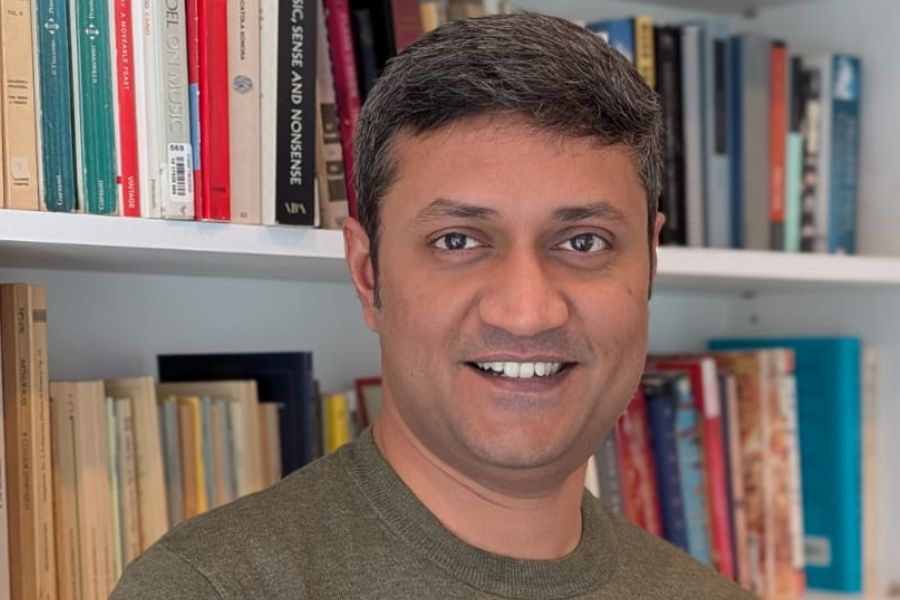
Founded in 2021, NextLeap is an AI-powered, outcome-driven learning platform offering fellowships in Product Management, UX Design, and Software Engineering. With over 1,000 successful job placements and a thriving alumni network of 16,000+, the company combines hands-on learning, mentorship, and behavioral science to cultivate lasting learner habits. India Business & Trade (IBT) caught up with Arindam Mukherjee, Co-Founder and CEO of NextLeap, to explore how AI is transforming career readiness, what differentiates NextLeap’s innovative model, and how personalized, affordable education can help unlock India’s demographic dividend and shape the future of its workforce. IBT: What inspired you to start NextLeap, and what key gaps in the ed-tech industry were you aiming to address? Arindam Mukherjee: Mohammad Yasir and I were in leadership roles at Flipkart and Myntra, where we experienced first-hand the challenges of hiring good talent to build our teams. It became evident that academia hadn’t kept pace with the rapid evolution of the technology sector. Even candidates from top institutes often lacked the skills required for emerging roles such as Product Management, UX Design, Data Science, and Mobile Engineering. We were deeply motivated to address this issue, fully aware of the impact it could have on a growing economy like ours. Our research highlighted several key gaps in the current ed-tech landscape. Most courses prioritized teaching and content delivery over actual student learning, resulting in limited real-world outcomes. Additionally, many programs were prohibitively expensive, further restricting their accessibility and impact. NextLeap was founded with a sharp focus on improving learning outcomes and ensuring affordability, aiming to make meaningful, career-ready education accessible to more people. IBT: NextLeap’s AI-driven, learning approach makes education more accessible. How does this enhance engagement and outcomes for students? Arindam Mukherjee: At NextLeap, AI is seamlessly integrated into the learning experience, bringing us closer to truly personalized education. Learners can test their understanding of concepts with an AI tutor, debug code using our AI Coding CoPilot, enhance their resumes with the AI Resume Analyser, and even practice mock interviews with our AI Interviewer. Beyond these tools, we leverage AI to analyze learner activity and identify areas where they may be struggling—allowing us to deliver targeted interventions that improve learning outcomes. Additionally, many operational tasks, such as personalized learner communications, are automated through AI, enabling us to run efficiently with a lean team. IBT: Your fellowships in Product Management, UX Design, and Software Engineering have helped early professionals land roles in top tech firms. What makes your training model so effective? Arindam Mukherjee: Learning is not the result of teaching alone—it stems from the active engagement of the learner. Traditional edtech has primarily focused on delivering theoretical knowledge through curated content. However, the outcomes have often fallen short due to a lack of emphasis on the actual learning experience and learner activity. At NextLeap, we’ve designed our programs with a deep understanding of how adults learn—combining hands-on, practical learning with peer interaction and ongoing mentorship. This learner-first approach has led to over 1,000 success stories, with our students securing roles in Product Management, UX Design, and Data Analytics. IBT: You’ve introduced AI-powered tools like a generative resume builder. How do you see AI shaping the future of career preparation and job placements? Arindam Mukherjee: One of the most transformative impacts AI is expected to have in this space is providing on-demand guidance and feedback—something that was often out of reach for candidates in the past. Whether it’s exploring career paths, crafting tailored resumes, practicing mock interviews, or researching companies before interviews, AI can offer personalized support at every step. It’s like having a career coach at your fingertips—one that understands your context and offers relevant, timely guidance. IBT: Since launching in 2021, what have been the biggest challenges and milestones in your journey to revolutionize personalized learning? Arindam Mukherjee: Learning is fundamentally a motivation problem. To drive real impact in this space, it’s essential to deeply understand behavioural science—because changing learner habits and mindsets is no different from encouraging healthier lifestyles. As with health, the biggest challenge lies in helping individuals build and sustain good habits. At NextLeap, we’re committed to this journey—making learning not just effective, but enjoyable by fostering those habits over time. Over the past four years, we’ve achieved several meaningful milestones, but two stand out. The first was crossing 1,000 student placements in early 2024—a clear validation of the positive impact we’re making in the ecosystem. The second came just last month, when we completed one full year of being net profitable. This was particularly significant, as it reinforced our belief that—unlike much of the edtech narrative so far—it is possible to build a scalable, impactful, and profitable business in this space. IBT: NextLeap was named one of the Top 100 EdTech Startups in South Asia, with strong job placements at leading companies. What differentiates your curriculum and mentorship in driving such successful career transitions? Arindam Mukherjee: More than just the curriculum or mentorship, we believe our impact lies in how we’ve designed the entire learning experience—right from enrollment to graduation. Our approach intentionally pushes students out of their comfort zones and into the learning zone, using a hands-on, socially driven pedagogy. This helps them actively develop critical thinking and collaboration skills. What truly reinforces this journey is the strong feedback and support system that surrounds every learner. Students receive ongoing input from mentors, peers, and our vibrant community of over 16,000 NextLeap alumni. Together, this ecosystem builds their confidence, sharpens their skills, and empowers them to grow. IBT: How do you see government policies and initiatives in India impacting the growth of ed-tech companies, and what role can the government play in further fostering innovation in this space? Arindam Mukherjee: First, there is value in developing a skills taxonomy for new-age roles to establish a baseline of standardization in skills training. Second, the government should actively promote stronger collaboration between industry and academia to help bridge the growing gap in college education. Third, to truly harness the potential of India’s