
India’s CRDMO industry is poised for significant growth, with its market size expected to double from US$ 7 billion to US$ 14 billion by 2028, driven by a 14% CAGR, reveals a report by Macquarie Equity Research. Increasing pharmaceutical outsourcing, regulatory support, and global supply chain shifts favor India’s position as a cost-effective manufacturing hub. The US Biosecure Act could further push the market to US$ 22 billion by 2030. India’s Contract Research, Development, and Manufacturing Organization (CRDMO) industry is on a robust growth trajectory, with its market size projected to double from approximately US$ 7 billion to US$ 14 billion by 2028, according to a report by Macquarie Equity Research. This surge reflects the increasing shift toward outsourcing in drug development and manufacturing. The sector is expected to grow at a 14% compound annual growth rate (CAGR), driven by increasing pharmaceutical outsourcing, regulatory support, and global supply chain restructuring. CRDMOs provide comprehensive drug development and manufacturing services to pharmaceutical and biotechnology companies, and are playing a crucial role in this expansion. Key highlights of Macquarie Equity Research report The report highlights that India’s CRDMO industry is at a pivotal moment, benefiting from factors such as drug pricing pressures and geopolitical shifts. As global pharmaceutical companies seek cost-effective and reliable manufacturing partners, India is emerging as a preferred destination for small-molecule drug development and production. Additionally, regulatory initiatives like the US Biosecure Act could accelerate the industry’s growth to a ‘high-teens’ CAGR, potentially pushing its market size to US$ 22 billion by 2030. These developments are reshaping global pharmaceutical supply chains, reducing dependence on China. “We estimate implementation of the US Biosecure Act could divert around US$ 17 billion of opportunities from Chinese CDMO companies to other regions over the next 3-5 years. Assuming 25 per cent of this incremental business shifts to Indian CDMOs, it could add about $4 billion in the medium term, boosting the India CDMO market to ~$22 billion in the bull case scenario, compared to $18 billion in the base case scenario,” the report stated. The broader Asia-Pacific pharmaceutical CDMO sector was valued at over US$ 50 billion in 2023, driven by cost-efficient manufacturing, increasing outsourcing trends, and geopolitical risks that are prompting companies to diversify supply chains. While China remains the dominant player, India is rapidly gaining preference due to its competitive advantages. Indian CDMOs offer a 30-40% cost advantage compared to their Western counterparts, making them an attractive option for global pharmaceutical firms. The country also has a strong regulatory track record, with approvals from major agencies such as the USFDA and EMA. Furthermore, India’s expertise in Active Pharmaceutical Ingredients (APIs), Highly Potent APIs (HPAPIs), and specialty chemicals enhances its strategic position in the global pharmaceutical supply chain. Ratings by Macquarie Equity Research Macquarie Equity Research initiated outperform ratings for Divi’s Labs, Suven Pharma, Bluejet Healthcare, and Syngene. In its regional analysis of 11 Contract Development and Manufacturing Organisation (CDMO) companies, the brokerage favors Indian and Korean CDMOs, with Divi’s Labs and Samsung Bio emerging as its top picks. The Macquarie report said, “We expect our covered CDMO companies, Divi’s Labs, Suven, Bluejet, and Syngene to outperform industry growth due to their superior scale, reliability and long-standing customer relationships.” Divi’s Laboratories and Suven Pharma have been identified as leading product-led CDMOs in the Indian market, according to the report. They are advancing in key technologies such as antibody-drug conjugates (ADCs), peptides, and oligonucleotides. The report forecasts a significantly higher CAGR of 20-25% for these product-led CDMOs, compared to the ‘mid-teens’ growth expected for services-led firms like Syngene. Conclusion India’s CRDMO sector is set for sustained growth in the coming years, driven by a favorable regulatory environment, cost advantages, and rising global demand. Supportive geopolitical dynamics, ease of doing business, and strong intellectual property (IP) protection laws, further strengthen India’s position as a preferred partner for pharmaceutical R&D and manufacturing,

Indian textile sector eyes growth despite cotton price gap
The Indian textile sector is poised for growth despite domestic cotton prices remaining higher than global rates. Improved demand, stable cotton prices, favorable forex rates, and government support through the Union Budget 2025-26 and PLI schemes are set to boost profitability. Despite domestic cotton prices remaining higher than global rates, the demand outlook for the Indian textile sector shows signs of improvement, according to a report by Systematix Institutional Equities Research. The sector is expected to recover its margins in the upcoming quarters, boosting profitability and operational efficiency for Indian textile companies. The report highlights several factors contributing to this positive outlook. “The demand outlook remains strong for the Indian textile sector because of the normalizing channel inventories at the global retailer level, likely tariff hike by the US on China, rising labour costs in Vietnam, and ongoing political instability in Bangladesh.” However, it cautions that capacity constraints among Indian garment manufacturers may limit their ability to fully capitalize on the expected surge in demand. Nonetheless, stable cotton prices, favourable forex rates, and continued emphasis on operational efficiency are expected to strengthen the profitability of Indian manufacturers in the coming quarters. The sector has already reported healthy year-on-year (YoY) performance, with revenues growing by 11%, EBITDA by 11%, and profit after tax (PAT) increasing by 28%. The decline in cotton prices by 10% (YoY) and stable yarn prices have also supported gross margin expansion for spinners. The Union Budget 2025-26 further reinforces the government’s commitment to strengthening the textile sector. Key initiatives include enhancing cotton productivity, restructuring duties on fabrics, and promoting domestic manufacturing. The government had previously increased its allocation for the textile sector from Rs 44.2 billion in Budget 2024-25 to Rs 52.7 billion. The focus on the Productivity Linked Incentive (PLI) scheme, the manmade fibre segment, a five-year mission aimed at improving productivity, sustainable cotton farming practices, and the growth of the technical textile (TT) market are expected to drive long-term growth. An increase in customs duty on fabric imports in the Union Budget 2025-26 is also set to benefit India’s technical textile producers. On the supply side, the Cotton Association of India (CAI) has revised its cotton production forecast for the 2024-25 season (October-September), reducing it by 7.8% (YoY) to 30.17 million bales (170kg per bale) in its January 2025 report, down from 30.4 million bales estimated in December 2024. Domestic consumption is projected to remain steady at 31.5 million bales for the season. CAI anticipates closing stocks of 2.59 million bales, lower than the 3.02 million bales recorded last season. Contrary to CAI’s estimates, the ICAR-Central Institute of Cotton Research (CICR) forecasts a higher production of 32.0 million bales, surpassing earlier estimates that ranged between 29.9 million and 30.4 million bales. International cotton prices have seen a steady decline, currently hovering around US$ 0.67-0.68 per pound, down from US$ 0.70 in 2QFY25. In contrast, Indian cotton prices have firmed slightly to Rs 54,000-55,000 per candy (US$ 0.80 per pound) from Rs 52,000-53,000 in 2Q, continuing to trade at a premium over international prices. However, with a stable cotton crop expected, prices are likely to stay at the lower end of this range, ensuring predictable input costs for Indian textile companies in the near future. This, combined with supportive government policies and a favourable global market environment, positions the Indian textile sector for sustained growth in the coming quarters.

Menu Fatigue: A bigger challenge than one might think
IBT interacted with Grant Fairlie, GM Procurement at Bidfood Australia, to discuss key trends shaping the Australian F&B market, evolving consumer preferences, and opportunities for Indian suppliers. He shared insights on sustainability, sourcing priorities, and how Indian cuisine can expand beyond traditional restaurants in Australia. IBT: Can you share some key trends currently shaping the F&B market in your country? How have consumer preferences evolved in your market over the past few years? Grant Fairlie: Sustainability produced and sourced is a key consideration in Australia. Consumer trends are very much impacted by the recent food inflation. Menu selections and variety are becoming limited due to cost and food waste. Food on the go is always an opportunity. Convenience and RTE options encourage trail and experimenting of flavours and preferences. Customers are always looking to differentiate themselves from the other local restaurants with either innovation or menu items with appeal and enticing flavour or presentation. Menu fatigue is probably on of the biggest issues for average restaurateur. Second to food and staff costs. IBT: What do customers prioritize when choosing F&B products? Any cultural or regional influences? Grant Fairlie: Taste and application are top priorities. With high labor costs and staff shortages, delivering a consistent, high-quality menu item at an affordable price is essential. IBT: What key factors matter in sourcing F&B internationally, and how do sustainability and traceability influence decisions? Grant Fairlie: Sustainability and traceability are becoming increasingly vital in trade. Customers seek transparency about product origins, along with assurances of quality and environmental responsibility. IBT: What F&B products do you source from India, and what makes them globally unique? Grant Fairlie: Our strongest sourcing success has been in agriculture, particularly with frozen vegetables, rice bran oil, peanut butter, and, more recently, biscuits. These products continue to gain traction due to their quality, consistency, and growing demand in our market. IBT: Are there any untapped opportunities or product categories where Indian companies could expand in your market? Grant Fairlie: We see a big opportunity in bringing Indian cuisine into everyday restaurants across Australia. Right now, it’s mostly found in Indian restaurants, which limits its reach. If there were easier ways to prepare and serve authentic Indian dishes, more restaurants could add them to their menus. This would not only introduce more people to Indian flavors but also help restaurants offer something unique without the challenge of complex preparation. IBT: What advice would you give Indian suppliers to strengthen their presence in your market? Grant Fairlie: Indian suppliers can strengthen their presence in the Australian market by focusing on products that are both easy to prepare and deliver authentic flavors. One of the biggest challenges for restaurateurs is recreating the depth and complexity of Indian cuisine consistently, especially in a high-paced kitchen environment. By offering convenient, ready-to-use solutions—whether in the form of pre-mixed spice blends, partially prepared dishes, or high-quality frozen options—Indian suppliers can make it easier for restaurants to feature Indian cuisine on their menus. Ensuring consistency in taste and quality will be key to winning the trust of chefs and restaurateurs looking to add diverse and flavorful offerings to their menus.
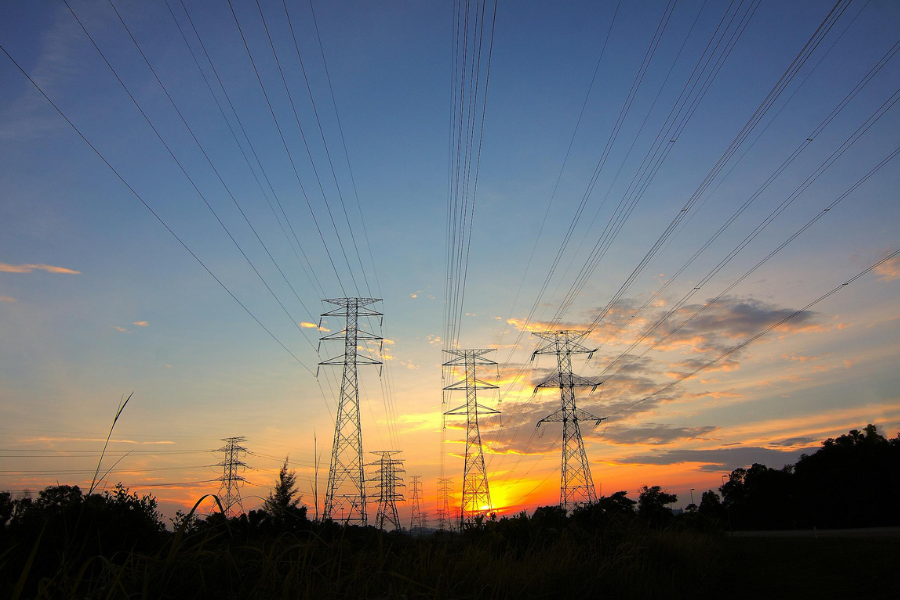
India’s power sector needs US$ 700 bn for net-zero
India’s power sector, the country’s largest carbon emitter, must secure a massive $700 billion investment over the next decade to support its transition towards net-zero emissions by 2070, according to Moody’s Ratings. Currently, the sector contributes around 37% of India’s total carbon emissions. The investment required between fiscal 2026-2051 is estimated at 1.5-2% of GDP, which Moody’s considers manageable for the country. Image Credit: Pexels India’s electricity generation remains heavily dependent on coal, making significant decarbonization investments essential for meeting emission reduction targets. Moody’s predicts that India’s strong economic growth over the next ten years will drive an increase in coal-based power generation, complicating the nation’s transition to cleaner energy sources. To achieve its energy transition goals, India’s power sector will require annual investments ranging between ₹4.5 lakh crore to ₹6.4 lakh crore (US$ 53 billion to US$ 76 billion) until fiscal 2034-35, totaling around US$ 700 billion over ten years. Between 2026-2051, annual investment needs will rise to ₹6 lakh crore to ₹9.5 lakh crore. These investments will finance electricity generation, transmission, distribution, and energy storage. Renewable energy, including solar and wind power, will dominate capacity additions over the next two to three decades, with smaller contributions from nuclear and hydropower. Grid network expansion and energy storage projects will also be key areas of focus. Power Demand Growth and Future Capacity Expansion India’s economy is expected to grow at an average rate of 6.5% per year over the next decade, leading to a compound annual growth rate of 6% in power demand. With per capita electricity consumption at 1,255 kWh in fiscal 2022, just a third of the global average, demand is set to rise further as India’s economy expands and living standards improve. Moody’s projects that India will add 450 GW of renewable energy capacity during this period, but even this expansion will fall short of meeting rising electricity demand. As a result, coal-based power generation capacity will increase by 35%, from 218 GW to 295 GW by 2035. Meanwhile, installed generation capacity will double by 2034-35, with non-fossil fuel sources contributing 45-50% of total power output, up from 23.5% in 2023-24. Role of Private and Foreign Investment The private sector will play a crucial role in India’s clean energy transition. Moody’s expects private companies to remain highly active in renewable energy investments, while government-owned entities will also expand their presence. Foreign investment will be essential in bridging funding gaps, as domestic financial institutions alone cannot meet the long-term capital needs of the sector. Conventional bank loans and non-banking financial institutions (NBFCs) will provide debt capital for projects under construction. For operational projects, debt capital markets—both domestic and international—will be critical for refinancing. However, India must secure low-cost, long-term foreign capital to address financing shortfalls effectively. India’s power sector faces a dual challenge—expanding capacity to meet surging electricity demand while reducing reliance on fossil fuels. Despite its ambitious renewable energy targets, coal will continue playing a significant role in the country’s energy mix over the next decade. The transition will require unprecedented investments from both public and private sources, along with substantial foreign capital infusion. With the right policies and financial mechanisms in place, India can achieve its clean energy goals while sustaining its economic growth.

4,000 Indian companies report strong EBITDA in Q3FY25
Indian companies saw a strong rebound in Q3FY25 after two consecutive quarters of negative EBITDA growth, according to a State Bank of India (SBI) report. Around 4,000 listed companies recorded a 6.2% revenue growth, with EBITDA and profit after tax (PAT) rising by 11% and 12%, respectively. Image Source: Freepik Indian companies demonstrated a strong rebound in the October-December quarter (Q3FY25) following two consecutive quarters of negative EBITDA growth, according to a comprehensive report by the State Bank of India (SBI). The report signals a positive shift in corporate earnings, suggesting that businesses are regaining stability and strengthening their operational foundations amid evolving market dynamics. The analysis highlights a significant improvement in earnings before interest, tax, depreciation, and amortization (EBITDA), with better margins recorded across diverse industries. It stated, “Around 4000 Corporate in listed space reported revenue growth of 6.2 per cent while EBIDTA and profit after tax (PAT) grew by around 11 per cent and 12 per cent respectively in Q3FY25 as compared to Q3FY24.” This data reflects not only stronger operational efficiency but also the resilience of India’s corporate sector amid economic headwinds. Approximately 4,000 listed companies reported a 6.2% year-on-year increase in revenue, while EBITDA and profit after tax (PAT) recorded healthy growth of 11% and 12%, respectively, underscoring improved cost management and higher profitability. The recovery extends beyond the core financial sector. When excluding the banking, financial services, and insurance (BFSI) sector, companies still witnessed a 5% revenue increase and a 9% rise in PAT. This indicates a broad-based recovery, suggesting that non-financial sectors have also adapted effectively to market challenges and are contributing significantly to the overall growth narrative. Such resilience highlights the diversified strength of India’s corporate ecosystem, which remains pivotal for sustained economic momentum. One of the standout findings of the report is the reversal in EBITDA growth, a critical indicator of a company’s operational health. After two consecutive quarters of negative growth, the same set of companies posted a 5% increase in EBITDA in Q3FY25, marking a crucial turnaround. On an aggregate level, EBITDA margins improved by 44 basis points (bps), rising from 14.4% in the previous quarter to 14.84% in Q3FY25. This uptick suggests that businesses are becoming more efficient in managing costs while also benefiting from improved market demand. Another important indicator, corporate gross value added (GVA)—a key measure of economic productivity—registered a substantial improvement, increasing by 300 bps year-on-year to 9.55%. This rise not only reflects better profitability but also indicates a stronger contribution from the corporate sector to the broader economy. Enhanced GVA growth signals that companies are adding more value through their operations, a positive sign for India’s long-term economic trajectory. Drivers of recovery in corporate earnings Improved Consumer Sentiment: The recovery in corporate earnings is driven by stronger consumer sentiment, reflecting increased confidence in the economy. Decline in Inflation Expectations: A notable drop in household inflation expectations has encouraged higher discretionary spending, leading to demand-driven growth across industries. Boost in Non-Essential Purchases: With easing inflationary pressures, consumers are more willing to spend on non-essential goods, directly benefiting sectors like retail, FMCG, and consumer durables. Stabilizing Consumer Confidence: After periods of global uncertainties and domestic inflation concerns, consumer confidence is stabilizing, with households showing optimism about global trends and India’s long-term growth prospects. Stronger Demand Outlook: This renewed consumer confidence is not only supporting current demand but also creating a stable foundation for future economic expansion, benefiting corporate growth in the long run. Looking ahead, these encouraging indicators suggest that Indian companies are well-positioned for sustained growth in the coming quarters. The combination of rebounding EBITDA, stronger profit margins, improving consumer sentiment, and rising corporate GVA points toward a more favorable and stable business environment. As inflation stabilizes and consumer confidence strengthens, businesses are likely to experience consistent demand, creating opportunities for further investment and expansion. Overall, the SBI report paints an optimistic picture of India’s corporate landscape, signaling that companies have not only weathered recent challenges but are now entering a phase of renewed growth and stability. This upward trend bodes well for the broader economy, potentially supporting stronger GDP growth and increased investor confidence in the months ahead.
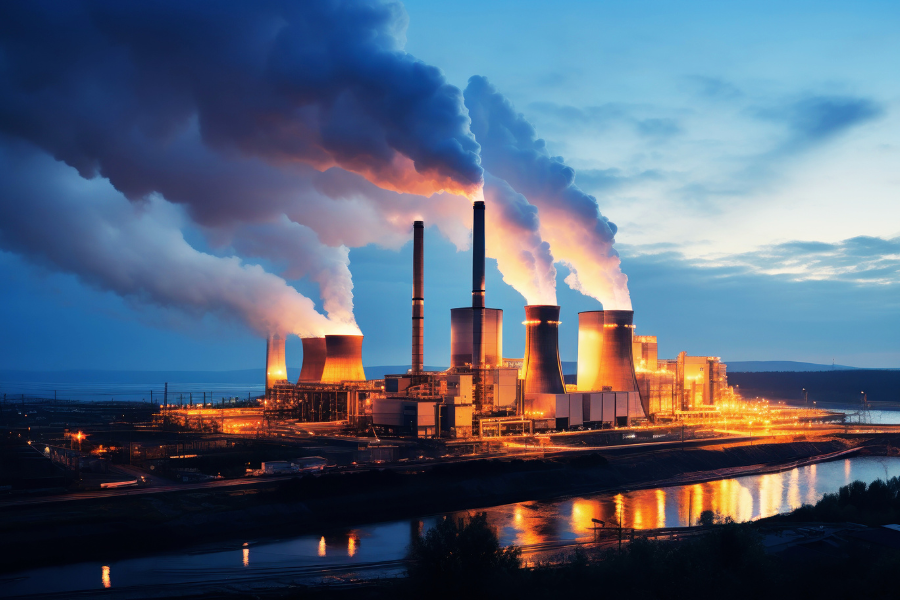
India’s transformative 100 GW nuclear power vision
India is on the cusp of a nuclear energy revolution, with the Union Budget 2025-26 setting a bold target of 100 GW nuclear capacity by 2047. Through strategic investments, legislative reforms, and public-private partnerships, the government aims to position nuclear power as a key pillar of energy security and sustainability. This initiative is a crucial step toward reducing fossil fuel dependence, meeting growing electricity demands, and achieving India’s net-zero goals. Image credit: Freepik India is embarking on an ambitious journey to revolutionize its energy sector by significantly expanding its nuclear power capacity. The Union Budget 2025-26 has set a formidable target: achieving 100 gigawatts (GW) of nuclear energy by 2047. This initiative is a linchpin of the “Viksit Bharat” mission, aiming to ensure energy security, reduce reliance on fossil fuels, and meet the nation’s growing electricity demands. Union Minister Dr. Jitendra Singh, in an exclusive media interview, emphasized that the “Nuclear Mission” announced in the Union Budget 2025-26 will mark a transformative shift in India’s energy landscape. He stated, “Nuclear power will emerge as a major source of energy in India, ensuring long-term energy security.” The mission focuses on enhancing domestic nuclear capabilities, fostering public-private partnerships, and accelerating the deployment of advanced nuclear technologies. A significant allocation of ₹20,000 crore has been earmarked for research and development (R&D) in Small Modular Reactors (SMRs), with a goal to develop at least five indigenously designed and operational SMRs by 2033. To facilitate this expansion, the government plans to amend the Atomic Energy Act and the Civil Liability for Nuclear Damage Act. These legislative changes aim to create a more conducive environment for private sector investments in nuclear power projects, addressing previous constraints and opening avenues for both domestic and international stakeholders. Dr. Jitendra Singh highlighted the importance of these reforms, drawing parallels with the space sector’s transformation under Prime Minister Narendra Modi’s leadership. “For 60-70 years, the nuclear sector operated under secrecy. Now, with greater openness and collaboration, India can accelerate growth and innovation in nuclear energy, aligning with the vision of Aatmanirbhar Bharat,” he said. Development of Bharat Small Reactors A pivotal aspect of this strategy is the development of Bharat Small Reactors (BSRs). These 220 MW Pressurized Heavy Water Reactors (PHWRs) are designed with a proven safety and performance record. Upgrades to BSRs will reduce land requirements, making them ideal for deployment near industries such as steel, aluminum, and metals. This proximity allows these reactors to serve as captive power plants, aiding in the decarbonization efforts of energy-intensive sectors. Public-Private Partnerships and Indigenous Development The government’s approach involves active collaboration with the private sector. Private entities are expected to provide land, cooling water, and capital, while the Nuclear Power Corporation of India Limited (NPCIL) will oversee design, quality assurance, and operations. This synergy aims to harness the strengths of both sectors, ensuring efficient and timely execution of nuclear projects. Additionally, the Bhabha Atomic Research Centre (BARC) is spearheading the development of SMRs, which can repurpose retiring coal-based power plants and cater to energy needs in remote locations. Aligning with Global Climate Commitments This nuclear expansion aligns with India’s commitment to achieving net-zero emissions by 2070. By integrating 100 GW of nuclear energy into the national grid by 2047, India aims to significantly reduce its carbon footprint. Nuclear power offers a reliable, low-carbon alternative to traditional fossil fuels, complementing renewable energy sources like solar and wind. Dr. Singh highlighted the government’s dedication to clean energy, stating, “Recognizing our heavy dependence on petroleum imports, we are committed to sustainable solutions, and nuclear energy will be a major pillar of India’s energy security.” Current Progress and Future Outlook As of January 30, 2025, India’s nuclear power capacity stands at 8,180 MW. The government has initiated steps to increase this capacity to 22,480 MW by 2031-32, with ten reactors under construction across Gujarat, Rajasthan, Tamil Nadu, Haryana, Karnataka, and Madhya Pradesh. Plans for ten more reactors are in progress, including a major 6 x 1208 MW nuclear power plant in collaboration with the USA at Kovvada, Andhra Pradesh. A significant milestone was achieved on September 19, 2024, when the Rajasthan Atomic Power Project’s Unit-7 (RAPP-7) reached criticality, marking the beginning of a controlled fission chain reaction—an achievement highlighting India’s growing nuclear prowess. Dr. Singh reaffirmed India’s commitment to achieving 500 GW of non-fossil fuel-based energy generation by 2030, in line with its COP26 pledge. He credited Prime Minister Modi for driving this vision, stating, “It was Prime Minister Modi who initiated the Mission LiFE, ensuring a whole-of-government and whole-of-science approach to clean energy and nuclear advancements.” India’s initiative to expand its nuclear energy capacity highlights a commitment to sustainable development and energy security. Through strategic investments, legislative reforms, and robust public-private partnerships, the nation is poised to transform its energy sector. By expanding nuclear energy as a sustainable, scalable, and secure power source, the government aims to bolster energy security and meet the nation’s long-term economic and environmental goals. The future of India’s energy sector is poised for a transformative shift, driven by innovation, self-reliance, and a commitment to clean energy.

Reliance makes history, beats Apple in FutureBrand Index 2024
Reliance Industries Limited (RIL) has made history by securing the No. 2 spot in the FutureBrand Index 2024, overtaking Apple and becoming the first Indian company to enter the top three. The FutureBrand Index evaluates brands based on consumer perception rather than financial performance, highlighting trust, innovation, and brand impact. This year’s rankings showcase a global shift, with Asian and Middle Eastern brands gaining prominence in the brand leadership landscape. Image Credit: Freepik Reliance Industries Limited (RIL) has achieved a major milestone by securing the No. 2 position in the FutureBrand Index (FBI) Global Ranking 2024, surpassing tech giant Apple. This marks the first time an Indian company has entered the top three of the Index, which evaluates brands based on public perception rather than financial performance. The FutureBrand Index is a global ranking system that assesses the world’s top 100 companies based on how strongly they resonate with consumers and stakeholders. Unlike traditional rankings that focus on market capitalization or revenue, this index considers brand experience, consumer trust, innovation, and long-term impact. It highlights companies that successfully connect with people’s expectations and values, reflecting brand strength beyond financial success. According to the FBI Global Ranking 2024, Reliance made a remarkable jump from No. 13 in 2023 to No. 2 in 2024, thanks to its strong brand positioning, consumer trust, and strategic expansion across energy, telecommunications, and retail. The report notes a significant shift in global brand leadership, with companies from APAC and the Middle East challenging the dominance of US-based firms at the top of the rankings. In 2014, seven of the Top 10 brands came from the United States, but by 2024, only four US brands remain in the top tier. Meanwhile, five brands from the Asia-Pacific (APAC) region and the Middle East have gained prominence, underscoring the growing investment in brand development, particularly in B2B sectors, that is reshaping global perceptions. Samsung secured the No. 1 spot, climbing four places from 2023. The report credits Samsung’s rise to its commitment to innovation and brand consistency, which has strengthened its customer loyalty and global reputation. Meanwhile, Apple, which was No. 1 in 2023, dropped to No. 3. Despite this decline, Apple continues to rank high in brand consistency, customer engagement, and well-being. The report notes that Apple remains the leading brand in the information technology sector, driven by its premium quality, sustainability, and innovation. The rankings also reveal brands that have lost consumer confidence over time. Companies like Boeing (#12 in 2014) and Volkswagen (#17 in 2014) no longer appear in the 2024 FutureBrand Index, illustrating how public perception can shift dramatically. This year’s rankings reinforce the growing dominance of Asian and Middle Eastern brands on the global stage, signaling a fundamental shift in brand leadership and consumer trust worldwide.

Driving sustainable energy and waste solutions with Ankur Scientific
In this episode of the Green Guardian Series, we spoke with Ankur Jain, Managing Director of Ankur Scientific Energy Technologies Pvt. Ltd. With an MBA in Marketing and Strategy from IIM Bangalore and a background in Mechanical Engineering, he brings a unique blend of technical expertise and business acumen. His leadership has shaped Ankur Scientific into a key player in sustainable energy and waste management solutions. He shares insights into the company’s evolving focus—energy solutions, innovative waste processing technologies, and carbon sequestration. He discusses the critical role of bridging R&D with market needs, ensuring that emerging technologies are both viable and impactful in addressing global sustainability challenges. IBT: Sustainability has different meanings to different organizations, how does Ankur Scientific define sustainability, and how do your technology, energy and waste management systems align with the vision for a cleaner future ? Mr. Ankur Jain: I think sustainability, for me personally, means that we have to use as few resources from this planet as possible. But having said that, you do end up using resources all the time. You’re using various things in your day to day lives, and there is various types of waste that gets generated. As a company, our focus has been to try and use these wastes as efficiently as possible to generate various forms of energy and also to generate something like biochar, which is used for carbon sequestration. That is the vision which Ankur Scientific has, we want to use waste resources as efficiently as possible to convert them into usable forms of energy. IBT: Your distributed municipality solid waste to energy systems are addressing critical urban and rural waste challenges. How do these solutions stand out from conventional technologies and what makes them scalable for towns and cities of all sizes? Mr. Ankur Jain: When we set out to make these machines, one of the things we noticed was that if you look at the typical solid waste technologies available in the market, you had either something that was very large scale or something that was only available for wet waste, nothing really for dry waste. If you look at 90% of population in India, they probably lives in smaller towns where there wasn’t any option to handle 50 tons or 100 tons per day of waste. When you have incineration technology, you need at least about 500 tons per day to make it financially viable, our approach has been more distributed in nature, because we are using a resource that is distributed, and transporting waste over large distances which doesn’t make sense so our equipment is geared towards handling waste in a distributed manner. IBT: Could you explain how biochar contributes to improving soil health, enhancing productivity and its stored in mitigating greenhouse gas emissions? How is it contributing to that? Mr. Ankur Jain: If you look at the world now, there are talks about limiting earth’s temperature rise to about two degrees and to keep the rise in temperature below two degrees, we have to do two things. We have to avoid adding more CO2 in the climate, for which we need more renewable technologies and at the same time we need to start removing carbon from the air as well. Biochar is a leading resource which manages to do that. Biochar is made when different kind of wastes are put in a kiln and burned in a controlled, nearly oxygen free environment. Essentially we end up taking CO2 from the air and putting it into the soil and the CO2 is not really harming the soil. Typically biochar has high permanence and it doesn’t degrade till about 100 years or more. There are multiple studies which show that biochar actually acts as a resource, it captures nutrients, fertilizers, water, and releases it at a slow pace, which is ideal for plant growth. There have large experiments done in Peru to show the benefits Biochar has on crops. IBT: You have collaborated with organizations like Bill and Melinda Gates Foundation, could you share some insights about it and how such partnerships accelerate sustainable advancements in energy and waste processing? Mr. Ankur Jain: We started working with the Melanie Gates Foundation about 10 years ago. They developed a technology to handle liquid waste, which is human faecal waste and they wanted companies like ours to come in, improve the technology and then help them market the technology. We are one of their three licensees in the world for the technology and we have set up this project in various parts of the world. The BMG’s focus has been getting into a difficult sector, making a technology, and then trying to create an ecosystem so that this technology could expand, and that is exactly what we are trying to do with them. IBT: Ankur scientific has shifted towards converting syngas into fuels and chemicals like ethanol and hydrogen reflects a forward looking strategy. So how do you foresee these technologies transforming the energy landscape, particularly in India? Mr. Ankur Jain: Initially we were doing biomass to gas, the gas would then be used for heat generation or power generation. From a business perspective, one of the issues we noticed was that power is highly regulated wherever you work in most countries. It’s not easy to do equipment sale for a power plant and the regulations make it more challenging and difficult. The energy from biomass was something you wanted to become more mobile, like a commodity, so that you could sell it wherever the price is right, which is where we started our journey into ethanol, hydrogen and methanol. We saw that syngas anyway has hydrogen and carbon monoxide both so why not convert the syngas into various fuels and chemicals. Now the policies are coming around as well, if you look at India, we have blending policies for ethanol into gasoline and we are already at 10% going to 15%,20%, 25% till 2030. Hydrogen is being talked about everywhere and the government even

Shaping India’s future with AI-powered automation
Automation Anywhere is set to release an advanced AI model later this year, aimed at enabling over 50% of enterprise operations to function autonomously, surpassing the current 40% threshold. Indian enterprises, including Tata Sky, Indian Oil, and Adani Group, are already leveraging AI to optimize operations. Automation Anywhere is pioneering AI-driven automation, with plans to release the next version of its AI model later this year, enabling over 50% of enterprise operations to function autonomously. CEO Mihir Shukla explained, “Let’s say today with the current model you can do autonomous customer service up to 40%. The next version of this model will take it over 50%.” This marks a major leap in AI-driven automation, especially as businesses continue to incorporate these technologies to optimize their operations. The company’s open ecosystem approach, offering multiple large language model (LLM) options, is a major differentiator. With metadata covering about 300 million work processes, Automation Anywhere can refine and retrain foundation models to align closely with real-world business needs. Indian businesses, particularly those with global ambitions, are at the forefront of this AI revolution. Shukla emphasized, “For them to be competitive globally they have to use AI agents in their operation. Because, you know, sometimes AI agents can do what will take a million people to do.” AI agents are transforming operations by handling complex tasks with unparalleled efficiency, far beyond the capacity of human labor. This shift has placed India in a prime position in the AI landscape, driven largely by its robust IT services sector. According to the Automation Now & Next report, 63% of Indian enterprises plan to invest in AI and machine learning (ML) to automate business processes in the next 12 months, marking an 85% increase in AI investments from the previous year. Furthermore, 33% of enterprises intend to integrate Generative AI to fuel growth and innovation. These findings highlight a shift towards embracing advanced AI technologies as essential for business optimization. Shukla highlighted that AI adoption in Indian enterprises is not merely about automation, but about transforming operations to handle tasks that were previously unimaginable. He noted that while Global In-house Centres (GICs) are still in early stages of AI adoption, the rapid growth of AI agents capable of performing complex tasks will significantly impact businesses. “GICs are maybe less than about 15% of the market in terms of the possibility of what all can work and be done. So with a fast adoption of AI agents, and especially when I say AI agents, I’m referring to enterprise AI agents that can do complex things, not simple things,” he said. Indian companies like Tata Sky, Indian Oil, and the Adani Group are already leveraging AI to streamline their operations. Tata Sky has automated its finance, supply chain, and treasury departments, allowing it to close books in less than 24 hours using AI agents. Indian Oil has integrated AI into finance, HR, and inventory management, while the Adani Group has deployed 220 AI-driven solutions across sectors like airports and cement. Bharti Airtel has adopted AI-driven zero-touch automation, reducing errors and enhancing customer service. The growing affordability of large language models (LLMs) is accelerating AI adoption across various industries. The Automation Now & Next report revealed that 72% of global respondents are planning to invest in AI/ML over the next 12 months, with 78% of enterprises focusing on boosting productivity through automation. Challenges in Enterprise Automation 1.) Automation Siloes: Automation efforts often remain isolated within individual teams, limiting broader organizational impact. 2.) Identifying Bottlenecks: Pinpointing areas for automation and aligning strategies with business goals can be difficult, compounded by resistance to change. 3.) Data Accuracy: Inconsistent or inaccurate data can hinder automated workflows, requiring strong data integrity and exception protocols. 4.) Automating Non-Standard Tasks: Complex tasks requiring human judgment are challenging to replicate with automation without losing decision-making accuracy. 5.) Scalability: Expanding automation across departments poses scalability issues, requiring systems that can handle increased data and processes without compromising performance. Automation Anywhere is also engaging with startups and small and medium businesses (SMBs) through its agentic process automation platform, offering an inclusive ecosystem for developers and entrepreneurs. “The fourth is the developers and SMB businesses and startups where they can join our programme, an ecosystem programme where millions of developers and startup ecosystem is part of it,” said Shukla. By addressing these challenges and leveraging its open ecosystem and vast metadata, Automation Anywhere is positioning itself as a driving force behind the AI-driven transformation of enterprises worldwide. With Indian businesses leading the charge, the future of automation looks set to revolutionize industries and drive innovation, growth, and productivity.

BPCL & Eco Wave Power to tap India’s wave energy
BPCL has partnered with Eco Wave Power to develop wave energy projects across India, tapping into the country’s 40,000 MW wave energy potential. This collaboration supports India’s transition to clean energy by harnessing ocean energy along its vast coastline. Image Source: Adobe Bharat Petroleum Corporation Limited (BPCL) has entered into a Memorandum of Understanding (MoU) with Eco Wave Power Global AB to develop wave energy-based renewable projects across India jointly. Signed during India Energy Week 2025, this agreement represents a significant step in incorporating wave energy into the country’s clean energy initiatives. Some major startups that are working in the wave energy generation sector are Ocean Power Technologies, AW- Energy, Wavepiston, Mocean Energy, SINN Power etc. The MoU was formalized by Chandrasekhar N, Head (R&D) at BPCL, and Inna Braverman, Founder & CEO of Eco Wave Power, in the presence of Hardeep Singh Puri, Minister of Petroleum & Natural Gas, and G. Krishnakumar, Chairman & Managing Director of BPCL. This partnership aligns with the Ministry of New and Renewable Energy’s (MNRE) vision, recognizing ocean energy as a viable resource with an estimated 40,000 MW of untapped potential along India’s coastline. With this collaboration, BPCL and Eco Wave Power aim to harness this untapped potential and bring wave energy closer to becoming a significant part of India’s renewable energy mix. Energy plays an essential role in India’s national economy, supporting sectors such as agriculture, industry, and overall quality of life. However, ensuring a reliable and diverse energy supply continues to be a challenge. India’s economy is still heavily reliant on coal, oil, and natural gas as primary commercial energy inputs. To avoid the risks of fossil fuel dependency, India must accelerate its shift to cleaner, sustainable energy sources. One major challenge in this transition is ensuring that clean electricity is available around the clock, year-round. Wave and tidal energy could be crucial in addressing this issue and contributing significantly to India’s renewable energy mix. Wave energy is a clean, renewable source of power that can help reduce India’s reliance on fossil fuels. By harnessing the kinetic energy from ocean waves, wave energy technology generates electricity without emitting harmful pollutants, making it an environmentally friendly alternative to traditional energy sources. India’s coastline of approximately 7,517 km offers substantial wave energy potential, especially along the western coast. According to the IIT Madras–CRISIL Report of 2014, India’s theoretical wave power potential is 40 GW, with an additional 12 GW potential for tidal power. Green technologies like wave and tidal energy can foster economic growth, enhance energy security, create jobs, and open up export opportunities. Wave energy can power critical infrastructure, such as oil and gas operations, defense bases, ports, and islands. Additionally, it can be used for sea surveillance, coral reef regeneration, desalination, and navigation. Green hydrogen produced from wave energy can further help industries, such as steel production, reduce greenhouse gas emissions. Challenges of Wave Energy 1.) Unpredictable and Varied Wave Forces: One of the major challenges of harnessing wave energy is the unpredictable nature of ocean waves. The forces in the waves vary in direction and intensity, making it difficult to effectively capture and convert them into usable energy. This inconsistency adds complexity to the development of wave energy technologies. 2.) Harsh Environmental Conditions and High Costs: Wave energy converters (WECs) must be built to withstand harsh ocean conditions such as storms, saltwater corrosion, and the constant wear from continuous wave motion. The high initial construction cost of WECs, along with their ongoing maintenance requirements, make them a significant financial challenge for large-scale implementation. 3.) Converting Irregular Motion into Stable Energy: Another significant hurdle is the challenge of converting the random, slow, and high-force motion of ocean waves into a consistent and reliable energy output. This requires sophisticated technology that can stabilize and manage the variability of wave forces, which remains a technical obstacle for wave energy systems. 4.) Grid Connection and Environmental Impact: Transmitting electricity generated by underwater WECs to the onshore grid is a technical challenge due to the need for efficient underwater infrastructure. Additionally, large-scale wave energy converters may disrupt marine ecosystems, raising environmental concerns. While wave energy technology has the potential for great impact, it remains costly, and further research and development are essential to making it more efficient and commercially viable. Addressing these issues, along with reducing infrastructure costs and improving system efficiency, will be essential to unlocking wave energy’s full potential. With the right policies, incentives, and investment in research and development, wave energy can play a major role in India’s clean energy transition.