India’s sports technology industry is poised for substantial expansion in the next five years, projected to grow from ₹26,700 crore in FY24 to ₹49,500 crore by FY29, reflecting a compounded annual growth rate (CAGR) of 13%, according to a recent report by the Federation of Indian Fantasy Sports (FIFS) and Deloitte. Image Credit: Adobe India’s sports technology industry is set to witness significant growth over the next five years, expanding from Rs 26,700 crore in FY24 to Rs 49,500 crore by FY29 at a compounded annual growth rate (CAGR) of 13%, according to a recent report by the Federation of Indian Fantasy Sports (FIFS) and Deloitte. Despite facing challenges, particularly in the fantasy sports segment, the sector continues to evolve and diversify, driven by advancements in technology and increasing digital engagement among sports enthusiasts. The Structure of India’s Sports-Tech Industry The report, titled ‘Beyond the Field: India’s Sports Tech Revolution’, outlines three key subsectors that define the sports technology ecosystem in India: Fan Engagement – Includes fantasy sports, ticketing, and sports gaming. Sports Data and Analytics – Encompasses historical statistics, data providers, and wearable technology. Foundational Technologies – Consists of cloud computing, 5G, IoT, social media, and digital payment solutions. Among these, fantasy sports remains the dominant player, contributing Rs 9,100 crore in revenue in FY24. However, the report warns that this segment is on the brink of a downturn following amendments to goods and services tax (GST) laws, which have significantly increased the tax burden on companies operating in this space. Impact of GST and Investor Sentiment The fantasy sports industry, once a rapidly growing sector, is now expected to shrink by 10% in FY25, with its revised CAGR dropping to 7% from FY24 to FY29—far below the earlier projection of 30% for FY22 to FY27. The primary reason for this decline is a nearly 50% reduction in profit margins as companies absorb higher taxation costs. Furthermore, the investment climate has been severely impacted. The report highlights that funding in the fantasy sports sector plummeted by 90% in 2023, with no new investments recorded in 2024. This sharp decline in investor confidence could have long-term implications for the industry’s ability to innovate and expand. Speaking on this, FIFS Director-General Joy Bhattacharjya emphasized the need for a balanced approach to taxation and regulation. “For years, the fantasy sports industry has reflected the passion of sports fans. A viable tax regime, robust and progressive national-level regulatory framework, and industry-wide standards for responsible gaming will be key to unlocking its full potential,” he said. Job Creation and Policy Stability Despite the hurdles, the sports technology industry is expected to generate 17,500 direct and indirect jobs by FY27, highlighting its importance in India’s broader economic landscape. Prashanth Rao, Partner at Deloitte India, pointed out that ensuring policy stability will be crucial in maintaining growth momentum and attracting further investment. The report also notes that initiatives like the Draft National Sports Policy 2024 are positive steps toward fostering industry growth. However, it calls for additional measures, such as greater support for sports-tech startups, improved infrastructure, and regulatory clarity to ensure long-term sustainability. The Road Ahead for India’s Sports-Tech Sector While the fantasy sports industry faces short-term setbacks, the broader sports technology ecosystem in India remains poised for expansion. The increasing adoption of digital technologies, data analytics, and AI-driven innovations in sports management, training, and fan engagement is expected to drive new opportunities across the sector. Moreover, foundational technologies like 5G, cloud computing, and IoT will continue to enhance the overall sports experience, making India a strong contender in the global sports-tech landscape. If regulatory challenges are addressed and investments in infrastructure and innovation are encouraged, India’s sports technology industry could emerge as a major growth engine in the coming years. India’s sports technology sector is on a promising growth trajectory, with significant contributions from various subsectors. However, to fully realize its potential, it is essential to create a conducive business environment with stable policies, investor-friendly taxation, and a robust regulatory framework. By addressing these challenges and fostering innovation, India can position itself as a global leader in sports technology while creating employment and driving economic growth.

India’s beauty rush: how online shopping is redefining the market
India has emerged as the fastest-growing online market for beauty products, with e-commerce and quick commerce sales surging 39% between June and November 2024. This growth far outpaces the 3% rise in physical store sales, driven by rising digital adoption and influencer marketing. Global brands like MAC and Dior, alongside homegrown players such as Nykaa and Sugar, are rapidly expanding to capture this booming sector. Image Source: Pexels India’s beauty and personal care industry is undergoing a rapid transformation, driven by soaring online sales, global brand expansions, and the rise of homegrown players. The country has emerged as the fastest-growing online market for beauty products, attracting both established and emerging brands eager to capitalize on this momentum. Between June and November 2024, beauty e-commerce and quick commerce sales surged 39% in value compared to the previous year, significantly outpacing physical store sales, which grew by just 3%. Luxury brands like MAC and Dior, along with mass-market favorites such as Sugar and Lakmé, are expanding aggressively to capture this booming market. “Consumer gravitating to e-commerce is a mix of the market expanding and taking share from stores,” said Tara James Taylor, senior vice president – global beauty & personal care at NielsenIQ. “The size of the pie is increasing, there’s a younger age dividend, consumers are ready to spend and experiment, and the social influencer community has driven a lot of curiosity.” Key drivers of growth The shift to online beauty shopping is not just a passing trend—it reflects a deeper change in consumer behavior, particularly among younger generations. By 2024, 17% of Indian consumers were purchasing beauty products online, up from 13% the previous year. In contrast, Brazil, the second-fastest-growing online beauty market, stands at 27%. Both global and Indian brands are investing heavily in their digital presence. Platforms such as Amazon, Myntra, Blinkit, Zepto, Nykaa, and Reliance Retail’s Tira are driving e-commerce growth. Nykaa, for instance, reported a 30% year-on-year increase in beauty orders in the December quarter, with 70% of its top 110 city orders delivered within a day, while its fashion business saw minimal growth. “Clean and sustainable beauty is a big trend, and wellness continues to be an emerging trend. Indian consumers are particularly ingredients-focused,” Taylor noted. The rise of beauty influencers and bloggers has further accelerated online sales, giving niche brands the opportunity to thrive. Consumers are increasingly experimenting with new formulations and international trends, contributing to the market’s expansion. Currently valued at US$ 28 billion, India’s beauty and personal care market is projected to grow to US$ 34 billion by 2028 at an annual rate of 10-11%. Despite this rapid growth, per capita spending remains relatively low—US$ 14 in India compared to US$ 38 in China and US$ 313 in the US—indicating vast untapped potential. While offline beauty retail continues to expand at a slower pace, major players are adapting to changing preferences. Shoppers Stop, for instance, has introduced exclusive stores for premium brands such as Estée Lauder’s MAC and Clinique and entered into a distribution deal with Shiseido’s NARS Cosmetics. Among product categories, makeup has seen the highest growth in India, with a 15.5% rise in value sales, followed by skincare at 10.5%. Growing competition and industry investments With such strong market potential, India’s leading conglomerates are making significant investments in the beauty sector. Reliance entered the market with its Tira platform in 2023, while Tata Group runs its beauty retail arm through Tata Cliq Palette. Adding to the competition, Ananya Birla, daughter of billionaire Kumar Mangalam Birla, announced the launch of Birla Cosmetics, set to introduce a nationwide range of beauty and personal care products in 2025. This intensifies competition among India’s most prominent business families, alongside established players like Hindustan Unilever (HUL), L’Oréal, and Nykaa. While global brands such as L’Oréal and Shiseido view India as a key growth market, local direct-to-consumer (D2C) beauty startups are reshaping the landscape. These brands, fueled by e-commerce, have seen rapid adoption, but many now face challenges in scaling and profitability. To maintain growth, several have turned to quick commerce platforms for wider reach and faster deliveries. Industry consolidation is also accelerating, with major players acquiring niche brands that have built strong customer loyalty. HUL recently acquired a 90.5% stake in Jaipur-based beauty brand Minimalist in a deal valuing the company at ₹2,955 crore. Known for its science-backed, affordable skincare, Minimalist aligns with Unilever’s global strategy of investing in high-margin beauty segments. For HUL, beauty and personal care contribute nearly 20% of total revenue and about one-third of profits. However, as brands like Nykaa, Mamaearth, and L’Oréal grow their market share from 33% today to an estimated 42% by 2027, traditional FMCG giants could see their dominance erode. A report by Redseer Strategy Consultants and Peak XV predicts that legacy brands such as HUL and Procter & Gamble could lose 900 basis points of market share, bringing their total to 58% by 2027. E-commerce continues to be the key driver of India’s beauty boom, breaking traditional retail barriers and creating new opportunities for emerging brands. Companies are focusing on personalized skincare solutions, technology-driven innovations, and loyalty programs to strengthen customer retention. Premiumization is another major trend, with India’s high-end beauty market expected to reach US$ 3-3.2 billion by 2028. India now accounts for nearly 5% of global beauty market growth, with the country’s beauty e-commerce segment projected to grow at a compound annual growth rate (CAGR) of 25%, outpacing the 14% growth expected in offline retail. As competition intensifies, a mix of startups, international beauty giants, and domestic conglomerates will battle for dominance. With evolving consumer preferences and continuous innovation, India’s beauty market is not just expanding—it is fundamentally reshaping itself.

India’s pharma exports to reach US$ 350 bn by 2047, driven by innovation
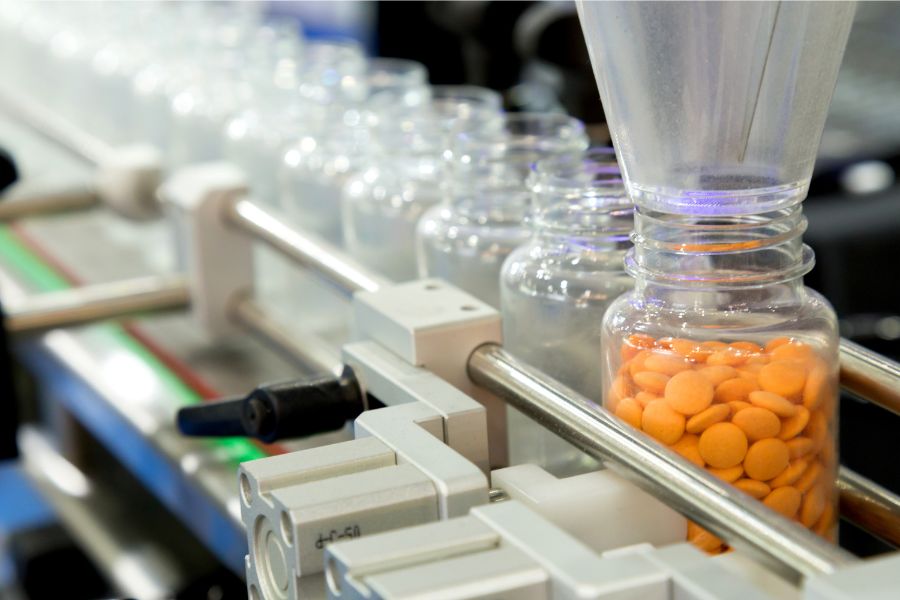
India’s pharma exports are expected to double to US$ 65 billion by 2030 and reach US$ 350 billion in value terms by 2047, moving to the top five position globally by diversifying its product basket, reveals a new report by Bain & Company. The report highlights the need for innovation, quality focus, and collaboration between the government and private sector to achieve this growth. India’s pharmaceutical exports are projected to double from approximately US$ 27 billion in 2023 to US$ 65 billion by 2030 and reach US$ 350 billion by 2047, positioning the country among the top five globally, according to a report. This also implies that the pharmaceutical sector’s share in India’s merchandise exports will increase from about 6% currently to approximately 7% by 2047. While India is the world’s largest supplier of generic drugs, it currently ranks 11th in export value. Union Minister of Commerce and Industry, Piyush Goyal said, “India has long been the pharmacy of the world. Now we want to change the narrative to ‘India as the healthcare custodian of the world’. The government is fully committed to achieving this goal by fostering innovation, boosting R&D, and ensuring seamless regulatory processes.” “By strengthening collaboration between academia, industry, and government, we will continue to build a globally competitive sector that drives growth and contributes to healthcare worldwide,” he added. The report, ‘Healing the World: Roadmap for Making India a Global Pharma Exports Hub’, was developed by Bain & Company in collaboration with the Indian Pharmaceutical Alliance (IPA), the Indian Drug Manufacturers’ Association (IDMA), and Pharmexcil. It highlights India’s potential to secure a top-five position in global pharma exports by 2047 through innovation and diversification, particularly by expanding into specialty generics, biosimilars, and novel pharmaceutical products. To achieve this, the report emphasizes the importance of quality assurance, regulatory advancements, enhanced access to global markets, talent development, and entrepreneurial innovation. The report identifies key industry segments, including APIs, biosimilars, and generic formulations, as major drivers of future expansion. Additionally, it highlights the crucial role of collaboration between the government and private sector in enhancing India’s global competitiveness. India’s pharmaceutical sector The pharmaceutical industry is currently the fifth-largest contributor to India’s manufacturing Gross Value Added (GVA), generating a substantial trade surplus and supporting countless livelihoods. The industry accounts for approximately 4% of India’s foreign direct investment (FDI) inflows, maintains a US$ 19 billion trade surplus, and directly or indirectly supports 2.7 million livelihoods. As the world’s leading supplier of generic medicines, India meets approximately 20% of global demand for generics. By 2030, India’s pharma sector is projected to grow 2.2 to 2.4 times, reaching US$ 120 billion to US$ 130 billion and increasing its global share from the current 3% to 3.5% to nearly 5%. (The global pharmaceutical market is currently valued at approximately US$ 1.6 trillion, with India’s market standing at around US$ 55 billion.) India boasts a robust pharmaceutical network with over 10,000 manufacturing facilities, more than 3,000 pharmaceutical companies, and 650 US-FDA-compliant plants—the highest number outside the United States. The country is the world’s leading supplier of generic medicines. By supplying one in five generic drugs sold globally, India has earned the title of the “pharmacy of the world.” The country has risen from seventh place in 2019, to become the third-largest pharmaceutical exporter by volume. Its pharmaceutical exports reach approximately 200 countries and territories, meeting nearly 50% of Africa’s generic drug demand and 40% of the United States’ generics requirement. This global success is driven by India’s ability to produce high-quality, cost-effective medicines. India’s Pharma exports Uniquely, India’s pharmaceutical industry has an export market as large as its domestic market, with both poised for continued growth. The Pharma exports play a crucial role in country’s economic expansion, contributing 6% of India’s total merchandise exports by value. In 2023, India’s pharmaceutical exports reached US$ 27 billion, up from US$ 19 billion in 2018, reflecting an annual growth rate of 8%. The majority of these exports (over 70%) consist of formulations, while bulk drugs and drug intermediates account for approximately 20%. Other key export segments include vaccines, biosimilars, and innovative products. Despite India’s strong pharmaceutical presence, its exports remain ‘underrepresented’ in major global markets. The market penetration of generic formulation exports, in terms of value, is below 5% in NAFTA, Europe, Northeast Asia (NEA), and Latin America & the Caribbean (LAC), which together account for over 80% of the global pharmaceutical market. While India has already established a strong focus on NAFTA, increasing its presence in Europe and NEA could drive further growth. Notably, Europe’s pharmaceutical market is only 70% genericized, compared to 90% in the U.S., presenting a significant opportunity for expansion. Additionally, Indian biosimilar exports to NAFTA and Europe remain low, comprising just 1.5% to 2% and 1% to 1.5% of total export value, respectively, highlighting substantial room for growth in these high-value segments. There is immense potential to expand pharmaceutical exports across multiple segments, as well. Value growth in formulations is expected to be driven by greater penetration of specialty generics in key markets. The China+1 strategy is anticipated to boost India’s API exports and Contract Development and Manufacturing Organization (CDMO) services. Vaccine exports are poised for significant growth, with an initial focus on middle-income countries (MICs) and a long-term expansion into high-income countries (HICs). Additionally, the shift from primarily pediatric vaccines to a broader portfolio that includes adult vaccines will further drive demand. Investments in biosimilars are expected to yield returns over the next decade, following a trajectory similar to small-molecule generics but with a time lag of nearly ten years. While exports of New Chemical Entities (NCEs) and New Biological Entities (NBEs) remain in their early stages, strengthening R&D capabilities and focusing on high-growth, cutting-edge therapies—such as cell and gene treatments—will be crucial for sustaining long-term growth in these innovative segments. Sriram Shrinivasan, Partner, Bain & Company, noted, “The transition from volume-based to value-led growth is essential for Indian pharma to secure its rightful place in the global market. Innovation, including
India’s CDMO market to double to US$14 bn by 2028
India’s CDMO market is projected to double from US$ 7 billion to US$ 14 billion by 2028, driven by strong API and generic drug manufacturing capabilities, along with cost advantages over China. India’s Contract Development and Manufacturing Organization (CDMO) market is on track for substantial expansion, projected to double from US$ 7 billion to US$ 14 billion by 2028, capturing “4-5% of the global market,” according to a BCG report. This growth is fueled by India’s strong presence in Active Pharmaceutical Ingredients (API) and generic drug manufacturing, along with cost advantages over China. Several Indian CDMOs have reported a 50% year-on-year increase in Requests for Proposals (RFPs) in 2024, as global pharmaceutical firms seek to reduce dependence on China. India’s pharmaceutical services are 20% lower than their Chinese counterparts, making them a cost-effective alternative. The biopharmaceutical sector is shifting toward innovative drug modalities, which are expected to outpace traditional small-molecule drugs in the coming years. Key emerging therapies include Cell and Gene Therapy, projected to grow at 45% CAGR, Antibody-Drug Conjugates (ADCs), expected to expand at 25% CAGR and Nucleic Acid Therapeutics, forecasted to grow at 36% CAGR. With the global CDMO market for new drug modalities expected to reach US$ 20 billion by 2028, Indian CDMOs are emerging as major players due to several key factors: Cost advantage: India offers significantly lower research and development (R&D) and manufacturing costs compared to many other countries, particularly China. This cost efficiency is a crucial advantage for pharmaceutical firms facing increasing pressure to diversify supply chains and reduce reliance on China. Lower operational expenses, affordable raw materials, and government incentives further strengthen India’s position as an attractive hub for contract manufacturing. Skilled workforce: India is home to a vast pool of highly skilled and well-educated professionals in the pharmaceutical and biotechnology sectors. The country produces a steady stream of scientists, researchers, and engineers specializing in drug development, biopharmaceuticals, and cutting-edge therapeutic modalities. This strong talent base enables Indian CDMOs to maintain high-quality standards while fostering innovation in pharmaceutical manufacturing. Operational experience: Indian CDMOs have built a robust track record of successful operations, supplying high-quality pharmaceutical products to global markets. Many of these facilities hold approvals from international regulatory bodies, including the US Food and Drug Administration (USFDA), the European Medicines Agency (EMA), and the World Health Organization (WHO). India’s extensive experience in regulatory compliance and its ability to meet stringent global quality standards make it a trusted partner for multinational pharmaceutical companies. Trade between India and the US is projected to increase by US$ 102 billion between 2022 and 2033, while US-China trade is expected to decline. India and the broader APAC region are witnessing strong growth across multiple healthcare sectors. Pharmaceuticals are projected to grow at 9% CAGR over the next five years, MedTech at 8% CAGR, Digital Health at 9% CAGR, and Diagnostic Services at 6% CAGR. The broader Asia-Pacific (APAC) healthcare sector is also expanding rapidly, with Foreign Direct Investment (FDI) in healthcare doubling since 2008. The APAC healthcare market is projected to reach US$ 5 trillion by 2030, contributing 40% to global healthcare growth. Rising income levels are driving this expansion, with the number of high-income households (earning USD 30,000+ annually) in Asia set to grow fivefold, from 34 million in 2000 to 175 million by 2030. With strong capabilities in CDMO, biopharmaceuticals, and healthcare services, India and APAC are well-positioned to become global leaders in healthcare innovation and manufacturing.

Solar cell manufacturing capacity to increase five-fold by 2027
India’s solar cell manufacturing capacity is projected to increase five-fold, reaching 50-55 GW by fiscal year 2027, up from 10 GW at the end of fiscal 2024, driven by government initiatives to reduce imports of cells and modules. The country’s solar module manufacturing capacity had increased to nearly 60 GW by March 2024 from around 7 GW in March 2020. India’s solar cell manufacturing capacity is projected to reach 50-55 GW by fiscal 2027, a five-fold increase from 10 GW in fiscal 2024, driven by government policies aimed at reducing reliance on imports, according to Crisil Ratings. This expansion will require a capital investment of ₹28,000-30,000 crore, funded through a 70:30 debt-equity mix. Strong balance sheets and cash flows are expected to support credit quality. Ankit Hakhu, Director, Crisil Ratings stated, “To boost domestic demand and cell making capacity, the government has mandated use of cells only from its approved list of cell manufacturers in open access and net metering projects and projects where it is either providing funding assistance or acting as a counterparty. Among other measures, the Production-Linked Incentive (PLI) scheme and domestic content requirement, too, will invigorate local manufacturing.” “All these have led to cell capacity expansion announcements of 45-50 GW, which will take India’s overall cell making capacity to ~55 GW over the next two fiscal years,” he added. Despite the growth, India’s dependence on imported solar cells may rise in the short term due to insufficient domestic supply, the agency noted. The country’s solar module manufacturing capacity surged from 7 GW in 2020 to nearly 60 GW by March 2024, leading to a decline in module imports from 45% to 25% of total consumption. However, cell imports remain high at 80%, with China as the primary supplier. Crisil estimates that 60-65 GW of solar capacity will be added by fiscal 2027. With greater domestic cell production, India could capture 70-80% of module costs within the country, compared to 40-50% currently. The proportion of domestic module capacity supported by local cell production is expected to increase from under 15% in fiscal 2024 to over 50%. According to analysts, domestically manufactured cells are currently 80-90% more expensive than imported ones due to higher wafer-to-cell conversion costs, India’s initial lack of economies of scale, and dumping by China. While government schemes like the Production-Linked Incentive (PLI) may help mitigate costs, solar developers could still face higher project expenses, Crisil stated.

MSMEs in manufacturing show high business confidence
SIDBI has introduced its first-ever MSME Outlook Survey, analyzing business sentiment for the October-December 2024 quarter. Covering 1,200 MSMEs across manufacturing, services, and trading, the survey evaluates key parameters such as sales growth, profitability, employment trends, and financial access. Key findings suggest strong business confidence, particularly in the manufacturing sector, where optimism is high regarding sales, profitability, skilled labor availability, and financial access. Additionally, the survey highlights a steady rise in digital adoption and sustainability efforts among MSMEs. The Small Industries Development Bank of India (SIDBI) has introduced its first-ever MSME Outlook Survey, a quarterly assessment of MSME business sentiment for the October-December 2024 period. This survey aims to provide a comprehensive analysis of key business indicators across the sector. Based on responses from 1,200 MSMEs spanning manufacturing, services, and trading, the report evaluates 22 critical business parameters, including sales growth, profitability, employment trends, access to finance, cost of funds, and ease of doing business. Covering 77 cities across Tier 1, 2, and 3 regions, as well as 66 villages, the survey ensures broad representation of MSMEs across India. Key findings suggest strong business confidence, particularly in the manufacturing sector, where optimism is high regarding sales, profitability, skilled labor availability, and financial access. Additionally, the survey highlights a steady rise in digital adoption and sustainability efforts among MSMEs. Key Survey Findings MSMEs across manufacturing, trading, and services reported improved business performance during the October-December 2024 quarter. Manufacturing MSMEs expressed the highest confidence, with the Manufacturing Business Confidence Index (M-BCI) registering a strong reading of 60.33, followed closely by the Services M-BCI at 59.67. The MSME Business Expectations Index (M-BEI) indicates sustained optimism for the next four quarters, with indices remaining above 60 and manufacturing exceeding 70. This reflects positive expectations regarding sales, profitability, skilled labor availability, financial access, and overall business conditions. Most MSMEs foresee sales growth driven by strong order books, higher production, and rising selling prices in the upcoming quarter and the year ahead. Manufacturing respondents anticipate an increase in input costs. However, nearly half expect higher production volumes and increased average selling prices to result in greater profit margins in the next year. Around one-sixth of MSMEs across all sectors expressed dissatisfaction with labor productivity and skilled labor availability during the survey period. However, they anticipate improvements in these areas over the next year. The employment scenario remained stable during the October-December 2024 quarter, with most respondents maintaining their current workforce levels. Looking ahead, 30-40% of MSMEs plan to expand their workforce in the next quarter. This hiring optimism is particularly strong in manufacturing, while trading businesses show a more measured outlook. The adoption of digital platforms for sales and marketing continues to grow, with a rising number of MSMEs expressing interest in leveraging digital tools for business expansion. The survey also indicates a growing willingness among MSMEs to invest in environmental protection measures and adopt new technologies to enhance sustainability. Respondents across all sectors remain optimistic about infrastructure access, electricity supply, and the time and effort required for permits and clearances. More than 70% expressed satisfaction with these factors, while 15% noted improvements in the October-December 2024 quarter. The share of businesses expecting further enhancements in these areas over the next year has also increased. SIDBI’s Commitment to MSME Growth Manoj Mittal, Chairman and Managing Director of SIDBI, emphasized the crucial role of MSMEs in India’s economy, stating, “MSMEs serve as the crucial foundation of the Indian economy and a powerful instrument for bringing about socioeconomic change. SIDBI has always acknowledged the incredible contribution of MSMEs in India’s growth story and is committed to the development of the sector through both financial and non-financial initiatives. The importance given to this sector by GOI is also evident from the fact that it has been identified as one of the four growth engines of the economy during the recent union budget. I firmly believe that the continuous flow of quality information on MSMEs through this survey will help all stakeholders in evaluating the current business climate and fine-tune their respective approaches.” By capturing valuable insights from MSMEs nationwide, SIDBI’s MSME Outlook Survey serves as a vital tool for policymakers, industry leaders, and financial institutions to assess the sector’s evolving landscape and drive targeted support initiatives.

Cabinet approves ‘National Critical Mineral Mission’
The Union Cabinet, chaired by the Prime Minister Shri Narendra Modi, has approved the launch of the National Critical Mineral Mission (NCMM). The Mission seeks to enhance the exploration of critical minerals in India and in its offshore regions while developing a resilient value chain with an investment of ₹34,300 crore over seven years. Image credit: Pixabay The Union Cabinet has approved the National Critical Mineral Mission with an expenditure of ₹16,300 crore and an expected additional investment of ₹18,000 crore by public sector companies. The mission, under the Ministry of Mines, will be implemented over seven years (FY25-FY31) to enhance domestic critical mineral production, reduce import dependency, and strengthen supply chains. Critical minerals such as copper, lithium, nickel, cobalt and rare earth are essential raw materials required to fuel the growth of rapidly growing clean energy technologies and their expanding uses ranging from wind turbines and electricity networks to electric vehicles and battery manufacturing. India’s critical mineral imports have surged over the past decade, escalating from US$ 475 million in FY15 to US$ 4.93 billion in FY24. The government plans to expand exploration and mining activities, with 1,200 exploration projects and the auctioning of over 100 critical mineral resource blocks by FY31. Additionally, the mission will support mapping and exploration of critical mineral assets in resource-rich countries. “The government will motivate Central PSUs and encourage private sector companies to allocate funds for acquiring critical mineral assets overseas, empowering Central PSUs, their joint ventures, and subsidiaries to invest abroad by issuing necessary guidelines,” said the government. To boost domestic mining and processing, the government will provide targeted subsidies and establish evacuation infrastructure. A joint venture, KABIL, has already acquired lithium assets in Argentina for exploration and development. The mission will also establish four mineral processing parks to build domestic processing capabilities. Pilot projects will focus on mineral recovery from sources such as overburden, tailings, fly ash, red mud, and existing mines. The initiative will cover all stages of the value chain, including exploration, mining, beneficiation, processing, and recovery from end-of-life products. As per the government statement, “Appropriate fiscal measures will be developed to incentivise junior exploration and mining companies by introducing tax credits for investments in critical minerals exploration and development, aimed at reducing the financial burden on companies, and making investments more attractive and feasible.” The government also aims to encourage Indian PSUs and private companies to acquire critical mineral assets abroad, enhance trade with resource-rich nations, and develop a domestic stockpile of critical minerals. It is important to note that the Mines and Minerals (Development and Regulation) Act, 1957, was amended in 2023 to enhance the exploration and mining of critical minerals. As a result, the Ministry of Mines has auctioned 24 blocks of strategic minerals. Additionally, the Geological Survey of India (GSI) has conducted 368 exploration projects for critical minerals over the past three years, with 195 projects currently underway in FS 2024-25. For FY 2025-26, GSI plans to undertake 227 projects focused on various critical minerals. To promote innovation, the Ministry launched the Science and Technology – Promotion of Research and Innovation in Start-ups and MSMEs (S&T PRISM) program in 2023, providing funding to start-ups and MSMEs to bridge the gap between research, development, and commercialization. In addition, KABIL (Khanij Bidesh), a joint venture under the Ministry of Mines, has acquired approximately 15,703 hectares in Argentina’s Catamarca province for lithium exploration and mining. Strengthening India’s commitment to securing critical mineral supplies, the government has also removed customs duties on most critical minerals in the Union Budget 2024-25. This policy aims to enhance the availability of critical minerals in the country and encourage the establishment of processing facilities within India.

Driving growth in India’s Agritech sector: Budget 2025 expectations
India’s US$ 24 billion agri-tech sector is growing with technologies like drones and precision farming, but faces challenges such as low awareness and limited credit access. Experts call for fiscal support in Budget 2025 to boost drone technology, provide uniform subsidies, and revamp the ₹500 crore PLI scheme. They also emphasize the need for increased R&D in AI and climate-smart farming, along with support for sustainable practices to enhance India’s global competitiveness. India’s agri-tech sector, with an addressable market of US$ 24 billion, is seeing increased adoption of modern practices like crop mapping, precision farming, dairy breed improvement, and drones. While these technologies boost efficiency and enable informed decisions, digital adoption remains limited due to challenges such as low awareness, fragmented small farms, and limited access to credit. Mr. Prem Kumar, Founder and CEO of Marut Drones, while expressing his expectations from the upcoming budget, highlights the need for fiscal support to accelerate agri-mechanization, particularly in advancing drone technology. He emphasizes that uniform subsidy schemes across states would drive wider adoption, fostering rural agri-entrepreneurs, creating drone pilot opportunities, and generating employment in tier 2 and 3 cities. He added that, a revamped ₹500 crore Production-Linked Incentive (PLI) scheme could play a crucial role in strengthening local manufacturing and promoting drone leasing. He further urges the government to expedite approvals in the urban air mobility sector to fuel industry growth. Despite employing 45% of the national workforce, the sector contributes only around 18% to GDP, largely due to challenges like low productivity and slow adoption of new technologies. This gap highlights the need for the government to focus on agricultural research and development in the 2025 budget, making it easier for farmers to access and adopt advanced technologies and innovations. Shubajit Sinha, founder of 4Climate, while expressing his expectations from the upcoming budget, says, “Allocating dedicated funds or incentives for R&D in agritech, including IoT, AI-driven solutions, and climate-smart farming, would accelerate innovation and support the growth of global agritech companies from India.” In the previous budgets, the government has launched several initiatives like the Digital Public Agriculture Infrastructure and an Agriculture Accelerator Fund to promote agri-tech growth and farmer-focused solutions in rural areas. Further efforts are also expected from the upcoming budget focusing on educating stakeholders, improving tech affordability, boosting R&D investments, and establishing robust data systems to deliver insights on market trends, weather, and best practices. Narayan Lal Gurjar, founder of EF Polymer, shared his expectations for the upcoming budget, stating, “A dedicated budget is essential for scaling up innovation in agritech. Many agri-startups struggle to expand due to limited access to direct tenders, and several innovations are excluded from the FCO, making them ineligible for subsidies. Consequently, large companies reap the most benefits while startups face financial hurdles. Establishing a government-backed budget for large-scale pilot programs focused on startups would help bridge this gap, ensuring innovations reach farmers more effectively.“ As the climate crisis intensifies, it becomes essential to equip the country’s farming systems to tackle future challenges. The growing frequency of climate disasters, such as droughts and floods, results in significant crop and input losses for farmers. Mr Sinha added that “Supporting hydroponics, vertical farming, organic practices, and offering relevant certifications, along with relaxed export regulations and MSME subsidies for international exhibitions, would enhance sustainability and global competitiveness.” With a rapidly expanding market, emerging technologies, and increasing policy focus, India’s agri-tech sector is set to transform agriculture, drive sustainability, and enhance global competitiveness. However, to unlock its full potential, Budget 2025 must address key challenges by providing fiscal incentives, strengthening R&D in AI and climate-smart farming, and ensuring uniform subsidies for wider technology adoption.

Indian MRO industry to grow 50% by FY26
India’s aircraft maintenance, repair, and overhaul (MRO) industry is set to grow by 50%, reaching ₹4,500 crore in FY26, driven by airline fleet expansion and policy support. The reduction in GST on aircraft components enhances competitiveness and eases working capital constraints. Image Source: Pixabay The Indian aircraft maintenance, repair, and overhaul (MRO) industry is projected to achieve a 50% topline growth, reaching ₹4,500 crore in FY26, driven by increased demand from expanding airline fleets, according to Crisil Ratings. A study based on three key MRO operators, contributing 90% of the industry’s revenue, highlights that the reduction in GST on aircraft components and services enhances the competitiveness of domestic MRO players against overseas rivals while easing their working capital constraints. Indian MRO providers primarily offer three services—line checks (conducted before every takeoff), airframe checks (performed every 12-18 months, requiring aircraft grounding for 3-4 weeks), and redelivery checks (conducted at the end of a lease period, typically 6-7 years). “Revenue of the domestic aircraft maintenance, repair and overhaul industry will surpass ₹4,500 crore in fiscal 2026, clocking an impressive 50 per cent growth over fiscal 2024. The increase in scale will enhance profitability margins which along with range bound debt levels should improve debt protection metrics and strengthen credit profiles,” Crisil Ratings stated. With domestic airline fleets expected to expand by 20-25% next year, growth will be driven by new aircraft additions and the return of previously grounded aircraft following engine-related issues. Additionally, the reduction in GST on aircraft components and services not only strengthens domestic MROs’ competitive position but also alleviates working capital blockages. Combined with improving profitability, this will enhance the credit profiles of MRO players over the medium term. “While line and airframe checks are strongly correlated with aircraft fleet size, redelivery checks are likely to grow multi-fold next fiscal (up to 10 times over fiscal 2024 levels). This will be driven by the reduction in GST input tax to 5 per cent on all aircraft components, which may lower the component-related expenditure and place Indian MROs on par with their Asian competitors. Their intrinsic cost advantages will further help Indian MROs gain market share,” said Shounak Chakravarty, Director, Crisil Ratings. In FY24, only 14% of total MRO spending by Indian carriers was handled domestically. This is mainly because high-value, heavy maintenance checks, such as engine overhauls (every 20-24 months), are typically outsourced overseas due to capacity limitations and longer turnaround times in India. Beyond demand-driven growth, Indian MROs are expanding their service portfolios, which will increase their market penetration to 20% by the next fiscal year. However, a higher share is constrained by the need for additional hangar capacity, a stronger local supply chain for aviation spare parts, and workforce training, which will yield results in the medium term. “We expect, the working capital cycle to improve by 20-25 days and hence overall debt levels will remain range bound even as MRO players invest in expanding their service offerings. Consequently, interest coverage ratio will improve to 3-3.3 times next fiscal, from 2.7 times in fiscal 2024, thus improving credit profiles,” said Pallavi Singh, Associate Director, Crisil Ratings. As operations scale up and the high-margin redelivery segment expands, profitability is expected to reach 20% by FY26. This, along with the correction of the inverted duty structure—reducing the accumulation of input tax credit—will strengthen cash flows for MRO service providers.
Nagpur to host India’s first lithium refinery project
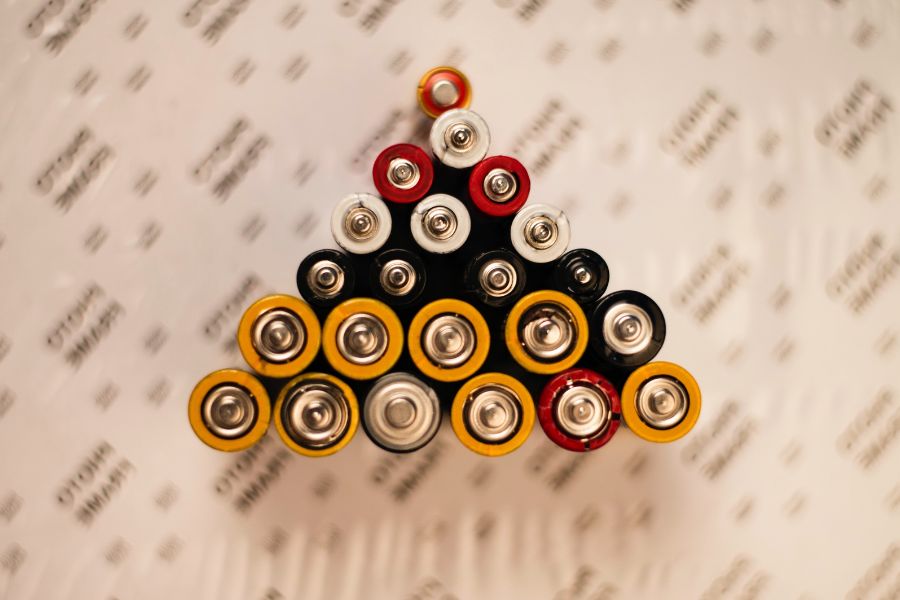
India is set to transform its energy and industrial sectors with the establishment of its first lithium refinery and battery manufacturing plant in Nagpur, Maharashtra. The facility will produce 60,000 tonnes of lithium annually and 20 GWh of batteries. This landmark project, backed by a significant investment of Rs. 42,532 crore, is designed to boost the country’s self-sufficiency in essential energy resources and strengthen its position on the global stage. A major lithium refinery project, with an investment of Rs 42,532 crore, is set to be launched in Nagpur, this year. The Maharashtra government and Vardhaan Lithium (I) Pvt. Ltd signed an agreement in Davos, Switzerland, to establish the refinery at Butibori in Nagpur. According to Vardhaan Lithium, this project will mark a significant shift for India’s energy and industrial sectors with the creation of the country’s first lithium refinery and battery manufacturing plant in Nagpur. The project is aimed at enhancing India’s self-reliance in key energy resources and boosting its global position. Nagpur lithium refinery project- the goals Sunil Joshi, the chairman of Vardhaan Lithium, informed that the 500-acre facility is designed to address India’s critical need to reduce dependency on lithium imports by developing a strong domestic supply chain. The refinery will have the capacity to process 60,000 tonnes of lithium annually and produce 20 GWh of batteries, supporting the country’s energy needs for electric vehicles, homes, and industries. He further stated that this advanced facility will not only meet India’s growing demand for lithium-based products but also help position the nation as a global leader in clean energy solutions. Aligned with Prime Minister Narendra Modi’s ‘Make in India’ initiative, the project highlights India’s commitment to self-sufficiency in vital sectors. With collaboration from top technology partners in the USA and Europe, Vardhaan Lithium ensures that the products manufactured at the Nagpur facility will meet international standards. The project is expected to transform India’s energy landscape by providing a sustainable, homegrown supply of refined lithium, especially as global demand for lithium-ion batteries soars with the rise of electric vehicles and renewable energy systems. The mega facility is also expected to create thousands of direct and indirect jobs, stimulating the local economy and fostering socio-economic growth in the region. Its large scale will also attract related industries, helping to build a clean energy manufacturing ecosystem in Maharashtra. A step toward reducing lithium import Lithium and its compounds have diverse applications. For instance, its high specific heat makes it valuable in heat transfer systems. It is used in special glasses and ceramics, such as the Mount Palomar telescope’s 200-inch mirror. As the lightest metal, lithium is alloyed with materials like aluminium and copper to create lightweight, strong metals for aircraft. Lithium hydroxide helps remove carbon dioxide from spacecraft atmospheres, while lithium stearate is a versatile lubricant. Lithium carbonate is also commonly used to treat manic depression disorder. From March 2023 to February 2024, India imported 54,402 shipments of lithium, marking a 19% increase compared to the previous year. The majority of these imports come from China, Japan, and the United States. On the global stage, India ranks as the top importer of lithium, with 273,470 shipments, followed by the United States at 169,924 shipments and Vietnam with 153,502 shipments. India currently depends on imports to fulfill nearly all of its 15 GWh demand for lithium-ion batteries. However, this demand is expected to surge to 54 GWh by FY27 and 127 GWh by FY30, driven by the rising adoption of electric vehicles and ongoing efforts to decarbonize the energy grid. Having said that, the establishment of this lithium refinery and battery manufacturing facility at Nagpur, will significantly reduce India’s reliance on lithium imports, leverage advanced technology, and bolster domestic manufacturing, empowering India to achieve energy independence while contributing to the global fight against climate change.