India’s coffee exports are on a remarkable growth trajectory, surging from US$ 719.42 million in 2020-21 to US$ 1.29 billion in 2023-24. In 2024-25, exports have already reached US$ 1.24 billion by December, a 42.2% YoY increase. Major buyers like Italy, Belgium, and Russia drive demand, while value-added products like instant and roasted coffee are gaining traction. Domestically, the rise of café culture and premiumization has boosted consumption, growing from 84,000 tonnes in 2012 to 91,000 tonnes in 2023. India’s shade-grown coffee, cultivated in the Western and Eastern Ghats, champions sustainability while supporting biodiversity. Initiatives like the Integrated Coffee Development Project are expanding production into non-traditional regions, empowering 150,000 tribal families in areas like Araku Valley. As the global coffee market races toward US$ 186.4 billion by 2033, India is brewing a bold future with innovation, quality, and sustainability at its core. India’s coffee exports are witnessing an impressive growth in the last few years. In 2023-24, exports reached US$ 1.29 billion as compared to US$ 719.42 million in 2020-21. The surge has continued this year, as exports have further increased by 42.2% YoY to reach US$ 1.24 billion in April-December 2024-25. This means that coffee exports in these 9 months are almost at the level of the entire previous year. A release by the Department of Commerce, Government of India, highlighted that India’s this growth is fuelled by increasing global demand for its rich and unique flavours. In the first half of January 2025 India’s coffee exports stood at 9,300 tonnes, with Italy, Belgium, and Russia as leading buyers. While unroasted beans are the primary exports, there is a growing demand for value-added products like roasted and instant coffee, further fuelling the export boom. For the period of April-November 2024, exports were led by Instant Coffee (not flavoured) at US$ 325.22 million (YoY growth of 21%), followed by Coffee Rob Cherry Other Grade at US$ 273.62 million (YoY growth of 103%) and Coffee Rob Cherry AB at US$ 236.8 million (YoY growth of 76.9%). There is also a steady rise in consumption in the domestic market, led by the growing cafe culture and higher disposable incomes. Moreover, there is a growing penetration of coffee in a predominantly tea drinking nation. As a result, domestic coffee consumption has increased from 84,000 tonnes in 2012 to 91,000 tonnes in 2023. The growing market is also embracing premiumisation, encouraging global giants to rapidly expand their market presence. For instance, Starbucks started with high profile stores in major cities in 2012 and has since rapidly penetrated second and third tier cities with smaller drive through outlets. Now it has over 375 stores in 50 cities, serving over 400,000 customers this week. India’s coffee is largely grown in the ecologically rich Western and Eastern Ghats, which are famous for their biodiversity. Karnataka, also known as Coffee Country, leads in production, contributing 248,020 MT in 2022-23, followed by Kerala and Tamil Nadu. By maintaining shade-grown plantations in these regions, the producers are not just developing the coffee industry but also preserving the natural environment and amintaining the ecological balance of these biodiversity hotspots. To enhance coffee production and meet growing demand the Coffee Board of India has focused on improving yields and growing coffeee in non-traditional regions under the Integrated Coffee Development Project (ICDP). A major success story of these initiatives has been the Araku Valley, where nearly 150,000 tribal families in collaboration with the Coffee Board and the Integrated Tribal Development Agency (ITDA) have increased coffee production by 20%. The global coffee market is likely to reach a value of US$ 186.4 billion by 2033, at a CAGR of 4.85% from 2025 to 2033. The leading drivers are the growing consumption of coffee around the world, coupled with rising demand for high-priced premium coffee goods and specialty coffee culture, according to Renub Research.
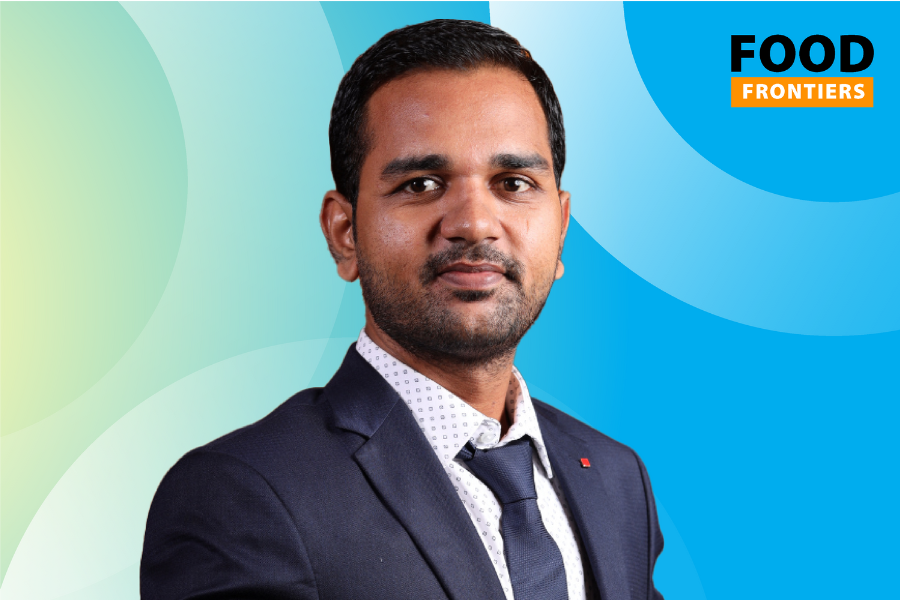
Revolutionizing urban farming with Balcony Crops
In this episode of Food Frontiers, we talked with Mr. Adarsh Sridharan, the founder of Balcony Crops, a pioneer in urban farming using hydroponics. Founded in 2020, Balcony Crops allows for year-round, water-efficient farming suitable for homes, cafes, and hotels. It increases yields by up to 7% while conserving 90% more water compared to traditional methods. Mr. Sridharan discussed his vision for sustainable urban agriculture, emphasizing how Balcony Crops transforms farming practices and enables people to cultivate fresh produce, even in small spaces. IBT: How is Balcony Crops promoting sustainable agriculture and encouraging the adoption of hydroponics, especially given that it’s a relatively new technology in India? Mr. Adarsh: At Balcony Crops, farming extends beyond just rural areas. By taking advantage of unused urban spaces such as terraces and balconies, we empower individuals to cultivate their vegetables and greens. This practice helps lower the carbon footprint associated with transporting food over long distances and removes the necessity for harmful pesticides and chemicals that are often used to maintain freshness. By growing your produce, you guarantee access to fresh, chemical-free food while contributing to a more sustainable urban lifestyle. IBT: Could you share more about your services and how they help save water and address the challenges of urban farming? Mr. Adarsh: At Balcony Crops, we provide affordable DIY kits starting at just ₹250, making it simple for anyone in India to cultivate their greens and vegetables. Our kits, including the compact Aeroponic tower, are ideal for small areas like balconies, needing only two square feet. They come with an automated timer and pump, hence there is no need to water the plants manually every day. We also offer step-by-step video instructions and ongoing support to assist you from seedling to harvest. The nutrient solution is user-friendly, ensuring your plants receive the right nutrients without needing compost or fertilizers. Our kits require very little maintenance. With a weekly check to refill the water, you can enjoy fresh produce right from your balcony. We also have grown bags available for terrace gardening. IBT: How is Balcony Crops leveraging IoT to enhance farm management, and how has it impacted the quality, yield, and efficiency of your customers? Mr. Adarsh: When it comes to technology, we use IoT only on a macro-scale and not on a micro-scale. Macro means used for commercialized farming. This is where we use IoT to ensure precise nutrition is given to the plants. And when you do it on a commercial scale, we have polyhouses. Poly-housing people are also given a subsidy of 50% by the government. This is a very good initiative from the government side. In this way, farmers have assured returns in terms of production because whether it’s raining heavily, sudden rains, or heavy temperature, we are protected, and the crops are protected. We get an assured yield and then we use technology like sensors, temperature sensors, and humidity sensors to operate the ventilation fans, and the foggers based on the temperature. All this is automated using IoT. When it comes to nutrition given to the plants, we have sensors like pH and TDS sensors, and EC sensors to ensure there is a precise level of nutrients present in the water at all times. The plants are not deprived of any kinds of nutrients. Nutrients are being supplied continuously so that the plants absorb them and grow very quickly. Hence, you’re able to achieve the proper yield in the given timeline. It’s just like getting an assured return on investment using this technology. IBT: What’s your view on the current state of hydroponics and urban farming in India? How do you think the government can better support startups like yours? Mr. Adarsh: The Government of India is providing impressive subsidies, such as 50% for poly houses and net houses, along with loans of up to ₹2 crores under the Agri Infra scheme, which includes a 3% interest subsidy. However, many farmers are not benefiting from these programs effectively. Improving access for farmers interested in hydroponics could make a significant difference. In terms of urban farming, while larger initiatives receive substantial backing, smaller setups ranging from 1,000 to 5,000 square feet, which have great potential for local green production, are largely overlooked. It is crucial to offer subsidies for building greenhouses or polyhouses in urban settings. Additionally, providing affordable hydroponic kits for residents in metro areas could promote gardening on terraces and balconies. Offering a subsidy of ₹1,000 to ₹1,500 on a ₹3,000 hydroponic kit could encourage more individuals to grow their vegetables at home. Such focused support could transform urban farming in India. IBT: How do you make hydroponics affordable and accessible for farmers while maintaining quality? Mr. Adarsh: When we first began selling kits, we encountered challenges because many people considered them too pricey, with costs ranging from ₹10,000 to ₹15,000 for even a small setup like a 24-plant system. To tackle this issue, we introduced grow bag farming, a more affordable version of hydroponics, along with methods like NFT and Dutch bucket systems. Balcony Crops became the pioneer in promoting budget-friendly terrace and balcony gardening using grow bags, making hydroponics accessible to urban dwellers. With kits available for as little as ₹250, users can cultivate greens such as methi, palak, or coriander. This straightforward approach involves watering plants in grow bags with a nutrient solution, providing an easy and approachable way to start small and expand later. IBT: What’s your vision for Balcony Crops? Could you share your plans for expanding hydroponics and urban farming, both in India and internationally? Mr. Adarsh: At Balcony Crops, we envision a future where urban farming flourishes in every metro city across India by 2030. Our goal is to set up branches in each metro area and develop an app that offers easy access to essential resources such as seeds, pest identification tools, farming techniques, and updates on innovative practices. We are dedicated to making urban farming both affordable and accessible for everyone. In terms of commercial

Tapovan Impex: Leading quality and innovation in F&B exports
In this episode of Food Frontiers, we spoke with Vikas Makhija, MD, Tapovan Impex Pvt Ltd, a leading manufacturer and exporter of food and non-food products under three leading brands: Bharat Bazaar, Thela Style, and Bhakti Ras. Tapovan has a strong presence in markets such as the US, Canada, Europe, and the Asia-Pacific region, driven by a commitment to quality and consumer satisfaction. He shares insights into Tapovan’s export strategies, including maintaining stringent quality control, introducing innovative products like nostalgic Indian beverages under their Thela Style brand, and adopting sustainable practices like triple-layer packaging to enhance shelf life without preservatives. IBT: How has Tapovan Impex’s export strategy evolved over the years and which international markets have shown maximum traction? What are the factors that contributed to your success? Vikas Makhija: Tapovan is majorly involved in the manufacturing of spices, rice, lentils, and bakery products under the Bharat Bazaar brand name. The biggest markets for us are the US and Canada. In Europe, we have a presence in some countries like UK, Ireland, Cyprus, Norway etc. Asia Pacific is also a big market for us we have a presence in many countries start from Singapore, Hong Kong, China, Philippines, Australia, New Zealand etc. Regarding brand strategies what we are majorly concerned about is the quality control, since the international market is very sensitive regarding the product’s quality. From day one, our company is 99.9% complaint free. We offer the best quality products that are economically cost effective, always mindful of consumer benefits, long shelf life, packaging with the less preservatives, and consistent improvements. This year at the Indusfood Show we launched our Bharat Bazaar Rice. Earlier, we used to do collaborate with the other brands, but now, Bharat Bazaar is introducing their own brand representing farmers. We have named our rice as the Bharat Bazaar Dhaanvir and another one is the Bharat Bazaar Bharatvir to represent the farmers. IBT: Diverse international F&B markets showcase unique tastes and preferences. Can you share some examples about how your brands adopts their product offerings to cater to the special needs and unique preferences of the customers? Vikas Makhija: My team and I used to travel all over the world to survey the market and stay updated on current market trends and unique customer preferences. Based on our past experience, we observed that companies were introducing innovative products. Drawing from this insight, three years ago, we launched a Thela-style brand offering a unique range of nostalgic Indian drinks like Shikanji, Amras, and Banta soda, along with superfoods such as makhana, which is now a significant market player, and various seeds, all under the Thela concept. We have been participating in Indusfood for the past six years, and during this time, we have also attended other international exhibitions in Dubai, the US, Australia, and Canada. By exploring opportunities in international markets, we bring back valuable insights to our factories, where we work on creating innovative new products. IBT: Sustainability and smart packaging are the emerging trends. In what ways is Tapovan Impex embracing the sustainability and smart manufacturing practices to maintain a competitive edge in the global F&B industry? Vikas Makhija: With a competitive edge in sustainable packaging and product quality, we procure raw materials during the harvest season based on our sales data, ensuring a sufficient supply for 12 months. These materials are stored in cold storage to enhance quality and maintain cost-effectiveness. This strategy is followed year-round to consistently provide cost-efficient products for our customers and their end consumers. At Tapovan Impex, we prioritize meeting consumer needs throughout the year. All our procurements are carefully timed to align with these requirements. The second stage involves packaging, where we primarily use triple-layer packaging. For our spices and rice, metalized packaging proves effective in extending shelf life without the use of preservatives. We follow methods recommended by the Spice Board of India to ensure the quality of our spices. The Board conducts weekly visits to our factory for sampling and quality checks. Additionally, we perform our own quality checks to cross-verify their sampling reports, ensuring the highest standards for our products. This rigorous approach has enabled us to maintain impeccable quality control, resulting in 16 years without a single customer complaint regarding our spices. IBT: What steps do you think the government and the trade promotion bodies should take to strengthen India’s F&B exports, particularly to support SMEs and expanding their global reach. Vikas Makhija: Over the last 10 years, the F&B industry in India has been effectively managed by the Indian government, state governments, and the Trade Promotion Council of India (TPCI). In the spices industry alone, our exports have reached approximately US$ 4 billion, marking a growth of nearly 100% over the past decade. Recently, I had the privilege of attending a meeting with Shri Piyush Goyal, our Commerce Minister, where he shared our Prime Minister’s vision to increase spice exports from the current US$ 4 billion to US$ 10 billion annually within the next five years. The government is providing us with numerous opportunities. With this support, we are building a new factory in Sonipat and continuously improving to serve both international and domestic markets. One critical area where I hope for government intervention is in banning pesticides that are already prohibited in international markets. I have submitted a report on this issue to the Spice Board of India. With the current generation raising awareness and consumers becoming more informed about this concern, I sincerely hope the government takes action to address it. IBT: Reflecting on your experiences in Indusfood, how do you view its role in promoting F&B exports, What are your thoughts and expectations regarding the Indusfood 2025? Vikas Makhija: Before the inception of Indusfood, we participated in various F&B exhibitions globally, but there was no comparable platform in India. Earlier we used to go to Gulf food in Dubai, Summer Fancy Food Show in the US, and many different food shows, however, since Indusfood began seven years ago, it

India’s green energy sector to pull over Rs 31 lakh crore in investments
India’s green energy sector is poised for a transformative leap, with an anticipated investment of approximately ₹31 lakh crore (US$ 358.2 billion) by 2030, according to a report by Crisil Intelligence. This aligns seamlessly with the country’s ambitious push toward renewable energy. However, the report highlights a concerning dip in investment potential for certain sectors, notably electric vehicles (EVs), signaling the need for a more robust policy and market push to sustain momentum. India is anticipating a sharp surge in investments in its green energy sector, according to a report by Crisil Intelligence, which expects an influx of around Rs 31 lakh crore (US$ 358.2 billion) by 2030. While it synchs well with India’s push for green energy, the report asserets that some sectors, particularly EVs, require a stronger push, as they have witnessed a fall in investment potential. Investments in the electric vehicle (EV) ecosystem have declined in 2024 by around 4% YoY, while mining also registered a 6.2% decline. On the other hand, investment potential in power transmission and renewable energy has risen by 2.6% and 2.7% respectively. Renewable energy and storage (Rs 19 lakh crore, US$ 219.5 billi0n) is expected to attract the maximum investments. It is followed by the transport and automotive sectors (Rs 4.1 lakh crore, US$ 47.4 billion), and oil and gas (Rs 3.3 lakh crore, US$ 38.1 billion), led by a push towards green hydrogen and smarter refining. The report also cautions that sectors like green hydrogen and carbon capture will need further support and push from the government, unlike solar and wind that have access to sufficient debt financing, including green bonds, green revolving funds and green credit schemes. CRISIL also emphasises on the need for collaboration between the private sector, government and international funds. It will be crucial to developing green bond markets and explore innovative financing structures like blended finance to address the funding gap. In contrast to the investment potential, however, EV sales in India leapt by 27% YoY to close at 19,49,114 units. The surge was led by two wheelers (up by 33%), passenger vehicles (up by 22%) and three-wheelers (up by 18%). Moreover, automakers based in India are planning a slew of launches, many in the premium market, with longer driving ranges and faster charging times, to attract buyers.
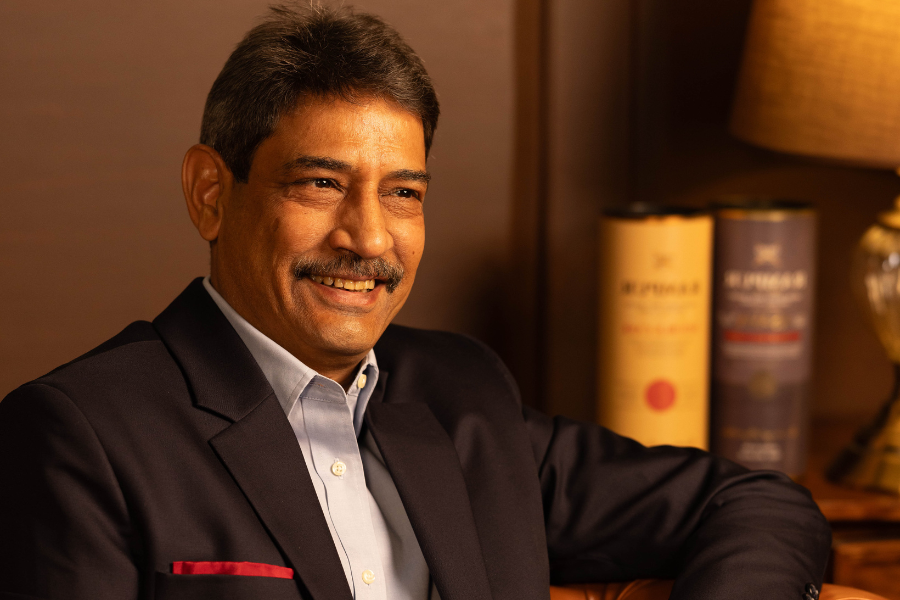
Indian single malts & craft spirits driving global demand
In a recent episode of “Food Frontiers,” hosted by India Business and Trade, Sanjeev Banga, President of International Business at Radico Khaitan, shared insights into the company’s global expansion strategies. Radico Khaitan, a prominent Indian beverage alcohol producer. During the discussion, Mr. Banga emphasised the company’s commitment to innovation, quality, and cultural storytelling. He highlighted how Radico Khaitan integrates India’s rich heritage into its products, appealing to both the Indian diaspora and mainstream consumers worldwide. Mr Banga also addressed the challenges posed by regulatory complexities in international markets and outlined the company’s strategies to navigate these hurdles while maintaining a focus on premiumization and global growth. IBT: What is Radico Khaitan’s strategy for expanding international exports, and which key markets are driving growth? Sanjeev Banga: We are a proud Indian company with the vision of taking Indian beverage alcohol products global, not just catering to the Indian diaspora but also mainstream consumers. Our brands are available in over 100 countries and have been well-received by a wide audience. We offer a broad spectrum of brands across value-for-money, premium, super-premium, and luxury segments, catering to various consumer preferences and price points in categories like whiskey, vodka, rum, brandy, Indian single malt, Indian craft gin, and even the emerging Indian dark rum. Our strength lies in our production and distillation capabilities, supported by an innovative blending team that tailors products to individual markets. We also have region-specific brands. We are present in markets from the USA to Fiji, with strong luxury products in markets like the USA, Europe, the Far East, Australia, the Middle East, and global travel retail channels. Our premium-category brands are significant in Africa, the Middle East, and the Gulf region. Overall, our global presence spans diverse regions. IBT: Indian single malts are gaining popularity worldwide. How has the response been to Radico Khaitan’s offerings, and what potential do you see for this segment? Sanjeev Banga: Our malt distillery was established in 1995, but it wasn’t until 2016 that we launched our first single malt, Rampur Select, after 21 years of careful preparation. We wanted to ensure that our product was of the highest quality, and the response validated our efforts. Rampur Select was introduced in Las Vegas in April 2016 and quickly received widespread appreciation. In its first year, Rampur Select won the Double Gold Medal at the San Francisco Spirits Competition, confirming that we were on the right path. The demand was so high that we ran out of stock within three years, a testament to the meticulous ageing process of single malt. In response, we tripled our malt production capacity and are continuing to expand. Today, we offer nearly 19 expressions, all of which have won awards and accolades, with many being recognized as some of the best new world whiskies by esteemed forums. The journey has been incredibly encouraging and fulfilling. IBT: Comment on the role of innovation and customisation in the success of Radico Khaitan in the domestic and international market. Sanjeev Banga: Consumers today are seeking something new, and they are open to experimenting with fresh, innovative products. This is where we excel—by consistently delivering unique offerings, whether it’s our single malts, craft gin, rum, or other exciting products that are still in development. Our vision is to bring India to the forefront of the global beverage alcohol space, showcasing the mysticism and cultural richness of our country. Many traditional Indian drinks have been forgotten or remain confined to specific regions, and we aim to bring these to the global stage. We focus heavily on innovation with an Indian touch. Even our brand names, like Rampur, Jaisalmer, Sangam, and Kohinoor, have deep Indian roots, each with a unique story. For example, Rampur Asava is the first single malt ever to be finished in an Indian red wine cask, a groundbreaking achievement. Our Rampur Jugal Bandi series, inspired by the traditional Indian musical duet, features eight expressions, six of which are already launched, with the remaining two set to debut next year. Sangam, meaning the confluence of two rivers, symbolizes the blending of traditional and new-world malts. Each brand and expression we create tells an Indian story, and that’s the essence we share with the world. Our innovation is deeply rooted in our culture, and it resonates in everything we do. IBT: What are the most significant product consumption trends in the global liquor market going forward, and how is Radico Khaitan aligning its portfolio to meet these demands? Sanjeev Banga: One positive outcome of the pandemic was that people started drinking less, but drinking better. In-home consumption increased significantly, and consumers are now leaning more toward premium products. They are also exploring newer and more innovative offerings, which is exactly what we aim to deliver to our global audience. In the on-trade segment, such as bars and restaurants, we offer exceptional products and unique cocktails, reflecting the growing cocktail culture. We have products designed to cater to every segment and price point. The Indian diaspora has become our biggest brand ambassador. They take immense pride in seeing luxury brands emerge from India, sharing them with friends and family, and using them for gifting purposes. Additionally, Indian fine-dining and Michelin-star restaurants worldwide now proudly feature Rampur and Jaisalmer, introducing them to mainstream consumers. Even among mainstream consumers, our unique offerings have gained significant traction, particularly in travel retail at airport duty-free shops, where they are highly sought after. The response has been overwhelmingly positive, reflecting the growing global appreciation for our products. IBT: Which product categories are seeing the most growth internationally, and what factors are driving their success? Sanjay Banga: Consumer preferences vary across regions, with each region having a different affinity for specific product categories. A few years ago, gin was experiencing strong international growth, and today, tequila has taken the lead. Consumer tastes are constantly evolving, and people are eager to try whatever is new or different. This shift is not confined to any one category. In India specifically, white

From Malaysia to India: Chef Bob Adnin’s global culinary voyage
In this episode of the Food Frontiers series, India Business and Trade engages with Chef Mohammad Kamarudin (also known as Chef Bob Adnin), Chef President of Professional Culinaire Associations Malaysia (PCA), who shares his culinary journey, starting at 18 and working globally before becoming a consultant in 2019. He produces ready-to-cook and ready-to-eat products like Malaysian curry paste. He discussed the evolving trends in Malaysian cuisine, emphasising traditional flavours with modern innovations. He noted the rise of health consciousness and sustainability, with an increase in plant-based options. Challenges include high ingredient costs and manpower shortages. Chef Bob also expressed interest in learning from Indian culinary techniques and street food culture during an upcoming visit to India. IBT: What inspired you to enter the hospitality industry, and how have you grown in the field since you started? Mohd Kamarudin: I am Mohammad Kamarudin, but people call me Chef Bob Ain. I am the president of the Culinary Association Malaysia. My culinary journey began when I was 18 years old. At that time, I never thought I would become a chef. Like many young people, I had a lot of dreams—I even wanted to be a pilot, you aspire to be something different from others. Eventually, I followed in my father’s footsteps. He was in the catering business. At 18, I started going to markets—early markets, night markets—and began cooking simple dishes. That’s when my interest in cooking started to develop. I told my dad that I wanted to become a cook like him. From there, I went to school and started working in 1994. Since then, I’ve traveled around the world. I worked on cruise ships and in the Middle East, including Ghana, Dubai, and Abu Dhabi. Later, I returned to Malaysia and worked in Sudan for flight catering before coming back to Malaysia to settle down. I continued working in flight catering until 2019 when I decided to start my own business as a consultant. I’ve since developed various products, including USA potatoes, Maggi products, and Australian meat. Now, I also produce my own paste products, which I supply to industries across Malaysia. At the same time, I also appear on cooking shows, especially on Malaysian TV. I continue to juggle these activities to this day. IBT: Could you please provide detailed information regarding the products your company has developed and currently offers in the market? Mohd Kamarudin: They are ready-to-cook and ready-to-eat products. I have curry pastes—Malaysian curry pastes, to be specific. I also have sambal and some Chinese product pastes that are convenient for the industry to use. Now, if you look at Malaysia, it’s quite hard to find young chefs these days. The interest in becoming a chef, especially after COVID, has changed. The mentality and approach have shifted, and it’s becoming more difficult to find talented young chefs here. IBT: As we are talking about a culinary exchange concept at the Asia Chefs Presidents Association meeting and the Indusfood trade fair, which you will be visiting. We in India would like to understand Malaysian cuisine better. What is unique or special about it? What is the philosophy behind Malaysian cooking? Mohd Kamarudin: Actually, the culinary landscape in Malaysia focuses on branding traditional flavours while also incorporating some modern, innovative elements. If you look at the trend now, there’s a slight shift in how food is presented and conceptualised. However, the authentic flavours are always maintained, staying true to the original essence of the dishes. Malaysian cuisine is influenced by global cultures, and there’s a harmonious blend of these influences in our cooking techniques. While modern trends are emerging, traditional Malaysian food hasn’t changed much. For example, Indian youngsters here are experimenting by adding cheese to dishes, which is not common in traditional Asian cooking. This is more of a fusion trend, especially popular in urban areas. That being said, we still preserve the traditional techniques and use local spices to maintain the identity and authenticity of our dishes. This balance between tradition and innovation defines the current landscape of Malaysian cuisine. IBT: Do you also see a trend of rising health consciousness in your market? And how are you adapting your menus? Or how is the hospitality industry adapting to this health-focused trend? Mohd Kamarudin: Yes, definitely. The food trend now is leaning towards healthier options, and people are increasingly talking about sustainability. In response, we’ve incorporated some items like rice or plant-based cuisine. Instead of using meat, we now use plant-based meat substitutes. Of course, the flavour and texture may change slightly, but we’re also seeing a revival of traditional cooking methods, like fermenting food and slow cooking with natural ingredients. We make an effort to retain those elements while adapting to the trends. Globally, not just in Malaysia but across Asia, I’ve noticed a lot of changes influenced by platforms like YouTube, social media, and TV. However, I believe that even as trends evolve, the techniques and flavours should remain rooted in tradition. For example, even when we use plant-based substitutes, we ensure that the essence of the dish stays true to its origins. IBT: What are the most significant challenges in your industry, from your point of view, in 2025? Mohd Kamarudin: The biggest challenges are manpower and, definitely, ingredient costs. In Malaysia, whether the ingredients are sourced locally or imported, the costs are increasing. I wouldn’t say they’re extremely expensive, but the prices are definitely going up. That’s one of the reasons I’ve developed my own products as a solution. These products help reduce labour requirements because half of the work is already done. This way, we can control ingredient costs better. Another challenge is ensuring the quality of ingredients, especially during the rainy season. In such cases, we often have to import items from neighbouring countries like Indonesia, Thailand, or even India. For instance, chilli products are one of the largest imports from India. In Malaysia, especially during the rainy season, it’s difficult to get good-quality chilli. So, controlling costs and maintaining quality
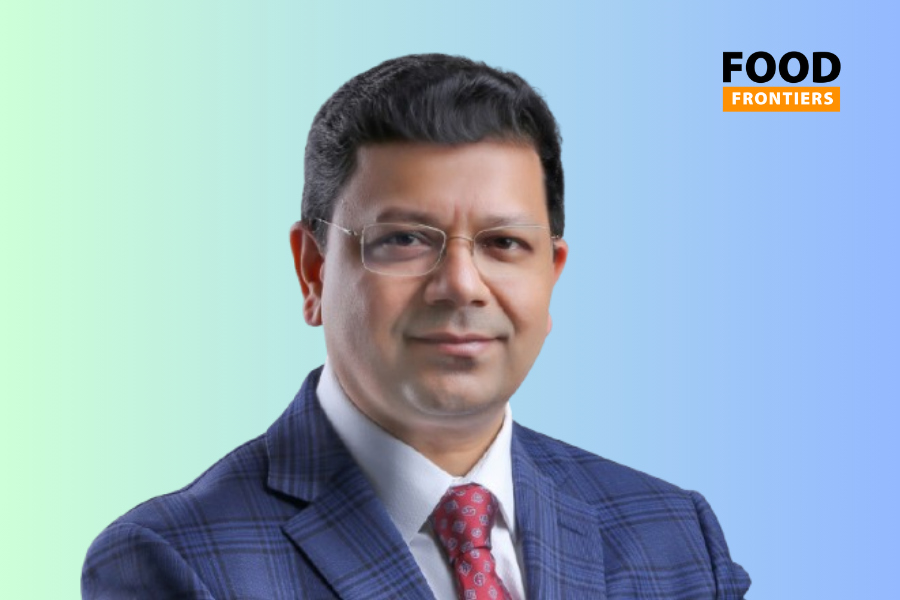
Britannia’s secret to global success: Localized innovation
Britannia Industries, a name synonymous with baked goods in India, has grown from humble beginnings to become a global powerhouse in the food sector. With over 130 years of expertise in baking, the company has consistently pushed the envelope, both in terms of product innovation and market expansion. But how has Britannia managed to maintain its leadership position in an ever-evolving market? What strategies have fueled its global expansion, and how is it adapting to the changing food landscape, with increasing demands for sustainability, health, and innovation? In an insightful conversation with Mr. Annu Gupta, the driving force behind Britannia’s growth, we get an inside look at how the company has navigated the complexities of international markets, the challenges of localization, and the shift toward a more sustainable and tech-driven future. But that’s not all—there’s a new frontier on the horizon for Britannia, one that could change everything. What’s next for the century-old brand, and how will it continue to capture hearts and appetites around the world? The answers might surprise you… IBT: How has Britannia’s export strategy evolved over the years? Mr. Annu Gupta: Britannia has been the market leader in bakery products in India for over a century, driven by our deep-rooted expertise in the art and science of baking. Founded in 1892, we are a 132-year-old organization with one of Asia’s largest R&D centers for bakery innovation, which enables us to cater to diverse taste preferences and deliver unique, differentiated products. Our diverse portfolio includes popular items like Good Day, Jim Jam Pops, Maska Chaska, Milk Bikis, Rusk, cakes, and an expanding range of dairy products like milkshakes and cheeses. We are also strengthening our presence in snacking with croissants, wafers, and more, reinforcing our position as a premium snacking partner. Our export strategy is built on our extensive portfolio and a dedicated team operating both in India and internationally. We’ve secured committed, long-term distribution partners in key global markets such as the U.S., Canada, the Middle East, Oceania, Singapore, and Africa. Additionally, we have pursued inorganic growth, acquiring a company in Kenya and establishing a manufacturing facility in Nairobi with 400 employees. We also have manufacturing operations in Egypt, Nepal, Dubai, and Oman. And although we have come a long way, but I do believe that the opportunities are immense and we do have a significant way to go ahead in this journey as well. IBT: Which international markets in your experience have shown the most traction for you and what factors have contributed to your success in those markets in particular? Mr. Annu Gupta: Biscuits are a very localized industry because they are a high volume, low value, low margin type of business which requires ability to be as close to the consumer as possible. Wherever we have set up manufacturing facilities, we have seen the fastest growth coming from there for example, in Nepal, we established our manufacturing unit in 2019 and we have grown to become the largest player there. Similarly in Kenya, we acquired a company couple of years ago and now we are among the top three biscuit players there. In UAE where we have local manufacturing, we are consistently among the top three players here. The second aspect is wherever the Indian diaspora is big, we normally do well there. The US, Canada, Australia and now UK are upcoming markets for us and we are growing well there thanks to the hugely influential Indian diaspora. In addition to that there is another factor behind our success in few markets and that is our innovation. For example in the Middle East region, which also has a huge Indian diaspora, we market to local consumers and we have also developed regionally preferred products which necessarily may or may not be available in India. IBT: Could you share some examples of how you adapt your products to specific markets? Mr. Annu Gupta: As I mentioned, the biscuit industry is very localized and in every large market of the world, there are already existing incumbents, for example, in the US there is Mondelez, in the UK there is Pladis which owns the brand McVities. In Nigeria there is a brand called Yale and in Sri Lanka there is Ceylon biscuits. Now if in order for us to succeed we have to go for localize, innovate so what we have done for example in the Middle Eastern region is that we have come up with some very specific Arab focused products like the black seed rusk, which the local people like with black seed or kalonji and this is not sweet, really good low calorie snack. Similarly, we have an offshoot of the regular digestive biscuit wherein we have put some herbs and we have put black seeds etc. to make it resonate more with the local population there. We also have in the American style the soft baked cookies which we do not do in India, they are typically large cookies which are kind of soft and they are sold individually wrapped. We also do packaging innovation in products which are also available in India like the Jim Jam Pops. But if you go to large markets like the US, you will find them in a different packaging which is more suitable for the modern trade because that is more prevalent there. So innovation is both at the product end as well as the packaging end. If you look at the example of Canada, it has a huge population of Punjabis and hence we have introduced a very specialized homemade cookies range, which is similar to what we have which are Punjab homestyle bakery type of cookies. We’ve introduced that and we’ve used atta in it to make it healthy and we’re calling it Punjabi cookies. IBT: As a leader in its segment, how is Britannia driving sustainability and smart manufacturing techniques in its operations? Mr. Annu Gupta: Britannia has been one of the few large companies in India that have been working
“The future lies in data-driven manufacturing, AI-powered monitoring”
Jaivik Foods offers customized EPC solutions for the food, spices, pharma, and chemical process industries, with innovative applications in cleaning, sorting, sterilization, pasteurization, drying, grinding, and blending. The company specializes in providing complete project setups, from planning to implementation, ensuring effective plant layouts that comply with FSSAI rules and the 3M principles (Man, Material, Machine). In this exclusive interview with India Business and Trade (IBT), Mr. Jitendra Kumar Sharma, CEO of Jaivik Foods, shares valuable insights into the company’s cutting-edge food technology solutions. He also discusses how Jaivik is advancing energy efficiency and sustainability, expanding its export footprint, and his views on the evolution of technology solutions in India’s manufacturing sector. MHAM hammer mill , Source: Jaivik Foods IBT: Which specific food technology solutions does your company specialize in for food manufacturing applications? How do you perceive the evolution and application of these technologies in India’s food manufacturing industry? Jitendra Kumar Sharma: At Jaivik Foods, we specialize in providing a range of cutting-edge solutions aimed at improving the energy efficiency, quality, and safety of food processing. Keeping this in mind, our expertise spans steam sterilization, size reduction technologies, advanced blending, and drying solutions. These applications are extensively used in food processing industries, particularly for spices, herbs, pesticides, insecticides, various animal feeds, and pharmaceuticals. These industries require specialized solutions for contamination control, size reduction, and blending. India’s food manufacturing industry is currently undergoing a transformative phase, driven by the rising demand for high-quality, safe, and sustainable food products. This has created a growing need for technologies that enhance both operational efficiency and food safety. We are witnessing a significant shift towards automation, energy-efficient systems, and sustainable processing technologies, including smart solutions for operations and maintenance. As food manufacturers strive to meet global standards, we believe India will continue to play a key role in adopting these advanced technologies. IBT: How do your services address the unique needs of the F&B sector, particularly in terms of energy efficiency and sustainability? Jitendra Kumar Sharma: As you know, the food sector is aligned towards energy consumption, and more and more awareness is emerging regarding renewable energy, low carbon footprint areas, and sustainable energy solutions. So, considering all these three factors, we are developing our equipment to meet global standards and sustainable solutions. IBT: Does your company export its products or services? If so, could you share insights into the international markets you serve and the key drivers of your success? Jitendra Kumar Sharma: Yeah, we’ve seen that initially, we were receiving inquiries from the South Asian and GCC markets. Now, there is a shift toward Eastern European markets, including Russia, which are also demanding our Indian products. These are regions where the demand for Indian food manufacturing equipment continues to grow. We’re also seeing more and more inquiries coming from Africa and the Middle East. As far as our experience is concerned, we’ve supplied coconut handling facilities in Indonesia, where we provided two plants capable of handling 50,000 coconuts, from concept to commissioning. Key drivers for the international market, if you look at it, are innovations, reliability, and customized solutions. No two projects are the same; each one is a tailor-made solution designed to meet the specific requirements of each customer. Based on these needs, we then design and implement the processes accordingly. IBT: Within India, which industries or regions constitute your primary customer base? How has the demand for technology solutions evolved in recent years, and what trends do you foresee? Jitendra Kumar Sharma: In India, we primarily serve industries such as spices, herbs, pesticides, pharmaceuticals, and chemicals. These are the main sectors, along with dairy and beverages. Our customer base spans both large-scale manufacturers and small to medium enterprises, but the larger-scale manufacturers are the ones who mostly require our services, as we provide tailor-made solutions on an EPC contract basis. Particularly in regions like Maharashtra, Uttar Pradesh, and Tamil Nadu, we are seeing more traction compared to earlier times. While the South, especially the Kerala market, is already mature, areas like Tamil Nadu, Uttar Pradesh, Maharashtra, and Odisha are now driving growth. We also see significant potential in the Northeast, which is improving rapidly. In the coming years, the market in the Northeast is expected to be on par with the Kerala market. The demand for advanced food technology has significantly increased in recent years, driven by a combination of factors, including food safety, automation, and new regulations coming into force. Previously, there were no specific contamination levels in the food sector, but recently, FSSAI has set a 0.01 PPM contamination level that every spice and food industry must maintain. This has led to an increased demand for continuous steam sterilization systems, as the requirements are now exceeding normal levels. As regulations evolve, technology will continue to support improvements in meeting these requirements and boosting efficiencies. The future also looks toward data-driven manufacturing, AI-powered monitoring systems, all while maintaining sustainability. IBT: What are your expectations from Indusfood Manufacturing 2025? How do you see this platform contributing to your company’s growth and visibility within the food manufacturing ecosystem? Jitendra Kumar Sharma: with the Indusfood Manufacturing 2025 platform, we see a tremendous opportunity to connect with industry leaders, showcase our latest innovations, and engage with potential partners who share our vision of sustainable and efficient food processing management systems. In fact, it will be the ideal stage for us to highlight our long history of success while also giving a glimpse of some exciting advancements we will be unveiling very soon. We believe this exhibition will be instrumental in further expanding our presence in both the Indian and global markets. It will also provide an opportunity to interact with key players in the food manufacturing ecosystem, learn about emerging trends, and demonstrate how Javik is ready to lead the change in next-generation food technology solutions. We also look forward to exploring collaboration and innovation opportunities that will accelerate our growth and help shape the future of food manufacturing. Undoubtedly, Indusfood 2025 will

India’s biotech sector: 9,000 startups and rapid growth by 2024
India’s biotechnology sector has grown exponentially, with startups increasing from 50 in 2014 to nearly 9,000 in 2024. Dominated by biopharma, which contributes 49% of the bioeconomy, the sector’s value has surged from US$ 10 billion to over US$ 130 billion in a decade, with a target of US$ 300 billion by 2030. India’s biotechnology sector has experienced remarkable growth, transforming into a global leader in the field. The number of biotech startups has surged from just 50 in 2014 to nearly 9,000 in 2024, reflecting the sector’s dynamic evolution. Union Minister Jitendra Singh, addressing the FE Green Sarathi summit, highlighted the bioeconomy’s significant expansion, growing from US$ 10 billion in 2014 to over US$ 130 billion in 2024, with ambitious projections to reach US$ 300 billion by 2030. Biopharma continues to dominate the Indian bioeconomy, contributing 49% of its value and an estimated US$ 39.4 billion to the overall economy. India’s status as a biotech hub is reinforced by its ranking among the top 12 global destinations for biotechnology. The country boasts 665 FDA-approved plants in the United States, more than 1,400 WHO-compliant manufacturing facilities, and a 44% share of the world’s abbreviated new drug applications (ANDA). Additionally, India is the world’s second-largest producer of BT cotton and the third-largest producer of recombinant Hepatitis B vaccine. The Indian biologics market is forecasted to reach US$ 12 billion by 2025, growing at a robust CAGR of 22%. This growth is supported by favorable government policies, including 100% FDI under the automatic route for greenfield pharmaceuticals and medical device manufacturing. These initiatives have created a thriving ecosystem for innovation and investment in the biotechnology sector. Minister Singh also emphasized the government’s commitment to sustainability, citing initiatives such as the green hydrogen mission, climate change mission, and the launch of the deep sea mission. “We are among the first in the world to launch such a mission,” he stated, highlighting its role in addressing biodiversity and resource management. Singh pointed out that India’s resource-rich coastal areas, brimming with biodiversity, minerals, and metals, could significantly bolster its economic growth and support its ambition to become the third-largest global economy. India’s progress in sustainability extends beyond initiatives. The country is actively setting global benchmarks with ambitious targets, such as achieving net zero emissions by 2070, announced by Prime Minister Narendra Modi at COP-26 in 2021. Singh noted that India, once seen as indifferent to environmental concerns, has emerged as a leader in setting and meeting climate goals. India’s proactive approach to biotechnology is further evident in the recently introduced BioE3 policy. “We are among the first in the world to have very recently come up with a biotechnology policy which is primarily aimed at enhancing bioeconomy and also the cellular economy,” Singh remarked. The policy is expected to provide a robust framework for driving innovation, fostering growth, and establishing India as a global leader in biotechnology. With a strong foundation, ambitious targets, and supportive policies, India’s biotechnology sector is poised to play a pivotal role in shaping the country’s economic and sustainable future.

Next-Gen farming: How CRISPR redefines what we grow and eat
Agriculture is undergoing a silent revolution, driven by game-changing technologies like CRISPR and single-cell innovations. These advancements are reshaping the way we think about food production, sustainability, and nutrition by enabling precise genetic modifications that enhance crop resilience, nutritional value, and environmental efficiency. IBT interacted with Jorik Bremer, Director of Sales for Hudson River Biotechnology, to discuss how these transformative tools are not only addressing global challenges like food security and climate change but also redefining the very concept of farming. From creating smarter, self-sustaining crops to reducing the need for traditional farming inputs, Bremer shared insights into the future of agriculture and the role of innovation in ensuring a more sustainable and food-secure world. IBT: Hudson River Biotechnology’s technologies operate at the cellular and molecular levels, often invisible to the naked eye but with transformative impacts. How do you think these “invisible revolutions” in CRISPR and single-cell tech are reshaping the way we perceive agriculture as a field? Jorik Bremer: Hudson River Biotechnology is spearheading what we call an “invisible revolution” in agriculture through our advanced CRISPR and single-cell technologies. These innovations operate at the cellular and molecular levels, yet their impacts are profoundly visible in the field. By leveraging CRISPR, we can precisely edit plant genomes to enhance traits such as drought tolerance, disease resistance, and nutritional content. This level of precision was unimaginable with traditional breeding methods and represents a significant leap forward in agricultural science. Our single-cell technology complements this by ensuring that genetic enhancements are propagated efficiently across plant populations, which speeds up the breeding process and guarantees the stability of desired traits. This approach not only streamlines agricultural practices but also reduces the environmental impact by minimizing the need for chemical treatments and resource usage. These technologies are reshaping the agricultural landscape, shifting the perception of farming from a purely traditional craft to a cutting-edge field driven by scientific innovation. This transformation allows us to address global challenges such as food security and sustainability more effectively, marking a new era in how we grow and think about our crops. IBT: With CRISPR enabling precise trait development and smart delivery systems redefining agrochemical use, do you envision a future where we completely rethink what “inputs” mean in farming—perhaps moving toward plants that almost manage themselves? Jorik Bremer: Absolutely, the advancements in CRISPR and smart delivery systems are setting the stage for a transformative shift in what we consider “inputs” in farming. Traditionally, inputs referred to physical substances applied to crops, like fertilizers and pesticides. However, with the precision of CRISPR gene-editing technology, we’re not just tweaking traits at the margins; we’re enabling plants to have intrinsic qualities that reduce or eliminate the need for these traditional inputs. For instance, by enhancing a plant’s natural resistance to pests or its ability to absorb nutrients more efficiently, we can significantly decrease the reliance on chemical pesticides and fertilizers. Similarly, engineering crops to better withstand drought conditions can reduce water usage, one of the most critical resources in agriculture. Smart delivery systems further optimize this process by ensuring that any treatments applied are done so in a targeted manner, minimizing waste and environmental impact. Together, these technologies encourage a paradigm shift towards creating “smart plants” that are more self-sustaining. This vision of farming with minimal inputs isn’t just a futuristic ideal; it’s a practical direction that’s already taking shape. As these technologies evolve and become more integrated into agricultural practices, we can anticipate a future where farming is not only more sustainable but also more autonomous, with plants that are equipped to manage many aspects of their growth and health internally. IBT: We often associate food security with higher yields, but how can CRISPR-based transgene-free editing influence aspects like nutritional quality, shelf life, or even the flavor profiles of crops? Is food security more than just feeding people? Jorik Bremer: Certainly, food security involves not only feeding the population but also ensuring that the food provided is nutritious, safe, and appealing. CRISPR-based transgene-free editing plays a crucial role in enhancing these aspects beyond just increasing crop yields. Nutritional Quality: CRISPR enables precise modifications that can boost the nutritional content of crops. For example, we can increase the levels of vitamins, minerals, or essential fatty acids in plants, making them inherently healthier. Such enhancements can address malnutrition and contribute to a more balanced diet, especially in regions lacking access to a variety of foods. Shelf Life: Extending the shelf life of produce is another critical factor for food security. With CRISPR, it’s possible to edit genes that regulate the ripening processes of fruits and vegetables, slowing down decay and reducing spoilage. This not only ensures that more food reaches consumers in a consumable state but also reduces waste along the supply chain, from farm to table. Flavor Profiles: Flavor is a key component in consumer acceptance of food products. CRISPR technology allows for the modification of flavor profiles, making crops more palatable and increasing their appeal. This can lead to higher consumption rates and greater acceptance of healthier food options, such as increasing sweetness naturally to reduce the need for added sugars. By enhancing these qualities—nutritional value, shelf life, and flavor—CRISPR contributes to a more holistic approach to food security. It’s not just about producing more food but about improving the overall food experience, which includes making food more nutritious, longer-lasting, and enjoyable to eat. This approach supports not only the physical health of populations but also environmental sustainability and economic stability by reducing waste and enhancing the marketability of agricultural products. IBT: CRISPR is celebrated for its precision, but with great precision comes ethical dilemmas. Where do you believe the line is drawn between helping nature and controlling it, especially when it comes to manipulating plant genomes? Jorik Bremer: The ethical considerations surrounding CRISPR and genomic editing are indeed complex, particularly when we discuss the balance between aiding and controlling nature. The line between these is often not clear-cut and varies based on cultural, regulatory, and scientific