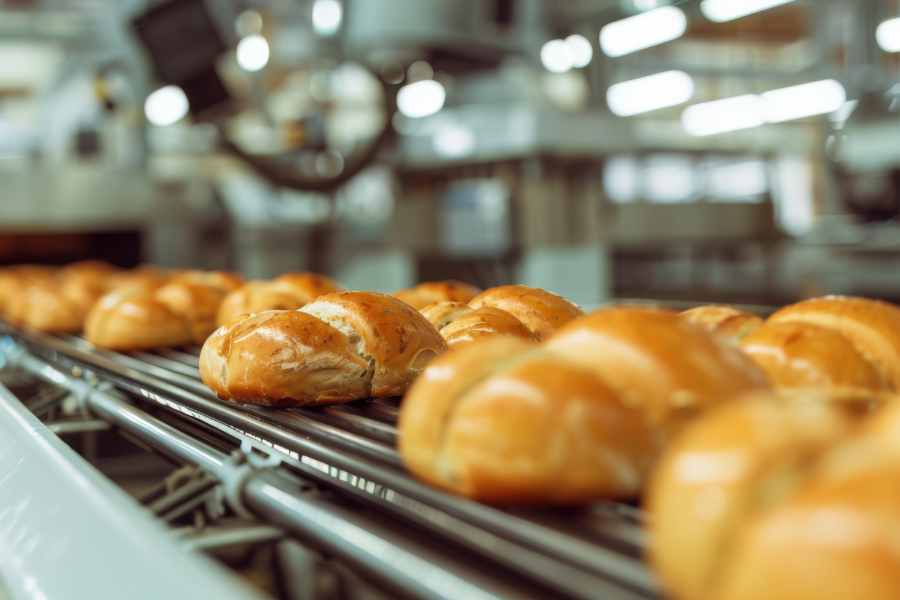
Trade Promotion Council of India (TPCI) is hosting the India Food Manufacturing Summit on January 10-11, 2025, at the Yashobhoomi Convention Centre, Delhi, marking a pivotal moment for India’s food manufacturing industry. The summit will bring together industry leaders, global experts, technologists, and key stakeholders to delve into innovations in food technologies, packaging, ingredients, and hospitality. Co-located with Indusfood Manufacturing, it will serve as a dynamic platform for discussions on cutting-edge technologies, sustainable practices, and the future of India’s food processing sector. Image Credit: Shutterstock The India Food Manufacturing Summit 2025 is set to bring transformative discussions and ground-breaking innovations to the forefront of the food processing sector. Organized by the Trade Promotion Council of India (TPCI), the event will be held on January 10-11, 2025, at Yashobhoomi, Dwarka, New Delhi, serving as a platform for collaboration, knowledge sharing, and exploring new opportunities in food manufacturing and sustainability. The India Food Manufacturing Summit aims to delve into the latest advancements in food processing technologies, highlighting their transformative potential for the industry. This conference serves as a convergence point for industry leaders, technologists, and major private players to exchange insights, showcase innovations, and share best practices shaping the future of food processing. India’s ambition to become a global hub for food processing aligns seamlessly with the objectives of the India Food Manufacturing Summit 2025. Leveraging its rich agricultural resources, diverse raw materials, and advancing technologies, India is poised to drive economic growth, create jobs, and enhance food security. The summit will spotlight advanced food processing technologies that enable the production of high-quality, value-added products, boosting exports and earning global consumer trust. With a focus on health-conscious trends and sustainable packaging, the event positions India as a competitive, eco-friendly leader in the global market. Key Highlights Comprehensive Participation: 1,500+ delegates, 40+ speakers, and 200+ organizations. Opportunities to network with industry leaders, technologists, major private players and investors. Event Scope: Sessions and Discussions: Explore the latest advancements in food processing technologies, sustainable practices, and eco-friendly packaging. Networking Opportunities: Foster partnerships that drive technological innovation and address the evolving demands of modern consumers. Future Trends: Address key challenges and emerging trends to shape the next era of food manufacturing. Focus on Sustainability: Sustainable packaging to reduce food wastage and extend shelf life. Energy-efficient solutions that align with global environmental goals. Exclusive Features: Delegate kits, lunch, and coffee breaks. Complimentary access to the Indusfood Manufacturing exhibition halls, a concurrent trade event showcasing advancements in food processing, packaging, and hospitality. Key Discussion Points at the Summit The role of technology in ensuring global competitiveness and meeting consumer demands for health-conscious, plant-based, and ready-to-eat products. Strategies to bolster exports by producing high-quality, value-added food products. How energy-efficient and sustainable solutions can reshape the industry. Revolutionizing Food Processing with AI and IoT Sustainable packaging and Cold chain technologies for Indian food processing evolution Waste to wealth in Food Processing Technology Sustainability in hospitality industry Food ingredients and related technologies Why Attend? Discover Innovations: Explore the latest advancements shaping the future of food processing. Sustainability Insights: Understand emerging sustainability trends and learn how to integrate them into your business practices. Expert Engagement: Participate in dynamic discussions with top leaders from policy, industry, and academia. Networking Opportunities: Connect with peers, thought leaders, and collaborators to foster impactful partnerships and open new business opportunities. This event invites participation from a broad range of stakeholders, including: Business owners/CEOs/Executives/startup founders in the F&B sector Business owners/CEOs and executives in food processing technology/packaging/ingredients/hospitality sectors Senior executives from distributors, retail chains, e-commerce players, etc Academic researchers/scientists/think tanks/students F&B industry consultants Banks, financial institutions, fintech, logistics firms. Indusfood Manufacturing 2025: A Gateway to Global Trade The summit is co-located with Indusfood Manufacturing 2025, the largest trade show for the F&B supplier industry in India. Featuring: Over 500 exhibitors. 15,000 visitors A 30,000+ sqm exhibition area. Participation from 10+ countries. The event is designed to connect industry stakeholders with potential buyers and partners, emphasizing India’s role as a global leader in food manufacturing. With its focus on sustainability, innovation, and collaboration, the India Food Manufacturing Summit 2025 promises to be a landmark event that catalyzes growth and sets the stage for India’s rise in the global food processing arena. Mark your calendars, and prepare to be inspired. For more information click here

India surpasses China as top destination for clean tech investment
India has recently surpassed China as a key destination for clean technology funding, reflecting its growing emphasis on renewable energy and sustainable innovation. In Q3 2024, India attracted US$ 2.4 billion in clean tech deals, over four times China’s figures for the same period, and second only to the U.S. globally. This surge is driven by policies aimed at enhancing local clean energy capacity and reducing dependence on Chinese imports. Efforts to position India as an exporter of clean technologies have further bolstered investor confidence. India has surpassed China as a leading destination for clean technology funding in recent months, driven by efforts to enhance domestic green manufacturing. In the third quarter, deals worth US$ 2.4 billion were finalized in India, over four times China’s total and the second-highest globally after the US, according to BloombergNEF data. This surge is attributed to India’s focus on building local clean energy capacity, reducing reliance on China, and positioning itself as an exporter of green technologies, noted Raj Pai of GEF Capital Partners. Prime Minister Narendra Modi’s policy initiatives have bolstered the clean energy sector, with the International Energy Agency forecasting India to experience the fastest growth in renewables among major economies through 2030. More than a dozen renewable energy and electric vehicle (EV) companies have gone public this year, including Waaree Energies Ltd. and Ola Electric Mobility Ltd. NTPC Green Energy Ltd.’s shares have surged by over 30% since their recent debut. The climate sector is increasingly attractive to investors. Abhinav Sinha from British International Investment Plc highlighted that climate-related projects account for a quarter of all seed-stage investments in India, with BII committing US$ 1 billion to the sector by 2026. However, India’s US$ 3.6 billion in green tech funding this year still trails China’s US$ 5.6 billion, indicating room for growth. Achieving net-zero emissions by 2050, 20 years earlier than the current 2070 target, would require an estimated US$ 12.4 trillion in investment, according to BNEF. Despite optimism, challenges persist. Only a quarter of India’s 800 climate-focused startups have raised funds in the past decade, securing US$ 3.6 billion compared to over US$ 19 billion for fintech firms. Growth-stage funding remains a hurdle, with startups needing to demonstrate scalability and significant customer traction, noted Akshay Shekhar, CEO of Kazam, an EV charging solutions provider. Investors remain hopeful about the sector’s potential. Avaana Capital recently raised US$ 135 million to invest in energy, supply chains, and agriculture. Family offices and other funders are also increasingly supporting the sector, with Avaana’s Anjali Bansal expressing optimism about ongoing developments. India’s clean tech market is poised for rapid expansion as the nation tackles pollution and advances its net-zero goals, making it a global hotspot for climate technology investments.

Green-friendly farming with hydroponics
In this episode of Food Frontiers, we spoke with Mr. Sandeep Reddy, founder of Kamala Farms, a trailblazer in sustainable farming through hydroponics. By tackling challenges such as land scarcity, labor shortages, and inconsistent produce quality, Kamala Farms has successfully set up over 40 hydroponic farms, transforming modern agriculture. Mr. Reddy shared his vision for hydroponics, highlighting its ability to boost productivity, conserve resources, and drive urban farming initiatives. With a commitment to cost-effective innovation and sustainability, Kamala Farms is reshaping farming practices in India and making strides on the global stage. IBT: Every great venture has an origin story. What sparked the idea for Kamala Farms, and was there a defining moment that convinced you to dive into hydroponics? Sandeep Reddy: The idea for Kamala Farms came from exploring the agriculture sector to understand its main challenges. I realized three big problems. First, while land is available, it’s often too expensive because of real estate and other factors, making it hard to use for farming. Second, there’s a labor shortage, which has been an issue for the past five years and is only getting worse. This made it clear that we needed a method of farming that’s less labor-intensive but still gives good or even better output. The third issue was the quality of produce. For example, if you look at tomatoes in the market, they often lack uniform quality, and what looks good isn’t always the best. Quality is very important, and I wanted to solve that. Considering all these factors, hydroponics stood out as a great solution. It uses less land, needs less labor, and delivers consistent, high-quality produce. Since then, we’ve helped set up hydroponics systems for more than 40 farms, and we’re excited to keep expanding this approach. IBT: Hydroponics is gaining momentum globally. What do you think is the “aha moment” for most farmers or businesses that pushes them to consider this method over traditional farming? Sandeep Reddy: The “aha moment” for farmers and businesses considering hydroponics often comes down to three key factors. First, hydroponics allows year-round production. Farmers can grow and supply produce continuously, matching demand without being limited by seasons. This ensures consistent income and helps them cater to larger markets with fewer resources. Second, hydroponics significantly boosts productivity. A farmer using just one acre of land with hydroponic technology can achieve yields comparable to 7–10 acres of traditional farming. This not only increases their output but also improves their income and standard of living, which is crucial for supporting the nation’s agriculture-driven economy. Finally, water efficiency is a game-changer. With freshwater resources depleting in many areas, hydroponics offers a sustainable solution by using 90% less water compared to traditional methods. This makes it a vital option for farmers in regions facing water scarcity, enabling them to maintain or even increase production while conserving resources. These three factors together make hydroponics an appealing and practical choice for modern farming. IBT: Every new idea faces resistance. What are the biggest myths about hydroponic farming you’ve had to bust, and how have you tackled skepticism or misinformation? Sandeep Reddy: Like any emerging industry, hydroponics faced its share of skepticism, especially during its early phase in India around 2016–2017. One common myth was the high cost of setting up and operating hydroponic systems. To tackle this, we focused on reducing infrastructure costs by 30–35%. My background in construction management and civil engineering helped us identify ways to optimize materials and design. Another misconception was that hydroponics always requires expensive temperature control systems. By tweaking the structural design, we created better natural temperature regulation, significantly cutting operational costs. These changes not only addressed cost concerns but also made hydroponics more accessible and practical for farmers and businesses. By addressing these myths with practical solutions, we’ve been able to build trust and position hydroponics as a sustainable, cost-effective alternative to traditional farming. This approach continues to drive our progress and the industry’s growth. IBT: If you could pitch one transformative idea to policymakers to supercharge the hydroponics movement, what would it be, and why? Sandeep Reddy: If I were to pitch one transformative idea, it would be for policymakers to simplify access to subsidies and create targeted awareness campaigns for hydroponics. While there are existing schemes like those by NABARD, the process to avail these benefits is often complex and discouraging for many individuals. Agriculture needs a dedicated window for ease of access, similar to how policies support multinational companies setting up infrastructure. Awareness campaigns led by the government could play a vital role in building trust and reaching a wider audience. While individual efforts like training programs and workshops are helpful, they cannot match the scale and reach of government-led initiatives, which can impact 98–99% of farmers. Additionally, policy changes should focus on supporting small-scale hydroponic setups, such as half-acre or one-acre farms, and encouraging greenhouse farmers to transition to hydroponics. Shifting from greenhouse farming to hydroponics is more cost-effective than starting from scratch, making it a practical step for many farmers. Tailored policies around this transformation could significantly lower entry barriers, enabling broader adoption and accelerating the hydroponics movement. IBT: How do you see Kamala Farms contributing to urban farming and promoting greener cities? Additionally, given that you’ve primarily worked in the southern region, how do you plan to expand your reach across other parts of India? Sandeep Reddy: We began as a South India-based company but quickly expanded our operations to other regions, including the North and Central parts of India. While we haven’t extensively ventured into Eastern India yet, we’re optimistic about exploring opportunities there soon. Our focus has always been on fostering sustainable growth, and urban farming is a key part of this. Urban farming has tremendous potential to transform cities, and we’ve started contributing by exploring innovative ways to make it accessible and impactful. However, broader adoption requires initiatives not just from companies like ours but also from other sectors, particularly real estate. Real estate developers, for instance, could

Fertilizer supply disrupted globally, government ensures adequacy
Amid concerns over di-ammonium phosphate (DAP) availability, Minister of State for Chemicals & Fertilizers Anupriya Patel stated that the government has implemented proactive measures to ensure an adequate supply of this essential fertilizer in the country. Image Credit: Shutterstock In the face of concerns over the availability of di-ammonium phosphate (DAP) fertilizer, the government has reaffirmed its commitment to ensuring an adequate supply for Indian farmers. Speaking at the Fertiliser Association of India (FAI) Annual Seminar 2024 in Delhi, Anupriya Patel, Minister of State for Chemicals & Fertilizers and Health & Family Welfare, outlined the proactive measures undertaken to stabilize the availability of this critical phosphate-based fertilizer. This year’s geopolitical disturbances significantly disrupted global supply chains, particularly affecting fertilizers like DAP. Addressing the audience at the three-day seminar themed “Sustainable Fertilizer and Agriculture,” Patel said, “The Department rose to the occasion and overcame challenges through long-term agreements with supplier countries. Simultaneously, the government promoted the use of alternate fertilizers to mitigate dependency on DAP.” Measures to Ensure Fertilizer Supply Patel highlighted how the government coordinated efforts with state governments, port authorities, and fertilizer companies to expedite the dispatch of fertilizers to demand-intensive regions. This integrated approach ensured farmers received fertilizers on time, aligning with their agricultural schedules. “Our focus has not only been on subsidies but also on ensuring timely procurement and availability of fertilizers at reasonable prices. The government has strengthened indigenous production capacities alongside imports, ensuring a robust supply chain to support India’s large farming community,” Patel added. The measures reflect a commitment to balancing affordability and availability, crucial for India’s agrarian economy. Addressing Challenges in the Rabi Season 2024-25 To address the immediate challenges of the ongoing Rabi season 2024-25, Patel announced two critical government decisions: Special Financial Package: The government introduced a package of ₹3,500 per metric tonne, costing ₹2,625 crore, to stabilize procurement prices for companies amidst international price volatility. Market Price Alignment: The prices of phosphate and potassium (P&K) fertilizers have been aligned with international market prices to ensure sustainable procurement practices. These steps aim to strengthen the fertilizer industry’s procurement capabilities and shield farmers from erratic market trends. At the seminar, FAI Chairman N Suresh Krishnan reassured stakeholders that there is no current shortage of DAP in the country despite production and import challenges. However, Krishnan expressed concern over a potential fall in closing stock levels by the fiscal year’s end. According to FAI data: Production of DAP fell from 27.01 lakh tonnes (April-October 2023) to 25.03 lakh tonnes during the same period in 2024. Imports of DAP declined significantly, from 39.68 lakh tonnes to 27.84 lakh tonnes. Sales of DAP reduced to 56.92 lakh tonnes from 76.31 lakh tonnes. Krishnan emphasized the importance of pricing DAP higher than other non-urea fertilizers due to its nutritional value and called for a sustained focus on soil health protection. Broader Vision The government’s efforts extend beyond the immediate challenges of DAP availability. By fostering long-term partnerships and promoting sustainable practices, the Ministry of Chemicals & Fertilizers aims to enhance agricultural productivity while addressing environmental concerns. Patel stressed the importance of adopting sustainable farming practices and the use of alternate fertilizers. The push for self-reliance in fertilizer production aligns with India’s broader vision of reducing import dependency and strengthening agricultural resilience. The proactive measures taken by the government reflect its unwavering commitment to supporting Indian farmers amid global uncertainties. With collaborative efforts from the Ministry, industry stakeholders, and state governments, India has managed to navigate supply chain disruptions effectively. The initiatives announced at the FAI Annual Seminar 2024 not only ensure the immediate availability of DAP but also pave the way for a more sustainable and self-reliant agricultural future. As the Rabi season progresses, the focus remains on balancing supply, affordability, and sustainability to meet the needs of the farming community.

India International Agritech Summit: A dialogue on the future of agriculture
TPCI is organizing the India International Agritech Summit on January 10-11, 2025, at the Yashobhoomi Convention Centre in Delhi, marking a significant step in shaping India’s agricultural future. The event is being organized with the support of the Ministry of Agriculture and Farmers Welfare and the Department of Animal Husbandry and Dairying. This Summit will bring together policymakers, industry leaders, and global experts to explore innovations in agritech, fisheries, dairy, and sustainable farming. Co-located with IndusFood Agritech, it will serve as a platform for insightful dialogues on technology, sustainability, and the future of agriculture in India. TPCI is organizing the India International Agritech Summit, set to take place on January 10-11, 2025, at the state-of-the-art Yashobhoomi Convention Centre in Delhi, promising to be a transformative event for the agriculture sector. Against the backdrop of pressing challenges such as climate change, resource depletion, and sustainability, the Summit emerges as an essential platform for innovation, collaboration, and meaningful dialogue. The event is being organized with the support of the Ministry of Agriculture and Farmers Welfare and the Department of Animal Husbandry and Dairying, and will bring together key stakeholders to drive change. Co-located with IndusFood Agritech, this Summit will encourage insightful discussions on the future of agriculture, technology, and sustainability. Agriculture is the backbone of India’s economy, and this Summit aims to strengthen it by stirring a discussion on key advancements across sectors like agritech, fisheries, aquaculture, and dairy farming. Topics will include precision farming, AI-powered tools, sustainable fisheries, and innovative dairy technologies, offering attendees a forward-looking perspective on how these innovations can transform the future of agriculture. Key discussion points will include: • Policy pathways for a sustainable future • Groundbreaking technology solutions in agriculture, aquaculture, dairy & poultry farming • Circular economy practices for a greener tomorrow • Addressing the challenge of food security The event will convene a dynamic mix of policymakers, global experts, and industry leaders, creating an ecosystem where technology meets human ingenuity. It’s a golden opportunity for farmers, agribusiness owners, and environmentalists to explore practical solutions that not only enhance productivity but also align with sustainability goals. With over 400 delegates, 40+ speakers, and representatives from more than 200 organizations, the Summit will facilitate impactful discussions and foster collaborations aimed at driving agricultural efficiency and profitability. The agenda is rich and inclusive, catering to stakeholders from diverse backgrounds—farmers, researchers, agritech leaders, policymakers, financial institutions, and NGOs. Sessions will delve into pressing topics, including how modern technologies can tackle age-old challenges, such as maximizing yield while minimizing environmental impact. This event invites participation from a broad range of stakeholders, including: Agribusiness owners & entrepreneurs Agriculture input providers & corporations Farmers, growers & FPOs Agritech, fisheries, dairy & poultry leaders F&B industry executives Agriculture researchers & scientists Environmentalists & sustainability experts Government officials & policymakers Academia Investors & venture capitalists Banks, financial institutions & fintech organizations Renewable energy companies NGOs & development agencies Beyond the sessions, the networking opportunities at the Summit are unparalleled. Participants can forge partnerships with technology providers, research institutions, and peers, laying the groundwork for long-term success and innovation in the farming sector. As the agriculture industry grapples with the dual demands of feeding a growing population and protecting the environment, the India International Agritech Summit comes as a beacon of hope and progress. It’s more than just an event—it’s a movement to reimagine the future of Indian farming. Mark your calendars, and prepare to be inspired. The seeds of tomorrow’s agricultural transformation will be planted here. 🔗 For Booking of Space: https://shorturl.at/eYdUy 🔗 For Visitor Registration: https://rb.gy/tvjeab For more details, contact exhibit.agritech@tpci.in

India ranks 6th globally in corporate climate action: Report
India ranks sixth globally in corporate climate action, with 127 companies committed to science-based net-zero targets, according to a report by ICRA ESG Ratings. These companies, primarily from sectors like textiles, software, and pharmaceuticals, are contributing to India’s growing role in the global fight against climate change. However, challenges remain, as high-emission industries such as power and cement still show limited commitment to net-zero targets, highlighting the need for greater action to meet climate goals. India ranks sixth globally in corporate climate action, with 127 companies committed to the Science-Based Targets initiative (SBTi) and net-zero targets, according to a report by ICRA ESG Ratings. These companies span various sectors, predominantly from non-hard-to-abate industries such as textiles, software, and pharmaceuticals. Around 7% of these companies are from high-emission sectors like construction materials and mining, while the rest are from sectors typically associated with low to medium carbon footprints. SBTi is a voluntary initiative where companies commit to science-based targets, which are independently assessed and validated. The initiative sets sector-specific guidelines to encourage companies to reduce their carbon emissions in line with climate science. The report highlights that India’s commitment to net-zero is a significant step toward aligning with global climate action efforts. While India ranks sixth, the United Kingdom leads with the highest number of companies making these commitments, while China, despite being the largest emitter, has fewer companies pledging net-zero targets. A key trend observed in the Indian corporates is the shift towards renewable energy adoption, especially in the power sector. Companies committed to net-zero targets have reduced emissions by increasingly relying on renewable energy sources. The report also highlights that the cement sector, which traditionally has high emissions due to clinker production, is mitigating its carbon footprint through alternative fuels and carbon capture technologies. The metal and mining sectors show varied adoption of sustainable practices, with companies that have committed to net-zero targets leading the way in adopting greener practices. ICRA’s analysis reveals that while the net-zero commitments are increasing, tangible results in emission reductions have been modest. Over the past six years, only a few companies have managed to reduce their absolute emissions, with an 11% decline recorded in some cases. However, many companies have managed to stabilize or slightly reduce their emission intensities. Despite the growing number of companies with net-zero targets, the report notes that less than 10% of companies from sectors contributing approximately 55% of India’s overall emissions (such as power, energy, and cement) have made such commitments. This gap suggests that, while there is progress, it may not be enough to meet India’s net-zero goals. Sheetal Sharad, Chief Ratings Officer at ICRA ESG Ratings, emphasized the importance of continued innovation and regulatory support to accelerate net-zero efforts. She pointed out that climate strategies should account for India’s infrastructure-led growth and evolve in a way that encourages more high-emission companies to commit to net-zero targets. This would help accelerate the country’s progress toward its climate goals.
Indusfood 2025: Transforming the Food & Beverages value chain
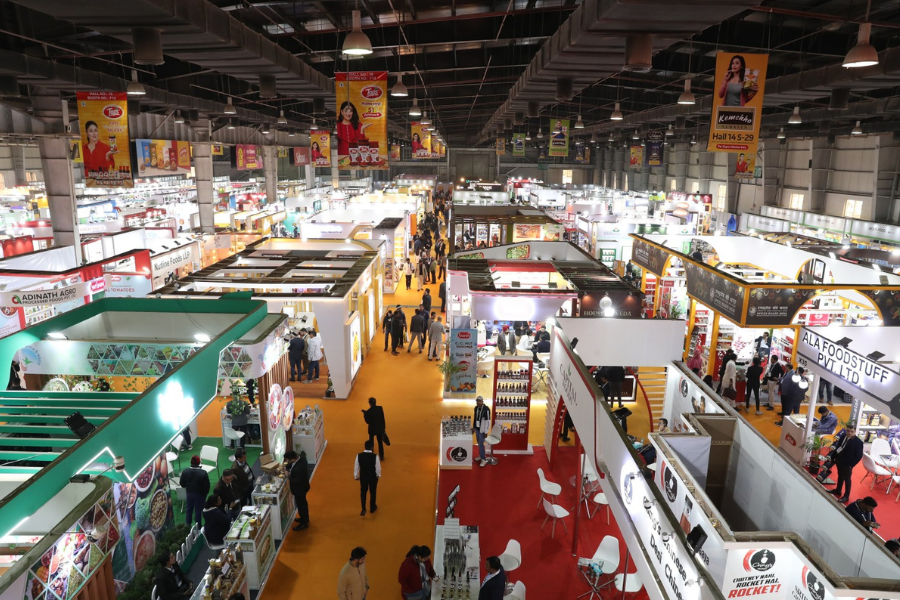
The countdown is on! We are rapidly nearing the blockbuster 8th Edition of Indusfood, Asia’s premier F&B trade show, on January 8-10, 2025 at India Expo Centre and Mart, Greater Noida. The exhibition provides unparalleled prospects for trade, networking, sourcing, investments, and business expansion across key food and beverage segments. In its 8th edition, Indusfood is poised to achieve a significant milestone in its journey by transitioning into an integrated farm-to-fork trade fair with two concurrent trade exhibitions: Indusfood Manufacturing: Food processing technology, packaging technology, ingredients and hospitality equipment. Indusfood Agritech: Agritech, aquaculture & fishery pavilion, poultry and dairy farming pavilion. Indusfood remains an exclusive B2B show, where participation is reserved for exhibitors and pre-qualified buyers. However, Indusfood Manufacturing and Indusfood Agritech have been opened for general visitors. Indusfood aims to bridge gaps by offering an international stage for companies to connect with global buyers, explore new markets, and expand their reach. It not only highlights India’s unique food offerings but also facilitates cross-border partnerships and investment opportunities. Indusfood aims to become the largest integrated and globally recognised food industry trade exhibition, showcasing the entire value chain from farm to fork. With this integrated approach, Indusfood now aims to catalyse transformation across this F&B value chain, driving innovation and sustainable growth from the heart of India. With its exclusive B2B format, Indusfood has continued to grow, hosting over 2,300+ exhibitors and 7,500+ global buyers representing over 100 countries with 115,000+ sq m exhibition space during its 8th edition. The event has also evolved into a truly global show, welcoming international exhibitors from over 30 countries and providing them the opportunity to tap into the lucrative Indian food and beverage market. Going forward, Indusfood aims to become the largest integrated and globally recognised food industry trade exhibition, encompassing the entire value chain from farm to fork. With this integrated approach, Indusfood now aims to catalyse transformation across this F&B value chain, driving innovation and sustainable growth from the heart of India. Why Attend Indusfood 2025? Unlock a world of business opportunities at Indusfood 2025, your definitive window to India’s thriving food economy. Lucrative opportunities for trade, networking, sourcing, investments, JVs, business expansion, and knowledge exchange across F&B segments. Indusfood fuels international F&B business by helping facilitate connections between buyers and brands with outstanding services like internationally hosted buyer programs, online matchmaking, knowledge-driven networking platforms, curated world-class culinary events, and more. With the successful launch of its international pavilion and the expansion of coverage of focus F&B segments, Indusfood is committed to catalysing the global F&B industry buyer profiles. KEY PROGRAMMERS Indusfood is organising a number of exciting events on the sidelines of Indusfood to boost networking, knowledge sharing, outcome driven deliberations and cross-cultural exchanges. Don’t miss out! Events @ Indusfood Venue: India Expo Mart, Greater Noida Dates: January 8-9, 2025 World Chefs: Asia Pacific President’s Forum This distinguished annual conclave unites culinary leaders from various Asian nations. It offers an unparalleled opportunity to explore the confluence of culinary excellence & global trade, serving as a melting pot of ideas and insights into the culinary arts and hospitality sectors. Global Biosecurity & Standards Conclave The Conclave will bring together regulatory leaders from G-20 countries to develop comprehensive strategies for food biosecurity. Discussions will include coordinated international response strategies for crop diseases, harmonised biosecurity standards, and enhanced border controls. Indusfood Innovation Zone & Awards 2025 Step into a world where culinary brilliance and ground-breaking innovation collide. Nominate your products for this unique opportunity to boost your brand in front of the who’s who of the global F&B industry. Indus Knowledge Hub Indus Knowledge Hub brings together top retailers, importers, and distributors to share valuable insights on regional market trends, consumer behaviour, procurement strategies, and proven success strategies. International Food Retail Conclave & CEO Forum 2025 The International Food Retail Conclave & CEO Forum 2025 aims to engage and explore business opportunities with leading global retail chains. The CEO Forum will feature discussions between the Government of India and top retail and e-commerce CEOs, focusing on procurement strategies, investments in India’s food retail sector, market access, and collaboration opportunities. Events @ Indusfood Manufacturing & Indusfood Agritech Venue: Yashobhoomi Dwarka Dates: January 10-11, 2025 India Food Manufacturing Summit The India Food Manufacturing Summit aims to explore & deliberate on latest advancements in food processing technologies, emphasizing their transformative impact on the sector. The conference brings together industry leaders, technologists, policymakers, and academia to share insights, innovations, and best practices that are revolutionizing the food processing sector. India International Agritech Summit The India International Agritech Summit is a crucial platform for transforming the future of Indian farming. As the sector faces mounting challenges like sustainability, climate change, and resource management, the Summit will showcase and discuss the latest innovations in agritech, fisheries and aquaculture technology, and poultry & dairy farming and their potential impact. The India International Agritech Summit is a crucial platform for transforming the future of Indian farming. As the sector faces mounting challenges like sustainability, climate change, and resource management, the Summit will showcase and discuss the latest innovations in agritech, fisheries and aquaculture technology, and poultry & dairy farming and their potential impact. Whether you’re an exhibitor looking to showcase your innovations or a buyer seeking the best in the F&B industry, Indusfood 2025 promises to be your gateway to unmatched growth and global opportunities. Stay tuned—exciting updates, insights, and opportunities are on the horizon. Don’t miss your chance to be part of this transformative journey! INDUSFOOD RECAP Mufaddal Hajoori, Founder of Hajoori’s Kulfi, shares insights on the immense opportunities for collaboration and innovation in the dessert industry. He also asserts how Indusfood has been instrumental in showcasing his brand and connecting with like-minded entrepreneurs. FOOD FRONTIERS Catalysing India’s contract catering industry In the new episode of the Food Frontiers series, we spoke with Sanjay Kumar, MD, and CEO of Rassense, a company that is transforming the contract catering industry

India’s MedTech Industry: A rising global powerhouse
India’s MedTech industry, valued at US$ 12 billion in 2023, is projected to reach US$ 50 billion by 2030, driven by innovation, digital integration, and supportive government policies. Rising healthcare demand, medical tourism, and infrastructure development are fueling growth. The Indian medical device industry is evolving from being heavily import-dependent to positioning itself as a potential global MedTech hub. With groundbreaking innovations and a strong emphasis on digital integration, the sector is set to revolutionize healthcare delivery both domestically and globally. EY Parthenon’s report, India’s MedTech Industry: The Renaissance of a Sector, underscores the industry’s rapid transformation. “The trends we’re seeing today — ranging from the integration of digital health technologies to the rise of personalised care — are just the beginning. These innovations will be transformative, not only for healthcare providers but for the patients who will benefit from more accessible, efficient, and personalized care,” notes Suresh Subramanian, national life sciences leader at EY Parthenon India. Valued at US$ 12 billion in 2023-24, India’s MedTech market is projected to reach US$ 50 billion by 2030. The industry’s global market share, currently at 1.65%, is expected to grow significantly, potentially reaching 10%-12% over the next 25 years. While exports, primarily to the US, amounted to US$ 3.8 billion in 2023-24, imports dominated at US$ 8.2 billion, with 80%-85% of the country’s medical devices sourced internationally. The MedTech market is segmented into five major areas: electronic equipment (56%), disposables and consumables (26.5%), in-vitro diagnostics (8.1%), implants (7.1%), and surgical instruments (2.3%). Its growth is driven by increasing incomes, expanding healthcare insurance coverage, and a thriving medical tourism sector. Infrastructure development in Tier 2 and Tier 3 cities, supported by initiatives such as PM-JAY insurance, the Ayushman Bharat Digital Mission (ABDM), and innovative pricing strategies, is unlocking new markets. Government policies are playing a crucial role in the sector’s expansion. Regulatory reforms like the Medical Device Rules and the National Medical Device Policy, along with initiatives such as the PLI scheme and the establishment of medical device parks, are fostering domestic production. Programs like MedTech Mitra and the Promotion of Research and Innovation in Pharma MedTech (PRIP) scheme are bolstering R&D and innovation, creating a robust ecosystem for MedTech in India. Local manufacturers are increasingly targeting segments reliant on imports and addressing price-sensitive markets, while global multinationals are focusing on localization, R&D, and digital solutions. “The current global geopolitical climate has created a small window of unique opportunity for India. To be able to quickly catch on to this, we must act with strategic intelligence and adopt pragmatic approaches that will position us for success,” remarked the chairman of a leading global medical device company. Indian MedTech startups are driving advancements by prioritizing safety, efficacy, accessibility, and efficiency. Digital integration is a key factor, with 79% of innovations combining MedTech and digital technologies such as AI and data analytics, particularly in diagnostics. Experts have outlined five key priorities for the future of India’s MedTech industry: achieving manufacturing competitiveness, enhancing quality standards, strengthening supply chain resilience, adopting value-driven market strategies, and leveraging India’s IT capabilities for digital leadership. With these strategic initiatives and robust government support, India is well-positioned to emerge as a leading global MedTech powerhouse.

Food encapsulation market surges with demand for functional foods
The global demand for functional foods that deliver improved nutrition, flavor, and shelf life is steadily increasing. The food encapsulation technology is crucial in safeguarding sensitive ingredients such as vitamins, minerals, and flavors from degradation during processing and storage. Valued at US$ 12.5 billion in 2023, the food encapsulation market is expected to reach US$ 16.8 billion by 2030, growing at a CAGR of 4.3%. Key factors driving this growth include rising consumer demand for functional and convenient foods, extended shelf life, and nutrient preservation, all fueled by advancements in encapsulation technology. Consumers across the world are increasingly seeking foods with long-lasting flavor, prompting producers to use encapsulation techniques that enable a slow, controlled release of flavors. This growing demand for encapsulated flavors from convenience food manufacturers, combined with the rising popularity of functional and fortified foods, is fueling the expansion of the food encapsulation market. A research report by Precision Business Insights reveals that global food encapsulation market size was valued at US$ 12,532.7 million in 2023. The market is expected to reach US$ 16,828.1 million by 2030, growing at a CAGR of 4.3% from 2024-2030. Growing demand for food encapsulation Food encapsulation is a technology designed to extend the shelf life of active ingredients, enhance their stability, and improve their functional properties. This aligns with the increasing consumer interest in health, wellness, and convenient food options. A key driver of the food encapsulation market is the growing demand for functional foods that deliver enhanced nutrition, flavor, and extended shelf life. Encapsulation technology plays a vital role in protecting sensitive ingredients like vitamins, minerals, and flavors from degradation during processing, storage, and digestion. As consumer awareness of health and wellness rises, the demand for fortified foods and dietary supplements has increased significantly, further propelling market growth. Encapsulation is also crucial for maintaining the quality of flavors and active ingredients in the expanding convenience food sector. The rise of innovative food processing technologies aimed at improving texture, taste, and visual appeal is also driving the need for advanced encapsulation solutions. By enhancing the quality, stability, and overall acceptance of food products, the encapsulation has become a critical component in the food industry’s growth and development. As per the report, North America dominates the food encapsulation market, due to high health consciousness, vast food technology research and development activities, and high demand from consumers for functional and fortified foods. Within North America, the United States is the largest market driven by advanced encapsulation technologies, a preference for clean-label products, and a focus on personalized nutrition. Europe ranks second, with a primary focus on health and wellness, stringent food safety regulations, and a growing demand for clean-label products, particularly in Germany and the UK. The Asian Pacific region is the fastest-growing market due to the increased disposable incomes, urbanization, and growing health concerns, led by countries like especially in China, India, and Japan. The Latin America and the Middle East & Africa, as per the report are emerging markets where the growing food industries drive the need for advanced food preservation techniques. This growth in food encapsulation market is creating new opportunities for encapsulation technologies to cater to a health-conscious consumer base, especially as companies develop natural and sustainable materials to address environmental concerns. Major players in the Food Encapsulation Market include- TasteTech Ltd, BASF SE, Appvion Inc, Firmenich International SA, Givaudan SA, Balchem Corporation, International Flavors, Fragrances Inc, Symrise AG, Encapsys, LLC, and Cargill. Trends and opportunities Market trends, as per the report, show an increasing demand for microencapsulation technology to control the release of flavors, nutrients, and bioactive compounds in food products. This technology enhances product stability and improves the consumer experience by ensuring timely delivery of flavors and nutrients during cooking or digestion. Another key trend is the shift toward clean-label products, with manufacturers focusing on encapsulation methods that use natural and recognizable ingredients to meet consumer preferences for transparency and minimal processing. Advancements in nanotechnology are playing a crucial role in enabling more precise and efficient encapsulation techniques, improving the protection and delivery of sensitive ingredients. Sustainability is also becoming a major focus, with companies exploring eco-friendly encapsulation materials to reduce their environmental footprint. These trends reflect a broader movement toward healthier, more functional, and environmentally sustainable food products in the encapsulation market. The Food Encapsulation Market presents significant opportunities as well, driven by the growing demand for natural and biodegradable encapsulation materials. The report highlights that with an increasingly health-conscious and environmentally aware consumer base, there is a rising interest in food products that feature clean-label, natural ingredients. This trend creates opportunities for new encapsulation techniques utilizing organic or plant-based materials. The rapidly expanding global functional food market is another key area, as encapsulation technologies enable the controlled and effective delivery of nutrients, probiotics, and other bioactive compounds. Advances in nanotechnology and microencapsulation can lead to innovations such as better-flavored products with controlled texture release and improved nutrient stability. However, the market for encapsulation technology also faces certain challenges. A major restraint, the report notes, is the high production cost associated with modern encapsulation methods. These processes often require specialized equipment and materials, making them expensive and out of reach for many smaller food manufacturers. Another key issue is meeting regulatory requirements, as encapsulation materials used in food products must adhere to strict safety standards set by organizations like the FDA and EFSA. This makes the product development and approval process complex. Additionally, finding encapsulation materials that do not alter the taste or texture of food can be difficult, and the overall processing can be challenging. There is also growing concern about the environmental impact of synthetic encapsulation materials, leading to increased demand for more sustainable alternatives. These factors collectively present obstacles that hinder the widespread adoption of encapsulation technology in the food industry. Having said that, companies that can develop more efficient and sustainable encapsulation methods are poised to capture a larger market share, especially as demand for fortified, nutritionally enhanced foods continues to rise across the world.

Aluminium industry calls for hike in import duty
The aluminium industry has called on the government to increase import duties on primary and downstream aluminium, as well as customs duties on aluminium scrap, to limit the influx of low-quality scrap. In FY24, over 55% of domestic consumption was met through imports, as local capacity expansion remained sluggish. The Aluminium Association of India (AAI) has proposed raising import duties on primary and downstream aluminium products from 7.5% to 10% and implementing a uniform 7.5% duty on aluminium scrap to limit substandard imports, promote domestic recycling, and safeguard local manufacturers. Amid rising import dependence to meet domestic demand, the Indian aluminium industry has called for policy interventions to “safeguard” the local market and create a more favorable environment for new investments. In FY24, over 55% of domestic consumption was met through imports, while domestic production capacity remains limited. Industry associations, including the Aluminium Association of India (AAI) and the Federation of Indian Mineral Industries (FIMI), have submitted recommendations in their pre-Budget proposals to the Ministry of Finance. These suggestions include protective import tariffs and adjustments to the duty structure on essential raw materials. The AAI has urged an increase in import duties on both primary and downstream aluminium products from 7.5% to 10%. Additionally, AAI advocates for a uniform 7.5% duty on aluminium scrap to reduce the influx of substandard material, promote domestic recycling, and support local manufacturers. FIMI, on the other hand, has recommended raising the duties on primary and downstream aluminium products to 12.5%, while also aligning the scrap duty to at least 7.5%. Aluminium is essential for various sectors such as defence production, infrastructure, electric vehicles (EVs), and renewable energy (RE). However, industry bodies highlight that the domestic market is under pressure due to the influx of low-quality aluminium scrap and excess primary aluminium imports, particularly from China, which jeopardize local production and investment prospects. Challenges faced by the Indian Aluminium Industry The aluminium market in India is primarily driven by rapid urbanization and ongoing infrastructure development. As cities grow and urban populations rise, there is a growing demand for aluminium in construction and infrastructure projects. Aluminium’s lightweight, corrosion-resistant, and versatile properties make it an ideal material for applications such as architectural facades, window frames, roofing systems, and structural components in buildings, bridges, and transportation networks. According to a report ‘India Aluminium Market’, by TechSci Research LLC, the aluminium market in India was valued at US$ 13.77 billion in 2024 and is expected to experience strong growth, with a projected CAGR of 6.27% during the period 2025-2030. However, the domestic aluminium industry faces certain challenges. Environmental and regulatory constraints This is one of the major challenges – aluminium production is energy-intensive and generates considerable greenhouse gas emissions, prompting increased scrutiny and stricter regulations. The process involves extracting bauxite, refining it into alumina, and smelting it into aluminium, all of which have negative environmental impacts, such as deforestation, air and water pollution, and high energy consumption. To address these concerns, the Indian government has implemented tighter emission standards and sustainable mining practices, requiring companies to invest in cleaner technologies and pollution control measures, which raises production costs. Another key challenge is the management of red mud, a highly alkaline by-product of alumina refining. Improper disposal poses serious environmental risks, and finding sustainable solutions for its recycling or disposal requires significant investment in research and development. Additionally, aluminium smelting’s high energy requirements make access to reliable, affordable power crucial. However, India’s power sector faces issues such as supply shortages, high tariffs, and inconsistent electricity quality, which can increase costs and affect the industry’s competitiveness. High energy costs are further exacerbated by the GST compensation cess of Rs 400 per metric tonne of coal. Industry stakeholders are advocating for the removal of this cess or for it to be offset against green compliance costs. Reducing energy costs would lower operational expenses and promote the adoption of sustainable practices. Furthermore, the industry faces challenges related to high production costs and intense competition. Several factors drive these costs, including raw material prices, energy costs, and technological inefficiencies. While India has abundant bauxite reserves, its extraction and refining processes are capital-intensive, and the quality of bauxite often requires additional processing, increasing costs. Global commodity price volatility further complicates the cost structure for producers, affecting profit margins. (India possesses vast natural resources, ranking seventh in bauxite and fifth in coal reserves globally.) Energy costs are a major concern, as aluminium smelting is highly energy-intensive. The high electricity tariffs, supply inconsistencies, and dependence on expensive imported coal contribute to elevated energy costs, making it harder for producers to remain competitive globally. Additionally, many aluminium plants in the country use outdated technologies, which are less efficient and more costly than modern facilities abroad. Upgrading these plants requires significant capital investment, posing a barrier for many companies. Competitive pressures from international producers Competitive pressure, particularly from China, exacerbates the situation. China benefits from economies of scale, government subsidies, and cheaper raw materials and energy, making it difficult for Indian producers to compete on price. Imported aluminium products, often cheaper due to lower production costs, further intensify the competition. Infrastructure and logistical challenges These present significant hurdles for the aluminium market, impacting both production efficiency and distribution costs. The transportation network, including roads, ports, and railways, in the country is often inadequate, leading to delays and higher costs in moving raw materials like bauxite and alumina, as well as finished aluminium products, impacting the competitiveness of Indian aluminium producers in both domestic and global markets. Moreover, many aluminium production facilities in the country are located in remote areas, closer to bauxite mines but far from industrial centers, requiring long-distance transportation, which increases costs and logistical complexities. The storage infrastructure for aluminium products is also underdeveloped, with inadequate facilities to protect the material from environmental factors, leading to potential product damage and financial losses. Major producers Major producers of aluminium in the country include Vedanta, Hindalco, Jindal Aluminium and public-sector Nalco. The industry players have cautioned that without