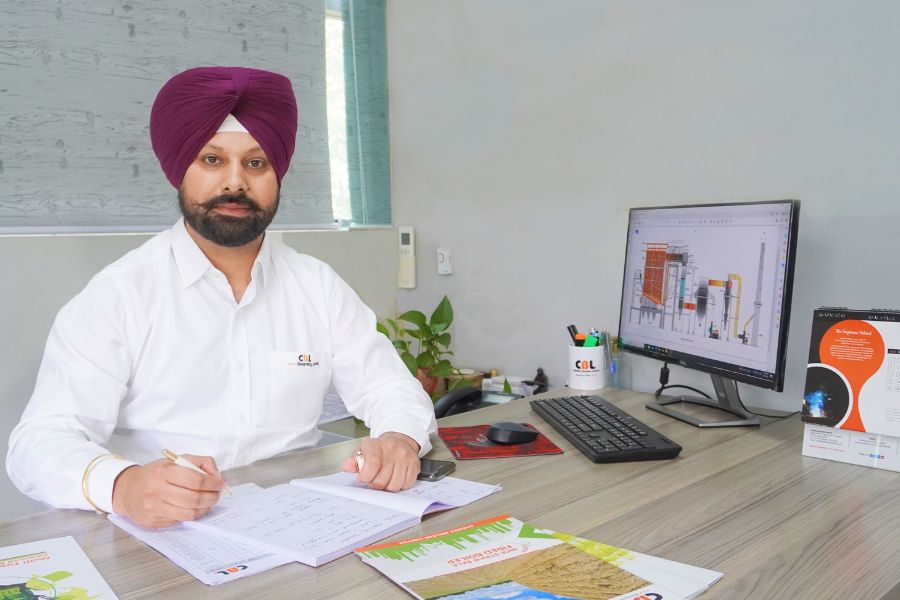
Cheema Boilers Limited has earned a global reputation as a leading supplier of industrial boiler systems, offering innovative solutions across all sizes and output categories. With over three decades of expertise, the company has supplied more than 3,000 boiler systems to 40+ countries, delivering unmatched quality, reliability, and efficiency. In this exclusive interview with IBT, Satbir Cheema, Director of Marketing, discusses the company’s specialization in supporting the food manufacturing sector, their robust export strategies, and their expectations for their first participation in the upcoming Indusfood Manufacturing 2025. IBT: Which specific heating solutions or boiler technologies does your company specialize in for food manufacturing applications? How do you perceive the evolution and application of these technologies in India’s food manufacturing industry? Satbir Cheema: As the name suggests, Cheema Boilers is engaged in the manufacturing of steam boilers and power plants. We also specialize in producing thermic fluid heaters, along with their accessories, pollution control equipment, fans, and more. When it comes to the food industry, heat applications typically involve either steam or oil. We manufacture boilers that cater to fuel applications across various industries, including FMCG, starch plants, or any facility requiring steam. Regarding applications, our boilers primarily provide steam and heat for industrial operations. The heat is generated from different fuel sources, which can include gas, diesel, biomass, or coal. Depending on the fuel availability, we design customized boilers to meet specific requirements. IBT: How do your services address the unique needs of the F&B sector, particularly in terms of energy efficiency and sustainability? Satbir Cheema: Sustainability is a significant topic these days. With increasing competition in every industry, the key to staying ahead lies in managing costs effectively. After raw material, steam is the most critical component. At Cheema Boilers, our primary focus has always been on reducing steam costs to help industries achieve sustainability. To achieve this, we explore a variety of fuels and offer package-type boilers with lower capital expenditure. This provides customers with flexibility to choose fuels based on costs, ensuring efficiency and cost savings. Our boilers are designed to be the most efficient in the industry, particularly when operating on biomass. Reducing steam costs and maximizing efficiency remain our core benefits for the F&B industry. A Distillery Boiler installed by CBL at Radico Khaitan Limited, Source: Cheema Boilers Limited IBT: Does your company export its products or services? If so, could you share insights into the international markets you serve and the key drivers of your success? Satbir Cheema: We have been exporting for nearly 20 years and currently have a presence in 22 countries worldwide. Our footprint spans the Middle East, Africa, and Southeast Asia. Many of the industries we cater to are food-based, such as rice mills, which are rapidly expanding in Africa. In fact, we’ve been selected as a preferred boiler supplier in several of these countries. When looking at overall industry trends, particularly in the food sector, Asia is emerging as a global food hub. Countries like India, Southeast Asia, Indonesia, and Myanmar are increasingly exporting food products to Europe, the US, and North America. Additionally, we see significant activity in sectors like solvent oils, especially in regions like Indonesia. There’s a noticeable shift and growth in the food industry, with Africa and Southeast Asia becoming key markets. We are fully present in these regions and are strengthening our roots there day by day. IBT: Within India, which industries or regions constitute your primary customer base? How has the demand for heating solutions evolved in recent years, and what trends do you foresee? Satbir Cheema: India, as a whole, is performing remarkably well, whether it’s the Northeast, South, Maharashtra, or any other region. We are present in all states and cities across India. While we have a significant focus in the North, given that we’re based there, our presence spans the entire country. When it comes to heating solutions, sustainability remains a core value for us, embedded within the company. Our approach has always been to provide customers with flexibility in fuel options to help them achieve their primary goal—reducing steam costs. Our boilers and systems are designed to offer this flexibility, aligning with the growing market trend toward green energy, particularly after the Paris Agreement. Biomass has emerged as a significant segment within green energy, and at Cheema Boilers Ltd., we have been dedicating substantial efforts to biomass-based solutions. Industry trends are also shifting toward biomass, and we are executing projects with major names like Haldiram, who are adopting biomass solutions. For the F&B sector, we’ve introduced innovative models like BOOT (Build-Own-Operate-Transfer) projects, where we set up and operate boilers, providing only steam to our clients. Additionally, we handle operations and maintenance (O&M), along with fuel supply, offering a one-stop solution. This eliminates the operational burden on our clients, allowing them to focus entirely on their core business rather than utilities. This approach represents a new and aggressive trend in India, and we are fully committed to driving it forward. IBT: What are your expectations from IndusFood Manufacturing 2025? How do you see this platform contributing to your company’s growth and visibility within the food manufacturing ecosystem? Satbir Cheema: Honestly, this is our first time participating in this exhibition, and I’ve heard great things about it from across the industry. What I foresee in this event is an opportunity to expand our presence and showcase our brand on a global platform. IndusFood offers the chance to connect with customers and industries from around the world, including those setting up or running their units in the food sector.We view IndusFood as a significant opportunity to elevate our brand globally, and that’s why we’re excited to be part of it. Mr. Satbir Singh Cheema, a proud second-generation leader, joined Cheema Boilers Limited in 2010. With over 14 years of experience, he currently serves as the Director of Marketing, playing a key role in the company’s growth and success. Skilled in negotiation, operations management, sales, and market research, Mr. Cheema’s expertise and

40-45% YoY growth: The rise of frozen foods in India and beyond
In this episode of the Food Frontiers series, India Business and Trade engages with Mr. Archit Goel, Director and CFO at GOELD, and discusses the GOEL Group’s successful venture into the FMCG sector, particularly focusing on frozen foods. He explains the growing demand for frozen food in India, driven by changing lifestyles and the rise of e-commerce. Goel emphasizes the importance of authenticity in product development, citing the success of their Hyderabadi samosa after aligning it with traditional preferences. Archit Goel shares insights into their shift to renewable energy, with their factory now being 100% solar-powered, underscoring their commitment to sustainability. Looking ahead, Archit Goel is excited about their participation in Indus Food 2025, where they plan to showcase their largest-ever display of frozen foods and engage with global clients. IBT: What inspired the Goel Group’s decision to enter the FMCG sector, and why did you choose to focus on frozen food for this venture, considering it’s a relatively underdeveloped category in the F&B space? Archit Goel: Our family has a diverse portfolio of businesses, with the primary focus being on mining, steel, and power. Beyond these, we’ve also ventured into sectors like healthcare, education, and biofuel. Being part of a joint family system with strong working hands gave us the opportunity to explore new horizons. Steel and power are capital-intensive businesses, but FMCG, while not as capital-heavy, is time-intensive. We saw an opportunity to diversify and test this space, as there is immense potential in FMCG. Now, coming to the question of why frozen food. This project was handed to one of my cousins and me to explore potential FMCG categories. We considered everything from rice mills and flour mills to manufacturing products like cornflakes. After extensive exploration, we realized that frozen food is the “what’s next” category for our country. Whether knowingly or unknowingly, all of us consume frozen food daily. It’s an underdeveloped and underrecognized segment in India. But during my visits to markets like the UK, US, Australia, and the Middle East, I observed that frozen food is integral to people’s lives, including Indians living abroad and local populations. Even in India, we’ve been using frozen products for decades without realizing it. Think of green peas—since the 90s, households have been freezing peas during the season for use throughout the year. That’s a form of homemade frozen food. Every home in India is, in essence, a small frozen food factory. With India’s rapid GDP growth and the evolving lifestyles of the next generation, we felt that frozen food would soon become an indispensable part of everyday life. And we’re already seeing this shift reflected in our numbers. IBT: How do you see the growth potential of this segment in India and globally? You have talked about some key forces driving this demand, but how do you see it growing visibly the overall food segment in the coming years? Archit Goel: I’m personally observing a 40-45% year-on-year growth in our business, and I firmly believe this category will continue to grow by 20-25% annually. The rise of e-commerce has been a significant enabler—e-commerce platforms now fully embrace frozen foods and have the necessary infrastructure to support them. I recently visited a dark supply store of a major e-commerce chain and was pleased to see that nearly 30% of their area was dedicated to freezers. India is becoming ready for this transformation, while the global market is already ahead and evolving. For example, during my visit to Australia in September, I noticed a fascinating trend—it’s not just the Asian or Indian diaspora buying frozen Indian foods. Australians themselves are seeking products like onion bhajiya and samosas. Samosas have become almost ubiquitous, appearing on menus at five-star hotels, three-star hotels, and even roadside restaurants. This category has immense potential, with new products constantly entering the market. For example, in India, frozen chapatis are poised for significant growth. With people increasingly living away from their families and the sentimental value attached to homemade food, frozen options offer a convenient solution. This allows people to recreate a sense of home, even when they’re far from their loved ones. IBT: How have you conceptualized your entire product portfolio? What inputs did you take from the market? How did you strategize it? Archit Goel: When we were setting up the factory, we received advice from several equipment suppliers and industry experts about how products should be made. However, once we entered the market, we realized one crucial fact—products need to be crafted in a way that matches the expectations of consumers when they receive them at their doorstep. This led us to focus on staying authentic rather than being overly innovative. For instance, when we developed our Hyderabadi samosa, we noticed that it wasn’t performing well initially. So, my team and I traveled to Hyderabad, Vijayawada, and other regions, not to high-end hotels but to the roadside vendors, to truly understand the product. Through extensive surveys, we discovered that a Hyderabadi samosa is supposed to be soft with characteristic bubbles on its surface—not crispy. Once we returned and aligned our product to its authentic form, the results were remarkable. As soon as we showcased the revamped product to our consumers, channel partners, and customers, demand skyrocketed. Now, we produce four to five containers of this single SKU every week. To me, innovation means “do not over-innovate.” Yes, it’s important to consider capacities, volumes, and R&D, but trying to do too much can be counterproductive. The key is to stick to our roots and honor authenticity. This approach, I believe, will continue to drive success over the next 10 to 20 years. IBT: Internationally, when you talk about your market expansion, which markets are currently performing well and which ones do you see as the future potential? Archit Goel: Markets like the UK, US, Australia, and the Middle East are very well-established for us. These regions have a significant Asian and Indian diaspora who are regular consumers of our products. Additionally, even the local populations in

From spices to sustainability: Transforming food processing
In this episode of the Food Frontiers series, India Business and Trade engages with Anand Chordia, Director of Technology and Innovation at Suhana Pravin Masale Wale, who aims to drive sustainability and innovation in the F&B sector. Under his leadership and guidance, Suhana has embraced net-zero emissions, zero waste, and circular economy practices, gaining global recognition. Through initiatives like India’s Waste Management Park and sustainable farming, his Eco Factory Foundation promotes eco-conscious growth. Anand Chordia advocates for clean-label, minimally processed products and the integration of traditional foods with advanced technologies like IoT and AI to meet global standards. He stresses sustainability as essential for both environmental and economic progress and encourages collaboration between industry and government to boost exports and address global food standards. He emphasizes product value, customer feedback, and supply chain efficiency over rapid valuations. Through platforms like Indus Food, he champions innovation and positions India as a global F&B leader. IBT: The global business landscape is indeed buzzing with these two big keywords, sustainability and smart manufacturing. Please tell us how Suhana is embracing these principles to become a model of excellence in F&B manufacturing. Anand Chordia: We have recognized that as a globally recognized food manufacturing company, it’s our responsibility to create a better environment within and outside our organization. Climate change, global warming, and pollution—especially in cities like Delhi—are critical issues. While no single entity can solve these challenges alone, we believe small, decentralized efforts can make a significant difference. Change can begin with us. In 2014, Suhana began its journey towards net-zero emissions and zero waste. We’ve successfully managed industrial waste, such as biodegradable and plastic waste from our processes and packaging, using simple techniques to reuse, recycle, refurbish, and upcycle materials—embracing a circular economy. While many view sustainability as an expense, we see waste as a resource in the wrong place, focusing on turning it into wealth. Through innovative scientific methods, we’ve converted waste into value-added products, giving us a competitive edge. Our waste audits help us understand and solve problems effectively. This approach has not only enabled us to recycle and upcycle but also inspired over 20,000 entrepreneurs and industry professionals who visited our facility. Several of our units are now net-zero in energy, with one IGBC-certified and three rated as platinum green buildings. We’re integrating renewable energy and converting barren land into pesticide-free food forests, addressing residual pesticide limits and supporting eco-friendly farming practices. The FMCG and manufacturing sectors in India, not just food, should adopt such sustainable practices. Smart technologies like IoT, AI, and Industry 4.0 are essential in this transition, helping gather real-time data for better decisions, manage quality, control costs, and enhance processes. To me, sustainability means balancing environmental, economic, and financial responsibilities to achieve the best outcomes for the planet, our business, and the future. IBT: India is fast emerging as a hub for food processing, so how do you view this trend in spice processing particularly? What really excites you about the potential of the spice industry ? Anand Chordia: Indian traditional foods represent a vast and growing industry, with our country being one of the most biodiverse in the world. Every region, every 100 km, brings changes in food habits, language, and cooking styles. This diversity offers a tremendous opportunity to process and create simple, nutritious, and convenient foods for the future. Indianised health products, supported by minimal processing and clean labels, are poised to make a significant impact on global markets as these attributes align with current global demands. By blending nature’s offerings with evolving technologies, we can drive a dynamic transformation in India’s food industry, especially in traditional foods. At Suhana Masale, we are evolving to provide these products in a convenient way while addressing challenges like pesticides and insecticides that could hinder economic and industrial growth in the sector. Growth areas like millet, which has seen a revolution, illustrate the challenges of establishing supply chains and defining crop varieties. While this process takes time, we believe that as markets develop and adapt to demand, Indian food and dishes will emerge as a key part of the global food palate, with a bright future ahead. IBT- What do you think about F&B industry in India when it comes to entrepreneurial focus. Do you think it is a great industry to be entering into? What advice will you give to the entrepreneurs who are emerging into the process food industry today? Anand Chordia: There are many entrepreneurs turning traditional foods into frozen or dehydrated formats and offering them in the market. These entrepreneurs face challenges with global food labeling norms, supply chain traceability, and maintaining consistent quality as they grow their businesses. Ensuring that the quality remains consistent is crucial, so customers get the same product they enjoyed when they placed their first order. This is key to growing the customer base. Entrepreneurs must also ask themselves: Am I listening to my customers correctly? Am I adopting the changes that I learn from them? Some entrepreneurs are also working on finding financing solutions. Many times, I have advised them that, rather than focusing on company valuation, they should prioritize the value that their product is offering to customers. Nowadays, a lot of young entrepreneurs focus on the valuation of their company, without considering the value they provide through their products. It is important to strike a balance between both. Additionally, it is crucial to understand that not all industries experience rapid growth. Sectors like food require patience and consistency. Entrepreneurs need to know their suppliers and buyers well and maintain proper supply chain management. My grandfather always emphasized the importance of suppliers and farmers in the business. These are factors that young entrepreneurs should keep in mind. With the right approach, success will follow! IBT: What do you feel are the key steps or suggestions that you would like to give to the government and trade promotion bodies of the ecosystem, to expand India’s FNB exports, particularly for the SMEs which are emerging? Anand Chordia:
Enhancing Fuel Efficiency with Advanced Wet-Back Boiler Technology
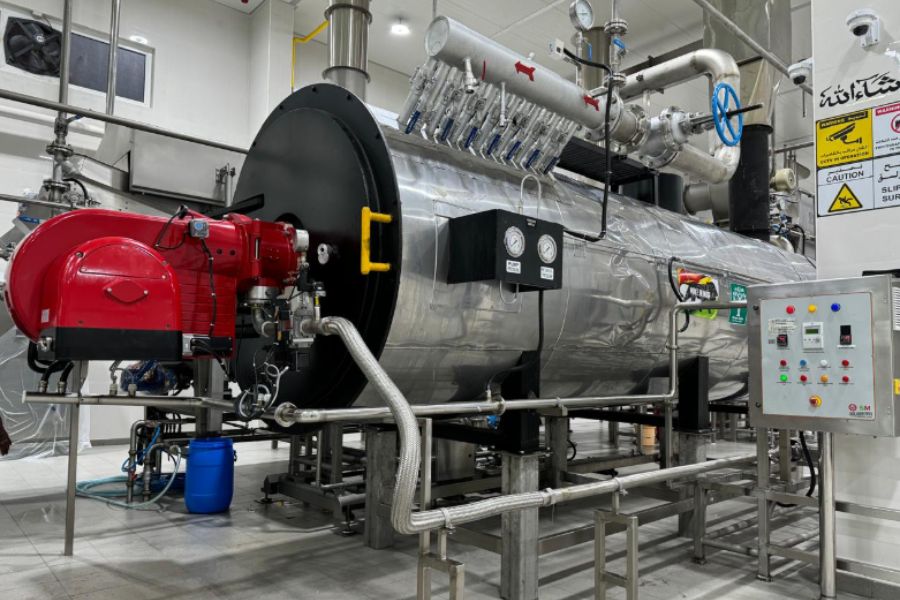
In today’s energy-conscious world, fuel efficiency is a critical factor for industries aiming to reduce costs and emissions. With a strong foundation in machine design, industry-best practices, and a commitment to sustainability, Bozzler Energy Pvt. Ltd. has established itself as a leader in manufacturing energy-efficient and durable heating equipment for modern industries. Ahead of Indusfood Manufacturing 2025, India Business & Trade engaged in a conversation with Jayesh Patel, Managing Director of Bozzler Energy, to explore the company’s innovative heating and boiler solutions. During the interview, Mr. Patel shared insights into Bozzler’s technological advancements, energy efficiency measures, and sustainability-driven approach, showcasing how the company consistently stays ahead of industry trends while addressing the evolving needs of its clients. Edimax series- Direct Edible Oil Heater, Source: Bozzler Energy IBT: Which specific heating solutions or boiler technologies does your company specialize in for food manufacturing applications? How do you perceive the evolution and application of these technologies in India’s food manufacturing industry? Jayesh Patel: We specialize in two key products for food manufacturing: thermic fluid heaters and direct edible oil heaters. Thermic fluid heaters are widely used in processes like frying potato chips, snacks, namkeen. Our advanced wet-back technology in fluid-fuel-fired thermic fluid heaters ensures high fuel efficiency and cost-effectiveness. These heaters use gas or diesel and are essential for indirect heating applications in food processing. Six years ago, we introduced the direct edible oil heater, an innovative system that eliminates the need for thermic fluid heaters and steam boilers. This heater directly heats edible oil and can be installed close to the frying line, simplifying the process and reducing capital and maintenance costs. Unlike traditional systems requiring multiple pumps and controls, our direct heater is compact, efficient, and easy to maintain. This product has been highly successful, with over 100 units installed globally. Clients include Pran in Bangladesh, a leading food corporation. In India, we’ve supplied units to Flavorite Technology, SM Food Engineering, and Economode Food Equipments, among others. Both our thermic fluid heaters and direct edible oil heaters offer significant advantages in space, cost, and efficiency, making them ideal solutions for the food manufacturing industry. IBT: How do your services address the unique needs of the F&B sector, particularly in terms of energy efficiency and sustainability? Jayesh Patel: Yes, as I mentioned earlier, we have developed a wet-back technology that is incorporated into both our edible oil heater and thermic fluid heater. By using this technology, we are able to achieve the highest levels of efficiency, particularly in terms of fuel efficiency, in both of these heating systems. This translates into significant cost savings for customers during their processing operations. As a result, the customer benefits indirectly through reduced operational costs, thanks to the superior fuel efficiency and performance of our high-efficiency heating equipment. IBT: Does your company export its products or services? If so, could you share insights into the international markets you serve and the key drivers of your success? Jayesh Patel: Yes, we have successfully exported our machines to several Gulf countries, including Oman and Dubai, where we have installed our systems. Additionally, we have made significant inroads into the African market. In Kenya alone, we have installed over 25 to 30 units. We also have installations in Nigeria, Malawi, and Tanzania. Currently, we are preparing to dispatch a thermal fluid system with an impressive capacity of 8 million kilocalories, which is a large-scale installation. This system is expected to be shipped within the next week. In Nigeria, we are in the process of installing four machines, while we recently completed the installation of two machines in Uganda. In fact, Uganda alone has seen more than 10 to 15 installations of our equipment. Our presence in Africa continues to grow, with installations across many countries in the region. Furthermore, we have expanded our reach to the Middle East and North Africa. In addition to the Gulf countries, we have successfully installed machines in the Maldives and Tunisia, where we installed one unit. This broad network of installations across various regions reflects the strong demand and reliability of our products in the export market. We are proud of our growing global footprint and continue to serve clients across diverse regions with high-quality, efficient heating solutions. IBT: Within India, which industries or regions constitute your primary customer base? How has the demand for heating solutions evolved in recent years, and what trends do you foresee? Jayesh Patel: In India, we serve a wide range of industries, starting with the food sector. We have established a strong customer base in the food industry, including both manufacturers and end-users. Recently, we supplied a unit to ITC, further strengthening our presence in this sector. In addition to the food industry, we have made significant inroads into the plywood and laminate sectors. One of our major clients in the laminate industry is Royal Touche Laminate, where we supplied a 10 million kilocalorie thermic fluid heater—an extremely high-capacity system. In the plywood industry, we have installed over 100 units in plywood processing plants. Our reach extends to asphalt road manufacturing as well. For example, we regularly supply high-quality machines to Amman, a Switzerland-based company in India. We also supply to Marini India, an Italian multinational in the asphalt processing plant sector. Altogether, we have completed over 500 thermic fluid heater installations in the road industry. We also serve the rubber, pharmaceutical, and packaging industries, with numerous installations across these sectors. In the textile industry, we have over 100 installations in textile processing units. On average, we supply more than 25 thermic fluid heaters per month across these diverse industries, demonstrating the widespread demand for our products in various sectors. IBT: What are your expectations from IndusFood Manufacturing 2025? How do you see this platform contributing to your company’s growth and visibility within the food manufacturing ecosystem? Jayesh Patel: Yes, through this food industry exhibition, we aim to target chip line manufacturing companies across different countries. For example, in the Netherlands, there are several companies
Shri Vibracion: Innovating hygienic and sustainable material handling
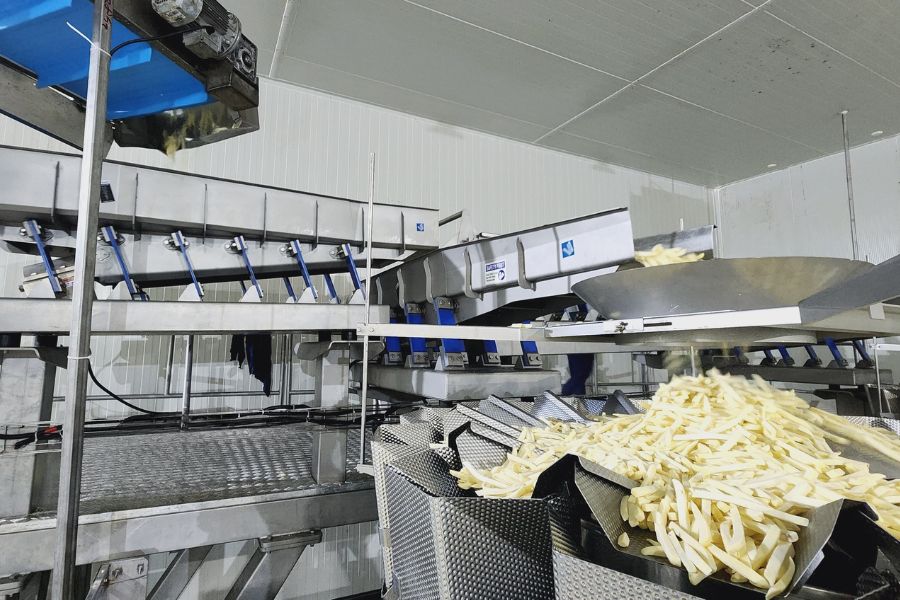
Food processing machinery plays a pivotal role in the manufacturing industry, as efficient and reliable equipment ensures better product quality, enhanced hygiene, faster production, and seamless delivery processes. Shri Vibracion Technologies Pvt. Ltd., a prominent manufacturer of Horizontal Vibrating Conveyors, Electromagnetic Feeders, High & Low-Frequency Electromagnetic Feeders, and Vibratory Bowl Feeders, has established itself as a leader in this space. Since 2017, the company has successfully installed over 800 units across diverse industries, including snacks, grains, food, pharma, packaging, and more. With Indusfood Manufacturing 2025 just around the corner, India Business & Trade connected with Chetan Dakhore, CEO & Director of Shri Vibracion Technologies Pvt. Ltd., to delve into the company’s vision for redefining technology and their plans for showcasing their innovations at the event. Vibratory Distribution system for frozen fries, Image credit: Shri Vibracion IBT: Can you share your inspiration and journey as a leader in delivering innovative material handling solutions at Shri Vibracion Technologies? How has your vision evolved since the company’s inception? Chetan Dakhore: When I was working with some international companies, I frequently visited Indian namkeen and snack manufacturers. During these visits, I noticed a significant gap in terms of hygienic conveying systems. It wasn’t that buyers were unwilling or incapable of purchasing quality equipment; rather, the issue lay with suppliers. They struggled to provide the equipment that met the necessary hygiene standards. This gap in the industry stood out to me, and it became the foundation for Shri Vibracion. The vision was clear: to address this industry shortfall by delivering hygienic equipment that meets the exact requirements of manufacturers. This mission has driven us from the very beginning and continues to define our approach to innovation and service. IBT: With a focus on food safety and hygiene, how do your hygienic conveying systems address the critical challenges faced by industries in maintaining product quality and regulatory compliance? Chetan Dakhore: Typically, when it comes to baked products, especially raw items that are consumed directly by consumers, there are significant concerns regarding the materials used in conveying systems. Traditionally, these products are transported on plastic-based conveyors, which are widely available in the market. However, when these plastics come into contact with warm, hot, or frozen products, chemical reactions can occur. The problem becomes even more alarming when wear and tear lead to tiny pieces of plastic entering the product unnoticed. These fragments can end up in packets and, eventually, be consumed by the end users. During the early stages of starting this company, I encountered a concerning incident where plastic fragments were found in product packets. This experience highlighted the urgent need for a more hygienic and reliable solution. This realization led us to adopt stainless steel arrangements for our conveyors. Unlike plastic, stainless steel can be sterilized and thoroughly cleaned, ensuring a higher standard of hygiene and safety. This key difference sets our equipment apart. It positions us uniquely among conveying equipment manufacturers, especially in India, where such innovations are still gaining traction. IBT: Could you share a specific instance where a customized design significantly improved a client’s operational efficiency? Chetan Dakhore: Absolutely, I can share a couple of examples to illustrate this. Customers using belt conveyors made of plastic often faced significant challenges, particularly with baked products. One major issue was hygiene, which required the conveyors to be cleaned every seven hours or after each operation. This frequent cleaning caused considerable downtime, which frustrated the customers. While the capital cost of these plastic belts is relatively low, their impact on productivity is detrimental, as they reduce operational efficiency. For instance, one customer using plastic belt conveyors struggled with hygiene issues. A lot of product debris accumulated under the conveyors, creating conditions for increased microbiological growth. Cleaning these systems was not only challenging but also led to higher maintenance costs. Recognizing these issues, the customer reached out to us for an audit. After assessing the situation, we provided a tailored solution. Now, three years later, the customer’s production has improved significantly. Productivity has increased by 20–30%, electricity costs have decreased, and there’s no downtime. The plant operates 24/7, something that wasn’t feasible earlier. This transformation has made the customer very satisfied, and we are now their first choice for conveying systems in all their expansion projects. IBT: How does Shri Vibracion integrate sustainability into its product designs and processes while meeting global industry standards? Chetan Dakhore: Our equipment is designed to meet global standards, ensuring compliance with diverse norms across various countries. For instance, our CE-certified equipment adheres to stringent safety and hazard-related standards, particularly for electronic components, instilling confidence in its safety and reliability for international markets. On sustainability, we focus on eliminating repeatability of problems. Traditional belt conveyors with multiple moving parts require regular lubrication, maintenance, and inventory management for breakdowns. In contrast, our electromagnetic systems have no moving parts except stainless steel components, eliminating lubrication needs and reducing maintenance. Our plug-and-play equipment operates seamlessly for up to 10 years under proper conditions, embodying durability and sustainability. In the food industry, hygiene is critical. We adhere to rigorous sanitary design standards, minimizing contamination risks and enabling efficient cleaning. With certifications for our sanitary designs, we ensure solutions that are safe, hygienic, and aligned with the highest quality standards. IBT: Indusfood Manufacturing 2025 will provide a platform for industry leaders to exchange insights. What key messages or innovations will you showcase, and how do you see the event contributing to Shri Vibracion’s future growth? Chetan Dakhore: It is crucial for visitors to attend Indusfood and, in particular, visit our booth because we are redefining the technology beyond conveying systems. The industry currently relies on outdated technologies, and we have identified critical loopholes that hinder productivity. Our innovative solutions address these gaps, enabling businesses to significantly improve their operational efficiency. Moreover, our technology contributes directly to enhancing the shelf life of products, which is a key factor in today’s market. When you look at a product’s packaging, the expiry date reflects not just the product’s

APAC enterprises eye AI benefits in 2 to 5 years
As the Asia-Pacific region continues to embrace the promises of artificial intelligence (AI), a recent study commissioned by IBM reveals that nearly 60% of organisations expect to realise the benefits of their AI investments within the next two to five years. The survey “APAC AI Outlook 2025” offers valuable insights into how businesses are transitioning from experimentation with AI to prioritising return on investment (ROI) in the coming years. The anticipated timeline for AI benefits indicates cautious optimism among enterprises, with only 11% expecting returns within the next two years. This slower pace underscores the importance of strategic planning in AI deployment, particularly as businesses navigate the complexities of integrating new technologies into their core functions. Image source: Pixabay A recent study done by IBM shows that almost 60% of organisations anticipate realising the returns on their AI investments in the next two to five years, as the Asia-Pacific region continues to embrace the promise of AI. The survey highlights a significant shift in focus among enterprises, particularly in India, where organisations are leading the charge in leveraging AI strategically. Companies are prioritising key areas such as innovation (26%), revenue generation (21%), cost savings (12%), and enhancing employee productivity (12%). This emphasis on tangible returns from AI projects shows a maturation in the understanding of AI’s potential to drive real business value beyond mere experimentation. In 2025, Indian enterprises are set to focus on enhancing customer experience (27%), effective planning and strategy (16%), and optimising IT functions (16%). However, these ambitions are not without their hurdles. The report identifies substantial challenges, including data accessibility issues (46%), limited AI skills (42%), and difficulties in integration and scaling (38%). Addressing these barriers will be crucial for organisations striving to achieve their AI goals. According to Sandip Patel, managing director of IBM India & South Asia, “In 2025, AI is set to be the game-changer for Indian enterprises, revolutionising productivity and enabling unprecedented scalability.” Moving beyond low-risk experiments to strategic initiatives that yield a competitive edge and improved ROI will be pivotal in AI’s evolution. Evolution of AI deployment trends The study outlines five key trends shaping the AI landscape in the region: AI-led Revenue Generation: Companies are increasingly focusing on leveraging AI technologies to boost revenue streams and drive profitability. Specialised Models: The rise of smaller, open-source models tailored to specific use cases is becoming a trend. These models require less training data and computational resources, making them more accessible for organisations, particularly in regional contexts. Unified AI Integration: Advanced orchestration tools are streamlining the integration of AI across various business processes. This evolving “Unified AI” ecosystem enhances security, flexibility, and cost efficiency, enabling seamless operation between disparate systems. Agentic AI Workflows: AI agents that autonomously execute tasks are redefining operational workflows. This move toward agentic AI enhances collaboration with human workers, fostering greater operational efficiencies. Human-Centred AI Innovations: The integration of AI is increasingly designed to complement human capabilities, focusing on automating routine tasks while allowing employees to engage in more creative and innovative activities. As CEO of Ecosystem, Ullrich Loeffler said, “Human beings are indispensable in the evolution of AI. This collaborative approach is vital for unlocking the full potential of AI technologies.” Overcoming challenges for a successful AI future While the optimism surrounding AI is encouraging, organisations must confront significant obstacles to maximise its benefits. Ensuring data accessibility and enhancing AI skills are critical to overcoming integration challenges and maximising the potential of AI initiatives. By prioritising training and a culture of continuous learning, companies can foster an environment where both AI and human workers thrive together. In conclusion, the findings from the IBM survey underscore a pivotal moment for AI adoption in the Asia-Pacific region. By strategically transitioning from AI experimentation to focused initiatives that enhance ROI, organisations can harness the transformative potential of AI to drive innovation, revenue growth, and improved operational efficiency. As businesses navigate these changes, the key to success will be balancing technological advancements with a human-centered approach, ensuring that AI technologies enhance rather than replace the invaluable contributions of human talent.
Smart packaging: The future of food preservation
With the global population steadily rising and over two-thirds expected to live in urban areas by 2025, the demand for fast, convenient, and value-added food is projected to grow significantly. Meeting these evolving needs calls for innovations not just in food processing but also in food packaging. Following the advent of smart devices like smartphones, smart watches, and smart TVs, it is now time for smart food packaging to take center stage. But what exactly is smart packaging? Let’s explore how this cutting-edge technology is poised to revolutionize the food industry in the years to come. Image Credit: Freepik India, one of the largest producers of food and agro-based products, faces significant challenges with 20% of its produce wasted due to the lack of adequate processing and packaging infrastructure. The food processing sector holds immense potential, with the ability to attract investments of US$ 18.12billion (₹1,50,000 crores) over the next decade and generate employment for 9 million people. Currently, India’s packaging industry is growing at an annual rate of 12%, supported by approximately 22,000 companies ranging from raw material manufacturers to machinery suppliers. Post-harvest conditions play a critical role in determining the shelf life of food products. Factors such as storage temperature, relative humidity, and gas concentrations directly influence the spoilage of perishable items. Storage requirements vary depending on the type of food, as the surrounding atmosphere significantly impacts shelf life. For instance, reducing oxygen levels helps preserve certain foods by slowing discolouration in cured meats, preventing rancidity in nuts, and maintaining quality in powdered milk. However, high carbon dioxide and low oxygen levels can accelerate spoilage in fresh produce due to anaerobic metabolism, leading to rapid decay. Conversely, carbon dioxide can have antimicrobial benefits for products like fresh and processed meats, cheeses, and baked goods. The success of a food packaging system goes beyond selecting the most suitable package; it also involves effectively communicating the internal conditions of the package to consumers. This growing demand is being addressed through innovative technologies like smart packaging, which is poised to revolutionize food preservation and enhance consumer trust. Chandrakant Salunkhe, Founder & President, Packaging Industry Association of India (PIAI) believes that Smart packaging has a long way to go as it is revolutionizing the food industry by ensuring product safety, enhancing shelf life, and providing a seamless consumer experience. He further says – “As global markets demand sustainable and technology-driven solutions, smart packaging offers the perfect blend of innovation and practicality. Indian exporters must leverage these advancements to build trust, increase value, and compete on the international stage.” Smart packaging in India – key drivers and types India’s smart packaging market is projected to grow from USD 3.64 billion in FY2023 to USD 7.05 billion by FY2031, with a CAGR of 8.6% during FY2024-FY2031. This growth is fueled by technological innovations, eco-friendly solutions, rising incomes, increasing consumer demand for interactive experiences, and the expansion of e-commerce. Key drivers of this transformation include advancements in technology, evolving consumer preferences, and intensifying market competition, all of which are shaping the future of packaging in India. Smart packaging is categorized into two types based on the technology used: Active Packaging: Active packaging has been in use for several years and plays a vital role in interacting with the product to enhance its health properties and extend its shelf life. It can be applied in two distinct ways: Internal Element Placement: An active element is placed directly inside the package to prevent moisture, absorb oxygen, or act as an antibacterial agent. Embedded Active Elements: The active element is integrated into the smart package itself, typically through printing or lamination. This method is more popular as it eliminates the need for unfamiliar objects inside the package. For example, incorporating an oxygen scavenger into the packaging of cooked or sliced meat products prevents discoloration. Key Advantages of Active Packaging: Extends product shelf life, enabling long-distance transportation while maintaining freshness. Reduces food waste. Prevents oxidation. Preserves the product’s original taste, aroma, and color. Intelligent Packaging: Although not yet widely commercialized, this technology can sense changes in the product or its packaging. It monitors the product’s condition, detects breaches in quality during transport or storage, displays temperature, and indicates freshness. Intelligent packaging system use external or internal indicators that can determine these conditions. These indicators can be split into three parts – Indicators that are placed outside of the package which shows the temperature of the product. Indicators placed inside the package that provide information about oxygen leak, carbon dioxide or presence of salmonella. Indicators that allow consumers to easily communicate with the product/brand, also known as connected packaging. The intelligent packaging systems consists of three major components, they include: Time-Temperature indicators (TTIs): This system uses indicators to monitor temperature variations in the product during storage. When perishable food products are stored above their optimal temperature, rapid microbial growth can occur, leading to spoilage before the estimated “use-by” date. TTIs are attached to the package surface and track the cumulative time-temperature history throughout the distribution chain. These indicators provide indirect information about product quality by displaying a visual color change to signal potential spoilage. Commercially available TTIs, such as Thermax and Warmmark, use color movement as a clear indication of temperature abuse, helping ensure product safety and quality. Biosensors: A biosensor is an analytical device combining a biological sensing element with a transducer to generate a signal proportional to the analyte concentration. The signal, triggered by changes like proton concentration, gas exchange, or light interaction during target compound metabolism, is converted into a measurable response (e.g., current or potential). This response can be amplified, processed, and stored for analysis, making biosensors a vital part of intelligent packaging systems. Radio-frequency identification systems (RFID): RFID tags are advanced data carriers consisting of a microchip with an antenna, a reader that exchanges radio signals with the tag, and middleware connecting the system to enterprise applications. They enable long-distance communication, store numerous codes, and enhance product identification and traceability. Connected Packaging: Connected Packaging
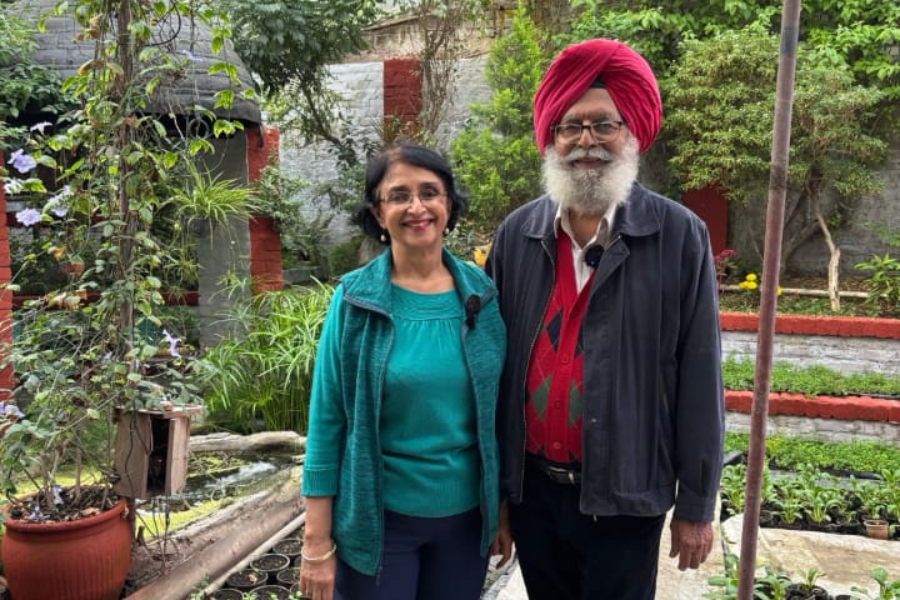
Peter Singh and Nino Kaur: Pioneers of sustainable living
In a city like Delhi, where the AQI exceeded 800, achieving an indoor air quality of 10-15 is a remarkable feat. Peter Singh and Nino Kaur have done just that, building sustainable homes in both Goa and Delhi, integrating aquaponics and organic farming. For the past four years, they have lived a completely eco-friendly lifestyle while mentoring others through online courses, inspiring the adoption of sustainable agricultural practices. To live in a house with AQI of 10-15 is difficult to attain, when the AQI outside has surpassed 800 level. Peter Singh and Nino Kaur have been able to achieve this by building a green house in their home and growing all their fruits and vegetables organically, using the innovative techniques of aquaponics, a remarkable combination of hydroponics and aquaculture. Apart of from completely living a sustainable lifestyle from the past four years, they are also mentoring individuals passionate about organic farming through their online courses, inspiring many to adopt sustainable and eco-friendly agricultural techniques. After Mrs Nino Kaur was diagnosed with cancer, they consulted an ayurvedic doctor, who suggested them to grow their own food, which eventually enhanced her immunity and helped her regain health quickly. To grow their food, they have build their own aquaponics system, which is a closed-loop setup where fish waste feeds plants, and plants purify water for fish. This system allows them to grow 15,000 plants and 120 kilograms of fish annually using just 1,000 liters of water daily, far less than traditional farming. They even create their fish feed from natural ingredients and compost food and garden waste into vermi-compost, reducing methane emissions and ensuring sustainability. Their efforts extend beyond their home, as they collect fallen leaves to make leaf compost, minimizing waste in their neighborhood. To address air pollution, they installed innovative cooler panels that filter and cool air entering their home. This system has reduced indoor air pollution drastically compared to Delhi’s external air quality. They also harvest rainwater to meet irrigation needs and recharge groundwater, contributing to community water conservation efforts. For individuals in urban areas with limited space, they offer practical solutions, including vertical farming models for balconies and rooftops. With a small setup, individuals can grow hundreds of plants while improving indoor air quality using simple cooler panels. Their vision includes promoting community greenhouses and providing education on aquaponics in schools, enabling children to grow their food and learn sustainable practices. Through online courses, they share knowledge about aquaponics, organic farming techniques, pest control, and air purification systems. Participants can access resources, supplier details, and ongoing project support to set up their systems, no matter their location. They have separate and simple models for balconies, rooftops, gardens and inside homes. They have vertical farming models designed for congested spaces for urban households. For this column, India Business and Trade (IBT) had the privilege of interacting with Mr. Peter Singh and Mrs. Nino Kaur, renowned advocates of sustainable living. The couple has successfully created a model for eco-friendly lifestyles, maintaining exceptionally low Air Quality Index (AQI) levels even in the heavily polluted environment of Delhi. Their commitment to sustainability is evident in the innovative homes they have built in both Delhi and Goa, designed to support a completely self-sufficient lifestyle. Over the past four years, they have dedicated themselves to living sustainably, integrating practices like aquaponics, organic farming, waste management, and rainwater harvesting.
Millennials drive India’s shift toward sustainable food
India is more focused on planet-friendly food than developed countries, a survey by Sodexo’s Sustainable Food Barometer reveals. Price remains the most important factor when choosing food products, significantly outweighing environmental concerns. Taste follows closely behind price as a key consideration in food choices. The survey highlights the food services industry as a major force driving sustainable trends and inspiring change. India is emerging as a leader in promoting planet-friendly food practices, surpassing developed countries, according to French food services company Sodexo’s Sustainable Food Barometer survey. The survey, which gathered insights from over 7,000 participants across five key countries (Brazil, France, India, the United Kingdom and the United States), highlights the major drivers and barriers to adopting sustainable eating habits. Majority of Indians favour sustainable food consumption The Sodexo’s Sustainable Food Barometer survey underscores the role of the food services industry as a significant force in driving sustainable trends and inspiring change. India’s inclusion in the study for the first time underscores its rising importance as a growing market for sustainable and plant-based food. Insights from over 2,000 Indian consumers reveal that more than two-thirds strongly favor sustainable food consumption, surpassing preferences in developed countries. This shift is likely to drive demand for sustainable food in India and could significantly influence the nation’s food consumption patterns. Sambit Sahu, Managing Director of Sodexo India, states that India’s growing interest in healthier eating habits is fueled by a several of factors. The major factors, according to him, include- Increased access to information about lifestyle-led health concerns driven by social media platforms, health blogs and fitness influencers. Millennials are much more aware and careful about their food choices. India’s increasing integration into the global food market. More and more Indians are embracing global trends such as veganism, plant-based, gluten-free, low-carb, keto and intermittent fasting as part of the modern, health-focused lifestyle. Key India-specific insights from the Sodexo Sustainability Barometer also revealed that millennials are at the forefront of driving sustainable food choices in India. The report noted that In India, about 60% of millennials (aged 25 to 44) are committed to sustainable food choices, with most already incorporating many sustainable practices into their daily routines. However, Gen Z (under 25) remains uncertain about embracing sustainable food options. The Millennials, according to Mr Sahu, are more likely to make choices that benefit both themselves and society, with a focus on social and environmental impact. Additionally, their higher disposable incomes enable them to prioritize healthy, balanced foods and ethical consumption, favoring brands and causes that align with their values over affordability. The findings also revealed that health and a balanced diet rank among the top three factors influencing food choices in India. Nutritional value and product composition are identified as the third and fourth most important considerations in the decision-making proceass. A look at the Indian initiatives The Ministry of Agriculture and Farmers’ Welfare has implemented several initiatives and programs in the country to ensure access to quality food for everyone, while also supporting sustainable food practices and improving the financial well-being of farmers. India has the highest number of organic farmers globally, with 44.3 lakh farmers, and by 2021-22, 59.1 lakh hectares of land were dedicated to organic farming. A key initiative to promote sustainable food practices is e-NAM, the National Agriculture Market, an online platform connecting agricultural markets across India. It ensures transparent pricing, enabling farmers to sell directly to buyers and eliminating intermediaries. This platform supports the Farm-to-Table movement, reducing environmental impact, promoting local sourcing, and encouraging eco-friendly farming practices like organic and agro-ecological methods. Other initiatives such as the National Mission on Sustainable Agriculture (NMSA) focus on promoting sustainable farming practices, while the Rashtriya Krishi Vikas Yojana (RKVY) aims for 4% annual growth in agriculture by enhancing infrastructure, encouraging value addition, and adopting innovative techniques. The Eat Right Initiative, launched by the Food Safety and Standards Authority of India (FSSAI) under the Ministry of Health and Family Welfare, is a comprehensive campaign to promote healthy and safe eating habits, covering nutrition, hygiene, and food safety aspects. The Government of India has provided strong support to food-tech companies and agri-entrepreneurs for a comprehensive approach to sustainable development. Perishable food presents numerous challenges that require innovative solutions to maintain product quality and safety throughout the supply chain. To support this, the Digital Agriculture Mission (DAM) was launched in September 2021, aiming to assist agri-tech startups by harnessing emerging technologies such as Artificial Intelligence and Machine Learning (AI/ML), Internet of Things (IoT), Blockchain, cloud computing, and remote sensing. As of May 2023, 4,979 recognized food and agri-tech startups are making an impact in 523 districts across India. Furthermore, the use of drone technology in agriculture has greatly improved data collection, resource utilization, livestock monitoring, disaster assessment, and market intelligence for farmers. This technological advancement boosts productivity and sustainability while also aligning with the growing awareness of healthy eating, a trend that was accelerated by the COVID-19 pandemic. Supporting sustainable eating habits while enjoying traditional Indian cuisine involves making thoughtful choices that prioritize both personal health and the environment. By choosing local and seasonal foods, reducing waste, supporting local markets, and utilizing traditional preservation methods like fermenting, pickling, and drying, one can promote a healthier lifestyle and contribute to sustainability on a larger scale.
IFMS 2025: Pioneering sustainability in food manufacturing
Trade Promotion Council of India (TPCI) is hosting the India Food Manufacturing Summit on January 10-11, 2025, at the Yashobhoomi Convention Centre, Delhi, marking a pivotal moment for India’s food manufacturing industry. The summit will bring together industry leaders, global experts, technologists, and key stakeholders to delve into innovations in food technologies, packaging, ingredients, and hospitality. Co-located with Indusfood Manufacturing, it will serve as a dynamic platform for discussions on cutting-edge technologies, sustainable practices, and the future of India’s food processing sector. Image Credit: Shutterstock The India Food Manufacturing Summit 2025 is set to bring transformative discussions and ground-breaking innovations to the forefront of the food processing sector. Organized by the Trade Promotion Council of India (TPCI), the event will be held on January 10-11, 2025, at Yashobhoomi, Dwarka, New Delhi, serving as a platform for collaboration, knowledge sharing, and exploring new opportunities in food manufacturing and sustainability. The India Food Manufacturing Summit aims to delve into the latest advancements in food processing technologies, highlighting their transformative potential for the industry. This conference serves as a convergence point for industry leaders, technologists, and major private players to exchange insights, showcase innovations, and share best practices shaping the future of food processing. India’s ambition to become a global hub for food processing aligns seamlessly with the objectives of the India Food Manufacturing Summit 2025. Leveraging its rich agricultural resources, diverse raw materials, and advancing technologies, India is poised to drive economic growth, create jobs, and enhance food security. The summit will spotlight advanced food processing technologies that enable the production of high-quality, value-added products, boosting exports and earning global consumer trust. With a focus on health-conscious trends and sustainable packaging, the event positions India as a competitive, eco-friendly leader in the global market. Key Highlights Comprehensive Participation: 1,500+ delegates, 40+ speakers, and 200+ organizations. Opportunities to network with industry leaders, technologists, major private players and investors. Event Scope: Sessions and Discussions: Explore the latest advancements in food processing technologies, sustainable practices, and eco-friendly packaging. Networking Opportunities: Foster partnerships that drive technological innovation and address the evolving demands of modern consumers. Future Trends: Address key challenges and emerging trends to shape the next era of food manufacturing. Focus on Sustainability: Sustainable packaging to reduce food wastage and extend shelf life. Energy-efficient solutions that align with global environmental goals. Exclusive Features: Delegate kits, lunch, and coffee breaks. Complimentary access to the Indusfood Manufacturing exhibition halls, a concurrent trade event showcasing advancements in food processing, packaging, and hospitality. Key Discussion Points at the Summit The role of technology in ensuring global competitiveness and meeting consumer demands for health-conscious, plant-based, and ready-to-eat products. Strategies to bolster exports by producing high-quality, value-added food products. How energy-efficient and sustainable solutions can reshape the industry. Revolutionizing Food Processing with AI and IoT Sustainable packaging and Cold chain technologies for Indian food processing evolution Waste to wealth in Food Processing Technology Sustainability in hospitality industry Food ingredients and related technologies Why Attend? Discover Innovations: Explore the latest advancements shaping the future of food processing. Sustainability Insights: Understand emerging sustainability trends and learn how to integrate them into your business practices. Expert Engagement: Participate in dynamic discussions with top leaders from policy, industry, and academia. Networking Opportunities: Connect with peers, thought leaders, and collaborators to foster impactful partnerships and open new business opportunities. This event invites participation from a broad range of stakeholders, including: Business owners/CEOs/Executives/startup founders in the F&B sector Business owners/CEOs and executives in food processing technology/packaging/ingredients/hospitality sectors Senior executives from distributors, retail chains, e-commerce players, etc Academic researchers/scientists/think tanks/students F&B industry consultants Banks, financial institutions, fintech, logistics firms. Indusfood Manufacturing 2025: A Gateway to Global Trade The summit is co-located with Indusfood Manufacturing 2025, the largest trade show for the F&B supplier industry in India. Featuring: Over 500 exhibitors. 15,000 visitors A 30,000+ sqm exhibition area. Participation from 10+ countries. The event is designed to connect industry stakeholders with potential buyers and partners, emphasizing India’s role as a global leader in food manufacturing. With its focus on sustainability, innovation, and collaboration, the India Food Manufacturing Summit 2025 promises to be a landmark event that catalyzes growth and sets the stage for India’s rise in the global food processing arena. Mark your calendars, and prepare to be inspired. For more information click here