The aluminium industry has called on the government to increase import duties on primary and downstream aluminium, as well as customs duties on aluminium scrap, to limit the influx of low-quality scrap. In FY24, over 55% of domestic consumption was met through imports, as local capacity expansion remained sluggish. The Aluminium Association of India (AAI) has proposed raising import duties on primary and downstream aluminium products from 7.5% to 10% and implementing a uniform 7.5% duty on aluminium scrap to limit substandard imports, promote domestic recycling, and safeguard local manufacturers. Amid rising import dependence to meet domestic demand, the Indian aluminium industry has called for policy interventions to “safeguard” the local market and create a more favorable environment for new investments. In FY24, over 55% of domestic consumption was met through imports, while domestic production capacity remains limited. Industry associations, including the Aluminium Association of India (AAI) and the Federation of Indian Mineral Industries (FIMI), have submitted recommendations in their pre-Budget proposals to the Ministry of Finance. These suggestions include protective import tariffs and adjustments to the duty structure on essential raw materials. The AAI has urged an increase in import duties on both primary and downstream aluminium products from 7.5% to 10%. Additionally, AAI advocates for a uniform 7.5% duty on aluminium scrap to reduce the influx of substandard material, promote domestic recycling, and support local manufacturers. FIMI, on the other hand, has recommended raising the duties on primary and downstream aluminium products to 12.5%, while also aligning the scrap duty to at least 7.5%. Aluminium is essential for various sectors such as defence production, infrastructure, electric vehicles (EVs), and renewable energy (RE). However, industry bodies highlight that the domestic market is under pressure due to the influx of low-quality aluminium scrap and excess primary aluminium imports, particularly from China, which jeopardize local production and investment prospects. Challenges faced by the Indian Aluminium Industry The aluminium market in India is primarily driven by rapid urbanization and ongoing infrastructure development. As cities grow and urban populations rise, there is a growing demand for aluminium in construction and infrastructure projects. Aluminium’s lightweight, corrosion-resistant, and versatile properties make it an ideal material for applications such as architectural facades, window frames, roofing systems, and structural components in buildings, bridges, and transportation networks. According to a report ‘India Aluminium Market’, by TechSci Research LLC, the aluminium market in India was valued at US$ 13.77 billion in 2024 and is expected to experience strong growth, with a projected CAGR of 6.27% during the period 2025-2030. However, the domestic aluminium industry faces certain challenges. Environmental and regulatory constraints This is one of the major challenges – aluminium production is energy-intensive and generates considerable greenhouse gas emissions, prompting increased scrutiny and stricter regulations. The process involves extracting bauxite, refining it into alumina, and smelting it into aluminium, all of which have negative environmental impacts, such as deforestation, air and water pollution, and high energy consumption. To address these concerns, the Indian government has implemented tighter emission standards and sustainable mining practices, requiring companies to invest in cleaner technologies and pollution control measures, which raises production costs. Another key challenge is the management of red mud, a highly alkaline by-product of alumina refining. Improper disposal poses serious environmental risks, and finding sustainable solutions for its recycling or disposal requires significant investment in research and development. Additionally, aluminium smelting’s high energy requirements make access to reliable, affordable power crucial. However, India’s power sector faces issues such as supply shortages, high tariffs, and inconsistent electricity quality, which can increase costs and affect the industry’s competitiveness. High energy costs are further exacerbated by the GST compensation cess of Rs 400 per metric tonne of coal. Industry stakeholders are advocating for the removal of this cess or for it to be offset against green compliance costs. Reducing energy costs would lower operational expenses and promote the adoption of sustainable practices. Furthermore, the industry faces challenges related to high production costs and intense competition. Several factors drive these costs, including raw material prices, energy costs, and technological inefficiencies. While India has abundant bauxite reserves, its extraction and refining processes are capital-intensive, and the quality of bauxite often requires additional processing, increasing costs. Global commodity price volatility further complicates the cost structure for producers, affecting profit margins. (India possesses vast natural resources, ranking seventh in bauxite and fifth in coal reserves globally.) Energy costs are a major concern, as aluminium smelting is highly energy-intensive. The high electricity tariffs, supply inconsistencies, and dependence on expensive imported coal contribute to elevated energy costs, making it harder for producers to remain competitive globally. Additionally, many aluminium plants in the country use outdated technologies, which are less efficient and more costly than modern facilities abroad. Upgrading these plants requires significant capital investment, posing a barrier for many companies. Competitive pressures from international producers Competitive pressure, particularly from China, exacerbates the situation. China benefits from economies of scale, government subsidies, and cheaper raw materials and energy, making it difficult for Indian producers to compete on price. Imported aluminium products, often cheaper due to lower production costs, further intensify the competition. Infrastructure and logistical challenges These present significant hurdles for the aluminium market, impacting both production efficiency and distribution costs. The transportation network, including roads, ports, and railways, in the country is often inadequate, leading to delays and higher costs in moving raw materials like bauxite and alumina, as well as finished aluminium products, impacting the competitiveness of Indian aluminium producers in both domestic and global markets. Moreover, many aluminium production facilities in the country are located in remote areas, closer to bauxite mines but far from industrial centers, requiring long-distance transportation, which increases costs and logistical complexities. The storage infrastructure for aluminium products is also underdeveloped, with inadequate facilities to protect the material from environmental factors, leading to potential product damage and financial losses. Major producers Major producers of aluminium in the country include Vedanta, Hindalco, Jindal Aluminium and public-sector Nalco. The industry players have cautioned that without

Cybersecurity tops Indian executives’ priorities as threats evolve
Indian executives identify cybersecurity as their top priority for risk mitigation, with 61% of respondents emphasizing it. This is followed by digital and technology risks (60%), inflation (48%), and environmental risks (30%) for the upcoming 12 months, according to PwC’s 2025 Digital Trust Insights – India Highlights. Image Credit: Shutterstock As organisations navigate an increasingly complex digital landscape, Indian executives have placed cybersecurity at the forefront of their risk mitigation strategies for the next 12 months. According to PwC’s – 2025 Digital Trust Insights – India Highlights, 61% of respondents rank cybersecurity as their top priority. This is followed by digital and technology risks (60%), inflation (48%), and environmental risks (30%). The report underscores a growing emphasis on bolstering cybersecurity measures, with 93% of executives planning to increase their cybersecurity budgets in the coming year. Notably, 17% intend to raise their budgets by 15% or more, reflecting a 1% uptick from the previous year. The report highlights the critical need for medium and small enterprises (MSMEs) to embed cybersecurity into their core strategies. Sivarama Krishnan, Partner and Leader, Risk Consulting at PwC India, stresses that cybersecurity has evolved into a strategic imperative for organisations of all sizes. “The digital age presents numerous opportunities, and the risks associated with it do not discriminate based on the size of businesses. Medium and small enterprises must see cybersecurity as a fundamental aspect of their survival and success,” he states. While large corporations often have the resources to invest in cutting-edge security measures, MSMEs remain particularly vulnerable to cyber threats. This makes it crucial for smaller enterprises to adopt robust cybersecurity frameworks as they digitise their operations. Among the key findings, cloud-related threats emerged as a dominant concern, with 55% of Indian executives identifying them as their most worrying cyber risk—a 3% increase from the previous year. Despite this, half of security leaders and chief financial officers (CFOs) feel underprepared to tackle these challenges in the year ahead. In response to evolving threats, Indian companies are prioritising investments in advanced technological defences, particularly in Generative AI (Gen AI). The report reveals that 87% of organisations have increased their spending on Gen AI over the past year. Furthermore, 86% of firms have ramped up investments in AI governance as part of their risk management strategies. Encouragingly, 80% of Indian companies express high confidence in their ability to comply with AI regulations. Despite significant investments, the impact of cyber incidents remains considerable. According to the report, 8% of Indian security leaders reported data breaches costing over US$ 20 million, a 3% decline from the previous year. However, 44% experienced breaches costing over US$ 500,000 in the past three years. Additionally, more than one-third of leaders noted that their most serious breaches incurred costs of at least US$ 1 million. A concerning insight from the report is that only 20% of organisations employ thorough risk quantification methodologies. This gap represents an overlooked opportunity to enhance decision-making and prioritise strategic investments. “Developing a dependable cyber risk quantification system is crucial for informed decision-making and prioritising strategic investments,” Krishnan adds. As the digital ecosystem expands, Indian businesses must strengthen their cybersecurity frameworks to safeguard against evolving threats. From cloud vulnerabilities to the complexities of AI governance, the stakes are high. MSMEs, in particular, need to integrate cybersecurity as a core component of their growth strategies. The findings from PwC’s 2025 Digital Trust Insights – India Highlights offer a roadmap for organisations aiming to navigate these challenges and build resilience in an increasingly interconnected world.

The rise of palm oil-free snacks in India’s snack market
As Indian consumers become more health-conscious, the salty snacks market is shifting away from palm oil, with the palm oil-free trend gaining momentum. Rice bran oil, groundnut oil, as well as mustard, sunflower, and coconut oils are among the healthier options as perceived by consumers. Driven by consumer awareness and influencer advocacy, this movement is pushing healthier oil alternatives into the spotlight and aligning with the growing demand for transparency and sustainability. Indian salty snacks, including chips, namkeen, and spiced mixtures, are popular for their bold flavors and crispy textures. This segment holds a prominent place within the broader food industry, meeting consumer demand for convenient, ready-to-eat options that double as indulgent treats or quick, portable snacks. The market is growing rapidly due to factors including increasing urbanization, higher disposable incomes, and changing lifestyles. Additionally, the growing young population and the adoption of Western eating habits are driving demand for convenient, ready-to-eat snacks across different demographics. According to the ‘India Snacks Market Report (2024-2032)’ by IMARC Group, the Indian snacks market, valued at US$ 5.14 billion (Rs 42,694.9 Crore) in 2023, is expected to reach US$ 11.51 billion (Rs 95,521.8 Crore) by 2032, growing at a CAGR of 9.08%. However, as Indian consumers become more health-conscious, the salty snacks market is experiencing a notable shift. There is growing concern over the use of palm oil as a key ingredient, especially among metro residents, who are driving the demand for palm oil-free alternatives. The concerns related to Palm oil; its saturated fat content results in heart diseases, and the environmental impact leading to deforestation and destroying critical habitat for many endangered species. Also, a study on the preparation of palm oil for processed foods found that the oil could produce a potentially cancer-causing contaminant, but only when heated to temperatures as high as 200 degrees Celsius (392 degrees Fahrenheit). Shifting away from the palm oil There is growing consumer preference towards palm oil-free snacks. Major brands like PepsiCo are testing sunflower oil and palmolein as alternatives to palm oil in their popular Lay’s chips. This shift responds to health concerns and aligns with the increasing consumer demand for transparency in ingredient labeling. An effective communication of these changes is crucial, as a recent research shows that 50% of urban consumers view snacks made with palm oil as unhealthy, and 39% of those seeking palm oil-free options are willing to pay a premium. These trends suggest that the palm oil-free claim is likely to gain significant momentum in the coming years. As per the Global New Products Database (GNPD), there has been a notable rise in palm oil-free snack launches, increasing from only 0.1% of total launches five years ago to 2.4% in the past year. Interestingly, the smaller brands are driving this trend, using the palm oil-free claim to position themselves as leaders in offering healthier snack options. In addition, the social media influencers, like Revant Himatsingka (Food Pharmer), are also encouraging consumers to scrutinize product labels and reduce unhealthy fats, particularly palm oil, in packaged foods. They highlight the health and environmental benefits of cutting down on palm oil usage. Moving towards healthier alternatives The palm oil-free claim is expected to become more common in the Indian snacks market as consumers increasingly prioritize healthier eating habits, driven by growing awareness of preventive healthcare and the rise in non-communicable diseases. Some brands are addressing the consumer concerns/preferences by clearly stating the type of oil used on the front of their packaging. This not only strengthens their palm oil-free claims but also educates consumers about healthier alternatives. (e.g. WellBe Murukku is marketed as a “healthy snacking alternative” made with red rice flour and cold-pressed sunflower oil, showcasing the benefits of using healthier oils and cold-pressing techniques to boost product appeal) A recent research reveals that 57% of Indian consumers are willing to pay more for food products containing healthy fats, suggesting that brands may reconsider palm oil as an ingredient. Offering palm oil-free snacks can help brands cater to consumer preferences for healthier options while differentiating themselves in the market. Rice bran and groundnut oils have emerged as the leading alternatives to palm oil in Indian snacks, with data from GNPD (February 2022–January 2024) showing that rice bran oil accounted for 41% of launches and groundnut oil for 37%. Additionally, ghee is gaining popularity as a ‘healthy fat,’ with 42% of Indian consumers expressing interest in snacks made with desi ghee. Additionally, oils like mustard, sunflower, and coconut oil are also seen as healthier options by consumers. However, regional differences in oil familiarity may impact the choice of palm oil alternatives. While a majority of North Indian consumers looking for palm oil-free traditional snacks prefer mustard oil, only a small portion of South Indian consumers opt for refined oil, suggesting a lower awareness of healthier alternatives. This underscores the need for consumer education on oil choices, as refining is a process that applies to all oils, including palm oil.
India’s rice export surge & the balancing act
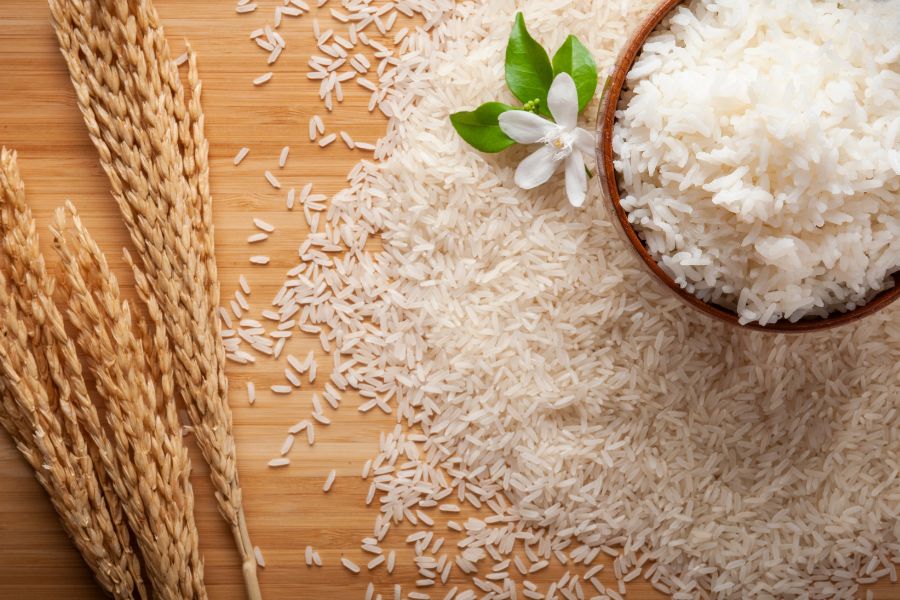
India’s rice exports surged by 85.7% year-on-year in October 2024, reversing earlier declines seen in FY24. This turnaround was driven by the removal of export bans and duties, alongside a record Kharif crop production estimate of 119.93 million tonnes (Jun-Nov, 2024). Indian exporters faced challenges in 2023 due to regulatory measures aimed at stabilizing domestic prices, which disrupted global markets and pushed rice prices to an 11-year high. The easing of restrictions in September, coupled with renewed demand from countries like Indonesia and Mauritius, has revitalized exports. With competitive pricing and government support, India is poised to expand its market share, potentially exporting an additional 10 million metric tons by March 2025. This shift has also contributed to a decline in global rice prices, particularly in Asia, stabilizing markets after a volatile year. India’s rice exports witnessed a YoY growth of 85.7% in October, an extraordinary surge compared to the declining trend seen in earlier months of FY ’24. Before understanding the reasons behind this shift, it is helpful to first explore the dynamics of the global rice market and India’s role within it. Indian rice is globally valued for its aroma, texture, and versatility, though it has faced challenges in recent years, including exclusion from tenders by key importing nations. When it comes to production, China leads as the largest producer of rice, with India following as the second-largest followed by Vietnam as the third. However, in exports, China significantly lags, ranking as the 7th largest exporter. India accounted for 30.5% of the total rice traded globally in 2023. Together, the top three rice-exporting nations—India, Thailand, and Vietnam—contribute to more than half of the world’s rice exports. Other notable exporters include Pakistan, the US, Cambodia, and China. In FY20, exports of Basmati rice surpassed those of non-Basmati rice. However, Basmati exports saw a decline until 2022 before beginning to recover. In contrast, non-Basmati rice exports experienced consistent growth until 2023, only to face a sharp decline between 2023 and 2024 due to regulatory changes. Despite these fluctuations, India’s cumulative rice exports showed a 5-year CAGR of 6.1%. What Changed in 2023? India’s rice export landscape shifted significantly in 2023 due to regulatory interventions aimed at stabilizing domestic markets. On July 20, 2023, the Government of India implemented an export ban on white non-Basmati rice, immediately halting shipments of semi-milled or whole-milled varieties. This followed a prior measure from September 2022, when a 20% export tariff was introduced on non-Basmati white and brown rice to discourage exports and ensure local availability. Globally, the impact of India’s restrictions coupled with the already rising international rice prices. According to the FAO, the global rice price index increased by 14% for all rice and 16% for Indica (long-grain) varieties in mid-2023 since June 2022. The global rice prices in 2023 soared to their highest in 11 years. Further tightening occurred on August 25, 2023, when the government imposed a 20% export duty on parboiled non-Basmati rice, due to rising domestic rice prices. The reason for the shortage was the damage caused by late but heavy monsoon rains & flooding in northern states like Punjab and Haryana, which forced many farmers to replant crops, straining supply chains. Over the year, retail rice prices increased by 11.5%, prompting the government to prioritize domestic price availability. Combined, these factors reshaped both Indian and global rice markets in 2023. India’s rice export ban in 2023 raised inflation concerns and threatened global food security. This curb affected approximately half of India’s rice exports, with the targeted categories—non-basmati white and broken rice—accounting for 10 million tons out of the 22 million tons of exports in 2022. Given that rice is a staple for over 3 billion people and nearly 90% of its cultivation occurs in Asia, where El Niño-driven lower rainfall heightens production challenges, the ban exacerbated fears globally. But fortunately, the impact of El Niño in 2023-24 was less severe than initially forecasted. The decision particularly impacted African nations, heavily dependent on Indian rice imports, prompting many to urge New Delhi to reconsider its stance. In FY 2024-25, the effects of the ban are visible, with India’s rice exports experiencing flat or negative YoY growth in the initial months, except in May. However, September and October saw dramatic increases of 49.1% and 85.7%, respectively driven by key policy measures. On September 27, 2024, India removed the 20% export duty on Non-Basmati White Rice. The government also lifted the export ban on this rice and set a minimum export price (MEP) of US$ 490 per tonne. By October 23, the MEP was scrapped, making rice exports more flexible. Additionally, the government reduced export duties on three other rice categories—from 20% to 10%—including husked (brown), parboiled, and paddy rice. By October 22, duties on other rice types were either halved or completely eliminated making Indian rice more competitive in global markets. These policy shifts aligned with a record Kharif crop production estimate of 119.93 million tonnes for 2024-25, reflecting a 5.8% year-on-year growth. This bumper harvest contributes well to India’s capacity to meet global demand and enhance its competitive edge, particularly against leading exporters like Thailand and Vietnam. During a recent CNBC Aawaz interview with Dr Prem Garg, president of the India Rice Exporter Federation (IREF), it was discussed that the government had even introduced a 0.9% benefit under the RoDTEP scheme for parboiled rice exports along with a cut on export duties, with expectations of a similar benefit for white rice in the future. The industry is also hopeful for GST-related benefits. In addition, cargo approvals from Indonesia, Bangladesh, and Mauritius in October have opened up fresh export opportunities for India. With these changes, India’s rice exports could potentially increase by 10 million metric tons, though a more realistic estimate is around 6 million metric tons by March 2025 as discussed in the interview. Influence on global rice prices The IMF had advocated India lift its rice export bans to address global supply shortages and help the decade-high surge

Redefining sovereignty: India’s path to defence autonomy
India’s defence sector has experienced significant growth, with domestic production nearly tripling and exports increasing 21-fold over two decades. A key policy reform allowing 100% private sector participation has driven this transformation, supported by initiatives like “Make in India” and “Aatmanirbhar Bharat.” Notably, defence exports surged by 78% in Q1 of FY 2024-25. The government has allocated ₹6.2 lakh crore (US$ 73.8 billion) to the Ministry of Defence for 2024-25, signalling a 4.8% YoY increase and underscoring its commitment to strengthening national security. It has set a target for India’s defence exports to reach ₹50,000 crore (US$ 5.9 billion) by 2029-30. India’s defence sector has witnessed remarkable growth, with production nearly tripling and exports surging by 30 times over the past decade. A transformative policy change in May 2001 allowed 100% private sector participation in a field previously reserved for public sector entities. This decision has led to improvements in production, exports, and employment, making defence a vital contributor to India’s economy. Alongside these advancements, India has reduced its reliance on imports, shifting from a dependency level of 65-70% to achieving 65% domestic manufacturing. However, as the world’s largest importer of defence products and a steadily rising defence expenditure, there remains a pressing need for further enhancement in indigenous capabilities. Further, the ₹6.22 lakh crore allocation to the Ministry of Defence for the fiscal year 2024-25, marks a 4.7% increase from the previous year and signals the Indian government’s growing emphasis on strengthening national defence. Defence Minister Shri Rajnath Singh recently stated that India’s defence exports are expected to reach Rs 50,000 crore by 2029-30. The government is taking various steps to support the private sector, thereby positioning India as a global leader in defence innovation and technology. Initiatives like “Make in India” and “Aatmanirbhar Bharat” have driven India towards self-reliance, reduced import dependency, and bolstered domestic manufacturing capabilities. Domestic production and export landscape India’s defence sector has seen record growth in domestic production during FY 2023-24, reaching ₹1.3 lakh crore (US$ 15.4 billion), a remarkable 174% increase from ₹46,429 crores (US$ 5.5 billion) in 2014-15. Notably, 21% of this production now comes from the private sector, and this share is expected to grow further amid ongoing government support and initiatives. In 2023-24, the private sector’s share in defence production reached its highest level in at least eight years. For FY ’25, the production is set to reach the target of ₹1.7 lakh crore (US$ 20.8 billion). Defence Public Sector Undertakings (DPSUs) remain the largest contributor, accounting for 59% of the total production. During Q1, FY ’25, defence exports witnessed a significant 78% YoY to reach ₹6,915 crores (US$ 820.7 million) according to the Ministry of Defence. Around 100 domestic companies have been instrumental in driving this expansion. Some popular exported defence hardware includes Dornier-228 aircraft, artillery guns, BrahMos missiles, PINAKA rockets and launchers, radars, simulators, and armoured vehicles. In FY 2023-24, defence exports hit a record ₹21,083 crore (US$ 2.5 billion), up by 32.5% YoY. The private sector played a pivotal role, contributing 60% to the total exports, while Defense Public Sector Undertakings (DPSUs) accounted for the remaining 40%. Moreover, export authorizations rose from 1,414 in FY 2022-23 to 1,507 in FY 2023-24, reflecting streamlined processes and increasing global demand for Indian defence products. Other products that makeup India’s export portfolio span a wide range of advanced defence equipment, including bulletproof jackets and helmets (exported to 34 countries), Chetak helicopters, fast interceptor boats, and lightweight torpedoes. Notably, ‘Made in Bihar’ boots are now part of the Russian Army’s equipment, highlighting India’s growing presence in global defence markets and its high manufacturing standards. The top three defence export destinations for India are the US, France, and Armenia. India’s ALH (Dhruv) helicopters are now deployed in three countries, including for rescue operations in earthquake-affected Nepal and India has manufactured nearly 300 5.5T while offering a 30% cost saving compared to global alternatives. Other significant exports include ammunition (to 9 countries), firearm components (to 23 countries), electronics, vessels, boats, interceptor boats etc. Strategic Facilities Key partnerships with nations such as the USA, Israel, France, the UK, Germany, and the UAE have been instrumental in facilitating joint ventures, technology transfers, and co-development projects. These collaborations have not only strengthened India’s defence infrastructure but also provided access to cutting-edge technologies and expertise essential for modernizing its defence manufacturing and operational readiness. One of the landmark initiatives highlighting this transformation is the Tata-Airbus aircraft facility in Vadodara, inaugurated by Prime Minister Narendra Modi and Spanish Prime Minister Pedro Sanchez. This project underscores the growing role of private companies in shaping India’s new era of defence innovation and self-reliance. This facility will produce 40 C-295 transport aircraft for the Indian Air Force (IAF), with the first unit scheduled for completion by September 2026. Under the agreement, 40 units will be manufactured in India in partnership with Tata Advanced Systems Limited (TASL), while 16 units will be delivered to the IAF in a ready-to-fly condition from Airbus’ final assembly line in Seville, Spain. The project is expected to create 600 direct jobs, and 3,000 indirect jobs, and provide 3,000 medium-skill employment opportunities, generating more than 42.5 lakh man-hours in the aerospace and defence sector. Several key projects underscore India’s efforts to significantly enhance its domestic production capabilities. For instance, the HAL Helicopter Factory in Tumakuru, Karnataka, unveiled in 2023, is India’s largest helicopter manufacturing facility, designed to produce the Light Utility Helicopter (LUH), an indigenously developed, highly manoeuvrable, single-engine aircraft. The factory will initially produce 30 helicopters per year, with the capacity to ramp up to 60 and eventually 90 units per year in the future. Additionally, the government has announced the establishment of two dedicated Defence Industrial Corridors in Tamil Nadu and Uttar Pradesh. They will act as hubs for defence manufacturing, leveraging existing infrastructure and human capital to boost the production of defence equipment and technologies domestically. Even after significant improvements in domestic defence production and exports, India continues to face certain threats, particularly
Pharma PLI: A step in the right direction?
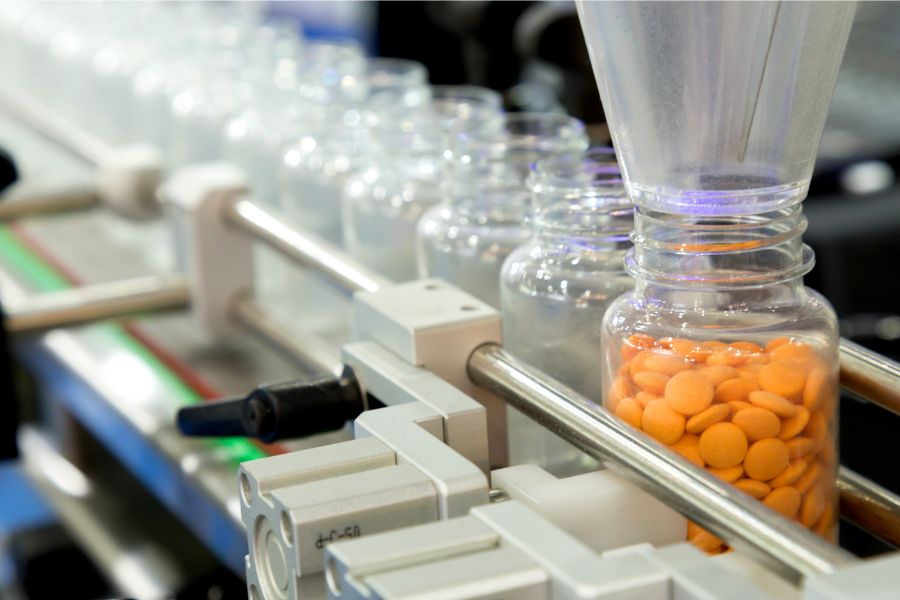
India’s pharma industry is the largest global supplier of generic drugs, and is recognized for its affordable vaccines and medications. It ranks third in the world by production volume and 14th by value, with ambitions to reach a market size of US$ 130 billion by 2030 and US$ 450 billion by 2047. To support the sector, the Government of India launched the Production Linked Incentive (PLI) scheme in 2020 as part of the Self-Reliant India initiative, allocating Rs15,000 crore. This scheme has been highly successful, with over 50% of the country’s drug and pharmaceutical production exported last year. The Indian pharma industry contributes around 2% to country’s GDP and generates employment for nearly 3.5 million people across the country. It is currently valued at US$ 50 billion and holds a significant position in the global pharmaceutical market, exporting to more than 200 countries. It accounts for 60% of the global vaccine supplies, serving about 70% of the WHO demand for Diphtheria, Tetanus and Pertussis (DPT) and Bacillus Calmette–Guérin (BCG) vaccines, and 90% of the WHO’s requirement for measles vaccine. India’s success in delivering affordable HIV treatment marks a transformative achievement in healthcare. In addition, India is the world’s largest supplier of generic medicines and largest vaccine manufacturer. The country boasts the highest number of FDA-compliant pharmaceutical plants outside the US and hosts more than 3,000 pharmaceutical companies, supported by a vast network of over 10,500 manufacturing facilities and a highly skilled workforce. It manufactures around 60,000 unique generic brands spanning 60 therapeutic categories, representing 20% of the global generic supply. During the COVID-19 pandemic and afterward, the sector showcased its innovation and solidified its role within the global pharmaceutical value chain. Known for their high quality and affordability, Indian medicines are globally trusted, cementing India’s status as the “Pharmacy of the world.” The launch of PLI for pharma industry Despite its progress, India continues to depend significantly on imports for key raw materials, particularly bulk drugs used in the production of finished dosage forms. To tackle this dependence, a committee on drug security, formed by the Department of Pharmaceuticals, reviewed the Active Pharmaceutical Ingredients (APIs) imported into India and identified 53 APIs on which the country is heavily reliant. Subsequently, the Government of India approved the “Production Linked Incentive (PLI) Scheme for the promotion of domestic manufacturing of critical Key Starting Materials (KSMs), Drug Intermediates (DIs), and Active Pharmaceutical Ingredients (APIs)” on March 20, 2020. This scheme aims to enhance self-reliance and reduce dependence on imports for critical APIs, with a financial allocation of Rs. 15,000 crores. The scheme seeks to augment India’s manufacturing capabilities, diversify product portfolios, and boost domestic production, running from 2020-2021 through 2028-29. It includes financial incentives for the production of specified pharmaceutical products under three categories: Category 1: includes bio-pharmaceuticals and patented drugs Category 2: includes active pharmaceutical ingredients and drug intermediates Category 3: includes various therapeutic drugs and in-vitro diagnostic devices Overseen by the Small Industries Development Bank of India (SIDBI), the scheme aims to foster innovation, R&D, and growth in the pharmaceutical sector, with MSMEs benefiting from anchor industry investments. The Department of Pharmaceuticals has introduced three supporting schemes: PLI for bulk drugs (1.0); PLI for pharmaceuticals (2.0); and Bulk drug parks scheme. Under the PLI scheme, nearly 1800 pharmaceutical products and formulations and 22 bulk drugs will be manufactured in the country. Incentives under the scheme are linked to incremental sales. For Categories 1 and 2, rates are set at 10% for FY 2022-23 to FY 2025- 26, 8% for FY 2026-27, and 6% for FY 2027-28; rates for Category 3 are 5%, 4%, and 3% respectively. India’s pharma exports India’s pharmaceutical exports play a vital role in the global healthcare landscape, serving over 200 countries. Major destinations for the India’s pharma exports include- US, Belgium, South Africa, UK, and Brazil. In the year 2023-24, the outbound shipments also entered new geographies like Montenegro, South Sudan, Chad, Comoros, Brunei, Latvia, Ireland, Chad, Sweden, Haiti and Ethiopia. There are 500 API manufacturers contributing about 8% in the global API Industry. Notably, India provides more than 50% of Africa’s generic requirements, around 40% of the generic demand in the US, and nearly 25% of all medicines in the UK. The drug and pharmaceutical exports from India have steadily increased over the years. From US$ 15.1 billion in 2013-14, the drug and pharmaceutical exports of India soared to US$ 27.85 billion in FY24. In FY19 the pharma exports stood at US$ 20.70 billion. Post the implementation of PLI in 2020, the exports rose to US$ 24.6 billion in 2021, and further climbed to US$ 25.39 billion in FY23. However, a slight decline in export was registered in FY22. In FY ’24, the USA accounted for the largest share (31.4%) in India’s total pharma exports, followed by UK (2.8%), South Africa (2.6%), Netherlands (2.5%) and France (2.4%). While the export of Drug formulations, biologicals, increased from US$ 13.7 billion in FY ’19 to US$ 21.7 billion in FY 2024, the export of Bulk drugs, drug intermediates, witnessed an increase from US$ 3.4 billion in FY ’19 to US$ 4.8 billion in FY ’24. India’s pharmaceutical sector is expected to see 8-10% revenue growth this year, driven by strong exports, recovery in semi-regulated markets, and steady domestic demand. Stable cash flows and low financial leverage will support solid credit profiles as companies pursue niche acquisitions, according to CRISIL Ratings. Looking forward India’s pharmaceutical sector is seeing robust growth, fueled by the Production Linked Incentive (PLI) scheme, digital adoption, and increasing demand for generic drugs. The pharmaceutical manufacturing market in the country is projected to reach US$ 35.38 billion by 2030, with an annual growth rate of 10.5%. The COVID-19 pandemic, along with shifts in US trade policy, has further positioned India as a crucial player in global supply chains. However as mentioned, India remains highly dependent on China for bulk drugs (APIs, key starting materials, chemicals, solvents, etc). China accounted for the largest share of India’s

Clearing the smoke: Solutions to India’s stubble burning crisis
Stubble burning, a common practice in northern India, involves setting fire to crop residue after harvest, particularly in states like Punjab and Haryana. This seasonal activity has emerged as a major contributor to Delhi’s ongoing air pollution crisis, where the Air Quality Index (AQI) often reaches hazardous levels. The resulting thick smog blankets the city, reducing visibility and posing severe health risks, especially respiratory issues. Beyond air pollution, stubble burning depletes soil fertility and undermines sustainable agricultural practices. Alternatives such as composting, biofuel production, and crop diversification, along with global best practices, present viable solutions to this pressing issue. Collaborative efforts involving governments, industries, and communities are essential to tackle the environmental, health, and agricultural challenges posed by stubble burning and ensure a sustainable future. Delhi continues to grapple with a severe air pollution crisis, with the Air Quality Index (AQI) frequently touching hazardous levels. Thick smog blankets the city, reducing visibility and causing significant health and logistical challenges. A major, and oft discussed contributor to this alarming situation is the seasonal practice of stubble burning in neighboring states like Punjab and Haryana. Stubble burning is the practice of setting fire to leftover crop residue, particularly the lower portions of rice and wheat plants, after the upper parts have been harvested. In northern India, especially in states like Punjab and Haryana, this method has become a common and cost-effective way to quickly clear fields, making space for the next crop. India produces approximately 500 million tons of crop residue annually, according to the Ministry of New and Renewable Energy. While a significant portion is used as fodder and fuel for industrial and domestic purposes, around 140 million tons remain unused, with 92 million tons being burned each year. This excess residue often ends up being disposed of through stubble burning. Why does this become unavoidable? State regulations in Punjab and Haryana mandate a delay in paddy sowing and transplantation from mid-May to mid-June in an effort to conserve the region’s rapidly depleting groundwater levels. As a result, the tighter harvesting schedules make manual harvesting difficult for farmers and force them to rely on mechanical harvesting only. This process leaves around two feet of stubble in the field, unlike manual harvesting, which leaves little to no residue. As per Pushpendra Singh, President of Kisan Shakti Sangh and an alumnus of the Institute of Rural Management, Anand (IRMA), “Paying for manual harvesting is the cheapest, most eco-friendly and sustainable solution to stubble burning. It saves the water, air and earth with least costs and leaves no stubble to burn.” This stubble often needs to be burned to quickly clear the land for the next crop, contributing to pollution and soil degradation. He added that the government should step in to bear the costs of manual harvesting, which is projected to be approximately Rs 4,500 crores across both states. With labor in short supply due to the wheat sowing season, the expenses for hiring workers have risen beyond what farmers can afford. This financial support would alleviate the burden on farmers, enabling them to manage their harvest without facing excessive costs during this critical period. As per Vishad Pandhare, Sustainability Expert, “Addressing stubble burning requires collective action. The government can strengthen regulations, boost funding, and promote research, while the industry develops affordable machinery, invests in bioenergy, and supports sustainable farming. Communities can raise awareness, adopt alternatives, and engage in sustainability initiatives, fostering a more eco-friendly agricultural future.” Dangers of Stubble Burning Air Pollution: Burning crop residue contributes significantly to air pollution by releasing greenhouse gases and other harmful aerosols and trace gases that have both radioactive and chemical implications. The emissions from stubble burning often exceed the standard limits set by the Central Pollution Control Board. For instance, burning rice straw releases about 70% of the carbon in the straw as CO2, 7% as CO, and 0.66% as CH4. Additionally, 2.09% of the nitrogen in the straw is emitted as N2O, which contributes to global warming. Decline in Soil Fertility: Many farmers view burning crop residue as a quick, cost-effective method to clear fields. While some believe it restores soil nutrients, it actually depletes soil health. The heat from burning destroys beneficial microbes and moisture, making the soil less fertile and crops more vulnerable to pests and diseases. Health Risks: Burning stubble releases harmful pollutants, including particulate matter and gases like sulfur oxides, nitrogen oxides, carbon monoxide, carbon dioxide, and methane. These contaminants increases health risks like respiratory issues such as asthma, bronchitis, acute respiratory infections (ARI), and eye irritation. Prolonged exposure can also lead to higher mortality rates. Toxic gases like carbon monoxide reduce the blood’s oxygen absorption, causing further respiratory problems, while nitrogen and sulfur oxides can damage the blood, skin, and lungs, increasing the risk of diseases like cancer. Alternatives Solutions to Stubble Burning Animal Feed (Fodder): Agricultural residues are widely used as animal feed, but rice stubble is less ideal due to its high silica and low lignin content, making it hard for livestock to digest and nutritionally limited. Processing rice straw, such as by turning it into pellets, can improve its suitability. Composting: Crop residues can be composted into nutrient-dense material rich in nitrogen, phosphorus, and potassium. Vermicomposting, which utilizes earthworms, further enhances soil productivity and acts as a natural fertilizer. The Indian Agricultural Research Institute’s “Pusa Decomposer” accelerates residue decomposition into compost in roughly 25 days, offering an affordable solution for farmers. Sustainable Energy: Rice straw holds incredible potential to support a greener future. It can be converted into biogas for cooking and electricity, processed into biofuels to power vehicles, or transformed into bran oil and bioethanol. These innovations provide sustainable alternatives to stubble burning while promoting environmental conservation. Paper and Handicraft Making: Rice stubble is used to produce paper, temporary utensils, and decorative items. By blending paddy and wheat straw in a 40:60 ratio, paper production reduces the need for wood, helping to prevent deforestation. Diversification of Agriculture: Crop diversification promotes sustainable agriculture, improving soil

Agrograde: transforming post-harvest efficiency for farmers
In this episode of Food Frontiers, we speak with Kshitij Thakur, founder of Agrograde, an agri-robotics startup transforming post-harvest processes through innovative technology. Drawing from his farming background and expertise in engineering, Kshitij shares how Agrograde addresses critical challenges like post-harvest losses, inefficiencies, and lack of transparency in agriculture. Kshitij discusses Agrograde’s cutting-edge solutions, including deep-learning and robotics-based grading and sorting systems, which help farmers improve the marketability of their produce while significantly reducing costs. IBT: What inspired you to start Agrograde Robotics, and what are the gaps that you have seen in the farming sector that motivated your efforts? Please provide some insights about your journey so far. Kshitij Thakur: Coming from a farming background, I’ve always been aware of the disconnect between farm production and the food that reaches consumers. Agriculture faces challenges like unfair pricing, post-harvest losses, and price volatility, and has often been slow to adopt new technology. As a mechanical engineer with a keen interest in automation, I, along with my engineering friends, felt a responsibility to address these issues. Initially focused on industrial automation, we later recognized the immense potential for technology to resolve inefficiencies in the agricultural supply chain, particularly post-harvest losses. IBT: Could you briefly describe your products? How are they enhancing the marketability of the produce, and while they are also reducing the post-harvest losses, in what ways do they contribute to our efficient and transparent training process in agriculture? Kshitij Thaur: In agriculture, produce often consists of mixed grades and varying quality. For example, crops like potatoes, tomatoes, and onions can include damaged, diseased, or visually unappealing items that struggle to fetch a fair price. The lack of infrastructure to sort these based on marketability, along with subjective quality standards, complicates pricing. Platforms like E-NAM also face challenges in assuring quality when buyers and sellers are far apart. To tackle this, we’ve developed technology that uses deep learning and robotics to sort produce based on quality, size, and shelf life. Our machines capture detailed data—images, sensor readings, and weight—which is analyzed by proprietary software to categorize the produce. This allows items with a short shelf life to be processed locally, reducing waste and preventing long-distance transport. By standardizing quality through technology, we provide transparency between buyers and sellers, reducing friction and enabling produce to move seamlessly onto online marketplaces. Ultimately, this increases the value captured per kilogram of fresh produce and ensures fair pricing for farmers. IBT: How does your technology which improves farm produce’s marketability, affect the cost and finances of the farmers? How do you ensure that it remains affordable for farmers, while also maintaining the quality standards of the produce? Kshitij Thakur: In the fresh produce supply chain, grading and sorting are crucial but are typically done manually, which adds significant costs for farmers. Labor is one of the biggest expenses in farming, and due to manual processes, farmers also lose valuable shelf life. Ideally, produce should reach the market within one or two days after harvest, but without the necessary infrastructure, this often isn’t possible. As a result, farmers face inefficiencies, higher costs, and wasted resources. Our technology addresses these challenges by automating grading, sorting, and packing, which has helped reduce these costs by up to 77%. We’ve seen adoption of this technology in clusters, where individual farmers buy the machines and share them, or micro-entrepreneurs rent them out. Farmer Producer Organizations (FPOs) also invest in our equipment for their member farmers. Additionally, we offer a pay-per-use model through our own grading and sorting centers, ensuring access to technology for everyone in the supply chain. By partnering with FPOs, we facilitate machine rentals for farmers who may not be able to afford the equipment. We’ve also developed portable machines that can be moved directly to the farm, reducing transportation costs and making the purchasing process easier. Over the past seven years, we’ve scaled our technology, creating compact, affordable machines suitable for small farms. This flexibility ensures that technology is accessible, regardless of farm size, and helps optimize supply chains across different geographies. IBT: What are the key areas that you are collaborating with big names and big partners such as Nvidia and Bosch? What support are you getting from them? Kshitij Thakur: In the early stages of our startup, Nvidia and Bosch played a crucial role in supporting us. As a young team trying to solve a real problem, building hardware was challenging. These organizations helped and guided us, offering valuable insights on product development and connecting us with mentors. Their support was instrumental in helping us design and manufacture products tailored for Indian users, especially in harsh environments like dusty fields with extreme temperature fluctuations. We take great pride in our engineering, as few companies have succeeded in creating machines that perform reliably in such conditions. Our incubation centers, like IGKV Raipur, and CIBA, along with partners like NASSCOM, have all been essential in helping us navigate these challenges. We’re fortunate to have had their guidance throughout our journey. IBT: What is your assessment of the current state of India’s agri-tech industry, and how are you contributing to making technology accessible to farmers? What do you see as the future of this sector? Kshitij Thakur: I’m constantly meeting founders and startups, especially during my travels, and the technological advancements in agri-tech are impressive. There’s significant growth in just a few years, driven by passionate rural entrepreneurs who aren’t always in the spotlight but are making great strides. The startup ecosystem is very collaborative—competitors are encouraging each other to build better solutions, benefiting everyone in the supply chain. I’m particularly excited about hardware innovations in regions like Pune and Nashik, where startups are creating zero-to-one products that tackle challenges like farm mechanization, post-harvest losses, and processing low-shelf-life produce. What we see in Maharashtra will likely mirror developments in other regions, as each area faces unique challenges. As long as the innovations enhance the supply chain and ecosystem, the future of agri-tech looks promising. IBT: What

Holiday spending in the US presents US$ 989 billion market opportunity this year
The National Retail Federation (NRF) predicts a 3.5% increase in US’ winter holiday spending for 2024, US$ 989 billion. Gift cards remain the top gift choice, followed by clothing and beauty products. Indian exporters have also seen significant growth, with Amazon Global Selling reporting an 80% increase in sales during Black Friday and Cyber Monday last year. To support this, Amazon introduced programs like SEND for efficient shipping and Export Navigator to help with cross-border logistics. Around 70,000 Indian exporters are preparing to showcase millions of “Made in India” products, tapping into growing international demand, especially in the US. Image Credit: Pixabay The National Retail Federation (NRF) predicts that the US winter holiday spending in 2024 will reach new heights, growing by 2.5% in 2023 to 3.5% in 2024. This growth translates to a projected total of US$ 979.5 billion to US$ 989 billion in consumer spending during the November and December period, up from US$ 955.6 billion in 2023. Gift cards continued to top the wish lists of consumers, with 53% of shoppers requesting them this year. Other popular gift categories include clothing and accessories (49%), books and media (28%), and personal care or beauty products (25%). In addition to the strong domestic holiday spending forecast, Indian exporters are also expecting a surge in business, particularly during the Black Friday and Cyber Monday (BFCM) sales. Indian sellers on Amazon Global Selling reported an impressive 80% YoY growth in sales during this period last year. Exporters from smaller cities in India, such as Karur, Junagadh, Erode, and Jaipur, have contributed to this significant increase. Key product categories driving the growth in 2023 included Beauty (over 80% YoY growth), Health and Personal Care (nearly 50% YoY growth), Grocery (over 30% YoY growth), Home, and Kitchen (both nearly 30% YoY growth). The launch of the SEND program has simplified international shipping for Indian exporters, allowing them to ship their products globally more efficiently. In its early stage, hundreds of exporters had already leveraged SEND to ship their products. Amazon has now also expanded its cross-border logistics program, adding three new carriers for air and ocean shipments from India to the US, UK, and Germany. To further assist Indian exporters, Amazon has integrated SEND with Amazon Warehousing and Distribution (AWD), a low-cost bulk storage solution. This allows sellers to streamline inventory management, reduce costs, and improve distribution efficiency. The growing demand for ‘Made in India’ products has given Indian exporters an edge in markets like the US. For example, Aaqib Bhat, founder of Kashmir-based brand Pashwrap, shared that his brand typically sees average daily sales of around US$ 600, which surge by 5 to 10 times during BFCM. In preparation for the holiday season, over 50,000 new products from Indian exporters have been launched on Amazon’s global marketplaces, which include the US, Canada, and Mexico. To further support these exporters, Amazon has cut subscription fees for Indian sellers joining the Global Selling program. Additionally, Amazon has introduced the Export Navigator, a comprehensive dashboard designed to help exporters manage regulatory requirements, logistics, and payments across borders. This tool aims to address key challenges faced by small businesses and startups looking to expand internationally. Top-selling products from Indian exporters during the BFCM sales included bedsheets, scrub apparel sets, oral care products, area rugs, towel sets, and kitchen products. Finally, the growing consumer preference for online shopping is creating significant opportunities for Indian exporters. With around 70,000 exporters participating in Amazon’s Global Selling program, millions of “Made in India” products are set to reach global markets, especially during the holiday season. Amazon’s initiatives, such as reduced subscription fees and tools like Export Navigator, are empowering these businesses to tap into international demand. This shift towards digital commerce not only helps Indian exporters expand their reach but also strengthens India’s position in the global e-commerce, driving growth and boosting the nation’s export economy.

IHCL’s Vision 2030: Doubling scale and redefining hospitality
Indian Hotels Company Limited (IHCL) plans to double its hotel inventory to 700 properties by FY30, with 500 operational and ₹5,000 crore in investments. The company aims to boost its room count from 42,500 to 70,000 and revenue to ₹15,000 crore. Image Source: Pexels The Tata Group-controlled Indian Hotels Company Limited (IHCL) is set to capitalize on the growing tourism sector by doubling its hotel inventory, introducing new brands, and investing ₹5,000 crore over the next five years. The company plans to expand its portfolio from 350 hotels, including 232 operational properties, to 700 hotels, of which 500 will be operational by FY30. IHCL aims to increase its market share of branded hotel room inventory from 12-13% to 23% by 2030. The number of rooms is projected to rise from 42,500 to 70,000 during the same period. Consolidated revenue is expected to more than double, reaching ₹15,000 crore from the current ₹7,000 crore. Puneet Chhatwal, IHCL’s managing director and CEO, highlighted opportunities in branded residences, extended stays, and all-inclusive brands, noting, “Some things will change but exactly which brand will come at what point we can’t say, but at the moment this journey is based on what we have.” IHCL has committed to opening over one property weekly until FY30 and is exploring mergers and acquisitions. Chhatwal stated, “If an inorganic, M&A opportunity comes up we are generating enough cash so as to fuel the growth and the need for capex that we have.” The company is also increasing its focus on the asset-light model, targeting 70% of properties under this strategy by 2030, compared to 37% in 2018. While the majority of new properties will be in India and neighbouring regions, IHCL also plans to add hotels in international markets like Dubai, Saudi Arabia, Singapore, and Germany, though at a slower pace. India’s hotel sector remains underpenetrated, with just 200,000 branded hotel rooms. Competitors like Marriott and Intercontinental Hotels Group are also expanding aggressively, with Marriott planning 100 new properties by 2030. IHCL’s strategic moves underline its ambition to become a dominant player in the Indian and global hospitality sectors, leveraging market opportunities and innovative growth models.