A recent report published by global consultancy firm McKinsey & Company highlights that India is becoming a key focus for high street fashion brands as they increasingly turn to Asian growth markets, including India, to meet their manufacturing needs. The report noted that the Indian government has invested approximately US$ 2.5 billion in production-linked incentives and quality control reforms, with foreign investment tripling since 2019. The report also emphasizes that India is poised to play a more significant role in the global apparel market. India is set to become a major focus for high-street fashion brands as global players seek growth opportunities in Asian markets. A recent McKinsey & Company report “State of Fashion 2025“ highlights India as a key focus for high-street fashion brands looking to tap into Asian growth markets for manufacturing and retail. The global consultancy firm stated, with challenges emerging in China, including economic deceleration, shifting consumer preferences, and the resumption of international travel, global fashion brands are diversifying their strategies. Executives rank Asian markets, led by India, as prime sourcing destinations for the next five years, supported by regulatory incentives and growing manufacturing capabilities. India is poised for a larger role in the global apparel market. “India is expected to play a more prominent role,” the report said. The Indian government has committed US$ 2.5 billion to production-linked incentives and quality control reforms, while foreign investment has tripled since 2019. This development comes as the Indian economy, projected to grow 7% annually, is set to become the fourth-largest economy by 2025 and the third-largest consumer market by 2027. The report mentioned, “India’s strong growth is rendering it a key global fashion market, particularly in the mid-market segment, which is expected to grow around 12 to 17 percent in 2025 compared to the projected low single-digit growth of the global fashion market.” However, the report notes that India had the highest rate of apparel quality failures in 2023, though it anticipates that these issues could improve in the near future. The report further states that India’s middle class, which already exceeds the combined populations of the US and Western Europe, consists of 430 million people and is expected to grow to 1 billion by 2050, driven largely by growth in tier-two and tier-three cities. This demographic, alongside rapid digitization, will drive growth in the non-luxury fashion segment. India’s youth, with 66% of the population under 35 years old, further accelerates the trend, positioning the country as a hub for trend-focused fashion consumers. The luxury market in India also offers significant potential. The country’s ultra-high-net-worth individual (UHNWI) population, defined as those with assets exceeding US$ 30 million, is forecasted to grow by 50% between 2023 and 2028, the fastest rate globally. Additionally, aspirational consumers, who represent about half of global luxury sales, are expected to increase from 60 million in 2023 to 100 million by 2027. McKinsey notes opportunities in other Asian markets, including Japan, but underscores India’s pivotal role as a manufacturing and retail destination driven by a burgeoning middle class, youth-focused digitization, and an expanding luxury-consumer base.

Resilient growth in India’s fragrance market with 12% YoY growth
India’s fragrance market has shown remarkable resilience, with a 12% year-on-year growth, even as overall consumer spending on essentials slows. Leading companies like Godrej, Emami, and Shoppers Stop have reported strong fragrance sales, driven by deodorants. Image Source: Pixabay India’s fragrance market has shown impressive resilience, outperforming other categories despite a larger slowdown in consumer spending on daily essentials. Companies like Godrej Consumer Products, Emami, ITC, and Shoppers Stop reported imperssive growth in fragrance sales during the first half of this fiscal year. Data from NielsenIQ highlights that the growth rate for fragrances was nearly twice that of the overall personal care segment, showing the category’s strong performance in challenging market conditions. NielsenIQ data shared with ET shows that the fragrance segment recorded a 12% year-on-year growth till September, with roll-on deodorants driving this increase by achieving a 26% surge. By comparison, the personal care sector grew by 6.2%, while the overall FMCG market expanded by 5.7%. The fragrance market, valued at ₹4,771 crore, has benefited from an expanded distribution network and rising interest in personal grooming, according to Roosevelt Dsouza, NielsenIQ’s head of commercial, India. Consumer spending on personal care and wellness has grown significantly in recent years, fueled by heightened health awareness, improved access to quality products, the influence of social media, and the use of self-care routines for stress management. A report by Redseer Strategy Consultants and Peak XV estimates that per capita spending on beauty and personal care in India currently stands at US$ 14. Increased awareness for self-care has further encouraged consumers to invest in products that enhance their overall well-being. E-commerce has played an important role in reshaping the retail sector, providing consumers with easier access to a variety of products, including fragrances. Online platforms have allowed global fragrance brands to connect with a larger audience, especially young customers who favor digital channels. This trend has enabled brands to expand their reach while overcoming traditional retail limitations. Godrej reported “double-digit” volume growth, while Shoppers Stop recorded a 17% increase in fragrance sales, achieving its highest-ever quarterly turnover for July-September. This fragrance sales growth surpasses the overall weak demand of beauty category which is 10%. Godrej Consumer Products’ Managing Director, Sudhir Sitapati, attributed this success to the strong performance of deodorants in organised trade and the company’s expanded rural distribution efforts. Mohan Goenka, Emami’s vice-chairman, shared that the company has launched a fragrance portfolio, ranging from deodorants to eau de toilette perfumes, targeting urban consumers via e-commerce. Fragrances, one of the last categories to rebound after the pandemic, have seen renewed growth as consumer spending on beauty and apparel increased with the reopening of offices and resumption of travel in 2022. Experts suggest that low market penetration has also contributed to the significant growth potential in this category. Statista forecasts India’s fragrance market to generate US$ 316.90 million in revenue by 2024, with steady annual growth of 1.49%, reaching an estimated US$ 338.20 million by 2028. Social commentator and brand expert Santosh Desai noted, “Fragrance still has some gas left in the tanks since it has always been underdeveloped.” He explained that the category is catching up with other beauty segments, which have grown faster in recent years, and sees substantial room for future expansion. Tapping into this opportunity, Reliance Retail recently launched its luxury beauty store, Tira, in Mumbai, featuring a unique ‘scent room’ dedicated to high-end and limited-edition fragrances, offering a curated experience for fragrance enthusiasts.

India eases compliance for white category industries
In a move aimed at streamlining compliance, India’s Union Environment Ministry has exempted industries in the ‘white category’—non-polluting industries with a pollution index score below 20—from obtaining separate Consent to Establish (CTE) and Consent to Operate (CTO) from state pollution boards. Industries classified as non-polluting under the ‘white category’ will no longer need to seek separate approvals in the form of Consent to Establish (CTE) and Consent to Operate (CTO) from state pollution boards. Instead, these approvals will be integrated into the environmental clearance (EC) process managed by the Union environment, forest, and climate change ministry. This initiative by the ministry aligns with government efforts to simplify regulatory compliance and enhance the ease of doing business in India. Under the new rules, a white category industry—defined by a pollution index score under 20—will be exempted from the CTE/CTO requirements if it has obtained environmental clearance. The ministry, in a notification under the Air Act, 1981, and Water Act, 1974, noted that this change responds to industry demands to eliminate ‘dual compliance’ involving both environmental clearance and CTE/CTO approvals for new ventures. “Now, non-polluting white category industries will not be required to take CTE or Consent to Operate at all. The industries who have taken EC will not be required to take CTE. This will not only reduce compliance burden, but also prevent duplication of approvals,” the environment, forest, and climate change ministry said in a press statement. Additionally, plants that have previously obtained environmental clearance under the 2006 notification (S.O. 1533(E)) from the former Ministry of Environment and Forests are exempt from needing ‘Consent to Establish’ for their ongoing operations. To implement this, the ministry has consolidated the two approvals and issued a standard operating procedure. The ministry emphasized that due diligence on environmental standards would continue, with relevant CTE considerations incorporated into the EC regime in consultation with state pollution boards. The CTE fee will still be payable to the states under the current mechanism to maintain state revenue. In 2016, the Central Pollution Control Board identified 38 industries as ‘white category,’ mainly industrial plants with pollution index scores not exceeding 20. These include operations such as tea blending and packing, air cooler assembly and repairs, bicycle assembly, bio-fertilizers, and other small-scale, non-motorized manufacturing. These operations mainly involve dry, mechanical, or non-emission processes, supporting sustainability and ensuring minimal environmental impact.

Indian startups raise record US$10 bn as of October 2024
India’s growth is fueling positive trends across multiple sectors, unlocking new opportunities. Indian startups had raised nearly US$ 10 billion in funding as of October 2024, on track to surpass 2023’s total by the end of the year. Investor confidence is growing, with more large deals and strong IPO activity. Indian startups had raised nearly US$ 10 billion as of October 2024, positioning them to exceed the US$ 10.5 billion total raised in 2023. This upswing points to renewed confidence in a sector that has faced a prolonged “funding winter. Data from Tracxn reveals that by October, startups had raised funds in 1,220 rounds, with 18 deals surpassing US$ 100 million—matching the total count of similar large deals recorded in 2023. The rise in US$ 100 million-plus deals hints at a possible end to the sector’s “funding winter.” In the same period last year, startups completed 1,837 rounds but raised a smaller total of US$ 8.8 billion as investors favored smaller deals. Funding in 2023 hit a five-year low, down from the record US$ 42 billion in 2021 and US$ 25 billion in 2022. June was 2024’s peak month, with startups securing US$ 1.57 billion across 131 rounds. The first half of the year accounted for nearly 70% of all funding rounds and over half of the total capital raised. In the latter half, though the number of rounds declined, deal sizes grew, with startups raising US$ 1.3 billion in both August and September through 94 and 96 rounds, respectively. Notable deals included Zepto’s US$ 340 million Series G, DMI Finance’s US$ 334 million Series E, Physics Wallah’s US$ 210 million Series B, and Whatfix’s US$ 125 million Series E. Investor focus, though, continues to be primarily on the consumer and retail sectors, with considerable attention also given to enterprise applications. End of ‘funding winter’? The Indian startup ecosystem is evolving, creating a positive ripple effect across the broader economy. This includes a stronger talent pool, the rise of repeat and younger founders, growing global interest in Indian startups, and India’s improved ability to attract global capital, among other factors. Key drivers of the ecosystem’s resurgence include increased liquidity from IPOs and public markets, reduced risk aversion among entrepreneurs, a rise in venture capital funding, long-term optimism, and the growth of deep tech and consumer brands. Domestic capital is now fueling startups, signaling a significant shift from reliance on US investors and transforming the venture capital landscape in India. Interestingly, in 2024, India’s IPO market has experienced impressive growth, with excitement spreading beyond traditional sectors. Startups, particularly in the digital and tech industries, are taking advantage of this momentum, raising considerable capital through Initial Public Offerings (IPOs). The country’s favorable macroeconomic environment has sparked a strong revival in its IPO market, especially with an uptick in public listings from tech startups. EY’s Global IPO Trends Q2 2024 report highlights India’s leadership in global IPO activity during the first half of 2024, with the country accounting for more than 27% of worldwide IPOs. While other regions, including Mainland China, saw declines, India saw a significant increase with 38 mainboard IPOs in H1 2024, up from 11 in the same period last year, plus over 100 SME IPOs. The broader rally in Indian equities and positive investor sentiment have yielded substantial returns for those investing in startup IPOs. To name a few major startups taking up the IPO route- B2B travel portal TBO Tek (which was the first mainboard new-age tech company IPO this year), Online travel aggregator ixigo, coworking startup Awfis, kids-focussed omnichannel startup FirstCry, enterprise tech startup Unicommerce, Ola Electric, insurtech startup Go Digit. Recently, Swiggy, the well-known food delivery platform and a direct competitor to Zomato, made its much-awaited stock market debut on November 13. The shares were listed at Rs 420 on the National Stock Exchange (NSE), marking a 7.7% premium over the issue price of Rs 390. In addition, India’s decision to eliminate a time-consuming compliance requirement is expected to accelerate the return of Indian startups based abroad, enabling them to take part in the country’s IPO boom. Several Indian startups that previously established themselves abroad to access capital more easily and benefit from lower tax rates are now planning to return to India from financial hubs like the U.S. and Singapore, attracted by improved IPO opportunities in a country that doesn’t allow dual listings. As of October 2024, Razorpay, Pine Labs, and KreditBee are in the final stages of their reverse flip, while Zepto, Eruditus, and InMobi are also looking to complete their mergers in the coming months as they prepare for their IPOs. As more Indian companies go public, they will enhance market liquidity, draw investors, and fuel growth. This will bolster the startup ecosystem, support the Indian economy, and position the country as a global market leader.

Catalysing India’s contract catering industry
In the new episode of the Food Frontiers series organised by India Business and Trade, we spoke with Mr. Sanjay Kumar, MD, and CEO of Rassense, a company that is transforming the contract catering industry in India through various culinary and technological innovations. The company operates central and on-site kitchens to meet diverse client needs, ensuring high-quality food production. In this episode, we talked about the food catering industry through its advanced culinary practices, modern equipment and commitment to quality in today’s discussion, we will talk about Rassense. It’s value propositions and how Rassense is meeting diverse client needs and the food service industry’s potential. IBT: Can you provide an overview of Rassense’s journey from its foundation to becoming India’s largest domestically owned food service company? What core values and vision drive the organisation? Sanjay Kumar: Since its inception, Rassense has strategically navigated the Indian food service industry to become the country’s largest domestically owned food service company. Founded to address the growing demand for reliable, high-quality contract catering services, Rassense broke through barriers typically encountered in this sector. Historically, India’s contract food service companies struggled to scale beyond the INR 300 crore revenue mark, largely due to challenges in formalisation, low margins, and limited access to private capital. Unlike other firms often acquired by multinational giants, Rassense carved a unique path by securing investment from Spark Capital’s Alternate Investment Fund (AIF), a landmark move for the industry. This funding allowed Rassense to retain control of its values and operations while adopting innovative structures like a leveraged buyout, ensuring autonomy from larger competitors. The organisation’s core vision and values reflect a commitment to inclusivity, efficiency, and empowerment. These principles are embodied in their brand statement, “Together is more,” emphasising a collaborative approach to leadership and growth that extends to employees and clients alike. IBT: What are the unique selling propositions (USPs) of Rassense that distinguish it from competitors in the food service industry? How have these USPs evolved over time? Sanjay Kumar: Rassense’s key differentiators rest on four pillars, “MAGS”: Millennials, artificial intelligence, gender inclusion, and shareholding. These unique elements not only set the company apart but have also evolved to remain relevant in a competitive industry. Millennials in Leadership: Rassense’s leadership structure is notable, with 80% of its executive team being millennials—a rarity in the traditionally conventional food service industry. This infusion of young talent brings fresh perspectives, enhances the organisation’s adaptability, and drives a more tech-savvy approach to problem-solving. Artificial Intelligence (AI): Integrating AI into its operations, Rassense optimises meal production by using predictive analytics to forecast pricing trends and manage waste. AI-driven tools also track ingredient quality and monitor production flow, fostering cost-efficiency and enabling waste reduction, both critical in a low-margin industry. Gender Inclusion: With 27% of its workforce comprising women, Rassense does not just pay lip service to inclusivity; it fosters an environment where diversity flourishes organically without being a mere corporate slogan. This approach enhances the company’s culture and operational perspective, bringing varied insights into the workplace. Employee Shareholding: Rassense champions shared ownership by offering shares to its employees, with 80% of its executive committee holding stakes in the company. This level of employee empowerment strengthens their commitment and sense of belonging, ensuring a cohesive, motivated workforce that strives for collective success. IBT: Could you elaborate on the operational strategies Rassense employs to produce over 300,000 meals daily? What innovations or processes do you find most crucial for maintaining such scale? Sanjay Kumar: Producing over 300,000 meals daily, Rassense employs a mix of centralised and on-site kitchens to meet diverse client needs. The company leverages simple yet highly effective innovations, such as barcoding all raw materials upon arrival. This system, coupled with a “first in, first out” protocol, ensures ingredient freshness and efficiency. Furthermore, Rassense utilises digital tools to track material rejections in real time, allowing vendors to better meet quality standards and reduce waste. Technology is also deeply embedded in internal workflows; AI-driven tools automate administrative tasks, empowering employees to focus on core functions without the need for traditional support roles, like secretaries or admin assistants. These operational efficiencies maintain the company’s scale and enable a level of quality that builds long-term trust with clients. IBT: What specific areas of specialisation within product categories does Rassense focus on, and how do these specialisations align with current consumer trends and demands in the food industry? Sanjay Kumar: Rassense places a strong emphasis on healthy, diverse, and customisable meal options that cater to the evolving tastes and dietary preferences of consumers. This strategy aligns well with the increasing consumer demand for nutritional and high-quality meals, especially in corporate and educational institutions. The company’s expertise extends to maintaining consistent quality across its menu items while remaining flexible enough to incorporate regional preferences and dietary requirements, a critical factor in India’s diverse culinary landscape. IBT: What growth trends do you observe in the food service sector, particularly regarding emerging markets and consumer preferences? Which regions or demographics do you see as having the highest growth potential? Sanjay Kumar: The food service industry is poised for growth in emerging markets, with urbanisation, rising disposable incomes, and an expanding working population driving demand for convenient and nutritious meal solutions. Additionally, the increasing popularity of healthy eating habits and focus on quality food is creating opportunities for contract food service providers. In India, major growth potential lies within urban centres, where corporate catering and institutional food services are witnessing a steady rise in demand, especially among millennial consumers seeking balanced meals and greater convenience. IBT: What challenges has Rassense encountered in recent years, especially amid economic fluctuations and supply chain disruptions? How have these challenges influenced your strategic decisions? Sanjay Kumar: Rassense has navigated several challenges, from economic fluctuations to supply chain disruptions. These issues have necessitated careful financial and operational adjustments, particularly around ingredient sourcing and cost management. The pandemic-induced supply chain constraints underscored the need for robust vendor relationships and adaptive procurement strategies. Additionally, the lack of

Spice Nest: Elevating Indian spices globally
In the latest edition of our Food Frontiers episode, we are delighted to welcome Mr. Rajesh Rabadiya, Managing Director and CEO of Spice Nest, a leading manufacturer and exporter of premium processed food and spices. With a deep-rooted commitment to quality and innovation, Mr. Rajesh has been instrumental in steering Spice Nest to new heights in the competitive spice industry. In this podcast, Mr. Rajesh shares his journey of leading Spice Nest, the challenges of running a successful food manufacturing company, and how the brand has adapted to the evolving demands of both domestic and international markets. We also dive into his vision for Spice Nest, which emphasises a customer-centric approach and sustainable practices aimed at long-term growth. IBT: Spice Nest has established itself as a top exporter in the food industry. Can you share the journey of Spice Nest—from its inception to becoming a leader in organic and sustainable spices? Rajesh Rabadiya: Spice Nest’s journey began in 2011, when the founders grew from a small farmer’s son to a successful business owner. The company started with a factory manufacturing facility in Rajkot, Gujarat, India, and expanded its product range to include cooking pests and spices. The company initially exported peeled garlic, garlic paste, ginger paste, and spices, initially exporting to two to three countries. Over time, the company has expanded its product portfolio and now exports to over 25 countries. With over 150 employees, Spice Nest provides excellent customer service in over 25 countries, including the USA, Australia, New Zealand, Germany, Russia, and Gulf countries. The company is connected to many countries through customer or merchant exports. IBT: With your extensive range of products, including cooking pastes and spices, what criteria do you use to develop new products? How does Spice Nest ensure it meets the changing tastes and dietary preferences of consumers? Rajesh Rabadiya: This is very interesting; for example, in a three-member family, each member has a unique taste palette. This means that when developing new food products, the R&D team continuously works on improving the taste for each person. We gather customer feedback and demands to brainstorm ideas and identify business opportunities for the new range. We also analyse current trends in food and develop new products accordingly. Manufacturers must consider sourcing ingredients, processing machines, and technologies while ensuring they are healthy for everyone. This involves developing new products through sampling to gather feedback from customers. After receiving feedback, the team works on the samples and finalises the product. This process is long and involves considering various tastes and preferences within the same household. Overall, the development of new food products requires careful consideration of taste, sourcing, processing, and technology. Developing a product that caters to the unique tastes of each family member is a complex and time-consuming process. IBT: As the MD & CEO, how do you instill a culture of quality within your organisation? What processes are in place to guarantee that every product meets the high standards expected by your customers? Rajesh Rabadiya: In the food business, quality and taste are intertwined, and a company must prioritise both to ensure the success of its products. A culture of quality must be established in every company to ensure the product meets consumer expectations and provides healthy food. Specific SOPs must be set up for every step of food processing, and staff must inspect the food before delivering it. Third-party audits are also crucial in maintaining quality. These audits check records, practices, and certification guidelines, such as USFDA, ISO, and organic product certifications like NPOP and NOP. Regular certification audits are necessary to ensure the company maintains a culture of quality and meets consumer expectations. In summary, maintaining quality and taste is essential for the success of any food business. Companies must establish specific SOPs, maintain third-party audits, and maintain certifications like BRC, FDA, ISO, and NPOP and NOP to ensure the quality of their products. IBT: The food industry is continuously evolving. What are the current trends you see influencing the market, particularly in the realm of organic and processed foods, and how is Spice Nest capitalising on these trends? Rajesh Rabadiya: Spice Nest has expanded its product range from a limited range of spices to a wide variety of processed food products, including cooking pastes like garlic paste, ginger paste, chilli paste, mint paste, and vegetable pastes. The company also manufactures concentrate and pulp, including tomato pulp, mango pulp, and tamarind concentrate. The company has developed a wide range of sources, including barbecue sauce, Sriracha sauce, light soy sauce, and dark soy sauce, which are consumed globally. In terms of organic products, Spice Nest has certified many cooking pastes, organic garlic paste, and organic ginger paste, catering to health-conscious consumers who are attracted to pesticide-free products. Spice Nest offers a wide range of products to cater to all types of customers, including those who are health-conscious and prefer pesticide-free options. This broad range of products caters to the diverse needs of its customers. IBT: Reflecting on your experience of over 13 years in this role, what are some significant challenges you have faced in the spice industry? How have you navigated these challenges, and what have you learnt from them? Rajesh Rabadiya: Food faces challenges due to seasonal availability of ingredients, such as mango, which requires a three-month storage period. This limited inventory leads to price fluctuations, and the company must provide consistent and economic pricing to customers. The food business faces inventory challenges as well as global challenges such as sea freight and transit time. These issues can lead to long transit times and unpredictable freight prices. When we talk about the policy, in 13 years re-importing has been very difficult in our countries because our norms are not understood somewhere by exporters and our local authorities appointed by government. The company needs to work on improving policy to make reimporting easier and understand the needs of exporters and local authorities. The government must also understand how to make reimporting easier,
India’s agricultural subsidies under scrutiny by 5 WTO member nations
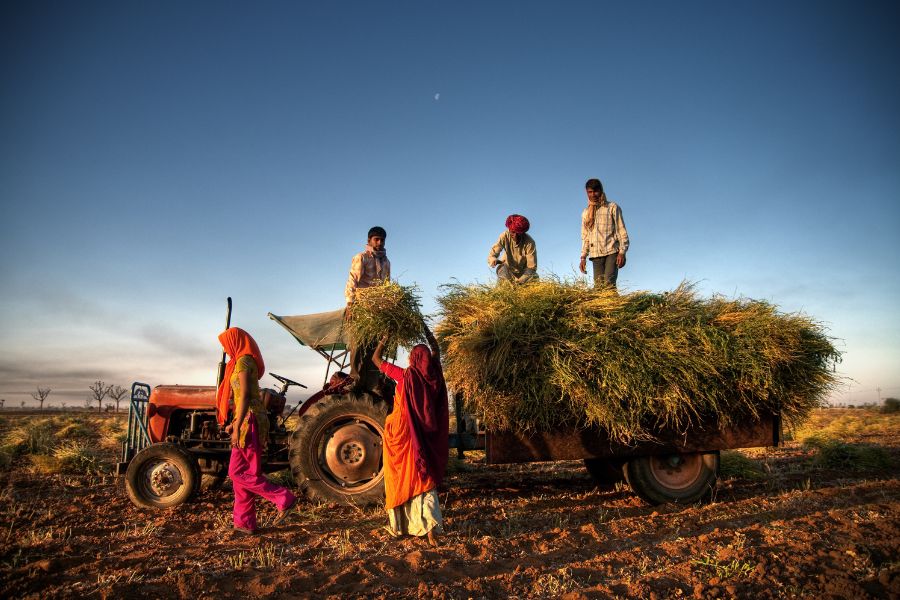
Five WTO members—the US, Argentina, Australia, Canada, and Ukraine—have flagged concerns over India’s agricultural subsidies, specifically its Market Price Support (MPS) for rice and wheat. They claim that India has underreported its support levels, with rice subsidies exceeding 87% of production value in 2021-23 and wheat support ranging from 67-75%. India reported ₹47,614.5 crore (US$ 5.73 billion) for rice and ₹64 crore (US$ 7.7 million) for wheat in 2022-23, but these countries argue that the actual support could be much higher. India defends its subsidies as crucial for food security and supporting small farmers. Five World Trade Organization (WTO) members—the U.S., Argentina, Australia, Canada, and Ukraine—have raised concerns over India’s market price support (MPS) for rice and wheat, claiming that India underreported its support levels. These nations argue that India’s domestic subsidies have inflated production values, impacting fair competition in global agricultural markets. In their recent WTO submission, these nations allege that India’s MPS for rice exceeded 87% of the production value during 2021-22 and 2022-23, while support for wheat ranged from 67-75% over the same period. They claim that India’s reported figures—₹47,614.5 crore (US$ 5.73 billion) for rice and ₹64 crore (US$ 7.7 million) for wheat in 2022-23—are significantly lower than actual support levels, which they estimate could have reached ₹3,72,846.5 crore (US$ 44.9 billion) for rice and ₹1,78,959.5 crore (US$ 21.5 billion) for wheat. The countries argue that this underreporting distorts global agricultural trade, limiting access to competitive markets for wheat and rice. Concerns over India’s agricultural support have mounted since May, when the U.S., EU, UK, and Australia highlighted an additional ₹4 trillion (US$ 48 billion) in subsidies for agricultural inputs, including power, irrigation, and fertilizers. India defends these input subsidies under Article 6.2 of the WTO Agreement on Agriculture, which grants developing countries more flexibility in providing support measures essential to their food security and agricultural stability. India has consistently argued that its policies are vital for protecting small farmers and ensuring affordable food for millions. The government states that its MPS framework, which has been in place for years, aligns with WTO provisions by supporting food security without exceeding the trade-distorting subsidy thresholds. Historical Background: 2018 WTO Dispute and Underlying Issues The ongoing WTO dispute mirrors a 2018 conflict in which the U.S. accused India of under-reporting its agricultural subsidies, specifically for rice and wheat, and argued that India’s support levels exceeded WTO limits. Key points from the 2018 dispute may continue to be relevant today. First, there was a significant discrepancy in the calculation of MPS. India reported its MPS for rice at 5.45% of production value, while the U.S. claimed it was closer to 77%, and for wheat, the U.S. estimated 65%, contrasting with India’s much lower figure. These discrepancies stemmed from different methodologies used by both countries. Another issue was the use of outdated exchange rates. The U.S. applied an old 1986-89 rate of ₹13.4 per dollar to calculate the external reference price (ERP), inflating the subsidy gap, while India used current exchange rates that reflected inflation and currency depreciation. There were also differences in the quantity of production considered. The U.S. based its calculations on India’s total production, while India only factored in the quantities it procured—around half of total production—leading to an overestimation of support. Further, India consistently argues that while developed countries rely on “green box” subsidies, which are less trade-distorting, they still distort global markets by enabling lower production costs. India’s green box subsidies accounted for only 40% of total support, compared to 88% and 85% for the U.S. and EU, respectively. Finally, India viewed the 2018 dispute as an attempt to undermine its influence at the WTO. It defended its policies as essential for food security, pointing out that the subsidies provided by wealthier nations have a more significant impact on global trade imbalances. Moreover, in early 2024, tensions rose between India and Thailand over India’s Public Stockholding (PSH) program, particularly concerning these rice subsidies. Thailand’s WTO Ambassador criticized India’s rice procurement system, alleging that it was aimed at capturing the export market rather than benefiting domestic consumers. Thailand, the second-largest rice exporter after India, was also concerned that India’s subsidies distort global food prices and hurt other countries’ food security. The WTO’s Agreement on Agriculture allows subsidies but caps them at 10% of production value for developing countries like India. However, India’s subsidies for rice exceeded this limit, leading to criticism from Thailand and other members of the Cairns Group. India had once again contested the WTO’s subsidy calculation methodology, claiming that outdated reference prices inflate the subsidy levels. Despite these issues, India continues to defend its public stockholding program, stressing the importance of food security and fair support for farmers. Additionally, the Indian government is pushing for a permanent resolution on public stockholding and MSP (Minimum Support Price) schemes at the WTO, highlighting that subsidies from developed countries are larger and further distort global trade. As the issue remains unresolved, India is exploring additional actions to safeguard its agriculture sector from WTO-imposed restrictions. This dispute highlights broader concerns regarding the future of agricultural support policies for developing countries that depend on such measures. While India argues that its policies protect domestic agriculture and support small-scale farmers, developed countries claim these measures distort trade and create unfair competition. The ongoing debate may intensify efforts to reform WTO subsidy rules to better balance food security needs with fair trade principles.

India’s crunch for health: The rise of healthy snacking
Indian consumers are increasingly opting for healthier snacks, fueling rapid growth in the segment. Emerging brands offering smaller, health-focused packs are thriving, especially in metros and smaller towns. Image Source: Pixabay India’s snacking culture is increasingly being defined by health-conscious choices that emphasize wellness alongside flavor. A stroll through any supermarket’s snack aisle reveals a wide array of options—fried, baked, grilled, air-fried, or roasted. These snacks cover categories like vegetable sticks, nuts, seeds, whole grains, multi-grains and rice crackers, and offer wide flavour options to choose from. A “root-to-fruit” approach is also gaining traction, showcasing snacks made from brinjal, banana, okra, jackfruit, potatoes, and traditional favorites like chana dal, roasted peanuts, and moong dal. This sector’s growth is driven by a rising population, higher disposable income levels, and changing consumer preferences, making India the second-fastest-growing snacking market in the Asia-Pacific region, where healthier choices are at the forefront. According to a report by market research firm IMARC Group, the Indian snacks market was valued at Rs 42,694.9 crore in 2023 and is projected to reach Rs 95,521.8 crore by 2032, with a CAGR of 9.08%. Health awareness among Indian consumers is unmistakable, with a NielsenIQ report revealing that 63% actively seek nutritious snack options, and about half check labels for nutritional value. This shift in awareness has spurred “smart snacking to grow 1.2 times faster than traditional snacks in terms of value, presenting opportunities for brands to innovate in health-focused products and leverage the consumption trend,” notes Sonika Gupta, executive director of customer success at NIQ India. Brands offering convenient single-serve packs are experiencing a 60% surge in demand, resonating strongly with consumers’ busy, on-the-go lifestyles. Health-oriented emerging brands, particularly those focusing on smaller, easy-to-carry packs, are thriving across both metropolitan and smaller towns. Geographically, this health-conscious snacking trend is most pronounced in metropolitan areas, with southern and eastern India contributing 60% of the demand. In the south, consumers prioritize healthy ingredients, while the west emphasizes nutrient-rich snacks, and the north and east show a preference for flavorful options. According to Vidya Sen, NIQ India’s customer success lead, “Metros contribute the highest to smart snacking. Growth in the smart snacking segment is also evident in rural areas and lower town classes, matching urban growth rates.” As the smart snacking market grows at 16% in value, there is, however, a slight slowdown in new product innovations. To address this, NIQ advises that the manufacturers should align their strategies with regional and demographic nuances and focus on delivering health benefits, flavor, and nutrition additions rather than omissions. The trend toward health-conscious choices also extends to consumer durables, with air fryers experiencing over 100% growth and fitness wearables rising by 59% in volume by mid-2024. The NielsenIQ study further noted that 84% of surveyed urban consumers exercise regularly to stay fit, with 48% also using fitness apps.
India’s methanol push could fuel a greener, self-reliant future
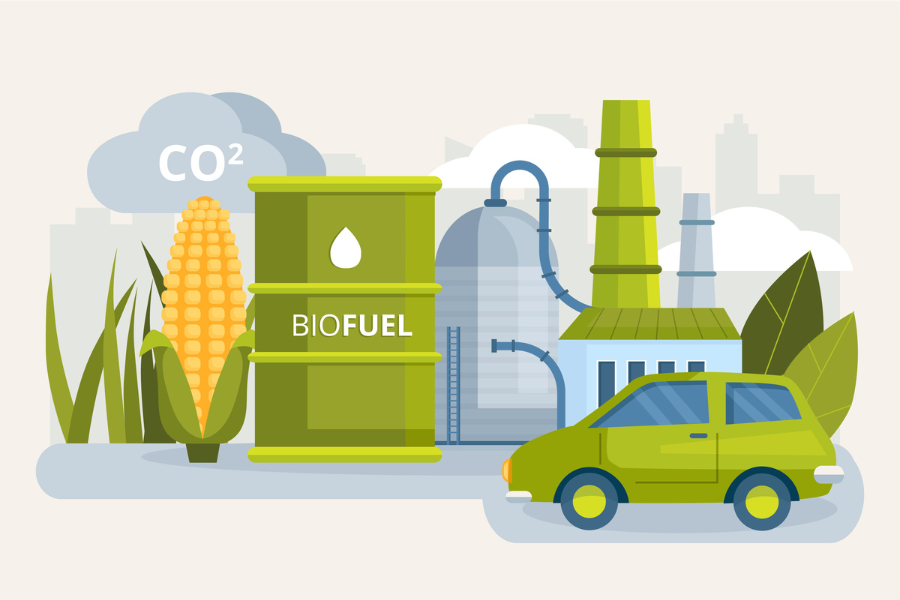
As India’s energy needs continue to rise, the country faces increasing dependence on imported fossil fuels, straining both its economy and environment. To combat these challenges, India is embracing cleaner, renewable alternatives like ethanol and methanol, aiming to reduce oil imports, cut carbon emissions, and foster sustainable economic growth. These initiatives not only address immediate energy security concerns but also create new opportunities for rural development and green job creation, setting India on a path towards a more self-reliant and sustainable future. Image Credit: Freepik India, the world’s third-largest energy consumer, is facing a critical challenge as its energy needs soar. As the country grows, so does its reliance on imported oil and gas, which not only drains foreign reserves but also creates serious risks to its energy security. By 2050, India’s share of global energy consumption is expected to double, putting even more pressure on its energy system. On top of that, this reliance on fossil fuels is driving up carbon emissions, worsening both environmental and public health problems. To tackle these issues, India is turning to cleaner energy sources. These renewable fuels are key to reducing the country’s dependence on imported oil, cutting greenhouse gas emissions, and improving air quality. By moving to biofuels, India is not just addressing its immediate energy challenges, but also working toward its long-term goal of net-zero emissions by 2070, a target set by Prime Minister Modi at the COP26 summit in Glasgow. With the right mix of government policies, technological advancements, and incentives, India is poised to lower its fossil fuel use, boost rural economies, and create millions of green jobs. India’s ethanol blending Historically reliant on oil imports, this dependency has strained foreign reserves and raised energy security concerns. Ethanol, derived primarily from sugarcane, offers a cleaner, domestically produced alternative to fossil fuels, reducing both oil imports and carbon emissions. The ethanol blending program began in 2001 as a pilot, but only in recent years, driven by key reforms, has it gained serious momentum, helping to address energy security and boost rural economies by creating income opportunities for farmers. As Dr. Kapil Narula, from the Climate Champions Team in Dubai, notes: “India is showing global leadership in clean energy transition through expanding the biofuels program. In September 2023, the Global Biofuels Alliance (GBA) was launched by Prime Minister Narendra Modi and its secretariat will now be hosted by India. The rapid rise in ethanol blending demonstrates that India is ‘walking the talk’ to decarbonize its economy.” Ethanol is a versatile biofuel used not only as an alternative fuel but also in industries like chemicals and pharmaceuticals. As India’s energy demand grows, driven by urbanization and industrialization, ethanol plays an important role in reducing reliance on fossil fuels. In 2024, ethanol makes up about 2% of the fuel used in India’s transportation sector, a figure set to rise as blending targets are met. The government has also accelerated its ethanol targets, advancing the goal of 20% ethanol blending from 2030 to 2025. By 2024, ethanol blending reached 15%, up from just 1.53% in 2013-14, marking a significant increase in a relatively short period. This progress is largely due to government policy reforms, financial incentives, and the creation of ethanol production capacity, which more than doubled in the past four years, reaching 1,623 crore litres by September 2024. The EBP program has already delivered significant benefits: it has saved over ₹1 lakh crore in foreign exchange, cut CO2 emissions by 544 lakh metric tons, and reduced crude oil consumption by 181 lakh metric tons. Not only this, it has injected economic vitality into rural areas, with the government disbursing large sums to farmers and distillers. However, in order for India to meet the target of 20% blending by 2025, India needs to produce approximately 1,700 crore litres of ethanol, a goal that will require significant scaling of production. This will be supported by continued reforms and the development of ethanol production plants. India’s ethanol program is more than just an energy security strategy- it’s a step towards a sustainable future, with far-reaching benefits for rural economies and green job creation. By pushing for higher ethanol blending, the country is not only reducing its dependence on imported oil but also establishing itself up as a leader in the global biofuel market. The success of the program highlights how a combination of forward-thinking policies, innovation, and technology can solve complex energy challenges while driving economic growth. For rural India, the impact is especially significant. Ethanol production provides farmers with a reliable market for crops like sugarcane, boosting their incomes and supporting livelihoods. As production ramps up to 1,700 crore liters by 2025, the program is expected to create millions of jobs and further integrate the agricultural and energy sectors, aligning with the government’s broader goals of economic self-reliance and rural development. Ethanol’s Challenge While the benefits of ethanol blending are clear, there are important considerations regarding its sustainability. Ethanol production relies heavily on agricultural feedstocks like sugarcane, corn, and other food crops. With India’s population increasing and climate change placing additional pressure on food production, there are concerns about diverting these crops for biofuel use. The challenge lies in balancing the demand for fuel and food. Fluctuating food prices, coupled with the possibility of crop failures due to adverse weather conditions, could affect food security. To address this, India is exploring alternative feedstocks for ethanol production, such as agricultural and forestry residues, industrial waste, and even algae. These alternatives could reduce the pressure on food crops, diversify sources of biofuel, and help ensure long-term sustainability. Niti Ayog’s Methanol Economy In parallel with the ethanol program, India is also pursuing an ambitious initiative known as the Methanol Economy. Led by NITI Aayog, the Methanol Economy seeks to replace diesel, petrol, and LPG with methanol, a versatile and cost-effective fuel produced from a variety of feedstocks, including coal, agricultural waste, and even CO2. What makes methanol particularly appealing is its ability to reduce India’s dependence on

India’s rising edible oil prices and the push for self-sufficiency
As India’s festive season unfolds, a sharp rise in edible oil prices is straining household budgets and raising costs for sectors like restaurants, hotels, and sweet shops. Last month, palm oil prices surged by 37%, with mustard oil following close behind at a 29% hike. This surge comes as retail inflation hits a nine-month peak, primarily fueled by climbing food and vegetable prices. To ease this strain, the government has raised import tariffs on crude and refined edible oils, aiming to incentivize local farmers and encourage domestic oilseed production. By supporting local agriculture, the policy seeks to stabilize prices long-term and reduce the country’s dependence on costly imports. Image Source: Pixabay During the current festive season, edible oil prices have soared, placing immense strain on household budgets and increasing costs for restaurants, hotels, and sweet shops that rely heavily on these oils. According to the Times of India, palm oil prices alone have surged by 37% in the past month, while mustard oil, a household staple, has seen a 29% price hike over the same period. This spike in oil prices comes amid retail inflation hitting a nine-month high of 5.5% in September, primarily driven by rising vegetable and food costs. This rise in prices reflects a deeper trend in India’s edible oil consumption. As per Prof. Venkateshwar from IIM Mumbai, “India has witnessed a dramatic rise in consumption of edible oils, from 17.70 kg per year in 2020 to 19.7 kg per year in 2023.” This increased demand has far outpaced domestic production, heightening India’s reliance on imports to satisfy both consumer and industrial needs. Despite significant growth in the area under cultivation over the last decade, the country continues to rely heavily on imports due to the challenges of low-yielding oilseeds and conventional farming methods, adds Prof. Venkateshwar. Compounding these pressures, the kharif oilseed crops (June to October) are facing challenges this season. Soybean, the largest kharif oilseed, has been sown across over 12.5 million hectares—just above last year’s coverage. However, key production regions such as Madhya Pradesh and Maharashtra have experienced prolonged dry spells, impacting yield prospects. Groundnut crops in Gujarat and Karnataka are similarly struggling due to erratic rainfall. According to Gro Intelligence, a US-based agricultural data firm, similar conditions in 2017 led to a 24% decline in soybean production. Edible Oil Imports India’s edible oil imports witnessed a substantial increase of nearly 25% in 2022, reaching an import value of US$ 21.4 billion, up from US$ 17.2 billion in 2021. Palm oil remains the most imported edible oil, accounting for a significant 53% of total imports, followed by soybean oil at 24% and sunflower oil at 21%. This surge reflects rising domestic demand and the ongoing reliance on imports to meet the needs of one of the world’s largest edible oil markets. The increased import volume underscores the need for further investment in domestic oilseed production to reduce import dependency. Drivers of High Imports According to Prof. Mridul from IIM Kozhikode, “Technological constraints along with weather-related disruptions like droughts, affect the cultivation of oilseeds and increase its imports. We need to encourage technological breakthroughs, drip irrigation, and optimal water management for the crops in the oilseed sectors.” This observation highlights the key challenges facing India’s domestic oilseed production. Despite the country’s efforts to increase cultivation, various factors, both structural and technological, are holding back the sector from meeting its growing demand. As a result, India’s reliance on imported edible oils continues to rise. The main drivers behind these high imports are as follows: Low Production: Farmers are hesitant to cultivate oilseeds due to the challenges posed by low-cost edible oil imports, which make it difficult for them to compete effectively in the market. Domestically produced oils like soya bean, mustard, and groundnut fulfill only 40% of the country’s demand. Additionally, the lack of robust price support mechanisms further discourages them from growing these crops, leaving them uncertain about the financial viability of oilseed farming. High Demand: The demand for edible oils has surged, driven by factors such as rapid urbanization, a growing population, and rising income levels. As more people move to urban areas and have higher purchasing power, the consumption of edible oils has steadily increased, reflecting these socioeconomic shifts. Low Oilseed Productivity: In India, oilseed productivity is significantly low, at less than half the global average of about one tonne per hectare. This gap is primarily due to limited access to advanced seed technology, which hinders farmers from maximizing their crop yields. Traditional Farming Technology: The use of traditional farming methods by many farmers significantly affects productivity levels. These conventional practices often rely on outdated tools and techniques, limiting the potential for higher crop yields. Government’s Support to Farmers Last month, the government significantly raised import duties on crude soybean, palm, and sunflower oils, a move intended to increase the cost of imported edible oils and encourage domestic farmers to produce more oilseeds. The duty on crude oils has risen from 5.5% to 27.5%, and on refined oils from 13.7% to 35.7%, effective since September 14. This adjustment aims to support local agriculture by providing favorable prices for Indian farmers and incentivizing greater oilseed cultivation. Currently, India relies on imports for about 58% of its edible oil needs, positioning it as the world’s second-largest consumer and largest importer of vegetable oils. With recent global price increases of around 10.6%, 16.8%, and 12.3% for crude palm, soybean, and sunflower oils respectively, the government’s policy seeks to create a competitive market for local producers. By prioritizing domestic production, this strategy aims to mitigate the impact of rising international prices, reduce import dependence, and help stabilize local edible oil prices. Ultimately, this approach is expected to make oilseed cultivation a more viable and profitable option for farmers, supporting them as they face global market pressures. According to Professor Mridul, this policy shift offers temporary protection and import substitution opportunities for domestic farmers. However, he suggests additional measures, such as establishing floor prices to shield farmers