India’s wearable market saw its first decline in Q2 2024, with a 10% drop in shipments largely due to inventory issues and limited innovation. Smartwatches experienced the steepest fall, down 27.4% year-on-year, as oversupply and lack of new features reduced demand. India’s wearable market has hit its first-ever decline, according to the International Data Corporation (IDC), showing a 10% year-on-year decrease to 29.5 million devices in Q2 2024. The smartwatch segment has been particularly affected, with sales dropping a sharp 27.4% annually to 9.3 million units. IDC attributes this downturn to a range of challenges, notably an oversupply of inventory and a lack of substantial innovation that would otherwise drive consumer demand. This report marks a pivotal shift in the wearables market, breaking its consistent growth trend. In the smartwatch category, which was previously the growth leader, market share has dropped significantly—from 39% of the total wearables market in Q2 2023 to just 31.5% this year. Analysts suggest that the market’s downturn reflects a disconnect between consumer expectations and industry offerings; outdated models with fewer new features have failed to maintain consumer interest, leading to a surplus of unsold stock and impacting overall market growth. Industry leaders and analysts also note that while audio wearables, like wireless earphones and headsets, continued to see moderate growth, largely supported by affordable options, the smartwatch category was severely impacted. This has led India’s leading wearable brand, Boat, to consider exiting the smartwatch segment altogether. The festive season, typically a high point for consumer electronics, failed to uplift the sector this year, with its underwhelming performance now visible in the financial results of major brands. Boat, backed by Warburg Pincus, saw its revenue slip in FY24 even as it managed to reduce losses by 48%. Meanwhile, competitor Boult saw its revenue grow 40% to nearly Rs 700 crore in FY24, but profits were halved due to increased investments aimed at driving growth. In FY24, Boat experienced a 5% revenue drop to Rs 3,122 crore, although it reduced net losses by nearly half, settling at Rs 70.8 crore. Boult’s revenue gains were driven by new category expansion and an increased focus on offline sales channels. As Boult’s founder and CEO, Varun Gupta, explained to ET, “As we engage in many new activities – like scaling up a completely new category, smartwatches, which was a degrowing category but one we managed to grow – the bottom line naturally shrinks.” To support these efforts, the company invested Rs 162 crore in marketing in FY24, a substantial 74% increase from FY23, primarily to fuel its offline retail strategy. “During this festive period, India’s smartwatch sales have remained sluggish, extending the downward trend from the previous quarter,” noted Anshika Jain, senior research analyst at Counterpoint, stated to ET. Jain anticipates a double-digit annual decline for the category due to “limited discounts and changing consumer behaviour.” She also foresees a 30% reduction in smartwatch shipments for the September quarter, adding that “Consumers are not replacing smartwatches as quickly as the industry had anticipated,” resulting in inventory pileups. However, premium smartwatches are faring better, with models from Samsung and Apple—particularly older ones with discounts—showing growth potential in this segment. Audio wearables, on the other hand, have seen steady demand as companies introduce advanced features like active noise cancellation in products priced below Rs 2,000, appealing to price-sensitive customers, according to an anonymous Gurgaon-based industry executive. In the true wireless audio segment, Boult recorded a 25% growth, making it the company’s largest category. Its expanding footprint, now spanning over 2,000 retail outlets, has also contributed to growth. “Apart from organic growth in our core audio portfolio with key marketplaces, this year will also include quick commerce, which is helping us increase the pie size, making it an additional source of revenue for us,” Gupta noted. Counterpoint’s Jain also confirmed the growth in the true wireless audio market, with shipments through quick commerce channels doubling sequentially in the September quarter, representing a remarkable 10-fold increase year-over-year.

FroGo: Disrupting frozen food delivery
In the new edition of our Food Frontiers episode, we engaged in a conversation with Ms. Mira Jhala, who is the founder and CEO of FroGo, a pioneering online frozen food delivery service company. FroGo has quickly made a name for itself in the competitive frozen food market by offering a diverse range of products, including ready-to-eat meals, snacks, and meal kits. She is steering FroGo towards significant growth in the food tech industry Under her leadership, FroGo focuses on enhancing convenience and quality in the frozen food segments. In this podcast, we discussed her journey, the challenges and triumphs of running a food tech startup, the frozen industry trend and potential, customer behaviour, cold chain management, and her vision for the future of FroGo. IBT: FroGo aims to redefine the frozen food market in India. Can you elaborate on your vision for the company and what motivated you to start this venture in the frozen food industry? Mira Jhala: I have spent my entire career in business, and I have seen a steady exposure to frozen foods in the supermarket as well as in the retail market. 2009 is when I started my first business in India to have a consistent taste and focus on quality. The rise in frozen foods is attributed to their cleanliness and convenience, as frozen freezing is the cleanest form of preservation. Micronutrients are preserved intact, making it a viable option for businesses. The industry is currently growing at a 17% CAGR and is worth 50,000 crore. Consumers are increasingly recognising the variety, convenience, and instant accessibility of frozen food. Research indicates that about 30% of an urban Indian consumer’s grocery basket will come from the frozen category in the next five years. This indicates a growing demand for frozen food. However, consumers are increasingly seeking variety, convenience, and instant access to frozen food, making it a viable option for businesses. FroGo is working to provide a better experience for consumers, ensuring a consistent taste and quality in the frozen food industry. IBT: Given the challenges often associated with frozen food delivery, how does FroGo ensure a seamless and satisfactory customer experience from order to delivery? Mira Jhala: In the frozen food supply chain’s entire ecosystem, we can divide that into three parts. The first part is a production, which happens in a factory, from a factory to a warehouse; this movement of frozen foods is called the first mile. Then from the warehouse to a dark store or to a retail store, it is called mid-mile, and then from a dark store to an end consumer, or dark or a retail store to the end user, it is called last-mile. The first mile involves the movement of frozen foods from a factory to a warehouse, where products are stored at negative 25 degrees. Transporters and logistics players play a significant role in this process. Frozen Go offers brands integrated services of warehousing and logistics, providing them with temperature data loggers for real-time temperature monitoring. IBT: What do you consider to be FroGo’s unique selling propositions that set it apart from competitors in the frozen food market? How do these elements reflect in your product offerings? Mira Jhala: The frozen food industry is experiencing 17% growth YoY, driven by customer demand and innovative products. However, there is a gap in distribution, requiring a reliable and transparent way for frozen food brands to reach consumers. FroGo addresses this by offering a vast, specialised dark store network for frozen foods, fully integrated with aggregator platforms, marketplaces, and e-commerce websites. This allows brands to reach a larger customer base and reach new geographies. Frog serves as a dark store service for frozen food and other food brands, organising the unorganised sector and helping small businesses scale up. FroGo’s customers include not only New Age brands, D to C brands, but also large established Fortune 500 companies that require distribution for their products. FroGo’s approach addresses the challenge of missing the distribution link between demand and supply by providing a fully integrated virtual store, specialised infrastructure, and distribution to newer geographies and a larger customer base. This approach helps Kroger address the gap in the frozen food industry and ensures a seamless and efficient distribution system for its customers. IBT: Cold chain management is crucial for maintaining product quality in frozen food. Could you elaborate on the measures that FroGo has implemented to ensure effective temperature control throughout the supply chain? Mira Jhala: The supply chain is ensuring products are maintained at a temperature of negative 18 degrees, with real-time temperature logging being implemented. This technology gets updated every 15 minutes and provides transparency to customers and brands, ensuring their products are stored at the correct temperature. IoT temperature loggers and data loggers are used in logistics, warehouses, and dark stores, ensuring the products are stored at the correct temperature. IBT: What current trends in the frozen food industry have you observed, and how is FroGo adapting to these trends to meet changing consumer demands? Mira Jhala: Today’s consumers demand convenience over everything else, and quick commerce has become a significant factor in this demand. Frozen food, in particular, fits this need. Frozen food brands can now choose between 30 and 90 minute delivery from the micromarket, allowing them to reach a wider customer base and control their products and offers. Frozen foods have a large segment of ice cream brands, which leverage the network of dark stores to serve a variety of products. Other categories include snacks, kebabs, fruits and vegetables, chilled products, dairy products, dairy-based beverages, juices, ambient products, and nutrition-based products. Frozen food companies can leverage the dark store network to reach their customers quickly, including gifting during the festive season. This includes food, gift packs, chocolates, and mint highs sold through the network. As Diwali approaches, many businesses are expected to join the dark store network, allowing them to reach a wider customer base and generate demand. IBT: How important is sustainability in

India launches its first private military aircraft facility
India inaugurated its first private military aircraft manufacturing facility, the C295 Final Assembly Line in Vadodara, Gujarat, a collaboration between Tata Advanced Systems Limited (TASL) and Airbus to produce 56 aircraft for the Indian Air Force. Attended by Indian and Spanish leaders, the facility aligns with India’s self-reliance goals, fostering local job creation and aerospace expertise while positioning Vadodara as a strategic hub in both defence and civil aviation manufacturing. Image Source: Adobe Tata Advanced Systems Limited (TASL) and Airbus recently inaugurated India’s first private-sector military aircraft manufacturing facility, the C295 Final Assembly Line (FAL) complex in Vadodara, Gujarat. This landmark initiative will produce 56 C295 aircraft for the Indian Air Force (IAF), with 40 assembled in India and 16 delivered from Spain fully built. Indian Prime Minister Narendra Modi and Spanish Prime Minister Pedro Sánchez Pérez-Castejón led the inauguration on October 28, 2024. Tata Sons Chairman N Chandrasekaran and Airbus Defence and Space CEO Michael Schoellhorn were also in attendance, reflecting the strong partnership between India and Spain in advancing defence manufacturing. Prime Minister Modi highlighted the facility’s role in advancing “AatmaNirbhar Bharat,” or a self-reliant India, calling the C295 complex “a reflection of New India’s work culture.” He praised the TASL-Airbus collaboration as a testament to India’s growing capability for domestic innovation. The FAL complex represents a new era for India’s private sector in the global aerospace industry. Modi noted the rapid progress from foundation stone in October 2022 to completion, underscoring India’s commitment to swift execution. He also drew parallels with Vadodara’s Bombardier Train Coach facility, which has become a metro coach export hub, envisioning a similar future for the C295 complex. This project has engaged 37 Indian suppliers and certified 21 specialized processes to support production, creating a robust local supply chain, with a potential to create jobs and develop advanced technical skills within India, marking a move from assembly to high-tech manufacturing. PM Modi highlighted the country’s shift from import dependency to a thriving domestic defence industry. Strategic reforms have spurred private sector participation, improved efficiency in public units, and established new defence corridors. India’s defence exports now reach over 100 countries, growing 30-fold in the past decade. The Prime Minister’s vision extends beyond military production to civil aviation. With India’s regional air connectivity expanding and significant investment in Maintenance, Repair, and Overhaul (MRO) facilities, the country is poised to become a future hub for civil aircraft production. Indian airlines have ordered over 1,200 new aircraft, and Modi expressed confidence that the C295 complex would support civil aviation manufacturing for both domestic and global markets. Vadodara’s strong industrial base and MSME network make it a strategic location for the FAL. Modi noted the city’s contributions across various industries and Gatishakti University’s role in developing skilled professionals for local economic growth. Quoting Spanish poet Antonio Machado, Modi expressed optimism for future India-Spain joint projects and invited Spanish businesses to explore partnerships in India. The Tata Aircraft complex in Vadodara represents a significant leap forward for India’s aerospace capabilities, with the first indigenously manufactured C-295 aircraft set to be delivered in 2026. Tata Sons Chairman N Chandrasekaran’s announcement underscores the commitment to advancing domestic production and innovation in military aviation.

Solar rooftop capacity jumps 50% in 6 months
Nearly 400,000 new residential rooftop solar connections have collectively added 1.8 GW in capacity, taking India’s residential rooftop capacity to 3.2 GW, or 27% of the nation’s total 11.9 GW rooftop capacity as of March 2024. The commercial and industrial sectors account for around 60% of this capacity. The PM Suryaghar Muft Bijlee Yojana, launched in February, has boosted India’s rooftop solar capacity by over 50% in six months. As per a report by JMK Research and Analytics, nearly 400,000 new residential rooftop solar connections have added 1.8 GW in capacity, taking India’s residential rooftop capacity to 3.2 GW, or 27% of the nation’s total 11.9 GW rooftop capacity as of March 2024. The commercial and industrial sectors account for around 60% of this capacity. The scheme, introduced in the Union Government’s interim Budget presented on February 1, aims to provide free electricity to 1 crore households through rooftop solar systems. With a total outlay of Rs. 75,021 crore, the scheme aims to tackle high installation costs by increasing subsidies for solar modules from 40% to 60% and offering loans at a 7% minimum interest rate, making rooftop solar more accessible to households. The initiative targets an increase in residential rooftop solar capacity to 30 GW by 2027, requiring an annual addition of 8-10 GW from FY25-FY27. According to the report, “The surge in consumer interest is supported by improved financing availability and enabling regulatory and implementation support from state regulators. Almost every state in India provides net metering to residential customers installing rooftop solar systems.” Experts consider the outlook promising, driven by increased government support, declining module costs, and rising consumer awareness. However, despite the optimism, challenges remain. India’s limited domestic production of photovoltaic (PV) modules may constrain the availability of required components. Adoption may also be hindered by economic factors, as the scheme primarily benefits wealthier, creditworthy households, potentially limiting reach among smaller electricity consumers. High transportation costs for panels in remote areas, such as northeastern states and islands (including Lakshadweep and Andaman & Nicobar), further complicate expansion. Analysts suggest the full impact of the scheme will become evident only after one year.
Fresh milk, fresh ideas: The Sid’s Farm experience
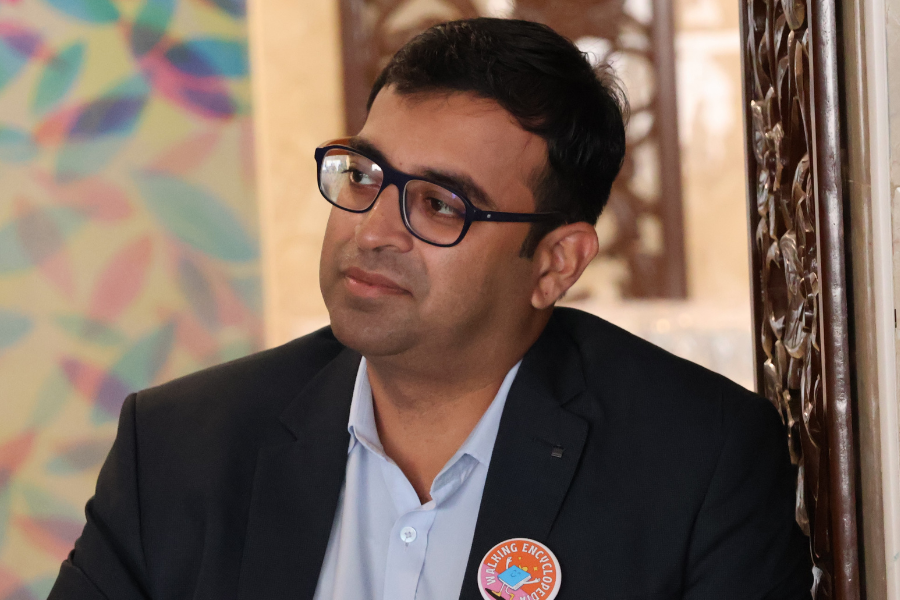
Tamal Chatterjee, Chief Growth Officer at Sid’s Farm, brings over two decades of marketing expertise. He leads the company’s inorganic growth, M&A strategies, and non-D2C revenue channels, significantly driving business growth and brand awareness. With a deep understanding of consumer behavior, Tamal has positioned Sid’s Farm as a leader in the dairy and organic foods segment. His diverse experience covers Dairy, B2B eCommerce, and Consumer Durables, with a focus on customer-centric strategies and sustainability. Holding a degree in Psychology from Christ University and a Micro Masters in Marketing from IIM-Bangalore, Tamal previously held leadership roles in dairy and agri-digital companies. At Sid’s Farm, he has expanded the brand’s domestic and offshore presence, launching innovative, tech-driven products while upholding ethical business practices. IBT: What factors are currently driving the global demand for dairy products? Tamal Chatterjee: The global demand for dairy is on the rise for several reasons. Health-conscious consumers are increasingly looking for natural sources of nutrition, and dairy fits right into that. Additionally, in many developing countries, the growing middle class has more disposable income, which is boosting dairy consumption. We’re also seeing a surge in interest in functional and fortified dairy products—people want foods that offer additional health benefits. Convenience plays a big role too, with ready-to-eat dairy options gaining popularity. Another key factor is the rising focus on proteins in diets, which has renewed interest in dairy consumption worldwide. IBT: What challenges does India face in dairy production, particularly regarding productivity per cow? How can these issues be addressed, and what’s the future for hybrid breeds? Tamal Chatterjee: India’s dairy sector faces several challenges, especially in terms of low productivity per cow. This often comes down to poor nutrition and the widespread use of low-yielding breeds. To improve this, we need to focus on better feed management and look at adopting high-yielding hybrid breeds. These hybrids have the potential to significantly boost milk production, but they also need to be carefully managed to adapt to India’s varied climates. At Sid’s Farm, we emphasize sustainable practices, upgrading infrastructure, and educating farmers to make a real difference. Back when Dr. Kurien started the White Revolution, the goal was to address the issue of milk quantity. We’ve made significant strides there, but now, as global leaders in milk production, the next revolution should focus on enhancing the yield of our native breeds. Work is being done in this area, and I’m excited to see how innovation continues to shape the future of Indian dairy. IBT: What are the main barriers to India’s dairy exports, particularly when it comes to Maximum Residue Limits (MRL)? How can these challenges be overcome? Tamal Chatterjee: Honestly, I don’t see MRL as a huge obstacle. In fact, many Indian brands are already doing remarkable work in exporting dairy products to international markets. Yes, the rules are stringent, but that just shows we’re capable of producing high-quality products that meet global standards. If there’s any real barrier, it’s probably a lack of awareness or maybe even fear of venturing into foreign markets. With the right incentives and a bit more awareness, I’m confident we’ll see more Indian brands stepping up and exploring export opportunities. IBT: How is agri-processing and agritech currently being used to improve dairy farming practices? What impact is the packaging industry having on this transformation? Tamal Chatterjee: Agri-processing and agritech are absolutely revolutionizing dairy farming. We’re seeing improvements in efficiency and product quality that were unimaginable a few years ago. Technology is helping farmers manage feed more effectively, monitor the health of their herds, and improve overall milk yields. On the processing side, innovations are helping preserve the freshness of dairy products for longer periods. Advanced packaging plays a crucial role here, extending shelf life and ensuring that quality is maintained throughout transportation. This integration of technology and smart packaging is enabling the dairy industry to meet rising consumer demands for safe, nutritious, and fresh products. IBT: What emerging technologies are transforming the dairy sector, and how are they benefiting farmers? Tamal Chatterjee: The new technologies coming into the dairy sector are really exciting. For instance, automated milking systems are saving farmers time and improving milk yields. Precision feeding systems ensure cows get exactly the nutrients they need, and health-monitoring wearables are allowing farmers to detect issues early, which cuts down on veterinary costs and improves the overall health of the herd. These innovations are boosting efficiency and productivity, which in turn makes dairy farming more profitable and sustainable. And it’s not just the small innovations—IoT, drones, and even sorted semen for cattle insemination are becoming game-changers for large-scale farms, making the industry more lucrative for both farmers and dairy brands alike. IBT: How is Sid’s Farm approaching the dairy market opportunity? Tamal Chatterjee: At Sid’s Farm, we’re taking a holistic approach to transform the dairy space. One of our key differentiators is that we source milk directly from local farmers. This ensures that our milk is fresher, and it helps build a close connection with the farming community. We’re committed to supporting farmers by offering fair prices and helping them with the resources they need. We also make extensive use of technology, whether it’s to monitor the health of the cows or to streamline delivery logistics. This helps us maintain high standards while improving efficiency. Sustainability is another big focus for us—we manage waste responsibly, treat our animals humanely, and run initiatives like “Pick My Plastic,” where we collect our product packets from customers for recycling. This approach really resonates with consumers who care about the environment. Another thing that sets us apart is how we engage with our customers. We invite them to visit our farms, host community events, and educate them on ethical dairying practices. This personal touch builds trust and loyalty—people know where their milk comes from, and they feel connected to our process. In terms of product quality, we conduct over 10,000 tests daily to ensure every batch of milk is free from contaminants, synthetic hormones, and

Global carbon black market expected to reach $42 bn by 2032
The global carbon black market is set for significant growth, projected to rise from around US$ 28 billion in 2023 to US$ 42 billion by 2032. This expansion is largely driven by increasing demand across various industries, especially in the Asia-Pacific region, which holds a major share of the market. Carbon black is essential in applications such as tire manufacturing, inks, coatings, and plastics, where it enhances product performance and durability. As emerging markets like India strengthen their presence and global trends shift toward eco-friendly solutions, the carbon black industry is positioned for a promising future. Image Credit: Freepik The global carbon black market is poised for significant growth, projected to expand from approximately US$ 28 billion in 2023 to US$ 42 billion by 2032. This marks a robust increase driven by accelerating demand, particularly in the Asia-Pacific region, which currently dominates the market with a share of about 57.84%. According to the Asia-Pacific Carbon Black Confederation (APCBC), the industry is set to witness a compound annual growth rate (CAGR) of 4.6% during this period. Carbon black, primarily produced from the thermal decomposition of heavy petroleum materials, plays a crucial role in various applications due to its unique properties. It serves as a vital reinforcement agent in tire manufacturing, enhancing endurance, wear resistance, and tensile strength. The tire industry is anticipated to invest US$ 27.3 billion globally between 2023 and 2028, with India contributing around US$ 1 billion through new projects. This investment highlights the increasing reliance on carbon black to meet the growing demand for tires, particularly in emerging markets. In addition to tires, carbon black finds extensive use in inks, coatings, plastics, and battery electrodes. Its pigmenting capabilities, UV protection, and thermal conductivity make it an essential component in these industries. The rising demand for specialty grades in inks and toners further pushes the market, especially in regions like the United States, where the carbon black market is expected to reach US$ 5.38 billion by 2032. Emerging economies, especially India, are becoming key players in the carbon black sector. As the country increases its exports to the European Union and North America, it fills the void left by reduced Russian carbon black supplies. This shift not only boosts India’s market presence but also highlights the global nature of the carbon black supply chain. The growing demand for carbon black is also influenced by its applications in the plastic industry. Carbon black acts as a conductive filler, pigment, and reinforcing agent in various plastic products, such as industrial bags, pipes, and films. Its antistatic properties, coupled with thermal conductivity and high strength, make it an attractive choice for manufacturers. Moreover, its role as a UV light absorber protects plastics from discoloration and degradation, further driving its consumption. The electronics sector adds another layer to carbon black’s market potential. With black being the preferred color for many electronic devices, carbon black is widely used in products such as computers, televisions, and smartphones. This trend bolsters the demand for carbon black, as manufacturers seek to enhance both the aesthetic and functional qualities of their products. As the carbon black industry evolves, advancements in production technology and the shift towards eco-friendly tires are noteworthy trends. Companies are increasingly focusing on developing performance tires that meet stringent environmental regulations while maintaining high standards of safety and efficiency. This transition underscores the industry’s commitment to sustainability while catering to the growing consumer demand for environmentally responsible products. The global carbon black market stands at the doorway of substantial growth, driven by diverse applications across multiple industries. The tire sector remains a key driver, complemented by rising demand in plastics, inks, and electronics. As emerging markets like India strengthen their position and the industry embraces technological advancements, the future of the carbon black market appears robust and promising. The anticipated growth offers substantial opportunities for stakeholders, underscoring the importance of this versatile material in a variety of applications worldwide.
Smart dining with self-service technology
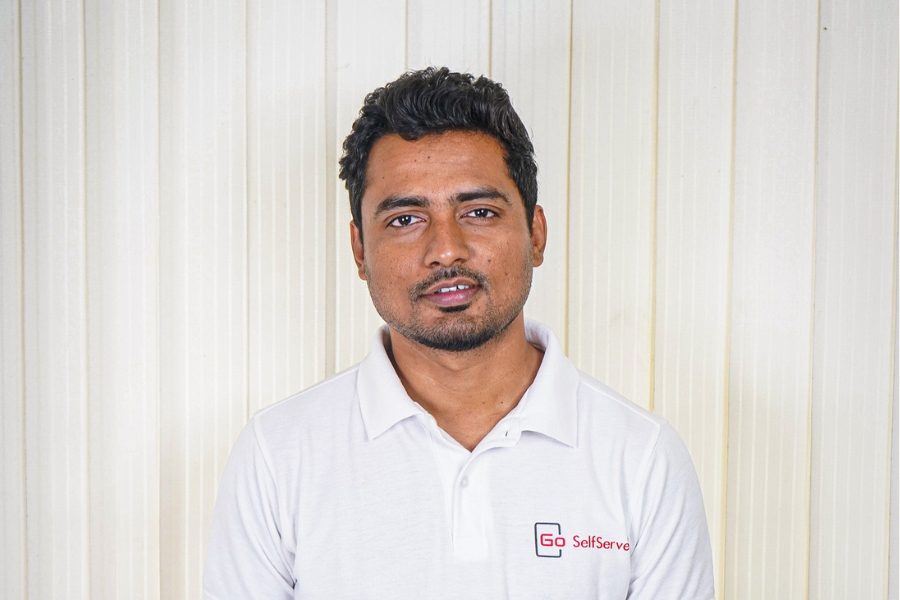
In this latest edition of the Food Frontiers podcast, India Business and Trade welcomes Chetan Patil, co-founder and Chief Technology Officer of GoSelfServe. GoSelfServe is serving the quick service restaurant (QSR) industry with AI-powered self-service kiosk solutions. These kiosks enable customers to browse menus, customise orders, and process payments, streamlining operations, reducing wait times, and enhancing customer satisfaction. This episode aims to provide insights into how these innovations are shaping dining experiences, making them more convenient and efficient for customers and restaurant operators. In this discussion, we delved into Mr. Patil’s journey in developing self-service solutions, challenges he faced, technological advancements that have pushed GoSelfServe to the forefront, and his vision for the future of food service technologies. IBT: Could you please share the journey of GoSelfServe becoming a player in the self-service solutions industry, particularly in helping QSR in India? Chetan Patil: The company began with a mission to enhance customer experience in various outlets, including restaurants, showrooms, and banks. We realised a significant demand for self-service technology in India and found no proper solution from vendors or providers. As co-founders with an electronics background, we developed our own hardware and interactive hardware, which were sold to various locations. We found out that people were looking for a complete solution, including hardware and software combined with service. We focused on building software that accommodated all self-service features. Three years ago, we launched our own self-service solution for restaurants. Initially, we sold hardware outright and software as a subscription. However, after listening to customer feedback, we realised that most restaurants couldn’t afford hardware upfront. We decided to merge hardware and software, offering it as a subscription model. This marked the beginning of our journey in self-service technology, starting with restaurants three years ago in 2021. IBT: As a provider of self-service solutions, what specific services does GoSelfServe offer to businesses in India looking to improve their operations and customer experiences? Chetan Patil: The company offers a comprehensive self-service software suite, including interactive digital signage and self-service software. This suite can be used in various sectors, such as corporate offices, retail showrooms, and restaurants, where customers can easily access live menus and self-service features. For instance, a restaurant can use a digital money board, advertising display software, and self-ordering QS solutions. This suite can also be used in retail stores and banks, where it serves as a digital notice board and a scan and learn tool for retail showrooms. The interactive solutions allow customers to browse the digital catalogue and access information about products and services. The company has bundled this suite as a self-service software suite, ensuring that all customer touch points can be digitised in a single umbrella. IBT: What are some of the main challenges that businesses in India face when implementing self-service solutions, and how does GoSelfServe address these challenges with its tailored offerings? Chetan Patil: Self-service technology, a decade old, has not been widely adopted in India due to factors such as lack of hardware suppliers, a focus on software, and lack of hardware domain expertise. To address these challenges, the company has combined software and hardware services into an affordable subscription model, allowing small restaurants to try the technology for a few months before returning if it fails. To mitigate the challenges faced by people adopting self-service technology, the company offers a lifetime warranty on the solution, treating it as an IoT device. This ensures that there is no worry about hardware and software breakdowns, and the focus is on maintaining the restaurant rather than the kiosk. This approach allows restaurants to focus on maintaining their establishments without worrying about initial capital investment. Overall, the company’s approach aims to provide a comprehensive solution for self-service technology adoption in India. IBT: How does GoSelfServe stand out from traditional service providers in India, especially in terms of affordability, efficiency, and flexibility to meet different business needs? Chetan Patil: The company offers affordable self-service kiosks in subscription options, catering to small and large chains. The hardware configuration costs around a lakh rupees, making it more accessible for smaller restaurants. The subscriptions are either six months or a year, allowing customers to try the technology before committing. Most restaurants continue to use the kiosks after three years, even for early adopters. The kiosks have enhanced operational efficiency, with most restaurant partners seeing a 10% increase in revenue due to digital menu photographs on the screen. Customers are also satisfied with the self-service and contactless technology, as they can browse and order without human interaction. These flexible ways of using self-service technology are proving useful and adaptable for customers. IBT: Looking forward, what role does GoSelfServe see itself playing in shaping the future of self-service solutions in India, and what factors are driving growth in the industry? Chetan Patil: The company is focussing on enhancing customer experience and operational efficiency in India. We are setting a trend in self-service technology with unique features, such as sensors that switch from customer to admin mode when opened with a lock. These features are crucial for small restaurants, as the operators are often not tech-savvy and not educated. The company aims to make the kiosk easy to use, allowing customers to adapt. The company also highlights the growing trend of self-service kiosks in India, driven by factors such as low labour shortages, high wages, and customers preferring self-service and human-less interactions. IBT: Given the importance of technology standards and data security, how does GoSelfServe ensure compliance with regulations and standards in India, and what are your thoughts on recent technological advancements affecting self-service solutions? Chetan Patil: The company strictly adheres to the Indian IT Act and compliances, ensuring customer information is safeguarded during transactions, storage, and processing. We store all customer and client data in India, with data centres in the country. Kiosks are connected to the cloud using a secured transport layer and their own VPN, virtual private networks, to prevent misuse. To prevent nuisance or unauthorised content, the company has

Study supports viability of green hydrogen in refineries
A study by ICF, a World Bank arm, presented to PNGRB, shows that replacing grey hydrogen with green hydrogen at refineries would have minimal impact on consumer fuel prices. Even a 50% green hydrogen mandate would raise prices by just 2.5%. The report also highlights the feasibility of blending hydrogen into natural gas pipelines and suggests dedicated hydrogen infrastructure as a cost-effective solution for higher blends, supporting India’s clean energy transition. Image credit: Freepik A recent study by ICF, (a World Bank arm) presented to the Petroleum and Natural Gas Regulatory Board (PNGRB), suggests that replacing grey hydrogen with green hydrogen at refineries will have minimal impact on consumer fuel prices. The study explores potential mandates ranging from 5% to 100% green hydrogen usage, highlighting that even a 50% blending mandate would raise fuel prices by only 2.5%. A smaller 10% mandate would increase prices by just 0.5%. These calculations assume natural gas prices at USD 2/mmbtu, green hydrogen at ₹380 per kg, and crude oil at USD 80 per barrel. Refineries, which primarily use hydrogen to remove sulfur from fuel, are the largest domestic hydrogen consumers, followed by fertilizer producers. The government has debated a 25% green hydrogen mandate by 2030 but has not implemented it due to resistance from refineries. They argue that such a mandate would render their recent investments in grey hydrogen facilities redundant and lead to higher consumer prices. However, the study’s findings suggest these concerns may be overstated, given the minimal impact on final fuel costs. The report also assesses the feasibility of blending hydrogen into natural gas pipelines. It finds that up to 2% hydrogen blending is achievable with minimal changes, while a 10% blend is technically possible but requires case-by-case analysis. Beyond 10%, blending becomes challenging, as it demands significant system upgrades. The study suggests that developing dedicated hydrogen pipelines and infrastructure could be more cost-effective than pursuing higher blending levels in existing pipelines. The study underscores the potential of green hydrogen mandates to promote clean energy without burdening consumers, providing a viable policy option for India’s energy transition.

Empowering Farmers: Agrivijay’s vision for Renewable Energy in agriculture
In this episode of Food Frontiers we interview Vimal Panjwani, founder of AgriVijay, wherein he delves into his inspiring journey from a successful corporate career to pioneering agritech solutions. Vimal discusses the challenges faced by farmers in India, particularly in adopting renewable energy technologies, and highlights the importance of creating a comprehensive platform that simplifies access to these solutions. He shares insights on the immediate benefits of renewable energy adoption, including increased savings and reduced greenhouse gas emissions, while outlining his ambitious vision for expanding AgriVijay’s impact. Vimal also offers invaluable advice for aspiring agritech entrepreneurs, emphasizing resilience and a commitment to addressing the needs of rural communities. IBT: I would like to hear from your own words, how or what inspired you to create AgriBijay, a brief of your background for the benefit of the audience and what gap did you see in the market, which inspired you to start this venture? Vimal Panjwani: My journey in the agritech sector began in 2015 when I transitioned from a successful corporate career with Bisleri and ICICI Bank to the startup ecosystem. I co-founded AgriBolo, DharmaLife, Ugao.com, and SystemR.Bio, building brands that achieved notable success. As I gained experience in agritech, I entered the renewable energy space through Systema.bio and Dharma Life, where I recognized the potential of biogas and solar technologies for farmers and rural households. I noticed that most solutions focused on a single problem, like biogas, but there was no comprehensive platform for renewable and green energy products tailored for farmers. Both biogas and solar energy can significantly increase savings and income, yet there was a lack of accessibility and education around these solutions. This realization led to the idea of creating a platform for renewable energy products. We aimed not just to sell products through a mobile app but to educate and raise awareness about these technologies. We established offline renewable energy stores in villages, making these products accessible while also providing information on their usage and benefits. To enhance engagement, we integrated AI technology, launching online renewable energy stores with a chatbot that allows farmers to interact in local languages like Hindi, Marathi, Gujarati, and Telugu. We also introduced financing options to make these products affordable for those at the bottom of the economic pyramid. In December 2020, during the second wave of COVID-19, we launched Agri-Vijay as an end-to-end solution provider. Our marketplace exists both offline and online, where we recommend, deliver, and install renewable energy products at the village level, empowering farmers and transforming their access to sustainable solutions. IBT: What have been your major learnings about the market, and the challenges it presents and even the opportunities over these years since you started the company? Vimal Panjwani: I think we are around 7,000 agritech startups now in the ecosystem. So out of the 1.7 lakh startups in India, 7,000 are working in the agritech and climate change space. Agri-tech is relatively difficult space to enter and build your value proposition because agriculture being the agrarian economy and agriculture is still the main component of our contribution towards the GDP side and we still have 70% population in India living across. It is a difficult territory to enter and build a solution around it, especially when the climate change angle also comes in into the agritech side, it becomes all the more challenging. Building Agri-Vijay has been both challenging and rewarding. I believe the current Government of India startup ecosystem, which has come through with the guidance and leadership of our honorable PM, That has actually helped AgriVijay to evolve and grow and become a global ag-tech, climate-tech and social enterprise. We have received substantial support from the Government of India, including backing from initiatives like the Television Mission and NITI Aayog. Their guidance has been instrumental in helping us grow as a startup within this ecosystem. While the current government’s startup initiatives have fostered a supportive environment, challenges remain—especially in convincing consumers and investors of our value proposition. The gestation period for agritech startups is long, requiring us to demonstrate our business models and bring tangible value to consumers before scaling operations. In our four years, we have resiliently penetrated 595 villages, positively impacting 6,000 farming families with solar, biogas, and green energy technologies. We have secured small rounds of investment from NABARD, IRMA, and the Government of India, facilitating our growth. With 100 renewable energy stores operational at the village level and the launch of our AI chatbot, we are engaging with 2 million farming families across India. As we continue to evolve as an organization, we look forward to new developments and opportunities, driven by our commitment to making a meaningful impact in agritech and climate tech. IBT: So I’m sure possibly you would have seen a lot of initial resistance amongst the farming community towards adoption of renewable energy. Which are the major areas where you are proposing that they adopt the solution? How have you overcome this assistance which they have initially? How are you basically working on that issue? Vimal Panjwani: Renewable energy adoption in India has faced two main challenges: the reluctance to embrace these technologies and the fragmented service landscape. Although solar and biogas solutions have been available for years, and government initiatives like PM Kusum Yojana and PM Surya Nirbhar Yojana have tried to promote them, many still perceive these technologies as unaffordable. Additionally, farmers often struggle with finding comprehensive solutions; they need to source panels, pumps, and installation from different vendors, complicating after-sales support. To address these challenges, we have created a one-stop platform that simplifies the process for farmers and rural households. We offer comprehensive solutions, including free insurance against theft and natural disasters, which assures them that their investments are protected. We also provide long-term warranties of five, ten, or even fifteen years, reinforcing confidence in the durability of our products. Our approach includes dedicated after-sales support, with call centers responding within 48 hours and field teams ready to troubleshoot on-site

Farm2Fam: Leading the way in exotic berry agriculture
In an insightful interview, IBT spoke to Keya Salot, co-founder of Farm2Fam, where she discussed her journey from law to sustainable urban farming, focusing on growing exotic fruits like blueberries and raspberries in India. She highlighted the challenges, including India’s non-participation in IP conventions and adapting climate-smart agriculture to local conditions. Farm2Fam has reduced infrastructure costs by 50% and aims to impact 500 farmer families by the next financial year. They emphasize quality control, using international expertise to ensure pesticide-free, high-quality produce. Future goals include expanding product consumption methods and collaborating with brands to educate consumers on healthy eating. IBT: Please tell us about your journey. How did the idea of importing plants and growing exotic fruits occur to you? Keya Salot: In 2014, while pursuing my law degree at Government Law College, I came across intriguing data on agriculture. I observed that countries with lower incomes, such as Peru and Chile, were successfully growing high-value crops despite their limited agricultural advancement. In contrast, India, an agrarian economy, struggled to enhance crop yield and value. The research revealed that India primarily focused on crops with Minimum Support Prices (MSP), which led farmers to prioritize stability over profitability. Additionally, many young farmers were leaving agriculture for urban jobs in call centers or banks, reflecting a lack of interest driven by low returns and insufficient skill development. Recognizing these challenges, we took it as our cause to grow high-value crops in India. Our journey began from a simple idea: if other countries could succeed, why couldn’t India, a land rich in agriculture? We started with no background in farming or sales, fueled by the belief that it was possible. Today, we are proud to report significant milestones. By the end of the next financial year, we aim to impact nearly 500 farming families and empower the women in these households to achieve financial independence. This journey has underscored the potential for growth in India’s agricultural sector. IBT: I found it fascinating to learn about your use of modern technology that Farm2fam uses, especially the ones utilized in countries like Israel and the USA. Could you share more about the specific tech you’re employing and how you came up with the idea of introducing them to India? What key factors did you consider in this process, both in terms of financial implications and climate adaptability? Keya Salot: When my husband and co-founder, Vimal and I began our project, we traveled to Mexico, the USA, and several countries in Central and South America to explore the technologies they were using in agriculture. Many of these countries have conditions similar to India’s, and we aimed to understand how to leverage their climatic advantages. One significant challenge we faced was related to varietal intellectual property (IP). Since India is not a signatory to any IP convention, convincing international partners to share their best plant varieties was difficult, especially as young entrepreneurs in our late twenties. However, we leveraged our previous business experiences and, over four years, have become proud growers of some of the finest blueberry and raspberry varieties in India—most of which are exclusively cultivated by us. Another challenge was adapting climate-smart agriculture to Indian conditions. While the concept took root in India in the 1970s, much of the existing model was based on Dutch practices that didn’t translate well to our climate, particularly in western India. We worked with international agencies to develop mechanisms that effectively cool plants in summer and retain heat in cooler months. A key focus for us was cost-effectiveness; our vision is to place India on the global map for berry production. By innovating in this area, we’ve reduced infrastructure costs by 50%, enabling us to grow raspberries year-round and extend the berry season at our farm. These collaborations and innovations have been crucial to our success. IBT: How do you ensure that your berries are free from pesticides, and what are the key factors that influence the quality and yield of the crop? Keya Salot: We recognise that any business or any venture that we do is a collaboration of team effort, and the key point for the farm women and myself was to always get the best team on board. In 2021 we brought in experts from multiple countries to live at the farm, and a lot of them continue to live with us today. Now these were experts who had the major deep knowledge of the growing practices and how internationally, the production and the quality happens to be maintained. So one thing that we proud of is the knowledge that these experts have imparted, we’ve ensured that local team today at the farm understands and knows what exactly goes into the product, and you know how the quality control of the product happens. So that is how we have ensured that the product is in, I would say, not only impact far, but much more superior to an international product. IBT: How do you envision the future of urban farming in agri tech in the next five to 10 years? And what role do you see Farm2Fam playing in the broader conversation about food sustainability? Keya Salot: We feel farm to farm will be one of the major players in the Indian representing India for food sustainability. So while we talk of food sustainability in a very different context, we believe that India today has a very high disposable income, and these are the people who are ready to pay for the produce that they’re consuming internationally. So if you are aware that almost three years ago, India was almost importing around 18 to 20,000 crores of fresh fruits and vegetables. So we are tapping into that segment, and we want a lot of these crops to be grown locally. But again, we want to work with the best breeders and get the right technology for each of them. Yes, which is why we have started with blueberries and raspberries, and going forward in the next