
India’s automobile exports surged by 14% in the first half of the fiscal year, reaching 25,28,248 units, up from 22,11,457 units the previous year, according to the Society of Indian Automobile Manufacturers (SIAM). This growth is driven by strong demand for passenger vehicles and two-wheelers, particularly from markets in Australia, Latin America, and Southeast Asia. As the industry rebounds from past challenges, this positive trend highlights its significant contribution to India’s economic landscape. Image source: Pexels India’s automobile sector is experiencing steady growth in exports, with a reported CAGR of 21.7% from 2021 to 2024. Exports have not only surpassed pre-pandemic levels but are also on track for further expansion. This growth comes amidst global uncertainty and is driven by increasing demand for popular models like the Hyundai Creta, Maruti Suzuki Grand Vitara, Kia Seltos, and Mahindra XUV700, particularly from customers in Australia, Latin America, and Southeast Asia. Maruti Suzuki and Hyundai dominate vehicle exports, accounting for two-thirds of all cars shipped from the country. Meanwhile, homegrown automakers Tata Motors and Mahindra & Mahindra hold modest shares of 0.4% and 2%, respectively, according to industry data. Kia, Volkswagen, and Nissan rank among the top five car manufacturers exporting from India, with market shares of 9%, 7%, and 6%, respectively. According to the Society of Indian Automobile Manufacturers (SIAM), India’s automobile exports grew by 14% in the first half of this fiscal year, driven by strong demand for passenger vehicles and two-wheelers. Total exports from April to September reached 25,28,248 units(valued at around US$ 4.3 billion), up from 22,11,457 units (valued at US$ billion) during the same period last year. The ministry of commerce data shows that the value of automobiles exported has been US$ 4.2 billion and US$ 4.3 billion (estimated) in the same periods. This growth in quantity is largely attributed to the recovery of key international markets, particularly in Latin America and Africa, which had previously slowed due to economic challenges. As these regions rebound, India’s export volumes have seen a significant boost. Passenger vehicle exports recorded a 12% year-on-year increase, with shipments reaching 3,76,679 units. The leading exporter in this segment saw a 12% rise, shipping 1,47,063 units compared to 1,31,546 units in the same period last year. Meanwhile, another major manufacturer experienced a slight 1% decline, exporting 84,900 units, down from 86,105 units. Two-wheeler exports witnessed even stronger growth, rising 16% to 19,59,145 units from 16,85,907 units a year ago. Within this category, scooter exports grew by 19%, reaching 3,14,533 units, while motorcycle exports increased by 16% to 16,41,804 units. Commercial vehicle exports also rose by 12%, with 35,731 units shipped during April-September. In contrast, three-wheeler exports saw a marginal decline, dipping 1% to 1,53,199 units from 1,55,154 units last year. In the previous fiscal year, India’s overall vehicle exports had dropped by 5.5%, due to factors like currency devaluations in major international markets and a focus on essential goods. Total exports for FY24 stood at 45,00,492 units, down from 47,61,299 units in FY23. However, the recovery in key markets has led to a reversal in this trend in the current fiscal year. Overall, the Indian automobile industry stands as a vital pillar of the nation’s economy, significantly contributing to both GDP and employment while also supporting a wide range of allied sectors. With a remarkable share of 49% in India’s manufacturing GDP and a direct employment impact exceeding 8 million jobs, the industry demonstrates its essential role in driving economic growth. As it caters to the needs of lower and middle-income groups, the sector distinguishes itself from other global automobile markets. The journey from the introduction of the first car in 1897 to becoming the third-largest automobile market by sales in 2022 showcases its evolution and resilience. Furthermore, the industry’s strong government support and adaptability to disruptive trends like electrification and connectivity position it well for future growth. As India continues to be a leading producer of various vehicle types, the outlook for the Indian automobile industry remains promising, emphasizing its integral role in shaping the global automotive landscape.

Crisis of faith: The math behind ghee adulteration
Ghee, often referred to as liquid gold in Indian kitchens, is much more than just a cooking fat; it’s a symbol of tradition, health, and culinary richness. With its deep roots in Indian culture and its growing popularity in global wellness trends, ghee has become a beloved staple in many households. However, as its demand surges, so do the risks associated with its purity. Recent reports of adulterated ghee have raised serious alarms, revealing a troubling underbelly in the dairy industry. How can we ensure that the ghee we use in our homes is genuine and beneficial? To combat adulteration, a multifaceted approach is essential, including stringent regulations imposed by the Food Safety and Standards Authority of India (FSSAI), regular inspections, and consumer education on identifying authentic ghee. This article dives deep into the alarming prevalence of food fraud, the mathematics behind ghee production. Ghee, a staple in Indian kitchens and a key part of cultural rituals, holds a cherished place for its rich flavor, health benefits, and versatility. People use it not only in cooking but also in Ayurveda, where it’s valued for its healing properties. Recently, ghee has also gained popularity in global wellness trends and skincare products. However, as demand grows, the challenge of maintaining its purity and authenticity becomes more urgent. A recent case of adulterated ghee in Thiruvananthapuram has raised serious concerns among consumers and industry stakeholders. The Tirumala Tirupati Devasthanams (TTD) found that A.R. Dairy Food Private Limited, a major supplier from Tamil Nadu, had supplied substandard ghee for temple Prasadams. This incident exposes the darker side of the dairy industry, where fraudulent practices threaten consumer trust and public health. Food fraud, particularly in the dairy sector, has far-reaching impacts on consumer trust, market dynamics, and public health. The global food industry suffers an estimated annual loss of US$ 30 to 40 billion due to food fraud, a phenomenon that is disappointingly prevalent in Indian markets. J. Shyamala Rao, Executive Officer of the Tirumala Tirupati Devasthanams (TTD), announced that A.R. Dairy Food Private Limited, a major ghee supplier from Tamil Nadu, has been blacklisted for providing highly adulterated ghee. He emphasized that if the company fails to offer a satisfactory explanation in response to the issued show cause notice, it will face criminal proceedings. Mr. Rao expressed disappointment regarding the purity levels, noting that the ghee’s S value or saponification value—a crucial quality indicator—was a mere 19.72, significantly lower than the acceptable range of 98.68 to 104.32. This revelation confirms that the ghee is unfit for use in Prasadams. The Ghee Market Overview The demand for authentic ghee products is on the rise considering its nutritional value and India’s rich culinary heritage. The global ghee market was valued at US$ 52.6 billion in 2023 and is expected to reach US$ 90.5 billion by 2032, exhibiting a CAGR of 6% from 2024 to 2032. The Indian ghee market was valued at US$ 41.82 billion in 2024 and is projected to reach US$ 68.54 billion by 2030, growing at a CAGR of 8.58% from 2024 to 2030. This growth is being driven by increased health awareness, product availability, and rising disposable incomes of individuals. In India alone, pure ghee sells for between ₹500 and ₹600 per litre, while its adulterated versions can be found for as little as ₹300 to ₹350 per litre. Pure ghee requires approximately 25 to 30 liters of milk to produce about 1 litre of ghee. Each liter of milk contains around 150 grams of cream and 850 grams of skimmed milk, with the cream having about 40% fat content. Given that the procurement cost for quality milk ranges from ₹50 to ₹70 per litre, genuine producers spend around ₹1,500 to ₹2,100 just on the milk alone only for 1 litre ghee, excluding other operational expenses. Considering the fat content and the milk required, this raises questions about how producers can offer pure ghee for just ₹500 to ₹600, which is significantly lower than the cost of quality milk needed to produce it. Unscrupulous producers can generate profits of up to 40% by mixing cheaper vegetable oils or animal fats into the ghee, thereby increasing their margins while compromising quality. For example, producing adulterated ghee can cost as little as ₹80 per litre, making it highly profitable to deceive consumers. The impact of fraudulent practices extends beyond immediate financial gains; it erodes consumer trust, which can take generations to rebuild. Following the ghee fraud incident, consumers may increasingly turn towards branded ghee products, reminiscent of the shifts seen after the infamous 1998 mustard oil contamination scandal. Traditional vs. Modern Methods of Ghee Preparation Understanding the differences between traditional and modern methods of ghee preparation is crucial for reassessing authenticity and nutritional quality. Traditional Methods Procurement: Milk sourced from pasture-fed cows, boiled to eliminate bacteria. Curdling and Churning: Boiled milk is allowed to cool and then churned using a bilona, resulting in the separation of butter from buttermilk. Clarification: The butter is melted slowly in clay pots, where milk solids caramelise, imparting distinctive flavours and aromas. Nutritional Benefits: Traditional ghee is lauded for its health benefits; it is rich in vitamins A, D, E, and K, along with healthy fats like CLA and butyric acid. These nutrients contribute to overall well-being, positively affecting metabolism and immune function. Modern Methods The Direct Cream Method: This method involves mechanically separating cream, which reduces production time, followed by curdling, churning, and clarification of cream directly. Continuous Method: Fully automated systems for large-scale production, sacrificing some sensory qualities for efficiency. Quality Concerns: While modern methods can enhance scalability, they often lead to a product lacking the nuanced flavours and nutrients of traditionally made ghee. Studies show adulterated ghee can contain over 50% vegetable oils, adversely affecting its health benefits. Additionally, in the process of making ghee, manufacturers get skimmed or low-fat milk and buttermilk, which they sell at ₹58 per litre and ₹44 per litre, respectively. From 700 litres of milk, we get 40 to 42 kg

Aqualine Bhungru: Pioneering water conservation for future generations
Aqualine Bhungru, founded by social entrepreneur Rathin Bhadra, is a leading enterprise in water conservation. Its flagship initiative, “Pani Ki Kheti,” uses geo-hydrology technology to store rainwater underground, boosting groundwater levels for multiple uses. Recognized by the Jharkhand government, this eco-friendly solution helps prevent droughts and floods while ensuring irrigation support. Aqualine Bhungru focuses on sustainable practices that empower communities and enhance water access for farmers. In a conversation with India Business and Trade, Mr Bhadra discusses how their innovative strategies reduce farmers’ reliance on erratic rainfall and improve rural water availability. IBT: What inspired the foundation of this startup, and how did you come up with the idea? Rathin Bhadra: Where I grew up, water was always abundant, thanks to a nearby river. We never experienced scarcity or contamination, and the idea of packaged water didn’t even exist. Today, however, people often fight over access to water—sometimes violently—and it’s no longer safe for our children to drink tap water. This made me question why water, which was once plentiful, has become scarce and contaminated. During my travels, I witnessed women waiting in long queues for water amid a three-year drought. The poor quality of the water they collected was alarming. It made me realize the dire future we are heading toward if we don’t act now. This realization prompted me to leave my 25-year business and consult with my geologist friend, Raja Bagchi. In our discussions, we discovered that most geologists focus on rocks and minerals, while water-related issues remain largely overlooked. I began researching how water is wasted, despite rainwater harvesting being mandatory in many places. Poor water management, deforestation, and unscientific practices have resulted in massive waste, even in regions that receive 1,000–1,200 mm of annual rainfall. If we don’t adopt more sustainable practices soon, the water crisis will only deepen, jeopardizing future generations. IBT: Can you explain how your technology helps in disaster mitigation and water conservation? Rathin Bhadra: When we begin water conservation on barren land, we conduct a thorough walkthrough audit. Our team, which includes scientists, analyzes the climate, water flow, local culture, and even the insects to identify the best places for water storage. Many of these insights come from ancient texts. Unpredictable rainfall has driven many farmers to suicide. If they had access to stored water during dry spells, they could safeguard their crops and livelihoods. Our technology ensures water is available when needed, helping prevent such tragedies. Water management also empowers women. For example, women entrepreneurs can use our Bhungru technology to sell water for 25–50 paise per liter, creating sustainable income. We’ve partnered with organizations to help around 1,000 women access water for farming and household needs. IBT: How is the government supporting your technology? What is the regulatory environment like, and how are the rules helping your startup? Also, how do you think the government can improve its support for initiatives like yours? Rathin Bhadra: The government should adopt our water conservation technology and implement it in their buildings. This will not only help startups like ours become financially independent but also address water conservation challenges effectively. Our technology isn’t just regular rainwater harvesting—it’s community-based harvesting. A single unit of our system can achieve what 10-20 traditional rainwater harvesting setups would. However, state governments haven’t provided much support despite us being a recognized startup. It took us four years to get a policy approved, even after repeated efforts. While the central government is recognizing our work and inviting us to collaborate, there are still many challenges. For example, the funds allocated under the AMRUT program by the Ministry of Housing and Urban Affairs should be released to states faster. We need to act quickly, or it might be too late. IBT: Since water scarcity is a global challenge, what are your plans for both domestic and international expansion? Rathin Bhadra: We’re already in discussions with organizations like Tata Social Services. Soon, we will rebrand from Aqualine Bhungru to Aqualine Bhumiron—‘bhumiron’ meaning earth—reflecting a more holistic approach. We aim to make India a global leader in water conservation technology. We haven’t patented our technology because we want people everywhere to use it and benefit from it. It’s not just about business—it’s about making the country proud and contributing meaningfully to solving global water issues. Rathin Bhadra is a dedicated social entrepreneur with over 25 years of experience in marketing and running a successful Electronics & Telecommunications business across Mumbai, Kolkata, and Jharkhand. A graduate of Ranchi University, he is passionate about water conservation, believing that while water cannot be created, it can be preserved for future generations. Actively involved in various social, political, and sports organizations, he serves as President of the Bangali Durga Puja Association and has established the Palamu Sportsman Club to uplift local athletes. His leadership in initiatives like the Rotary International District Water Mission has earned him recognition for his commitment to community betterment, as he champions the idea that “as we farm rice, wheat, and vegetables, we must now also farm water.”
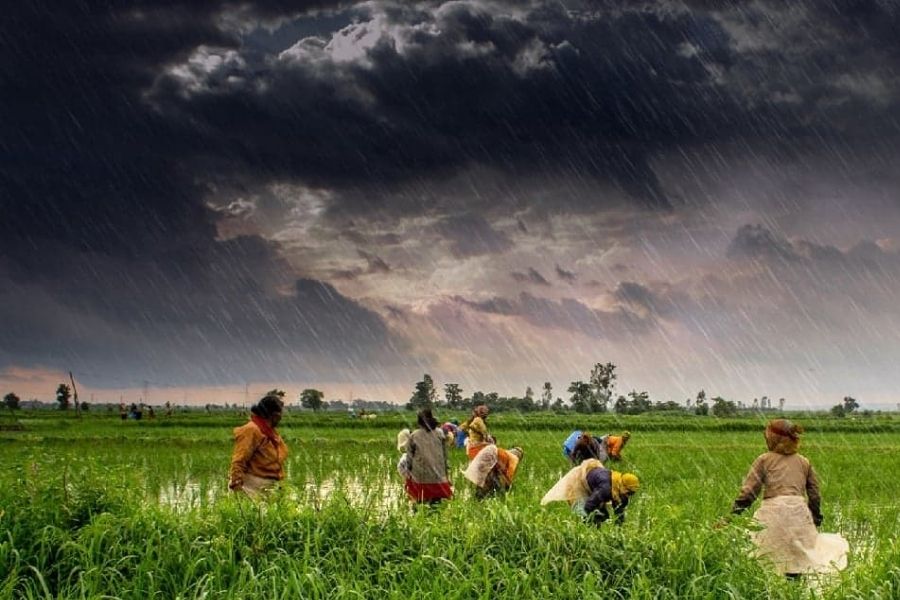
Majority of farmers affected by climate change, reveals survey
The 2024 Farmer Voice survey indicates that 75% of farmers are impacted by climate change, with 71% noting diminished yields. Farmers in India are grappling with increasing expenses, especially for crop protection and labor, while showing significant willingness to embrace new technologies. The 2024 Farmer Voice survey, conducted by Kynetec on behalf of Bayer, surveyed 2,000 farmers across countries including Australia, Brazil, China, Germany, India, Kenya, Ukraine, and the United States. It found that 75% of farmers are already feeling the effects of climate change or are concerned about its impact. Additionally, 71% reported reduced yields as a significant issue. The survey revealed that 60% of farmers have faced notable revenue losses due to unusual weather events. In response, 75% of farmers expressed openness to adopting new technologies to better adapt to climate change, driven by their desire for improved yields, enhanced farm resilience, and protected livelihoods. Krishna Kumar, Ceo of Cropin, says, their technology uses Gen AI, which helps in addressing climate crisis in agriculture, “as it empowers decision-makers with comprehensive insights into their agri-food operations, including historical crop performance, weather parameters influencing specific crops, and crop suitability recommendations based on changing climate conditions for optimal yield.” In India, the survey highlighted that 41% of farmers identified pest attacks as their primary concern, resulting in increased spending on crop protection. 36% of respondents cited volatile weather as a major challenge, while most Indian farmers believe they deserve greater recognition and support. The survey revealed that 90% of farmers feel their role in ensuring food security is critical and that they should be heard more in discussions about agriculture. Rising Costs and Labour Availability The rising costs of crop protection—specifically herbicides, insecticides, and fungicides—were identified as the top challenge for 36% of respondents. 32% cited the increasing costs and availability of labor as a significant concern. Other major challenges facing Indian farmers include price volatility, high fertilizer costs, energy expenses, seed prices, and difficulties accessing information about new agricultural techniques. Negative public perceptions of farmers and challenges in accessing new technologies and markets were also noted. Barriers to Technology Adoption Climate change remains a pressing issue for Indian farmers, with nearly all having either experienced its adverse effects or anticipate facing them in the near future. Many farmers associate climate change with increased pest pressure, which leads to reduced yields and lower crop quality. Despite the current low adoption rates of digital technologies, a majority of farmers expressed strong interest in implementing them, driven by the potential for increased profits and cost savings. However, investment requirements and accessibility pose significant barriers to widespread adoption. The survey indicated that while many Indian farmers practice regenerative agriculture, focusing on soil health, a lack of knowledge and understanding hinders broader adoption. Although 80% of farmers are using at least four to five regenerative practices, a third remain unaware of the term “regenerative agriculture.” For these farmers, enhancing soil health is the primary goal, with improved yields seen as a secondary benefit. Rodrigo Santos, Member of the Board of Management of Bayer AG and President of the Crop Science Division, stated, “The Farmer Voice study underlines that farmers continue to face accelerating economic and environmental challenges in their important work – providing food to the world. They want innovation to help them do their jobs better, and an environment in which they can increasingly turn towards regenerative practices, making food systems more resilient – to the benefit of the planet, food security, and their livelihoods alike.” He added, “One of the most pressing questions is how we can meet the demands of protecting the planet, producing enough food, and ensuring that farmers can sustain their livelihoods.” He noted that one solution lies in the concept of regenerative agriculture, which aims to increase food production, farm incomes, and resilience in a changing climate while restoring nature. “This evolution will require a joint effort of farmers, society, and businesses.” Encouragingly, farmers have already begun this journey, with over 90% adopting at least one regenerative farming practice in their operations.
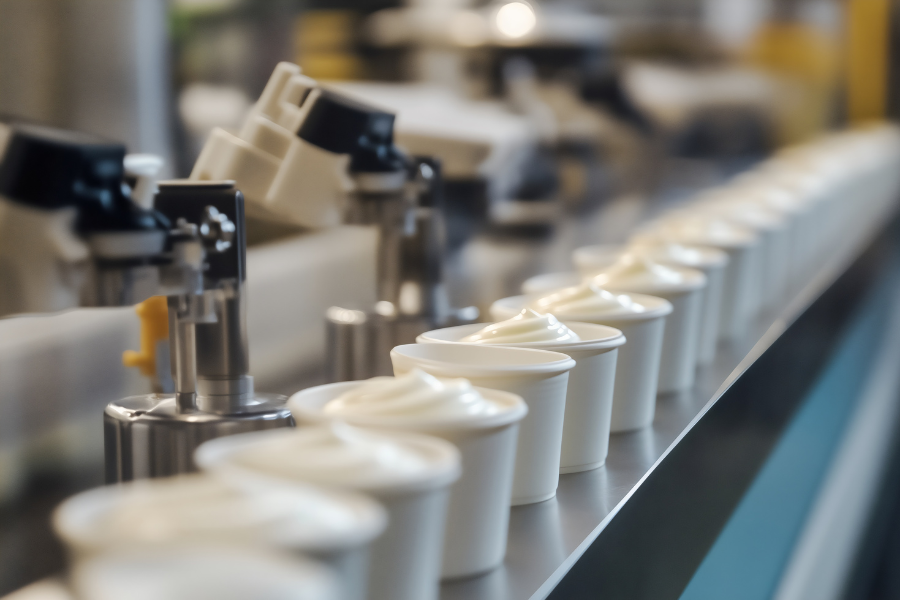
White revolution 4.0: The next leap for India’s dairy sector
The White Revolution or Operation Flood, driven by Dr. Verghese Kurien, marked a monumental shift in India’s dairy industry, transitioning it from a low-output system to becoming the world’s largest milk producer. This revolution utilized a low input, low output model, which effectively leveraged India’s vast bovine population to increase overall milk production. But despite its initial success, India’s dairy sector needs to undergo significant transition to address two persistent challenges – productivity and global competitiveness. For instance, although India has ten times the number of dairy-producing bovines compared to the US, it only produces about 50% more milk. A special emphasis is needed on the adoption of advanced techologies to match international best practices and enhance India’s competitiveness in the global dairy market. TPCI’s Centre for Advanced Trade Research has undertaken a study titled ‘White revolution 4.0: Implementing high-output systems for enhanced dairy productivity’, which examines the benefits that can accrue from the integration of world-class technologies into each segment of India’s supply chain. The study provides a comprehensive roadmap to modernize India’s dairy sector, addressing current inefficiencies and positioning it for future growth. The White Revolution or Operation Flood, driven by Dr. Verghese Kurien, marked a monumental shift in India’s dairy industry, transitioning it from a low-output system to becoming the world’s largest milk producer. This revolution utilized a low input, low output model, which effectively leveraged India’s vast bovine population to increase overall milk production. The cornerstone of this successful initiative was the cooperative model, which empowered millions of dairy farmers, giving them ownership of the cooperative and ability to earn a fair remuneration for their milk. However, this approach is reaching its limits, and now presents significant opportunity to advance further through the adoption of high output strategies and state-of-the-art technologies. What is the next leap for Indian dairy? India’s dairy sector, despite its initial success, needs to undergo significant transition to address two persistent challenges – productivity and global competitiveness. Although India has ten times the number of dairy-producing bovines compared to the United States, it only produces about 50% more milk. The average milk yield per cow in India remains significantly lower compared to advanced dairy nations, such as New Zealand, where yields are about three times higher. Of the total production, only 7% of global milk is traded internationally due to its perishability and high water content. Nagarajan Sivaramakrishnan, former MD, Mother Dairy and Co-founder, Made from Plants, “India’s hot and humid climate can indeed pose challenges for dairy farming, especially when it comes to raising pure-bred cows that are more suited to temperate or cooler environments. High-yielding dairy breeds like Holstein Friesians and Jerseys, which are often preferred for their milk production, struggle in India’s tropical climate.” Tamal Chatterjee, Vice President, Sid’s Farm, comments, “India’s dairy production faces challenges like low productivity per cow, often due to poor nutrition and the use of low-yielding breeds. To address this, we need better feed management and the adoption of high-yielding hybrid breeds.” He feels that the next revolution needs to be in the direction of improving the yield of our native bovine breeds. To further expand its international reach, Indian dairy needs to address quality issues, including bacterial contamination and adherence to Maximum Residue Limits (MRLs). Temperature control issues also affect the health and productivity of purebred cattle. Additionally, the sector’s predominantly unorganized nature exacerbates inefficiencies and hinders adoption of best practices. The Government of India has recently introduced ‘White Revolution 2.0′, a major initiative designed to transform the dairy cooperative sector. It aims to enhance the dairy industry by boosting production, promoting better management practices, and increasing farmers’ incomes, ultimately fostering sustainable growth within the ecosystem. However, a special emphasis is needed on the adoption of AI and IoT technologies to match global best practices. Addressing legacy challenges is crucial for improving productivity, ensuring quality, and enhancing India’s competitiveness in the global dairy market. International dairy trade The top dairy producers in the world are India, the US, Pakistan, China, and Brazil, according to the FAO. With approximately 133 million dairy farms globally, this sector supports over 600 million people including 80 million women, of whom about 37 million are farm heads. These farms are vital to the dairy industry, enhancing local economies and ensuring food security while providing livelihoods for millions. India tops the list with 231 million tonnes of milk produced in 2022-23. This production has increased nearly fourfold since 1994-95, resulting in more than a doubling of per capita milk availability. In India, approximately 46% of milk production is either consumed locally or sold to non-producers in rural areas, with the remaining 54% distributed between organized and unorganized market players. Notably, unorganized players dominate the milk market, highlighting a significant area for development and improvement in dairy infrastructure and processes. The leading producer state is UP followed by Rajasthan, Madhya Pradesh and Gujarat. Yet dairy products remain significant in global trade, with exports valued at US$ 96.5 billion in 2023 and a 5-year CAGR of 3.5%. Despite being the largest milk producer, India is still not a major player in the global market. The top five exporters—Germany, New Zealand, the Netherlands, France, and the US—account for 51% of exports, largely due to advanced technology and a well-organized industry. In comparison, India was ranked 42 with a share of just 0.2% in 2023. Additionally, the domestic market is also growing at a rapid pace, fueled by a youthful population, increasing disposable incomes, and a surge in health consciousness. The market is projected to skyrocket to US$ 290.8 billion by 2033 according to Custom Market Insights, growing at a CAGR of 8%. Top 10 exporters of dairy products Rank Exporters Exported value in 2023 5-year CAGR Share in global exports World 96.51 3.5% 1 Germany 12.57 5.1% 13% 2 New Zealand 11.95 3.8% 12.4% 3 Netherlands 11.26 5.1% 11.7% 4 France 8.19 3.3% 8.5% 5 US 5.93 8.2% 6.1% 42 India 0.23 -4.7% 0.2% Source: ITC Trade Map, values in US$
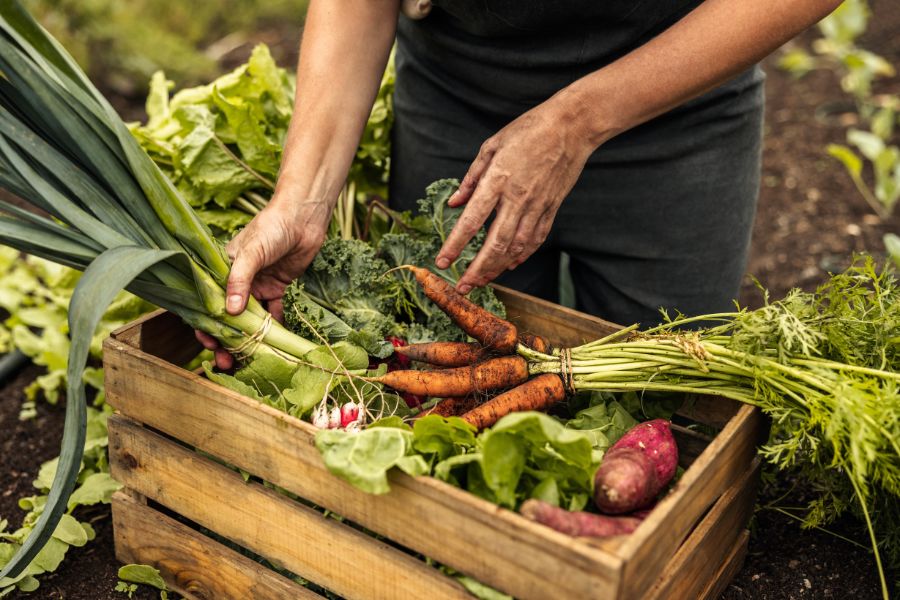
Is India ready for a complete transition to organic agriculture?
The organic food movement in India is gaining traction, driven by increased health consciousness and lifestyle shifts among urban consumers. As of 2023, around 2.6 million hectares of land are dedicated to organic farming, with over 4.43 million farmers involved, making India a leading global producer of organic food. The organic product market has reached approximately US$ 1.5 billion, though challenges like lower yields and mislabeling persist. Transitioning fully to organic methods faces hurdles, particularly regarding productivity and conversion costs, especially as India’s population is expected to reach 1.6 billion by 2030. However, successful examples from states like Sikkim and Rajasthan demonstrate the viability of organic farming, supported by community participation and government initiatives. As urban consumers increasingly choose organic products, this trend signifies a transformative movement that enhances farmers’ livelihoods and promotes environmental sustainability within India’s agricultural framework Image source: Shutterstock The organic food movement in India has witnessed a significant surge in popularity among urban consumers, fundamentally reshaping the dynamics of the food and beverage sector. This article explores the motivations fuelling this shift towards gourmet and organic options—primarily the growing health consciousness and lifestyle changes among the urban populace—while examining its implications for local agriculture, farmers, and the economy at large. Overview of the Organic Food Farming Scenario Organic food farming in India is experiencing significant growth, driven by rising consumer demand for healthier and more sustainable food options. As of 2023, approximately 2.6 million hectares of farmland was dedicated to organic cultivation, accounting for about 1.5% of the total agricultural land in the country. India currently possesses the highest number of organic producers worldwide, with over 4.43 million organic farmers. The organic area under cultivation has expanded dramatically, with the government reporting that about 5.91 million hectares of land are now dedicated to organic farming (as of 2022-23), reflecting a significant push towards sustainable agricultural practices. Despite the promising growth, challenges persist. Organic farming typically yields about 14% to 18% lower compared to conventional farming due to its nature of excluding synthetic fertilizers and pesticides. Additionally, the lack of widespread awareness and infrastructure for organic practices hinders its full potential. Income Sources for Farmers The organic food market in India has reached a value of US$ 1.51 billion. in 2023, with projections of growing at a CAGR of approximately 22%, reaching a projected value of US$ 9.04 billion by 2032. This increasing demand for organic products is resoundingly seen in urban areas, where consumers have a heightened focus on quality and safe consumption. A Nielsen survey recorded that 72% of Indian consumers were willing to pay a premium for organic products, reflecting a strong trust in the health benefits they offer and indicating a strong uptick in market growth. Organic farming can provide farmers with sustainable income through various channels. Research indicates that organic farmers can earn higher prices for their produce due to consumer willingness to pay a premium for organic products. According to recent studies by the Indian Council of Agricultural Research (ICAR), the average increase in net income for organic farmers can be estimated at around 4.6% per year, indicating significant financial benefits compared to conventional farming under favorable market conditions. Can India go completely organic? Transitioning to a fully organic farming system in India poses significant challenges. The challenges include persistently lower yields, increased labor intensity, and high conversion costs. Reports suggest that yields in organic farming could increase over time but often start off lower due to the initial adoption phase, which may take 2-3 years before soil health improves sufficiently. According to an economic survey, while organic farmers incur lower costs (14–19% less than conventional farmers), the primary concern arises from the lower productivity. With India’s population projected to reach 1.6 billion by 2030, completely shifting to organic could strain the food supply unless alternative solutions are efficiently implemented. However, several success stories highlight the potential of organic farming in India. Sikkim stands out as the first 100% organic state in the world to achieve full organic certification in 2016, with a strong emphasis on government support and community involvement. The state reported a doubling of farmers’ incomes, illustrating organic farming’s economic viability and potential to fulfill local food demands. Similarly, Rajasthan has about 60,000 hectares under organic farming, with 97.3% of farmers agreeing to adopt the method due to awareness of health benefits. Each case demonstrates that while challenges exist, viable pathways toward increasing organic acreage are achievable through community, government engagement, and market demand. Despite the positive narrative surrounding organic farming, the sector grapples with significant concerns of fraud and mislabeling. Instances of mislabeling conventional produce as organic pose severe risks to both consumer trust and the industry’s reputation. Fraudulent practices, such as false certification and selling non-organic goods as organic, emphasize the need for improved regulatory frameworks and stringent oversight to protect consumers and uphold the integrity of the organic label. According to Bharathwaj Sridhar, sustainability consultant, “the certification process for organic farming is quite arduous and can be tedious. It typically takes about three years to obtain the necessary certification, which is a significant commitment for farmers. Moreover, the challenge lies not just in one’s own farm practices, but also in ensuring that neighboring farms do not utilize fertilizers that could contaminate your organic crops. This requirement adds another layer of difficulty and concern for those looking to transition to organic farming. Therefore, while the intention to go organic is commendable, the practical hurdles involved cannot be overlooked.” Methods of Organic Farming The emphasis on sustainable methods not only enhances soil health and biodiversity but also fosters community development through shared knowledge of organic practices. The transition to organic farming relies on sustainable methods that emphasize soil health, biodiversity, and ecological balance. Key techniques include: Crop Rotation: A fundamental practice that helps prevent soil depletion and manages pests naturally. Use of Green Manures: Farmers often plant cover crops that enhance soil fertility and structure. Composting: Organic waste is converted into nutrient-rich compost, reducing reliance on synthetic
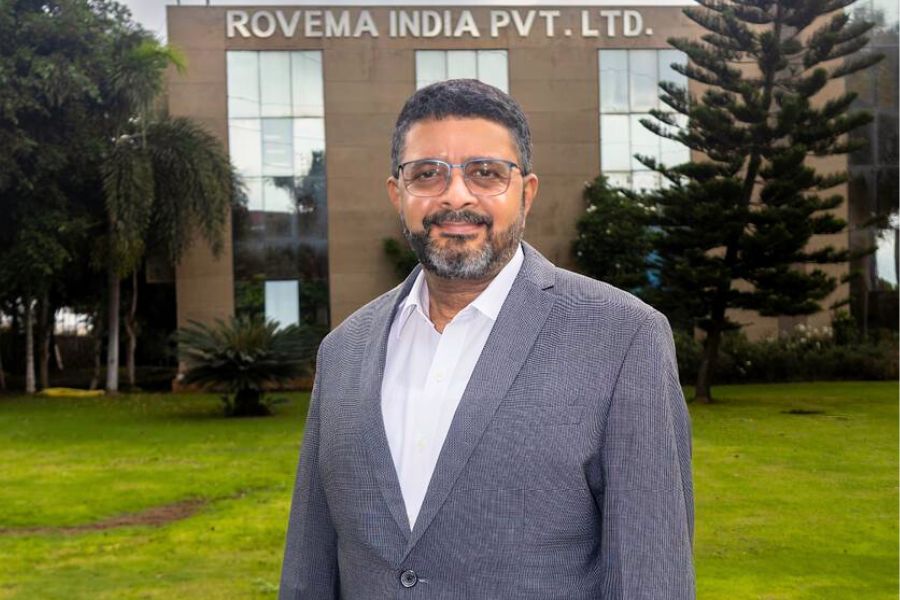
Engineering excellence: How Rovema India leads the packaging industry
Rovema India, founded in 1997, has established itself as a leader in the high-speed packaging machine industry. By combining German engineering expertise with India’s technical capabilities, Rovema offers innovative, modular solutions tailored to meet diverse client needs. With over six decades of experience in the vertical form, fill, and seal packaging machine sector, the company has excelled in the triad of Engineering, Quality, and Technology. To gain insights into the company’s business outlook, techniques, and future plans, India Business and Trade recently spoke with Sandeep Kulkarni, Director at Rovema India. Let’s dive in. IBT: Rovema India has a strong legacy rooted in German engineering. Could you provide an overview of how this foundation has shaped the company’s operations and what unique strategies have fuelled your success in the market? Sandeep Kulkarni: In the packaging industry, every solution is customized to specific needs. While we initially acquired advanced technology from Germany, our success comes from adapting that technology to meet local requirements. Application engineering and customization are critical; understanding customer needs and translating them into functional machines is key. Our German-engineered machinery provides built-in robustness and consistency in output and product quality, which is vital since the products produced go directly to store shelves. The aesthetics of packaged products are essential, and our machines ensure they are visually appealing. Additionally, packaging serves two key purposes: displaying the product and ensuring its shelf life through sealing integrity. The technologies we’ve developed address both aspects, benefiting customers with enhanced shelf life and superior aesthetics, which gives us a technological edge. As customer packaging needs change, we continuously align with those evolving market demands by introducing newer technologies, improving performance, and increasing operational speeds. These advancements have played a significant role in our organization’s growth and success. IBT: Rovema specializes in high-speed packaging solutions for a wide range of industries, from food grains to pharmaceuticals. Could you share insights into the specific processes and technologies that set you apart in these diverse sectors? Sandeep Kulkarni: Our process begins with understanding market needs, which forms the foundation of our designs. After gaining clarity, we customize our machines to meet specific requirements, working closely with customers to align our solutions. We also rely on a network of partners, suppliers, and system integrators to evolve our technology. Understanding market demands, assessing our systems, and aligning our supply chain are crucial steps. We focus on finer details to meet both customer and market needs. As an organization, we continually adapt our ecosystem to integrate these elements. Achieving the necessary speeds, along with aesthetics and seal integrity, is vital. We incorporate feeding, separation, bagging, and downstream systems to cater to various industries, including agrochemicals, pharmaceuticals, food, snacks, chemicals, and FMCG. We identify common factors across these sectors, allowing us to standardize technologies for greater machine production and seamless integration to meet specific customer requirements. This overview only scratches the surface; our system involves many deep-rooted processes. IBT: With Rovema India’s presence in 33 countries, what key markets have shown the most promising growth, and how do you see the future potential of the packaging industry evolving, especially in emerging economies? Sandeep Kulkarni: A major trend in developing countries is urbanization, leading to a growing demand for packaged food as families become nuclear and both partners work. The rise of e-commerce and delivery services like Blinkit, Zomato, and Swiggy has shifted consumer behavior from stocking up to buying daily essentials. This change has transformed packaging trends from larger to smaller pack sizes, driving demand for higher-speed packaging solutions. Our exports, primarily to Southeast Asia and the Middle East, reflect these evolving lifestyle and consumption patterns. With population growth and the rise of supermarkets, the variety of products on shelves is increasing while pack sizes shrink. Consumers are now purchasing items for short-term needs, resulting in significant growth across the packaging industry. All emerging economies are experiencing this shift, including developed regions like Europe, where buying habits are changing to favor immediate needs, often facilitated by mobile apps. This trend fuels demand for packaging machinery, as smaller pack sizes lead to increased consumption and a need for faster, more accurate machinery. With a focus on technological innovation, particularly in modular engineering and automation, we are well-positioned to meet this evolving demand. IBT: Technological innovation is a key focus at Rovema, particularly with your emphasis on modular engineering and advanced automation. What are some of the latest advancements in the field that you’re most excited about, and how do they align with your future growth strategies? Sandeep Kulkarni: As I mentioned, pack sizes are decreasing, speeds are increasing, and customers are expecting greater accuracy. What really excites me is figuring out how to make machines faster, how to ensure precise product feeding, and how to improve seal integrity. Speed is a critical factor, and the market’s expectations have changed. Whereas customers used to wait six months for machines, now they want deliveries within two or three months, sometimes even sooner, with some expecting immediate availability. Aligning the organization to meet this growing demand is incredibly exciting. There are also technological changes to consider—how we collaborate with packaging material suppliers, raw material providers, and as food ingredients evolve. The entire landscape of packaging is constantly evolving, and I wouldn’t hesitate to say that we encounter new challenges daily. And that’s what makes this industry so exciting. IBT: Every industry faces its own set of challenges. What have been the most significant challenges in business and trade for Rovema India, and how are you overcoming them? Sandeep Kulkarni: Rovema India faces increasing complexities in business, including shorter delivery timelines and constant pressure on pricing. A significant challenge is the shortage of skilled manpower, particularly in mechanical design and automation. Finding industry-ready candidates is difficult; while people can be hired, many need extensive training before they can contribute effectively. Retaining talent has also become a major hurdle as the economy grows. In addition to the skilled labor issue, we confront rapidly changing market needs
Will Climate-Smart Agriculture shape the future of food?
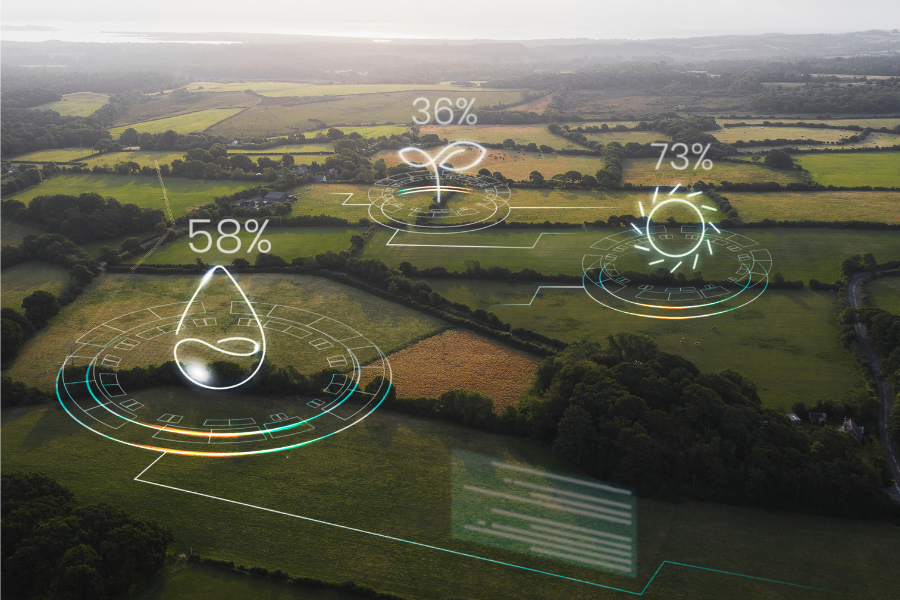
Climate-smart agriculture (CSA) offers a vital solution to the dual challenges of climate change and food insecurity. With global food production needing to double by 2050 to meet the growing food demand, and traditional farming practices struggling under extreme weather events, CSA integrates innovative techniques to enhance productivity, build resilience, and reduce emissions. As farmers face these mounting pressures, can CSA be the key to securing a sustainable and resilient future for agriculture? Image Credit: Freepik Climate change and food insecurity stand as the two most critical challenges facing humanity in the 21st century. The agriculture industry is no exception. It is under immense pressure to meet the growing demands of an expanding global population, all while grappling with big challenges of climate change and decreasing availability of arable land. Depleting nutrition of the soil further adds to the misery. With the world having lost about a third of its arable land in the last 40 years, and cities expanding at unmatched rates, the UN predicts we will need to double food production by 2050 to sustain humanity. The farming sector, already the hardest hit by climate change, faces an increasingly unstable environment, with heatwaves, floods, and droughts drastically reducing and affecting crop yields. The traditional farming methods struggle to keep pace and the industry is being forced to innovate, adapt to new technologies to maximize efficiency and production all while minimizing costs. With climate change reshaping the face of agriculture, farmers must adapt to protect both their livelihoods and global food security. In September 2015, world leaders from 193 United Nations member states adopted the Sustainable Development Goals (SDGs), a powerful international framework aimed at eradicating global poverty while addressing interconnected issues of inequality, hunger, and climate change by 2030. At the heart of achieving these goals lies the urgent need for a climate-smart food system. One that not only can nourish a growing population but provide sustainable livelihoods, and conserve our natural resources. As climate change intensifies, agriculture remains one of the most vulnerable sectors, accounting for 19-29% of total greenhouse gas (GHG) emissions. Extreme weather events such as heatwaves, droughts, and floods threaten traditional farming practices and the productivity of agricultural systems, pushing farmers to reassess their methods. As mentioned, the reality is that global food production must increase by 60% by 2050 to meet the demands of a rapid growth in population, projected to reach nearly 10 billion people by the middle of the century. The agriculture sector must focus not only on quantity but also on quality and long-term sustainability. The UN estimates that we must double our food production while simultaneously reducing emissions and enhancing resilience against climate-related shocks. Climate-smart agriculture (CSA) is emerging as a viable solution. This approach focuses on managing agricultural systems to tackle the challenges of food security and climate change. It works on enhancing traditional farming methods like nutrient management, cover cropping, and conservation tillage to adapt to changing climate conditions and minimize future risks. By improving food security, CSA can help farmers maintain and increase yields, which is critical and the need of the hour. Moreover, CSA practices aim to reduce GHG emissions, prepare farmers for current and future climate impacts, and improve soil health. Defined in a 2010 report by the Food and Agriculture Organization (FAO) of the United Nations, CSA encompasses a set of practices focused on three main goals: increased productivity, enhanced resilience, and reduced emissions. Keya Salot, founder of Farm2Fam, emphasizes the transformative potential of CSA: “With increased global warming, the key challenge for the farming community is to ensure the adaptability and good health of the plants in the ever-changing climatic conditions. One of the solutions to the problem of adaptation of plants is climate – smart agriculture. With controlling the UV radiation and trapping / release of the heat, it is possible to enable the plants to be healthier in the existing window of production. Globally, most nations have adopted innovative technologies suitable to them to enable them to grow high value crops in their region. We started this business with the vision to improve the life of the farmers in India by developing technologies to grow high value crops like blueberries and raspberries. Not only does this improve the income of the farmers but also provides the consumer the option to eat locally grown highly nutritious food. This reduces carbon footprint and improves suitability for the future generations.” By the end of next year, Farm2Fam aims to impact the lives of over 500 farmer families. CSA incorporates various practices and technologies, including climate-resilient crop varieties, conservation agriculture techniques, agroforestry, precision farming, and improved water management. Examples of climate-smart technologies include direct seeded rice (DSR), drum seeders, and micro-irrigation. These approaches yield multiple benefits: Increased productivity: Increase food production and improve quality without overburdening natural resources, thereby enhancing nutrition security and raising incomes—particularly for the 75% of the world’s poor who depend on agriculture for their livelihoods in rural areas. Enhanced resilience: Decrease susceptibility to droughts, pests, diseases, and other climate-related threats, while building the ability to adapt and thrive despite long-term challenges like unpredictable weather and seasonal shifts. Lowered emissions: Cut greenhouse gas emissions from the food system, prevent deforestation linked to expanding croplands, and enhance carbon capture through plants and soil. Despite the advantages, some critics argue that CSA lacks universally accepted standards, raising concerns about potential greenwashing by large corporations. The cost-benefit analysis of CSA is compelling. The cost of adaptation is estimated to be around US$ 160 million annually between 2010 and 2050, but the savings from adaptation actions are projected to be much greater. Climate-smart agriculture is an important tool for addressing the many challenges of climate change and food security. By adopting these innovative practices, farmers can improve their livelihoods while contributing to a sustainable future. CSA is not just a set of practices, it is a critical pathway for an agricultural system that is resilient against extreme weather patterns and can effectively withstand both
Tackling the Thirst: Can the food industry lead the way in water conservation?
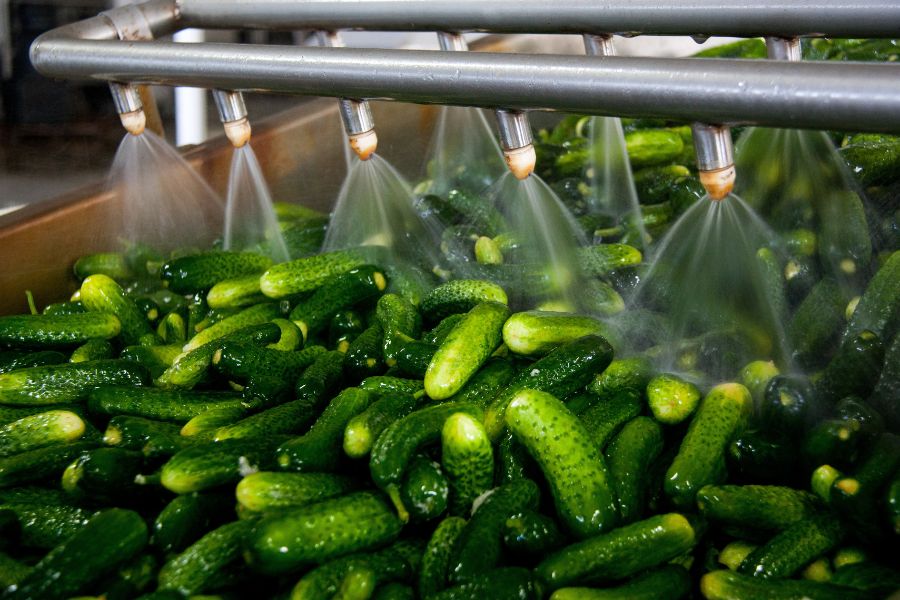
Sustainability in the food industry and water management are deeply interconnected, as efficient water use is essential to achieving a sustainable food chain. Often called “the thirsty business,” the food industry consumes between 70% and 90% of global water resources. With the world population projected to exceed nine billion by 2050 and climate change events like El Niño on the rise, the pressure on freshwater resources needed for food production is expected to increase significantly. Since agriculture and the food processing industry account for 80% of India’s water consumption, with over 700 regions facing severe water over-exploitation in India, sustainable practices and technological innovations are the need of the hour. As climate change, population growth, and socio-economic pressures intensify, effective water management becomes crucial for ensuring both food security and the sustainability of water resources. Image Credit: Shutterstock When discussing sustainability in the food industry, the focus often centers on carbon footprints, while the water footprint is frequently overlooked. This is a critical gap, especially as water scarcity intensifies due to shifting climate patterns like El Niño, which heavily impacts food production. As water becomes scarcer, managing its use efficiently is just as important as reducing carbon emissions. By 2050, the global population is projected to surpass nine billion, placing immense pressure on freshwater resources needed to produce food. The global food and beverage sector is often called “The thirsty business” due to the amount of water that is consumed in its production processes. Currently, agriculture consumes around 70% of all extracted freshwater, while 20% is used by production and processing industries, leaving only 10% for domestic use. This strain on water is expected to intensify due to climate change, population growth, and increasing socio-economic demands. Presently, about 7% of the global population lives in water-scarce regions, but by 2050, this could soar to 67%, driven by population expansion. To meet future food demands, increased production will require even larger water supplies. Global water withdrawals are forecasted to rise from 4,500 billion cubic meters per year to 6,900 billion cubic meters by 2030, marking a 53% increase in extraction. As such, the challenge of balancing water use across sectors while addressing growing food needs becomes more urgent with each passing year. Water management in India Water management in India’s food processing industry is increasingly crucial due to the sector’s reliance on significant water resources. The food processing industry is one of the largest water consumers, especially in areas like cleaning, cooking, cooling, and waste disposal. In 2023, India’s total annual groundwater recharge was 449.08 billion cubic meters (BCM), while extraction reached 241.34 BCM. While groundwater conditions have improved slightly in some regions, over 700 out of 6553 assessment units still face severe over-exploitation, further stressing the need for sustainable practices in industries like food processing. Water plays a crucial role in every stage of food and beverage production, from its initial farming to produce the raw good to the processing, transportation and retail of the final product that we see on the shelves. Most people often focus on the finished product and ignore the hidden amount of water involved in producing food and beverage. Did you know? – The global average water footprint of beef cattle meat is 15,400 m³ per ton. Abid Rahman, Director and COO of DJ Sons Consumer Goods Pvt Ltd, expresses deep concerns about the growing water scarcity in India. He highlights the critical role water plays in the manufacturing process, particularly in food processing, and warns that the shortage of fresh water, exacerbated by climate change and erratic rainfall, could force industries to adopt unsustainable practices. “For example,” Rahman explains, “in Assam, tea plantations were historically reliant on rainwater. However, in recent years, the region has experienced inconsistent and insufficient rainfall, compelling local tea farmers to depend heavily on groundwater and river water.” He also stresses the importance of addressing wastewater treatment through Biochemical Oxygen Demand (BOD) standards, which could help mitigate the contamination and pollution of natural water bodies. Source: icheme.org Here are some of the lesser-known uses of water in food and beverage production: Irrigation for crop growth and animal feed is estimated to use between 5938 and 8508 cubic kilometres of water per year, globally. Pesticides and fertilizer application on crops Machine technology to process raw produce into sellable food and drink products – including costs of operating and cleaning the machinery. Food packaging, for example, it takes around 235 litres of water to produce one kilogram of plastic that is used for bottled water. Heating and chilling of food to prolong its lifespan Challenges to water sustainability in India Sustainable extraction of water and efficient water management in food processing are key necessities to tackle the water scarcity issue in India. Here we discuss a few challenges on both sustainability as well as food processing: Over extraction of Groundwater: Excessive pumping and lack of recharge has depleted the groundwater level at an alarming rate which can further lead to land subsidence, saltwater intrusion and reduced base flow of rivers. Water pollution: The primary sources of water pollution are untreated sewage, industrial effluents, agricultural runoff and solid waste, which contaminate the surface and groundwater sources. Uneven distribution: Since India has a high spatial and temporal variability of rainfall, there is an uneven distribution of water resources across regions and seasons. Climate change: Climate change alters the hydrological cycle and increase the frequency and intensity of extreme weather events. It can affect the availability and quality of water resources by changing the pattern of precipitation, evaporation, runoff, and groundwater recharge. Water treatment challenges and solutions in food processing Wastewater resulting from food production processes is complex due to the diverse range of food products involved. Each sub-sector, from dairy and processed meats to beverages and baked goods, presents its own unique challenges in wastewater treatment. Nutrient concentrations: The organic composition of food waste means that wastewater is nutrient-rich. Without proper treatment, this can cause environmental issues like eutrophication, where excessive nutrients promote

India’s startups shine in global funding winter: 2024 outlook
Indian startups are demonstrating remarkable resilience amid global economic uncertainties, with a notable surge in venture capital funding. Despite a challenging global landscape, India’s venture capital activities have surged, signaling renewed confidence in its startup ecosystem. As India emerges as a key player in the global venture scene, the question persists: is the funding winter truly over, or are we witnessing a selective rebound? The global startup ecosystem has been navigating through turbulent times, with funding levels experiencing sharp declines over the past year. What was once flourishing for venture capital-backed innovations now faces a challenging phase, often referred to as the “startup funding winter.” This period of caution among investors has led to tighter capital flows and more selective investment strategies. In 2023, global startup funding crashed, after years of record-breaking performance, hitting a six-year low of US$ 248.4 billion, a huge 42% decline YoY. The first quarter of 2024 saw global startup funding amount to US$ 66 billion, positioning it as the second-lowest quarter for venture capital investment since early 2018, reflecting a modest 6% increase compared to the previous quarter, indicating some rebound or stabilization after a downturn. However, despite this quarter-over-quarter improvement, the funding levels remained significantly lower, down 20% compared to the same period last year. Data source: Crunchbase Indian Venture Capital Funding Despite a global slowdown in funding growth, India is experiencing a significant rise in venture capital activity. From January to July 2024, Indian deal volume and value accounted for 7% and 4.3% of the global venture capital landscape, respectively. According to recent data from analytics firm GlobalData, Indian startups experienced a notable 42% increase in venture capital funding from January to July 2024, with 672 deals raising a total of US$ 6.3 billion, compared to 664 deals worth US$ 4.4 billion last year for the same period. “Despite global economic uncertainties, India remains a pivotal market for VC activity, driven by a robust pipeline of promising startups that continue to attract significant capital. This trend reinforces India’s position as a critical player in the global venture ecosystem, demonstrating resilience and growth even amid cautious investment sentiment,” said Aurojyoti Bose, Lead Analyst at GlobalData. According to the India Tech Semi-Annual Funding Report by Tracxn, India was the 4th highest funded country in the global tech startup ecosystem in H1 2024, with the U.S. leading in total funding. India also ranks as the fourth-highest funded country overall in tech startup history. Retail, Enterprise Applications, and FinTech were the leading sectors in H1 2024. Retail funding rose by 32% to US$ 1.63 billion, up from US$ 1.23 billion in H1 2023. Enterprise Applications raised US$ 933 million, a 10% decrease from US$ 1.04 billion in H1 2023. FinTech funding fell by 50%, dropping from US$ 1.45 billion in H1 2023 to US$ 726 million in H1 2024. There is a large discrepancy seen in the growth of 42% in total funding value compared to a modest rise of 1.2% in total deal volume. As per Nikhil Parmar, Angel investor and founder of Impactful Pitch: “One of the reasons of a high growth of total funding value compared to deal volume, is the noticeable increase in the size of individual funding rounds. Other reason is the soaring investor confidence, which have made them comfortable investing US$ 15 million in a startup, when just a year ago they wouldn’t have gone above US$ 10 million.” Some notable deals that took place include US$ 665 million for quick commerce startup Zepto (quick commerce), US$ 300 million for Meesho (e-commerce), US$ 216 million for PharmEasy (healthtech), US$ 150 million for Radiance (energy), US$ 148 million for Kogta Financial (finance), and US$ 120 million for Rapido (transportation). Booming IPO Trend The Indian startup IPO market has shown remarkable resilience and growth in 2024, with a notable surge in activity on Dalal Street. According to Nikhil, “The IPO landscape for startups in India has demonstrated significant growth and resilience this year.” In the first half of 2024 alone, 15 startups went public, raising approximately $3.5 billion— a substantial increase from the $2.1 billion raised by 10 startups during the same period in 2023. Notable IPOs include Go Digit, which raised $500 million, and FirstCry, which secured $700 million. This upswing in IPO activity is attributed to improved market conditions, supportive regulatory measures, and a heightened interest in innovative, technology-driven businesses. The total number of IPOs surged to 17 in the first half of 2024, up from just 6 in H1 2023 and 12 in H2 2023. Additionally, three new unicorns emerged during this period, compared to none in H1 2023. Accel, Blume Ventures, Peak XV Partners, and Venture Catalysts were among the top investors in the Indian tech ecosystem in H1 2024. Prof. M. Venkateshwarlu of IIM Mumbai notes, “After a period of stagnation over the past two years, more than 40 startups are preparing to go public or become IPO-ready by FY 2025.” Despite the domestic IPO market’s buoyant performance, challenges remain. Overvaluation has often led to investor disappointment, highlighting that while many startups have succeeded, some IPOs have encountered significant hurdles. Funding Stage Performance In H1 2024, seed-stage startups in India raised US$ 455 million, marking a 6.5% increase from the US$ 428 million in H2 2023. However, this is still a 17.3% decline compared to H1 2023, indicating that while seed funding shows some recovery, it remains below last year’s levels. Early-stage startups raised US$ 1.3 billion in H1 2024, consistent with the second half of 2023 but a significant 28% drop from the US$ 1.8 billion in H1 2023. This decline reflects a more cautious investment approach, influenced by global economic factors and shifting investor sentiment. In contrast, late-stage funding performed strongest, reaching US$ 2.4 billion in H1 2024. This represents a 3.8% increase from US$ 2.3 billion in H2 2023 and a slight 1.3% drop from H1 2023. As Nikhil points out, “Late-stage startups have proven business models and steady revenue streams, reducing risk compared