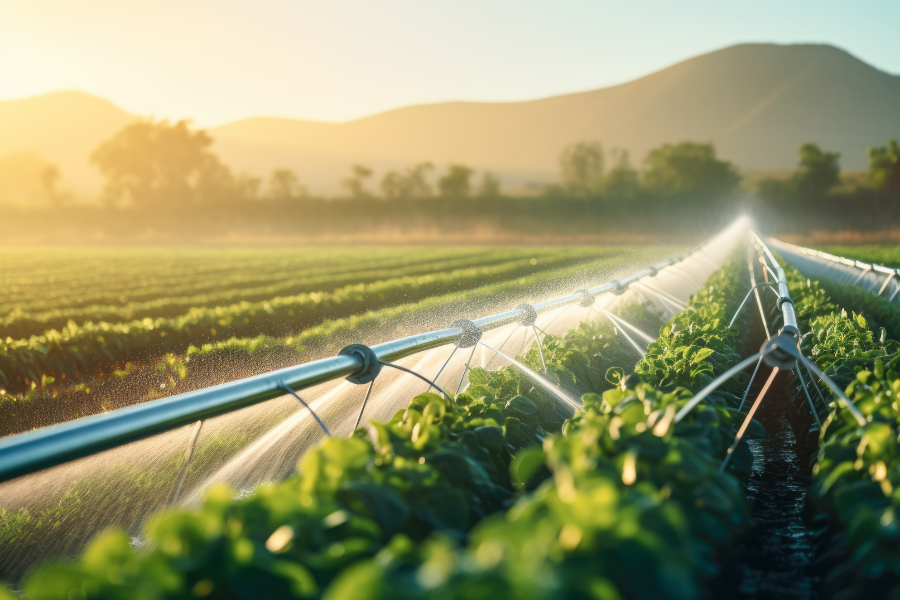
Irrigation has evolved from ancient manual techniques, like carrying water in buckets, to modern, high-tech systems designed to meet the growing demands of agriculture. Early civilizations in Egypt, China, and Rome pioneered irrigation with canals, dams, and aqueducts, setting the stage for more advanced methods. As global pressures such as water scarcity, climate change, and rising food demands intensify, irrigation systems have adapted, shifting towards precision technologies like drip irrigation and AI-driven tools. These innovations are essential to ensure sustainable food production while optimizing water use. The future of irrigation will depend on continuous adaptation to overcome evolving agricultural challenges. Irrigation has been vital to agriculture since the dawn of civilization, ensuring that crops receive adequate water for growth and sustenance. Over the centuries, irrigation systems have evolved from simple manual methods to advanced, technology-driven systems that are crucial for modern agriculture. This transformation highlights the growing importance of efficient water management in the face of global challenges such as water scarcity, climate change, and rising food demand. Early Irrigation: Foundations of Agriculture The earliest forms of irrigation were rudimentary, with farmers relying on buckets to carry water from rivers or wells to their fields. This manual method allowed early societies to cultivate crops, but as populations grew and agricultural needs expanded, more efficient systems were developed. In ancient Egypt and China, irrigation became more sophisticated with the construction of canals, reservoirs, and dams to store and distribute water. In Rome, the construction of aqueducts represented a significant leap in irrigation technology. These structures used gravity to carry water from distant sources, such as snowmelt in the Alps, to cities and farmlands below. Similarly, India’s ancient irrigation systems, such as the Grand Anicut built by the Chola dynasty, played a crucial role in managing water resources for agriculture. These innovations laid the foundation for modern irrigation practices, but as agricultural demands grew, more advanced techniques were needed. Modern Irrigation Systems: Efficiency and Precision The 20th century saw a revolution in irrigation methods with the development of pressurized systems, such as sprinklers, which allowed for wider and more efficient water distribution. Today, precision irrigation techniques, including center pivot systems and micro-irrigation, have become essential for enhancing water-use efficiency. These methods deliver water directly to the root zone of plants, minimizing losses from evaporation, wind drift, and runoff. Among these, drip irrigation has emerged as one of the most efficient systems, precisely delivering water where it is needed most—right to the plant’s roots. This not only conserves water but also improves crop yields by ensuring that plants receive the optimal amount of moisture. Micro-irrigation systems have become a critical tool in regions facing water scarcity, helping farmers achieve more with less. Challenges Driving the Need for Innovation As the world grapples with depleting water resources, modern agriculture faces the pressing need to balance productivity with sustainability. Global population growth, increasing food demand, and climate change are all exerting pressure on water supplies. Droughts, erratic rainfall, and rising temperatures have made traditional irrigation methods less reliable, underscoring the need for more efficient systems. In response to these challenges, precision irrigation technologies have become essential. These systems, which allow for the precise application of water and nutrients at the right time, place, and rate, are helping farmers optimize their resources. Gravity-powered micro-irrigation and pressurized drip systems are not only reducing water wastage but also improving crop yields, making agriculture more resilient to water scarcity. Technological Innovations: AI and Robotics in Irrigation The integration of artificial intelligence (AI) into irrigation management is further enhancing the efficiency of water use. AI-powered tools provide farmers with valuable insights, allowing for better predictive modeling and decision-making. These tools analyze weather patterns, soil moisture levels, and crop health to optimize irrigation schedules, ensuring that water is used efficiently while maintaining crop productivity. Robotics is also making headway in the agricultural sector. Advanced robotic systems can assess plant health, detect stress or disease, and determine water needs with precision. This automation reduces the reliance on manual labor and increases the accuracy of irrigation, ensuring that plants receive the exact amount of water they need, without excess. As global water resources shrink and climate change complicates agriculture with unpredictable weather patterns, maintaining efficient irrigation systems is crucial for sustainable farming. Precision irrigation techniques, such as drip irrigation, are leading sustainable practices by conserving water while boosting productivity. With a growing global population and increasing pressure on arable land to produce more food, innovation in irrigation systems has become more critical than ever. Modern techniques, including precision irrigation and AI-driven tools, provide smarter, more efficient ways to conserve water and enhance crop yields. These advancements are vital not only for sustaining agricultural productivity but also for tackling the challenges of climate change, water scarcity, and food security. To meet future demands, irrigation systems must continue evolving, embracing technologies that maximize resources and protect the planet.
Fostering a sustainable future through inclusive financing
In the latest episode of the Tech Trailblazer series, we spoke with Mr. Vikkas Goyal, CEO of Rupee112, a platform for financial accessibility for salaried professionals in India. Rupee112 aims to provide inclusive financial solutions that cater to individuals regardless of their credit histories, especially during emergencies. Mr. Goyal highlighted the company’s core values of financial inclusion, transparency, affordability, and a user-centric approach. He also discussed the launch of the Green Loans initiative, which promotes sustainable practices, and explained how Rupee112 leverages technology and data analytics to enhance the customer experience and ensure data security. Finally, Mr. Goyal shared the company’s strategic priorities, focussing on empowering underserved demographics and expanding access to financial resources across India and beyond. IBT: What inspired the establishment of Rupee 112, and what core values does the company prioritise in its operations? Vikkas Goyal: Rupee112 was founded with the vision of revolutionising financial accessibility for salaried professionals across India, especially during emergencies. The company recognised a critical need for financial support that transcends traditional credit barriers, aiming to provide accessible solutions to individuals regardless of their credit history. This vision is rooted in a commitment to empathy and inclusivity, ensuring that everyone has access to necessary financial resources when they need them most. The core values of Rupee112 are financial inclusion, transparency, affordability, and a user-centric approach. The company focusses on offering inclusive financing solutions, including low-tenure EMI loans, designed to assist those with less-than-perfect credit scores. A strong commitment to transparency ensures clear communication with clients and the absence of hidden fees, which has established Rupee112 as a trustworthy partner in the financial services industry. By utilising advanced technology and maintaining compliance with regulatory standards, Rupee112 strives to make financial services more accessible, convenient, and affordable for everyone. IBT: Could you provide insights into the key objectives and strategic goals of Rupee 112, particularly in terms of its role in the financial services sector? Vikkas Goyal: India’s financial services sector has seen robust growth, driven by economic reforms, digitalisation, and increased financial inclusion. The adoption of technology in banking, insurance, and investment services has revolutionised the industry, making financial products more accessible. Rupee112’s primary objectives are to enhance financial accessibility and provide instant emergency cash access through a digital-first experience. The company aims to disrupt traditional lending by offering low-tenure EMI loans and inclusive solutions, especially for individuals with lower credit scores. With a focus on metro areas, Rupee112 ensures a user-friendly experience via its mobile app, emphasising transparency and clear communication. IBT: Rupee 112 aims to provide a competitive edge to borrowers in India. How does the company differentiate itself from other players in the industry, particularly concerning innovation and technological solutions? Vikkas Goyal: Rupee112 differentiates itself from other players in the industry through its innovative and technological solutions, providing a competitive edge to borrowers in India. As a technology-first company, Rupee112 offers a seamless, digital, and paperless experience, disrupting the traditional lending industry. Its digital-first approach, powered by AI and ML, facilitates faster and more convenient loan services, making it a game-changer in the financial lending landscape. Additionally, Rupee112’s commitment to financial inclusion, transparency, and clear communication sets it apart, providing a user-friendly experience and earning it a reputation as a trustworthy partner. By prioritising accessibility and affordability, Rupee112 positions itself for continued success and a lasting impact on the lives of salaried professionals nationwide, distinguishing itself from other players in the industry. IBT: What motivated Rupee112 to launch the Green Loans initiative, and how do you envision this program impacting the adoption of sustainable practices and technologies in India? Vikkas Goyal: Rupee112 launched the Green Loans initiative to promote sustainable practices and technologies in India, aligning with its mission to revolutionise financial accessibility. By offering Green Loans, Rupee112 aims to encourage individuals and businesses to adopt environmentally friendly solutions, such as renewable energy and energy-efficient technologies. This programme is expected to have a significant impact on the adoption of sustainable practices in India, as it provides easy access to finance for those who may not have been able to afford it otherwise. With Rupee112’s digital-first approach and commitment to financial inclusion, the Green Loans initiative has the potential to reach a wide audience, promoting a cleaner and greener future for India. IBT: Given the dynamic nature of the financial services sector, what are the primary challenges it faces, and what should be the solutions to adapt to evolving industry demands? Vikkas Goyal: The financial services sector in India has grown significantly, propelled by economic reforms, technological advancements, and increased financial inclusion. However, it faces challenges like adapting to rapidly evolving technologies and meeting rising consumer expectations for digital experiences. The Reserve Bank of India (RBI) emphasizes the importance of robust internal audit and compliance functions, especially for non-bank financial companies (NBFCs), as the sector grows. Rupee112 addresses these challenges by prioritising innovation, offering instant digital-first lending solutions, and emphasising transparency and user-centric services to build consumer trust. To adapt to industry demands, Rupee112 plans to invest in technology and data analytics, expand its product offerings, and maintain a commitment to financial inclusion and accessibility. IBT How does Rupee 112 ensure data security and privacy in its lending solutions, especially considering the sensitive nature of financial information? Vikkas Goyal: Rupee112 prioritises data security and privacy in its lending solutions by operating within a regulatory-compliant ecosystem and leveraging cutting-edge technology to ensure the secure handling of sensitive financial information. The company’s digital-first approach and use of AI and ML-powered lending technology enable secure and efficient data processing, while its commitment to transparency and clear communication ensures that consumers are aware of how their data is being used. Additionally, Rupee112’s mobile app provides a seamless and user-friendly experience, ensuring that consumers can access financial services while maintaining control over their personal data. By prioritising data security and privacy, Rupee112 has earned a reputation as a trustworthy partner in the financial services industry, and its dedication to accessibility, affordability, and a user-centric approach positions

How are AI and automation changing the way we shop and dine?
The integration of AI and automation is fundamentally transforming the grocery and fast-food industries, reshaping how consumers shop and dine. These technologies are not merely trends; they are becoming essential components that enhance operational efficiency, improve customer engagement, and create more personalised shopping experiences. This shift is highlighted by increasing investments in technology, with grocery stores alone spending approximately US$ 13 billion on automation in 2022, a figure expected to rise dramatically through the coming years. As AI systems become more prominent, they are directly influencing consumer interactions within these sectors. From self-checkout kiosks in grocery stores to automated ordering systems in fast-food chains, AI enhances the speed and accuracy of service, leading to improved customer satisfaction. However, this technological evolution also raises concerns about privacy and job displacement among consumers. Image source: Freepik AI isn’t just a buzzword in the tech world, the food industry is also making significant investments in this exciting trend. The food industry is increasingly embracing AI and automation, transforming how consumers interact with grocery stores and fast-food chains. AI is becoming more common in grocery stores and fast-food restaurants. You may have noticed self-checkout kiosks and AI ordering systems in drive-thru lanes during your visits. As consumers deal with rising food prices and change their spending habits, the food industry is working hard to remain competitive. Many companies are turning to AI to help lower high labour costs and reduce prices on some products. Fast-food chains like McDonald’s, Taco Bell, and Wendy’s have brought back value menus, while big retailers like Walmart and Target have decreased the prices of specific groceries. “It’s very difficult in this environment to engineer great profits, great sales, and to keep customers satisfied. It’s a very difficult equation to balance. Until the economy is on a different footing, it’s not going to be balanced completely. That’s the reality of it,” said Neil Saunders, GlobalData’s managing director and retail analyst. In 2022, grocery stores invested around US$ 13 billion in technology automation, according to research by FMI, The Food Industry Association. FMI expects spending on innovations like smart carts and updated self-checkout systems to increase by 400% through 2025. The recent demand for personalised shopping experiences and operational efficiency has led grocery stores and fast-food chains to embrace AI and automation. Consumer behaviour is rapidly changing, with shoppers increasingly seeking convenience, speed, and customisation. A 2023 survey revealed that 84% of grocery retail executives believe that generative AI could significantly boost financial performance for their companies, highlighting the urgency for technological advancements in the industry. As businesses face high operational costs and labour shortages, AI-powered tools have become essential for improving efficiency and enhancing customer satisfaction. Real-World Applications of AI and automation Grocery Stores AI is transforming grocery retail by enhancing inventory management, optimizing supply chains, and personalizing shopping experiences. Retailers like Walmart use machine learning for efficient logistics and staff scheduling, while Amazon Go offers a checkout-free experience using computer vision and sensors. Additionally, AI tailors promotions through data analysis, delivering customized discounts that increase customer loyalty and drive sales. Fast-Food Chains In the fast-food industry, giants like McDonald’s, Taco Bell, and Domino’s are leveraging AI to boost efficiency. McDonald’s uses automated order-taking to speed up service and improve accuracy, while Chipotle’s “Chippy” robot enhances efficiency by making tortilla chips and reducing waste. AI-powered drive-thru systems offer personalized menu suggestions, with 61% of customers reporting positive experiences, highlighting the technology’s role in enhancing convenience and service quality. Impact on Consumer Experience The infusion of AI and automation into grocery stores and fast-food chains fundamentally alters consumer interactions. A report, ‘State of AI in Grocery 2024’, indicated that 71% of grocery sales were digitally influenced in early 2024, highlighting the growing significance of technological integration in shaping consumer behaviour. The report states that 64% of grocery retailers think that customer experience enhancements will offer a US$ 2.5 billion opportunity, with applications ranging from call centre associate enablement to store associate enablement and customer self-service. These innovations lead to faster service times, personalised product recommendations, and overall improved shopping experiences. According to Dr. K. Abdul Waheed, professor of marketing at Shiv Nadar University, “AI and automation have revolutionised customer engagement in retail and restaurants by streamlining operations, reducing costs, and enhancing personalised experiences. From predictive algorithms to AI-based chatbots and concierge robots in hospitality, these technologies empower firms to analyse customer data swiftly and free teams to focus on strategic decisions rather than tactical routine activities.” Additionally, Quick Commerce (Q-commerce) has emerged as a transformative force within the grocery and fast-food industries, prioritising speed and convenience by enabling deliveries in 30 minutes or less. This model caters to the evolving expectations of consumers, who increasingly seek instant access to products as they navigate their busy lifestyles. Many companies, including established grocery chains and new delivery platforms, are embracing Q-commerce to stay competitive, providing an effortless shopping experience that meets the demands of today’s on-the-go consumers. Challenges As grocery stores and fast-food chains further immerse themselves in AI and automation, several trends and challenges are anticipated. The growing capabilities of AI will likely lead to more sophisticated solutions in demand forecasting, dynamic pricing, and seamless checkout experiences. Shrink and Theft Concerns: Grocery stores must contend with issues related to shrinkage (loss of inventory due to theft, errors, or fraud). Implementing AI solutions for inventory management and loss prevention requires overcoming the challenge of integrating AI technologies that effectively address these concerns without infringing upon customer privacy. Supply Chain Optimisation: The complexity of supply chain logistics presents another challenge for grocery stores. AI can enhance supply chain management, but retailers must have the infrastructure and expertise in place to leverage AI effectively. Retailers may struggle to adapt their existing supply chain models to incorporate AI advancements. High Initial Costs: Fast-food chains and grocers often face prohibitive initial costs when implementing AI technologies. These costs can include investments in hardware, software, and training. Ensuring a return on investment can be difficult, particularly when

Edible food packaging: A sustainable revolution in India
The food packaging industry is continually seeking innovative solutions to tackle sustainability challenges. Although not a new concept, edible packaging is gaining momentum due to advances in technology and government support. Made from natural ingredients such as seaweed, rice, and fruit peels, edible packaging presents significant potential in India. Although facing challenges like high production costs, limited shelf life in India, the global edible packaging market size is expected to reach US$ 1,193.98 million by 2032 from US$ 748.06 million in 2024, growing at a CAGR of 6.02% Image Credit: Pexels The growing need for sustainable solutions to global environmental issues has spurred the exploration of innovative approaches across various industries. Following the success of sustainable packaging, the food packaging industry is now delving into even more advanced solutions to further address environmental concerns. One such ground breaking innovation is edible food packaging—a concept that is gradually gaining traction both globally and in India. As the name suggests, edible packaging refers to packaging that is not only biodegradable but also consumable. This type of packaging is primarily made from biodegradable, plant-based, and natural materials that can be eaten without the need for processing, recycling, waste collection, or disposal. India being one of the largest producers and consumers of food, faces a significant challenge in managing food packaging waste. Traditional packaging materials, particularly plastics, have been a major contributor to pollution. However, with growing awareness of environmental issues and stringent regulations on plastic use, the demand for sustainable packaging solutions has surged. Edible packaging, made from natural materials such as seaweed, rice, and even fruit peels, offers an eco-friendly alternative that aligns with the country’s sustainability goals. Current Market and Potential The edible packaging market in India is still in its nascent stages, but it holds immense potential. According to a report by Fortune Business Insights, the global edible packaging market size is valued at US$ 748.06 million in 2024 and is projected to reach US$ 1,193.98 million by 2032, growing at a CAGR of 6.02%. India, with its large consumer base and increasing environmental awareness, is expected to be a key player in this market. Several Indian startups and research institutions are working on developing edible packaging solutions. For instance, researchers at the Indian Institute of Technology (IIT) Kharagpur have developed a starch-based edible film that can be used to package food. This film is made from natural ingredients like mango peels and seaweed, making it both biodegradable and edible. Companies like Bakeys in India have pioneered the development of edible cutlery made from millets, rice, and wheat, which can be consumed after use. Innovations in edible packaging The concept of edible packaging is not entirely new but has gained renewed interest due to advancements in technology and increasing consumer demand for environmentally friendly products. Here are a few innovations that are being looked forward to by edible packaging manufacturers: Biodegradable and Compostable Materials: Several edible packaging companies in India focus on using biodegradable and compostable materials. These materials offer eco-friendly and healthy alternatives to traditional plastics, helping to reduce the environmental footprint of food packaging. Common ingredients used in these solutions include starch, rice, seaweed, and other natural substances. Edible Coatings and films: Given the limited shelf life of fruits and vegetables due to external factors, preservation conditions, and intrinsic factors such as respiration rate, ethylene production, and transpiration, edible coatings have proven to be a safe and effective approach. These coatings are made from various natural resources, including polysaccharides, proteins, and lipids. Edible packaging materials can be divided into two main groups including edible coatings and edible films. The difference between the two is that films are first formed separately and then applied to the food product, while coatings are formed and applied directly to the food. They offer multiple benefits, such as serving as a moisture barrier, oxygen scavenger, ethylene scavenger, and providing antimicrobial properties, among others. Edible coatings can be applied to food materials using different methods, including dipping, spraying, brushing, and layer-by-layer applications. Edible packaging for convenience foods: The fast food and convenience food sectors present significant opportunities for edible packaging solutions. Much of the packaging waste in these sectors comes from single-serving items wrapped in plastic, such as candies, snacks, chocolates, and sandwiches. By using edible wrappers made from rice paper and edible starches, it is possible to not only reduce waste but also provide a convenient way to enjoy on-the-go foods. Challenges and Roadblocks Despite the promising potential, the edible packaging industry in India faces several challenges. One of the primary obstacles is the high cost of production. Developing edible packaging materials that are safe, durable, and cost-effective requires significant investment in research and development. Additionally, the shelf life of edible packaging is generally shorter than that of traditional packaging, which could be a concern for manufacturers and retailers. Consumer acceptance is another hurdle that needs to be addressed. While there is growing awareness of environmental issues, convincing consumers to adopt edible packaging may take time. There are also regulatory challenges, as edible packaging must meet stringent food safety standards to ensure it does not pose any health risks. Future of Edible Packaging in India The future of edible food packaging in India looks promising, with increasing support from both the government and private sector. The Indian government’s initiatives to curb plastic use and promote sustainable practices have created a favorable environment for the growth of the edible packaging industry. Moreover, collaborations between research institutions, startups, and food companies are expected to drive innovation and bring cost-effective solutions to the market. As consumers become more environmentally conscious, the demand for sustainable packaging solutions like edible packaging is likely to grow. With continued research, innovation, and consumer education, edible food packaging could become a mainstream solution in India, significantly reducing the country’s reliance on plastic and contributing to a more sustainable future.
Farming 4.0: Rise of automation in agriculture
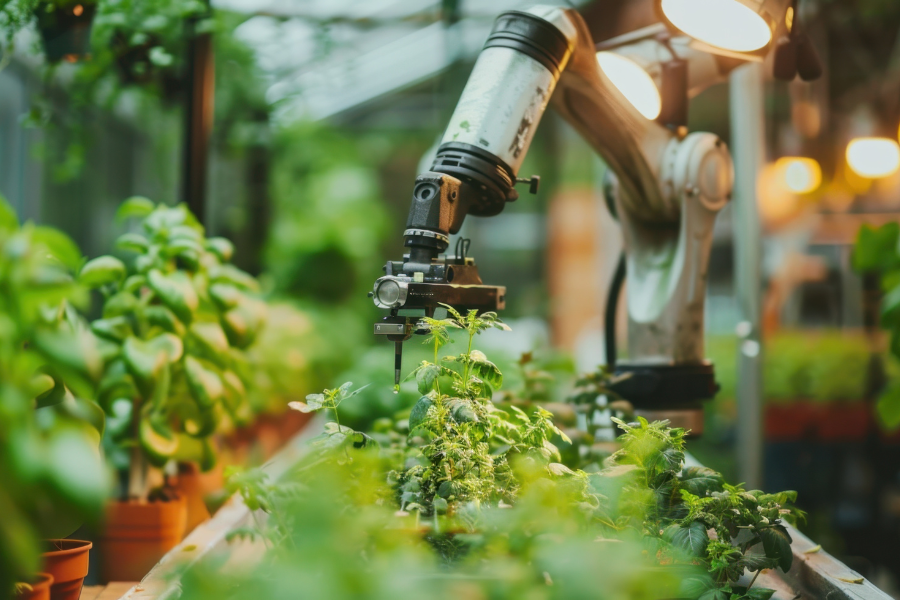
Automation is revolutionizing farming, transforming it from traditional practices to a tech-driven powerhouse. As global pressures like rising costs, labor shortages, and climate change intensify, farmers are turning to advanced technologies—such as AI, robotics, and IoT—to maintain productivity and profitability. This shift towards automation is not just a trend; it’s a critical step in shaping the future of agriculture, driving sustainability, and ensuring food security in an increasingly unpredictable world. Artificial intelligence is transforming virtually every sector of the economy, driving advancements in areas like robotics, the Internet of Things (IoT), big data, and generative AI, including tools like ChatGPT and AI-driven art. And indeed it is making its impact on agriculture as well – the oldest and arguably most critical occupation of all. Today, agriculture is facing mounting pressures from escalating input and labour costs, which are threatening farmers’ profitability. Adding to these challenges, climate change is compounding the financial strain, with rising temperatures leading to greater weather unpredictability, more frequent extreme weather events, prolonged droughts, and the spread of invasive species and pests—all of which are diminishing crop yields. Source: Market.us Feeding 10 billion people (projected global population) sustainably by 2050 requires closing three gaps (Source: World Resources Institute): A 56% food gap between crop calories produced in 2010 and the amount needed in 2050 under “business as usual” growth; A 593 million-hectare land gap (an area nearly twice the size of India) between global agricultural land area in 2010 and expected agricultural expansion by 2050 An 11-gigaton GHG mitigation gap between expected agricultural emissions and the target level needed to hold global warming below 2°C (3.6°F). This is the benchmark necessary for avoiding the most debilitating impacts of climate change. To stay economically viable amid these challenges, farmers are increasingly turning to innovative solutions. Automation is emerging as an important intervention, offering significant potential to reduce the sector’s environmental footprint and help farmers adapt to financial pressures. Autonomous farming technologies vary in complexity, with some requiring minimal operator involvement. At its essence, automation is about using technology to perform tasks with little to no human intervention. Although automation may seem like a modern concept, it has deeper roots than many realise. Today, automation has evolved into a sophisticated integration of AI, robotics, and smart systems, reshaping industries around the world. In agriculture, automation includes the deployment of advanced machinery, robotics, and AI-driven systems to handle tasks traditionally performed by humans. These tasks range from planting and fertilising to monitoring crop health and harvesting, all aimed at enhancing efficiency and reducing the burden on farmers. Automation is the future Automation in agriculture has become an urgent necessity as global food demand surges alongside a shrinking farm labour force and soaring costs for essential resources like fertilisers and crop protection chemicals. It offers a vital solution to these challenges by enhancing productivity, cutting costs, and promoting sustainability. Automated systems can operate 24/7, allowing for more efficient management of large-scale farming operations while reducing human errors and optimising resource use. “I see farm automation as more than just a replacement for manual labour; it’s a transformative tool that enhances productivity in ways we could hardly have imagined. By integrating technologies like autonomous tractors, precision tools, Agri-drones, and automated greenhouses, we can achieve higher yields while using fewer resources. For instance, I’ve witnessed firsthand how the unpredictability of weather, labour shortages, and rising input costs can put immense pressure on farmers.” Arpit Sinha, Founder at Aarya Group Despite its potential, farm automation is still in its early stages. According to McKinsey’s 2022 Farmers Global Insights Survey, less than 5% of farmers worldwide have adopted next-generation automation technologies, compared to 21% who use farm management software. Sinha adds, “This is where innovations like agri-drones come into play, offering precise aerial monitoring that allows farmers to assess crop health even in extreme weather conditions, predict infestations, apply treatments, reduce labour, and manage their farms far more efficiently”. He feels that automation is not just a solution; it’s a lifeline, elevating farming to a new level of precision and sustainability. It’s empowering, and it is the future. For businesses, automation is more than a tool—it’s a strategic imperative that enables them to remain competitive by lowering operational costs and improving product quality. In agriculture, this translates to better crop management, timely harvesting, and increased profitability. As the global food market evolves, the adoption of automation is not just an option but a critical step for future success. The rise of automation across markets Agriculture is a perfect niche for innovations in the sphere of robotics: farmers usually have to deal with repetitive tasks in the field, and this work is primarily labour-intensive. Globally, the impact of automation is profound, with countries like the US, Germany, and Japan leading the charge in integrating advanced technologies across various industries. In agriculture, the adoption of automation is transforming the landscape, particularly in regions where labour shortages and high production costs are significant concerns. India’s agriculture and allied sectors are crucial, supporting 17% of the global population and contributing 20% to the country’s GDP. The country’s agricultural machinery market is projected to grow from US$ 16.73 billion in 2024 to US$ 25.2 billion by 2029. Farm mechanisation is vital for reducing cultivation costs and boosting productivity by optimising resource use. According to the National Bank for Agriculture and Rural Development (NABARD), powered machines account for 40-45 % of various farm operations, underscoring their importance in enhancing agricultural efficiency. In states like Punjab and Haryana, mechanisation levels reach between 40-45%, while in the north-eastern regions, it remains minimal. While automation is the logical next step, the transition is not without challenges. The high initial costs of automation technologies, coupled with the need for skilled labour to operate and maintain these systems, are significant barriers, especially for small and medium-sized farms. Despite these challenges, the long-term benefits of automation in terms of increased productivity, reduced labour dependency, and improved sustainability make it an essential component of the future of
Unlocking opportunities in India’s growing dry fruits market
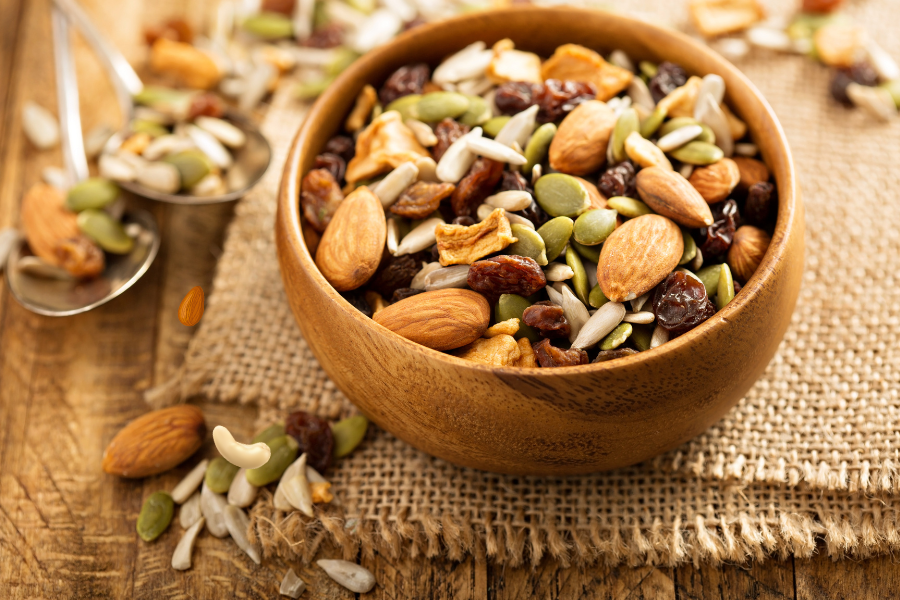
India’s dry fruits market is experiencing rapid growth, driven by rising health awareness, increased disposable incomes, and a preference for convenient, nutritious snacks. It is projected to grow from US$ 9.3 billion in 2024 to US$ 12.7 billion by 2029, at a CAGR of 6.55%. Currently ranked the world’s largest importer, India imported dry fruits worth US$ 2.85 billion in 2023. The market offers significant opportunities, particularly in the cashew segment. India is an attractive destination for foreign suppliers aiming to capitalize on this demand by offering high-quality products. With the rise of e-commerce, strategic partnerships and growing share of value added products, the industry is set for continued expansion, making it a promising sector for both established and emerging brands. Image Source: Canva Dry fruits, including almonds, walnuts, raisins, and dates, are nutrient-dense, dehydrated fruits consumed globally for their health benefits. The global dry fruits market is expanding rapidly, driven by rising health consciousness, increasing demand for convenient and healthy snacks, and a growing emphasis on plant-based diets. This growth is further fueled by the rising disposable incomes, urbanization, and the popularity of dry fruits in functional foods and dietary supplements. Asia-Pacific, Europe, and North America are key markets, with consumers increasingly seeking natural, preservative-free products that align with sustainable and organic farming practices. The global dry fruits market is valued at US$ 66.5 billion in 2023 and is projected to grow at a CAGR of 5.36% to reach US$ 86.3 billion by 2029, according to Statista. On the other hand, the India’s dry fruits market is expected to grow from US$ 9.3 billion in 2024 to US$ 12.7 billion by 2029, with a CAGR of 6.55%. The major drivers of growth in Indian dry fruit market include increasing health awareness, rising disposable incomes, and a shift towards convenient, nutritious snacks. The expansion of e-commerce and innovative packaging solutions have also significantly contributed to market growth. Notably, the consumption of India’s dry fruits increased in 2023 by 25% according to a report. India’s import trends in dry fruits Global imports of nuts reached US$ 25 billion in 2023. India is ranked first in imports of nuts, with a value of US$ 2.85 billion and market share of 11.2%. The US is the top exporter to India, contributing 35% share. Exports from the US were valued at US$ 1 billion in 2023, with a CAGR of 7% between 2019 and 2023. It was followed by Ghana (US$ 242.4 million, CAGR of 5%), Côte d’Ivoire (US$ 228.5 million, CAGR of -7%), Togo (US$ 182.2 million, CAGR of 30%) and Tanzania (US$ 118.5 million, CAGR of -11%). In India, the dominant segment of this market is cashew, which is also the highest imported product. Cashew nuts are available in various forms, including roasted, salted, flavored, and coated with spices or honey. Also, players are coming up with a number of value-added products such as cashew powder, butter, and beverages. The Indian cashew market is projected to be valued at US$ 2.40 billion in 2024 and is expected to grow to US$ 2.90 billion by 2029, with a CAGR of 3.80% during this period. In India, cashew nuts are available in various forms, including roasted, salted, flavored, and coated with spices or honey. Also, the market features value-added products such as cashew powder, butter, and beverages. Cashews hold a prominent position in India’s dry fruits imports, accounting for nearly 50% of the total share. This highlights a substantial market for cashew exports to India and presents significant opportunities for exporters. Key drivers of India’s dry fruits market The consumption of dry fruits in India, once concentrated primarily in North Indian states, has now expanded nationwide. More and more people are consuming nuts because they are ready-to-eat, low-processed, nutritious, and convenient snacks. Some of the key growth drivers are as follows: Health and wellness trends: The rising health consciousness among consumers is significantly driving the demand for nutritious food options, including dried fruits and nuts. Healthier snacking: Consumer preferences are shifting towards healthier snacking alternatives as people increasingly look for options that fit into their health-focused diets. Increased disposable incomes: with rising disposable incomes, consumers in India are willing to spend more on premium dried fruit products. E-commerce growth: The rapid growth of e-commerce platforms has significantly enhanced the accessibility of dried nuts. This allows consumers, especially in rural areas, to purchase these products conveniently, further boosting market growth. Innovative product offerings: Manufacturers are focussing on introducing innovative products within the dried fruits category, including value-added items like snack bars and breakfast cereals. Convenience and shelf stability: The long shelf life and convenience of dried nuts make them an attractive option for busy consumers. This factor appeals to those looking for nutritious snacks that require no preparation. Professor Ranjan Kumar Ghosh of IIM Ahmedabad comments, “The dry fruits and nuts market is booming because of the increasing health awareness of Indian consumers. For instance, urban consumers now prefer nut-mixed cereals more than ever before and have also started substituting for traditional sweets as the best gifting options during major festivals.” Future Outlook Growth prospects of the dry fruits industry is looking bright, as more people are consuming dry fruits because they are ready to eat, low processed, nutritious and convenient snacks. To meet the growth of the industry, dry fruits companies need to adopt to evolving consumers tastes and preferences. India being the top importer of dry fruits promises many opportunities for foreign players in the Indian market. Foreign exporters should enter the Indian market by providing good quality products at affordable prices and targeting the less saturated consumer base through strong marketing strategies. This industry will keep evolving, fueled by the increasing consciousness of people regarding improvement of their health and consumption of nutrient rich foods. Dry fruits producers internationally should stay informed about the growing market in India, so as to ensure their successful future in the Indian dry fruits industry. Article authored courtesy of Indus Fresh, a thought leadership initiative of Indusfood, Asia’s Premier F&B trade show.
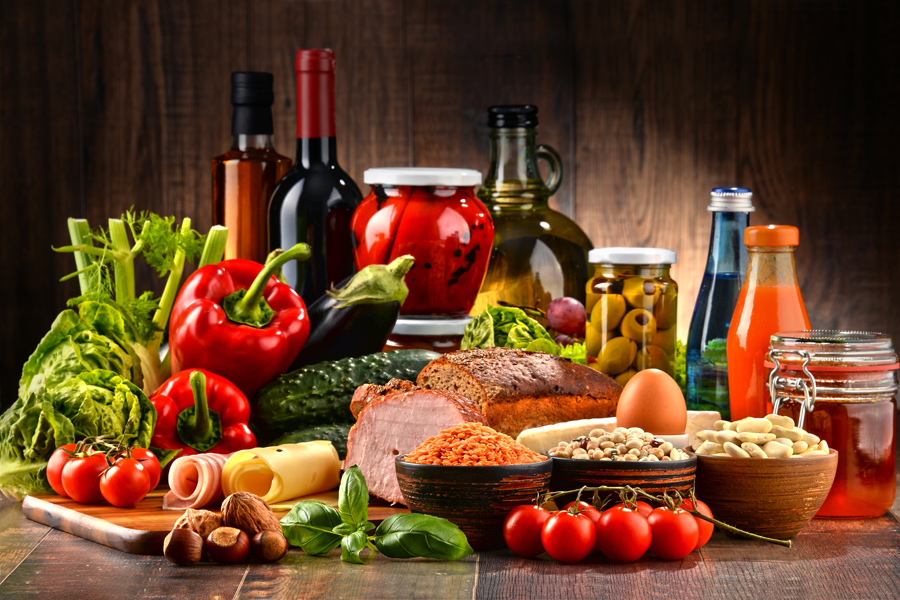
A taste of India in Saudi Arabia: A prospering F&B trade relationship
The Saudi Arabian food and beverage market is experiencing significant growth. In 2024, the market size is estimated to be US$ 23.5 billion and is projected to reach US$ 27.8 billion by 2029, reflecting a CAGR of 3.44% during this period. This market growth is driven by several factors, like the growth in e-commerce, hypermarkets and supermarkets, high disposable incomes and increasing investments in the country’s food industry. India is the second largest food and beverage exporter to Saudi Arabia, with exports at 2.1 billion in 2023-24. Top categories of exports include milled rice, meat, coffee, tea, spices, fruits and nuts. IBT analyses India’s F&B export trends to Saudi Arabia, which show very encouraging growth in some key segments that can be capitalised in the coming years. Image source: Shutterstock India and Saudi Arabia share a long-standing and friendly relationship, underscored by historical economic and socio-cultural connections. Diplomatic relations between the two countries were officially established in 1947. A significant milestone in the bilateral relationship occurred during Crown Prince Mohammad bin Salman’s visit to India in February 2019. This visit was marked by an announcement of approximately US$ 100 billion in Saudi investments in India, alongside the signing of six Memoranda of Understanding (MoUs) and agreements. These agreements spanned various sectors, including investment, tourism, housing, and the exchange of audio-visual programs. A notable outcome was Saudi Arabia’s agreement to join the International Solar Alliance (ISA), an initiative launched by India’s Prime Minister Shri Narendra Modi. Trade plays a crucial role in the bilateral ties. Saudi Arabia is India’s fifth-largest importer, while India is its fourth-largest trade partner. In FY 2024, bilateral trade reached nearly US$ 43 billion. India’s exports to Saudi Arabia totaled US$ 11.5 billion, while imports amounted to US$ 31.4 billion. Notably, oil constitutes around 77.9% of India’s imports fr0m Saudi Arabia. In recent years, Indian investments in the Kingdom of Saudi Arabia have surged, reaching approximately US$ 3 billion by August 2023. This impressive growth highlights the expanding footprint of Indian companies across various sectors such as management consultancy, construction, telecommunications, IT, financial services, and pharmaceuticals. Key players in this investment wave include Larsen & Toubro (L&T), Tata Consultancy Services (TCS), Wipro, and Telecommunication Consultancy India Ltd. (TCIL). Other notable contributors are Shapoorji Pallonji, Infosys, and major airlines like Air India and SpiceJet. With around 2,783 Indian companies operating in Saudi Arabia, either as joint ventures or wholly owned entities, the economic ties between the two nations are deepening. This substantial investment underscores India’s growing role as a key economic partner for Saudi Arabia, creating significant opportunities across diverse sectors, further backed by the latter’s ambitious Vision 2030 reforms. F&B export potential Food and beverage exports from India to Saudi Arabia were valued at approximately US$ 2.1 billion in 2023, showing a 5-year CAGR of 6.11%, constituting about 20% of total exports to KSA. India is the second largest F&B exporter to Saudi Arabia and accounts for around 12% of Saudi Arabia’s total F&B imports, highlighting the significant role of this sector in their economic relationship. The primary F&B imports from Saudi Arabia to India are crude soybean oil and dates, which together account for 88% of total US$ 34 million worth of F&B imports. Source: ITC Trade Map The India-UAE Free Trade Agreement (FTA) has positively impacted trade by enhancing economic ties between India and the UAE, which in turn has facilitated greater trade with other Gulf countries (including Saudi Arabia). The anticipated GCC-India FTA promises to further bolster this by reducing tariffs, improving market access, and encouraging investment, potentially leading to increased economic integration and trade efficiency across the region. Market Size & Insights The Saudi Arabian food and beverage market is experiencing significant growth. In 2024, the market size is estimated to be US$ 23.5 billion and is projected to reach US$ 27.8 billion by 2029, reflecting a CAGR of 3.44% during this period. This market growth is driven by several factors, like the growth in e-commerce, hypermarkets and supermarkets, high disposable incomes and increasing investments in the country’s food industry. The government has launched a number of initiatives to enhance ease of doing business, promote economic diversification, and boost growth in the retail sector. These include the development of mega shopping complexes and entertainment hubs. In addition, the government is working to encourage local retail entrepreneurship through support for SMEs. Furthermore, the country’s Vision 2030 plan emphasises on enhancing retail competitiveness and innovation. Its food and beverage market is characterized by its significant reliance on imports, with approximately 75% of its national food consumption being sourced from abroad. This makes it the largest food importer in the Middle East. Saudi Arabia’s top imports are cereals, meat, dairy products, miscellaneous edible preparations and fruits & vegetables. In fact, the rise in dairy product consumption, including milk, is an important trend to watch, bolstered by heightened awareness of the benefits of dairy products and a growing fitness trend. The country’s milk production capacity can exceed 7 million liters per day, equating to over 18 million bottles daily. To support this scale of production, more than 10,000 trucks are involved in transporting and distributing dairy products each day, with approximately 38,000 retail stores receiving these products daily. This infrastructure underscores the critical role of dairy in the Saudi food and beverage market and highlights the sector’s dynamic growth and potential for expansion. Halal certification is essential for exporting food and beverage products to Saudi Arabia. It is a differentiating factor which determines how well a product does in the country. India’s top F&B exports to Saudi Arabia (by value) HS code Product label Value in 2023 5Y CAGR 10 Cereals 1287 5% 02 Meat and edible meat offal 243 14% 09 Coffee, tea, maté and spices 130 10% 08 Edible fruit and nuts.. 94 -8% 20 Preparations of vegetables, fruit.. 58 18% 07 Edible vegetables.. 47 4% 17 Sugars and sugar confectionery 37 8% 12 Oil seeds and oleaginous fruits.. 32 26% 04 Dairy produce..
Behind the plate: India’s evolving food service industry
India’s food service industry is a vibrant and dynamic sector, deeply rooted in the country’s rich and diverse cultural heritage. This diversity, coupled with the influence of festivals and ceremonies, shapes food preferences and provides unique opportunities for businesses to cater to regional tastes. According to NRAI’s recent report, India’s food service industry, valued at US$ 67.89 billion in 2024, is expected to grow to US$ 92.43 billion by 2028, making it the third-largest in the world, driven by urbanization, rising incomes, and the increasing frequency of dining out. Key growth areas include quick-service restaurants, cafes, and cloud kitchens, all of which are benefiting from technological advancements like food delivery apps and streamlined point-of-sale systems. However, the sector is not without challenges. Issues such as high attrition rates, labour problems, and the unorganised nature of the industry, with 50-60% of outlets being single-unit establishments, pose significant obstacles. Despite these challenges, the future of India’s food service industry appears promising. Image Credit: Freepik India is home to several states, each with its own distinct culinary traditions, local ingredients, and cooking techniques. From the spicy curries of the south to the rich, creamy dishes of the north, regional variations can drastically alter the dining landscape. The cultural diversity of India is perhaps the leading factor shaping its food service industry. Festivities and ceremonies play an essential role in influencing food preferences, and special dishes are often prepared to celebrate various occasions. For instance, during Diwali, sweets and snacks are integral, while Eid brings forth rich biryanis and kebabs. These celebrations not only highlight traditional foods but also provide food service businesses with unique marketing opportunities. Moreover, the increasing globalisation of culinary practices has resulted in a delightful fusion scene where traditional Indian flavours are paired with international cuisines, capturing the interest of adventurous eaters. Food service industry overview The global food service market was valued at US$ 5.46 trillion in 2022 and is expected to grow to US$ 6.79 trillion by 2030, with a CAGR of 2.82% from 2023 to 2030. Similarly, India’s food services sector, which is the third-largest industry valued at US$ 67.89 billion in 2024, is projected to grow at a CAGR of 8.1%, reaching US$ 92.43 billion by 2028, according to a report by the National Restaurant Association of India (NRAI). Source: NRAI, Swiggy, and Bain & Company India’s food services market will exceed Japan’s by 2028, trailing only the United States and China, according to the NRAI. It will also be the second-fastest-growing market after Brazil, with 10.3 million jobs by 2028. The market currently employs 8.5 million people, with the organised segment valued at US$ 29 billion and the unorganised segment estimated at US$ 38 billion. From 2024 to 2028, the organised category will rise at a CAGR of 13.2%. This growth will be driven by an increase in eating out, which includes both dining out and ordering in. Today’s average eating out frequency is 7.9 times per month, up from 6.6 in 2019. The average person dines out 3.7 times per month and orders 4.2 times per month, the report adds. While the NRAI report cites changing lifestyles, urbanisation, and increased convenience as key reasons, it also states that the organised food services market’s share will increase to 52.8% by 2028 from 43.8% currently. In contrast, the unorganised portion would fall from 56.2% to 47.2% over the same period. The report cites that the top nine cities in India account for around 59% of total revenue in the food services business. Cafes, quick-service restaurants, and dessert and ice cream parlours will be among the fastest-growing segments, rising at rates of 18.6%, 17.5%, and 15%, respectively, between 2024 and 2028. From 2019 to 2024, these three segments grew at a CAGR of 15-20%. Casual dining, fine dining, pubs, bars, and lounges are predicted to increase by 9.3%, 12.9%, and 8%, respectively, between 2024 and 2028. Cloud kitchens, on the other hand, are expected to be the fastest-growing segment, with a CAGR of 35.2%, thanks to the thriving online delivery business, the survey notes. Technological advancements In recent years, technology has revolutionised the food service industry in India, enhancing operational efficiencies and improving customer experiences. Point-of-sale (POS) systems have streamlined order processing and inventory management, allowing businesses to operate more smoothly. These systems enable restaurants to track sales metrics and customer preferences, making it easier to adapt offerings to meet demand. The rise of food delivery apps like Zomato, Swiggy, and Dunzo has transformed how consumers engage with food service providers. Offering convenience and a vast variety of food choices at the touch of a button, these platforms have become essential for many urban consumers. Moreover, cloud kitchens—commercial cooking spaces that facilitate food delivery—have gained traction, minimising overhead costs associated with operating a traditional restaurant while meeting the burgeoning demand for online food delivery. Challenges facing the industry Despite its growth potential, the food service industry in India faces numerous challenges. The report also points to rising input costs, limited hours of operation, regulatory compliance, and delivery dynamics as challenges faced by food service operators. Regulatory compliance: Compliance with health and safety regulations, labour laws, and licensing requirements can be overwhelming, particularly for SME’s. This often leads to delays in establishing operations or increased costs. Operational challenges: Factors such as supply chain disruptions and fluctuating food prices. Businesses must continually adapt to ever-changing market conditions and consumer behaviours. Staffing issues: The industry often grapples with high turnover rates. Recruiting and retaining skilled staff in kitchens and service roles can be challenging, thereby impacting service quality. According to Chetan Patil, CEO of Go Self Serve, “the food and beverage services sector in India faces significant challenges due to its largely unorganised nature, with a high attrition rate and labour issues being particularly problematic. Communication barriers and a lack of a trained workforce further complicate operations. Additionally, with 50-60% of outlets being single-unit establishments, standardising practices and improving service quality across the industry remains a daunting task.” “Many

Anti-caking agents: Keeping packaged foods clump free
The rising demand for ready-to-eat foods has led to advancements in food storage, packaging, and flavor enhancement. Anti-caking agents are a key ingredient in this evolution, added in small amounts to dry foods to prevent particle clumping and ensure smooth, free-flowing products. Essential in products ranging from milk powders to baking mixes, these agents are crucial for food preservation, extending shelf life, and maintaining nutritional value. As the market grows due to innovations and evolving consumer preferences, anti-caking agents are becoming increasingly vital in the food industry. Image Credit: Pixabay Have you ever wondered how powdered foods stay fresh for so long or how everyday staples like sugar, salt, and spices maintain their texture, even in humid weather, damp storage conditions, or after extended periods on store shelves? The secret lies in anti-caking agents. Often overlooked, these additives are essential for preserving these products. As their name suggests, anti-caking agents are mixed into powdered foods to prevent clumping and ensure that the granules or powder remain free-flowing. Anti-caking agents work by either absorbing excess moisture or by coating particles to make them more water-repellent. Without these agents, dry soup, cake, and biscuit mixes would become clumpy and difficult to use. Cappuccino and hot chocolate vending machines wouldn’t function smoothly, and premixes used in manufacturing would be more challenging to handle. For example, rice, a commonly used anti-caking agent, is often added to table salt to help maintain its free-flowing texture. These agents are commonly used in products like milk and cream powders, flour-based mixes, baking powder, table salt, cocoa, and mixed coffee beverages. In manufacturing, anti-caking agents play a vital role by preventing the bridging of powders during the packaging process. Bridging occurs when particles interlock or bond together, forming a bridge or arch above the outlet of containers like silos, hoppers, or mixing vessels, which can slow down production rates. Market Size and growth drivers The global anti-caking agents market was valued at US$ 1.1 billion in 2021 and is projected to reach US$ 2.1 billion by 2031, growing at a compound annual growth rate (CAGR) of 6.4% during this period. In India, the market is expected to grow at a CAGR of 6.23% from 2020 to 2025. The Indian anti-caking market is segmented by type and application. By type, it includes calcium compounds, sodium compounds, silicon dioxide, and others. By application, it is divided into food and beverage, animal feed, and other applications. The market for anti-caking agents is anticipated to grow significantly due to increasing demand for traditional cuisine, fueled by the availability of raw materials, innovations in the food industry, and evolving consumer preferences. As lifestyles become more hectic, there is a growing preference for on-the-go breakfast and convenient baked goods. This shift has fueled the innovation of varied food ingredients, including food coating ingredients and food and beverage premixes like cake mixes, instant soups, health drinks and coffee. These agents help stabilize shelf life of dry mixes, ready to eat food, frozen or chilled, offering options for remote locations. Broader Benefits Anti-caking agents do more than just maintain the texture of powdered foods—they play a vital role in food preservation by inhibiting microbial and enzyme activity. By enhancing food preservation, these agents help extend shelf life in secure storage environments, making it easier to access certain foods even out of season. This is especially beneficial in remote or isolated areas where food options might be limited. Additionally, food preservation with anti-caking agents helps retain nutritional value, maintain natural color, and prevent oils from becoming rancid. As a result, these agents contribute significantly to prolonging food safety and nutrient content over time. These foods often contain a variety of thickeners, such as corn-starch, arrowroot, cassava, agar-agar, gelatin, and eggs. Anti-caking agents can be added to food products to enhance viscosity, texture, density, stability, and other qualities, making them a crucial component in maintaining the desired characteristics of these foods. Types of Anti-Caking Agents Anti-caking agents are themselves very fine powders that are listed as nutrients and considered food ingredients. They are broadly categorized into two types: synthetic (man-made) and natural. The majority of anti-caking agents are synthetically produced from substances like silicon dioxide, or magnesium and calcium stearates, which are solid saturated fatty acids. However, many anti-caking agents are derived from natural sources, including kaolin, talc, and bentonite. Some manufacturers also produce organic and hypoallergenic anti-caking agents from natural sources like rice. Synthetic anti-caking agents are created from chemicals and other artificial substances such as silicates and acids. Examples include calcium silicate, magnesium carbonate, and sodium aluminosilicate. According to Food Safety and Standards (Fortification of Foods) Regulations, no anti-caking agents may be used unless they have been permitted in the regulations. Table salt, onion powder, garlic powder, fruit powder, and soup powder may contain anti-caking agents, but only in amounts not exceeding 2.0%, whether used individually or in combination. Calcium, potassium, or sodium ferrocyanide are allowed as crystal modifiers and anti-caking agents in common salt, iodized salt, and iron-fortified salt, with a maximum allowable limit of 10 mg/kg, either singly or in combination, expressed as ferrocyanide. Anti-caking agents are crucial in modern food processing, ensuring that powdered products like sugar, salt, cake mixes, coffee, and ready-to-eat foods remain free-flowing and effective despite humidity and extended shelf life. These agents not only prevent clumping but also significantly contribute to food preservation, extending shelf life, maintaining nutritional value, and making products suitable for remote areas. As demand for ready-to-eat and convenient foods rises, the market for anti-caking agents is expected to expand. Their ability to enhance texture, stability, and overall quality makes them an indispensable component in the food industry.
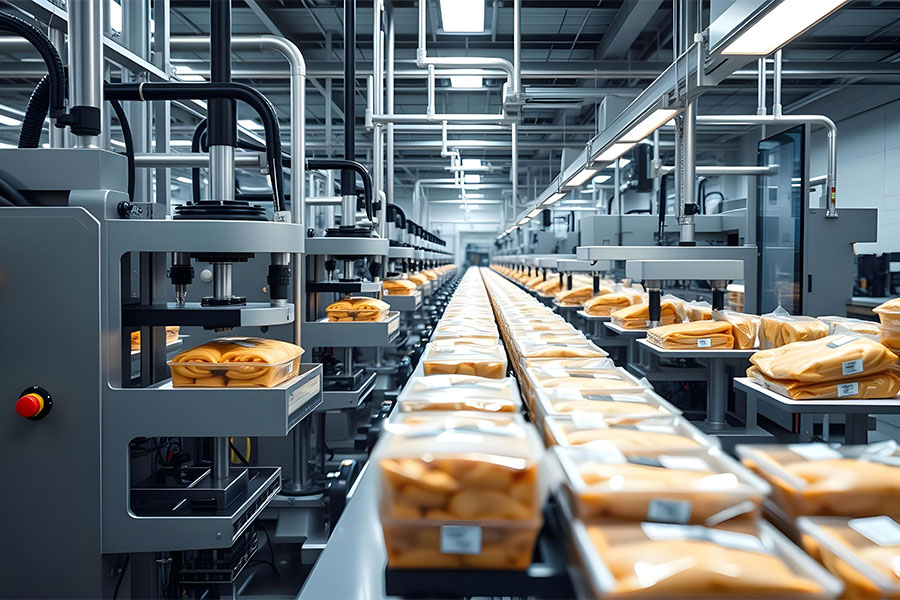
Indusfood Packaging 2025 – Redefining excellence in food packaging
Indusfood Packaging 2025, organized by the Trade Promotion Council of India in collaboration with IEML, is poised to revolutionize the food packaging industry. This premier trade exhibition offers global buyers an exclusive platform to discover cutting-edge packaging solutions, foster innovation through strategic collaborations, and network with industry leaders to build lasting partnerships. Attendees will gain critical insights to stay ahead in this ever-evolving sector. As one of the four flagship exhibitions at the inaugural Indusfood Manufacturing event, Indusfood Packaging 2025 will host over 500 exhibitors and attract 20,000 global visitors, including key decision-makers and industry pioneers. The inaugural Indusfood Packaging 2025, organized by the Trade Promotion Council of India, is poised to revolutionize the future of food packaging through cutting-edge innovation. It will feature pioneering advancements in packaging, labelling, corrugation, and adhesives. This ground breaking event offers a unique opportunity to explore state-of-the-art packaging solutions and sustainable practices that will elevate your business and drive the packaging sector forward. At Indusfood Packaging 2025, you’ll uncover the innovations set to shape the industry’s future while engaging in a transformative experience. The event goes beyond showcasing the latest technologies and facilitating business growth — it immerses you in comprehensive panel discussions focused on the latest trends and technological advancements, designed to push the boundaries of what’s possible and keep you business prepared for the future. India’s sunrise food packaging market The food packaging industry in India has experienced significant growth over the past few decades. With the rising demand for processed and packaged foods, the industry has become an essential segment of the broader food and beverage sector. As consumer preferences shift towards convenience, safety, and sustainability, the packaging industry must continually innovate to meet these evolving needs. Indian food & beverage packaging industry is anticipated to reach US$ 86 billion by 2029, growing at a CAGR of 14.8%, according to the All India Food Processors Association. India’s food packaging industry is one of the fastest-growing sectors, driven by increasing urbanization, rising disposable incomes, and a growing population. Indian food and beverage packaging industry was valued at US$ 32 billion in 2022 and is anticipated to reach US$ 86 billion by 2029, growing at a CAGR of 14.8%, according to the All India Food Processors Association. This growth is primarily fuelled by the increasing demand for ready-to-eat foods, dairy products, snacks, and beverages, which require efficient and reliable packaging solutions. *Consolidated figures for Indusfood Manufacturing Packaging plays a crucial role in ensuring the safety, quality, and shelf life of food products. In a country as diverse as India, with its vast range of climatic conditions and transportation challenges, packaging is not just a convenience but a necessity. The industry has responded by developing packaging solutions that cater to the specific needs of different food products, from moisture-resistant packaging for snacks to temperature-controlled packaging for dairy and frozen foods. The food packaging industry in India is diverse, encompassing various segments such as flexible packaging, rigid packaging, and packaging materials like plastics, glass, metal, and paper. Among these, flexible packaging has gained significant popularity due to its lightweight, cost-effectiveness, and versatility. It includes products like pouches, films, and bags that can be used for a wide range of food products. Rigid packaging, which includes bottles, cans, and containers, is also widely used, particularly for beverages and dairy products. Glass and metal packaging are preferred for their superior barrier properties, making them ideal for products that require longer shelf life. However, with growing environmental concerns, there has been a noticeable shift towards sustainable packaging materials, such as biodegradable plastics and recyclable paper. Technological Innovations The Indian food packaging industry has witnessed several technological advancements in recent years. These innovations are aimed at enhancing the safety, efficiency, and sustainability of packaging processes. Some of the notable technologies include: 1. Active and Intelligent Packaging: Active packaging involves the inclusion of additives that can extend the shelf life of food products by absorbing moisture, oxygen, or ethylene. Intelligent packaging, on the other hand, uses sensors and indicators to monitor the condition of the packaged food, providing real-time information on its freshness and quality. 2. Modified Atmosphere Packaging (MAP): This technology involves altering the atmosphere inside the packaging to extend the shelf life of perishable food products. By reducing the oxygen levels and increasing the levels of nitrogen or carbon dioxide, MAP helps in slowing down the growth of spoilage microorganisms. 3. Sustainable Packaging Solutions: With the increasing focus on environmental sustainability, the industry is moving towards eco-friendly packaging materials. Biodegradable plastics, compostable films, and recyclable paper are gaining traction as they offer a reduced environmental impact compared to traditional packaging materials. 4. Automation and Robotics: To improve efficiency and reduce human intervention, many packaging companies are adopting automation and robotics. Automated packaging lines, equipped with advanced machinery, can handle high volumes of food products with precision and speed, ensuring consistent quality and hygiene. Challenges & Opportunities While the food packaging industry in India is on a growth trajectory, it also faces several challenges. One of the primary challenges is the need for sustainable packaging solutions that can reduce the environmental impact of plastic waste. The Indian government has introduced various regulations to curb the use of single-use plastics, pushing the industry to innovate and adopt greener alternatives. Another challenge is the high cost of advanced packaging technologies, which can be a barrier for small and medium-sized enterprises (SMEs). However, this also presents an opportunity for collaboration between technology providers and packaging companies to develop cost-effective solutions tailored to the Indian market. Secondly, as awareness of eco-friendliness increases, the challenges of excessive plastic consumption, improper disposal practices, and the need for sustainable packaging solutions are becoming more prominent. India’s sustainable packaging market was valued at US$ 3.5 billion in 2020 and is expected to reach US$ 11.1 billion by 2025, exhibiting a strong CAGR of 26.7%. This substantial market potential makes India an attractive destination for international investment in sustainable packaging solutions. Sunil Bhayati, Head of Sales &