The rising demand for ready-to-eat foods has led to advancements in food storage, packaging, and flavor enhancement. Anti-caking agents are a key ingredient in this evolution, added in small amounts to dry foods to prevent particle clumping and ensure smooth, free-flowing products. Essential in products ranging from milk powders to baking mixes, these agents are crucial for food preservation, extending shelf life, and maintaining nutritional value. As the market grows due to innovations and evolving consumer preferences, anti-caking agents are becoming increasingly vital in the food industry. Image Credit: Pixabay Have you ever wondered how powdered foods stay fresh for so long or how everyday staples like sugar, salt, and spices maintain their texture, even in humid weather, damp storage conditions, or after extended periods on store shelves? The secret lies in anti-caking agents. Often overlooked, these additives are essential for preserving these products. As their name suggests, anti-caking agents are mixed into powdered foods to prevent clumping and ensure that the granules or powder remain free-flowing. Anti-caking agents work by either absorbing excess moisture or by coating particles to make them more water-repellent. Without these agents, dry soup, cake, and biscuit mixes would become clumpy and difficult to use. Cappuccino and hot chocolate vending machines wouldn’t function smoothly, and premixes used in manufacturing would be more challenging to handle. For example, rice, a commonly used anti-caking agent, is often added to table salt to help maintain its free-flowing texture. These agents are commonly used in products like milk and cream powders, flour-based mixes, baking powder, table salt, cocoa, and mixed coffee beverages. In manufacturing, anti-caking agents play a vital role by preventing the bridging of powders during the packaging process. Bridging occurs when particles interlock or bond together, forming a bridge or arch above the outlet of containers like silos, hoppers, or mixing vessels, which can slow down production rates. Market Size and growth drivers The global anti-caking agents market was valued at US$ 1.1 billion in 2021 and is projected to reach US$ 2.1 billion by 2031, growing at a compound annual growth rate (CAGR) of 6.4% during this period. In India, the market is expected to grow at a CAGR of 6.23% from 2020 to 2025. The Indian anti-caking market is segmented by type and application. By type, it includes calcium compounds, sodium compounds, silicon dioxide, and others. By application, it is divided into food and beverage, animal feed, and other applications. The market for anti-caking agents is anticipated to grow significantly due to increasing demand for traditional cuisine, fueled by the availability of raw materials, innovations in the food industry, and evolving consumer preferences. As lifestyles become more hectic, there is a growing preference for on-the-go breakfast and convenient baked goods. This shift has fueled the innovation of varied food ingredients, including food coating ingredients and food and beverage premixes like cake mixes, instant soups, health drinks and coffee. These agents help stabilize shelf life of dry mixes, ready to eat food, frozen or chilled, offering options for remote locations. Broader Benefits Anti-caking agents do more than just maintain the texture of powdered foods—they play a vital role in food preservation by inhibiting microbial and enzyme activity. By enhancing food preservation, these agents help extend shelf life in secure storage environments, making it easier to access certain foods even out of season. This is especially beneficial in remote or isolated areas where food options might be limited. Additionally, food preservation with anti-caking agents helps retain nutritional value, maintain natural color, and prevent oils from becoming rancid. As a result, these agents contribute significantly to prolonging food safety and nutrient content over time. These foods often contain a variety of thickeners, such as corn-starch, arrowroot, cassava, agar-agar, gelatin, and eggs. Anti-caking agents can be added to food products to enhance viscosity, texture, density, stability, and other qualities, making them a crucial component in maintaining the desired characteristics of these foods. Types of Anti-Caking Agents Anti-caking agents are themselves very fine powders that are listed as nutrients and considered food ingredients. They are broadly categorized into two types: synthetic (man-made) and natural. The majority of anti-caking agents are synthetically produced from substances like silicon dioxide, or magnesium and calcium stearates, which are solid saturated fatty acids. However, many anti-caking agents are derived from natural sources, including kaolin, talc, and bentonite. Some manufacturers also produce organic and hypoallergenic anti-caking agents from natural sources like rice. Synthetic anti-caking agents are created from chemicals and other artificial substances such as silicates and acids. Examples include calcium silicate, magnesium carbonate, and sodium aluminosilicate. According to Food Safety and Standards (Fortification of Foods) Regulations, no anti-caking agents may be used unless they have been permitted in the regulations. Table salt, onion powder, garlic powder, fruit powder, and soup powder may contain anti-caking agents, but only in amounts not exceeding 2.0%, whether used individually or in combination. Calcium, potassium, or sodium ferrocyanide are allowed as crystal modifiers and anti-caking agents in common salt, iodized salt, and iron-fortified salt, with a maximum allowable limit of 10 mg/kg, either singly or in combination, expressed as ferrocyanide. Anti-caking agents are crucial in modern food processing, ensuring that powdered products like sugar, salt, cake mixes, coffee, and ready-to-eat foods remain free-flowing and effective despite humidity and extended shelf life. These agents not only prevent clumping but also significantly contribute to food preservation, extending shelf life, maintaining nutritional value, and making products suitable for remote areas. As demand for ready-to-eat and convenient foods rises, the market for anti-caking agents is expected to expand. Their ability to enhance texture, stability, and overall quality makes them an indispensable component in the food industry.
Indusfood Packaging 2025 – Redefining excellence in food packaging
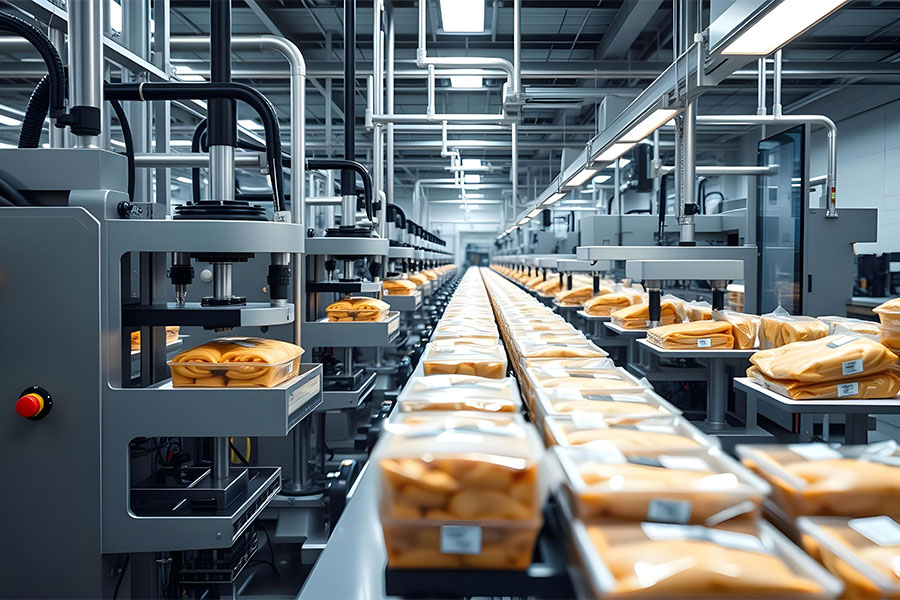
Indusfood Packaging 2025, organized by the Trade Promotion Council of India in collaboration with IEML, is poised to revolutionize the food packaging industry. This premier trade exhibition offers global buyers an exclusive platform to discover cutting-edge packaging solutions, foster innovation through strategic collaborations, and network with industry leaders to build lasting partnerships. Attendees will gain critical insights to stay ahead in this ever-evolving sector. As one of the four flagship exhibitions at the inaugural Indusfood Manufacturing event, Indusfood Packaging 2025 will host over 500 exhibitors and attract 20,000 global visitors, including key decision-makers and industry pioneers. The inaugural Indusfood Packaging 2025, organized by the Trade Promotion Council of India, is poised to revolutionize the future of food packaging through cutting-edge innovation. It will feature pioneering advancements in packaging, labelling, corrugation, and adhesives. This ground breaking event offers a unique opportunity to explore state-of-the-art packaging solutions and sustainable practices that will elevate your business and drive the packaging sector forward. At Indusfood Packaging 2025, you’ll uncover the innovations set to shape the industry’s future while engaging in a transformative experience. The event goes beyond showcasing the latest technologies and facilitating business growth — it immerses you in comprehensive panel discussions focused on the latest trends and technological advancements, designed to push the boundaries of what’s possible and keep you business prepared for the future. India’s sunrise food packaging market The food packaging industry in India has experienced significant growth over the past few decades. With the rising demand for processed and packaged foods, the industry has become an essential segment of the broader food and beverage sector. As consumer preferences shift towards convenience, safety, and sustainability, the packaging industry must continually innovate to meet these evolving needs. Indian food & beverage packaging industry is anticipated to reach US$ 86 billion by 2029, growing at a CAGR of 14.8%, according to the All India Food Processors Association. India’s food packaging industry is one of the fastest-growing sectors, driven by increasing urbanization, rising disposable incomes, and a growing population. Indian food and beverage packaging industry was valued at US$ 32 billion in 2022 and is anticipated to reach US$ 86 billion by 2029, growing at a CAGR of 14.8%, according to the All India Food Processors Association. This growth is primarily fuelled by the increasing demand for ready-to-eat foods, dairy products, snacks, and beverages, which require efficient and reliable packaging solutions. *Consolidated figures for Indusfood Manufacturing Packaging plays a crucial role in ensuring the safety, quality, and shelf life of food products. In a country as diverse as India, with its vast range of climatic conditions and transportation challenges, packaging is not just a convenience but a necessity. The industry has responded by developing packaging solutions that cater to the specific needs of different food products, from moisture-resistant packaging for snacks to temperature-controlled packaging for dairy and frozen foods. The food packaging industry in India is diverse, encompassing various segments such as flexible packaging, rigid packaging, and packaging materials like plastics, glass, metal, and paper. Among these, flexible packaging has gained significant popularity due to its lightweight, cost-effectiveness, and versatility. It includes products like pouches, films, and bags that can be used for a wide range of food products. Rigid packaging, which includes bottles, cans, and containers, is also widely used, particularly for beverages and dairy products. Glass and metal packaging are preferred for their superior barrier properties, making them ideal for products that require longer shelf life. However, with growing environmental concerns, there has been a noticeable shift towards sustainable packaging materials, such as biodegradable plastics and recyclable paper. Technological Innovations The Indian food packaging industry has witnessed several technological advancements in recent years. These innovations are aimed at enhancing the safety, efficiency, and sustainability of packaging processes. Some of the notable technologies include: 1. Active and Intelligent Packaging: Active packaging involves the inclusion of additives that can extend the shelf life of food products by absorbing moisture, oxygen, or ethylene. Intelligent packaging, on the other hand, uses sensors and indicators to monitor the condition of the packaged food, providing real-time information on its freshness and quality. 2. Modified Atmosphere Packaging (MAP): This technology involves altering the atmosphere inside the packaging to extend the shelf life of perishable food products. By reducing the oxygen levels and increasing the levels of nitrogen or carbon dioxide, MAP helps in slowing down the growth of spoilage microorganisms. 3. Sustainable Packaging Solutions: With the increasing focus on environmental sustainability, the industry is moving towards eco-friendly packaging materials. Biodegradable plastics, compostable films, and recyclable paper are gaining traction as they offer a reduced environmental impact compared to traditional packaging materials. 4. Automation and Robotics: To improve efficiency and reduce human intervention, many packaging companies are adopting automation and robotics. Automated packaging lines, equipped with advanced machinery, can handle high volumes of food products with precision and speed, ensuring consistent quality and hygiene. Challenges & Opportunities While the food packaging industry in India is on a growth trajectory, it also faces several challenges. One of the primary challenges is the need for sustainable packaging solutions that can reduce the environmental impact of plastic waste. The Indian government has introduced various regulations to curb the use of single-use plastics, pushing the industry to innovate and adopt greener alternatives. Another challenge is the high cost of advanced packaging technologies, which can be a barrier for small and medium-sized enterprises (SMEs). However, this also presents an opportunity for collaboration between technology providers and packaging companies to develop cost-effective solutions tailored to the Indian market. Secondly, as awareness of eco-friendliness increases, the challenges of excessive plastic consumption, improper disposal practices, and the need for sustainable packaging solutions are becoming more prominent. India’s sustainable packaging market was valued at US$ 3.5 billion in 2020 and is expected to reach US$ 11.1 billion by 2025, exhibiting a strong CAGR of 26.7%. This substantial market potential makes India an attractive destination for international investment in sustainable packaging solutions. Sunil Bhayati, Head of Sales &
Anmol Industries: Journey of growth and innovation
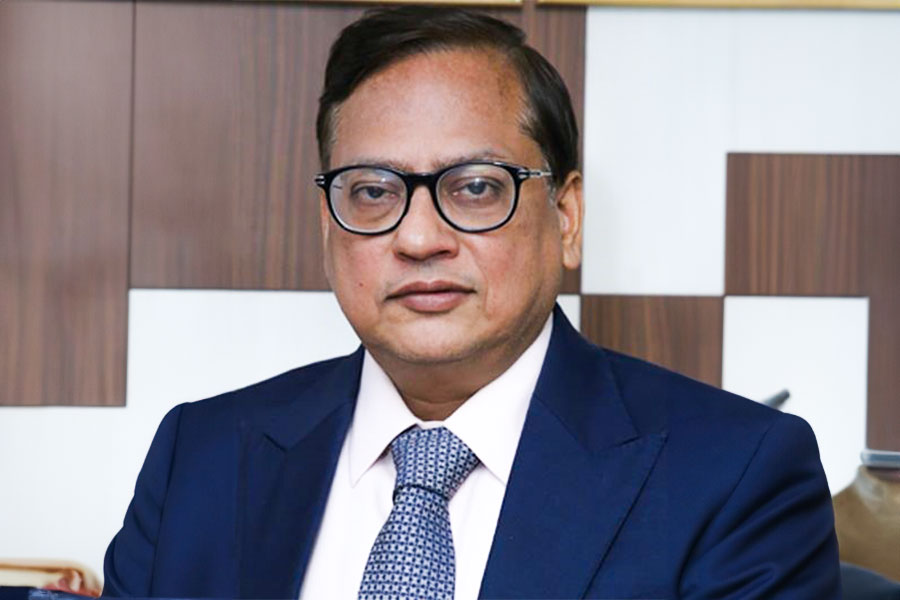
Anmol Industries has made a significant impact in the food industry through its established brand presence, strategic supply chain, and well-positioned manufacturing facilities, since 1994. With a global footprint in 34 countries, Anmol’s diverse product portfolio boasts 41 varieties of biscuits and 6 varieties of cakes. In an insightful conversation with India Business and Trade, Gobind Ram Choudhary, Whole Time Director of Anmol Industries Ltd, shares valuable insights into the company’s strategic expansion, its focus on quality and supply chain excellence, and recent ventures into new product categories like wafers. The conversation explores the challenges of the current market, the importance of evolving marketing strategies, and the future vision for Anmol Industries, highlighting plans to expand into new geographies and enhance product innovation. IBT: Could you provide a brief overview of Anmol Industries’ journey since its inception and highlight key milestones that have shaped the company’s growth and operations? Gobind Ram Choudhary: We began our journey in 1994, starting with a small factory in Dankuni, near Kolkata. Over the next 3-4 years, we expanded at that location, marking our first milestone. In 2000, we established a much larger factory in Greater Noida, a significant step up from the Dankuni facility. Around 2003 or 2004, we acquired another factory in Kolkata from a bank, continuing our focus on the biscuit industry. In 2008, we added a factory in Ghaziabad, followed by a new facility in Patna in 2011. By 2014 or 2015, we had inaugurated another factory in Bhubaneswar. Most recently, just two months ago, we launched a new factory in Thakurganj, near Siliguri, further expanding our manufacturing capabilities and capacity. Our product line began with biscuits, and over time, we diversified into cakes, cookies, and rusk. Currently, we are focused on a variety of food products. Notably, two months ago, we entered the chocolate-coated wafer segment, which we believe is a highly promising sector that will add significant value to our portfolio. In terms of geographical presence, we initially started in West Bengal and Bihar—before 2000, Bihar included Jharkhand. Today, we have a strong presence in Bengal, Bihar, Jharkhand, and Odisha—four key markets for us. In the north, we are well-established in Uttar Pradesh, Delhi, Haryana, Uttarakhand, and Punjab, as well as in central regions like Madhya Pradesh, Chhattisgarh, and parts of Rajasthan. Our presence extends to Jammu and Kashmir as well. However, our performance in the southern states of Karnataka, Andhra Pradesh, and Telangana remains a challenge, despite being present there for over seven years. Our volumes in these regions are still relatively low. IBT: What unique selling propositions and strategic initiatives have provided Anmol Industries with a competitive edge in the FMCG sector? Gobind Ram Choudhary: When we started in 1994, the primary focus was on supply. If you had production, the products would sell, and the more you produced, the more you could sell. However, by 2000 to 2005, quality emerged as the key unique selling proposition (USP). Despite having a strong supply chain, we realized that without maintaining high quality, it would be impossible to sustain in the market. Quality then became our main USP, and it involves two critical factors: the ingredients we use and the control we exercise during processing. It’s not enough to simply use inferior materials and expect good quality. We must use high-quality materials and pay close attention to the processing. From 2005 to around 2015 or 2017, quality remained our primary focus, although competition began to increase steadily. As a result, our USP of quality started to diminish over time, leading to slightly slower growth after 2015 compared to earlier years. In the past five to six years, while quality remains non-negotiable, two new factors have become essential USPs: supply chain efficiency and new product development (NPD). We excel in supply chain management, but our new product development needs improvement. Although we do develop new products, we typically launch only one per year, whereas the market demands four to five successful products annually. It’s not enough to launch multiple products; they all need to be “hero” products that can significantly boost sales and add value to our distributors. Only then can we truly say that our NPD efforts are successful. IBT: Anmol Industries has a diverse range of products. Can you elaborate on the specialized product categories within your portfolio and what makes them stand out in the market? Gobind Ram Choudhary: Regarding our product categories, we have four main products, but biscuits account for 90 percent of our portfolio, so I’ll focus on them. In the biscuit industry, there are generally two types: soft dough and hard dough. These are technical terms—soft dough refers to sweet biscuits, while hard dough includes semi-sweet and salted biscuits. The overall market in India leans towards soft biscuits, such as Parle G and other sweet varieties like cream biscuits. For us at Anmol, when we consider all geographies, our main product is hard dough, specifically semi-sweet biscuits under the brand name Dream Life. In addition to Dream Life, we offer another semi-sweet biscuit variety in a smaller size, which we call Two in One. In the soft dough category, we excel with butter-flavored biscuits and Yummy Cream. These 4-5 categories make up around 80 percent of our overall biscuit production. IBT: How do you perceive the current growth trends in the FMCG industry, particularly in the segments Anmol Industries operates in? Which key markets do you see as having the most future potential? Gobind Ram Choudhary: The current market growth presents significant challenges on two fronts: from competitors and the market itself. A few years ago, the industry enjoyed double-digit growth, but now it has slowed to single-digit growth, ranging from 6 to 9 percent. The COVID-19 period was actually very favorable for us, but in the 2-3 years since, we’ve encountered increasingly tough conditions. Macroeconomic and microeconomic factors play a role, with many consumers relying more on bank loans or cutting their expenditures. The government has also been providing support through

India’s CCUS mission: Paving the way to net-zero by 2070
India is taking a step towards its net zero emissions target by 2070 with the launch of the National Carbon Capture, Utilisation, and Storage (CCUS) Mission. This initiative aims to decarbonize hard-to-electrify industrial sectors, reduce CO2 emissions, and pave the way for a sustainable future. By promoting CCUS technologies and collaborating with industry and academia, India is set to revolutionize its approach to carbon management and climate goals. Image Credit: Freepik According to NITI Aayog Member V.K. Saraswat, the government is developing a national CCUS mission that could offer financial and other incentives to promote its widespread adoption. This initiative is led by the Union power ministry, NITI Aayog, and Principal Scientific Adviser to the Government of India. CCUS mission will play a critical role in helping India achieve its ambitious net zero emissions target by 2070. Mission CCUS, moving toward decarbonization As per the NITI Aayog’s report in 2022, India is the third-largest CO2 emitter globally, following China and the US, with annual emissions of about 2.6 gigatonnes. The Indian government has set targets to reduce CO2 emissions by 50% by 2050 and to achieve net zero by 2070. The report noted that although the expansion of renewable energy has been a notable success in India’s clean energy transition, the power sector accounts for only one-third of the total CO2 emissions. This proportion is expected to decrease as renewables gradually replace fossil fuels. However, the growing industrial sector which contributes nearly another third of emissions, is difficult to decarbonize and is likely to increase unless new technologies and carbon reduction methods are implemented. The report highlighted that CCUS will be key in decarbonizing the domestic industrial sector. This Carbon Capture Utilisation and Storage (CCUS) technology is crucial for decarbonization since the industrial sector is difficult to electrify, and cutting CO2 emissions in this sector is challenging due to its reliance on fossil fuels. The hard-to-electrify and CO2-intensive sector includes steel, cement, oil & gas, petrochemicals & chemicals, and fertilizer industries. The government is therefore planning to launch CCUS mission aimed at not only promoting CCUS technologies but also collaborating with industry and academia to develop a roadmap for an India-specific ecosystem. According to Saraswat, “Mission CCUS is very important and Government of India is looking into it so that we can replicate what we have done with (green) hydrogen, batteries (EV) and electrolysers. That day is not away when a CCUS mission may also be launched.” He further stated, “We now need to come out with a mission mode approach, and that is why the government is proposing that we launch a CCUS mission in which viability gap funding (VGF), carbon pricing and taxing mechanism, carbon trading and subsidies in terms of PLI can be provided to reduce the carbon footprint.” He informed that one of the key elements of the mission mode approach would be to support the setting up of pilot plants that can capture 500 tonnes of CO2 per day. During the 32nd annual general meeting of the American Chamber of Commerce in India (AMCHAM India), Saraswat presented data on CO2 storage potential across India. He revealed the projected CO2 storage potential/capacities in India from 2030 to 2050 as: 388.9 gigatonnes for the western region; 80.58 gigatonnes for the southern region; 76.3 gigatonnes for the eastern region; 47.2 gigatonnes for the north-eastern region; and 7.65 gigatonnes for the northern region. He noted that to achieve its ambitious net-zero emissions goal by 2070, India must prioritize the advancement and deployment of CCUS technologies across its industrial and energy sectors. Partnering with international players, such as the US, will be crucial for speeding up innovation, enhancing deployment, and reducing costs, he emphasized. Saraswat further informed that the global CCUS market, valued at US$2.49 billion in 2022, is expected to grow at an annual rate of 13.3% from 2022 to 2030. Presently, about 361 million tonnes per annum (mtpa) of CO2 capture capacity is under development worldwide. Saraswat highlighted that carbon mitigation should be viewed as a requirement rather than a liability. He noted that achieving effective mitigation and abatement inevitably involves costs. He also stressed that no current or future technology can offer sustainable solutions without incurring additional costs. Carbon capture represents roughly 75% of the net CCUS costs. CCUS has gained momentum over the past two years due to its potential to help decarbonize the power sector, considering India’s reliance on coal for over 70% of its electricity needs. The CCUS technology involves capturing CO2 emissions from major industrial sources, like power plants or facilities using fossil fuels or biomass. If the CO2 is not utilized directly at the source, it is compressed and transported by pipeline, ship, rail, or truck. The captured CO2 can then be employed in various applications or stored by injecting it into deep geological formations, such as depleted oil and gas reservoirs or saline aquifers. This technology can be integrated into existing power and industrial plants, enabling them to remain operational. It is expected to be crucial for meeting global net-zero objectives. This initiative by the government underscores the critical role of CCUS in managing industrial emissions and advancing the country’s climate goals.

Sky is not the limit: India’s ambitious drive in space tech
The Indian space tech industry is rapidly emerging as a dynamic sector, brimming with opportunities for investment and innovation. As global interest in space exploration and technology intensifies, India’s space economy is poised for significant growth, with projections indicating a market opportunity of over US$ 77 billion by 2030, growing at a remarkable CAGR of 26% from 2023-30. Although India currently accounts for 2-3% of the global space economy, there are ambitious plans to expand this share to over 10% by 2030, driven by both governmental initiatives and private sector participation. In the recently announced Union Budget 2024-25, the Finance Minister Smt Nirmala Sitharaman announced a Rs 10 billion venture capital fund for investments into India’s space economy, projecting that it will grow by five times in the coming decade. In this article, India Business & Trade looks at the progress made by the sector and the promise it holds, particularly with the emergence of a vibrant startup ecosystem. Image source: Pixabay The global space economy is expected to reach US$ 1.8 trillion by 2035 (accounting for inflation), up from US$ 630 billion in 2023, as per a report published by Mckinsey. The space economy is growing at a rate of 9% per year, faster than the global GDP. Similarly, the Indian space tech sector is experiencing rapid growth, with projections indicating that the total market opportunity could reach over US$ 77 billion by 2030, growing at a CAGR of 26% from 2023-30, according to Inc42. Currently, India’s space industry accounts for 2-3% of the global space economy, but is expected to increase its share to more than 10% by 2030. Source: Inc42 India’s space sector holds vast potential, driven by both its achievements and future aspirations. As of 2024, India aims to expand its share of the global space economy, with an ambitious target to reach US$ 100 billion by 2040. For decades, the Indian Space Research Organisation (ISRO) has been the driving force behind India’s impressive space initiatives. With its successful missions ranging from the 1975 launch to the 2014 Mars Orbiter Mission (MOM) and the most recent successful launch of Chandrayaan-3 in 2023, India has become a prominent player in the global space arena. In actuality, ISRO can claim credit for 124 spacecraft missions, 432 launches of foreign satellites, 98 launches, and a host of other accomplishments. In the recently announced Union Budget 2024-25, the Finance Minister Smt Nirmala Sitharaman announced a Rs 10 billion venture capital fund for investments into India’s space economy, projecting that it will grow by five times in the coming decade. A thriving startup ecosystem India’s space programme achieved a historic milestone on May 29, 2024. The world’s first rocket with a single-piece 3D printed engine was successfully launched by Agnikul Cosmos, an Indian spacetech startup, on Wednesday at 7:15 a.m. from its own launchpad in Dhanush in Sriharikota. This was a huge turning point for the company as well as for the developing private space industry in India. This historic launch kind of exemplifies how India’s space programme is completing the circle. From ISRO’s pioneering efforts in the 1960s to the thriving private sector of the 2000s, India has emerged as a global space exploration powerhouse. Recognising the enormous opportunities in the Indian space market, Google made its first investment of US$ 36 million in Pixxel, a Bengaluru-based startup. According to news reports, Pixxel plans to launch six hyperspectral imagery satellites in 2024 using ISRO and SpaceX rockets. These satellites will benefit a variety of industries, including agriculture, energy, forestry, and environmental monitoring. In April, Tata Advanced Systems Ltd. (TASL) successfully launched the country’s first military-grade geospatial satellite, built entirely by the private sector. India’s space tech startup landscape The privatisation of space has opened new avenues for startups and private enterprises. The emergence of numerous space-tech startups in India highlights the dynamism of the sector. Indian startups are making significant strides in various areas, including satellite manufacturing, launch services, data analytics, and ground station operations. The startup ecosystem is vibrant, with companies exploring innovative solutions to enhance the efficiency and capabilities of space missions. Last year, the government of India announced the Indian Space Policy 2023 with the goal of encouraging private entities to participate in the space industry. Currently, India has 189 DPIIT-recognised space tech startups. Some of the major private players in the Indian space sector are, Skyroot Aerospace Pvt Ltd, Dhruva Space, Agnikul Cosmos, Pixxel Space India Pvt Ltd, Bellatrix Aerospace, Digantara, Satellize, New Space India Ltd., and GalaxEye Space. According to Amal Suresh P, Founder and CEO at Algon, “While the prospects of India’s space sector are promising, funding remains a critical challenge. The space sector, despite its potential, involves high costs and long gestation periods (the time period between the start of a satellite project and the time when the satellite is operational). The economic viability of space ventures is often questioned, particularly in the context of the high capital expenditure required for infrastructure and technology development. While government support is essential, the long-term sustainability of space enterprises depends on their ability to generate revenue and attract private investment.” Funding scenario in space tech startups According to Tracxn’s Space Tech Geo Report 2024, India’s growing space tech sector received record-breaking funding of US$ 126 million in 2023, up 7% from US$ 118 million in 2022 and 235% increase from US$ 37.6 million in 2021. However, year-to-date funding for 2024 stands at US$ 10.8 million. Skyroot Aerospace received the most funding at US$ 99.8 million, followed by Pixxel (US$ 71.7 million) and Agnikul (US$ 61.5 million). In 2023, early-stage investments dominated the Indian space tech sector, accounting for US$ 120 million out of the US$ 126 million raised, up from US$ 114 million in 2022, a 5% increase. Early-stage funding for 2024 has totalled US$ 8.5 million. Seed-stage funding increased from US$ 4.3 million in 2022 to US$ 5.3 million in 2023, a 24% increase. Despite these advances, late-stage funding remains scarce. Source: Tracxn and Inc42

Inside Mahindra’s green revolution: Being a planet positive company
In this episode of “Green Guardians”—a series spotlighting thought leaders who are transforming the green energy landscape —we are pleased to feature Ankit Todi, Chief Sustainability Officer at the Mahindra Group. What started as a steel trading business seven decades ago has now evolved into a global brand spanning multiple nations and sectors. Todi discusses Mahindra’s unique approach to becoming a “planet-positive” company, focusing on greening operations, decarbonizing industries, and driving social and environmental impact. Todi also highlights Mahindra’s collaborations with global and domestic organizations, their initiatives in renewable energy, and the challenges faced in the sustainability journey. This conversation offers valuable lessons for businesses striving to integrate sustainability into their core strategies and contribute positively to the planet and society. IBT: The definition for sustainability differs from people to people and from companies to companies and they have their own personalized journeys in achieving it. So what is sustainability for Mahindra? Ankit Todi: Absolutely, I’m very happy to answer that. Let me first explain what sustainability means in different contexts and then delve into Mahindra’s approach and initiatives. Broadly speaking, the definition of sustainability in the corporate ecosystem in India has taken two directions. One is equating sustainability with ESG (Environmental, Social, and Governance), focusing on regulatory, investor, and disclosure perspectives. The second, a more evolved definition gaining traction globally, views sustainability through the lens of environmental sustainability, emphasizing climate change, business resilience, and opportunities arising from these challenges. Both definitions are valid, aiming to build sustainable businesses while positively impacting society. This philosophy aligns with Mahindra Group’s foundational principle of operating in a manner that benefits stakeholders. Recently, we’ve rethought our approach to sustainability, realizing that the best way to be sustainable is by integrating sustainability into our core business strategy. Consequently, we adopted the concept of being a “planet-positive” company, focusing on environmental sustainability, climate change, and related opportunities. For Mahindra, being a planet-positive company involves three key pillars. First, managing everything within our operational control, particularly emission footprints through renewable energy and energy efficiency, crucial for a manufacturing company. Second, focusing on waste and water management. Third, emphasizing material circularity—using greener, recycled, or low-emission materials in our manufacturing and construction processes. By embedding these principles into our core business strategy, Mahindra Group aims to operate sustainably and create a positive impact on the planet and society. IBT: At the same time, how do you ensure that the end of life recycling of these materials is also possible? Ankit Todi: The first pillar of our sustainability strategy focuses on greening our own operations—everything directly under the company’s control. However, in today’s ecosystem, it’s not enough to just manage our own footprint. This brings us to the second pillar: decarbonizing industries. We work on various areas within this pillar. One key aspect is building a green portfolio of businesses. This includes green products, services, and enablers, depending on the industry. For example, in our auto business, we are manufacturing electric vehicles (EVs) in both the three-wheeler and four-wheeler segments. Our three-wheeler business commands about a 60% market share in its category of electric vehicles, and we are expanding our efforts in the four-wheeler sector. In our holidays business, which operates around 50 resorts in India, we are striving for net-zero operations with low carbon, water, and waste footprints, while also enhancing biodiversity. This creates green holiday destinations—an example of a green service. Similarly, our finance business explores how to facilitate EV penetration through financing. Across the Mahindra Group, we are working towards a green transition in various businesses. An important element of this transition is engaging our stakeholder ecosystem, especially our supply chain. For example, in our auto business, transitioning to green practices requires suppliers and vendors who can provide recycled materials. This also includes addressing scope three emissions—those from our supply chain and the use of our products—requiring deep engagement with our suppliers. We are also exploring new, completely green business models. Mahindra has a significant presence in the renewable energy sector, with three companies operating in different parts of the renewable energy value chain. Additionally, we are looking at end-to-end circular business models, such as our end-of-life vehicle recycling company, which is currently small but expected to grow. The goal of the second pillar is to move entire industries towards greener practices, thereby building a portfolio of green businesses. The third pillar focuses on the intersection of social and environmental outcomes. IBT: What are some areas outside of your immediate industry boundary where you can create a positive impact? Ankit Todi: A classic example of our third pillar, which focuses on the intersection of social and environmental outcomes, is promoting sustainable agriculture. As one of the world’s largest tractor manufacturers, we significantly influence the agricultural economy. Through various initiatives, including our CSR programs, we are advancing skilling in regenerative agriculture. Another example is our work in forestry and carbon sequestration. Over the years, the group has planted about 25 million trees through our CSR program. This not only leads to positive environmental outcomes but also supports agroforestry models that yield social benefits. The final element of this pillar involves biodiversity conservation and the emerging concept of a just transition. As different sectors undergo climate transitions, we aim to prepare a skilled workforce to participate in this shift. In summary, our sustainability strategy is built on three pillars: greening our operations, decarbonizing industries, and creating positive societal and environmental impacts. This is supported by transparent reporting, climate advocacy with policymakers, and engagement with the startup ecosystem to drive innovation. IBT: What are the key environmental initiatives that the company has undertaken to reduce its carbon footprint. Can you discuss any specific programs or partnerships that Mahindra has developed to support local communities? Like how does Mahindra collaborate with other companies or industries to promote sustainability? Ankit Todi: Absolutely. I’ll address your question in two parts: industry collaboration and community engagement. At the industry level, we engage with numerous organizations globally and domestically. Globally, we work closely with

The rise of India’s gig economy in tech
India’s gig economy is rapidly expanding, with predictions that the workforce will grow from 7 million in 2021 to 23.5 million by 2030. This growth is driven by the rise of remote work and the need for flexibility. The shift is transforming industries, especially tech, by providing access to a diverse talent pool while cutting costs. As companies embrace gig work, sectors like pharmaceuticals and technology are increasingly relying on freelance experts to meet their needs. The gig workforce is increasingly bridging the gap between tech demand and supply, driven by the rising need for remote work. The Nasscom-Aon report predicts that India’s gig workforce will grow from 7 million in 2021 to 23.5 million by 2030. This will increase the proportion of gig workers in the total workforce in India from 1.5% in 2021-22 to 4.1% by the 2029-2030 financial year. Gig workers operate outside the traditional, long-term employer-employee framework. Instead of a steady income like a salary or wages, they receive payment based on completed work. They are classified into platform-based workers, who use apps or online platforms (e.g., Uber, Zomato), and non-platform-based workers, including casual wage workers and self-employed individuals in traditional sectors like tailoring or handicrafts. The pandemic has accelerated the shift towards flexible work cultures, prompting companies to adopt remote work and explore the gig talent pool. Hiring gig workers helps firms save on recruitment costs, avoid expenses related to full-time employees’ benefits (like vacation and retirement plans), and reduce overheads associated with maintaining large offices. This shift also enables employers to tap into a broader talent base, regardless of geographical location. Globally, the gig economy is expected to reach a gross volume of $455 billion by 2023, up from $368 billion in 2021. In India, there is a noticeable increase in organized sector gig work compared to a decline in the unorganized sector, reflecting a growing trend towards investing in gig workers. Source: NITI Aayog Industries such as pharmaceuticals, oil and gas, and technology are major users of gig workers, leveraging their expertise to meet tech goals. Troogue.ai, a gig working platform, reports that about 85% of the work on their platform is outsourced by Global Capability Centers (GCCs) to gig workers or contractors. According to job portal foundit.com, IT-related gig work has risen to 30%, up from 12% as of the end of March. Key skills in demand include software development, data analytics, cloud computing, cybersecurity, and UI/UX design. Dinesh Chandrasekar, Chief Strategy Officer at Centific, notes that the focus of gig work has shifted from data labeling to prompt engineering, which enhances AI systems. Trust between gig workers and employers is improving, with longer project durations becoming more common. Kapil Joshi, Deputy CEO of Ques Corp, observes that the average tenure for freelance projects has increased from 9 months to over a year since the pandemic, indicating growing trust in freelance coders for larger projects. Looking ahead, more opportunities for gig work are expected as companies aim to reduce costs. Sanju Ballurkar, President of Experis (a Manpower Group subsidiary), suggests that gig work is increasingly seen as an efficient way for non-tech companies to handle tech tasks without investing in full IT teams. Manpower Group reports a 10% growth in demand for IT gig work compared to the previous year, highlighting the expanding role of gig workers in the tech sector. As India’s gig economy grows, it’s changing how we work, especially in tech. More companies are turning to gig workers for their flexibility and specialized skills. This shift is creating new opportunities and making work more efficient. Looking ahead, it will continue to play a big role in helping businesses and workers thrive, making the future of work brighter and more flexible for everyone.

Connecting Indian SMEs to global markets with Bluerickshaw
In our latest edition of the Tech Trailblazer series, we engaged in a conversation with Mr. Akshay Wadhwa, CEO of Bluerickshaw, a pioneering B2B export platform dedicated to bridging the gap between Indian small enterprises and global markets. In this engaging discussion, we explore Mr. Wadhwa’s entrepreneurship journey, delving into the creation and growth of Bluerickshaw during the pandemic. Mr. Wadhwa’s shared insights into the future of cross-border trade and e-commerce inspire and inform those looking to expand their businesses globally. He elaborates on the platform’s unique services that facilitate SMEs’ entry into international markets and highlights the technological advancements and government initiatives that have supported their mission. We also discuss the challenges SMEs face in global trade, the promising markets for Indian exports, and suggestions for further boosting cross-border trade through improved banking practices and policy support. IBT: What inspired you to transition from a career in fashion design to entrepreneurship in the tech industry? Can you walk us through the process of founding Bluerickshaw during the COVID-19 lockdown? Akshay Wadhwa: I’ve been frequently asked about my journey, especially by US clients and SMEs. It all started during COVID, which was a reality check for many. During the first lockdown, I was working with over 300 stores worldwide, including Anthropologie in New York. We had a huge shipment ready, but everything came to a halt. As a businessman and designer, I had to find a way to move those orders. We received cancellation notices, prompting me to take action. That’s when I conceived Bluerickshaw. I quickly built a website to sell in open markets since buyers were canceling orders. We received various requests, and many in our area were in the same predicament. My dad’s factories in Greater Noida and Delhi NCR were also stuck. This was the birth of the idea, although we didn’t launch Bluerickshaw until 2021. We took our time, working on it slowly due to COVID. Lockdown, surprisingly, was a blessing. It gave us time to plan a business model. Within eight months, we received our first investment checks and partnered with individuals from the US, officially launching Bluerickshaw. We started with fashion and gradually expanded into multiple categories. IBT: Bluerickshaw focuses on helping SMEs reach international markets through wholesale import and export. Can you elaborate on the specific services you offer and how they benefit these small businesses? Akshay Wadhwa: Blue Rickshaw aims to revolutionize the export model for small factories in places like Muradabad and Sarangpur, which typically have limited capital and small workforces. Traditionally, breaking into overseas markets involves significant costs and years of networking. Blue Rickshaw offers direct access to international buyers with just a few clicks, bypassing these traditional barriers. This allows small Indian factories to sell to customers in places like Wisconsin or Calgary without hefty expenses. Additionally, Blue Rickshaw handles complex compliance requirements, such as IEC and various export certifications. Currently, Blue Rickshaw supports over 8,000 SMEs in India, with 20% experiencing an 80% business increase in the last two years. This growth is driven by a dedicated team that understands both the Indian market and international demands, supported by local resources in the US. By eliminating middlemen and connecting small factories directly to global markets, Blue Rickshaw empowers SMEs and provides international buyers with unique, quality products. In our nearly three-year journey, we’ve seen some of these SMEs recognized as brands in the US, highlighting our vision of promoting Indian brands globally. Despite being a startup, we’ve made significant strides and are committed to further empowering SMEs and expanding their global presence. IBT: How do Bluerickshaw’s B2B export platform and online marketplace for artisans differ from other similar platforms, and what sets it apart in terms of its offerings and approach? Akshay Wadhwa: At Blue Rickshaw, we stand out as a managed marketplace with a stringent entry process to ensure quality and compliance, unlike conventional platforms. Once onboarded, we provide comprehensive end-to-end support, setting us apart from other players in the industry. Our unique approach includes resolving FTAs for food brands, handling shipment and logistics challenges, and navigating foreign currency complexities. This holistic support is crucial for SMEs aiming to expand internationally without typical hassles. What truly distinguishes us is our extensive network and local presence in key markets like the US, Canada, and Europe. This enables unparalleled market access for our partners through a global network of agencies, facilitating swift entry and growth. Our success-based model ensures we profit only when our partners do, with no subscription fees, creating a win-win scenario. This commitment to quality and our curated approach for buyers build trust and credibility, positioning Blue Rickshaw as a leader in facilitating global trade for Indian SMEs. IBT: What are some of the key trends and developments you’re seeing in the Indian cross-border trade and e-commerce industries? What role do you see technology and innovation playing in shaping the future of cross-border trade? Akshay Wadhwa: I think this government is doing a fantastic job in implementing technology. The Indian government’s advancements in technology and policy have significantly benefited businesses like ours at Blue Rickshaw. For instance, the digitization of processes like obtaining shipping bills has streamlined exports, making them more efficient. The introduction of GST further enhanced this seamlessness. Additionally, initiatives supported by Invest India have facilitated partnerships and growth opportunities, aligning policies to support trade. Over the past few years, we’ve witnessed substantial improvements in regulatory frameworks across sectors like e-commerce and banking. These changes have been pivotal in creating a favorable environment for platforms like ours, enabling smoother operations and expansion. While there are still areas to improve, the progress made in such a short time is remarkable and bodes well for the future of Indian exports. Looking ahead, I’m optimistic that continued government efforts will further accelerate export growth, potentially multiplying it several times over the next five years. Platforms like Blue Rickshaw aim to play a small yet meaningful role in this transformative journey, alongside numerous other innovative platforms

Indusfood Agritech 2025 – Reimagining the future of farming
The global population is expected to reach 9.7 billion by 2050, according to a projection by the United Nations. Even as it strives to meet the needs of a growing population, the sector faces a slew of unprecedented challenges in the 21st century, including unpredictable weather patterns, reducing farmlands, crop wastage, and rising incidence of pests and diseases. Agritech plays a pivotal role in transforming agriculture into a more sustainable, efficient, and resilient industry, capable of addressing, and even possibly overcoming these challenges. For instance, innovations in areas like precision farming, climate-resilient crops, and automated monitoring systems optimize resource use and boost productivity. Indusfood Agritech 2025 is a pathbreaking trade exhibition where the future of farming converges with the best in technology. With over 600 exhibitors and 30,000 global visitors, decision-makers and industry leaders in attendance, it will be a powerful platform showcasing the latest advancements and innovations in agriculture, aquaculture & fishing technology and dairy farming. Discover groundbreaking advancements, forge invaluable partnerships, and cultivate success in an immersive experience designed to propel these sectors into a new era of innovation, productivity and sustainability. The first edition of Indusfood Agritech 2025, being organised by the Trade Promotion Council of India, is set to redefine the future of agriculture through innovation. As a premier global B2B exhibition, it will showcase groundbreaking advancements in agriculture, aquaculture & fisheries technology, and dairy & poultry farming. This pathbreaking event invites you to explore a world of cutting-edge solutions and sustainable practices designed to elevate your business and propel the agricultural sector forward. Discover the latest innovations that will shape the future of farming and seize the opportunity to drive progress in the industry at Indusfood Agritech 2025. Major highlights of Indusfood Agritech 2025 This event isn’t just about showcasing technologies and solutions; it’s about immersing yourself in a transformative experience. With a comprehensive conference addressing the latest trends and technological advancements in this field, Indusfood Agritech 2025 is designed to push the boundaries of what’s possible in agritech. A sector with boundless possibilities The global population is expected to reach 9.7 billion by 2050, according to a projection by the United Nations. Even as it strives to meet the needs of a growing population, the sector faces a slew of unprecedented challenges in the 21st century, including unpredictable weather patterns, reducing farmlands, crop wastage, and rising incidence of pests and diseases. Agritech plays a pivotal role in transforming agriculture into a more sustainable, efficient, and resilient industry, capable of addressing, and even possibly overcoming these challenges. For instance, innovations in areas like precision farming, climate-resilient crops, and automated monitoring systems optimize resource use and boost productivity. In fisheries technology, advancements in aquaculture systems enhance fish production while minimizing environmental impact. Dairy technology innovations, such as automated milking systems and real-time health monitoring, improve milk yield and animal welfare. Poultry technology, including smart feeding systems and disease management tools, ensures healthier flocks and higher efficiency. These technological advancements collectively support the agricultural sector in adapting to climate change, addressing labor shortages, meeting the demands of a growing global population, ensuring food security and sustainability, and also enhance the incomes and prosperity of farmers. Indian Agritech scenario India’s agritech ecosystem is poised for major growth, driven by new digital solutions and a strong agricultural foundation. As one of the leading “Explorer” countries like China and Brazil, who are revolutionising development in this sector, India is ripe for development through investments in agritech. For instance, the country recently teamed up with Brazil to establish an incubator for agritech startups, providing support through mentoring, networking, and workshops. This collaboration showcases India’s commitment to enhancing its agritech sector and highlights the exciting opportunities for Indian manufacturers at the upcoming Indusfood Agritech trade fair. Agritech is growing globally, with significant investments pouring into key regions. As of April 2020, global funding for agritech was US$ 4,083 million, excluding India, which received ~ around US$ 532 million. China and North America lead in funding, particularly in “Precision agriculture and farm management.” In contrast, India has seen greater investments in “Supply chain tech and output market linkage.” Agriculture is a cornerstone of the Indian economy, contributing 16.7% to the GDP and employing around 60% of the population. With its burgeoning strength in agricultural innovations, India is poised to become a major global player in the sector. Ranking second only to China, India accounts for 11.9% of the global agricultural GVA of US$ 3,320.4 billion and the sector contributes 12% to the nation’s exports. Renowned as the world’s leading producer of several agricultural commodities including cereals, fruits and vegetables, tea, coffee, spices, milk, jute, and pulses, India is now capturing global attention with its rapidly growing agritech sector, signaling a bright future for agritech in the country. India’s agritech scene is bustling with startups reshaping farming through organic practices, equipment rentals, connected supply chains, and cloud-based analytics. Technologies like big data, IoT, AI, drones, and ML are being used for decision support, precision farming, and insurance assessments. The industry has experienced a remarkable tenfold growth in the past three years, driven by four pivotal factors: the expanding digital reach throughout India, supply chain disruptions due to COVID, rising consumer demand for high-quality produce, and growing interest from private equity and venture capital. At present there are about 2,800 agritech startups recognised by Startup India (as of 31st Dec 2023). These startups have been termed as a “ray of hope” driving innovation and transforming the way agriculture is traditionally done in India. A report by Indian Council for Research on International Economic Relations (ICRIER) highlights that between 2014 and 2019, agritech startups in India secured ~$545 million in venture capital. In the fiscal year 2021-22, the sector attracted $1,604 million, four times the amount in FY 2020-21. Agritech startups are drawing substantial investment due to their innovative technologies. Since 2021, funding to agritech has comprised 45.8% of all-time funding to the sector, totaling around US$ 6 billion. The Indian government is actively promoting
India’s coal quandary: Record production amidst regional shortages
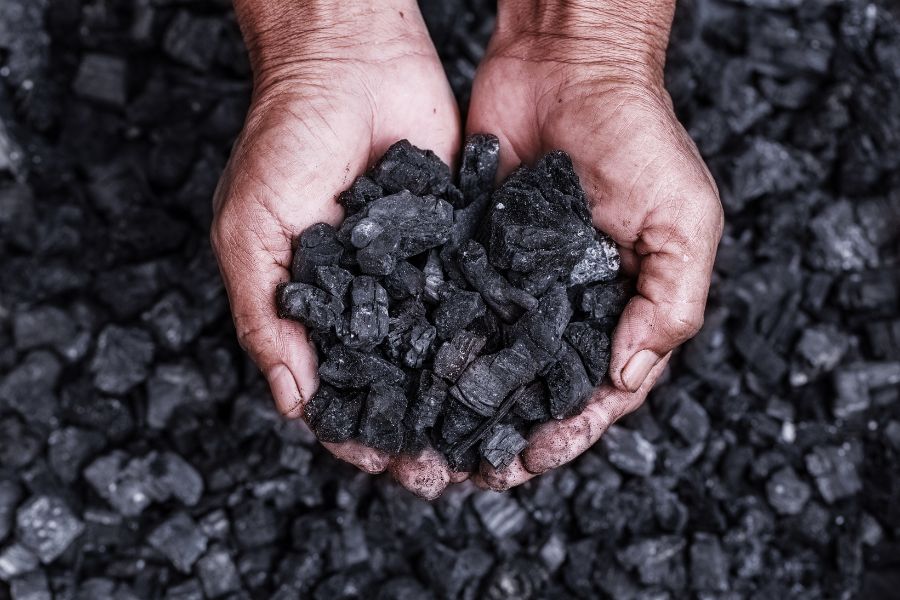
India’s coal industry is experiencing a significant boost in production and export potential, with recent increases reaching nearly 1,000 million tonnes. However, severe coal shortages in northern regions underscore the need to balance immediate supply issues with long-term strategic goals, including diversification into renewable energy sources and improved energy efficiency. Through ongoing investment and a stronger focus on implementing modern technologies, India has successfully increased its coal production. For the fiscal year 2022-23, the total coal production in India reached 893.19 million tonnes. In 2023-24, coal production further grew to 997.25 million tonnes (MT), marking a significant increase of 11.65%. Source: Ministry of Coal To take advantage of this positive trend, The Ministry of Coal in India is spearheading a major initiative to transform the country’s energy landscape by increasing domestic coal production and reducing coal imports while promoting coal exports. According to a recent study by IIM Ahmedabad, India has the potential to export up to 15 million tonnes (MT) of coal to neighboring countries such as Nepal and Bangladesh. This potential is part of a broader strategy to enhance self-reliance, strengthen energy security, and boost the growth of the coal sector through increased exports, expanded domestic production, and import substitution. The government is also focusing on coal exports to tap into global demand, aiming to position India as a key player in the international market, which will generate revenue and create jobs. Potential export markets include Nepal, Myanmar, Bangladesh, and others, with Bangladesh’s Maitree Super Thermal Power Project requiring 5 Million Tons annually. The study highlights that India could export approximately 8 MT of coal to Bangladesh, 3 MT to Myanmar, 2 MT to Nepal, and an additional 2 MT to other markets. These initiatives are expected to boost India’s energy security, economic growth, and reduce reliance on foreign coal, contributing positively to the country’s economy and conserving foreign exchange reserves. Contrasting to this trend, northern India, particularly Punjab and Rajasthan, are facing a severe coal shortage that is disrupting power supplies and threatening energy stability. In June, coal supply levels dropped to only 45% of the contracted amount, leaving power plants with dangerously low stock levels—only four days’ worth in Punjab and less than five days in Rajasthan, compared to the Central Electricity Authority’s recommended 22 days. The shortage is exacerbated by rising temperatures and increased power demand due to the paddy season, as well as logistical and production setbacks. This situation forces us to take a broader perspective and consider the future trajectory of the industry. Immediate vs. Long-Term Needs The current coal shortage underscores the urgent need for reliable coal supplies to meet immediate power demands. This situation contrasts with the government’s long-term strategy to reduce imports and increase exports. While increasing domestic production and export capabilities is a strategic goal, it is crucial to ensure that coal supply meets current demand levels to avoid power outages and disruptions. Strategic Adjustments The efforts to boost coal production and exports are part of a broader strategy to enhance energy security. However, addressing the immediate shortage in northern India requires a recalibration of priorities. Ensuring that regions facing acute shortages receive adequate coal supplies should be a temporary focus while continuing to build on long-term goals. Logistical Challenges Logistical issues is the core of the problem in many regions. The coal shortage in northern India points to immediate logistical bottlenecks in coal transportation. Meanwhile, the push for increased exports also involves logistical challenges, including efficient transportation and supply chain management. Improving logistics is essential for both addressing current shortages and supporting future export ambitions. In summary, while India is making significant strides toward increasing coal production and exports, addressing the current coal shortage in northern India is a pressing concern. Balancing immediate needs with long-term strategic goals is crucial for achieving both energy security and sustainable growth in the energy sector. In the long term, the focus should be on diversifying the energy mix with greater emphasis on renewable sources like solar and wind. Additionally, improving energy efficiency across various sectors can help manage overall power demand more effectively.