India faces significant skilling challenges, with a large portion of its workforce unprepared for the rapidly evolving job market. On one hand, rapid advancements in AI and automation are poised to replace traditional job roles, creating an urgent need for upskilling and reskilling. On the other hand, a large portion of the Indian workforce remains inadequately prepared for the evolving job market, with outdated skills that could render them unemployable. The Union Budget 2024-25 addresses these issues with targeted initiatives, including paid internships, ITI upgrades, and financial support for education. These measures aim to bridge the skill gap, enhance employability, and boost economic growth. The article explores how these new skilling programs can help leverage India’s demographic dividend and drive the country towards its goal of becoming a developed economy by 2047. India is at a critical juncture in its economic growth story, even as it envisions to become a developed economy by 2047. The country is looking to achieve self reliance in several sectors – right from the traditional ones like defence, medical devices, pharmaceuticals, engineering goods, electronics, etc to new age sectors like AI, agritech, automation, EVs, solar, hydrogen, drones and spacetech. At the same time, the country is grappling with a significant skill gap that threatens its potential to harness its enviable demographic dividend, wherein over 50% of its people are under the age of 25. The Economic Survey highlighted a very disturbing statistic – only around 51.2% of the population is employable (albeit an improvement from 34% over the last decade). On one hand, rapid advancements in AI and automation are poised to replace traditional job roles, creating an urgent need for upskilling and reskilling. On the other hand, a large portion of the Indian workforce remains inadequately prepared for the evolving job market, with outdated skills that could render them unemployable. The irony lies in the juxtaposition of an AI-driven future, where jobs are scarce for those unprepared, and a young population brimming with potential but facing obstacles in education and skill development. This disconnect could derail India’s economic growth and amplify unemployment, highlighting the urgent need for robust educational reforms and skill development initiatives to bridge this gap and secure India’s place in the global economy. New skilling initiatives in Union Budget 2024-25 The government has given special emphasis on addressing this skilling gap in the latest Union Budget 2024-25. It takes motivation from the fact that Indian labour market indicators have got better in the last six years, with unemployment rate declining to 3.2% in 2022-23. There is a positive rise in youth and female participation in the workforce, and net payroll additions under EPFO have doubled over 5 years. This indicates a healthy growth in formal employment and a good opportunity to tip the scales. Finance Minister Nirmala Sitharaman in Budget 2024-25 announced various initiatives towards the skilling and employment of youth. “In this Budget, we particularly focus on employment, skilling, MSMEs, and the middle class,” Sitharaman said. “This year, I have made a provision of ₹1.48 lakh crore for education, employment, and skilling.” To enhance the skills of the youth, a year-long paid internship opportunity will be provided to 1 crore youth in the country’s top 500 companies over the next five years. This 12-month internship will give them real-world business experience, exposing them to different professions and job opportunities. The students will receive a stipend of ₹5,000 and a one-time support payment of ₹6,000. Companies are required to cover the internship costs and contribute 10% of these expenses through their CSR funds. The budget also plans to upgrade 1,000 Industrial Training Institutes (ITIs) over the next five years, in collaboration with the industry, to make the youth job-ready. This will be done through the hub-and-spoke model, backed by a total allocation of ₹60,000 crore. The initiative features a new Centrally Sponsored Scheme created in partnership with states and industry to ensure high-quality and relevant skilling outcomes. The budget allocation includes ₹30,000 crore from the Government of India, ₹20,000 crore from state governments, and ₹10,000 crore from industry contributions, including CSR funds. This upgradation will restructure existing courses, plan new courses, and offer focused short-term programs at hub ITIs. Moreover, the capacity of five national institutes for trainer training will be expanded. This initiative aims to benefit 20 lakh students, improving the alignment of ITI training with industry demands and establishing a strong foundation for workforce development. Prime Minister Narendra Modi, in his post-Budget remarks, said these measures will enable young people from villages and impoverished backgrounds to work in top companies, opening new doors of possibility for them. Additionally, the Finance Minister revised the Model Skill Loan Scheme to facilitate loans up to ₹7.5 lakh for each student with a guarantee from a government-promoted fund, benefiting 25,000 students annually. She also announced financial support for loans up to ₹10 lakh for higher education in domestic institutions for students not eligible for any government schemes and policies. “E-vouchers for this purpose will be given directly to 100,000 students every year for annual interest subvention of 3% of the loan amount,” she said. Sumit Kumar, Chief Strategy Officer of staffing firm TeamLease Degree Apprenticeship, said the upgraded skilling program, such as revised model skill loans and financial support for higher education through e-vouchers, would enhance and foster skill development tailored to market demands. “The comprehensive internship scheme, offering real-world experience and supported by CSR funding, is a welcome addition that bridges the gap between education and practical experience,” he said. Integrating apprenticeships could further strengthen the link between education and employment by offering structured, hands-on training opportunities, Kumar added. “Together, these initiatives are set to address skill gaps, boost youth employability, and cultivate a more skilled and inclusive workforce.” As a move to support employment opportunities and skilling initiatives in the country, FM Nirmala Sitharaman launched the Prime Minister’s package. This initiative aims to benefit 4.1 crore youth over the next five years, with a central allocation of ₹2 lakh crore.

Navigating Australian regulations for Indian whisky
According to a report by Drinks International, one-third of the fastest-growing spirits brands worldwide are Indian. Additionally, six of the top ten whisky brands globally hail from India, highlighting the country’s expanding influence in the international whiskey market. Despite Indian whisky’s strong potential and international acclaim, export growth faces significant challenges. This article examines these obstacles, focusing on Australia’s market where India signed the ECTA. Australia’s two-year maturation requirement for whisky, seen as a non-tariff barrier, restricts access for Indian producers, emphasizing the need for regulatory adjustments to fully tap into this promising market. India’s alcobev industry is projected to reach a size of US$ 64 billion by 2027, growing at a CAGR of 6.54%, as projected in a research by ISWAI. It employs a significant number of people, with 7.9 million individuals working directly and indirectly in the sector. This accounts for 1.5% of the country’s total workforce. India is projected to be the fifth largest in terms of global revenues in the near-to-medium term, according to ISWAI. The industry is experiencing steady local growth while steadily enhancing its global presence. In India’s alcobev export basket, whisky clearly stands out. Globally, whisky exports totalled over US$ 14.7 billion in the calendar year 2023. In parallel, India exported whisky worth $145 million in 2023, which accounted for nearly 40% of its total alcobev exports. Currently, the UAE is the largest importer of Indian whisky, followed by Haiti, Ghana, the Netherlands, and Singapore. Together, these countries account for 60% of India’s total whisky exports. This segment has been growing at a 5-year compound annual growth rate (CAGR) of 6.7%. However, Indian whisky brands are showing much more promise than the numbers or even the lack of good market diversification would indicate. Source: DGCIS According to a report by Drinks International, one-third of the fastest-growing spirits brands worldwide are Indian. Additionally, six of the top ten whisky brands globally hail from India, highlighting the country’s expanding influence in the international whiskey market. While whisky dominates India’s domestic market as well as its production capacity, efforts to penetrate international markets require navigating varied regulations and consumer preferences abroad. In the current scenario, despite Indian whiskies performing well in taste tests, their exports have not shown significant growth. In this blog, we illustrate the challenges this presents in context of Australia, where India has recently signed an ECTA. Top 5 export destinations for whisky Importers Exported value in 2023 (US$ Mn) United Arab Emirates 57.3 Haiti 9.1 Ghana 7.3 Netherlands 7.1 Singapore 6.6 Source: ITC Trade Map Challenges faced in the Australian market India is building a strong brand equity as a producer of high-quality liquors like single malt whiskies such as Amrut and Rampur, and craft gins like Jaisalmer, Terai, and Stranger & Sons. However, Confederation of Indian Alcoholic Beverage Companies (CIABC) notes that factors such as strong domestic demand, stringent export requirements from Western nations, and challenges like high evaporation rates due to warm climates in India are impediments to export growth. In CY 2023, Australia imported alcoholic beverages worth $1.5 billion globally. The top four import categories together made up over 66% of this total. Whisky was the largest import segnment, accounting for 21% of Australia’s total imports in the category. Australia imported the most whisky in value terms from the UK, amounting to US$ 164 million. In comparison, India’s whisky exports to Australia in FY 2023-24 were at just US$ 560,000. The major issue, according to the industry is a non-tariff barrier. Under Australia’s rules, there is a mandate of two-year maturation period before labeling a spirit as whisky. Rum, which is also one of the fastest growing alcobev exports with a 5-Year CAGR of 16%, similarly has a 1-year maturation mandate. Indian companies counter that spirits mature faster in India due to its warmer climate. They argue that this maturation rule restricts their access to a market with a significant Indian population, which presents substantial growth opportunities. Additionally, they claim that maturing whiskey for two years in India results in a 10% loss due to evaporation because of dry climatic conditions. Vinod Giri, Director-General of the Brewer’s Association of India, said, “The requirement for maturation periods in Australia poses a significant barrier for many Indian liquor products entering foreign markets. These regulations are not scientifically grounded and do not apply to Indian products, which mature faster due to local climatic conditions. There is optimism about the removal of these restrictions in future negotiations.” Australia gained lower duty access for its high-end wines under the India-Australia interim trade deal under the Economic Cooperation and Partnership Agreement (ECTA). Under the trade pact with Australia, India agreed to reduce tariffs on Australian wines, starting with those priced at a minimum of US$5 per bottle, from 150% to 100% upon implementation, eventually reducing to 50% over 10 years. But Indian producers now await reciprocal access in the form of reductions in non-tariff barriers such as maturation rules. A joint working group between India and Australia has been established for exploring the potential for a mutual recognition agreement (MRA), seven months after Australia obtained concessional duty access for its premium wines under the ECTA with India. The agreement aims to assist Indian whiskey producers in accessing the Australian market, which presents promising growth opportunities and hosts a substantial Indian community. A side letter of the ECTA, signed by trade ministers from both countries, mandated that a working group evaluates market access issues for Indian spirits as well. It stipulates regular progress reviews through the subcommittee on trade in goods. Sanjeev Banga, President of International Business at Radico Khaitan Ltd. commented , ”The crux of the matter lies within the constraints imposed by nomenclature. Revising these through ongoing negotiations to even classify it as ‘Indian whisky’ would significantly enhance the overall situation.” The Indian liquor industry is advocating for similar relaxations in the UK, where the minimum maturation period is three years. India’s interest is in expanding market access for rum and whiskey, Mutual Recognition Agreements

Budget 2024 showcases ambitious blueprint for India’s Seafood Sector
Finance Minister Nirmala Sitharaman presented several initiatives aimed at boosting India’s seafood sector in Union Budget 2024-25. Despite various challenges in significant export markets, India’s seafood exports touched an all-time high in volume in FY 2023-24, shipping 17, 81,602 MT of seafood worth US$ 7.4 billion. The overall budget of the Department of Fisheries for the financial year 2024-25 has been increased by 54% to Rs 2,616.44 crores. The reduction of Basic Customs Duty to 5% on broodstock and financial support for establishing Nucleus Breeding Centres for Shrimp Broodstock are expected to give the industry a renewed thrust. Image Credit: Pixabay Union Finance Minister Nirmala Sitharaman unveiled the Union Budget 2024-25 in Parliament, earmarking Rs. 2,616.44 crores for the Department of Fisheries, a significant increase from Rs. 1,701.00 crore allocated in the previous fiscal year. This marks a 54% rise in the department’s overall budget compared to 2023-24. Specifically, Rs. 2,352 crores has been allocated for the Pradhan Mantri Matsya Sampada Yojana (PMMSY) scheme for 2024-25, reflecting a 56% increase from the Rs. 1,500 crore allocated in 2023-24. Apart from the budget allotment, the Finance Minister introduced several initiatives to boost the country’s aquaculture sector. One key measure is the reduction of basic customs duty to 5% on broodstock (used for breeding), polychaete worms, and shrimp and fish feed. Additionally, various inputs used in the manufacture of shrimp and fish feed will be exempt from customs duty. This move is expected to further enhance the industry, which exported seafood worth US$ 7.4 billion in the last financial year. Out of this, Vannamei shrimp exports were valued at US$ 3.6 billion. Raw material costs represent a substantial portion of expenses for feed manufacturers. Reducing import duties on these materials will enable companies to enhance their profit margins. Another proposal is the financial support for establishing a network of Nucleus Breeding Centres for Shrimp Broodstock. The government also announced that financial aid for shrimp farming, processing, and export would be facilitated through NABARD. Given the thin margins in these businesses and the typical 2-3 month working capital cycle, this support could be crucial in aiding the industry’s growth and stability. While announcing the budget, Ms Sitharaman stated, “I propose to reduce BCD (basic customs duty) on certain broodstock, polychaete worms, shrimp and fish feed to 5%. I also propose to exempt customs duty on various inputs for manufacture of shrimp and fish feed.” The Finance Minister also announced that the government will introduce a National Cooperation Policy aimed at fostering the overall development of the country. The Marine Products Export Development Authority (MPEDA) has applauded the recent announcements made in the Union Budget 2024-25. Mr D V Swamy IAS, Chairman of MPEDA, states, “The proposed measures will substantially lower production costs, elevate quality, and enhance the international competitiveness of Indian marine products.” MPEDA supported these proposals, stating: The financial support for Shrimp Broodstock Centers is anticipated to drastically reduce India’s reliance on imported broodstock, potentially saving the industry up to ₹150 crores annually. The National Bank for Agriculture and Rural Development (NABARD) will play a crucial role in facilitating financing for shrimp farming, processing, and export. This intervention is designed to cover 80% of project costs for farmers, accompanied by an interest subvention of up to 3%. Various inputs used in the manufacture of shrimp and fish feed will now enjoy customs duty exemptions. Various feed inputs viz. mineral and vitamin pre-mixes, krill meal, fish lipid oil, crude fish oil, algal prime, algal oil were fully exempted from any import duty. Exports at glance Despite various challenges in significant export markets, India’s seafood exports touched an all-time high in volume in FY 2023-24. India shipped 17, 81,602 MT of seafood worth Rs 60,523.89 crore (US$ 7.38 billion) during 2023-24 witnessing a surge of 2.67% in quantity from exports of 17, 35,286 MT of seafood worth Rs 63,969.14 crore in 2022-23. Frozen shrimp retained its position as the top item in the seafood export basket, earning Rs 40,013.54 crore (US$ 4881.27 million), accounting for a share of 40.19% in quantity and 66.12% of the total dollar earnings. During 2023-24, exports of frozen shrimp were recorded at 7, 16,004 MT. The USA, the largest market imported 2, 97,571 MT of frozen shrimp, followed by China (1, 48,483 MT), the European Union (89,697 MT), Southeast Asia (52,254 MT), Japan (35,906 MT) and the Middle East (28,571 MT). Importer Share in India’s sea food exports (in US$) USA 34.53% China 18.76% Japan 5.42% Thailand 3.82% Canada 2.70 % Spain 2.65% Belgium 2.42% Source: pib.gov.in By reducing customs duties and providing financial support, the government aims to lower production costs, improve profit margins, and enhance the international competitiveness of Indian marine products. These measures are expected to foster industry growth, elevate export quality, and position India as a global leader in seafood exports.

Used vehicle surge: Insights into India’s rapidly expanding market
India’s automotive market is undergoing a transformative shift as the demand for used vehicles rises dramatically. With a mere 15 cars per 1,000 inhabitants, compared to significantly higher figures in countries like China and developed economies, the country presents a fertile ground for the expansion of the used car market. In this story, we explore the factors driving this trend, from economic constraints and enhanced vehicle quality to the influence of digital platforms and AI innovations. Delve into the burgeoning market for pre-owned cars, two-wheelers, trucks, and agricultural equipment, and discover how technological advancements and changing consumer preferences are shaping the future of India’s second-hand vehicle industry. Image Credit: Freepik The passenger vehicle market in India is significantly under-penetrated, with only about 15 cars per 1,000 inhabitants, compared to 150 in China and roughly 350-450 in developed economies. This gap is driving the rapid expansion of the used car market. Pre-owned or used vehicles present a cost-effective solution for many consumers priced out of the new vehicle market. In recent years, the used vehicle market in India has witnessed remarkable growth, driven by factors such as affordability, accessible financing options, enhancements in vehicle quality and reliability, and advancements in online platforms for buying and selling used vehicles. According to a report ‘Used Car Market in India- Size & Share Analysis 2024-2029’, by Mordor Intelligence, the used car market size in 2024, is estimated to be at US$ 31.62 billion. By 2029, the market size is projected to reach US$ 63.87 billion, growing at a CAGR of 15.10% from 2024 to 2029. The report noted significant growth in India’s used car market, while also highlighting considerable potential for expansion through the organized sector. This potential is underscored by the new-to-used car ratio of 1:3 seen in mature markets such as the United States and Europe. Overall, the Indian used car market is well-positioned for continued growth and development, the report said. The market for used cars is set for a significant growth, fueled by increasing individual mobility preferences and expanded financing options. The financial strain caused by the COVID-19 pandemic has also sparked interest in used cars, underscoring the industry’s immense growth potential. Interestingly, buyer preferences in the used car market are now mirroring those in the new car market, offering numerous options for first-time buyers. Used car buyers are also more open to considering new brands, a trend less common among new car purchasers. Additionally, the average ownership duration of new cars has dropped from 5-6 years to just 3 years. Organized players like Mahindra First Choice, CarTrade, Maruti Suzuki True Value, and Volkswagen’s Das Welt Auto have fueled substantial growth in this sector. However, the report stated that in the long term standardized dealership practices, high pricing, and costly financing options for used cars could potentially hinder market growth. As for two wheelers, the report ‘India Used Two-Wheeler Market Outlook to FY 2028’ by Ken Research projects the used two-wheeler market to reach 55.8 million units by 2027, driven by rising demand, urbanization, and increased disposable income. In FY2023, motorcycles accounted for 75% of two-wheelers sold. The report highlighted a significant drop in new two-wheeler sales in the Indian automotive industry during FY2021 and FY2022, driven by the introduction of BS VI norms, which increased vehicle prices, and the impact of COVID-19 lockdowns. In FY2020, the growth rate of used two-wheelers also slowed as consumers held onto their vehicles longer due to higher new vehicle costs. However, sales rebounded in FY2022 and FY2023, driven by rising average household incomes and shifts in consumer purchasing patterns. It further noted that the organized market for used two-wheelers in India is consolidating, thanks to the involvement of original equipment manufacturers (OEMs) and two-wheeler dealerships. This consolidation has led to greater awareness and a growing preference for certified pre-owned vehicles. (BikeDekho, BikeWale, OLX, Quickr are among the leading players in the online used two-wheelers market.) Trucks play a crucial role in logistics, facilitating the long-distance transportation of goods and optimizing supply chains to reduce operational costs. The growth of India’s used truck market is driven by businesses and fleet operators seeking cost-effective transportation solutions. Demand is further boosted by the e-commerce sector’s need for efficient logistics, supported by online platforms that streamline transactions and expand market access. Stricter emissions norms and regulatory requirements are encouraging fleet upgrades, while recreational use of used trucks also contributes to market expansion. IMARC Group in its India Used Truck Market Report 2024-2032, states that India’s used truck market is expected to grow at a CAGR of 4.9% from 2024 to 2032. Key factors driving this growth include rapid urbanization and industrialization, increasing demand for transportation services, especially for goods and cargo, the rise of online platforms and marketplaces, and an evolving regulatory environment. The used tractor market is the leading segment in India’s used agricultural equipment market. States with lower average farmer incomes, like Uttar Pradesh and Madhya Pradesh, show the highest demand for used tractors, while Punjab and Haryana prefer new tractors. Recently, online sales of used tractors have surged, driven by the popularity of e-marketplaces, hybrid platforms, and classifieds in rural areas. Despite this growth, the market remains fragmented and dominated by unorganized dealers, with peer-to-peer sales being common. According to a report ‘Indian Used Agricultural Equipment Market Outlook to 2026’ by Ken Research, the Indian market for used agricultural equipment experienced significant growth from FY2016 to FY2021, with a CAGR of approximately 16.5% by volume and 19.1% by transaction value. The used tractors dominated the market by volume in FY’21, followed by tractor-attachable equipment, power tillers, and harvesters. The growth has been driven by ambitious government initiatives, increasing mechanization adoption, and the economic feasibility of purchasing second-hand equipment in India. The report predicted that during the forecast period FY2022-FY2026, the market is expected to grow at a CAGR of 22.7% by volume. The current status Changes in emission norms, technological advancements, and higher commodity prices have driven up new vehicle prices. India Ratings

India’s startup ecosystem: A mid-2024 overview and future prospects
India’s startup ecosystem has rapidly ascended to become the world’s third-largest, driven by a thriving entrepreneurial spirit and a conducive environment for innovation. The Indian tech startup ecosystem, in particular, has demonstrated robust growth, with over 950 tech startups established in 2023 alone, contributing to a total of more than 31,000 tech startups in the last decade. Despite global economic and regulatory challenges, Indian tech startups have attracted more than US$ 70 billion in cumulative funding from 2019 to 2023. As we enter the second half of 2024, we look at the dominant trends in the startup landscape and projections for coming months in this blog. India is now the world’s fifth-largest economy, driven by a vibrant startup ecosystem and entrepreneurial spirit. With over 112,718 startups recognized by DPIIT, India ranks third globally, following the US and China. This dynamic environment, supported by a young, tech-savvy population, skilled IT professionals, and favorable government policies, offers immense opportunities for emerging entrepreneurs. India’s startup ecosystem is set to grow at an annual rate of 12-15%, with the country ranking second in innovation quality among middle-income economies. By January 2024, India boasted 111 unicorn startups valued at over US$ 350 billion. The rise of women-led startups, now at 18%, further highlights the inclusivity and potential of this thriving sector. India’s tech startup ecosystem The Nasscom and Zinnov report on the Indian Tech Startups for 2023 confirmed India’s position as the third-largest tech startup ecosystem globally, with over 950 tech startups established in 2023, contributing to more than 31,000 tech startups in the past decade. The cumulative funding for these tech startups from 2019 to 2023 exceeds US$ 70 billion, demonstrating robust growth and investment in the Indian tech startups. Source: Nasscom The report highlighted that better Internet connectivity, digitalization, and government-led initiatives have significantly supported startups. Key sectors receiving maximum funding from 2014 to 2023 include retail, enterprise applications, fintech, transportation and logistics technology, food and agriculture tech, auto technology, travel and hospitality tech, and edtech. Despite global challenges like valuation issues, less IPOs , regulatory changes, and macroeconomic and geopolitical trends in 2023, Indian tech startups remain focused on improving business fundamentals, profitability, and revenue streams. The Nasscom-Zinnov Tech Startup Survey-2023 found that about 60% of startup founders saw increased revenue and profitability by 2023. Unfunded tech startup founders also anticipated higher revenues in 2024 compared to their funded peers. The report highlighted the growing use of DeepTech, with startups leveraging it to improve efficiency (59%), reduce costs (52%), and automate operations (41%). The study noted the democratisation of tech in 2023, leading startups to diversify into Tier 2 and Tier 3 cities, with 40% of tech startups established in emerging hubs by 2023. According to Nasscom, business model innovations in industries like manufacturing, automotive, and industrial sectors improved over the past year, with these sectors seeing increased stability and funding. Debjani Ghosh, President of Nasscom, said, “In 2023, despite facing global economic and regulatory challenges, Indian tech startups have prioritised the imperative of enhancing their business fundamentals, driving profitability, and growth. India’s tech startup ecosystem has truly matured, attracting more than US$ 70 billion in cumulative funding between 2019 to 2023.” Funding scenario in tech startups Indian tech startups raised US$ 4.1 billion in H1 2024, 4% higher than H2 2023 (US$ 3.96 billion), remaining the fourth-highest funded country globally in the tech startup, according to Tracxn report that highlighted funding trends and volumes in the Indian tech startup landscape. *Calculated based on the average annual growth rate of funding amount between 2014 to 2023 Source: Inc42 and Nasscom Startup funding in India has been declining since 2021, as central banks increased interest rates, ending the era of cheap money from the Covid-led low interest rate regime. Risk-capital investors pulled back on venture funding. According to the report, seed stage funding rose to US$ 455 million, a 17.3% decrease from H1 2023 but a 6.5% increase from H2 2023. Early stage startups maintained a valuation of US$ 1.3 billion, 28% less than H1 2023 but consistent with H2 2023. Late-stage funding decreased by 1.3% from H1 2023 to US$ 2.4 billion but rose by 3.8% from H2 2023. Despite these challenges, eight funding rounds over US$ 100 million were completed in H1 2024, including Meesho’s US$ 275 million Series F round, Flipkart’s US$ 350 million Series J round led by Google, and Apollo 24|7’s US $ 297 million PE round. Neha Singh, Co-Founder of Tracxn, noted that despite four consecutive half-year periods of declining funding since H1 2022, signs of stabilization and growth are emerging. “India’s robust performance as the fourth-highest-funded country in the tech startup ecosystem is encouraging.” Three unicorns emerged in H1 2024, up from zero in H1 2023, along with 33 new “Soonicorns“—startups expected to become unicorns soon. H1 2024 saw 17 IPOs, up from 6 in H1 2023 and 12 in H2 2023. Acquisitions in the Indian startup ecosystem fell from 75 in H1 2023 to 43 in H1 2024. Notable acquisitions included PingSafe by SentinelOne for $100 million and PureSoftware by Happiest Minds for US$ 94.5 million. Accel, Blume Ventures, and Peak XV Partners were the top investors in H1 2024. In the seed stage, Venture Catalyst, Z Nation Lab, and We Founder Circle led. Peak XV Partners, Global Alpha Waves, and Saama Capital were the most active early-stage investors. DST Global, Epiq Capital Advisors, and the UC-RNT Fund led late-stage investments. Significant funding rounds included Capillary Technologies’ US$ 95 million in February, a $90 million round for a lending platform in June, and Perfios’ US$ 80 million round from the Ontario Teachers’ Pension Plan in March. Challenges startups are facing Indian startups encounter difficulties securing adequate funding for their ventures. Limited access to capital inhibits growth potential and hampers innovation. Startups face challenges in attracting investors and obtaining venture capital due to various factors, such as risk aversion, uncertain market conditions, and a lack of investor confidence. The other challenges are as follows: Revenue

Electrifying mining: Volvo’s journey to net-zero
In the latest episode of the Green Guardians series, Mr. Yuvraj Sarda, Head – Electromobility Solutions at Volvo Construction Equipment, shares his insights on the electrifying mining and construction equipments to facilitate the transition to net-zero emissions. Mr. Sarda is a seasoned professional in sustainable mobility with over a decade of expertise in electric vehicles. Currently leading business development for zero-emission construction equipment at Volvo, he began his career at Mahindra Reva Electric Vehicles. He has played an active role in shaping EV policies, collaborating with policymakers on initiatives such as NEMP 2020, FAME, and state EV policies in Karnataka, Andhra Pradesh, Kerala, and Delhi. Recognized as one of e-mobility’s top 40 under 40, he is committed to advancing eco-friendly transportation solutions. India Business & Trade: Can you give us an overview of Volvo’s effort to electrify its construction and mining equipment and how does sustainability fit into the vision? Mr. Yuvraj Sarda: Volvo Construction Equipment, part of the Volvo Group, is driven by our values and a strong commitment to sustainability. Our goal is to achieve net zero emissions across our entire value chain by 2040, making sustainability the core of our business. To support this, we’re developing products and optimizing our value chain to meet both net zero and circular economy goals. By 2030, we aim for 35% of our global sales to come from electric or zero-emission construction machines. Our holistic approach to sustainability covers how we treat employees, our commitment to diversity, and managing the value chain from suppliers to customers. We enable customers to return used batteries, fostering a circular economy. We’ve established Volvo Energy to manage the battery ecosystem and invested in battery manufacturing plants in Changwan and Koliya. Today, Volvo Group leads globally in electric truck fleets, with over 5,000 electric trucks sold. In construction equipment, we have the broadest portfolio of electric or zero-emission machines globally. In India, our portfolio includes three electric excavators and two electric wheel loaders, all zero-emission. No other company in the country matches our investment in this range. We’re committed to leading the industry towards a sustainable and emission-free future. This is just a snapshot of our broader strategy, and we look forward to discussing more as we delve deeper into this topic. India Business & Trade: What specific challenges do companies face in electrifying their fleets or heavy-duty machinery, and how do you ensure these electric machines perform on par with traditional diesel vehicles? Mr. Yuvraj Sarda: When it comes to heavy-duty machines or vehicles, most are used for commercial applications, making them very cost-sensitive. Unlike cars, where you can sell a Tesla at one end and a Nixon at the other, our target segments need to keep costs down due to their commercial use. We’re working on several technological innovations to meet these cost targets and make electric machines appealing to our customers. Another challenge is the harsh environments in which these machines operate. The equipment faces tough conditions, so safety and robustness are crucial. Customers expect electric machines to match or exceed the performance and durability of diesel ones. Engineering such robust products is challenging and costly, but we are committed to ensuring that our electric products do not compromise on performance or reliability. Innovation helps us package the same level of robustness, reliability, and safety at a competitive cost. Additionally, different sites have varied requirements. Unlike buses with uniform applications, construction equipment like excavators is used for diverse tasks such as digging, transporting materials, and mining. Each application has its own challenges. For instance, in mines, access to electricity for charging infrastructure can be limited. Excavators often stay in the mine, continually digging deeper, without the opportunity to return for charging. These site-specific challenges must be addressed to encourage the adoption of electric machines. Customers cannot compromise on performance and productivity, so we ensure our electric solutions meet these stringent demands. India Business & Trade: How do you see the market demand for electric construction and mining equipment evolving in both developed and emerging economies and what economic factors are driving the shift? Mr. Yuvraj Sarda: This is an interesting question. Let’s break it down into parts. Developed Economies- In developed economies, there’s high maturity and willingness among organizations and individuals to invest in zero-emission products. Governments in countries like Norway and the Netherlands offer incentives to support the electrification of construction equipment. This has created significant momentum due to product availability, government support, and a mature mindset open to paying extra for electric solutions. Emerging Economies- Emerging economies like India are growing in mining and construction infrastructure, increasing the demand for electric machines. Corporates with sustainability goals show high interest, considering pilots or long-term use. They compare total operational costs with diesel machines, and if the cost difference is small (5-10%), adoption is likely. Larger differences (30-40%) raise feasibility concerns. Demand continues to grow on the corporate side, and retail customers are expected to follow. In high-utilization applications, customers are considering electric over diesel machines. Areas with significant fuel theft also see electric machines as a solution due to their transparency and digital nature. We are confident that the market for electric machines will grow steadily and soon reach rapid expansion. India Business & Trade: Are there policies in place to support the development of electric construction and mining equipment? If yes, are they sufficient? Mr. Yuvraj Sarda: In the Indian ecosystem, we haven’t seen specific policies for zero-emission construction machines yet, unlike the comprehensive FAME scheme for electric vehicles which covers two-wheelers, three-wheelers, and buses. While the FAME scheme also includes a special initiative for urban transportation with plans to procure 10,000 electric buses, the construction equipment sector lacks similar focused support. India ranks third globally in the construction equipment market and is poised to become the second-largest soon. Despite a perceived smaller volume, these machines are heavy fuel consumers, using between 5 to 50 liters of diesel per hour and operating up to 24 hours daily. Upgrading these machines to zero-emission models

Sedentary lifestyles to smart healthcare: India’s path forward
With advancements in technology and a decline in physical activity, India is experiencing a substantial rise in chronic diseases. Cardiac arrests, diabetes, and high blood pressure are increasingly prevalent among the young population. This trend has spurred the development of innovative gadgets and solutions aimed at mitigating the effects of a sedentary lifestyle. India’s growing health challenges also present significant business opportunities. Beyond gadgets, there is potential in medical tourism, healthcare equipment, and other sectors. Investing in these areas can help address the nation’s health issues while offering profitable ventures for entrepreneurs. Image Credit: Shutterstock India, the second most populous country in the world with over 1.3 billion people, faces significant health challenges. Despite advanced medical facilities, the nation faces a growing prevalence of chronic diseases and a significant number of undernourished individuals. This issue persists even among Indians from higher socio-economic classes. Increased consumption of alcohol, smoking, and fast food are major contributors to rising health issues among young Indians. Another silent killer is physical inactivity. As experts say, “sitting is the new smoking,” highlighting a modern concern that can prove lethal in the long run. Moreover, the introduction of modern gadgets, initially designed to simplify and expedite our daily errands, has inadvertently ushered in a noticeable decrease in physical activity. This sedentary lifestyle has stealthily crept into our lives, often unnoticed, while the gadgets meant to streamline our tasks ironically contribute to our decreased physical movement. This shift is driven by several factors: The rise of desk jobs and long hours spent on laptops and desktops. Increased engagement on social media via smartphones. Extended commuting hours to work. The growing culture of home delivery, which has drastically reduced the need to visit stores physically. Prolonged sitting, insufficient exercise, and mindless eating have contributed to a rise in chronic conditions like diabetes, cardiovascular diseases, and psychological issues. Additionally, these habits are linked to other health risks, including obesity, loss of muscle and bone strength, poor blood circulation, and hormonal imbalances. Dr. Mayanka Lodha Seth, Chief Pathologist Redcliffe Labs says “Data and research reveal that approximately 35% of coronary heart diseases are due to physical inactivity. Long hours of sitting or inactivity lead to fat build-up or clogging of the arteries or blood vessels responsible for carrying blood and oxygen to the heart, which can further result in a heart attack. To avoid this, it is crucial for you to take charge of your health and know your numbers. Regular health check-ups, including weight, blood count, blood sugar levels, blood pressure, lipid levels, and all vital parameters, are essential.” Dr. Mayanka advocates for the 80-20 rule to maintain good health. This means eating clean 80% of the time, allowing for 20% indulgence without adverse effects. Similarly, if your job or lifestyle involves prolonged sitting for 80% of the day, engaging in moderate physical activity during the remaining 20% can help you stay healthy. With the rise in busy routines, it is hard to have frequent health checkups for possible issues. To combat the effects of physical inactivity and rising health concerns, several startups have introduced innovative gadgets and applications such as: Fitness Trackers: These trackers provide real-time data on steps taken, calories burned, and distance traveled. Some even offer personalized workout suggestions tailored to your fitness level and goals. Digital Nutrition Trackers: These apps and devices let you log meals, track calorie intake, and monitor nutritional content, guiding you towards healthier food choices. Virtual Personal Trainers: With the advent of virtual reality (VR) technology, personal training has transformed into a digital experience. VR fitness apps and devices provide immersive workouts, featuring virtual trainers and interactive sessions customized to your preferences. Posture Correctors: Poor posture is a common issue that can cause various health problems. These wearable devices gently remind you to maintain good posture throughout the day, helping to reduce strain on your neck and back. Portable ECG Monitors: Heart health monitoring is no longer limited to hospitals and clinics. Portable ECG monitors enable you to check your heart rhythm anytime, anywhere, offering early detection of potential issues and peace of mind. Business Opportunities The healthcare sector holds a tremendous business opportunity due to the aftereffect of the global pandemic and rising public awareness about varied health issues. The global smart healthcare market was valued at US$ 144.9 billion in 2022 and is estimated to grow at a CAGR of 11.3% from 2023 to 2030, according to Grand View Research. The business possibilities are vast, ranging from medical tourism and health tech startups to healthcare consulting. Investing in healthcare business ideas in India can be highly profitable and significantly contribute to the overall enhancement of the country’s healthcare system. Some of the trending business opportunities in the sector include: Medical Tourism: India ranks 7th among the 20 markets due to its low-cost treatments and over 560 lakh trips to India annually are for medical tourism generating US$ 16.3 billion. Medical tourism attracts patients from a wide range of countries like Bangladesh, Afghanistan, Nigeria, Saudi Arabia etc. A business that caters to medical tourists such as medical tourism agency or a health and wellness retreat could be a beneficial option. Medical Equipment and supplies: Manufacturing and distributing high-quality, specialized equipment and devices to hospitals, clinics etc. Some of the high demand equipment include – Diagnostic equipment, surgical equipment, Hospital furniture, consumables and disposables. Telemedicine: In India, telemedicine is a promising healthcare business, especially in remote areas with limited access to medical facilities. These businesses offer virtual consultations, diagnoses, and treatments, allowing patients to connect with healthcare providers from home. Telemedicine improves healthcare access for underserved populations and represents a valuable business opportunity. VR and Metaverse apps for mental health: Mental health is gaining global attention, making the development of a mental health app using metaverse and VR a profitable business idea for entrepreneurs. For example, a VR and metaverse app Innerworld allows users to access peer-led mental health support as anonymous avatars. Despite the health challenges India faces, there is
Understanding India’s food inflation: Factors behind the price surge
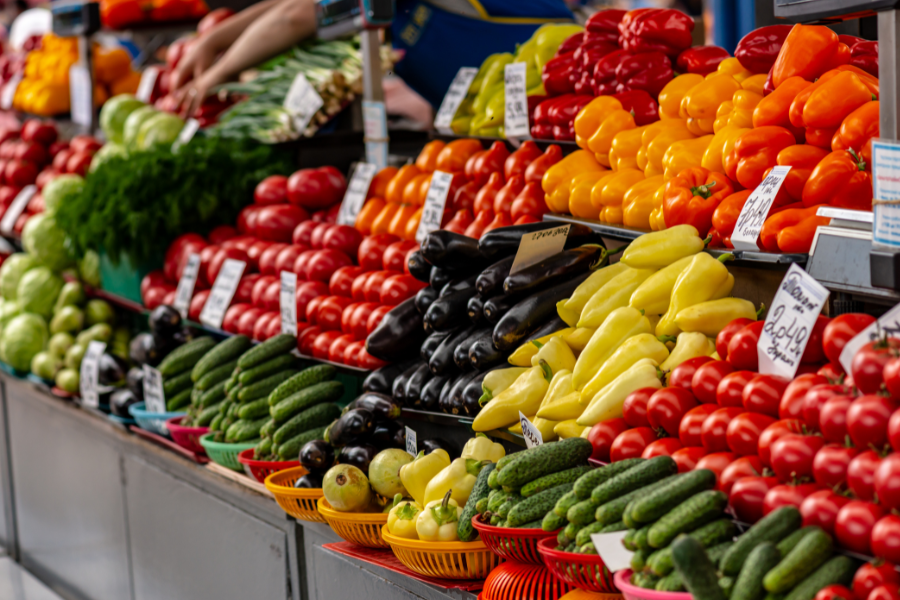
Food inflation in India has remained at 8% year-on-year since November 2023. A severe heatwave has further reduced the supplies of pulses, vegetables, and cereals, rendering export curbs and import tariff reductions minimally effective. RBI experts indicate that a robust monsoon by early July could ease concerns over the delayed cultivation of kharif crops. Government interventions, such as restricting exports and easing imports, could help reduce the prices of some food commodities. Image Credit: Shutterstock The Reserve Bank of India (RBI) held the Monetary Policy Committee (MPC) meeting on June 7 that reviewed the surveys conducted by the RBI to gauge consumer confidence, households’ inflation expectations etc. Based on the assessment, the MPC decided to keep the policy repo rate under the Liquidity Adjustment Facility (LAF) unchanged at 6.50%. The decision is taken with an objective of achieving the medium-term target for consumer price index (CPI) inflation of 4% within a band of +/- 2%, while supporting growth. The majority of RBI’s monetary policy committee members expressed caution on food inflation in India which is slowing the pace of disinflation. Food inflation in India has been around 8% YoY since November 2023 with no signs of easing despite early arrival of monsoon rains and forecasts above-normal rainfall. This constant inflation has kept the headline inflation above the central bank’s target of 4%. In May, India’s headline retail inflation eased to the lowest in a year at 4.75% from 4.83% in April. However, the Consumer Price Food Index or CPFI remained almost flat at 8.69% versus 8.7% a month ago. Key factors driving India’s food inflation During the bi-monthly monetary policy presentation, RBI Governor Shaktikanta Das warned that the exceptionally hot summer and low reservoir levels could further impact the summer harvest of vegetables and fruits. He stressed the need to closely monitor the rabi arrivals of pulses and vegetables. Since 2023, food inflation has significantly impacted the Indian economy, with several categories experiencing notable price increases. Government data reveals year-on-year inflation rates as follows: vegetables at 28%, pulses at 17%, cereals at 8.6%, meat and fish at 8.2%, spices at 7.8%, and eggs at 7.1%. The annual monsoon, on which India’s agricultural output is dependent arrived early in the southern tip of the country and advanced swiftly to cover the western state of Maharashtra ahead of schedule. This initial momentum soon waned, resulting in 18% rainfall deficit so far this season. Here are a few other factors that are affecting the food inflation: An ongoing heat wave and a drought last year has significantly reduced the supply of foods like pulses, vegetables and cereals. Temperature being recorded 4-9 degrees Celsius above normal has spoiled harvested and stored vegetables and hindering the planting of crops like onion, tomatoes, eggplant and spinach. Water scarcity has disrupted both seedling planting and replanting further aggravating the shortage of vegetables. When will the prices stabilize? The RBI expects a normal monsoon in the south-west region which could lead to softening of food inflation pressures over the course of the year. Commodity wise, Sugar prices are expected to remain high as the next season’s production is anticipated to drop. Potatoes, a common vegetable in Indian households, have become costlier by 15% over last month despite good production. Similarly, onion prices are also expected to shoot up due to Rabi production shortfall due to exceptionally warm summer months. Tomato prices too have skyrocketed. Prices of a kilogram of tomato, which were Rs 50-60 last month, have touched Rs 100, forcing consumers to reduce their consumption of tomatoes. Last year’s drought has affected supplies of pulses like pigeon peas, black matpe and chickpeas which will not improve until the new season crops are harvested. On the other hand, Wheat is expected to witness rise in prices as the government has announced no plans to import grain. Similarly, Rice prices may also increase as the government raised the minimum support price of paddy rice by 5.4%. As of vegetables, the production in most parts of the country has been affected due to severe heat waves, increasing the prices of common summer vegetables like ridge gourd, okra and leafy vegetables by 20-25% on a yearly basis and 10-15% on a monthly basis. Although the prices are expected to fall from August onwards if the monsoon revives as per usual schedule and is not disrupted by floods or prolonged dry spell. Dr. Debesh Roy, Chairman of the Institute for Pioneering Insightful Research Private Limited (InsPIRE), commented on the current state of food inflation: “Although CPI inflation is steadily decreasing, it remains above the RBI’s target of 4%. However, it has stayed below the RBI’s upper tolerance limit of 6% for nine consecutive months. Core inflation has reached an all-time low of 3%. The above-normal temperatures in nearly half the country have damaged harvested and stored vegetables, driving up their prices. These prices are expected to normalize by August if the monsoon revives and covers the entire country.” Although the food inflation solely depends on production, distribution and climate factors, the government interventions such as restricting exports and easing imports can help bring down the prices of some food commodities. In a recent effort to combat food inflation, the government has decided to permit limited imports of corn, crude sunflower oil, refined rapeseed oil, and milk powder under the tariff-rate quota (TRQ) system. This initiative allows importers to pay reduced or zero duties as part of the government’s strategy to control rising food prices. However, the government cannot do much when it comes to prices of vegetables which are highly perishable and difficult to import.

Rooting Renewal: India’s Sustainable Future with Regenerative Agriculture
Regenerative agriculture is gaining significant attention as a sustainable farming practice that aligns with India’s 2070 net-zero emission target. Emphasizing soil health and biodiversity, it aims to restore ecosystems and ensure sustainable food production. In India, where over 29% of land faces degradation, regenerative practices offer a crucial solution amid water scarcity and climate variability. Although the transition from conventional farming to regenerative farming is facing challenges such as lack of knowledge, reduced yields, and skeptical farmers, adopting methods like no-till farming and agroforestry, farmers can enhance resilience, yield, and income while also mitigating climate change, fostering thriving communities, and strengthening economies. Image Credit: Pexels The term “Regenerative agriculture” was introduced in the 1980s by organic pioneer Robert Rodale to describe the objectives of organic farming. This approach emphasizes conservation and the restoration of food and farming systems. It aims to enhance ecosystem services, regenerate topsoil, increase biodiversity, build resilience to climate change, improve the water cycle, and strengthen the health and vitality of farm soil. Regenerative agriculture employs methods that focus on revitalizing soil health while boosting the ecosystem and biodiversity in surrounding areas. This farming philosophy seeks to heal the earth and regenerate natural resources, such as soil, that are gradually being depleted. The application of regenerative agriculture is dynamic and holistic. By adopting permaculture and organic farming practices such as conservation tillage, cover crops, crop rotation, composting, mobile animal shelters, and pasture cropping, farmers can not only boost food production but also enhance their income and improve the quality of topsoil. Sanjay Joshie, Head of Climate Change, Agriculture, and Livelihoods at ECHO India, suggests that “for agriculture to thrive, sustain India’s population, and fuel its economy, we must work in harmony with nature rather than against it.” Why Regenerative farming is important? According to soil scientists, the current global rate of soil destruction is alarming. In 50 years, the consequences could be catastrophic, resulting in significant public health issues due to degraded food lacking essential nutrients and trace minerals. Additionally, there may not be enough arable topsoil left to sustain our food supply. A UN report emphasizes that protecting and regenerating the soil on our 4 billion acres of cultivated farmland, 8 billion acres of pasture land, and 10 billion acres of forest land is crucial. Without these efforts, it will be impossible to feed the world, keep global warming below 20°C, or halt the loss of biodiversity. In India, over the past few decades, the agricultural industry has experienced a gradual decline due to extreme and changing climate patterns, poor groundwater conditions, acidified and depleted soil, increasing pests, and deteriorating ecosystems. As of 2023, over 29% of India’s total geographical area is degraded due to topsoil loss from erosion and a shortage of fresh water. The topsoil essential for agriculture, rich in organic matter and microorganisms, takes approximately 500 to 1,000 years to form just one inch. Today, the rate of topsoil erosion due to agriculture has exceeded the rate of soil formation. Additionally, the country is facing a severe water crisis, with 91% of freshwater being used for agricultural purposes. Nearly 17 states and union territories are classified as over-exploited, as their annual groundwater extraction surpasses the annual extractable groundwater resource. Here, regenerative agriculture can be a game changer as it promotes the development of healthy soil, which can produce high-quality, nutrient-dense food while enhancing the land. This approach ultimately leads to productive farms, healthy communities, and strong economies. Commenting on the current agricultural challenges, Joshie adds “The Green Revolution rescued India from the brink of starvation, transforming its capacity to feed itself and become a major food exporter. However, it has also led to the overexploitation of groundwater and soil fertility. Regenerative agriculture, though not a cure-all, is a positive step towards revitalizing the agricultural ecosystem and maintaining harmony with nature.” By adopting regenerative agriculture technologies globally, several significant benefits over sustainable agriculture can be achieved: Produce food for increasing population: Small farmers produce food with less than a quarter of all farmland, as the soil gets fertile with regenerative practices, they will be able to produce more even from their confined lands. Decrease greenhouse gas emissions: A regenerative food system could be a key driver of solutions to climate changes as current industrial food system is responsible for 44% to 57% of all greenhouse gas emissions. Reverse climate change: As the emission reduction is inadequate, the climate change can be reversed by increasing soil carbon stocks. Improve crop yields: Regenerative farming helps produce higher yields even in extreme weather and climate change unlike the conventional farms. Create drought-resistant soil: Adding organic matter to the soil increases the water holding capacity of the soil, hence building soil organic matter. Preserve traditional knowledge: Understanding indigenous farming systems reveals important ecological clues for the development of regenerative organic agricultural systems. Restore grasslands: One third of the earth’s surface is grasslands out of which 70% has been degraded which can be restored with holistic planned grazing. Globally, regenerative agriculture has emerged as a sustainable alternative that prioritizes biodiversity, soil health, and ecosystem resilience. The regenerative agriculture market presents lucrative opportunities due to the increasing demand for sustainable food production systems. According to Precedence Research, the global regenerative agriculture market size reached USD 975.20 million in 2022 and is projected to grow to approximately USD 4,290.92 million by 2032, with a CAGR of 15.97% from 2023 to 2032. Source: Precedence Research, values in US$ million* Regenerative farming practices Regenerative farming encompasses a variety of techniques aimed at rebuilding soil and sequestering carbon in the process. The following are some of the farming, ranching, and land use practices that are instrumental in creating regenerative food systems and fostering healthy natural ecosystems: Aquaculture: Regenerative aquaculture differs from conventional methods by considering the broader impact of farming aquatic species. It incorporates shellfish like oysters, mussels, and clams in oceans, which filter large volumes of water daily, alongside beneficial seaweeds. On land, companies such as Atlantic Sapphire Salmon are pioneering sustainable

Navigating Challenges: Reinforcing the Integrity of Indian Spices
India leads globally as the largest producer, consumer, and exporter of spices. Overall spice exports have shown steady growth with a 5-year CAGR of 5.2% . In the last decade, India’s spice exports increased from US$ 2.4 billion in 2013-14 to US$ 4.2 billion in 2023-24, indicating a sharp rise driven by strong global demand and India’s competitive edge in the spice industry. The calendar year 2024 started off strong with spice exports rising steadily but the industry started facing scrutiny in April when Hong Kong suspended the sale of some spice blends due to allegations of elevated EtO levels, leading to recalls and enhanced scrutiny in other countries. While this is indeed a reason for concern in the short term, it certainly does not reflect on India’s spice ecosystem, which follows the most stringent standards in terms of food production and processing. On the other hand, the issue of MRL does need a relook to ensure that it brings assurance of quality and safety without hampering trade flows. India leads globally as the largest producer, consumer, and exporter of spices and is aptly called the Spice Bowl of the World. The country’s spices exports have increased steadily from US$ 2.4 billion in 2013-14 to US$ 4.2 billion in 2023-24. Calendar year 2024 started off strong with spice exports rising steadily but the industry started facing scrutiny in April when Hong Kong suspended the sale of some spice blends due to elevated EtO levels, a carcinogenic substance and further when Singapore recalled Everest products which triggered investigations in New Zealand, the United States, and Australia. In May, the UK introduced stringent regulations on all spice imports from India in response to contamination allegations against the two brands, marking the first instance of such heightened scrutiny on Indian spices by any country. India exported spices valued at US$ 122 million to the UK in 2023-24. The UK’s Food Standards Agency (FSA) has implemented its strictest measures to date regarding Indian spices, imposing additional regulations on pesticide residues, particularly ethylene oxide. Source: DGCIS, export figures in US$ million According to a PTI report, the ongoing controversy has the potential to severely impact over 50% of India’s spice exports. Trade research body GTRI has suggested urgent measures to tackle quality concerns in its report. There is a need for transparency, stringent enforcement, and clear communication to restore global trust in Indian spices and protect both export and domestic markets. While it is too early to assess the impact of the controversy on exports, given the time lag between order placement and export realisation, the industry is understandably concerned about the short term impact on spice exports. “The entire spice industry is experiencing significant impact, and we anticipate a decline in exports. We are actively exploring advanced sterilization methods to better meet current demands,” stated Aashish Baid, Co-Owner, JK Spices. Effect on exports of top 5 commodities by value HS Code Commodity Exports in Mar 2024 Exports in Apr 2024 Change 9042110 Capsicum genus 217.25 74.53 -65.7% 9093129 Other seeds of cummin 103.66 114.19 10.2% 33019022 Capsicum oleoresins 20.46 9.81 -52% 9103020 Ginger, saffron, turmeric and other spices 18.73 16.57 -11.5% 9042211 Chilly powder 18.27 13.63 -25.4% Source: Ministry of Commerce and Industry; export figures in US$ million Identifying the Problem Food Manufacturers/processors/packers using EtO as a sterilizing agent. Whenever food is sterilized with EtO and is not aerated properly, it generally remains as a residue. This leads to the formation of highly toxic compounds which are carcinogenic and can cause severe organ damage. There is a procedure prescribed following EtO Sterilization which typically requires 24 hours of aeration so that the liquid EtO evaporates. Failure in complying with the procedure results in the overdose of EtO above the prescribed Maximum Residual Limit (MRL). However, it must be noted that the definition of a ‘safe MRL’ for a particular commodity and chemical is not universal and varies across markets. For instance, the American Spice Trade Association had confirmed that according to the US Food and Drug Administration (FDA) and the US Environmental Protection Agency (EPA), consumption of spices treated with ethylene oxide (ETO) is safe. MRLs are a major issue in global food trade that can crop up from time to time. These incidents highlight the critical regulatory compliance challenges faced by F&B exporters when it comes to meeting international standards for food safety and quality. A similar problem was faced with EtO in the case of sesame seeds. India’s sesame seed exports to European countries declined from approximately 75,000 metric tons in 2019 to a range of 25,000 to 30,000 metric tons over the past three to four years, primarily due to concerns over EtO. However, efforts led by Indian Oilseeds & Produce Export Promotion Council (IOPEPC), including implementation of Standard Operating Procedures and enhancing backward integration in export processes, successfully addressed the EtO concern. There is now optimism within the industry that India can reclaim a significant portion of the European market for sesame seeds within the coming years. Measures to Combat MRL challenges In a concerted effort to bolster the capacity of spice exporters to comply with MRLs, the government, in collaboration with the US FDA and the World Trade Organization (WTO), has initiated comprehensive training programs. These initiatives aim to enforce stricter measures ensuring adherence to stringent processing standards. In terms of stricter measures, FSSAI ordered spices brands to cease sales after identifying unfit samples for consumption. Source: Niryat Portal, based on data for 2023-24 The implementation of these measures follows in-depth root cause analyses conducted by a Techno-Scientific Committee. The committee’s recommendations are being swiftly integrated, prompting thorough inspections of processing facilities and rigorous testing in accredited laboratories. Additionally, extensive stakeholder consultations involving major exporters and key industry associations such as the All India Spices Exporters Forum and the Indian Spice and Foodstuff Exporters’ Association have been instrumental in shaping these guidelines. Furthermore, recognizing the critical role of pre-emptive measures, the government has mandated the testing of spices