India leads globally as the largest producer, consumer, and exporter of spices. Overall spice exports have shown steady growth with a 5-year CAGR of 5.2% . In the last decade, India’s spice exports increased from US$ 2.4 billion in 2013-14 to US$ 4.2 billion in 2023-24, indicating a sharp rise driven by strong global demand and India’s competitive edge in the spice industry. The calendar year 2024 started off strong with spice exports rising steadily but the industry started facing scrutiny in April when Hong Kong suspended the sale of some spice blends due to allegations of elevated EtO levels, leading to recalls and enhanced scrutiny in other countries. While this is indeed a reason for concern in the short term, it certainly does not reflect on India’s spice ecosystem, which follows the most stringent standards in terms of food production and processing. On the other hand, the issue of MRL does need a relook to ensure that it brings assurance of quality and safety without hampering trade flows. India leads globally as the largest producer, consumer, and exporter of spices and is aptly called the Spice Bowl of the World. The country’s spices exports have increased steadily from US$ 2.4 billion in 2013-14 to US$ 4.2 billion in 2023-24. Calendar year 2024 started off strong with spice exports rising steadily but the industry started facing scrutiny in April when Hong Kong suspended the sale of some spice blends due to elevated EtO levels, a carcinogenic substance and further when Singapore recalled Everest products which triggered investigations in New Zealand, the United States, and Australia. In May, the UK introduced stringent regulations on all spice imports from India in response to contamination allegations against the two brands, marking the first instance of such heightened scrutiny on Indian spices by any country. India exported spices valued at US$ 122 million to the UK in 2023-24. The UK’s Food Standards Agency (FSA) has implemented its strictest measures to date regarding Indian spices, imposing additional regulations on pesticide residues, particularly ethylene oxide. Source: DGCIS, export figures in US$ million According to a PTI report, the ongoing controversy has the potential to severely impact over 50% of India’s spice exports. Trade research body GTRI has suggested urgent measures to tackle quality concerns in its report. There is a need for transparency, stringent enforcement, and clear communication to restore global trust in Indian spices and protect both export and domestic markets. While it is too early to assess the impact of the controversy on exports, given the time lag between order placement and export realisation, the industry is understandably concerned about the short term impact on spice exports. “The entire spice industry is experiencing significant impact, and we anticipate a decline in exports. We are actively exploring advanced sterilization methods to better meet current demands,” stated Aashish Baid, Co-Owner, JK Spices. Effect on exports of top 5 commodities by value HS Code Commodity Exports in Mar 2024 Exports in Apr 2024 Change 9042110 Capsicum genus 217.25 74.53 -65.7% 9093129 Other seeds of cummin 103.66 114.19 10.2% 33019022 Capsicum oleoresins 20.46 9.81 -52% 9103020 Ginger, saffron, turmeric and other spices 18.73 16.57 -11.5% 9042211 Chilly powder 18.27 13.63 -25.4% Source: Ministry of Commerce and Industry; export figures in US$ million Identifying the Problem Food Manufacturers/processors/packers using EtO as a sterilizing agent. Whenever food is sterilized with EtO and is not aerated properly, it generally remains as a residue. This leads to the formation of highly toxic compounds which are carcinogenic and can cause severe organ damage. There is a procedure prescribed following EtO Sterilization which typically requires 24 hours of aeration so that the liquid EtO evaporates. Failure in complying with the procedure results in the overdose of EtO above the prescribed Maximum Residual Limit (MRL). However, it must be noted that the definition of a ‘safe MRL’ for a particular commodity and chemical is not universal and varies across markets. For instance, the American Spice Trade Association had confirmed that according to the US Food and Drug Administration (FDA) and the US Environmental Protection Agency (EPA), consumption of spices treated with ethylene oxide (ETO) is safe. MRLs are a major issue in global food trade that can crop up from time to time. These incidents highlight the critical regulatory compliance challenges faced by F&B exporters when it comes to meeting international standards for food safety and quality. A similar problem was faced with EtO in the case of sesame seeds. India’s sesame seed exports to European countries declined from approximately 75,000 metric tons in 2019 to a range of 25,000 to 30,000 metric tons over the past three to four years, primarily due to concerns over EtO. However, efforts led by Indian Oilseeds & Produce Export Promotion Council (IOPEPC), including implementation of Standard Operating Procedures and enhancing backward integration in export processes, successfully addressed the EtO concern. There is now optimism within the industry that India can reclaim a significant portion of the European market for sesame seeds within the coming years. Measures to Combat MRL challenges In a concerted effort to bolster the capacity of spice exporters to comply with MRLs, the government, in collaboration with the US FDA and the World Trade Organization (WTO), has initiated comprehensive training programs. These initiatives aim to enforce stricter measures ensuring adherence to stringent processing standards. In terms of stricter measures, FSSAI ordered spices brands to cease sales after identifying unfit samples for consumption. Source: Niryat Portal, based on data for 2023-24 The implementation of these measures follows in-depth root cause analyses conducted by a Techno-Scientific Committee. The committee’s recommendations are being swiftly integrated, prompting thorough inspections of processing facilities and rigorous testing in accredited laboratories. Additionally, extensive stakeholder consultations involving major exporters and key industry associations such as the All India Spices Exporters Forum and the Indian Spice and Foodstuff Exporters’ Association have been instrumental in shaping these guidelines. Furthermore, recognizing the critical role of pre-emptive measures, the government has mandated the testing of spices
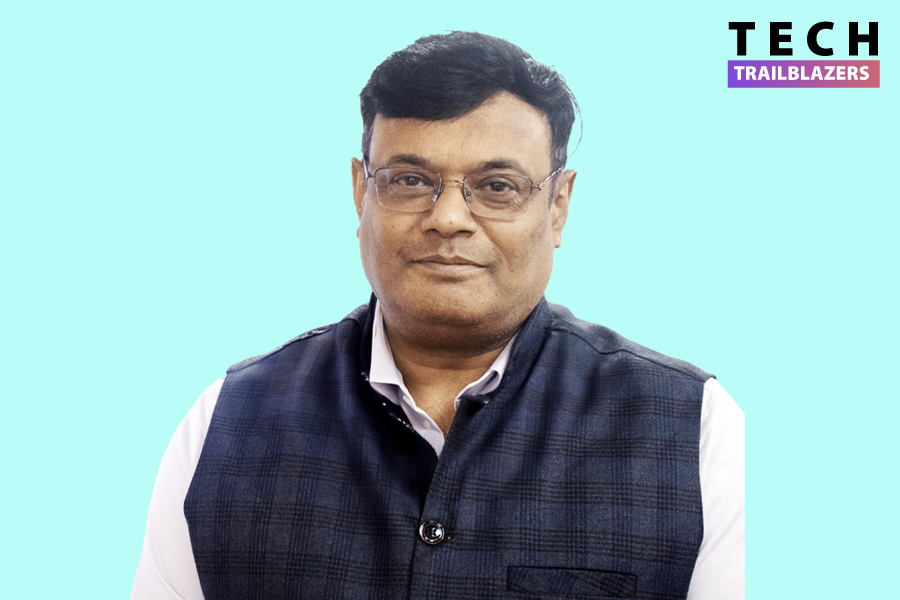
Bhashini: Bridging the language gap with AI
In our latest episode of the Tech Trailblazer series, we engaged with Mr. Amitabh Nag, CEO of Bhashini, a pioneering platform designed to promote digital inclusivity in India. Bhashini aims to bridge the gap between India’s diverse languages by making information and communication accessible across different linguistic regions. During our conversation, Mr. Nag shared insights into Bhashini’s multifaceted role in promoting linguistic diversity and leveraging AI for societal betterment. He highlighted how Bhashini facilitates language learning and cultural exchange using artificial intelligence. Additionally, Mr. Nag discussed the platform’s innovative strategies, including its integration of startup innovation and collaboration with government initiatives to enhance citizen services. Furthermore, he explained the impact of transitioning Bhashini to a paid service model on businesses and outlined its plans for future expansion, emphasising its vision for addressing emerging challenges and opportunities in India and globally. IBT: Can you share insights into Bhashini’s role in promoting linguistic diversity and preserving cultural heritage in India? How does the platform facilitate language learning and cultural exchange across different regions of India? Amitabh Nag: Bhasini’s primary job is to translate one language to another using digital tools, such as artificial intelligence models, delivered as APIs through the National Hub of Language platform. This allows for voice-to-voice, text-to-text, and printed translation, enabling collaboration, discussion, and innovation without language barriers. This eliminates the burden of learning another language, allowing individuals to work, discuss, and learn in their mother tongue. In the past, learning English was primarily necessary for professional progress in international domains. However, with the advent of digital tools, linguistic diversity has been preserved. As people adopt and continue to use the language, it will improve over time. Additionally, translation helps exchange literature and cultural items from one society to another, fostering linguistic diversity and cultural exchange. Linguists deserving of linguistic diversity and cultural exchange are rewarded over time. Although this is a small technical solution, it has significant implications for society, as it impacts linguists and contributes to cultural exchanges. Overall, while Bhasini’s work is technically small, it has significant implications for linguistic diversity and cultural exchanges. IBT: What innovative strategies has Bhashini implemented to harness artificial intelligence for the betterment of society, particularly in empowering youth with 21st-century skills? Amitabh Nag: Artificial intelligence is a computer-led model that learns based on available data and delivers outcomes. Innovation comes from the deployment phase, such as speech-to-speech translation. The company has tried to overcome challenges in translation, lag, and data issues by creating more models, pre-processing, and post-processing engines. The vision with Bhashini is to enable users to do daily tasks without language barriers or the need to learn another language. For example, a student can study in their native language and deposit fees in the evening. If the teacher teaches in English and understands the Gujrati, they can provide instructions in the Gujrati instead of in English. The student can then fill out the fees in their native language, translate, and perform transactions. For example, a student can study in their native language and deposit fees in the evening. The teacher can teach in English and provide instructions in Gujarati, allowing the student to complete transactions in their native language. This allows the system to adapt to the user’s needs and ensures seamless transactions. IBT: As Bhashini continues to evolve, how does the platform integrate startup innovation and technology consumption to address societal challenges effectively. Amitabh Nag: The technology is being developed through partnerships with various government and private sectors to address the problems of language and digital divides. The system enables transcription of speech-to-text and speech-to-speech translation, bridging the digital and literacy divides. This allows users to interact with computers with voice, reimagining the user journey and bringing benefits. Partners include state governments, central government ministries, and the general public. The goal is to provide a base platform for startups to develop applications, such as the multilingual cluster. Translation APIs are provided, which will use automatic speech recognition, text-to-text translation, and text-to-speech synthesis to provide a multi-lingual transfer solution. The company is looking for startups to help build solutions that are more customer-oriented and will be used in the future. The goal is to provide a solution that is closer to the customer and create a product system that will be used in the future. By addressing the problem statements and providing a platform for startups to develop applications, the technology aims to bridge the digital and literacy divides. IBT: In what ways does Bhashini collaborate with government initiatives and welfare schemes to leverage technology for enhancing citizen services and accessibility? Amitabh Nag: Instead of providing a broad statement, let me share two specific examples of our collaborative efforts. First, there’s the Open Network Data Commerce (ONDC) initiative by the government, which aims to decouple platform-specific e-commerce activities and create a platform-agnostic system for discoverability and transactions. We’ve partnered with ONDC, focusing on multilingual and voice-enabled use cases. We organised a hackathon to explore these use cases, targeting the next 20-30% of the population currently excluded from e-commerce due to digital and language barriers. The solutions identified will be implemented by ONDC and can be adopted by other e-commerce players to expand their reach. Second, we collaborate with government departments and welfare programmes. For example, the PM Kisan Samman Nidhi Scheme transfers funds directly to farmers. We developed a chatbot with the Ministry of Agriculture to assist farmers who encounter issues with their payments. The chatbot can guide farmers through the resolution process, such as linking their Aadhaar card with PAN or updating land records. This streamlines the process, saving farmers from having to visit government offices for answers. These examples illustrate how we work with government initiatives to benefit citizens through enhanced collaboration and integration. IBT: How will the transition of Bhashini to a paid service model impact businesses utilising its AI translation and database platform? Amitabh Nag: We are advancing on two or three fronts. Operating the service involves costs, and there’s a commercialization aspect
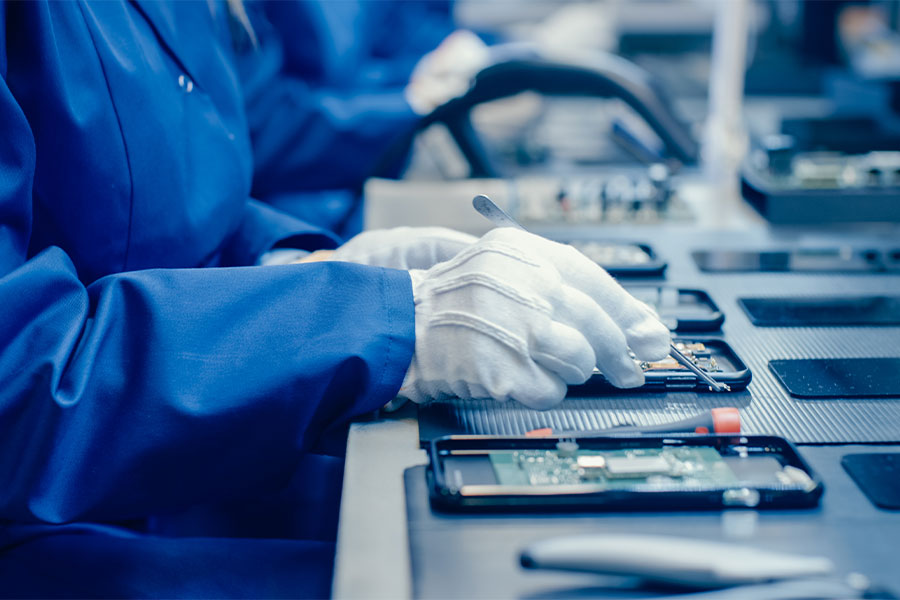
India’s EMS industry projected to reach US$ 55 bn by 2027
India’s Electronics Manufacturing Services (EMS) industry is on the brink of a significant revenue surge, with projections indicating a more than doubling of revenues to reach US$ 55 billion by FY 27. This anticipated growth is fueled by increased local component sourcing and the expansion plans of global tech giants like Apple, Samsung, and Lenovo. As India positions itself to become a key player in the global value chain (GVC) of the electronics sector, coordinated efforts across multiple ministries and ongoing engagement with industry leaders will be crucial in achieving this ambitious target. Image credit: Shutterstock India’s domestic electronics manufacturing services (EMS) industry revenues are expected to more than double to US$ 55 billion by FY27, driven by increased component sourcing locally, with Apple, Samsung, Lenovo, and other global companies expected to expand their presence in India. According to a BNP Paribas report, Apple plans to invest US$ 40 billion over the next 4-5 years to significantly increase its production capacity in India, while Korean giant Samsung plans to expand its manufacturing presence by producing laptops in addition to smartphones. IT hardware giant Lenovo intends to manufacture servers in India to support its expanding data centre business, taking advantage of the production-linked incentive (PLI) scheme for IT hardware. Other global companies, including Acer, HP, and Nokia, are expanding their presence in India, according to BNP Paribas. The report states that the total addressable market for domestic EMS players is expected to grow at a 27% CAGR to US$ 100 billion by FY27, driven by declining finished goods imports (at 3% CAGR) and rising component production, currently growing at 13% CAGR, to surge to 19% CAGR in FY23-27. “While the pace of imports of finished goods (particularly mobiles, TVs, and ACs) has slowed in recent years, the electronics industry remains dependent on imports, especially for consumer and industrial electronics components, IT hardware and LED components,” as per the report. India’s electronic manufacturing industry, which saw its aggregate revenue rapidly expand from US$ 25 billion in FY13 to US$ 100 billion in FY23 as a result of lower value-added manufacturing capabilities and various government initiatives such as customs duties on imported finished goods and production-linked incentive schemes, is set to account for a growing proportion of global revenues estimated to be around US$ 900 billion in CY31, according to the report. Policy and Future Outlook Industry executives emphasise the importance of policy continuity in maintaining growth momentum, as well as the implementation of new initiatives such as a PLI scheme for components and wearables. Pankaj Mohindroo, chairman, India Cellular and Electronics Association, said, “For India to become a key player in the global value chain (GVC) in the electronics sector, we need a mission-mode approach with clear goals and timelines to quadruple the sector’s output in the next five years. This ambitious target will require coordinated efforts across multiple ministries and continuous engagement with industry leaders.” adding that a predictable regulatory environment ensuring ease of doing business is essential to foster growth and innovation. “We must make our nation the best location to do business for GVCs. Simultaneously, we must build champion Indian companies. An appropriate PLI for components and sub-assemblies as well as wearables and hearables will drive domestic value addition and attract new investments,” Mohindroo further adds. The industry has proposed a Rs 30,000-35,000 crore PLI scheme for components and sub-assemblies, as well as capital expenditure support, in an effort to increase domestic value addition to 35-40% from 18% currently. Ashok Chandok, President of India Electronics and Semiconductor Association, said the new government should now take up and evaluate the proposals to set up semiconductor fabs and continue to provide financial support and incentives to the industry. He said there should now be a focus on creating a component ecosystem championing local product design through R&D and support the sector with the skills required through country-to-country knowledge transfer agreements. As India positions itself to become a key player in the global value chain (GVC) of the electronics sector, coordinated efforts across multiple ministries and ongoing engagement with industry leaders will be crucial in achieving this ambitious target.

India’s EV sales robust amidst global slowdown
In recent developments, the global growth rate of electric vehicles (EVs) has shown signs of deceleration. This slowdown is driven by factors such as high capital costs, election uncertainties, and a lack of quick charging infrastructure. But contrary to global trends, India is experiencing robust growth in its EV market. JMK Research & Analytics highlights that India’s EV sales surpassed 1.7 million units in FY 2024. With major players like TATA Motors, Mahindra & Mahindra, and BYD leading the market, and new entrants like Tesla and VinFast planning to join, India’s EV sector is poised for significant expansion. According to a recent article by Goldman Sachs, the rate of growth of electric vehicles (EVs) is globally declining. This is attributed to factors such as high capital costs, uncertainty surrounding elections, and an inadequate number of quick charging points. As per the data available by Kelley Blue Book, a vehicle valuation and automotive research company, Americans bought more than 200,000 new EVs in the first quarter of 2024. From Q4 2023 to Q1 2024, there has been a decline in sales of EVs and their share of new vehicle sales was recorded at 7.3%. The first quarter saw a 15.2% decrease in sales on a Q-o-Q basis, even as there was a 2.6% increase YoY. As stated by Kelley Blue Book, this recent rise is quite less than that of the last two years. As per the report of the European Automobile Manufacturers’ Association (ACEA), there has been a decline in new car sales this year in March for the first time, because of a drop in EV registrations and the timing of the Easter holidays. The EU witnessed a decline by 11.3% to 134,397 units in March, largely due to a 29% decline in Germany, its biggest market.As per the report, hybrid electric vehicles (HEVs) and Plug-in hybrid electric vehicles (PHEVs) are relatively on a sound footing. Mercedes-Benz CEO Ola Källenius made a notable announcement earlier this year, that the brand no longer plans to go fully electric by 2030 in select markets, including in Europe. It has also dropped its goal of having 50% sales volume from its hybrid and EV range by 2025. And the main reason is slow adoption of electric and hybrid vehicles in most parts of the world. India defies global trends India is witnessing continuous growth in EV sales, which exceeded 1.7 million units in FY 2024, as per a report by JMK Research & Analytics. There has been an increase by 10% in India’s passenger vehicle sales year over year in 2023, where EV sales doubled, making up for 2% of total passenger vehicle sales. As per Counterpoint Research India’s EV sales are expected to rise by 66% in 2024, and their market share is forecasted to double from to 4%. They are expected to form one-third of all passenger vehicle sales in India by 2030, because of the continuous support provided by the government and the entry of new players in the market. Subsidies provided by the government help increase the demand for EVs in the country. Apart from that, supportive infrastructure is being developed, which also supports EV sales. The government also decreased EV import taxes on particular models, if the carmakers are ready to invest a minimum of $ 500 million and start production domestically within three years. This can be a great incentive for foreign companies to invest in manufacturing facilities. The interests and concerns of customers towards climate change also boosted EV demand. Major new players in the Indian market include TATA Motors, Mahindra and Mahindra, and BYD. TATA Motors is the leader and owns more than two-thirds of the country’s EV market in 2023, but lost some to Mahindra & Mahindra (M&M) and BYD. The brand which had grown faster than others, is M&M, as it saw a 2,476% increase, followed by BYD and MG Motor, as per the report of Counterpoint. ‘’As the infrastructure and consumer traction develops, we will see the entry of newer players such as Tesla and fast-growing Chinese brands like Xiaomi, which will catalyze innovation and competition in the world’s fourth-largest PV market,” said Neil Shah, Research Vice President, Counterpoint Research. There has been an increase in competition because of the changing scenario of the automotive industry, with big players coming forward with their plans as Tesla has started its production of right-handed driving cars for export to the Indian market later this year. Vietnamese-based automaker VinFast is planning to build a factory in Tamil Nadu, which shows their increasing interest and attractiveness of the EV sector in the country.

Steam sterilisation is a cleaner route for spices: Ajay Desai, ED, Axtel
Axtel, a global food technology provider with over 3 decades of industry experience, delivers Customized Processing Solutions for the Food Industry to clients spread across multiple countries, including those in the US and Europe. As a registered member of EHEDG, Axtel offers a wide range of process solutions, covering various requirements in the food processing value chain, from handling raw ingredients to the final stages of processing, with a focus on automation, intelligence, safety, performance, and consistency. India Business and Trade recently interacted with Ajay Desai, Executive Director of Axtel Industries, who talks about the company’s evolution from a fortitious engagement with Amul where they successfully showcased their capabilities for the first time. Further, he discusses about Axtel’s growth strategy and key technology solutions for the Indian F&B sector. Image Credit: Shutterstock IBT: Could you provide an overview of your journey at AXTEL Industries, highlighting key milestones and challenges that have shaped the company’s growth and direction? Ajay Desai: A couple of years after graduating from college, my co-director and I started a small company Axtel. We had little to our name, but we got a break early on with Amul Dairy. Dr. V. H. Shah (then MD of Amul) was an engineer who insisted on world-class sanitary standards for the cooperative’s equipment. At the time, I was selling sifters for a friend. When Dr. V.H. Shah expressed dissatisfaction with the design, he asked if we could redesign it. We quit our jobs, developed a new machine design, and presented it to him. He suggested some changes, which we implemented, but we lacked the funds and a workshop to build it. We traveled by motorcycle, and Dr. Shah authorized us to use resources from the Amul Store. We borrowed a tempo, went to a friend’s factory, and physically built the machine there. This first job, completed in 1984, was still operational when I saw it two years ago. That marked the beginning of our journey. One thing led to another, and we developed more equipment for Amul Dairy. The company then connected us with the National Dairy Development Board, for whom we developed various other equipment. Subsequently, we gained more clients, including Nestle, who invited us to their office in Delhi. This led to continuous development of new machinery. From there, more clients joined us along the way, and our range of equipment expanded significantly. We primarily work in food processing, powder handling, and solid handling technologies, with some involvement in liquid handling. Our offerings include size reduction systems, mixing systems, spice processing lines, steam sterilization systems, and numerous systems for chocolates. We are leading suppliers for companies like Mondelēz and also collaborate with Hershey’s, Mars, Barry Callebaut, and other major names in the chocolate confectionery market. We are now globally approved by all of them. Furthermore, we also design many customized systems tailored to specific requirements. This has been our journey, and while it has taken a long time, it has been worthwhile. IBT: With regards to exports, what motivated your decision to expand into international markets, and how has this impacted the overall trajectory of your company? Ajay Desai: International markets actually came to us. We have a small sales team, but most of our clients know us and repeatedly return, with three to five new major clients added each year. Many smaller clients also join us, continuously expanding our portfolio. Multinational clients often take us to their locations in other countries. One company from Belgium, which we started working with about seven or eight years ago, was led by an ex-Nestle employee familiar with us. He convinced the Belgian company to buy from us. After completing the project to their satisfaction, they engaged us for subsequent projects in Peru, Colombia, Ghana, and numerous other countries, from Vietnam to the Philippines, Japan to Namibia. We have worked in over 18 countries and continue our collaboration with them. Similarly, with other customers like Cadburys, we are developing systems in Egypt, South Africa, Malaysia, Indonesia, and several other places. Our clients have propelled our international presence more than our own efforts. Now, times are changing, and we are actively seeking opportunities abroad directly. We are globally approved by many multinationals and are seen as a cost-effective option compared to European suppliers, offering equal or better quality and high reliability. Export holds immense potential for us, and we envision multiplying our current scale several times over in the next five years. We aim to expand our presence globally, appointing agents across various regions. Agents are crucial due to language barriers and ensuring a comfortable experience for clients in different countries. IBT: Technology plays a pivotal role in the food industry. What technological innovations or advancements has Axtel Industries developed or adopted to enhance its products or processes, particularly in the context of exports? Ajay Desai: Axtel has developed a large range of equipment for exports. We are members of the European Hygienic Engineering and Design Group (EHEDG) and meet all international standards for hygiene, safety, and application. Our extensive range of equipment caters well to the export market, adhering to all required standards. Our technologies are advanced, and we have maintained high standards from the beginning, whether for the domestic or export market. We offer top-quality equipment comparable to European and US standards but at a lower cost, which attracts our clients. Unlike others who are reluctant and charge heavily for even minor design changes, we embrace continuous improvement and adaptation as a way of life. We consistently innovate and enhance our offerings to meet client requirements, maintaining the highest standards. Our equipment requires minimal service, and that reliability speaks for itself. Once installed and commissioned, our clients rarely need to call us. We provide 24/7 global online support, and it’s almost never necessary for a technician to visit. We maintain comprehensive data, records, and designs going back 30 years. The equipment we produce is designed to be robust and reliable, so it rarely fails. Consequently, we have minimal spare parts

India’s F&B exports in 2023-24: Processed food sector remains robust
Fiscal year 2023-24 witnessed a decline in India’s overall F&B exports on account of several factors including the Red Sea crisis, Russia-Ukraine war. But the highlight of the year was domestic restrictions imposed on critical food commodities like rice, wheat, sugar and onion owing to concerns regarding food security. However, processed food exports remain largely robust amidst all these challenges, showcasing a YoY growth of 13%. It is important for Indian processed and packaged food exporters to further build on this positive momentum and tap emerging global market trends. India’s F&B exports have experienced a steady growth during the past few years. From US$ 33.4 billion in 2019-20, F&B exports reached US$ 48.6 billion in 2022-23, which was a record year for the industry. However, during FY 2023-24, the industry has experienced significant challenges, leading to a decline by 10.1% YoY to US$ 43.7 billion, with a 5-year CAGR of 5.5%. Exports of prepared foodstuffs (HS 16-22) also showed a sharp decline by 23.4% YoY to reach US$ 8.1 billion in 2023-24. However, exports in this category still maintained an impressive 5-year CAGR of 12.6%. In this research analysis, we will closely examine the broad product-wise trends in India’s F&B exports overall, as well as the processed food category. Major movements in commodity exports Several factors including the Red Sea crisis, the Russia-Ukraine war, and export restrictions on critical items such as rice, wheat, sugar, and onions, accounted for a drop in exports. Data from Ministry of Commerce & Industry reveals that year-on-year exports declined for various agri commodities including rice(other than basmoti), wheat, pulses, cashew, niger seeds, vegetable oils, castor oil, other oil seeds, shellac, sugar, mollases, dairy products and marine products. Top ten agri-commodities that exhibited negative growth in exports S. No. Commodity Exports (2022-23) Exports (2023-24) % Growth 1. Marine products 8,058.70 7,371.99 -8.52 2. Rice (other than Basmati) 6,356.71 4,573.41 -28.05 3. Sugar 5,770.83 2,824.74 -51.05 4. Castor Oil 1,265.64 1,071.55 -15.34 5. Pulses 661.40 644.55 -2.55 6. Other cereals 1,194.07 517.79 -56.64 7. Dairy products 587.15 468.81 -20.15 8. Vegetable oils 438.37 422.31 -3.66 9. Cashew 356.31 339.20 -4.80 10. Milled products 289.02 172.87 -40.19 11. Wheat 1,520.46 56.74 -96.27 Source: DGCI&S; export data in US$ million In FY 2024, wheat exports declined significantly by over 96% YoY, followed by other cereals that declined by -56.64%; sugar exports fell by -51% while rice xports decreased by -28%. However, amidst the decline in export of various agri products there were also some significant segments that witnessed growth over the previous year. These included fruits & vegetables, meat, poultry products, beverages (tea, coffee and alcoholic beverages), groundnuts, spices, and oil-meals. Top ten agri-commodities exported from India S. No Commodity Exports in FY 2022-23 (US$ million) Exports in FY 2023-24 (US$ million) % growth YoY 1 Basmati Rice 4,787.65 5,843.30 22.05 2 Spices 3,773.66 4,245.63 12.51 3 Buffalo Meat 3,193.69 3,743.26 17.21 4 Oilmeals 1,601.71 1,713.98 7.01 5 Misc processed items 1,421.64 1,653.35 16.30 6 Coffee 1,146.18 1,286.28 12.22 7 Fresh Fruits 864.62 1,146.59 32.61 8 Processed fruits and juices 908.62 971.77 6.95 9 Fresh vegetables 364.67 890.96 144.32 10 Groundnut 831.62 861.56 3.60 Source: DGCI&S Exports of fresh vegetables in FY 2024 witnessed the highest YoY growth of 144.32%, followed by fresh fruits (32.6%), and basmati rice (22.1%). Key commodities facing challenges Notably, F&B exports worth over US$ 5-6 billion were impacted in the last fiscal year owing to export restrictions. Concerns over domestic availability and food inflation triggered restrictions on exports of rice, wheat, onions and sugar, which are the key components of India’s F&B exports basket. The Government of India banned wheat exports in May 2022 (after a heatwave led to lower output). Export restrictions on sugar were imposed in June 2022. As a result, exports of wheat declined by about 96.3% YoY to US$ 56.74 million in FY 2024. On the other hand, exports of sugar decreased by 51% YoY to reach US$ 2.8 billion in 2023-24. Exports of non-basmati rice were restricted in July 2023 to cater to domestic requirements. A 20% duty was imposed on parboiled non-basmati rice exports, and minimum export price (MEP) on basmati rice was imposed on August, 2023. The MEP was originally set at US$ 1,200 per tonne but later in October, it was lowered to US$ 950 per tonne. Despite that, the exports of Basmati Rice have shown growth as mentioned earlier. In order to curb price rise, the export of onions was banned for about four months last December. In May this year, the government lifted ban on exports of onion but placed very high MEP with 40% export duty. A minimum export price (MEP) of US$ 550 per tonne was set. So, the effective minimum price for onion shipments was set at US$ 770 per tonne. Though sugar production seems to be now more stable and there are sufficient stocks this year, the government is not considering sugar exports. Domestic consumption, sufficient balance for around three months and achieving ethanol blending targets continue to remain a priority for the government. As for wheat, the Centre has ruled out lifting the ban despite the fact that production this year is higher and availability is expected to be about 10 million tonnes more when compared to last year. This decision has been taken to make wheat available in the domestic market and at reasonable prices as well. (The focus of the government is to replenish wheat reserves in state-run granaries, which hit a 16-year low recently. Wheat stocks in government warehouses as on May 1, were lower by about 10.3% year on year.) As for rice, India will continue to be a leading player in the world rice market despite export restrictions, according to a recent projection by the United States Department of Agriculture (USDA). (During April to mid-May 2024 India exported 1.75 mt of rice, due to restrictions on rice exports, down from 2.35 mt during the same period last year. According to official data, the

India’s Digital Competition Bill: Understanding industry concerns
India is now recognized as a significant and rapidly expanding digital market globally. Digitalization has stimulated the rise of industries like e-commerce and the creation of cutting-edge technologies, including artificial intelligence. These developments have led to a surge in new digital consumers. For example, about 70% of all Indian Internet users have utilized at least one social networking platform. Additionally, India’s flourishing e-commerce market has around 125 million users and is projected to attract an additional 80 million online users by 2025. As the digital landscape evolves, there is a growing need to ensure that competition remains fair and that market dynamics do not favour a few dominant players at the expense of smaller companies and consumers. The Digital Competition Bill aims to address these concerns by introducing regulations to curb the dominance of large digital companies and foster a competitive environment. India’s digital economy has been expanding rapidly, driven by a surge in internet penetration, smartphone usage, and innovative startups. As the digital landscape evolves, there is a growing need to ensure that competition remains fair and that market dynamics do not favour a few dominant players at the expense of smaller companies and consumers. The Digital Competition Bill, which was launched on March 12 this year, aims to address these concerns by introducing regulations to curb the dominance of large digital companies and foster a competitive environment. However, some argue that the proposed regulations may limit innovation and stifle the growth of smaller companies, ultimately harming competition in the long run. The process of digitalization has been primarily propelled by big digital businesses, which are currently subject to fragmented regulation in India. The Competition Commission of India (CCI) has taken note of some instances of anti-competitive behaviour by large digital enterprises such as Google, MakeMyTrip-Go, and Oyo, including unfair business practices and unilateral discriminatory policies. As part of its comprehensive review of India’s competition regime, the Competition Law Review Committee (CLRC) noted these emerging concerns in digital markets. As a result, the CLRC proposed amendments to the Competition Act of 2002 (the Competition Act), such as including “data” in the definition of “price” and including “network effects” as a parameter for assessing an enterprise’s dominance. Finally, the CLRC recommends a wait-and-see approach and a periodic review of global emerging digital market regulation trends to judge whether a new antitrust framework is required for digital markets, . Recognising these developments and the significant differences between traditional and digital markets, the 53rd Parliamentary Standing Committee Report in December 2022 identified 10 anti-competitive practices (ACPs) commonly used by Big Tech companies. The report acknowledged that these ACPs are made possible by digital market dynamisms such as strong network effects and economies of scale. Large digital enterprises freely engaging in ACPs result in a ‘winner-takes-most’ outcome, with markets tipping in favour of the large incumbent. Protecting against this outcome may be impossible under the Competition Act’s ex-post framework, which requires lengthy enforcement proceedings and begins after the harm has already occurred. As a result, the 53rd Parliamentary Report recommended enacting a separate ex-ante competition law for digital markets. Against this backdrop, the Committee on Digital Competition Law (CDCL) Committee was established in February 2023. The Committee was tasked with determining whether the current framework, including the Competition Act, was adequate to regulate digital markets. It was also tasked with looking into global best practices. Overview of the Digital Competition Bill The Digital Competition Bill is a legal framework that seeks to regulate digital markets in India, drawing inspiration from other regions known for their strict competition laws. The primary goal of the bill is to prevent anti-competitive practices by large digital companies, ensuring a fair playing field for all market participants. The bill is based on the recommendations of the CDCL and the Parliamentary Standing Committee on Finance (PSC), with the aim of identifying certain enterprises as Systemically Significant Digital Enterprises (SSDEs) based on their financial strength and user base. These SSDEs will be subject to ex-ante regulations, which involve proactive monitoring to prevent any form of abuse or anti-competitive behavior. The key objectives of the bill include: Ex-Ante Regulatory Approach: Unlike traditional competition laws that react to anti-competitive behavior after it occurs, the Digital Competition Bill adopts an ex-ante approach. This means that regulations are put in place proactively to prevent anti-competitive practices before they can harm the market. Market Dominance: The Bill targets companies with significant market power, often referred to as “gatekeepers,” which can influence market dynamics due to their size and reach. Consumer Protection: Ensuring that consumers have access to a variety of choices and fair prices is a central goal of the Bill. It aims to prevent practices that could limit consumer options or lead to price manipulations. Encouraging Innovation: By curbing monopolistic practices, the Bill seeks to create an environment conducive to innovation, allowing smaller players and startups to thrive. The Digital Competition Bill is in line with current global trends in digital market regulation. The European Union’s Digital Markets Act (DMA) and Digital Services Act (DSA) are two prominent examples of similar legislative initiatives aimed at controlling big tech and promoting fair competition. These laws also prioritize preventing gatekeepers from engaging in unfair practices and bolstering consumer protections. Some of the key benefits promised by the Bill include: Enhanced Market Fairness: By curbing the dominance of large digital platforms, the bill aimed to ensure a more equitable distribution of market opportunities. This can lead to increased competition, which typically results in better products and services for consumers. Smaller companies and new entrants would have a fair chance of competing and succeeding. Consumer Protection: The primary goal of the bill is to protect consumer interest. By preventing practices, such as price manipulation, data misuse, and anti-competitive agreements, the bill aims to ensure that consumers have access to a wide range of choices at fair prices. Enhanced consumer protection measures can boost consumer confidence in digital services. Promotion of Innovation: By creating a level-playing field, the
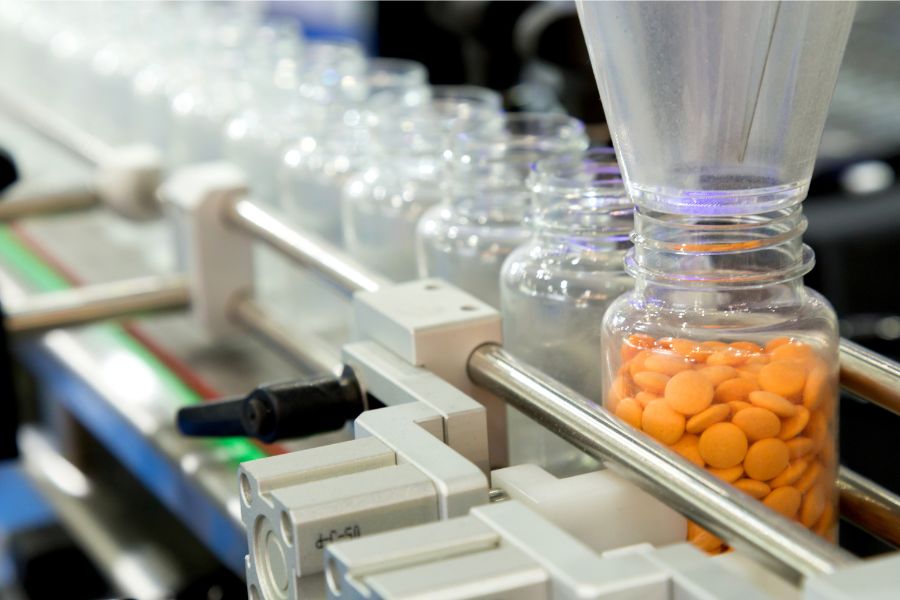
Pharma powerhouse: What is fueling India’s path towards global preeminence?
The Indian pharmaceutical industry, a global leader in high-quality, low-cost drug production, commands over 20% of global generics supply and addresses 60% of worldwide vaccine demand. Crucial to India’s economic growth and employment, the industry benefits from government initiatives like the Production Linked Incentive (PLI) scheme, which supports production, boosts exports, and fosters technological innovation. Comprising over 3,000 pharma companies and 10,500 manufacturing facilities, India has emerged as a successful producer and distributor of life saving medicines across the world at most affordable prices. The industry is projected to grow to US$ 65 billion by 2024, US$130 billion by 2030, and an impressive US$450 billion by 2047. IBT analyses the major trends and drivers expected to propel the growth of the Indian pharma sector in this journey. Image Credit: Shutterstock The Indian pharmaceutical industry has been globally acclaimed for its leadership in the generic drugs sector. Recognized as the “Pharmacy of the world” and currently valued at US$50 billion, the Indian pharmaceutical industry is expected to reach US$ 65 billion by 2024, US$ 130 billion by 2030 and US$ 450 billion by 2047. Apart from keeping up with the local demand, the Indian pharma industry commands over 20% of the global supply chain and addresses approximately 60% of the worldwide demand of vaccines. India contributes up to 70% of the WHO demand of Diphtheria, Tetanus and Pertussis (DPT) and Bacillus Calmette-Guerin (BCG) vaccines and 90% of the WHO demand for the measles vaccine. Moreover, India is the biggest contributor to UNESCO, with a share of over 50-60% and boasts the highest number of USFDA approved plants outside the US. In the past few years, various geopolitical tensions and COVID-19 pandemic highlighted the importance of supply chain resilience and diversification, resulting in growing interest in the China +1 strategy where international companies seek to diversify their supply chains by investing in alternative manufacturing locations, especially India. During COVID-19 in FY 2020-21, the sector contributed approximately 1.32% to the Gross Value Added (GVA) of the Indian economy. In FY2021-22, the total annual turnover of the pharmaceutical industry reached US$ 42.34 billion. Ashok Kumar Madan, Executive Director, Indian Drug Manufacturers’ Association, comments, “India has long been known as the “pharmacy of the world,” and during the COVID-19 pandemic, it solidified this reputation by becoming a key global provider of high-quality medicines at affordable costs. The country efficiently supplied essential medications to other nations, stepping in where developed countries often failed to offer timely medical assistance.” PLI schemes drive the change? Despite these tremendous achievements, the pharma industry still faces hurdles such as regulatory compliance, infrastructure constraints, continuous need for innovation and investment as well as dependency on China for the supply of key chemicals critical to the manufacture of Active Pharmaceutical Ingredients (APIs). According to a report by CareEdge, India’s dependency on Chinese pharma imports is at 55-56% and is expected to remain high in the coming years. To promote the production of high-value products and increasing the value addition in exports, generating employment and benefitting from the China+1 strategy, the Department of Pharmaceuticals launched 3 Production Linked Incentive Schemes, with the aim to enhance global competitiveness of domestic manufacturing and establish domestic leaders in the industry. The following schemes have been launched for the pharma sector: PLI 1.0 or PLI scheme for Key Starting Materials (KSMs)/Drug Intermediates (DIs) & Active Pharmaceutical Ingredients (APIs): Under the PLI scheme for Bulk Drugs, the objective is to boost domestic production of 41 select critical bulk drugs in the country with an outlay of Rs 6,940 crore. These consist of fermentation-based bulk drugs with an incentive rate of 20% for the first four years, 15% for the fifth year and 5% for the sixth year (2023-24 to 2028-29) and chemical synthesis-based bulk drugs with an incentive rate of 10% for six years viz., 2022-23 to 2027-28. PLI 2.0 or PLI scheme for pharmaceuticals: With a financial outlay of Rs 15,000 crore and the tenure from FY 2020-21 to FY2028-29, the scheme provides for financial incentive to 55 selected applicants for manufacturing of identified products under high-value drugs like – Biopharmaceuticals, complex generic drugs, active pharmaceutical ingredients, repurposed drugs, auto immune drugs, anti-cancer drugs. The scheme provides incentives on incremental sales to selected participants for a period of 6 years at the rate of 10% for FY2022-23 to FY2025-26, 8% for FY2026-27 and 6% for FY2027-28. Effect of PLI schemes on Research and Innovation The pharma sector has experienced a notable decrease in raw material imports due to the PLI schemes. India is now producing a variety of unique intermediate materials and bulk drugs domestically, including Penicillin-G. Moreover, the production of 39 medical devices has begun, ranging from CT-Scans and Linear Accelerators (LINAC) to Rotational Cobalt Machines, C-Arms, MRIs, Cath Labs, Ultrasonography machines, Dialysis Machines, Heart Valves, and Stents. Pharma services, dominated by exports, account for approximately 50% of the healthcare innovation market and healthcare innovation in India is currently a US$ 30 billion opportunity. The future of innovation is expected to be influenced by the growing consumerization of health, transformations in the global healthcare value chain, the enhancement of Indian scientific and technological expertise, and favorable regulatory developments. By FY 2028, the innovation opportunity could reach approximately US$ 60 billion, alongside structural ecosystem changes such as consolidation, shifts in profit pools, and increased partnerships. In recent years, new frontiers of innovation have emerged as companies increasingly leverage emerging technologies. This shift has introduced new innovation vectors such as: Innovations aimed at reducing the cost of existing products or services while maintaining quality, such as producing more affordable patient wearables, electronic equipment, and consumables. Creating new software solutions to address the needs of consumers and healthcare players, such as pharma and med-tech companies. Examples include companies offering SaaS-based hospital management systems (HMS), AI-based diagnostics, and pharmaceutical IT solutions. Innovations in delivery methods that significantly alter unit economics, including federated models focusing on specific segments of the services value chain. Examples include telemedicine, e-pharmacy, e-diagnostics, and digital

GenAI revolutionises conversational commerce for businesses
The digital landscape in India is undergoing a transformative shift, driven by the convergence of conversational platforms and generative artificial intelligence (Gen AI). According to Meta and Bain & Company report, the integration of Gen AI into conversational messaging for business transactions is projected to attract approximately 450 million new e-commerce consumers in India. This shift is driven by the growing popularity of conversational commerce, with 60% of WhatsApp users in India messaging businesses weekly. With around 95% of enterprises in India familiar with Gen AI and over 80% planning to invest in it within the next 1-2 years, businesses are now better equipped to engage with their customers in a more personalised, intuitive, and seamless manner. The digital landscape in India is undergoing a transformative shift, driven by the convergence of conversational platforms and generative AI (GenAI). This confluence is poised to spur the next wave of growth for businesses, as they embrace the power of conversational commerce. According to a joint study by Meta and Bain & Company, ‘Win with Conversations’, the integration of Gen AI into conversational messaging for business transactions is projected to attract approximately 450 million consumers to the e-commerce sector in India. This shift is driven by the increasing popularity of conversational commerce as a preferred method of interaction between businesses and over half of their customer base. The study reveals that the adoption of conversational platforms is accelerating across both large and small enterprises in India. The comprehensive report surveyed around 7,800 consumers, 150 enterprises, and interviewed over 25 senior executives across various industries. The findings indicate that the opportunity presented by Gen AI and conversational commerce is vast and transformative. By following a strategic playbook, businesses can craft a winning approach and secure a lasting competitive advantage. According to Sandhya Devanathan, Head and VP, Meta in India, “We see it in terms of consumer behaviour on our platforms, in terms of people using messaging to communicate with businesses, and we see that given the size of the WhatsApp platform and what users are asking for. 60% of the users of WhatsApp in India message a business every week.” How businesses are adapting to Generative AI Generative AI emerges as a top priority for businesses, with around 95% of surveyed enterprises in India familiar with it, and over 80% planning to invest in Gen AI solutions within the next 1-2 years. This technology is poised to revolutionise the way businesses engage with their customers, enabling them to create more personalised, intuitive, and seamless conversational experiences. According to Arpan Sheth, partner at Bain & Company, “while only about 200 million of the 650 million Indians active on social media currently shop online, GenAI-powered conversational messaging platforms have the potential to bring the next 450 million consumers to e-commerce. We are seeing a growing user preference for leveraging conversational platforms for daily tasks, along with increased spending and investment by businesses in generative AI to enhance end-to-end journeys on these platforms.” “We expect both small and large businesses to experiment with conversational commerce to redefine customer engagement and gain a competitive advantage,” he further added. The Impact on Businesses The study reveals that large enterprises are already embracing the power of conversational commerce, with around 70% of surveyed large enterprises engaging with over 50% of their customer base using conversational platforms. Moreover, more than 60% of large enterprises are planning to increase their spending on conversational platforms over the next 3-4 years. The report highlights that conversational commerce will thrive in domains characterised by frequent purchases, such as grocery shopping, and frequent transactions, including utility bill payments, accessing bank statements, and travel bookings. Large enterprises are poised to capitalise on this trend by investing in Gen AI-powered conversational platforms to enhance their customer engagement and drive business growth. But the impact of conversational platforms is not limited to large enterprises; the study also highlights the significant potential for small and medium-sized businesses (SMBs) to leverage this technology. The report reveals that 90% of surveyed non-savvy digital users prefer to interact with SMBs through conversational platforms for their day-to-day needs. 70% of survey respondents said they would rather contact local grocery stores to send a list of items and place an order. 65% of users prefer to receive offers and place orders from local restaurants, while 80% prefer to use a conversational platform to submit service tickets, manage warranties, or request a technician visit/spare part replacement. Devanathan, from Meta, reiterates the company’s commitment to empowering businesses of all sizes, especially SMBs in India, to leverage the vast potential of Gen AI. “The coming decade presents a unique opportunity for technology, particularly generative AI, to revolutionise how businesses of all sizes operate. We’re firmly committed to adding more capabilities on our platform that bridge the gap between businesses and their customers, fostering growth and engagement.” The convergence of conversational platforms and generative AI presents a transformative opportunity for businesses in India to drive growth, enhance customer engagement, and secure a competitive edge in the ever-evolving digital landscape. By embracing the strategic playbook outlined in the report, businesses of all sizes can harness the power of conversational commerce and unlock new possibilities for success.
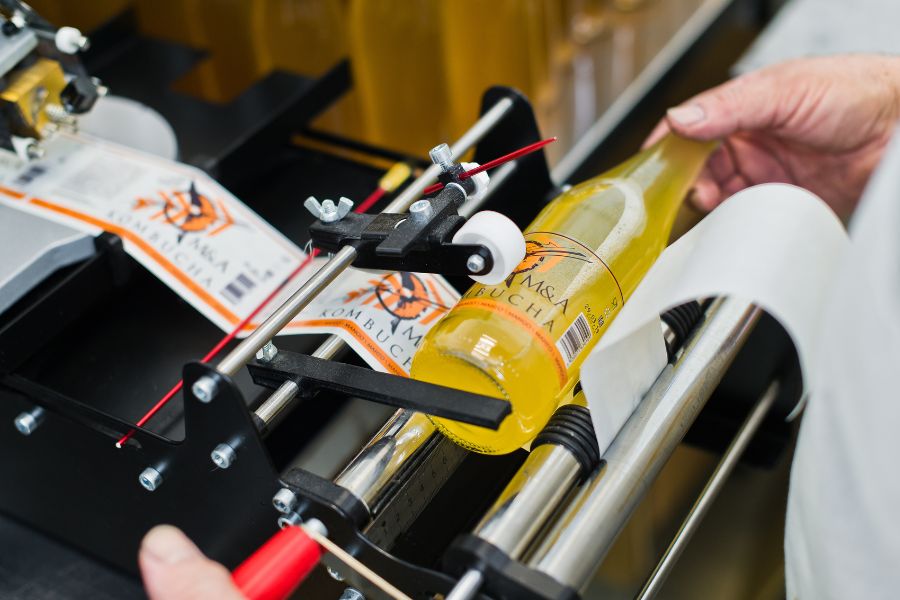
“Label Padhega India” campaign aims to raise awareness on packaged foods
Product labelling is a crucial aspect of product marketing. However, unlike in many other countries, consumers in India often do not read the ingredient lists or gather comprehensive information about products before making a purchase. The ‘Label Padhega India’ campaign seeks to address these issues by raising awareness and promoting informed consumerism. The goal of ‘Label Padhega India’ is to educate consumers about the risks hidden in packaged food labels, emphasizing the harm of preservatives and unhealthy additives. Through collaboration with influencers and celebrities, the campaign aims to reach a wide audience and influence consumer behavior positively. Image Credit: Shutterstock Product labelling is a crucial aspect of product marketing. However, unlike in many other countries, consumers in India often do not read the ingredient lists or gather comprehensive information about products before making a purchase. Product labelling in India is plagued by several issues, ranging from non-compliance with regulations to language barriers and misinformation. Many labels feature misleading claims, inconsistent standards, and illegible text, which compromise transparency and make it difficult for consumers to make informed decisions. The enforcement of labelling regulations is often inadequate, and imported goods frequently fail to meet Indian labelling standards. This lack of uniformity and clarity can have serious implications for consumer health and safety. Revant Himatsingka, also known as FoodPharmer, has emerged as a prominent figure in the movement towards better food labelling practices since he launched the “Label Padhega Campaign”. The objective of ‘Label Padhega India’ is to educate consumers about the hidden dangers lurking in the nutritional labels of packaged foods. It aims to highlight the detrimental effects of preservatives and unhealthy additives on health. By bringing together a diverse group of influencers and celebrities, the campaign seeks to reach a broad audience and make a substantial impact on consumer habits. Aimed at encouraging consumers to scrutinize the nutritional labels on packaged products the campaign features a star-studded lineup of supporters, including actor Archana Puran Singh, choreographer Terence Lewis, sportsperson Abhinav Bindra, cricketer Dinesh Karthik, and popular influencers like Flying Beast, Ankita Bainyanpuria, Ankur Warikoo, Tech Burner, Thugesh, Saurav Joshi, Abhi and Niyu, and Luke Coutinho. Recently, Himatsingka announced a significant victory: PepsiCo, the maker of Lay’s chips, has decided to reduce the use of palm oil in its products. This change came after Himatsingka highlighted the discrepancy between the ingredients used in Lay’s chips in India and the USA. His advocacy, supported by public pressure, led PepsiCo to begin trials for new oil blends in 2023. Palm oil, widely used in snacks like chips and biscuits, is associated with adverse health effects when consumed in excess, particularly concerning heart health. Himatsingka’s efforts to spotlight the health implications of such ingredients have been instrumental in promoting healthier food choices among consumers. His previous work, including a viral video on the high sugar content in Bournvita and its impact on children, has significantly raised public awareness about the health risks posed by processed foods. Globally, consumers rarely scrutinize product labels in detail to discern the ingredients used. To address this, many countries have adopted pictorial labels to convey essential information quickly and effectively. For example, Chile uses black octagonal signs to indicate high levels of sugar, sodium, calories, and saturated fats. Similarly, India uses green dots on food products to signify that they are vegetarian. These visual cues help consumers make healthier choices at a glance. For the ‘Label Padhega India’ campaign to achieve its goals, several steps need to be taken: Enhanced Regulatory Enforcement: Authorities must ensure strict compliance with labelling regulations to protect consumers from misleading information and harmful ingredients. Consumer Education: Continuous efforts to educate consumers about reading and understanding product labels are crucial. This includes simplifying labels and using clear, visual cues to convey important information. Corporate Responsibility: Companies should prioritize transparency and health in their product formulations and labelling practices. Public pressure and advocacy can drive significant changes, as evidenced by the PepsiCo case. Support from Influencers: The involvement of popular figures can amplify the campaign’s message and encourage more people to pay attention to product labels. The ‘Label Padhega India’ campaign marks a significant stride in fostering domestic consumer activism and raising awareness about the critical issues surrounding product labelling in India. As consumers become more conscientious about their health and the quality of products they purchase, this campaign underscores the importance of understanding product labels, especially for items targeting sensitive consumer segments like children. The campaign is a critical step towards building a culture of informed consumerism in India. By addressing the inherent issues related to product labelling and promoting greater scrutiny of nutritional information, this initiative has the potential to transform consumer behavior and improve public health. As more people become aware of what goes into their food, the demand for healthier, safer products will likely grow, driving positive changes across the food industry. Read more articles on food packaging- Unveiling the dynamics of India’s food packaging industry Sustainable Packaging: Reshaping India’s Food Industry Fighting counterfeits with advanced packaging technologies