
The digital landscape in India is undergoing a transformative shift, driven by the convergence of conversational platforms and generative artificial intelligence (Gen AI). According to Meta and Bain & Company report, the integration of Gen AI into conversational messaging for business transactions is projected to attract approximately 450 million new e-commerce consumers in India. This shift is driven by the growing popularity of conversational commerce, with 60% of WhatsApp users in India messaging businesses weekly. With around 95% of enterprises in India familiar with Gen AI and over 80% planning to invest in it within the next 1-2 years, businesses are now better equipped to engage with their customers in a more personalised, intuitive, and seamless manner. The digital landscape in India is undergoing a transformative shift, driven by the convergence of conversational platforms and generative AI (GenAI). This confluence is poised to spur the next wave of growth for businesses, as they embrace the power of conversational commerce. According to a joint study by Meta and Bain & Company, ‘Win with Conversations’, the integration of Gen AI into conversational messaging for business transactions is projected to attract approximately 450 million consumers to the e-commerce sector in India. This shift is driven by the increasing popularity of conversational commerce as a preferred method of interaction between businesses and over half of their customer base. The study reveals that the adoption of conversational platforms is accelerating across both large and small enterprises in India. The comprehensive report surveyed around 7,800 consumers, 150 enterprises, and interviewed over 25 senior executives across various industries. The findings indicate that the opportunity presented by Gen AI and conversational commerce is vast and transformative. By following a strategic playbook, businesses can craft a winning approach and secure a lasting competitive advantage. According to Sandhya Devanathan, Head and VP, Meta in India, “We see it in terms of consumer behaviour on our platforms, in terms of people using messaging to communicate with businesses, and we see that given the size of the WhatsApp platform and what users are asking for. 60% of the users of WhatsApp in India message a business every week.” How businesses are adapting to Generative AI Generative AI emerges as a top priority for businesses, with around 95% of surveyed enterprises in India familiar with it, and over 80% planning to invest in Gen AI solutions within the next 1-2 years. This technology is poised to revolutionise the way businesses engage with their customers, enabling them to create more personalised, intuitive, and seamless conversational experiences. According to Arpan Sheth, partner at Bain & Company, “while only about 200 million of the 650 million Indians active on social media currently shop online, GenAI-powered conversational messaging platforms have the potential to bring the next 450 million consumers to e-commerce. We are seeing a growing user preference for leveraging conversational platforms for daily tasks, along with increased spending and investment by businesses in generative AI to enhance end-to-end journeys on these platforms.” “We expect both small and large businesses to experiment with conversational commerce to redefine customer engagement and gain a competitive advantage,” he further added. The Impact on Businesses The study reveals that large enterprises are already embracing the power of conversational commerce, with around 70% of surveyed large enterprises engaging with over 50% of their customer base using conversational platforms. Moreover, more than 60% of large enterprises are planning to increase their spending on conversational platforms over the next 3-4 years. The report highlights that conversational commerce will thrive in domains characterised by frequent purchases, such as grocery shopping, and frequent transactions, including utility bill payments, accessing bank statements, and travel bookings. Large enterprises are poised to capitalise on this trend by investing in Gen AI-powered conversational platforms to enhance their customer engagement and drive business growth. But the impact of conversational platforms is not limited to large enterprises; the study also highlights the significant potential for small and medium-sized businesses (SMBs) to leverage this technology. The report reveals that 90% of surveyed non-savvy digital users prefer to interact with SMBs through conversational platforms for their day-to-day needs. 70% of survey respondents said they would rather contact local grocery stores to send a list of items and place an order. 65% of users prefer to receive offers and place orders from local restaurants, while 80% prefer to use a conversational platform to submit service tickets, manage warranties, or request a technician visit/spare part replacement. Devanathan, from Meta, reiterates the company’s commitment to empowering businesses of all sizes, especially SMBs in India, to leverage the vast potential of Gen AI. “The coming decade presents a unique opportunity for technology, particularly generative AI, to revolutionise how businesses of all sizes operate. We’re firmly committed to adding more capabilities on our platform that bridge the gap between businesses and their customers, fostering growth and engagement.” The convergence of conversational platforms and generative AI presents a transformative opportunity for businesses in India to drive growth, enhance customer engagement, and secure a competitive edge in the ever-evolving digital landscape. By embracing the strategic playbook outlined in the report, businesses of all sizes can harness the power of conversational commerce and unlock new possibilities for success.

“Label Padhega India” campaign aims to raise awareness on packaged foods
Product labelling is a crucial aspect of product marketing. However, unlike in many other countries, consumers in India often do not read the ingredient lists or gather comprehensive information about products before making a purchase. The ‘Label Padhega India’ campaign seeks to address these issues by raising awareness and promoting informed consumerism. The goal of ‘Label Padhega India’ is to educate consumers about the risks hidden in packaged food labels, emphasizing the harm of preservatives and unhealthy additives. Through collaboration with influencers and celebrities, the campaign aims to reach a wide audience and influence consumer behavior positively. Image Credit: Shutterstock Product labelling is a crucial aspect of product marketing. However, unlike in many other countries, consumers in India often do not read the ingredient lists or gather comprehensive information about products before making a purchase. Product labelling in India is plagued by several issues, ranging from non-compliance with regulations to language barriers and misinformation. Many labels feature misleading claims, inconsistent standards, and illegible text, which compromise transparency and make it difficult for consumers to make informed decisions. The enforcement of labelling regulations is often inadequate, and imported goods frequently fail to meet Indian labelling standards. This lack of uniformity and clarity can have serious implications for consumer health and safety. Revant Himatsingka, also known as FoodPharmer, has emerged as a prominent figure in the movement towards better food labelling practices since he launched the “Label Padhega Campaign”. The objective of ‘Label Padhega India’ is to educate consumers about the hidden dangers lurking in the nutritional labels of packaged foods. It aims to highlight the detrimental effects of preservatives and unhealthy additives on health. By bringing together a diverse group of influencers and celebrities, the campaign seeks to reach a broad audience and make a substantial impact on consumer habits. Aimed at encouraging consumers to scrutinize the nutritional labels on packaged products the campaign features a star-studded lineup of supporters, including actor Archana Puran Singh, choreographer Terence Lewis, sportsperson Abhinav Bindra, cricketer Dinesh Karthik, and popular influencers like Flying Beast, Ankita Bainyanpuria, Ankur Warikoo, Tech Burner, Thugesh, Saurav Joshi, Abhi and Niyu, and Luke Coutinho. Recently, Himatsingka announced a significant victory: PepsiCo, the maker of Lay’s chips, has decided to reduce the use of palm oil in its products. This change came after Himatsingka highlighted the discrepancy between the ingredients used in Lay’s chips in India and the USA. His advocacy, supported by public pressure, led PepsiCo to begin trials for new oil blends in 2023. Palm oil, widely used in snacks like chips and biscuits, is associated with adverse health effects when consumed in excess, particularly concerning heart health. Himatsingka’s efforts to spotlight the health implications of such ingredients have been instrumental in promoting healthier food choices among consumers. His previous work, including a viral video on the high sugar content in Bournvita and its impact on children, has significantly raised public awareness about the health risks posed by processed foods. Globally, consumers rarely scrutinize product labels in detail to discern the ingredients used. To address this, many countries have adopted pictorial labels to convey essential information quickly and effectively. For example, Chile uses black octagonal signs to indicate high levels of sugar, sodium, calories, and saturated fats. Similarly, India uses green dots on food products to signify that they are vegetarian. These visual cues help consumers make healthier choices at a glance. For the ‘Label Padhega India’ campaign to achieve its goals, several steps need to be taken: Enhanced Regulatory Enforcement: Authorities must ensure strict compliance with labelling regulations to protect consumers from misleading information and harmful ingredients. Consumer Education: Continuous efforts to educate consumers about reading and understanding product labels are crucial. This includes simplifying labels and using clear, visual cues to convey important information. Corporate Responsibility: Companies should prioritize transparency and health in their product formulations and labelling practices. Public pressure and advocacy can drive significant changes, as evidenced by the PepsiCo case. Support from Influencers: The involvement of popular figures can amplify the campaign’s message and encourage more people to pay attention to product labels. The ‘Label Padhega India’ campaign marks a significant stride in fostering domestic consumer activism and raising awareness about the critical issues surrounding product labelling in India. As consumers become more conscientious about their health and the quality of products they purchase, this campaign underscores the importance of understanding product labels, especially for items targeting sensitive consumer segments like children. The campaign is a critical step towards building a culture of informed consumerism in India. By addressing the inherent issues related to product labelling and promoting greater scrutiny of nutritional information, this initiative has the potential to transform consumer behavior and improve public health. As more people become aware of what goes into their food, the demand for healthier, safer products will likely grow, driving positive changes across the food industry. Read more articles on food packaging- Unveiling the dynamics of India’s food packaging industry Sustainable Packaging: Reshaping India’s Food Industry Fighting counterfeits with advanced packaging technologies
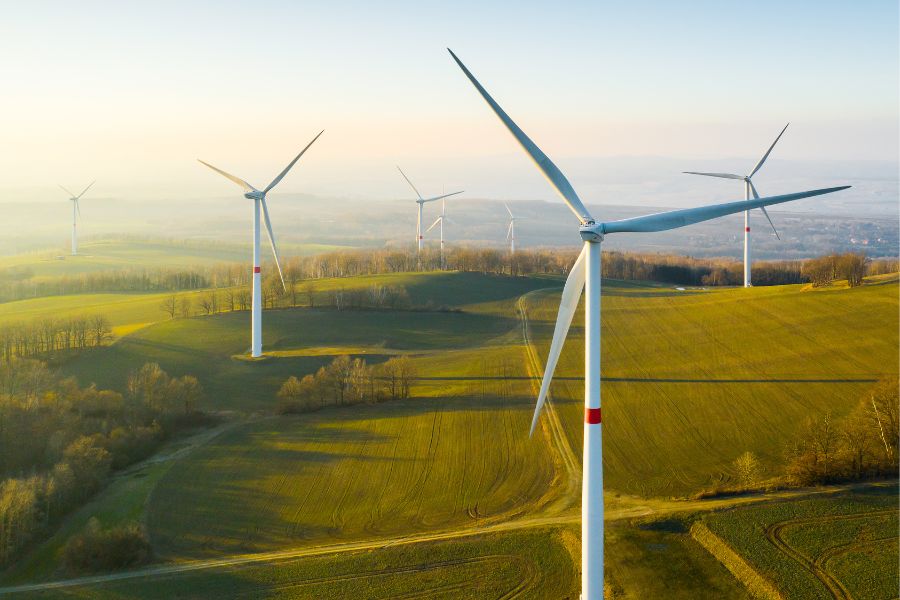
India may add 25 GB wind energy capacity by 2028
India’s wind energy sector is witnessing rapid advancement, catapulting it to the fourth rank globally with 42 GW capacity. With the aim of generating 140 GW by 2030, the government is taking necessary measures and substantial investments, highlighting the nation’s commitment towards harnessing wind energy for sustainable future. India stands at the fourth position in the world in terms of wind power generation capacity, being behind only China, the US, and Germany, with capacities at 342 GW, 139 GW, and 64 gigawatts (GW) respectively. The country’s wind capacity stands at 42 GW, which equals around 10% of its total power demand and strives to provide electricity to about 100 million homes. To achieve this objective, India has a target of generating a minimum of 140 gigawatts of wind capacity by 2030. The journey of wind power in India started way back with a project by Maneklal Sankalchand Thacker and the Council for Scientific and Industrial Research (CSIR) in 1952. Much later in 1985, the first large-scale wind project was established in Veraval, Gujarat, which furthered R&D efforts in the area. The government has taken many steps to support the wind energy industry. It has set a target to auction 50 GW of renewable projects every year, including 10 GW specifically for wind projects to revive wind capacity additions. During the fiscal year 2023, the government auctioned approximately 5 GW of wind projects, compared to only 3 GW auctioned in 2021 and 2022. Auctions of hybrid and storage-linked projects rose from 4 GW in 2021 and 2022 to nearly 18 GW in 2023 and 2024. Support for the construction of transmission infrastructure to wind sites, improved financial profiles of wind original equipment manufacturers (OEMs), and recent feasible tariff bids have increased auctions of wind and hybrid projects. These factors have led to wind capacity expansion. The importance of wind energy generation in India’s renewable energy mix has increased for grid balancing and providing an uninterrupted energy supply throughout the day, unlike solar energy, which is generated primarily during daylight hours. With continuous government efforts, India is set to add 25 GW of wind energy capacity by 2028, requiring around Rs 2 lakh crore. This represents a 2.5 times increase from the 9 GW produced between the fiscal years of 2021 and 2024, according to CRISIL Ratings Limited, a subsidiary of CRISIL Limited, an S&P Global company. The pace of wind capacity addition was at 3.0 GW per year between the fiscal years of 2014 and 2018, which however declined to 1.7 GW between the fiscal years of 2018 and 2023. The reason for the decline is associated with the lack of linked sites with high wind potential and less returns for developers after aggressive bidding. Ankit Hakhu, Director of CRISIL Ratings says “Hybrid and storage linked projects would push higher wind additions. Nearly 30-50% of the capacity of these projects will comprise wind power as these require developers to provide renewable power throughout the day, especially demand peaks during evening and night hours.” Improved Transmission Connectivity and Financial Aspects Improved transmission connectivity and strong financial aspects of wind OEMs have eased supply-side limitations. Government plans and efforts are expected to increase wind site capacity from 50 GW in December 2024 to approximately 75 GW by March 2025 and 100 GW by December 2027. The credit profiles in the wind energy sector have improved due to equity financing and bidding on crucial projects. This improvement is evident in two major manufacturers, responsible for around 40% of the 3.3 GW capacity added in fiscal 2024. Their interest coverage ratio increased from less than 1 in fiscal 2020 to an estimated 2.7 in fiscal 2024, indicating reduced leverage and improved credit profiles. “Average tariffs have stabilised around Rs 3.2 per unit in fiscals 2023 and 2024 and are expected to continue in fiscal 2025, vis-à-vis Rs 2.8 per unit over fiscals 2020-2022. These tariffs are expected to be viable and remunerative to developers at the expected project costs over the medium term.” Says Varun Marwaha, Associate Director, CRISIL Ratings. The above estimates are based on the expected progress on the construction of transmission infrastructure and resources’ prices, which could affect the projects’ costs and thereby impact the feasibility of current tariffs. The strong growth of India in wind power capacity highlights its emerging role in the global renewable energy sector and shows its commitment to sustainable development.

India’s rising natural gas production enhances energy security
India’s natural gas sector sees a 7.8% rise in domestic production and a 5.4% increase in LNG imports, signaling growth in energy infrastructure. Despite higher domestic output, imported LNG remains crucial to meet rising demand. Natural gas plays a vital role in sectors like fertilizer production and power generation, supporting India’s transition to sustainable energy sources. India’s natural gas production increased in April 2024, reaching 2,958 million standard cubic meters (MMSCM), a 7.8% growth compared to 2023, as reported by the Petroleum Planning & Analysis Cell (PPAC) under the Ministry of Petroleum & Natural Gas. This growth reflects the nation’s continuous efforts to enhance domestic production capacities in the energy sector. Total imports of liquified natural gas (LNG) in April 2024 amounted to 2,650 MMSCM, a 5.4% increase from April 2023. These figures highlight the importance of imported LNG to meet the rapidly increasing demand, despite the boost in domestic production. Available natural gas grew by 7.1% year-over-year, reaching 5,087 MMSCM for April 2024. This enhanced availability is crucial as India seeks more energy-intensive industrial activities in various sectors. “The integration of increased domestic production with strategic imports ensures that India is well-positioned to meet its industrial and commercial energy requirements,” said a senior official from PPAC. “These efforts align with the government’s objective to increase the share of natural gas in India’s energy mix, contributing to more sustainable economic growth.” The fertilizer industry remained the largest consumer of natural gas in April 2024, utilizing about 28% of the total gas available. This sector relies heavily on natural gas for producing urea and other fertilizers essential for India’s agricultural sector. City Gas Distribution (CAD) accounted for 20% of consumption, reflecting the government’s push for using natural gas as a cleaner cooking and vehicular fuel. The power sector consumed around 16% of the total, using natural gas to produce electricity with relatively lower greenhouse gas emissions compared to coal and oil. Other major consumers of natural gas include refineries and petrochemicals, using 11% and 2% respectively. They use natural gas to produce various products, from gasoline and diesel to plastics and synthetic fibers. The report also emphasized the strong processes involved in data collection and transfer, ensuring accuracy and transparency. “The meticulous approach to data handling reflects our commitment to providing reliable and timely information to all stakeholders,” the official added. The government is implementing various initiatives to improve domestic natural gas production through continuous exploration and enhanced techniques in existing fields. Programs like the Hydrocarbon Exploration and Licensing Policy (HELP), which covers both conventional and non-conventional hydrocarbon resources, the New Domestic Natural Gas Pricing Guidelines, aligning national prices with the international market, and the National Data Repository (NDR), which organizes and regulates data of Indian sedimentary basins, aim to reduce India’s dependency on imports and stabilize supply for domestic market growth. As India moves towards a more diverse and sustainable energy mix, the importance of natural gas will grow, supporting the nation’s economic goals along with its environmental responsibilities on the global stage.

SUN Mobility and IndianOil partner to revolutionize EV battery swapping
SUN Mobility and IndianOil have forged a groundbreaking partnership to establish world’s largest battery swapping network . By 2030, this collaboration aims to establish a vast battery swapping infrastructure, deploying 10,000 stations across 40+ cities. This strategic initiative promises to make battery swapping as accessible as traditional refueling, driving the seamless adoption of electric mobility and addressing critical challenges such as battery costs, maintenance, and charging times. Image Credit: Sun Mobility SUN Mobility has announced a strategic partnership with IndianOil to establish a comprehensive battery swapping infrastructure network by 2030. This collaboration aims to deploy 10,000 battery swapping stations across over 40 cities within the next three years, facilitating the adoption of electric mobility for two-wheelers, three-wheelers, and small four-wheelers through a ‘Battery as a Service‘ (BaaS) model. The joint venture leverages IndianOil’s extensive network of more than 37,000 fuel stations across India and SUN Mobility’s advanced battery swapping technology. This integration will make battery swapping as accessible as traditional fuel refueling, significantly enhancing the electric vehicle (EV) experience for customers by addressing concerns related to battery costs, maintenance, replacement, and charging time. SUN Mobility currently operates in over 20 cities, supporting more than 25,000 electric vehicles with a network of 630+ swapping stations and over 50,000 smart batteries. These batteries collectively perform over a million swaps each month, serving a wide range of two and three-wheeler customers. Chetan Maini, Co-Founder and Chairman of SUN Mobility, highlighted the company’s global leadership in open architecture platforms for battery swapping, which support various electric vehicle types across multiple original equipment manufacturers (OEMs). This platform is being deployed globally in partnership with leading energy companies. The collaboration with IndianOil will streamline the EV experience for customers by offering BaaS nationwide. This will help alleviate worries about battery costs, maintenance, replacement, and charging time. With the new network, users can conveniently swap their EV batteries at numerous stations, similar to how they currently refuel their vehicles. This initiative is part of SUN Mobility’s broader strategy to accelerate the transition to electric mobility by addressing key challenges such as range anxiety, long charging times, and high battery costs. By providing a reliable and efficient battery swapping solution, SUN Mobility aims to make electric vehicles more practical and accessible for a larger segment of the population. The partnership will also benefit from the IndianOil’s vast network and expertise in fuel distribution. The company’s extensive reach and infrastructure will play a crucial role in the rapid deployment of the battery swapping stations, ensuring that they are available in both urban and rural areas. Overall, this joint venture marks a significant milestone in India’s journey towards sustainable transportation. By combining the strengths of SUN Mobility and IndianOil, the initiative aims to create a robust and scalable battery swapping network that will support the widespread adoption of electric vehicles and contribute to a cleaner and greener future. This partnership is expected to drive significant growth in the electric vehicle market in India, providing a reliable and efficient solution to some of the major challenges faced by EV owners. With the deployment of thousands of battery swapping stations, the joint venture will make it easier for people to switch to electric vehicles and reduce their dependence on fossil fuels.

NSE launches Nifty EV & automotive index to boost India’s EV market
NSE Indices has unveiled the Nifty EV & New Age Automotive Index, designed to track the performance of companies in India’s burgeoning electric vehicle ecosystem. This new index aims to drive investment and innovation in the EV sector, aligning with the country’s push towards sustainable automotive technologies. NSE Indices, a subsidiary of the National Stock Exchange (NSE) of India, has launched a new Nifty EV and New Age Automotive Index. This launch marks a significant step forward in tracking the performance of companies integral to the electric vehicle (EV) ecosystem and those involved in developing new-age automotive technologies. The introduction of this index aligns with the expected surge in EV adoption and the expansion of charging infrastructure across the country. The Nifty EV and New Age Automotive Index aims to provide a comprehensive view of India’s evolving automotive arena. By reflecting the growing importance of advanced and electric automotive technologies, this innovative index highlights companies at the forefront of these developments. Mukesh Agarwal, CEO of NSE Indices, emphasized the index’s significance, stating, “The Nifty EV & New Age Automotive Index, India’s first-ever Electric Vehicle Index, aligns with NSE’s vision to provide innovative indices in line with market trends.” The new index is expected to facilitate the creation of financial products that will offer asset managers opportunities to invest in the booming EV and new-age automotive market. This move provides an attractive investment vehicle for a wide range of investors. The index’s base date was set on April 2, 2018, with a base value of 1,000. This historical context offers investors and stakeholders valuable insights into the index’s performance over time. To ensure the index remains relevant and accurate, it will be reconstituted semi-annually and rebalanced every quarter. These regular adjustments will keep the index reflective of current market dynamics and the evolving EV sector. By offering a reliable benchmark, the index aims to support informed investment decisions and promote market transparency. Vinayak Lele, Manager HV systems commented on the news, stating, “The Nifty EV & New Age Automotive Index will provide investors with a comprehensive overview of the Indian EV landscape, promoting investment opportunities. The Indian EV industry is in its early stages but is poised for exponential growth, potentially increasing tenfold, driven by government-linked incentives. The EV Index will serve as a vehicle for investors to capitalize on the rapidly expanding Indian EV market and enable fund managers to create various structured products.” “However, it is essential to maintain a balanced focus on component manufacturers. Investments in new technologies are crucial, particularly in fundamental components such as lithium batteries, electric motors, power electronics, and technology IP creation,” he added. The introduction of this index aligns with the Indian government’s proactive stance on EV adoption and efforts to position India as a leading manufacturing hub for electric vehicles. These initiatives aim to attract investments in the EV sector, promote technological advancements, and support the development of a robust EV manufacturing ecosystem within the country. Mukesh Agarwal further expressed his views on the EV index launch, stating, “The Nifty EV & New Age Automotive Index will facilitate the creation of products, creating opportunities for asset managers to invest in the electric vehicle and new-age automotive market, thereby providing an investment vehicle to investors.” The Nifty EV and New Age Automotive Index is expected to act as a benchmark for asset managers and serve as a reference index for passive funds. This includes Exchange Traded Funds (ETFs), index funds, and structured products. By providing a reliable benchmark, the index supports informed investment decisions and promotes transparency in the market. Currently, there are 17 thematic indices on the NSE, including Nifty Commodities, Nifty India Consumption, Nifty CPSE, Nifty Energy, and Nifty Infrastructure. The addition of the Nifty EV and New Age Automotive Index enhances this portfolio, further diversifying the investment options available to investors and reflecting the dynamic nature of the market.

Recreating sports experiences with Game Theory
In the latest episode of our Tech Trailblazers series, India Business and Trade engaged in a captivating conversation with Sudeep Kulkarni, founder of Game Theory. Kulkarni’s venture is revolutionising the recreational sports industry by merging sports with cutting-edge technology to create an immersive, gamified experience. The discussion began with Sudeep Kulkarni sharing the inspiration behind founding Game Theory and its focus on enhancing recreational sports through technology. The discussion highlighted their innovative use of smart courts and data analytics. Finally, Kulkarni discussed the vast potential of the recreational sports market and Game Theory’s strategic plans for expansion and growth. IBT: Can you tell us about the story behind the founding of Game Theory? What inspired you to create this company, and what niche in the market are you trying to fill? Sudeep Kulkarni: Before starting Game Theory, I founded Tribe Fitness in 2013, a pioneering venture in the group exercise fitness business. Our goal was to make fitness exciting by creating group exercise-only programs to get people moving. However, we quickly realised that no matter how exciting we made fitness, people stuck around for only three months before dropping off. We understood that fitness, inherently, is a boring activity. The question was, how do we make it exciting? Sports, on the other hand, are exciting. So why hasn’t it taken off? Initially, we thought infrastructure was a common problem, but by 2019, Bangalore had 550 badminton venues with over 2,000 courts, yet peak-hour utilisation rates were only 40%. Clearly, the issue was bigger than just infrastructure. On digging deeper, we found a subset of people within these venues who played continuously. These players had one thing in common: they played with equally skilled partners. They formed groups with a critical mass of people and made bookings for the entire year. Their perception was that when they got quality games every single time, they would play continuously. This insight led us to think about how we could replicate this in the digital realm. Video games offer a similar experience by providing easy access to quality gameplay. So, we decided to build a video game-like experience for real sports. Our niche is solving the problem of making sports easy to play. You don’t need to coordinate with a hundred people. We want to ensure that you have a great game every single time with just a click of a button, making sports an everyday habit for people. IBT: Game Theory offers a variety of services. Can you walk us through the core aspects of what you do and the value proposition you deliver to your customers? Sudeep Kulkarni: In India, building a subscription business is a big challenge, especially for tech-only products. To address this, we decided to apply our technology to venues that we take over and operate. We either take over existing venues or help create new ones with partner investors who invest in these venues while we operate them 100%. By adding our technology layer on top, we aim to solve the core problem we’re addressing. We convert every court into a smart court, equipped with cameras, televisions, and other tech enhancements. During games, a referee calls out scores displayed on the television screens, and the cameras record the gameplay. We use computer vision analytics to analyse the game, providing data at the level a professional athlete would see. This is our unique selling proposition. We then gamify the experience to connect players and maintain their excitement, encouraging them to keep playing. IBT: Your approach utilises computer vision and AI. Can you provide specific examples of how this technology enhances the user experience for both casual players and aspiring athletes? Sudeep Kulkarni: To give you an example, while people are accustomed to using devices like watches that track health metrics and steps, these devices offer limited data. With computer vision, we can measure detailed aspects of your performance. For instance, we can track the types of shots you hit on the court and measure your best smash speed—something devices alone can’t do. We can provide slow-motion replays of your best shots, tally errors you made versus your friends, and pinpoint where on the court you made the most errors. This detailed data collection through computer vision allows us to give highly personalised feedback, enhancing the playing experience for our customers. This is the primary use case of computer vision for our players. IBT: According to you, what is the potential of this sector in the world? What are the global trends that are driving the growth of this sector? Sudeep Kulkarni: When considering the market size for our recreational play business, we initially found a mix of high and low estimates. Still, we approached it with a builder mindset, aiming to tap into the full potential of the market. Our goal is to cater to a wide range of customers, from kids to seniors, regardless of their mobility. We aim to make sports as inclusive as possible, welcoming everyone to participate. In terms of potential, we see anyone who wants to play or is considering playing as a potential customer. While estimating the initial market size was challenging, we believe that, similar to the fitness industry, the recreational sports segment will gradually catch up and expand over time. As pioneers in this category, we envision ourselves driving this growth and reshaping the landscape of recreational sports. IBT: Can you elaborate on your future vision for Game Theory’s growth strategy, both in terms of locations and the range of sports offered? Sudeep Kulkarni: In India, the company focuses on increasing the monetization of venues by taking over them and operating them fully, delivering better profits to venue owners. They aim to have 100 venues in Bangalore within a year, a significant market size, but still less than 50% of the market size. The target is to expand to Bangalore, spreading the business to other cities. There are two ways to expand: the facility side of the business and the

Inspiration in a tea cup: The journey of Senso Foods
In this inaugural interview under the Food Frontiers series, India Business & Trade engages with Nauman and Yatin Charaniya, two enterprising brothers who have turned tea, India’s favorite beverage into an instant premix available worldwide with Senso Foods. The journey of Senso Foods commenced when the brothers discovered a critical gap in the market – while people were craving the taste of Indian tea, the existing premix options lacked authenticity. Through an unwavering focus on product quality, consistency and taste, the two brothers have developed Senso Foods into a global brand. To cater to health conscious customers, they have also successfully launched a series of innovative products like turmeric latte, vegan beetroot latte, and other vegan lattes. In fact, their vegan beetroot latte was the winning entry at the recently concluded Indus Innovation awards, organised on the sidelines of Indusfood 2024. IBT: Please provide an overview of your journey as the CEO and founder of Senso Foods, from researching trends in the beverage market, to taking on the Senso Brand name in 2013, to entering the international market in 2015 and becoming a successful global brand today? Nauman Charaniya: As the founder and managing director of Senso Foods, my journey began with a vision to bring the much-loved, authentic taste of Chai (tea) to the masses in a convenient, instant form. We noticed that while people craved the traditional taste of Chai, instant tea options lacked authenticity. To fill this gap, we created Senso Tea premixes and launched Senso Foods Pvt Ltd. Our research highlighted a demand for convenient yet authentic tea. This insight drove our mission to innovate products that offered traditional flavours in an easy-to-prepare format. By 2015, we expanded internationally, after market research and local partnerships. This strategic move helped us to introduce our authentic tea premixes to a global audience. Today, Senso Foods is available in over 25 countries and is doing amazingly well. IBT: What are the core strengths of Senso as a brand today that set it apart from the competition in the category? Yatin Charaniya: Authentic Taste in an Instant Form: Our ability to deliver the traditional, beloved taste of Chai in a convenient, instant form is a primary strength. We ensure that our products capture the authentic flavours that consumers crave, making it easy for them to enjoy a quality cup of Chai anytime, anywhere. Variety of Flavours: We offer a diverse range of flavours, including masala, cardamom, and ginger. Additionally, we have developed innovative products like turmeric latte, vegan beetroot latte, and other vegan lattes. These offerings not only cater to traditional tastes but also to contemporary, health-conscious preferences. Our innovative products have been recognised and awarded at prestigious events like Gulfood and Indusfood. Consistent Quality: Maintaining high and consistent quality across all our products is crucial. Our commitment to quality ensures that every cup of Senso Tea delivers the same delightful experience, building trust and loyalty among our customers. IBT: Can you provide insights into the current international market landscape and trends in your industry, and how Senso Foods is positioning itself to navigate and leverage these trends? Nauman Charaniya: In today’s fast-paced world, everyone is constantly on the move, leaving little time for traditional beverage preparation. At Senso Foods, we cater to this need for convenience by offering high-quality, instant solutions. Our instant Chai premixes, turmeric lattes, and vegan lattes deliver authentic taste and health benefits without the hassle. We understand that people crave the comfort of traditional flavors, even with busy schedules, and our products just fit into their hectic routines. Senso Foods blends tradition with convenience, ensuring that everyone can enjoy their favorite drinks quickly and effortlessly. IBT: Looking ahead, what are the primary strategies Senso Foods is employing to sustain and expand its presence in both domestic and international markets? Yatin Charaniya: The primary strategies we are leveraging for our business expansion are as follows: Product Innovation: We continue to innovate by developing new products that meet evolving consumer preferences. Market Expansion: We are actively exploring new markets and increasing our global footprint. Distribution Network Expansion: Expanding their distribution channels to ensure wider availability of their products. This includes partnering with more retailers and exploring e-commerce platforms to reach a broader audience in India as well as outside India. Marketing and Branding: Strengthening marketing efforts to increase brand awareness and attract new customers. This includes digital marketing, social media campaigns, and collaborations with influencers. Quality Assurance: Maintaining high standards of quality and consistency in our tea premix to build trust and loyalty among consumers. IBT: As a leader in the food industry, what do you envision as the next frontier or opportunity for Senso Foods, and how do you plan to capitalize on it to drive future growth and innovation? Nauman Charaniya: There are some very prominent trends in the food and beverage industry that indicate frontiers of opportunity in the future: Health and Wellness Focus: The demand for health-focused products continues to rise. We will expand our range of functional beverages, incorporating superfoods, and other health-boosting ingredients. This focus on wellness will cater to the growing consumer segment seeking products that support a healthy lifestyle. Global Market Expansion: We will continue to explore and enter new international markets. Our award-winning products and commitment to quality will be key selling points in these expansions. Personalization and Customization: We offer personalized beverage taste, allowing distributors to customize tea premixes according to their dietary preferences and health needs of a particular country IBT: How does Senso Foods view India’s current competitive position in the tea premix segment today? What are the major opportunities and challenges for this business? Nauman Charaniya: Senso Foods believes that India’s role in the tea premix market is growing. More people are looking for quick and easy drink options. Even though India was slower to start using tea premixes compared to other areas, the demand is now growing fast because busy people want instant products. The key challenges

GenAI’s impact on financial services transformation
The financial services industry is transforming due to generative AI (GenAI), which promises to enhance customer service with advanced chatbots, prevent fraud, and streamline complex tasks like code development and regulatory reporting. McKinsey Global Institute estimates that GenAI could add between US$ 200 billion and US$ 340 billion annually to the global banking sector, significantly boosting industry revenues and operational efficiencies. However, adopting GenAI presents challenges, including addressing data privacy concerns, mitigating ethical biases, integrating GenAI with outdated legacy systems, ensuring regulatory compliance, and bridging the talent gap in AI expertise. The McKinsey Global Institute (MGI) estimates that GenAI could potentially add between US$ 200 billion and US$ 340 billion in value annually to the global banking sector. This substantial value addition, estimated at 2.8-4.7% of total industry revenues, underscores the transformative potential of GenAI. Financial firms are swiftly recognising the transformative potential of GenAI. According to an EY report “The AIdea of India: Generative AI’s Potential to Accelerate India’s Digital Transformation,” 61% of respondents in the financial services sector believe that Gen AI will have a significant impact on the entire value chain, making it more efficient and responsive to market dynamics. 78% of survey respondents have either implemented the technology in at least one use case or intend to pilot it within the next 12 months. The report also revealed that GenAI in India has the greatest impact on gross value added (GVA) in the Financial Services sector, with a range of 22% to 26%. As a result, GenAI in India has the potential to add US$ 66-80 billion to the GVA by 2030. How GenAI is transforming financial services? According to a Gartner Financial Services Research Panel survey, the financial services industry sees GenAI as an optimisation play, with the majority (49%) of senior business executives expecting a moderate impact from the technology. Only a small percentage (2%) believe GenAI will have a disruptive impact in the short term, highlighting the importance of a step-by-step approach. This indicates that financial institutions recognise the importance of “walking before running” and are taking a cautious approach to adoption. This measured approach aims to reduce risks and ensure that GenAI is seamlessly integrated into their operations. Financial services organisations can use AI to automate laborious manual tasks, streamline workflows, and free up resources for more sophisticated and value-added tasks like spending more time with customers. Furthermore, real-time delivery of pertinent information and personalised customer experiences is made possible by AI-driven insights. Improved customer service increases client loyalty, which in turn spurs business expansion. Source: State of AI in financial services 2022 trends, NVIDIA; Percentage of respondents that used AI for these purposes As per the findings of Gartner’s 2023 AI Survey: CIOs and Technology Leaders View, the three most notable benefits of AI are increased customer satisfaction (60%) and decreased expenses (54%), as well as increased productivity and efficiency (75%). According to Srinivasan Seshadri, Chief Growth Officer, Financial Services at HCLTech: “AI has the potential to transform financial services. For that to happen, financial institutions must transform across all layers of their capability stack. Organisations that recognise the value of AI and technology are moving towards a product-aligned operating model that combines talent, culture, and ways of working to synchronise all layers of the stack. These institutions prioritise customer journey-led product development and bring people together to deliver solutions that customers value for sustainable growth.” Key use cases in financial services Financial services organisations are looking into more and more GenAI use cases. According to Gartner’s 2023 Customer Experience and Trust Survey, better security ranked first among the reasons why retail banking customers switched primary providers, followed by better interest rates in second place. Fraud prevention is another important area focus, with 13% of institutions currently using AI tools in this domain. Moreover, businesses can use GenAI to proactively identify and stop fraudulent activity. It is critical to remember that regulatory compliance and anti-money laundering (AML) are significant factors in this field that call for specialised approaches and solutions. For banks, customer relationship management is crucial. More individualised 24/7 services like voice command capabilities for financial app logins and facial recognition are now offered by banks to specific clients. Additionally, banks are using AI to segment their customer bases automatically and analyse customer behaviour patterns. This allows them to focus their marketing efforts, improve customer communication and overall experience. GenAI is transforming financial services, particularly in code creation and conversion. By automating coding processes, institutions boost productivity, reduce errors, and enhance software development quality, leading to faster application deployment. Another area of exploration is AI-powered assistance in contact centers. Institutions aim to reduce wait times and improve customer satisfaction through effective, personalized support provided by chatbots and virtual assistants. AI also enhances credit decision accuracy by using data to predict the likelihood of default, shifting the market from expert judgment to insights-driven lending. However, financial services must navigate compliance and customer security challenges to fully leverage AI’s potential. Can GenAI also be a bane in financial services? As financial institutions race to implement this technology, challenges loom large on the horizon. While successful adoption of GenAI promises tremendous value, missteps can lead to complications, ranging from the generation of false information to security concerns and issues of bias and fairness. Implementing GenAI in financial services entails significant concerns about data privacy and security, requiring robust encryption, anonymization, and access control measures to safeguard customer data. Other major challenges include: Ethical and Bias Issues: AI models can unintentionally perpetuate biases from their training data, leading to unfair outcomes. Mitigating these biases and addressing ethical considerations is crucial. Integration with Legacy Systems: Many financial institutions depend on outdated IT infrastructure, making integration with modern AI technologies challenging. Regulatory Compliance: Financial institutions must comply with a complex web of regulations when implementing GenAI. Ensuring compliance requires continuous monitoring and adaptation of AI systems, as non-compliance can lead to hefty fines and reputational damage. Talent Gap: There is a significant talent gap in the
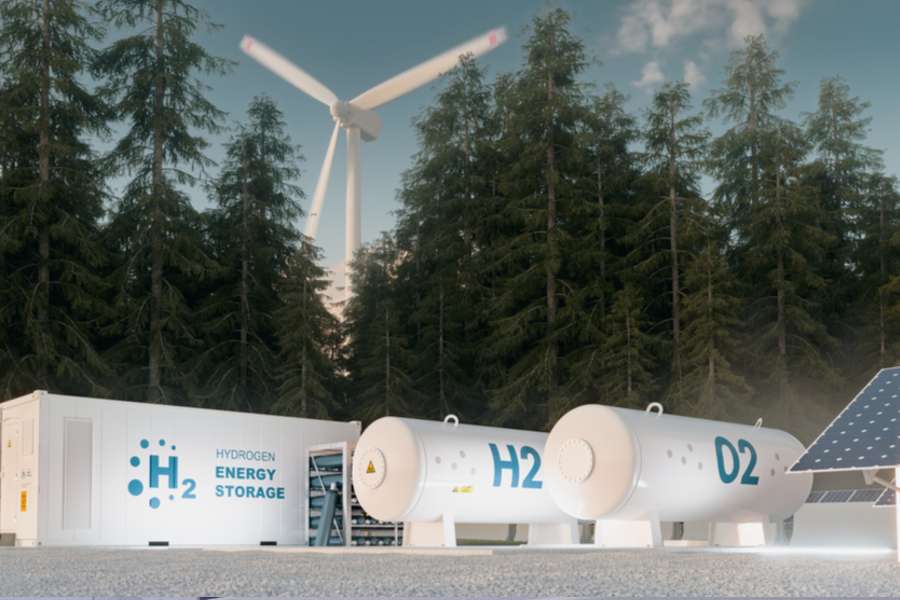
Empowering the future: India’s strategic push for electrolyzer manufacturing
In 2024, India made significant strides in the Green Hydrogen sector, bolstered by the launch of the National Green Hydrogen Mission (NGHM) in January 2023. With a vision to produce 5 million metric tonnes of green hydrogen annually, the NGHM features two primary components: the Strategic Intervention for Green Hydrogen Transition (SIGHT) and the Strategic Hydrogen Innovation Partnership (SHIP). These initiatives, supported by a ₹19,744 crore allocation, focus on public-private partnerships, pilot projects, skill development, and extensive research and development. A critical aspect of the NGHM is its emphasis on electrolyzer manufacturing, essential for hydrogen production through electrolysis. The government has already committed significant funds to incentivize this sector, aiming for an initial 3 GW annual electrolyzer manufacturing capacity. This effort is expected to enhance domestic production capabilities and reduce dependence on imports, positioning India as a future global leader in green hydrogen technology and sustainability. Image Credit: Shutterstock With already a significant body of work behind it in the Green Hydrogen domain, India in 2024 made an appearance at the World Hydrogen Summit being held at Rotterdam in the Netherlands. This was also the first time that an Indian Pavilion was set up at the Summit. Unsurprisingly, it was one of the largest ones at the event. In Rotterdam, the MNRE Secretary B.S. Bhalla emphasised India’s commitment to nurturing a vibrant, indigenous ecosystem for green hydrogen technology. He highlighted India’s comprehensive approach under the NGHM, which apart from SIGHT and SHIP components, also includes pilot projects, skill development programs, and Research & Development. Of the total allocation of Rs 19,744 crore for the NGHM, there has been a dedicated allocation of 1,466 crores for pilot projects and hydrogen hubs as well as the allocation of 400 crore for research and development. The Indian government took a significant step towards establishing the country as a global hydrogen hub with the launch of the National Green Hydrogen Mission (NGHM) in January 2023. Aiming to produce 5 million metric tonnes of green hydrogen annually, the NGHM features two main components with a total outlay of ₹19,744 crore over five years (2025-26 to 2029-30). These components are – the Strategic Intervention for Green Hydrogen Transition (SIGHT) and the Strategic Hydrogen Innovation Partnership (SHIP), which focuses on public-private partnerships in green hydrogen R&D. At the heart of the NGHM, the SIGHT scheme addresses two crucial areas of the green hydrogen supply chain: electrolyzer manufacturing and green hydrogen production. The SIGHT programme offers Rs 44.4 billion (US$ 541 million) of incentives for companies to set up 1,500 megawatts (MW) of electrolyzer manufacturing capacity. Electrolyzers are the building blocks of hydrogen production. When electricity is passed through water in an electrolyzer, it results in water’s dissociation into Hydrogen and Oxygen through the process called electrolysis. This is the essence of hydrogen production. According to Braj Nandan Singh, Head – Project Management Unit (PMU) for National Green Hydrogen Mission-Ministry of New & Renewable Energy, Government of India, “Electrolyzers are crucial to the green hydrogen (GH2) production process, much like the heart and blood are to human life.” However, he further adds that despite India’s standards for GH2 production via biomass gasification, limited biomass availability and geographical challenges have led to minimal interest, with only 4% of bids coming from this method. Thus, electrolyzers are essential for the green hydrogen mission. Furthermore, if we want to ensure that we’re producing Green Hydrogen, we have to provide renewable energy-based electricity to the electrolyzer. At present, the bulk of hydrogen being consumed in India of around 5 million metric tonnes is grey i.e., thermal (coal-based). This highlights the fact that accessibility of green/renewable energy is currently limited. In essence, two verticals are crucial for green hydrogen production: availability of electrolyzers and accessibility to renewable energy. The former is being boosted by the government through component 1 of the SIGHT scheme, which seeks to incentivise electrolyser manufacturing in India. Government’s push for electrolyzer manufacturing Under the SIGHT scheme, two tranches for electrolyzer manufacturing have been released, with a total outlay of ₹4,440 crore. These tranches are by way of offering incentives to the industry players to participate in electrolyzer manufacturing. The overall objective of the NGHM is to produce 5 MMTPA of Green Hydrogen. It is reported that producing this would require somewhere between 60-100 GW of electrolysis capacity. As a start, the first two tranches under the SIGHT scheme have invited bids for up to 3GW electrolyzer capacity manufacturing on an annual basis. “The recent allocation of incentives for 1.5 GW annual production to eight companies and the Request for Selection (RfS) for an additional 1.5 GW annual production under tranche-II of the SIGHT scheme in the National Green Hydrogen Mission highlights the government’s strong focus on electrolyzer manufacturing.” Mr. Braj added. Source: MNRE National Green Hydrogen Mission Towards encouraging the industry players, a nuanced approach is visible in the incentives offered in these tenders. Electrolyser manufacturing is being evaluated based on performance metrics, such as lowering Specific Energy Consumption (SEC), increasing Domestic Value Addition (DVA), and improving guaranteed life (at least 60,000 hours) with end-of-life efficiency of ≥80%. A limit of 56 kilowatt-hour of input/kg of hydrogen production has been placed on SEC of electrolyzers. Alongside this, the minimum efficiency benchmark of 80% is expected to ensure that the electrolyzers being manufactured are energy efficient and provide significant volumes of H2 without too high an input of power. Placing domestic value addition as a criteria supports indigenisation. Such electrolyzers would be made in India, from Indian components and produce Green Hydrogen for India. An instance of this is the partnership between Reliance Group and NeL of Norway, a major player in electrolyzer manufacturing. Startups like Newtrace are entering the electrolyzer manufacturing sector, recognizing the future potential of this sector in India. Besides this, the tenders feature a capacity segregation into three buckets (Bucket-1, 2A, and 2B) based on net worth eligibility. This means that firms wishing to utilise these incentives for electrolyzer manufacturing can do so under three