Amidst the vibrant landscape of global agricultural trade, bananas emerge as a crown jewel, with India positioned as a significant player in this lucrative market. As the world’s largest producer of bananas, India boasts a rich diversity of banana varieties cultivated across its fertile lands. However, despite its prodigious production capacity, India’s banana exports have historically lagged behind, constrained by various challenges ranging from logistical hurdles to market dynamics. In this exploration, we delve into the intricate landscape of India’s banana export industry, uncovering the recent surge in exports and the hurdles that still impede its full potential. From the bustling banana farms of Andhra Pradesh to the bustling ports facilitating trade, we unravel the narratives of farmers, exporters, and policymakers striving to propel India’s bananas onto the global stage. Join us on this journey as we unravel the complexities, triumphs, and aspirations shaping India’s quest to carve a niche in the global banana trade, offering insights into the opportunities and challenges that lie ahead. Banana, also called Musa acuminata, Musa balbisiana or hybrids, can arguably claim the title of king of fruits. By some estimates, it is the largely consumed fruit globally, with around 100 billion bananas consumed every year. Grown in more than 150 countries, it is estimated that there are over 1,000 types of banana varieties in existence. The most common out of them is the Cavendish, which is also frequently used in export markets. Although the fruit is largely grown in the tropics, its appealing flavor, high nutritional content, and year-round availability have made it highly sought after globally. Bananas are most commonly eaten fresh and may be consumed as fried or mashed. Various value added products of banana-based products include banana chips, flour, chocolates, vinegar, jam, banana bars, cakes and wine. They are also widely used to flavour muffins, cakes, breads, pies or puddings etc. Their usage in value added products prevents wastage due to their perishabile nature. Ripe banana fruits are high in dietary fibre, potassium, manganese, and vitamins B6 and C, and may contain up to 22% carbohydrates. Bananas are good for the heart and are known to reduce swelling, protect against developing Type 2 diabetes*, help in weight loss, strengthen the nervous system and boost production of white blood cells. It can be helpful in overcoming depression and better sleep. *According to the International Glycemic Index Database, ripe bananas have a low GI of 51. Slightly under-ripe bananas have even lower at 42; they have a moderate glycemic load, GL, between 11 to 13.) Global production and consumption of bananas The total banana consumption in the world, according to Faostat, reached 100,332 kt in 2021. This is 3.88% higher than the previous year and implies a decadal growth of 13.4%. Being ranked at the top, India accounted for 26% of total banana consumption in the world in 2021. However, as of 2023, Uganda is the world’s leader in terms per capita consumption of banana. It is followed by India, New Zealand, the United States, Papua New Guinea, the Philippines, Rwanda, Cameroon, and many other countries across Africa and South Asia. Globally, banana production has gone up from 97 million metric tons in 2008 to almost 125 million tons in 2021, a gain of about 24%. Currently, the industry is worth US$140.84 billion. It is expected to grow at a compound annual growth rate (CAGR) of 0.80% for the period between 2024 and 2029 according to Mordor Intelligence. Demand for bananas increased 1.7% in 2020 (pandemic year) as compared to 2019, since the fruit is peel-protected, affordable, nutritious and can boost immunity. Global trade in bananas Latin American countries have been among the largest banana exporting countries. The US, China and Germany are among the major importers of the fruit. Ecuador is the top exporter in terms of value at US$ 3.5 billion in 2022, growing at a 5-year CAGR of 3%. It accounted for 26% of banana exports during the year and was followed by Philippines (US$ 1.09 bn), Colombia (US$ 1.07 bn), Guatemala (US$ 1.07 bn) and Costa Rica (US$ 1.02 bn). India was ranked 18th with exports of US$ 162.8 bn, albeit with a high 5-year CAGR of 27%. Source: ITC Trade Map, figures in US$ million for HS Code 0803 The US was the largest importer of banana, with a value of US$ 2.8 billion in 2022 and a global import share of 18.2%. It was followed by China (US$ 1.2 billion, market share of 7.3%), Germany (US$ 965.2 million, market share of 6.1%) and Japan (US$ 897.73 million, market share of 5.6%). Among the top 10 markets, China has witnessed the fastest 5-year CAGR (14.9%) followed by France (6%). Belgium has seen the fastest five year decline by 14%. Source: ITC Trade Map; figures in US$ million India’s banana trade India is recognized as the fruit and vegetable basket of the world. The vast array of climatic and physio-geographical parameters/conditions that India enjoys are suitable for horticultural crops. The banana cultivation in the country involves more than 25,000 farmers. It is estimated to provide employment for over 50,000 aggregators who are either directly or indirectly linked to the supply chain. India is the largest producer of fruits- mango, papaya and banana in the world. The country’s agro-climatic zone ensures production of several varieties of banana. Some of the most popular banana varieties In India include: Robusta, Rasthali, Poovan, Nendran, Red Banana, Monthan, Malbhog, and Yelakki. The Cavendish variety of banana is mostly in demand for exports. Hence, it is being commercially grown in India at a large scale for export purpose. India’s production of banana during 2021-22 State Production (‘000 tonnes) Share (%) Andhra Pradesh 5,838.88 17.99 Maharashtra 4,628.04 14.26 Gujarat 3,907.21 12.04 Tamil Nadu 3,895.64 12 Karnataka 3,713.79 11.44 Uttar Pradesh 3,391.01 10.45 Total 32,454.11 Source: National Horticulture Board (NHB), 2021-22 (1st Adv. Estimate) Andhra Pradesh is the largest banana-producing state in India, followed by Maharashtra, Karnataka, Tamil Nadu, and Uttar Pradesh. In FY 2022-23, these five states together

GenAI’s new capabilities for marketers
Adobe and Microsoft announced plans to integrate Adobe Experience Cloud workflows and insights into Microsoft Copilot for Microsoft 365 at Adobe Summit 2024, the world’s largest digital experience conference. This integration will assist marketers in breaking down application and data silos and managing daily workflows more efficiently. These new integrated capabilities will help marketers work with tools like Outlook, Microsoft Teams, and Word to create creative briefs, create content, manage content approvals, deliver experiences, and much more. As the marketing landscape evolves, incorporating generative AI capabilities into existing marketing tools will become increasingly important for businesses seeking to remain competitive and provide personalised customer experiences. Source: Shutterstock Adobe has launched Adobe GenStudio, a new Gen AI-first offering that enables marketing teams to quickly plan, create, manage, activate, and measure on-brand content. In addition, the company added new features to its existing family of generative AI models, Adobe Firefly, and introduced Journey Optimizer for improved customer engagement, among other innovations. The new tools will help Adobe increase the adoption of its experience cloud business, which is a platform for delivering, measuring, and personalising customer experiences, and is used by 11,000 customers globally across industries, with support from 4,500 global ecosystem members. Adobe also announced a partnership with Microsoft at Adobe Summit 2024, bringing Adobe Experience Cloud workflows and insights to Microsoft Copilot for Microsoft 365 applications. The collaboration aims to streamline marketers’ tasks by breaking down application and data silos. The integration will deliver marketing insights and workflows from Adobe Experience Cloud applications and Microsoft Dynamics 365 directly to Microsoft Copilot. The partnership will help marketers with their daily activities in tools like Outlook, Microsoft Teams, and Word, facilitating tasks like creative brief development, content creation, content approvals, experience delivery, and more. According to Amit Ahuja, senior vice president, Digital Experience Business, Adobe, “The demand for personalised content across social media, mobile, and other fast-moving channels has been exploding, pushing marketers to drive greater efficiency and productivity in their everyday work. Marketers spend a great deal of their day working across Adobe and Microsoft applications, and the partnership provides a unique offering for marketing teams, streamlining daily tasks across planning, collaboration, and campaign execution.” “Microsoft and Adobe share a common goal of empowering marketers to focus on the work that’s most important – creating impactful campaigns and enhancing customer experiences. By integrating contextual marketing insights from Adobe Experience Cloud applications and Dynamics 365 within the flow of work through Copilot for Microsoft 365, we deliver on our shared goal while helping marketers streamline their efforts, break down barriers, and deliver exceptional results,” says Jared Spataro, corporate vice president, AI at Work, Microsoft. The marketing discipline includes specialised roles that require a variety of tools for designing brand content, managing campaigns, tracking audience insights, and reporting outcomes. Marketers frequently face challenges while working in silos and across multiple applications, which can have an impact on productivity. A recent Microsoft survey found that 43% of professionals in marketing and communications felt that switching between digital applications hindered their ability to be creative. Addressing the needs of marketers The first set of capabilities will be centred around meeting the needs of marketers, who frequently manage campaign goals, status, and actions while working with multiple teams both internally and externally. The capabilities will address scenarios, including: Strategic insights into the flow of work: The Copilot for Microsoft 365 experience, which is enriched with relevant campaign insights from Adobe Experience Cloud applications such as Adobe Customer Journey Analytics and Adobe Workfront and integrated with Dynamics 365, enables marketers to get quick insights and updates in Outlook, Teams, and Word. Marketers can ask questions to learn about the status of a marketing project, the effectiveness of a campaign, outstanding approvals and actions to take, and the audience and KPIs defined in the most recent campaign brief. Create campaign briefs, presentations, website updates, and emails with relevant context: Marketers can easily become data-driven without having to consult multiple tools or people for information. Marketing insights from Adobe and Dynamics 365 will be available in Copilot for Microsoft 365, allowing you to create briefs, presentations for executive reviews, reports, and updates. Marketers can use Adobe Experience Manager Sites capabilities integrated into Copilot for Microsoft 365 to create imagery with Adobe Firefly generative AI or copy for marketing experiences directly in Word, then publish to channels such as web and mobile. Keep projects moving with in-context notifications and summaries: Marketers frequently have to navigate multiple applications, emails, and chats to gather project status information, ranging from feedback and approvals to work item changes or due dates. With the help of Adobe Workfront, these integrated features can be used across various apps to generate notifications based on pertinent marketing data, allowing users to stay up-to-date on changes and necessary actions. The way ahead The partnership between Adobe and Microsoft represents a significant step forward in the integration of generative AI across various product portfolios, signalling Adobe’s aggressive push to expand the audience for its AI offerings. This collaboration is expected to help marketers work more smoothly by directly integrating marketing insights and workflows from Adobe and Microsoft applications into Microsoft’s Copilot AI for Microsoft 365. As the marketing landscape continues to evolve, the integration of generative AI capabilities into existing marketing tools is likely to become increasingly important for businesses looking to stay competitive and deliver personalised experiences to their customers.

TaxbotGPT: Can AI revolutionize tax assistance?
CA Himanshu Kumar and CA Praveen Sharma are the brains behind TaxbotGPT, a newly launched game-changing app in the tech world. In a nutshell, this venture has been started with a vision to leverage AI technology to provide accurate and instant responses to tax-related inquiries, disrupting traditional methods of tax consultation. Unlike other platforms, TaxbotGPT ensures accuracy by using only government data, guaranteeing 100% reliability. With its user-friendly design and simplified language, even those unfamiliar with complex legal jargon can easily access and understand the information. Taxbot GPT goes beyond simply providing answers, it empowers users to verify information themselves. By displaying relevant sections of the law alongside answers, users can confidently trust the accuracy of the information they receive. In this interaction with IBT, founders assure that professionals and individuals can navigate the complexities of legal matters with ease, knowing they have a trustworthy source at their fingertips. IBT: Can you please share the story behind the inception of TaxbotGPT and what inspired you to create this innovative tax assistance platform? CA Himanshu Kumar: The inception of TaxbotGPT stemmed from our experience teaching GST and income tax to a large number of students. We faced challenges in providing timely and automated answers to the increasing number of student queries. This led us to explore solutions like WhatsApp FAQs, which were not sufficient. Eventually, we decided to develop their own system to cater to a larger audience, including students, companies, educational institutions, and even government organisations. The aim was to leverage AI technology to provide accurate and instant responses to tax-related inquiries, disrupting the traditional methods of tax consultation. We recognised the potential of AI in addressing the growing demand for solutions in the professional world. We aimed to create a platform that could provide automated answers, eliminating the limitations faced by human experts in terms of knowledge retention and response time. By leveraging AI’s ability to process vast amounts of information quickly, TaxbotGPT aimed to offer accurate and structured responses to a wide range of tax-related questions, surpassing the capabilities of individual experts like Praveen Sharma in terms of depth and speed of information retrieval. IBT: Give us an overview of your entire product offering, its value proposition, and key target audiences. CA Himanshu Kumar: TaxbotGPT is an innovative tax assistance platform that offers a comprehensive solution for tax-related queries, including GST, income tax, and multi-laws. The platform’s primary target audience is everyone, from students to professionals and businesses, aiming to simplify taxation matters for the masses. The value proposition lies in providing authentic, accurate, and structured answers to user queries, using AI language models to simplify complex tax laws. The platform also offers case law support, providing users with case laws in their favour or against, depending on their needs. It is designed to be interactive, displaying the relevant section of the law alongside the answer, allowing users to compare and verify the accuracy of the information provided. TaxbotGPT’s key target audiences include students, professionals, businesses, educational institutions, and government organisations, with the platform’s API being customisable to meet specific needs. The platform is currently in the learning phase, with a goal of providing professional-level answers within 90 days, offering 60-70% accuracy in the meantime. The platform’s ultimate aim is to provide better answers than human experts in the field, leveraging the power of AI to process vast amounts of information quickly and accurately. IBT: What are some of the key challenges faced by users that TaxbotGPT addresses, and how? CA Himanshu Kumar: I am a chartered accountant, not a tech expert. We are facing challenges with our own platform, primarily due to our non-technical background. The platform’s content includes 2.5 lakh pages of information, including case laws and government data, which they are still facing technical difficulties in uploading. To address this, we have hired people and partnered with a premium institution in India to provide tech support next month. We aim to customise the product better and enhance deliverables. Despite the challenges, the platform is currently being used by around 100 people, allowing the team to upgrade the system and identify areas for improvement. The team plans to hire more professionals with expertise in AI and LLM to ensure the platform’s success. IBT: What sets TaxbotGPT apart from conventional tax consultation services for individuals and businesses? CA Himanshu Kumar: I believe that TaxbotGPT is different from traditional tax consultation services because we focus on enhancing and supporting the existing tax system rather than disrupting or replacing it. I emphasise the importance of providing smoothness and support to the system, aiming to empower professionals in the Indian context. My approach is centred on strengthening the capabilities of professionals and improving service delivery, rather than eliminating competition. By offering a product that supports and benefits the consulting industry, I aim to contribute positively to the sector without directly competing with conventional services. This aligns with my understanding that tax policies affect individuals and businesses and that tax consultants play a crucial role in helping clients navigate complex tax laws and financial matters. My focus on strategy, tax law expertise, and long-term tax goal optimisation sets TaxbotGPT apart from tax preparation services, which primarily focus on calculation and filing. I believe that by supporting and strengthening professionals, we can improve the overall quality and efficiency of tax consulting services in India, ultimately benefiting both consultants and their clients. IBT: How do you view the growth of the fintech ecosystem in India, its future potential, and key drivers of growth? CA Himanshu Kumar: I view the growth of the fintech ecosystem in India as a rapidly evolving and transformative force with significant potential for the future. The Indian government’s focus on AI and its integration into the fintech sector is particularly noteworthy. This focus on AI is expected to disrupt the market and significantly impact the fintech ecosystem within the next one to two years. Use of AI can lead to a reduction in human intervention, making it a
Reducing Component Duties: A Boon for Made-in-India Smartphones?
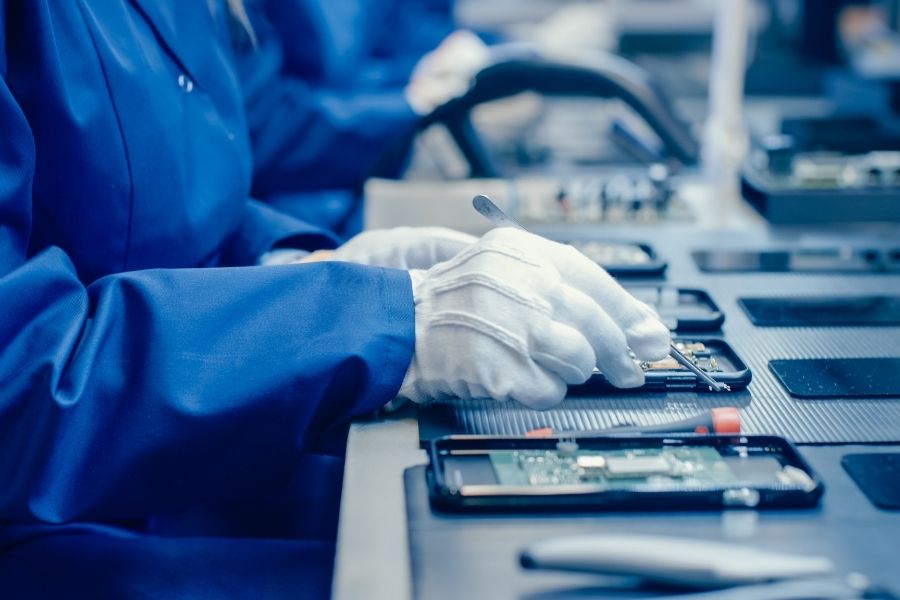
India has transitioned from being a major importer to a significant exporter of smartphones. The country’s mobile phone production has grown exponentially, and exports are projected to reach nearly one-third of total production. Despite this progress, India faces challenges like a saturated domestic market and high production costs due to import duties on components. In this article, we present two opposing viewpoints when it comes to import duties on components. One argues that reducing import duties would significantly boost exports. The other emphasizes the need for high duties to nurture a domestic component ecosystem. What path should India actually choose? Source: Shutterstock Over the past decade, India’s mobile phone manufacturing industry has witnessed exponential growth, producing approximately 2.45 billion devices valued at ₹19.45 trillion, a shade below its target of 2.5 billion phones worth about ₹20 trillion, stated ICEA. This achievement signifies a significant milestone, aligning with the government’s vision of fostering indigenous manufacturing capabilities. The Indian Cellular and Electronics Association forecasts that exports will represent nearly one-third of the total domestic production of mobile phones, estimated at about ₹4.1 trillion (US$ 49.2 billion) in FY24. This projection underscores the pivotal role of exports in driving growth and enhancing India’s position in the global market. A notable contributor to India’s export success story is Apple, which commenced iPhone manufacturing operations in the country in 2017. The expansion of Apple’s production facilities, coupled with the establishment of iconic Apple stores, underscores India’s attractiveness as a strategic market for leading technology companies. India, the world’s second-largest producer of mobile phones behind China, exported mobile phones worth US$ 11 billion, or about ₹90,955 crore, in FY ’23, with total domestic production at US$ 44 billion, or ₹3.6 trillion. “The sector has transitioned from being 78% import dependent in 2014 to 97% self-sufficiency currently. The future would be export growth-led,” the association said. The government now intends to make India a critical part of global supply chains by offering its manufacturing capabilities in electronics to global value chains, or GVCs, as an alternative to China. “As a next step, we have to ensure that we can shift electronics GVCs to India to create large-scale manufacturing, jobs, and increase domestic value addition,” said Pankaj Mohindroo, chairman, ICEA during an interaction with ET. “This, in turn, requires unprecedented competitiveness and factories that can operate at scales of the kind that have never been witnessed in India.” He added that the doubling of India’s GDP from $3.7 trillion now to $7 trillion by 2030 will be led by growth in the digital sector and trade. “In both of these areas, electronics manufacturing led by mobile production will play a critical role,” he said. Export trends As per available data for 2022, China was the topmost exporter of smartphones (HS 851713) with a value of US$ 138.8 billion. It was followed by Vietnam (US$ 33.33 billion), Hong Kong, China (US$ 27 billion), UAE (US$ 20.6 billion) and Czech Republic (US$ 9.6 billion). India was then ranked 7th globally. However, in 2023, India’s smartphone exports were valued at US$ 14.27 billion, registering a growth of 98% YoY. This would catapult its rank to the 5th position above the Czech Republic during the year. Source: Ministry of Commerce and Industry Top export markets in 2023 were the US, UAE, Netherlands, UK and Czech Republic. India has witnessed strong positive growth in all its top 10 markets with the exception of Germany (decline by 14.73% YoY). Turkey has seen the fastest growth in exports (524.5% YoY) followed by the US (371.1% YoY), UK (74.7% YoY), Netherlands (72.9% YoY) and Czech Republic (71.5% YoY). Source: Ministry of Commerce and Industry Now when you look at smartphone imports by the US, which is the world’s top market, one can further note the extent to which market share has swung in India’s favour. US smartphone imports from the top five suppliers fell to US$ 45.1 billion in April-December from US$ 49.1 billion in FY23. China exported US$ 35.1 billion in smartphones to the US market between April and December, a decrease from US$ 38.26 billion the previous year. Vietnam’s phone shipments fell to US$ 5.47 billion in April-December 2023, up from US$ 9.36 billion the previous year. Lower taxes in China and Vietnam boosted their exports. In 2023, exports accounted for only 25% of India’s smartphone production, compared to 63% for China’s US$ 270 billion and 95% for Vietnam’s US$ 40 billion. The other two major smartphone exporters to the US are South Korea and Hong Kong. South Korea’s exports to America increased to US$ 858 million from US$ 432 million, while Hong Kong’s sales fell to US$ 112 million from US$ 132 million in April-December 2022-23. Source: ITC Trade Map, DGCIS India’s smartphone exports to the US, on the other hand, increased to US$ 5.01 billion in 2023, a staggering growth of 327.5% YoY. According to the Ministry of Commerce and Industry, smartphone exports stood at US$ 11.82 billion, marking a growth of 41.5% YoY in April-January, 2024, up from US$ 8.35 million in the same period last year. With this increase in exports, India has become the third-largest smartphone exporter to the US. The way ahead Looking ahead, the Indian government wants to position the country as a key component of global supply chains, offering its strong manufacturing capabilities as an alternative to China. Initiatives such as the Production-Linked Incentive (PLI) Scheme, Phased Manufacturing Programme (PMP), and Foreign Direct Investment (FDI) incentives help to foster a favourable environment for electronics manufacturing. Despite the remarkable progress, India faces several challenges in establishing itself as a leading smartphone exporter. On the flip side, for instance, domestic market is showing signs of a slowdown. According to the Indian Cellular and Electronics Association (ICEA) of India, total value of domestic phone sales in 2023-24 stood at US$ 33 billion, the same level as FY23. One key reason could be mobile penetration, which has already crossed 83%. The installed base (feature and smartphones) is now touching

India’s Meat Processing Industry: Embracing technology for a sustainable future
India’s meat processing industry is undergoing a metamorphosis. Traditionally dominated by small-scale, decentralized operations, the sector is witnessing a surge towards modernization. This shift is driven by a confluence of factors: a booming population with rising protein needs, growing disposable incomes, and a changing appetite for convenient, processed meat products. With a vast livestock population and a government actively promoting food processing initiatives, India is poised to become a major player in the global meat processing arena. This article delves into the exciting potential of India’s meat processing industry, exploring how cutting-edge technology is paving the way for a sustainable and efficient future. Image Credit: Shutterstock Meat processing in India encompasses a diverse range of practices, reflecting the country’s cultural, economic, and regional variations. Traditionally, meat processing has been largely decentralized, with small-scale operations prevalent across the country. However, in recent years, there has been a noticeable shift towards more centralized and mechanized processing facilities to meet growing demand and ensure quality standards. India’s meat processing industry primarily focuses on poultry, buffalo, and goat meat. These meats are processed into various forms such as fresh cuts, frozen products, and value-added items like sausages and ready-to-eat meals. Additionally, stringent regulations govern hygiene, sanitation, and food safety in processing plants, enforced by government agencies like the Food Safety and Standards Authority of India (FSSAI). In recent years, India’s meat production sector has experienced notable growth, with an annual output surpassing 6.3 million tons. Globally, India ranks fifth in terms of production volume, reflecting the industry’s increasing prominence on the international stage. Processed Meat Scenario in India With over 65% of the population being non-vegetarian, chicken and fish dominate consumption. Per capita meat consumption exceeds 4.9 kg, with a growing preference for processed options like salted and smoked products, enhancing taste and retaining quality. Leveraging abundant resources and relatively lower per capita consumption, India annually exports over 7,000 metric tons of poultry meat. Presently, frozen meat exports reach 60 countries, with major buyers including Malaysia, Egypt, UAE, Jordan, Thailand, and Yemen, signifying India’s expanding presence in the global meat market. Changes in dietary preferences, increased awareness about nutritional benefits, increasing influence of international cuisines and escalating demand for convenience and processed meats and government initiatives are some of the key factors driving the market. According to a report by Statista, revenue in the Indian processed meat market amounts to US$ 2.72 billion in 2024 and is expected to grow annually by 6.05% (CAGR 2024-28). India’s raw meat exports reached a value of US$ 3.6 billion in 2023, growing by 12.1% YoY. A large share of this value is taken up by Meat of bovine animals (US$ 3.2 billion). Exports of poultry products was recorded at US$ 168.6 million, growing by 44.5% YoY. The country was ranked 13th in terms of exports globally. Indian meat products are in demand globally due to cost competitiveness, perceived organic nature and low fat proportion. The Government of India has established standards for exports of meat which include standards for abattoirs and processing plants. However, India’s exports of processed meat products is much lower at US$ 2.65 million, growing by 57.2% YoY. The country’s exports under HS 16 (Preparations of meat, of fish or of crustaceans, molluscs or other aquatic invertebrates) reached US$ 718.64 million in 2023, declining by 16.6% YoY, with US (US$ 577.3 million) dominating. The country was ranked 20th in global exports. But this export is dominated by marine products, particularly preparations of crustaceans (HS 1605, US$ 633.3 million) and prepared or preserved fish (HS 1604, US$ 82.9 million). When we look at India’s imports of food processing machinery, it is another strong indicator of the growth potential in the market. Imports of Machinery for industrial preparation of meat or poultry (HS 843850) had reached US$ 12.4 million in 2023, growing at a 5-year CAGR of 8.2%. Top source countries for this machinery presently are Netherlands (US$ 5.72 million), Germany (US$ 1.54 million) and China (US$ 0.92 million). Untapped potential India has enormous untapped potential in the meat processing industry. It boasts the world’s largest livestock population, estimated at around 515 million and a global share of 3%. Contribution of livestock in total gross value added of the agriculture and allied sector has increased from 24.4% in 2014-15 to 30.2% in 2021-22. Further, as per Food and Agriculture Organization Corporate Statistical Database (FAOSTAT) production data (2021), India ranks 2nd in Egg Production and 5th in meat production in the world. Egg production in the country has increased from 78.48 billion in 2014-15 to 138.38 billion nos. in 2022-23, growing at a strong CAGR of 7.35% over the past 9 years. The per capita availability reached 101 eggs per annum in 2022-23 as against 62 eggs in 2014-15. Meat production has increased from 6.7 million tonnes in 2014-15 to 9.77 million tonnes in 2022-23. As per 2019 data, meat processing levels are still very low at around 6% of poultry and 21% of meat. Moreover, it must be noted that meat processing machinery industry globally is growing at a very strong pace, driven by innovation and disruptive technological advancement. The use of advanced machinery and automated systems have revolutionized traditional processes, with strongly positive improvements in production rates as well as product quality. Tedious and potentially dangerous jobs like slaughter, cutting, and deboning are being increasingly automated with robots. This improves worker safety and consistency. AI powered vision systems can now assess meat on various quality parameters, optimise cutting processes and minimise waste. Moreover, advanced rendering techniques can also help leverage leftovers for other end use sectors like biofuels or feedstock. The growing interest in environmental conservation is also leading to various interventions, like the use of improved sanitation measures that use less water and utilisation of biodegradable bioplastics for sustainable packaging. Within this extremely dynamic landscape, the Indian meat processing technology sector is buoyant with opportunities for trade, investment and also innovation, given various factors including strong policy support, a robust domestic market, cost competitiveness, untapped potential

New EV Policy to Open Doors for Global Players
The Indian government’s recent approval of an Electric Vehicle (EV) policy heralds a ground-breaking era in the nation’s automotive sector. This policy incentivizes companies to invest in local manufacturing by offering import duty concessions for those committing a minimum of US$ 500 million. Notably, manufacturers of EV passenger cars can import vehicles at a reduced duty of 15% for five years, provided they meet specific investment and pricing criteria, setting the stage for significant industry transformation. Image Credit: Shutterstock The Indian government’s recent approval of an Electric Vehicle (EV) policy marks a significant stride towards revolutionizing the automotive industry in the country. With a keen eye on attracting major global players like Tesla, the policy aims to incentivize investment in EV manufacturing while simultaneously bolstering the local supply chain and skill development. Under this ground-breaking policy, companies willing to invest a minimum of USD 500 million in setting up manufacturing units in India will receive import duty concessions. Specifically, those establishing manufacturing facilities for EV passenger cars will be able to import a limited number of vehicles at a reduced customs/import duty of 15% for a period of five years, provided the vehicles are priced at US$ 35,000 and above. This move is a departure from the previous duty structure, where cars imported as completely built units attracted hefty customs duties ranging from 70-100%, depending on various factors. The implications of this policy are profound. By significantly lowering the barriers to entry for global automotive giants, India is poised to become a hotbed for EV manufacturing. Notably, the entry of renowned brands like Tesla and Vietnamese carmaker Vinfast into the Indian market signals a paradigm shift in the automotive landscape. One of the policy’s key objectives is to foster domestic competencies and localization efforts. With a mandate of achieving 25% domestic value addition over three years and 50% over five years, the policy incentivizes companies to invest in local sourcing and manufacturing. Moreover, to ensure the commitment of companies, the investment pledge of US$ 500 million must be backed by a bank guarantee in lieu of the forgone customs duty. Industry analysts predict that while the policy will intensify competition in the EV passenger vehicle segment, it will also benefit domestic auto component players. The emphasis on localization is expected to create opportunities for local manufacturers to integrate themselves into the global supply chain, thereby enhancing their competitiveness. Furthermore, the policy is poised to redefine consumer preferences in the Indian market. Electric vehicles priced at or below the INR 20 lakh mark are likely to garner significant consumer interest. This shift in consumer behavior could pose a challenge for Indian Original Equipment Manufacturers (OEMs), compelling them to enhance their offerings to remain competitive in the evolving market landscape. Beyond its economic implications, the EV policy holds immense potential for environmental sustainability. By promoting the adoption of zero-tailpipe emission vehicles, India is taking proactive steps towards reducing its carbon footprint and mitigating the adverse effects of vehicular pollution on public health and the environment. However, the success of the policy hinges on effective implementation and collaboration between the government, industry, and other relevant stakeholders. Streamlining regulatory processes, facilitating infrastructure development, and incentivizing research and development are crucial aspects that require concerted efforts. India’s Electric Vehicle Policy represents a bold and forward-thinking approach towards embracing the future of mobility. By incentivizing investment, fostering localization, and promoting environmental sustainability, the policy sets the stage for a transformative shift in the automotive industry, positioning India as a global hub for electric vehicle manufacturing and innovation.

Transforming tomorrow: The evolution of AI in Marketing
The marketing industry is currently undergoing a significant transformation with the rise of artificial intelligence technologies like ChatGPT and intelligent marketing tools. AI marketing, which leverages capabilities such as data analysis, machine learning, and natural language processing, is poised to revolutionise how businesses engage with customers and make strategic marketing decisions. The impact of AI deployment is projected to add trillions to the global economy by 2030, driving local GDP growth significantly. From social media listening to content generation and automation, AI is reshaping marketing functions, offering benefits like improved targeting, cost savings, enhanced ROI, smarter decision-making, and enhanced customer experiences. Despite challenges like data quality and ethical considerations, the future of AI in marketing promises rapid advancements in computer vision, conversational AI, and predictive analytics, emphasising responsible AI practices for sustainable business growth and enhanced customer satisfaction. Source: Shutterstock The marketing industry is undergoing a massive transformation in the Industry 4.0 era. With the introduction of generative AI platforms like ChatGPT and intelligent marketing tools, artificial intelligence (AI) marketing is becoming more prevalent. AI marketing is the process of delivering customer insights and automating crucial marketing decisions by leveraging AI capabilities such as data collection, data-driven analysis, machine learning (ML), and natural language processing (NLP). AI technologies are being used more broadly than ever before to produce content, enhance user experiences, and produce outcomes that are more accurate. According to PwC, the impact of AI deployment in businesses will add US$ 15.7 trillion to the global economy and increase local GDP by 26% by 2030. And now, with advancements such as generative AI, artificial intelligence is experiencing a period of rapid expansion. While the use of AI as a daily tool for business functions such as marketing is a recent development, the practice of using intelligent machines to perform routine tasks for humans is not. According to Dr. K. Abdul Waheed, Professor of Marketing, Shiv Nadar University, comments, “AI is revolutionising marketing strategies by enhancing customer engagement, personalisation, and predictive analytics. With AI, businesses can analyse vast data sets to understand individual customer preferences and behaviours. AI streamlines marketing campaigns by automating data analysis and decision-making processes. Machine learning algorithms adapt and optimise campaigns in real-time, ensuring maximum impact while minimising costs.” In this manner, AI empowers businesses to deliver personalised experiences, streamline operations, and achieve better results. McKinsey, which conducted research on the economic impacts of generative AI, asserts that the technology “is poised to transform roles and boost performance across functions”—including marketing, sales, and customer operations. Dr. Rajendra Prasad Sharma, Professor & Head at IIFT, Kolkata concurs, “AI has the power to transform marketing. It can make things faster and give customers more personalised experiences… Modern marketing is becoming more scientific, with technology playing a big role. AI is changing how businesses work and making marketing more efficient by targeting the right people and using data smartly.” However, he also adds that there are significant challenges, including privacy, security, and ensuring that customers feel more comfortable with personalised advertising. In order to address them, better laws should be adopted and people should use technology wisely. Benefits of using AI in marketing Generative AI can generate content such as text, images, audio, and video. This technology enables companies using AI for marketing to analyse marketing data, create personalised campaigns, and improve customer interactions with far greater efficiency, speed, and scale. Recommendation software was an early application of AI in digital marketing. Companies such as Amazon and Netflix fully embraced aspects of machine learning to maximise the wealth of data they were collecting about their customers’ preferences and behaviours. They used this to suggest other products and content they might enjoy or find useful and might not have discovered on their own. The trend has ultimately caught on. A recent Salesforce and YouGov survey found that more than half of marketing professionals (53%) see generative AI as a game-changer. Marketers surveyed also estimated that the technology can help them save about five hours of work every week, which translates to about one month per year. Other benefits are as follows: Improved Targeting and Personalisation: Personalisation and effective targeting of consumers are key goals for marketing functions. Both are easily achievable using AI. Competitive Advantage and Cost Savings: AI marketing platforms can automate and streamline processes, saving time and resources, which leads to cost savings and more strategic resource allocation. Improved return on investment (ROI) on marketing initiatives: AI algorithms optimise marketing campaigns in real time by analysing data, identifying trends, and adjusting tactics based on customer behaviour and preferences. Algorithms can track the customer’s entire journey, including phone interactions, so that marketing can receive accurate attribution for customers’ purchases. Smarter Data-Driven Decision-Making: AI analyses big data quickly and efficiently, picking up valuable insights, trends, and patterns that humans would take far longer to detect, or would otherwise miss. This enables and accelerates more effective decision-making in marketing. Improved Customer Experience and Satisfaction: AI’s predictive capability helps businesses anticipate customer needs so they can address them proactively, further enhancing the customer experience and preserving brand loyalty. AI technologies and their use in marketing AI technology Application Machine learning Machine learning leverages statistical methods to analyse social data, providing precise insights into customer experience, audience sentiment, and other key marketing drivers. Natural language processing (NLP) Natural language processing in AI marketing tools helps understand social data contextually, extracting critical information from various posts, messages, reviews, or comments through lexical rules and statistical methods. Semantic search Semantic search algorithms in NLP extract and categorize relevant keywords into semantic clusters, ensuring accurate sentiment analysis and customer experience evaluation by understanding intent without relying solely on keywords, thus minimizing duplicates in text mining. Named entity recognition (NER) NER is crucial for AI platforms to identify entities like people, places, and things in large datasets, even if they are misspelt. It generates knowledge graphs by establishing relationships between entities, enabling the extraction of context and insights from data. Neural networks Neural network algorithms, designed
Ready-to-eat products: Serving the fast-paced world
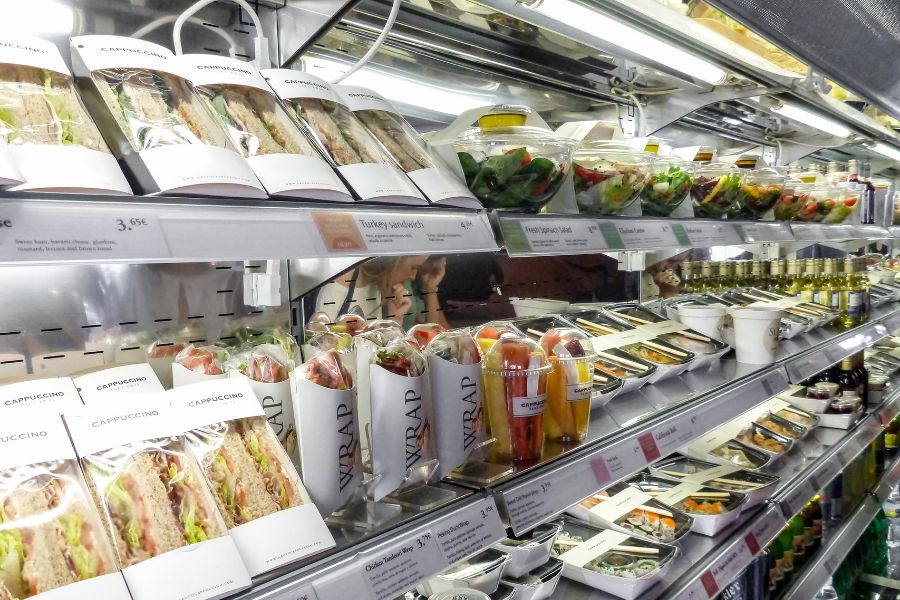
The ready-to-eat (RTE) food industry is experiencing remarkable growth globally and in India. With consumers increasingly embracing convenience, RTE foods have become a staple in modern diets. In India, as in many parts of the world, the demand for RTE products is surging due to their quick preparation, diverse flavors, and hassle-free consumption. Revenue in the Ready-to-Eat Meals market is estimated at US$ 72.21 billion in 2024. It is projected to grow annually at 9.23% CAGR during 2024-28. This trend reflects a fundamental shift in consumer behavior towards time-saving solutions without compromising on taste or quality. As we delve deeper into this thriving industry, it’s evident that RTE foods are not just a passing trend but a significant player in the culinary landscape, both domestically and internationally. Source: Shutterstock Demand for ready-to-eat (RTE) food products is rising all over the world, including India. People are increasingly being drawn towards prepared foods/meals because of their faster cooking times, near authentic taste, ever growing variety and convenience. Whether it is your eternal favourite dal chawal, fried medu-vada, chapatis/parathas, veg biryani, chicken rice, kheer, badam halwa or paneer tikka – several ready-to-eat foods/meals, are now readily available. Moreover, when they (consumers) are getting best quality ready-to-eat food products at convenience, they don’t mind paying a little bit extra either. RTE foods refer to those food products that have been pre-cleaned, precooked, mostly packaged and ready for consumption. Various extracts, acids, flavors, sweeteners, antioxidants, and preservatives are added to further enrich these RTE foods products and enhance their shelf life. This segment comprises prepared food and meals that are ready to eat or require very little preparation. These foods/meals are usually eaten after heating and do not need to be cooked and include biscuits, jaggery, breakfast cereals, wafers, dessert mixes, cup noodles, snack mixes, soups, etc. On the other hand, frozen RTE foods include meat, fish, filled pasta, frozen pizzas, and vegetables. According to ‘Ready to Eat (RTE) Food Market’ report by the International Market Analysis Research and Consulting Group (IMARC Group), the global market size reached US$ 181.5 billion in 2023. The research expects this market to reach US$ 262.4 billion by 2032, with a CAGR of 4.18%. United States, United Kingdom and Germany are among the world’s largest markets, as noted in a research report by Mordor Intelligence, while Asia-Pacific, the Middle East, and Latin America, are strong emerging markets. The report further highlights that China and India are likely to drive demand for RTE food products in the Asia-Pacific region. India’s trade in RTE food products The share of RTE (Ready to Eat) food products in India’s total food processing exports has been rising steadily. During the period 2011-12 to 2020-21, the share of RTE exports in the total food processing industry has increased from 2.1% to 5%. Various RTE foods exported by India include Bread, pastry, cakes, biscuits, Jams, fruit jellies, confectionery, Chocolates, Sauces etc. Biscuits, Confectionery & Indian Sweets and Snacks constitute a significant portion of the RTE food product category, accounting for a share of about 89% in RTE exports in 2020-21. Indian RTE products are exported all over the world. Some of the major export destinations for Indian RTE food products include the USA, the UK, UAE, Saudi Arabia, Canada, Nepal, Bhutan, Malaysia, Australia and Netherland. Source: APEDA Agri Exchange The export of RTE food products from India has been going upward consistently during the past recent years. As per the APEDA Agri Exchange’s export statistics, RTE export has increased from US$ 765.80 Million in 2018-19 to US$ 1,435.56 Million in 2022-23 (growing at CAGR of 13.39%). During the period April-December 2023-24, RTE exports from India have reached US$ 1,113.17 million. When we look at data pertaining to exports in 2022-23, it is evident that Biscuits & confectionery (52.9%) and Indian sweets & snacks (37%) form the major share of India’s exports. In the former category, India’s top markets are the US (US$ 85.6 million), Sudan (US$ 57.2 million), UAE (US$ 39.1 million), Tanzania (US$ 26.7 million) and Benin (US$ 22.6 million). In the category of Indian sweets and snacks, the top export markets are the US (US$ 147.23 million), UAE (US$ 71.2 million), Canada (US$ 33.5 million), Australia (US$ 33.3 million) and the UK (US$ 28.2 million). Key growth drivers Indian RTE food products are rapidly gaining acceptance in the domestic and international market. Over the last decade, the RTE food segment in the country has grown at a CAGR of 12%. Revenue in the Ready-to-Eat Meals market is estimated at US$ 72.21 billion in 2024. It is projected to grow annually at 9.23% CAGR during 2024-28. Volume is projected to reach 21.89 billion kg by 2028. Some of the major growth drivers for this robust demand for Indian RTE products include: Rapid urbanization and rising disposable incomes Busy lifestyles and lesser time in hand for home cooking The young generation, which makes up around 34% of the overall population is the main driver of the domestic market. Thriving e-commerce sector providing a lucrative marketing channel Continued investments in technology and product innovation A rapidly evolving startup ecosystem that is emphasizing on the real Indian flavours, adding new flavors, catering to several niche dietary requirements like gluten-free, vegan, organic, fusion food, etc. Source: APEDA Agri Exchange, data is for 2022-23 Besides this, the Indian government has undertaken several initiatives to boost the food processing sector, including Product Linked Incentives for Food Processing Industries (PLIFPI), PM Formalization of Micro Food Processing Enterprises (PMFME) and Pradhan Mantri Kisan Sampada Yojana (PMKSY). Looking ahead In conclusion, ready-to-eat food products have seamlessly integrated into our fast-paced urban lifestyles, offering unparalleled convenience for busy weekdays, leisurely weekends, or any time craving strikes without the hassle of preparation. The advent of last-mile delivery apps like Blinkit and Zepto, reducing delivery times to as little as 10 minutes, further enhances this convenience. As we navigate through the dynamic landscape of modern living, it’s clear that ready-to-eat foods are no longer just a trend but
“Our goal is to provide customer-centric packaging & bridge market gaps”
India is experiencing a significant uptick in demand for packaging, driven by rapid expansion in consumer markets, particularly in processed food and pharmaceutical industries. It is anticipated that the packaging market will grow to a size of US$ 142.56 billion by 2029, with a compound annual growth rate (CAGR) of 11.06%. In recent years, the industry has emerged as a pivotal force in technology and innovation, impacting various manufacturing sectors. Nichrome Integrated Packaging Solutions has been a pioneer in next-generation packaging technologies ever since they developed India’s first indigenous milk packaging machine in 1977. India Business and Trade recently caught up with Parag Patwardhan, Vice President of Sales and Marketing at Nichrome, to delve into the company’s competitive strategies, innovations, and its plans for expanding into global markets. Image Credit: Shutterstock IBT: What strategies does your company employ to maintain a competitive edge in the realm of next-generation packaging technologies? Parag Patwardhan: We are pioneers in packaging machines in India. The first packaging machine was built and dispatched to the market 45 years ago. Therefore, we have a deep understanding of the market’s pulse. Our approach is simple, we talk to customers, understand their needs, and then develop products tailored to their requirements, filling gaps not currently addressed in India. We aim to provide import substitutes. Thus, when discussing competitive edge, you can term this as such because we offer technology on par with overseas and imported technology, along with competitive pricing and comprehensive lifecycle support. IBT: Could you provide notable instances of innovative packaging solutions your company has introduced? Parag Patwardhan: When traveling abroad, we often encounter innovative packaging styles, inspiring them to replicate these approaches in their Indian factories. One such example is the introduction of liquid milk and edible oil, which are already available in India, but now being packed into monolayer pouches for easier recycling. Monolayer packaging ensures simplicity in the recycling process. Collaborating with a company specializing in manufacturing biodegradable films, we are pioneering the use of biodegradable film technology for packaging liquids, facilitating their decomposition in natural conditions without additional effort. This innovative approach extends to products like atta (flour) for companies like ITC, aligning with their commitment to both environmental sustainability and consumer satisfaction. By offering these innovative packaging solutions, we strive to maintain a balance with nature. IBT: In what ways does your profound expertise in the field enhance the value proposition for your clients, particularly those representing diverse sectors? Parag Patwardhan: When discussing packaging machines, multiple partners are available, as technology providers from China, Europe, and India offer their services. However, purchasers typically buy machines for their lifetime, rather than replacing them every one or two years. They may increase capacity as their needs grow, but not necessarily replace existing production lines. Consider the example of packing sugar: when a consumer demands 1 kg, they expect exactly that amount, not 1 kg and 50 grams. This underscores the importance of weight accuracy in the value proposition. At Nichrome, for instance, we focus on weight accuracy and film wastage reduction in our technology offerings. We assure customers of minimal weight variation and address film wastage through extensive research and development investments. This commitment aims to provide customers with value and efficiency in our packaging processes. IBT: What distinguishes your manufacturing prowess in packaging systems from that of your industry counterparts? Parag Patwardhan: Yes, I would approach this question quite differently. It’s not just about our manufacturing capabilities; it’s about the confidence our customers have in us. This confidence stems from our reliability and our reputation in the market. As I mentioned earlier, our legacy and leadership position in the market have built trust in the Nichrome brand. Customers trust us not only for our manufacturing expertise but also for our deep understanding of their needs and the tailored solutions we provide. This sets us apart from our competitors. It’s not only about meeting customers’ known requirements; it’s about understanding their unspoken needs and providing solutions they may not even realize they need. For instance, when a customer is purchasing technology for the first time, they may not know all the questions to ask based on their requirements. With our experience, we can educate them and highlight the differentiation and added value that Nichrome offers. This approach is consultative rather than purely transactional. While there’s no guarantee that the customer will ultimately choose us, we believe it’s our responsibility as industry leaders to provide this level of guidance and insight. Whether they choose Nichrome or a competitor, we aim to ensure they make an informed decision, thereby solidifying our reputation and leaving a lasting impression in the industry. IBT: How do you customize your packaging solutions to cater to the distinct requirements of both multinational corporations and small-scale enterprises? Parag Patwardhan: Yeah, so this is actually, you could say, an evolution of the industry because when we talk about multinational corporations and when we talk about small-scale enterprises, packaging becomes the need of the hour. Especially after COVID, we’ve seen that virtually everything comes packaged. Often, what we observe with multinational corporations is that their co-packers are small-scale enterprises because sometimes multinationals prefer outsourcing. While not always, sometimes they do prefer this approach. This entails working with multinationals while also collaborating with their smaller partners, the small-scale enterprises. When discussing multinationals and packaging solutions, they typically have departments and expertise available. In such cases, providing customization or solutions to them becomes relatively straightforward. However, when dealing with small-scale enterprises, we primarily need to educate them about their requirements and how customization can add value. Let me illustrate with an example. It’s not merely about the packaging machine itself. After this interaction, you may understand what a packaging machine is. However, when it comes to packing sugar into a packaging machine, it’s not just about the machine; it involves various steps such as storage, sieving, transportation, and conveying. Once we’ve packed the sugar into our machine, it facilitates end-of-line automation, providing an end-to-end
New technology frontiers: India launches three semiconductor projects
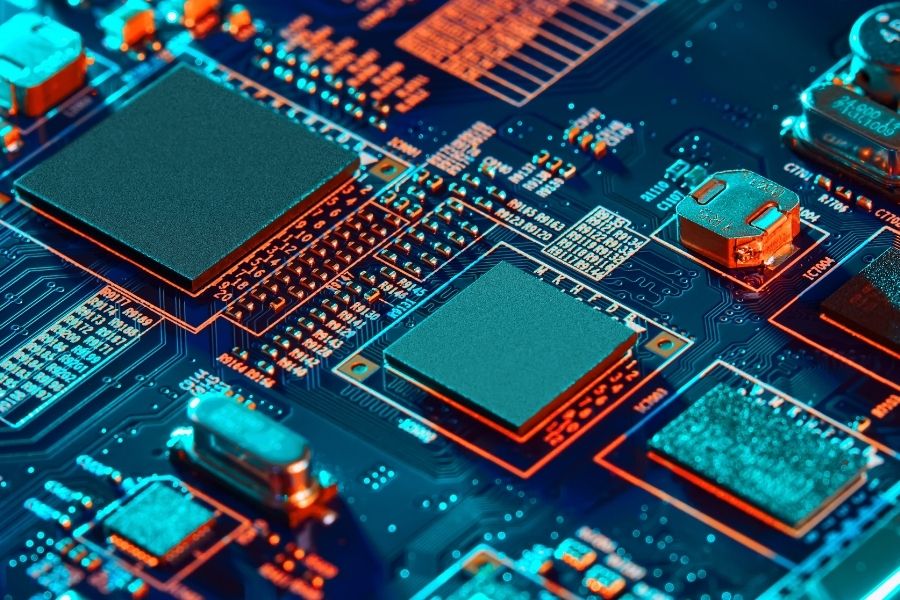
In a significant leap towards self-reliance in the semiconductor industry, India launched three semiconductor projects worth Rs 1.25 lakh crore on March 13, 2024. Of the three semiconductor fabrication facilities, two will be set up at Dholera and Sanand in Gujarat and one in Morigaon, Assam. The semiconductor fabrication unit to be established at Dholera Special Investment Region (DSIR) will be the country’s first commercial fabrication plant. Image Credit: Shutterstock In an endeavor to take India towards self-reliance and modernity, PM Narendra Modi recently laid the foundation stone of three chip fabrication units. The three semiconductor facilities are collectively valued at Rs 1.25 lakh crore. These three semiconductor fabrication facilities are: Semiconductor fabrication facility at the Dholera Special Investment Region (DSIR), Gujarat; Outsourced Semiconductor Assembly and Test (OSAT) facility at Morigaon, Assam; and The Outsourced Semiconductor Assembly and Test (OSAT) facility at Sanand, Gujarat. According to the government, these new facilities would significantly boost the nation’s semiconductor ecosystem, in addition to creating thousands of jobs in the sector and promoting employment generation in related industries including electronics and telecom. All the three units were inaugurated virtually by the Prime Minister. Earlier, the three projects had received Cabinet approval on February 29 this year. Following is a brief about the three projects: Dholera (Gujarat), will be home to the nation’s first commercial semiconductor fabrication facility. The city- Dholera, has been christened as the Semicon city of India. The Semiconductor fabrication facility at Dholera Special Investment Region (DSIR) will be set up with a total investment of over Rs. 91,000 crore (US$ 10.9 billion), under the Modified Scheme for setting up of Semiconductor Fabs in India. It will be established by Tata Electronics Private Limited (TEPL), a wholly-owned subsidiary of Tata Sons Pvt Ltd in JV with Taiwan’s Powerchip Semiconductor Manufacturing Corp (PSMC). This venture is estimated to generate around 20,000 skilled jobs, directly and indirectly. The capacity of the Dholera unit will be about 50,000 wafer starts per month (WSPM). This semiconductor fabrication facility will produce chips that address the growing demands in various industries like high-power computing, electric vehicles, data storage, artificial intelligence, automotive, wireless communication, defence, and consumer electronics. The chips would be used in an array of applications, including power management IC, display drivers, microcontrollers, and high-performance computing logic. The Outsourced Semiconductor Assembly and Test (OSAT) facility in Morigaon, Assam will be set up with total investment of about Rs 27,000 crore, by TEPL under the Modified Scheme for Semiconductor Assembly, Testing, Marking and Packaging (ATMP). According to N. Chandrasekaran, Chairman of Tata Sons (the group’s holding company), the TEPL plant in Assam will first produce semiconductor chips starting at 28 nanometres, with plans for future advancements to 22 nm. The Outsourced Semiconductor Assembly and Test (OSAT) facility in Sanand (Gujarat) will be set up with a total investment of about Rs 7,500 crore, under the Modified Scheme for Semiconductor Assembly, Testing, Marking and Packaging (ATMP). The unit will be established by CG Power and Industrial Solutions Limited in partnership with Japan’s Renesas Electronics Corp. Tata Group has acquired around 160 acres of land in Dholera to set up the plant, and aims to begin commercial production from 2026. With up to 70% of the project’s expenses expected to be covered by Government subsidies from both central and state authorities, the Dholera facility will eventually become India’s leading commercial semiconductor fab. IT Minister Ashwini Vaishnaw said that chips will be used in a number of downstream industries, and would meet both domestic and export demands. In addition, India is separately examining a US$ 11.5 billion semiconductor fab project by Israel’s Tower Semiconductor. The larger global game Semiconductors, also known as semis, integrated circuits (ICs) or microchips, are becoming more and more significant all over the world. These are tiny electronic devices that empower gadgets ranging from a light switch to a computer and from a fighter jet to a smartphone. They also power our consumer electronics, automobiles, data centers, and critical infrastructure. Furthermore, they are the essential building blocks for many emerging technologies including artificial intelligence, biotechnology, and clean energy- that will have a profound impact on our future. The growing demand for products including automotive products, consumer electronics, industrial tools & equipment, networking and communication products- is essentially driving the global semiconductors market. According to the market research on Semiconductor and Electronic, conducted by Precedence Research, the global semiconductor market size reached US$ 544.8 billion in 2023. The market is projected to reach US$ 1,137.57 billion by 2033, expanding at a CAGR of 7.64% during the period 2024-2033. The Asia Pacific region, as per the report, has contributed about 52.8% market share in 2023. Semiconductor market in the Asia Pacific region is expected to reach US$ 611.73 billion by 2033, up from an estimated US$ 287.79 billion in 2023, growing at a compound annual growth rate (CAGR) of 7.83% during the period 2024-2033. Even though the semiconductor industry is growing and expanding rapidly, only a small number of countries dominate the sector. The Top 5 countries producing Semiconductors include Taiwan, South Korea, Japan, United States, and China. India’s play for self reliance The Covid-19 pandemic had severely disrupted the semiconductor supplies, thereby greatly impacting the global and Indian economy. Even as the global pandemic lockdowns caused shortages of semiconductor chips, it also made India’s reliance on international supply chains more apparent. The Programme for Development of Semiconductors and Display Manufacturing Ecosystem in India was notified in December 2021 with a total outlay of Rs. 76,000 crore (over US$ 10 billion). This is a comprehensive program for the development of sustainable semiconductor and display ecosystem in the country. While geopolitical issues continue to impact the global narrative, the Indian government has recognized the economic potential and geostrategic importance of technology in the coming years. With lessons learned from the upheaval in the global semiconductor value chain during the COVID-19 pandemic, the government has set out to develop a robust semiconductor ecosystem in the country. Conclusion The launch