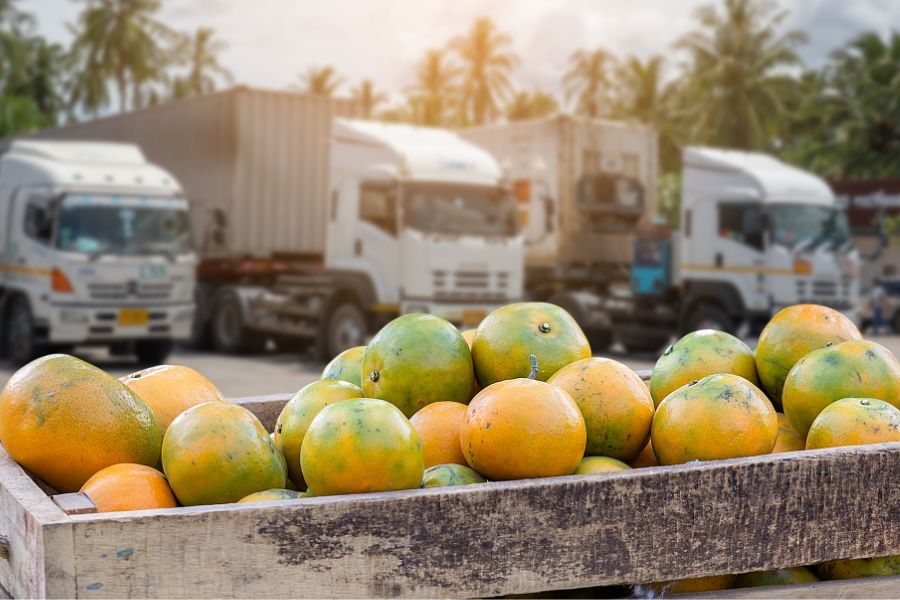
India is the world’s largest producer of milk, second largest producer of fruits and vegetables and a significant producer of seafood, meat and poultry. Due to their perishable nature, these products necessitate a temperature-controlled supply chain, encompassing effective storage, transportation, and distribution methods to extend the shelf life of food grains, fruits, vegetables, livestock products, and so forth. According to the Food and Agriculture Organization, approximately 1.3 billion metric tonnes of food is lost yearly, which accounts to over one-third of global food production. These losses are estimated to be between US$ 8 billion to US$ 15 billion annually, and a key contributor is the lack of adequate supply chain infrastructure, connectivity and cold storage facilities. This article takes a closer look at current status, ongoing developments and business prospects in this lucrative industry. Image Credit: Shutterstock India’s cold chain industry, while still in its nascent stages, carries immense potential, especially against the backdrop of India’s trajectory to become the world’s fifth-largest economy by 2027. The significance of cold chain logistics cannot be overstated, particularly in a country where agricultural produce forms a substantial portion of its economy. It is understandably a very prominent focus area for policy makers in the present time. Cold chain ensures the seamless transportation and storage of perishable goods such as fruits, vegetables, dairy products, and pharmaceuticals, maintaining their quality and extending their shelf life. This not only meets the burgeoning demand for fresh produce but also significantly curtails wastage along the supply chain, a critical concern in a nation where post-harvest losses are substantial. Moreover, this can help create surplus for exports and enhance farmer incomes. With projections indicating substantial growth, investment in India’s cold chain infrastructure is poised to witness a robust surge, reflecting its pivotal role in sustaining the economy and reducing food and product wastage. India’s cold chain industry is still in its infancy and holds a promising future. Since India is set to become the world’s fifth largest economy by 2027, investment in India’s supply chain infrastructure is expected to witness robust growth. India’s cold chain logistics market was estimated at US$ 9.75 billion in 2023 and is expected to grow to US$ 12.85 billion by 2028 at a CAGR of 5.67% (Mordor Intelligence). Cold chain infrastructure and challenges in India An efficient cold chain infrastructure involves movement of temperature-sensitive goods from one place to another within a required time frame. It requires a stable chain of refrigerated manufacturing, production, storage, packaging, tracking, transportation, management and safe and secure delivery and distribution. Presently, there are 8,653 cold stores in the country with a capacity of 394.17 lakh MT, whereas only 60% of this facility is being utilized. Cold chain infrastructure is also critical for the chemicals and vaccine industry. India typically sees an average annual temperature of 30 degrees Celsius, soaring to as high as 45 to 50 degrees Celsius during the summer months. Unfortunately, the intricate geographical terrain and logistical challenges compromise the infrastructure for maintaining cold chains. Consequently, many temperature-sensitive products transported within the country often arrive damaged or degraded due to insufficient or broken cold chain systems and other challenges such as: Lack of awareness among farmers, food processors and logistic experts about the benefits of cold storage and cold chain. High cost of building and operating cold storage facilities in India, which is a barrier for startups to venture into this industry. Unavailability of proper equipment, frequent power shortages and lack of skilled workforce. Vehicle breakdowns and inappropriate packaging while delivering temperature-sensitive packaged goods leading to food wastage. Power outages and electricity fluctuations cause breakdown of powered cooling systems, which leads to a lot of waste, as perishable goods get affected by heat exposure for prolonged periods. Cold chain facility is fragmented and virtually non-existent in many states as in India. Only 4 states acquire 60% of the total cold storage – UP, Gujarat, West Bengal and Punjab. Emerging Solutions and Opportunities Creating an unbroken cold chain network necessitates maintaining temperature-controlled conditions throughout all phases of cold chain logistics. With a 15-20% rise in the demand for fresh produce, grocery deliveries, vaccinations, and pharmaceuticals, there exists a fertile ground for innovation and technological progress, presenting significant opportunities for Indian startups. Cutting-edge cold chain technologies like payment automation, robotics, packaging innovation, warehouse automation are some of the technologies adopted by businesses. Here are some of the technologies that could help transform the cold chain sector in upcoming years: AI and ML-based smart sensors and real-time tracking: AI and ML-powered smart sensors offer real-time alerts concerning temperature, humidity, and other environmental conditions, facilitating prompt actions to mitigate losses. Additionally, they aid in tracking vehicle maintenance records, inventory parts, and predicting malfunctions using historical data. Advancements in Last-Mile Delivery Technologies: These technologies facilitates transparent and immutable recordkeeping for Proof of Delivery (POD), which helps in reducing costs, minimizing disputes and updates on real-time shipment tracking and payment processes. Additionally, predictive analytics enables companies to forecast package arrivals and update customers minutes before delivery. Adoption of Sustainable Logistics Practices: With consumers increasingly educated about the advantages of sustainable development, their preference is shifting towards products that are not only fresh and healthy but also sustainably sourced and packaged. Consequently, the industry is placing greater emphasis on sustainable and technological innovations. This trend may inspire businesses of various sizes and forms to adopt modern sustainable practices. Green Technologies in Transport & Warehousing: To enhance sustainability and efficiency, the cold chain sector is embracing innovations such as eco-friendly refrigerants, Phase Change Materials (PCMs), IoT based technologies etc. Data Analytics for Predictive Maintenance: Data analytics has surfaced as a transformative force in the cold supply chain, offering predictive maintenance algorithms driven by AI to anticipate equipment failures and avert downtime. Focus on Skill Development: Acknowledging the necessity of a proficient workforce to navigate the intricacies of the cold supply chain, there is a need of heightened focus on skill development and training initiatives. This encompasses training for personnel in cold storage facilities,
Food processing technology: The sunrise opportunity
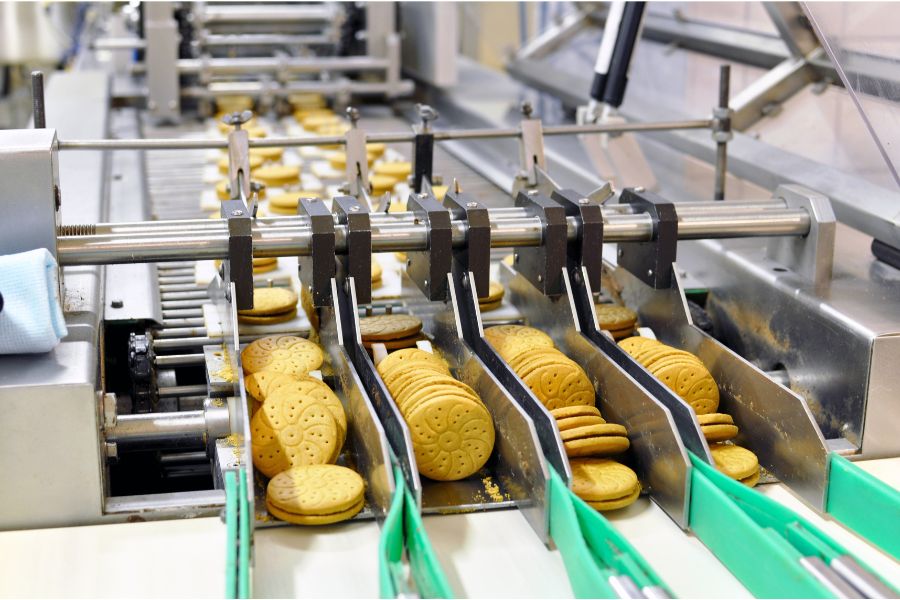
The global food processing technology sector is witnessing an unprecedented surge, marked by technological innovations, evolving consumer demands, and a burgeoning market landscape. As the shelves of supermarkets and online platforms brim with an ever-expanding array of processed food products, the pivotal role of advanced food processing technology becomes unmistakably evident. The food processing technology sector in India anticipates a steady growth at a CAGR of 7.5% from 2021 to 2027. Manufacturing firms in India specialize in food processing machinery across key segments, and are witnessing robust demand in the domestic as well as international market. As one of the four benchmark trade shows under the newly envisioned Indusfood Manufacturing, Indusfood Tech 2025 emerges as the catalyst for industry transformation, offering an unparalleled platform for global stakeholders to converge, collaborate, and capitalize on the vast opportunities this sector presents. With over 15,000 industry professionals in attendance, this event transcends the scope of the traditional trade fair, serving as a dynamic nexus for networking, knowledge exchange, and business expansion. Image Credit: Shutterstock Have you observed the extensive and continuously expanding array of processed food products dominating the shelves of supermarkets, local kirana stores, and online delivery platforms? This proliferation, while commonplace, owes its existence to the dynamic evolution and integration of the value chain spanning from agricultural production to consumer consumption. Undoubtedly, the pivotal role of advanced food processing technology in facilitating the production of high-quality processed food products at scale cannot be overstated. The food processing technology sector encompasses a broad range of techniques and technologies that are utilised to transform raw agricultural products into consumable goods. This includes processes such as canning, freezing, drying, fermenting, and packaging, among others. Advancements in this sector have led to increased efficiency, improved food safety, extended shelf life, and enhanced nutritional value of food products. In addition, innovations like AI, automation, robotics, and data analytics are revolutionizing the food processing sector, making operations more precise and sustainable. With the global population expected to reach 9 billion by 2050 and people increasingly adapting to urban lifestyles, the demand for processed food products is poised to rise substantially. Thus, this sector holds immense potential for addressing food security challenges, reducing food waste, and meeting the evolving dietary preferences of consumers worldwide. Why India? The Indian food processing technology industry has emerged as a promising sector, benefiting from a robust food ecosystem that presents substantial investment prospects. It is also driven by favourable economic policies, growing capacities, appealing fiscal incentives and robust market demand. According to a report by Ministry of Food Processing Industry (MOFPI), the Indian food industry output is anticipated to reach a size of US$ 535 billion by FY 2025-26. Presently, it commands a 10.4% share in exports and employs 11.6% of the workforce, with the unregistered segment providing livelihoods to 5.1 million individuals. Foreign direct investment (FDI) equity inflows amounted to US$ 12.5 billion from April 2000 to December 2023, accounting for 1.87% of total FDI equity flows. The sector’s growth is underpinned by the expanding consumption of processed food that now extends to Tier-II and Tier-III cities, mirroring trends observed in metropolitan areas. Key sectors within this domain include grains, sugar, edible oils, beverages, and dairy products (Coinmen Consultants, 2019). Industry performance India has one of the world’s largest food processing industries. Gross value added of the industry has grown from Rs 1.79 lakh crore (US$21.5 billion) in 2016-17 to Rs 2.37 lakh crore (US$ 28.5 billion) in 2020-21, growing at a CAGR of 7.2%. The sector directly employs over 2 million individuals and contribute to 8.9% of the manufacturing value added (MVA), encompassing food and beverage sectors (UNIDO IAP, 2023). The sector has received around Rs 7,126 crore (US$ 857.7 million) worth of investments by the end of 2023 under the Production Linked Incentive (PLI) scheme for Food Processing. As Indian food processing technology industry grows in size and sophistication, it is also increasingly showing potential for expansion into the international market. Exports* of processed food machinery reached US$ 3.1 billion in 2023, growing at a 5-year CAGR of 8%. Top export markets for India include the US, Singapore, Saudi Arabia, Nepal, Nigeria, UAE and Bangladesh. The burgeoning food processing sector in the country also provides immense opportunity to global technology players for trade, investment and business collaboration. Imports* of these technologies have reached a value of US$ 5.5 billion in 2023, growing at a 5-year CAGR of 6%. Top supplying countries include China, Germany, Italy, Republic of Korea, Japan and the US. Key growth drivers of the Indian food processing technology sector The country has a robust agricultural production base, being among the world’s largest producers of various agricultural commodities including cereals, dairy, fruits & vegetables, marine products, spices, tea, coffee, etc. By 2030, India’s household consumption is expected to quadruple, making it the 5th largest consumer market in the world. The country has a growing F&B market, with estimated retail size of US$ 504.92 billion by 2027 (Inc42). Government support through liberalised FDI regime and supportive policies including Pradhan Mantri Kisan Sampada Yojana (PMKSY), Pradhan Mantri Formalization of Micro Food Processing Enterprises (PMFME) Scheme and PLI Scheme for Food Processing. Technological advancements fuelled by market demand are ushering in a revolution in the food processing technology sector across segments. Notably, India’s processed food exports (HS 16-22) have grown at a 5-year CAGR of 17.1% to reach US$ 8.9 billion in 2023, showing robust trade prospects. Food processing infrastructure is coming up at a brisk pace. Twenty four mega food projects are now operational out of 41 projects envisaged under the Mega Food Park Scheme. Similarly, cold storage capacity of 8.4 lakh metric tonnes has been created as of December 2022. India’s workforce represents a formidable asset, poised to drive economic growth, innovation, and competitiveness on both domestic and international fronts. The country has built and nurtured a strong entrepreneurial ecosystem, that is catalysing innovation and growth in its food processing industry. Opportunities for investors/entrepreneurs The food processing

Driving growth: The transformative power of GenAI in India
Generative AI (GenAI) presents a transformative opportunity for India’s economy, with projections suggesting a potential contribution of US$ 1.2-1.5 trillion to GDP over the next seven years. By fully capitalising on GenAI technology and its applications across various sectors, India could potentially contribute an additional US$ 359-438 billion to the economy in the fiscal year 2029-30, which would result in a 5.9% – 7.2% increase in GDP compared to the baseline. Approximately 69% of the overall impact is expected to originate from sectors such as business services, financial services, education, retail, and healthcare. India’s GenAI market is projected to surpass US$ 17 billion by 2030 from US$ 1.1 billion in 2023, growing at a CAGR of 48%, which depicts its economic potential. Despite the promising outlook, challenges such as accuracy concerns, copyrights, transparency issues, and operational changes need to be addressed. India’s readiness for GenAI adoption remains moderate, with challenges including a shortage of skilled personnel and unclear use cases. Source: Image credit: Pixabay Generative AI, or GenAI, has taken centre stage in the fifth industrial revolution. Worldwide, IT behemoths and young startups are equally keen to leverage the incredible potential of GenAI, which is transforming work and life. The technology behind ChatGPT is revolutionising industries across the world. Instead of just analysing or classifying existing data, generative AI is able to create something entirely new, including text, images, audio, synthetic data and more, according to a note by Accenture. From ChatGPT to DALL-E, generative AI applications are complex machine learning systems that have trained on humongous amounts of data (text, images, audio or a mix of data types) on a massive scale, according to the report. Now with recent developments, companies are able to build specialized image- and language-generating models on top of these foundation models. Moreover, these systems are adaptable to a variety of downstream tasks without the need for training. It is therefore no surprise that the potential of generative AI applications across industries will defy the imagination of even the best minds we have today. According to Inc42’s latest report titled ‘India’s Generative AI Startup Landscape, 2023’, India’s GenAI market will be growing exponentially in the next few years. It is projected to surpass US$ 17 billion by 2030 from US$ 1.1 billion in 2023, growing at a CAGR of 48%. Currently, India has more than 70 GenAI startups, which raised more than US$ 440 million between 2019 and Q3 2023, according to the report. More than 80 Indian institutional investors are supporting these startups and propelling India’s GenAI ecosystem into the global spotlight. “GenAI emerges as a pivotal force driving economic transformation across India’s diverse sectors. By automating repetitive tasks and fostering innovation, it promises to elevate productivity and efficiency, empowering businesses to make strategic decisions and deliver enhanced customer experiences. With its potential to create new job opportunities in burgeoning fields like data science and AI development, GenAI sets the stage for a dynamic workforce equipped for the digital age. As India embraces this technological revolution, it positions itself for sustainable growth and global competitiveness,” says Sumit Banik, a GenAI Consultant. This incredible journey is influencing the future of next-generation technology through a combination of innovation, investment, and transformative power. Consequently, India is seen as a potential global powerhouse that’s driving forward the GenAI revolution. Here are a few salient data points from the rapidly expanding GenAI startup scene in India. Key facts of GenAI startups 70+ Native GenAI Startups In India US$ 440 Mn+ Raised By Native GenAI Startups Since 2019 1 In Every 3 Indian GenAI Startup Is Working In Code & Data Segment 81% GenAI Products From India Have Sector-Agnostic (Horizontal) Use Cases Bengaluru Is Home To The Highest Number Of GenAI Startups In India 80+ Indian Institutional Investors Have Backed GenAI Startups 88% Indian GenAI startups are in seed stage 58% Indian GenAI startups were founded in or after 2021 71% Indian retailers plan to adopt Gen AI in the next 12 months Source: Inc42, Gartner and EY Economic Potential of GenAI Sector Impact on sectoral GVA (%) Addition to GVA due to Gen AI in 2029-30 (US$ Bn) GenAI Business Services 19-23 85-104 Document summarization, content generation, data capture, customer care, enhancing productivity, and reducing costs across various business functions Financial Services 22-26 66-80 Enabling real-time fraud detection, risk management, lead conversion, and enhanced customer experiences Transport and Storage 8-10 22-27 Optimise transport routes, enhance fleet management, intelligently schedule tasks, and revolutionise logistics efficiency Education 8-9 18-22 Personalised tutors, crafting tailored learning paths, and assisting educators in curriculum design for optimised student engagement Retail Trade 5-6 18-22 Hyper-personalized advertisements, creative content generation, product summaries, reviews, individualised recommendations, enhance customer engagement and facilitate seamless returns and warranty handling Health and Social Work 16-20 15-18 Health record management, delivers personalised treatment plans, and aids in disease diagnosis through extensive patient data analysis Construction 3-4 14-17 Generating project reports, design options, project management-scheduling, optimisation of supply chain and visualising material delivery schedules Media 20-24 6-8 Automated content creation, product summaries, news writing, programmatic advertising, and content feeds for efficiency and tailored experiences. Post and Telecom 7-8 6-7 Increased internet demands, optimising network operations and offering predictive maintenance for base stations Pharma 7-8 4-5 Drug discovery/R&D, lab test report generation, marketing and advertising, No-Code website/app development Source: EY, Inc42 Growth Drivers Of GenAI India’s large consumer base for tech giants such as Google, Meta, and Snapchat creates a lucrative market for digital marketing, resulting in increased demand for digital creatives both now and in the future. Other major growth drivers for GenAI are as follows: Digitalisation and Cloud Computing: India ranks as the world’s second-largest internet user, with more than 759 million active internet users. Cloud computing in India is expected to account for 8% of GDP by 2026, with a potential increase of US$ 310 billion to US$ 380 billion. Availability of Structured Data: The internet has generated massive amounts of user and business data globally, amounting to 329 million terabytes (TB)

Banana Waste Innovation: Sustainable Solutions for Manufacturing
The innovative utilization of plant waste, particularly banana waste, in various industries presents a transformative opportunity for sustainable manufacturing. This shift not only addresses environmental concerns but also opens up new avenues for economic growth and job creation. By repurposing agricultural residues, including banana waste, into textiles, bioenergy, and construction materials, we pave the way for a greener, more prosperous future. Image Source: Pixabay In recent years, there has been a shift towards using plant waste for sustainable manufacturing, driven by environmental concerns. Agricultural residue management is a key challenge, with waste being utilized in sectors like textiles to reduce environmental impact. Natural fibers, especially those from waste materials, offer a sustainable option for clothing production due to their comfort, mechanical characteristics, and biodegradability. Banana waste, like pseudo-stems, poses environmental challenges, but can be converted into fibers for textiles, bioplastics, and other products, promoting a circular economy and creating employment opportunities. This approach not only reduces environmental pollution but also benefits farmers financially and contributes to the multi billion-dollar apparel industry’s growth. India, with its vast agricultural landscape, generates a significant amount of plant waste annually. However, instead of being a burden on the environment, this waste is increasingly being seen as a valuable resource. Through innovative approaches and sustainable practices, various industries are now utilizing plant waste to develop a wide range of products. This shift towards utilizing plant waste not only helps in waste management but also contributes to the development of eco-friendly and sustainable products. Banana Waste: A valuable resource for diverse industries The focus on using plant waste for sustainable manufacturing is part of a broader trend in the scientific community towards environmental preservation. This shift is underscored by the depletion of finite fossil fuel sources and the need to mitigate environmental pollution. Agricultural residue management is particularly challenging due to the sheer volume of waste generated. In the textile sector, the utilization of agricultural waste, such as banana stems, offers a sustainable alternative to traditional fibers like cotton. Banana fibers not only reduce environmental impact but also contribute to biodiversity conservation by reducing monoculture farming. Another innovative use of agricultural waste is seen in the creation of pads that can decompose within six months. The pads, made from banana skin, offer a soft feel and help prevent environmental contamination from hazardous menstrual waste. This dual benefit of agricultural waste utilization underscores the importance of repurposing agricultural residues to achieve environmental sustainability and economic benefits in various sectors. Additionally, both approaches have the potential to create new job opportunities, particularly in regions where these agricultural practices are prevalent, contributing to local economic development. Similarly cotton waste, like banana waste, presents a valuable opportunity for energy generation. Both agricultural residues can be converted into energy through various processes, such as briquetting, pyrolysis, and anaerobic digestion. This presents a sustainable solution to reduce reliance on finite fossil fuel sources and mitigate environmental pollution. Moreover, the composition of cotton waste is similar to other lignocellulosic feedstocks, making it suitable for bioenergy production. Studies suggest that cotton waste has the potential to be used for bioethanol production, highlighting its versatility in energy generation. However, similar to banana waste, proper pre-treatment strategies are necessary to reduce the lignin content in cotton waste for efficient conversion. In various studies, an innovative approach has been explored to repurpose banana agro-waste by creating eco-friendly yarns and fabrics. Banana fiber is blended with cotton and regenerated cellulosic fiber (tencel) in varying ratios to produce high-quality yarns. To enhance the banana fiber’s properties, it undergoes a process of boiling in distilled water to soften it, resulting in improved feel, strength, and reduced weight loss. Three blend ratios (10%, 20%, and 30% banana fiber by weight) are tested to produce Banana: Cotton: Tencel blended yarns. These blended yarns exhibit superior mechanical properties compared to benchmark Cotton: Tencel 50:50 yarns. The 20% banana fiber blended yarn shows particularly promising results, with approximately 11% higher yarn bundle strength, 8.62% higher single yarn strength, and 22.90% better yarn quality index analysis compared to the benchmark. Fabrics made from these blended yarns demonstrate notable improvements, including 6.61% higher tear strength, 18.8% more air permeability, 20% more elongation, and 12% higher tensile strength compared to Cotton: Tencel blended fabrics. This approach underscores the potential of using banana fiber in textile manufacturing to achieve both environmental and economic benefits without compromising on performance. Similarly, in construction, concrete and masonry waste, along with agricultural waste, are recycled to produce sustainable concrete. This concrete is reinforced with plant-based fibers and supplemented with wood chips, further enhancing its environmental credentials. Additionally, the use of ash from burnt rice husks as a cement substitute reduces carbon dioxide emissions, contributing to a greener construction industry. Adding to the array of sustainable solutions, scientists have successfully utilized tea and banana waste to produce non-toxic activated carbon. This eco-friendly material finds applications in industrial pollution control, water purification, food and beverage processing, and odor removal. Unlike traditional methods, this process avoids the use of toxic agents, making the activated carbon cost-effective and safe for various uses. This highlights the potential of utilizing plant waste to create valuable products, underscoring the importance of repurposing agricultural residues to achieve environmental sustainability and economic benefits in various sectors. Green Revolution from Plant Waste Harnessing plant waste for sustainable manufacturing presents a dual opportunity to address environmental concerns and tap into a lucrative, booming market. With a shift towards eco-friendly practices, industries are increasingly turning to plant waste, such as agricultural residues and banana stems, as valuable resources for creating innovative products. These materials offer sustainable alternatives to traditional fibers and construction materials, reducing environmental impact and promoting biodiversity conservation. Moreover, the conversion of plant waste into high-quality textiles, bioenergy, and construction materials not only helps in waste management but also opens up new markets and revenue streams. This trend towards utilizing plant waste reflects a broader movement towards sustainability and presents a promising avenue for economic growth and environmental stewardship. Embracing the potential
Sustainable Packaging: Reshaping India’s Food Industry
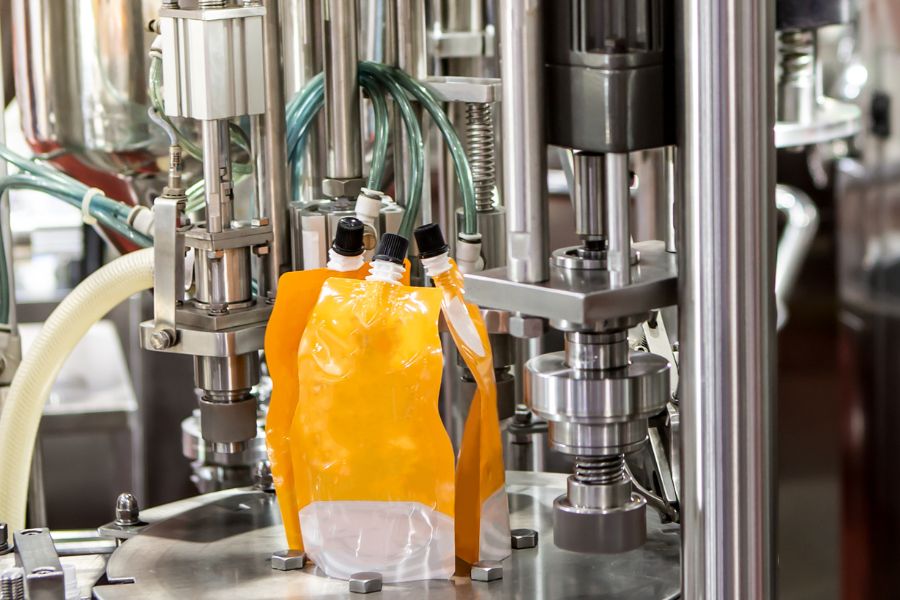
Sustainable packaging is all about creating packaging that has minimal impact on the environment, showing a dedication to taking care of our planet. In the world of sustainable packaging research, the ultimate goal is to have packaging materials that are responsibly obtained, designed to work well and be safe from start to finish, meet market standards for cost and quality, are made using renewable energy, and can be easily recycled to be used again in the future. The global market for sustainable packaging reached a value of US$ 274.15 billion in 2020 and is forecasted to experience a compound annual growth rate (CAGR) of 6.5% from 2023 to 2030. This growth surge is primarily driven by increasing consumer consciousness regarding sustainable packaging and the enforcement of stringent regulations aimed at reducing single-use plastics. Image Credit: Shutterstock Packaging technology is essential in today’s food industry, driven by technological progress, urbanization, and scientific breakthroughs. While there are many materials for food packaging, plastic stands out for its versatility. However, there are worries about using plastic because some chemicals from the packaging might seep into the food, posing health risks to consumers. In addition to health considerations, plastic poses a significant environmental threat due to its challenging recyclability. This has sparked research into sustainable packaging and better ways to recycle plastic. It’s crucial to find solutions that balance the convenience of plastic with the need to protect both people’s health and the planet. India’s sustainable food packaging scenario The Indian food and beverage packaging industry is projected to reach US$ 86 billion in 2029 with an annual growth of 14.8%, according to Invest India. The industry includes items like containers, cups, tableware, straws, bags, wraps and boxes designed to safeguard or store food. Among all the major industries in India, the food and beverage industry stands out as the primary adopter of sustainable packaging, with personal care and cosmetics following suit. Notably, the food packaging sector has witnessed substantial innovations in packaging and branding. The eco-friendly food packaging market is categorized by material selection, application, type, and technique. In terms of materials, the market encompasses paper & paperboard, bioplastic, metal, glass, and other packaging materials. Application-wise, it spans bakery, confectionery, meat, fish, poultry, fruits and vegetables, dairy, beverages, and convenience foods. The market’s segmentation based on techniques includes active packaging, moulded packaging, and multipurpose packaging. Leading companies such as ITC, Dabur, DS Groups, Nestle, PepsiCo, and HUL have pledged to integrate sustainable packaging practices, such as employing biodegradable materials, recyclable paper-based packaging, and compostable plastics. However, there remains a pressing need for increased investment in sustainable packaging solutions, given India’s substantial generation of plastic waste and its adverse environmental repercussions. In India, there are various types of sustainable packaging, some of these are: Biodegradable Plastics: These are composed of natural minerals which can readily decompose in the environment without leaving any detrimental residues. A diverse range of materials such as corn starch and sugarcane can be used to produce biodegradable plastics. These are frequently promoted as a sustainable alternative as they undergo degradation into natural materials when exposed to specific environmental conditions. Compostable Plastics: These are made from natural materials like starch or cellulose and are considered sustainable as they can disintegrate in a composting environment. Compostable plastics are engineered to degrade into organic compounds under precise environmental conditions, specifically in commercial composting facilities. Paper-based materials: Paperboard, corrugated cardboard and moulded pulp are composed of wood fibres extracted from trees and are renewable, recyclable and biodegradable. It involves sequential stages of tree harvesting, wood fibre processing and paper manufacturing. Even as paper based materials are considered a sustainable option, it is imperative to guarantee that the wood fibres are procured from sustainably managed forests. Plant based materials: Bamboo, Banana leaves, wheat straw and bagasse are produced from sustainable agriculture sources which are processed for producing disposable products like utensils, cups and plates. These materials represent a sustainable alternative as they originate from renewable resources and can be composted once they reach the end of their lifespan. Metal and Glass: Owing to their exceptional durability and recyclability, metal and glass are deemed sustainable options. Although these materials are rarely used for food packaging due to their weight and susceptibility to damage. Advantages and Challenges Sustainable packaging offers numerous environmental as well as health advantages. Apart from helping in mitigating waste production and minimizing the utilization of non-renewable resources, it also aid in the reduction of greenhouse gas emissions. Advantages to the industry: A surge of 71% towards popularity of sustainable goods has been witnessed in the past five years as revealed by a research study by the Economist Intelligence Unit (EIU). By embracing sustainable packaging practices, businesses can reduce the risks linked with government regulations concerning packaging and supply chain operations. Due to increasing health concerns and the cost inefficiency of plastic reuse, the packaging industry has experienced a shift in preferences towards biodegradable products. Green packaging offers considerable potential for saving costs in the long run, although it poses the rewarding challenge of identifying the exact moment when these savings outweigh the initial investment. Using eco-friendly packaging materials like corn-starch-based PLA supports sustainability by utilizing crops like corn. Additionally, bamboo-based packaging offers significant environmental benefits as it is 100% biodegradable and compostable within 2-6 months. Advantages to the environment Sustainable packaging decreases use of non-biodegradable or biologically damaging materials and substitute them with easily decomposable or reusable items. The recycled or reused materials can serve as a source of soil nutrients when composted. Sustainable packaging decreases the usage of toxic chemicals which is safe and healthy for consumers. They have more sustainable production process that requires lesser energy and water as compared to traditional methods. Cutting-edge Innovations and technologies The rapid advancement of industrialization has resulted in a significant increase in the utilization of plastic for food packaging purposes. Worldwide plastic production has soared to 380 million tonnes, marking a steep rise over recent decades, with packaging applications accounting for 40% of
Nano urea: The panacea for India’s urea dependence?
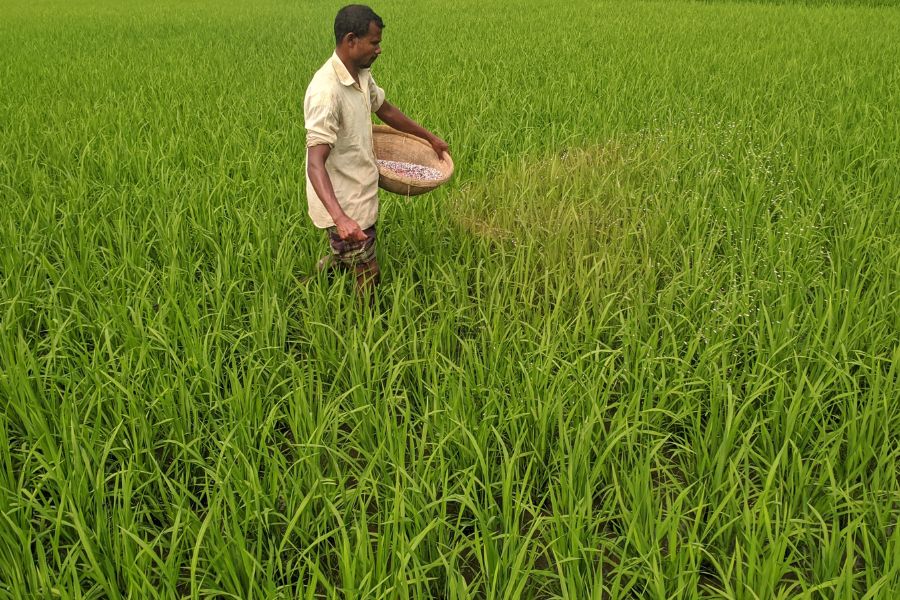
Nano urea, a product of nanotechnology, is revolutionizing agriculture by providing an innovative nitrogen source to plants. Positioned as an environmentally friendly solution, nano urea fertilisers align with smart chemical practices, contributing to efforts in mitigating climate change. This revolutionary product has another critical implication for India when it comes to its trade balance. India is the world’s largest importer of urea with a value of US$ 7.1 billion in 2022. Domestic urea consumption is growing by around 6-7% annually. The government’s strategy to reduce these imports has been two-pronged – increase the production of urea domestically and enhance the usage of nano urea as an alternative. However, limited research and environmental concerns emphasize the need for a balanced approach in its application. IBT discusses the potential and key debate surrounding nano urea in this article. Image Credit : Pixabay Every plant requires specific nutrients, such as nitrogen, phosphorus, and potassium, for healthy growth. In cases where nature falls short in providing these essential elements, the need for effective fertilizers arises. Urea, with its high nitrogen content of approximately 46%, has been widely utilized in agriculture. Originally available as a white crystalline organic compound, urea has evolved in response to the changing agricultural and chemical industry landscape, leading to the development of nano urea. Nano urea, as a revolutionary fertilizer born from nanotechnology, plays a crucial role in supplying plants with a sufficient amount of nitrogen. This sustainable option has become a cornerstone for farmers seeking enhanced crop yields while embracing smart agricultural practices. Although traditional urea is effective, it poses environmental challenges, especially when used excessively. Its high water solubility can lead to problems such as leaching, de-nitrification, and volatilization losses. In contrast, liquid nano urea is a chemical fertilizer, which ensures efficient absorption and penetration of nitrogen into the leaves when applied as a foliar spray. Therefore, it is able to effectively reach specific parts of the plant where needed. Furthermore, it releases nutrients in a controlled manner, thereby minimizing wastage and preventing environmental pollution. The test run of nano fertilizer conducted by Indian Farmers Fertiliser Cooperative Limited (IFFCO) on various crops during different seasons across diverse regions in India has yielded promising results. The positive outcomes have translated into tangible benefits for farmers, with an average increase in crop yields ranging from 7-8%. This implies that the application of nano fertilizer, developed and tested by IFFCO, has proved to be effective in enhancing agricultural productivity and also giving a push to new technology in fertilizers. Source: DGCIS; figures in US$ billion for HS 310210 Nano urea has another critical implication for India when it comes to its trade balance. India is the world’s largest importer of urea with a value of US$ 7.1 billion in 2022. Domestic urea consumption is growing by around 6-7% annually. The annual fertiliser requirement is around 58-63 million tonnes while production is at 43-46 million tonnes. The high import bill also necessitates a significant allocation in the Union Budget to fertiliser subsidies. The government’s strategy to reduce these imports has been two-pronged – increase the production of urea domestically and enhance the usage of nano urea as an alternative. According to the government’s own estimates, the production of 170 million bottles of nano urea could save around Rs 15,000-20,000 crore on fertiliser imports. In fact, the government is focused on rapidly ramping up nano urea production with an objective to achieve self-sufficiency in urea production by 2025. Advantages of Nano Urea Enhanced Nutrient Use Efficiency: Nano urea boasts higher availability to crops by over 80%, leading to a substantial increase in Nutrient Use Efficiency (NUE). This efficiency improvement is crucial for sustainable agriculture, allowing for better utilization of resources. Environmental Footprint Reduction: Addressing environmental concerns, nano urea plays a pivotal role in minimizing nutrient loss from fields. Traditional fertilizers often contribute to issues like leaching and gaseous emissions, which degrade the environment. Nano urea’s controlled release mechanism helps mitigate these challenges. 4 R Nutrient Stewardship: Nano urea emerges as a key player in the 4 R nutrient stewardship, contributing to precision and sustainable chemical practices. This approach focuses on the Right source, Right rate, Right time, and Right place of nutrient application, optimizing resource use. Clean and Green Technology: The industrial production of nano urea is both energy-efficient and resource-friendly, aligning with clean and green technology principles. This aspect enhances its appeal as an environmentally conscious agricultural input. Contribution to Smart Agriculture: Nano urea aligns with the principles of smart agriculture by offering a targeted and efficient solution to plant nutrient requirements. Its application precision and effectiveness contribute to the overall advancement of modern farming practices. Efficient Nitrogen and Phosphorus Source: Nano fertilizer serves as an efficient source of available nitrogen (N) and phosphorus (P2O5) for various crops. It addresses deficiencies in standing crops and promotes healthier growth. Nano DAP Formulation: Unique formulation, with a particle size less than 100 nanometers, enhances its surface area to volume ratio. This property allows for easier penetration into seeds or through stomata and other plant openings, contributing to better assimilation. Benefits for Crop Yield and Quality: Nano DAP, through seed treatment and foliar application at critical growth stages, increases nutrient availability to crops. This results in higher crop yields, improved seed vigor, more chlorophyll, and enhanced photosynthetic efficiency. Additionally, the quality of harvested produce, in terms of protein and nutrient content, is positively impacted. Reduction in Chemical Fertilizer Usage: The use of Nano tech can potentially replace a significant portion of conventional DAP, leading to a reduction in chemical fertilizer usage. Its targeted application at critical growth stages minimizes the need for bulk fertilizers, contributing to sustainability. Environmentally Friendly Production: Nano technology in fertilizers is energy and resource-friendly production processes align with environmental sustainability. The precision and targeted application further reduce soil, air, and water pollution, promoting agricultural practices that are safe for the environment. Easy to Store and Transport: The requirement of Nano fertilizers is in smaller quantities compared to bulky phosphatic fertilizers simplifies
Regulatory conundrum: How RBI’s recent measures impact India’s fintech sector
Indian fintech ecosystem is the third largest in the world, with over 7,000 registered startups, and the market size expected to reach US$ 150 billion by 2025. RBI has continued to consistently frame regulations in an attempt to balance concerns relating to customer protection, grievance handling, internal governance, data protection, cyber security, and financial system integrity, without restricting the industry’s growth potential The recent crackdown on Paytm Payments Bank, due to regulatory compliance issues has sent shockwaves through the sector. Fintech companies can expect increased scrutiny and enforcement of regulations, leading to stricter monitoring and compliance requirements. The crackdown on non-compliance may initially dampen innovation and investor confidence as companies prioritise regulatory adherence over disruptive technologies. Going forward, a more structured outline focusing on the powers and composition of self-regulatory organisations in the fintech sector may play a pivotal role to achieve harmonisation between innovation and regulatory compliance. Source: PTI The past few years have been eventful for the fintech industry. While the pandemic brought conventional businesses to a halt, it was truly an inflection point for the fintech industry, especially as it came quite close on the heels of the ramp up in digital payments post demonetisation and the launch of UPI. It is instructive to note that UPI transactions have grown at a CAGR of 147% since 2017-18 in volume terms to reach Rs 8,375 crore in 2022-23. In value terms, they have grown at an even more phenomenal CAGR of 168% to reach Rs 139 lakh crore during the same fiscal year. Recognising the value and growth of the fintech industry, regulatory scrutiny is imminent, and the RBI has continued to consistently frame regulations in an attempt to balance concerns relating to customer protection, grievance handling, internal governance, data protection, cyber security, and financial system integrity, without restricting the industry’s growth potential. However, keeping pace with ever-evolving technology, nuanced business models, and intricate synthetic structures, while balancing the government’s mandate on financial inclusion and overall growth, has been somewhat challenging for the RBI, as it would be for other central banks throughout the world. As a result, the RBI did not attempt to promulgate any unified legislation governing multi-faceted business models. Rather, a discussion was initiated around self-regulation in March 2023 at a conference organised by the Department of Payment and Settlement Systems. Soon after, the RBI published the ‘Draft Framework of Self Regulatory Organisations for the Fintech Sector’. acknowledging the need for self-regulation to complement existing formal regulations for effective sector-specific compliance. However, recent regulatory action against Paytm Payments Bank has brought the spotlight on compliance issues and raised concerns regarding the security of customers who have adopted digital banking so comprehensively. RBI’s action against Paytm Payments Bank Ltd In an announcement that sent shock waves across the industry, on January 31, 2024, the Reserve Bank of India, utilising its authority under Section 35A of the Banking Regulation Act, 1949, instructed Paytm Payments Bank Ltd (PPBL) to halt the onboarding of new customers immediately. The regulator clarified that there were major irregularities in the KYC requirements by Paytm, which exposed customers, depositors and wallet holders to significant risks. It also added that the company had been earlier briefed and advised to address this issue and also been provided adequate time to ensure compliance. Following a thorough review, including the Comprehensive System Audit and subsequent compliance validation reports by external auditors, significant regulatory concerns persisted within the bank, necessitating further supervisory measures. Consequently, the RBI mandated the following actions for PPBL: No further deposits, credit transactions, or top-ups in customer accounts, prepaid instruments, wallets, FASTags, NCMC cards, etc., effective March 15, 2024, except for any interest, cashbacks, or refunds. Allow customers to withdraw or use their balances without restrictions, including from savings accounts, current accounts, prepaid instruments, FASTags, National Common Mobility Cards, etc, up to their available balance. Restrict the provision of any banking services beyond the specified categories, such as fund transfers, BBPOU, and UPI facilities, after March 15, 2024. Additionally, PPBL is required to terminate the nodal accounts of One97 Communications Ltd. and Paytm Payments Services Ltd. by no later than February 29, 2024. All pending pipeline transactions and nodal accounts, initiated on or before February 29, 2024, must be settled by March 15, 2024, with no further transactions permitted thereafter. Additional steps for Paytm As of March 15, 2024, Paytm Payments Bank cannot receive further credits. To ensure uninterrupted UPI transactions via ‘@paytm’ handles and reduce UPI system risk, the RBI suggests several measures: The RBI advises the NPCI to assess One97 Communication Ltd’s request to act as a Third-Party Application Provider (TPAP) for Paytm app’s UPI operations. If approved, ‘@paytm’ handles will smoothly transition to new banks to avoid disruption. TPAP won’t onboard new users until existing ones migrate successfully. NPCI may certify 4-5 banks as Payment Service Provider (PSP) Banks to handle high-volume UPI transactions, aligning with NPCI norms to mitigate concentration risk. For merchants using PayTM QR Codes, One97 Communication Ltd (OCL) can open settlement accounts with PSP Banks other than Paytm Payments Bank. UPI handle migration is applicable only to ‘@Paytm’ users; others do not need to take action. Customers with accounts/wallets in Paytm Payments Bank should arrange alternatives before March 15, 2024. FASTag and National Common Mobility Card holders from Paytm Payments Bank should make alternative arrangements to avoid inconvenience. These steps aim to safeguard customers and the payment system, independent of any RBI actions against Paytm Payments Bank. Early last week, Paytm assured that it was taking necessary steps to dissociate its offerings from Paytm Payments Bank. Paytm founder Vijay Shekhar Sharma announced his resignation from the board the latter. The board of Paytm Payments Bank has also seen a major overhaul with new inductees from the banking and bureucratic fraternity. How does it impact the fintech sector? The Reserve Bank of India (RBI) delivered a hefty blow to Paytm, a massive player in the digital payments space with about 13% market share in India. It placed numerous restrictions

India’s net exports of carbon black could spike next fiscal
Carbon black is widely used as a reinforcing agent and colourant in rubber products, mainly in automobile tyres. Amidst the ongoing geopolitical developments, the demand for carbon black is growing sharply across the world. As per a recent CRISIL report, geopolitical developments and resulting realignment of global supply chains, are expected to boost net export volume of Indian carbon black in the upcoming fiscal year. Carbon Black is basically pure elemental carbon in the form of colloidal particles, that are produced by incomplete combustion or thermal decomposition of gaseous or liquid hydrocarbons under controlled conditions. It looks like a finely divided black pellet or powder. It is mainly used as a reinforcing agent and colourant in rubber products, particularly automotive tyres. As carbon black constitutes up to 20–25% of the weight of tyres, it thus becomes a key component of tyre manufacturing. It also finds application in other industries like paint, plastics, ink, etc. Worldwide, nearly 90% of carbon black is used in rubber applications, 9% as a pigment, and the remaining 1% is used as a necessary component of numerous different applications. India’s trade in carbon black India ranks amongst largest exporters of carbon black in the world. As of Dec 2023, the top 3 exporters of carbon black in terms of shipments are India (85,377), China (67,985) and Germany (58,453). However, when it comes to value, India is ranked 8th in carbon black exports (HS 280300), with exports of US$ 384.2 million in 2023. In the next fiscal year, India is expected to see a further spike in its carbon black net exports. Its top markets are Thailand, Sri Lanka, Vietnam and the US. According to a recent report by CRISIL, “geopolitical developments and consequent realignment of global supply chains are projected to double the net export volume of Indian carbon black in FY 2024”. The report stated that, driven by the growing export demand, India’s carbon black capacity has increased by nearly 36% over the last two fiscal years to around 2,000 kilo tonnes per annum (ktpa). The credit risk profiles, as per the report, are expected to remain stable despite the capital expenditure (capex) for capacity addition, since internal accruals will fund most of the capex. This is evident from a CRISIL Ratings analysis of four players who hold almost 75% of India’s domestic capacity. Geopolitical developments and impact thereof on Indian carbon black European Union (EU) is the largest importer of carbon black, globally. Previously, China and Russia were the major suppliers, supplying a significant portion of the demand for carbon black. Of the 1,000 kilo tonnes of carbon black that Russia exported in FY 2023, the European Union accounted for approximately 70% of the total shipments. On 25th February, 2023, EU under its 10th package of sanction against Russia imposed import quota of about 752 kilo tonnes upto July 1, 2024 and complete import restrictions thereafter. The other major exporter is China. It mainly uses carbon black oil (CBO), a derivative of coal tar as a key component in the production of carbon black. Production of carbon black in China has been affected by environmental concerns as well as high input costs. These developments have enhanced the competitiveness of India’s carbon black. For producing carbon black, the Indian companies use carbon black feed stock (CBFS), which comes from crude oil. According to Mohit Makhija, Senior Director, CRISIL Ratings “The ongoing Russia-Ukraine conflict has resulted in a complete ban on carbon black imports by EU from Russia, which will be effective from July 01, 2024. Indian carbon black producers, after the recently completed capacity additions, are well placed to address the resultant supply challenges for the EU. The added capacities will help in boosting India’s net exports of carbon back to ~190 kilo tonnes next fiscal from ~94 kilo tonnes in fiscal 2023.” The growing carbon black exports from India would not be at the expense of meeting domestic demand, the report added. The domestic tyre industry is predicted to grow at a consistent rate of 6-8% during the current and next fiscal year, backed by replacement and original equipment manufacturer (OEM) demand. Prateek Kasera, Team Leader, CRISIL Ratings anticipates, “Indian carbon black players will witness double-digit volume growth this fiscal and the next as the enhanced capacities kick in. Revenue is expected to grow ~15% next fiscal after remaining flat this fiscal, as realisations were impacted by crude oil prices. Despite the low realisations, operating profitability is expected to inch up marginally by around 100 basis points to 13.5-14.0% this fiscal and the next, supported by healthy bargaining power of suppliers on account of the criticality of carbon black in end products as well as the limited number of producers.” Notwithstanding the capital expenditure, the balance sheets of carbon black manufacturers are expected to remain sound. For the current and upcoming fiscal year, it is anticipated that debt to earnings before interest, tax, depreciation, and amortisation (EBITDA) ratio will continue to be robust at 1.2–1.4 times. That is a slight decline from about 1.0 times during the previous fiscal year. As per the report, the gearing will continue to remain comfortably below 0.5 time for the current and next fiscal year. Having said that, it will be important to monitor the evolving geopolitical landscape and its impact on crude oil prices.

Startup revolution spreads across 80% of Indian districts
India has witnessed a remarkable surge in the startup ecosystem, with the Department for Promotion of Industry and Internal Trade (DPIIT) recognizing an impressive 117,254 startups till December 31, 2023. This thriving landscape has not only contributed significantly to economic growth but has also paved the way for the creation of over 12.42 lakh direct jobs. A noteworthy achievement is the presence of at least one recognized startup in every State and Union Territory, spread across over 80% of the districts in the country. Image Credit: Shutterstock Indian startup ecosystem is thriving with 117,254 recognized startups driving economic growth and creating 12.42 lakh jobs. Notably, 55,816 startups have women directors, showcasing gender inclusivity. Initiatives like the Fund of Funds for Startups and programs like WING and WEP have helped build a culture of diverse and inclusive entrepreneurship. Startup India initiative Launched by the Indian Government on January 16, 2016, the Startup India initiative is seen to have played a pivotal role in fostering innovation, supporting Indian startups, and attracting investments in the country’s entrepreneurial ecosystem. There has been a substantial increase in the number of recognized startups, showcasing the success of initiatives aimed at nurturing innovation and entrepreneurship. A key highlight of India’s startup narrative is the growing participation of women entrepreneurs. Till December 31, 2023, DPIIT has recognized 55,816 startups, which have at least one woman director. To further promote women entrepreneurship, the government has implemented various programs and schemes under the Startup India initiative. The Fund of Funds for Startups Scheme, operated by the Small Industries Development Bank of India (SIDBI), reserves 10% of its funds for women-led startups. This strategic move aims to encourage the flow of both equity and debt to startups founded or led by women. Top 5 states by recognized startups Top 5 states with direct jobs (self-reported) created by recognized startups. 1. Maharashtra: 5,801 1. Maharashtra: 64,974 jobs 2. Uttar Pradesh: 3,426 2. Delhi: 38,280 jobs 3. Delhi: 3,150 3. Karnataka: 35,066 jobs 4. Karnataka: 3,032 4. Uttar Pradesh: 33,831 jobs 5. Tamil Nadu: 2,810 5. Tamil Nadu: 30,536 jobs Source: DPIIT, figures for 2023 WING is a unique capacity development program tailored for women-led startups. It serves as a platform for aspiring and established women entrepreneurs across diverse sectors, providing workshops to address challenges and share best practices. The program not only identifies and supports women entrepreneurs but also facilitates discussions on key issues faced by women in the startup journey. Collaborating with Zone Startups, the government has conducted a Virtual Incubation Program for Women Entrepreneurs, offering pro-bono acceleration support to women-led tech startups. Additionally, a dedicated webpage for women entrepreneurs on the Startup India portal provides comprehensive information on policy measures by both Central and State Governments to support women entrepreneurs. The Women Entrepreneurship Platform (WEP) serves as an aggregator platform, aiming to overcome information asymmetry in the women entrepreneurial ecosystem. The platform showcases existing initiatives, provides domain knowledge, and empowers women entrepreneurs with valuable resources. The SuperStree Podcast spreads awareness of innovations from women in the Indian startup ecosystem. Beyond the Startup India initiative, the government has implemented several schemes and programs specifically focused on supporting women-owned Micro, Small, and Medium Enterprises (MSMEs). These include special drives for registration, fiscal incentives, and skill development programs. To recognize and promote the achievements of women-led startups, the National Startup Awards (NSA) features a special category and award for women entrepreneurs across various sectors. On a global basis, Bengaluru moved up two places to 20 in the Startup Genome’s Global Startup Ecosystems Report, 2023. Among the emerging ecosystems, Pune has risen to the 31-40 range from 51-60 in 2022. India is already the world’s third largest startup ecosystem with over 90,000 startups and 107 unicorn companies. However, the country’s overall rank in terms of startup funding has dipped to 4th in 2023 due to the onset of a funding winter since 2022 (defined as a period of reduced capital inflows).
Driving growth: The promising future of India’s Oilmeal exports
India’s oilmeal industry is defying the overall challenging trend in international trade, witnessing a remarkable 25.6% YoY surge in exports from April to January, 2023-24 to reach a value of US$ 1.4 billion. This makes it the fastest growing agri export commodity during the period, followed by fruits & vegetables (15.9%) and tobacco (15.5%). Fueled by heightened price competitiveness and burgeoning global demand, especially for soybean and rapeseed meal, this growth underscores India’s pivotal role as a major producer and exporter of oilmeals. Despite obstacles like export bans and supply chain disruptions, the sector has shown remarkable resilience. Looking forward, a promising future awaits, buoyed by escalating demand for protein-rich feed globally and advancements in manufacturing technologies. With a robust track record of meeting diverse international demands and strategic market positioning, India’s oilmeal exports continue to soar, highlighting its indispensable role in the global trade landscape. Image Source: Pixabay Oilmeals are versatile by-products obtained from the extraction of oils from a variety of oil-bearing seeds and nuts. These meals are rich in protein, making them valuable components in various end user industries. Soybean meal is one of the most common oilmeals produced globally. Soybeans are crushed to extract oil, leaving behind a protein-rich meal. Canola meal is derived from rapeseed or canola after oil extraction. It’s widely used in animal feed due to its balanced amino acid profile. Another popular category is sunflower meal, which is produced from the residues left after the oil extraction process. It’s a good source of protein and fiber. Cottonseed meal is obtained from the seeds of the cotton plant after oil extraction. It’s rich in protein but has limited use in animal feed as it contains gossypol. Palm kernel meal is a by-product of palm oil extraction from the kernel and is a fibre rich meal used in anima feed. The same goes for copra meal, which is derived from coconut after oil extraction. The key end-user industries of oilmeals are: Animal feed: Oilmeals are used extensively in formulating feed for poultry, swine, cattle, and aquaculture. The high protein content and balanced amino acid profile make oilmeals valuable components in achieving optimal animal growth and performance. Food industry: Oilmeals find applications in human food products, primarily as protein supplements. They are used in bakery products, protein bars, meat substitutes, and vegetarian/vegan products. Pharmaceuticals and nutraceuticals: Oilmeals contain bioactive compounds and functional components that are also beneficial for human health. Therefore, they are utilized in the production of dietary supplements, nutritional powders, and pharmaceutical formulations. Cosmetics: Some oilmeals, particularly those derived from seeds like soybean and sunflower, are used in cosmetics and personal care products. They offer moisturizing properties and can be found in lotions, creams, and hair care products. Oilmeals can undergo further processing to enhance their nutritional value and application versatility. Processes such as solvent extraction, enzymatic hydrolysis, and micronization are employed to produce specialized protein concentrates and isolates, which can be leveraged in niche applications like sports nutrition, infant formula, and functional foods. From a single solvent extraction plant in Bhavnagar for extracting oil from oilseed cakes and oilseeds in 1945, the Indian solvent extraction industry has come a long way. The Solvent Extractors’ Association of India has around 875 members, which includes around 350 working solvent extraction plants with combined oilcake/ oilseed processing annual capacity of about 30 million tonnes. The manufacturing capacity of oil mills in India varies based on factors like technology, scale of operations, and investment. Large-scale integrated oil mills coexist with smaller, decentralised units. Oilmeals leading India’s agri export growth India’s oilmeal exports surged by a record 25.6% in April-January, 2023-24, reaching a value of US$ 1.4 billion, making it the fastest growing agri export during this period (DGCIS). According to BV Mehta, Executive Director of SEA, key drivers of this growth were soybean meal and rapeseed meal, benefiting from improved price competitiveness, global market competitiveness and logistics advantages in Asian markets. Another key factor was the poor soybean harvest in Argentina, which is the market leader. Despite a setback in November 2023, India’s oilmeal market remained positive. Southeast Asia is a major consumer of Indian soybean meal. India has a logistical advantage over Southeast Asian destinations, and can supply in small lots. Globally, as per latest data available for 2022, Brazil has emerged the market leader with exports of US$ 10.8 billion in 2022, followed by the US (US$ 9.6 billion) and Argentina (US$ 7.6 billion). Among the top 15 exporters, Indonesia (33.8%), Russian Federation (23.8%) and Poland (19.6%) have displayed fastest CAGR during this period. India’s oilmeal export trends HS Code Commodities Exports in 2018 Export in 2023 India’s 5 year export CAGR Share in India’s exports YoY growth 2302 Bran sharps and othr residues… 2.86 218.91 138.11% 0.05% 34.42% 2304 Oil-cake and other solid residues (soy) 902.13 1,115.80 4.34% 0.26% 95.55% 2305 Oil cake and othr solid residues (groundnut) 5 12.62 20.34% 0.003% 44.39% 2306 Oil-cake, othr solid residues (veg/microbial fat/oils othr thn of 2304/2305) 388.91 736.89 13.63% 0.17% 12.03% 2309 Preparations used in animal feeding 298.19 336.5 2.45% 0.08% -1.84% Source: Ministry of Commerce and Industry, values in US$ million Source: Ministry of Commerce and Industry India’s oilmeal exports have witnessed fluctuations in recent years. While there have been periods of growth, factors like changes in global demand, the trade policies of importing countries, and domestic supply dynamics influence export trends. A surge in the export of soybean meal helped India register a 24% growth in the export of oilmeals during the first nine months of 2023-24. According to the Solvent Extractors’ Association of India (SEA), India exported 34.96 lakh tone (lt) of oilmeals during April-December of 2023-24, marking a growth of 24.16%. In terms of value, oilmeal exports were valued at US$ 2.42 billion in CY 2023, registering a growth of 38.9% YoY. Currently, the Indian government has banned the export of de-oiled Rice Bran till 31st March, 2024. This decision has particularly severe implications for the Eastern States including West Bengal. Consequently,