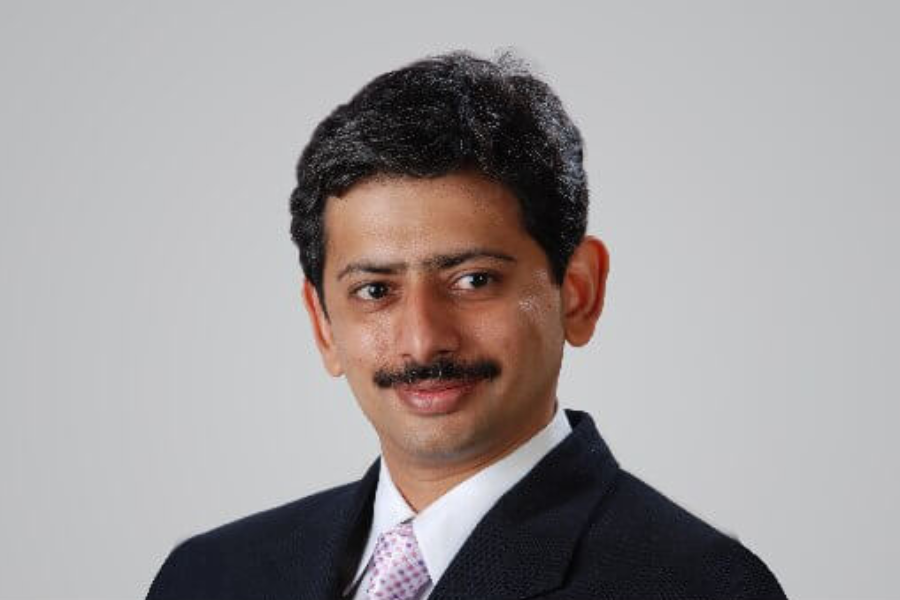
In the latest instalment of our “Green Guardians” series, IBT welcomes Sachin Rele, a luminary in the solar energy sector, with a profound journey spanning over three decades. As the Managing Director and CEO of Autonic Energy Systems, Mr. Rele shares insights into his initiation into solar energy in 1994. Reflecting on the industry’s transformation since then, he highlights the astronomical cost fluctuations of solar modules and the paradigm shift from off-grid to rooftop installations and the vast scope when it comes to floating solar platforms. He opines that the solar sector presents an opportunity exceeding US$ 100 billion. While he appreciates the government’s efforts for the solar sector, Mr Rele also emphasises the challenges due to differing energy policies at the state level, which need to be resolved. Image Source: Pexels IBT: What inspired you to establish Autonic Energy Systems and how has the company advanced to industry changes since its inception? Sachin Rele: Establishing Autonic in 1994, my initial concentration was on energy solutions, primarily in batteries and storage. Shifting towards alternative energy in 2005, I encountered the high cost of solar modules, purchased initially at Rs375 per watt peak. The subsequent years brought about a notable industry transformation, witnessing a nearly 90% reduction in current module costs. My fascination with solar energy originated from viewing sunlight as akin to spilt petrol on the road, sparking my quest to harness power from this abundant resource. Early projects included off-grid solar solutions, notably for ATMs in 2012, marking Induslnd Bank as a pioneer in solar ATM solutions. A 2009 project featured a unique trigger and timer-based system with remote monitoring capabilities. Further endeavours involved innovative solar applications for cold chains, prioritizing genuine environmental impact over cost considerations. Since then, my predominant focus has been on solar rooftop installations. IBT: Solar rooftops, ground-mounted power plants and floating solar are your key specializations. What unique challenges and innovations have you encountered while implementing these different solar solutions? Sachin Rele: Addressing your three-in-one query, rooftop solar requires a holistic approach, considering the entire building ecosystem. Solar, being a multidisciplinary subject, demands a broad knowledge base. Proficiency in electrical engineering, mechanical engineering, electronic and telecommunication, metallurgy, and civil engineering, to a certain extent, is essential. It’s more about need-to-know fundamentals than exhaustive details, comparable to understanding how to build a stable structure capable of withstanding 150 km/hour wind speed without needing to know the intricacies of dam construction. In the realm of electricals, extracting power from the system is just one facet; the critical aspect lies in implementing the technology effectively. Drawing a parallel, having the world’s best harmonium or piano doesn’t make one an expert player. Similarly, purchasing top-notch materials for solar without the ability to design and engineer the system renders it useless. In today’s solar landscape, products and solutions are often commoditized, emphasizing commercial aspects like cost, akin to the ”mileage kitna deti hai” ad. Returning to the core question, rooftop solar presents unique challenges. Design engineering plays a pivotal role, exemplified by our two-megawatt project in Germany for a German EPC. Our strength lies in comprehensive design and engineering, exemplified by a nine-and-a-half-year-old solar project at Mercedes Benz with zero downtime. Engineering and design emphasis has been pivotal in the success of over 250 installations, ensuring trouble-free and efficient operations. Emphasizing engineering and design is imperative for the longevity of solar projects. IBT: Could you discuss any cutting-edge technologies or innovations that Autonic has adopted or is exploring to enhance the efficiency and performance of solar installations? Sachin Rele: Currently, there are three major initiatives underway. Firstly, we’ve entered into a strategic collaboration with a Spanish company to introduce floating solar technology in India. We are actively seeking investments for this transformative project, with plans to initiate float manufacturing in India, which holds the potential to be a game-changer in the industry. While securing initial investors can be challenging, we are patiently waiting for the right opportunity to propel this venture forward. The second facet of our approach centers around a strong emphasis on design. We proactively identify potential failure points in components, opting to re-engineer and over-engineer them for enhanced resilience. Lastly, we have developed our proprietary dashboard to monitor system performance and generation metrics. Acknowledging that perfection is elusive, our commitment lies in a continuous evolutionary process. The guiding principle is encapsulated in the word ‘better’—a pursuit to continually improve and refine our systems, acknowledging that perfection is an ongoing journey rather than a destination. IBT: India has an abundance of sunlight, and it experiences varying levels of sunlight throughout the year. How does Autonic address the challenges of optimizing solar power generation in different regions of our country? Sachin Rele: This is a crucial question, and I appreciate your attention to it. Let me recount an experience from our projects in Germany to illustrate its significance. In Germany, the mandate was clear: every square inch of the roof should harness solar energy, irrespective of its orientation—east, west, north, or any direction. The emphasis was on maximizing energy generation and avoiding any missed opportunities. Contrasting this with India, where our geographical location provides abundant sunlight from the equator to the Tropic of Cancer, we adopted a similar approach. We convinced our clients that even with a certain percentage of performance drop due to shadows on the system, the overall benefits outweigh the losses. To illustrate the point, consider an example from the early 2000s when Prince Charles installed solar water heating at Buckingham Palace. During a press conference, concerns were raised about the four to five months of winter with little sun. Prince Charles astutely responded that he has eight months of sunlight, questioning the focus on the challenging months. The essence lies in not just greenwashing but in harnessing every available inch of sunlight, treating it as a valuable resource, much like the petrol that is wasted when sunlight falls on the street, waiting to be harnessed. IBT: Floating solar platforms are gaining quite a popularity due

Retail sector in India’s major cities set for explosive growth
The Indian retail market is on the brink of a significant upswing, with 41 million square feet of retail space slated to open across seven major cities from 2024 to 2028, according to a study by JLL India. Delhi-NCR leads with 34% of the total supply, followed by Chennai at 20%. Recent trends show a surge in leasing activity, especially in fashion and apparel, reflecting growing consumer confidence. Technological advancements and experiential retail are reshaping the landscape, offering personalized experiences and hassle-free services, promising an exciting chapter in India’s retail journey. Image Credit: Shutterstock The physical retail market in India is gearing up for a substantial boost, with nearly 41 million square feet of retail developments set to become operational between 2024 and 2028 across the nation’s seven major cities. These developments represent projects currently in various stages of construction or active planning, according to a recent study by JLL India. Leading the pack in terms of projected retail space is Delhi-NCR, expected to claim 34% of the total supply, followed closely by Chennai with 20%. Bengaluru and Hyderabad are anticipated to each account for 15% of the supply, showcasing the widespread expansion of the retail landscape. In a snapshot of recent trends, the year 2023 witnessed a remarkable 8.7 million square feet of gross leasing activity across malls and prominent high streets in the top seven cities. Bengaluru emerged as the frontrunner in gross leasing, capturing 33% of the share, followed by Delhi NCR at 18%, and Mumbai at 17%. This surge in leasing activity reflects growing consumer confidence translating into tangible expansion efforts by retailers keen to bolster their store networks and drive sales. Unsurprisingly, fashion and apparel dominated the leasing landscape, commanding a hefty 40% share of the total volume. The super value and value fashion segments, in particular, attracted significant attention from major retailers, with many launching new formats and expanding within this segment. Other notable contributors to leasing volume included food and beverage (16%), entertainment (13%), home and furnishing (6%), and daily needs and grocery (5%). Furthermore, the year 2023 saw a notable influx of international brands into the Indian market, with a total of 14 new entrants – a substantial increase from the figures recorded in 2022 and 2021. Of these, a majority (8 brands) chose to inaugurate their maiden stores in Mumbai, with the food and beverage segment emerging as the top choice for new entrants in Delhi NCR. With such robust growth projections and evolving consumer preferences, India’s retail sector is poised for dynamic expansion and innovation in the coming years, marking an exciting chapter in the country’s retail journey. What feeds the Indian retail dynamics? The retail market observed a decline in foot traffic of up to 51% during the peak COVID-19 lockdown, however, early 2023 data showed a month-on-month increase as compared to 2022. As we step into 2024, the retail market is set to boost even more, as technology and experiential retail have taken over traditional and simple displays and several established retailers offer services like: Customers can purchase personalized products through touchscreens and virtual reality experiences. The popularity of workshops, chef demonstrations, art exhibits and product launches have proved to attract shoppers and create a sense of community and excitement. Many retailers offer spaces for socializing, and co-working that foster brand loyalty. The use of strategic lighting, music and aromas impact mood and create a comfortable atmosphere for the customers. Several retail shops offer Smart mirrors to recommend clothing based on individual styles, technologies like Augmented reality (AR) that enable customers to virtually try makeup, accessories etc. reducing purchase hesitations. Many large stores offer points on each purchase, leading up to significant discounts later on that encourage them to keep visiting these stores. Contactless and hassle-free payment options like Google Pay, UPI etc. have also added to the convenience of the shoppers. The Indian retail market is primed for significant growth, with extensive developments underway across major cities. Delhi-NCR, Chennai, Bengaluru, and Hyderabad are poised to witness substantial expansion, reflecting the dynamic nature of consumer preferences. The surge in leasing activity, particularly in fashion and apparel, underscores the evolving retail landscape. Furthermore, the influx of international brands signals the market’s attractiveness on a global scale. With technological advancements and experiential offerings driving consumer engagement, India’s retail sector is on the brink of innovation, promising an exciting journey ahead fueled by evolving dynamics and consumer-centric strategies.

FFS, demonstrating overall favorable impacts
Fund of Funds for Start-ups (FFS) launched by the government in 2016, facilitates the funding needs for start-ups. Although this SIDBI-managed fund is primarily focused on early-stage funding for young enterprises, as many as eighteen FFS’s start-up firms have already achieved unicorn status. The CRISIL report highlights the encouraging overall results from this initiative of the government. Image Source: Shutterstock Funds of Fund for Start-Ups (FFS) is one of the flagship programs of the Department for Promotion of Industry and Internal Trade (DPIIT). It is part of the Startup India Action Plan, which was introduced by Prime Minister Narendra Modi in 2016. The FFS was launched with a focused objective of supporting the development and growth of ‘innovation-driven’ enterprises. It facilitates funding needs for startups through participation in the capital of SEBI-registered Alternative Investment Funds (AIF). It has an approved outlay of Rs 10,000 crore for contribution to various AIFs registered with SEBI. AIFs supported under FFS shall invest at least twice the contribution out of FFS, in Startups as defined by the Government of India under the Startup India, Standup India scheme. The scheme does not provide direct investments in startups. The capital is provided to SEBI-registered AIFs, known as daughter funds, who in turn invest money in growing Indian startups through equity and equity-linked instruments. The impact assessment report for the Fund of Funds for Startups (FFS) has recently been made public by the Small Industries Development Bank of India (SIDBI). CRISIL, the leading analytics firm in India carried out the scheme’s third-party assessment. The report called Prabhaav unveils the positive outcomes of this initiative of the Government of India in areas that include higher capital flow, innovative solutions, diversity and inclusivity in startup coverage, development of the startup funding ecosystem in India’s hinterlands, wealth creation and improvement of governance. Key highlights of the report According to the CRISIL assessment report ‘Prabhaav’, with Rs 17,534 crore invested in 938 firms, the Fund of Funds for Startups (FFS) has enabled investments of around four times the amount taken. As of November 30, 2023, as many as 129 AIFs (alternative investment funds) have been sanctioned out of FFS across segments. Even though the SIDBI-managed fund is primarily focused on early-stage funding for young enterprises, as many as eighteen FFS’s start-up firms have already achieved unicorn status. The scheme has also directed investments in startups in the rapidly emerging sectors including deep tech, agri and agri solutions, sustainability, health tech, and financial services. The report states that an investment of about Rs 1,590 crore has been allocated to 129 companies situated in cities, not in Tier 1 locations. Rising support for women-led enterprises and women-led fund managers was another positive development, as noted in the report. As part of the assessment, CRISIL also conducted a survey. As per the survey, 89% of the participants confirmed that support provided by the FFS was crucial in securing funding for their projects. The scheme has revolutionized the venture capital sector as well and has become a hallmark of approval for fund managers. The assessment points out that of the AIFs supported, 35% are managed by first-time fund managers, which will strengthen and expand the AIF/VC funding ecosystem. Based on the data available on the program’s website, under the Startup India programme the Department for Promotion of Industry and Internal Trade (DPIIT) has recognized more than 1.20 lakh startups as of February 9, 2024. Under the Startup India initiative, the startups registered with the Commerce Ministry’s DPIIT, are entitled to an array of tax benefits, easier compliance*, IPR fast-tracking, and other benefits. (*Startups can self-certify compliance with six labour laws and three environmental laws). About 2,978 startups, under the initiative, have received tax exemptions so far. The report was presented to Dr. Vivek Joshi, Secretary, Department of Financial Services, Ministry of Finance, GoI; Rajesh Kumar Singh, IAS, Secretary, DPIIT; and Sanjiv, IRS, Joint Secretary, DPIIT, Ministry of Commerce & Industry by S. Raman, Chairman and Managing Director SIDBI, and S. P. Singh, CGM Venture Finance. The initiatives and progress demonstrated by SIDBI in managing the scheme and the outcomes achieved thus far have been appreciated by the Secretary, DFS and Secretary, DPIIT. (In addition to FFS, the SIDBI also oversees state-focused Funds of Funds for Uttar Pradesh and Odisha as well as the ASPIRE Fund of Funds of the Ministry of MSME, which focuses on Agro and Rural Enterprises). About SIDBI: The Small Industries Development Bank of India, established in 1990, is the Principal Financial Institution for executing the ‘triple agenda’ of promotion, financing and development of the MSME sector and coordination of the functions of the various Institutions engaged in similar activities. It has been playing a significant role in developing the financial services for the MSME sector through various interventions including Refinance to Banks, Credit Guarantee programs, Development of the MFI sector, Contribution to Venture capital/AIF funds, MSME ratings, promoting digital lending ecosystem, etc.

Green hydrogen pilot guidelines in transport revealed
Green hydrogen is known to have immense potential to reduce carbon emissions and decarbonize several industrial sectors. Transportation is one such sector where Green Hydrogen can replace fossil fuels. Under the Green Hydrogen Mission, the Ministry of New & Renewable Energy (MNRE) has proposed to implement pilot projects for replacing fossil fuels and fossil fuel-based feedstock with Green hydrogen and its derivatives. The central government, in this respect, has recently issued scheme guidelines to support such pilot projects. Image Source: Shutterstock India has set a target to attain energy independence by 2047 and a net zero by 2070. It is believed that green hydrogen will play a major role in accomplishing these goals. Green Hydrogen is produced by the process of electrolysis, where water is split into hydrogen and oxygen using electricity generated from renewable sources like solar, wind, or hydropower. This process results in a clean and emission-free fuel that has immense potential to replace fossil fuels and reduce carbon emissions. It may also be produced from biomass. The process involves the gasification of biomass to produce hydrogen. Since both of these production techniques are sustainable and clean, Green Hydrogen presents an attractive option for transition to a low-carbon future. The green hydrogen may therefore be utilized to reduce carbon emissions and decarbonize several industrial sectors including transportation, shipping, and steel. To assess the potential for the use of Green Hydrogen in the transportation sector, the National Green Hydrogen Mission supports the setting up of pilot projects in the transportation sector. The Ministry of New & Renewable Energy (MNRE) has proposed to implement such pilot projects, intending to replace fossil fuels and fossil fuel-based feedstock with Green hydrogen. In light of this, the central government has recently come out with guidelines for undertaking pilot projects for using green hydrogen in the transport sector. Here we briefly discuss the scheme guidelines. Scheme Guidelines for Pilot Projects on the Use of Green Hydrogen in the Transport Sector Under the National Green Hydrogen Mission, the Ministry of New and Renewable Energy (MNRE) has released the “Scheme Guidelines for Implementation of Pilot Projects for Use of Green Hydrogen in the Transport Sector.” The scheme’s aims: To support the deployment of Green Hydrogen as fuel in buses and trucks, in a phased manner on a pilot basis. To validate the technical feasibility and performance of Green Hydrogen vehicles under real-world operational conditions To evaluate the economic viability of hydrogen-based vehicles To assess the effectiveness of hydrogen refuelling station To evaluate the performance of hydrogen-based vehicles and identify the areas for improvement To demonstrate safe and secure operations of hydrogen-based vehicles and hydrogen refuelling stations. The Scheme will be implemented with a total budgetary outlay of Rs. 496 Crores till the financial year 2025-26. (MoRTH may decide the allocation of the budget among various types of pilot projects, envisaged to be implemented under the scheme.) The operational issues and discrepancies in in terms of current technology readiness, regulations, implementation methodologies, infrastructure and supply chains, are to be identified with the aid of these pilot projects. These are expected to yield important inputs for the commercialization and expansion of green hydrogen in the transport sector in the future. Key features of the Scheme include- The Scheme aims to leverage existing resources and infrastructure available with MoRTH and its agencies for transport, storage and use of Green hydrogen and its derivatives in the transport sector. Ministry of Road, Transport and Highways (MoRTH) shall finalise a Scheme Implementing Agency (SIA). MoRTH nominated SIA along with the executing agency will identify the routes covering different terrains and climatic conditions across India and MoRTH shall finalize the same. The SIA will issue a Call for Proposals and select an Executing Agency (EA) through a transparent process. Projects that intend to develop Pilot Scale/ Demonstration systems for replication of technology will be supported. MNRE will issue administrative sanctions for the projects under the Scheme based on recommendations of the Project Appraisal Committee. The Scheme Implementing Agency (SIA) will share knowledge and outcomes of the pilot projects through the Project Completion Report, monitoring reports, workshops, and publications to disseminate findings, best practices, and lessons learnt from the pilot. The scheme will provide financial assistance to ‘close the viability gap’ arising due to the relatively higher capital cost of hydrogen-powered vehicles and the infrastructure for hydrogen refuelling stations, in the initial years. Expenses on account of hydrogen production, land, etc. will not be funded under this scheme. Financial support for projects will be evaluated and granted taking into consideration the specific needs, merits, and feasibility of each project. In its ambit, the scheme covers- Development/selection/validation of technologies for the use of Green Hydrogen as fuel in the following categories of vehicles- Bus with Fuel-Cell-based propulsion technology Bus with Internal Combustion Engine based propulsion technology Truck with Fuel-cell-based propulsion technology Truck with Internal Combustion Engine based propulsion technology Four-wheeler vehicles with Fuel Cell/internal Combustion engine based propulsion technology Development/selection/validation of technologies for supporting infrastructure like Hydrogen refuelling stations will be carried out. According to the scheme, MoRTH nominated SIA along with the executing agency to identify the routes covering different terrains and climatic conditions across India and MoRTH shall finalize the same. SIA will issue a Call for Proposals for the projects. The proposals have to be submitted straight to SIA. Each submitted project should contain the name of the Executing Agency (EA). In the case of a consortium, a lead agency should be identified, which shall function as Executing Agency. As per the scheme, CPSUs, State-PSUs, Private sector, State corporations, and JVs/Partnerships of such entities, would be among the eligible entities to submit proposals. It is further mentioned that, Necessary capabilities need to exist with the EAS for taking forward the completed pilot projects towards commercialization. Proposals submitted by EAS should include details covering vehicle type, vehicle technology, planning of mileage coverage, etc. in the prescribed format. A Project Appraisal Committee will review the proposals based on the criteria outlined in the

Thriving health revolution in APAC’s food market
A growing health consciousness is emerging in the Asia-Pacific (APAC) region, people are becoming more health conscious, with 62% of consumers prioritizing health in food purchases, according to Global Data’s 2023 Q4 survey. Despite economic challenges, the APAC food market with health attributes has thrived, growing at a CAGR of 7-9% from 2017 to 2022. Manufacturers are innovating to overcome cost barriers, reflecting a promising future for functional foods as consumers increasingly prioritize well-being. Image Credit: Pixabay The APAC region is witnessing a health revolution, marked by a surge in demand for natural, organic, and functional food products. Global Data’s 2023 Q4 survey reveals a significant shift, with 62% of APAC consumers prioritizing health in food purchases. Despite economic challenges and inflation concerns, the APAC food market with health attributes has thrived, growing at a CAGR of 7-9% from 2017 to 2022. Manufacturers are innovating to overcome cost barriers, and the future of functional foods in the APAC region looks promising as consumers prioritize well-being. Rising demand for wellness foods in APAC The shifting consumer preferences towards healthy food products in APAC has awakened the awareness of lifestyle-related diseases and the importance of preventive healthcare grows. Even as COVID-19 concerns wane, the demand for foods perceived to contribute to overall well-being is on the rise. A significant 62% of APAC consumers make food purchases based on how well the product/service impacts their health and well-being. This reflects a substantial paradigm shift in the mindset of consumers who are increasingly making informed choices to support a healthier lifestyle. The health trend is not only influencing general food choices but is also spurring demand for specific categories such as probiotic and nut-based snacks. As a result, the APAC food market with health and wellness attributes has seen impressive growth, expanding at a value compound annual growth rate (CAGR) of approximately 7–9% between 2017 and 2022. Challenges and opportunities in the market While consumers are eager to embrace healthier options, premium prices have been identified as a key barrier to the wider penetration of health and wellness foods in the cost-conscious retail market. The economic challenges brought about by inflation and geopolitical conflicts, such as the prolonged Russia–Ukraine crisis, have intensified pressure on food manufacturers to pass on high input costs to consumers. 49% of APAC consumers express concerns about the impact of inflation on their household budgets. In response, some consumers are turning to cheaper brands or stores to navigate the cost-of-living crisis. Limited awareness of health-focused products is also identified as a factor hindering the segment’s growth. Manufacturers in the region are now faced with the challenge of striking a delicate balance between offering affordable products and delivering the promised health benefits. In this environment, it becomes crucial for companies to create awareness about their functional food products through effective marketing initiatives. Innovations in functional foods & ways to wellness To meet the evolving demands of consumers, manufacturers are exploring alternative ingredients and production techniques to develop healthier alternatives. An Indian company ProV Foods has introduced a range of pre-soaked nuts, including almond, pecan, and walnut, under the ProV Lite Activated Nuts brand. As macroeconomic conditions improve, consumers can be encouraged to trade up to premium food products more frequently. Functional and fortified food products have long been considered niche in the APAC region due to their higher-than-average prices compared to regular variants. However, to expand their consumer base, manufacturers must proactively highlight the myriad benefits associated with product consumption. Leading companies are also incorporating alternative ingredients and production techniques to develop healthier alternatives with personalized claims, such as ‘promotes gut health and blood circulation’ and energy-boosting. To sum up As the APAC region navigates the intersection of health consciousness, economic challenges, and consumer preferences, the functional food market is poised for substantial growth. The journey towards a healthier tomorrow involves not only addressing cost concerns but also emphasizing the long-term health benefits associated with these innovative and purpose-driven food choices. As consumers continue to prioritize their well-being, the future of functional foods in the Asia-Pacific region looks promising.

Millets: A sustainable superfood revolution?
The global millets market is experiencing significant growth, valued at US$ 14.22 billion in 2023 and projected to reach US$ 23.83 billion by 2033, with India playing a pivotal role. The Indian millets market, valued at US$ 5.05 billion in 2022, reflects the country’s dominance, producing over 40% of the world’s millets. Recognising the nutritional richness of millets, the United Nations declared 2023 the International Year of Millets. India, among the top 5 global exporters, aims to tap into a US$ 2 billion export opportunity by promoting millets and millet-based products. As millets continue to evolve beyond traditional boundaries, the creative integration of these grains into various domains showcases their potential as not just a dietary staple but a source of innovation and sustainable solutions. Image source: Shutterstock The global millets market is valued at US$ 14.22 billion in 2023. It is projected to reach US$ 23.83 billion by 2033, growing at a CAGR of 5.3% during the forecast period, according to the FactMR report. The Indian millets market was valued at US$ 5.05 billion in 2022, according to the research report ‘Indian Millets Market Overview’ published by Bonafide Research. In March 2021, UNGA (United Nations General Assembly) recognised 2023 as the International Year of Millets, with 72 countries supporting India’s request. Millets were among the first crops cultivated for food, as documented in 3000 BC during the Indus Valley civilization. Indian millets are a group of nutritiously rich, drought-tolerant crops, mostly grown in the arid and semi-arid regions of India. They are small-seeded grasses belonging to the botanical family Poaceae. They constitute an important source of food and fodder for millions of resource-poor farmers and play a vital role in the ecological and economic security of India. These millets are also known as “coarse cereals” or “cereals of the poor.” Indian millets are nutritionally superior to wheat and rice, as they are rich in protein, vitamins, and minerals. They are also gluten-free and have a low glycemic index, making them ideal for people with celiac disease or diabetes. India’s Millets Production Scenario India is the world’s millet capital, accounting for more than 40% of global production and nearly 80% of millet production in Asia. There are three major millet varieties: Ragi (Finger Millet), Jowar (Sorghum), and Bajra (Pearl Millet). In addition to these three major millets, there are a number of minor millets, including Kutki (Little Millet), Kangni (Foxtail Millet), Barri (Proso Millet), Jhangora (Barnyard Millet), and Koden (Kodo Millet). India produced an average of 16.39 million tonnes of millets between 2017-18 and 2021-22, comprising 9.75 million tonnes of pearl millet, 4.54 million tonnes of sorghum, 1.74 million tonnes of finger millet, and 0.37 million tonnes of minor millets. The nation has averaged 13.28 million hectares of millet cultivation, of which 55% is under pearl millet, 33% is under sorghum, 8% is under finger millet, and 4% is under minor millet. Millets are grown in approximately 21 states throughout the country. Rajasthan became the largest producer of millets in the country in 2021-22, followed by Maharashtra, Uttar Pradesh, Madhya Pradesh, Gujarat, Haryana, Jharkhand, Karnataka, Tamil Nadu, and Andhra Pradesh, which collectively have a more than 95% production share. Millets Segmentation By Nature Conventional Organic By Product Pearl Millet Foxtail Milet Sorghum Finger Millet Other (Kodo Millet, Proso Millet & Barnyard Millet) By Application Ready to Eat & Ready to Cook Food Bakery (Cake, Muffins & Cookies) Beverages Breakfast (Flakes) Direct Consumption By Distribution Channel Traditional Grocery Stores Trade Associations & Organisations Supermarkets Online Retail Stores Other (Speciality Stores) Source: APEDA, Bonafide Millets Exports Scenario India is looking forward to tapping a US$ 2 billion export opportunity by promoting millets, according to a FICCI-PwC knowledge paper. Ragi, Jowar, Bajra and millet-based products are healthy and environment-friendly alternatives to water-guzzling wheat and rice. Millets have been grown and consumed in the country for ages, but they have faded into oblivion with the success of wheat and rice in recent decades. Source: DGCIS India exported millets worth US$ 75.45 million in the year 2022–23, against US$ 62.95 million in 2021-22. The share of millet-based value-added products in exports is negligible (DGCIS). According to brand architect and export strategist Prathiba Guru’s article on ‘Exporting Millets from India: Opportunities & Challenges’, India can primarily consider exporting to: Africa: Africa, especially the Sahel region (Burkina Faso, Niger, Mali, Chad, Senegal, and others), is one of the world’s largest millet eaters. Thus, Indian exporters can look for exporting to the African region. Russia: Exporters can also export to Russia. It has a large market for millet, which is used primarily for food, feed, and malted products. European Union: The EU is an important market for Indian millet exports as there is growing demand for millet-based products among health-conscious consumers. Southeast Asia: With a growing population that prefers healthier food options, countries like Vietnam, the Philippines, and Indonesia are becoming major markets for India’s export of millets. Challenges in Exporting Millets One of the most pressing challenges that millet entrepreneurs face is the short shelf life of millet products. Millets are prone to spoilage, rancidity, and bitterness because of their natural oils and fats. This is a significant disadvantage because it reduces the product’s shelf life and complicates storage and distribution. Despite growing awareness, a sizable portion of the population remains unaware of millets, creating a barrier to market penetration. Furthermore, the perception that millets are difficult to prepare discourages consumer adoption. Sensory attributes can also be a challenge, as some people find the taste and texture of millet-based products unfamiliar, when compared to traditional staples like rice and wheat. Varun Sethi, owner of Sethi International (exporter of millet flour), said, “There is opportunity for millet flour but not for its value-added products. This is something new, and it will take time for consumers to shift their eating habits, except for those who are already aware. For this to penetrate the global market, we need to make proper strategies, know where the demand is coming

Impact of import duty reductions on India’s smartphone industry
The reduction in import duties on mobile phone components by the Finance Ministry of India represents a significant policy shift, potentially impacting both domestic and international stakeholders. While the measure is anticipated to benefit major manufacturers such as Apple and Samsung, it has prompted debates within the industry regarding the long-term effects on domestic manufacturing capabilities and overall industry growth. As India’s smartphone market continues to expand, policymakers face the challenge of navigating these intricate dynamics to foster sustainable and inclusive growth within the sector. Image Source: Shutterstock The Finance Ministry of India made a significant announcement on January 30th, revealing a reduction in import duties on specific mobile phone components. These components, including battery covers, front covers, antennas, SIM sockets, screws, conductive cloth, and LCD conductive foam, will now face a reduced tariff, dropping from 15% to 10%. This decision is expected to have far-reaching implications, particularly benefiting major manufacturers such as Apple and Samsung. The move comes amidst a backdrop of differing opinions within the industry. The Global Trade Research Initiative (GTRI) in a report recently advised against cutting import duties on electronic components used in smartphone manufacturing, arguing that the existing tariff structure has proven successful. “To promote manufacturing, the government announced a differential tax policy. Import of components to manufacture phones attracted only one % countervailing duty. But importing for sale attracted a 12.5% duty. The arbitrage disappeared with the introduction of GST in July 2017. All such firms disappeared simultaneously,” the report said. However, industry body India Cellular and Electronics Association (ICEA) countered this stance, advocating for import duty cuts on mobile phone components. They suggested that such cuts could potentially increase domestic handset production by a substantial 28%, reaching a market value of US$ 82 billion, while also bolstering exports and supporting indigenous manufacturing efforts. PTI quoted Ajay Srivastava, co-founder of GTRI, highlighting existing schemes that offer incentives for manufacturers, such as Advance Authorisation and Export Promotion Capital Goods, as well as the benefits of operating within Special Economic Zones (SEZs) or 100% Export Oriented Units. These schemes allow for duty-free imports of necessary inputs or capital goods for manufacturing and exporting electronic items. Despite differing perspectives, recent data indicates a robust performance by India’s smartphone industry. Exports surged from US$ 7.2 billion in 2022 to US$ 13.9 billion in 2023, becoming the top performer for the PLI scheme by a wide margin and over 98% of smartphones sold within India being domestically manufactured. Ajay Srivastava emphasized the advantages for major players like Apple, which leverage SEZ facilities to export significant volumes without facing import duties on components. This statement highlights the success of strategic policy interventions, including the Production Linked Incentive (PLI) scheme, which offers 4-6% cash incentives on annual incremental production. Additionally, it underscores the importance of maintaining a disparity in tariffs between smartphones and their components. However, concerns linger regarding the nation’s increasing reliance on imported electronic components. The rising import bill, climbing from US$ 24.4 billion to US$ 30.7 billion, a 25.5% growth, underscores the significant role of imported components in local manufacturing processes. The GTRI cautioned that reducing import duties on components could potentially discourage deep manufacturing operations within India. Instead, firms may opt for assembling phones from imported kits, rather than investing in local production capabilities. The report referenced a past tax arbitrage opportunity, wherein firms assembled smartphones from imported Semi Knocked-Down (SKD) kits. However, this opportunity diminished with the introduction of GST in July 2017, leading to the disappearance of such firms. Thus, the ongoing debate surrounding import duties on mobile phone components reflects broader discussions on balancing industry growth with long-term development in India’s rapidly evolving smartphone market. In conclusion, the reduction in import duties on mobile phone components by the Finance Ministry of India marks a significant policy shift with potential ramifications for both domestic and international stakeholders. While the move is expected to benefit major manufacturers like Apple and Samsung, it has sparked debates within the industry regarding the long-term implications for domestic manufacturing capabilities and industry growth. As India’s smartphone market continues to expand, policymakers must navigate these complex dynamics to ensure sustainable and inclusive growth in the sector.

Cement industry to witness notable expansion
India’s cement industry is about to witness a significant expansion, with projections indicating an addition of 150-160 million tonnes per annum (MTPA) capacity by FY28. This growth will be driven by a two-pronged approach, combining internal expansion (organic growth) and strategic acquisitions and mergers (inorganic growth). The market is anticipating a 4-6% demand growth in FY25, driven by infrastructure and housing, which may lead to a 1-3% price increase to INR 400-405 per 50 kg bag. Mergers and acquisitions have transferred 110-115 MTPA capacity, with large players now holding 48% share, up from 45%, and over 20 MTPA acquired in April-December 2023. Image Credit: Shutterstock India’s cement sector is poised for significant growth, targeting an additional 150-160 MTPA capacity by FY28 through a combination of organic and inorganic routes. Fueled by robust demand in infrastructure and housing, the industry has demonstrated financial resilience, allowing large players to expand and consolidate their market share. Despite challenges such as a marginal slip in prices and increased competition due to substantial capacity additions, the sector remains optimistic, supported by a forecasted 4-6% demand growth in FY25. The ongoing trend of mergers and acquisitions further highlights the industry’s dynamic landscape and strategic positioning for future expansion. Resilient cement industry & its expansion in FY25 This surge is underpinned by heightened demand across key sectors such as infrastructure and housing. As we approach FY25, an anticipated 4-6% demand growth is foreseen, despite rising raw material costs. This is expected to translate into a modest uptick of 1-3% in prices, reaching INR 400-405 per 50 kg bag. Over the past five fiscal years, the industry added a substantial 119 MTPA, reaching a cumulative capacity of 595 MTPA. Looking ahead, the next fiscal year is expected to witness the commissioning of 70-75 MTPA, primarily concentrated in the eastern and central regions. Notably, large players are set to contribute 50-55% to this planned capacity addition. The robust demand in the preceding fiscal years has fortified the balance sheets of large players and some mid-sized entities with a strong market presence. This financial strength has propelled them to expand capacity, leveraging healthy cash accruals and a solid credit profile. Projections for FY24 indicate a remarkable 10-12% growth in demand, fueled by governmental initiatives promoting affordable housing and pre-election spending on infrastructure. However, incremental supply and heightened competition are expected to curtail price growth to a modest 0-1%, maintaining prices at INR 390-395 per 50 kg bag level. Cement makers are projected to operate at 70-75% utilization levels. Navigating price challenges & cost shifts in 2023-24 Despite four years of consistent growth, cement prices witnessed a marginal slip of 1% during April-December 2023. With an unprecedented addition of 35-40 MTPA capacity in this fiscal year, market discipline faces a stern test, potentially limiting price growth to only 0-1%. The landscape of the industry has witnessed a surge in consolidation, with mergers and acquisitions transferring 110-115 MTPA capacity. Large players have acquired a significant share, increasing their capacity share to 48% from the previous 45%. The current fiscal year has seen an acceleration in this consolidation trend, with over 20 MTPA of capacity acquired between April and December 2023. Way ahead India’s cement industry is poised for a transformative phase, projecting a notable capacity increase by FY28 through a combination of organic expansion and strategic mergers and acquisitions. The sector’s resilience, evident in its ability to navigate challenges and capitalize on robust demand from infrastructure and housing, underscores its strategic importance. Despite facing price fluctuations and increased competition due to substantial capacity additions, the industry’s optimistic trajectory and ongoing consolidation trends suggest a resilient and forward-looking future. Looking ahead, the cement sector’s strategic positioning, driven by both internal growth and industry consolidation, positions it favourably for sustained expansion and competitive strength in the dynamic market landscape. The confluence of strong market demand and proactive industry strategies underscores the potential for continued growth and influence in the years to come.

India’s copper imports expected to finally decline
For over a very long period India was a net exporter of copper. Yet in FY19, it turned into a net importer. With new domestic capacity scheduled to begin operations, India’s copper imports are expected to decline. But at the same time, demand is expected to also grow at a brisk pace with the ongoing transformation to renewable energy. India transitioned from being a net exporter in 2017–18 to a net importer in FY19, and has remained on the same trajectory ever since. In FY18, copper import was only 0.044 MT, while exports stood at 0.379 MT. During FY ’23 copper imports and exports were recorded as 0.18 MT and 0.03 MT, respectively. Due to increasing demand and a shortage in supply, copper imports have soared 184% YoY to 0.22 MT in H1, FY’24, as compared to H1FY23. Government data shows that India’s consumption of refined copper has scaled up drastically from 0.43 MT in FY18 to 0.7 MT in FY23. Conversely, the production plummeted from 0.77 MT in FY18 to 0.55 MT in FY23. The Government of India’s emphasis on infrastructure development and the gradual transition towards renewable energy could further push the domestic refined copper demand growth to about 11% in FY2024 and FY2025, exceeding the rate of global growth in demand for copper. As reported by rating agency ICRA, the infrastructure and construction industries use about 40% of copper. On the other hand, the automobile and consumer durables sectors consume about 11-13% of copper each. Growing capacities For over a very long period India was a net exporter of copper, but that changed in May 2018 when Sterlite’s 0.4 million tonnes per annum (MTPA) copper smelter at Thoothukudi in Tamil Nadu closed. The case of Sterlite’s TN unit is still before the Supreme Court. According to Miren Lodha, Director-Research at Crisil Market Intelligence and Analytics, “Before the closure of concentrate treatment facility in May 2019, India used to export 40-45% of domestic copper cathode. However, currently, copper cathode exports are 2% of domestic production.” He further stated that the government’s green initiatives, the electrification of rural areas, and the increasing use of electric vehicles all contributed to the 5% CAR increase in domestic demand through that period, which reached 1200 ktpa. Considering the emphasis on renewable energy capacity, Lodha noted that going forward the domestic demand is anticipated to grow at an accelerated rate of 8%. Current status of upcoming domestic copper capacity India may experience a decrease in copper imports in the coming years, following a period of consistent growth, as new domestic capacity is set to become operational. Adani Group’s greenfield copper facility near Mudra Port, with a capacity of 0.5 million tonnes per annum (MTPA), is expected to begin operations in the first half of 2024. Most of the construction work at the site has already been finished, and the company is in the advanced stages of long-term tie-ups with suppliers of copper concentrate, according to an October 2023-India Rating and Research note. The Adani group company Kutch Copper Ltd. (KCL) has been granted the environmental clearance and consent needed to set up the facility and further regulatory approvals will be secured eventually. Similar capacity will be added by KCL in the second phase. For its superior electrical conductivity, copper is their preferred metal for a wide range of de-carbonization technologies with the collective potential to reduce worldwide greenhouse gas (GHG) emissions by two-third. Copper to play pivotal role in energy transition India is progressing rapidly towards achieving its target of having a 30% market share in electric vehicles, by 2030. In order to meet at least half of its energy needs from renewable sources, the country also plans to develop a 500 GW non-fossil fuel energy capacity by 2030. The proposed transition will be focused on minerals, especially copper. In view of this development, the demand for copper metal is expected to climb up further. According to Goldman Sachs, the copper content of a standard electric vehicle (EV) is approximately four times more than that of an internal combustion engine (ICE). According to estimates from the International Copper Alliance, on average, renewable power generators use 8 to 12 times more copper than traditional generators. Notably, India’s long-term plan for low-carbon development focuses on seven crucial transitions: Building an integrated, effective, and equitable transportation system and creating low-carbon electrical systems are at the top of the list. The country’s carbon intensity is expected to increase as it advances toward being a developed nation by 2047, even while its per capita carbon emissions are barely one-third of the worldwide average.
F&B consumers are seeking more premium experiences
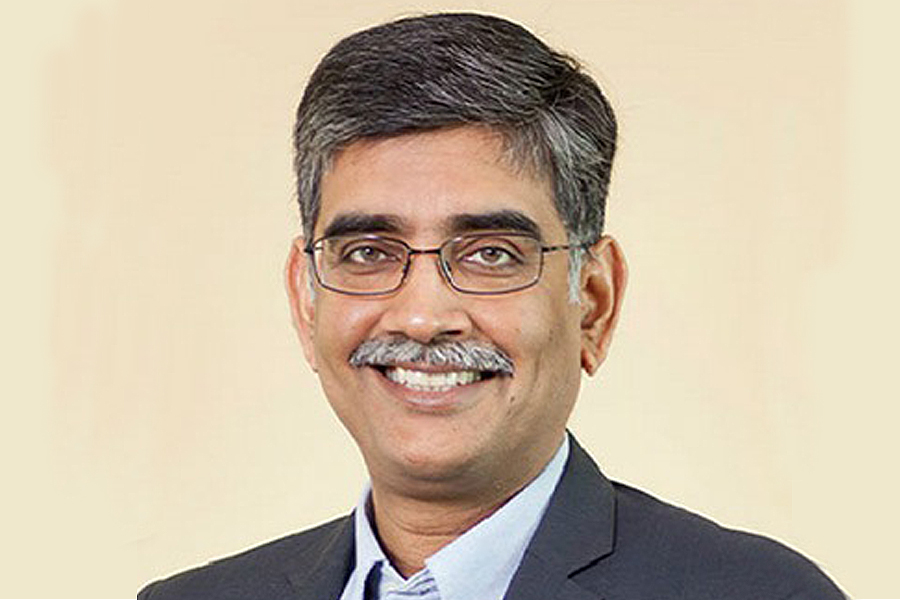
In an exclusive interview with India Business & Trade, Sunil D’Souza, CEO of Tata Consumer, unveils a robust strategy focusing on core business strength, digital innovation, synergy unlocking, new opportunities, and sustainability. D’Souza highlights the company’s accelerated innovation pace, reaching 3.8 million outlets in India, and expanding into diverse F&B platforms. The interview delves into Tata Consumer’s strategic approach to product development, emphasizing five key platforms. D’Souza also outlines the company’s sustainability initiatives and commitment to becoming a leading FMCG with a sharp ESG focus. India Business & Trade: Could you share Tata Consumers’ strategy for market expansion, both domestically and internationally, in the upcoming years? Sunil D’souza: Tata Consumer’s strategy rests on 5 pillars: – Strengthen and accelerate core business – Drive digital & innovation – Unlock synergies – Explore new opportunities – Create a future ready organization – Embed Sustainability. Our defined roadmap is based on our strategic goals and guides our planning and execution. Our total addressable market is now larger, our core businesses are enhanced, and we are future-ready, more than ever before. Our capabilities are scalable and can be applied to new categories or businesses that we may pursue. We are going beyond our core (which has been strengthened) and focusing on building new F&B platforms that will create a greater presence across categories. We have accelerated our pace of innovation, leading to improved financial performance and several margin accretive launches. In India, we have scaled up Sales & Distribution significantly across channels expanding our total reach to 3.8 million outlets. We are also strengthening our distribution in rural and semi-urban towns. We’ll continue to build growth momentum in alternate channels (modern trade and e-commerce) which are critical to our growth and innovation agenda. India Business & Trade: How does Tata Consumers approach innovation in product development to stay competitive in the dynamic F&B industry? Are there any exciting new products or categories on the horizon? Sunil D’Souza: We have taken a strategic approach to identifying key platforms we want to play in. After evaluating several factors, including market opportunity, category growth, profitability, our capabilities including distribution and R&D, and our overall competitive edge, we’ve narrowed the universe down to five key platforms: – Current core (tea, coffee, salt) – Pantry (pulses, spices, staples, RTCs, dry fruits) – Liquids (water, RTD) – Mini meals (breakfast cereals, RTEs, snacks) – Protein platform (plant-based meat, plant protein powder). This framework enables us to develop a targeted understanding of our consumers, enhance our internal capabilities, innovate within established parameters, expand our total addressable market, and tap into new consumption occasions. As a result, we have entered new categories, launched differentiated products, and added significant value to our portfolio extensions. Our recent innovations include – Tata Tea Gold Vita Care (vitamin enriched black tea), Tetley Digest (to support gut health) & Immuno Chai (to help support the immune system). We expanded our coffee portfolio with the launch of Tata Coffee Gold Cold Brew and Tata Coffee Café Specials. In salt, we offer value added salts such as Tata Salt Immuno (salt fortified with zinc), and Tata Salt Iron Health (salt with iodine plus iron). Our foods business offers a range of cold pressed oils as well as alternate meat under the ‘Simply Better’ brand. Tata Sampann launched a gulab jamun mix, a vermicelli range and extended its dry fruit range. Tata Soulfull launched Ragi Bites Choco Sticks – millet based wafer sticks with a chocolate filling. Our RTC and RTE offerings under the Tata Sampann Yumside brand leverage both premiumization and convenience. We launched Himalayan Saffron, Honey & Preserves which strengthen Himalayan’s positioning as a provenance brand. India Business & Trade: Sustainability is gaining importance in the F&B sector. Could you outline any sustainability initiatives Tata Consumer Products has undertaken and the company’s vision for a more environmentally friendly approach? Sunil D’Souza: Sustainability is emerging as a crucial factor in consumers’ buying decisions, and this trend is shaping businesses. Our ESG agenda has evolved to become sharper and more integrated, as we set out to achieve our ambition of becoming a leading FMCG Company. In FY 22-23, we released our ESG report, which lays out our Sustainability Strategy ‘For Better Living’ and encompasses four key areas: For Better Nutrition, For Better Sourcing, For a Better Planet and For Better Communities. It includes a set of commitments to achieving net-zero status, water neutrality, circular economy of plastics, diversity in the workforce, sustainable products, and sustainable sourcing among others. Following this, Tata Consumer Products recently announced sustainability milestones & metrics leading up to FY 2025-26 reaffirming our commitments. India Business & Trade: What major trends does Tata Consumers observe in the global F&B landscape, and how well-positioned is the company to leverage and capitalize on these trends? Sunil D’Souza: Health & wellness is a key trend that has been gathering momentum. Consumers are increasingly looking for wholesome, nutritious and wellness-oriented brands. At Tata Consumer, ‘For Better Nutrition’ is one of the key pillars of our Sustainability strategy and a significant number of our product innovations across categories are focused on this trend. Another key trend is the rise of Digital. Rising internet and smartphone penetration have led to consumers shopping online and also using the medium for brand discovery and comparing offerings across brands. At Tata Consumer, we are leveraging this by strengthening digital marketing for our brands as well as building our D2C play. It will also be important to provide a unified omni channel experience so that consumers get a consistent brand experience. While we are growing our D2C and e-commerce presence, we are in parallel strengthening our presence across other channels as well. Premiumization is a trend that has gathered pace. Consumers are seeking more premium experiences and being more open to experimenting with their product choices. We are premiumising our portfolio to make sure we cater to evolving consumer tastes and preferences. India Business & Trade: As a participant in Indus Food, what is your perspective on the show and the platform it provides your company? Sunil D’Souza: Indus Food has rapidly grown to be the